Airspace Violations: Spillover Concerns in Eastern Europe
Key Points
  • The last two weeks has seen a significant increase in Russian military activity near NATO borders, including several confirmed airspace violations involving both drones and aircraft.
  • This has been reported in Poland, Romania and Estonia. While these kinds of airspace incidents are not new, the recent spike in frequency and intensity is cause for concern.
  • NATO has responded in the region by scrambling jets, enhancing surveillance, and deploying additional defensive resources along its eastern borders.
  • These events may have increased risks for civil aviation, including collision hazards, potential for escalation, activation of air defence systems and GPS interference.
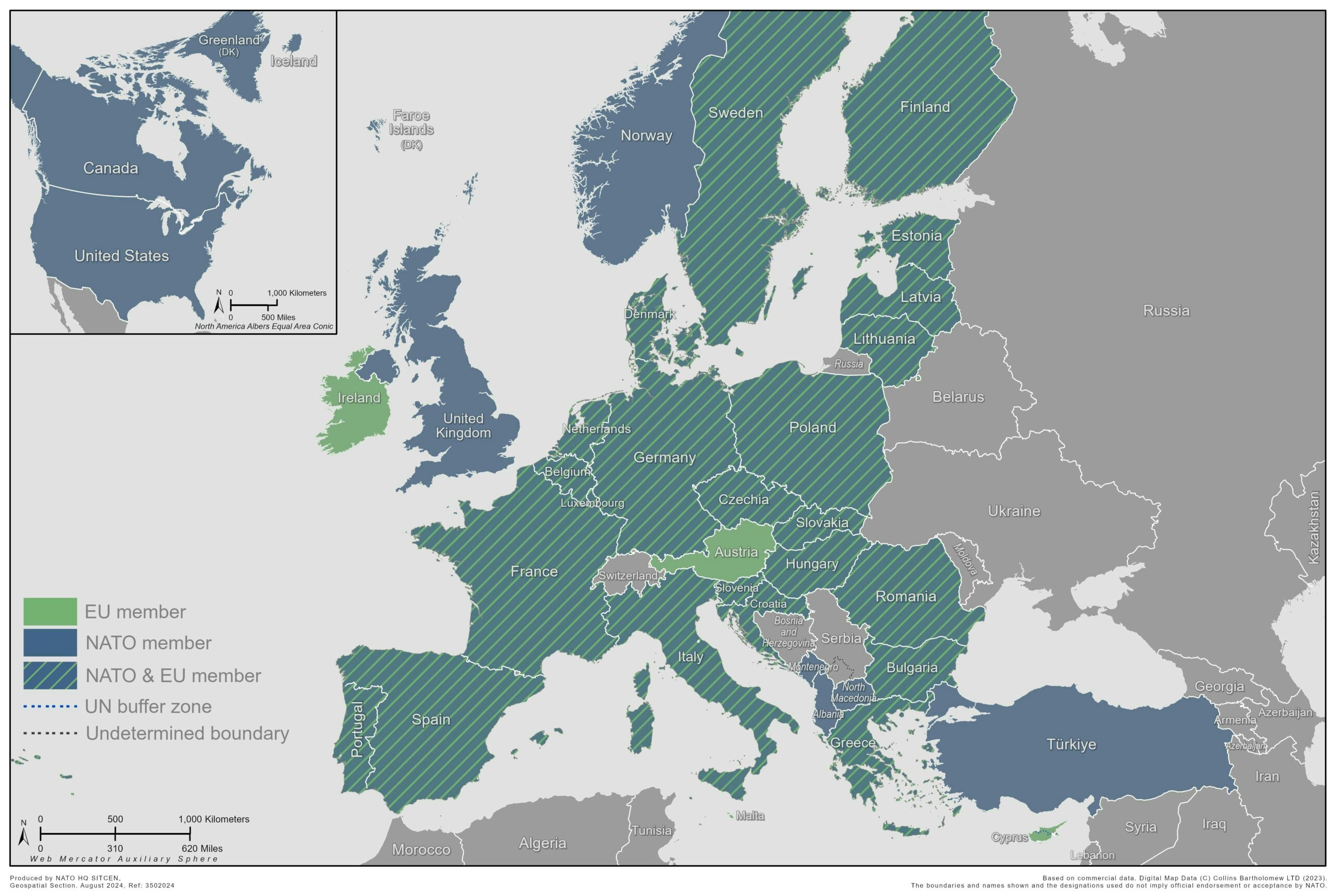
Airspace violations have been reported by NATO members close to the border with Russia, Ukraine and Belarus.

Major Incidents

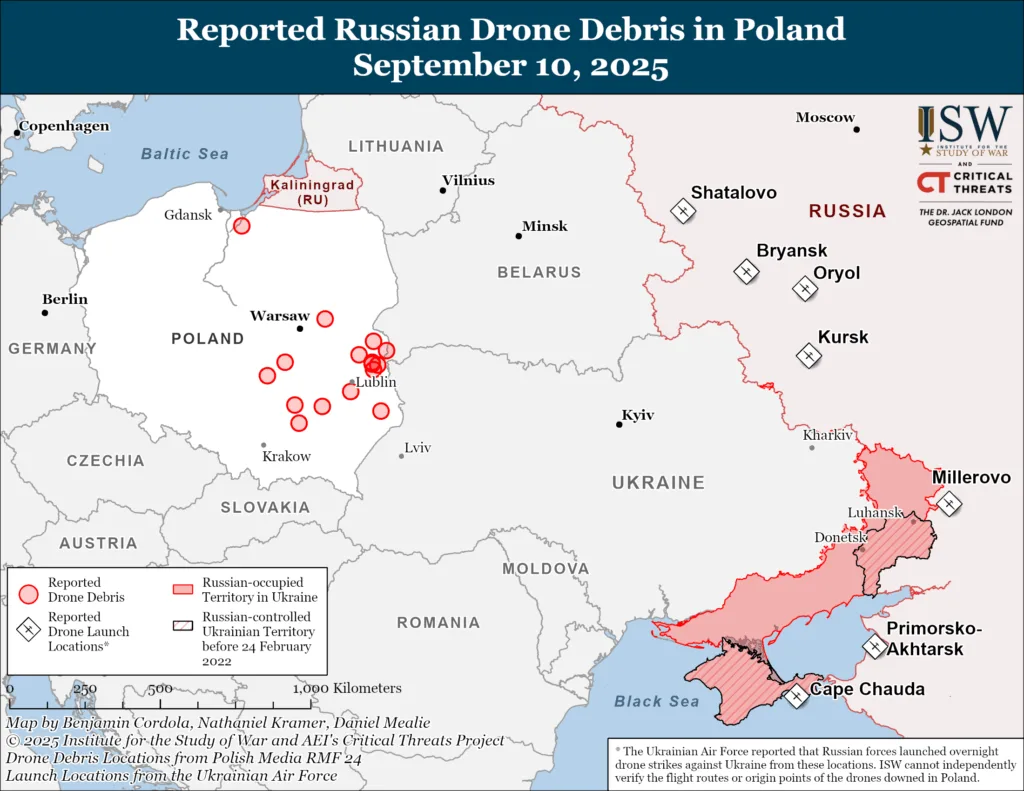
September 9-10: Poland (EPWW/Warsaw FIR)

During a Russian missile and drone attack on Ukraine, multiple Russian drones violated Polish airspace.

They were detected across eastern, central and northern Poland with some reportedly entering via Belarus.

Polish and NATO fighters were scrambled, and several drones were shot down.

Poland described the event as a major provocation. It invoked Article 4 of the NATO treaty – a move that triggers emergency consultations with other member states.

This was an important political response. While Article 4 does not commit NATO to collective defence, it does require formal discussions when a member state feels its security is under direct threat.
September 13: Romania (LRBB/Bucharest FIR)

A single Russian drone breached Romanian airspace  near the Danube River during strikes on nearby Ukrainian targets.

It reportedly loitered for around 50 minutes before exiting back towards Ukraine.

Romanian and NATO fighters responded, but no weapons were fired due to concerns about collateral damage in populated areas below.

September 19: Estonia (EETT/Tallinn FIR)

Three Russian MiG-31s allegedly entered Estonian airspace for about 12 minutes without authorization near Vaindloo Island in the Gulf of Finland, close to the boundary with Russian-controlled airspace.

The jets flew without flight plans, transponders or ATC contact for approx 12 minutes. NATO jets were dispatched to intercept them, before the Russian jets exited the area.

Estonia invoked Article 4 following the incursion.
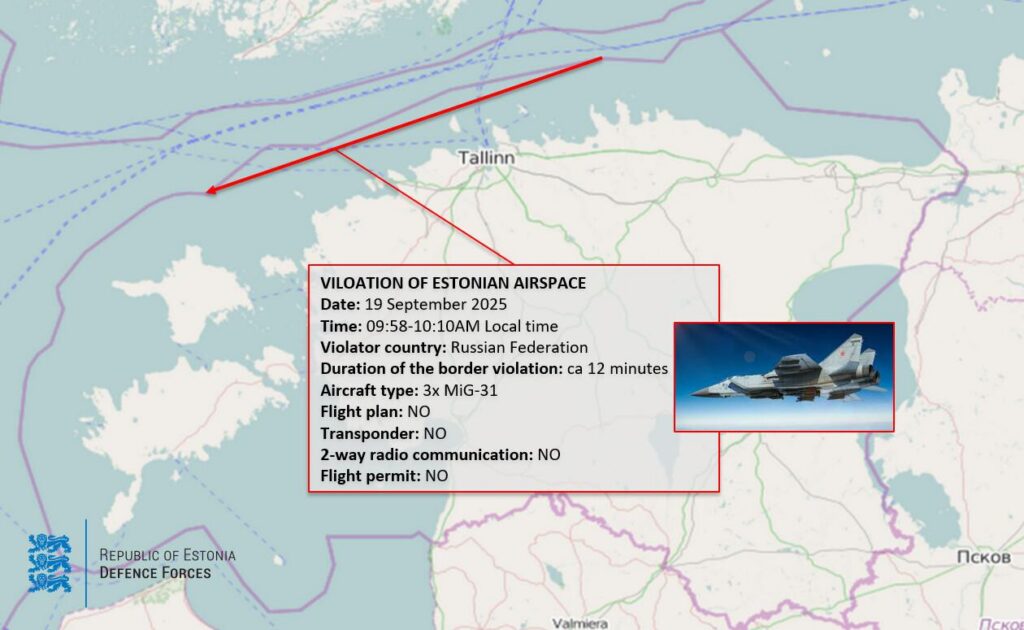
Image Courtesy of the Republic of Estonia Defence Forces

NATO Response – Operation Eastern Sentry

On Sep 12, NATO launched Operation Eastern Sentry to bolster its posture along the eastern flank.

This mission involves ongoing fighter patrols, improved radar surveillance, and reinforced air defence systems along NATO’s eastern border.

The specifics of this deployment aren’t available, but the operation’s purpose is to detect and respond rapidly to any further violations.
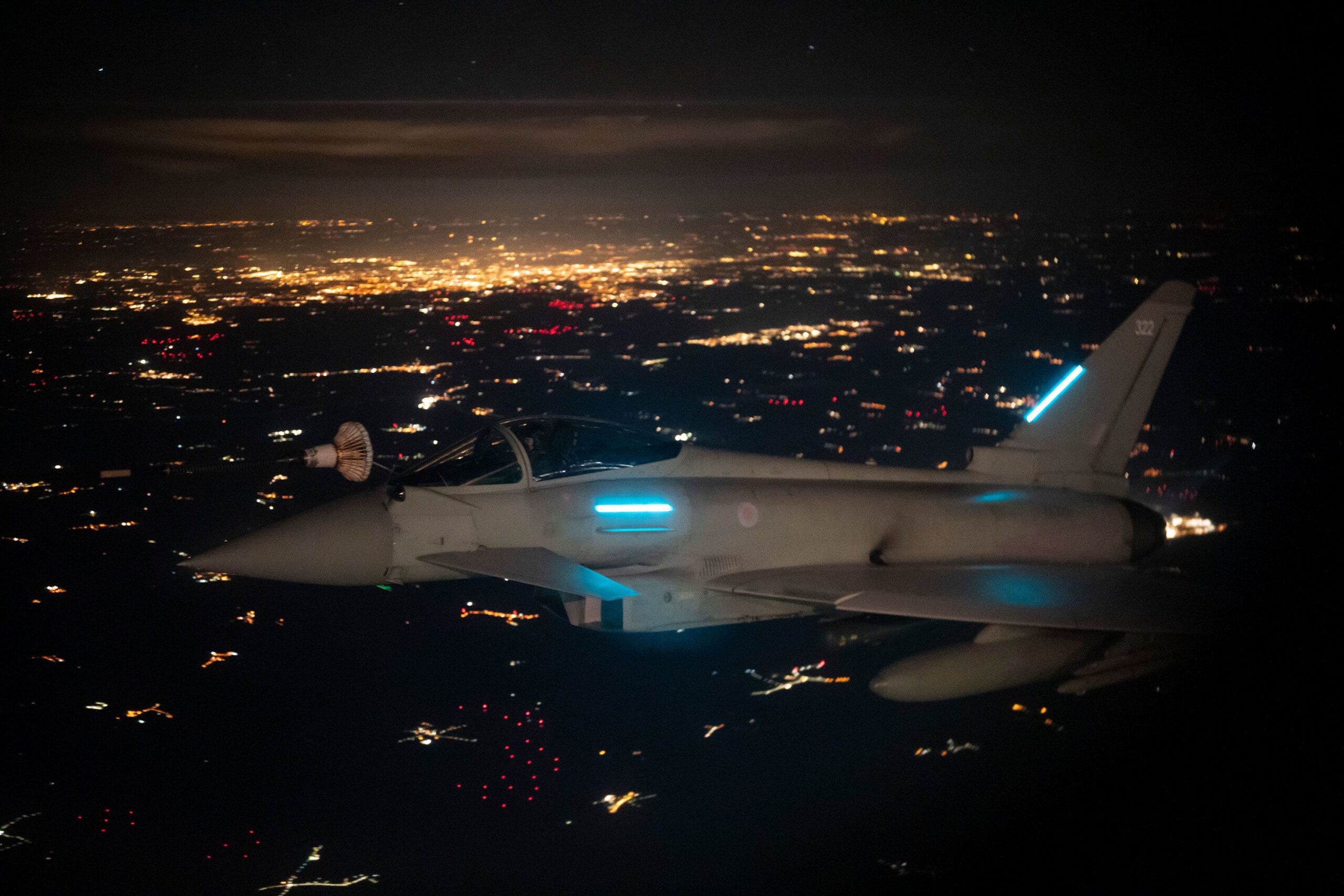
NATO’s Operation Eastern Sentry has been underway since Sep 12.

Why Russia might be doing this

Analysts suggest there may be several possible motives:

  • Testing NATO’s responseviolations can be used to gather intel on detection and reaction times, radar coverage and interception procedures.
  • Posturingsignalling strength and willingness to challenge NATO in a show of force.
  • DistractionDiverting NATO resources away from other interests (such as the conflict in Ukraine).
  • DeniabilityMaintaining ambiguity by blaming navigation errors, or claiming operations only occurred in neutral airspace.

What’s the bigger picture?

Tensions have risen along NATO’s eastern boundaries in recent weeks, raising safety and operational concerns for civil aviation. Even if an outright conflict is still unlikely, these violations complicate de-escalation and increase the frequency of spill-over risks.

Flight operations in this region need to monitor the situation closely for changes – history has shown that just because airspace is open, doesn’t mean it is safe.

Key risks for operators

Collision hazards – Military aircraft operating without transponders in high-density airspace can create serious risks for civil flights – especially in Baltic states and Poland where major routes between Western Europe and Scandinavia exist.

Airspace disruption – When interceptions occur, ATC may need to rapidly clear surrounding airspace causing re-routes and unexpected fuel burn to enroute aircraft.

Sudden Escalation – A full confrontation between NATO and Russia is unlikely in the near term. However, recent lessons in the Middle East have shown us that sudden closures of FIRs can be a realistic consequence of a deteriorating political situation. This can occur in hours, not days.

GPS Interference – Russian-origin jamming is frequently reported in the region, often traced to areas like Kaliningrad and St Petersburg. The team at SKAI Data Services kindly provided us with the following data map of recent jamming and spoofing recorded in the area -a special thanks to their team.
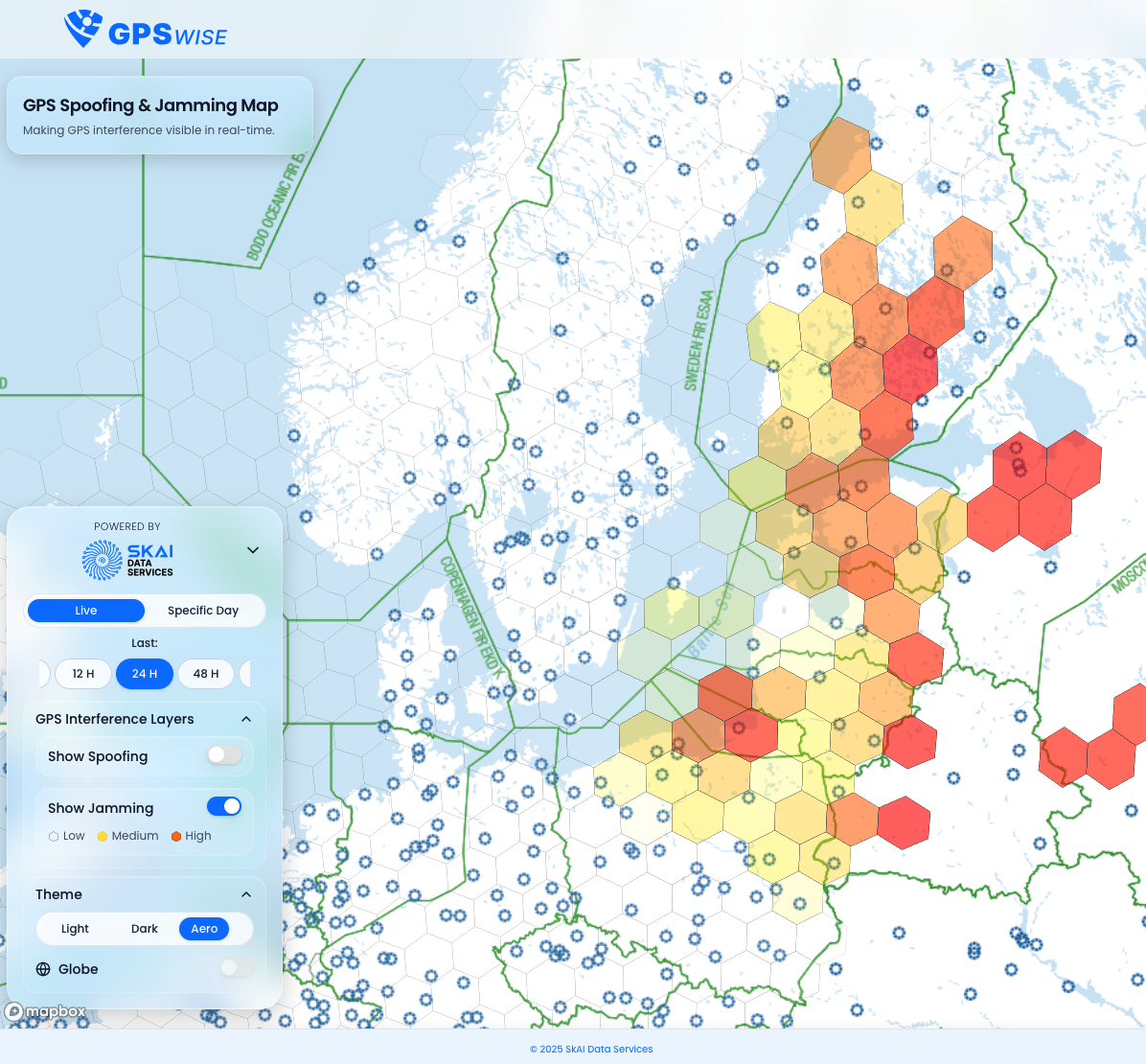
Courtesy of SKAI Data Services.

Stay Informed

We continually monitor global airspace for changes to risk and security at safeairspace.net. There, you can find up-to-date state-issued warnings for areas bordering Russian and Ukrainian FIRs. You can also reach the team directly via blog@ops.group.

Russia: Aircraft Shot Down, New EASA Airspace Warning

Key Points
  • EASA has issued a new airspace warning for Russian airspace following the likely shoot down of Azerbaijan Airlines Flight 8243 on approach to URMG/Grozny Airport on December 25 by a surface-to-air missile.
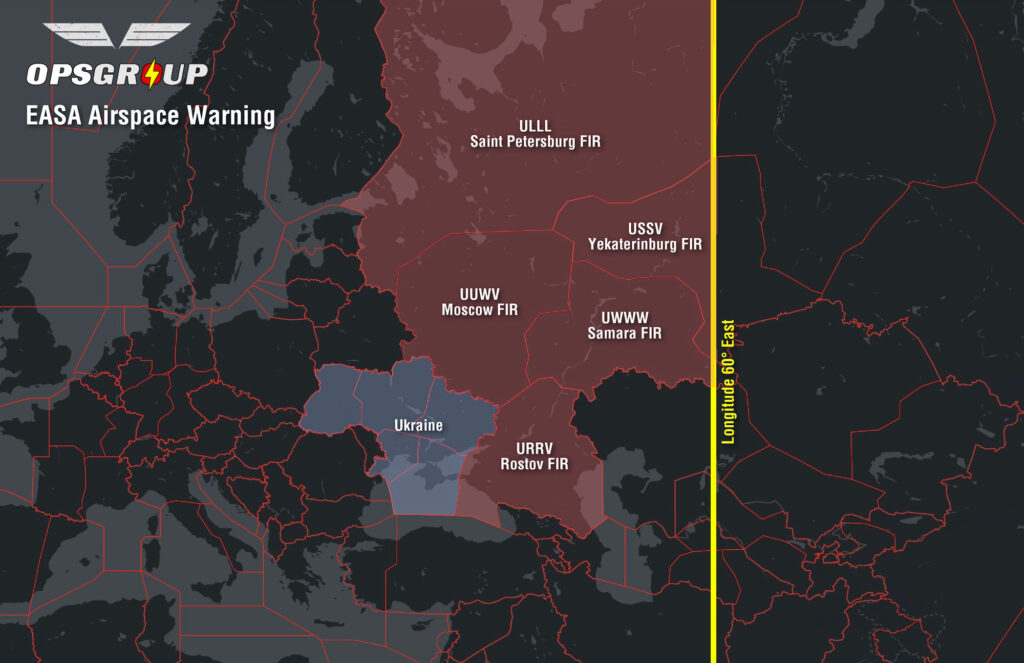
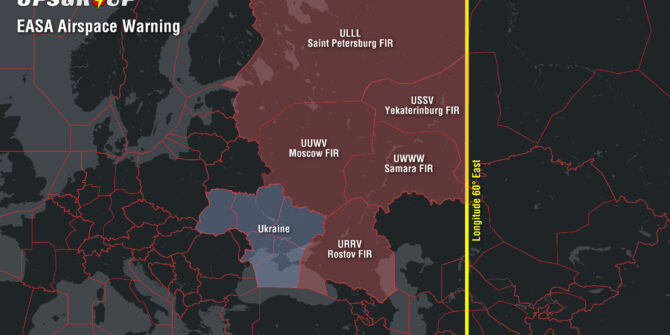
  • Operators are advised not to enter Russian airspace west of longitude 60 degree east (the entirety of Western Russia) at all levels due to the risk of being unintentionally targeted by air defence systems, and extensive GPS interference.
  • Previous state-issued airspace warnings have been confined to areas in close proximity to the Ukrainian border. The new EASA warning suggests a significant escalation in airspace risk.

What’s changed?

Ukraine has strengthened the frequency and intensity of missile and drone attacks on targets well within Russian territory.

The latest occurred this week on January 14 – a combination of cruise and ballistic missiles and the largest drone strike yet (over one hundred and forty devices) against infrastructure across Western and Southern Russia, as far as 680 miles from the border. Russian air defences reportedly shot down a number of them.

The war with Ukraine has entered a new phase which no longer limits airspace risk to the primary conflict zone.

Azerbaijan Airlines Flight 8243

EASA’s new airspace warning appears to be in direct response to the downing of an Embraer passenger jet on December 25 at URMG/Grozny airport, Southern Russia.

The crew were on approach when the aircraft suffered sudden damage which was initially misidentified as a bird strike.

The aircraft later crash landed following a diversion to UATE/Aktau airport in Kazakhstan.

Limited analysis of the wreckage appears to indicate shrapnel damage consistent with a surface-to-air missile. The most likely culprit was a Pantsir air defence system – a radar guided medium range SAM not dissimilar to the Buk system used to shoot down MH17 over Eastern Ukraine in 2014.

It was later confirmed that air defence systems were responding to a Ukrainian drone strike in the area at the time.

While not official, it is almost certain AZ 8243 was mistakenly targeted. In any event we will have more answers soon – ICAO Annex 13 requires a preliminary report to be issued within thirty days of the accident (of which Russia is a member state).

No one’s overflying Russia anyway, right?

This simply isn’t the case. It’s true the Russia has imposed reciprocal airspace bans on aircraft registered to a large number of countries (including the US, Canada and the EU). This is in response to political sanctions, not risk.

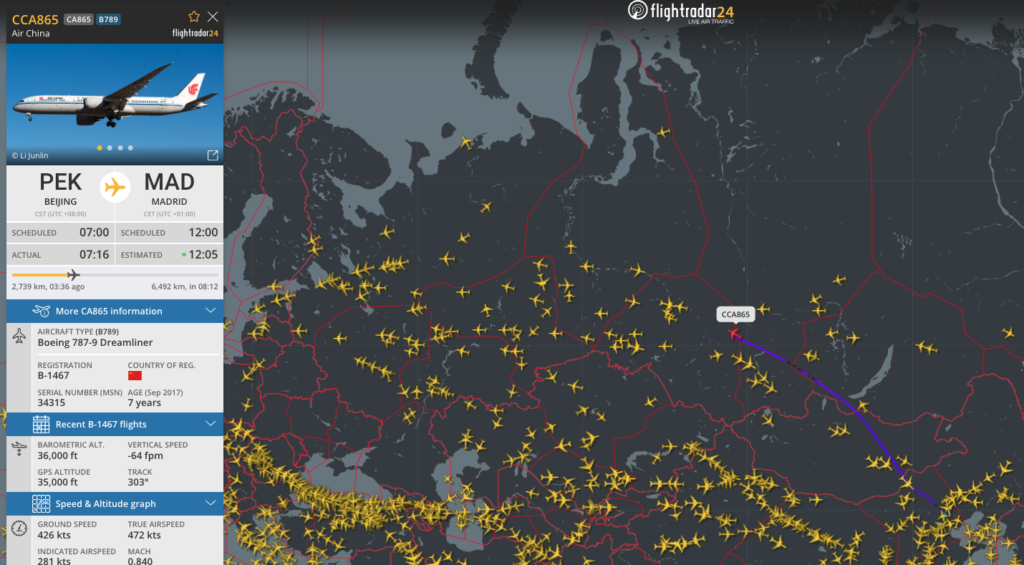
Those from China, Turkey, the Gulf States and others are still allowed. And until now, they have been overflying airspace with no active warnings in place.

The EASA warning

EASA issued its new warning on January 9 via a Conflict Zone Information Bulletin (CZIB).

A note about EASA. Its advice isn’t binding – it is provided for the consideration of its member states and does not represent an actual flight prohibition.

However, history has shown it does have a strong bearing on the rules imposed – as a result, we are likely to see to number of new state-issued warnings for Russia in the coming weeks.

The CZIB recommends operators do not enter Russian airspace (west of longitude 60 degrees east) at all levels. This affects the Moscow, Rostov, Saint Petersburg, Yekaterinburg and Samara FIRs.

EASA advises that the deployment of Russian air defence systems to these areas in response to Ukrainian drone and missile attacks could directly threaten the safety of overflying aircraft.

It argues Russia does not have adequate protections and procedures in place to ensure the safety of civil aviation. The apparent downing of AZ8243 is testament to that fact.

Beyond the risk of misidentification, the warning also cites dangers related to GPS interference (including spoofing) being used to deter aerial threats with little regard to the effect on civil aircraft in the area.

Safe Airspace

At safeairspace.net, our team faces a conundrum.

Russia oversees well over 6.6 million square miles of sky and is transcontinental in scale.

Towards its south-eastern borders with China and Mongolia the risks associated with the conflict in Ukraine are low to non-existent.

To the west, the risk is high which is why EASA’s new warning makes a distinction based on a line of longitude that divides the country in two.

The same applies to our level of warning for Russia at safeairspace.net – where a Level 2 (Danger Exists) remains in place. But in light of recent events, we would advise against overflights of Western and Southern Russia at this time.

Get in touch with us

Our team is available around the clock. You can reach us at blog@ops.group – we’d be happy to help with any questions you may have.


Ukraine-Russia Spillover Risks: Nov 2022

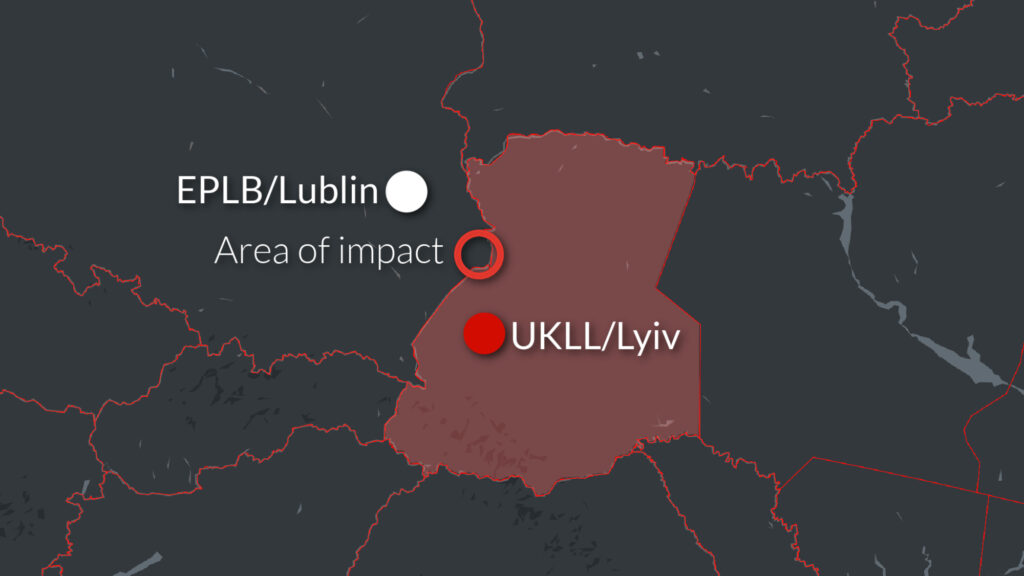
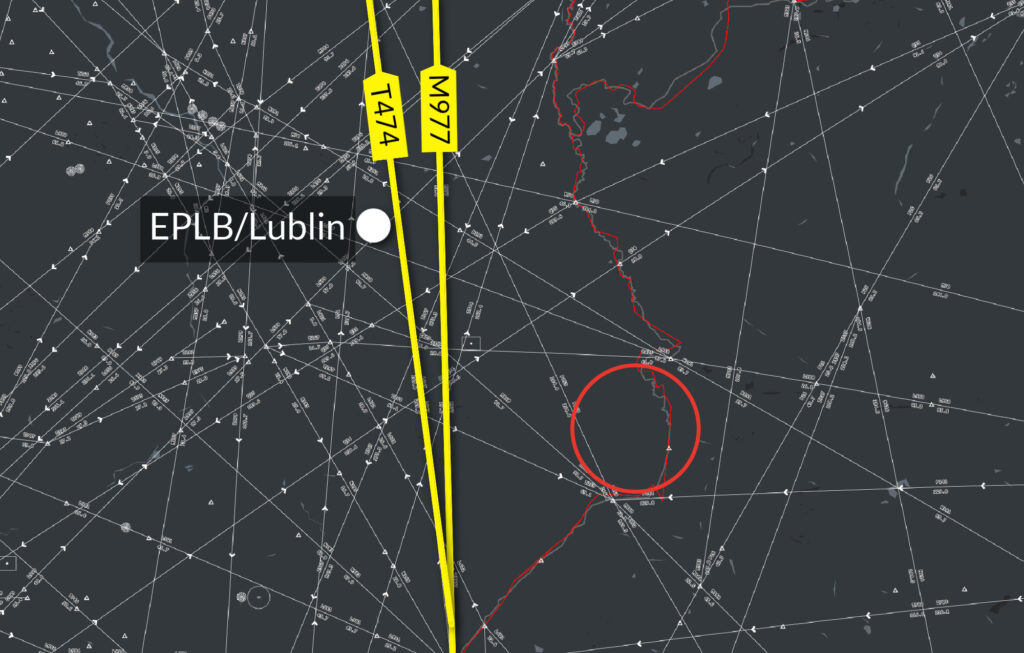
A missile involved in the Russia-Ukraine conflict fell in Poland on Nov 15, close to the border with Ukraine. There are no prohibitions or warnings for Polish airspace, however the border region is (clearly) high risk and operators should avoid flights in or over this area.

The following map shows two airways which lie in proximity to the border and which may be used by overflying aircraft. The airways routing into Ukraine, Belarus or utilised for routes into prohibited airspaces have not been highlighted.

The ongoing conflict between Russia and Ukraine continues to pose challenges and risks to international flight operations.

We covered these previously in this post which looked at:

  • Ukraine, Moldova, Russia and Belarus airspace closures.
  • Which countries have banned Russian aircraft and operators, and which countries has Russia banned in response?
  • The differences between the sanctions imposed on Russia by the US, the UK, and the EU, and the nuances of how these sanctions may impact your flight.
  • Considerations for operators now looking to route around Russian airspace.
  • Information on Humanitarian relief missions.

What has changed?

In terms of the above, very little. Ukrainian airspace remains closed and poses a significant risk to aircraft.

All the major countries who regularly issue airspace warnings (the US, UK, Canada, France, Germany, plus several more) have issued total flight bans for Ukraine due to risk from military activity at all levels.

The primary risk is an unintended targeting of civil aircraft by military, including misidentification (as with MAS17, UIA752).

What has changed is the potential spillover risk. The FAA has released an Information Note regarding this, which you can read here.

What does it say?

Pretty much an updated report of what we said in this post back in March 2022.

In a nutshell – “Russia’s increased use of developmental weapons, use of weapons in nontraditional roles, and long-range missile strikes into western Ukraine increases potential spillover risk concerns for U.S. civil aviation operations in adjacent airspace.”

In other words, the risks and hazards are not necessarily confined to the geographical borders which are used to define ‘risky airspace’ (the areas covered by current conflict-related flight prohibition NOTAMs and other warnings).

The three main points in the FAA Information Note are these:

  1. Russia periodically launches missiles targeting Ukraine which transit Moldovan airspace.
  2. There have been reports of comms and GPS jamming outside the conflict zone, particularly over the Black Sea and Caspian Sea.
  3. Drone/UAS activity has expanded, especially around Crimea and eastern Ukraine.

1. Missile launches

Russia periodically launches missiles targeting Ukraine from positions in the Black Sea and Caspian Sea. The flight paths for these generally route across Moldovan airspace.

Moldova initially closed all their airspace, but have since opened a section on their western border with the LRBB/Bucharesti FIR for flights to LUKK/Chisinau airport.

On Nov 15, a missile fell in Poland, close to the border with western Ukraine. It is not clear whether this was launched by Russia or by Ukrainian Air Defenses, but it signifies a heightened level of risk in regions bordering the conflict zone which are not necessarily covered in prohibitions and warnings.

An awareness of the proximity to significantly high risk airspace is advised.

The FAA SFAR related to the conflict and listing the prohibited airspaces can be read here.

2. GPS Jamming

This has been reported beyond the regions outlined in NOTAMs and airspace warning areas.

Civil aircraft flights who route close to the borders of the conflict zone, or which transit the southern Black Sea or northern Caspian Sea may experience jamming.

A member reported – “Flew recently from the UAE over Iraq and Turkey and over the western edge of the Black Sea. Once inside Turkey, the GPS signal was lost and remained out until northwest of the of western Black Sea. Dual GPS plus a portable GPS receiver confirmed the loss of signal. Also, no satellite wifi during same period.”

EASA has issued Safety Information Bulletin on Global Navigation Satellite System (GNSS) jamming in the Baltic Sea area which you can find here.

3. Drone/UAS hazard

The use of Unmanned Aircraft Systems (UAS) has been increasing, on the Russia side.

These fly at lower altitudes (they say a max of about 16,000′) and there is a risk of ‘errant activity’ ie not flying where they should fly. In June 2022, one such errant UAS was reported in eastern Turkey.

These represent a hazard to aircraft given their size, the fact they are generally weaponised, and the fact they are not always where they are supposed to be.

Other spillover risks

These are not covered in the FAA note, but we figured worth mentioning anyway:

  • Increased traffic levels: Turkey is seeing higher traffic levels due airspace closures, as aircraft now transit their airspace. There is also an increase in military traffic in airspace bordering the conflict zones.
  • Crew fatigue: Longer routes, more challenges en-route, operational and planning challenges have not gone away, we are just staring to see them as the ‘status quo’.
  • Ongoing fuel and energy supply issues: These are more indirect, but the increase in costs and availability has led to some supply issues, as well as protests across many regions which means potential disruptions and security concerns.

Stay updated!

A full briefing on the airspace risks with up to date notice and NOTAM references can be found at Safeairspace.net

Please report back to us any new info you come across (be it airspace risk related, or simply sharing your experience of a recent flight) and we can help redistribute that info back out to the group so that all are aware.

You can email us at news@ops.group, or file a report of a recent trip on our Airport Spy page here: ops.group/blog/spyreport


Is the Fuel Pool Drying Up?

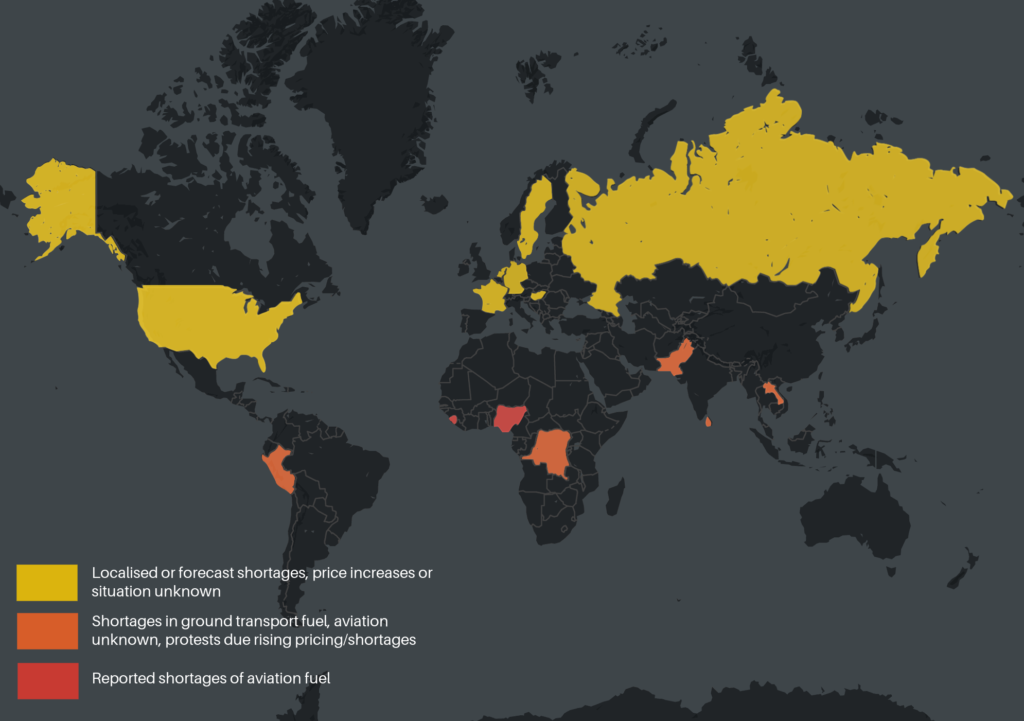
From Laos to Lima there is a growing fuel shortage and while the shortages (and fuel price hikes) have mainly been impacting road users, the problem is beginning to be felt in aviation as well.

So we figured we’d take a look at the situation.

What’s causing it?

The Ukraine Russia conflict.

Russia is the third largest supplier of oil behind the USA and Saudi Arabia, supplying around 12% of the world’s needs.

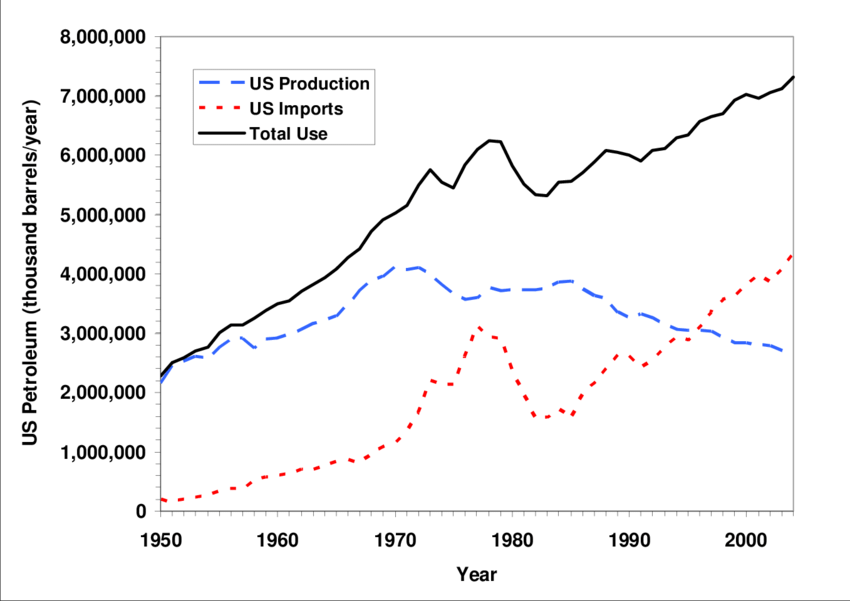
The conflict is seeing oil prices zoom up, recently hitting $139 a barrel (a 14 year high). Spot prices in New York Harbour went over $7.30 a gallon which is double what it normally would be this time of year.

But why is the USA short?

Good question.

The USA gets its fuel from lots of places, predominantly domestically and from across the border in Canada and Mexico. What you might not realise though is it also sources almost 10% of its supply from Russia. It’s a big number when you consider 329 million people live in the US. Take into account that Europe is also feeling the pinch of this ‘tightening global energy market’, ‘ it’s no wonder prices are on the charge, and supply running thin.

Back in 2021…

Back in 2021 the USA suffered fuel shortages at a bunch of airports. This was actually due to a bunch of reasons:

  • There weren’t enough truckers to drive it around
  • The pipelines had all been shifted during covid and hadn’t been shifted back again
  • There was a cyber attack on one of the main pipelines disrupting the supply
  • Some supplies were diverted away from leisure airports and to airports where wildfire fighting aircraft needed it
  • Leisure routes were getting busier as Covid restrictions loosened

Fast forward to 2022 and while flying levels are around 95% of the peak 2019 levels, fuel production is still only around 80%. So there is, simply, a shortage.

Let’s talk about the East Coast.

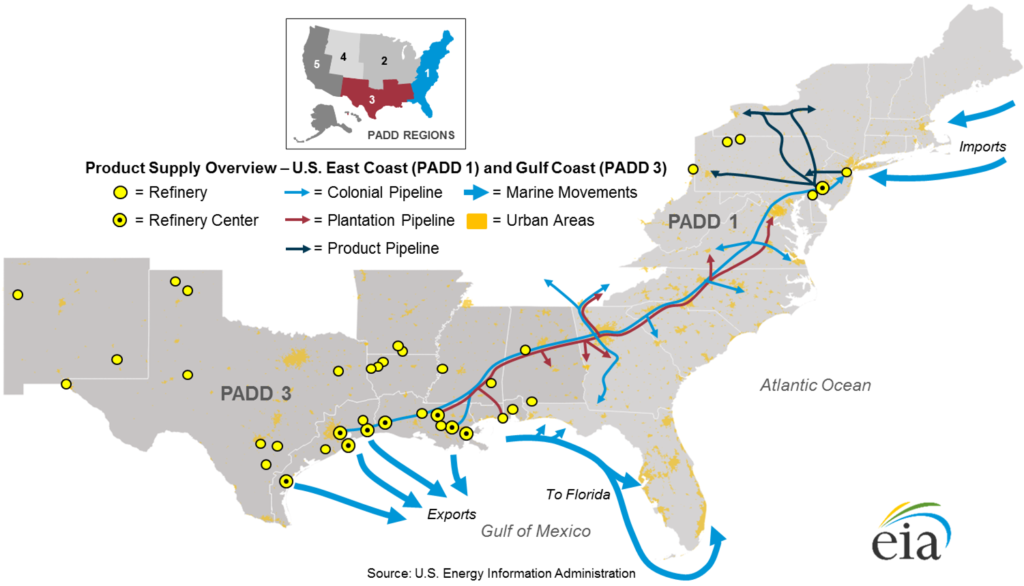
The East Coast has been particularly hard hit for two reasons:

  • One, because the California refineries suffered some technology issues earlier in 2022 and couldn’t make as much,
  • Two, because they receive their supply mostly from Texas and also Europe – and Europe ain’t sending much at the mo.
    • Distallite PADD 1 imports (the stuff a quick google search showed me is used for Kerosene – Jet fuel) is down 60%.

What are we seeing, where?

  • Smaller, regional airports are reporting shortages
  • Leisure routes are being cancelled due rising costs
  • International shortages/rising costs leading to security situations
  • Uncertainty as to ongoing availability
  • And of course, the rising costs globally…

In the USA

We have seen reports for several spots across the USA, and expect to see more particularly for the east coast airports.

  • KEYW/Key West has reported rising costs
  • KAUS/Austin has seen surge in passenger number and operators were asked to tanker where possible for at least the next few weeks.
  • KSDL/Scottsdale had a report from member of fuel shortages. One FBO confirmed their supply was ok, but other FBOs were running low.

If you have visited an airport recently which has fuel supply problems, or where costs are rising significantly, please let us know.

Elsewhere in the world

Nigeria and Russia have both had reports of aviation fuel shortages. The other countries on the list are seeing fuel shortages and rising costs leading to protests and security situations, however whether there is an impact on aviation fuel supplies is currently unknown.

  • Russia started to see fuel shortages around the start of March.

Whilst Russia are a major oil producer, much of their supply may be getting redirected for military operations. One major operator cancelled flights to UUDD/Moscow due being unable to uplift. With the current situation and lack of operators heading in, it is hard to get any clear picture of the situation though.

  • Nigeria have a big, ongoing shortage.

Although initially due to a batch of poor quality fuel, the situation has been growing as the costs of buying in more keep rising. This has been impacting domestic and some Interational airlines for over a month now. We wrote about it here.

  • Laos have a nationwide shortage but reports are not clear as to whether this impact aviation fuel as well.
  • Peru have seen protests and strikes in the transportation sector over rising fuel prices. There are no reports of this impacting aviation yet.
  • Sri Lanka has also been seeing an increase in protests over rising economic issues including fuel shortages. An FBO at VCBI/Colombo-Bandaranaike informed us that jet fuel supplies are good.
  • Pakistan are seeing rising demand, but are struggling to buy in fuel from their suppliers as Europe call in additional supply.
  • DRC has a shortage in ground transport fuel. No impact reported on aviation fuel, but significant security issues due protests.
  • Sierra Leone have a notam advising Jet A1 only available for scheduled flights at GFLL/Freetown until at least April 20.

What to do about it?

  • Keep an eye on notams
  • Confirm availability with agents prior to heading in
  • Consider signing up to services such as AvHopper that can keep updated on fuel costs and availability
  • Tanker where possible to maximise cost efficiency
  • When planning alternates consider fuel availability
  • Think about crew security on the ground if laying over, and crew transport issues
  • Share it if you operate to an airport or region and experience fuel issues.

You can let us know about it on team@ops.group and we will post an alert so others know about it as well.


Russian CAA website taken offline

On March 29, the entire Russian Civili Aviation Authority website went offline. Hackers are saying they managed it, Russian media is saying it is down to restructuring.

Either way the website currently isn’t available, so if you need to get in touch it will have to be via good old fashioned postal service or AFTN.

What’s offline?

www.favt.ru currently isn’t responding. This is the ‘Rosaviatsia’ Federal Agency for Air Transport site which manages civil aviation across Russia.

www.scaa.ru also doesn’t respond.

AvHerald reported that the site has been hacked, and all backup data also erased.

What does this mean?

With few external operators flying in and out of Russia it might not mean much right now. However, if you are trying to fly in or contact them then this may pose issues for you until they get their site back up and running.

Things like permissions and permits will undoubtedly take longer to get hold of.

Whether there will be any further indirect impact on other aviation related service within Russia is not yet clear.

The Contact Info.

Contact via post of AFTN are your best bets, but you can try calling as well. It isn’t clear if email will be available.

Telephone: +7 499 231 5237

Email: aviapermit.scaa.ru / rusavia@scaa.ru / permit@matfmc.ru

AFTN: UUUKYAYX / UUUKZXTD

SITA: MOWYAYA / MOWICYA

Address: 125993, GSP-47, Moscow, Leningrad Prospekt, 37, building 2

Any local agent contacts?

Aerotrans may be able to assist:  +7 495 755 9422 / handling@CPDU.ru

Alternatively you may do best to contact local agents at your airport of operation directly as it may be easier for them to coordinate for you.


Ukraine/Russia Update: Airspace closures, Flight bans, Sanctions, Routing considerations

Here’s everything we know right now about the Ukraine/Russia situation with regards to the impact to international flight ops. We’ll edit and add to this post as more information becomes available.

The main topics:

  1. Ukraine, Moldova, Russia and Belarus airspace closures.
  2. Which countries have banned Russian aircraft and operators, and which countries has Russia banned in response?
  3. The differences between the sanctions imposed on Russia by the US, the UK, and the EU, and the nuances of how these sanctions may impact your flight.
  4. Considerations for operators now looking to route around Russian airspace.
  5. Information on Humanitarian relief missions.

Airspace closures

These are pretty well known by most of us at this stage, but just to reiterate:

  • The entire airspace of Ukraine remains closed to all civil flights.
  • The airspace of Moldova is also closed, but they have been accepting flights to LUKK/Chisinau Airport on a case by case basis (we’ve seen several cargo flights go in there in the past week). But you have to apply to the Ministry of Defence and sign a declaration accepting “the risks that may arise as a result of operating in conflict areas”. So that’s a pretty stark warning of the risk of operating in here at the moment.
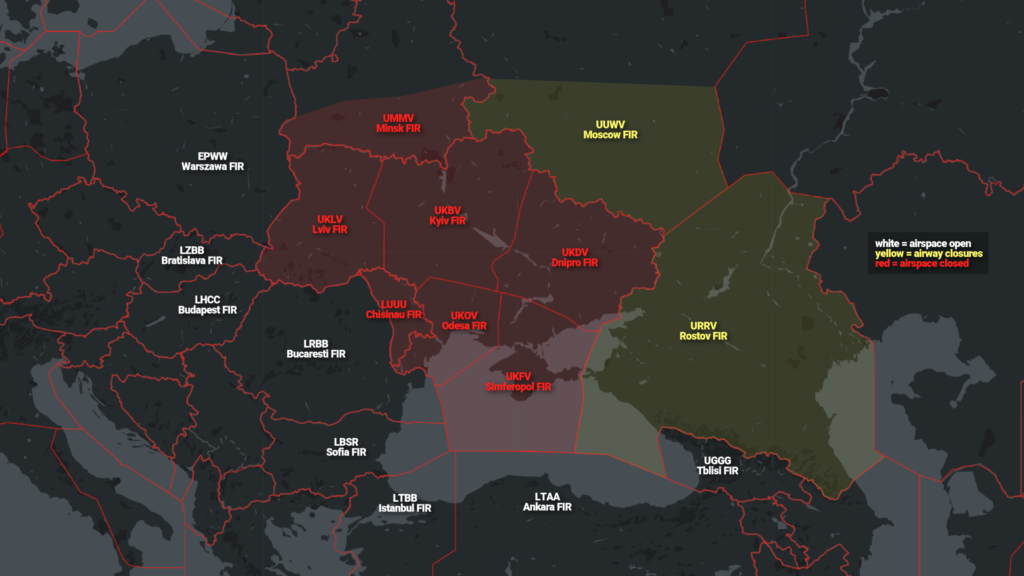
  • Belarus has closed the southern half of its airspace along the FIR boundary with Ukraine.
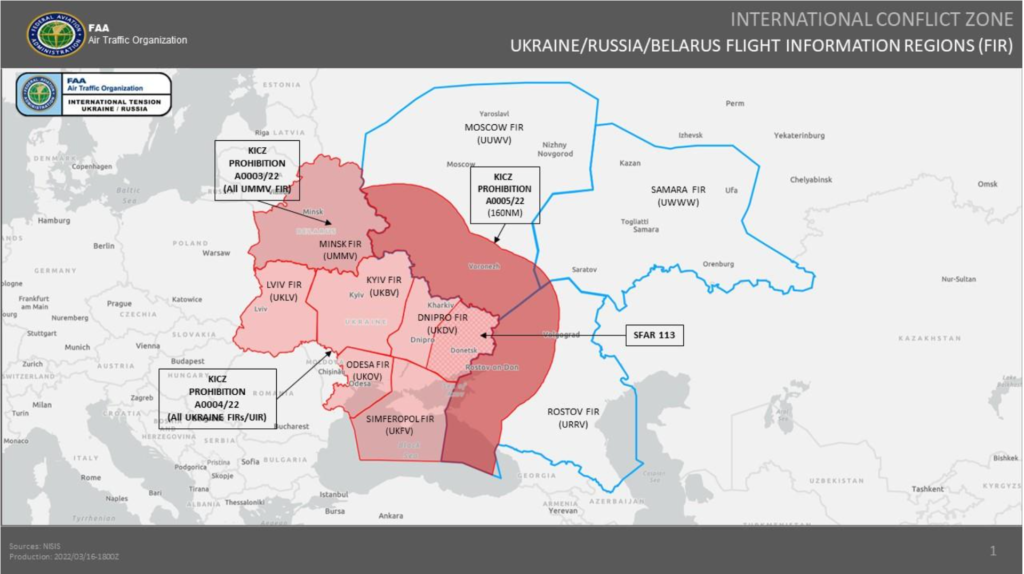
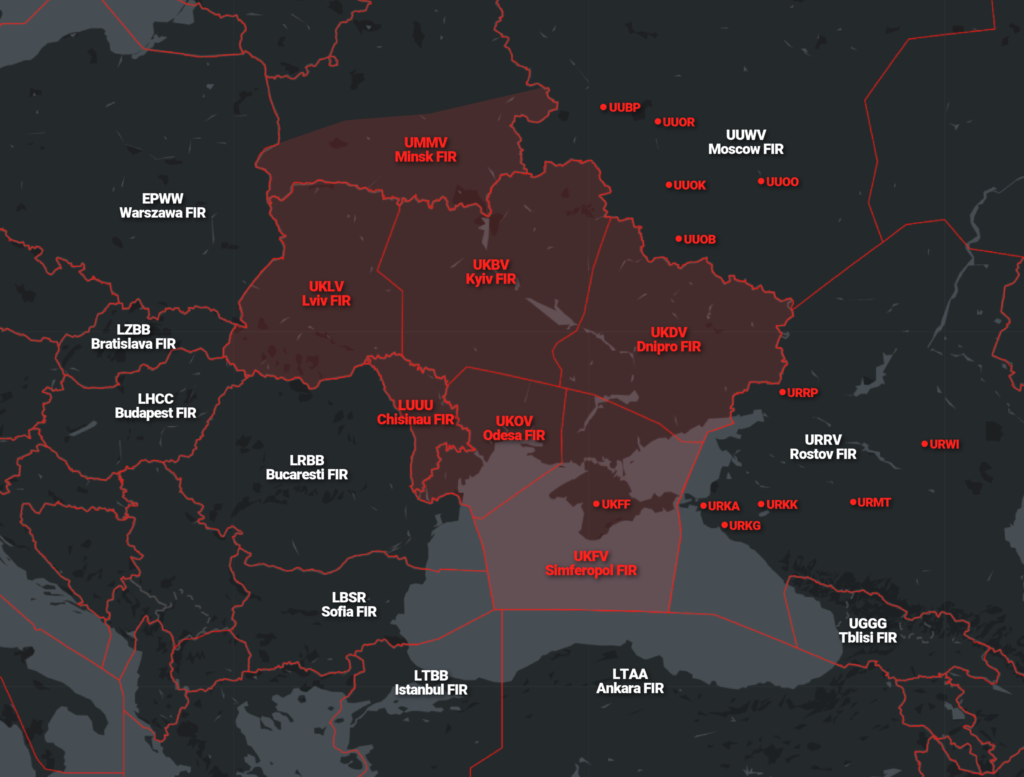
  • Russia has closed most airways in the URRV/Rostov FIR and in the southern part of the UUWV/Moscow FIR.

Here’s what all that looks like:

Reciprocal bans on aircraft/operators

Several countries have now banned Russian aircraft and operators from their airspace – The European Union along with some non-EU countries, the US, Canada, the UK, along with some Caribbean states – Anguilla, Aruba, Bermuda, British Virgin Islands, Cayman Islands, Turks and Caicos.

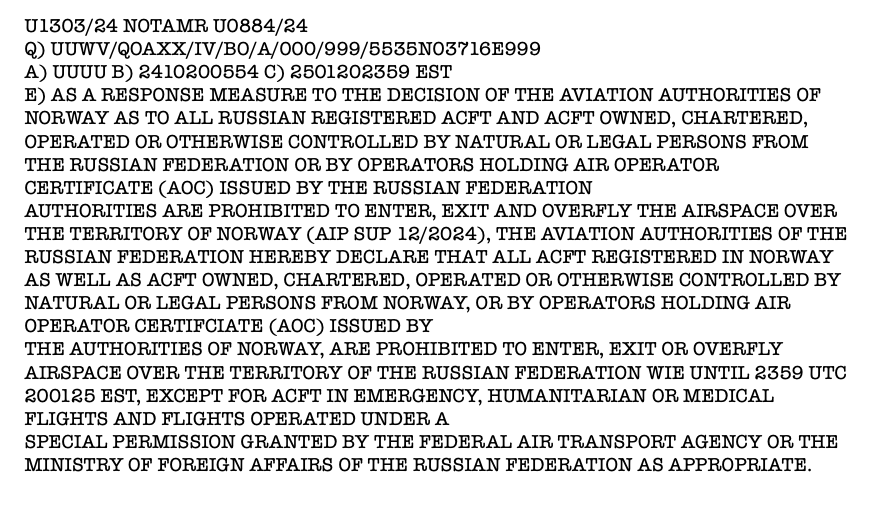
In response, Russia has banned aircraft and operators from most of these countries from Russian airspace, announcing the bans via Notams under the UUUU code. The notable exception, so far, is the US.

However, several local agents in Russia have reported that that they are not able to provide Russian landing and overflight permits to US registered aircraft and operators, and we’ve had similar reports from some locally based OPSGROUP members. With all US airlines avoiding Russian airspace, that is sensible action to follow given the uncertainty.

To keep updated on which countries have issued bans for Russian aircraft/operators, and which countries Russia has banned in response, Makgas are keeping an updated list here.

UK/US/EU sanctions

The EU, the UK and the US have each taken different approaches with their sanctions in terms of how they impact jet travel.

The US – For aircraft not registered in Russia – there’s now a list online, published by the International Trade Administration, and if your aircraft is “owned, chartered, leased, operated or controlled by, for, or for the benefit” of someone on that list, you can’t operate “to, from, within, or through” US territorial airspace. For more info on this, check our dedicated article here.

The UK bans aircraft owned, operated or chartered by anyone connected with Russia or designated individuals or entities – but unlike the US they haven’t published a list of who those individuals or entities might be. You can see the most recent UK announcement on this here.

The EU rules are the least specific – essentially the ban in Europe applies to Russian passport holders, even dual citizens. So Russian citizens can still travel as passengers, but they can’t charter the plane (and EU companies/people can’t charter it on their behalf either). You can read the EU’s official announcement here.

There have been a couple of incidents over the past couple of weeks where certain operators have fallen foul of the rules pertaining to sanctions.

  • Canada: a Falcon 900 registered in the Cayman Islands was detained at CYZF/Yellowknife airport, along with its crew and passengers, after landing from Geneva. The aircraft was released and flew back to Europe later that week, but the Russian charter customer was fined $3,000, as was the jet’s pilot. And the aircraft’s owner was fined $15,000.
  • The UK: a Global 6500 registered in Luxembourg was detained at EGLF/Farnborough airport because the authorities suspected it was linked to a Russian oil tycoon. The aircraft will only be allowed to leave Farnborough if the inquiry they’ve set up shows it is not a Russian-owned or controlled jet.

The bottom line – don’t charter a sanctioned aircraft, and make sure that you don’t charter your aircraft to a banned individual or entity. The potential impact to getting this wrong could range from having your payments frozen, to fines, to potentially having your aircraft impounded somewhere.

Routing around Russian airspace

“Is it safe to overfly?” and “Is it safe to land” are in many ways the same question – because if you’ve elected to fly over a certain bit of airspace, and something goes wrong, the chances are you’re going to be landing there. Most operators are now avoiding Russian airspace, either because they’re banned from it, or because they’ve decided the risks of having to divert to Russia are too high.

Europe focus:

European carriers are generally having to change more routes than the US airlines… but higher fuel costs of having to route around Russia are offset against the fact that they’re now saving thousands on not having to pay Russia overflight nav fees.

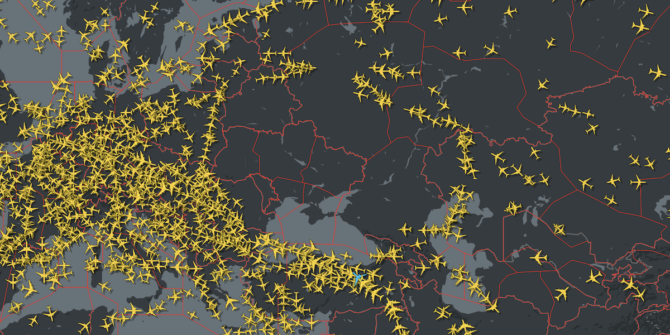
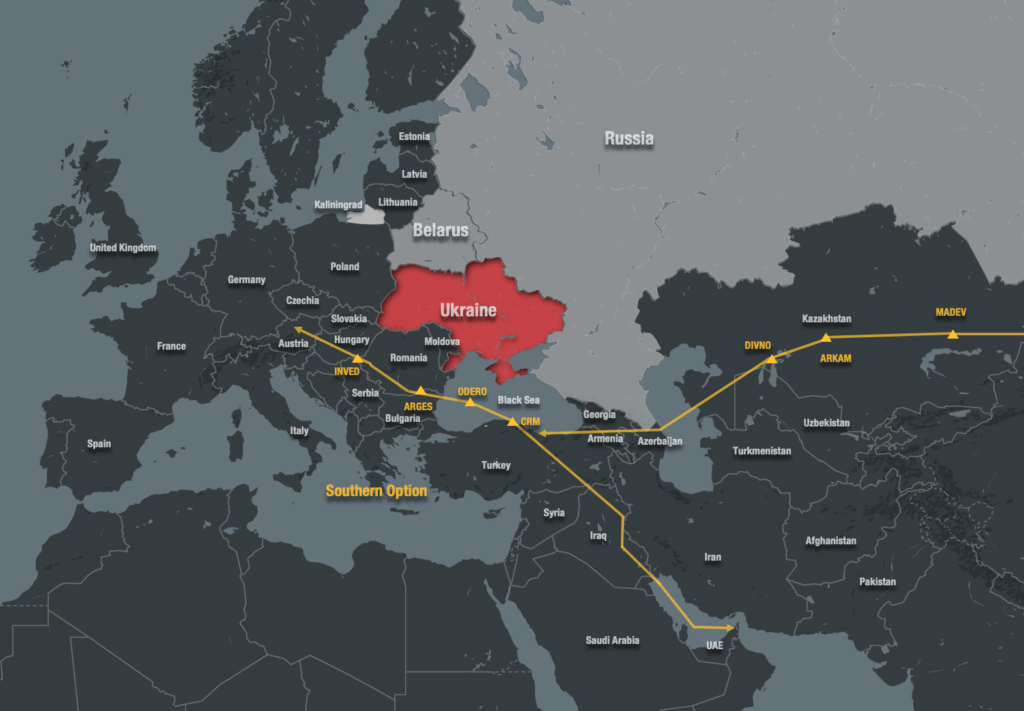
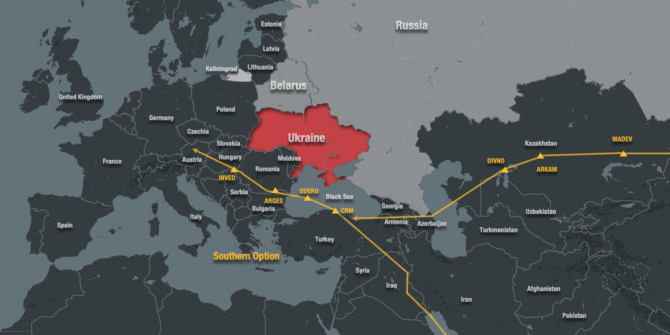
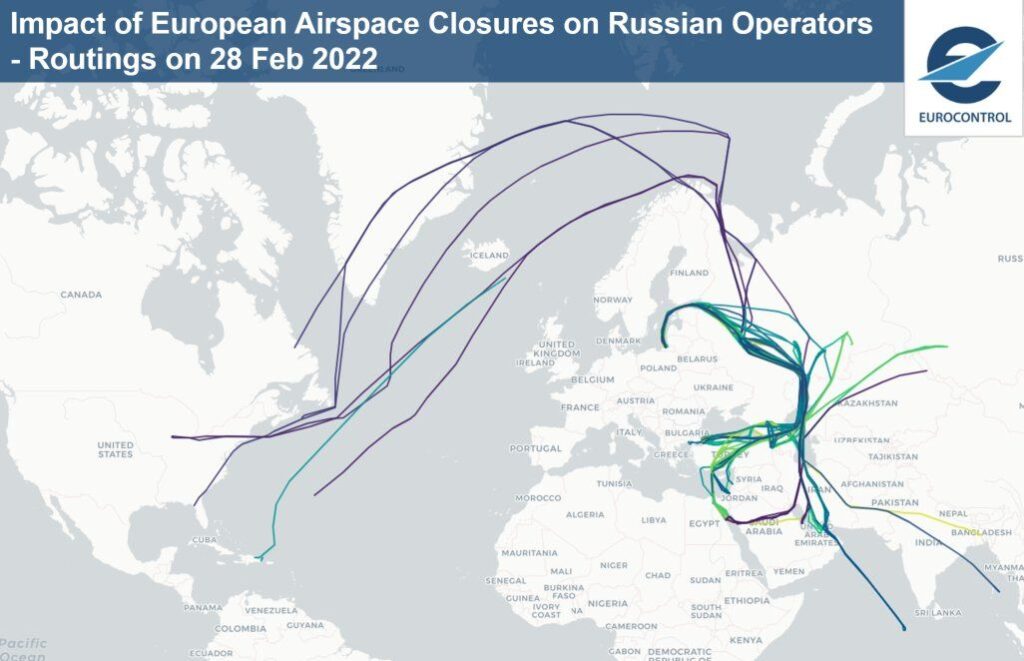
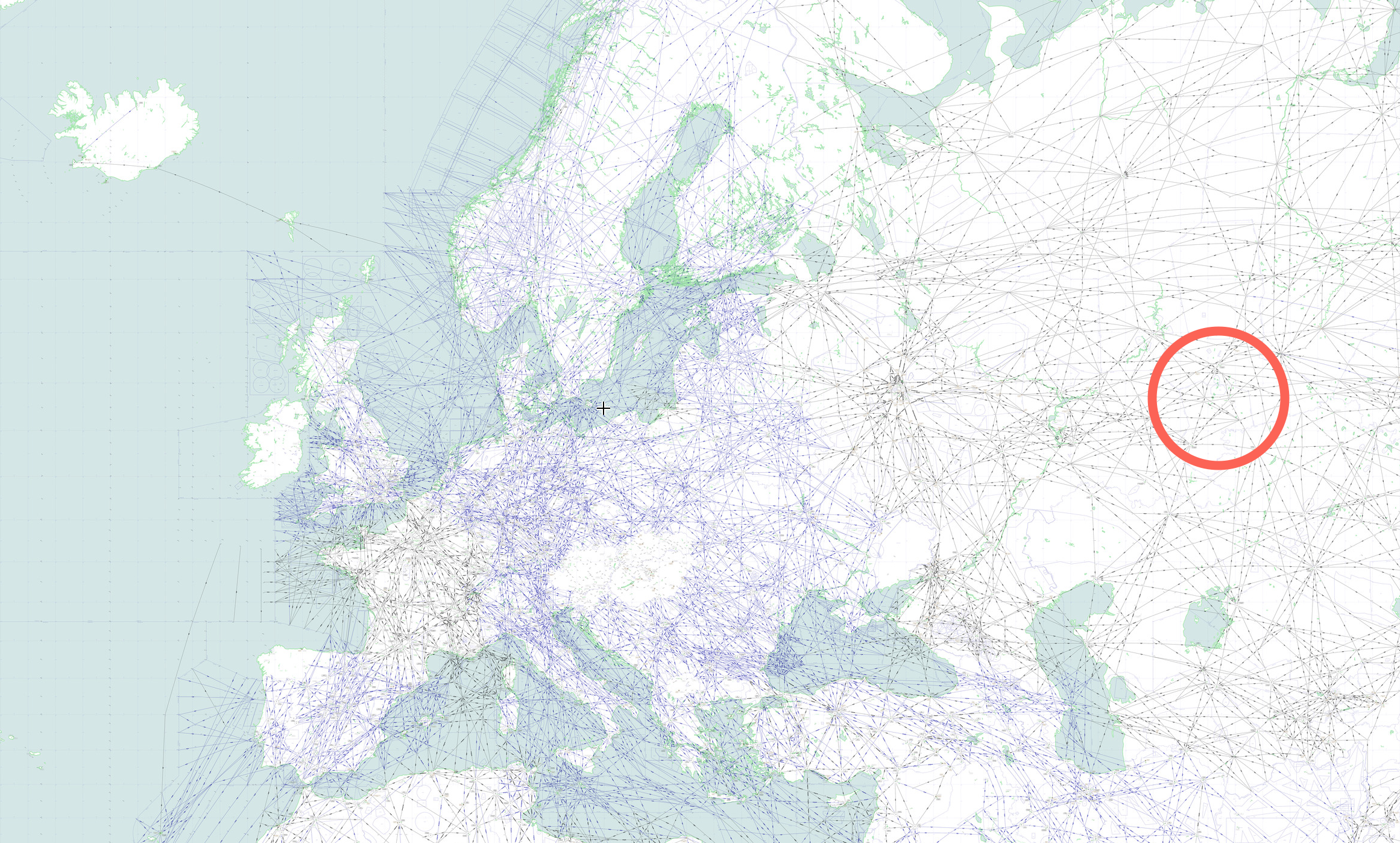
Options to overfly Europe have become increasingly complicated – especially for aircraft transiting between Western Europe and the Middle East and Asia. Major carriers in the region now appear to be following two major air corridors – one that extends from the Persian Gulf to Romania, the other from China to the Black Sea. Here’s what that looks like.

These routes take aircraft in close proximity to several danger spots, including Iraq, Iran, and Syria. For more info on this, check out the article we wrote here.

US focus:

A lot of US airline flights won’t be too badly impacted from their current levels – flights to the likes of China, Hong Kong, Japan, South Korea – just because they weren’t doing that many flights here anyway because of Covid restrictions.

From a routing point of view, there’s not a lot of impact to flights from the US to Europe, even the US to the Middle East – heading East is not an issue because there’s really only Russia’s Kaliningrad FIR to watch out for.

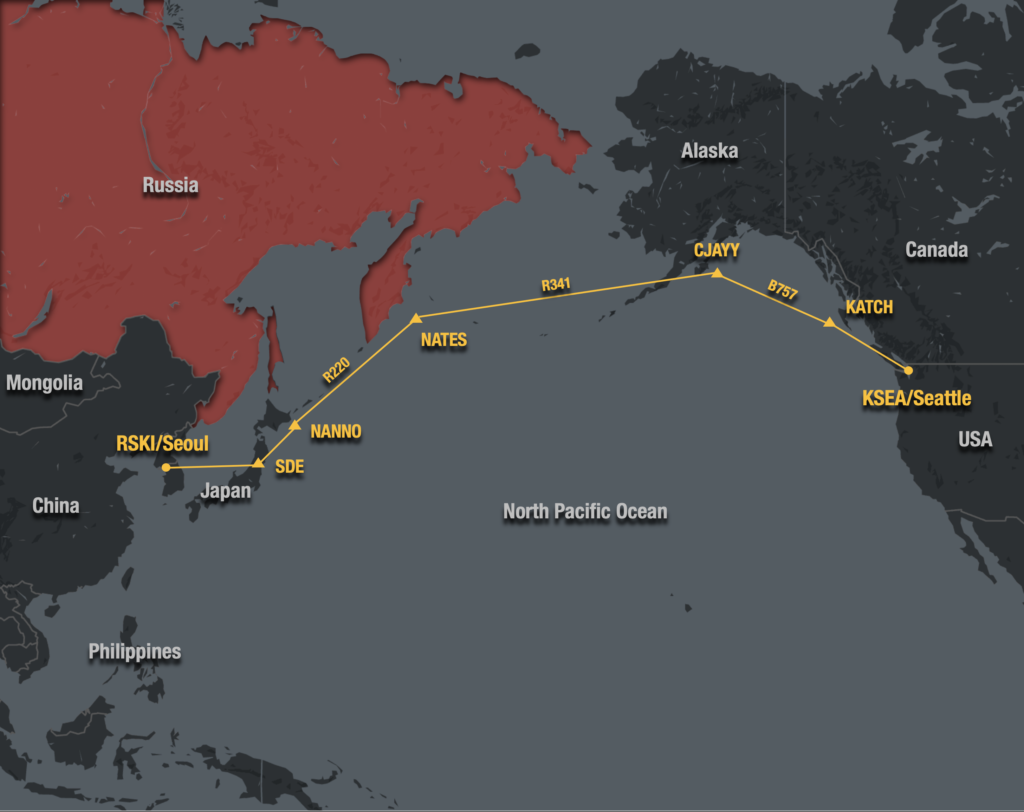
But for US flights heading West, avoiding Russian airspace does have an impact – routing via the NOPAC routes, down to Japan and China. There’s a 1700nm stretch of airspace here between PADK/Adak in the Aleutian Islands and RJCC/Sapporo in Japan where your options are extremely limited except for airports in Russia (mainly UHPP/Petropavlovsk, but also UHSS/Sakalin Island just before you get to Japan).

The considerations for general/business aviation are different to the airlines here – it’s more a question of do you have the aircraft range to safely operate this section of airspace over water? And do you have decent divert alternates available in case you need them, to ensure that you don’t find yourself 3 hours away from a non-Russian airport in a 1LE scenario?


Ukraine Relief Missions

Humanitarian flights for Ukraine are taking place into Poland, Romania and other neighbouring countries. We have compiled a list of handy contacts, general ops information, and other bits which we hope might help – you can read the article here.

The two agencies we’d encourage people to go check out are Airlink and DirectRelief – these two have already flown in shipments of aid and have more scheduled this month. So those are good places to go find out exactly what’s needed, and how to help.

IFALPA and the European Cockpit Association have also put out a letter for members of the aviation community wanting to help support the pilot community in Ukraine. They suggest you reach out to local organizations to help, or donate to larger ones such as Red Cross who are on the ground there. You can read the letter here. 

If you need assistance with anything to help prepare for humanitarian flights, please get in touch. Similarly, if you have already operated similar missions, please get in touch to share your contacts, feedback and experience so we can support others in their operations as well.

CofA’s revoked!

A final word on this. We put it right down here at the bottom because although it’s fairly big news and worth knowing about, it probably won’t impact your operation very much.

Aviation authorities in Bermuda and Ireland have now revoked airworthiness certificates for leased aircraft detained in Russia – mainly because they’re no longer able to check these aircraft to see if they are still airworthy. They’ve done this ahead of the March 28th deadline set by the EU to terminate leases and recover planes from Russian airlines.

From most reports, it seems there are around 500 aircraft owned by foreign leasing companies which are rented to Russian operators.

The response from Russia has been to create a new law which basically allows Russian carriers to re-register these aircraft, and continue operating them domestically – despite the termination of the leases. And reports suggest something like 200 of these aircraft have already been re-registered in the past week.

Added to that, all the major manufacturers are now no longer supplying spare parts to Russia. Airlines and operators using these aircraft in Russia will therefore almost immediately have the issue how to keep them functioning and airworthy, but the point worth noting for all the rest of us is this – do you want to risk potentially having to divert somewhere where your aircraft might get stuck on the ground with a tech issue that can’t be fixed?

Ultimately, we’re now approaching a situation in Russia very similar to the Soviet Union days. Russia is essentially now in the same basket as Iran and North Korea in terms of being shut off from the rest of the aviation world, and operators need to plan accordingly.


Impact of Russia Sanctions on Corporate Aviation

As the conflict in Ukraine continues, the world has been responding with sanctions against Russia. This includes the US, Canada, the UK and EU.

The problem is that these sanctions are having far-reaching impacts on aviation – especially for charter operators who may not even be aware that they are breaking the rules. And it’s important to stay on the right side of the law, as the penalties can be severe – even if the lines are blurry.

Here is a rundown of what we know for US operators, and things to be aware of.

First up, what actually is a sanction?

Simply put, commercial and financial penalties that are applied by one or more countries against another state or group.

They are a tool that falls short of military force for punishing or deterring some form of action. In this case – Russia’s ongoing military offensive in Ukraine. Sanctions mean that our ways of doing business, or interacting financially, are restricted by law – including the payment for, and delivery of, services for those restricted by the sanction. This is where things start to become complicated for aviation. Perhaps more than you may realise.

So, what can’t we do?

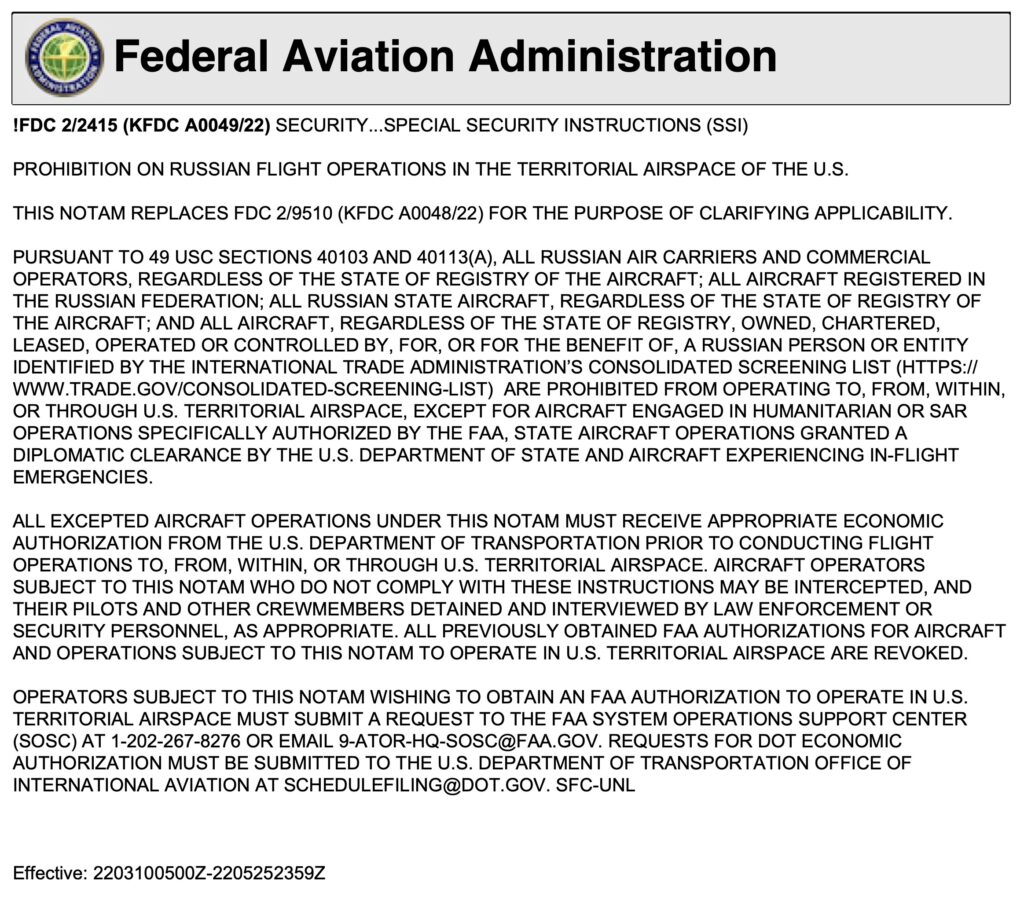
US operators can find that information in KFDC Notam 2/2415 below:

So, regardless of where an aircraft is registered – if it is owned, chartered, leased, operated or controlled by or for the benefit of a Russian person or entity on a specific list (www.trade.gov/consolidated-screening-list), it can cannot be operated in US airspace. This includes overflights. Exemptions are available but only with special diplomatic approval.

The issue is that the italicised words above are open to interpretation which can lead commercial operators, especially charter providers up the garden path. And as the Notam eludes to, rule breakers can be detained or even face prison time. It may be tempting to try and sneak under the radar but be careful. The US Government has established a task force known as ‘KleptoCapture’  to actively enforce the sanctions. They have the ability to arrest, prosecute and even seize the assets of anyone breaking the rules.

Let’s take a closer look at what you need to be careful of.

Who owns the bird?

Fractional ownership of private jets can be complicated. There can be numerous owners of a single tail number. It may have a N-Reg, but that doesn’t mean part of that tail isn’t owned by Russian interests. Even if it’s only a small part. Which means just flying it will put you on the wrong side of the law. The reality right now is that ownership share may need to be re-allocated.

Things can become more complicated  too – it may not be an individual that owns a share, but a company. And what if that company is, or has since been purchased, by those with interests in Russia? This can also be buried deep in the legalities of business.

I need a ride – the charter conundrum.

As they stand, current sanctions do allow you to carry Russian passengers. But, they can’t be the ones who have specifically chartered your aircraft. Or in other words, Russian nationals and companies can’t be the ones to thumb the ride – but they can take a seat if someone else is picking up the tab.

There is also the issue of dual citizenship, or dual passports. Where does the duty of care for operators lie, and how would they know? It is a question to which we are still looking for answers.

Buying new airplanes.

Purchasing an aircraft is also currently problematic – particularly if it is currently owned by Russian interests. That is also no-bueno. If you’re in the market for a new ride, make sure you understand exactly who you are buying it from – in terms of legal and beneficial owners, along with the broker you are using and how you plan on financing and insuring your purchase.

Stuck on the ground.

The effect of sanctions and airspace restrictions means that moving expensive aviation assets out of Russia right now is a risk. Put it this way – there are currently somewhere in the vicinity of five hundred leased jets effectively grounded there. That’s literally billions of dollars’ worth of aviation assets waiting to be recovered, with no obvious solution in sight.

And even if you get airborne, are you allowed to be operating in their airspace? Russia has been reciprocating western airspace bans with bans of their own – check out the UUUU Notams for the lengthy list of those.

Then there is the issue of what happens if your airplane breaks. You will struggle to secure the supply of parts, services and other support for aviation assets in Russia as you would effectively be in breach of sanctions. Be aware that even if you can operate an aircraft into Russia right now, you may find yourself stuck when it is time to leave again.

Fuel.

Sanctions are also having an impact on operating costs around the world. Restrictions on the importation of Russian oil has seen oil prices, and the cost of jet fuel, sky rocket in recent weeks. It has increased by thirty percent in the last week alone, and has effectively doubled compared to this time last year. That’s rampant inflation.

Add to that that the majority of the world’s traffic are having to bypass over six million square miles of airspace to and from Western Europe and you can quickly begin to get your head around the combined costs of these issues to our industry.

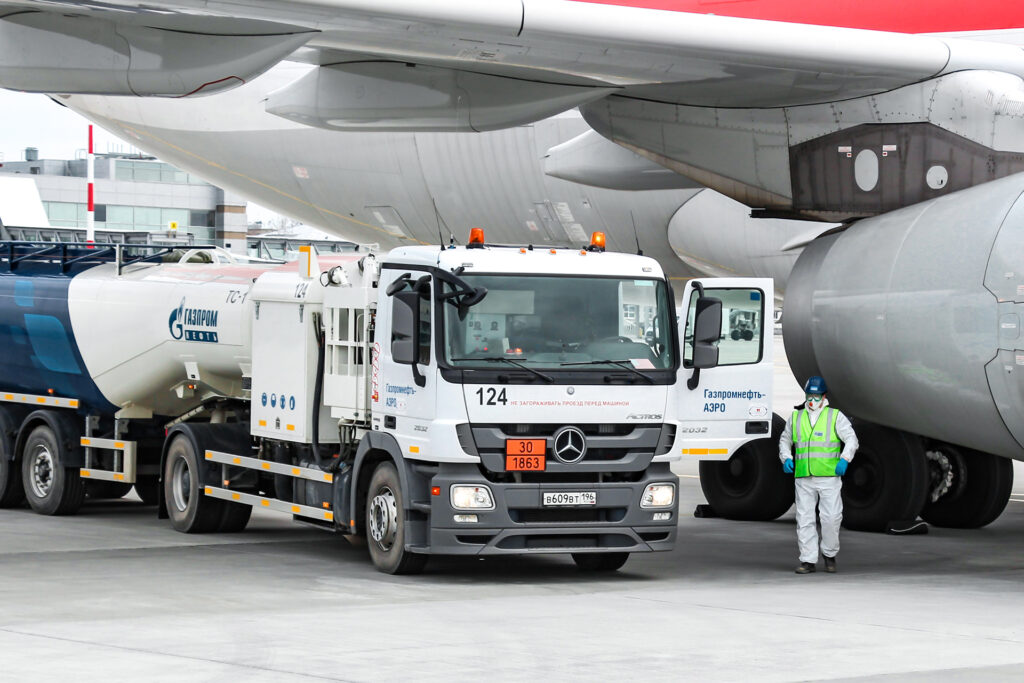
And in Russia there is also an emerging problem of availability. Earlier this week we reported to OPSGROUP members that at least one major carrier had cancelled flights to Moscow due to being unable to uplift fuel. It is important to gauge availability ahead of time.

Getting an exemption.

So you have a pressing reason to break the rules of the sanctions? You may still be able to fly, but it’s vital you get diplomatic approval first – even if only operating domestically in US airspace. There are two things you’ll need. First is an economic approval from the US Department of Transport Office via schedulefiling@dot.gov. You’ll also need to submit a request to the FAA System Operations Support Centre (SOSC). You can reach them on 1-202-267-8276 or via the email 9-ator-hq-sosc@faa.gov.

Permission is most likely to be granted to flights engaged in humanitarian, SAR or other essential work.

Where else to look for help.

If in doubt, it is better to seek clarification on the rules before you fly. This may mean seeking legal advice. The OPSGROUP team may also be able to help – you can reach us on team@ops.group and we’ll do our best to give you a hand.


OPSCHAT Summary 08 MAR

Hello members,

We had another busy OPSCHAT call this week!

The full replay is available in your Member’s Dashboard.

Here is an outline of what we discussed.

  • Russian sanctions – Western operators may be breaking the rules without realising it. They apply to aircraft owned, registered, benefitting or controlled by Russian interests. The rules remain open to interpretation – especially the terms ‘benefit’ and ‘controlled.’ We discussed this in detail, along with examples of operators who have found themselves on the wrong side of the rules.
  • Jet fuel shortage at Russian airports – Reports that major operators have been cancelling flights to Moscow due to being unable to uplift fuel.
  • Leased aircraft – There may be difficulty moving aircraft on lease by foreign lessors out of Russia.
  • EU-LISA – From Sep 2022, carriers bringing passengers to most countries in Europe will need to be registered with the EU’s new Entry/Exit System (EES) for passenger screening. We chatted about who or what ‘Lisa’ actually is, what an ‘air carrier’ actually means and what the requirements will be for both commercial and private flights. We’ve also written a new article with everything that we know about it.
  • OPSGROUP Danger Club  – It’s back, starting with a presentation for the Teterboro User’s Group (TUG) on March 16. Chris and Bec will be presenting the first one for the year. All are welcome to register and watch – visit teterborousersgroup.org for details. OPSGROUP specific sessions will resume on March 24, with all new scenarios.
  • ETOPS for Part 91 Ops – It’s not required by the US FAA regs, but are operators still applying limits on their ETPs for diversions? How about MELs that restrict aircraft from operating on ‘extended range’ routes? We took a brief look at this conundrum, along with EASA differences in Europe.
  • One engine, de-pressurised. The question was asked, how do you know how long crew oxygen will last for? For remote diversions and no passengers on board (e.g. ferry flights), it is possible you may not want to immediately descend to FL100. We briefly discuss.
  • OPSGROUP assistance – Offer from Team to assist where possible with any operational support, information, questions – as well as #flightops or #questions in the OPSGROUP Slack channels.

To watch the replay of the OPS CHAT in full, head over to the Dashboard.


Dodging Airspace: The Bendy Road to Western Europe

Update Mar 4, 2100z:

Some local agents are now saying that they are not able to provide Russian landing and overflight permits to US registered aircraft and operators. We’ve had similar reports from some locally based OPSGROUP members. Russian authorities still haven’t published a UUUU Notam for this yet, but for most operators planning trips in the region ensure you avoid Russian airspace entirely for the time being.


Original story from Mar 2:

In just a short week the skies over Europe have dramatically changed.

In response to the conflict in Ukraine, the EU, the US, Canada, along with several other countries have now introduced blanket bans on Russian aircraft and operators from their airspace. Russia has responded by banning many of these countries’ aircraft and operators from Russian airspacewe’re still waiting for Russia to ban those from the US, but we expect it to be issued soon.

In addition to the complete closure of Ukrainian, Moldovan and portions of Russian and Belarusian airspace, options to overfly Europe have become increasingly complicated – especially for aircraft transiting between Western Europe and the Middle East, Asia and Australasia.

Major carriers now appear to be following two major air corridors – one that extends from the Persian Gulf to Romania, the other from China to the Black Sea. Here’s what that looks like:

The routes take aircraft in close proximity to several danger spots, and so here is a guide to what you need to know…

The Middle East

The southerly route begins over the Persian Gulf through both the OBBB/Bahrain and OKAC/Kuwait FIRs which are considered safe.

It is, however, a narrow corridor that takes aircraft close to Iranian airspace to the east that should be avoided entirely. Following the shoot down of a Boeing 737 there in January 2020, several countries have active airspace warnings in place for the OIIX/Tehran FIR – including the FAA’s outright ban on US operators. The risk there is from the use of advanced anti-aircraft weaponry at levels.

See the official airspace warnings for Iran here.

Beyond the Persian Gulf, this route continues through Iraqi airspace. Iraq itself remains an active conflict zone so the airways and levels used should be considered carefully.

But is it safe? The general consensus is on eastern airways UL602, UM860 and UM688 at or above FL320, yes. Elsewhere, no. Although the US FAA recently re-allowed Iraqi overflights throughout the ORBB/Baghdad FIR, it is not advisable. Canada, the UK and France also recommend against flights at lower levels where aircraft are at risk of being intentionally targeted by terrorist groups.

See the official airspace warnings for Iraq here.

To the West lies Syria – the OSTT/Damascus FIR should be considered extremely dangerous. There is a high risk to aircraft here at all levels due to active fighting, and the potential to be misidentified by Syrian air defence systems. Give it a wide berth.

See the official airspace warnings for Syria here.

Europe

The flight path then threads North through Turkish airspace where there are some risks to be aware of, despite being considered safe.

The first is mistaken identity – there are militia active in the country who infrequently target Turkish military aircraft with anti-aircraft weaponry at lower levels. The second is due to GPS jamming. There are reports of widespread signal interference in the LTAA/Ankara FIR especially on the border between the ORBB/Baghdad and OIIX/Tehran FIRs.

More on the risks in Turkish airspace, here.

Further north the route being flown heads over the Black Sea before a westerly turn towards Romania. The further north you route, the higher the risk. Most operators appear to be heading no further than the waypoint ODERO.

Beyond that you will approach the active conflict zone in Ukraine. While all Ukrainian airspace is closed, there is likely ongoing military activity in the Black Sea – including naval and air force operations with little regard for civilian traffic. The consensus of OPSGROUP members is to avoid the area as much as possible.

The route then continues through Romania and Hungary. There are no airspace warnings for these countries which are considered safe and reliable. It is worth remembering though that they share a border with Ukraine. If flight planning further north be careful of your proximity to it – risks may be present on either side of the border.

The more northerly route – China and the ‘Stans.’

Aircraft crossing Europe from the Far East, such as Japan and China, may also follow routes through China’s airspace. Airways in mountainous regions such as the Himalayas require extra planning – especially with regards to escape routes in event of engine failure or depressurisation.

As such, OPSGROUP members report that Chinese authorities have been reluctant to allow foreign operators to use routes such as L888 (also known as the ‘Silk Road’) without meeting special requirements – you can read more about this here, and if you’re heading this way make sure you download our Himalayan Routing Guide here.

Flights over Afghanistan should be avoided. The OAKX/Kabul FIR is still uncontrolled following the Taliban’s offensive late last year. There are also serious threats to aircraft at low level from anti-aircraft fire, in addition to serious security issues for crew on the ground. You can find more info on these risks here.

There are also active airspace warnings for Pakistan, although it is generally considered safe for overflights. Care should be taken in the disputed northeastern part of the country (the Kashmir region). The general consensus is that higher is better in the OPLR/Lahore and OPKR/Karachi FIRs. For more on these warnings, click here.

Assessing the Risk

With such dramatic changes to the risk picture of Europe’s airspace it can be challenging to wrap your head around just how much risk is acceptable, and how much is not. It is also important to remember that you shouldn’t enter airspace unless you are able and willing to land there.

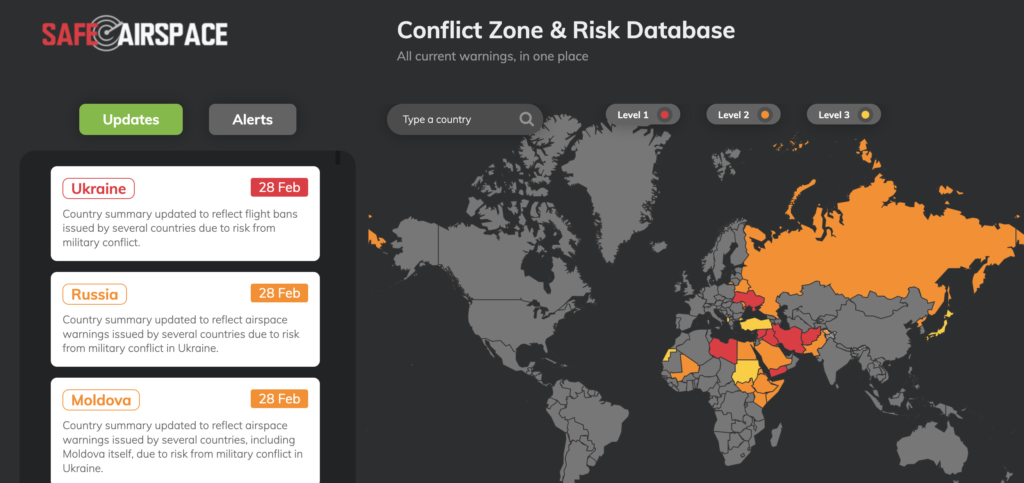
There’s a few ways that OPSGROUP can help. The first is with safeairspace.net, our Conflict Zone & Risk Database which we update with official state warnings and our own analysis around the clock. We’ve also written an article about how to assess risk which you can read here.

Help and support from others in OPSGROUP

Every Tuesday at 2000z we hop online to talk about these things in our regular OPS CHAT. You can read about these here.

This week our members discussed the situation in Ukraine and its impact on international flight ops.

Here’s the link to the replay of yesterday’s OPS CHAT, plus a text summary of all the main topics discussed: Russian operator ban, Russia reroutes, areas of concern in Polish airspace, aircraft getting stuck in Russia, and how OPSGROUP might be able to help with operational support and information.

Or reach out to the team with your question – we’re always around at team@ops.group, and we’d love to hear from you.


OPSCHAT Summary 01 MAR

Hello members,

We had a rather busy OPSCHAT call this afternoon; here is an outline of the topics discussed.
– The full call is available to replay in your Members Dashboard: OPSCHAT 01MAR Recording.
– The full text summary of the discussion points, with useful links and FAQ, is here: OPSCHAT Call Summary 01MAR.

Topics discussed:

  • Russian operator ban – We clarified some of the rules regarding who specifically is affected. EU definition, impact on operators, impact on Russian passport holders, how this is already working in practice. FAQ on sanctions also uploaded.
  • Russia Reroutes – Many operators looking at new routes and unfamiliar airports. Caution especially Himalyan routes if these are unfamiliar – high terrain, challenging airports. OPSGROUP preparing some specific guidance to assist
  • Polish Airspace – Area of concern in south east portion of Warsaw FIR. High level of military activity. Short notice airspace closures are happening in Poland, be prepared – especially in the northern part of Polish airspace.
  • Aircraft stuck in Russia – Discussion regarding leased aircraft and other foreign aircraft potentially being held in Russia.
  • OPSGROUP assistance – Offer from Team to assist where possible with any operational support, information, questions – as well as #flightops or #questions in the OPSGROUP Slack channels.

Please see the full text summary and recording in the Dashboard for full details.


Russian airspace closures escalate, aircraft diverting to exit

OPS ALERT – UUZZ/RUSSIA

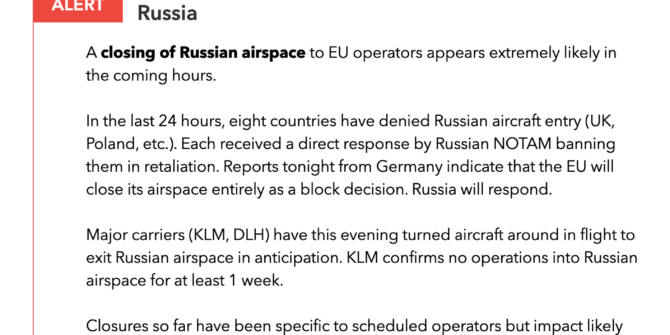
A closing of Russian airspace to EU operators appears extremely likely in the coming hours.

In the last 24 hours, eight countries have denied Russian aircraft entry (UK, Poland, etc.). Each received a direct response by Russian NOTAM banning them in retaliation. Reports tonight from Germany indicate that the EU will close its airspace entirely as a block decision. Russia will respond.

Major carriers (KLM, DLH) have this evening turned aircraft around in flight to exit Russian airspace in anticipation. KLM confirms no operations into Russian airspace for at least 1 week.

Closures so far have been specific to scheduled operators but impact likely to spread. So far no closures directly targeting US operators, but avoiding Russian airspace is sensible given the uncertainty.


More on this in the Flight Ops channel

For the latest on this, head to the #Flight Ops channel on OPSGROUP Slack. We’ve just posted a copy of this alert there, and you can discuss and share updates on this specific topic with other members. The team will also post updates and further info there as we get news.

If you know more about this situation, please share an update in the channel, or email the team. Thank you!


Russia-Ukraine Conflict Timeline

The tensions between Russia and the Ukraine continue to rise, and questions over whether Russia will mobilise troops into the Ukraine is raising concerns for the safety of the region and its airspace.

For a full background to the situation, you can read this post.

Here is a timeline of the current situation and risk warnings, with latest updates on any changes as they occur.

Timeline – Airspace Risk

Jan 26 2022 – **Latest Update**

  • Belarus and Russia advise they will holding joint exercise through to February 20. These will take place near the southern border with the Ukraine. The drills will involve tests of the air defense systems which use advanced anti-aircraft weaponry, able to reach all levels of civilian utilised airspace.

January 2022

  • Russia warned of “the most unpredictable and grave consequences for European security” in relation to plans for the Ukraine to join NATO which is further destabilising the situation.
  • NATO has increased air forces in Eastern Europe in case intervention is required.
  • Warnings and prohibitions remain in place for the airspace along the border between Russia and Ukraine.

December 2021

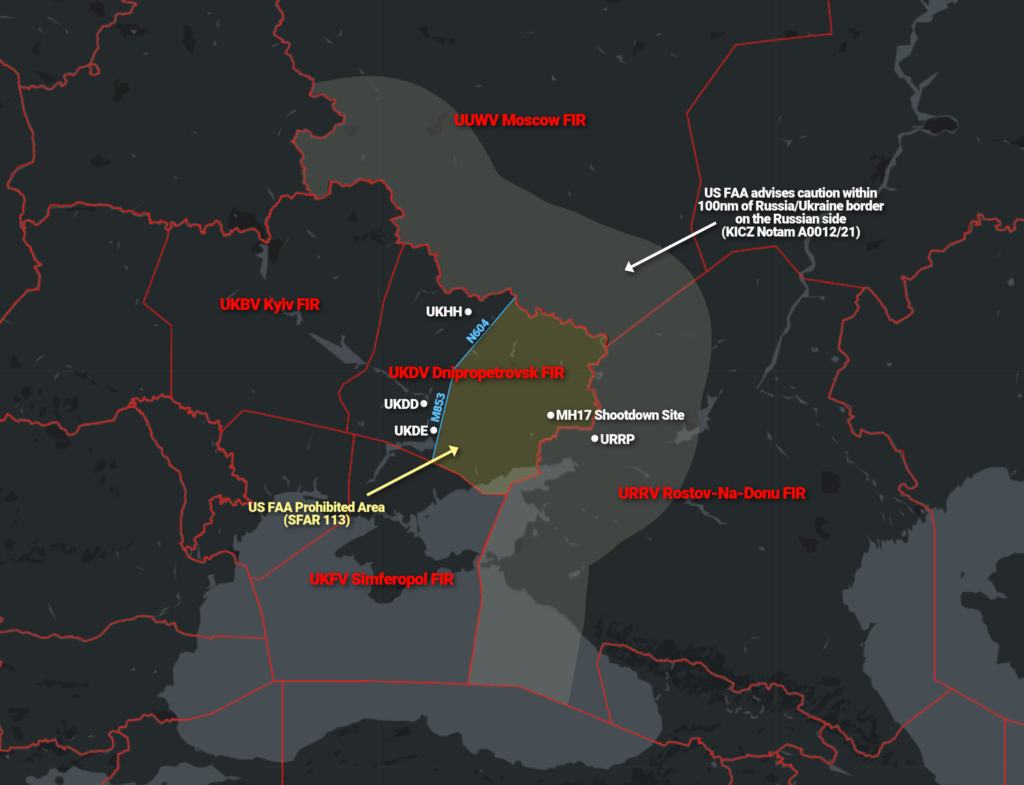
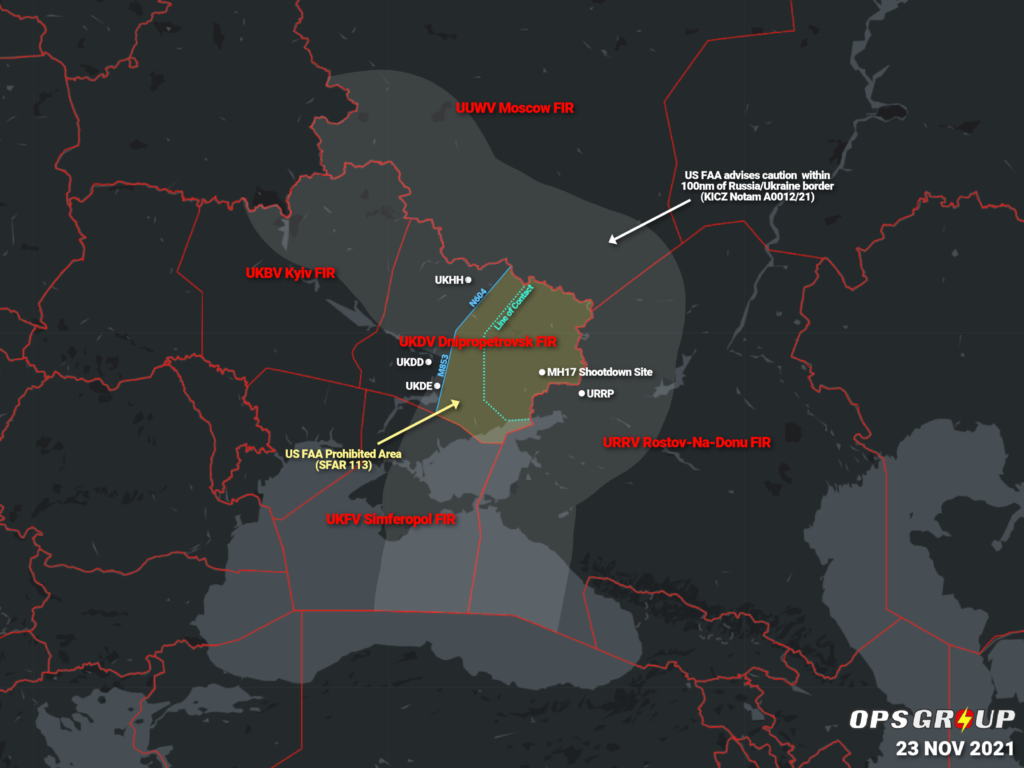
  • The FAA published updated information on overflight risks near the border, particularly in the URRV/Rostov FIR near the UKDV/Dnipro FIR boundary. This is the region where MH17 wash shot down in 2017.

November 2021

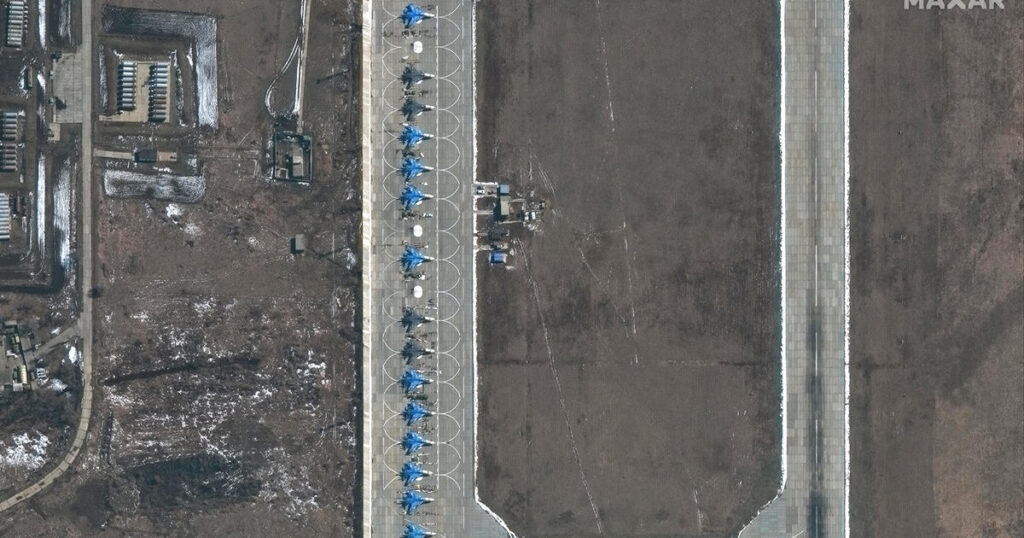
  • Russia increased military activity along their border with the Ukraine, and based significant numbers of troops around URRP/Platov International Airport in Roston-On-Don Oblast.
  • The Ukraine hold drills of their airborne units in the Kyiv region, in response to increased Russian activity.

October 2021 

  • The FAA extended their ban on US operators overflying the eastern part of the UKDV/Dnipro FIR. This is in force until October 2023.

April 2021

  • Russia established several large danger areas throughout the UKFZ/Simferopol FIR airspace over the Crimea, increasing tensions between Russia and the Ukraine. ICAO does not recognise Russia’s jurisdiction over this airspace.
  • Increasing reports of GPS jamming along the border and in east Ukraine suggestion heightened surveillance. Increasing military presence was reported.
  • The FAA and Canada published updated airspace warnings. Canada recommended operators avoid the UKFV/Simferopol and the UKDV/Dnipro FIR.

Within the Ukraine

January 2022

  • Cyberattacks caused disruption to government and public services, and are likely to continue.
  • Several countries including the UK and Canada have now advised their nationals to leave, and advise against all but essential travel.
  • Provinces located in the eastern and northern regions of Ukraine, including capital Kyiv and Odessa are on elevated travel alert, with significant concerns about safety and security on the ground.

December 2021

  • Protests in major cities, particularly Kyiv, occurred as civil unrest increases. The security situation in major cities is worsening.

Airspace update: The Russia-Ukraine border conflict

Long-standing airspace warnings are in place for the Russia/Ukraine border region due to the ongoing conflict. But with recent reports of increased military activity along the Russian side, the concern is Russia may be considering renewed military action including incursions into the Ukraine which would further destabilise the region.

The most recent report suggests large escalation in activity near Maslovka in Belgorod Oblast and around URRP/Platov International Airport in Roston-On-Don Oblast.

URRP/Platov International Airport is the main airport serving this region, and is relatively new – only having opened at the latter end of 2017. It is primarily used by short haul operators to connect to Middle East and Eastern European destinations. The airport has a single runway 05/23 which is 11811ft/3600m in length and has CAT II capability.

Reports suggest Russia is using equipment to jam Ukrainian surveillance drones. Such equipment could affect civilian aircraft, although the range would most likely be limited to the region along the border where airspace warnings already apply.

Further implications.

The US and Europe are encouraging de-escalation. If sanctions were taken against Russia, this could lead to potential gas and fuel shortages as Russia is a major contributor to Europe for these.

There are some tensions between Russia and Europe due to sanctions imposed against Belarus back in May, following the interception of an international flight bound for Lithuania and forced to land in Minsk.

What is the background?

There is an active conflict zone in eastern Ukraine along the border with Russia. The main hotspot is the Line of Contact which runs through the UKDV/Dnipro FIR.

The FAA warned of increased tensions in April 2021, but these were thought to be easing with reports of Russia withdrawing much of their forces. In October 2021 the FAA updated their SFAR extending the flight ban on eastern part of the UKDV FIR to Oct 2023.

What are the current warnings?

The FAA bans US operators from overflying the eastern part of the UKDV FIR, and warns operators to exercise extreme caution within 100nm of the entire Russia-Ukraine border. Several other states have also issued airspace warnings for eastern Ukraine.

A full review of the major warnings can be found at safeairspace.net

What is the risk leading to these warnings?

The primary risk is for operations near the Russia-Ukraine border in the UKDV/Dnipro FIR. Should hostilities escalate here, the airspace on both sides could be exposed to potential weapons activity posing a risk to civil aircraft from misidentification or miscalculation.

The secondary risk affects the UKFV/Simferopol FIR which is disputed airspace. (Ukraine:UKFV, Russia:URFV). The risk here stems from aircraft potentially receiving confusing and conflicting air traffic control instructions from both Ukrainian and Russian ATC when operating over the region.


Has Russia stopped playing me-trics on us?

Russia have never been in much of a rush to join (most) of the rest of the world in how they measure stuff, but they are slowly getting there…

No longer playing me-trics on us?

Way back in 2011, they decided they would start using Feet instead of Meters above the transition level. So traffic cruising on through did not have to worry about sudden changes to metric levels, but any descending down into Russian airports still needed to whip out the old conversion tables once they went below transition.

Then in 2017, they started a trial at ULLI/St Petersburg to see if the whole Foot thing might work for them.

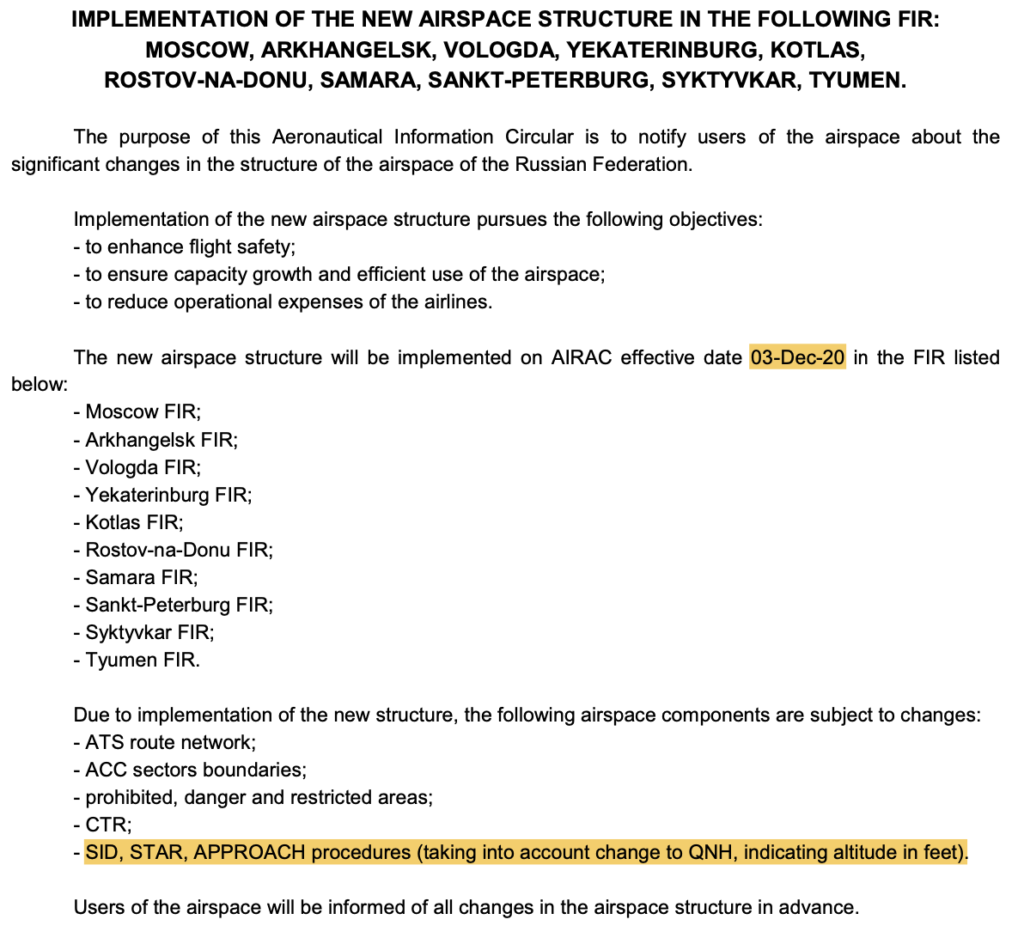
It turns out it went ok, because as of 3rd December 2020 they will be implementing this across Russian airspace – check out AIC 08/19 for the official announcement.

It’s not all smooth sailing yet though…

The AIC seems to suggest that changes will occur in all airspace from Dec 3, but this requires lots of chart updates – in reality it’s more likely that the big international airports will get updated first, and then the rest will follow.

At the end of November, European Regulators issued a caution to operators because some of the chart and database folk are struggling to update everything in time. We are talking en-route charts, SID and STAR charts, updates to prohibited and danger areas, updates to sector boundaries…

In their Safety Information Bulletin, EASA say if you are heading to Russia, check your charts to ensure they are in date, and keep an eye out to see what the changes are and if they have been implemented where you are heading.

What has changed?

  • En-route stays the same: Flight Levels in feet, and metres if you are in a Russian aircraft.
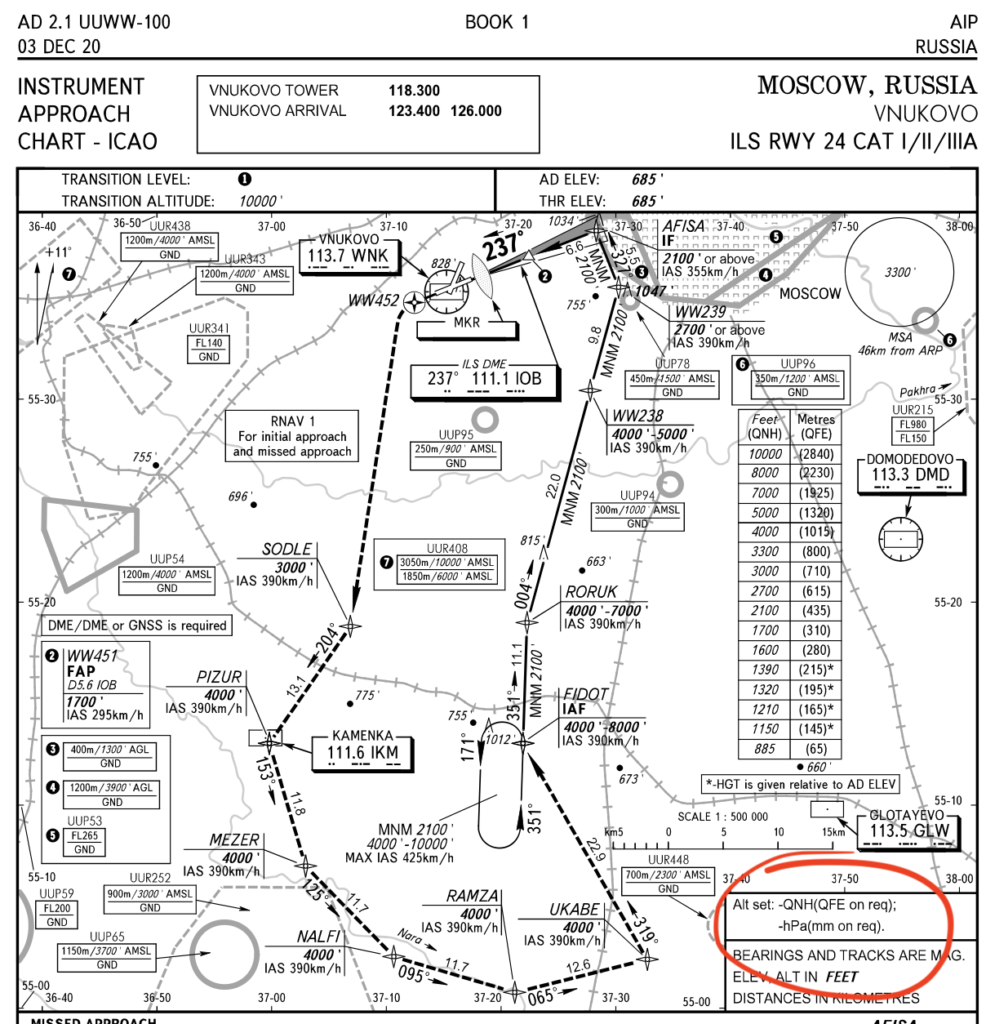
  • Below transition you will now also receive clearances in Feet (QNH).
  • Pressure will be reported in hPa, unless you are a Russian aircraft then you can request in mmHg.

Last time we checked 188 out of 193 ICAO member states are using feet and QNH, instead of meters and QFE. The only countries still working in Meters are China, Mongolia, North Korea, and Russia and Tajikistan (in lower airspace).

Here is a picture of UUWW airport showing the change:

Transition Levels

Initially, we had information that the transition altitude was going to be fixed at 10,000 feet across Russian airspace. Not so, it turns out. Each airport will have their own transition altitude and associated transition levels, so be sure to check the approach plates.

It looks as if Moscow is standardising it across their airspace with a transition altitude of 10,000′, and transition levels based on the pressure

  • FL110 when QNH is 1012hPa or above
  • FL120 when QNH is 977hPa or above
  • FL130 when the QNH is less than 977hPA

And there is more

  • All ATS routes have changed to RNAV5.
  • A lot of TMA structures, and airspace areas around airports have changed which means a lot of arrivals and departures for airfields in the Moscow TMA airfields will also have changed.
  • UUDD/Moscow Domodedovo and UUEE/Moscow Sheremetyevo airports now have independent simultaneous arrivals on their parallel runways.

References:

  • You can access the Russian AIP here
  • You can read up on Metric Altitude Reference info here
  • Read our article from 2017 when ULLI/St Petersburg made the switch to feet and QNH

Thanks to Igor Nikolin, Deputy Head of the Air Navigation Support Service UTair Airlines for assistance with this post.


Charter Flights Within Russia Now Require Cartel Approval

There’s a new rule for charter flights to Russia, effective 21 JUN, which says you must now seek permission from a bunch of different Russian carriers and companies (a.k.a. the ‘Cartel’) before you can go.

The way it’s written suggests that it applies to all charter flights, even if you fly straight in and out again. But local agents are saying it’s more complicated than that. They say that for aircraft with less than 20 seats, you only need Cartel approval for charter flights with domestic legs in Russia:

Russia is issuing new rules thick and fast at the moment. Last week it was for private flights – to fly domestic legs in Russia you now have to get approval from Customs in advance. If the early feedback from local agents is correct, the new rule issued this week for charter flights seems to have been designed to establish a parallel framework for dealing with foreign commercial operators wanting to fly domestically within Russia.

The process seems fairly straight-forward: you send off an email to the group of Russian carriers and companies, and once you get permission from all of them, you can then apply for your landing permit.

They’re saying that your request for approval should be made at least 5 days in advance of your planned flight. But you also have to then add on extra time to get your landing permit – there’s a 1-day lead time for aircraft with less than 20 seats, and a 5-day lead time for those with 20 seats or more.

Here is the info you need to send them:

  • Full company name and postal address, telephone number, e-mail address, and the name of the country that issued your AOC.
  • Flight details: date of a flight, flight number, point of departure, point of destination, and anywhere else you’re stopping en-route.
  • Aircraft details: type, nationality, and reg.
  • Passengers: names and total number, and details of any cargo transported.
  • Charterer of the aircraft: name, postal address, and e-mail address.
  • Consignor and consignee details

To check out exactly who is in the Cartel, plus the email addresses you should send your requests to, click here if your aircraft has less than 20 seats, and here if it has more than 20 seats.

Once that’s all done, and you have permission from everyone, send copies of everything along with your landing permit application straight to the authorities, at: permit@matfmc.ru and aviapermit@scaa.ru

This is a new procedure, so we expect there will be some teething problems early on, but initial reports from OPSGROUP members suggest that it’s already working, with non-objections coming back from the Cartel fairly quickly.

For full details of this new rule, straight from the horse’s mouth, check out Russian AIP SUP 14/19.


Flying within Russia just got tougher – leave your business jet at home

There’s a new Customs procedure in Russia that we’re trying to get to grips with. It’s called “Import 53” (IM53), and it affects foreign aircraft looking to do private flights on domestic legs within Russia. It’s a tricky one – so much so that some of the Customs authorities at the airports there in Russia don’t even understand it themselves.

The standard block of text doing the rounds is this:

Please be aware cabotage flights are strictly prohibited in Russia. To perform flights inside Eurasian Economic Union(EAEU) by aircraft with foreign registration, customs clearance must be obtained by aircraft owner in accordance with the customs legislation. Import to the territory of the Eurasian Economic Union (EAEU) of a foreign aircraft of business aviation with dry weight(BOF) less than 28 tons with the number of passenger seats less than 19 without payment of customs taxes is possible according to customs procedure called IM53(Import 53) which must be performed without commercial benefit by aircraft owner, authorized person or by customs broker. Otherwise, 3% of the amount of import customs duties and taxes would be applied upon the release of the aircraft for domestic consumption.

Most of the bigger handling agents at the major airports are sending this out. But what does it mean? We asked a dozen questions to try to get a clear answer, and it seems this is it:

Private flights: you can operate domestic legs in Russia if your aircraft is below 28 tonnes (62,000 lbs) and less than 19 seats – by applying for IM53. If your aircraft busts either of those two metrics (above 28 tonnes, or 19 seats or more) you can’t apply for IM53, and you therefore can’t fly domestic legs in Russia.

And here’s where it gets super annoying – to get IM53 approval, you have to request it direct with Customs yourself, or use a customs broker. From the handling agents we’ve spoken to, they are not allowed to help with this.

(Also watch out for the whole ‘Eurasian Economic Union’ thing – that includes: Russia, Belarus, Kazakhstan, Armenia, Kyrgyzstan. So watch out if you’re planning on flying between Russia and any these other countries, as Customs will consider it to be a domestic flight!)

We have received reports from members saying that this new rule is already affecting some of their trips to Russia, and that some local Customs at smaller airports are as confused as everyone else about exactly how it interpret them:

Our local handler in [insert second tier Russian city] advises us to cancel the trip there.

The problem is that this Customs procedure, Import 53, is pretty new, and very complicated. It must be opened first in the airport of entry, then closed in the last airport of EAU. Their Customs officers don’t know how to interpret the new rules (probably afraid, who knows?), and refuse to do this.

The last client who arrived to [insert second tier Russian city] had to delay the departure for 6 hours due to the new Customs procedure, and our handler says it is a very good result, and they were lucky.

Our handler cannot guarantee that everything will go well in [insert second tier Russian city], the situation could become worse any time, and there is nothing we can do with Customs. If the customer still wants to go there, it will be at their own risk. 

With the new IM53 rule, the authorities seem to be attempting to establish a standard rule for foreign aircraft operating domestic legs in Russia. Have you been to Russia recently and tried to do a domestic leg? How did it go? Let us know, and help us get the word out.


Russian bombers intercepted off Alaskan coast (again)

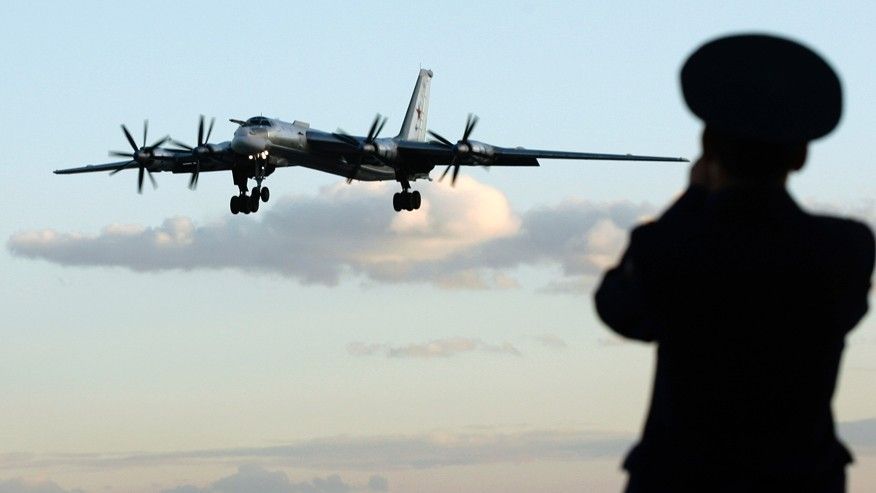
Reports this week of two Tu-95 Russian bombers being intercepted by US F22 fighters off the coast of Alaska.

The Tu-95 bombers were flying in the Air Defense Identification Zone in the Bering Sea north of the Aleutian Islands, where they were visually identified and shadowed by the U.S. jets at 10 a.m., said Navy Capt. Scott Miller, a North American Aerospace Defense Command spokesman.
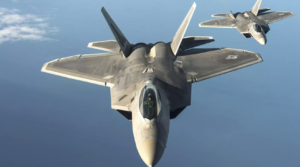
The bombers did not enter North American sovereign airspace, he said in a statement. Miller declined to say how close the bombers came to U.S. land. Some outlets reported they flew as close as 55 miles off Alaska’s west coast.

Friday’s encounter was the first of its kind in just more than a year, Miller said. A similar incident occurred off Alaskan waters in April 2017 in what U.S. officials have described as routine if not tense encounters between adversarial aircraft where territorial lines meet.
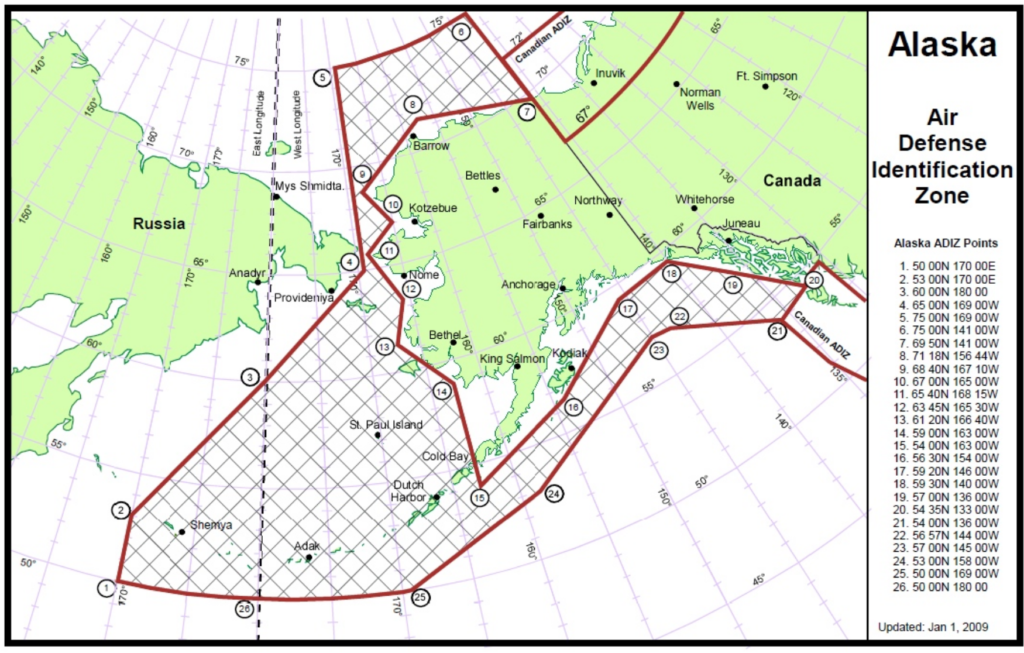

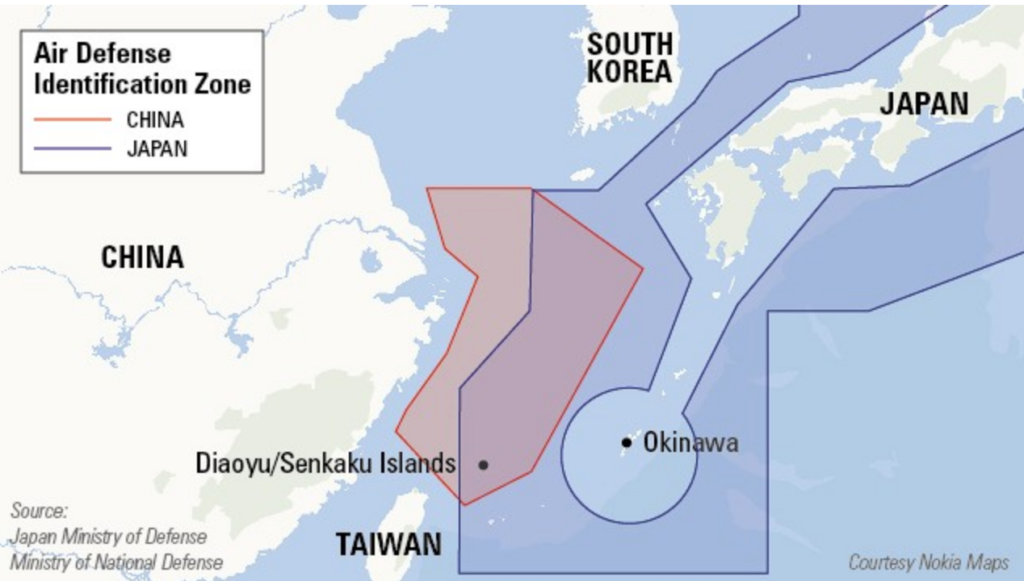
The ADIZ extends about 200 miles off the Alaskan coast and is mostly international airspace, Miller said, though Russian military activity will often prompt an in-kind response for U.S. warplanes. Intercepts in the zone occurred about 60 times from 2007 to 2017, The New York Times reported last year.

Extra Reading:


Japan scrambles record number of jets as tensions rise with China

In Short: Japan scrambled a record number of fighter jets in the past year. The number rose to an all-time high of 1,168 in the year to March 2017, easily beating the previous record of 944 set at the height of the cold war in 1984. Chinese aircraft approaching Japanese airspace prompted 851 of the incidents, an increase of 280 over the previous year.

According to official figures released on Thursday, Japan’s Air Self Defense Force is scrambling fighter jets in record numbers as Chinese military activity escalates. Interceptions of Chinese planes rose by half in the year to March 31, in response to increases in the communist country’s activity in and around the East China Sea.

Japan worries that China is probing its air defences as part of a push to extend its military influence in the East China Sea and western Pacific, where Japan controls an island chain stretching 1,400 km (870 miles) south towards Taiwan. The figures highlight China’s growing assertion of military power in East Asia as it expands and modernises its armed forces in line with rapid economic growth.

For the first time, Chinese jets recently began flying through the Tsushima Strait into the Sea of Japan, and through the Miyako Strait into the Pacific Ocean.

But it’s not only China that Japan is worried about. Last week, Japanese Prime Minister Shinzo Abe warned North Korea may be capable of firing a missile loaded with sarin nerve gas towards Japan. “There is a possibility that North Korea already has a capability to deliver missiles with sarin as warheads,” he told a parliamentary national security committee.

And then there’s Russia. Scrambles by Japanese aircraft were high throughout the 1980s in response to flights by Soviet aircraft during the cold war. They fell back to 100-200 incidents a year during the 1990s and 2000s, but began to pick up again a decade ago as both China and Russia grew more assertive.

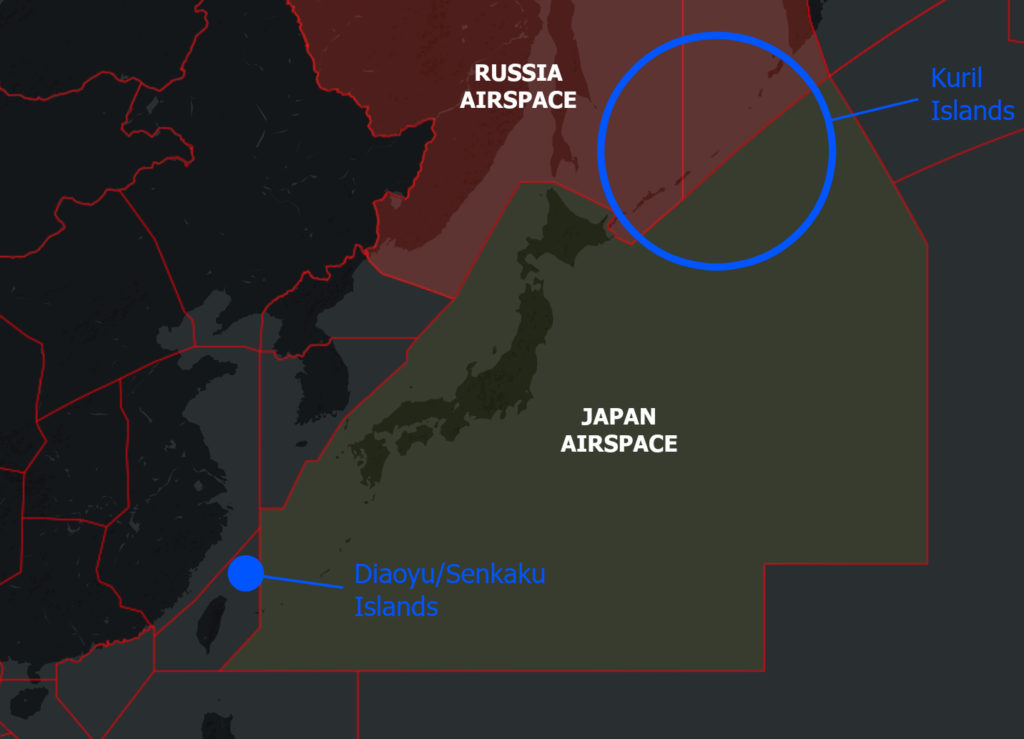
Mr Abe has been trying to negotiate with Russian president Vladimir Putin over the future of four disputed islands in the Kuril chain to Japan’s north, but has made limited progress, with the jet scrambles showing Moscow’s determination to make its presence felt on its eastern border. There were 301 scrambles to intercept Russian aircraft during the year, 13 more than the previous year, including incidents where Russian jets circumnavigated the Japanese Diaoyu/Senkaku Islands to the south.

Extra Reading:


Russia is not closing its airspace to American flights

On April 17, the Russian Ministry of Transport extended overflight approvals for US airlines through to October 28, 2018 – just hours before the old agreement on overflights was due to expire.

This should bring an end to the rumour that had been circulating all week that Russia has closed its airspace to US aircraft, and were denying overflights. There are a couple of unrelated events which caused this confusion:

1. US strikes on Syria on April 14, with rhetoric of Russia retaliation – which in the end didn’t happen.

2. Spooked about how Russia might respond directly after the strikes, American Airlines temporarily decided not to overfly Russia on some of their flights from the US to Hong Kong… but then they quickly went back to doing so again on April 15.

3. With the deadline looming for extending the agreement, Russian civil aviation officials had reportedly cancelled a meeting in Washington earlier this week to discuss renewing the agreement.

4. Some areas of the Baltic Sea are closed on April 19 for Russian missile firing, which is a routine event.


References – all the relevant stories are here:


Overflight risk – Radioactive Russian airspace

Media reporting in the last 24 hours has raised concerns amongst operators about a possible Nuclear accident in Russia, leading to a radioactive cloud in the region of Chelyabinsk, in the Ural mountains. USCC/Chelyabinsk is about 100nm south east of USSS/Ekaterinburg Airport.

Russia has denied that any such accident occurred, but cannot account for the increased levels of radioactivity in the region, which were 1000 times higher than normal. Through the Russian met service, they have confirmed the high radiation levels.

However, assessing a report last week from the French Nuclear watchdog, ISRN, we believe there should not be any risk to operators, especially for overflights. The facts are as follows:

  • The high levels of radiation were first detected at the end of September in Europe
  • Since the beginning of October, levels have decreased in Europe
  • ISRN says they are not concerned about risks to health, even at the higher levels
  • However, no recent data is presented from Russia

Further reading:


The mystery of the missing Russian Weather

A little while ago, Russia stopped sending out METAR and TAF weather updates on the international wires for a whole bunch of airports.

This made life difficult for international operators, especially airlines and business jet operators that use Siberian alternates. If you don’t have the weather reports, you can’t use it.

In OpsGroup, one of our members reported that they now had issues getting weather for places like
UHHH/UHMA/UHMM/UHPP/UIBB/UIII/ULAA/ULLI/UNAA/UNKL/UNNT/USCC/USNN.

Then, another member pointed us at this official site – http://metavia2.ru/index.php?lng=en. But to register, you need to send an email, and nobody got replies.

So, the mystery remains unsolved. What do you know? Comment below, or email us at bulletin@fsbureau.org.


Big change: Russia finally moving to QNH

If you have a Russia trip coming up soon, then keep a close eye on those charts. The whole feet-meters conversion/QFE/”Descend to height” carry on is going to start disappearing effective February 2017.

Way back in 2011, we told you about Russia’s transition to using Feet instead of Meters, for enroute traffic – above the transition level. Ever since then, we’ve kind of been waiting for the same change at Russian airports.

And now, it’s happening.

  • As of February 2017, ULLI/St. Petersburg will be the first Russian Airport to start using feet and QNH – chosen because it’s pretty close to sea level. And one of the more ‘western’ Russian airports.
  • Descent clearances will be to an altitude in feet, based on QNH
  • The ALT/HEIGHT conversion chart will disappear from charts
  • You’ll get “Descend altitude 3000 feet QNH” instead of “Descend Height 900 meters” from ATC.
  • After the St. Petersburg ‘trial’ is complete, the rest of Russia will slowly follow suit. We don’t yet have a firm date for further airports within Russia, but will update this page when we do (or we’ll tell you in the bulletin).


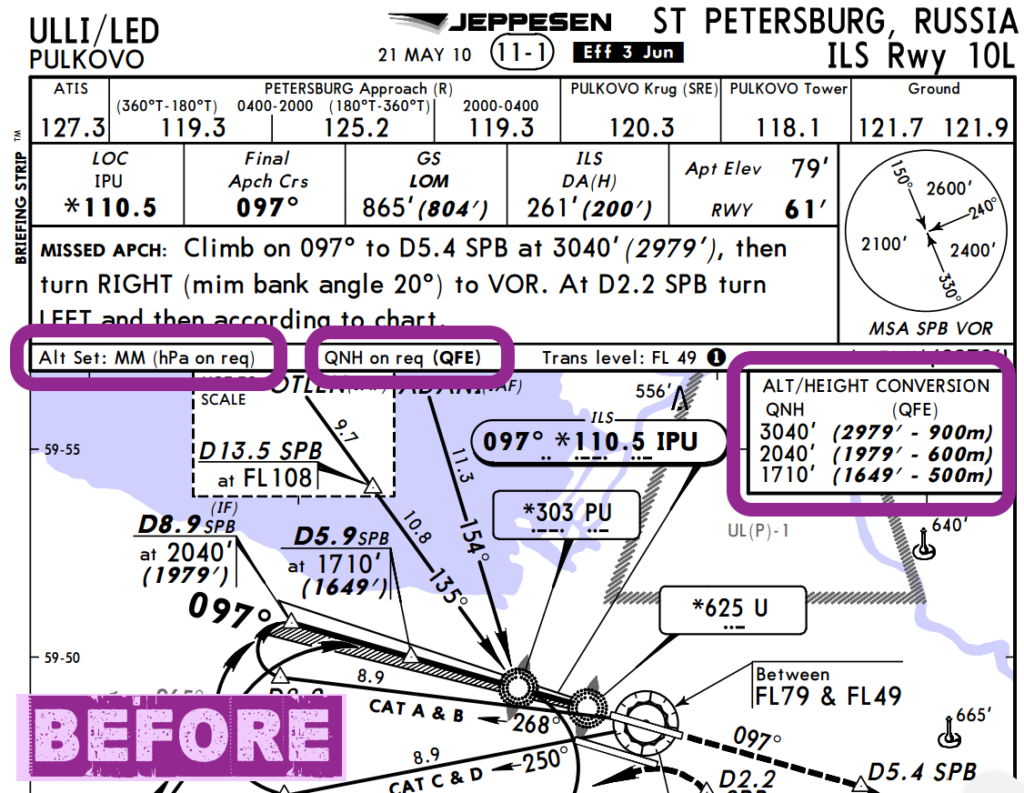
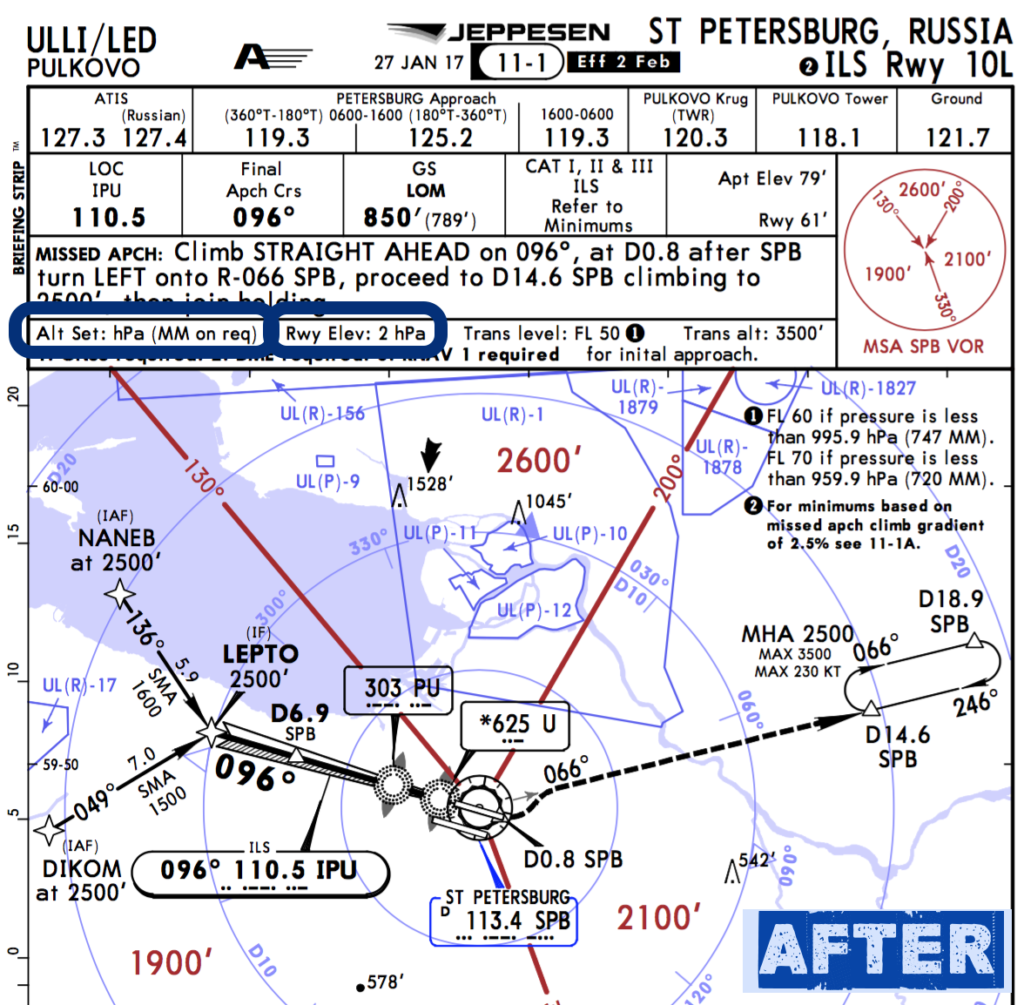
Quick example for ULLI ILS 10L, so you get the idea:

  • The ALT/HEIGHT conversion box is gone
  • The “Alt Set” or Altimeter Setting box shows hPA (Hectopascals) instead of MM (millimeters), which means a QNH-based approach
  • Previously charts showed QFE in bold which meant that was the preferred altimeter setting, now it’s QNH.


References:


UZZZ Russia FIR’s 2017 Operational Changes

Because there are about 6000 Russian FIRs, we don’t have a page for each. All Russian updates will appear here.

Feb 22nd, 2017 Russia is finally transitioning to QNH. Check this article.


Midweek Briefing: Oceanic and Remote Procedures Update, Rome Airport Closed Friday

Oceanic and remote procedures updated: 12OCT The FAA this week issued a significantly updated version of their “Oceanic and Remote Airspace” procedures document. There’s a lot of good stuff here, even if you’re not operating an N-reg. Take a look at the PDF.

Rome Airport to close Friday 12OCT A reminder that LIRA/Rome Ciampino will close fully from Friday, for two weeks, as a result of urgently required runway maintenance. You can use LIRF/Fiumicino instead, but with significant restrictions.


LLBG/Tel Aviv starts winter runway maintenance work on 01Nov until 17Nov – Runway 21 will become primary landing runway, associated restrictions, not available as alternate during this time – check AIC 3/16.

LOWI/Innsbruck starting December 14th, the airport will introduce parking restrictions for private flights every week from 1800Z Weds until 1800Z Sunday.

TXKF/Bermuda Tropical Storm Nicole is approaching, expect some disruption and check before using as an alternate over the next few days.

HAZZ/Ethiopia The Ethiopian government has declared a six month State of Emergency from 9 October 2016. While details of emergency arrangements are not formalised, measures to restrict communication, movement and political expression are expected. Carry identification, avoid all large gatherings and protests, monitor the media for details on the application of the State of Emergency and follow all instructions issued by local authorities.

SPIM/Lima radar will be off the air on Friday from 19-21Z for repairs, procedural control, expect enroute delays.

EGGX/Shanwick. An exercise to test to the Volcano eruption response is underway, you may see multiple references to an eruption in Iceland – it hasn’t happened, it’s just a test. Stand down. Katla is also back to code Green.

UZZZ/Russia Karymsky volcano in the Kamchatka peninsula is active with colour code Orange, check before operating.

OKAX/Kabul FIR continues to have comms issues in the north east portion of Afghanistan airspace, VHF comms are not working on 118.3 or 128.5. There are some “Nordo” procedures, refer to AIP ENR 1.6-1.

MUFH/Havana has a couple of new entry points to the FIR – FUNDI and IKBIX – but they’re not for use yet, so don’t.

OPRN/Islamabad If operating to OPRN, be aware that on Saturdays and Mondays ATC will be practising non-radar procedural approach from 0500-0900Z until the end of the year.

SPJC/Lima has overnight parking restrictions from 14-21NOV, check with Airport company or handler prior to operating.

FZZZ/Democratic Republic of the Congo: the security picture is uncertain following recent political protests and there have been calls for further protests in Kinshasa, including on 19 October; you should follow travel advice and monitor local media for updates

SPZO/Cusco will not allow overnight parking from 10-20OCT.

FOZZ/Gabon Following the results of recent elections in Gabon, further strikes or demonstrations could occur in the capital Libreville and in Port Gentil. Avoid demonstrations, large crowds and rallies as they may turn violent.

UAZZ/Kyrgyz Republic Multiple embassies located in Bishkek have issued warnings to their citizens of an increased threat of a terrorist attack in the Kyrgyz Republic, possibly involving kidnapping and hostage taking, against Kyrgyz authorities and foreign diplomats during October 2016.

TQPF/Anguilla has introduced a ban on visitors from Guinea, Liberia and Sierra Leone, with a view to mitigating Ebola risk. Anyone who has been to those three countries in the last 21 days will not be allowed to enter.

VTSP/Phuket is suffering from ramp congestion, and will not allow non-scheduled flights to stay overnight until the end of the year.

WSSS/Singapore Changi has a couple of closures on 18 and 19 OCT due to a military exercise, check local Notams.

ZUUU/Chengdu has a new speed restriction inbound – fly 183 knots from IAF to IF, then 160 knots to 4nm. Notam U2748/16.

View full International Bulletin 12OCT2016


Midweek Briefing 10AUG: EASA Cockpit Rules, Ukraine extends Russia Ban

EASA: New Cockpit Rules 10AUG EASA has published a new SIB with guidance for operators on, well, how best to arrange the swap of pilot-taking-a-pee and flight-attendant-now-up-front … Read the article

Ukraine extends Russia ban 10AUG Ukraine has extended the ban on Russian registered operators overflying or landing, until November 10th, 2016. In an operational notice.. Read the article


UUZZ/The Moscow Area will get busy between 26AUG and 04SEP (we’re not entirely sure why), but … The Main Air Traffic Management Centre (MATMC) has issued notice that there will be increased regulation for flights to UUWW, UUDD, and UUEE. Permission to depart will expire 30 mins after planned off blocks time, after which the Operator (that’s you) must call MATMC for a completely new permit.

MWCR/Cayman recorded its first local transmission of the Zika virus on 08AUG. Several other people on the Cayman Islands have reported symptoms of the virus; however, authorities stated that in these cases the patients contracted Zika during travel abroad.

MKJK/Kingston, Jamaica is carrying out work on its Comms lines until the end of the week, and is expecting to lose some Flight Plans. The outage is 0415-1100Z daily. If you are operating to Jamaica, or through the FIR, it’s worth sending your FPL early, and not during that time. Maybe send it a few times to be sure, should minimise delays due to missing FPL’s.

VIZZ/India Independence Day on 15AUG. Multiple restrictions. No overflights within 150nm of Delhi. VIDP/Delhi will not allow non-scheduled flights 0030-0430Z, and 1030-1330Z. Check with your handler for specific restrictions on 15AUG.

LIRA/Rome Ciampino will be completely closed from 14-29OCT for runway maintenance and upgrades. According to CIA, maintenance work will be carried out on a 24/7 basis on parts of runway 15/33, at various junctions and taxiways.

EVVA/Ventspils is closed for the week from today, due to repairs to the main runway. One of the three main airports in Latvia, it reopens on 15AUG.

GUCY/Gbessia, Guinea Opposition leaders have announced the postponement of opposition demonstrations planned for 10-16AUG. Marchers will reportedly demonstrate on the Autoroute Fidèle Castro, between Aéroport International de Gbéssia (GUCY/CKY) and the Palais du Peuple. The demonstration was originally slated to occur on 4 August but was later postponed until 10 August.

WIZZ/Indonesia Travel advice updated: Political tensions have given rise to occasional mass demonstrations in cities in Papua; take extra care and seek local advice on your travel plans.

SOCA/Cayenne FIR has broken it’s SITA system and has no CPDLC or ADS-C until, they think, at least 14AUG. Revert to HF and use 8855/5526; failing that try 3023.

RJZZ/Japan On 08AUG, Japanese military officials placed the country’s armed forces on alert for the potential of a North Korean missile launch. According to an official statement, the Japanese military will be ready to strike any North Korean missile that threatens Japan. Because some North Korean missile tests are difficult to detect, the current state of alert will last for three months. Previously, Japanese defense officials issued a series of temporary orders in response to imminent North Korean missile launches.

LWKS/Skopje Flooding on 6-7AUG2016 in Skopje and neighbouring areas has resulted in over 20 deaths. Some roads, including part of the Skopje ring-road, are closed. Alternative routes are available, but traffic may be slow moving. You should travel with extreme care.

LTZZ/Turkey Per new dictat from the DGAC in Turkey, all Ambulance flights entering Turkish airspace are to report “ACTIVE AMBULANCE FLIGHT” on first contact with Turkish ATC.

DIZZ/Cote D’Ivoire Effective 15SEP2016 Ivory Coast will withdraw the following HF frequencies: BOUAKE 5710KHz, 1578KHz; DALOA 5701KHz, KHOROGO 6673KHz; Man 5710.5 KHz; ODIENNE 6673 KHz; SAN PEDRO 6012KHz

EDDV/Hannover has special runway configurations on 14AUG due to (yet another) bomb from WW2 being removed. Between 1100-1400Z all approaches to 27L/09R are suspended.

VVZZ/Hanoi ACC reports that a lot of flights operating through the Hanoi ACC area of responsibility have not been submitting flight plan messages to VVHNZRZX or VVHNZQZX. In order to avoid missing / delay of FPL messages, copy these AFTN addresses when submitting your FPL’s.

EGZZ/United Kingdom 8AUG Rail staff in southern England, including London, began a five-day strike, which will reduce rail services by 40 percent. Travellers should expect major delays and large-scale traffic disruptions

BGSF/Kangerlussuaq Daily Closures between 09AUG and 30AUG for runway work. Double check NOTAMR A0295/16 for complete list of timings. Only Medivac, Search and Rescue and PPR confirmed operations allowed.

KTEB/Teterboro Landing Fees here are to increase by about 25% on September 1st. Comments regarding the fee changes can be submitted to The Port Authority of New York and New Jersey, and must be received by 10AUG2016.

Measles Myanmar/Taiwan On August 6th health officials confirmed a measles outbreak in the Sagaing region, a mountainous area located in northern Myanmar, bordering eastern India. We have also received report from Taiwanese health officials confirming a link between two cases of measles and Taipei’s Songshan International Airport (RCSS/TSA). The two cases, which were first detected on 15JUL, involved an airline ground crew worker and a passenger who traveled to the airport.

SECU/Cuenca, Ecuador Operations at Cuenca airport will be suspended from mid-August 2016 for 3 weeks to 1 month due to the need for additional runway works.

OMDB/United Arab Emirates On 04AUG both runways at Dubai International Airport (OMDB/DXB) resumed full operations following the 03AUG 777 accident. Expect delays and some cancellations as the airport is still struggling to catch up.

UTZZ/Turkmenistan and UAZZ/Kazakhstan On 04AUG Turkmenistan temporarily closed its border with Kazakhstan, citing security concerns. Officials stated that the closure will last for five days. Turkmenistan instituted a similar border closing on 20JUL. Authorities did not release details on the purported security concerns that prompted 04AUG closure.

UZZZ/Russia 03AUG Polish officials stated that they did not have a specific date to reopen visa-free border traffic between Poland and the Russian enclave of Kaliningrad. Security concerns associated with the NATO Summit and Roman Catholic Church’s World Youth Day led officials to temporarily restart border checks at Poland’s borders. Residents of border areas, however, will be able to travel across the border for cultural, social or family reasons.

UNKL/Yemelyanovo Runway11/29 is closed for all types of aircraft THU 0600-0700, WED FRI 0610-0710, MON TUE SAT SUN 0500-0700, 01SEP until 29OCT

View the full International Bulletin 10AUG2016