The US rules for carrying Covid in the air
Since January this year, any passenger boarding an international flight bound for the US must have a Covid test within 3 days of their departure.

Great when it’s negative. Not so much if its positive – what happens then?  How do you carry them back to the US? And what about their close contacts? Are they good to go?

Let’s take a closer look…

The US law says you cannot knowingly carry someone with known or suspected Covid-19 to or within the US on regular passenger flights. You can’t even board them.

Instead, as a general rule they won’t be able to travel until they meet CDC quarantine or isolation guidelines (typically staying put for ten days and more testing), in addition to whatever local laws apply. A great reason to have travel insurance.

But what if they have to travel?

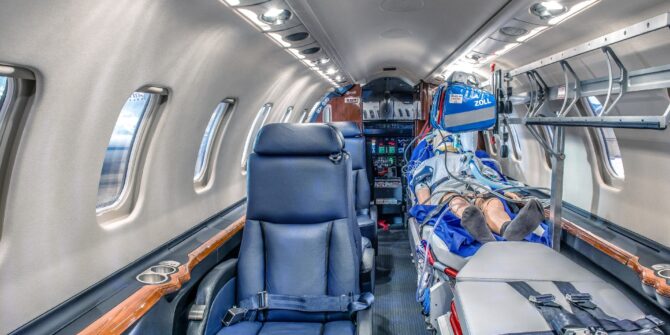
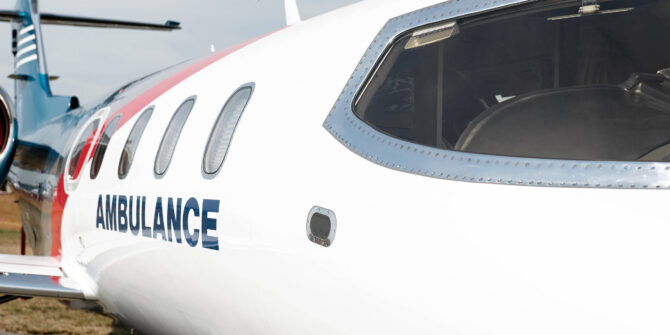
There are important reasons why a Covid-positive passenger might have to fly. The most common one is that they are being medically evacuated or transferred to better medical facilities. It may also be part of the passenger’s insurance policy.

Either way, it falls upon charter or medevac operators to make it happen because the rules say that this is the only way. The airlines just can’t be used.
Forget ‘the brush.’

If you’re chartered to carry Covid positive passengers – or those suspected of having it – you need to be familiar with the CDC’s procedure for transport by air. Spoiler alert: you need permission, so whatever you do don’t show up unannounced.

You can read that procedure here in all its glory. But here’s a quick rundown of how it works.

It starts with the phone.

If you’re operating an international flight, the first step is to contact the relevant US Embassy. There may be local laws or restrictions that prevent a Covid positive patient from being allowed out of quarantine early.

Then, over in the US, there are three important agencies that you’ll need approval from:

  • The FAA – yep, make sure they’re cool with it.
  • Customs and Border Protection – they will work with you to decide on the best port-of-entry.
  • The CDC – This involves contacting the relevant quarantine station for where you’re headed – and you’ll need to give them at least 24 hours’ notice before you take-off. There’s a bunch of info they’ll need – click here for that list.

You’ll also need to think about the logistics of your flight including transport, permission from other CAAs and airport authorities – including where you may need to divert to.

Pre-travel.

Prior to the big day it goes without saying that your unwell passenger(s) should stay in isolation. They’ll need a medical exam beforehand to make sure they are well enough for the level of care you can provide them in the air.

You’ll also need to work with airport authorities for a plan. If you have to enter a terminal, your passengers will need to be separated from the public.

Choose your ride.

When it comes to transporting unwell passengers, not all airplanes are created equally.

The CDC has guidelines for this too. They were developed back when MERS was thing. Remember MERS? It was like Covid’s lesser known cousin that appeared a few years back but was way less memorable at the party.

In a nutshell they need to be large enough to be able to separate passengers and crew into different parts of the airplane. Ventilation is also important – ideally, cockpit air should have positive pressure relative to the main cabin and not be mixed.

Don’t forget to think about range. Every stop you make will become a logistical challenge to manage. If you can make it in one go, you should.

On-board.

First things first, keep that air flowin’. At all times. Even on the ground during long delays, you need to keep ventilating the airplane.

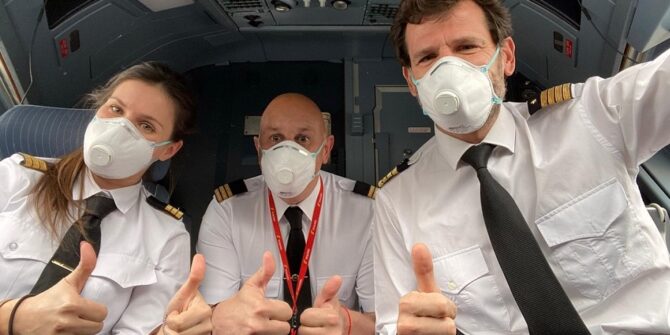
Passengers and crew must wear masks – don’t worry you can remove them to sip on your coffee. You can get away with basic ones, but the CDC recommends the fancier N95 masks or better.

Here’s the kicker – crew need to remain separated from passengers unless there is an emergency or to provide single-serve meals. You can put up placards or barriers but they need to be obvious and not stop anyone from reaching emergency exits or seeing cabin signs.

If you can, seat passengers at the rear of the aircraft and keep cabin crew at the front – at least six feet away. The reasons for six feet will become clear in a sec. Pax should have their own bathrooms.

After landing.

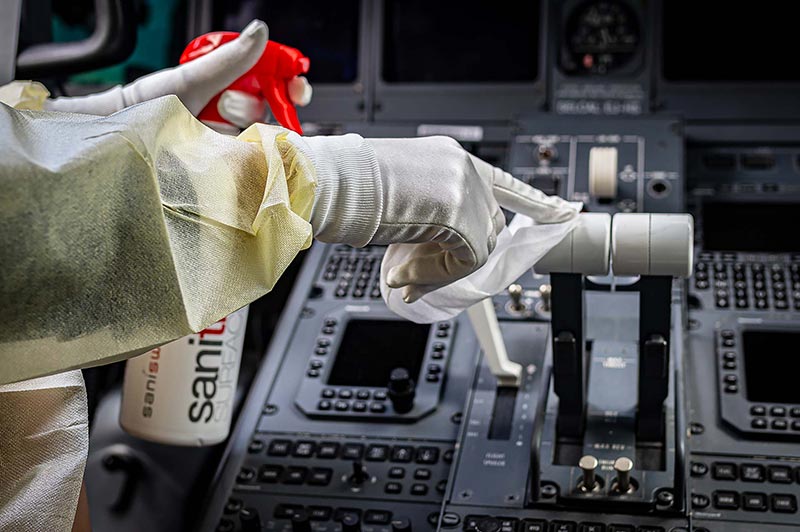
 The airplane will need to be thoroughly cleaned. As in squeaky clean. There are rules for what types of products need to be used – you can read about that here.
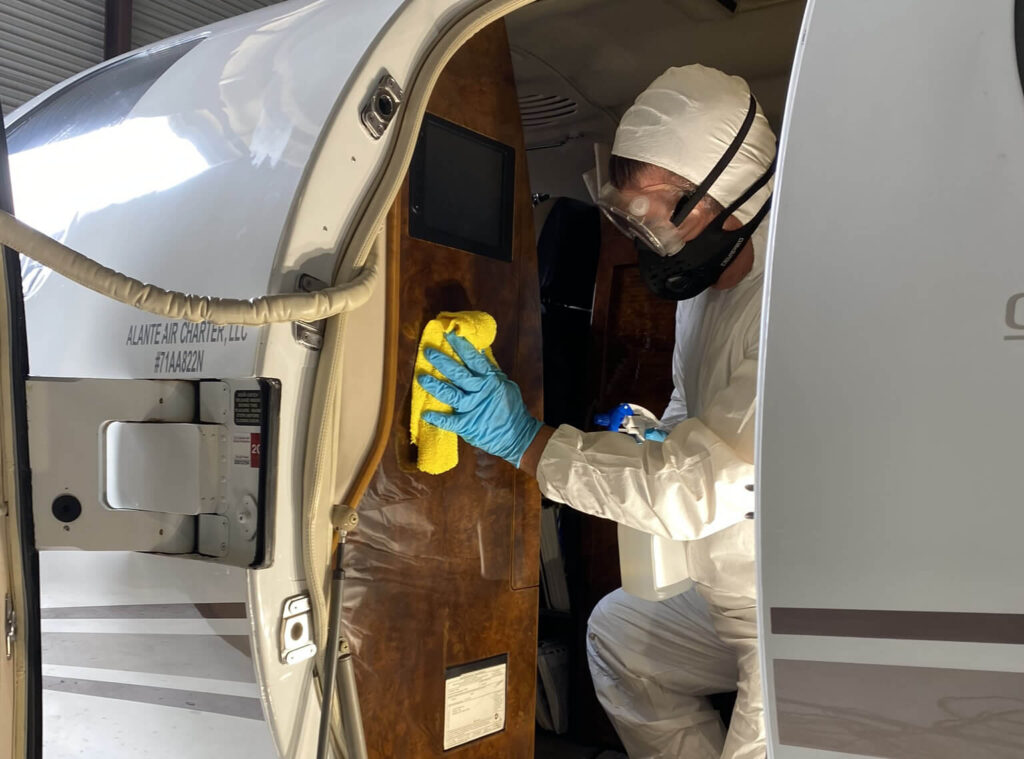
Post-flight cleaning needs to be squeaky clean.

As for crew, as long as you’ve followed the rules, you don’t need to be tested or quarantine. But make sure you self-monitor for symptoms for 14 days afterwards, just in case.

The ‘close contact’ conundrum.

This is where things start to get tricky…

Being a ‘close contact’ of a known Covid case for all intents and purposes means you have been exposed.

But what counts as ‘close’? Brace yourself, because the CDC have that base covered – it means anyone who has been within six feet of a confirmed case for a cumulative total of 15 minutes over 24 hours.  Cumulative being important here – so for example, three 5 minute exposures counts as ‘close’. It doesn’t need to be all in one hit.

So, what happens when a known close contact still tests negative?

 There’s effectively three scenarios here:

  • The close contact is fully vaccinated and has no symptoms: Okay, they can still travel.
  • The close contact is fully vaccinated but has symptoms:  No bueno, it’s off to quarantine.
  • The close contact hasn’t been vaccinated:  No bueno, it’s off to quarantine.

Cool, so can Covid positive passengers be transported with their close contacts?

No. But you can transport multiple positive pax together, you just can’t mix positive ones with those who have tested negative.

Still have questions? We don’t blame you. Here are some handy places to start.

The CDC website, you can visit it here.

The US FAA, their Covid specific stuff is found here.

If you’re trying to reach Customs and Border Protection, you can reach em’ here.

All Stressed Out: Are We Ready to be Back in the Sky?

There have been some welcome headlines in the news lately.

In the US at least, people seem to be taking to the skies again. One US major almost tripled its scheduled flights in June when compared to the lowest points of the Covid pandemic.

When it comes to airplanes in storage and furloughed pilots, as we’ve mentioned before, the industry has inertia. For a bunch of reasons, that big ol’ wheel can’t just start turning the minute we can get bums on seats. And the cracks are already beginning to show (no pun intended).

That same US major also had to cancel nearly one thousand flights recently due to staff shortages. Part of the problem was that a number of its pilots were still dusting off their stripes in post-furlough training.

The point is that renewed desire for travel is likely to (hopefully) one day soon outpace how quickly employers can get their pilots back in the sky. Is it possible that in this eagerness to get us flying again employers may overlook the mental health and wellbeing of their pilots?

Or in other words, even if they are ready for us to return to the flight deck, are we?

Aviation workers were among the hardest hit during the pandemic. And it wasn’t just pilots – cabin crew, air traffic controllers, engineers and other aviation professionals were left facing redundancy, loss of livelihood and financial stress. This was then combined with all of the other sufferings that Covid created in our lives.

It’s no surprise then, that one study found they suffered substantially more during the pandemic than the general population did. Is it then naive to think then that we’re all mentally match-fit to get back in the game?

When you combine that with an immediate need to be employed again along with reluctance to speak out about mental health for fear of loss of medical is it time that employers take a moment to make sure their staff are fit to fly in other ways?

And it’s not just about pilots who lost their jobs either – those who kept theirs faced pay cuts, downgrades and constant anxiety about job security. Then there is the constant testing, fear of catching Covid, and time away from family in isolation. In fact it’s a fairly safe bet that almost all pilots have had a lot on their minds over the past eighteen months.

It’s a stressful business.

And it’s no secret. In fact, another study recently found that airline pilots have the third most stressful job in the US. And that was before Covid…

When it comes to what causes stress, there’s actually a widely accepted measure. Just google Holmes-Rahe – according to it, here are some of the biggest things that stress us out the most (and we’re talking life-changing here): loss of employment, change in financial state and default on debt all feature in the top twenty, and that’s ignoring the more personal problems that those issues have a tendency to create. Covid pandemic anyone?

The point is that by the time we get back to the skies, we’ve already been through a number of factors that cause chronic and prolonged stress. Unlike short term stress, it’s just not that easy to shake off. Even the toughest and most resilient among us will in some way carry that with them into the flight deck.

Here’s the bottom line: All of the hazards that were there before Covid will still be there. But our resilience to deal with them will be reduced. And that means risk.

The problem of stress in the cockpit.

Although a little stress can be beneficial by making us more alert and task-orientated, the human body isn’t designed to cope with chronic stress. For pilots it is well known to negatively affect our cockpit performance and increase our proneness to poor decision making, bad judgement, loss of situational awareness and confusion – all of which can be dangerous up there.

At its most basic level it can make us us feel irritable, fatigued and disengaged which can lead to a break down in monitoring or communication with other crew members.

Although the effects of stress may not be obvious when things are ops normal, they can greatly reduce our capacity to deal with whatever might be thrown at us when something goes wrong. This accident serves as a good example.

If not dealt with, chronic stress can also lead to more serious mental health problems such as anxiety and depression.

So, what needs to be done?

Because of the ongoing pandemic, pilot mental health and wellbeing is arguably more of an issue now than ever before. We need to prioritise wellbeing as part of our recovery plan and it really is a shared responsibility.

Employers need to do provide more support to their staff. Mental health awareness training, access to counselling and peer support programs should become common place. The positive impact of other lifestyle changes on the job such as flexible rostering, better crew pairing options and more time off shouldn’t be overlooked either.

And most importantly the inconvenience and cost of these things should not be prioritised over safety.

From an industry perspective we need to continue to de-stigmatise mental health problems and encourage openness so that pilots with wellbeing issues have the confidence to step forward and acknowledge their problems without fear of loss of job or medical. Regulations need to be improved to allow this.

Pilots themselves have a role to play too, particularly not to underestimate how much underlying stress can affect your performance at the controls and how you interact with your other crew. It’s important to self-diagnose and recognise the signs. There are a bunch of steps you can take both physically and mentally that can help you overcome it.

Getting back to a ‘new’ normal. 

As people take to the skies again and borders begin to reopen it’s important to remember that pilot mental health can have a big effect on safety. And considering what we’ve all been through it’s worth taking a moment to make sure the industry is doing enough to address it.

In that way we have a chance to use Covid as a catalyst for positive change even when the pandemic is one day far behind us.

More places to look.

ICAO Mental Health Working Group . They’ve been active throughout the pandemic and are doing a lot of work on the psychological effects that Covid is having on pilots.

Cleared for Takeoff. A handy and easy to read guide on how you can prepare mentally and physically for return to flying.

Article photo courtesy @vlkvojtech


Currency and Startle Factor – How to Beat It

Good news – the vaccine is here!

Slowly but surely passengers will begin returning to the skies. Which means pilots will too. Just like a huge ship, our industry has inertia. You cannot simply take your foot off the brake and straight back onto the gas.

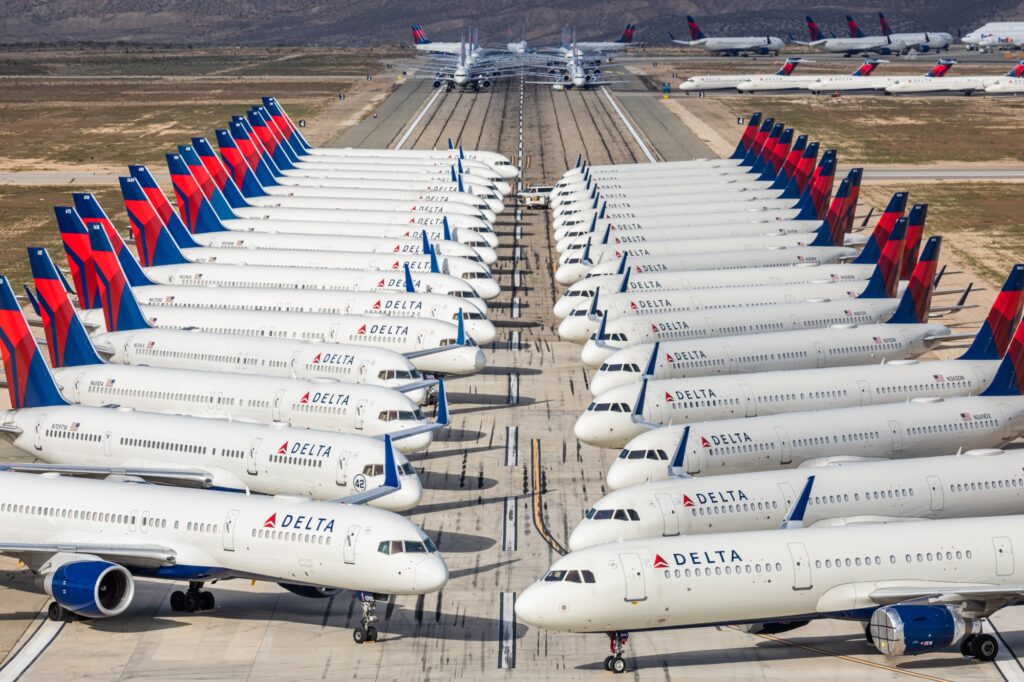
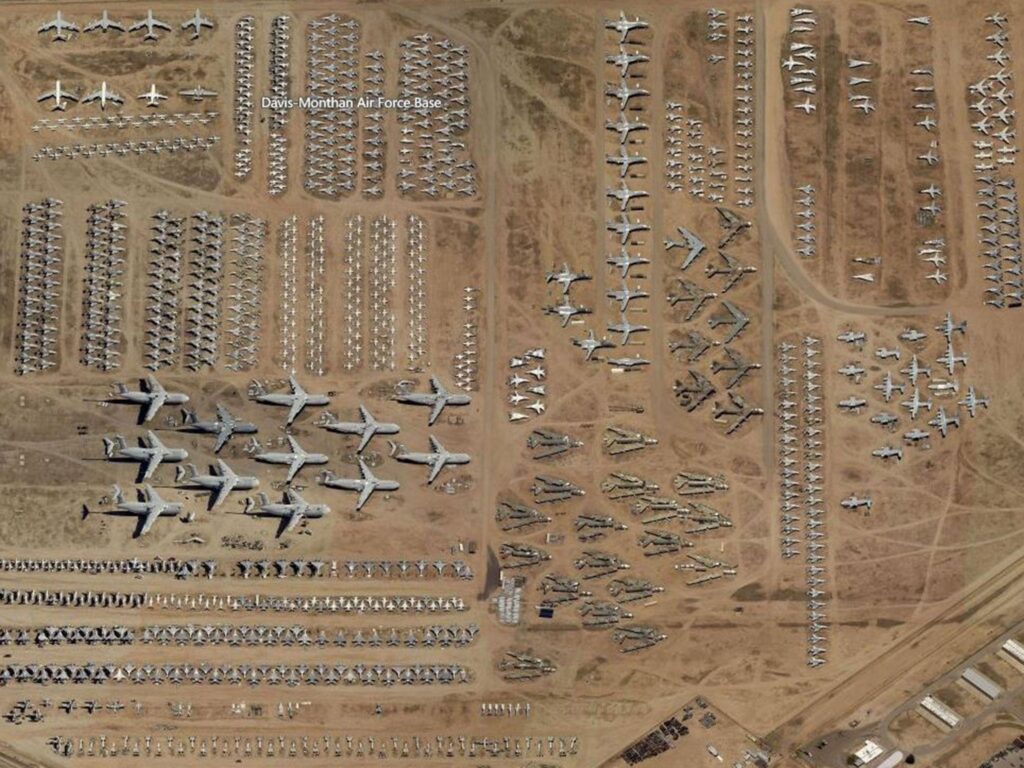
In 2020, it went into a deep hibernation. Remember those pictures? Thousands of gleaming tails stuck depressingly in the desert? Well, pilots didn’t fare much better. Thousands of pilots were put into deep storage too.

To give you an idea of scale, get a load of these stats- the first post-Covid worldwide survey found that 58% of the world’s pilots are currently grounded. 33% lost their jobs completely while a big bunch are on furlough with no clue when they’ll fly next.

So as the industry begins to recover (and it will), a legion of seriously “non-current” pilots will find themselves back in the hot seat facing the same challenges they did back when things were booming and your skills were Chuck Yeager sharp.

Beginning to get the picture? I’ll give you a hint…

It’s not like riding a bike.

We’re not machines and our skills degrade over time no matter how good you are.

Secondly, you might think a bunch of extra training will soon get you back to speed. The issue is resources – it is such a big task to get everyone current again you are likely to find yourself at the controls legally current, but not necessarily at your best.

So if something goes wrong, you’re likely to be further behind the 8-ball. So let’s talk about startle factor. Yep that old chestnut. We’ve all been there. Something has gone wrong and fast. One minute you’re talking about that great place that does burgers near the crew hotel, the next you’re seeing more red lights than Amsterdam. For a fleeting moment all that training and knowledge is gone. You go blank but feel compelled to act. Sadly it is in these brief moments that some crew have tragically become unstuck.

Here’s the issue.

When you’re not current you are more likely to fall victim to startle factor. And you can bet your bottom dollar that whatever is about to happen is not going to wait for you to get a few sectors under your belt first.

So if I get a call up next week, what can I do about it?

  • Understand what is happening in your brain when something goes *bang*.

    Startle factor is normal. It affects everyone because a ‘fight or flight reflex’ has been hard wired into our brains since the days we were running away from woolly mammoths and sabre tooth tigers. It is a physical and mental response to something unexpected.

    When something gives us a fright, our brain activity changes. We think less and act instinctively while our bodies are pumped full of adrenaline and stress hormones. Effectively for a short time our thought processes are hijacked. We can get into a vicious cycle of bad decisions in a hurry. This post-startle brain fog has had tragic consequences in avoidable accidents.

  • Don’t act. At least right away.

    Just for a moment, resist the knee-jerk reaction. Slow it down. By sitting on our hands even for a second or two you are giving your brain a chance to pass through its instinctive reaction and give you back control of your decision making. You have to understand what is actually happening before you can do anything to fix it.

  • Be Ready.

    Fight boredom and be alert. In each phase of flight think about what could go wrong and how you will react. For those less superstitious, dare your plane to fail. By keeping your brain in state of readiness you will overcome the startle factor more easily.

  • Get Back On the Script.

    Ah, yes. Familiar territory – nothing helps you get over a shock than what you already know. Use a robust decision making process and watch your ol’ capacity bucket grow.

    You have probably heard of some – SAFE, GRADE, FATE etc. There are lots of them but it is important to have one and practice it consistently.

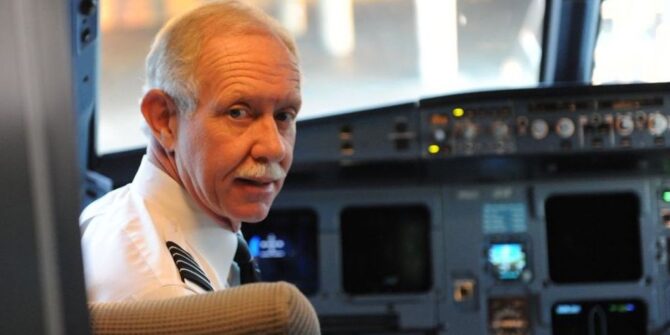
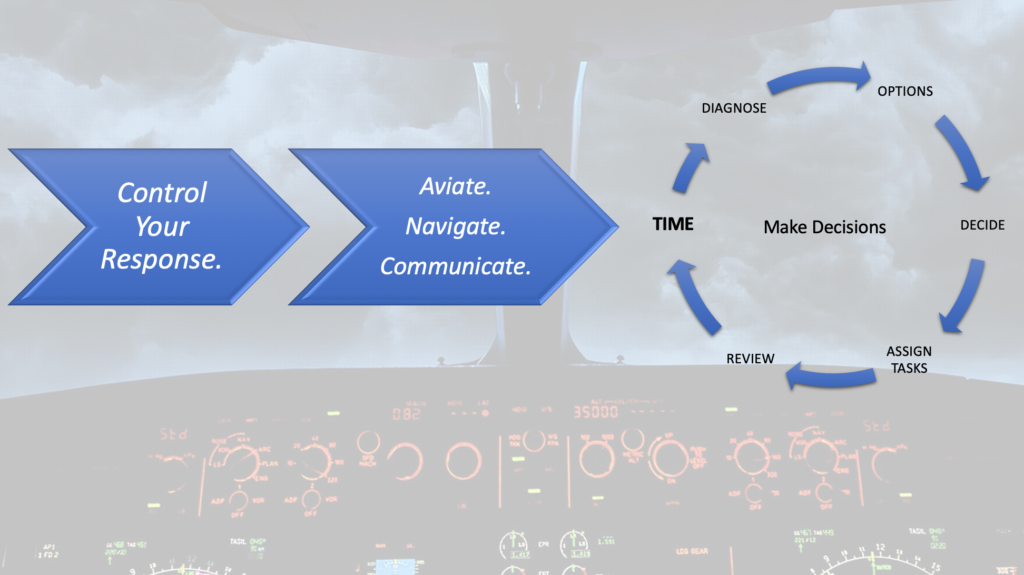
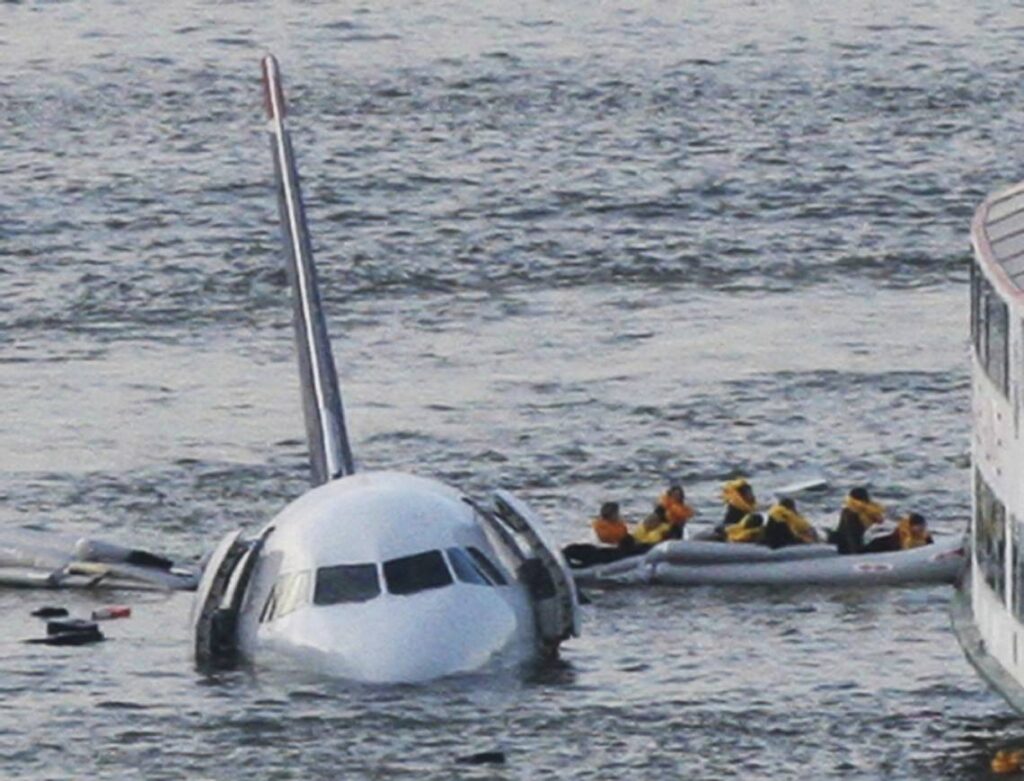
    T-DODAR is another tried and true method, and US Airways flight 1549 shows how it can be used in some of the most startling circumstances that could have been thrown at a crew.

Sully Sullenberger kicked a field goal that fateful day in 2009 when they took a flock of Geese straight through both noise-makers.

He paused, sat on his hands and tried to understand the status of the airplane. What had happened, and why. Whether he had power or not. He got himself back in the loop. He took control of the airplane, established it in a glide and turned the aircraft back towards the airport. He then told ATC. Aviate, navigate, communicate.

Once he had the capacity, he went to work. He knew he had no time and had to land. The diagnosis was obvious – a bunch of birds damaged both engines. Sully worked through his options: Return to La Guardia, go to another airport or ditch. He made his decision – “We’re gonna be in the Hudson.”

Once the decision was made, he assigned tasks. He would fly the plane, his First Officer would run checklists and try and get an engine back and his cabin crew would prep the cabin.

As they descended toward the river he turned to his colleague and with a simple question covered off his review – “Got any ideas?”. In other words, anything we haven’t tried yet? 155 people were saved by the crew’s ability to make decisions effectively. Apply a framework and you create so much extra brain space to concentrate on other things.

Oh, and about the sim.

Traditionally, airlines have followed matrices.

What’s that you say? Matrices, cyclics, whatchamacallits – predictable training programs that meant that every year or two that horrible multiple hydraulic failure would pop up yet again. That canned exercise that you were born ready for because you spent all last night studying it over a room service steak.

While I’d be the first to admit that when it comes to sim assessments, I love to know what’s coming, that’s not how the world works. The real reality is… who knows? There is an un-countable number of factors at play that will decide what an actual airplane is going to throw you at you. So the best defence is being comfortable with what you don’t know.

Spend a few minutes looking up ‘Evidence Based Training.’ Chances are you’ve already heard of it. It’s about assessing competencies no matter what’s thrown at you and it’s a revolution for pilot training. If you have the right tools in your bag you can fix almost anything – and that’s the whole point.

Simulator time is valuable, and if you get the chance use the extra time. Get something new thrown at you – because at the moment, we need all the help we can get!

Some other interesting stuff…


Dry Ice: The Silent Danger of Hauling Vaccines

We are on the verge of the largest airlift in history. The Covid vaccine rollout has begun and the world is turning to aviation to make it happen at breakneck speed.

Just how big?

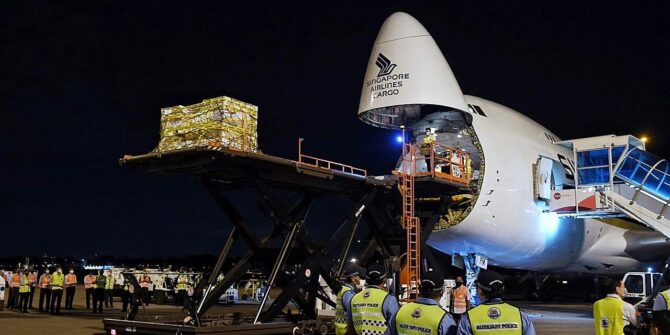
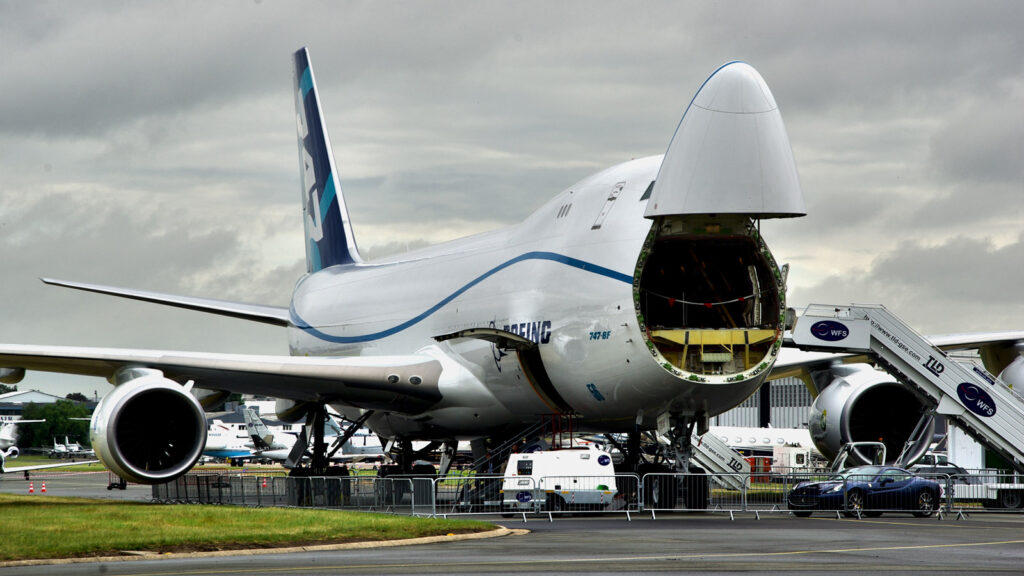
Huge. IATA think the equivalent of about 8,000 fully loaded 747 freighters will be needed to get the vaccine out to everybody. Over five billion doses of just the main ones will be produced this year alone – enough to jab nearly half the people on earth.

It’s a gargantuan logistical challenge for the industry and it means crew will be carrying large quantities of vaccines throughout the world packed with volumes of dry ice we have never seen before.

The problem is that dry ice is dangerous. Put it in a confined space like an airplane and it can be really dangerous. The FAA were sufficiently concerned about it to issue a safety alert back in December, while EASA have come up with their own guidelines.

So, why is it so dangerous?

Dry ice is carbon dioxide but in solid form. It goes that way when you make it really cold. The issue is the minute it begins to warm up again, it turns straight back into gas – ‘sublimates’ if you want to get technical. While this is great news for the dance floor of your favourite night club, in airplanes it means you have a hazard that is constantly trying to fill your cargo hold or cabin with toxic gas.

You can’t see it, smell it or taste it but CO2 displaces the oxygen in your body causing you to gradually asphyxiate. It is not the same thing as hypoxia, and you can’t rely on the symptoms you were taught back in flight school. Early signs of CO2 poisoning include drowsiness, headache and difficulty breathing. Very quickly this can turn into dizziness and confusion. Left unchecked seizures and unconsciousness will soon follow.

The more you are carrying, the bigger the risk. Which is why there are strict limits set by manufacturers and operators on how much you can carry. The problem is that these limits were never designed with the global rollout of a vaccine in mind. Operators now need to find new ways to manage the dangers of hauling much more if it.

What’s wrong with room temperature?

A little about vaccines. There are two approved in the US – Pfizer and Moderna, and they both work in similar ways. They use RNA (DNA’s lesser known cousin) to tell your body’s cells to produce a spike protein – those pokey out bits you see in all the Covid pictures. This triggers an immune response and hey presto, no more Covid.

Well, there’s more to it than that. But the point is that RNA is fragile stuff – it starts to break down if you don’t keep it cold. Like really cold. The Pfizer vaccine has to be kept at -70 deg Celsius while Moderna must be kept at a comparatively tropical -20 deg Celsius. That’s where the dry ice comes in.

The vaccines are generally being shipped in special thermal containers – basically big coolers with layers of dry ice used to control the temperature inside.

So how much dry ice is too much?

That depends. There are lots of factors at play including the rate the dry ice is releasing gas, the size of your aircraft, how efficient your ventilation system is and your appetite for risk. Aircraft manufacturers publish guidelines, and it is up to aircraft operators to carry out a risk assessment to find a safe answer.

If you’re looking for a starting point, the FAA have published a formula. It’s a bit dry (no pun intended) but with a little number crunching you can come up a conservative idea of how much is safe to carry. Whatever happens, the concentration of CO2 in the air of your aircraft can never exceed 0.5% – the FAA’s hard limit for transport category aircraft and the maximum level for humans flying aeroplanes.

How do we stay safe out on the line?

Keep that air flowin.’ The most important precaution is enough ventilation when carrying dry ice. Make sure you are maximising flow throughout the aircraft.

Watch those MEL’s – defects that affect your ability to ventilate are major red flags when you see dry ice on your NOTOC. This may include bleed/pack problems. Also look out for issues with your fixed oxygen system – you may just need it.

Keep things cool. The colder your cargo hold, the slower the dry ice will release gas. This includes on the ground – try and limit the amount of time the hold is open, especially in hot climates.

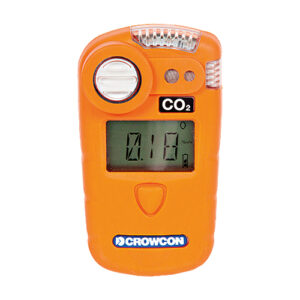
Use CO2 detectors. These can be carried in an aircraft or worn by crew members – don’t confuse them with carbon monoxide (CO) detectors found in smaller piston aircraft.

Get some training and have a plan if you experience symptoms or an alert is triggered. This may include getting on oxygen, declaring an emergency and diverting. Chances are the problem will get worse before it gets better.

Beware of smoke/fumes removal procedures. Every aircraft is different but in most cases they involve depressurising the aircraft. In the case of dry ice this may make the problem worse – an increase in cabin altitude has been shown to increase the rate of release and draw more CO2 from the shipments.

Keep an eye on ground staff too – high concentrations of CO2 can hang around cargo holds for minutes after opening. They may not realise the danger.

It’s not just ice. There are other risks too.

Vaccines are being shipped with lithium battery powered trackers. Manufacturers want to know that the vaccines are kept cold enough and being delivered where they are supposed to be. Which means operators have to keep following the rules for lithium batteries too. You can find more info on those here.

Watch your security. Vaccines are big business. In the initial stages of the rollout, demand is through the roof and there isn’t enough to go around. Unfortunately, there are concerns that this has attracted criminal interests who may try to target large shipments of vaccines. INTERPOL have issued a warning about this very threat.

Get Priority

Some shipments of vaccines are time critical. The US, Canada and much of Europe have a new procedure to let ATC know you fall under this category. Essentially by including ‘STS/ATFMX’ and ‘RMK/VACCINE’ in Item 18 of your flight plan, ATC will do their best to keep delays to a minimum.

Those links again…


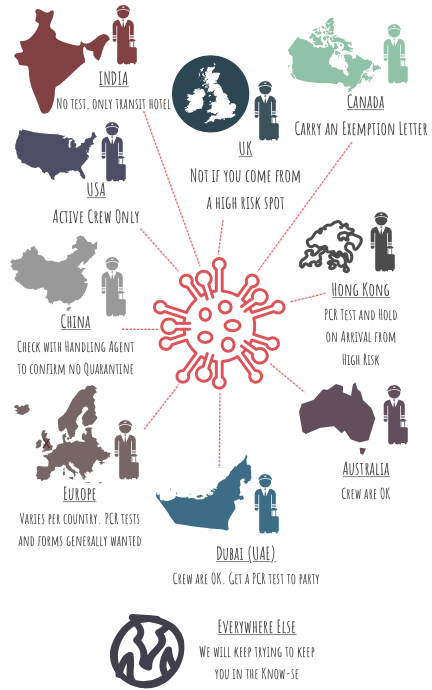
In the Know-se: Current Covid Crew Requirements

Covid has been around for nearly a year, and we have seen countries closed, reopen, close again, slightly close, close to some, not to others… It has been an endless jumble of restrictions, sticks up your snout, and “are you or aren’t you allowed” confusion.

So, we thought we would provide a quick summary of the current Covid Air Crew restrictions, because, after all, these are what you probably want to know.

AmeriCan if you’re crew

The US want proof of a negative Covid test for passengers – that’s a PCR or antigen test, and it needs to have been taken a maximum 72 hours before travel. This covers all flights. That means private flights, GA flights, chartered balloons, even people who find a way to ride in on giant pigeons…

However, ACTIVE crew are exempt.

So for crew travelling to the US – you don’t need to get a Covid test in advance as long as you’re “active crew” – i.e. you’re operating the flight or travelling in an assigned deadhead status (i.e. positioning crew into the US). You also have to follow the health and safety rules set out in the FAA’s SAFO 20009.

We’ve had some reports of issues when positioning crew into the US, with gate staff requiring they show proof of a Covid test. To be clear: deadheading/positioning crew are officially exempt from this requirement, as per the CDC guidance found here.

Try to connect with the carrier being used in support of deadheading crew to verify their processes and documentation requirements. One thing to try: the NBAA has developed a template letter for deadheading/positioning crew to use for these situations. Print it out, fill it in, and send it in advance to the carrier you’re flying in with, and ask for written confirmation back from them to mitigate against any last-minute issues at the gate.

Maintenance personnel and contractors are also exempted if their travel is for the purpose of operating the aircraft, or ensuring the safety of flight ops.

Canadargghhh 

Canada recently changed their entry restrictions for all, and they are only allowing passenger flights to fly into CYUL/Montreal, CYYC/Calgary, CYYZ/Toronto or CYVR/Vancouver.

Despite the clampdown, crew are still exempt provided they are on duty.

Annex G contains the Template Letter for Crew confirming they are on active duty which you should make sure your crew have with them. The exemption covers quarantine and Covid testing.

Chi-not the place to go

Aside from locally based Chinese crew being asked to wear nappies, the information for air crew is tough to pin down for China. We think it is this – every airport is different.

The China Airlines Immigration page has the most useful information, and where it refers to C Visa, this is the bit you want to look at because that’s what crew will have.

Generally, you seem to be able to enter and stay overnight in a crew rest hotel without 14 days of quarantine, but your best bet is to confirm with a local airport agent (operations@groundexpress.aero have been really helpful).

The goings on in Hong Kong

From January 23, any air crew who have visited somewhere deemed Extremely High Risk will have to self-isolate in a designated quarantine hotel for 21 days… we think this might just apply to local crew though, because it goes on to say – 

All non-local based crew [who have been to Extremely High Risk areas] must have a negative PCR taken with 48 hours, and must undergo another test on arrival and remain in isolation until a negative result is received. They call this their Test and Hold procedure.

If the crew were not in an extremely high risk place up to 21 days before going to Hong Kong then you still need the PCR test taken 48 hours before, and the arrival test, but you can stay at your airline-organized hotel instead.

The official website is here.

Are U(o)K?

The UK has seen a lot of changes to their entry restrictions over the year. After they discovered a right royal variant of their own, they locked down (and pretty much every other country in the world locked them out). Then the cases of other mutant variants starting popping up all over the world so the UK closed their borders to a whole bunch of countries.

What does this mean for crew though?

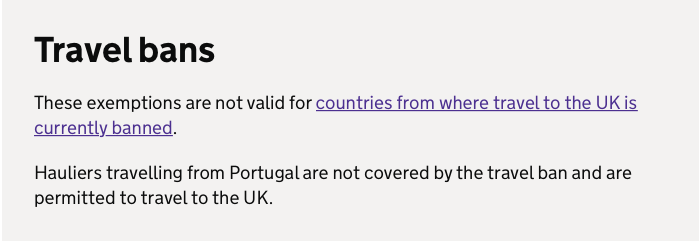
It means that if you are foreign flight crew and have been in (or even transited through) a banned country in the last 10 days then you will not be granted access to the UK. If you are a UK citizen or resident then you can enter, but will have to self-isolate for 10 days. The list of banned countries is here.

This is the bit we are talking about – the Travel Exemptions list, which lists jobs exempt from restrictions. The top message is pretty conclusive we think – even exempted jobs are not exempt if they are coming from/ have recently been to a country currently banned.

Europtions…

Europe has a lot of countries in it and all of them have their own regulations and restrictions. Here are the “big” ones.

France is getting a bit more restrictive with passengers of late, and borders are closing to a lot of higher risk countries – and to anyone who doesn’t have legitimate and essential reasons to be travelling there. The UK and non-EU countries are pretty much banned at this point.

For the crew, the requirements haven’t changed (as of February 3). You need to fill out a Passenger Locator Form, but are exempt from all the other isolation requirements (isolation and tests).

Swissport in LFMN/Nice keep a great little table regularly updated with all the latest rules in France for pax and crew, depending on where they’re flying in from.

Germany are closing their borders to all places where mutated viruses can be found as well. That means the UK, Ireland, South Africa, Portugal, Brazil, Lesotho and Eswatini so far.

Watch out here – crew need a Covid test in advance if you’ve been in certain countries within the past 10 days (EDWW mega-Notam B0123 carries that announcement).

Germany classifies other countries into four groups: No Risk Areas, Risk Areas, High Incidence Areas, and Areas of Variant Concern (this government page has the latest details on which countries fall into each of these groups). Crew who have been in Areas of Variant Concern within the past 10 days must have a Covid test taken within 48 hours, and pre-register electronically. Crew who have been in High Incidence Areas within the past 10 days are only exempt from these requirements if they’re staying in Germany for less than 72 hours.

Austrailing behind…

Australia remain very restrictive on how many international travellers they let into their country, and there are a lot of restrictions and requirements in place for entry. Luckily, for air crew, you are exempt. You do need to stay in your hotel during the layover though. Here is their official page on this.

Say Dubai-bye to restrictions

Dubai have remained fairly lax on their restrictions and lockdown measures, and as a result people who have been through Dubai are now being classified as high risk when they go to other places.

But for crew heading to Dubai, it is fairly straightforward – no Covid test required on arrival but if you want to move freely around Dubai during your layover then you can either bring a negative test result with you (taken 72 hours before), or get one on arrival (takes about 24 hours) and wait in your hotel until the results are received.

In and out of India

India have a general ban on scheduled international flights, except under special approval or existing bubbles. This ban does not mention charter flights and local agents have confirmed that GA/BA can come in, but just need prior approval.

For crew on these flights, you are going to need a valid visa, but no test is required. However, if you don’t have one, then you are only able to stay in transit hotels in VIDP/Delhi and VABB/Mumbai.

Where else in the World is there?

Lots of places, obvs! And with restrictions changing almost daily, it’s tough to keep up.

Pre-departure Covid tests are fast becoming the new thing, with more and more countries around the world starting to make this a mandatory requirement. For a quick check of each country’s rules for passengers, go here.

Often the crew requirements are not published alongside the passenger ones, so we will keep digging for this information, and the alerts we publish will try to give you the main passenger changes, and the crew requirements where we can.


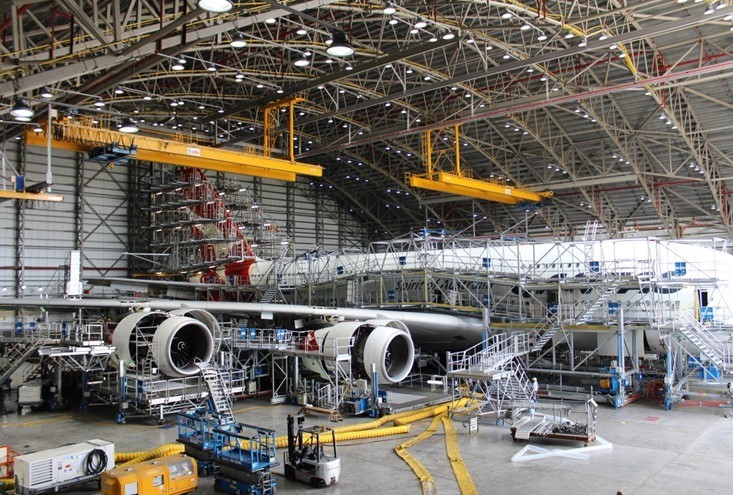
Mothballs & Maintenance: The Risks of Long Term Storage

It’s a strange time for aviation right now: closed countries, fewer passengers, and a lot of aircraft being moved into hangars – not to see the sky again for some time. The long-term storage of aircraft is leading to some unforeseen issues…

We reported on some these before, but we thought now might be a good time to give another quick summary because aircraft are starting to fly again – in particular the 737 Max which is back in the skies of Canada, the US, and soon Europe as well.

The Dangers of Long-Term Storage…

There have been a lot of incidents attributed to aircraft coming out of long-term storage. Wizzair fell foul of some bugs in 2020, an Aeroflot had a bit of a mishap after it was only partially ready to go back flying…

Both the US and EASA safety regulators have raised concerns about certain issues for aircraft coming out of long-term storage, so in case your airplane is currently stashed away, read on.

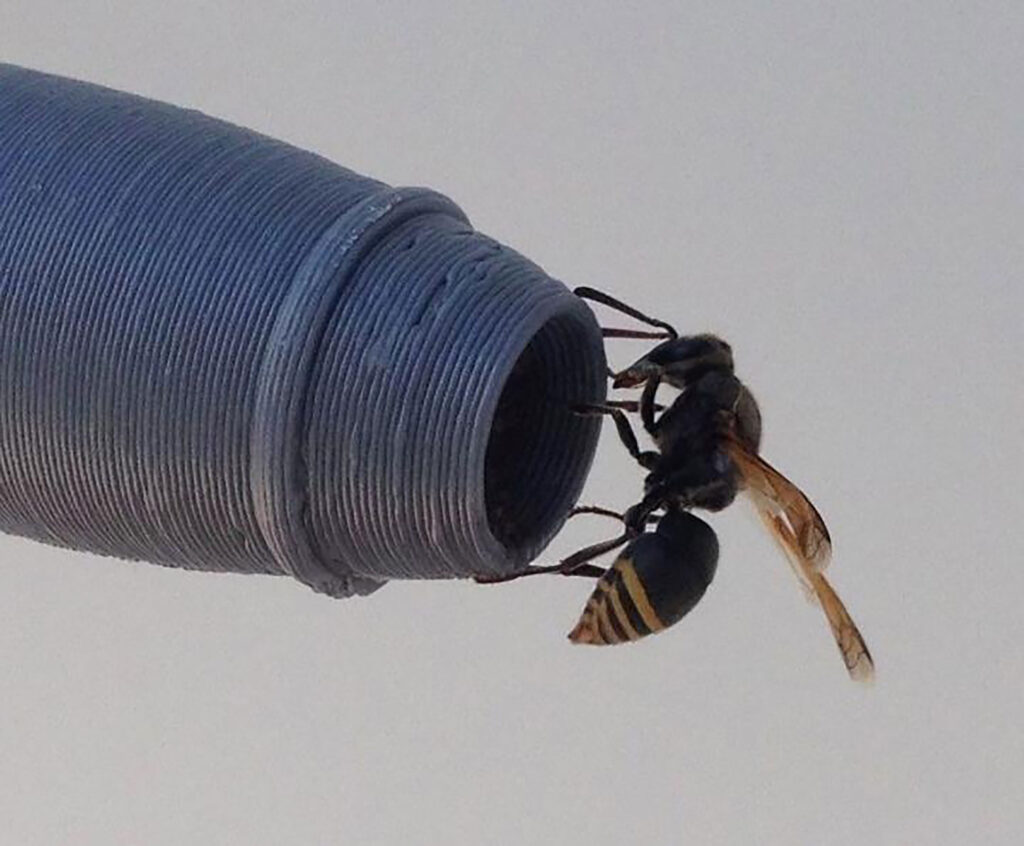
Nesting Nasties

We mentioned this one before, but with Covid dragging on, we figured it might be worth a reminder.

It sounds nightmarish, but insects have been known to build lairs deep inside aircraft probes, where even the most eagle-eyed walk-around check might not spot them. 

And these critters have led to an alarming trend of airspeed problems for aircraft new out of storage.

Check out our earlier article on the risks of this here, and be sure to do an in-depth check of your aircraft’s nook and crannies before taking to the skies again.

Batteries Not Included

Aircraft with Nickel-Cadmium batteries (which is most of them, unless they have newer lithium ion ones) are suffering from premature power loss.

Embarrassing for the batteries, and dangerous for the pilots.

When disconnected, these batteries can lose their capacity, and when they are plugged back in again, they might not regain it – leading to a lot less time of usefulness that you think you have.

A battery not providing the performance you are expecting on that already bad day when you drop down to emergency power levels, is going to make it a really, really bad day…

What can you do? Well, EASA recommend that aircraft approval holders work with battery manufactures to check out this new found phenomenon, but in the meantime – if you are waking your airplane up from a long term hibernation, make sure its ticker is ticking properly with a full maintenance check, before you head out for a spin.

Clean as a Whistle

Disinfecting is big right now, what with this old pandemic thing. But a lot of the cleaning agents that can kill Covid, can also damage your airplane. 

Damage to screens, fogging and misting from liquid pooling in out of sights areas, and some alcohol based substances ‘crazing’ up windows (alcohol crazes most of us up, but on windows it can cause fine cracks, and permanent damage) are all risks of using the wrong cleaning fluids.

There is also a chance long-term use of certain cleaning agents might start to corrode parts and increase the flammability of the interior, and even cause some shorting of the circuitry.

So, the FAA and EASA have issued guidance suggesting you check which disinfectants are suitable for your aircraft type. That seems sensible. Their recommendations on how to clean are here, and you can find links to anti-Covid approved cleaning agents that you can check with your aircraft manufacturer before spritzing your plane.

Check your flappers

Back in July 2020, the FAA issued an airworthiness directive for 737 Classics and NGs because, when stored for just 7 days, they can start to suffer from corrosion on the Bleed Air 5th stage check valve.

What’s the risk here? Only a little case of double engine failure, according to the directive. Thankfully, they also recommend a fairly straight forward check to confirm your valve and its flapper plate are flapping as they should.

What else can you do?

EASA recommend operators carry out extra checks when bringing an aircraft back into service. These include engine runs, flight control manoeuvrability and brake checks. 

To be safe, they suggest you do it on 20% of your fleet, and to be extra safe, they suggest you consider flight checks on the first 10% returning to the skies. Don’t rush these checks. It takes 3-5 days to ready an aircraft for long term storage, so it probably takes the same to bring them out again.

And don’t forget about your pilots! Pilots don’t fare much better in long term storage either. Like their aircraft, they need consistent use, and without it, you’re going to have to spend a bit longer getting them airworthy again. (We would suggest you let them clean themselves though, and it’s probably best not to ask how their flapper valve is functioning 😃)

Some other stuff to read


US to require Covid tests for all international passengers

From January 26, all international passengers need a negative Covid test that is less than 72 hours old to board a flight to the US.

The US CDC has published the full details of the requirements here, and they’ve done a good job too – it includes a pretty thorough Q&A section split into separate sections for passengers and crew.

Here’s a summary of the main points:

  • All international travellers aged two years or older need a test, including citizens and foreigners.
  • Applies to all flights, including private and charter flights.
  • Applies only to international flights – from “anywhere that is not a state, territory, or possession of the United States”. Therefore, passengers do not need a test if coming from: American Samoa, Guam, the Northern Mariana Islands, Puerto Rico, and the US Virgin Islands.
  • It needs to be a “viral test” (NAAT or antigen test) – antibody tests will not be accepted. The PCR test is a type of NAAT test (Nucleic Acid Amplification Test), so those are accepted. You can read more about the different types of tests here.
  • The test must be done within three calendar days of departure to the US. If passengers have one or more connecting flights to the US, it gets a bit more complicated.
  • Airlines and operators will need to check that their passengers meet the requirements prior to travel.
  • For crew travelling to the US: you don’t need to get a Covid test in advance as long as you’re “active crew” – i.e. you’re operating the flight or travelling in an assigned deadhead status. You also have to follow the health and safety rules set out in the FAA’s SAFO 20009. However, we’ve had several reports saying that if you are positioning crew into the US via an airline for any reason, the reality is that you will likely be asked to show proof of a Covid test. More guidance on the definition of “active crew”, check out the CDC’s dedicated webpage.
  • If crew/pax can prove they have already had Covid, have recovered from it, and can provide documentation to this effect, they don’t need to get a test.
  • Operators must distribute and collect Passenger Attestation Forms prior to embarkation, and keep copies of these for 2 years. Operators do not need to keep copies of passenger test results.
  • If you’re heading out of the US, and plan to return within 72hrs, you will still need a test. You can get this done in the US before you leave. But if you end up staying out of the US for more than 72hrs, you will need to be retested before your return flight.
  • Quarantine rules: Technically, all pax inbound to the US now have to quarantine for 10 days upon arrival, as per the Executive Order that went into effect on Jan 26. However, it looks like the CDC will not actually be enforcing this – at least for now.

Important to note: the old rules banning certain pax from entry still stands: with specific exemptions, foreign nationals who have been present within the past 14 days in the European Schengen area, the UK and Ireland, mainland China, Iran, and Brazil will still be barred from entry – with or without a negative test. The ‘specific exemptions’ part basically means this: US residents and family members, and flight crew traveling to the United States on C, D or C1/D visas. For more details on this rule, check the US Government webpage here.


Testing Times: More than just a stick up the nose

In the last few weeks, several major countries have announced that pre-departure Covid testing of all international passengers is now compulsory. And it is up to the operators to make sure that this happens.

It is now mandatory for anyone travelling to the UK, Australia and Canada from anywhere. The US will follow suit from January 26.

Covid testing is set to become a common part of our aviation landscape for the foreseeable future. Until a vaccine has had time to work, people will need to be tested to move around the world freely.

But what type of Covid test do I need?

Just google ‘Covid test’ and prepare for confusion. There are different types of test out there, and to make matters worse, there are multiple confusing names for the same test. Ask a passenger and the chances are that many will not understand why a rapid test at the airport isn’t enough to board their flight.

So here is a super basic breakdown of the types of tests out there and how they work…

Covid Test 101

Covid tests can do two things:

  1. They can tell you’ve had it in the past by looking at your blood (Antibody test), or –
  2. They can detect if you actively have the virus by looking at your mucus or saliva (Diagnostic test).

Antibody tests = Cannot tell if you are actively sick and contagious. So for travel, they are pretty much useless.

Diagnostic tests = There are a bunch of highly technical names floating around out there but the good news is that there are only a couple of types – Molecular tests (PCR) and Antigen Tests. (The bad news is you’re getting a stick up the nose either way.)

  • Molecular tests (PCR). The gold standard in testing. These tests are super accurate and work by detecting the nucleic acid left behind by the virus. This is what most countries require. The downside is the results take much longer and it is difficult to test a whole bunch of people quickly. There are home kits available but most of the time you’ll need a lab to test you.
  • Antigen Tests. When people say ‘Rapid Test’ this what they mean. These tests are quick, cheap and work by looking for a piece of coating on the virus. You still get swabbed but the results come back far quicker. They are what you see in airports. So what’s the issue? They’re not as accurate and can return false negatives. In most cases borders just won’t accept them.

So what’s the issue with antibody tests?

All they do is look for anti-bodies in your blood and your body has to build up those defences. It can take up to 14 days after you first catch the virus before they can be detected. You can be sick and contagious before the test will even detect them. To make matters worse there is no evidence you can’t catch Covid again even if you have already had it. So what’s the point of them? They help authorities work out just how far the virus has gone out there.

Moving Forward…

With rapidly changing testing rules around the world it will become super important to make sure you and your passengers get the right kind of test. Most of the time the one you will need is a PCR test. Rapid testing at airports is convenient and looks the same but in most cases just won’t cut the mustard.


A is for Airplane: The OPSGROUP 2020 Wallchart

2020 was a long, sometimes challenging, sometimes exciting, sometimes sad… and always very Covid filled year!

We wanted to take a quick look back at some of the things which really stood out to us over the past twelve months.

So we wrote a list…

The list became a little poem…

And then, as a logical next step, the poem turned into an ABC wall chart!

Here it is in all its glory!

You can download a nice hi-res version by clicking on it. Print it out, stick it on your wall, send it to a friend – whatever you like.

The OPSGROUP 2020 Wallchart was designed by our wonderfully talented artist friend, Cecilia La Rosa, and you can see more of her amazing work here.

A is for Airplane, flying high as a bird

As always, airplanes were on our mind. The safety of them, the places they are going, and the people flying in them.


B is for Bureaucracy and unreadable words

Messy Notams, changes to charts, new regulations, old documents – we tried to keep you updated you on changes you needed to know about, mainly by writing things in an easier-to-read way.


C is for Covid not going away

No 2020 wall chart would be complete without a mention of Covid. Traffic across the world fell by almost two thirds. Then it started to improve, then it got a bit worse again, and then the vaccine came out – unfortunately, shortly followed by a new strain of the virus… Here’s hoping 2021 sees the end of it.


D is for Datalink on the NAT HLA

The Great North Atlantic Datalink Mandate. It went into the final phase on 30 Jan 2020, and if you want to fly between FL290-FL410 you must be equipped with CPDLC and ADS-C… But then due to Covid this got delayed a number of times, with Shanwick saying it will remain suspended until 25 Feb 2021.


E is for Errors of the Gross Nav variety

The FAA changed their definition of Gross Navigation Errors to mean anything more than 10nm. You used to have 25nm before you got into trouble (except for on the NAT HLA which was always 10nm).


F is for OpsFox, a secret society

Business at the Lucky Star Chicken restaurant was up in 2020. Goat Curry (number 64 on the menu) proved to be a popular favourite. Join the secret society and submit your reports.


G is for Guy Gribble, gone too soon

Our friend and colleague Guy Gribble passed away on 26th October 2020.

Guy joined OPSGROUP on Day 1 (some four and a half years ago), and was an ever-present contributor, collaborator, mentor and friend to us. If you’ve ever sent us an email with a difficult question and received a good answer, the chances are that Guy Gribble was the man behind the scenes who helped us figure it out for you. We lost count of the number of times Guy would post replies on Slack giving people advice and guidance.

The NBAA will have an award named after Guy for “Outstanding Contribution” – which tells you all you need to know about the impact he had on the industry.

Thank you Guy and Rest in Peace – your legacy continues.


H is for Humans, me and you

Our mission is to make aviation human-friendly for us all.


I is for Israel overflight clearance

Big news from the end of 2020 as Israel rebuilt relationships with the UAE, and for the first time in decades we saw a flight between the two nations. Israel then opened their airspace for overflights, and Jordan allowed Israeli bound flights to pass through their airspace as well. The overflights mean shorter, more efficient routings, and it’s a highlight of the year that friendships are being rebuilt between Israel and neighbouring regions.


J is for Jamming and GPS interference

GPS Jamming remained an issue, particular across Eastern Mediterranean, Middle East and Caucasus, with thousands of reports of jams through the year. The story is bigger than just the equipment issue though, it is a political and conflict related one too. We wrote this article on it to help give a bit more info on the issue.


K is for Kiwis showing us what to do

New Zealand led the way on how to deal with the Covid situation, managing to go nearly a month with no cases. They slowly started to reopen a travel corridor with Australia, but remain strict on their entry requirements.


L is for Lockdown, no kiwi for you

Lockdown was (and still is) a big part of 2020. For some it was a difficult time away from family, but for others it allowed time for new skills to be learned, hobbies to be enjoyed, and a fair few Zoom quizzes to take place. We will keep reporting on the big Covid changes but are definitely looking forward to a day when no Covid alerts are required anymore.


M is for Members, colleagues and friends

We’re grateful to everyone in the group for showing up, trading stories, experiences, and information, having regular chats, and in turn keeping us all safe and up to date.


N is the Notam problem again

The Notam problem hasn’t gone away, but we are getting there…


O is for OPSGROUP, share what you know

OPSGROUP is more than just the team working here – it’s all the members and the knowledge and information you all share.


P is for Pilots flying us home

2020 was a tough year on pilots, and we think they deserve a big Thank You for continuing to fly our families and cargo safely around… but we also thank the cabin crew who looked after us onboard, the ATC controllers who kept the skies safe, the engineers who fixed the airplanes, the dispatchers and planners, handlers and airport workers, and everyone else affected by Covid and who kept working hard. So P is really for People.


Q is for Quarantine in a government compound

Quarantine can be tough. Trying to work out a country’s Covid-related entry rules is one thing, but where you get locked up and how long for is quite another. So Q is for quarantine questions, queuries about Covid-cancelled flights, and all the queues of people who want to go flying again. Let’s hope 2021 is far Quieter on all things Covid.


R is for Relief Air Wing, eyes on the ground

When a hurricane hits, the world responds. But before anyone can fly in to help, they need to know what things look like on the ground. After Hurricane Dorian devastated the Bahamas in September 2019, no information was available for several days. Relief aircraft were waiting, but critical information was missing. What airports are open? Is there fuel available? Is there ATC? Where is help best directed? Learning from the lessons of Hurricane Dorian, the mission of Relief Air Wing is to get that critical information, provide it to the first responders, and help to coordinate the aviation relief effort.

S is for SafeAirspace, where not to fly

On 9th January 2020, we saw the tragic shoot-down of Ukraine Int Airlines flight 752 over Tehran by Iranian Armed Forces, having mistaken the aircraft radar return for an inbound missile. And just a month later, a passenger plane almost got shot down over Syria, after coming under fire from Syrian air defences.

Throughout the year we’ve seen new conflict zones emerge, posing risks to overflying aircraft – from Saudi Arabia and Yemen, to Armenia and Azerbaijan, to Ethiopia and Eritrea.

Our sense of mission with Safeairspace.net is stronger than ever – to provide a single, independent, and eternally free resource for all airspace risk warnings, so that airlines and aircraft operators can easily see the current risk picture for unfamiliar airspace.

T is for Towers, controlling the skies

Towers (and the ATC folk in them) controlled the skies splendidly this year. We also looked into what happens during “ATC Zero” events, particularly over the NAT HLA after we saw Gander East close briefly in December.


U is for Unreliable speeds on aircraft stored too long

Unreliable airspeed incidents increased after bugs and beetles made nests in airplane probes – an unexpected consequence from Covid. And unreliable airspeed was not the only thing to look out for with long term storage.


V is for going Viral when you do something wrong

From men on jet packs, to pilots drawing pictures in the sky, we laughed at some of the stories we saw this year. And not all were bad – the Don’t Rush challenge went viral as aviation communities from all over created their own Don’t Rush movies.


W is for Winter Ops, cold weather tips

Winter is here – at least in the Northern Hemisphere. Here are 5 golden rules that could help you stay out of trouble during these colder months. Here’s a quick lowdown on freezing fuel problems as well.


X is for Space X, launching their ships

We reported on a fair few temporary danger airspace areas through 2020, many of which were down to Space X and other rocket launches. The operational impact for earth flights kept us reporting, but we’re also a little excited at the developments in space flight. OPSGROUP GALACTIC might be a new idea for 2021…


Y is for a big Yes to 2021

2020 has been tough – but we have faith that 2021 will be better. We hope borders open, vaccines roll out, Notams improve, airplanes get better, airspace gets safer, and aviation becomes more human!


Z is for Zoom calls – sometimes they’re fun!

Our OpsChats were a big part of our year and we loved our 2-timezones-in-1-day Zoom call.

We look forward to seeing you all again in 2021!


US pilots and air traffic controllers can now take the Pfizer vaccine

US pilots and air traffic controllers are now allowed to take the new Pfizer Covid vaccine. On Dec 12, the US FAA issued a statement authorizing this, which means aviation professionals can take the vaccine without risking losing their medical certificates. You can read the FAA’s official statement here.

The vaccine needs two doses, three weeks apart. The FAA say you will need to wait 48 hours after each dose before you can operate.

All future vaccines will need a separate approval – the Pfizer one is the only one you can take at this stage.


Now that the Pfizer vaccine has been approved by the FDA, a huge supply chain effort is underway to get the vaccine ready for use as soon as possible. With crew likely to be carrying shipments of the vaccine, the FAA has issued a new safety alert for the carriage of dry ice. In big quantities this can be hazardous to crew and cause carbon dioxide poisoning if things aren’t handled properly. It is also important to be aware of manufacturer limits on how much you can carry. The new SAFO provides guidance on the risks, and how operators can better protect themselves.


US no longer limiting international arrivals to 15 airports

From September 14, the US is no longer limiting international arrivals from higher risk countries to specific airports. Under previous rules, any passenger from China, Iran, the Schengen area of Europe, the UK, Ireland and Brazil had to enter the United States through one of fifteen centralised airports capable of providing enhanced health screening. This is no longer be the case.

The previous system was deemed ineffective because so many people who transmit the disease don’t show symptoms. A new approach is being launched, which authorities say will better mitigate the risk of Coronavirus by focusing more on the individual passenger. Here’s how it will work:

  • Pre-departure, in-flight and post-arrival health education for passengers.
  • Robust illness response at airports.
  • Voluntary collection of contact information from passengers using electronic means as proposed by some airlines to avoid long lines, crowding and delays associated with manual data collection.
  • Potential testing to reduce the risk of travel-related transmission of the virus that causes COVID-19 and movement of the virus from one location to another.
  • Country-specific risk assessments to assist passengers in making informed decisions about travel-related risk.
  • Enhancing training and education of partners in the transportation sector and at U.S. ports of entry to ensure recognition of illness and immediate notification to CDC.
  • Post-arrival passenger recommendations for self-monitoring and precautions to protect others, with enhanced precautions, including staying home to the extent possible for 14 days for people arriving from high-risk destinations.

You can read the announcement by the Centers for Disease Control and Prevention here, and confirmation from US CBP here.

Although the 15-airports rule has gone away, all other US rules on inbound travel remain in place. The main one is this – with specific exemptions, foreign nationals are not allowed to enter the US if they have been in any of the following countries within the past 14 days: the European Schengen area, the UK and Ireland, mainland China, Iran, and Brazil. The ‘specific exemptions’ part basically means this: US residents and family members, and flight crew traveling to the United States on C, D or C1/D visas. For more details, check the US Government webpage here.


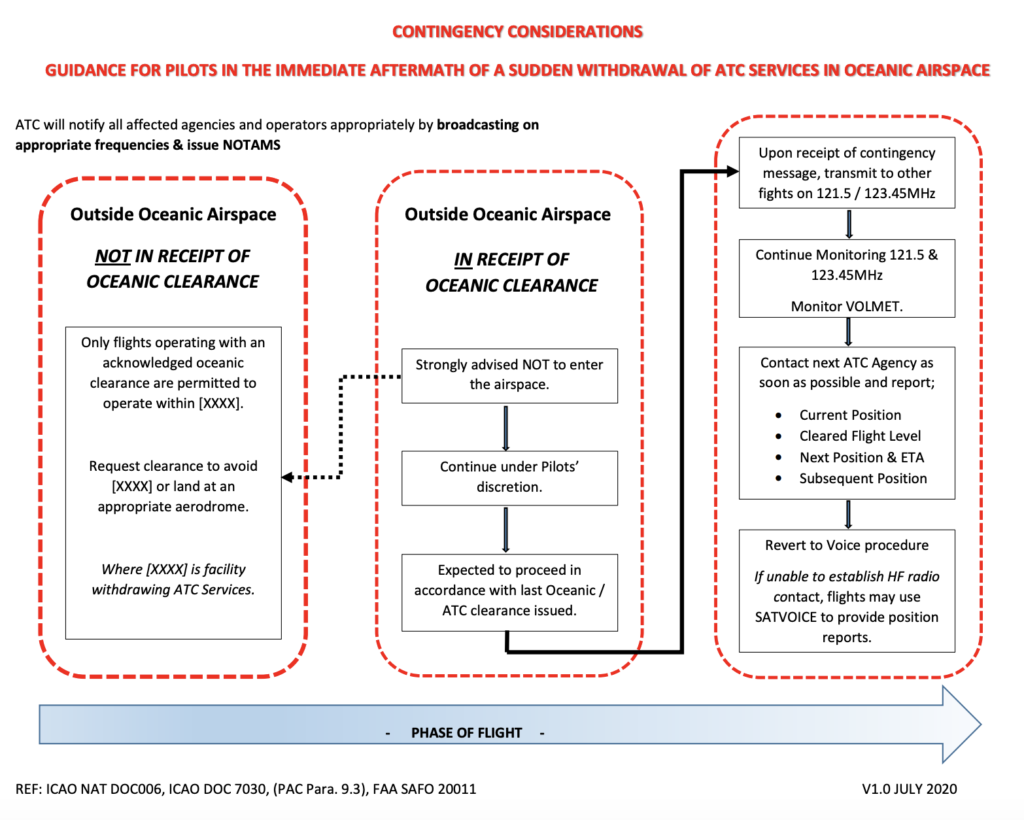
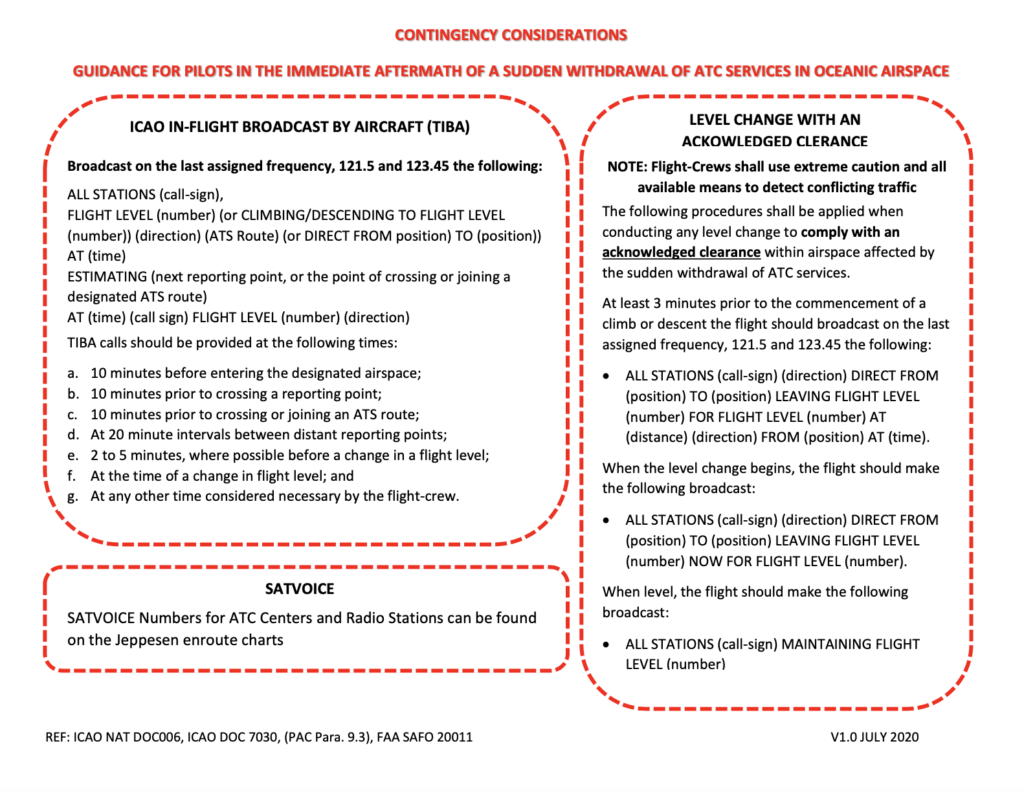
Planning for “ATC Zero” events in Oceanic Airspace

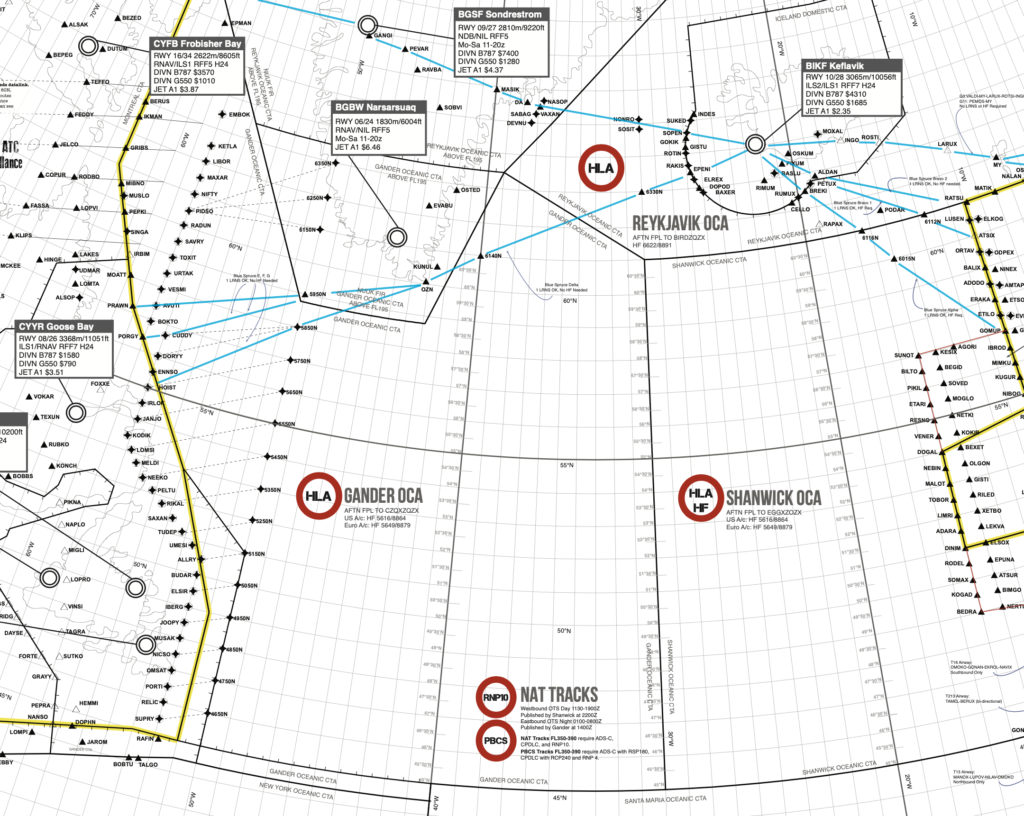
You’re halfway across the Atlantic when ATC declares that they are suspending all services. TIBA procedures are now in effect. Would you know what to do next? As Covid infections impact ATC facilities, short notice closures are currently a constant risk. With the possibility of an entire oceanic ATC area being shut down due to Covid, there are some big questions to consider, and to factor in to your planning: Are you tankering enough fuel if you suddenly have to fly around large sections of oceanic airspace? Where are your ETPs? Do you have a wet footprint?

Back in 2011, there was an incident where transatlantic flights were not allowed to enter CYQX/Gander oceanic airspace due to a smoke situation in ATC control centre which meant that controllers had to be evacuated. They issued a Notam, but that wasn’t much use to the traffic en-route at the time, which all had to be re-routed around the CYQX/Gander Oceanic FIR – a vast portion of oceanic airspace.

Fast forward to March of this year, where New York Air Route Traffic Control Center was forced to temporarily close due to a controller testing positive for Covid-19. The affected airspace restricted flights into New York area airports, with aircraft having to take longer routes in order to avoid closed sectors, as well as Oceanic airspace which stretches from New York past Bermuda and services flights heading to the Caribbean, Europe, South America, and Africa.

The New York ARTCC is not the only ATC center that has been affected over the past few months due to controllers coming down sick with coronavirus. Eleven sites across the US, including at major airports in New York, Chicago, and Las Vegas, have been temporarily closed for cleaning, affected flight operations. Some facilities have been closed for several days leaving inbound and departing aircraft left to their own devices for taxi, take-off, and landing.

NAT Doc 006 is the official go-to manual to check what happens during these “ATC Zero” events on the North Atlantic, but the spate of recent ATC shutdowns in the US led the FAA to re-examine the increased potential for these situations occurring during the Covid crisis, and in early July they published a SAFO as a result.

The NAT Doc 006 and the US SAFO are great resources, but here are two more which you might not know about!

Code7700.com has published an excellent 2-page crib sheet with clear guidance for pilots on what to do in these situations. You can download it here:

And 30WestIP.com have recorded a video webinar discussing this topic in more detail, which you can view here:


Covid restrictions by US state

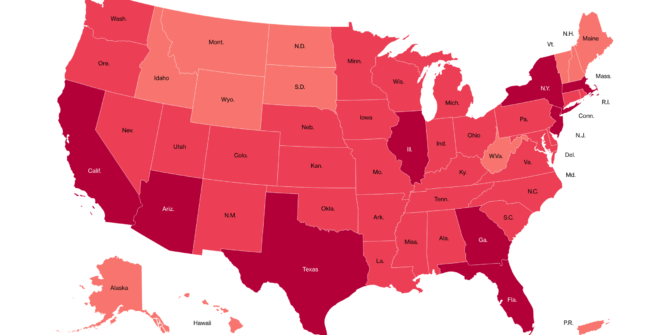
With the United States seeing new hotspots for Covid-19 cropping up, varying forms of restrictions have been implemented by the individual states. Restrictions imposed at the state level are below, and also include links that may be helpful. States in red text have stronger regulations than the standard ‘mask and social distancing’ and are worth a closer look. All information is accurate to the best of our knowledge as of 28 July 2020. 

However, here are a few things to keep in mind regardless of where you plan to fly:

  • Always check all NOTAMs and relevant publications before flying
  • Consider fuel levels and alternates in light of unexpected ATC closures/restrictions
  • Follow CDC and state/local government guidance – this may include masks, gloves, Covid-19 testing, and cleaning/disinfection regimes
  • Check with your handler or airport representative to verify that city or county government regulations do not differ from the state regulations, and to confirm availability of services at the airport
  • Aviation is considered an essential business by the U.S. Federal Government, but some states may not have explicitly named it as such in their regulations. 

However, keep in mind that U.S. federal regulations still restricts international travel into the U.S. for those who are not citizens or permanent residents. There’s a long list of countries where passengers are not allowed to have travelled to within the past 14 days if they want to enter the US. This includes the European Schengen area, the UK and Ireland, mainland China, Iran, and Brazil. Passengers who have been in one of these countries in the past 14 days but who are exempt from the restriction to enter the US (i.e. they are US residents or family members), are only able to land at one of 15 airports: ATL, BOS, ORD, DFW, DTW, HNL, LAX, MIA, JFK, EWR, SFO, SEA, IAD, FLL and IAH. More information can be found on the Centres for Disease Control website

Alabama:

  • All individuals are required to wear a mask when within six feet of a person from another household.
  • Social distancing of six feet is also required between members of different households. 
  • https://covid19.alabama.gov/

Alaska:

  • All travellers from outside Alaska must fill out a declaration form, and present results of a negative Covid-19 PCR test from within the last 72 hours. If your test results are from the previous five days, you must be tested again on arrival.
  • In either case, those remaining in Alaska must also take another PCR test 7-14 days after arrival.
  • There is no mandate to wear a mask or social distance, but it is strongly encouraged. 
  • Alaska has a large number of remote settlements that may not have a robust healthcare system, and as a result may have instated stronger regulations – check local resources.
  • https://covid19.alaska.gov/

Arizona:

  • There is no statewide mandate to wear a mask or social distance, but it is strongly encouraged. 
  • Phoenix (Maricopa County), Mesa, Tucson, Flagstaff, Tempe, and a host of other cities have enforced masks/face covering requirements – check local resources. 
  • http://azhealth.gov/COVID19

Arkansas:

  • There is a statewide mandate requiring masks/face coverings to be worn in indoor public areas, and in outdoor areas where social distancing cannot be guaranteed.  
  • https://govstatus.egov.com/ar-covid-19

California:

  • There is a statewide mask/face covering mandate in place, and social distancing is encouraged.
  • https://covid19.ca.gov/

Colorado:

Connecticut:

  • Visitors to Connecticut from certain high risk states are required to quarantine for 14 days upon arrival and fill out this form. The states are: Alaska, Alabama, Arizona, Arkansas, California, Delaware, Florida, Georgia, Idaho, Indiana, Iowa, Kansas, Louisiana, Maryland, Mississippi, Missouri, Montana, Nebraska, Nevada, New Mexico, North Carolina, North Dakota, Ohio, Oklahoma, South Carolina, Tennessee, Texas, Utah, Virginia, Washington and Wisconsin.
  • Face coverings are required in all public areas where social distancing cannot be maintained.
  • https://portal.ct.gov/Coronavirus

Delaware:

District of Columbia (Washington, D.C.): 

  • Masks are required in public areas and social distancing is encouraged.
  • Those who have participated in non-essential travel to/from high risk states must quarantine for 14 days upon arrival. The states are: Arkansas, Arizona, Alabama, California, Delaware, Florida, Georgia, Idaho, Iowa, Kansas, Louisiana, Mississippi, Missouri, Montana, Nebraska, Nevada, New Mexico, North Carolina, North Dakota, Ohio, Oklahoma, South Carolina, Tennessee, Texas, Utah, Washington, Wisconsin.
  • https://coronavirus.dc.gov/

Florida:

  • There is no statewide mask/face covering requirement, but many individual cities and counties have one in place this site lists them.
  • Visitors from the Tri-State area (New York, New Jersey, Connecticut) must isolate for 14 days upon arrival. 
  • Florida is emerging as a hotspot, and many local authorities are rolling back plans to open businesses as a result – check with local contacts for the most up to date information.
  • https://floridahealthcovid19.gov/

Georgia:

Hawaii:

  • All interstate travellers must quarantine for 14 days on arrival in Hawaii, although this may be avoided from September 1 through the presentation of a negative PCR test from the preceding 72 hours. 
  • Inter-island travellers must fill out this form.
  • There is a statewide mask/face covering mandate in place, and social distancing is encouraged.
  • https://hawaiicovid19.com/

Idaho:

  • Ada County, which includes Boise, is encouraging a 14 day quarantine for those entering the area. Other counties are further along in their reopening plans and do not request a quarantine. 
  • Some counties are requiring the usage of masks/face coverings and others only encourage them. Social distancing is still encouraged. 
  • https://coronavirus.idaho.gov/

Illinois:

  • There is a statewide mask/face covering mandate in place, and social distancing is encouraged.
  • Travelers from the following states should quarantine upon arrival in Chicago: Alabama, Arkansas, Arizona, California, Florida, Georgia, Idaho, Iowa, Kansas, Louisiana, Mississippi, North Carolina, Nevada, Oklahoma, South Carolina, Tennessee, Texas, and Utah. Effective Friday, July 31, travelers from Missouri, Wisconsin, Nebraska, and North Dakota will also be directed to quarantine.
  • https://coronavirus.illinois.gov/

Indiana:

Iowa:

Kansas:

  • There is a statewide face covering mandate in place, and social distancing is encouraged.
  • Those who have travelled to/from Florida will be required to quarantine for 14 days upon arrival in Kansas. The same applies to anyone arriving from China, Iran, the European Schengen area, the United Kingdom, the Republic of Ireland and Brazil, and anyone returning from a cruise ship. 
  • https://covid.ks.gov/

Kentucky:

  • There is a statewide face covering mandate in place, and social distancing is encouraged. 
  • Individuals who have travelled to/from Alabama, Arizona, Florida, Georgia, Idaho, Mississippi, Nevada, South Carolina, Texas, and Puerto Rico are advised to quarantine for 14 days upon arrival in Kentucky. 
  • https://govstatus.egov.com/kycovid19

Louisiana:

  • There is a statewide face covering mandate in place, and social distancing is encouraged. Local areas have the ability to opt out of the mask mandate if they meet certain criteria.
  • http://ldh.la.gov/Coronavirus/

Maine:

  • There is a statewide mask/face covering mandate in place, and social distancing is encouraged.
  • Only those residents of Vermont, New Hampshire, Connecticut, New York and New Jersey can enter the state without restriction. All others must have a negative test result or must quarantine for 14 days – and must sign a Certificate of Compliance which is necessary to check-in to lodging in Maine. 
  • Maine residents who visit one of the five exempted states may return without restriction, but visits to any other states are still subject to testing and/or quarantine upon return. 
  • https://www.maine.gov/covid19/

Maryland:

Massachusetts:

  • There is a statewide mask/face covering mandate in place, and social distancing is encouraged.
  • All those entering the state must complete the Massachusetts Travel Form and quarantine, unless coming from a low-risk state or able to present a negative test result from the preceding 72 hours. Low-risk states are Connecticut, New York, New Hampshire, New Jersey, Hawaii, Maine, Rhode Island, Vermont. 
  • https://www.mass.gov/info-details/covid-19-updates-and-information

Michigan:

  • There is a statewide mask/face covering mandate in place, and social distancing is encouraged. Businesses may deny entry to those not wearing face coverings. 
  • https://www.michigan.gov/coronavirus/

Minnesota:

Mississippi:

Missouri:

Montana:

  • There is a statewide mask/face covering mandate in place for counties with more than four active cases – 25 counties currently meet the criteria. Social distancing is encouraged.
  • The state also includes multiple areas of tribal land governed by local councils – check local resources to see what rules may apply. 
  • https://www.visitmt.com/montana-aware

Nebraska:

Nevada:

New Hampshire:

  • There is no statewide mask/face covering mandate, but the use of them is encouraged along with social distancing. 
  • Those travelling into the state from outside the New England area are encouraged to quarantine for 14 days. 
  • https://www.nh.gov/covid19/

New Jersey:

  • There is a statewide mask/face covering mandate in place, and social distancing is encouraged.
  • Travellers from high-risk states are asked to voluntarily quarantine for 14 days, and provide contact information. States include Alaska, Alabama, Arizona, Arkansas, California, Delaware, Florida, Georgia, Idaho, Indiana, Iowa, Kansas, Louisiana, Maryland, Mississippi, Missouri, Montana, Nebraska, Nevada, New Mexico, North Carolina, North Dakota, Ohio, Oklahoma, South Carolina, Tennessee, Texas, Utah, Virginia, Washington and Wisconsin. 
  • https://covid19.nj.gov/

New Mexico:

  • There is a statewide mask/face covering mandate in place, and social distancing is encouraged.
  • All out of state travellers are required to quarantine for 14 days upon arrival.
  • https://cv.nmhealth.org/

New York:

  • There is a statewide mask/face covering mandate in place, and social distancing is encouraged.
  • Those who have spent more than 24 hours in a high-risk state must quarantine for 14 days upon arrival. The states include Alaska, Alabama, Arizona, Arkansas, California, Delaware, Florida, Georgia, Idaho, Indiana, Iowa, Kansas, Louisiana, Maryland, Mississippi, Missouri, Montana, Nebraska, Nevada, New Mexico, North Carolina, North Dakota, Ohio, Oklahoma, South Carolina, Tennessee, Texas, Utah, Virginia, Washington and Wisconsin.
  • Those arriving at New York area airports will be required to fill in a Health Department traveller form. 
  • https://coronavirus.health.ny.gov/home

North Carolina:

North Dakota:

Ohio:

  • There is a statewide mask/face covering mandate in place, and social distancing is encouraged.
  • Travellers from high-risk states are asked to voluntarily quarantine for 14 days. States include Alabama, Arizona, Florida, Georgia, Idaho, Mississippi, Nevada, South Carolina and Texas.
  • https://coronavirus.ohio.gov/

Oklahoma:

  • There is no statewide mask/face covering requirement, but many individual cities and counties have one in place, including Oklahoma City. 
  • https://coronavirus.health.ok.gov/

Oregon:

Pennsylvania:

  • There is a statewide mask/face covering mandate in place, and social distancing is encouraged.
  • Travellers from high-risk states are asked to voluntarily quarantine for 14 days. States include Alabama, Arizona, Arkansas, California, Florida, Georgia, Idaho, Iowa, Kansas, Louisiana, Mississippi, Nevada, North Carolina, Oklahoma, South Carolina, Tennessee, Texas and Utah.
  • https://www.health.pa.gov/topics/disease/coronavirus/Pages/Coronavirus.aspx

Rhode Island:

  • There is a statewide mask/face covering mandate in place, and social distancing is encouraged.
  • Travellers from high-risk states are asked to voluntarily quarantine for 14 days, although this can be avoided with a negative test result from the preceding 72 hours. States include Alabama, Arizona, Arkansas, California, Colorado, Florida, Georgia, Idaho, Indiana, Iowa, Kansas, Kentucky, Louisiana, Maryland, Minnesota, Mississippi, Missouri, Nebraska, Nevada, North Carolina, North Dakota, Ohio, Oklahoma, Oregon, Pennsylvania, South Carolina, South Dakota, Tennessee, Texas, Utah, Virginia, Washington, Wisconsin and Wyoming. Visitors from Puerto Rico must also quarantine.
  • https://health.ri.gov/diseases/ncov2019/testindex.php

South Carolina:

South Dakota:

  • There is no statewide mask/face covering requirement, and social distancing is encouraged. 
  • The state also includes multiple areas of tribal land governed by local councils – check local resources to see what rules may apply. 
  • https://covid.sd.gov/

Tennessee:

Texas:

  • There is a statewide mask/face covering mandate in place for counties with more than twenty active cases. Social distancing is encouraged. 
  • https://www.texas.gov/covid19/

Utah:

  • There is no statewide mask/face covering requirement, but many individual cities and counties have one in place, including Salt Lake City.
  • https://coronavirus.utah.gov/

Vermont:

  • There will be a statewide mask/face covering mandate in place effective August 1, and social distancing is encouraged.
  • Most arrivals to the state have to quarantine for 14 days, unless coming from a list of approved states/counties. Unlike other states, you may quarantine elsewhere before entering Vermont, provided you travel in a private vehicle and only make essential stops while wearing a mask. Quarantine may be shortened to seven days with a negative test result. 
  • https://www.healthvermont.gov/response/coronavirus-covid-19

Virginia:

Washington:

West Virginia:

Wisconsin:

  • There is no statewide mask/face covering requirement, but many individual cities and counties have one in place, including Milwaukee.
  • Wisconsin residents have been asked not to travel to summer or holiday homes, and local restrictions may apply.
  • https://www.dhs.wisconsin.gov/covid-19/travel.htm

Wyoming:

  • There is no statewide mask/face covering requirement, but many individual cities and counties have one in place.
  • https://covid19.wyo.gov/

For more information on some of the wider restrictions in place at US state level beyond the realm of aviation, Kayak.com keeps a pretty neat little page updated here.


FAA extensions to pilot regulatory relief

The FAA has agreed to extend the regulatory relief packages for both Part 91 and Part 135 operators beyond the original end date of June 30. Here’s the lowdown:

Part 135

  • Back in March, the FAA announced a 3-month extension to the grace period for recurrent training requirements for Part 135 operators. They’re now saying that operators who have training due in July will have until the end of October to get this done. Read the FAA letter here.
  • In addition, the FAA has provided two additional months of flexibility on the protective breathing equipment requirements, extending that exemption until the end of July.
  • Note that you still have to tell the FAA if you’re planning on using these exemptions.

Part 91

  • Pilot medical certificates which expired in March do not have any extra time beyond June 30; but for those expiring between April 30 and Sept 30, these will all get three months extensions to their validity.
  • Validity of flight reviews, instrument currency, and knowledge tests have also been extended to September.
  • Read the updated SFAR in full here.

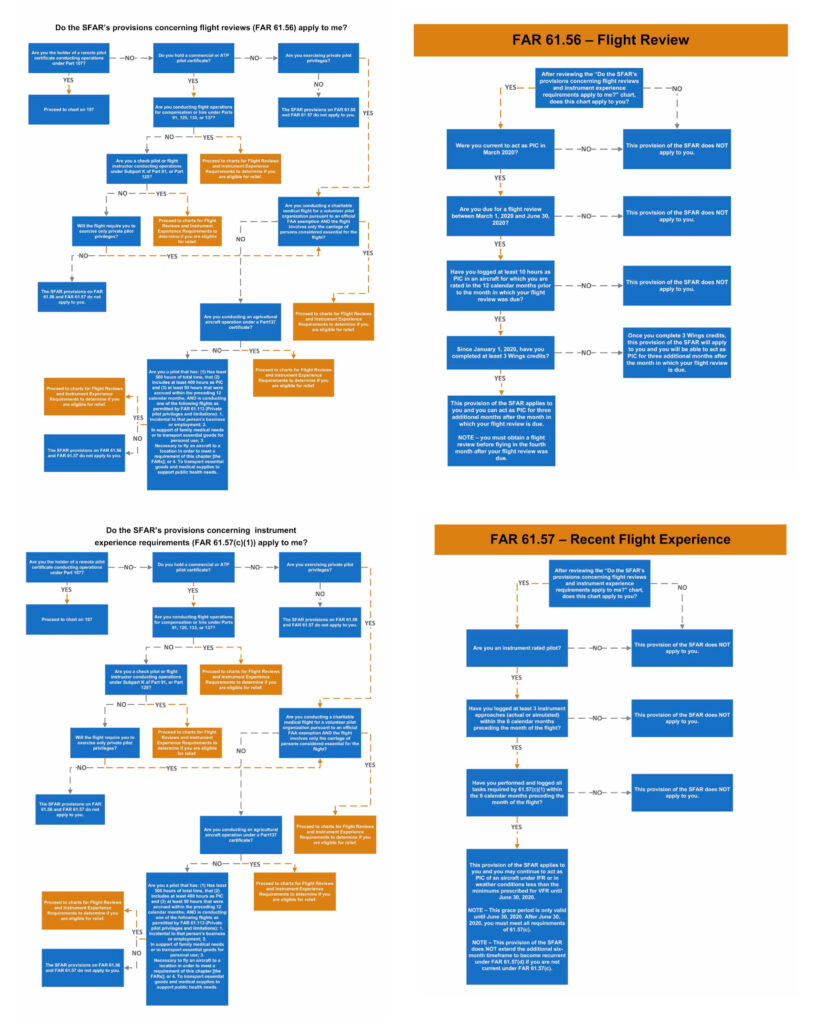
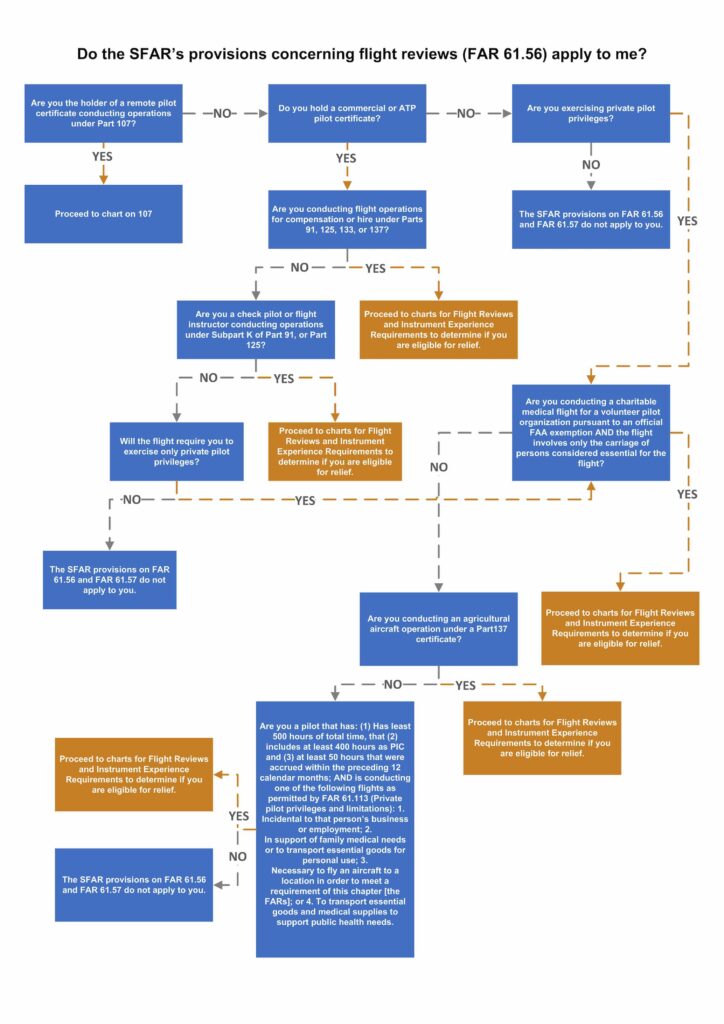
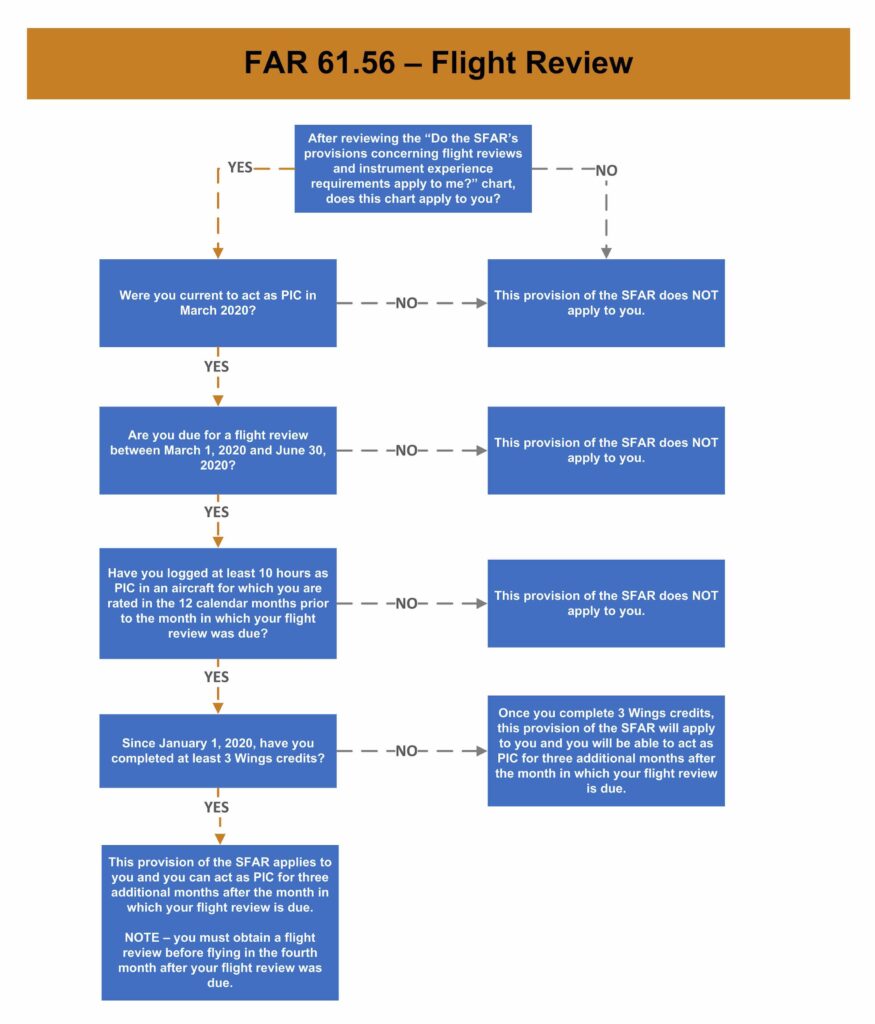
For US pilots keen to know if the SFAR on Part 91 regulatory relief applies to your individual situation, check out these easy-to-follow flowcharts to help you work it out! (No need to squint – just click on the image and get whisked away to a magical place where these flowcharts will all make perfect sense 😊)


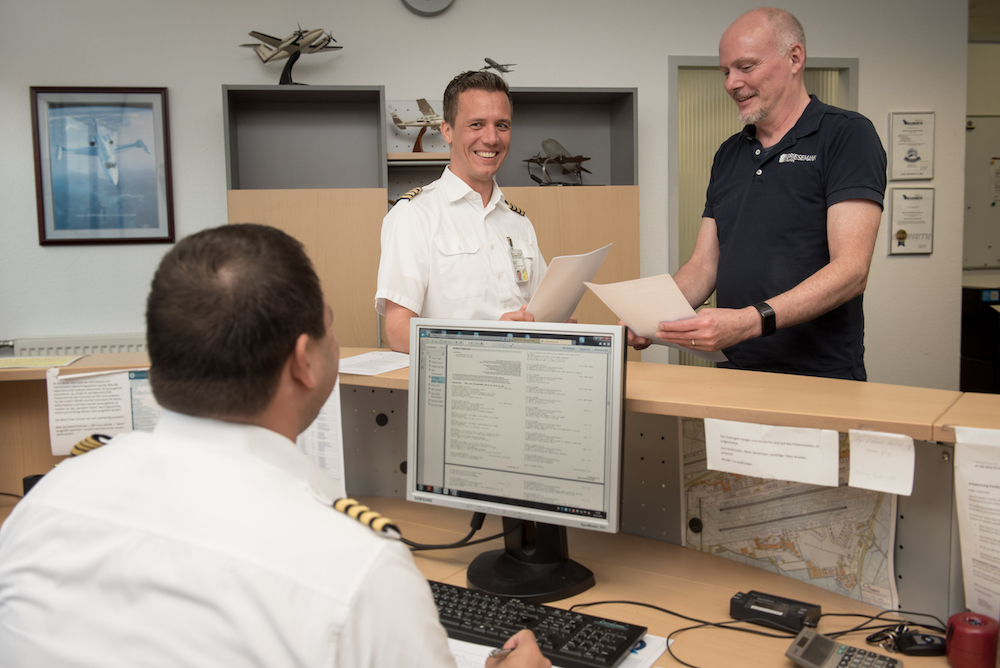
The impact of Covid restrictions on Medevac ops

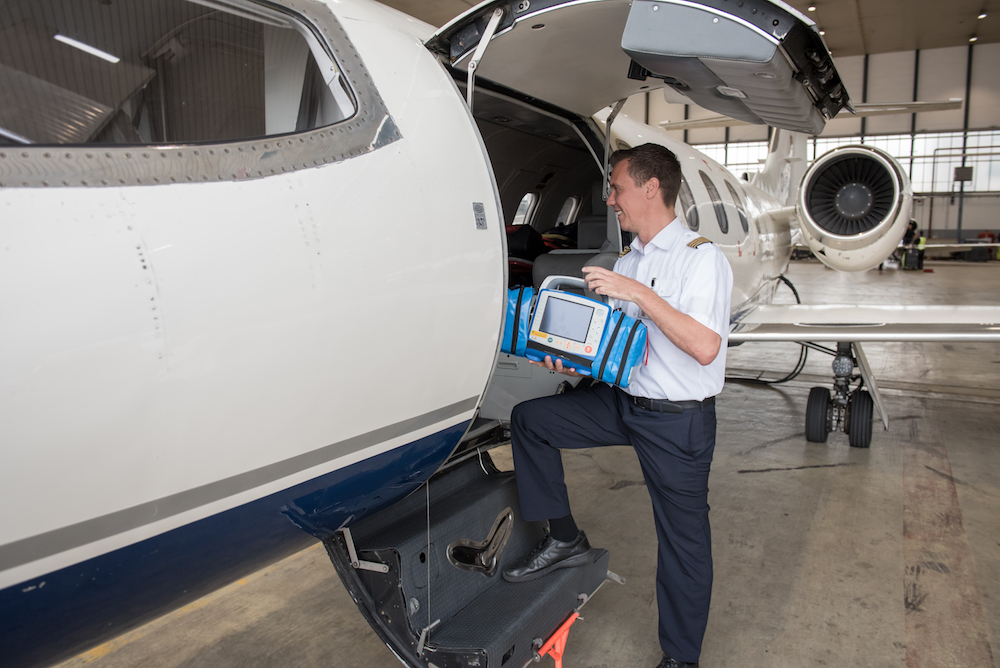
Under normal circumstances (pre-Covid) the magic word “MEDEVAC” was more or less a guarantee to get any overflight or landing permit in time. Now, with restrictions in place worldwide, that has changed dramatically.

Here are a couple of cases reported by OPSGROUP member Markus Salomon, Deputy Manager Ground Ops at Quick Air Jet Charter GmbH – an air ambulance provider based in Cologne, Germany – of how the Covid restrictions have impacted some of their flights recently.

Case 1: UK to India

We received a quote request to bring an Indian patient from the UK back to his home country. He was terminal ill and wanted to die at home with his family. Due to previous experience we warned the client that it would be unlikely that the destination country would allow this flight to go ahead, due to the total lockdown in India at the time. The patient insisted that we apply for the permit anyway – he desperately wanted to get home and claimed to have useful diplomatic contacts.

So we applied for the permit. Almost immediately our permit agent advised us that it would be unlikely to get the permit and even more unlikely to get permission for a night stop at the destination. After a lot of checking it turned out that we would get permission for a night stop in Sri Lanka (another hour of flight time beyond the destination).

One day before the planned departure we had received all the permits – except for India. Our agent assured us that the CAA had already given their approval; they only had to wait for the approval by the Ministry of Foreign Affairs. According to them this should only be a matter of some more hours.

On the day of planned departure the landing permit for India was still missing. Departure was planned for early afternoon, so we asked our agent to put some pressure on the responsible authorities, so we might still receive this permit. Long story short – 2 hours after the planned departure time we decided to abort the mission. After a long and intense discussion we decided not to make a second attempt.

The patient not only insisted on making a second attempt, he more or less begged for it. So we re-started the whole process with a view to make a departure 3 days later (under normal circumstances we get most permits within 24 hours or less).

The second attempt ended just like the first one – we aborted some time after planned departure. Then, again after a long debate, we decided that this was definitely going to be our last attempt. We assumed that the authorities were playing the game of “not wanting to approve, but at the same time not wanting to deny the request”.

Again, the patient insisted on making a third attempt, which we scheduled for another two days later. This time, the landing permit for the destination country came on the day of planned departure, early in the morning. We decided to take a risk and depart, even though the permit for the night stop in Sri Lanka was still pending. After pushing our agent several times, we finally received this permit during the third sector! We managed to bring the patient home as planned and also arrived at our night stop destination without any complications.

But then, the positioning flight back home included a fuel stop at VABB/Mumbai, a place which we normally avoid at all cost, as it is terribly overloaded. After having checked Flightradar24 and discovering that they also only had 10% of the normal movements, we took the risk – and failed. Due to reduced staff, all services could only be activated once the aircraft was actually on-block. The fuel stop, which we had planned with our usual 45 minutes, took almost 1.5hrs 🙁

In the end, we finally managed to get home just minutes before the crew duty time ended.

Case 2: South Africa to Germany

We received a booking to pick up a patient from South Africa – which was under full lockdown at that time.

According to our agent, no night stops were allowed at all and the permit had to be requested via diplomatic channels. So we contacted the German embassy. Only minutes after our request, the military attaché replied, confirming that no night stops where allowed at all. They had already applied for several other ambulance operators – and were rejected each time.

Almost at the same time, the second agent we had contacted replied to us that they had good diplomatic contacts in the country and had already managed to get a couple of permits for night-stops for other operators. So we sent them our request.

Two days later – on a Saturday – our agent advised us that the authorities had told them they would issue the permit as soon as they received the verbal note from the German embassy.

Now try to get hold of an embassy on a weekend! We tried the emergency number from their website, which asked to send a text message to this mobile number to request assistance – no reply. We tried the mobile of the military attaché – no reply. We tried to find another contact via the German ministry of foreign affairs – they only had the emergency number which we already tried. We called MOFA again and they suggested trying the embassy’s Corona hotline – we succeeded. The duty officer was very nice and helpful and only half an hour later the military attaché sent instructions on what he needed from us. You could tell from the style of his writing that he was not so amused (no greeting, no bye, just one-liner). But that did not matter very much, once we received a copy of the verbal note only one hour after first contact.

Departure was scheduled for Sunday morning, just at change of shift in Ops. As the South Africa landing permit still was not available some minutes before departure, we decided to abort the mission. We advised the crew to go home, and then we advised our agent about the situation – they then called just minutes after our email and urged us to wait a few more minutes before aborting. He said that the destination was his home country and he knows the situation there very well and even for ministry staff the working conditions are difficult at best. While we still were talking, one of his colleagues shouted something at him and he said that they had just received the landing permit!

We managed to hold back the crew just seconds before they entered their cars. We departed with about half an hour delay, but the crew managed to make that good again during the mission – which finally was a success.

After return to base, the crew reported that the situation en-route and at the destination was really spooky. Two of the three fuel-stop airports and the destination had been opened only for us and closed just minutes after departure. At the destination they were escorted to the hotel by police. During their half hour drive on a three-lane motorway they passed not more than three cars. Police checks took place at every entry and exit to/from the motorway. The hotel staff were not allowed to leave the hotel – they had to live in the hotel for the entire lockdown period.

Conclusion

These were the cases which were impacted most by the restrictions, but almost every flight – except for the typical two- or three-leg operation within Europe – is either different from normal, or even not possible at all.

Some countries do not allow night stops even for flight crews (or they do allow them for flight crews but consider the medical crew as passengers – and for those, night stops are prohibited in any case).

Many countries are now demanding diplomatic clearance – whereas before you could simply send the handling request, file the flight plan and go…


Report by: Markus Salomon, Deputy Manager Ground Ops at Quick Air Jet Charter GmbH.


Pilot Relief: FAA Covid rules in simple english

Let’s start here:

Notwithstanding the 6 calendar month period specified in paragraph 2 of SFAR No. 100-2 of this chapter, a person may exercise the relief specified in paragraph 1 of SFAR No. 100-2 of this chapter for a duration of 9 calendar months after returning to the United States, provided the person is eligible in accordance with paragraph 2 of SFAR No. 100-2 of this chapter, complies with the documentation requirements specified in paragraph 3 of SFAR No. 100-2 of this chapter; and … 

Ugh. Ok, how about this:

Notwithstanding the period specified in § 61.55(c), a person who is required to complete the second-in-command familiarization and currency requirements under § 61.55(b)(1) and (2) between March 1, 2020 and June 30, 2020 for purposes of maintaining second-in-command privileges may complete the requirements of § 61.55(b)(1) and (2) in the month before or three months after the month in which they are required, provided the pilot meets the requirements of paragraph 2.(b)(1)(ii) of this SFAR. A pilot who meets the requirements of § 61.55(b)(1) and (2) within the period prescribed by this paragraph 2.(b)(1)(i) will be considered

If you find all of this perfectly readable, then continue your adventures here with the official document, and you’re done.

For the rest of us humans, the FAA relief rules, although welcome, are classic federal robot-speak.

On 5th May 2020, the FAA issued a Special Federal Aviation Regulation which provides regulatory relief to Part 91 operators who have been unable to comply with certain training and testing requirements due to the coronavirus outbreak. Essentially, they extended the validity of medical certificates, flight reviews, knowledge tests, and recency of experience requirements – in most cases until June 30.

The FAA had already issued a series of extensions for certain Part 135 training requirements back in March – essentially adding a grace period for recurrent training by an additional two months to May 31. More on that here.

But for pilots keen to know if the SFAR on Part 91 regulatory relief applies to their individual situation, thankfully AOPA has created easy-to-follow flowcharts to help you determine if the provisions in the SFAR apply to you …

Let’s try again, in plain English …


Has your medical certificate, flight review, or instrument currency expired? If so, read this to determine whether you can fly.
Thanks to Dan Namowitz, Associate Web Editor at AOPA!

The FAA’s 94-page special federal aviation regulation on flying during the coronavirus pandemic is complicated, and pilots need to read it carefully to determine what does and does not apply to their individual situations.

The flowcharts and decision guide below are offered to help you avoid getting crosswise with the rules—or safety—and to steer you clear of bad advice you might get by word of mouth or from other informal sources. Some of the provisions, especially those related to flight reviews and instrument proficiency, apply only to those who plan to fly five types of specific operations for which the FAA has determined relief is appropriate under the SFAR. However, medical certificate extensions have a different set of qualifications that depend on dates, not the type of flight operation. Confusing, isn’t it.

Your first step is to figure out whether the SFAR’s provisions concerning flight review or instrument currency apply to your case. If they do, proceed to page two of the flow chart and follow the “yes” column. If you end up in the “no” column, it means the SFAR doesn’t apply to you and you must comply with the same flight-review and instrument currency rules that you have followed before.

Has your flight review expired, and does the SFAR’s provisions apply to your case?

The first question to ask yourself is, “Were you current to act as pilot in command in March 2020?” If the answer is yes, the next step is to check your flight review expiration date. If the expiration date falls between March 2020 and June 2020, next determine whether you have flown 10 hours as PIC in an aircraft for which you are rated in the 12 calendar months prior to the month when your flight review was due. (Again, a “no” answer means you would continue with your usual flight review schedule.)
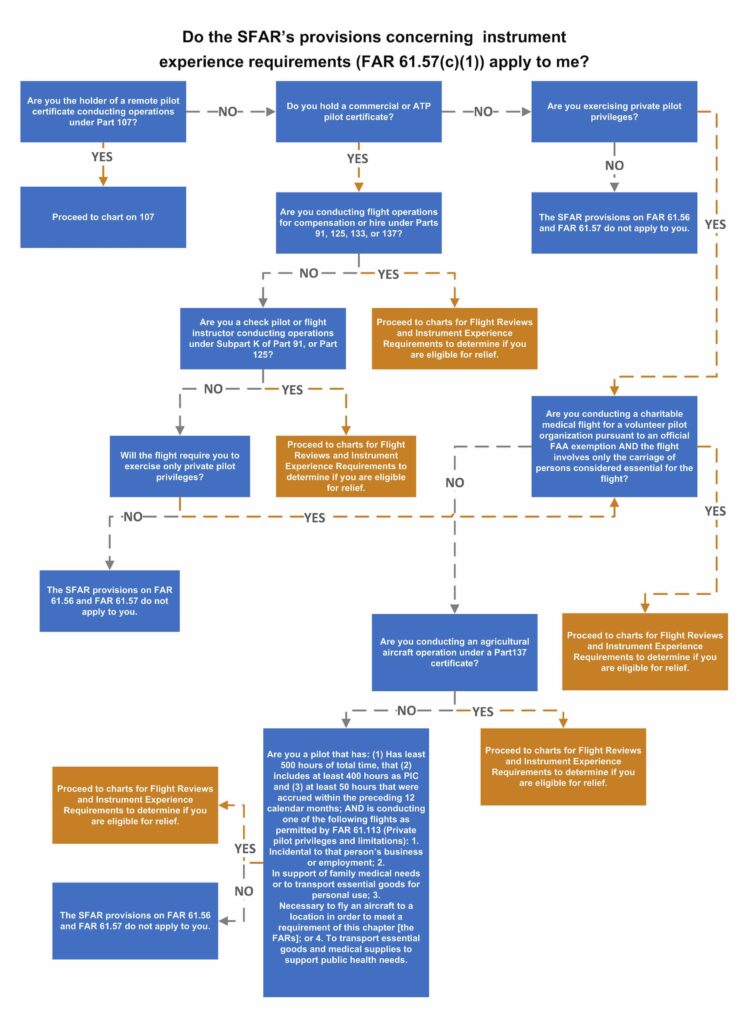
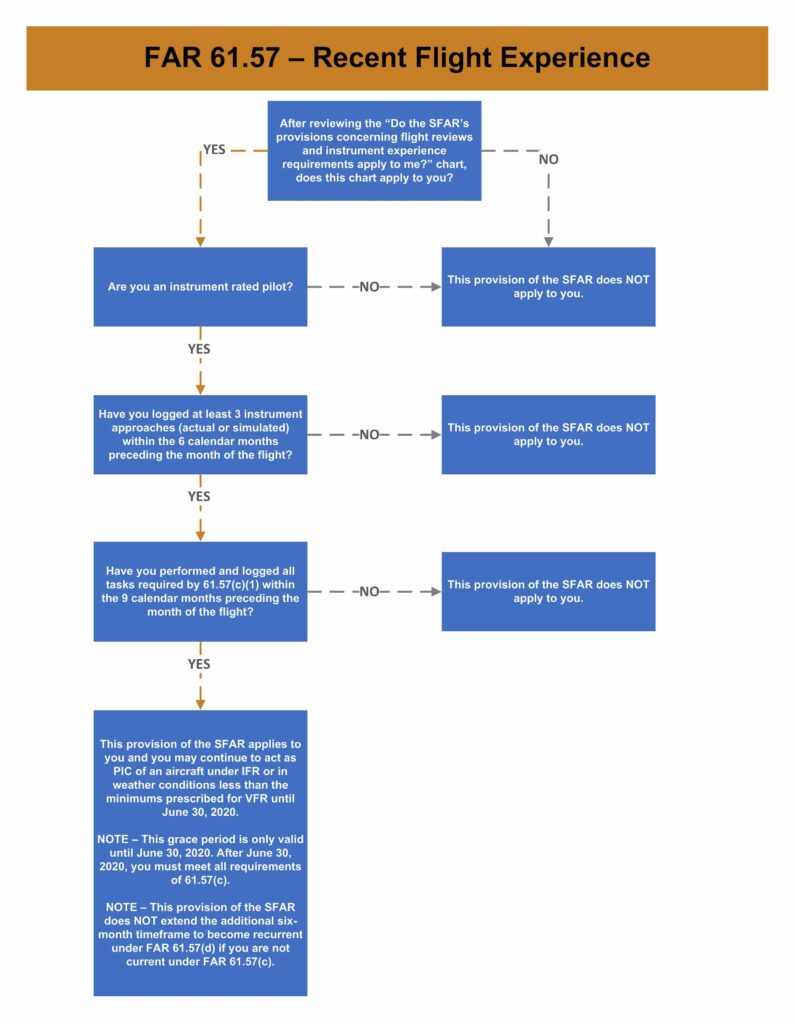
If the answer is yes, here’s your next question: Have you completed at least three credits under the FAA’s Wings Pilot Proficiency Program?

Don’t despair if the answer is no. In this case, you can still acquire the credits, which would put you back in the “yes” group. In that case, the SFAR allows you to act as PIC for three additional months after the month in which your flight review is due.

Reminder: This regulatory relief “applies only to persons conducting specific operations for which the FAA has determined relief is appropriate” in the SFAR. (Before flying in that fourth month after the month when your flight review was due, you must have a new flight review.) So, a private pilot with a flight review that expires in April who meets the qualifying criteria can use this SFAR to fly one of the five permitted types of flight operations, but not for other types of flight operations not listed in the SFAR.

Has your instrument currency expired?

Instrument pilots who plan to exercise their privileges to conduct “specific operations for which the FAA has determined relief is appropriate” under the SFAR must also verify their recency of experience. Again, the steps can be tracked on the flow chart, and if at any time you find yourself in the “no” column, it means you must get an instrument proficiency check as would usually be the case at this point in your recency-of-experience cycle.
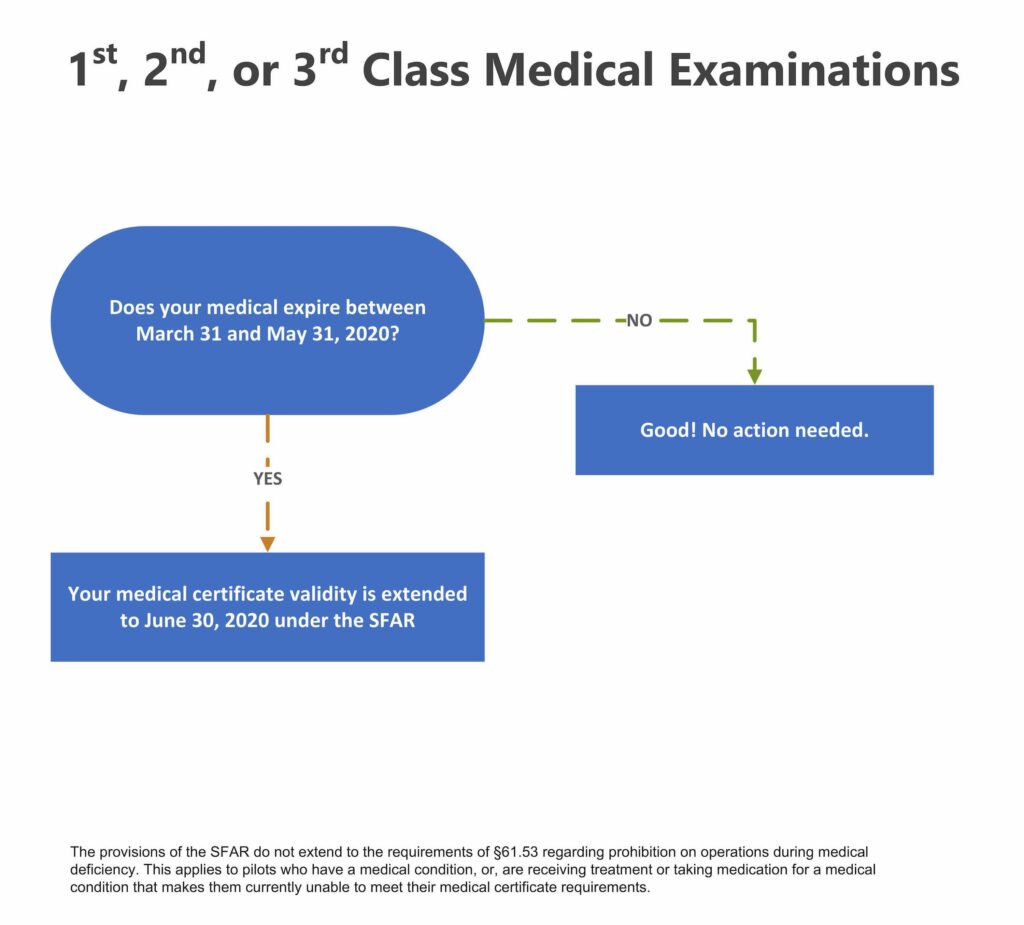

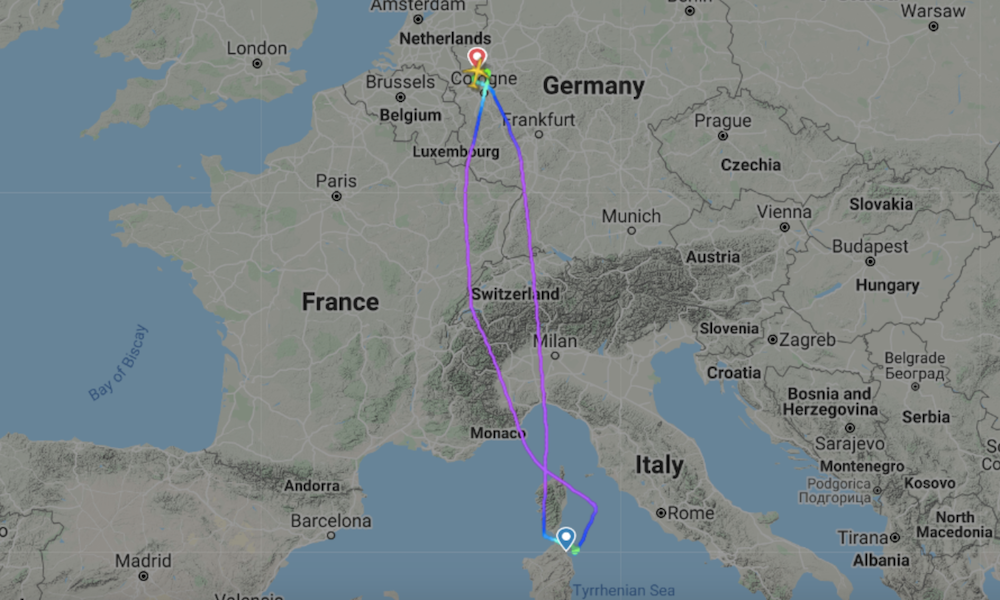
However, if you are among instrument pilots who have logged at least three instrument approaches (actual or simulated) within the six calendar months preceding the month of the (planned) flight, read on: Next you would check whether you have performed and logged all tasks required by FAR 61.57(c)(1) within the nine calendar months preceding the month of the flight.

No? Thank you for playing.

Yes? Then the SFAR applies and you may continue to act as PIC of an aircraft under IFR or in weather conditions less than the minimums prescribed for VFR until June 30, 2020—for those five types of operations outlined in the SFAR. After June 30, you must meet all requirements of FAR 61.57(c). Note that this “grace period,” as the FAA calls it, does not extend the additional six-month timeframe to regain your currency.

Has your first, second, or third class medical certificate expired?

If you have navigated one or more of the scenarios posed above, this one will be a cinch.

If your first, second, or third class medical expired or expires between March 31 and May 31, its validity is extended to June 30—no matter what type of flying you do.

If your medical’s expiration date as issued is outside the March 31 to May 31 date range, your usual renewal timetable applies and no action is needed.

BasicMed? It will be 2021 before the first pilots to have begun flying under BasicMed will need to see their issuing doctor again, so the SFAR does not address BasicMed. BasicMed pilots who need to complete the online course that is required every 24 months can do so on AOPA’s website.

Now that you have followed these steps and have kept yourself on the good side of the SFAR, two tasks remain: One is to contact your insurance representative and get written confirmation that your coverage remains in force if you fly under the SFAR.

For those pilots who live in states or municipalities that have stay-at-home orders in effect for health reasons, the final step is to check the status of those orders so you don’t get a ticket for being on the road for the wrong reason as you drive to the airport.

Thanks to AOPA for sharing this article, which first appeared on their website here.


Eurowings flight to nowhere highlights Notam problems

Confused about whether you’re allowed to fly to Italy at the moment? You’re not the only one!

A Eurowings (Lufthansa’s European low-cost subsidiary) flight from EDDL/Dusseldorf to LIEO/Olbia ended up diverting back to Germany this week, after discovering the airport was actually closed to commercial traffic.

Yes, there was a Notam, and yes, it looks like they missed it – though that’s maybe not surprising given the Notams being pumped out on the national LIBB/LIMM/LIRR codes at the moment saying how pretty much all airports across the country have now reopened – including LIEO!
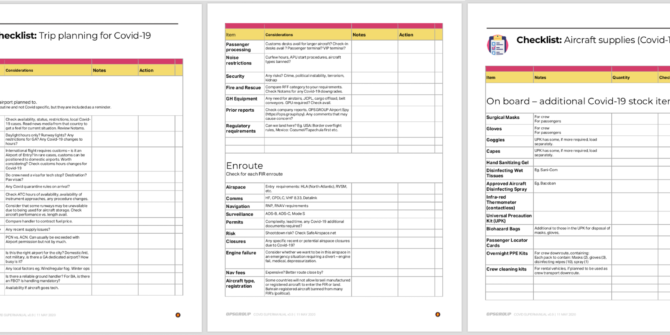
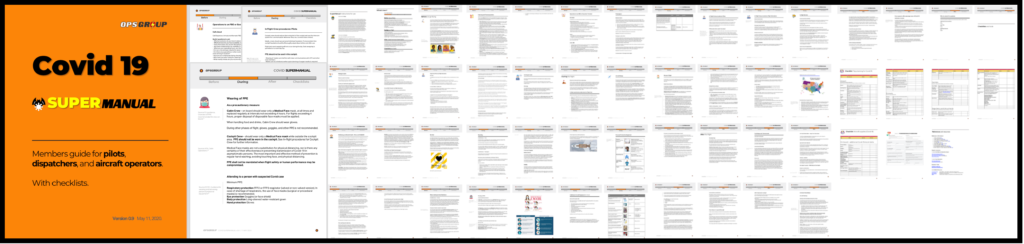
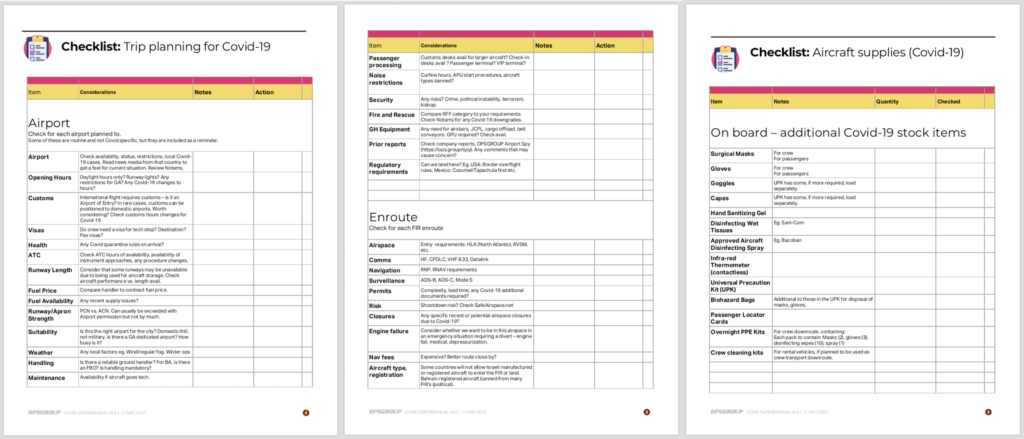
So let’s play a game of ‘spot the difference’. Here’s the National one, published on May 19:

A3028/20 (Issued for LIBB LIMM LIRR) COVID-19:
ALL FLIGHTS ARRIVING/DEPARTING TO/FM ITALY MUST COMPLY WITH THE REQUIREMENTS OF THE DECREE OF THE PRESIDENT OF THE MINISTERIAL COUNCIL OF 17 MAY 2020 ON FOLLOWING AIRPORTS: LIPY, LIBD, LIME, LIPE, LIEE, LICC, LIRQ, LIMJ, LICA, LICD, LIMC, LIRN, LIEO, LICJ, LICG, LIBP, LIRP, LIRA, LIRF, LIMF AND LIPZ, COMMERCIAL FLIGHTS, COMMERCIAL FLIGHTS ON DEMAND (AEROTAXI) AND GENERAL AVIATION FLIGHTS ARE ALLOWED.
GENERAL AVIATION ACTIVITY AND COMMERCIAL AVIATION ACTIVITY ON DEMAND (AEROTAXI) WITH AIRCRAFT HAVING MAXIMUM APPROVED CABIN CONFIGURATION EQUAL OR LESS THAN 19 SEATS, CARGO FLIGHTS AND POSTAL SERVICE ARE ALLOWED ON ALL REMAINING AIRPORTS.
GENERAL AVIATION ACTIVITY, COMMERCIAL AVIATION ACTIVITY ON DEMAND (AEROTAXI)WITH AIRCRAFT HAVING MAXIMUM APPROVED CABIN CONFIGURATION EQUAL OR LESS THAN 19 SEATS ARE ALLOWED ON AIRFIELDS/HELISURFACES/HYDROSURFACES MANAGED/AUTHORIZED/OCCASIONALS, WITHIN THE LIMITS OF APPLICABLE AUTHORIZATIONS IN COMPLANCE WITH THE PROVISIONS OF THE DECREE OF THE PRESIDENT OF THE COUNCIL OF MINISTERS OF 17 MAY 2020
RMK: GENERAL AVIATION ACTIVITY AND A COMMERCIAL AVIATION FLIGHT ON DEMAND ON LIRF IS NOT PERMITTED.
19 MAY 11:16 2020 UNTIL 02 JUN 22:00 2020 ESTIMATED.
CREATED: 19 MAY 11:27 2020

And here’s the one for LIEO/Olbia, published two days later on May 21:

B2520/20 – COVID-19.
AERODROME CLOSED TO COMMERCIAL AVIATION TRAFFIC IN COMPLIANCE WITH REGIONE SARDEGNA DECREE 23 OF 17TH MAY 2020.
RMK: GENERAL AVIATION ACTIVITY AND COMMERCIAL AVIATION ACTIVITY ON DEMAND (AEROTAXI) WITH AIRCRAFT HAVING MAXIMUM CABIN CONFIGURATION EQUAL OR LESS THAN 19 SEATS ARE APPROVED IN COMPLIANCE WITH MINISTRY OF INFRASTRUCTURE AND TRANSPORTATION DECREE 207/2020 AND REGIONE SARDEGNA DECREE 23 OF 17TH MAY 2020.
REF AIP AD 2 LIEO 1-1. 21 MAY 15:14 2020 UNTIL 02 JUN 22:00 2020 ESTIMATED.
CREATED: 21 MAY 15:14 2020

The national one says the airport is open, the local one says the airport is closed – a classic case of Notamisery

A number of news reports on this incident have been quick to criticise the operator — and also the crew — for this oversight. We’re not sure we really feel like jumping on that particular bandwagon. We could talk at length about The Notam Problem (indeed, we have done so, here, here, here, and here, and also here).

The Notam problem is clear: we have an antiquated, cumbersome, ineffective, frustrating, dangerous system. Pilots are missing the essential few pieces of information, unable to hear the call of criticality in a cacophony of irrelevant noise. And it obviously doesn’t help when one Italian sends you a Notam saying an airport is open, and another Italian sends you one saying it’s closed.

These are also “unusual times” – we keep hearing those words in the news, but it’s true. Two months in to the Covid-19 pandemic, it feels like “ops : normal” is still a long way off for most of us – whatever job we do in aviation, wherever we fly. People are tired. The changes are constant. A spokesperson for Eurowings summed this up pretty well in a statement released after this incident at Olbia: Against the background of the current corona crisis, the situation at numerous airports in Europe is very dynamic, which is manifested in the large amount of information provided on operating hours or airport closures that are often changed at short notice as well as daily changes in entry regulations in the various countries.” 

As this incident shows, wherever you’re headed, whatever you read in a Notam, it’s always worth double-checking exactly what’s allowed at the airport you’re flying to. Don’t be afraid to give them a call. If you need to find some local airport contacts, the Flock website is one of the best free contact databases we’ve seen so far (and no, they don’t pay us to say that!)

In related news – Italy has said it will start allowing unrestricted travel to and from European countries, with no quarantine requirement, from June 3. No official word yet on when restrictions will be lifted on flights to and from countries outside of Europe – but the external borders of the EU remain closed to non-essential travel until June 15 at the earliest. More on that here.


We got some checklists for you …

This is an extract from the OPSGROUP Covid-19 Supermanual, version 0.9 – May 11, 2020


Trip planning Checklists for Covid-19

At the back of the group Covid-19 Supermanual we have 5 pages of checklists, which you can download here.

  • Airport
  • Enroute
  • Permits
  • Regulatory and Documents
  • Aircraft Supplies 


What else is in the manual?

We’ve divided the manual into four areas around phases of flight: Before, During, After … and a Checklists section.

Before we go flying

About Covid, Precautions, Off duty crew and staff
Going to work, Health Check, Illness at work, Dispatchers
Flight Crew – Fit to fly, License, medical and recency, keeping aircraft and crew current
Wellbeing and Mental Health: How to find calm, Be Kind
Planning a flight, Crew pairings and planning
Aircraft cleaning and preparation, Risks: Hand Sanitizers, Dangerous Good regulations
Catering and Food preparation, Operations to an FBO or Executive Terminal, Passengers
Arriving at work, Briefings

During our flight

In-flight considerations
Aircraft Setup, Boarding, Temperature Checks, Baggage, Seating
Wearing of PPE (Personal Protective Equipment)
Additional Aircraft Equipment
In flight Crew procedures: Pilots, Flight Attendants, In-flight Service
Illness in Flight – Crew actions, Dispatch actions, Cleaning procedure

After – back home (or downroute)

Disembarking
Tech Stops and Turnarounds, Interim Cleaning, Walkaround
Arrival at Destination, Waste Disposal, Cleaning at outstation
Overnights/Layovers, Hotel guidance, Crew PPE kits
Crew Illness away from Home base
AOG/Unplanned overnight
Arrival at Home base,
Aircraft Cleaning, Cockpit cleaning
Crew exposure, Contact tracing

Checklists

Checklist: Trip planning in Covid-19
Checklist: Aircraft supplies
Passenger Health Screening form example

For more about the Covid-19 Supermanual contents, and to download a copy, use this link.


Hand sanitizers on board: Fire risks

This is an extract from the OPSGROUP Covid-19 Supermanual, version 0.9 – May 11, 2020


Hand Sanitizers – fire risk

In a documented case in May 2020, an individual suffered first and second degree burns when they made contact with a metal surface and a static discharge ignited the still wet hand sanitizer. Hand sanitizer gels contain large concentrations of alcohol. Once the hand sanitizer is applied, individuals must make sure the gel has suitable time to dry. Alcohol vapors can ignite if exposed to an ignition source, such as light switches or cigarette lighters. Crews should be made aware of this risk, especially in the aircraft operating environment. Original source here.

Dangerous Goods exemption requirements

Alcohol-based hand sanitizers are classified as dangerous goods and are not specifically permitted by the IATA Dangerous Goods Regulations and ICAO Technical Instructions for the Safe Transport of Dangerous goods by Air (DGR 2.5, ICAO Technical Instructions Part 1;2.2) .

Operators that wish to add alcohol-based hand sanitizer to the items carried in galleys or installed in lavatories will need to request authorization from their civil aviation authority (State of the Operator) in accordance with the provision that is set out in Part 1;2.2.1 a) of the ICAO Technical Instructions.

IATA recommends that the request for authorization addresses the following:

– The classification and UN number of the hand sanitizer. For example, UN 1987, Alcohols, n.o.s. (ethyl alcohol mixture), UN 1170, Ethanol solution. However, the safety data sheet from the manufacturer of the hand sanitizer should be checked for the classification;

– The quantity of hand sanitizer in each container and the number of containers to be carried on the aircraft;
– What steps will be taken to ensure that the hand sanitizer is kept away from sources of heat or ignition;

– Provision of information to crew members on the carriage of the hand sanitizer. For example, that crew members will be advised on the procedures through a bulletin or other appropriate method.

Crews can take hand sanitizers as carry on, each bottle max 0.5L, under the IATA Dangerous Goods regulations, total for toiletries is 2L.


What else is in the manual?

We’ve divided the manual into four areas around phases of flight: Before, During, After … and a Checklists section.

Before we go flying

About Covid, Precautions, Off duty crew and staff
Going to work, Health Check, Illness at work, Dispatchers
Flight Crew – Fit to fly, License, medical and recency, keeping aircraft and crew current
Wellbeing and Mental Health: How to find calm, Be Kind
Planning a flight, Crew pairings and planning
Aircraft cleaning and preparation, Risks: Hand Sanitizers, Dangerous Good regulations
Catering and Food preparation, Operations to an FBO or Executive Terminal, Passengers
Arriving at work, Briefings

During our flight

In-flight considerations
Aircraft Setup, Boarding, Temperature Checks, Baggage, Seating
Wearing of PPE (Personal Protective Equipment)
Additional Aircraft Equipment
In flight Crew procedures: Pilots, Flight Attendants, In-flight Service
Illness in Flight – Crew actions, Dispatch actions, Cleaning procedure

After – back home (or downroute)

Disembarking
Tech Stops and Turnarounds, Interim Cleaning, Walkaround
Arrival at Destination, Waste Disposal, Cleaning at outstation
Overnights/Layovers, Hotel guidance, Crew PPE kits
Crew Illness away from Home base
AOG/Unplanned overnight
Arrival at Home base,
Aircraft Cleaning, Cockpit cleaning
Crew exposure, Contact tracing

Checklists

Checklist: Trip planning in Covid-19
Checklist: Aircraft supplies
Passenger Health Screening form example

For more about the Covid-19 Supermanual contents, and to download a copy, use this link.


Covid SuperManual for Flight Operations

Hi members,

The OPSGROUP Covid-19 SuperManual is ready! Before we get into it, a BIG thank you to everyone that took part in this huge effort. The team here received 100 or so individual Operations Manuals and Flight Ops Bulletins, and that’s what this ‘Super Manual’ is: a collation of all of the group knowledge and procedures around Covid.

This is OPSGROUP at its best – you guys coming together to share your piece of the puzzle, and then we put them all together and get the full picture out to the whole group. So, well done everyone!


What’s in the “Covid Super Manual” ?


We’ve divided the manual into four areas around phases of flight: Before, During, After … and a Checklists section.

Before we go flying

About Covid, Precautions, Off duty crew and staff
Going to work, Health Check, Illness at work, Dispatchers
Flight Crew – Fit to fly, License, medical and recency, keeping aircraft and crew current
Wellbeing and Mental Health: How to find calm, Be Kind
Planning a flight, Crew pairings and planning
Aircraft cleaning and preparation, Risks: Hand Sanitizers, Dangerous Good regulations
Catering and Food preparation, Operations to an FBO or Executive Terminal, Passengers
Arriving at work, Briefings

During our flight

In-flight considerations
Aircraft Setup, Boarding, Temperature Checks, Baggage, Seating
Wearing of PPE (Personal Protective Equipment)
Additional Aircraft Equipment
In flight Crew procedures: Pilots, Flight Attendants, In-flight Service
Illness in Flight – Crew actions, Dispatch actions, Cleaning procedure

After – back home (or downroute)

Disembarking
Tech Stops and Turnarounds, Interim Cleaning, Walkaround
Arrival at Destination, Waste Disposal, Cleaning at outstation
Overnights/Layovers, Hotel guidance, Crew PPE kits
Crew Illness away from Home base
AOG/Unplanned overnight
Arrival at Home base,
Aircraft Cleaning, Cockpit cleaning
Crew exposure, Contact tracing

Checklists

Checklist: Trip planning in Covid-19
Checklist: Aircraft supplies
Passenger Health Screening form example


Some things to highlight
: these were the most discussed areas in the SuperManual work group:

  • Cockpit PPE, to wear or not to wear. Although there is no specific guidance (yet) from authorities, the vast majority of operators are opting for the rule “No PPE to be worn on the Flight Deck” – considering the risks and impact on ATC comms, intra-crew comms, quick donning of oxygen masks, and the unknown potential impact of wearing masks and gloves. We have therefore opted for this play-it-safe approach – the safety of the flight comes before any potential (and seemingly unlikely) benefit from wearing masks while flying.
  • Dangerous Goods regulations. Operators need to check the rules as they apply to your own operation, but for most, carrying hand sanitizers on board in galleys and cabins requires approval from your Aviation Authority.
  • Aircraft Cleaning. Before you rush to wipe everything down, check the section on cleaning for some materials that should not be used as they will degrade the paintwork and cause damage to aircraft parts.
  • Illness in Flight. We saw this in almost every manual, with some wildly differing versions. So, in the SuperManual, there are 2 full pages on how to handle this, have a read.


How to use the SuperManual

  • Use it as a “Oh, I hadn’t thought of that” – read through and see what might apply to your operation
  • Remember that OPSGROUP is a mix of operators: some airline, some corporate, charter, private ops, military, and others. Not everything will apply to your operation. So, when you copy and paste into your own manual, apply common sense
  • Use the sources in the left column to double check the latest situation and guidance from authorities. Things are changing fast, and this might be out of date soon. Also, it might just be plain wrong. Don’t believe everything you read!

Example page with source notes:

Take part in the next round

  • This is version 0.9. We might not get to a v1.0 for a while, until more of the manual is backed up by official guidance, but this is everything we’ve seen and know in the group right now.
  • If you want the next version sent to you directly, send us what you have. As with all the 100 or so manuals we’ve already received, none of the original manual is shared or identified, everything is anonymous, and once we’ve had a look we’ll delete the manual. Top secret stuff, we know!

Download the Covid SuperManual:

  • Get it in your Dashboard: right here
  • Or, check your email – all members received a copy on publication.


Wednesday, May 13th @ 4pm Eastern, 8pm UTC

A special OpsChat around Flight Operations and Covid-19, to coincide with the release of the OPSGROUP Covid-19 SuperManual. More on that here.

A recording of the OpsChat will be available in the Dashboard shortly.


Questions?

Let us know – team@ops.group. We’d love to hear feedback on the manual, what might make it better, additions, corrections, improvements … and if you have a manual to share for the next version, please do send it to us.

Cheers,
The OPSGROUP Team.


OPSCHAT: 13th May 2020 – Flight Ops and Covid

It won’t look anything like the cheesy corporate picture above, but we’re going to have a special OpsChat around Flight Operations and Covid-19, to coincide with the release of the OPSGROUP Covid-19 SuperManual.

When: Wednesday, May 13th @ 4pm Eastern, 8pm UTC
(Weds 1pm San Francisco, 4pm New York, 9pm London, 10pm Berlin, Thurs 4am Hong Kong, 8am Auckland)


We’ll focus on these areas:

  • Going to work, Health Check, Illness at work, Dispatchers
  • Flight Crew: Fit to fly, License, medical, keeping aircraft and crew current
  • Wellbeing and Mental Health: How to find calm, Be Kind
  • Aircraft cleaning and preparation, Risks: Hand Sanitizers, Dangerous Good regulations
  • Aircraft Setup, Boarding, Temperature Checks, Baggage, Seating
  • Wearing of PPE (Personal Protective Equipment)
  • Additional Aircraft Equipment
  • In flight Crew procedures: Pilots, Flight Attendants, In-flight Service
  • Illness in Flight – Crew actions, Dispatch actions, Cleaning procedure
  • Overnights/Layovers, Hotel guidance, Crew PPE kits
  • Crew Illness away from Home base

Join us – the usual way, register here, get Zoom, and jump on at 4pm EST on Wednesday.

Have a look at the OPSGROUP Covid-19 SuperManual, we’ll get into that on the call.


Cargo Fail: How not to convert your pax aircraft

A good number of airlines are working through the process of quickly converting passenger aircraft to cargo (and a few are making a mess of it).

Here’s a simple guide to help you in the process.

Cargo Conversion Guide

Um, that’s basically it. Avoid picture three, and you’re fine.

A few more details …

It’s not hugely complex, and there is some good official guidance on it. Based on the EASA rules (document below in the footnotes), here’s a good summary from one of our member operators:

Setting up the cargo

* The mass of the cargo shall not exceed the structural loading limits of the floor
* Aisles & exits MUST remain clear to allow for emergency action
* Loads on seats must not exceed 77kg
* Underseat stowage is only permitted if the cargo is FULLY under the seat. The weight for underseat cargo shall not exceed 9kg
* All cargo packaging must be able to handle the Delta Pressure
* The vertical CG of the cargo must be equal or lower than the
during all flight phases
passenger CG provided by the seat supplier
* Cargo carried in overhead bins must not exceed the weight stated
* Dangerous Goods MUST be carried in the hold ONLY.

During the flight

* There must be ONE empty row in-between crew in the passenger compartment and cargo
* The only persons permitted on board the aircraft are employees of the company acting in their role. Any other persons would be classed as passengers and the flight would not be operated in accordance with the exemptions
* On board crew MUST occupy Cabin Crew seats. Crew cannot share a row with cargo
* Any fire/smoke in the passenger compartment must be easily
– investigated by the crew on board and must be able to be
– extinguished by the onboard equipment.
– All smoke/fire detection equipment shall be maintained in accordance with EASA regulations

Loadsheet and monitoring

* Load Sheet to ACCURATELY reflect the position of cargo onboard
* PIC must be informed of cargo contents by NOTAC – to be including in briefing pack
* The CG of the aircraft must be operated within those for passenger flights
* Cargo to be checked during flight phase. At the minimum:
– Before Takeoff
– Before Landing
– During Cruise Phase
* At any other time on the direction of the PIC
– Avoiding making PA’s to the cargo. Unlikely to be interested.

OK, we added that last point, but other than that, it’s a good list. Now for the official stuff.

EASA Guidelines for Boxes on Seats

The approval, in Europe at least, stems from Article 71(1), so you can find those rules in full here: EASA Cargo in Pax Compartment . EASA updated this recently to allow operators to stick boxes on seats, but if you’re planning a bigger conversion, then you’ll need the info below.

EASA wider advice

(from this page)

In the context of the emergency situation created by the COVID-19 pandemic, EASA has committed to treating projects supporting the collective effort to transport medical supplies and other important goods as efficiently as possible. The following message is intended specifically for Design Organisations and Operators, and offers updated information on airworthiness and certification aspects.

We have developed further guidance on the design change classifications, certification aspects as well as use of Exemptions in accordance with Art. 71.1 of the Basic Regulation 2018/1139 for limited time periods.

In order to enable an early availability of a transport solution in the frame of the current COVID-19 situation, EASA supports the use of the provisioning of Article 71.1, also for on-going projects, through additional support to National Competent Authorities and operators as required.

For a permanent use, a design change approval is required.

Transport of medical supplies under a design change approval

Approved Design Organizations may reclassify such modification as “Minor Change” and approve these under their DOA-privileges, allowing for the use of cabin seats when related to the transportation of medical supplies (e.g. masks, gloves, clothing, etc.) provided they are not classified as dangerous goods. This has to be indicated in the approval documents and AFM Supplement.

Since this kind of installation is a change in the scope of operation of the aeroplane, and in the absence of dedicated operational requirements covering this kind of operation, the installation and the procedures for operation have to be addressed taking into account the specific configuration of each aeroplane model affected.

Transport of other cargo under a design change approval

For transport of cargo other than medical supplies as well as in case removal of seats are necessary to allow fixation of cargo onto the aircraft structure for cargo operation, a Major Change or STC application is required and will be processed by EASA with priority.

While preparing your documentation, please consider the following information:

  • For the installation of Cargo Seat Bags the CM-CS-003
  • The published Special Condition, can be used as appropriate guidance, also in the frame of Minor Changes.
  • Already approved STC
  • Guidelines published by the aircraft manufacturers Airbus (ref.: FOT-999-0028-20-00) and Boeing (ref.: MOM-MOM-20-0239) have been issued.

Aside from the advice issued by EASA, the FAA have also published a SAFO, and IATA have chipped in with some guidance of their own too.

In the US the FAA writes the aviation regulations in 14 CFR, but the Pipeline and Hazardous Materials Safety Administration (PHMSA) writes the Hazardous Materials Regulations (HMR) in 49 CFR Parts 171-180. The FAA’s SAFO contains a nod to the hazardous materials/dangerous goods regulations, but PHMSA has published some information and relief documents that might be useful such as notices and issuance of guidance and Special Permits providing limited relief to some regulation.

For the hazardous materials regulations you should go to 49 CFR Part 175.

Both FAA and PHMSA have dedicated pages which should be checked often for the most current information. Those pages can be found here:
https://www.faa.gov/coronavirus/
https://www.phmsa.dot.gov/news/assistance-public-during-covid-19

Time to swap hats

Now that you’ve got your airplane converted, you need to get yourself across to the dark side as well.

Cargo pilot conversion tips:

–  You’ll need a baseball cap, preferably old with grease stains.

– You can make even longer than normal PA’s, the boxes will probably pay more attention than the passengers used to. Just skip the ‘Please remain in your seats …’ part on the taxi in, these are the most well behaved guests you’ve ever had.

Get better stories. That one about the time you had to feather two props on an Electra out of Ostend with eight pallets of porcelain toilets. Cheat and get some good ones here.

– You can now wear your uniform for a week without changing it. Spill some coffee on it on Day 1.

– No need to deviate left or right, just plough through those CB’s. And forget the turbulence reports, the boxes can take it and so can you.

– You’ll need a new type rating: the coffee maker. Don’t worry, you’ve got 8 hours to Shanghai to figure out how to make it work.

– Good news, you qualify for membership of the Freight Dogs forum on PPRuNe.

And finally … a Cargo Pilot Ground course in 3 mins. Learn from the old masters: