Haiti Crisis: Airport Attacked, Aircraft Shot

Key Points
  • Worsening gang violence in Haiti. A state of emergency is now in place, and the US Embassy has issued a new warning for its citizens to leave immediately.
  • Aviation has also come under direct threat, with reports of several armed attacks at MTPP/Port-au-Prince in recent days. All flights have been cancelled until further notice and the airport is now effectively closed.
  • There are no official airspace warning for Haiti. However, conditions on the ground have been likened to an active war zone. For flights, normal services are unlikely to be available, and crew security cannot be guaranteed.

Airport Attacks

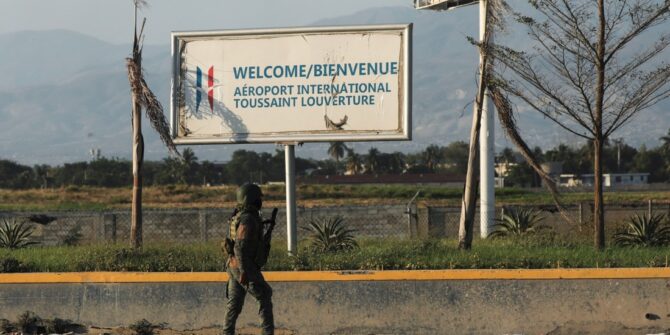
On March 4, several dozen heavily armed gang members attempted to take control of MTPP/Port-au-Prince airport.

They breached the airport perimeter and exchanged machine gun fire with police but ultimately failed. Airport staff were forced into hiding. Soldiers have since been stationed there for protection.

Since then, all flights have been cancelled.

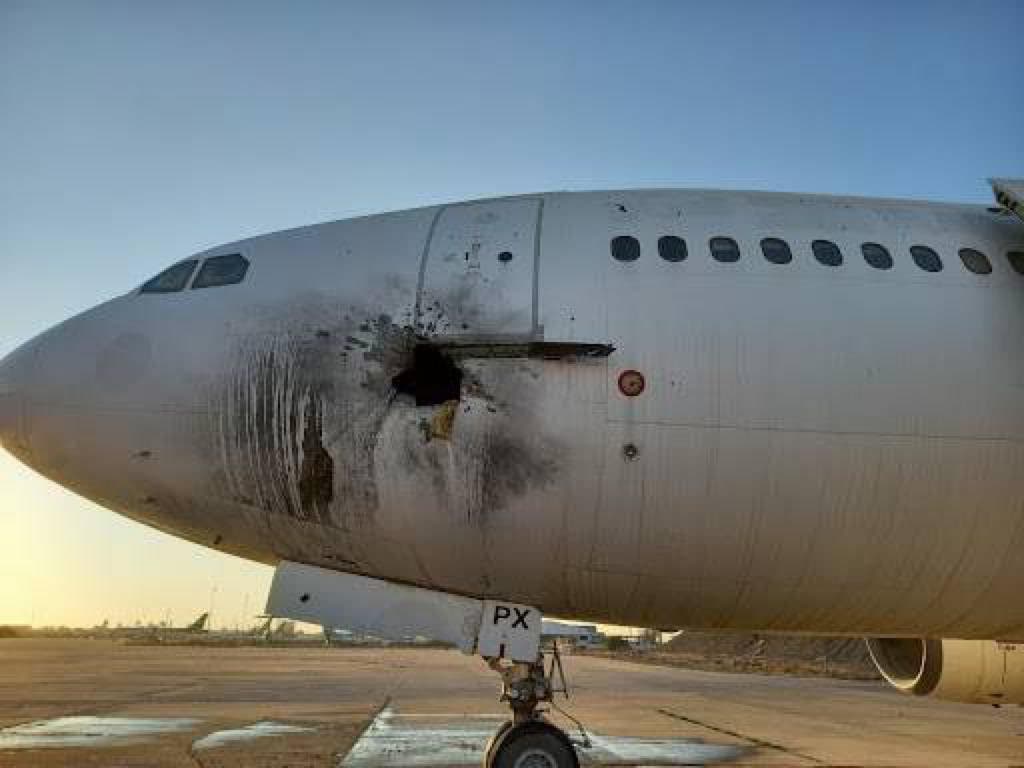
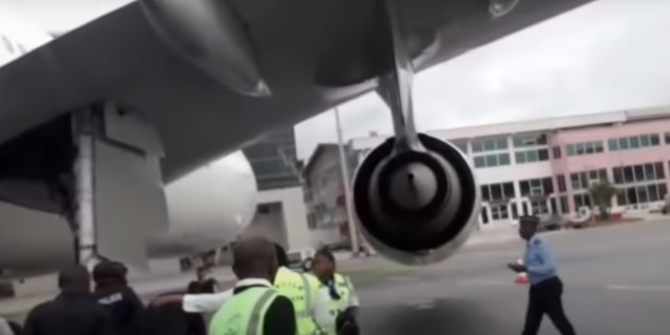
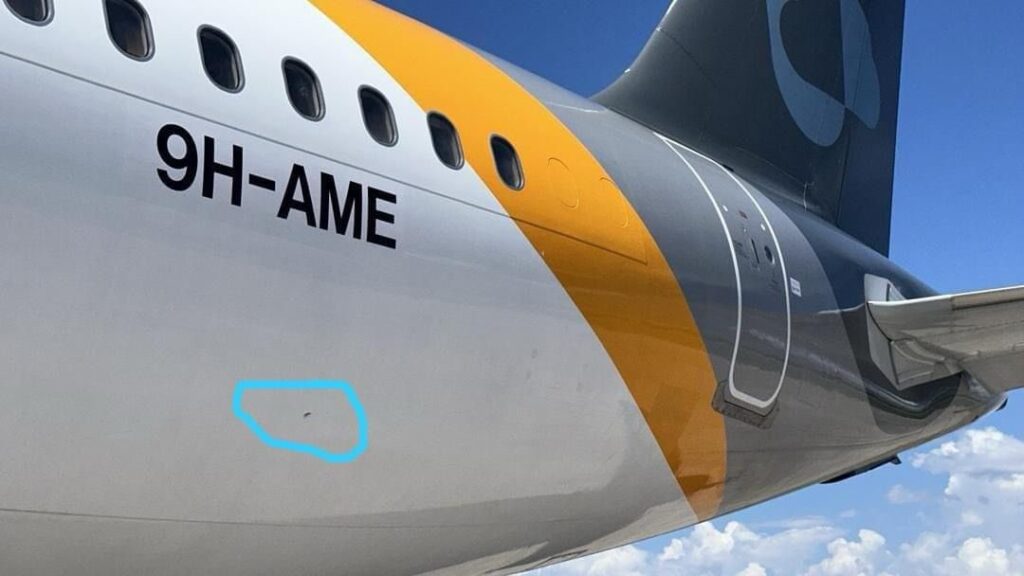
This followed a separate attack last week where an A321 was damaged by a bullet after landing. Sustained gun fire was reported along the access road to the airport during this time.

A landing A321 at Port-au-Prince was apparently damaged by gunfire after landing on Feb 29.

Don’t look to the MTPP Notams for help – you won’t find anything. However, the media has reported several closures of the airport in recent days in light of these events.

Gangs are fighting fiercely for resources and revenue. This includes control over key transport routes hindering freedom of movement and further empowering the gangs – which is why the airport is being actively targeted. Gangs may also have the additional political motivation to interfere with ops at the airport in an attempt to stop the existing president from being able to re-enter the country.

State of Emergency

The Haitian Government declared a state of emergency on March 3, which will apply until further notice. On the same day, the US Embassy issued its own warning asking citizens to leave. 

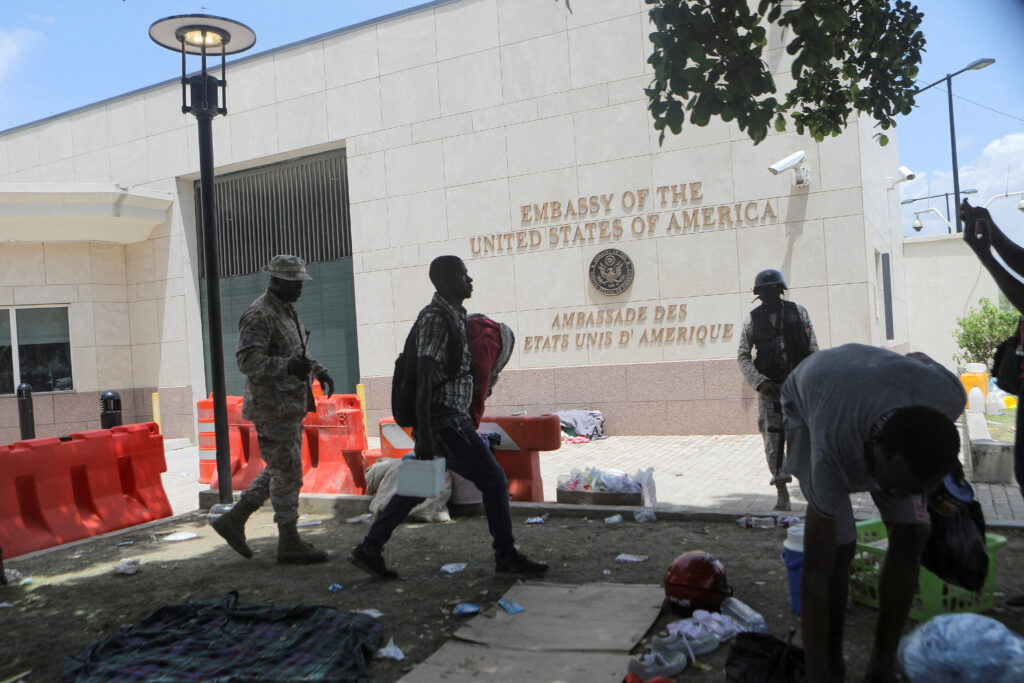
The Embassy itself is periodically closing, and its staff are highly unlikely to be able to help anyone who finds themselves in trouble.

Machine gun fire has been reported near the US Embassy in Port-au-Prince

Impact on Overflights

The FAA does not currently have any active airspace warnings in place for Haiti.

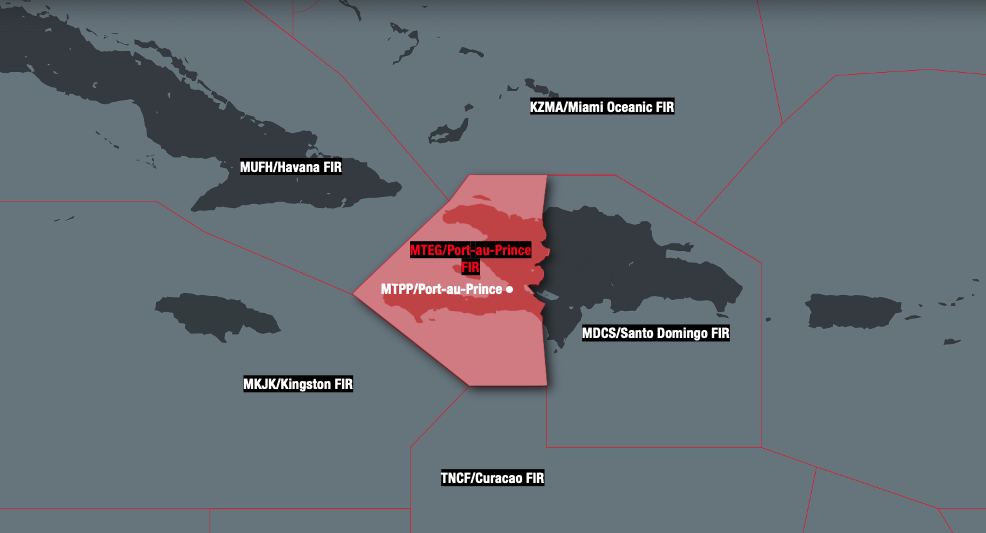
The country operates its own small chunk of airspace – the MTEG/Port-au-Prince FIR. Adjacent sectors include Cuban, Dominican Republic and US airspace. Its Notams are also conspicuously quiet.

No restrictions on overflights have been published, with flight tracking still showing sporadic airline traffic overflying– although the bulk appear to be transiting further east over the Dominican Republic.

The Dominican Republic has banned all passenger and cargo flights to and from airports in Haiti (MDCS Notam A0111/24 refers), but this does not restrict overflights.

The gangs however have shown an active intent to target government infrastructure – its not clear yet what effect this may have on controllers’ ability to perform their duties at short notice.

At the very least, a solid contingency should be in place right now for a short notice reversion to Class G.

Special care also needs to be taken for the possibility of unplanned landings or diversions – especially to Port-au-Prince. Normal services are unlikely to be available, and crew security cannot be guaranteed.

As the situation evolves, keep an eye out for updated information from aviation authorities such as the FAA who may publish background information or additional flight restrictions.

We will report any we see on our conflict zone and risk database, safeairspace.net.

If you have any other information you’d like to share with us, don’t hesitate to get in touch via news@ops.group.


Airspace Risk: Conflict Zones and Security in 2023

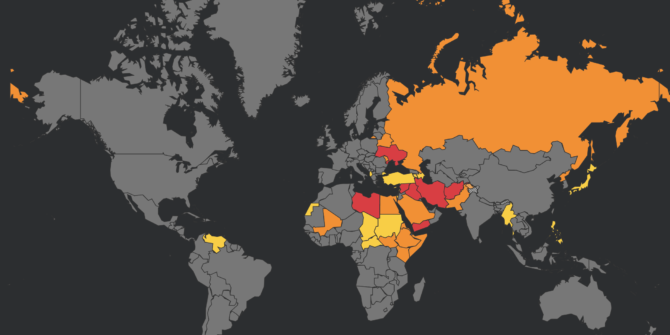
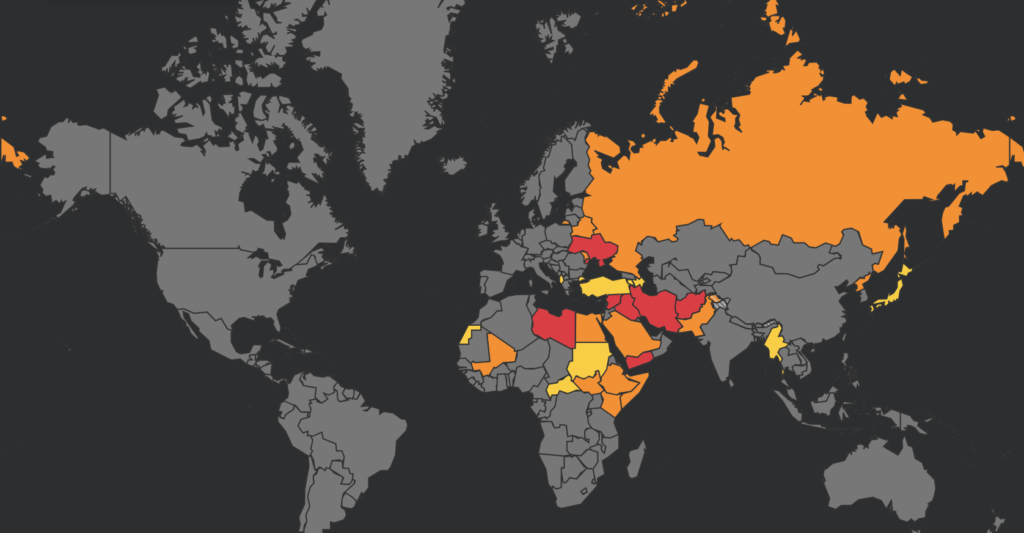
Over the past twelve months we have reported changes to a number of conflict zones which have the potential to affect airspace risk, along with other security concerns.

With the arrival of 2023, here’s another look at these regions which have had the biggest impact on civil aviation safety.

Active conflict zones

We cover all the current conflict zones, with information on the context and details of current notams and warnings, on safeairspace.net

There are a number of conflict zones which remain active, but which have seen little change to the situation or risk rating. The following mentions refer to those which have seen substantial change over the last year only.

 Ukraine/Russia 

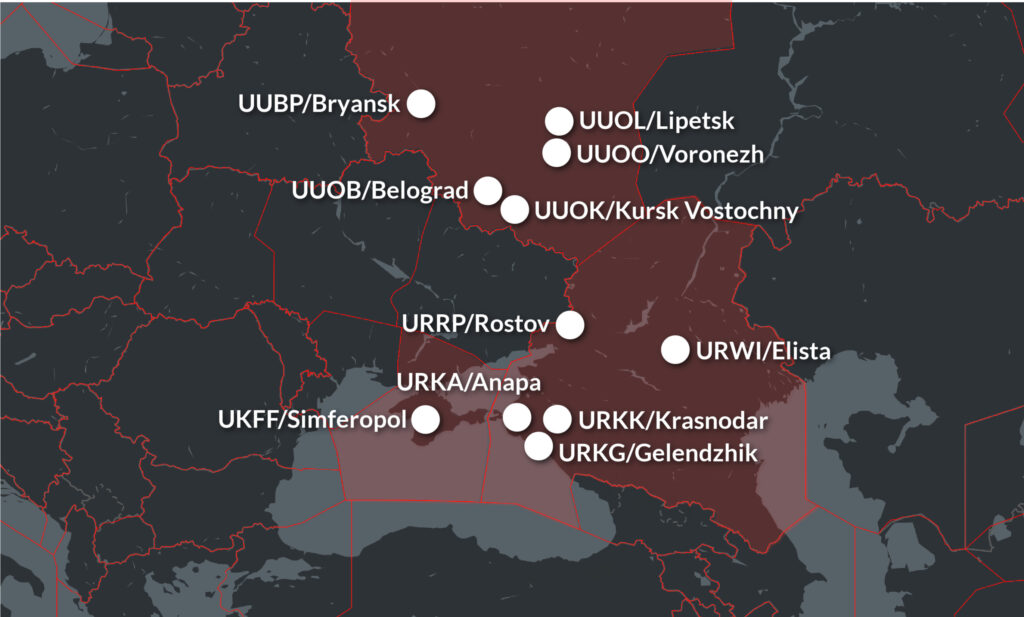
The war has continued since February last year with significant impact on airspace in Europe. Ukrainian airspace remains closed at all levels due to ongoing and intensive military activity. Russia has also persisted with flight disruptions at ten airports in Southwestern Russia, and another in Russian-annexed Crimea.

They include:

  • URKA/Anapa
  • UUOB/Belgorod
  • UUBP/Bryansk
  • URWI/Elista
  • URKG/Gelendzhik
  • URKK/Krasnodar
  • UUOK/Kursk Vostochny
  • UUOL/Lipetsk
  • URRP/Rostov-on-Don
  • UUOO/Voronezh
  • UKFF/Simferopol  (Crimea)

Ukrainian airspace remains extremely dangerous due to military activity. Those risks have also been shown to spill over into open airspace that borders it. Special care needs to be taken when operating anywhere near the conflict zone.

Official Advice

Major authorities continue to recommend avoiding Russian airspace, and prohibit against operations in Ukrainian airspace. They also advise to use caution for operations within 200nm of the Ukrainian border.

On Jan 14, debris from a Russian rocket was found in Northeastern Moldova near the Ukrainian border. It is the third such report since October last year. Spill over risks from the war in Ukraine are a known threat to civil aircraft in the LUUU/Chisinau FIR, which is mostly off limits. AIP Sup 01/23 allows flights in and out of LUKK/Chisinau under certain conditions only.

 Iran/Iraq 

The end of 2022 saw an increase in activity between Iran and Iraq, with multiple rocket attacks reported in the ORER/Erbil region. In September, Iran closed a section of airspace in the north of the country along the border with Iraq, and is using the area to launch missile and drone attacks at targets near ORER/Erbil Airport. Iran is warning their own operators against flying in Iraqi airspace.

Ongoing political turmoil, militant activities, and military operations in Iraq poses an elevated risk to aviation and airspace safety. In recent months, militants have fired rockets in Baghdad’s Green Zone, causing flight disruptions at nearby ORBI/Baghdad airport; Iran continues to target northern Iraq with missile and drone attacks; and Turkey has been launching attacks along Iraq’s northern border.

Official Advice

The airways in the vicinity of the border should be operated on with caution.

Towards the end of 2022, the US FAA extended their restrictions on Iran and Iraq by two years – US operators are prohibited from the ORBB/Baghdad FIR below FL320, and completely prohibited from OIIX/Tehran FIR. Other major authorities caution against operations below certain flight levels.

Potential Risk & Conflict Zones

 North Korea 

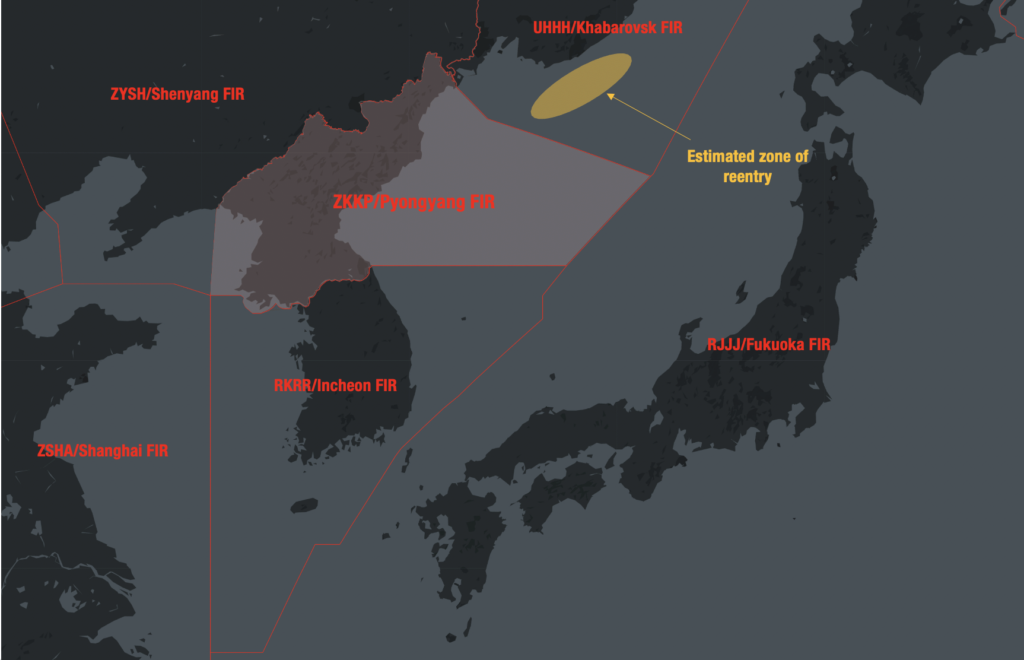
North Korea test fired an unprecedented number of missiles in 2022, all without prior notice. Things escalated late last year to coincide with South Korean military exercises. A large number of the missiles landed in the Sea of Japan, with one splashing down just 30nm off the coast of South Korea. Another overflew Japanese territory.

From December 26, there were further disruptions. Several North Korean drones flew across the demilitarised zone  and entered the RKRR Incheon FIR, resulting in military jets being scrambled. Ops at RKSI/Seoul and RKSS/Gimpo were briefly suspended. We wrote about that here.

The South Korean president has gone public announcing that any further incidents could threaten a military pact between the two countries, which has potential to greatly increase overflight risk.

Official Advice

The US prohibits flights across all North Korean airspace, including the oceanic part of the ZKKP/Pyongyang FIR over the Sea of Japan. Several other countries have airspace warnings in place which advise caution due to the risk posed by unannounced rocket launches.

The primary risk remains from debris from missile re-entries striking aircraft overflying the oceanic part of the ZKKP/Pyongyang FIR over the Sea of Japan. However, the escalation in tensions between North and South Korea, and the incursions on the Japanese EEZ raise the caution level within both Japanese and South Korean airspace.

 China/Taiwan 

In mid-2022, the US reported an increase in what they consider ‘unsafe, unprofessional or non-standard intercepts’ by Chinese military aircraft in the South China Sea region. The China Sea Dispute is a growing concern.

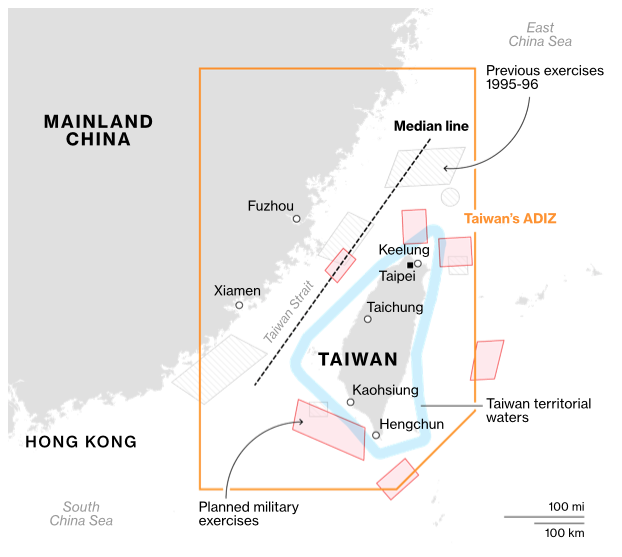
China has also increased political pressure on Taiwan. Various military exercises by the Chinese took place throughout 2022. In August, China designated six areas of airspace as danger zones for a “military exercise,” effectively barricading the country’s airspace.

Official Advice

There are no reports of intercepts impacting civilian aircraft, but extra caution is advised because of a growing amount of military traffic active in the area.

Aircraft operating in Taiwan’s ADIZ need to pay close attention to proper procedures – effectively squawk a discrete code and remain in contact with ATC at all times.

 Turkey 

Turkey has seen an increase in spillover effects from Syrian and Iranian conflicts. Reports say shelling and rocket strikes have occurred near a town in southern Turkey, near the border with Syria. Turkey has been carrying out airstrikes on Syria and Kurdish regions of Iraq since an earlier attack on Istanbul. The escalation in airstrikes, and risk in southern Turkish airspace from Syrian insurgents poses an ongoing threat to civil aircraft.

Official Advice

More caution should be taken if operating in southern regions of Turkey, along the border with Syria. GPS jamming within border areas can be expected.

Civil Unrest and Crime

Economic pressures around the world over the past twelve months seem to have escalated instances of widespread civil unrest that have directly impacted aviation.

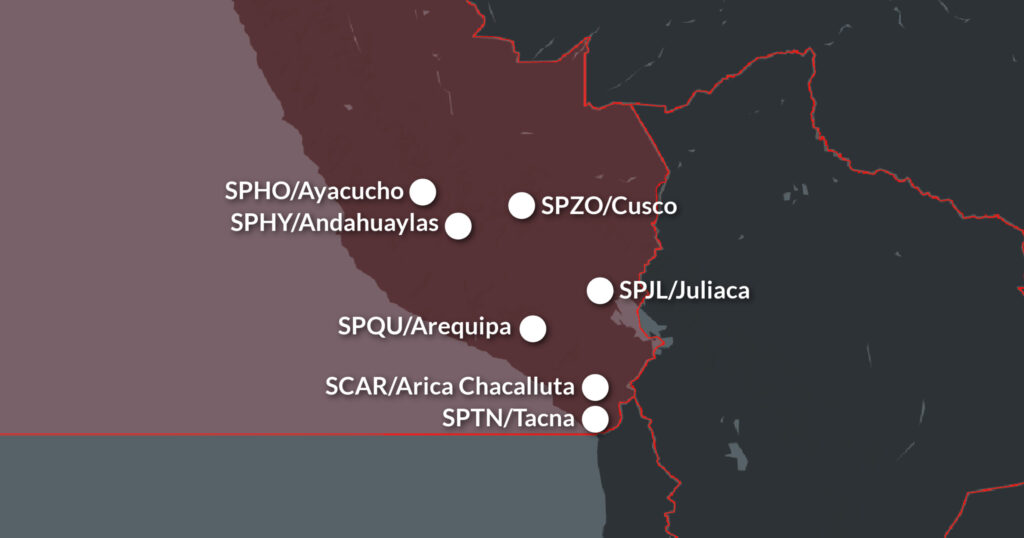
Peru is the latest. It has been experiencing political turmoil since late last year which led to protests and riots. Demonstrators blocked access to several airports. The situation is still developing.

We also reported on similar issues in Sri Lanka when a state of emergency was declared back in July, 2022. Fortunately, in this case the situation was resolved.

Mexico has seen a rise in civil unrest since the start of January 2023, in response to the arrest of a primary member of a cartel. The unrest has been limited to the Sinoloa region, but has seen three airports impacted significantly.

Bouts of civil unrest can occur without warning and have potential to close down airports, and put crew on the ground at risk. The US Department of State is our best source of travel advisories and warnings. For operations to less developed countries in particular, it is important to monitor the political and security situation before visiting unfamiliar spots (and if you have, please share with us at team@ops.group or via Airport Spy).

2022 also saw a notable number of less common security issues, including bomb threats, the use of fake airline IDs and even imprisonment of crew without charge. A keyword search on your Member’s Dashboard will help you find more information on all these things.


New US Terrorism Warning: What’s the impact to aviation?

On August 2, the US Department of State updated its worldwide terrorism warning for the first time since 2019 – terrorist groups around the world may be actively planning attacks on US interests. This follows news on July 31 that the leader of a major terrorist organisation was killed during a military operation in Afghanistan.

My flight is tomorrow, what does this all mean?

For starters, no new airspace warnings have been issued due to the recent events. But it is equally important that operators (especially N-registered ones) heed the information that is already out there.

This comes from a combination of FAA SFARs, KICZ Notams and Background Information notes.

In the most dangerous airspace, the FAA bans US operators at all levels. In which case, the decision to overfly is an easy one because it has already been made for you. You just can’t do it.

But it’s not always that clear cut. Risk may be present, but not enough of it to justify closing entire pieces of airspace. So the FAA carries out assessments and decides on what precautions operators should take to stay safe.

This is where the lines start to get a little blurry because these assessments take time, and security risks can evolve more quickly than the papers can be signed. In other words, what was safe yesterday may not be safe today.

And so operators may need to re-evaluate their exposure to known risks, based on what is happening right now. With that in mind, here are some hotspots US aircraft are permitted to overfly that we think deserve a second look.

Iraq

Back in October, the FAA lifted its long running Notam barring US operators from entering the ORBB/Baghdad FIR. The SFAR is now in effect, meaning overflights are technically okay provided you stay above FL320. But just because you can, doesn’t mean you should.

Militant groups are active throughout the country and are known to have access to anti-aircraft weaponry. The have also have a proven track record of targeting US interests in the country. Scour through the OPSGROUP archives and you’ll see report after report of rocket, drone and mortar attacks on ORBI/Baghdad along with other regional airports.

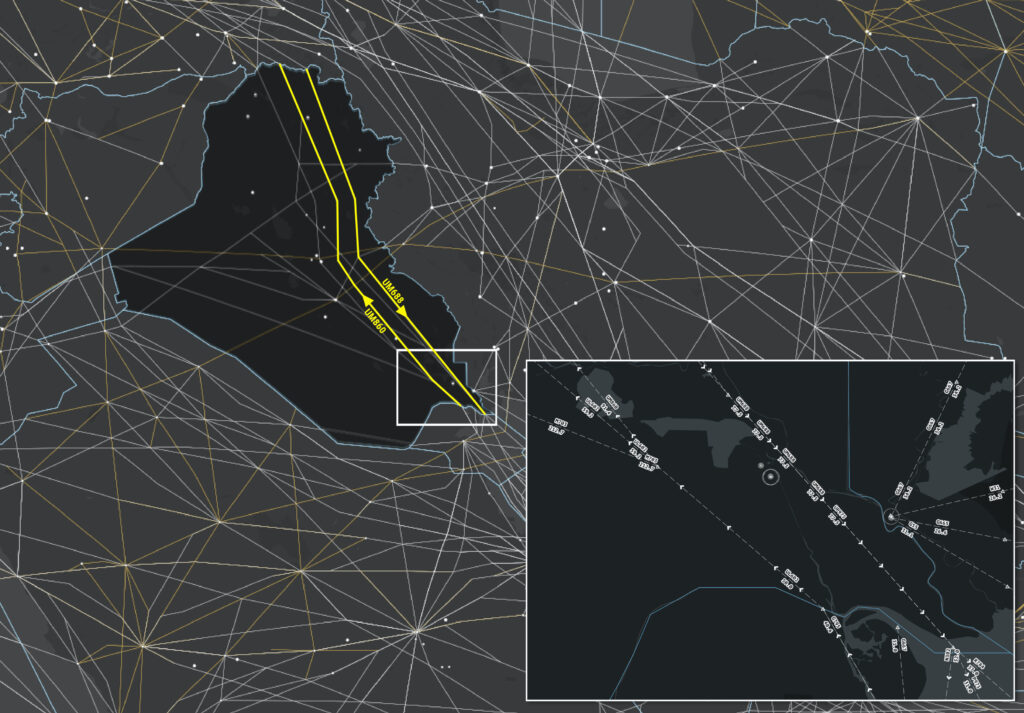
Our advice hasn’t changed – avoid overflights at all levels if possible. Although the eastern airways UM860, UM688 and UL602 are frequently used and considered safe options by some major carriers.

See: SFAR 77, Background Info Note.

Mali

The FAA currently advises US operators to use extra caution if overflying Mali below FL260. The main issue is the ever-fragile security situation on the ground. The FAA cites extremist or militant groups that may actively target civil aircraft with various weapons.

And things seem to be getting worse. On July 29, the US Embassy ordered the urgent departure of non-emergency US Government employees due to the risk of terrorism. Which is a warning sign for us that these risks may be escalating.

See: KICZ Notam A0009/22, FAA Background Information.

Somalia

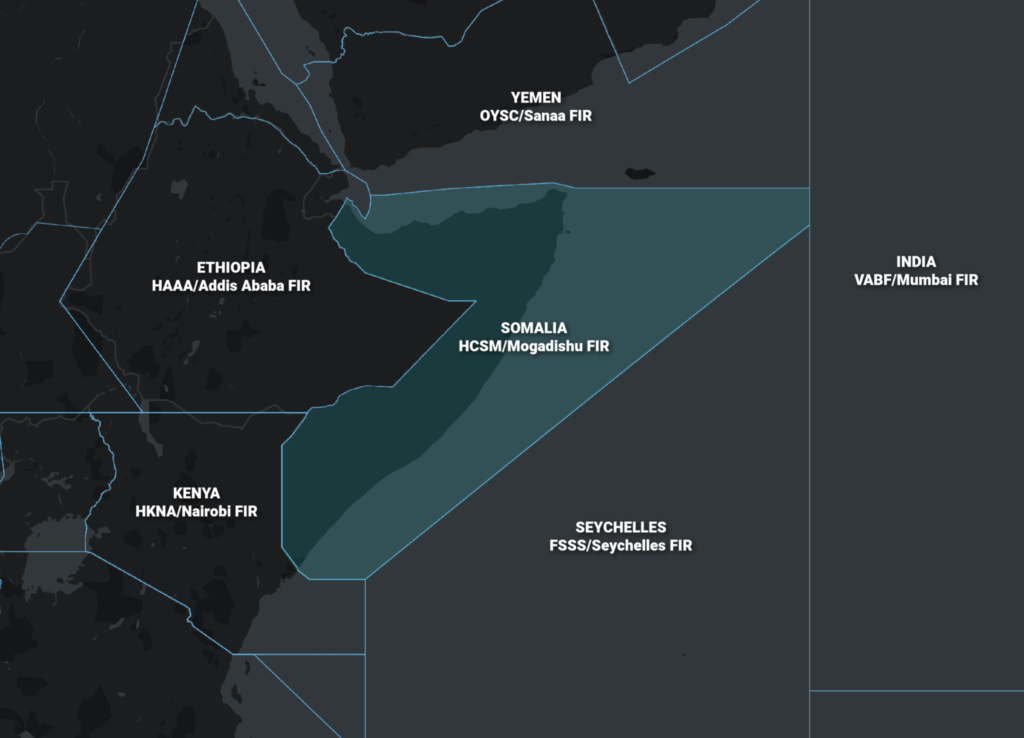
The FAA currently allows US operators to overfly the HCSM/Mogadishu FIR above FL260. It’s important to remember though that the security situation on the ground there is unstable – especially since a controversial election back in April.

Terrorist groups are active in the country, and may have been motivated by recent events. These groups have a proven track record of targeting civilians and aviation interests. In June this year news broke that several local carriers were considering suspending flights over security concerns onboard aircraft and at airports.

There is also currently an active trial of Class A airspace throughout the Mogadishu FIR, which means Somalia may be seeing higher numbers of overflights than normal. The problem is that emergencies and diversions may put aircraft at risk, especially US-registered tail numbers.

See: SFAR 107, KICZ Notam A0028/19.

Egypt

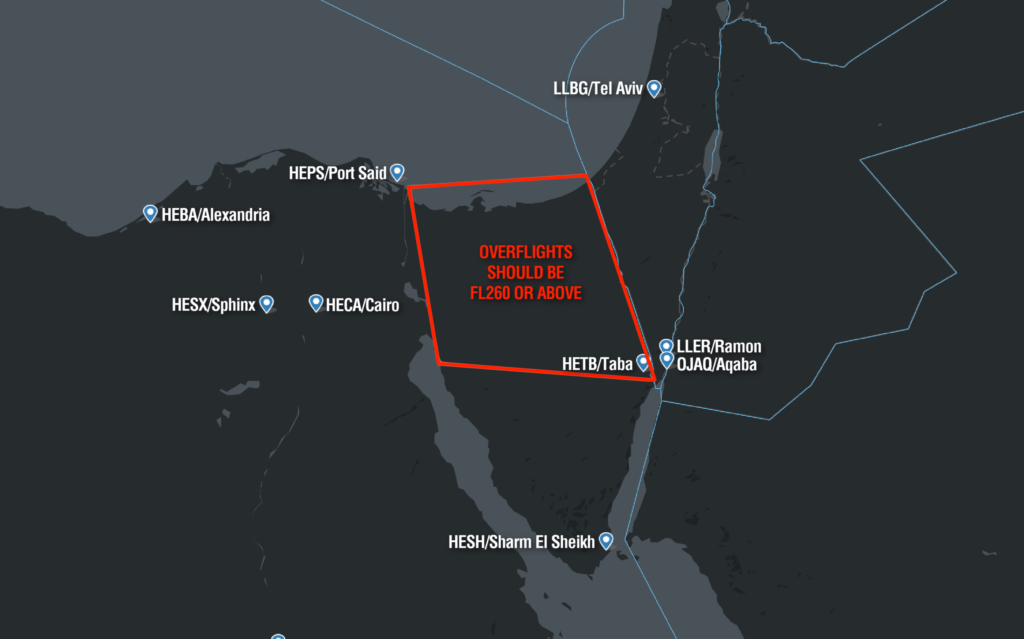
Back in March the FAA lifted its airspace warning for the HECC/Cairo FIR. It previously advised operators to stay above FL260 over the Sinai Peninsula – in the east of the country dividing the Red Sea from the Med.

The issue was the presence of extremist groups who may attempt to target civil aircraft. It’s not clear what improvements led to the warning being lifted, but other countries have kept theirs in place – including the UK and Germany.

Recent events have proven that all is not well. An attack in Western Sanai in May this year was one of the most significant in the past two years – and was a clear indicator that terrorist groups are still active in the region. If they have been motivated by the happenings in Afghanistan, this may put aircraft at renewed risk.

Where else to look.

As things change, airspace warnings get updated. For US operators the starting point is here – it contains everything officially put out by the FAA.

There’s also safeairspace.net – our conflict zone and risk database. The OPSGROUP team keeps this updated as new information comes to hand. You can view a global risk briefing by clicking here.


Beyond Covid: The Biggest Security Risks We Face Right Now

Aviation has always been a reactive industry – because it needs to be.

Over time, forces beyond our control have continued to influence the way the industry moves forward and the way we operate.

For the past eighteen months, our reactive energies have been focussed primarily on one thing – a global pandemic. But it is important that we continue to react to other changes too – particularly when it comes to security, and the types of threats that we face are evolving.

As the industry begins to recover from Covid and press on into the decade, here are some of the biggest security threats that it will face.

Operating Near Conflict Zones

While the lines between aviation and politics are often blurry, they undeniably intersect. The point is that regardless of which side we choose to take, we continue to operate aircraft over or in close proximity to active conflict zones. Which means risk.

The past eighteen months have shown that conflicts can erupt with very little warning in busy flight corridors and with significant dangers to the aircraft flying above them.

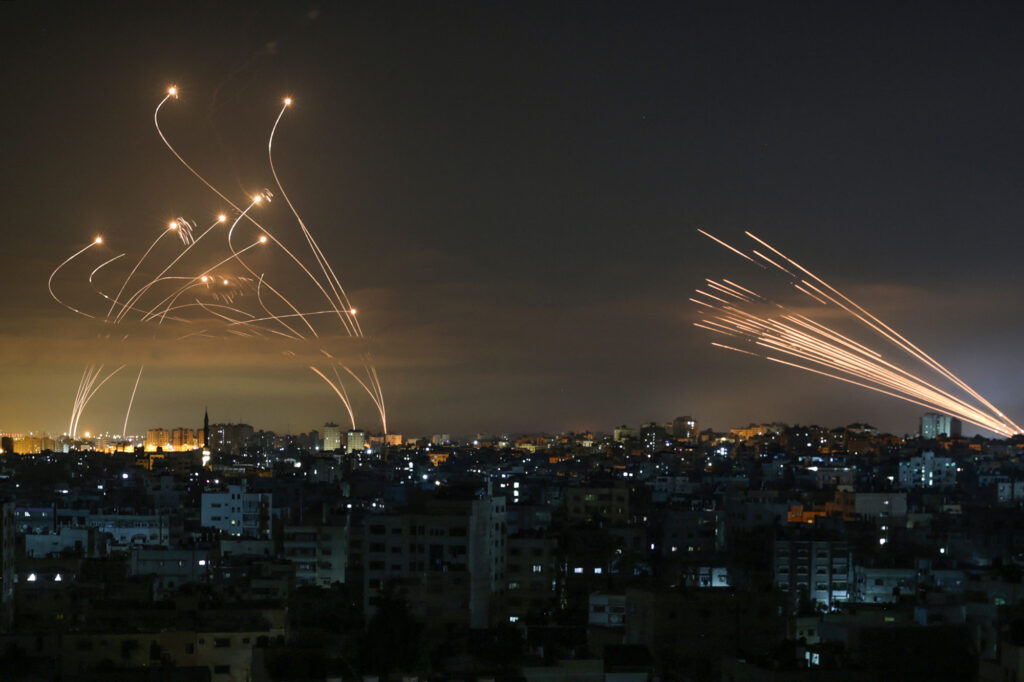
This was the case last year in Azerbaijan, where almost all west/east bound airways were closed by the conflict below. Only months ago, Israel’s Tel Aviv FIR was heavily affected by widespread rocket attacks while just this week, Afghanistan’s Kabul FIR has been left with no ATC services following an overwhelming Taliban offensive.

Things can change quickly and the problem isn’t going away in a hurry.

But perhaps more concerning is that the aviation system relies on the sharing of information to keep us safe up there (and ICAO Annex 17 demands it). But practically speaking, concerns remain over inadequate government intelligence sharing, especially in states involved with conflicts.

Until things change, reliable risk assessments will remain a challenge firmly on the shoulder of operators – and these will rely on timely, unbiased and accurate information. As we have often seen, that can be very hard to get.

Terrorism

Unfortunately, aviation will continue to be a target for terrorism.

While security at airports remains tight, the challenges of breaching it have led terrorist groups to develop new ways of targeting aviation interests. While large-scale attacks the likes of 9/11 seem more far-fetched with today’s protocols, there is a renewed interest by terrorist groups in attacking so-called ‘soft targets’ – primarily aircraft in flight or airports with poor security infrastructure.

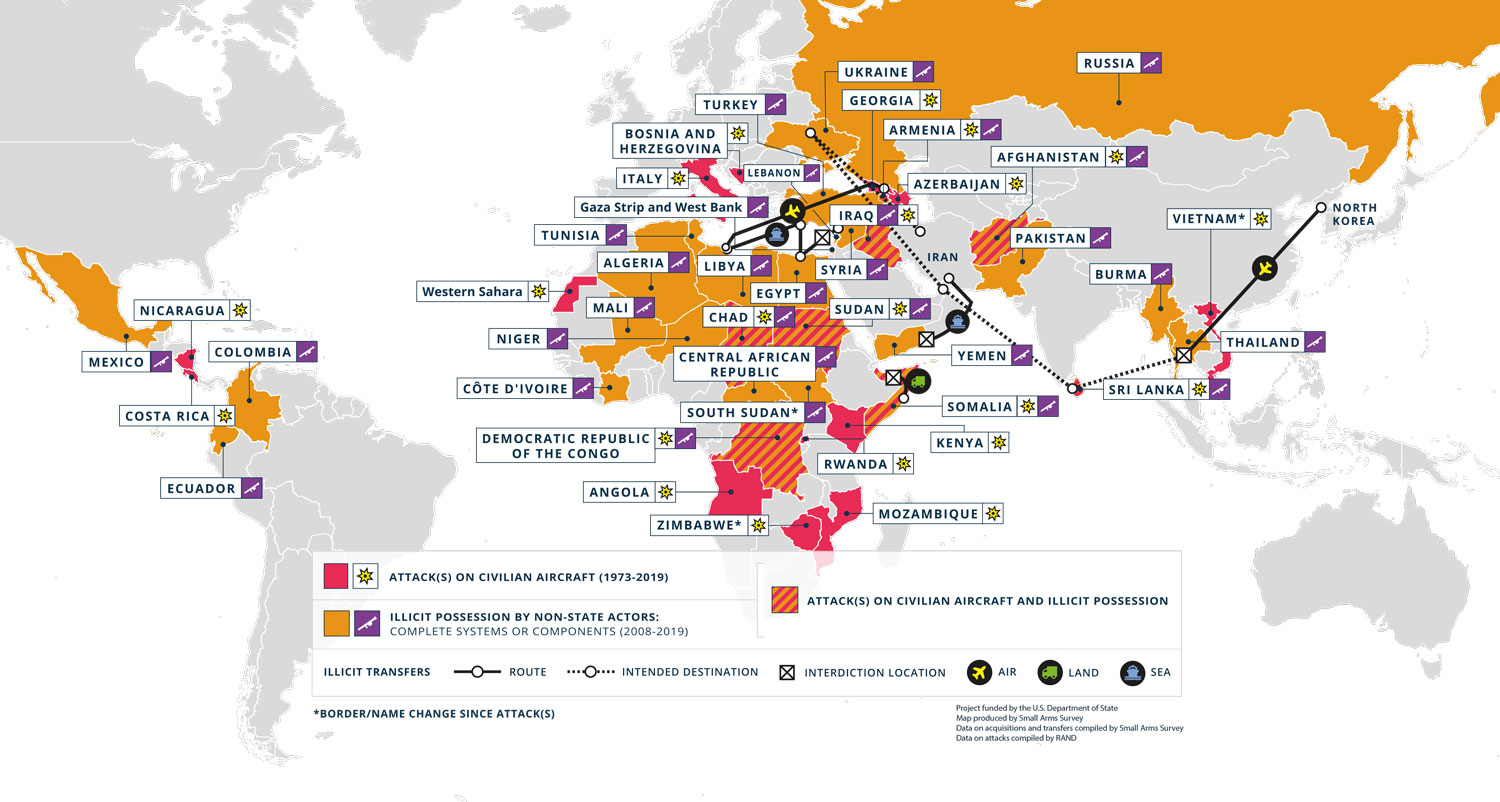
To make matters worse, non-state actors and large terrorist organisations (such as ISIS and Al Shabaab) are encouraging smaller groups or even just lone-wolf individuals to attack by proxy, which makes the threat difficult to prevent. These attacks don’t need obvious leadership, and can be accomplished by low-tech means. Weapons such as rockets, mortars and man portable air defence systems (MANPADS) are of particular concern.

Recent events at ORBI/Baghdad Airport serve as a good example, where multiple rockets were found stashed on nearby rooftops overlooking the airport.

Civil Unrest

In the past eighteen months, we’ve seen countries around the world suddenly erupt into periods of civil unrest. While beyond the realm of airspace warnings and Notams, the effects on crew safety on the ground can be dramatic.

While strikes and peaceful demonstrations can cause little more than inconvenience on the airport commute, it is when things get violent that the danger emerges.

Two examples spring to mind this year where the security situation on the ground changed rapidly and without warning.

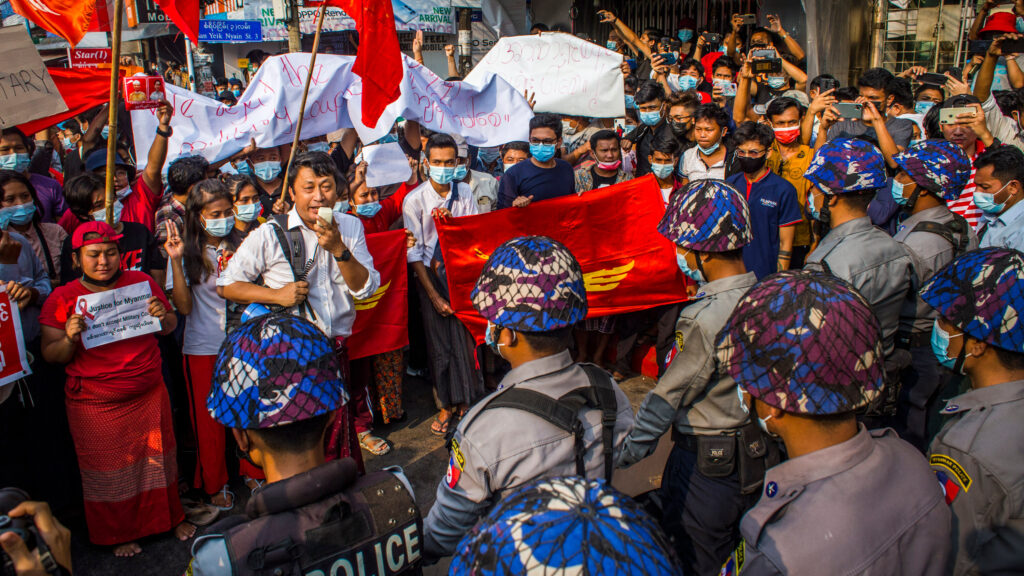
The first is Myanmar where in February a military coup saw nationwide protests. Clashes with military police eventually turned violent with mass civilian casualties in the capital, Yangon. Disruptions continue there to this day.

The second is South Africa last month where a political and legal dispute led to widespread rioting and looting and became the worst violence that South Africa had experienced in many years.

Given the abundance of uncertainty that seems to characterise the modern world, it seems naive to believe that civil unrest is going anywhere in a hurry. Recent events have shown that even away from airports, aviation professionals continue to be at risk.

Cyber Threats

While the aviation industry has developed a strong track record of security practices from physical threats, it has struggled to keep pace with digital ones.

Studies have revealed some alarming numbers. EASA for instance have reported an average of one thousand reported cyber on attacks on airports every single month, while systems at airports in Israel fend off up to three million attempted breaches per day.

Unlike other industries, aviation is particularly vulnerable to cyber-attacks because the consequences can be so catastrophic. Successful attacks could literally cost lives.

Only two things are needed to open the doors to a cyber attack: a vulnerability and a pathway. We’re heavily reliant on countless connected systems that have to operate in real-time and with super-high reliability. Many of them are safety-critical, and they have to be protected.

Have a ponder for a moment about just how far that rabbit hole can go. Here’s a few suggestions just to get you started: Primary radar, secondary radar, EFBs, ADS-B, GNSS, Datalink, ACARs, even Fly-By-Wire. Heavy, heavy hitters in the safety game. This is before we even go down the road of the pilotless aircraft.

As technology continues to improve our efficiency and make our jobs easier, it is also opening gateways for those with malicious intent. Aircraft are becoming smarter and more connected, but arguably also more vulnerable to attack.

The challenge in years to come will be how to protect these critical systems, or at least limit the impact when they are attacked.

Human Trafficking

The unlawful act of transporting people around the world in order to benefit from their labour or exploit them in other ways continues to be a global phenomenon. Particularly when they are suffering from economic hardship.

Recent studies have shown that as many as 700,000 people become the subjects of human trafficking every year, with reports from over 127 countries worldwide. It is aviation that is often the vehicle for this malicious trade. These unfortunate people are often travelling with forged or stolen documents, and may be under duress from the people they are travelling with.

It’s an ongoing problem. ICAO itself is directly involved in efforts to address it through better training and an understanding of where in the world the worst hotspots are. However it is likely to remain a threat to aviation security for many years to come.

Threats to aviation security aren’t new, but our reaction to them needs to be.

Moving forward our response to security in the industry must continue to evolve to meet the threat, regardless of what other industry pressures we find ourselves under. Undeniably, our safety and that of our passengers will depend on it.


Bomb Onboard: Do you know your procedures?

Airport security means the threat of a bomb onboard is greatly reduced. But if you do receive a bomb threat, or find a suspicious package onboard, what procedure does your operator have in place for you to follow?

How much risk is there?

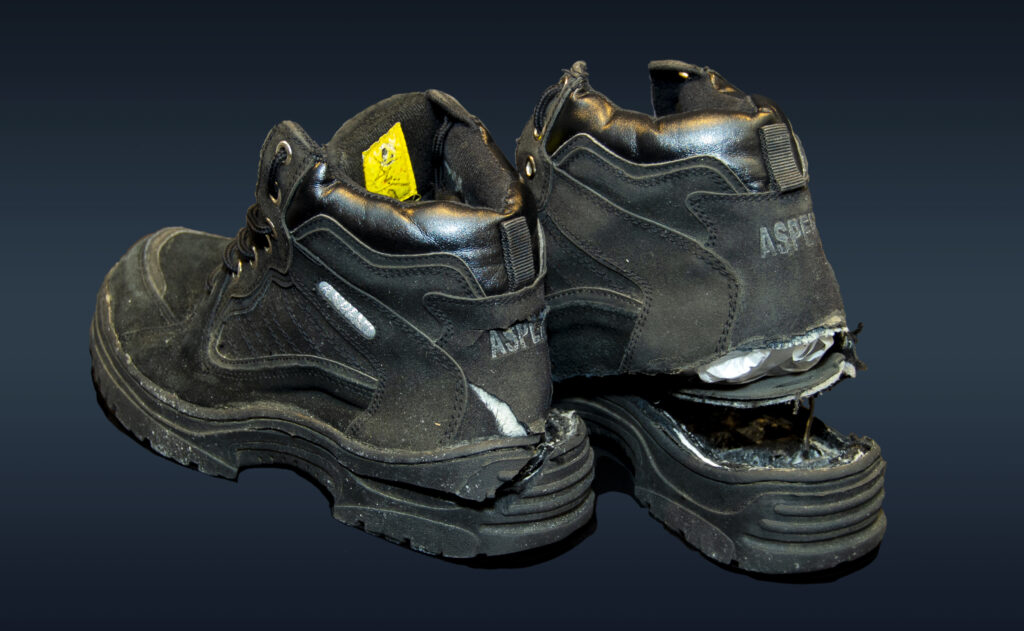
You have probably all heard the Shoe Bomber attempt from 2001. This was thwarted by some brave passengers and crew, and also the fact the bomber had sweaty feet – his swamp foot dampened the trigger preventing it from igniting.

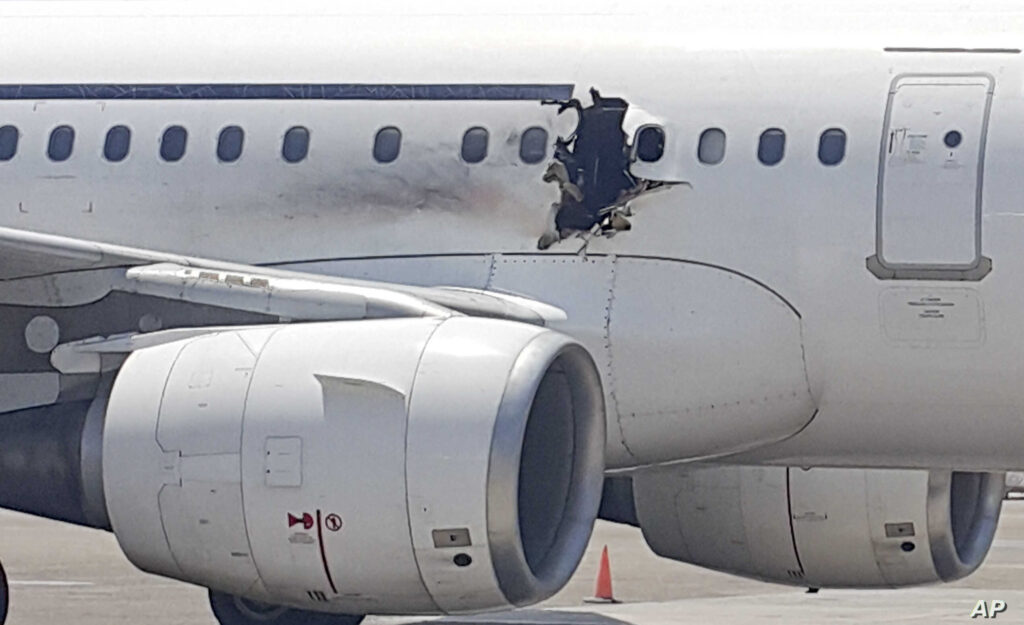
In 2016, an aircraft made an emergency at HCMM/Mogadishu airport after a bomb exploded onboard. The bomb was likely brought on concealed within a laptop. This flight was lucky though – the impact of the bomb was minimal, limited because the bomb exploded while the aircraft was at a lower altitude (11,000ft).

In 2020 a European airline found a ‘bomb note’ onboard. The flight was escorted to a safe landing and passengers disembarked without incident.

So bomb threats, and attempted bombings, do occur, and while security is getting better and better, unfortunately terrorists are getting more creative in finding ways to bring items on board. The attempts are not always aimed at causing destruction either – threats alone cause a huge amount of disruption to operations. So understanding how to assess the risk and credibility of a threat is as important as knowing how to deal with a possible explosive device if one is found onboard.
Is the threat credible?

Threats received regarding an aircraft need to be assessed, and the credibility determined. The threat classification will generally be based around how specific the threat is. Most operators will have a procedure in place for determining this, and probably take into account something along the following lines:

If a threat mentions a specific target, or is made by a known terrorist organization and is deemed credible then this is going to be considered more serious. Often these are referred to as a red threat.

On the other hand, a threat which is vague, general, and doesn’t specify targets might be considered less credible. A hand scribbled note in the toilet for example. This would be categorized as a green threat.

However, regardless of the assessed credibility, a bomb threat has to be taken seriously and treated as a genuine situation.

If you are on the ground

The simplest and safest option if you are on the ground is to disembark and carry out a full search of the aircraft. It might be a hassle and result in some big delays, but the possible alternative is much worse.

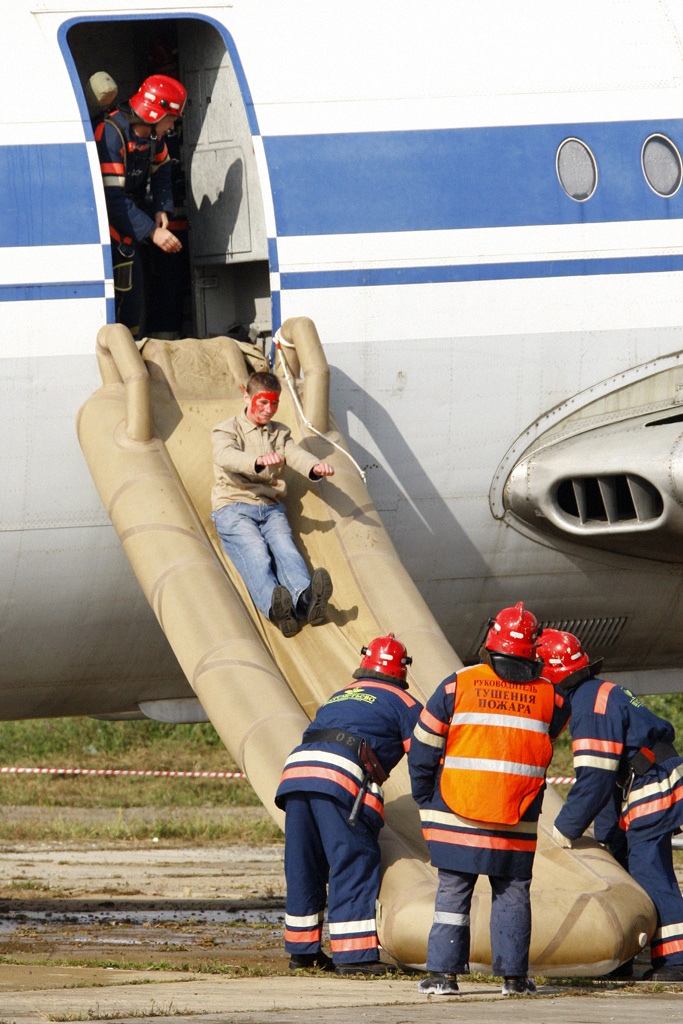
A serious threat may require a precautionary disembarkation – which will result in offloading the passengers as quickly and as safely as possible. This creates a risk to safety in itself, and generally the credibility of the threat will be communicated to the crew so that they can judge the risk of waiting (for steps) versus disembarking immediately to clear the aircraft (but have passengers hurling themselves towards the tarmac).
If you are in flight

If a threat is received against your aircraft while in flight, carry out a search checking those places which are often overlooked during security checks on the ground, but where an article might easily be concealed – toilets, galleys, jump seats, stowage areas, closets etc. Try and do it discreetly to avoid unnecessary worry for passengers.

If an article is found, do not move it or touch it. Move passengers away from the immediate area, and remove any flammable items and have fire extinguishers ready in case. A PA asking for anyone onboard with ‘BD or EOD experience’ might help – these are terms which experts will recognize without saying “Hey, passengers, is there a bomb expert onboard?”

Not terrifying your passengers is probably a good call, but ensuring they are following your crew’s orders, and that they are prepared for the situation on the ground, is also necessary. This means providing them with clear information, but without dramatizing the situation.

“Ladies and Gentlemen, we have received a message that a threat has been made against one of our aircraft/an aircraft in this airspace. These threats do happen, however, until we can establish how credible it is, we will take all possible precautions and therefore intend to land at… in…”

If you find a suspicious article

Most manufacturers provide checklists for bomb-on-board situations. Know where this is, and understand what it says. 

There are a few measures you might want to consider:

  • Talk to ATC so they know exactly what is going on and what you need. They all assist with locating an airport with services needed, and coordinating with military if necessary.
  • Try to avoid routes over heavily populated areas.
  • Consider carefully the choice between flying fast to minimize airborne time versus flying slow to minimize air-loads and damage (in the event of fuselage rupture).
  • Request remote parking on the ground if there isn’t a designated bomb location.
  • Brief your crew for a possible emergency landing, and in any event, brief them to ensure passengers are disembarked quickly and moved to at least 200m upwind from the aircraft.
  • Avoid large and rapid changes to pressure altitude – consider using manual cabin altitude controls to minimize rapid pressure changes while still lowering the cabin altitude to reduce the differential pressure.

Aircraft are designed to not ‘explode’ if there is a rupture in the fuselage – that’s why they tend to have a lot of smaller sections attached together. It makes the overall structure more resilient to the effects of an explosive decompression, aiming to keep it “localized”.

Reducing the differential pressure to around 1 PSI will also reduce the damage if an explosion does occur. Maintaining a slight differential will ensure the blast moves outwards, but the lower differential limits the force of air from the cabin outwards. 

1psi is the equivalent of about 2,500 feet difference, but flying at an altitude that allows you to manually reduce the differential will probably mean a much lower level and much higher fuel burn.
Where is your aircraft’s LRBL?

A Least Risk Bomb Location is an area where the least damage will occur should a bomb explode. This should be specified in your aircraft manual. These are often near aft doors or in washroom stowage areas. The area provides the least risk, in the event of an explosion, to flight critical structures and systems.

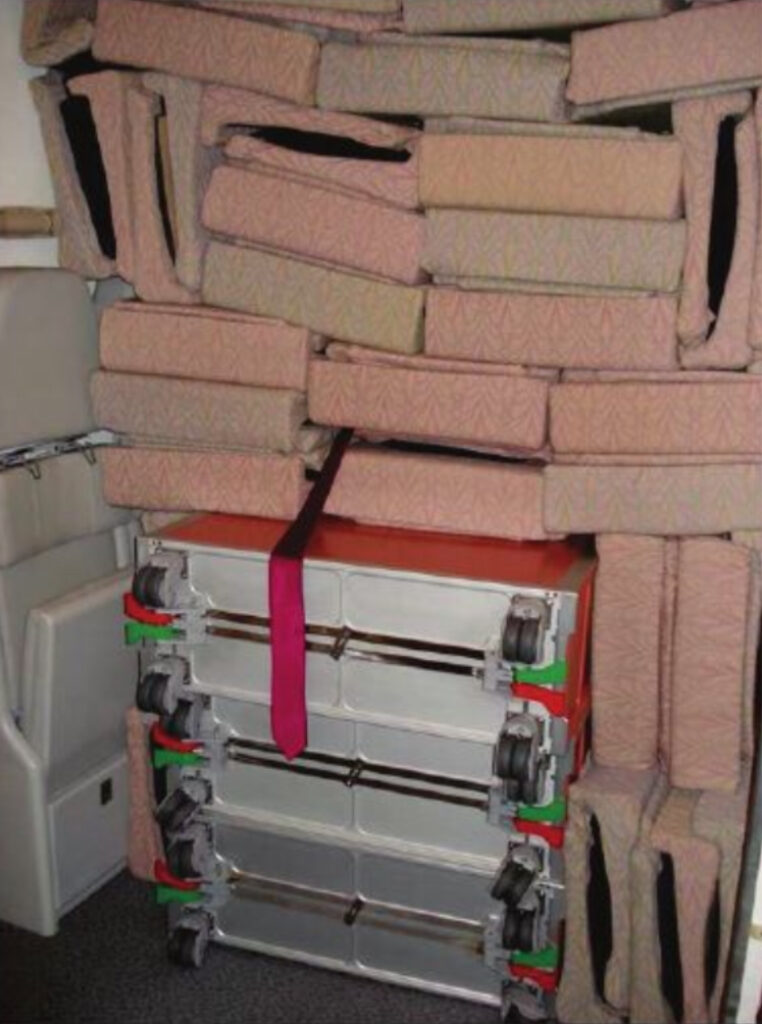
If the article is deemed unsafe to move, cover it in plastic to prevent any liquids getting in, and then pile blankets and pillows, seat cushions and soft clothing around it. We’re talking as big a pile as you can, and once done, saturate in water to minimize fire risk in case an explosion does occur. Don’t forget the plastic sheets first though –  liquid damage to electrical components is also a big risk.

If you can move it, and only if it is deemed essential to do so, then check that LRBL. Once in place, build up the barricade.

Always minimize movement to any article as much as possible, and don’t put anything directly on top of it. An igloo of saturated cushions around it and the gaps stuffed with blankets etc is good.  This ‘cushioning’ will help minimize the force if an explosion does occur. Never put inside an oven or trolley though as a sealed container will amplify the pressure and explosive force of a bomb.
Where to go

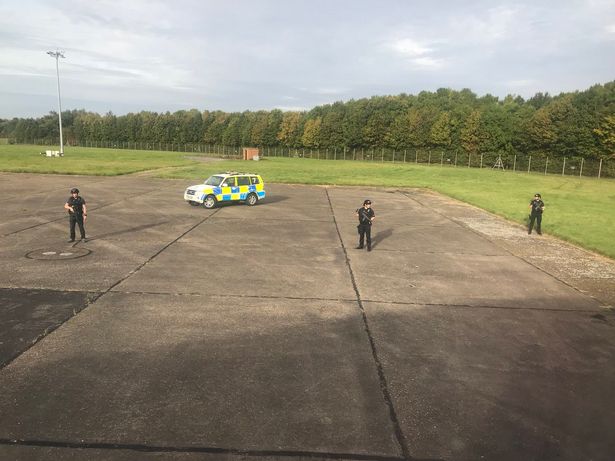
You will likely be accompanied by fighter jets to an airport with a designated bomb area – usually a remote apron away from buildings, fuel supplies and other aircraft.
What next?

Getting your aircraft safely on the ground is Step One. Getting your aircraft to a safe point to disembark/evacuate your passengers and crew is Step Two and coordinating this with ATC and airport services is important. Knowing in advance where you will taxi to will get you there more quickly and safely. Landing, slamming on brakes and bursting tires will get you nowhere fast, so plan ahead and be prepared.

A bomb threat or bomb onboard situation is difficult to plan for because the ‘where you are and what will happen’ is not something we can prepare for, other than being ready to follow our procedures and remaining calm. Chances are this is not a situation many of us will (thankfully) find ourselves in, but understanding the resources you have to assist, and knowing the onboard procedures so you can coordinate passengers and crew will no doubt help if it ever does occur.
Chad Airspace Update

Chad’s long term President, Idriss Déby died this week, having spent more than three decades in power as one of Africa’s longest-serving leaders. So why did his death result in the temporary closure of the country, and what is the impact to aviation?

The background

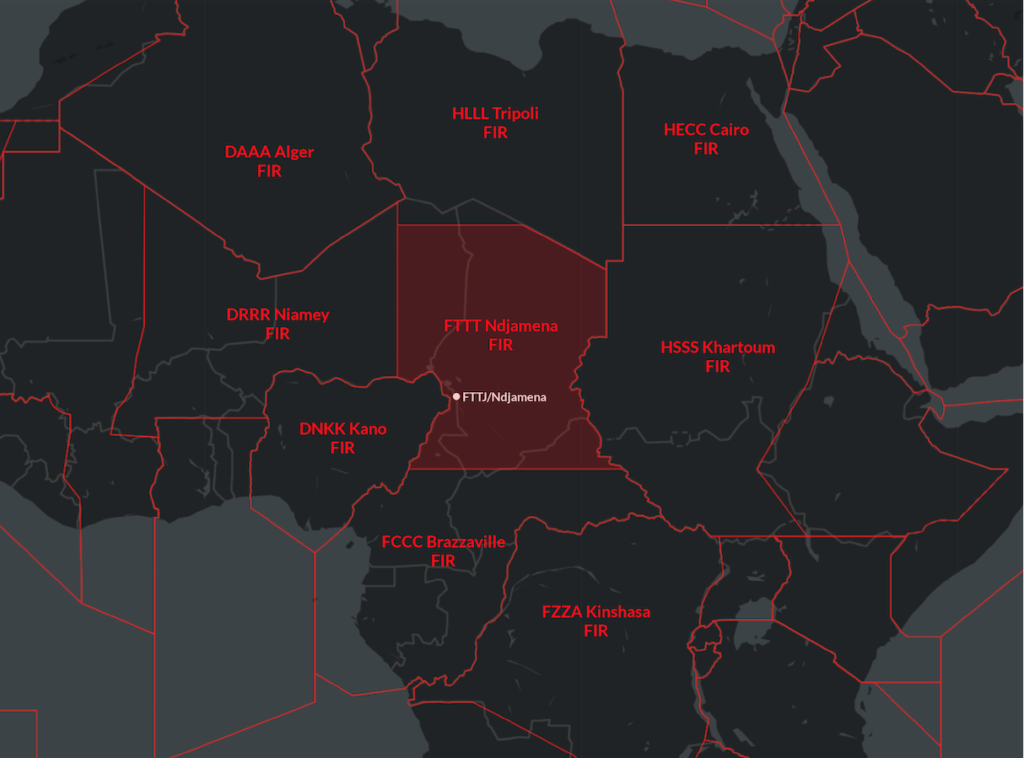
Chad is a large landlocked country in Africa, bordered by Sudan, Libya, the CAR, Cameroon,Nigeria and Niger.

Déby was focused on building a more democratic society and he had strong allies in France and with other Western powers through his continued fighting against Jihadist groups. Provincial elections were already underway with projections suggesting he would be successful in winning a sixth term.

However, Chad is also one of the poorest nations in the world, with big problems around poverty, corruption and human rights, and with that came civil unrest.

What happened?

Déby was injured during a visit to troops who were battling against rebels belonging to a group called Fact (the Front for Change and Concord in Chad). The big concern now is who will become the next leader – Déby’s son has stepped in – but the government has been dissolved and conflict is escalating in the country as opposing parties fight for power.

The military elected initially to close land and maritime borders, but then closed all airports as well, whilst putting in a strict countrywide curfew.

The Impact for Aviation

Initially, a Notam was issued stating that FTTJ/Ndjamena airport was closed, and that Contingency Procedures were in effect across the FTTT/Ndjamena FIR. Then a couple of days later, on Apr 21, the Notam was cancelled and the US Embassy issued a Security Alert advising that FTTJ airport has reopened.

In the short term however, landings are not advised, and overflying aircraft should be familiar with Contingency Procedures. You can download the Contingency Plan from the Acesna AIP here.

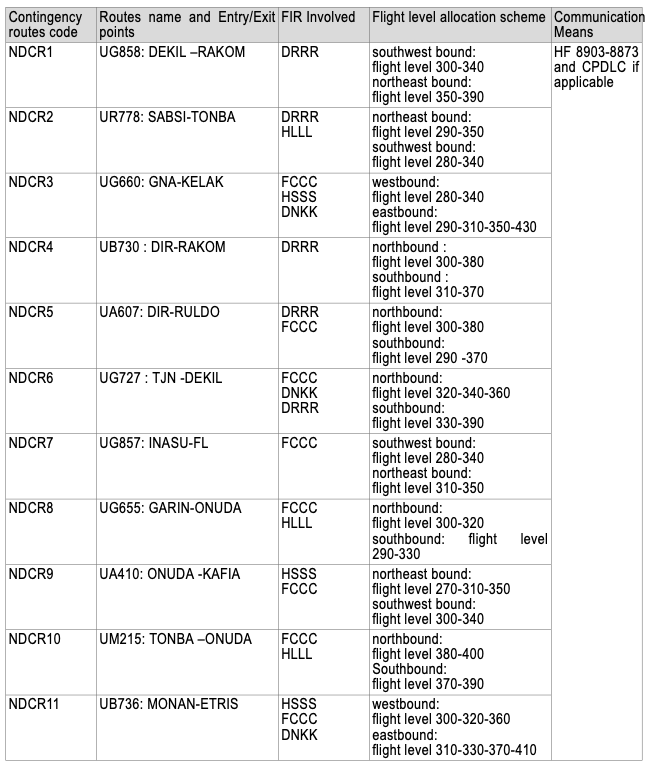
This plan lays out the arrangements for situations where the Air Navigation Services are partially or totally disrupted, and aims to ensure overflights remain possible. Effectively, it aims to coordinate with neighboring ATS units so control of the N’Djamena UIR is temporarily assigned to them – Brazzaville ACC and Niamey ACC are the primary units being used.

Pilot operating procedures while Contingency Procedures are activated are shown under section 8.3 and the advises the following:

  • Maintain contact with Brazzaville or Niamey control until entering, and contact the next control at least 10 minutes prior to exiting.
  • Operate along the assigned contingency route (as listed in the table), although SLOP is recommended.
  • Reach your assigned level at least 10 minutes prior to entering N’Djamena UIR and maintain throughout unless an emergency arises requiring you to diverge from it.
  • Listen out on 12.6 and transmit position reports.

What else do we know?

N’Djamena in the past was a popular fuel stop in central Africa, but multiple travel warnings now advise against travel here (see the UK advice here, and the US advice here). No official state Notams have been issued, but risk remains high. A state of emergency remains in place for the Lake Chad region. Overall there is a high threat for terrorism and it is strongly advised to avoid landings.


Squawk 7800 for Hacked

An airplane is circling over Seattle. Onboard, the Captain, Reece Roberts, is desperately trying to control it, but cannot – she is locked out from the flight control systems because the main computer has been hacked. It is a race against time for the crew to regain control before they run out of fuel. Dom Dom DOOOOMMMMM!!

This might sound like the plot from a terrible movie (it is), but how possible is this, and are there any mechanisms in place to prevent it?

Hack attack

Back in 2015, a cyber security expert, Chris Roberts, was detained by the FBI after making some claims on social media about hacking into an aircraft computer and briefly assuming control of it. According to Roberts he had hacked into several planes over a four year period, using the in-flight entertainment system as his way in.

On this particular occasion, Roberts claims he managed to overwrite some code and issued a “climb” command to the airplane which then caused one of the engines to increase thrust. His actual statement was that he made the airplane “fly sideways” (which possibly discredits the whole story just a little).

This is not the only claim of aircraft hacking though. In 2016, a Boeing 757’s system were also breached, and this one was slightly more disturbing because it actually, definitely happened. It was also less worrying because the aircraft was on the ground and the whole thing was carried out by the US Department of Homeland Security as an exercise to see how possible a hack attack actually would be.

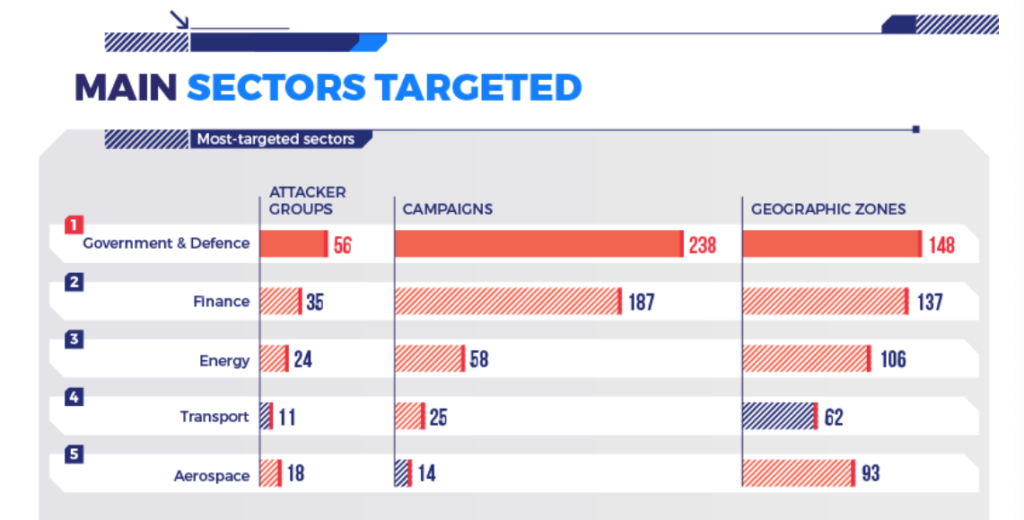
The Aerospace sector is the fifth most targeted sector for cyber-attacks. A high level then, but while some of those attempts are aimed at aircraft flight control computers, and an equally small number at infiltrating airport infrastructure systems, the large majority are of the data gathering nature – attempts to steal sensitive passenger info, credit card data and that sort of thing.

How serious are we talking?

Our aircraft are intelligent. The computer brains that run them are complex beasts made up of multiple data generating sensors, and just as many parts giving out orders to various aircraft systems. Take the FADEC on an engine – this is a self-monitoring, automated system. It controls the engine start, deciding when to open valves up, when to add fuel. It also monitors parameters and can stop a start, run a cooling cycle, and try all this again without pilot intervention. The system also controls inflight restarts.

Rolls-Royce launched an ‘intelligent engine’ concept in 2018 – an engine so connected that it has the basic AI algorithm “intelligence” to assess, analyse and learn from its experiences, as well as those of its “peers” (other engines that all share their data).

All this level of automation is great, but what if it is no longer in control, and is being controlled with the pilot effectively locked out?

Then there is the connectivity

Aircraft are increasingly digitalized and increasingly connected, and these connections might be less secure than we think. One highlighted “weakness” in aircraft onboard systems is the encryption levels within the comms and reporting systems. You might point out that aircraft are fairly visible on Flightradar, but this only gives general whereabouts, and transponder data is no longer shared. Being able to pinpoint exact locations in real time has far greater consequences if the wrong people are able to access this information.

There is growing speculation that Malaysia Airlines Flight 370 may have been electronically hijacked, or at the very least had its position spoofed leading to the initial confusion over its whereabouts, and later the difficulty finding the crash site.

The good news

The good news is there are protections within aircraft systems. First up, there is no way to access a critical system via a non-critical one. Network architecture prevents this and various experts have stated it is impossible to move from, for example, the in-flight communications system to the avionics.

Airbus incorporate a switch in the flight deck – the NSS (Network Server System) gatelink pushbutton is effectively an added ‘disconnect’ which separates all cockpit systems from the ‘open’ world, cutting off any potential link to the aircraft flight management systems should a threat be perceived.

Then there is the risk of “locking” the pilot out – gaining access of a system and sending commands to it is one thing, but pilots have the ability with most systems to disconnect and get back to basics. For a hacker to lock a pilot out – prevent them from disconnecting – this would require a command that is not currently in the system and this level of hacking and re-programming is not, most suggest, all that feasible.

The bad news

There are other ways to disrupt operations.

 GPS jamming is not direct interference, but the impact it has on aircraft systems is a known one – with a jammed GPS, aircraft lose the ability to navigate with accuracy and must rely on dated radio navigation systems. Not such a big issue, but removing the capability for an aircraft to carry out an RNP or RNAV approach means they are reliant on older ILS equipment, or having to fly non-precision approaches.

ILS equipment relies on both ground and aircraft systems, meaning there are much more “parts” which can fail. These systems are also older and require more maintenance on the ground meaning the likelihood of one part malfunctioning is higher, and when it does, the level of safety redundancy for aircraft which have had GPS jamming problems is suddenly really reduced.

The risk of interference to GPS and radio signals also creates a vulnerability in UAV operations.  The controllability of an aircraft might not be in question, but the ability of a hacker to take over and control a UAV – and potentially “control” it into an aircraft – is a growing threat.

A report looking into potential airport weakness identified a large number of “weak spots” where targeted hack attacks might result in disruption. The airside points ranged from spoofed ILS signals to changing airplane signatures on docking system from larger to smaller aircraft, reducing the wingtip clearance margins and safety significantly.

What is being done?

Technologies to prevent UAVs in airports is well underway with systems in place already at many major airports, and the FAA trialling more this year. Solutions to GPS jamming are also a high priority with several conferences and work groups already taking place, identifying both the threat and the root cause of why jamming takes place.

As for the direct cyber security risk to aircraft, this is not a new “idea”. The FAA moved it in the right direction with their Aircraft Systems Information Security Protection (ASISP) initiative in 2015. This initiative asked the questions, and asked manufactures to start thinking up answers, and they are responding. Manufacturers of major avionics, entertainment systems, communication systems, and aircraft are all analyzing the risks, and upping the protections, securities and preventions.

We might not see them in our aircraft, but they are there, and until aircraft become completely secure we still have that last trick up our sleeve – the one where we just turn it off and get back to basics and fly it ourselves.

So ‘Cabin Pressure’ might just be collection of movie cliches surrounding a troubled plane that no-one takes seriously, but the threat of cyber terrorism in aviation is one that everyone else is taking very seriously indeed, and for good reason.


Blinded By The Light: Laser Strikes

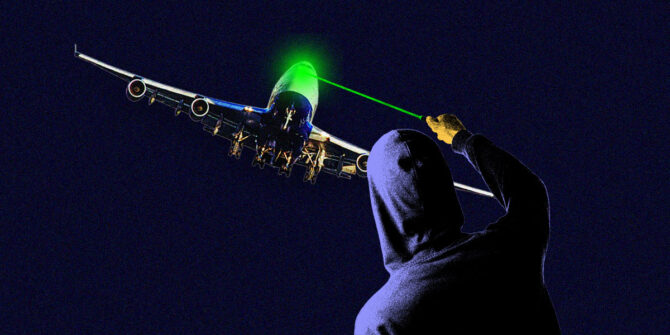
The FAA recently reported that even after traffic levels fell off a Covid-induced cliff during 2020, the number of laser strike incidents actually increased year on year. There were nearly 7,000 of them last year in the US alone – that’s almost 20 a day.

It’s a dangerous and common problem which is proving difficult to control. The FAA take it so seriously they regard a laser strike as a bona fide in-flight emergency.

Here’s why

In the majority of cases, laser strikes are intended as pranks or to cause nuisance. They tend to occur during critical phases of flight – approach, landing and take-off in other words, when you are low, slow and busy.

When struck by a laser, there are several things that can happen to the crew:

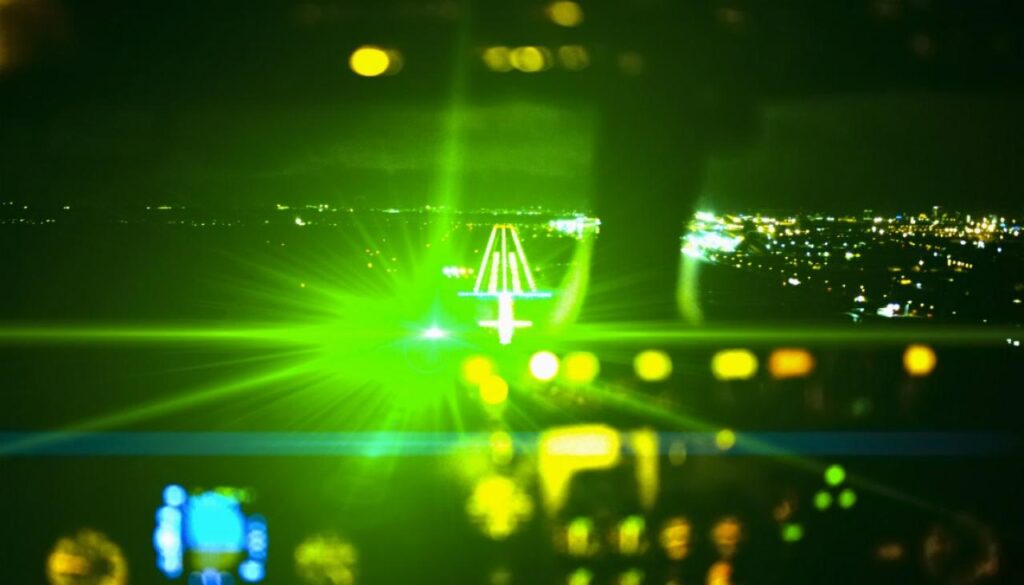
Startle factor and distraction. Right when you don’t need it. You can picture the scenario – it’s the last leg, it’s late and you’re tired. The picture outside is looking good, two reds, two whites, and you’re in the groove… and suddenly a green light appears to the side of the runway that zaps your flight deck. Your scanning breaks down, your attention is divided. Very quickly your approach can become unstable.

Glare. Stronger lasers create a veil of light that obscures your ability to see your instruments. The colour green creates the worst glare.

Flash Blindness. This is potentially the most dangerous outcome of a laser strike. It is a temporary loss of vision after the laser has been turned off. An after image-remains on your retina, possibly for several minutes after exposure that obscures your ability to see. It is the same effect you experience after someone takes a photo of you using a flash.

Permanent Eye Damage. Fear not. Yes, it’s possible, but very unlikely. The laser would have to remain in one spot on your retina stationary for several seconds. While it is unpleasant to stare down the beam of a laser, FAA studies have shown there have been almost no cases of flight crew with permanent eye damage from a laser strike.

So there’s been reports of laser strikes in the area. What do we do next?

There are two camps here. How to avoid laser strikes in the first place (mitigate), and then what to do if you’re hit by one (react).

Mitigate

Here’s where a little background helps. We know that the vast majority of them occur between 7 and 11pm at night, and they’re far more common on Friday and Saturday nights. Public holidays such as New Years and July 4th are especially bad. Be sure to brief it as a risk.

Listen out for the phrase “UNAUTHORISED LASER ILLUMINATION EVENT.” ATC have a set process to follow if they receive a report. It will be followed by where it happened and at what altitude. They’ll broadcast it every five minutes for twenty minutes after the latest report. The same warning will also be put on the ATIS for an hour.

The FAA recommends that if you hear laser reports from ATC or other aircraft within the preceding 20 minutes you should avoid the area by requesting a re-route or alternate approach (if possible).

And keep those lights bright. An eye in a bright environment is less vulnerable to the effects of a laser strike.

React

Right, so you’ve just been blasted by a laser. Here’s what you need to do to limit its impact.

Don’t stare at it. Okay, this one may seem like an obvious one but don’t look at the beam. It will maximise your chances of encountering any of the nasty stuff above. Instead look down at your instruments.

Protect your eyes – you can use your hand, a clipboard, iPad anything really. But try to get something between you and the laser.

Resist the urge to rub your eyes afterwards. A laser strike may irritate them or make them sore. Don’t start rubbing them – you run the risk of scratching or irritating your cornea which is going to be far worse.

Keep flying the plane! Turn on the autopilot and stabilise the aircraft. Make sure you communicate with each other.

Transfer control – if your offsider wasn’t exposed, get them flying and heads down on instruments. Don’t let them start looking out the window or you run the risk of a double exposure.

Consider a Go-Around – self-explanatory really but it may be the safest outcome.

Tell ATC. They need to know to protect other aircraft and help law enforcement find the laser-wielding halfwit and make them pay.

How to report ’em

The FAA want you to do it right away, and it’s easy. While you’re in the aircraft, get on the radio and talk to ATC. They want to know where it happened, your altitude, the colour of the beam, the direction it came from and any other information you think would help law enforcement.

Once you land there is a little paperwork to do. The FAA want you to fill in an online questionnaire. You’ll need to either fax it to (202) 267-5289 or email it to laserreports@faa.gov.

Other things to read

  • FAA Advisory Circular 70-2A – A full rundown of everything the FAA wants you to know about laser strikes.
  • FAA Laser Incident Reports You can view the full database of laser strikes including where they are happening most. The information is completely open to the public.
  • Laser Tag For Newbies: Tips, Tricks, and Strategies. How to shoot people with lasers in a way that doesn’t break the law 😊


A330 shot at during Covid relief flight

An Air France A330-200 was shot at after landing in FCPP/Pointe Noire, on the evening of April 11th. The aircraft was operating a Covid repatriation flight, picking up passengers in Congo-Brazzaville, and planned to depart back to Paris via Bangui.

Two shots were fired during the incident, with one bullet puncturing the fuselage.

Initial reports made the incident seem quite disturbing, with differing versions of the story appearing in news media.

But, it turns out to have been a little less dramatic. It seems an altercation between a security guard and his boss led to him trying to fire his gun in the air, and hitting the aircraft was unintended.


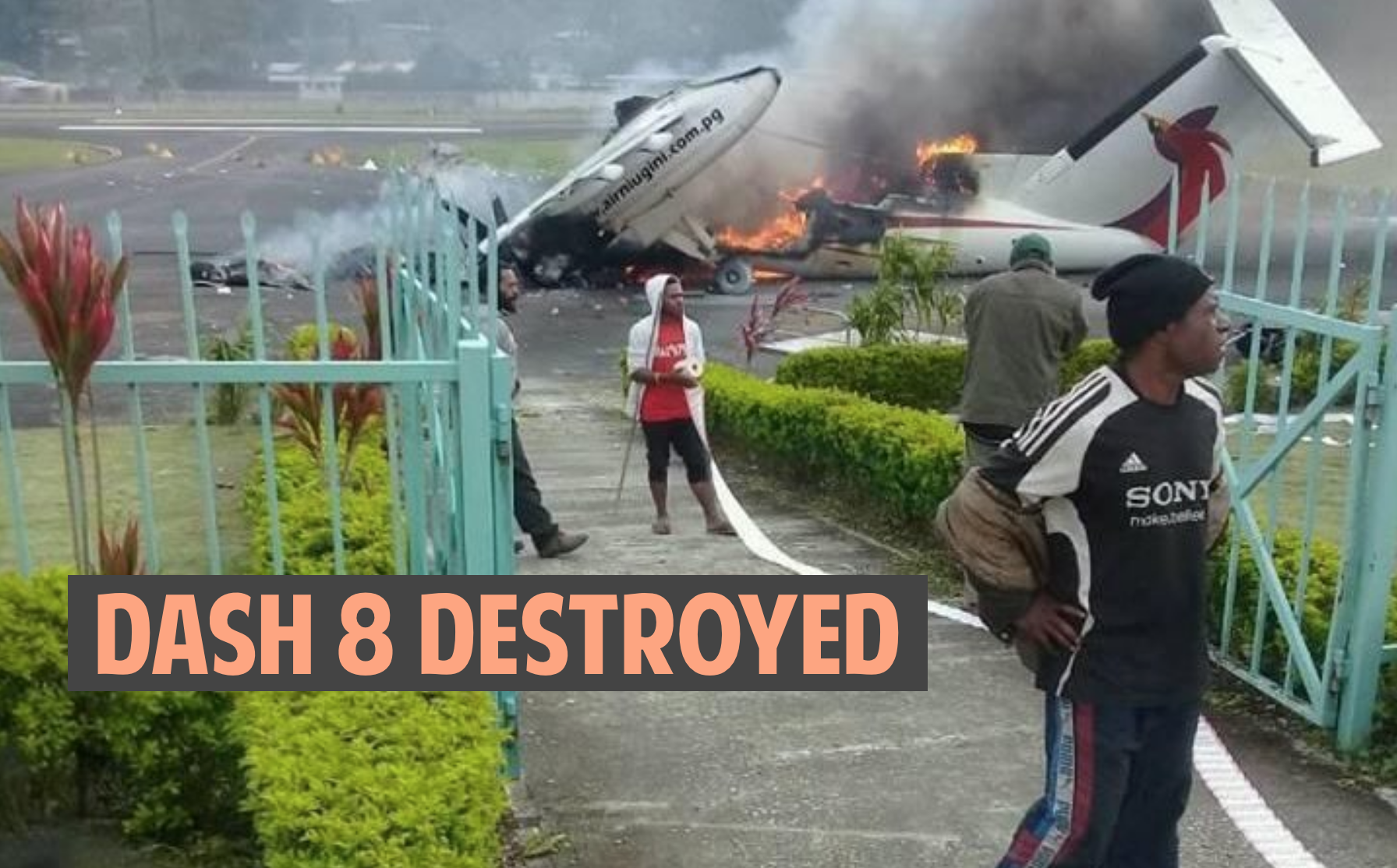
Dash 8 set on fire in Papua New Guinea, airport closed indefinitely

AYMN/Mendi has been closed indefinitely after protesters set fire to and destroyed an Air Niugini Dash 8 aircraft, which had just arrived from Port Moresby. The protest was in response to a court ruling confirming the election of the Southern Highlands governor William Powi.

Radio New Zealand reported:

“(Initially) the local police station commander Gideon Kauke had said police were guarding the aircraft to ensure there was no further damage, after its tyres had been flattened.

But he said his team of about ten police couldn’t contain a mob of uncountable numbers, particularly after missiles were thrown, forcing them to retreat; “we were guarding the plane but compared to them we were outnumbered and they came in all directions, all corners. Missiles were thrown, bush knives were thrown.”

Mr Kauke said some of the protestors, who continue to behave menacingly in Mendi as their numbers build up, were carrying guns. He said the protest was in response to a court ruling in Waigani confirming the election of the Southern Highlands governor William Powi.”

The Australian Department of Foreign Affairs is cautioning all to “reconsider your need to travel” to the regions affected by the unrest and to also “exercise a general degree of caution” for the whole of PNG.

The local NOTAM says it all.

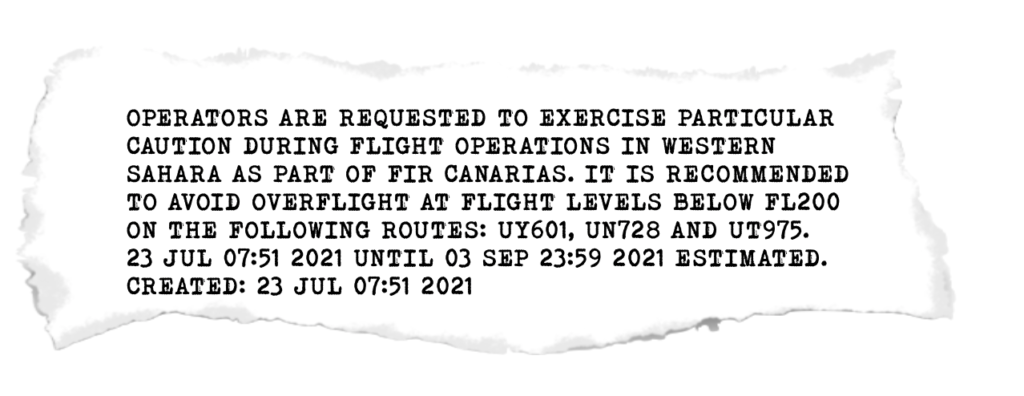
A0773/18 – AD CLSD TO ALL ACFT OPS DUE CIVIL UNREST. 14 JUN 05:35 2018 UNTIL 13 JUL 06:00 2018 ESTIMATED. CREATED: 14 JUN 05:52 2018

Additional reporting indicates that the aircraft was shot at on landing, deflating the tyres.

Are you currently in PNG and can fill us in on more? Please comment below, or email us.


Enhanced Security – new rules for US Inbounds

KZZZ/USA The US has opted for ‘Enhanced Security’ instead of a wider laptop ban. In fact, the existing ban is likely to end once airports can comply with the new rules. The information in the official DHS release is somewhere between vague and zero, which kind of makes sense.

So, the story is pretty simple – there is no wider laptop ban, but no specifics have yet been released publicly as to what exactly ‘Enhanced Security’ means for Aircraft Operators. The DHS will work directly with larger AO’s directly affected.