



Member Update: January-July 2026
Recent reports show that South Africa’s permit process remains unpredictable. In January, a private flight to FACT/Cape Town had its landing permit denied just 1 hour before departure, despite applying more than a month in advance. In May, another operator reported trouble-free flights to FAOR/Johannesburg and FAEL/East London after using World Fuel Services for trip support, showing that the process can work when everything is arranged early.
One charter operator reported that permits worked smoothly for flights with up to 8 passengers, provided each entry and exit was submitted as a separate application. A multi-sector itinerary with two entries and exits was repeatedly rejected when submitted as one application, but was approved once split into two. The operator has not been able to obtain a Foreign Operator Permit for flights with more than 8 passengers.
However, in June, a private flight from Mozambique to Botswana was denied permission to cross South African airspace on the day of departure. The operator said the overflight permit requirement appeared inconsistent with the published AIP and had to reroute via Zimbabwe.
The picture remains mixed. Good local support helps, but approval is never guaranteed. Apply early, check everything carefully and have a backup plan.
Original Story: July 2025
We’ve had multiple updates over recent months about the ongoing chaos around landing permits and FOPs Foreign Operator Permits for South Africa. While there were signs of improvement earlier in the year, member reports and on-the-ground feedback continue to show that the process remains inconsistent, unpredictable and often painful.
What’s the issue?
Let’s quickly recap the two main permits you might need when flying into South Africa:
Landing Permit: Issued by the Department of Transport (DOT). This is required for all foreign-registered aircraft, even private ones. It usually takes 3 working days to process.
Foreign Operator Permit (FOP): Issued by the South African CAA. This is meant for commercial operations, typically with more than 8 passengers or cargo over 1000 kg. It takes much longer to obtain (up to a month), and the paperwork can be extensive.
The issue: Even for flights where an FOP shouldn’t be required under the official rules – for example, a private flight with fewer than 8 passengers – sometimes operators are still being asked to submit one. Sometimes this comes from local agents who’ve handled the same flights for years.
This mismatch is at the heart of the problem. The South African AIP says one thing (like “no permit needed for private flights”), the law technically says another, and what’s being demanded in practice by officials is sometimes something else entirely.
One operator told us they submitted a full FOP package for a charter with just 6 pax, only to be told a week later it wasn’t required.
More recently, operators have also reported that the situation has become even more unpredictable. Any changes to an approved flight schedule, including timing, routing, passenger or crew details, can now trigger a requirement for the original landing permit to be revalidated by the Department of Transport before departure. This has been reported even for crew-only, ferry and maintenance flights.
The revalidation must be handled by a local handler and requires a signed power of attorney from the operator. Processing can take several days and critically, the Department of Transport only operates on weekdays, with no weekend support. As a result, schedule changes late in the week have left aircraft grounded until Monday, often with unexpected parking costs. Some operators have reported being unable to depart without unofficial after-hours assistance.
Why is this happening?
A new Minister of Transport took office, and a new Air Services Licensing Council (ASLC) was appointed. That might sound like progress – but according to folks on the ground, the new team found evidence of corruption, started clearing it out, and in the process created a massive vacuum. Staff were removed, new rules came in, but no one was properly trained. The result: total inconsistency.
One local agent told us: “It’s bureaucracy for the sake of bureaucracy… Officials now interpret the rules however they want, and nobody has been trained properly.”
Permit processing times?
Here’s the reality as it stands:
- Landing permits: Officially 3 working days, but expect 7-10 days minimum, and if anything is missing or unclear, the clock resets.
- FOPs: Can take a month or more, especially if your application gets bounced back for clarification (which it often does).
- All permit applications go through permits@dot.gov.za – but your best bet is to use a local clearance company. Trying to deal with the DOT directly is not recommended.
Corruption?
There were credible reports of permits being deliberately delayed in hopes of bribes. The Department of Transport has acknowledged this and says reforms are underway – but in the meantime, honest operators are left paying the price in delays and uncertainty.
What do you need?
For most private ops under 8 pax, you shouldn’t need a FOP – just a landing permit. But the advice from multiple members is clear: don’t take anything for granted.
Suggested checklist:
- Private flights (under 8 pax): Landing permit only (in theory).
- Charter flights or more than 8 pax: Landing permit + FOP.
- FOP applications require 20+ notarised and certified documents – use a local agent or FBO to manage the process.
- Include a detailed flight purpose – vague terms like “business” aren’t accepted anymore.
Local agents like ExecuJet, Onyx, and others are actively supporting operators with this, but even they admit it’s a bit of a lottery.
We’ll keep tracking this, but for now: expect delays, get your paperwork in early, and triple-check everything before submitting. And above all – don’t trust the published timelines.

More on the topic:
- More: Unapproachable Approaches: South Africa’s IFR Crisis
- More: South Africa’s Unapproachable Approaches
- More: ATC radio outage in Johannesburg Oceanic
- More: Is Aviation in South Africa Going South?
- More: International Bulletin: Sharm El Sheikh reopens, New ICAO Phraseologies 10NOV
More reading:
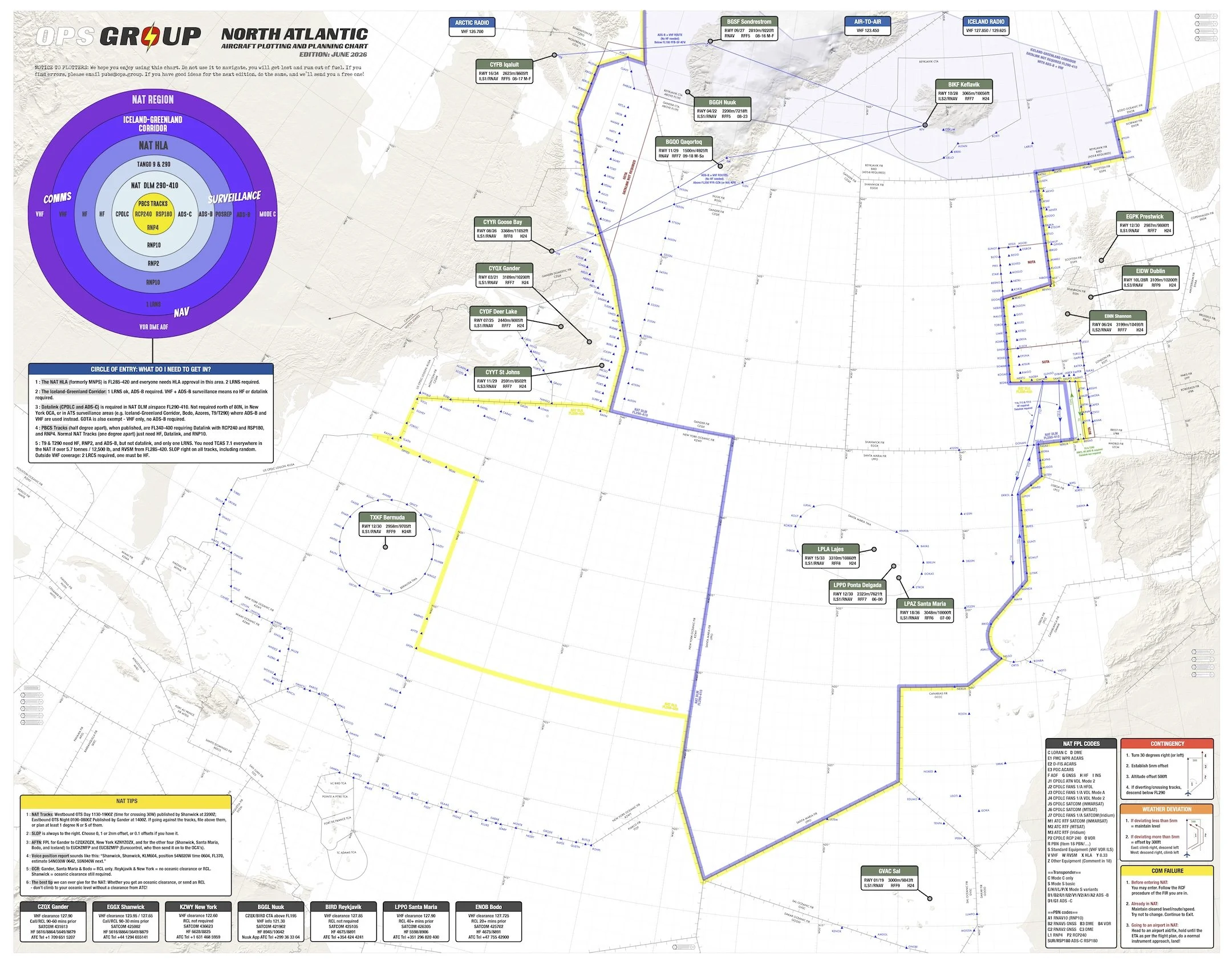
- Latest: NAT Pack 2026: All the North Atlantic goodies
- Latest: New 2026 NAT Oceanic Checklist
- Latest: The Bahamas wants your cash
- Safe Airspace: Risk Database
- Weekly Ops Bulletin: Subscribe
- Membership plans: Why join OPSGROUP?





 Get the famous weekly