Hello members!
We hope you’re doing well!
It’s been a few months since we wrote with a “Member Update” … and there are a lot of things to tell you about. Big ones first, little ones last, but read to the end for the best one (Dave making waffles).
#1 The New OPSGROUP Crew Room

OPSGROUP is more fun when you do it with others, as the saying goes. We’re in the midst of building out our fresh new Crew Room. Other members are here and you can speak with them, and us!
Get involved:
- Link: ops.group/crewroom
- Check that your profile is correct, and upload a pic of yourself.
- Draw a better logo for the Crew Room and send it to us!
#2 Crew Room access
We use an app called Slack to run the crewroom. Download it for your phone or desktop. Use your member email to login.
Once you get there, do this:
1. Check your profile: does it show your full name?
2. Upload a picture.
3. Now you have full access to the Crew Room!
#3 Ops Kitchen

The #ops_kitchen is the channel in the Crew Room where the OPSGROUP Team hangs out. We’ve made this a public channel so you can see what we’re talking about, and help out if you like. Things we talk about here: today’s ops and airspace issues, ops alert preparation, new things we’re making, maps, charts, guides, and so on.
Get involved: If you want to be part of making new things for the group, or just curious what’s going on today, join this channel. We look forward to seeing you there!
Link: CrewRoom: #ops_kitchen
#4 OPSGROUP LOCAL

LOCAL is more fun than global. With 8000+ members, we thought it would make sense to start some local “branches”: even Antarctica and Timbuktu have a smattering of members.
The local branch is for those based there, and those visiting. You can connect with other members near you, and perhaps organize a meetup or a visit to the local ATC unit. Update the rest of the group on what’s happening where you are, and help visiting crews coming your way.
We’re starting with these locations:
#newzealand
#australia
#singapore
#hongkong
#italy
Get involved: If you are based in any of those spots, or headed there .. join the channel and post a quick intro to say hi!
As we add more, we’ll post a note in the #crew_lounge channel. Tell us where you’d like the next local set up?
#5 Weird, new, risky, curious?

The only person that really knows what’s happening out there is YOU. Logically, if you don’t tell us, we won’t know. So if you’re downroute (or uproute) and you come across something in the wild that doesn’t make sense – tell us, please!
Not sure what to report on? Here’s the litmus test: would you mention it to another crew going to the same place? If yes, then, tell us so we can tell all the other crews.

The easiest way is to add our number to your phone: +1 747 200 1993, and send us a WhatsApp message (with photos, too!) when you spot something new.
Or, you can email us: news@ops.group.
Thank you for keeping the group up to date!
#6 Atlantic

The North Atlantic is topic-of-interest-number-one for OPSGROUP members, so we’ve set up a LOCAL channel just for the Atlantic ocean region: probably mostly about NAT (North Atlantic) flying, but also mid/south Atlantic, EUR/SAM corridor etc. NAT topics, HLA, NAT Tracks, Clearances, Procedures, etc.
In the last few days some good discussion about:
* Removal of Oceanic Clearance issuance (in next NAT Doc 007)
* New Lost Comms procedure for the NAT
* New Squawk 2000 procedure (10 mins instead of 30 mins)
Get involved: Join that conversation in the Crew Room: #atlantic
#7 Danger Club – ideas for the next one?

Danger Club is the OPSGROUP spot for some dangerous conversations about things that happen in the cockpit. If you’ve joined any of the first eleven sessions, you know how it works. If you haven’t, join the next one (and have a look at dangerrr.club).
We have a new channel in the Crew Room for Danger Club, and if this sounds like you, join the conversation: Crew Room: #dangerclub
Get involved: We’re planning the next Danger Club (#12) and need a good incident to look at. Have you any ideas? Remember, this is all about how we are as humans in the cockpit, so we focus on incidents with some “interesting” human behaviour to give us some talking points to start.
Also, we’re hoping to do a Danger Club Live at NBAA 2023 in Vegas – more on that below.
Link: Crew Room: #dangerclub
#8 We have a spy in our midst

Actually, we have dozens. Are you one of them?
Airport Spy is getting busy lately: thank you to everyone who has been busy filing reports. You can help out too: when you get back after your trip, or downroute and bored at the hotel: use Airport Spy to write a quick summary.
These are useful for you the next time you visit the airport, but even more useful for other crews that haven’t visited yet. Sloppy handling, average ATC, or just an amazing experience – whatever you encountered, take 2 minutes and jot down the highlights.
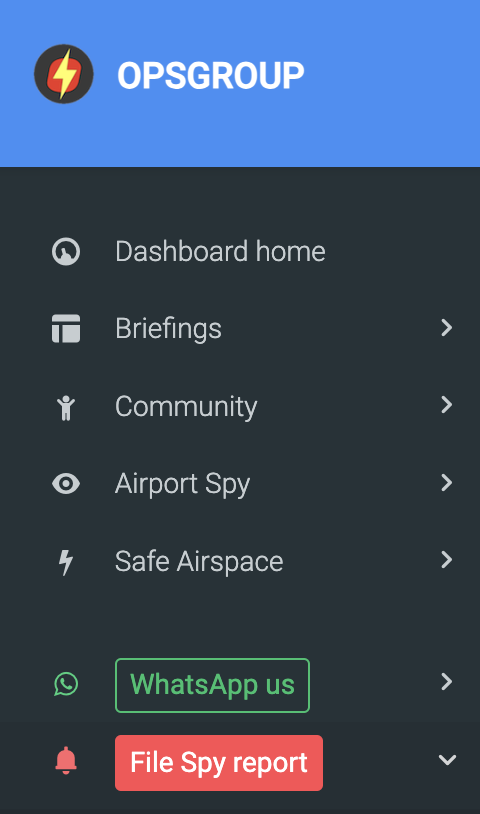
Get involved: In the Dashboard, use the “File Spy Report” link as shown below:
#9 Vegas OPSGROUP meetup! Hands required

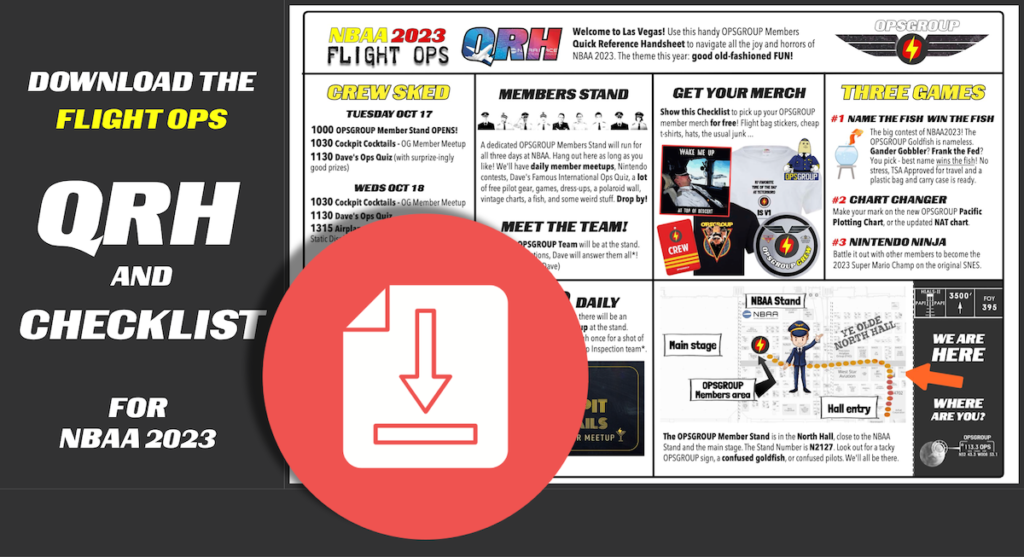
We’re heading for Las Vegas and the focus is: Waffles. Chef Dave will be on hand to lead the team, but we’re looking for volunteers to help run our club stand while he does the waffling.
NBAA BACE 2023 is on from Oct 17-19. If you’re going, and have some time to help out, let us know! Join the #vegas2023 channel in the Crew Room.
Our plans:
- The OPSGROUP Team will attend in full
- We will have a Club Stand in the North Hall of the Convention Centre
- Get involved: Members wanted! Help out for an hour: there will be lots to do!
- We will have some good merch (see below) – Tshirts, pins, stickers, and Tiny Cock Pit Kits.
- Member drop in: stop by and say hello (even if just for a minute)
- OpsQuiz Live – we’ll host our famous Ops Quiz live (MC Dave)
- Danger Club Live – we’re planning a live version for Vegas
- Actual waffles
- Actual coffee (New Zealand style Flat Whites)
- more to come!
Got some more Vegas ideas for us? Let us know!
Link: Crew Room: #vegas2023
#10 Vegas Merch

Right now we’re busy desiging some flight bag stickers … and we need some member help with more ideas. We want to have a bunch ready for members at Vegas ’23 – what should we make? Ideas please either in the #vegas2023 channel in the Crew Room, or … email us.
- T-Shirt ideas
- Sticker ideas
- Other ideas!
#11 Everything else
That was a lot. Did you read it all? Good. If you’re not still here, we’ll wrap up with some snippets. These are them:
- Coffee & Waffle : Our old Ops Chats were good, but we paused these last year and we think we can do better. We’re planning a new regular online meeting called Coffee & Waffle. It’s nothing more than an excuse to get together as members and have some good old fashioned chats. Thoughts on this? Email us. We’re thinking once a month, not recorded, no agenda, we’ll do it live!
- Tell us stuff! We’ll ask again because we’re really keen to get your updates: scroll up for the WhatsApp number to text us new things! THANK YOU!
- Ask us stuff! If there’s something on your mind, just email us. We like email, and we like replying, and we will!
- And that’s the end of the end of the updates, for this time. Have a smashing weekend!














 GPS technology allows modern jets to fly very accurately, too accurately it turns out sometimes! Aircraft can now essentially fly EXACTLY over an airway/track laterally (think less than 0.05NM), separated only by 1000FT vertically. A risk mitigation strategy was proposed over non-radar airspace to allow pilots to fly 1-2 nautical miles laterally offset from their track, randomly, to increase flight safety in case of any vertical separation breakdown.
 Here are some interesting
 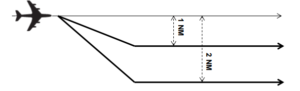 It was 2004 when SLOP was adopted in the most congested non-radar airspace in the world, namely the North Atlantic.
 Consider some best practice advice:
 Our friend Eddie at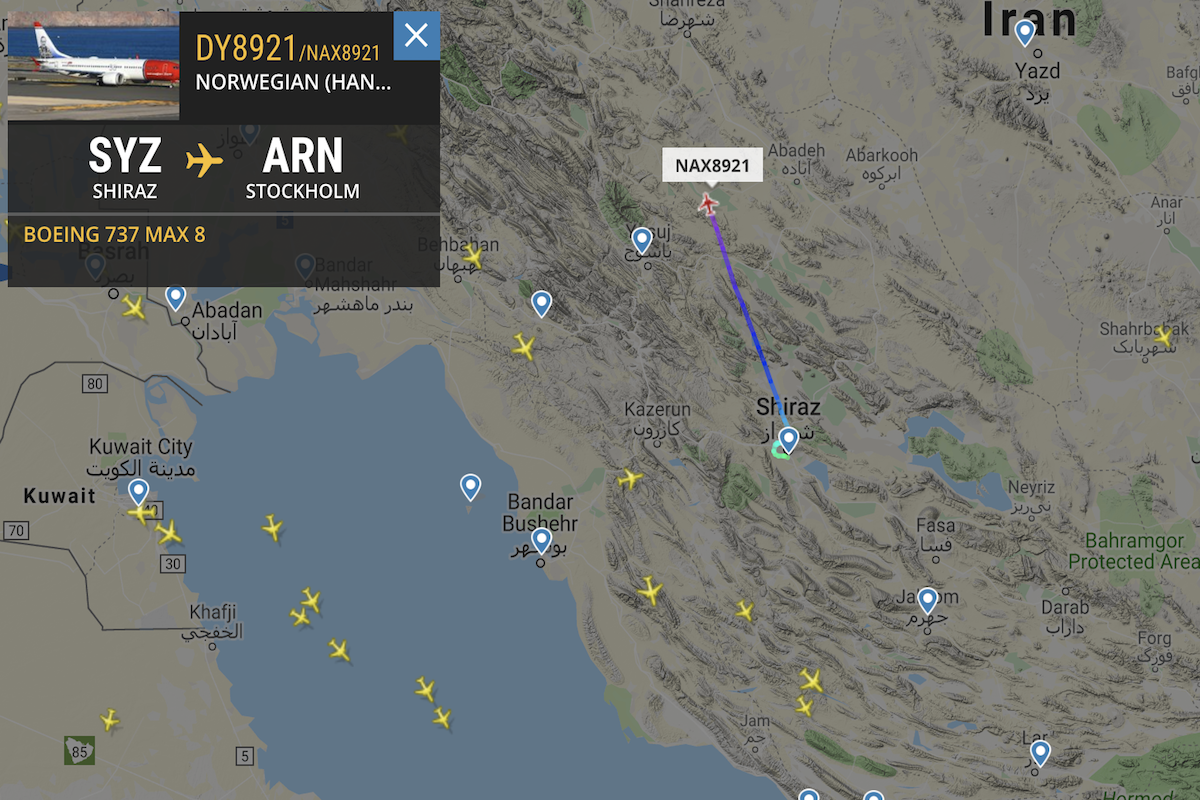
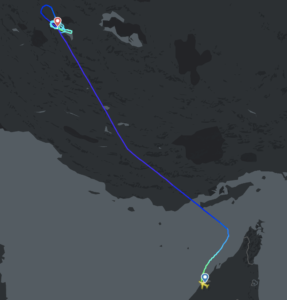
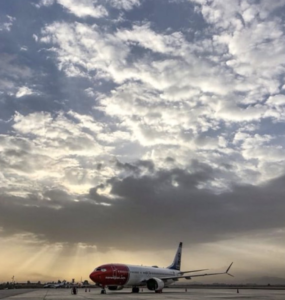 In the end, the aircraft was out of service for over two months, no doubt costing the airline a fortune in lost revenue. It’s unclear who will be picking up the bill for “extra” complications of getting the permits with Iran, but that will be a costly exercise also.


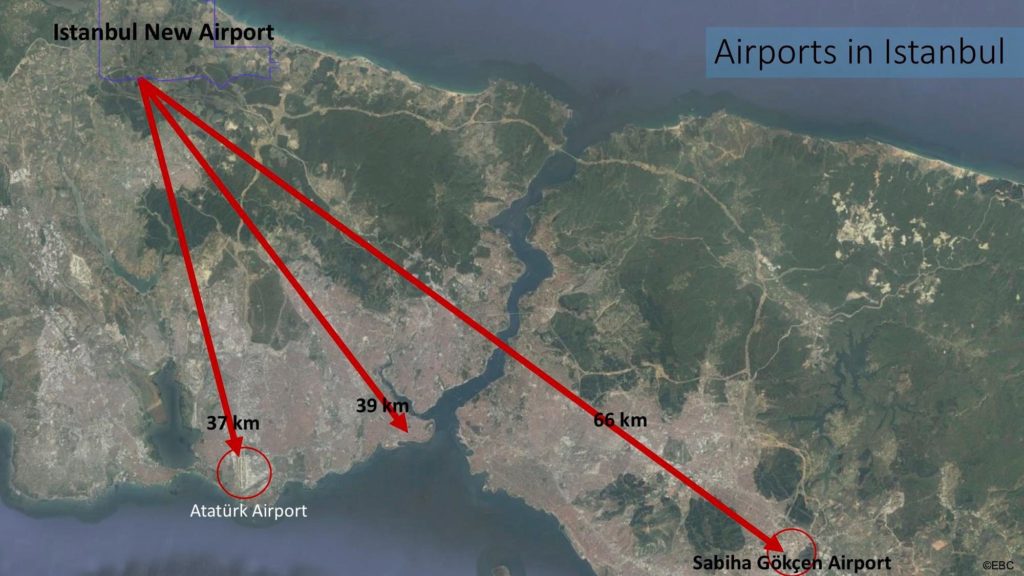




 The
The 
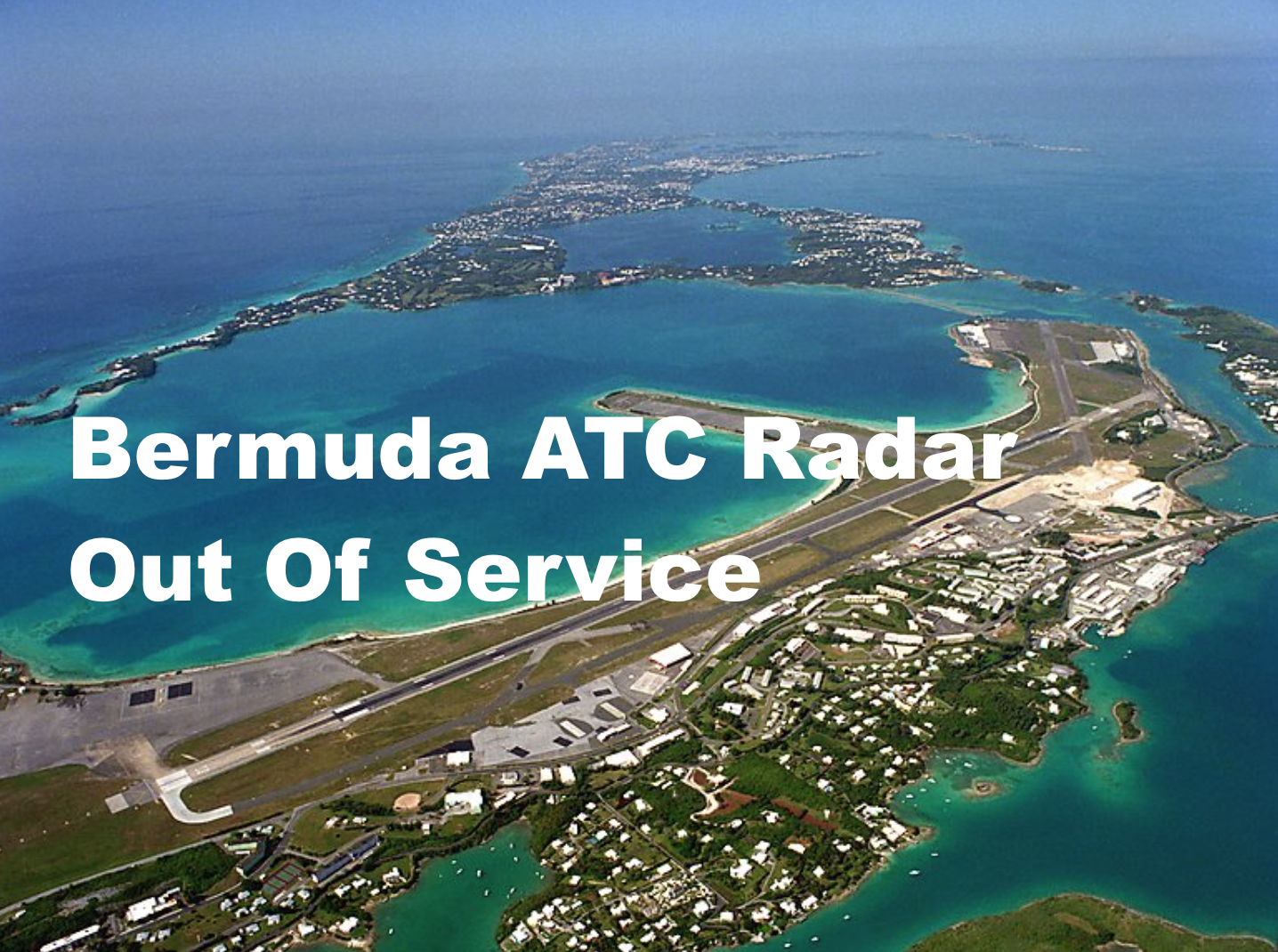
 It’s going to be mostly sunny and warm (78F, 26C) this week in Bermuda if you’re heading that way – but you should also know they are going to be full non-radar – so plan ahead.
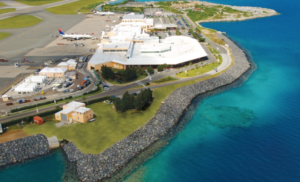 Expect possible flow restrictions due to traffic volume and/or during adverse weather.
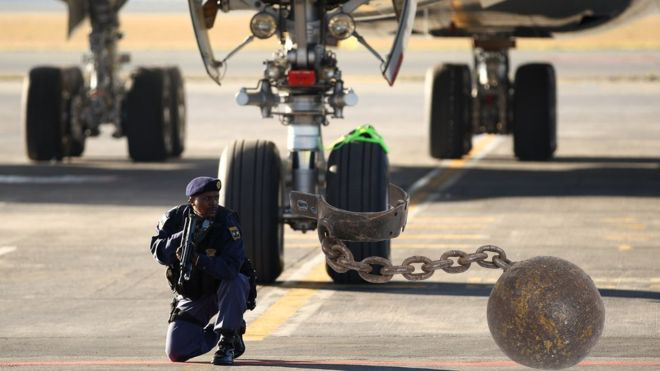
 That is the message we received in a disconcerting report this week from one of our long-time members which certainly troubled us here at OpsGroup. We thought it was important to share.
 The offence was purported to be importing a high value item (aircraft) without customs approval. The high fine figure was “based on the insurance value of the aircraft.”
 The advice from our member:
 It’s important to stress that we are not talking about a small African airstrip in the back lots. This is a large international gateway with many major international airlines serving the city. Over 4 million people live here and it’s the economic capital of the Ivory Coast. But
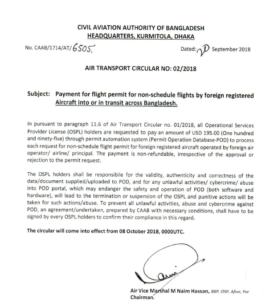
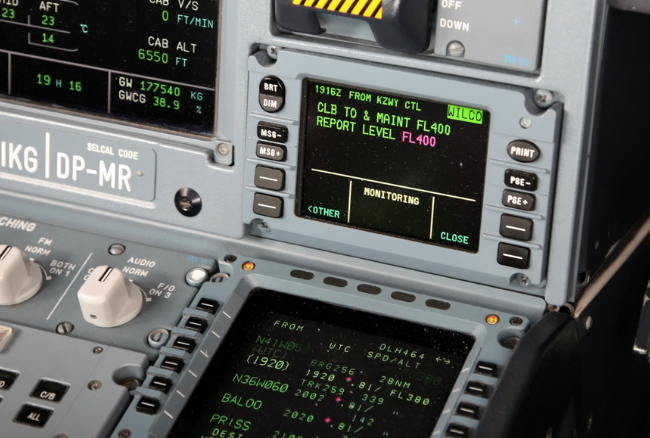
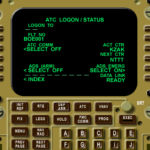 The United States is rolling out En Route FANS CPDLC during 2018-19, for all equipped, trained and permitted operators. The FAA’s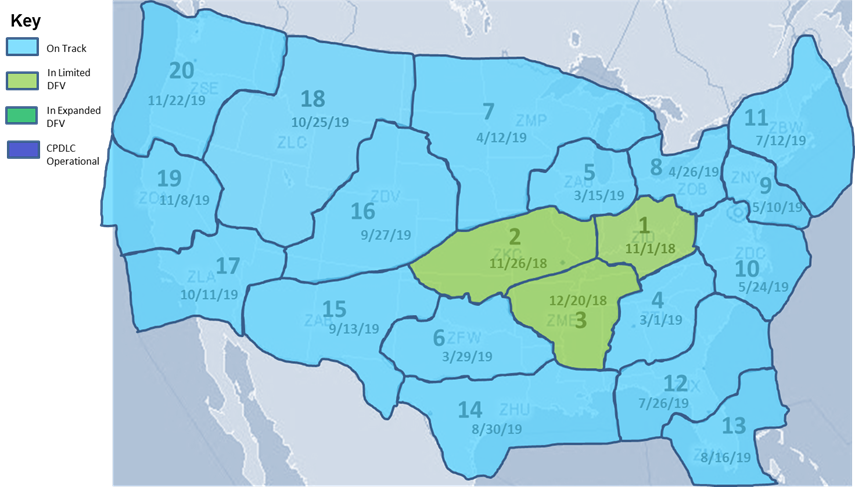
 Have you had the chance to try it out recently?
 We reported