26R at Bucharest is SHORT! 2 aircraft have now run off the end

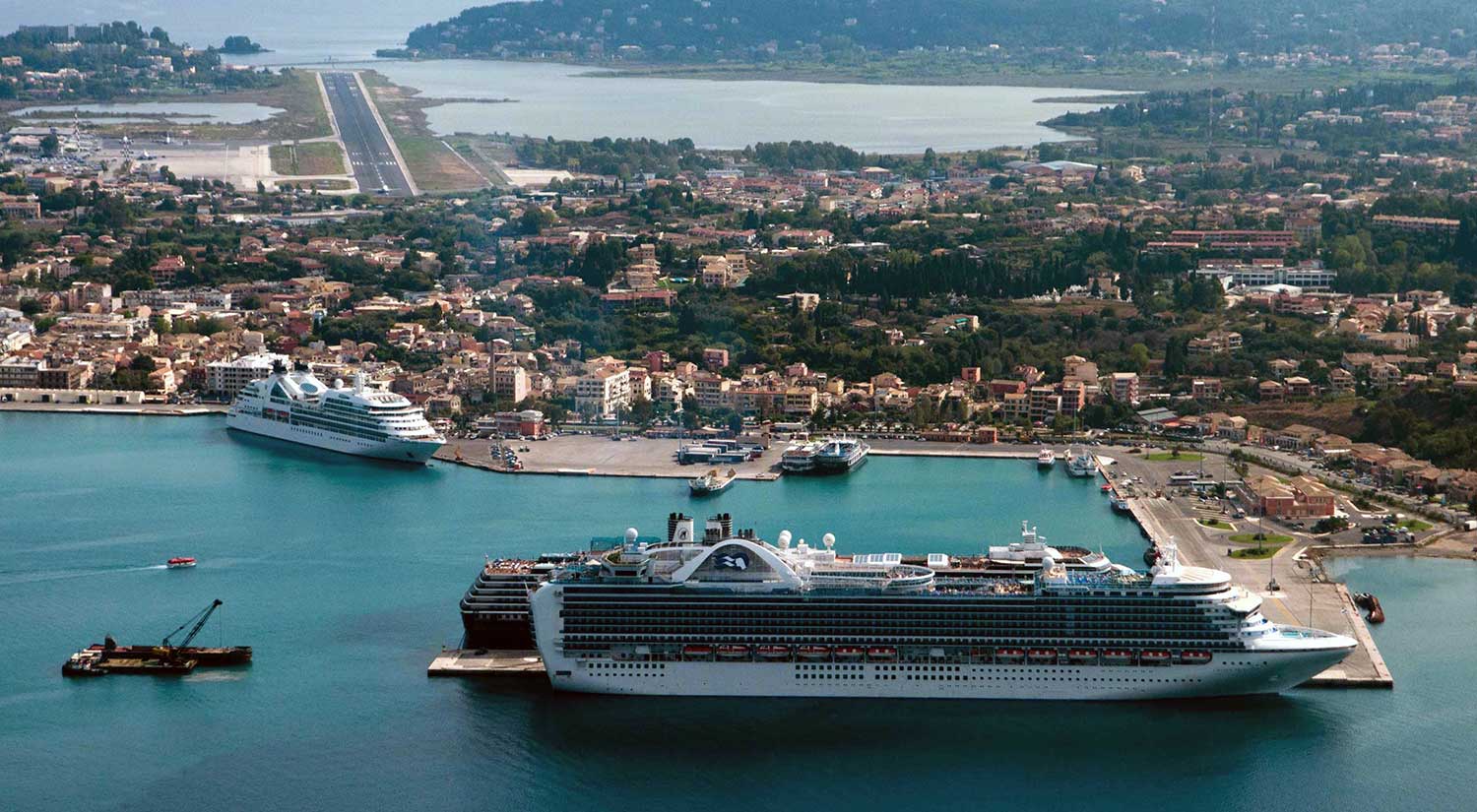
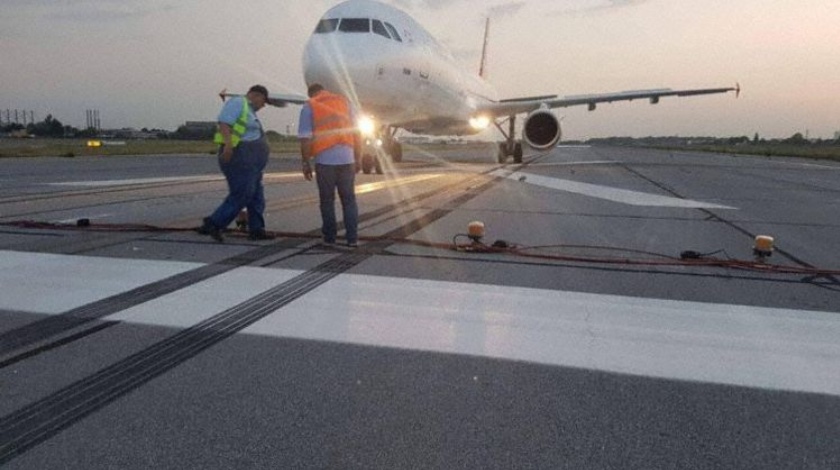
A recurring theme at Bucharest, Romania: Runway 26R is shortened by about 1250m/4000 feet, and on Tuesday a Ryanair 737 became the second aircraft to run off the end in a couple of weeks: on June 22, a Turkish A321 did the same thing.

So, first, if you’re planning to land on 26R at Bucharest, be aware that it’s about 2200m/7000 feet long instead of the previous 3500m/11500 feet.

Word on the street is that there isn’t much in the Notams to remind you of this: there’s a (yawn) Trigger Notam pointing to an AIP Supplement that nobody will have on board:

A1240/17 NOTAMN
A) LROP B) 1706220000 C) 1707060000
E) TRIGGER NOTAM – AIRAC AIP SUP 03/17 WEF 22 JUN 2017
WORK IN PROGRESS AT BUCURESTI/HENRI COANDA AIRPORT.

Maybe a simple Notam that said …

A1240/17 NOTAMN
A) LROP B) 1706220000 C) 1707060000
E) Runway 26R is much shorter now! LDA 2237M

… would be better? Of course, since we haven’t evolved to using ASCII yet in the Notam system, we can’t use exclamation marks or correct case, but you get the idea.

Either way, heads up when heading to LROP.


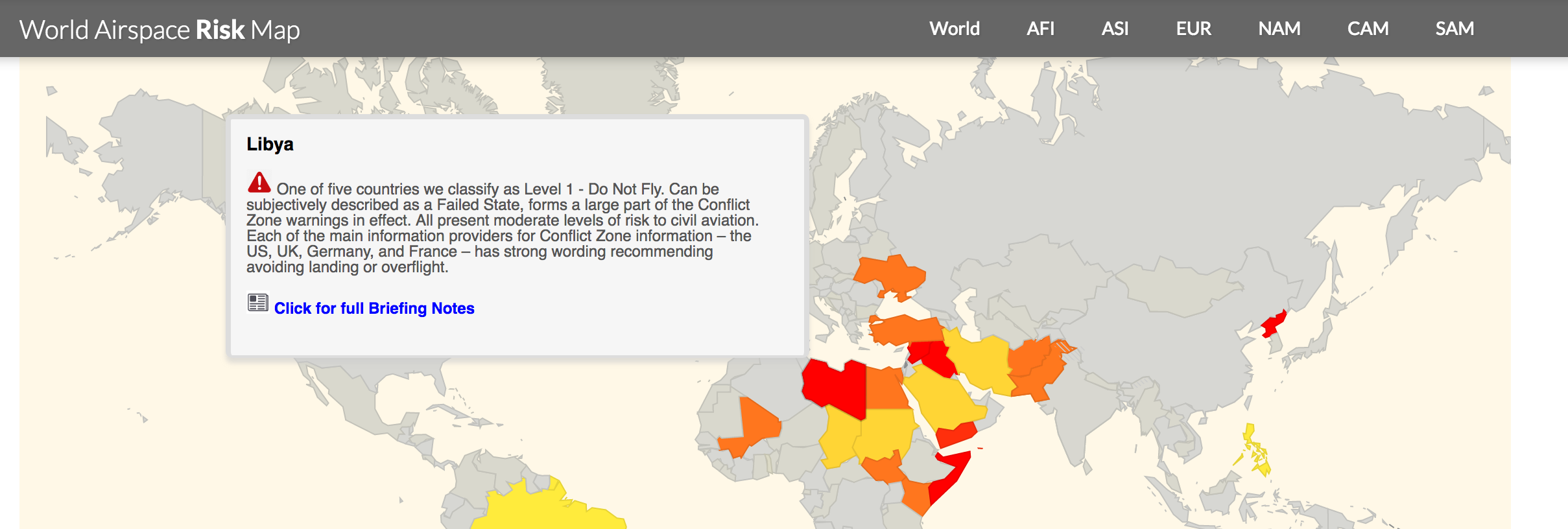
Libya: it’s simple – don’t land, don’t overfly.

There has been a flurry of activity in Libya of late. The people with their hands on the AFTN printer for Libya have been putting out all kinds of information, advertising availability of aerodromes and the Tripoli FIR. All are welcome!

Don’t be too hasty.

Libya is still a desperately unstable country. A Notam published today (A0070/17) indicates that HLLM/Mitiga is open and available “H24 for International Flights and Diversions”.

We’d love you to come visit, they say. What the Notam doesn’t mention is that two weeks ago, 5 people were killed and 32 injured during fighting at the airport.

As a matter of update on the Libyan ATM situation, we can inform operators that there are regular outages in the provision of ATC services especially at the main airports due to security or technical failure issues.

The main ACC in Tripoli is also subject to severe limitations with no radar service and limited provision of CNS/ATM services in most of the HLLL FIR airspace.

Overflight through HLLL FIR is only approved by the Libyan authorities on one southbound route from RASNO-LOSUL but even this is subject to severe limitations and a degree of confusion as to who is actually authorizing flights to transit the airspace.

There are several NOTAMs issued by adjacent States prohibiting overflights on certain entry/exit points creating further complications.

Here’s a simple guide for you from FSB:

  1. Don’t overfly Libya or enter the Tripoli FIR, and don’t land in Libyan airports.
  2. Refer to 1.


Libya remains categorised as a Level One country (Do Not Fly) at safeairspace.net


Fighting at Tripoli Airport, 5 killed

Update Jan 21: Heavy clashes broke out in the Libyan capital Tripoli on Jan 15, leaving at least twenty people dead and forcing the airport to close for five days, re-opening again on Jan 20. Gunfire at Mitiga Airport damaged multiple aircraft, including a few A319s and at least one A330.

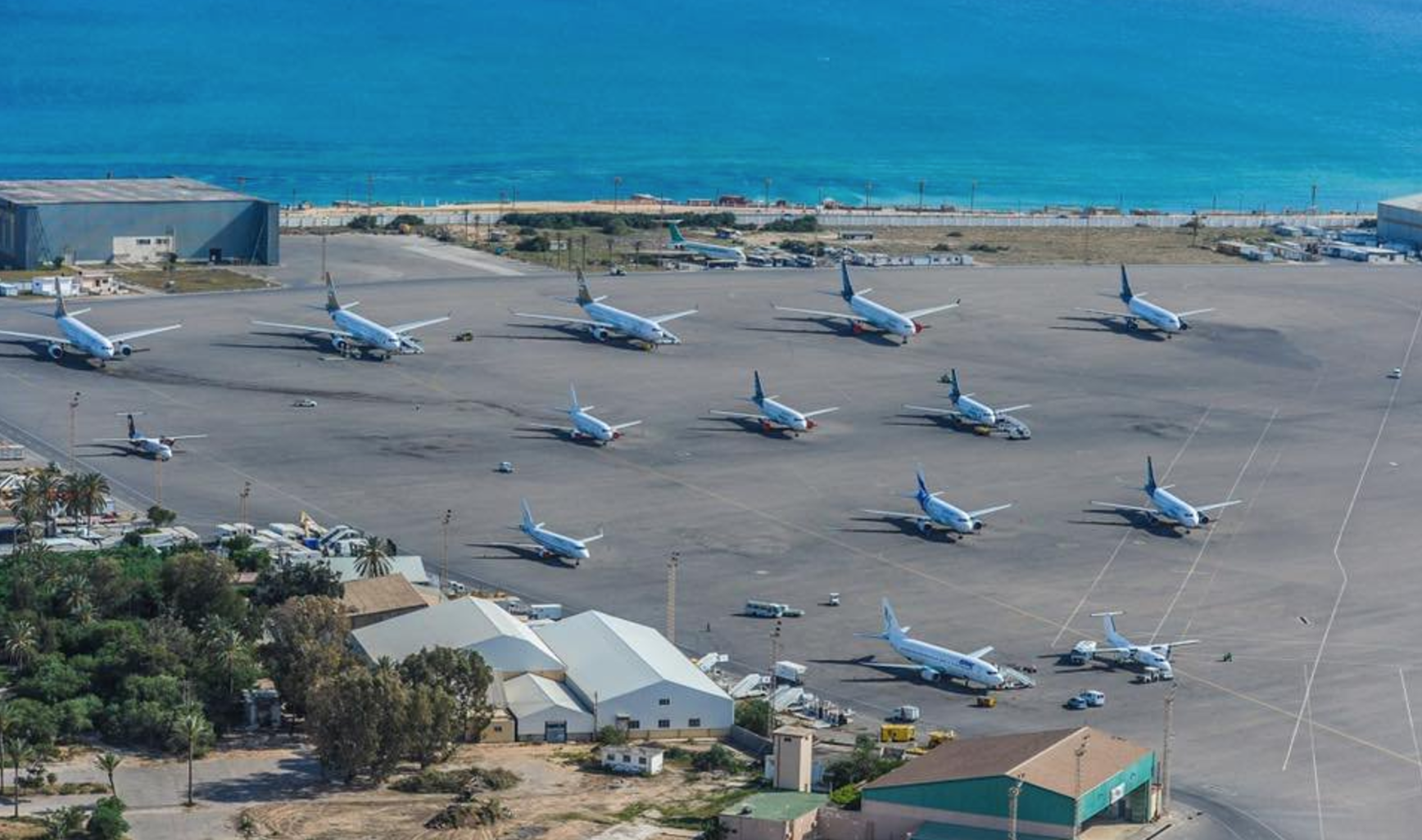
July 5, 2017 – HLLM/Tripoli Mitiga : Intense fighting at the Airport yesterday, with 5 people killed and 32 injured. The fighting is ongoing between rival members of the Buni Brigade militia, which controls the airport terminal building. It is understood that there had been a falling out over the distribution of the income the militia earns from goods and passengers passing through the terminal.

Operations were switched to Mitiga from HLLT/Tripoli International in 2014, after that airport was severely damaged in the heavy clashes that broke out across the capital in mid-2014 and closed to all operations.

Also yesterday, July 4th, the first flight in three years to land at HLLT/Tripoli International arrived from Addis Ababa, which was a non-scheduled flight operated by Libyan Arab Airlines. There is no indication yet that HLLT is open again for regular traffic.

Libya remains categorised as a Level One country (Do Not Fly) at safeairspace.net


Qatar update – it’s getting worse

Following OpsGroup Note 28 on Monday (“Qatar sanctions“), there are some important new additions to the sanctions that all operators should be aware of:

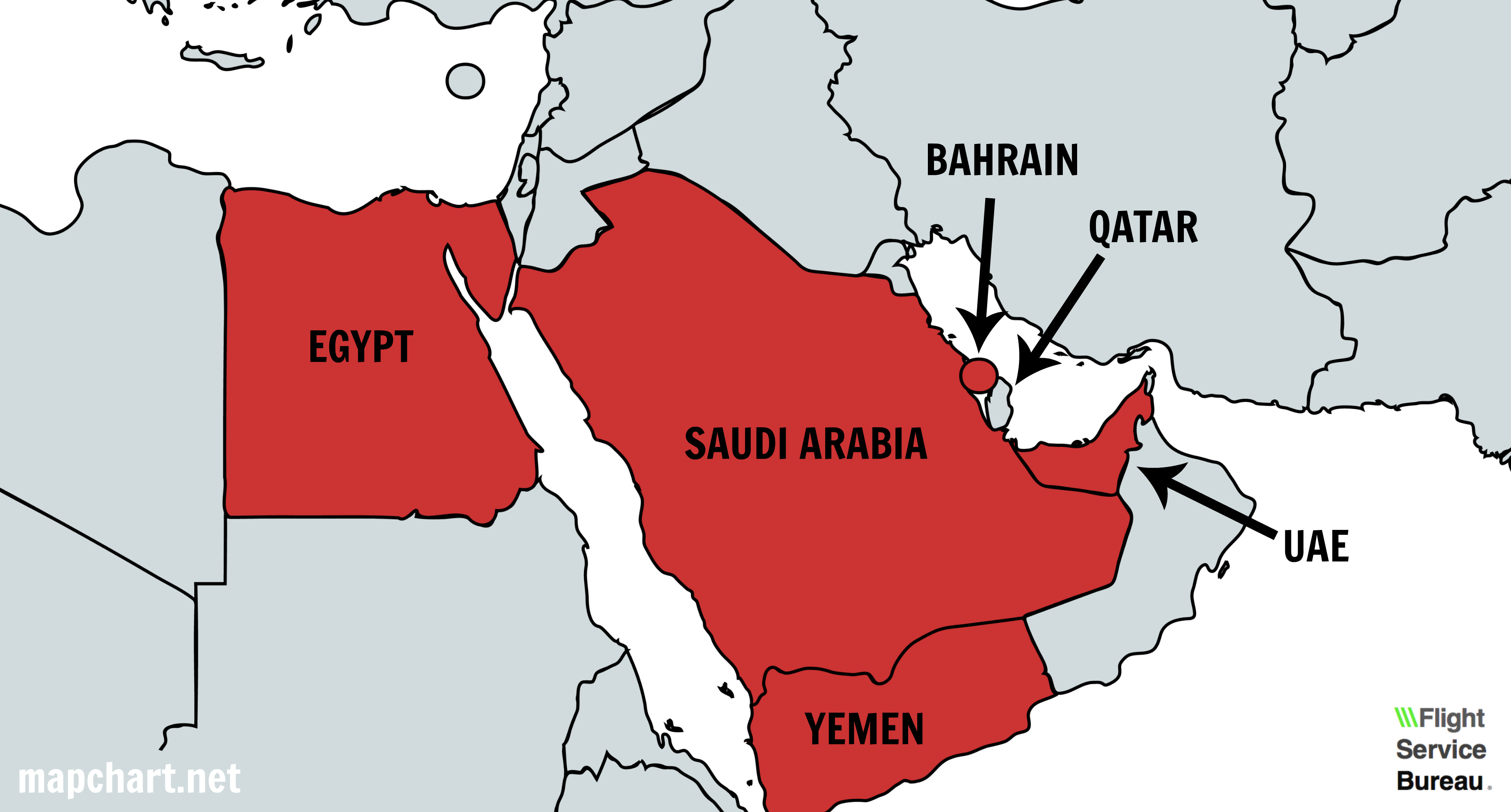
Effective today, Bahrain now requires Special Authorisation for all traffic inbound to and out of Qatar. This one is critical because Bahrain controls almost all of the airspace around and over Qatar.

That requirement was just published today, Wednesday in Notam A0210/17. The preamble states that no Qatari registered aircraft can fly through Bahraini airspace. This one seems like it would be a big issue for Qatar Airways, but for all other international operators, the next part is equally important:

“Operators not registered in Kingdom of Bahrain intending to use Bahrain Airspace from or to the state of Qatar require approval from Bahrain CAA”

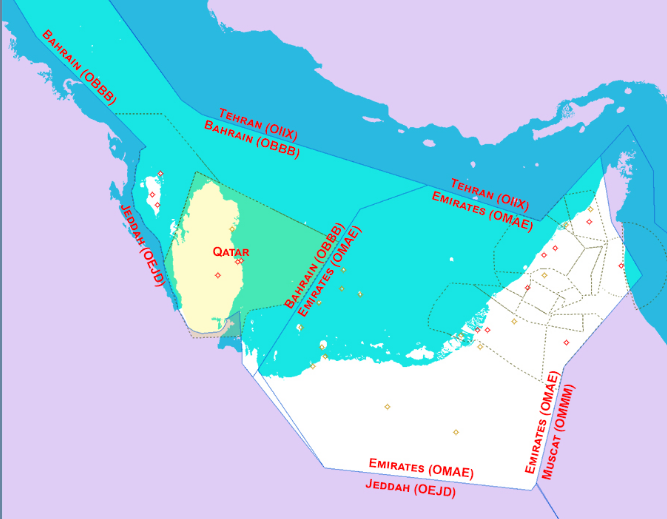
That means everyone now needs permission to get into Doha, because you can’t get into the Doha TMA without going through Bahrain Airspace, unless you are planning to route through Saudi Arabia (which already has that requirement). Check the map again below.

OBBB/BAHRAIN A0210/17 07JUN 1140Z

ALL FLT REGISTERED IN THE STATE OF QATAR ARE NOT AUTHORISED TO OVERFLY BAHRAIN 
AIRSPACE. OPERATORS NOT REGISTERED IN KINGDOM OF BAHRAIN INTENDING TO USE 
BAHRAIN AIRSPACE FROM OR TO THE STATE OF QATAR REQUIRE PRIOR APPROVAL FROM BAHRAIN 
CAA ON THE FLW CONTACT: TEL:00973 17329035 / 00973 17329069
EMAIL: AT-SCHEDULE(AT)MTT.GOV.BH. 07 JUN 11:35 2017 UNTIL PERM. 


Jordan has joined the team

Governments of Jordan, Libya, Maldives and Mauritania have joined the other countries in severing their diplomatic ties with Qatar. The closure of borders with neighboring countries and the withdrawal of the diplomatic staff from various embassies in the region have resulted in restrictions on travel to and from Qatar.

Qatari Nationals

Qatar has urged its nationals to comply with the decision of the countries involved and leave the territories of Bahrain, Saudi Arabia and the United Arab Emirates (UAE) within 14 days of June 5, 2017. Qatari nationals should contact the respective consular posts abroad for assistance with travel arrangements and travel back to the country via Kuwait or Oman.

Bahraini, Saudi and UAE Nationals

Bahraini, Saudi and the UAE authorities have announced bans for their nationals from travelling, transiting or residing in Qatar. Those currently in Qatar are requested to leave as soon as possible.

Other Foreign Nationals Residing in the Gulf Cooperation Council (GCC)

Holders of Residency Visas from Qatar will face difficulties in obtaining Visit Visas to countries which have closed their diplomatic representations in Doha, Qatar, including Egypt and Saudi Arabia. Foreign nationals residing in Qatar applying for visas to Egypt or Saudi Arabia may have to travel back to their home country to do so.

It is likely that foreign nationals residing in Qatar will face restrictions in obtaining a GCC Resident Visitor Visa to enter Bahrain or the UAE. Foreign nationals who are not eligible for a visa-on-arrival based on their nationality should prearrange their visas in advance and seek out other categories of sponsorship including airlines, hotels or tourist agencies.

It is unclear whether there will be any impact on foreign national residents of Bahrain, Saudi Arabia and the UAE seeking entry to Qatar based on the GCC Resident Visitor Visa.

Courier Services

Courier services and document deliveries between Qatar and Bahrain, Saudi Arabia and the UAE are severely delayed. The majority of carriers are rerouting their shipments, while others, including FedEx, have suspended their services between the affected countries.

Media

The Qatari-based broadcaster Al Jazeera has been banned in a number of countries, including Saudi Arabia and the UAE. The Qatari beIN Sports channel has been suspended in the UAE.

The UAE’s General Prosecutor warned against showing any sympathy for Qatar on social media which is considered a cybercrime, punishable by law.


Members Note 28: Qatar Sanctions

OPSGROUP Note to Members 28 is published on Qatar Sanctions.

As of today, Monday June 5th, there are several new sanctions affecting operations in the Middle East if any part of your flight involves Qatar. Primarily this will affect ops to/from OTHH (the primary Doha airport) and OTBD.

Because of sanctions applied by other Middle Eastern countries, you will find restrictions applied for these operations. If you are a Qatari-registered aircraft, then most of these countries are completely off limits, otherwise the specifics are as follows:

  • Egypt: You now need permission to overfly Egypt if operating to Qatar. +202 22678535, 24175605, or AFTN HECAYAYX
  • Bahrain: You cannot operate from an airport in Bahrain to an airport in Qatar, and vv. 
  • Saudi Arabia: Special permission required to overfly/depart Saudi to Qatar. Call +966115253336, email special@gaca.gov.sa 
  • UAE (Emirates FIR): Ops to Qatar require special approval on +971 50 642 4911 or via email at AVSEC-DI@GCAA.GOV.AE

ATC Routings

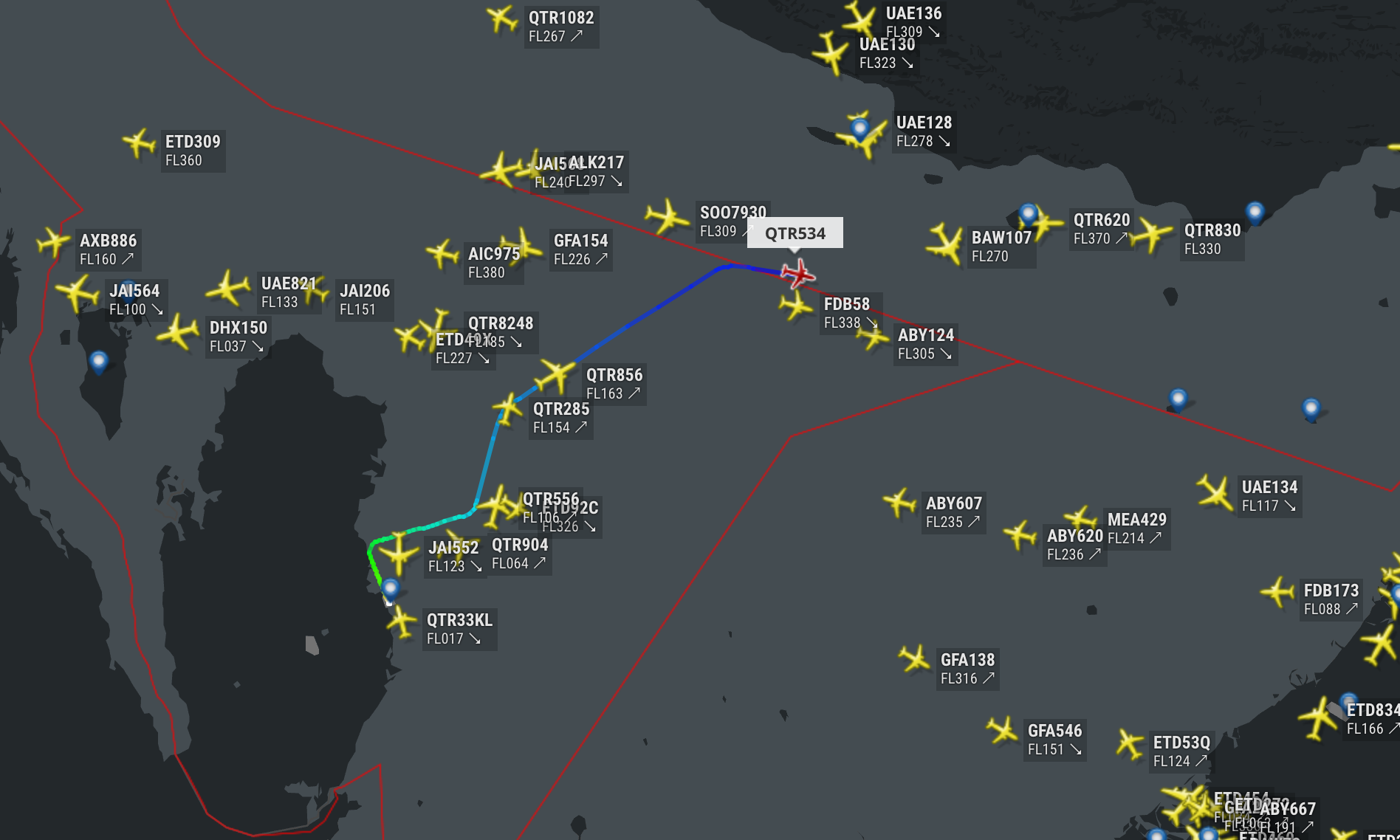
OTHH is a busy airport. Traffic to and from Qatar, much of which is now banned from neighbouring countries, will reroute primarily into Iran.

Iran has published a Traffic Orientation Scheme.

– Qatar outbound Northbound via Tehran FIR-Ankara FIR. FL150-FL190 routing RAGAS-UT430-LAGSA -UL223-TESVA/ALRAM.
– Qatar outbound Southbound via Muscat and Karachi FIRs, FL150-FL190 via RAGAS-M561-ASVIB (KARACHI FIR), and RAGAS-M561-KHM-NEW FIR (MUSCAT FIR)-BUBAS
Inbound to Qatar from North: FL240-FL300 via ALRAM-UT36-MIDSI
Inbound to Qatar from South: FL240-FL260 via N312/A453-MIDSI.

Qatar and Bahrain


Qatar does not have its own FIR. It sits entirely within the Bahrain FIR. For this reason, Bahrain’s position on airspace availability to traffic to and from Qatar is critical. The Doha TMA extends from SFC to FL245. Above that sits the Bahrain UIR.

Visa situation – impact

The following is a summary of the impact of the entry, residency and transit ban:

  • Qatari nationals in the region:  Qatari nationals will be denied entry, residency and transit through the territories of the Bahrain, Egypt, Saudi Arabia and the UAE.
  • Qatari nationals in UAE:  Qatari diplomatic staff will have 48 hours to leave, and regular Qatari nationals must exit the country in the next 14 days.
  • [blur]Bahraini, Egyptian, Saudi, UAE, and Yemeni nationals: UAE and Bahraini authorities have announced bans for their nationals from travelling, transiting or residing in Qatar. Egypt, Saudi Arabia and Yemen have not yet applied similar restrictions on their nationals. [/blur]

…. full note available in your  OPSGROUP Dashboard.


Opsgroup Dashboard login Join OPSGROUP for access


You can request membership of OPSGROUP to receive the full International Ops Bulletin delivered every Wednesday, along with all OPSGROUP member benefits: Members Questions, Group Discussions, Slack, free maps and charts (normally $25),  Full access to aireport for group reviews of handlers and airports, regular alerts for critical international ops info,  complimentary Airports Database (normally $375), Full access to safeairspace.net including updated risk alerts,  and guidance and help when you want it on any International Operations topic (that last one is really useful!). Read 125 different member reviews.


Qatar – What We Know

There have been many reports of countries cutting diplomatic ties with Qatar.  We’ll leave the speculation to the media, we want to break down what it means for operators and aircraft owners.  Just the facts.

Saudi Arabia, Egypt, Bahrain, UAE, Libya, Yemen, Maldives, and Mauritius have all cut diplomatic ties with Qatar.

As of now, only Saudi Arabia, Bahrain, Egypt, and UAE have placed flight restrictions on flights to/from Qatar. No known restrictions (beyond those known for Libya and Yemen anyhow) for the remaining countries mentioned in reports.

The new regulations are quite clear. You cannot overfly or land at any airport in Saudi Arabia, Bahrain, Egypt, or UAE with a Qatari registered aircraft. If you have a non-Qatari registered aircraft, and need to operate to/from Qatar and use the mentioned countries airspace you’ll need special approvals from the authorities below:

Saudi Arabia GACA:
+966115253336
special@gaca.gov.sa

Egypt ECAA:
+202 22678535
+202 24175605
AFTN: HECAYAYX

UAE GCAA:
+971 50 642 4911
avsec-di@gcaa.gov.ae


No special exemptions have been mentioned by Bahrain, but they’ve given the following routing for those effected by the restrictions:

UT430 OUTBOUND VIA RAGAS
UR659 INBOUND VIA MIDSI

Due to the situation, Iran has published special routing schemes for transitioning their airspace, as they’ll get quite busy:

Qatar to Ankara:
FL150-FL190, RAGAS-UT430-LAGSA-UL223-TESVA/ALRAM

Qatar to Muscat and Karachi FIR:
FL150-FL19, expect climb after KIS
RAGAS-M561-ASVIB (To Karachi)
RAGAS-M561-KHM-BUBAS (To Muscat)

Ankara to Qatar:
Between FL240 to FL300, ALRAM-UT36-MIDSI

Muscat to Karachi to Qatar:
Between FL240 to FL260, N312/A453-MIDSI

Also, if flying from Ankara to UAE (except OMAA), use the below routing:
BONAM-L319-RADID-M317-KUPTO-G666-ORSAR

The situation is fluid, and we will update this post as we continue to collect news.


Greek Summer Ops – Prepare for Pain

The challenges of operating to Greece during the summer look to be far worse than normal this year.

Fraport are not off to a good start with non-scheduled flights and business aviation. On April 11th this year, they took over control of 14 international airports from the state: Aktion, Chania, Corfu, Kavala, Kefalonia, Kos, Lesvos, Mykonos, Rhodes, Samos, Santorini, Skiathos, Thessaloniki and Zakynthos.

Initial reports on the Fraport change from OPSGROUP members are not positive:

  • “During the last few weeks, it has become clear that operations to these airports (including all popular Islands – Kos, Rhodes, Mykonos etc) is a nightmare. Very few slots are made available to non-scheduled ops, overnight parking is scarce, even quick turn arounds are extremely difficult in some cases. As a pilot flying in this area in the last 20 years, I have never seen such difficulty in operating.”
  • “Previously, LGMK/Mykonos was usually the only airport in the last 3 years to have parking problems. The parking Notams were limiting stays to 2-3 hours from June till September. Now, the max parking time there is 1 hour, PPR was introduced last year but we managed to have them “flexible” with the right handler. Now, with Fraport, no flexibility is allowed.”
  • “When we tried to fly to LGKO/Kos this weekend, we are forced to leave the ramp on Saturday at 8am local. Rhodes denied parking for 3 nights, which has never happened before…”

Last year, the capacity challenge at Greek Islands was most acute on weekends, with healthy slot delays if operating to LGIR/Iraklion, LGKP/Karpathos, LGMK/Mikonos, LGZA/Zakinthos, LGSR/Santorini, LGSK/Skiathos, or LGSA/Chania. Coupled with the Fraport changes, be prepared for difficulty in operating to Greece this summer.

The only answer is to plan as far ahead in advance as possible. We’d love to hear your reports from Greece – in Aireport if you are an OpsGroup member, or comment below if you’re not.


European Ramp Checks – most popular questions from inspectors

Of late, the level of interest in OpsGroup for European Ramp Checks has been very high.  There has been a lot to think about. First, we discovered in March that French inspectors had started recording a finding for operators that were using the Manufacturer MEL instead of a customized one, and it turned out that across EASA-land inspectors were raising the same issue. There is an update on that below.

One of our members posted a great list of the most popular findings/issues raised by EASA Inspectors in the last 12 months, together with the skinny on “how to fix these, so you don’t get a finding”.

So, first let’s look at the Top 3 Categories, with the subset questions, and then an update on the D095 MMEL/MEL issue.

Popular European Ramp Check Items

Visiting and locally based aircraft may be subjected to ramp inspections as part of a States’ Safety Programme. The EU Ramp Inspection Programme (EU RIP) is one such inspection regime which currently has 48 participating states. The EU Ramp Inspectors review findings and use this intelligence as a basis for prioritising areas to inspect during a ramp check.

The most frequent findings and observations raised since January 2016 follow. This information can be used to help avoid similar findings being raised during future ramp inspections on your aircraft.

Most Frequent Findings

The main 3 categories of findings, relate to: Minimum Equipment Lists, Flight Preparation and Manuals.

1. Under the category of Minimum Equipment List, the finding is.
• MEL not fully customised.

2. Under the category of Flight Preparation, the main findings are:
• PBN Codes recorded on the flight plan which the operator did not have operational approval for
• Use of alternates which were not appropriate for the aircraft type; and
•[blur]Use of alternate airports which were closed[/blur]

[blur]3. Under the category of Manuals, the main finding is.
• AFM was not at the latest revision.[/blur]


[blur]Simple Steps to Avoid Similar Findings[/blur]

[blur]1.    Review your MEL, especially amendments made to the MEL after the initial approval, and ensure it is fully customised:
•    Where the MMEL and/or TC holders source O&M procedures require the operator to develop ‘Alternate Procedures’ or ’Required Distribution’ etc. these must be specified in the operators MEL and/or O&M procedure;[/blur]


Full report in your OpsGroup Dashboard, including the standard ramp checklist PDF:

Opsgroup Dashboard login Join OPSGROUP for access

To get the full report and checklist – there are two options:

  1. OPSGROUP Members, login to the Dashboard and find it under “Publications > Notes to Members”. All FSB content like this is included in your membership, or 
  2. Join OPSGROUP with an individual, team, or department/airline plan, and get it free on joining (along with a whole bunch of other stuff), or


OpsGroup NYC Notam Summit – April 4th, 2017

JOIN US IN NYC

Tuesday, 4th April 2017- Manhattan, New York

 Ops Group Meetup and Notam Summit

We’ve never done this before, but we’re going to run our first OpsGroup meetup.  Emails and slacks are all fine, but human contact is where it’s at.  Come along and meet us and other awesome members of the OpsGroup!

Location: Secret downtown location in Manhattan, we’ll meet at 9am-ish on Tuesday morning, 4th April.  By 10am we’ll have kicked off into International Ops  2017 with Mark, NAT chats with Dave, Antarctica fireside stories with Jamie-Rose, and then move on to looking at stupid Notams and how to fix them.  You should come!

Here is the deal:

0900 You arrive. So will others. We will mostly be pilots, dispatchers, ATC’s and flight dept managers but whatever your specialty is, come along.

930-ish We’ll start with the International Ops Chats- NAT ops, Antarctica, 2017 changes, and your questions.

1100 We’re probably still going with the International Ops Chats

1130 We’re onto talking NOTAMS by now

1300 Powerpoint has overheated, we’re done. Off to Lunch

1330 We’ll be having a late lunch. Join us for chats and beers, war stories, jokes, or head home instead- whatever you like.

1500 That’s All Folks. We can recommend: A visit to Concorde, go see a show on Broadway like School of Rock, go see the Nicks v Bulls, visit the Comedy Cellar, or get your Uber back to the Teterboro Holiday Inn.

Afterwards, tell us what you thought: team@ops.group

Antarctica Fireside Chat

Jamie Rose McMillen from the FSB Int’l Desk is going to tell us some good stories from her six years living on the Ice.  Find out how International Ops works in Antarctica and McMurdo Station. Join us in NYC!

International Ops 2017

There have been a city-full of changes to the International Ops world so far in 2017.  A380 wake, no devices, BOE changes, ATC strike, Conflict Zones, 767 shooting, the end of Soviet QFE approaches. Mark will answer questions. Join us in NYC!

North Atlantic Changes

Dave Mumford will run through the new rules on the NAT, and answer questions from the My First Atlantic Flight guide. Just don’t ask him about the new contingency procedure. Join us in NYC!

NOTAMS

Judging is finally complete in the Notam Goat Show.  After we present the winners, we will have a good old fashioned competition, with prizes, and then get into the main event: How do we fix the Notam problem?

Join us in NYC!

COME TO NEW YORK!

RSVP


US 737 tests the China ADIZ

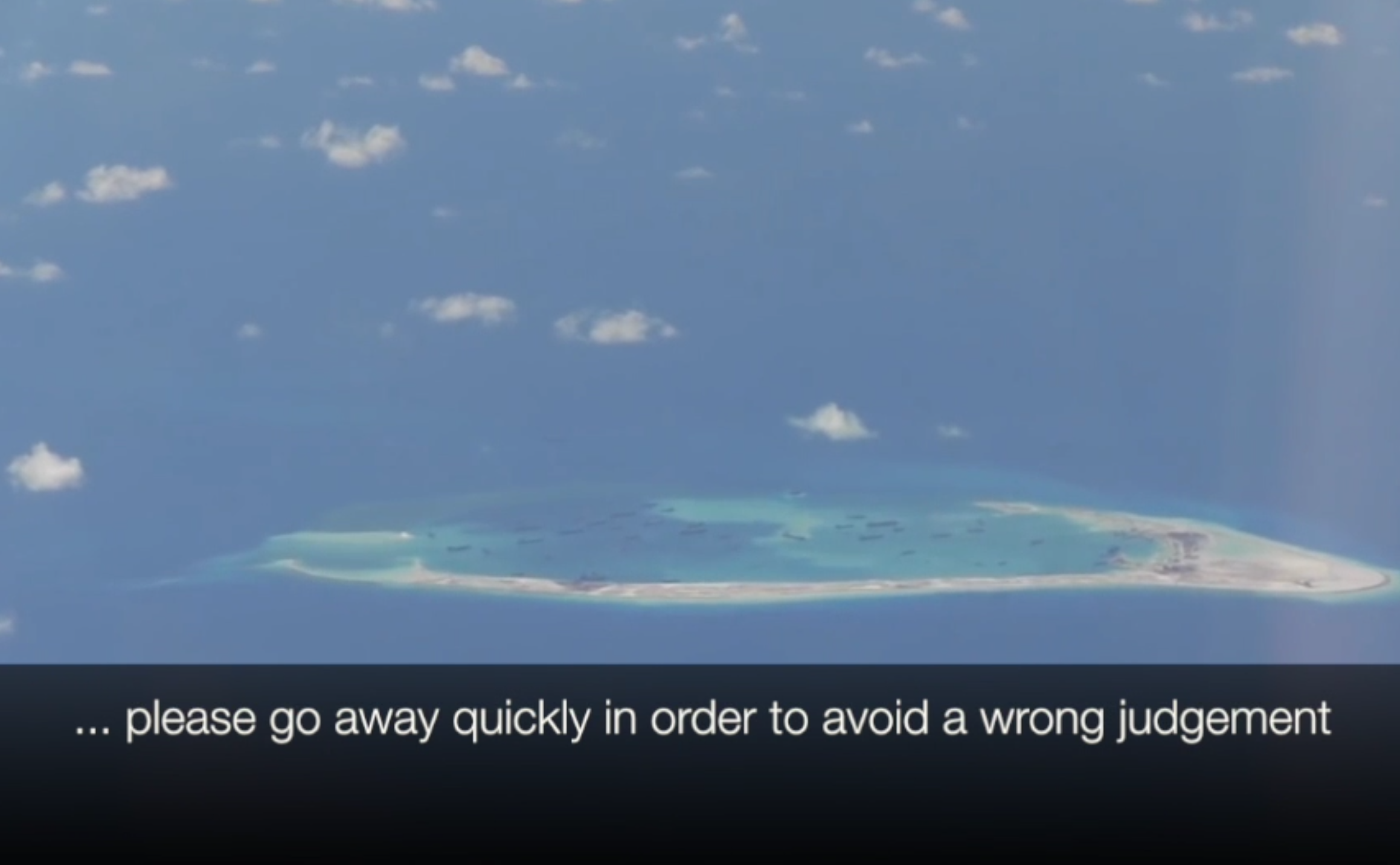
China: Go away quickly please
US Aircraft: Nope
China: Go away quickly!
US Aircraft: No!

The US is doing us all a huge favour at the moment. In fact, it’s been providing this service to the world for some time.

Every so often, a country extends its borders a little too far – outside the normal 12nm limit, for example. China has been busy. They’ve been building some things in the South China Sea. Islands, in fact. And on those islands they’ve built runways, control towers, and big radars. Naturally, they confirmed last Friday that they are for civilian use only. Hmmm.

So the US dusts off an airplane and knocks on the door. Flies around for a bit. Sees what’s going on. And reminds the country that international waters are just that. They publish a list each year of where they’ve done this. Worth a read.

In 2013 they popped up an ADIZ. And made everyone passing through it copy their Flight Plans to Beijing. In principle, ADIZ’s are a pretty good idea. The normal 12nm isn’t really much time for the military to figure out if you’re coming to bomb them. Especially on the weekend.

But you can’t tell airplanes to get out of an ADIZ. It’s an Identification Zone, not an Intercept Zone. So, normally ADIZ’s require you to squawk something and have a Flight Plan.

That much is OK. But China has been warning aircraft to get out of ‘their airspace’. And it’s not. This 737 (aka P-8 Poseidon) went for a nosey.

These operations help us all operating internationally to have less rules to worry about. Which is good.


Initially, most abided by the 2015 ADIZ rules. In 2016 that adherence quietly eroded. And China quietly didn’t care too much. It did threaten a second ADIZ in the South China Sea, but since the first one didn’t really take off, they probably won’t.

It’s part of a bigger diplomatic game. Interesting to watch, though.


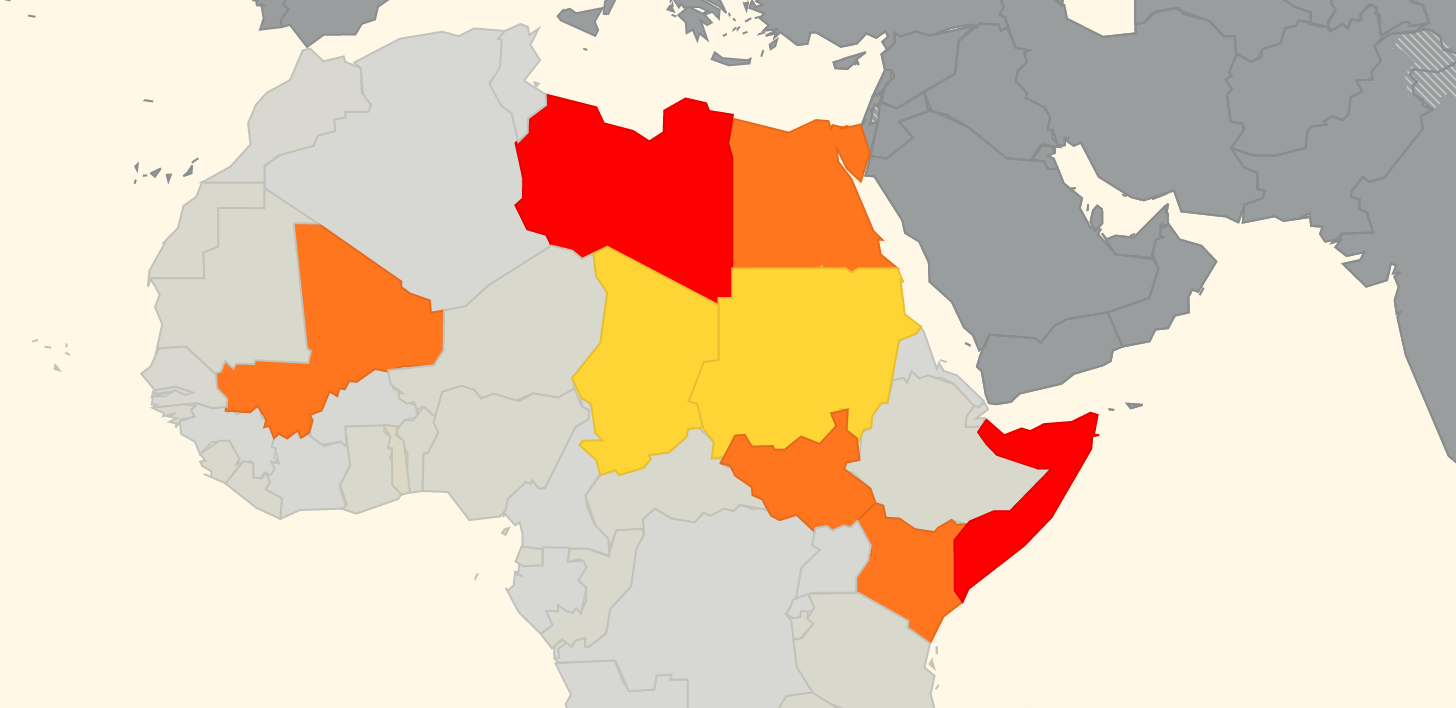
Unsafe Airspace update – French Guiana, Egypt

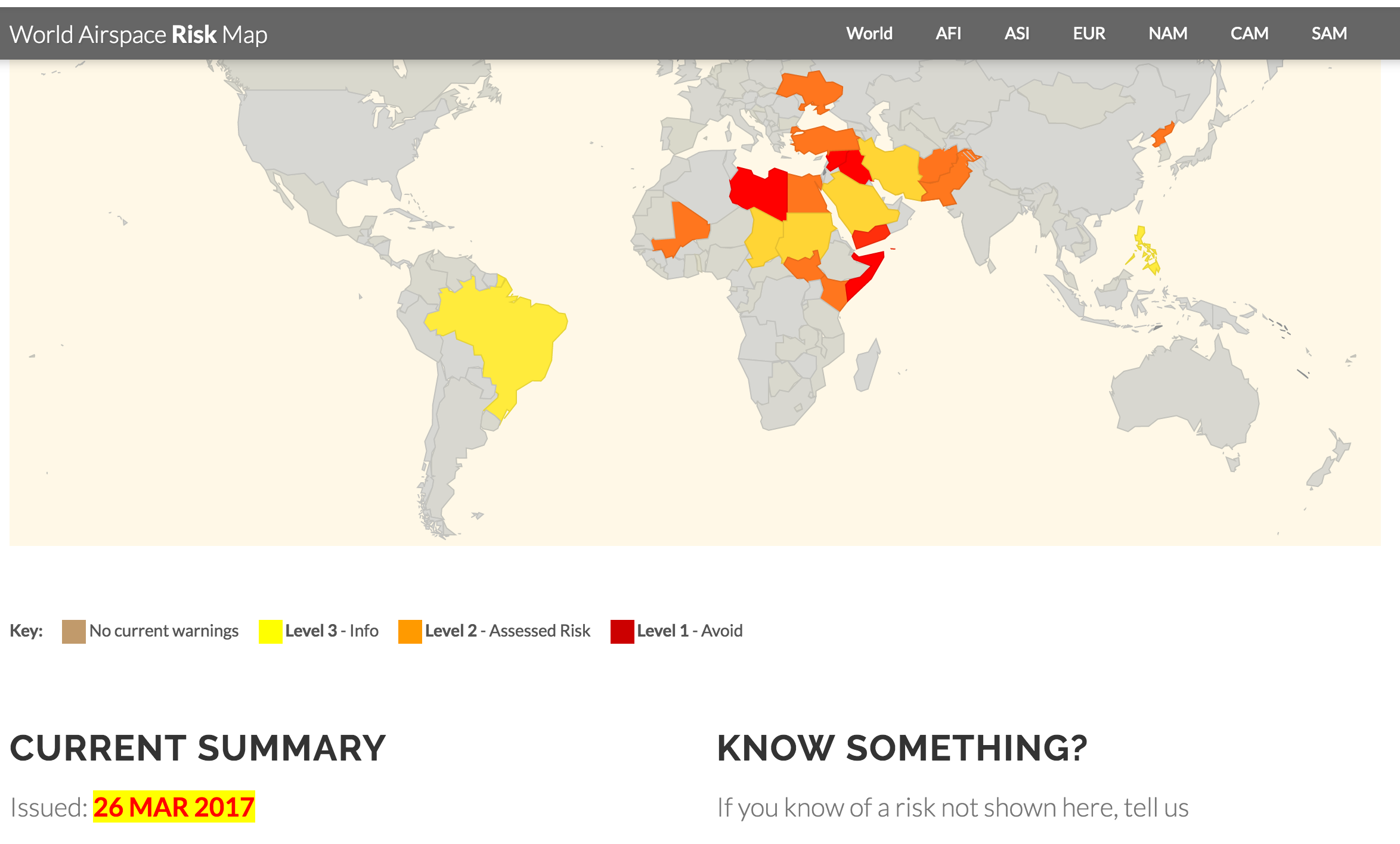
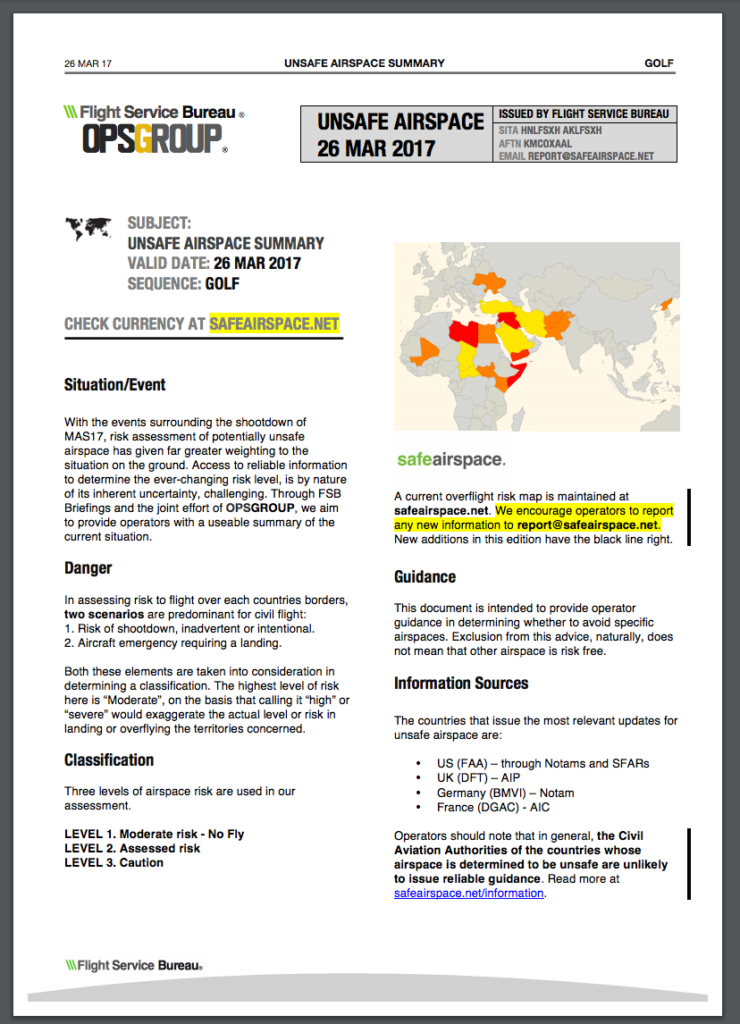
Flight Service Bureau has issued the 2nd Unsafe Airspace Summary for 2017, effective March 26th. Through safeairspace.net, FSB and members of OpsGroup work together to share information on risks and threats affecting Airspace and Airports around the world, and make this information available to all aircraft operators. Read about our mission here.

In this edition, the changes since January 2017 are:

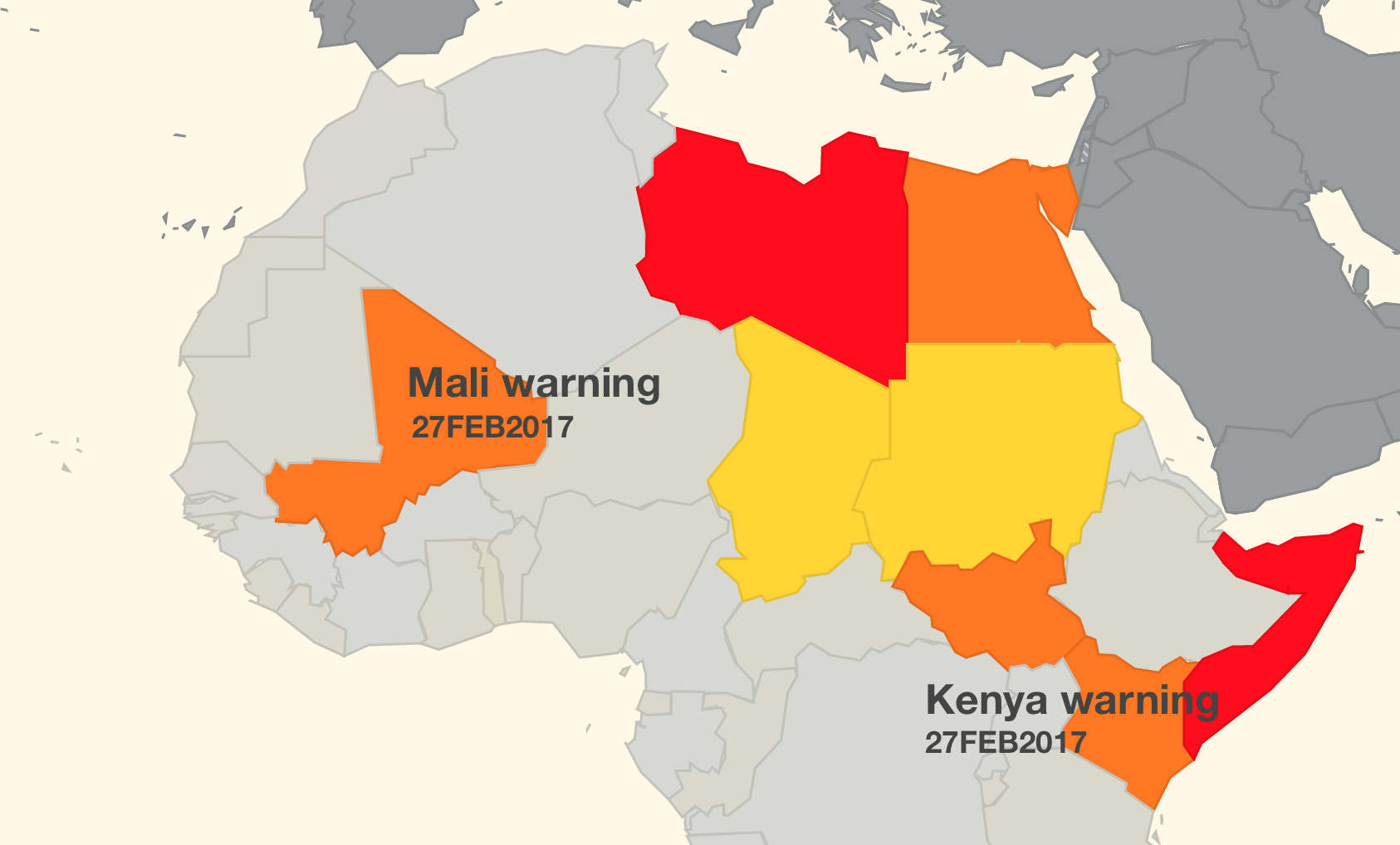
  • New advisory (Level 3) for French Guiana (protests, airports closed). 26MAR17 Widespread protests, increasing in size. Avoid travel. SOCA/Cayenne has no fuel available, and per US Diplo reports 24MAR is closed. SOOG/St. Georges, SOOC/Camopi, and SOOR/Regina are closed. Monitor SafeAirspace.net for updates.
  • New summary for Egypt (SA-7 missile found), fresh GPS jamming warnings.
  • Updated warnings for Mali, Kenya, Pakistan, South Sudan, Saudi Arabia, Philippines.

Further Reading:

  • You can download the new PDF summary directly (600kb).
  • View the map at safeairspace.net
  • Join OPSGROUP for direct updates.


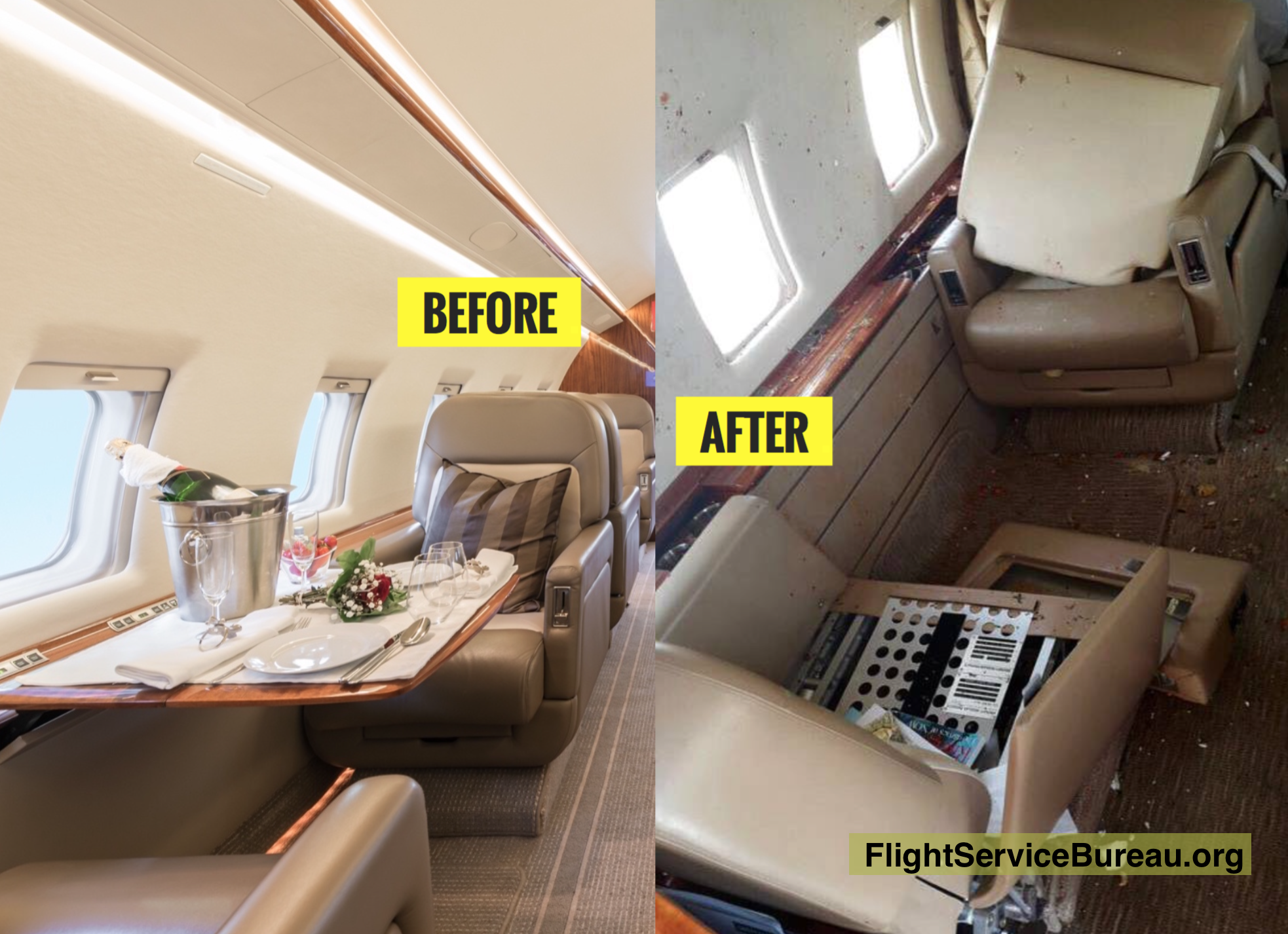
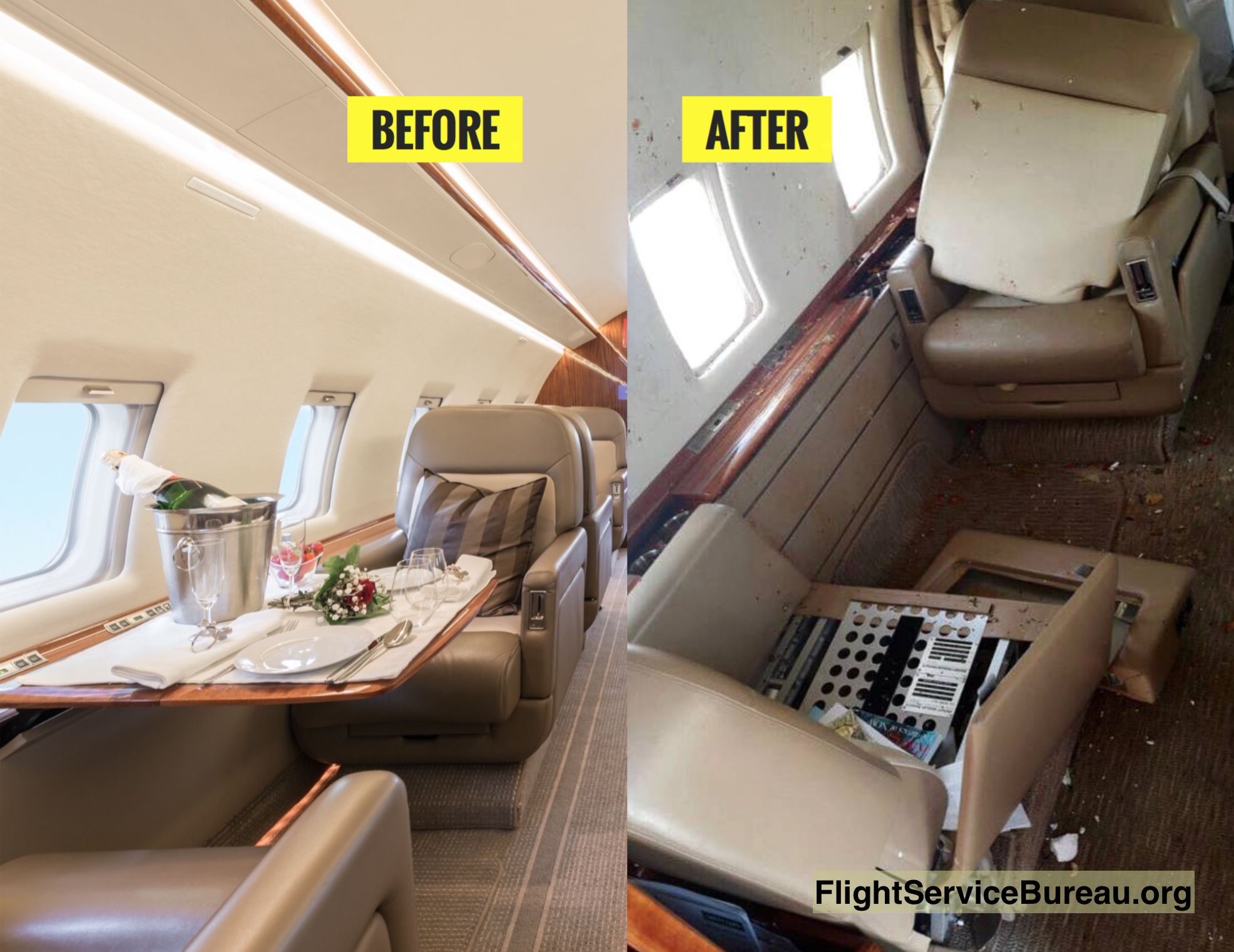
Inside the cabin – before and after the wake turbulence encounter

The Challenger 604 vs Airbus 380 story has gone once around the world.

But is it even true? Some have asked. Let’s do a reality check.

After our initial story was published in last weeks International Operations Bulletin, which we first monitored thanks to the great work of the Aviation Herald, it was republished in various versions in The Times of London, Flying magazine, AIN Business Aviation News,  Deutsche Welle, and NBC. The picture on the Flight Service Bureau facebook page was viewed 1.1 million times.

First, the picture.

The incident happened. This has already been confirmed by the German BFU, who have responsibility for investigating accidents. The Canadian TSB have assigned an accredited representative to the investigation, and Bombardier have assigned a technical advisor.

So to the cause. The crew reported that 1-2 minutes before the loss of control, at about 0840 UTC, an Airbus A380-800 had passed overhead, slightly to the left. The Aviation Herald’s reporting is of the highest standard, and we trust their source.

Like the Aviation Herald, we also deal in facts. Joining the dots to form the bigger picture doesn’t require Colombo on the job.

  • The incident happened on January 7th, since which time the German BFU have been aware of the case.
  • The story has been out in the aviation community since February 7th, when it was posted that: “A CL604 enroute Male to Europe, upset by opposite direction, 1,000′ above, A380’s wake. Several rolls, large G excursions. Diverted into Muscat.”


Since the authority, manufacturer, and operator are all aware of the story, it is reasonable to deduce that were a material part of the widely reported incident not true, then that would have been stated rather quickly.

The ultimate confirmation will come from the Germany BFU, hopefully on this Interim Reports page.


The Boeing 757 parallel

On Sunday, we reported the similarity between this A380 story, and the 10 years it took to determine that the Boeing 757 had a wake 1.5 times stronger than other similar aircraft.

Our primary interest here at Flight Service Bureau is keeping the International Flight Operations community safe and informed. Consider this opening line from the New York Times on Dec 23rd, 1993:

Nearly a year after being alerted to the problem, the Federal Aviation Administration has ordered air-traffic controllers to warn aircraft flying behind Boeing 757 jets of the potential for dangerous wake turbulence.

In the last year, two crashes that together killed 13 people have been attributed to turbulence caused by Boeing 757's. In the more recent crash, on Dec. 15, five people were killed when their private jet went down in Orange County during a landing approach" 

Wake Turbulence Enroute

The entire topic of wake turbulence is not fully understood by any of us. There is much more to learn. Truly innovative studies were last done back in the 1970’s. Some experienced crews have even questioned whether enroute wake turbulence even exists.  Flight school drills into us as pilots, that wake lives around the airport. “Heavy, clean and slow” are the dangerous ones. But “slow” means about about 150 knots for aircraft like the 380. In the cruise, that goes up to about 250 knots IAS at the higher altitudes. If 150 knots is slow, then 250 knots isn’t really “fast”.

Before the crash of a Delta Tristar at DFW in 1985, we didn’t know much about windshear and microbursts.  Maybe we have to learn the same lesson with enroute wake.

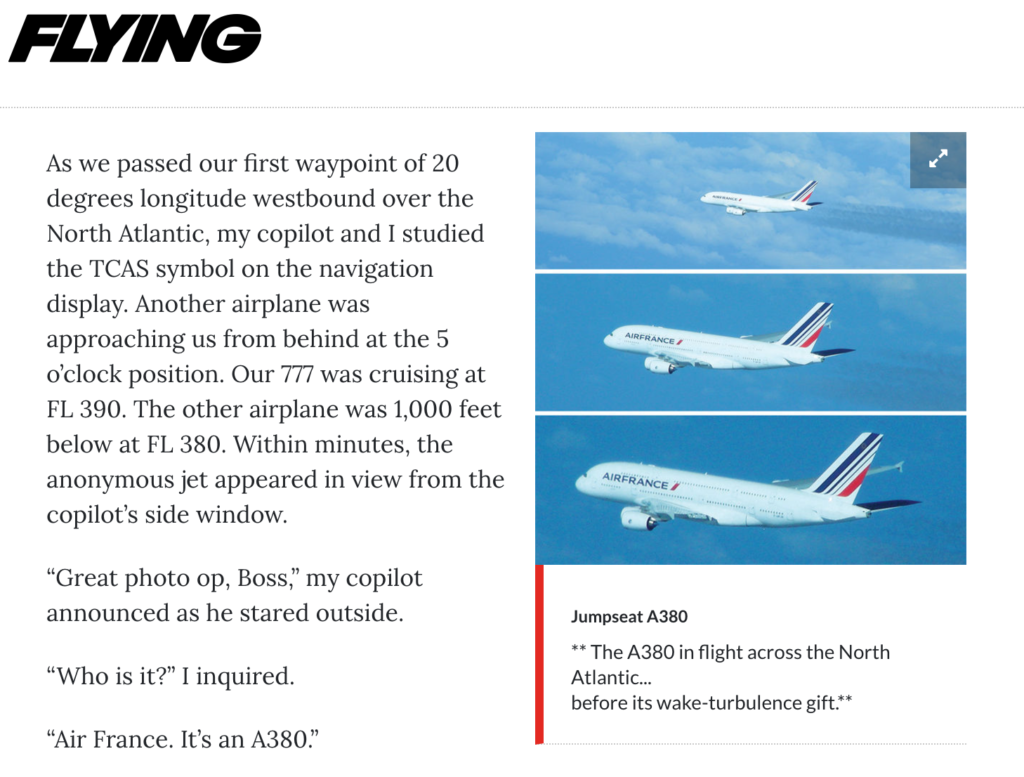
In Flying magazine, Les Abend has a very readable example of enroute wake in this article.


And here are some other examples of enroute wake turbulence encounters:

  • Air Canada, FL370, 55 degree roll at FL370 – wake from Boeing 747
  • Virgin Australia, FL350, 45 degree bank – wake from A380
  • American Airlines, FL220, bang – wake from B777
  • Air France, FL360, 25 degree bank – wake from A380
  • United Airlines, FL240, severe turbulence – wake from MD11
  • British Airways, FL320, 30 degree roll – wake from A380
  • Antonov 124, FL320, 15 degree roll, altitude loss – wake from A380
  • Vueling, FL320, sudden 40 degree right bank – wake from A340
  • Japan Airlines, E170 – uncommanded increasing roll to left – wake from A340
  • Armavia, A320 – A/P disconnect, steep banks – wake from A380

Note to Members #24 – Wake Turbulence Enroute

While the industry awaits further guidance from the authorities, Flight Service Bureau has made public its Note to Members #24 (normally restricted to OpsGroup circulation). Revised 22MAR2017.

Key points from our Note:

  • We might be wrong! Like we said above, there is much still to learn about enroute wake. Read the note, but make up your own mind.
  • Consider the wind. The danger point is roughly 15-20nm after the crossing point, as this is when the wake will have drifted down 1000 feet. In stronger winds, the wake may have drifted well away from the centreline. A turn away may not be necessary.
  • SLOP where possible. It may not prevent all situations, especially crossing traffic, but if you’re 2nm right of track you’re a lot less likely to be directly underneath another aircraft.
  • Read the note for the full guidance, and tell us if you have any further thoughts.


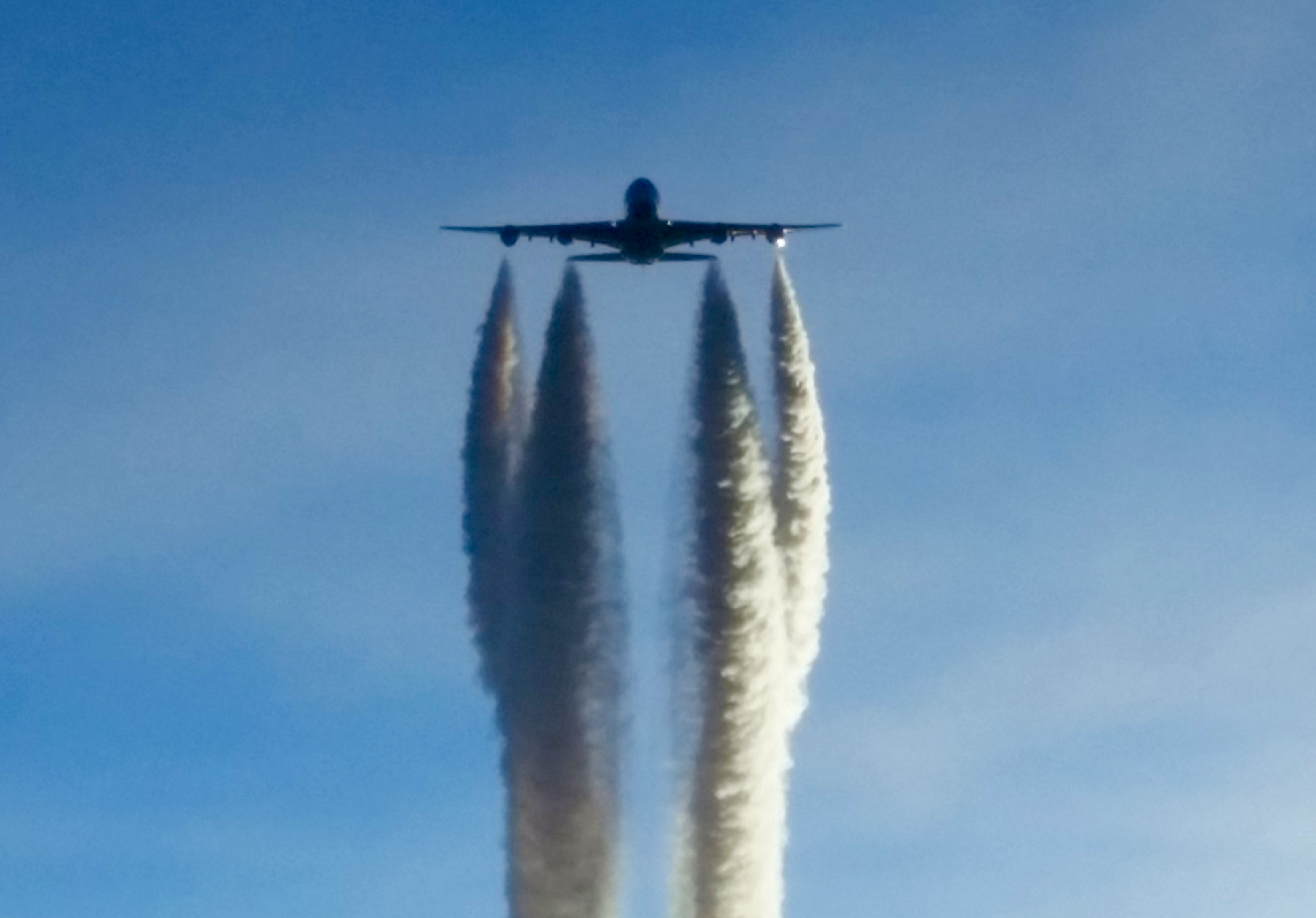
This is what an Airbus 380 looks like when it’s coming to get you

  • New guidance issued to OpsGroup by Flight Service Bureau
  • New warnings to be issued by Air Traffic Controllers – EASA SIB to follow
  • Updated 2017 SLOP offset procedures


With the A380 vs Challenger 604 incident,
there is now growing concern amongst aircrews about the effects of the A380’s wake turbulence.

In this incident, reported by the Aviation Herald, a Challenger 604 at FL340 operating from Male-Abu Dhabi passed an A380 opposite direction at FL350, one thousand feet above, about 630nm southeast of Muscat, Oman, over the Arabian Sea. A short time later (1-2 minutes) the aircraft encountered wake turbulence sending the aircraft into an uncontrolled roll, turning the aircraft around at least 3 times (possibly even 5 times), both engines flamed out, the aircraft lost about 10,000 feet until the crew was able to recover the aircraft, restart the engines and divert to Muscat. The aircraft received damage beyond repair due to the G-forces, and was written off.

This is a recovery that is in the same category as the ‘Miracle on the Hudson’, and the DHL A-300 recovery in Baghdad. Envision the alternate scenario, which was far more likely: Challenger 604 business jet missing in remote part of the Indian Ocean. Last contact with was a HF radio check with Mumbai. No recent satellite logons. Position uncertain. Search and Rescue attempt called off after 15 days. Nothing found. Probable cause: flew into CB.

Thanks to the remarkable job by the crew, we don’t have to guess. We know what happened. And now, there are questions.

We’ve seen this story before

Back in 1992/3, two back-to-back fatal crashes (a Citation, and a Westwind) were attributed to the unusual wake turbulence pattern of the Boeing 757. In fact, at the time, NOAA said it was the most intense wake they had ever seen. In December 1993, the FAA told controllers to increase the separation, and warn aircraft following a 757 of its presence.

This was 10 years after entry into service of the 757, which had its first revenue flight in 1983.

Sound familiar? The A380 had its first revenue flight in 2007. We are 10 years down the track, and it’s very tempting to apply the logic that because this degree of incident hasn’t happened before, it’s a one-off. An outlier. That the crew reacted erroneously to a small wake upset at the limit of their flight envelope. This is both unlikely, and, given the potential threat to other crews, a dangerous perspective.

The last review of A380 wake turbulence was done in 2006, primarily by Airbus. As a result, a new category was required – “Super“, in addition to the existing Light, Medium, and Heavy, for use by controllers when applying the minimum separation on approach and departure. However, no additional considerations were applied for enroute wake turbulence.

Most pointedly, the review concluded that the A380 did not need any wake turbulence separation itself, because of its size. The A380 is the only aircraft in the world to have this “out”. It’s a beast. Even an Antonov 124 or Boeing 747 needs 4nm from the traffic ahead.

New guidance

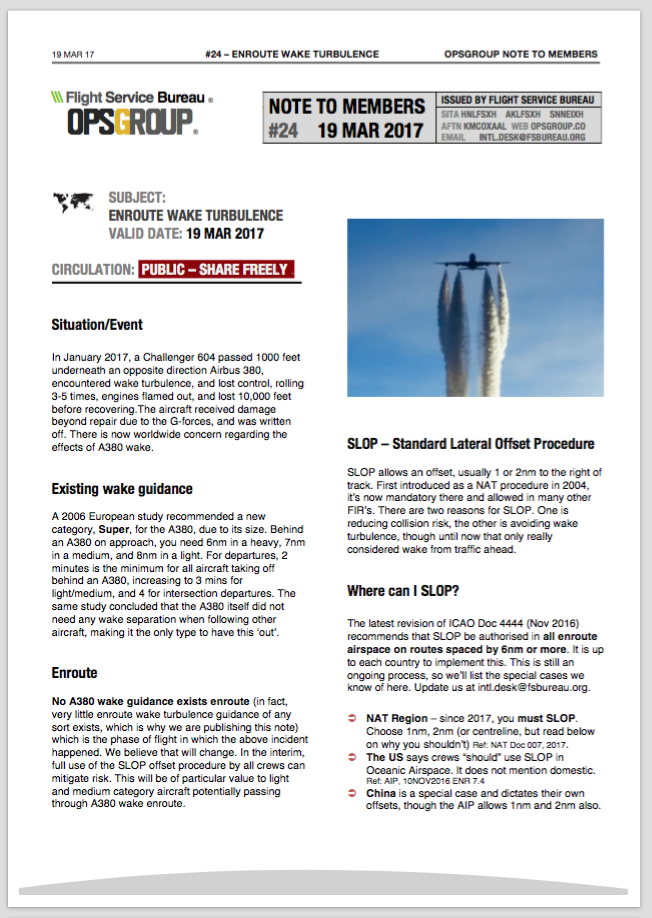
Given the incident, the similarity to the B757 story, and that quiet pointers towards a bigger risk, Flight Service Bureau has issued guidance to OpsGroup members, in Note to Members #24 (March 19th, 2017), which can be downloaded publicly here. The highlights are:

  • As Aircrew, use SLOP whenever you can.
  • As Controllers, be mindful of smaller aircraft passing underneath A380’s.
  • Avoid flying the centreline if you can. SLOP 0 is not an offset. Choose 1nm or 2nm.
  • Note the new SLOP rules from ICAO in the 16th edition of Doc 4444.
  • Expect guidance from EASA and the FAA to follow

With very recent updates to both NAT Doc 007 and ICAO Doc 4444, the rules for SLOP are a little different than before.

Download the OPSGROUP Note to Members #24 – Enroute Wake Turbulence.


A personal note about NOTAMs

I learned a lot this week.

On Wednesday, I published an article in our International Flight Ops Bulletin. Our normal readership is 40,000, and that usually results in 4,000 or so immediate looks at our blog website.

By Friday, a quarter of a million people had visited flightservicebureau.org.

My inbox overflowed. I’m still replying one by one, with a couple hundred still to go.

The reason? I called a spade a spade, and used a profanity to describe what has become of the International NOTAM System. My own frustration forged the narrative. For many, I tapped into a channel of visceral agreement. For some, however, the word bullshit is not acceptable.

For me, this is not a question of whether or not it was the right word to use. This is not a question of free speech or the First Amendment. It’s not a question of ‘being polite’, or remembering our ‘professional audience’.

It is a question of not holding back. Not having a public and private persona. Not bowing to the stifling rules of Corporate Comms. Not assessing how this might impact ‘the business’. And not being afraid to get it wrong.

We have a voice here at Flight Service Bureau, and we’re going to use it. And sometimes, we might get it wrong. Sometimes, we might cross lines that make people uncomfortable.

In fact, we do that every week. We routinely receive government requests, demands in fact – from Aviation Authorities, from Foreign Affairs Ministries, Company Lawyers – to remove information from our bulletin, to say less, to not call their airspace ‘unsafe‘, not report on incidents at their airports, not voice airlines and pilots frustrations, lest others turn away their business.

And by very definition, sometimes we have to get it wrong. If we craft and control every bit of information, every warning, and every article, editing the life out of the story and the truth, then we’re failing. We’re not being brave enough. Maybe we could have said it differently, but that’s not the point.

This week, when I got 400 emails in an amazing show of support, it made me realise that we are doing this for a large community that love what we do, and that makes me very proud to serve you. Going above 2,000 members in OPSGROUP is major milestone.

We have a clear mission: keep the International Ops community – Pilots, Dispatchers, Controllers, Airlines, Organisations – informed and safe, in an ever-increasing web of bureaucracy, complexity and litigation.

We’ll fight the fight for you, and we’ll tell it how it is.

Mark.


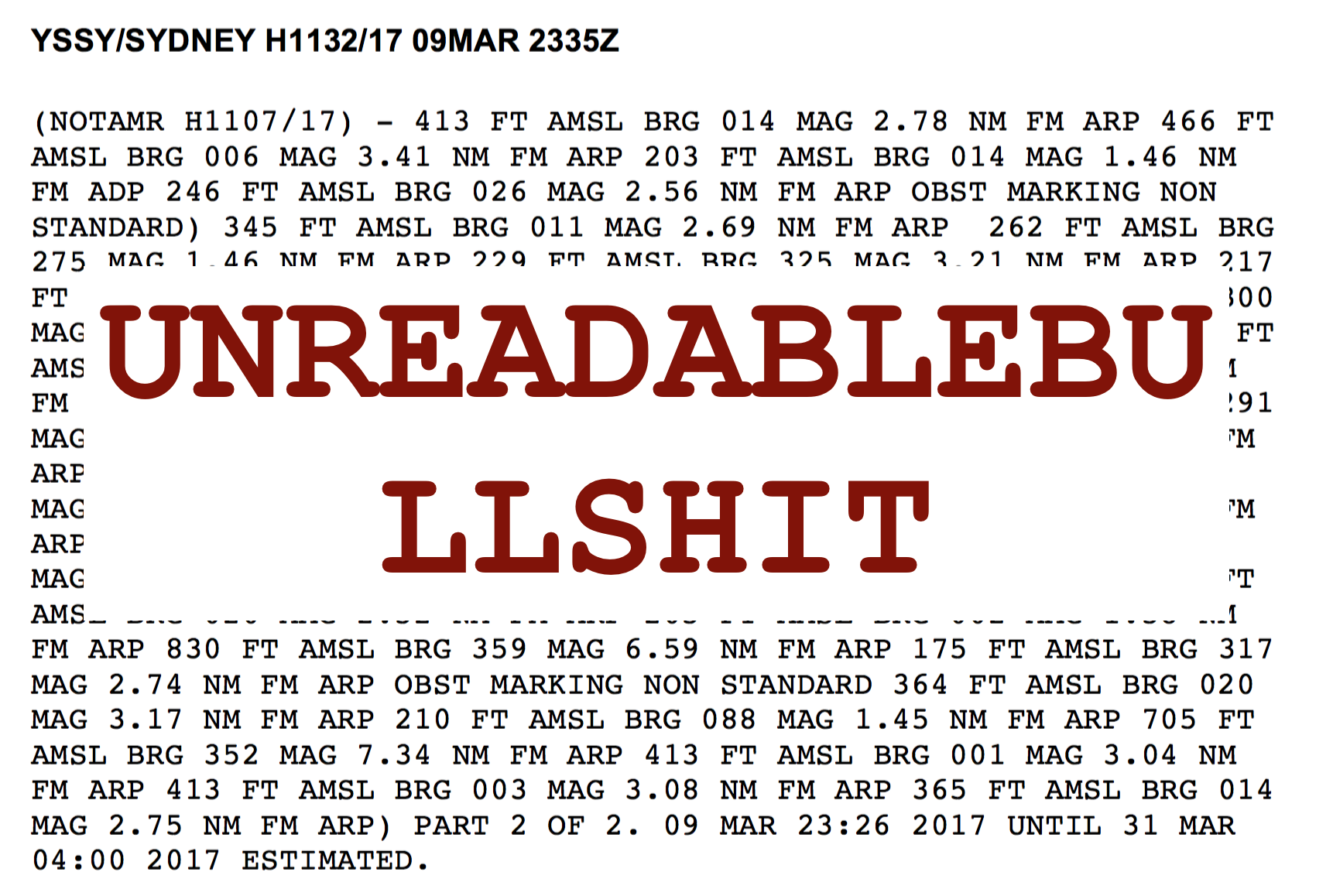
The problem of Bullshit Notams

Update: November 1st, 2019: The Notam Team is up and running – we’re fixing Notams. Follow our progress at fixingnotams.org.


This article created a firestorm of engagement – several hundred emails and 127,000 people that visited the blog. Most of it was overwhelmingly positive. Some of it wasn’t. Please read my follow up in response.


It’s absolutely ridiculous
.

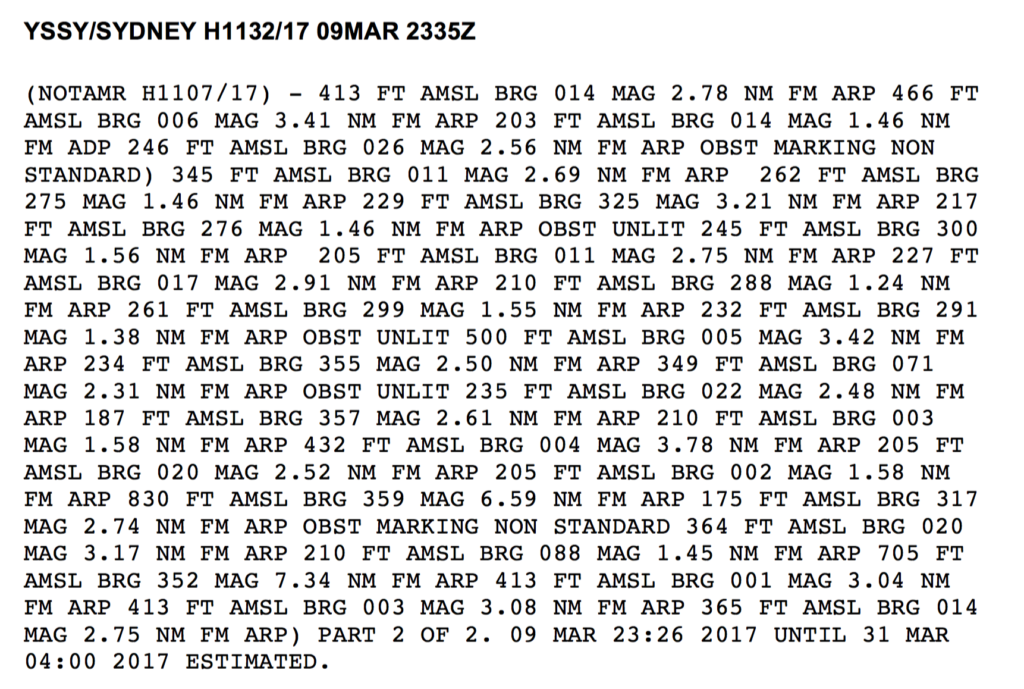
We communicate the most critical flight information, using a system invented in 1920, with a format unchanged since 1924, burying essential information that will lose a pilot their job, an airline their aircraft, and passengers their lives, in a mountain of unreadable, irrelevant bullshit.

Yes CASA Australia, that’s you. Yes, Greek CAA, that’s you. And you’re not alone.

In an unintended twist of irony, the agencies seeking to cover their legal ass are party to creating the most criminal of systems – an unending flow of aeronautical sewage rendering the critical few pieces of information unfindable.

This is more than just hugely frustrating for each pilot, dispatcher, and controller that has to parse through it all; it’s downright dangerous.

If you’re a pilot, you’ll either have already experienced this, or you’re going to – you stuff something up, and then be told: “but there was a Notam out about that”. Sure enough, there it is in black and white (and in big capital letters). Do you think that “but there were 100 pages of them” is going to be a valid defence?


Well, it should be. The same agency conducting your post-incident interview is busy on the other end stuffing the system full of the garbage that prevented you from seeing it in the first place.

There are three parts to the problem: the system, the format, and the content. The system is actually quite amazing. The AFTN network connects every country in the world, and Notam information once added is immediately available to every user. Coupled with the internet, delivery is immediate.

The format is, at best, forgivable. It’s pretty awful. It’s a trip back in time to when Notams were introduced. You might think that was the 1960’s, or the 50’s. In fact, it’s 1924, when 5-bit ITA2 was introduced. The world shifted to ASCII in 1963, bringing the Upper and Lower case format that every QWERTY keyboard uses today, but we didn’t follow – nope, we’ll stick with our 1924 format, thank you.

Read that again. 1924. Back then, upper case code-infested aeronautical messages would have seemed impressive and almost reassuring in their aloofness. But there weren’t in excess of 1 million Notams per year, a milestone we passed in 2013. The 1 million milestone is remarkable in itself, but here’s something else amazing: in 2006, there were only 500,000. So in seven years, Notams doubled. Why? Are there twice as many airports in the world? No. Twice as many changes and updates? Possibly. But far more likely: the operating agencies became twice as scared about leaving things out.

And so onto the culprit: the content. The core definition of a Notam is ESSENTIAL flight information. Essential, for anyone tasked with entering information into the Notam System, is defined as “absolutely necessary; extremely important”. Here’s a game you can play at home. Take your 100 page printout of Notams, and circle that ones that you think can be defined as essential. See how many fit that bill.

So why is all this garbage in the system? Because the questions that the creators of Notams ask are flawed. The conversation goes like this:

– “Should we stick this into a Notam?”
– “Yeah, we’d better, just in case”.

How many are actually asking, “Is this essential information that aircrew need to know about ?”. Almost none. Many ‘solutions’ to the Notam deluge involve better filtering, Q codes, and smart regex’s. This overlooks the core problem. It’s not what comes out that needs to be fixed, it’s what goes in.

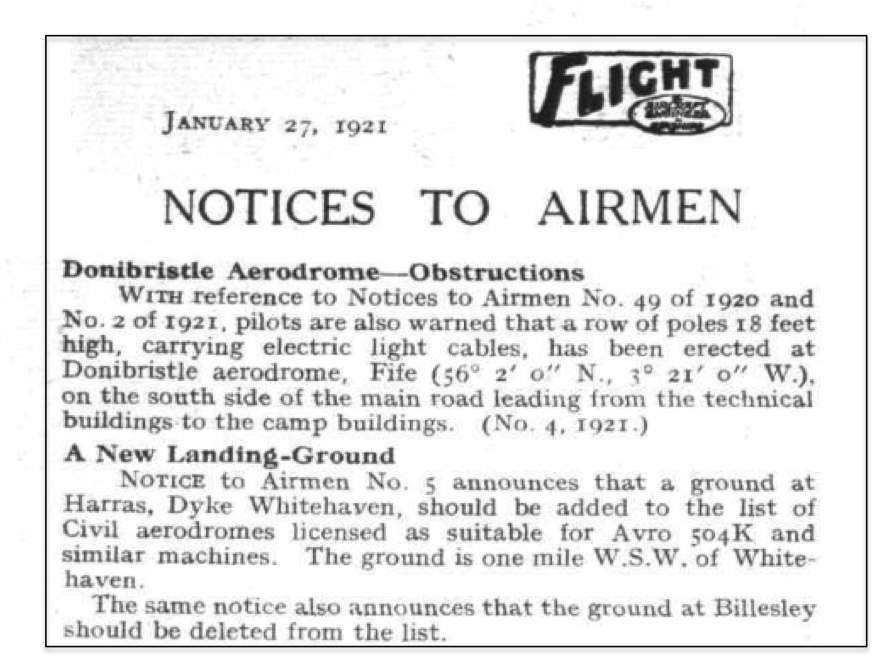
Even in 1921, we had much the same problem. Obstacle, 18 feet high, several miles from the runway.

Nobody cares. Unless you’ve parked the Eiffel Tower on the threshold, leave this stuff for the AIP. And nobody cares about kites either. Nor about goat-grazing times. We don’t care if your bird scarer is U/S. We don’t care if there’s a cherry-picker fixing a bulb somewhere. We don’t care when you’re cutting your grass.

Nor do we care about closed taxiways. The only way I can get onto a taxiway is with an ATC clearance, and ATC will not clear me onto a closed taxiway.

We care if the airport is going to be closed when we get there. If we’re going to have to divert because the runway is shut. If someone might shoot at us. If there are new rules. We care about the critical items, but we won’t see them as things stand.

And so, about here is where a normal editorial piece might end with “we hope that the authorities improve the system”, and sign off.


But not here.

We’re in the business of doing things here at FSB, not just talking about them.

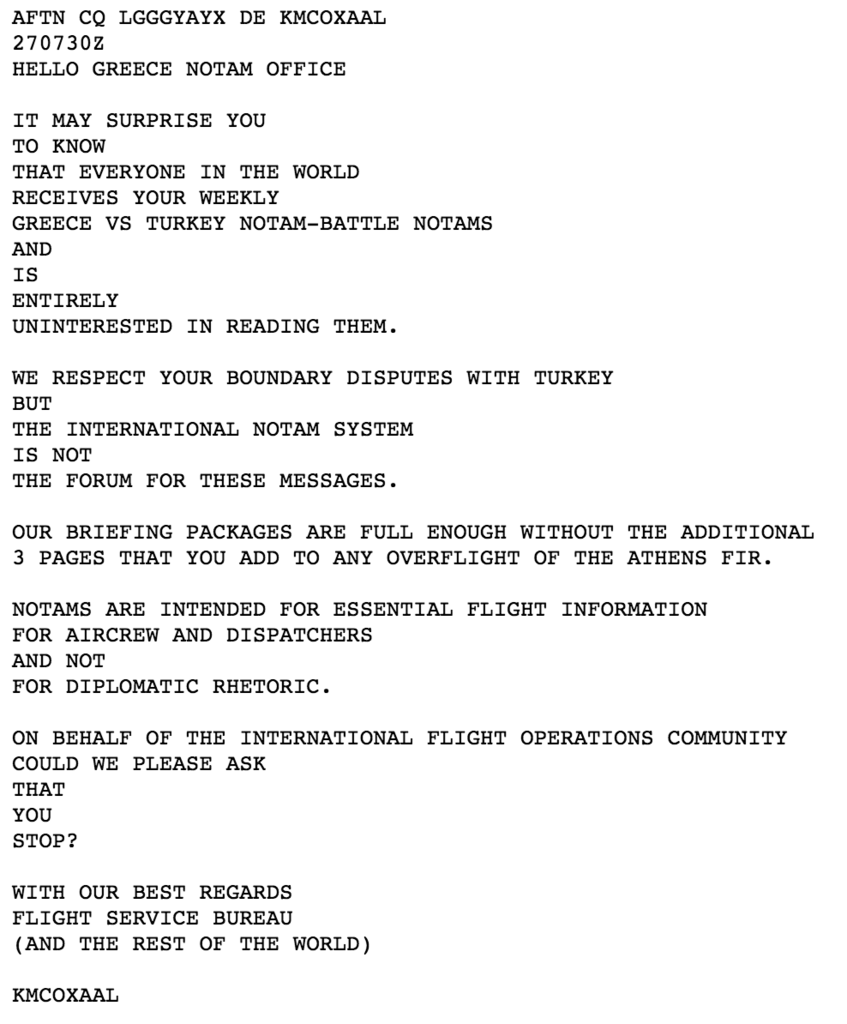
Last year we wrote a few pieces about the Greece vs Turkey Notam battle. This month we did a group look at Briefing Packages, and it was astonishing to see how many pages of this diplomatic drivel still appeared in all our members’ Briefings. All in all, on average 3 full pages of every briefing for a flight overflying Greece or Turkey contained this stuff.

So, we sent Greece a polite AFTN message on behalf of all of us.


That’s just one piece of a thousand-piece puzzle, and it would be nice to think that one piece at a time we could fix the sytem. Let’s get real. It’s a monster, and it’s out of control.

We don’t think that we can fix the Notam system.

But, we can think about a different solution. And that’s exactly what we’re doing right now in OpsGroup. With almost 2000 members, we can make a difference. Watch this space. Or, if you want to help take action, send your thoughts to goatams@ops.group.


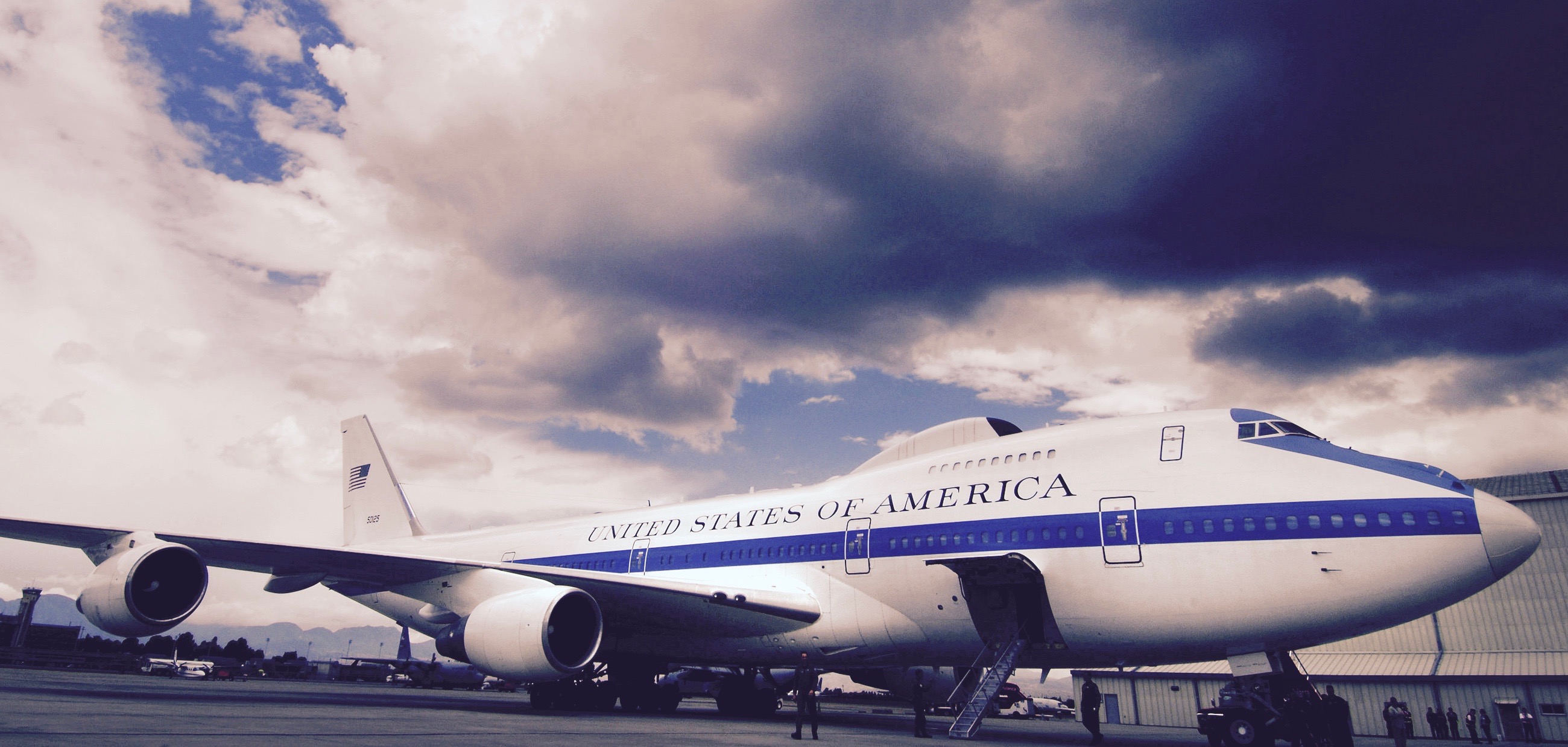
NOTAMS and the E-4B Advanced Airborne Command Post


We’re hot on NOTAMs at the moment. Our OPSGROUP member Eddie (who’s just rebuilt the famous code 7700.com – take a look) has this great story for us from his early days flying the E-4B.

“The NOTAMS are a mess,” Major Tom Stevens said, “instead of the three pages of specific airports twice a day, we are now getting every single airport in the world big enough to handle a 747. The paperwork is immense.”

“How many pages a day?” I asked.

“Don’t know,” Tom said. “I just toss them on the bunks in the upper rest. But don’t tell Lieutenant Colonel Rodney G. Larson that. His edict from on high says we have to read every page of them.”
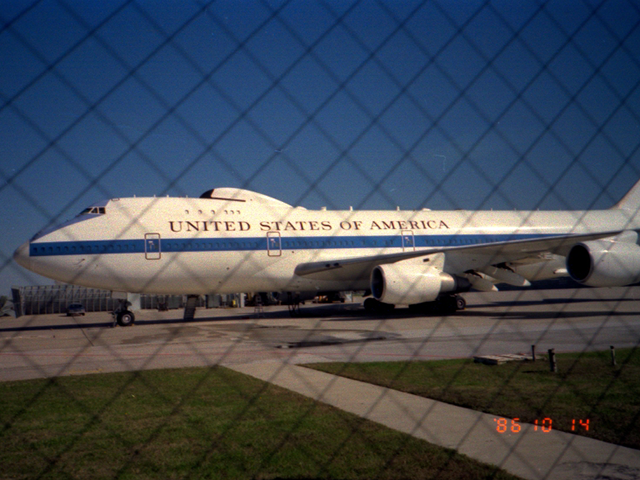


I boarded the airplane and caught up with the flight engineer in the forward galley, just aft of the spiral staircase that led to the cockpit. He handed me the aircraft forms and the crew read file. “Welcome to the new world,” he said.

“What world is that?” I asked.

“Lieutenant Colonel Rodney G. Larson’s world of course,” he said. “You got ten pages of his view of the world in the read file and then when you get upstairs, you got some more reading to do.”

The airplane was in good shape and in less than a minute the aircraft belonged to me. The read file was another matter. I took the nearest seat and read for thirty minutes how Lieutenant Colonel Rodney G. Larson wanted me to do my job. I scribbled dutifully into my notebook and quickly discovered there were three categories of Lieutenant Colonel Rodney G. Larson edicts. A lot of it made sense and pretty much put into writing techniques we had been using for years. A good portion of it was silly but harmless. The third category, however, was pure idiocy. We were required from this day forward to hand-fly the airplane from the takeoff to cruise altitude in an attempt to keep our stick and rudder skills sharp. Approach callouts were forbidden so that the pilot flying the jet could better concentrate on keeping the needles centered. I would have to get engaged on these.

But I didn’t know which category to place the strangest bit of news, our newly acquired fetish for having Notices to Airmen, or NOTAMS, transmitted directly to the operational bird. We were accustomed to getting them for the twenty or so airports tasked with supporting us on a regular basis. It was a convenience to have them delivered to the cockpit twice-a-day rather than having to hunt them down at base operations or having to call the nearest FAA flight service station. But now we would have to sort through every airport in the world with a runway able to support a Boeing 747. Was this just another harmless ruling from on high, something General Patton disciples would call “chicken shit,” because they made life harder but really didn’t matter in the end. Or was this in the idiocy category, elevated to the Patonesque level of “bullshit,” something that was as stupid as chicken shit but had a negative operational impact. I drew a large question mark next to the entry, closed my notebook, and made my way up the spiral staircase.

The upper deck of a Boeing 747 started out as an afterthought, just extra space behind the cockpit. Various airliners tried to put a lounge up there but soon figured out revenue-paying seats made more sense. The Air Force version had three beds in a small room, three bunk beds with curtains in a common area, a worktable, and several passenger seats. When the bird was operational, we tended to give up the entire space to our crew chiefs and security guards. For seven days and nights they lived on the airplane and needed a place to unwind, out of view from our passengers. I was used to seeing a bit of a disorderly mess up there and tried to restrain every urge to insist on a little more cleanliness.

On a scale of upper deck clutter, one to ten with five being the average, I was greeted with nothing more than a six. Unusually, there were no mechanics or guards asleep in the bunks. The head crew chief greeted me, as per normal, and I handed him the aircraft forms.

“Good bird?” I asked.

“Good bird,” he answered.

“Any personal squawks?” I asked.

“Just one, sir.” He pointed to the bunks on the right side of upper deck where two of the bunks were filled with reams and reams of silver-backed paper, thousands of pages of paper.

“What?”

“NOTAMS,” he said. “I don’t know what they are for but I wish you pilots wouldn’t leave your junk in our beds, sir.”

I took a handful for the top bunk and carried it forward to the jump seat in the cockpit. After ten trips I filled the jump seat and got one out of three bunks clear. I plopped myself into the pilot’s seat and started to read. “What the hell is Burkina Faso,” I muttered to myself.

“Ever hear of Upper Volta,” I heard as the copilot lowered himself into the right seat.

“Yeah,” I said.

“Well same country,” he said, “new name.”


Soon the rest of the flight crew joined me and we four came down with a system to speed things along. “Most these are days old,” the navigator said, “just look at the date time group on the top left and move on.”

“Good idea,” the engineer said. “But I gotta get me some gloves, this silver shit can’t be good for you.”

It can’t be harmful, I thought, but it certainly was messy. I took a break and went downstairs to learn why our NOTAMS were printed on the strange silver paper. Our 747 had the VIP bedroom in the nose, under the cockpit, and as you went aft there was the galley, a progression of conference rooms, passenger seating, a communications suite, and more seats. I entered the comm suite was immediately handed another stack of silver paper, maybe two hundred pages in all.

“I wish you pilots could get your news on T.V. like the rest of us,” the communications officer said. “That T3500 runs full time these days just for you guys. We hardly use it for our secrets any more.”

He explained that they had all sorts of printers but when the message came from the Department of Defense, as was true with our NOTAMs, they had to be printed on a printer rated at Top Secret or higher. That meant the T3500 on our airplane.

“So why does it have to be on this awful paper,” I asked, rubbing two fingers together and showing off the silver ink rubbed onto each.

“Because that’s what the T3500 uses, major.” As he spoke the printer came to life and I spotted the message header revealing another round of NOTAMS. “And it ain’t cheap either,” he added.

“How much?” I asked.

“Five hundred smackers a box,” he said. “I’m glad I’m not paying for it.”

“Somebody is,” I said while leaving with my new stack of paper, probably three hundred dollars of taxpayer money.

“Executive decision,” I said as I entered the cockpit. “Let’s throw all of the old stuff away and start worrying about the new NOTAMS as we get them.”

“Good idea,” the engineer said, “but we got a problem. Look at this.” He handed me about ten pages of silver paper, about half with a message header that began TOP SECRET and the other half with the code words that meant their security clearance was even higher.

“Whoa,” I said, “this stuff was in our NOTAMS?”

“Yeah,” the navigator said, “and it’s worse. You can be halfway through a set of NOTAMS and a page of this will be sandwiched between. It’s like the printer is in the middle of a hundred pages of NOTAMS but throws in a secret message as soon as it gets it. The comm team doesn’t bother checking all hundred pages so we get their secrets with our NOTAMS.”

I told the flight crew to go through the rest of the NOTAMS while I took the classified stuff with me off the airplane and straight to Lieutenant Colonel Rodney G. Larson’ office, where I found him attacking his own mountain of paperwork.

“Sir,” I said, “can I have a minute?”

“You got sixty seconds, major,” he said, “make them count.”

“We found five code worded messages in our NOTAMS this morning and we aren’t even ten percent into the stack. This has got to stop.”

“No,” he said, “this means you still have ninety percent left and you better get to it. I’ll put out a memorandum that makes sure all pilots do a better job of screening their NOTAMS. Thanks for bringing this to my attention, dismissed.”

“Sir,” I said, “why don’t we just discontinue the NOTAMS? I don’t mind going to base operations every day, it would certainly take less time. And then there’s the cost . . .”

“You got your orders,” he said, cutting me off.

“All I want,” I started to say but stopped as he rose his hand in front of his face.

“All I want,” he said, “is for you to shut up and color.”

“Sir,” I said, “yes, sir.”

With that I left his office, returned to the cockpit, collected ten more code worded messages and gave those to our Whamo passengers. While downstairs I was handed a set of flight orders and a few minutes later we were airborne headed east.

Four days later we came back with about 5,000 sheets of NOTAMS from which we had pulled over 200 pages of classified message traffic. I was walking into the squadron as Lieutenant Colonel Rodney G. Larson was walking out, on his way to fly the daily training sortie.

“Lieutenant Colonel Larson,” I said, thinking the full proper address might get a better reception. “Can we discuss the NOTAM situation.”

“Major I’ve been through this with all the other aircraft commanders,” he said. “You are the only one who has a problem with it. Why can’t you just salute smartly and press on?”

I saluted smartly and pressed on into the squadron. The mission planning room was packed with pilots, navigators, and flight engineers working on the next big trip. They all turned to look at me, expectantly.

“What?” I said.

“We thought if anybody could change his mind it would be you,” came from one corner of the room.

“You know somebody is going to jail,” I heard from another corner. “One of us is going to miss a code worded message and then it is off to Leavenworth.”

We all sat, quietly, realizing our fates were sealed. I decided the least I could do was get the mess off the airplane so I found a handcart in the steward’s kitchen and made my way back to the airplane.

As soon as the crew chiefs realized I was purging the upper deck of the dreaded silver paper they volunteered to help and we had the cart loaded up in just two trips up and down the three flights of our 747. The head crew chief volunteered to steady the cart as I pushed it back to the squadron.

“How much do you reckon all this paper cost the U.S. taxpayer,” he asked.

“A lot,” I said, “the commo said it was five hundred for a box.”

Once in the squadron we wheeled our way to the ready room. “Now what?” he asked.

“Let’s see if we can reach the ceiling,” I said.

We piled them in a single stack against the wall to steady it. As the stack grew in height we drew a crowd. When we were done it was taller than me and was pretty impressive.

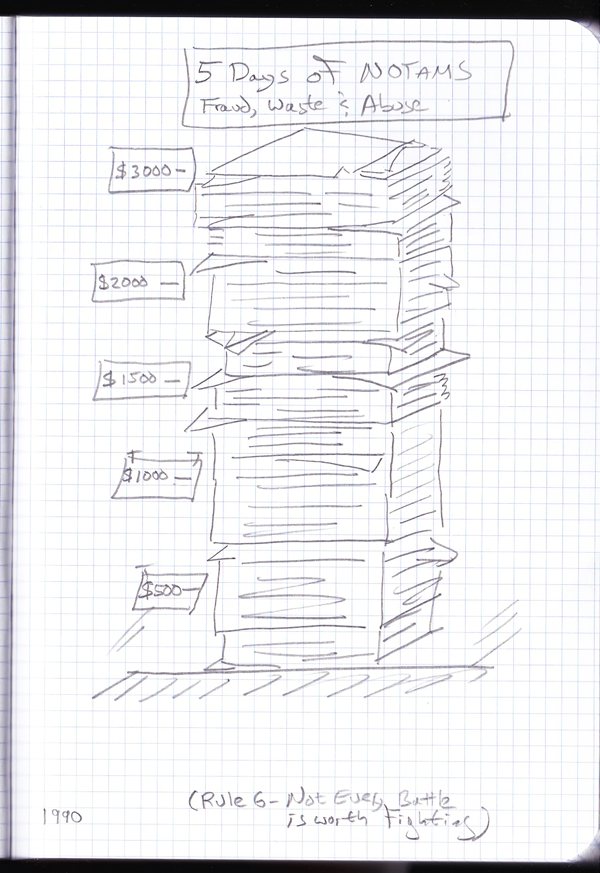
“What good is that going to do?” I heard. He had a point. In the end I decided to use Post It notes to delineate each $500 of wasted paper and topped it all with a banner revealing that all this was just from five days. In retrospect, I think what really capped it off was adding the subtitle, “Fraud, Waste and Abuse.”

That work done, my two-way radio came to life announcing I was needed at the airplane and a few minutes later I was headed for the west coast. Two days later I was back, the NOTAM stack was gone, there was another letter to the crew force announcing that the daily NOTAMS were no longer being provided and that it was up to us pilots to get them by alternate means, and there was a big red line drawn through my name on the scheduling board.

“Thanks for taking one for the team,” I heard over and over again. But I had to wonder, was it worth the price? Lieutenant Colonel Rodney G. Larson did not want to talk to me and he did his best to avoid me. But there was the scheduling board filled with trips without me.

“At least you went out in style,” I heard.

I didn’t want to go out at all, of course. After two weeks the drought was over and I was flying to Europe. We had a double crew on board so while one team flew the other was in the upper rest playing cards, reading, or trading vicious gossip.

“So you are resurrected again,” the navigator said. “You are like a cat.”

“More than a cat,” the engineer said. “I think this makes an even ten lives for the good major.”

“I owe it all to clean living,” I said. “Besides, not even Lieutenant Colonel Rodney G. Larson can hold a grudge forever.”

The crew looked at me in silence. Finally the navigator spoke. “You don’t know, do you?”

“Know what?”

“Lieutenant Colonel Rodney G. Larson was going to have you thrown out of the squadron when this trip came up,” he said. “Whamo asked for you by name and when they were told you couldn’t do it they blew a gasket. They said you were the only aircraft commander they would fly to Europe with.”

“Ah, so,” I said. It made perfect sense, I thought, they would want a pilot who got things done reliably and that would obviously be me. The last few Europe trips got botched up and Whamo was pretty upset. In retrospect, I think the smug grin on my face let the wild dogs know it was time to attack.

“I guess all that suck up time pays off,” the navigator said.

“Yeah, he’s just like Eddie Haskel,” the copilot said, everyone nodding.

“What do you mean?” I didn’t like the way this was going.

“No offense,” the navigator said. Of course that always meant offense was intended. “But you spend a fair amount of time downstairs with the pax, you invite them to the cockpit more than any other pilot, you go out of your way to make them happy.”

“Why that is a lovely dress, Mrs. Cleaver,” the copilot said.

The look on my face must have portrayed my hurt feelings. “No offense,” they all chimed in.

“The major is also one of only two aircraft commanders who doesn’t get Whamo nasty grams,” the engineer said. “I’d rather be on a crew that makes the pax happy than one that doesn’t. Life is easier that way.”

With the engineer’s two cents worth, my hurt feelings went away and pretty soon everyone forgot about the holy crusade against NOTAMS. Everyone, that is, except Lieutenant Colonel Rodney G. Larson.

A year later the base was looking for volunteers to go to Air Command and Staff College but didn’t want to nominate anyone who wouldn’t make the Air Force selection process. It was a problem for our base. Everyone on base who wanted to go wouldn’t be chosen by the Air Force; anyone who could make the Air Force cut didn’t want to go. I didn’t want to go and did not submit the required application.

“Sign here,” Lieutenant Colonel Rodney G. Larson said, handing me the application. “I had it filled out and I made a few phone calls. They say you are a shoe-in.”

“I don’t want to go, sir.”

“You need to go,” Lieutenant Colonel Rodney G. Larson said. “I told you to sign.”

“No, sir.”

I pushed the incident out of my thoughts until six months later I was selected. I rushed over to the personnel office to see the application was signed but not by me. The handwriting looked exactly like that of one Lieutenant Colonel Rodney G. Larson.

I thought about making a mess of the incident but realized that would ruin two careers instead of just one. A few months later I was in Air Command and Staff College writing an underground newspaper called “The Penguin Gazette, a newspaper for flightless birds.” The Gazette’s editor needed a pseudonym and Eddie was as good a name as any. So began the literary adventures of one Eddie Haskel.

Oh yes, the rule. The holy crusade against NOTAMS taught me that not every battle is worth fighting, sometimes you need to take a few losses along the way. I accepted orders to Air Command and Staff College as my first application of the rule. As it turns out ACSC was a great learning experience for me, got me promoted to Lieutenant Colonel, and eventually led to command of my very own flying squadron. There I vowed to face every difficult situation wondering what Lieutenant Colonel Rodney G. Larson would do, and then do the opposite.


JFK Runway 4R closure for the summer

We got a couple of reminders that we hadn’t covered this in our weekly bulletin, and … you’re right. So, here’s the details.

So, Runway 4R/22L will be fully out from today until June 1st, and then it will be out overnight until Sept 4th, at which time it will be fully out again.

So, first up:

Phase I – 1st Full Runway Closure – 94 Days (Feb 27- June 1, 2017)

  1. Runway will be fully paved after this
  2. Runway will be returned to operations on June 1 with edge lights only

Because NYC Tracon is so tight, the 4R closure also impacts La Guardia and Teterboro, so we expect to see some delays and restrictions there as well.

For your reading pleasure, we’ve bundled all the documents about this into 1 PDF.

Oh and yes, that’s Central Park and not Runway 4R, but it’s prettier than some concrete.

Reference:


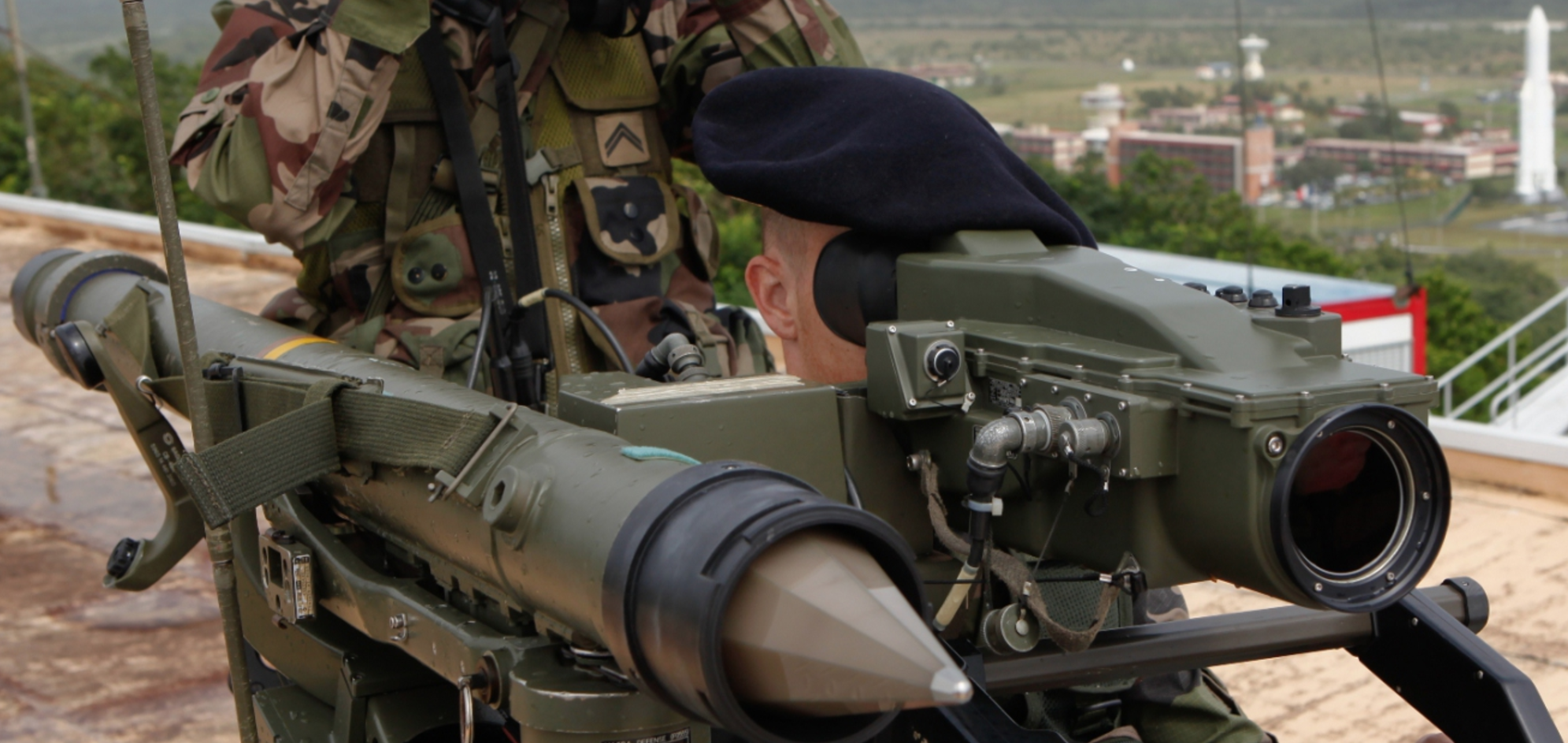
Fresh warnings as FAA clarifies weapons risk in Kenya, Mali airspace

Feb 27th, 2017: The FAA has issued fresh warnings for Kenyan and Malian airspace, warning US operators of the potential dangers in operating through both the Nairobi and Malian FIR’s.

Published on Feb 26th, the new advice also adds new language with clarification of the type of weapons and phases of flight that the FAA is concerned about, specifically:

  • fire from small arms,
  • indirect fire weapons (such as mortars and rockets), and
  • anti-aircraft weapons such as MANPADS.

The scenarios considered highest risk include :

  • landings and takeoffs,
  • low altitudes, and
  • aircraft on the ground.

The FAA uses the same wording for both Kenya and Mali. Additionally for Mali, the Algerian CAA has concurrently published airspace closures along their southern border due to the conflict, and the FAA’s background notes on the Mali conflict still stand.

The updated guidance is intended for US operators and FAA License holders, but in reality is used by most International Operators including EU and Asian carriers, since only four countries currently provide useful information on airspace security and conflict zones.

The Notams both use FL260 as the minimum safe level, though we would suggest, as usual, that a higher level closer to FL300 is more sensible.

These updates have been notified through SafeAirspace.net, a collaborative and information sharing tool used by airlines, business jet operators, state agencies, military, and private members of  OPSGROUP.

This is the new wording in the latest FAA Notams on Mali and Kenya:

POSSIBILITY OF ATTACKS ON CIVIL AVIATION BY EXTREMISTS/MILITANTS.
AIRCRAFT MAY ENCOUNTER FIRE FROM SMALL ARMS; INDIRECT FIRE WEAPONS,
SUCH AS MORTARS AND ROCKETS; AND ANTI-AIRCRAFT CAPABLE WEAPONS,
INCLUDING MAN-PORTABLE AIR DEFENSE SYSTEMS (MANPADS).SUCH WEAPONS 
COULD TARGET AIRCRAFT AT LOW ALTITUDES, INCLUDING DURING THE ARRIVAL
AND DEPARTURE PHASES OF FLIGHT, AND/OR AIRPORTS AND AIRCRAFT ON THE
GROUND.

The NOTAMs in full are on our Kenya and Mali pages respectively.

References:

  • Kenya country information page at safeairspace.net
  • Mali country information page at safeairspace.net
  • OPSGROUP collaborative project


Big change: Russia finally moving to QNH

If you have a Russia trip coming up soon, then keep a close eye on those charts. The whole feet-meters conversion/QFE/”Descend to height” carry on is going to start disappearing effective February 2017.

Way back in 2011, we told you about Russia’s transition to using Feet instead of Meters, for enroute traffic – above the transition level. Ever since then, we’ve kind of been waiting for the same change at Russian airports.

And now, it’s happening.

  • As of February 2017, ULLI/St. Petersburg will be the first Russian Airport to start using feet and QNH – chosen because it’s pretty close to sea level. And one of the more ‘western’ Russian airports.
  • Descent clearances will be to an altitude in feet, based on QNH
  • The ALT/HEIGHT conversion chart will disappear from charts
  • You’ll get “Descend altitude 3000 feet QNH” instead of “Descend Height 900 meters” from ATC.
  • After the St. Petersburg ‘trial’ is complete, the rest of Russia will slowly follow suit. We don’t yet have a firm date for further airports within Russia, but will update this page when we do (or we’ll tell you in the bulletin).


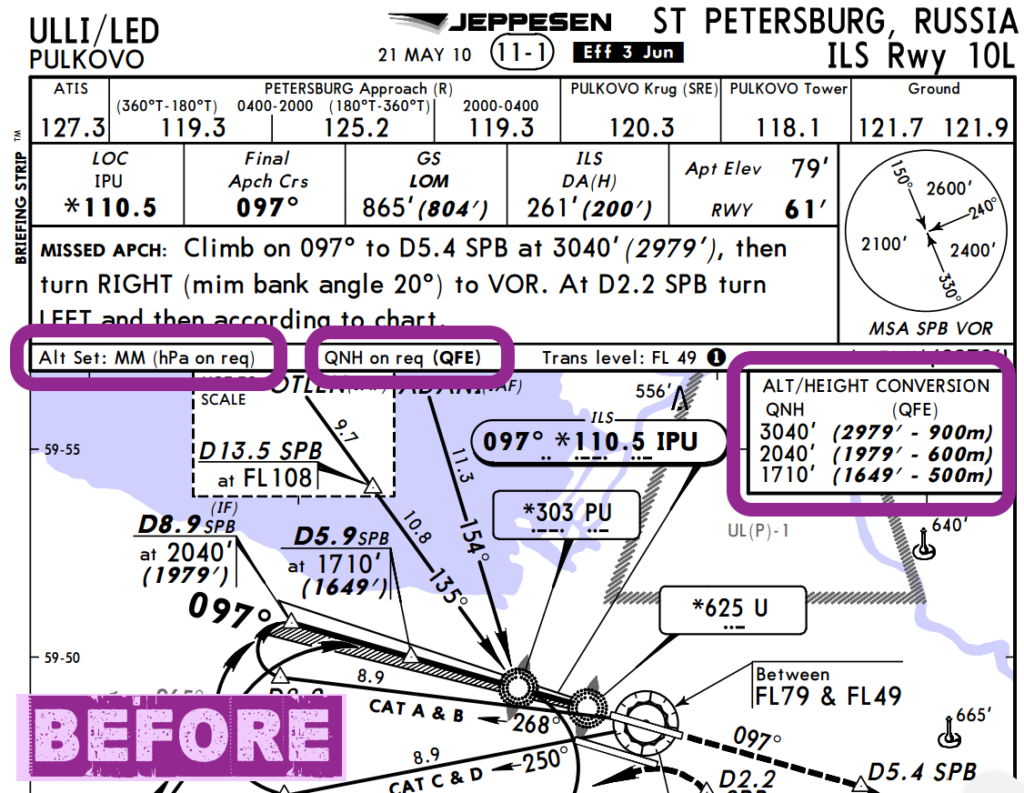
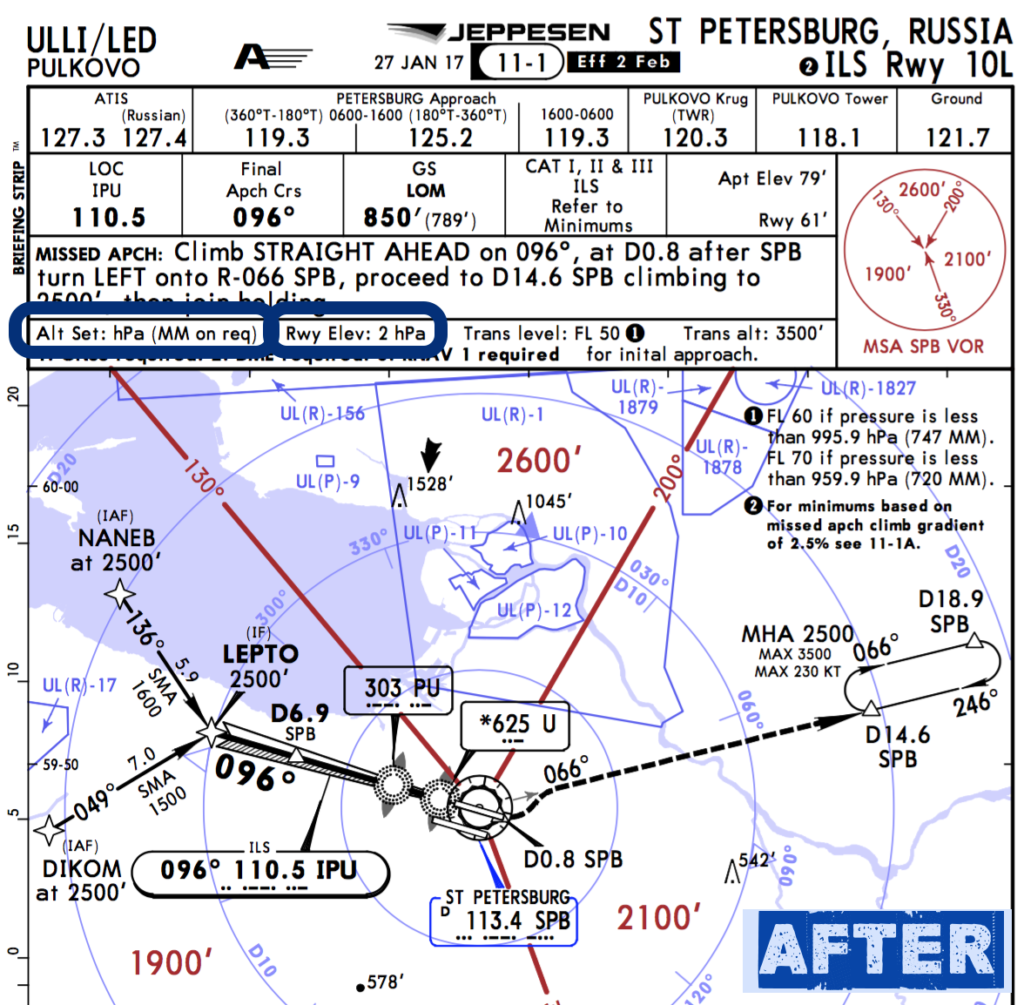
Quick example for ULLI ILS 10L, so you get the idea:

  • The ALT/HEIGHT conversion box is gone
  • The “Alt Set” or Altimeter Setting box shows hPA (Hectopascals) instead of MM (millimeters), which means a QNH-based approach
  • Previously charts showed QFE in bold which meant that was the preferred altimeter setting, now it’s QNH.


References:


2017 Edition: NAT Doc 007 2017 – North Atlantic Airspace and Operations Manual

The 2017 version of NAT Doc 007, North Atlantic Airspace and Operations Manual, was published in January 2017 by ICAO/NAT SPG.

Download the original document here (PDF, 5mB), and see also:


Feb 15th, 2017 In the first six weeks of 2017 there have been some important changes on the NAT/North Atlantic. These are published in the latest edition of NAT Doc 007, January 2017.

  • TCAS 7.1: From January 1st, 2017, TCAS 7.1 is required throughout the entire NAT region.
  • Cruising Level: Effective 2017, you no longer need to file an ICAO standard cruising level in NAT airspace.
  • Gross Nav Error:  is now defined as greater than 10nm (used to be 25nm)
  • Contingency Procedure: Published January 2017, a new turn-back (180) procedure is introduced – turn back to parallel previous track by 15nm.
  • Datalink Mandate Exemptions: Announced January 2017, new exemptions for Phase 2B of the Datalink mandate, which will start on December 7, 2017 (FL350-390). Exempt: Tango Routes, airspace north of 80N, and New York OCA.

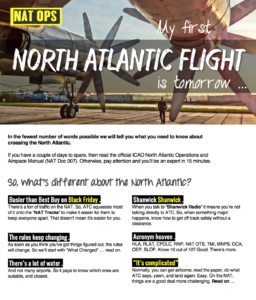
Feb 15th, 2017: FSB published the full NAT Crossing Guide “My first North Atlantic Flight is tomorrow“.

– What’s different about the NAT, changes in 2017, 2016, 2015, NAT Quick Map
– Routine Flight Example #1 – Brussels to JFK (up at 5.45am)
– Non Routine-Flights: No RVSM, No RNP4, No HF, 1 LRNS, No HLA, No ETOPS, No TCAS, No Datalink – what you can do and where you can go
Take a look.


It’s 2017, where’s Zika now?

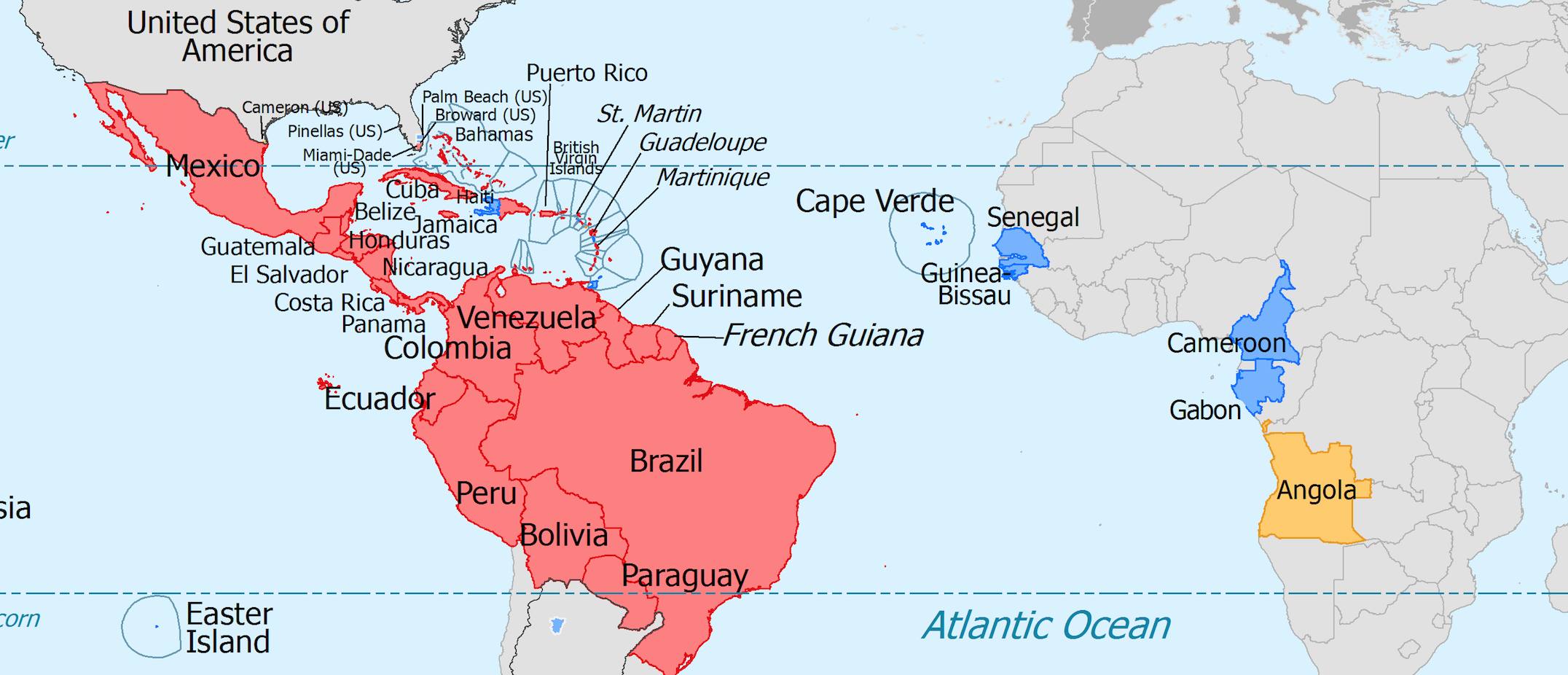
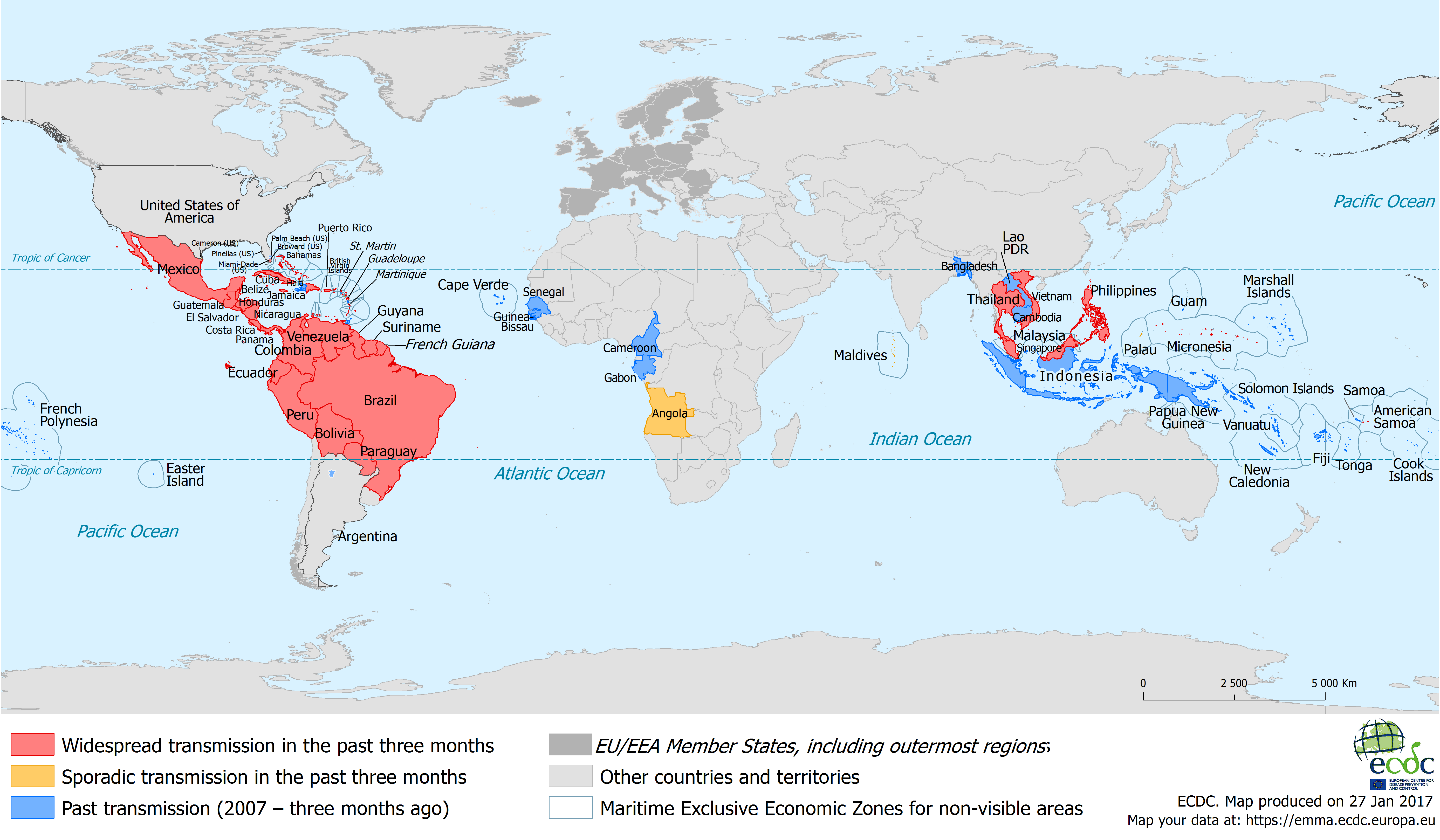
Feb 8th, 2017Zika is still very present.  The below map shows, in red, the ‘widespread transmission’ areas. Recent changes include Angola, where the first reported cases occurred in early January, and Florida, where the “Zika Zones” in Miami were cancelled on December 9th last.

Aircraft wise, no additional disinsection requirements specific to Zika have been reported recently. A full country list from the ECDC is shown below, with information current as of 01FEB2017.

A WHO report from Jan 20th says: “Overall, the global risk assessment has not changed. The Zika virus continues to spread geographically to areas where competent vectors are present. Although a decline in cases of Zika infection has been reported in some countries, or in some parts of countries, vigilance needs to remain high.”


Country list as at 01FEB2017.

American Samoa Widespread transmission
Angola Sporadic transmission
Anguilla Widespread transmission
Antigua and Barbuda Widespread transmission
Argentina Tucuman Historical Zika virus circulation
Aruba Widespread transmission
Bahamas Widespread transmission
​Bangladesh ​No
Barbados Widespread transmission
Belize Widespread transmission
Bolivia Widespread transmission
Bonaire Widespread transmission
Brazil Widespread transmission
British Virgin Islands (UK) Widespread transmission
Cape Verde No
Cayman Islands Widespread transmission
Colombia Widespread transmission
Costa Rica Widespread transmission
Cuba Widespread transmission
Curaçao Widespread transmission
Dominica No
Dominican Republic Widespread transmission
Ecuador Widespread transmission
El Salvador Widespread transmission
Fiji Historical Zika virus circulation
French Guiana Widespread transmission
Grenada Widespread transmission
Guadeloupe Widespread transmission
Guatemala Widespread transmission
Guinea-Bissau No
Guyana Widespread transmission
Haiti Historical Zika virus circulation
Honduras Widespread transmission
Indonesia No
Jamaica Widespread transmission
Malaysia Widespread transmission
Maldives Sporadic transmission
Martinique Widespread transmission
Mexico Widespread transmission
Micronesia, Federated States of Widespread transmission
Montserrat Sporadic transmission
New Caledonia No
Nicaragua Widespread transmission
Palau Sporadic transmission
Panama Widespread transmission
Paraguay Widespread transmission
Peru Widespread transmission
Philippines Widespread transmission
Puerto Rico Widespread transmission
Saba Historical Zika virus circulation
Saint Kitts and Nevis Widespread transmission
Saint Lucia Widespread transmission
Saint Martin Widespread transmission
Saint Vincent and the Grenadines Widespread transmission
Saint-Barthélemy Widespread transmission
Samoa No
Singapore Widespread transmission
Sint Eustatius Historical Zika virus circulation
Sint Maarten Widespread transmission
Solomon Islands No
Suriname Widespread transmission
Thailand Widespread transmission
Tonga No
Trinidad and Tobago No
Turks and Caicos Islands Widespread transmission
United States of America Miami-Dade Widespread transmission
United States of America Broward Historical Zika virus circulation
United States of America Palm Beach Historical Zika virus circulation
United States of America Cameron Sporadic transmission
US Virgin Islands Widespread transmission
Venezuela Widespread transmission
Vietnam Widespread transmission
United States of America Pinellas Historical Zika virus circulation


2016 16th Edition: ICAO Doc 4444 – PANS-ATM, Procedures for Navigation Services – Air Traffic Management

The 2016 version (16th Edition) of Doc 4444 (Officially “PANS-ATM, or Procedures for Navigation Services – Air Traffic Management) was published in November 2016 by ICAO.

This manual contains critical information for aircrews operating internationally.

Download the original document here (PDF, 6mB), and note:

  • The 16th edition incorporates the changes in Revisions 1-7 of the previous, 2007 edition.

Feb 15th, 2017 In the first six weeks of 2017 there have been some important changes on the NAT/North Atlantic. These are published in the latest edition of NAT Doc 007, January 2017.

  • TCAS 7.1: From January 1st, 2017, TCAS 7.1 is required throughout the entire NAT region.
  • Cruising Level: Effective 2017, you no longer need to file an ICAO standard cruising level in NAT airspace.
  • Gross Nav Error:  is now defined as greater than 10nm (used to be 25nm)
  • Contingency Procedure: Published January 2017, a new turn-back (180) procedure is introduced – turn back to parallel previous track by 15nm.
  • Datalink Mandate Exemptions: Announced January 2017, new exemptions for Phase 2B of the Datalink mandate, which will start on December 7, 2017 (FL350-390). Exempt: Tango Routes, airspace north of 80N, and New York OCA.

Feb 15th, 2017: FSB published the full NAT Crossing Guide “My first North Atlantic Flight is tomorrow“.

– What’s different about the NAT, changes in 2017, 2016, 2015, NAT Quick Map
– Routine Flight Example #1 – Brussels to JFK (up at 5.45am)
– Non Routine-Flights: No RVSM, No RNP4, No HF, 1 LRNS, No HLA, No ETOPS, No TCAS, No Datalink – what you can do and where you can go
Take a look.


Immediate US Visa ban on 7 countries – Aircrew also

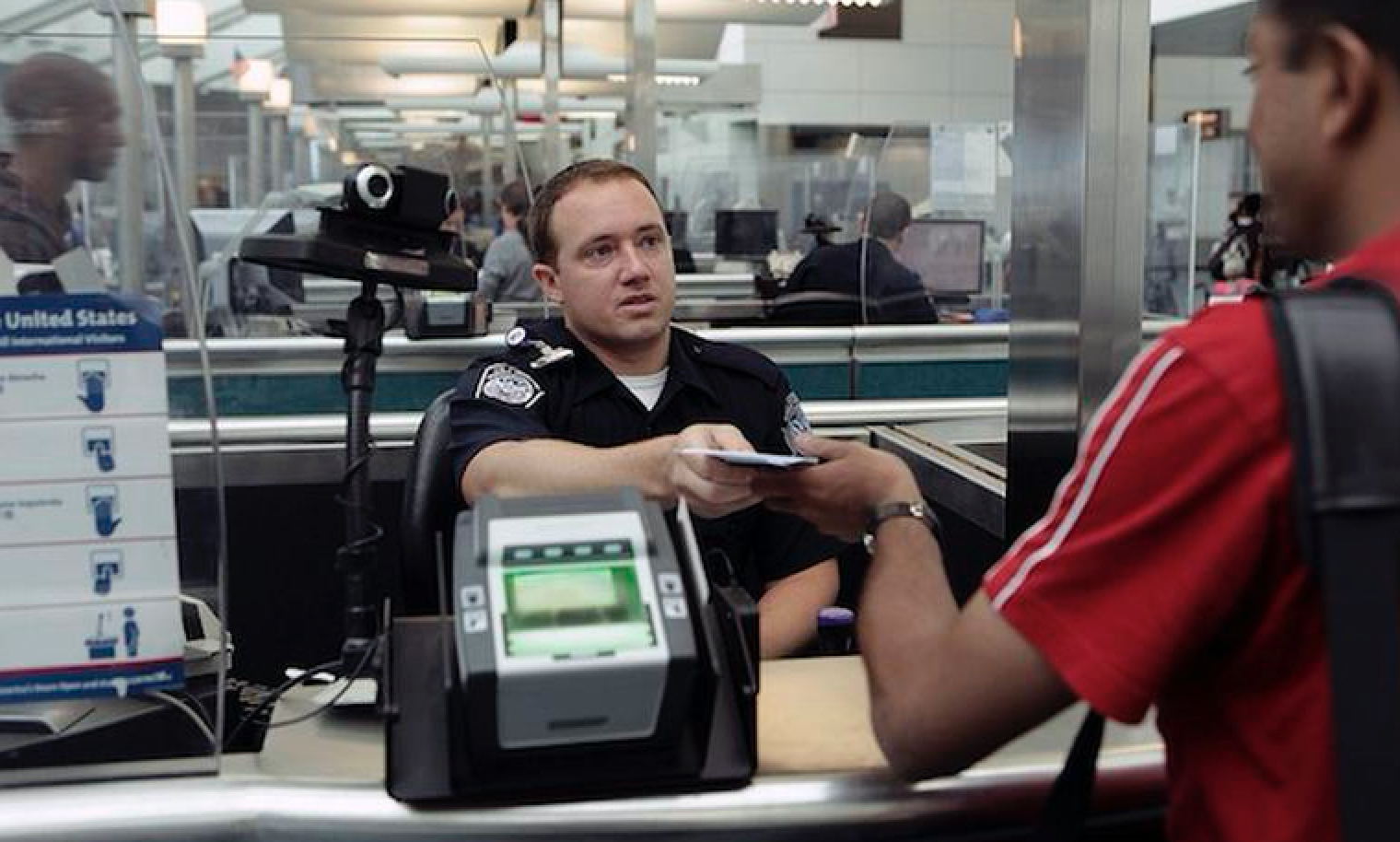
KZZZ/USA Now in force, is an immediate ban on US visas (and therefore US travel) for citizens from 7 countries: Iraq, Iran, Syria, Yemen, Sudan, Somalia and Libya. This is distinct from the Visa Waiver Program ban in effect since January 2016. The ban is posted for 90 days, but may last longer.

Admission will be refused to visitors with a passport issued by the following 7 countries: Iran, Iraq, Libya, Somalia, Sudan, Syria, and Yemen, and holding a valid immigrant or non-immigrant visa for the US.

This travel ban does not apply to:
– Lawful Permanent Residents (Green Card holders) of the USA who also hold a passport issued by one of the aforementioned countries
– Dual Nationals, holding and traveling with a valid passport issued by USA as well as a passport issued by one of the aforementioned countries
– Dual Nationals holding and traveling with a valid passport issued by a third country as well as a passport issued by one of the aforementioned countries
– Passengers with diplomatic visas, North Atlantic Treaty Organization visas, C-2 visas for travel to the United Nations and G-1 ,G-2 ,G-3 ,and G-4 visas

Aircrew
This affects aircrew as well, whether travelling on a C1/D visa, or whether on duty or off duty.

That’s the situation as we understand it, we’ll keep this page updated.


What altitude is ‘safe enough’ to overfly a Conflict Zone?

Most conflict zone guidance from Aviation Authorities is based on the risk posed by MANPADS – Man Portable Air Defence Systems, or more descriptively – Shoulder Launched Surface to Air Missiles (SAMS).

Large-Unit SAM attacks on aircraft are uncommon – MH17, removed from the sky by a Russian-made Buk missile, was the first aircraft to be shot down by a large SAM unit since a Siberia Airlines Tupolev in 2001. These large units – requiring a radar system as part of the mechanism – have never been used by terrorists. Almost all incidences involving large-unit SAMs have involved misidentification. There is no safe altitude from a large SAM.

MANPADS, on the other hand, represent a greater threat to aircraft in 2017. These shoulder-launched systems are very portable, and far more likely to fall into the wrong hands. Common ranges are in the 10,000 – 15,000 ft range. The most dangerous is the FIM-92 Stinger, which has an operational ceiling of 26,000 ft (and there is concern that these have reached anti-government rebels in Syria)

The internationally promulgated standard safe altitude for overflight has now become about 25,000 ft AGL. Most CAA/State guidance is issued based on this number. There are two important points for aircraft operators to note:

    • That is 25,000 feet Above Ground Level. A missile could easily be launched from a mountain, or higher ground, so if you take 25,000 feet as your safety margin, make sure to add the terrain elevation beneath. In South Sudan, for example – Juba is at 2,000 feet – most of the country is at about this height. So 27,000 feet should be the minimum safe level, and you can work with FL270.
    • This is based on the assumption that we’re not worried about Stingers. Especially in the Middle East, a higher safe altitude might be better. FL300 seems like a good place to start.


References:


Updated airspace warnings for Egypt, South Sudan, North Korea

Germany has issued fresh warnings on the airspace of Egypt, South Sudan, and North Korea, in three separate Notams issued in the last week. Germany is one of four states that provides Aircraft Operators with conflict zone and risk advice. We have updated the SafeAirspace.net country information pages with the specifics.

The current Flight Service Bureau summary of each country follows:

Egypt Since the Arab Spring, Egypt’s stability and security situation as a state has declined. In October 2015 a Russian A321 was brought down over the Sinai peninsula by a bomb loaded at HESH/Sharm El Sheikh. In the aftermath, it was initially feared that a missile had caused the crash. Multiple warnings still in place from that fear. 19 May 2016 EgyptAir Flight MS804 from Paris to Cairo disappeared over the Mediterranean, cause unknown. GPS jamming reported at HECA/Cairo several times in 2016. High threat from terrorism in Egypt. Further attacks are likely. Not recommended as a tech stop. [Read full country information]

South Sudan Conflict Zone. South Sudanese Civil War since 2013. The security situation in Juba has been relatively calm since the July 2016 crisis. Daily reports of fighting throughout the rest of the country. The security situation is especially unstable in the Equatorias in the south. MANPADS risk to overflights. In addition, the South Sudanese army has declared intention to shoot down Aircraft without permits. Most Authority guidance recommends min FL260. We think FL300 is a better minimum for overflights. [Read full country information]

North Korea The level of tension on the Korean peninsula can change with little notice. Multiple missile launches in 2016, increasingly without prior notice to ICAO. The range of these has increased – previously safe airways B467 and G711 are now at risk. Over 1000 reports of GPS jamming issues reported by operators in the vicinity of the North/South Korean border. SFAR79 prevents US operators from operating west of 132E, other Authorities restrict operations east of that line. [Read full country information]


References: