



Another year, another wave of changes across international flight operations. Here are some of the key ones from 2025…
January
- Cuba overflights still aren’t free: Some Cuban overwater routes don’t need a permit, but NAV fees still apply. Miss them and you may get blocked later. Read
- Palm Beach TFRs are back: With Trump back in office, TFRs around KPBI/Palm Beach will be frequent again. Expect TSA screening and gateway airport rules. Read
- New NAT GPS guidance published: A new NAT Ops Bulletin explains what to do after GPS jamming or spoofing. Tell ATC early in your RCL. Read
- NAT fire diversion planning needs care: Not all alternates have strong fire cover or night ops. Some even need advance payment. Read
- Mexico paperwork rules tighten again: Some airports now demand original AIU documents from your first Mexico entry. Copies may not be accepted. Read
- Antigua nav fees move online: Low-level flights below FL245 now use a new site to pay nav fees. Mainly affects TKPK/St Kitts ops. Read
- UK ETA expands further: From Jan 8, most non-European visa-exempt passengers need a UK ETA. Crew are exempt. Read
- EASA warns against western Russia: After a shootdown near URMG/Grozny, EASA flagged high misidentification risk from air defence systems. Read
- EU anti-tankering rules arrive: New ReFuelEU rules restrict tankering for large commercial operators and add heavy reporting duties. Read
- Iceland joins Eurocontrol: All flights into Icelandic airspace now need Eurocontrol IFPS validation. Watch for rejects. Read
- Israel updates entry rules: ETA is now mandatory for visa-exempt passengers, plus a new approved airport list for the LLLL/Tel Aviv FIR. Read
February
March
- Blue Spruce Routes officially disappear: A new ICAO NAT Doc 007 took effect on Mar 20, removing the Blue Spruce Routes. You can still cross the North Atlantic, but what you can file now depends on your aircraft equipage. Read
- False TCAS alerts raise eyebrows: False alerts near KDCA/Washington sparked fresh debate about TCAS and cyber resilience. Read
- Mexico shuts 1,500 smaller airports: Over 1,500 private use airports are now restricted to owners only. Major AIP airports are unaffected. Read
- ADC numbers are a must in South Asia: Flying through ADIZ airspace in India, Pakistan, Bangladesh, Myanmar, or Nepal? No ADC number can mean delays or denied entry. Read
- Europe approves ACAS Xa: Europe now allows ACAS Xa alongside ACAS II for larger aircraft. Another step toward next-gen collision avoidance. Read
- EASA brings in ground handling safety rules: EASA has rolled out its first ground handling safety rules. Handlers have three years to comply, with new training and safety systems coming in. Aircraft safety still stays with the operator. Read
- France’s higher passenger tax goes live: The new tax started Mar 1. Private flights are exempt, but commercial operators need to plan for it, including overseas territories. Read
- France tightens CPDLC access: Most French airspace now requires Logon List registration to get CPDLC. Read
- China opens an English AIP portal: China quietly launched a useful English AIP portal with routes and Notams. Read
- Singapore eyes stricter rules for foreign AOCs: Singapore plans to expand permit rules to include ferry flights and add higher penalties. Foreign AOC holders should get ahead of it. Read
April
- Mali and Algeria impose airspace bans: Reciprocal bans between Mali and Algeria are forcing longer routings across parts of Africa. Read
- FAA tackles mixed traffic collision risk: The FAA is tightening rules where helicopters and airplanes share busy airspace, including Washington, Las Vegas, LA, and the Gulf Coast. More changes are coming. Read
- US special event fees are here to stay: Temporary FBO surcharges around major US events are no longer rare surprises. With fees popping up more often and further ahead of time, they have become a real planning cost for many US destinations. Read
- US visa and ESTA rules reinforced: Only Visa Waiver Program signatory operators can carry ESTA passengers into the US. If not, visas are required. Read
- Brazil brings back visas for some visitors: US, Canadian, and Australian citizens now need a visa to enter Brazil. Crew exemptions exist. Read
- Mexico customs rules get trickier: New checks on pills, vapes, and electronics are catching crews out at Mexican customs. Read
- UK ETA expands to Europe: From Apr 2, most European visitors will need a UK ETA. Crew are exempt, but passengers must have approval before flying. Read
- Hong Kong adds mandatory BizAv APIS: From Apr 29, all BizAv flights to VHHH/Hong Kong must file APIS for crew and pax, including transit passengers. Operators must file themselves. Read
- Thailand goes digital for arrivals: From May 1, non-Thai arrivals must submit the Thailand Digital Arrival Card online. Crew likely included. Read
May
- US tightens dog import rules: New US requirements now apply for importing dogs, including vet certificates and air waybills. Missing paperwork can stop entry. Read
- Visual approaches get a safety warning: A new FAA alert reminds crews that visual approaches can reduce safety margins in busy airspace. Saying “unable” earlier is sometimes the safer call. Read
- India and Pakistan extend airspace bans: Both countries prolonged their reciprocal bans. Border areas remain sensitive, with advice to avoid parts of the region below FL260. Read
- Saudi Arabia allows domestic charter flights: Saudi Arabia lifted cabotage restrictions, opening the door to approved domestic charter legs. Read
- Fuel limits affect flights to Israel: Turkish airports are no longer fuelling aircraft heading to Israel, adding routing and fuel planning constraints. Read
- Europe updates lost comms procedures: New SERA rules for lost comms, emergency descents, and transponder codes apply across Europe from May 1. Read
- Le Bourget enforces APU limits: Strict APU time limits at LFPB/Le Bourget are now actively enforced, with fines possible. Read
June
- FAA requires a US address for foreign licence holders: Foreign FAA certificate holders must now list a US physical address. Read
- Lithium battery fire risk keeps climbing: Incidents involving vapes, power banks and laptops continue to rise. New FAA and EASA alerts confirm this is now a standing cabin safety issue for BizAv. Read
- Congo DRC airspace risk remains localized but serious: Canada narrowed its warning for the FZZA/Kinshasa FIR to eastern regions, advising flight at or above FL260 due to anti-aircraft fire risk. Read
- South Africa mandates ADS-B: From Jun 12, ADS-B is required in RVSM and Class A airspace. No exemptions published. Read
- Sydney BizAv fees rise: Sydney rolled out higher BizAv charges across parking, runway and ground services. Some free parking time remains, but costs climb fast. Read
July
- Blue Spruce Routes are gone, but crossings are still possible: The Blue Spruce Routes were removed in March, but operators without full equipage still have ways to cross the North Atlantic. What you can file depends on what is on board. Read
- FAA updates its oceanic guides: The FAA refreshed its guidance for the North Atlantic, Pacific, and WAT airspace, reflecting how oceanic ops are now being flown. Read
- US eAPIS now supports border overflight exemptions: Operators can now apply for and renew US border overflight exemptions via eAPIS, with faster and more predictable processing. Read
- More bizjets qualify for US domestic CPDLC: The FAA expanded its CPDLC list, bringing more business jet types into domestic datacom and PDC availability. Read
- FAA cleans up charts and foreign procedure approvals: The FAA is removing clutter from approach charts and stepping back from approving foreign instrument procedures. Operators need to rely more on local state data. Read
- Afghanistan overflight rules extended: The FAA extended Afghanistan overflight rules to Jul 2028, allowing US operators to overfly at high levels while highlighting ongoing risk. Read
- China tightens power bank rules: China banned uncertified power banks on domestic flights, with possible knock on effects for departures. Read
- Ceasefire eases tensions on the Cambodia-Thailand border: A ceasefire began on Jul 28 after days of fighting. Read
- West Africa routing options keep shrinking: Closures, bans, and conflict zones are making routings into West Africa longer and more complex. Read
- South Africa permits remain a moving target: Any change to a South Africa permit now requires full revalidation, often taking days. Confusion over rules continues to delay flights. Read
- Cape Verde permits required despite AIP wording: Cape Verde requires permits for all overflights and landings, even though the AIP suggests otherwise. Read
- Germany sneaky bizjet checks continue: Unannounced security checks on bizjets are still happening in Germany. Read
- Heat and APU limits raise risk at Nice: Reports from LFMN/Nice link summer heat, strict APU limits, and weak GPUs to aircraft damage and electrical issues. Read
- Milan ramps up fees for business jets: Private flights at LIML/Linate and LIMC/Malpensa are seeing steep increases in landing and parking fees, in some cases by hundreds of percent. Read
August
- Cuba remains off limits for most private jets: Most private flights still cannot operate to Cuba. Any US registered aircraft needs a license that is rarely granted, and commercial ops face strict OFAC exposure tied to US people and payments. Read
- US CBP updates add cost and admin friction: CBP rolled out new rules for Border Overflight Exemptions and small fee increases from Oct 1. Nothing dramatic, but it all adds up. Read
- EU commercial ops still need a TCO: Commercial flights into the EU require a Third Country Operator approval. It is free and straightforward, but needs to be sorted early. Read
- LFPM offers a calmer way into Paris: LFPM/Villaroche offers 24/7 ops with fewer restrictions than Le Bourget. It is Schengen only, but can be a smooth option for the right trip. Read
- Phnom Penh switches to a new airport: VDTI/Techo opens on Sep 9, replacing VDPP/Phnom Penh for civil traffic. A permanent change for Cambodia operations. Read
- Thailand adds another compliance trap for charters: Commercial charter operators flying regularly or staying over a month in Thailand now need a Foreign Aircraft Operator Security Programme. Miss it and permits can stall. Read
- South Korea launches overnight CPDLC: From Sep 3, optional CPDLC is available above FL160 during overnight hours for non urgent messages. Correct equipage and flight plan coding are required. Read
- Cybersecurity is now a real flight ops risk: BizAv is no longer flying under the radar. From hacked EFBs to leaked data, Part 91 and 135 operators are real targets and should treat cyber risk as an ops issue. Read
- BizAv safety lessons go practical: The 2025 Nimbl safety report turns real BizAv reports into practical lessons on handling, approaches, fatigue, and GPS interference. Read
September
- Russia sanctions remain a hard operational barrier: Overflights remain off limits for most operators, with rules differing between the EU, UK, and US. Expect ongoing paperwork and no quick easing. Read
- Eastern Europe spillover risk continues to grow: Russian drones and aircraft have violated airspace over Poland, Romania, and Estonia, triggering NATO intercepts. Read
- US aircraft trash rules keep catching operators out: Some US CBP ports still treat arrivals from Canada as regulated trash flights, even though Canada is exempt. Local interpretation varies, so check port requirements in advance to avoid fines. Read
- Mexico introduces double APIS submission: From Sep 17, flights to Mexico must submit APIS twice, before departure and again after doors close. Easy to miss and still catching crews out. Read
- UK GAR rules clarified: No GAR is needed for domestic UK flights, but trips to the Channel Islands or the Isle of Man still need both a UK GAR and a local one. Read
- Qatar simplifies northern FIR overflights: The northern Doha FIR now requires a flight notification instead of a permit, while the southern FIR still needs a permit. A lasting change for routine routings. Read
- Balloon and kite hazards return at Sao Paulo: Crews reported balloon and kite strings on landing gear at SBGR/Sao Paulo, with objects seen as high as FL150. A real hazard despite no Notams or ATIS warnings. Read
October
- Europe’s datalink rules become a hard filing requirement: From Nov 4 2025, IFPS will reject flight plans above FL285 if CPDLC is not filed correctly. Read
- Europe’s EU-LISA Entry Exit System starts going live: The EU Entry Exit System is rolling out now, with full expansion through Apr 2026. New checks and registrations are coming for commercial flights, with ETIAS next. Read
- EASA keeps Middle East airspace risk guidance locked away: EASA has extended its Israel and Iran airspace Information Notes to end Jan 2026, with no change in content. The guidance remains non-public, covering the LLLL/Tel Aviv FIR and nearby airspace, and the entire OIIX/Tehran FIR. For non EU operators, official risk guidance stays hard to access, while N-reg aircraft remain banned from Iranian airspace. Read
- EASA warns crews about QNH errors: After a near miss linked to incorrect QNH, EASA reminded crews how easy it is to end up low on final. Simple altimeter cross checks still matter. Read
- Haiti airspace warning extended into 2026: The FAA extended its Haiti warning through Mar 2026. Restrictions remain below 10,000 ft near MTPP/Port au Prince due to ongoing security risks. This remains a planning constraint. Read
- North Atlantic crews face extra checks after GPS interference: GPS spoofing and jamming continue to affect NAT flights. If you have GNSS issues before entry, Shanwick wants to know early. Include it in your RCL to avoid delays or reroutes. Read
- US tightens rules on where crew visas are issued: Crew must now apply for US visas in their home country or country of residence, not third countries. This may affect renewal timelines. Read
- Toronto tightens BizAv slot tolerance: From Oct 21, CYYZ/Toronto requires slots via the Global OCS Portal and cuts tolerance to plus or minus 30 minutes. Register early if you are not set up. Read
- Saudi Arabia introduces optional CPDLC: From Oct 2, optional CPDLC is available above FL290 in the OEJD/Jeddah FIR for FANS 1/A aircraft. Voice remains required for urgent traffic. Read
- Uzbekistan updates ICAO codes and transition levels: Uzbekistan has switched from UT to UZ ICAO codes and raised the transition altitude to 13,000 ft or FL150. The change simplifies cross border ops and better aligns with neighbours. Read
- Pilot age limits clarified: A new guide confirms the basics. Commercial international flying stops at 65, private flying does not. Country specific rules still matter and can catch crews out. Read
November
- Sudan risk remains: After an aircraft was reportedly shot down, Sudan’s airspace remains closed and nearby routings rely on narrow contingencies. Extra caution is needed when flying near Northeast Africa. Read
- Somalia permit confusion continues in the north: Conflicting instructions between Somalia and Somaliland continue near HCSM/Mogadishu FIR. Read
- GPS interference near Delhi triggers new reporting steps: After spoofing events near VIDP/Delhi, authorities introduced a new pilot reporting procedure. Crews should expect continued GNSS issues and follow the updated process. Read
- North Atlantic procedures keep evolving: Iceland and Gander plan to drop RCL messages, GNSS interference reports are increasing, and the old HLA approval concept may be phased out. NAT planning continues to move away from legacy processes. Read
- FAA restores BizAv access after US shutdown: On Nov 17, the FAA lifted flight reduction limits and cancelled Notams that had blocked bizjets at 12 major US airports. BizAv access is open again. Read
- Paper Jepp charts head for retirement: Jeppesen confirmed that paper charts will be retired by Oct next year. Operators still using paper will need to complete the shift to digital and make sure compliance and crew readiness are covered. Read
- UK GAR moves to One Login: The UK GAR site now uses One Login and old accounts no longer work. Operators need to set up new access and recheck their data before filing. Read
- New runway opens at OKKK/Kuwait: Runway 16/34 is now open, with SID changes and a new Ground West frequency. Crews report runway confusion at night, so confirm assignments carefully. Read
- Tahiti BizAv access is more restricted than it looks: Peak hour limits and alternate constraints mean Tahiti requires careful timing and backup planning. It is not a simple H24 stop. Read
December (and beyond!)
- Airport incursions become a real European disruption risk: Drones and balloons have already forced airport closures and diversions across Europe Read
- Venezuela best avoided: The FAA advisory still stands and the SVZM/Maiquetia FIR remains unstable and best avoided. Read
- UK ETA checks move toward full enforcement: From Feb 25 2026, UK GAR submissions will actively check passenger permission to travel. Missing ETA or visas can trigger a “No Record” response. Read
- UK confirms higher Air Passenger Duty for BizAv: From Apr 2027, higher APD will apply to business jets from 5.7 tonnes. On long haul flights, the cost per passenger will be significant. This is a future cost to plan for now. Read
- Biometric border controls become mandatory for all non-US citizens: From Dec 26, facial biometric scanning is required for all non US citizens entering or leaving the US, including private aircraft. Most exemptions are being removed and refusal may mean denied boarding or entry. This is now standard US ops compliance. Read
- US Special Event Fees stretch into 2026: The updated Special Event Fees Tracker shows FBO surcharges already published well into 2025 and 2026. These fees are now a regular planning cost, not a surprise. Read
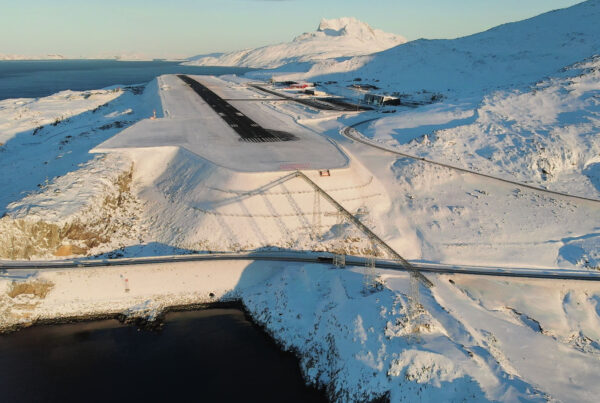
- Greenland keeps changing the NAT alternate picture: BGSF/Sondrestrom remains fully controlled, BGGH/Nuuk is upgraded but still restricted for BizAv, and BGBW/Narsarsuaq is heading toward closure. Greenland alternates remain a moving target. Read
- NAT trials half degree coordinates on daily tracks: In mid January, some OTS tracks will use half degree coordinates. Planning stays the same, but it is another step toward more flexible NAT routing. Make sure your systems handle half degree points correctly. Read
- Seletar reinforces VFR arrival discipline: After a runway misalignment incident, new guidance reinforces strict VFR arrivals at WSSL/Seletar. Visual GPS aids and strong situational awareness are now essential. Read
- Uzbekistan opens a new BizAv tech stop: UZTP/Vostochny is now operational near UZTT/Tashkent with a long runway and full services. It is expected to take over most BizAv traffic and becomes a solid new Europe Asia tech stop. Read
- South Pacific crossings demand serious prep: Flights between Australia and South America mean long legs, limited alternates and thin island support. Crews report this is a route where preparation really matters. Read
As the year wraps up, a huge thank you to everyone in OPSGROUP for being part of it, for sharing insights, experiences, and real-world stories, and for helping keep the whole community informed and safer throughout the year.
We’ll be taking a short break from the Daily Brief and Weekly Bulletin emails over the holidays. Our last day in the office will be Monday 22nd Dec, and we’ll be back on Friday 2nd Jan. Until then, happy holidays to all, enjoy the break, and see you in 2026! ❤️⚡✈️🧑✈️
More on the topic:
- More: Member Meetup – NAT Special: Nov 6, 1500 UTC
- More: Member Meetup: July 3rd – Agenda
- More: Report-A-Thing is a new thing to report stuff
- More: We Want Your Ops Stories!
- More: International Ops Bulletin
More reading:
- Latest: Paris Ramp Checks: Illegal Charters and Tax Avoidance
- Latest: Middle East Airspace – Current Operational Picture
- Latest: Greenland NAT Alternates: March 2026 Update
- Safe Airspace: Risk Database
- Weekly Ops Bulletin: Subscribe
- Membership plans: Why join OPSGROUP?



 Get the famous weekly