Crisis in Iran: Elevated Airspace Risk

Key Points:
  • Iran remains highly unstable, with elevated risk to civil aviation.
  • Severe internet disruption has been in place since Jan 8, with broader communications affected.
  • The OIIX/Tehran FIR was closed at short notice for several hours on Jan 14, with no public explanation.
  • EASA recommends avoiding Iranian airspace at all levels due to misidentification risk.

Situation in Iran

Beginning in late December, large-scale political protests spread across major cities due to a worsening economic crisis.

These escalated in recent weeks, with many demanding a change of political leadership. The Government has responded with a violent crack-down. Large numbers of casualties have been reported amid arbitrary arrests and severe internet disruption since Jan 8, with wider communications also affected.

Several countries (including the US) have urged their citizens to leave the country immediately.

Potential for US Military Intervention

In response to humanitarian concerns, the US Government has implied military intervention remains a possibility should violence against protesters continues.

If this were to occur, Iran has repeatedly warned it will retaliate by targeting US military bases and other assets throughout the region.

Some effects of this threat have already been felt, including the partial removal of personnel as a precautionary measure at Al-Udeid Air Base in Qatar – the largest US military base in the Middle East. Although the threat level has reportedly been downgraded in the past few days.

Airspace Risk

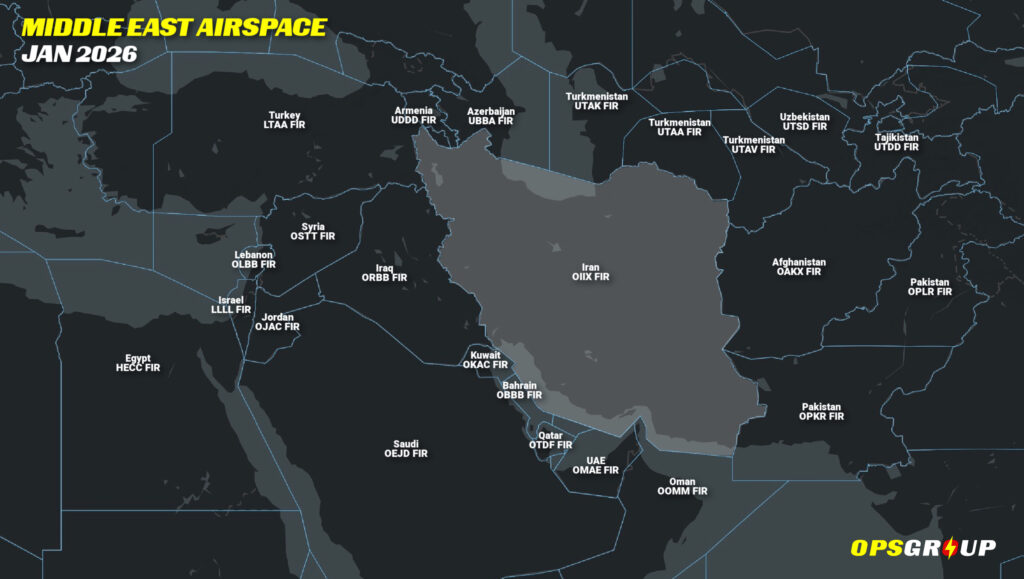
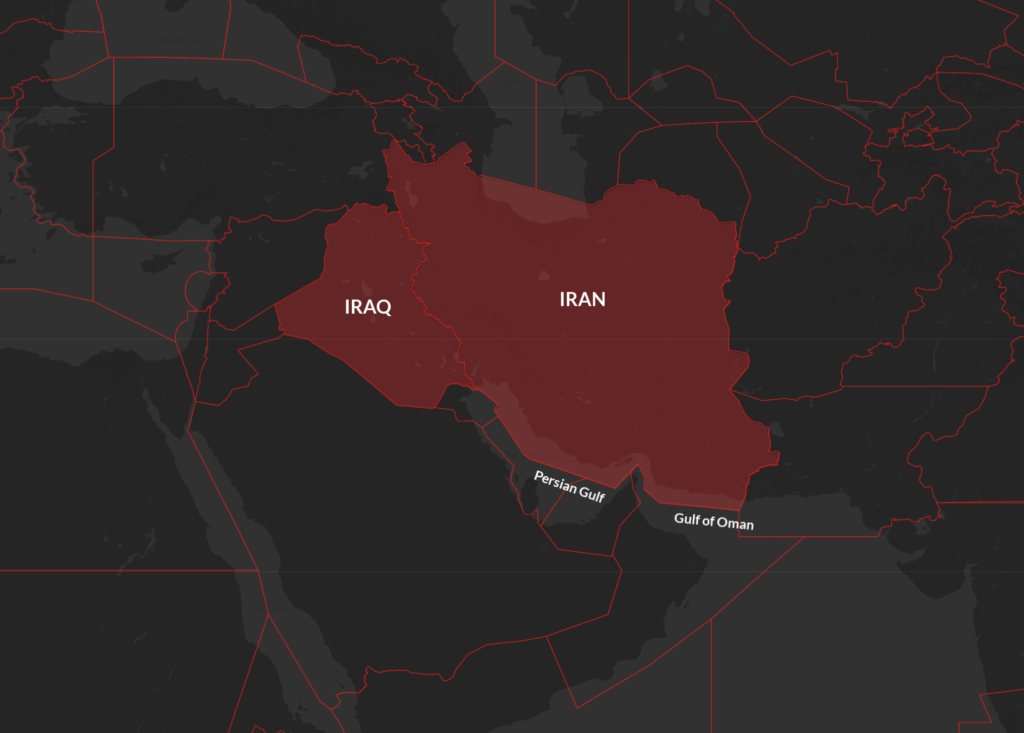
The current crisis has further increased risk to aircraft operating in or near Iranian airspace (the OIIX/Tehran FIR).

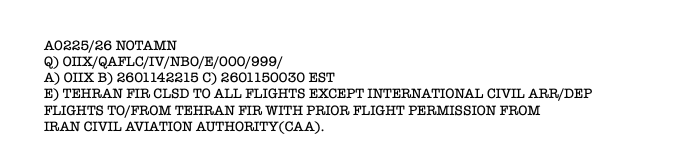
On Jan 14, the following Notam was issued unexpectedly closing the OIIX/Tehran FIR for several hours overnight, with no public explanation from Iranian authorities:

Previous events have shown that these types of closures can occur when security or military activity is taking place including a risk of missile launches or air defence operations.

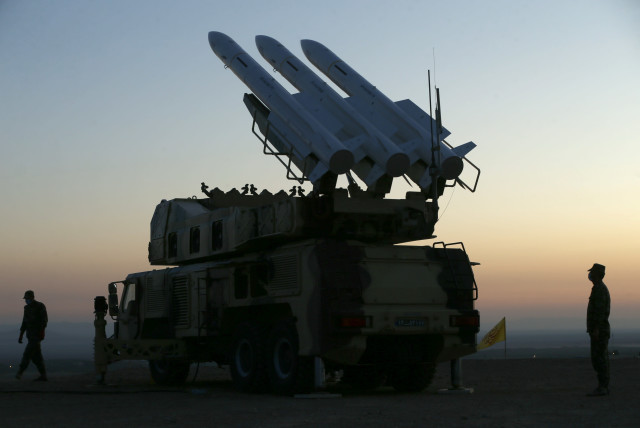
Then on Jan 16, EASA upgraded its warning for Iranian airspace by publishing a new Conflict Zone Information Bulletin (CZIB) for Iran and neighbouring airspace. It suggests that recent events (including the possibility of foreign intervention) have likely placed air defence systems at a heightened sense of alert. Civil aircraft are at increased risk of misidentification.

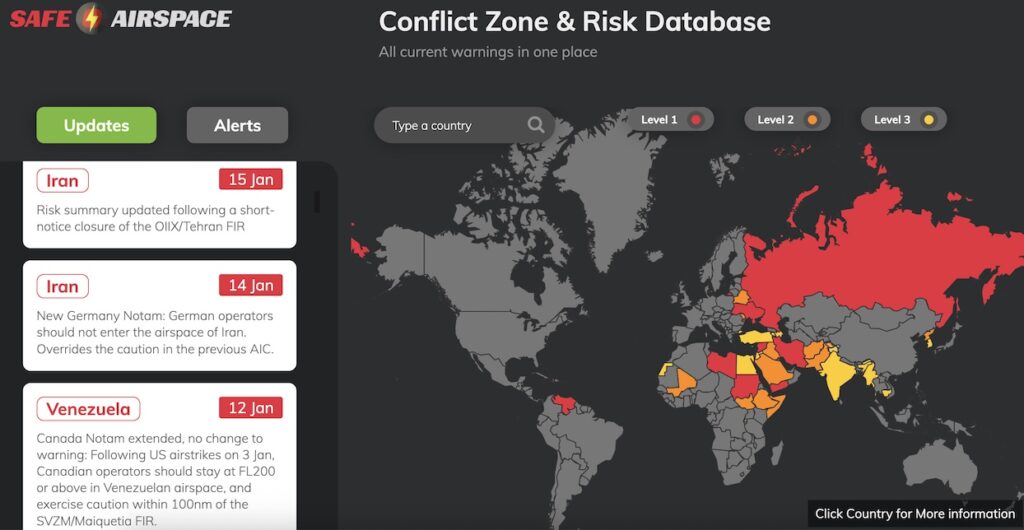
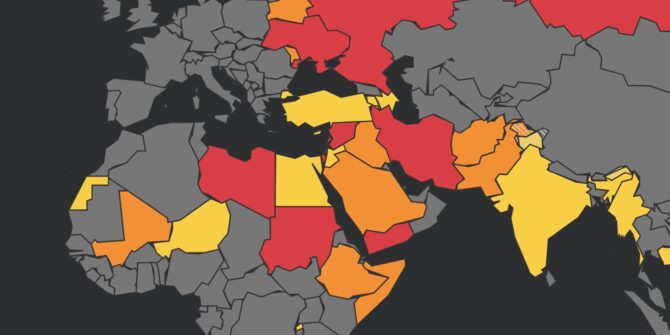
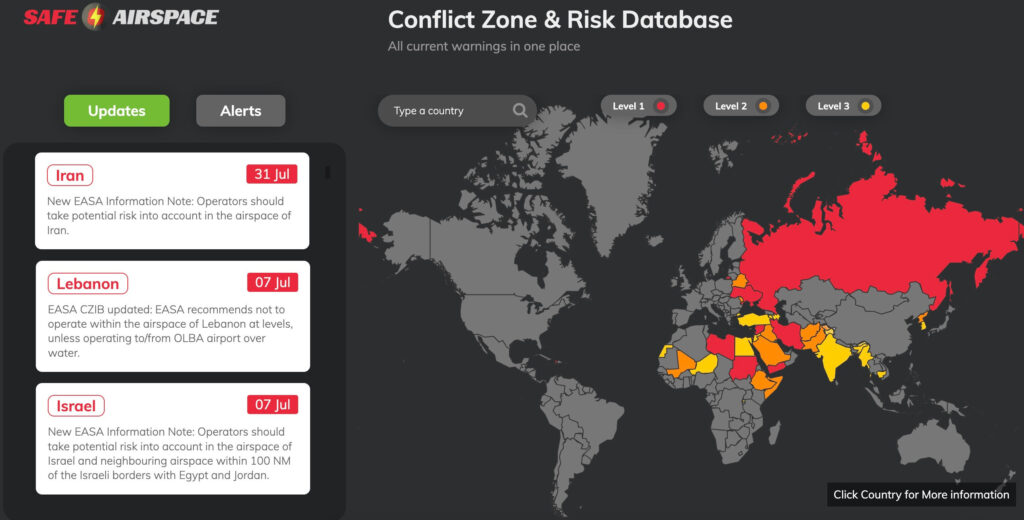
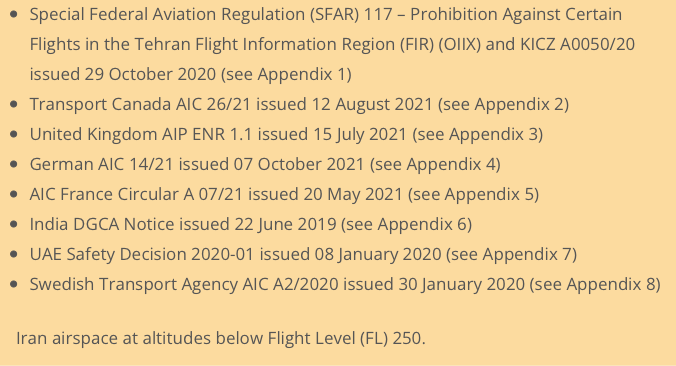
It’s worth noting that most operators already avoid Iranian airspace. Several states (including the US, UK, France, Canada and Germany) either actively prohibit or at least strongly advise against entering. At safeairspace.net, we maintain a ‘Level 1 – Do Not Fly’ warning.

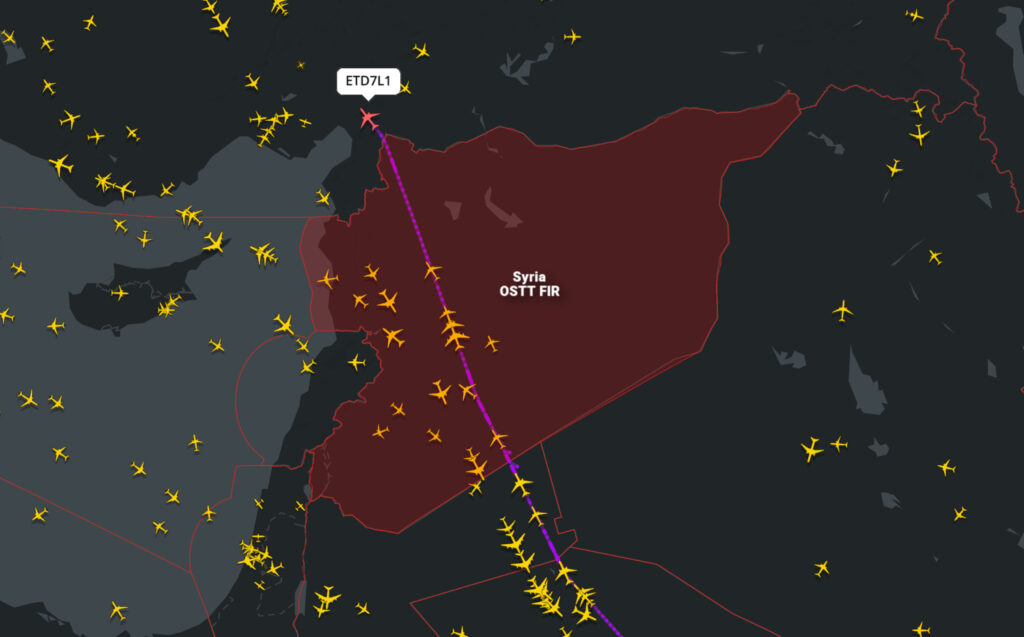
However, when referencing adjacent airspace, things become a little more ambiguous. EASA’s CZIB advises caution when overflying neighbouring countries where US military assets are present. This notably includes Qatar, Bahrain, Kuwait, the UAE, Saudi Arabia, Jordan, Iraq, Syria and Turkey.

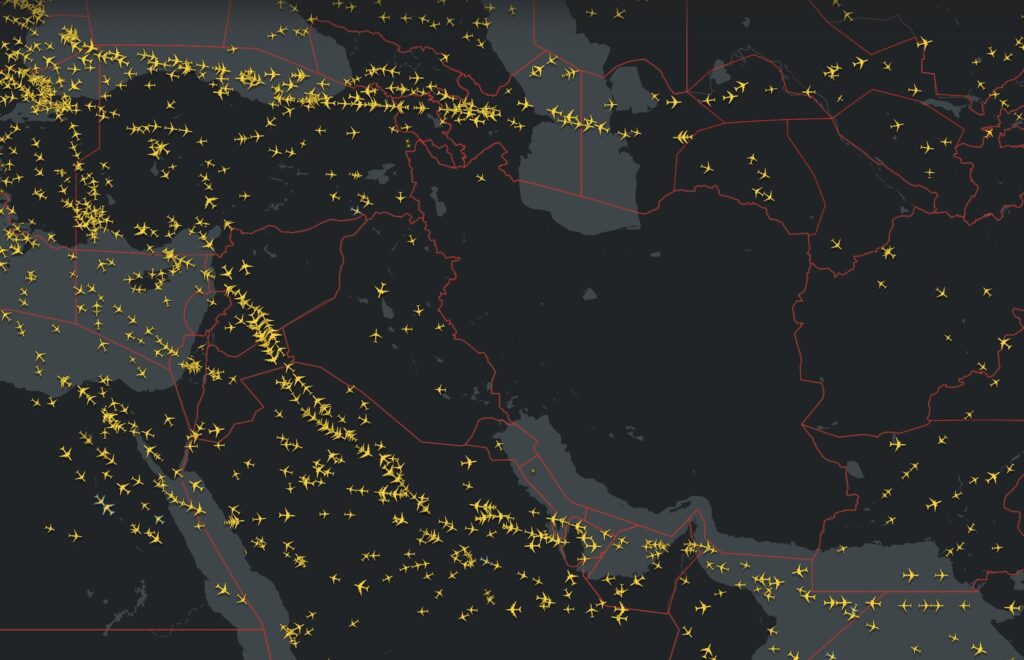
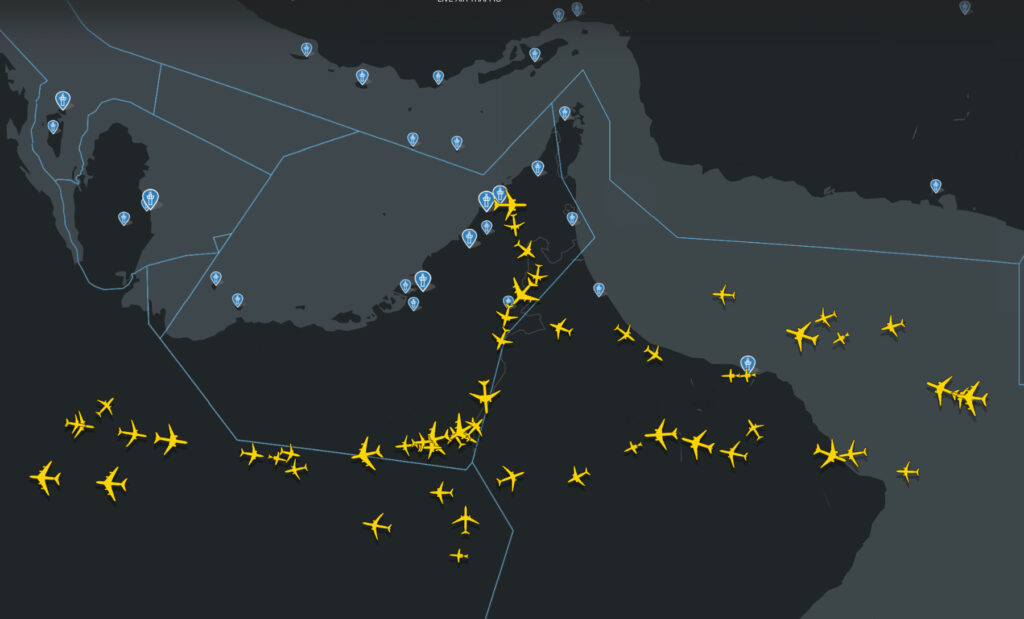
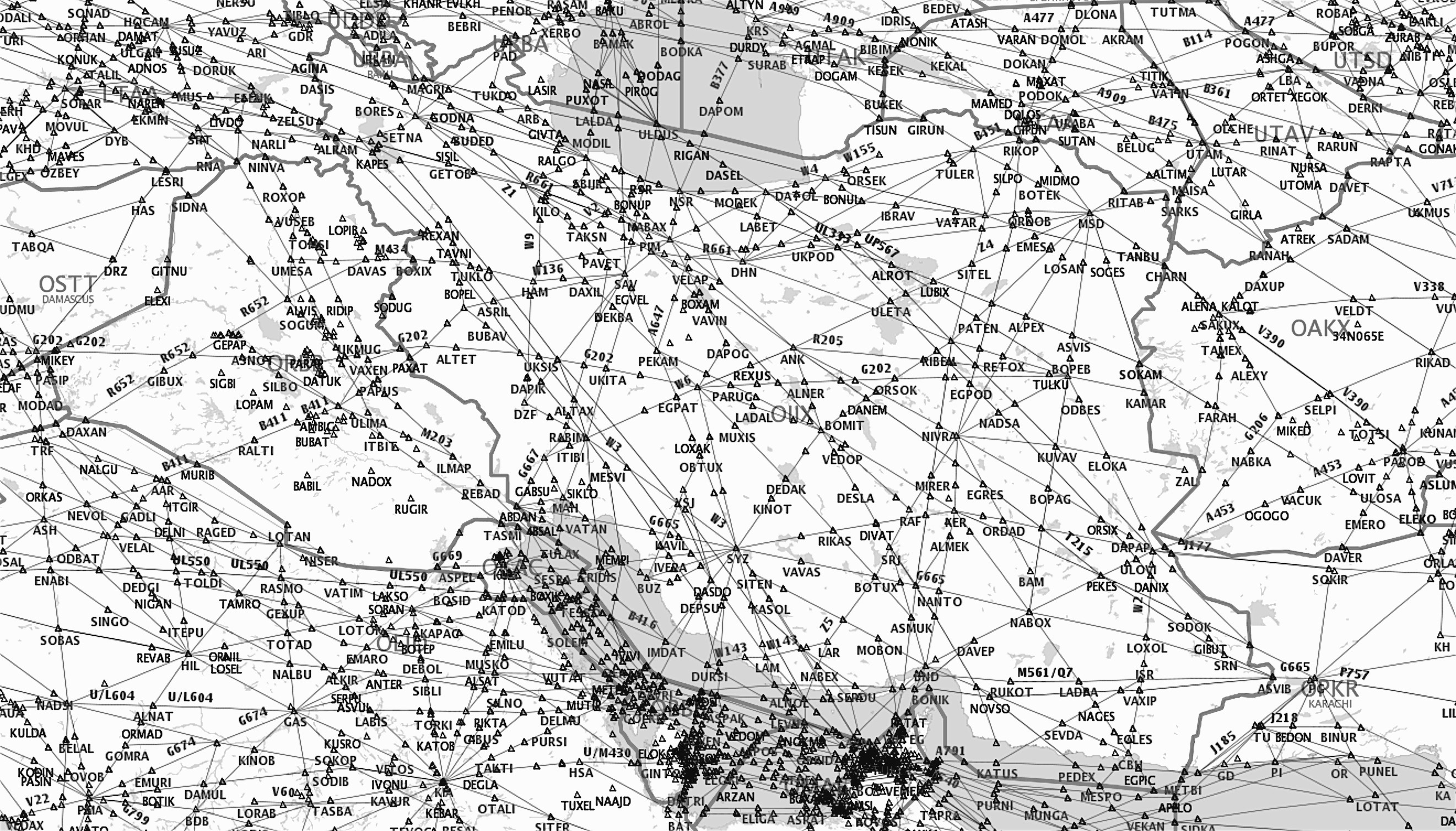
Special care should be used on the major air corridor that skirts the western boundary of Iran via Iraqi airspace (airways UL602, UM860 and UM688) where GPS interference (including the more insidious spoofing) is prevalent.

We know of at least one incident in the past where an aircraft almost inadvertently strayed into Iranian airspace without a clearance while suffering from navigation error.

From a broader perspective, EASA are also alluding to the possibility of regional escalation should the situation deteriorate – especially in the event of retaliatory strikes against military targets.

Continue to monitor the situation

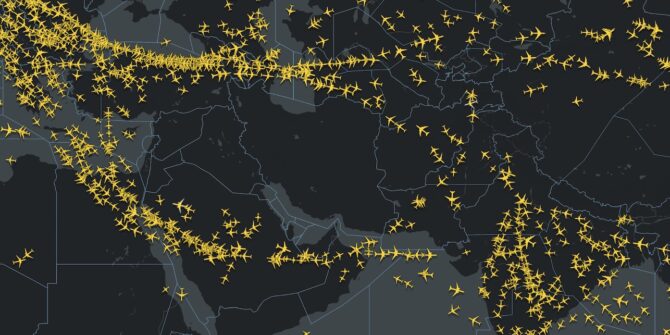
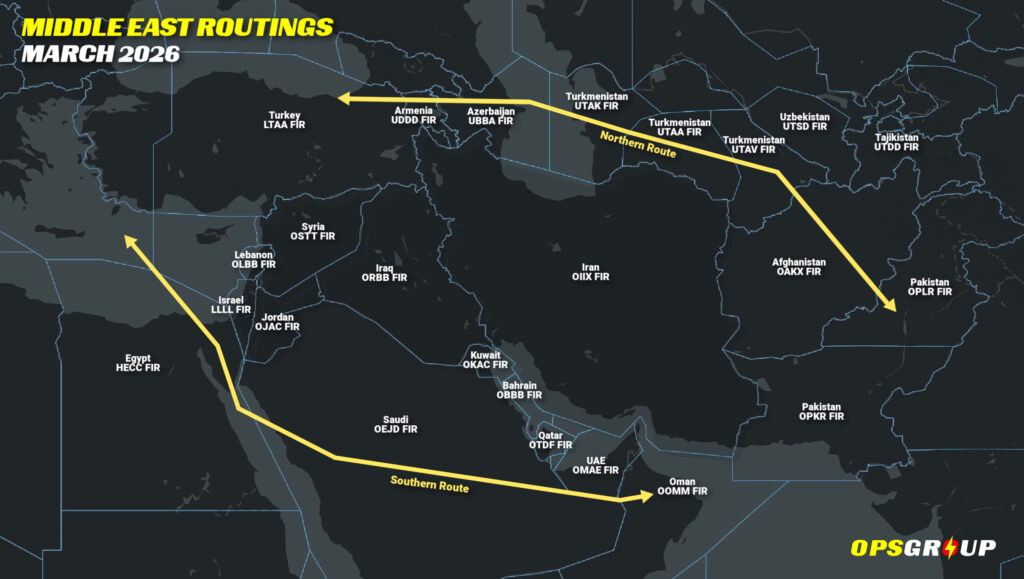
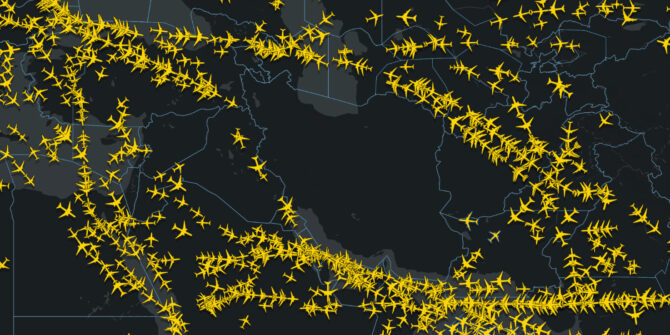
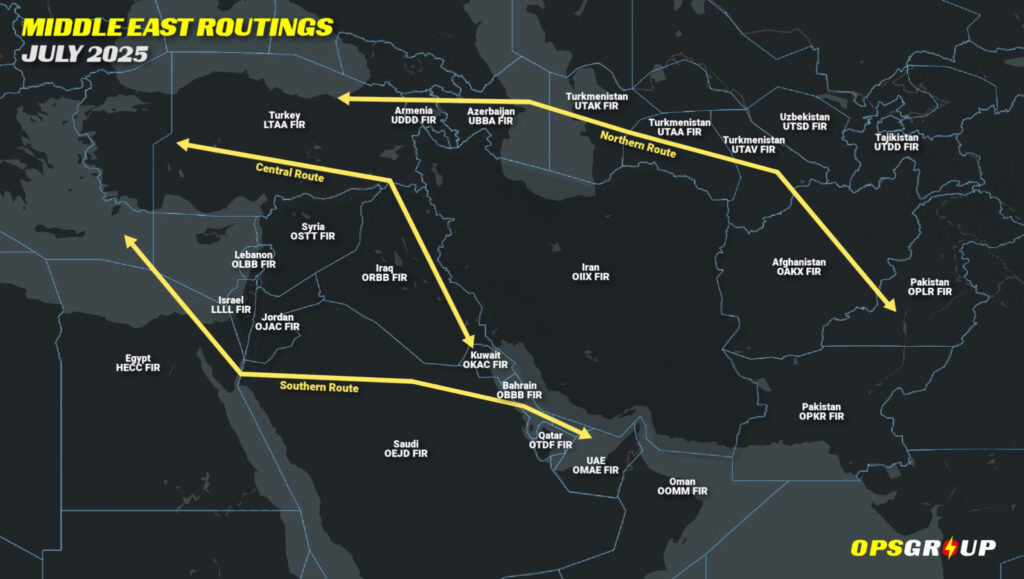
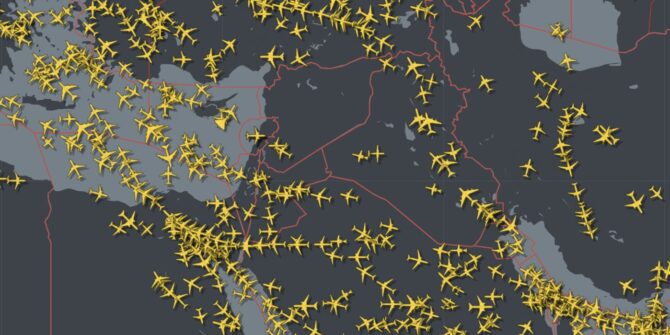
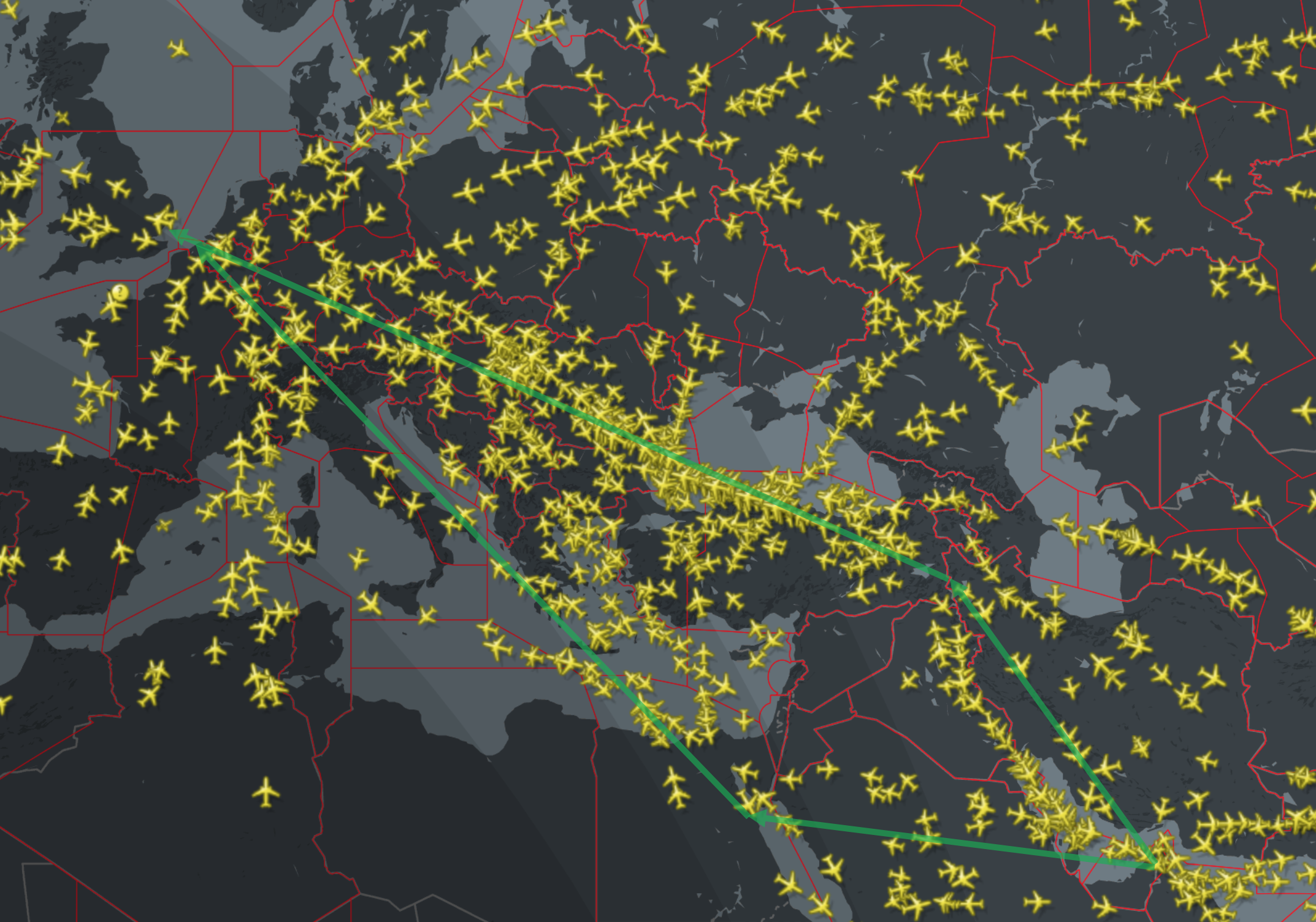
Iran sits alongside the main Europe-Middle East transit corridor via Iraq/Kuwait/Bahrain, and the June 2025 Israel-Iran missile exchange showed how quickly events inside Iran can trigger widespread airspace closures and warnings across the region.

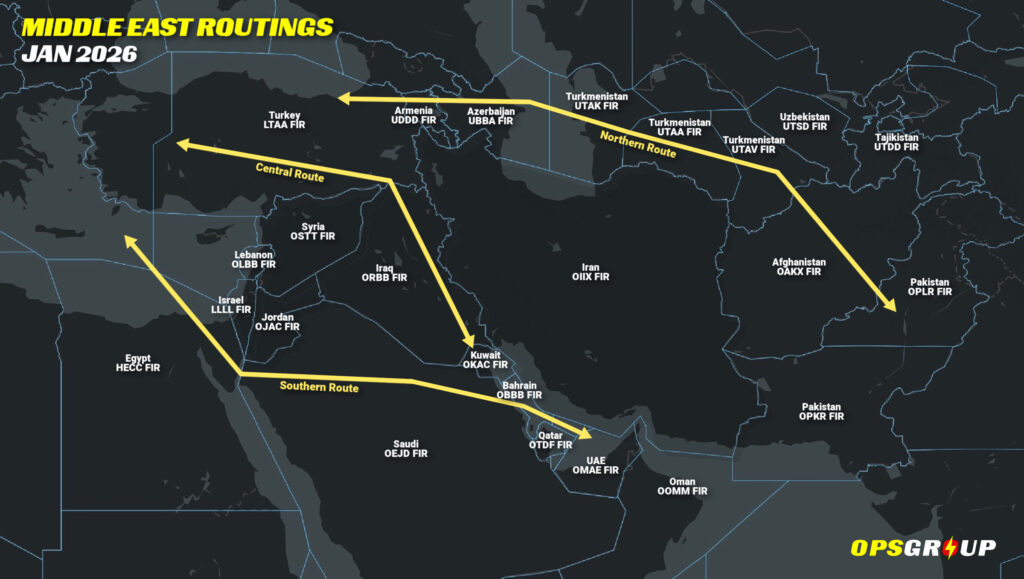
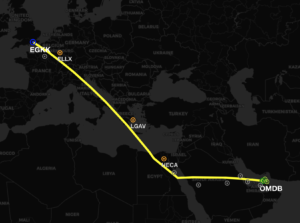
If further military activity involving Iran escalates, expect little warning – for Europe-Middle East flights, the longer routing via Egypt/Saudi has been the more stable option and keeps you further clear of Iranian airspace.

We’ll continue to issue any updates via Opsgroup and Safeairspace.net. You can also reach us at blog@ops.group if you have any info to share.


EASA Removes CZIBs: Middle East Risk Gets Harder to Read

Earlier this year, EASA withdrew its CZIBs (Conflict Zone Information Bulletins) for Israel and Iran, citing de-escalation. At the time, we wrote that the move seemed premature.

Then in June, the region saw one of its worst escalations in decades, with Israel and Iran trading missile strikes, the US and Gulf states scrambling to protect airbases, and most of the Middle East airspace system grinding to a halt.

EASA responded by reissuing updated CZIBs advising operators to stay well clear of Iran, Iraq, Israel, Jordan, and Lebanon. They also flagged the risk of spillover into parts of Egypt and Saudi Arabia.

Now, just weeks after that guidance, those CZIBs have been withdrawn again. And once again, they’ve been replaced by vague and inaccessible “Information Notes” — only available to EU-based commercial operators, civil aviation authorities, and EU agencies. Everyone else (mainly biz jets and non-EU carriers) is locked out.

What’s changed?

To recap: Following a ceasefire in early July, most FIRs across the region reopened. Iran reopened its OIIX/Tehran FIR in stages — first the east, then limited use of the west, and finally full ops. Israel began accepting traffic to LLBG/Tel Aviv on specific routings. Iraq reopened its airspace. Syria and Lebanon reopened too, albeit amid some brief re-closures. OPSGROUP members can access a full briefing here.

But the risks haven’t vanished. Most carriers are still avoiding direct routings over Iran. GPS spoofing remains widespread. FIRs across the region are fragile — especially the corridor between Israel and Iran, which could close again at short notice if the conflict resumes.

The CZIBs are gone, again.

EASA’s logic for removing them now appears to mirror their reasoning back in January — improving conditions, a reduction in active hostilities, and a belief that risk has subsided enough to no longer warrant a public advisory.

But here’s the key problem: the new “Information Notes” replacing CZIBs are not public. Unless you’re part of the inner circle of EU-based airlines or national regulators, you don’t get to see them. And the publicly accessible version doesn’t contain any detailed analysis, routing recommendations, or clarity on thresholds for escalation.

CZIBs were never binding, but they were visible — offering a common European position on conflict zone risk. The shift to restricted-access notes marks a change in how EASA communicates that risk.

A continuing need for caution

The removal of CZIBs shouldn’t be interpreted as an all-clear. The ceasefire between Israel and Iran remains fragile. Regional tensions persist. GPS interference continues to impact operations across the eastern Mediterranean and Persian Gulf. Routes through Athens and Nicosia FIRs remain congested as many operators still choose to avoid overflights of Iran and Israel altogether.

EASA’s risk assessments will of course evolve as the situation does — but for operators outside the EU system, the reduced visibility makes it more important than ever to consult a variety of sources: state-level airspace warnings, Notams, real-time airspace activity, and third-party guidance.

We maintain a full database of state issued airspace warnings at SafeAirspace.net, freely accessible to everyone.

The bottom line

While EASA’s decision to withdraw its CZIBs reflects improved conditions in parts of the region, the underlying risks remain dynamic. Operators should continue to treat Middle East operations with care — especially in and around Iran and Israel — and stay alert to changes that could result in rapid airspace restrictions or closures.

In short: just because EASA has stopped talking about it doesn’t mean the threat has gone away.


Why EASA has Withdrawn Airspace Warnings for Iran and Israel

On January 31, EASA withdrew its CZIBs for both Israel and Iran.

But the question remains – what does that actually mean for the safety of civil aviation there?

A word on EASA CZIBs.

A little context here helps.

  • CZIB stands for ‘Conflict Zone Information Bulletin’ which EASA puts out when required using a combination of publications issued by worldwide states, and risk assessments performed by their own team called the Integrated EU Aviation Security Group.
  • EASA shares information on conflict zones to help operators and member states make an informed decision whether to enter risky airspace or not.
  • Unlike some state-issued airspace warnings, CZIBs are not legally binding. They are just recommendations. You can find a list of them here.
  • On January 31, EASA made some changes to this list – namely, they cancelled the CZIBs for both Israel and Iran.

Why the change?

EASA has published a brief explanation here, but it doesn’t give much away.

Ultimately, they cite an improving risk environment due to ceasefire agreements between Israel, Hamas and Hezbollah along with a reduction in short-term regional tensions.

The CZIBs were originally published in November 2024 in response to unprecedented regional hostilities. It now seems EASA believes the situation has sufficiently come back off the boil.

Those in the know

While quick to re-affirm that some risks to aviation in the region are still present, the CZIBs have been replaced by Information Notes distributed to those on a ‘need-to-know’ basis – their words, not ours.

Existing State Warnings

EASA CZIBs (and their removal) have no direct effect on existing state-issued airspace warnings. This falls into the hands of policy makers who may wish to follow their advice.

With that in mind, you can find a full list of current state-issued airspace warnings still in effect for Iran here, and Israel here.

We still think Iran is potentially risky

Five years have passed since PS752 was misidentified and shot down by an air defense system near OIIE/Tehran airport. The country still possesses the same arsenal of advanced anti-aircraft weaponry today.

The sudden closure of the entire OIIX/Tehran FIR last year is proof of how quickly the risk picture can change for overflights.

While there may not be an intent to target civil aviation itself, agencies such as the US FAA continue to warn of the danger posed by unannounced military activity and mistaken identity – so much so that its existing airspace prohibition (by SFAR) has been extended all the way to 2027.

Operate to Israel with caution

In line with EASA’s advice, we have seen improving airspace safety in the LLLL/Tel Aviv FIR. Just recently we reduced our SafeAirspace.net risk rating for Israel from ‘Do Not Fly’ to ‘Danger Exists.’

This was in response to the same ceasefire agreements and a proven track record of maintaining airspace safety in close proximity to active conflict zones. This also reflected the decision of several major carriers to resume scheduled flights there.

However, the long-term outcome of these agreements remains unpredictable – along with potential for rapid escalation in risk to previous levels should the agreements fail. Recent events have proven they remain fragile.

For that reason, we advise operators to heed existing warnings and prepare for short notice airspace closures or reroutes in Israeli airspace.

What about Lebanon?

There was another change to EASA’s list of CZIBs that was easily overlooked.

Rather than withdraw it, EASA has extended its existing guidance for the OLBB/Beirut FIR until end of March 2025.

EASA explains that the country has not sufficiently proven capability to address existing risks – including the potential for renewed escalation between Hezbollah and Israel.

Without appropriate mitigating procedures to fall back on, the airspace should still be considered dangerous. Interestingly, EASA expressed similar concerns in its recent airspace warning for Western Russia following the downing of Azerbaijan Airlines 8243 on approach in Grozny.

As such, EASA continues to advise aircraft not to enter Lebanese airspace at all levels. Over at SafeAirspace.net, we also maintain a ‘Do Not Fly’ warning for the same skies.

Need more info?

We maintain a full database of state issued airspace warnings at SafeAirspace.net, where a full global briefing is available with a single click. You can also reach us on team@ops.group around the clock.


April 2024: Israel/Iran Situation, All Call active

Attn all Members:

A briefing with all known information on the Israel/Iran situation is now live in the OPSGROUP Members Dashboard. Situation summary, group intel, airspace closures, reroute options, and operator/crew reports.

ALL CALL currently active, please continue to report any information in confidence to team@ops.group.
Briefing URL: https://ops.group/dashboard/briefings/middle-east/


EASA withdraws Iran airspace warning. Why?

EASA has withdrawn their Iran CZIB, so what does this actually mean for the safety and security of air operations there?

What is an EASA CZIB?

First up, a CZIB is a Conflict Zone Information Bulletin (if you aren’t familiar with the term.)

These are put together by EASA based on aeronautical publications issued by worldwide states, and an assessment of the overall known risks and threats which EASA do via their Integrated EU Aviation Security Risk Assessment Group. Quite a mouthful. The point is they are sharing info on conflict zones to help operators do their own risk assessment on whether to head in there or not.
OK. So, when we take a look at EASA’s CZIBs they actually are more of a summary of references to other state and authority warnings. EASA CZIBs do not in themselves, appear to make an assessment of risk. They just share what everyone else says and contain a recommendation which more often than not goes something like this –

“Operators should take this information and any other relevant information into account in their own risk assessments, alongside any available guidance or directions from their national authority as appropriate.”

If you want to check out their active ones you can do so here.

EASA updated a large number of them in October 2021. 10 in fact, which included the likes of Iraq, Libya, Mali, Afghanistan, South Sudan… interestingly, they did not update their Iranian CZIB.

Instead, they withdrew it.

Why did they withdraw the Iranian CZIB?

That’s the big question.

Given that the EASA CZIBs do little more than summarise actual risk statements from other states, and considering other major states still have valid warnings for Iran, it does seem rather odd.

EASA have suggested their decision to withdraw this CZIB is based off an agreement from a recent meeting in which they decided that the situation in Iran has positively improved allowing to withdraw the current CZIB and to issue as replacement an Information Note shared within the European commercial aviation community on a ‘Need-to-know’ basis.

So, when EASA withdraws a CZIB, this does not mean individual states have also withdrawn their own warnings. We have not seen the ‘Information Note’.

You can click below to read the (now withdrawn) EASA CZIB.

We think the risk remains.

In 2020, Ukraine International Airlines flight PS752 was shot down in the vicinity of OIIE/Tehran, by the Iranian Air Defense system when it was misidentified. Iran possess significant anti-aircraft weaponry. This weaponry is in place due to ongoing conflict within Iran, and that has not changed.

As with all risk, likelihood is dependant on capability (they have that), and intent.

Intent is an interesting one. The didn’t intend to shoot anyone down with their Air Defense systems, and they don’t usually fire their anti-aircraft weaponry without good reason, which means a risk of misidentification is far higher during times of active attack, when enemy forces are being targeted.

But the situation in Iran remains volatile, and so the risk level remains.

What is the risk?

A fair few airlines do overfly Iran. The ones that don’t generally have political reasons not too – this doesn’t mean the risk isn’t there. The political tensions between some countries and Iran mean the risk of being targeted or experiencing security threats on the ground is far higher.

If the state your aircraft is registered in is on relatively good political terms with Iran then overflying the country above a safe flight level poses less risk if you remain at that level.

Descend below FL260-ish and it is a different situation. And if you overfly anywhere, there is a chance you will need to descend and even divert in for certain emergencies. So your risk assessment when “just overflying” needs to take that into account.

Remember – just because you only want to overfly and don’t plan on going into Iran does not mean the risk does not apply to you. If there is a possibility you might have to divert in then the risk must be taken into account.

This is why operators who do fly into Iran generally have “TOD” checks – a SATCOM call, for example, to their company to confirm the security situation on the ground prior to heading in below that safe altitude. Basically, a check to ask if stuff is kicking off or not.

What do other states say?

The UK CAA Notam EGTT V0012/21 was issued in July 2021. This covers a “general” airspace security warning for a whole bunch of countries, including Iran, and suggests you go check the UK AIP En-route 1.1 section 1.4.5 for more info.

1.4.5 says there is a “potential risk to aviation overflying this area at less than 25,000ft” because of “dedicated anti-aviation weaponry”. France say don’t go below FL320. The US says don’t go at all.

The risk is still there, and that risk was actually summed up pretty well in the now withdrawn CZIB – “due to the hazardous security situation, and poor coordination between civil aviation and military operations, there is a risk of misidentification of civil aircraft.”

If you want a summary of all the current warnings and details, visit our Safeairspace page.

The current situation in Iran.

The situation is volatile. There is significant political conflict between Iran and some of their regional neighbours. There is also internal conflict. The primary risk remains the potential for misidentification from the air defence systems, or surface to surface missiles targeting rebels. There are secondary risks from ballistic missile tests (often tested without Notams) and GPS jamming.

Safeairspace Summary

Our view is that the removal of the EASA CZIB does not signify any change to the threat level in Iran. States have not removed their own warnings and so our Safeairspace warning remains the same until such time as further information is provided on how Iran have positively improved the situation.

Want a full briefing?

Just click here. SafeAirspace  is our conflict zone and risk database run by OPSGROUP. We continually assesses the risk to operators the world over. It presents that information in a way that will always be simple, clear, and free. You can also sign up to our new fortnightly risk briefing that contains only what you need to know, simply by subscribing.


Terrain, Tehran, Terrain, Tehran

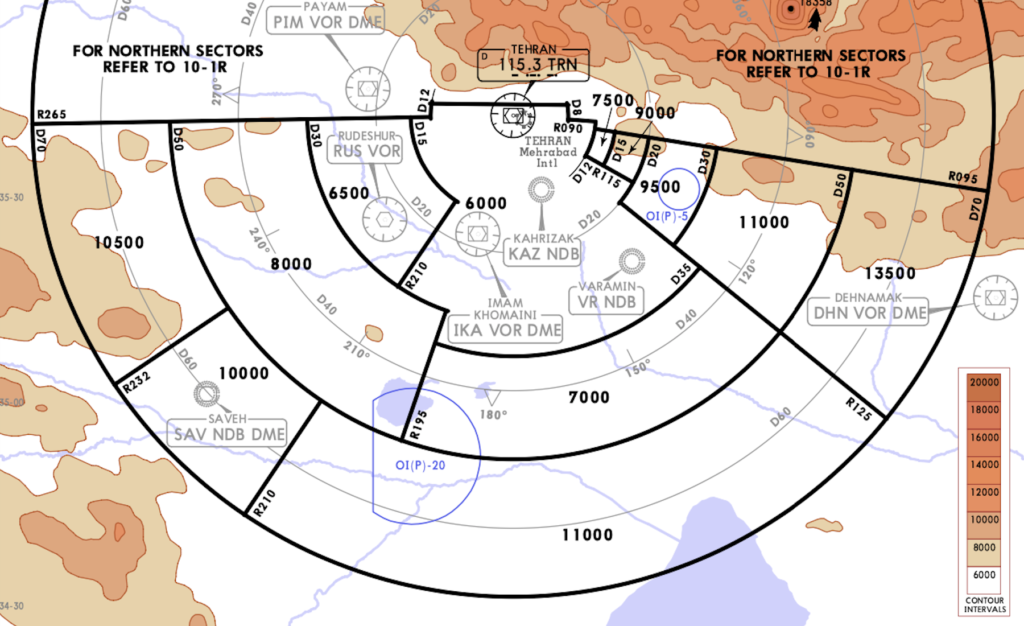
If you are operating to OIII/Tehran Mehrabad airport then watch out – the minimum height thresholds might not be adequate.

Sounds serious!

Well, earlier in the year it was.

A Zagros Airlines A320 operating from OIAW/Ahvaz to OIII/Tehran Mehrabad was cleared the SAVEH 1N arrival and descended, under radar control, to 6000 feet. They were then vectored to the KAZ NDB in order to intercept the ILS for runway 29L.

Which was when they received a terrain alert and “pull up” order.

A quick look at the radar minimum altitudes and there are a lot of high ones – there is a lot of terrain. The adjacent sector is 7,500′ but ATC take aircraft down to the 6000’ (which covers the sector over the airport), and depending on where you arrive from this can be an issue.

There is a 5,036 foot hill sitting in close proximity to the ILS approach, called Bibi Shahrbanoo. For ATC to ensure you are not too high for the ILS, they manage your descent down to 6000′, but that 6000’ doesn’t actually provide the typical 1000’ separation if you are near Big Bibi.

Combine all this with a higher rate of descent and you might get yourself a GPWS warning. The Zagros airlines incident was not the first.

Have they fixed the problem?

Well, Tehran’s runway positions and terrain make it a complex spot to decide what heights should be used, but it does appear that they have looked into it a bit more since a significant number of new charts have been published of late, with validity dates of October 1, 2021.

So let’s play spot the difference…

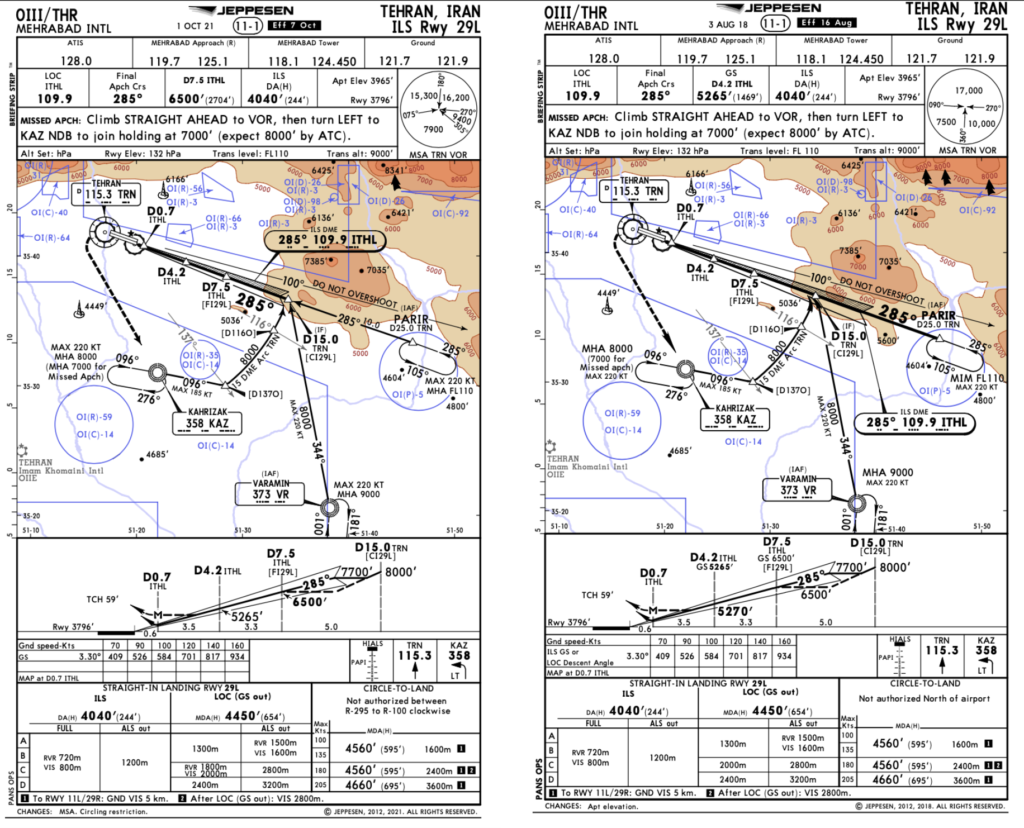
Let’s take a look at the ILS 29L chart from August 2018 and the new October 2021 chart.

First up, some of the MSA’s actually appear to have shrunk. The northerly sector from 090-270° used to be 17,000’ but now it is divided into two sections of 15,000’ and 16,200’.

The circle-to-land restrictions have been revised, and they have also amended the FAP – it is now set to D7.5 and 6,500’ as opposed to D4.2 and 5265’ which was pretty low given the hills around.

You might also notice (at least on LIDO) a certain 5,600′ point from just beside the inbound course has now been removed… surprising given the hill is, presumably, still there.

This is a tricky airport anyway

The glide slope here is a slightly steeper 3.3°, and you only have precision approaches for runway 29 – runway 11 involves a fairly hideous circling approach.

The area is riddled with both high terrain, and also restricted and prohibited areas, so accurate navigation is important.

The conditions in Iran can be hot, and your elevation is high – 3965ft, leading to higher speeds, and higher rates of descent required. Having this in mind, monitoring your ROD and being aware of the GPWS risk is probably the best mitigation against warnings.

Runway 11R/29L is currently closed for “recarpeting” (not a Persian rug joke, it really is what they call it). So keep an eye out for temporary charts and WIP notams. The runway is closed until March 2022 and the latest AIP SUP 27/21 covers it.

There is also a lot of GPS Jamming across Iran and there are some significant airspace safety concerns to take into account.

It’s not the only spot to worry about

OIIE/Iman Khomaini is the “main” Tehran airport and to be honest, if you are heading to OIII/Mehrabad airport (a.k.a the “other” Tehran) it is probably because you are using it as an alternate for OIIE. The terrain threat at OIIE is marginally lower than OIII, but still requires prior consideration before jetting in – as do most airports in Iran.

While you’re at it, checking the Notams is a good idea too – OIKK/Kerman, for example, has no less than 34 cavities on one side of one of its runways. OIII/Mehrabad is better maintained (just 1 hole related Notam to be seen).


Rumbles Over Riyadh: A New Threat?

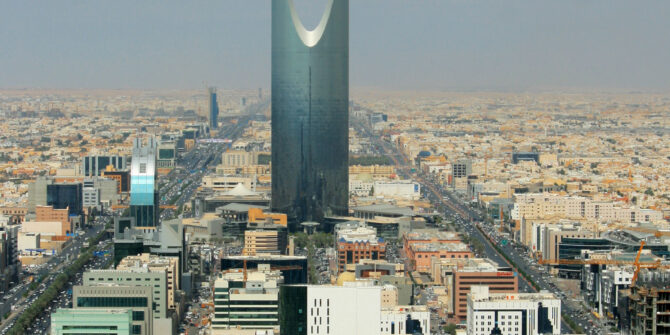
You might have seen the headlines a week or so ago. On January 23, Saudi Arabia’s capital Riyadh was attacked by a ‘hostile air target’ – likely an explosive ‘kamikaze’ drone. Saudi air defences destroyed it, causing a loud explosion over the city and flight disruptions at OERK/Riyadh.

Then a few days later it happened again. Another big bang in the skies of Riyadh and more flight disruptions. Plenty of people caught it on camera. But the silence from official channels was deafening.

So what? Isn’t there is always stuff in the news about drones over there?

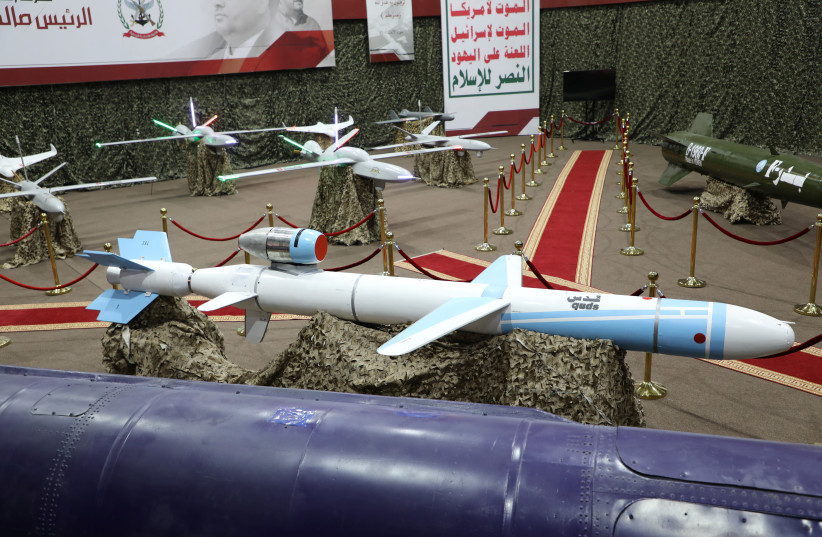
Yes. They’re sporadically sent over the border from Yemen by the Houthi – the folk who overthrew the Yemeni government back in 2014. Southern regions are usually the worst hit and occasionally Jeddah and Riyadh are targeted just to remind Saudi Arabia that they can.

But here’s the kicker: this time it probably wasn’t them.

How Do You Know?

Firstly, the Houthi have adamantly denied they were to blame. They’ve actually gone out of their way to distance themselves from the attack. So why should we believe them? Because of the status quo – they want to make headlines. Their attacks on Saudi Arabia are a demonstration of their firepower and willingness to target anywhere in the country. They’re even known to claim responsibility for attacks that weren’t theirs.

Secondly, someone else has already put their hand up for the attack – a group of militants in Iraq called the Alwiya Waad al Haq. The Who? The ‘Brigades of the Righteous Promise’. It’s a fancy name but the takeaway is this: someone new is apparently taking shots at Saudi Arabia from Iraq.

Here’s why

Saudi Arabia and Iran don’t get along. The reasons are long and complicated and you can read more about them here. But in a nutshell, religious differences and a desire for regional dominance are the cause of the ongoing conflict. The attacks on Riyadh are a worry because they may reflect a changing way that Iran asserts its dominance throughout the Persian Gulf – by proxy.

Proxy conflicts are a thing. It means when someone is doing the hands-on fighting for somebody else. Remember those Brigades of the Righteous Promise people? It is alleged that Iran may have put have put them up to it, and supplied the firepower to do it.

There’s no shortage of independent militia in Iraq. They’re difficult to trace and new ones emerge seemingly from nowhere – so much so that they’re sometimes known as ‘shadow militia.’ In reality, they are usually a cover for larger and much more well-known groups. In this case, possibly the Hezbollah – one of Iran’s largest proxies.  By hiding behind different names they can cause confusion, unpredictability and can divert blame away from the prime suspects.

It is possible that Iran may now start using these proxies more often for attacks on its regional adversaries.

So why is this an aviation issue?

We get twitchy when anyone is firing things into the sky. This way of fighting is unpredictable and the weapons being used are getting more sophisticated and can cover large distances.

Case in point. Back to the Brigade guys – since their alleged attack on Riyadh they have since threatened to attack the Burj Khalifa in Dubai, and also Abu Dhabi airport. Whether or not their threats can be taken seriously remains to be seen – but if the attack on Riyadh is anything to go by, they might have the weapons and intent to do it.

For aircraft, there are a few threats to be aware of:

  • Misidentification by sophisticated air defence systems.
  • Being caught in the cross fire.
  • Simply being in the wrong place at the wrong time. Airports are often a prime target.

What can we do about it?

Continue to monitor Safeairspace.net for airspace warnings – it is our database of airspace risk and we update it all the time. Head over there and take a look – there are multiple warnings for the Persian Gulf region including four ‘no fly’ countries: Syria, Iraq, Iran and Yemen.

Understand ESCAT rules. Or you might know them as SCATANA. Either way they are a protocol for getting you out of dangerous airspace and fast. ATC may divert you clear of an FIR or ask you to land. They’re in use in Southern Saudi Arabia – but can be applied at short notice to any airspace where the risk is high. ESCAT procedures are published in GEN 1.6 of Saudi Arabia’s AIP. If you don’t have a login, you can see the relevant section here.

Lastly, carry out your own risk assessment and know what’s going on down there. Just because airspace is open doesn’t mean that it’s safe.


SafeAirspace: 2021 Update

2020 was a heck of a ride. But therein lies the risk – what else might you have missed amongst all the Covid-related noise? Sadly, conflicts and their risks to civil aviation have not taken a break during the pandemic.

As it’s a new year, we thought a summary of Airspace Risk was called for. Here’s what’s making headlines at the moment:

Saudi Arabia & Yemen

Houthi rebels in Yemen are regularly firing explosive drones and rockets across the border into Saudi Arabia, and these usually target airports in the south such as OEAH/Abha and OEGN/Jizan. Their latest attack was on OYAA/Aden airport in late December which resulted in mass casualties.

Saudi Arabia continues to retaliate with airstrikes. The latest was in the capital Sanaa just weeks ago, where multiple munitions landed near the airport.

The risk to aviation is that overflying aircraft may get caught in the crossfire or might be misidentified by Saudi air defences. Active terrorist groups in Yemen may also use anti-aircraft weaponry to target foreign interests.

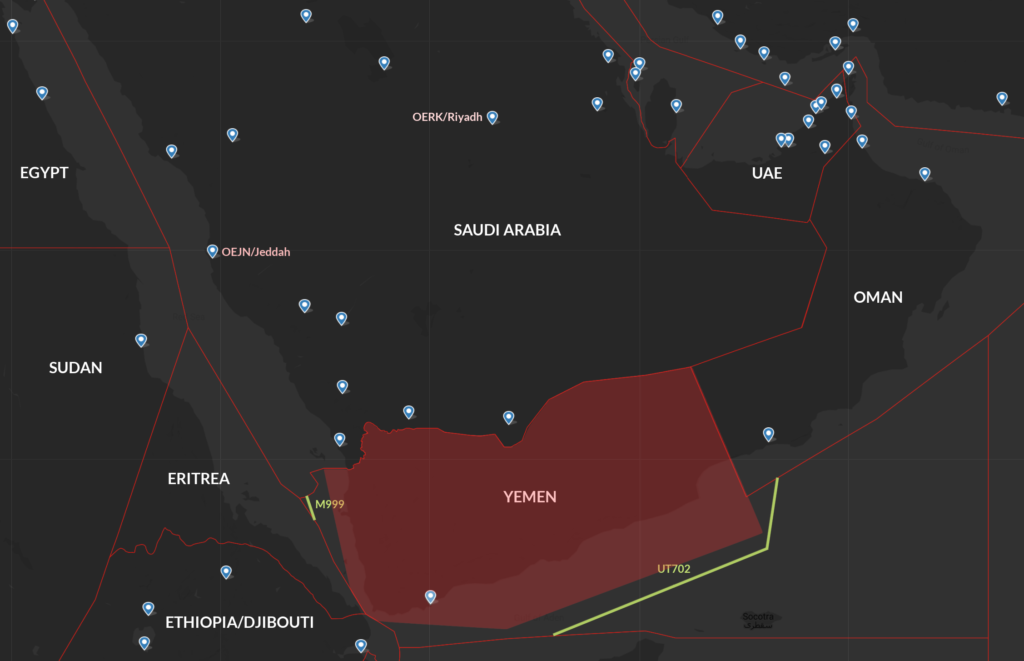
The FAA prohibit all US operators from entering most of the OYSC/Sanaa FIR at any level. Only two airways are allowed, and they are well off the coast – UT702 and M999.

There are no restrictions on Saudi Arabia but use caution in the southern regions. France and Germany have issued their own warnings.

SafeAirspace Yemen page – click here.
SafeAirspace Saudi Arabia page – click here.

Iraq

Rocket attacks on military interests at airports have become a common occurrence. They are generally fired by local militia without warning. ORBI/Baghdad is frequently targeted, along with other airports including ORER/Erbil. There is a clear risk to aircraft at low levels.

US relations were further strained through 2020 with multiple attacks on the US embassy in Baghdad. The tensions escalated to a point where the US considering closing it.

Foreign aircraft continue to be at risk from armed militia who have access to portable anti-aircraft weaponry, while misidentification by the air defence systems of multiple foreign forces in the country is also possible.

The FAA has extended its ban on US operators entering the Baghdad FIR at any level. Even though the SFAR says you can enter above FL320, the long-running Notam KICZ A0036/30 says otherwise.

SafeAirspace Iraq page – click here.

Syria

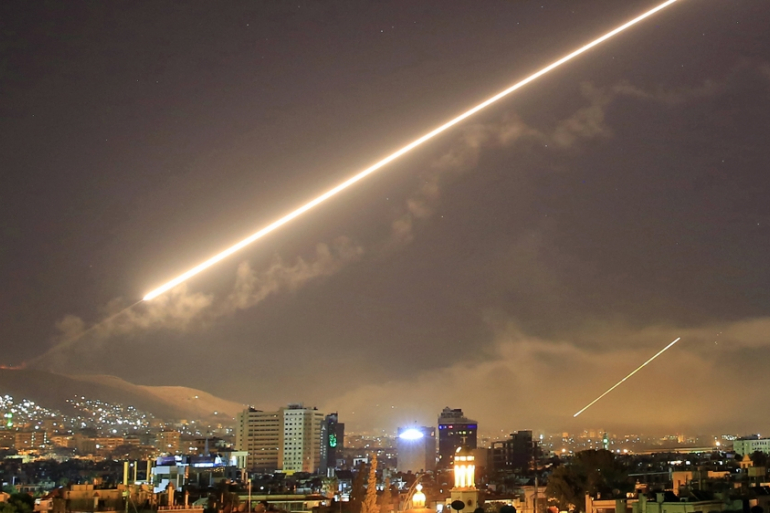
There have been several recent Israeli airstrikes on targets throughout Syria. In late December there are reports that Israeli fighters transited Lebanese airspace at low level causing alarm in Beirut before attacking targets in Western Syria. Just weeks ago, several sites around Damascus were targeted by Israeli missiles.

The primary risk is that aircraft may be misidentified by Syrian air defence systems which are regularly activated. Civil operators may get caught in the crossfire as missiles may erroneously lock on to the wrong aircraft.

The FAA are taking no chances – the ban on US operators entering the OSTT/Damascus FIR at any level has been extended a full three years to 2023.

SafeAirspace Syria page – click here.

South Sudan

Just this week ICAO issued a concerning warning about the risk to aircraft operating below FL245 in the HSSX/Khartoum FIR over South Sudan, or flying in and out of HSSJ/Juba. They are ‘gravely’ concerned about ATC disruptions, a lack of contingencies, inadequate training of controllers, limited info about equipment outages and a lack of co-ordination with other ATS units.

SafeAirspace South Sudan page – click here.

Emerging Conflict Zones

2020 saw three new conflict zones emerge, here is what is happening with them now.

Ethiopia

A civil conflict erupted in October last year in the Tigray region of Northern Ethiopia. The government went to war with the TPLF – a regional force seeking independence.

The region’s airports were closed and TPLF showed an intent to internationalise the conflict by attacking aviation interests. They fired rockets into Eritrea targeting HHAS/Asmara, and also attacked multiple airports to the South of the Tigray region.

Two airways were closed (T124, and M308) with no explanation of the risk.  Other airways remained open but uncomfortably close to the fight – especially UG300, UN321 and UL432. No airspace warnings were issued despite the dangers.

What’s the latest?

In late November Ethiopian forces captured the region’s capital Mekelle and regained control. Remaining TPLF forces have retreated leaving behind a humanitarian disaster and a vow to continue the fight. Since then, the airway closures have been removed and things have gone quiet, but an airspace risk remains – armed militia continue to be active in Northern regions and may be looking to make a statement. Be wary of operating in the area.

Western Sahara

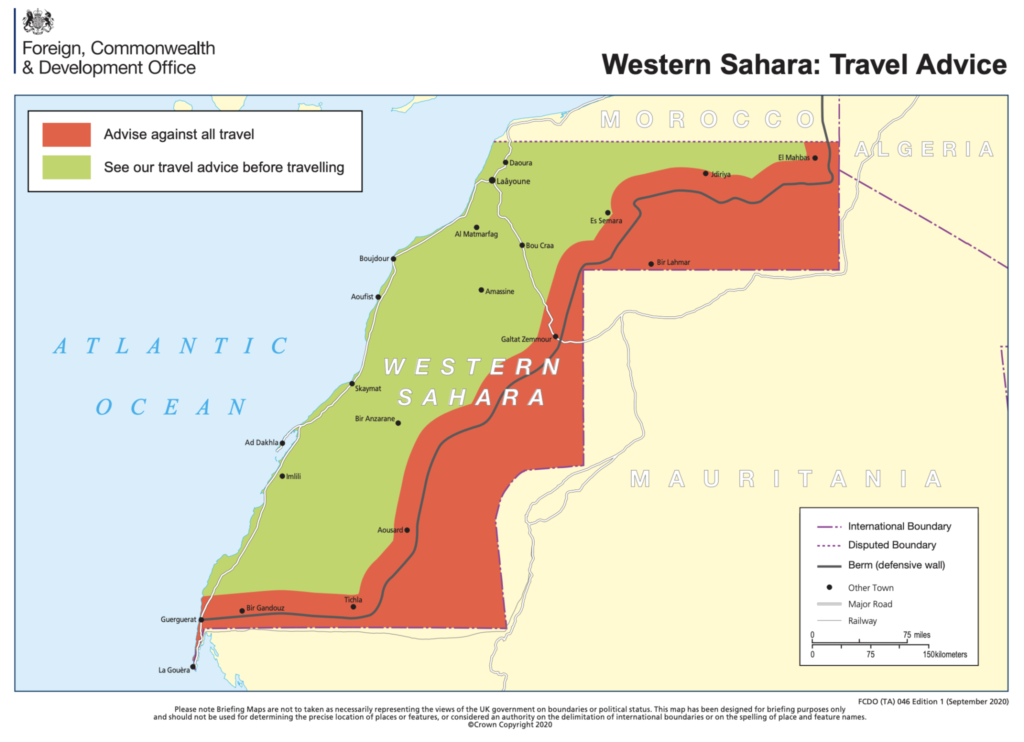
Late last year the region’s independence movement (the Polisario) declared war on Morocco for breaching a ceasefire agreement. The FAA published a warning that the Polisario might have access to anti-aircraft weaponry left over from previous conflicts.

What’s the latest?

It is still an active conflict zone.  The fight has reached the international stage after the US declared their support for Morocco. The Polisario have indicated they are willing to at least talk, but so far have not put down their weapons. So, it is a wait-and-see type deal.

The risk to overflying aircraft remains. The GCCC/Canarias FIR keep extending a Notam advising operators to not fly below FL200 on the following airways: UY601, UN728 and UT975.  However, the reason is still missing: because of the risk of anti-aircraft fire. The GOOO/Dakar FIR haven’t issued any warnings despite the threat. Take care if operating in the area.

Armenia-Azerbaijan

In September last year, an ethnic conflict erupted over a disputed territory in Western Azerbaijan – Nagorno-Karabakh. The fight was between Azerbaijan and Armenia.

As a major air corridor for en-route traffic, there were significant flight disruptions. Azerbaijan swiftly closed all but one west/eastbound airway and routed traffic via Georgia. Armenia asked aircraft to take extra fuel and expect re-routes. The conflict was short but intense, with heavy artillery fire from both sides. The conflict eventually spread beyond the contested regions with longer range weapons. The entire border region posed a risk for civil aircraft.

What’s the latest?

For once the news is good. In November a ceasefire agreement was signed with the help of Russia. Armenia effectively lost and withdrew from the region and the conflict was officially over. Armenia removed its airspace warning, while Azerbaijan re-opened the affected airways and a large section of airspace near the border.

With the conflict now over, and no new reports of significant fighting since the peace agreement in November, direct crossing traffic between the two countries is now technically possible again.  However, most East-West flights are currently still electing to go further north instead, connecting between Azerbaijan and Georgia’s airspace, avoiding Armenia.

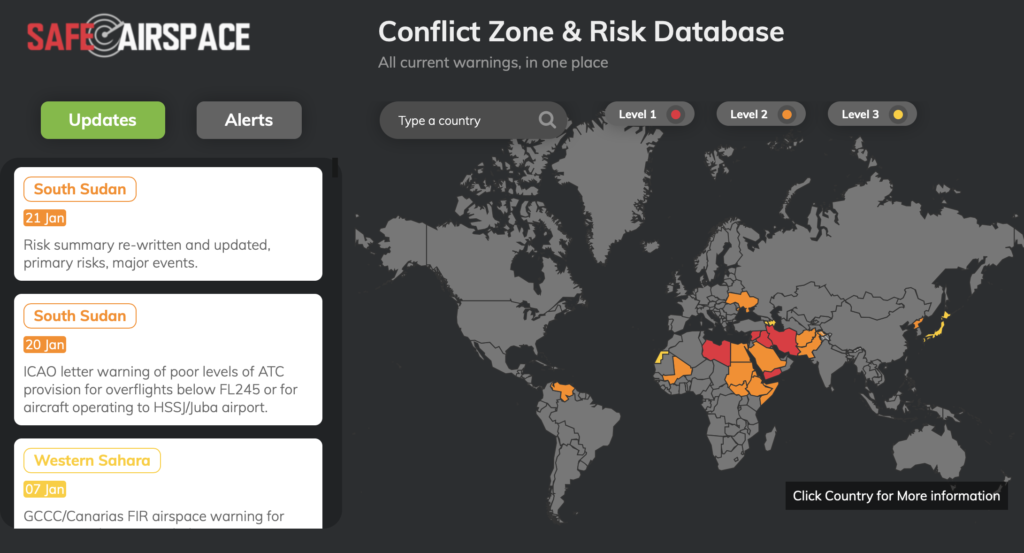
What about Safeairspace.net?

Our conflict zone and risk database is updated constantly. We assess risk with official sources and build a simple picture for you of those need-to know-places.

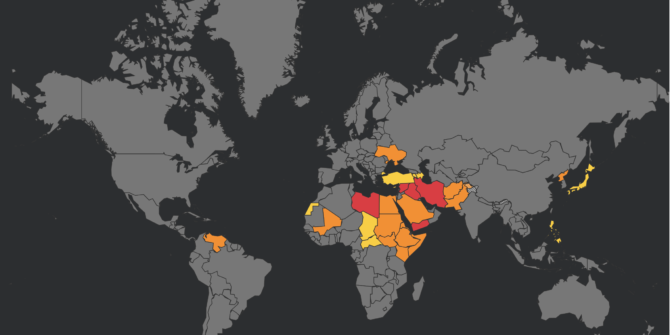
There are currently 5 regions which are assessed as a Level 1 Risk – No Fly. These are: Iraq, Iran, Yemen, Libya, and Syria.

Head over to SafeAirspace.net and take a look. With a single click you can download a risk briefing of the entire world in just a few pages of nice simple English.

The mission of SafeAirspace is this: to provide a single, independent, and eternally free resource for all airspace risk warnings, so that airlines and aircraft operators can easily see the current risk picture for unfamiliar airspace. If you know of a risk not listed on the site, or you have anything else to add, please get in touch with us at news@ops.group


Gulf routings set to ease up as Qatar blockade comes to an end

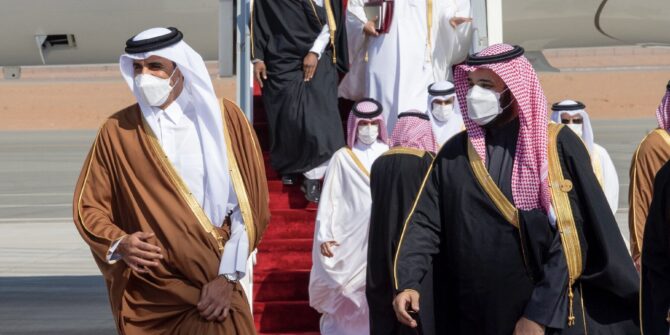
After three and a half years of political stalemate, the Gulf blockade against Qatar by Saudi Arabia, the UAE, Egypt, and Bahrain, is coming to an end. These countries have restored diplomatic relations and opened their borders and airspace to Qatar – with Egypt also expected to follow suit shortly.

What does this mean for operators?

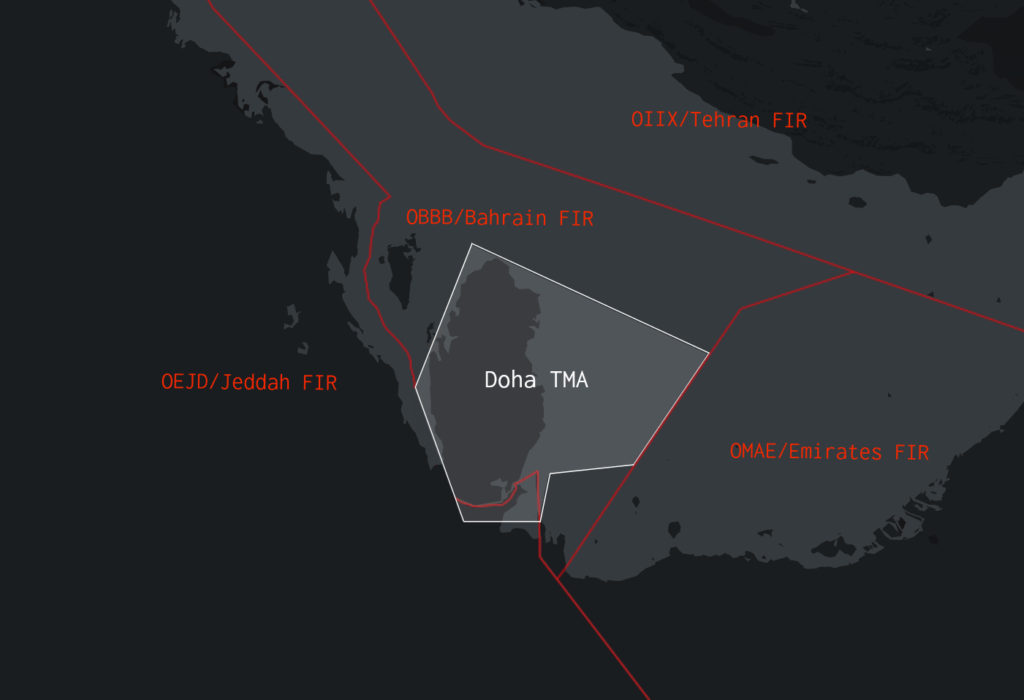
The biggest change seen will be for aircraft registered in Qatar (A7-) which will now be allowed to route via OEJD/Jeddah FIR and OMAE/Emirates FIR, and gain more efficient use of OBBB/Bahrain FIR – in addition to reinstated landing rights in those countries. This is as opposed to routing via OIIX/Tehran FIR, which incurs time and fuel penalties and in the worst cases requires a tech stop.
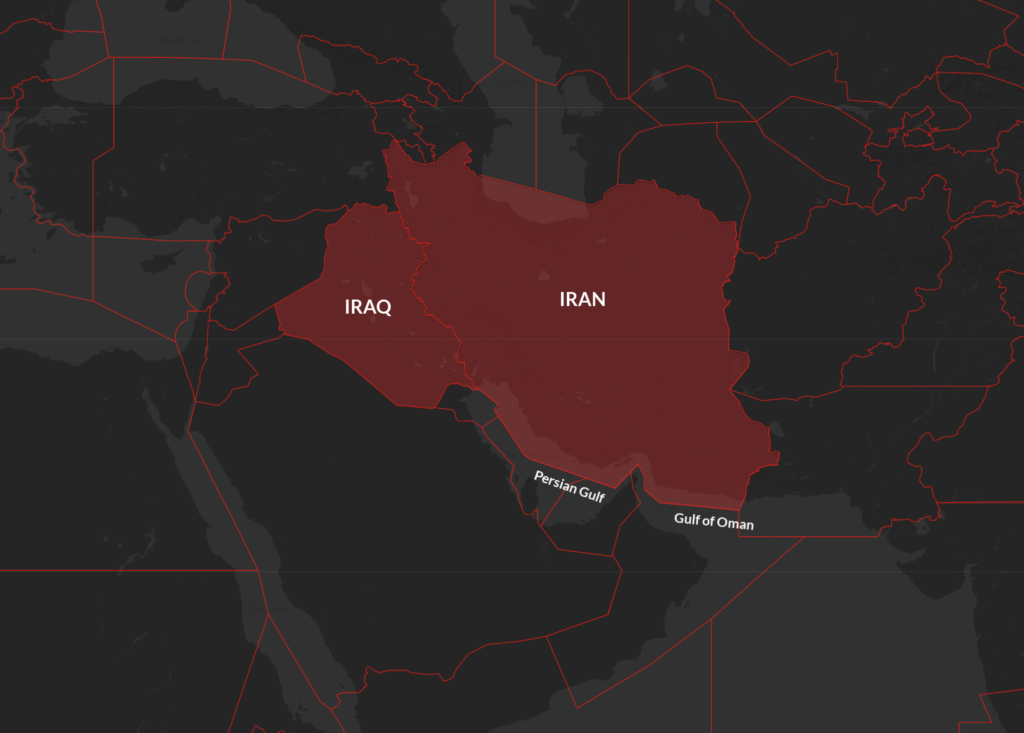
But this is also good news for foreign operators. For the past three years, foreign operators had been faced with various different restrictions if trying to fly to/from Qatar – they needed special permission from Saudi Arabia, Bahrain and the UAE if planning to overfly any of those countries, and Bahrain had banned direct flights from Qatar completely.

This has now changed. With Saudi Arabia, Bahrain and the UAE lifting their blockade against Qatar, they have cancelled a bunch of Notams which effectively means there are no longer any special requirements for foreign-registered aircraft flying to Qatar via Saudi/Bahrain/UAE airspace. In short, more efficient routings are now available if you are operating into, out of, and through the Arabian Gulf region.

Here is the current state of play as of 20 January 2021:

Remember: Qatar does not have its own FIR, and is nested completely under the OBBB/Bahrain FIR – any Qatar Notams are therefore published under OBBB. The Doha TMA extends SFC to FL245, above which is the Bahrain UIR.

If you have a question or have information to share, use our Slack channels! We are a community based on sharing information and resources to help each other – jump in! 


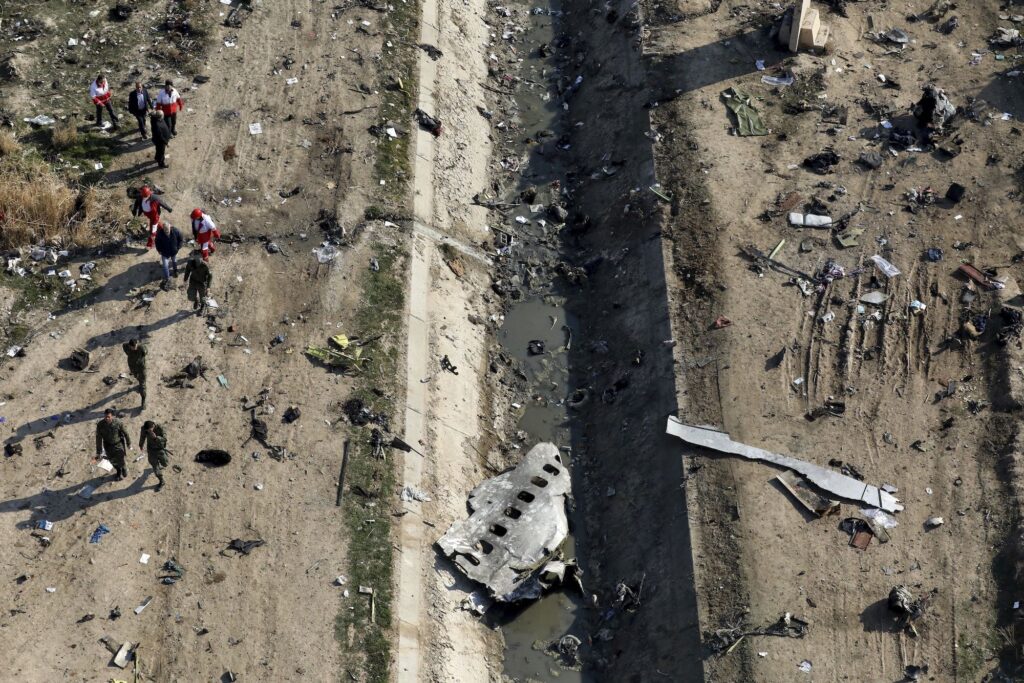
UIA flight 752: Iran military shot down plane after chain of errors

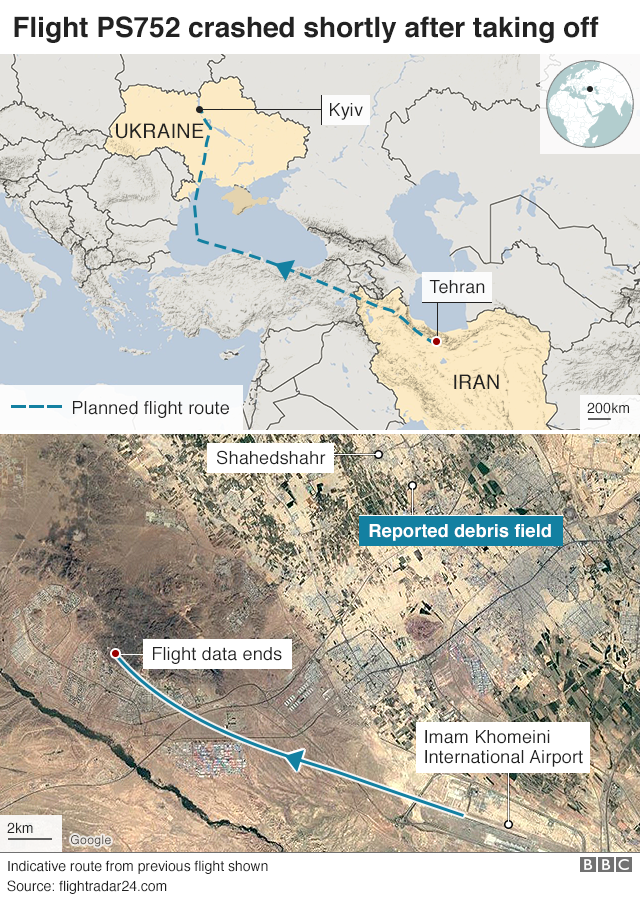
Iran has released its first official report into the shoot-down of UIA flight 752 in Tehran on Jan 9. They blame a misaligned missile battery, miscommunication between troops and their commanders, and a decision to fire without authorization as the major factors which led to the shoot-down of the plane by Iran’s Revolutionary Guard.

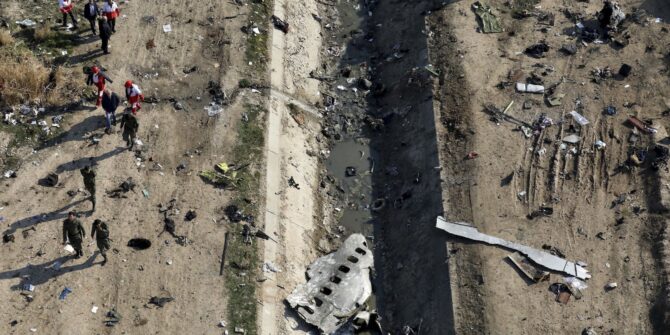
All 176 people on board were killed when the plane was hit by two missiles shortly after take-off in Tehran.

Iran initially denied responsibility for the incident, only admitting fault days later after Western nations presented extensive evidence that Iran had shot down the plane.

Iran’s air defences had been on high alert at the time. Just hours prior to the shoot-down, the US FAA issued “Emergency Order” Notams banning all US operators from overflying the airspace of Iraq and Iran. This was in response to an Iranian missile strike on US military bases in Iraq, which had just occurred the same night.

A full version of the report has not been made publicly available, but excerpts have been published by state news agency Fars. It places the blame entirely on those manning the missile system, and details a series of key moments where the shoot-down could have been avoided, the main two being:

  • The surface-to-air missile system had recently been relocated and was not properly calibrated. As a result, it misidentified the civilian plane as a hostile object.
  • Those manning the system could not communicate with their command centre, and fired on the plane without receiving official approval.

“If each had not arisen, the aircraft would not have been targeted,” the report said.

It also notes that the flight had done nothing unusual prior to the missile launch, with its transponder and other data being broadcast. It claims that the troops manning the missile system tried to contact the Coordination Centre with details of a potential target but they did not manage to get through, and that firing on the aircraft under these circumstances was against approved protocol:

“The system operator began analysing the observable information and categorised the detected target as a threat… At 02:44:41, without receiving any response from the Coordination Centre, the air defence unit operator fired a missile at the threatening target he had detected… Under the applicable procedures, if the defence system operator cannot establish communication with the Coordination Centre and does not receive the fire command, they are not authorised to fire.”

After repeated delays, Iran has said it will release the aircraft’s black box to officials in France on July 20, where Ukrainian and French experts are expected to examine it.

Airspace warnings

In the days and weeks following the shoot-down, several other countries followed the US in issuing airspace warnings of their own for Iran, including: the UK, Ukraine, Canada, Germany, and France. The US and Ukraine are the only countries to have issued outright flight bans on Iranian airspace, but all the others advise against landing or overflying the country at the lower flight levels. Check SafeAirspace.net for a full summary.

Traffic flows

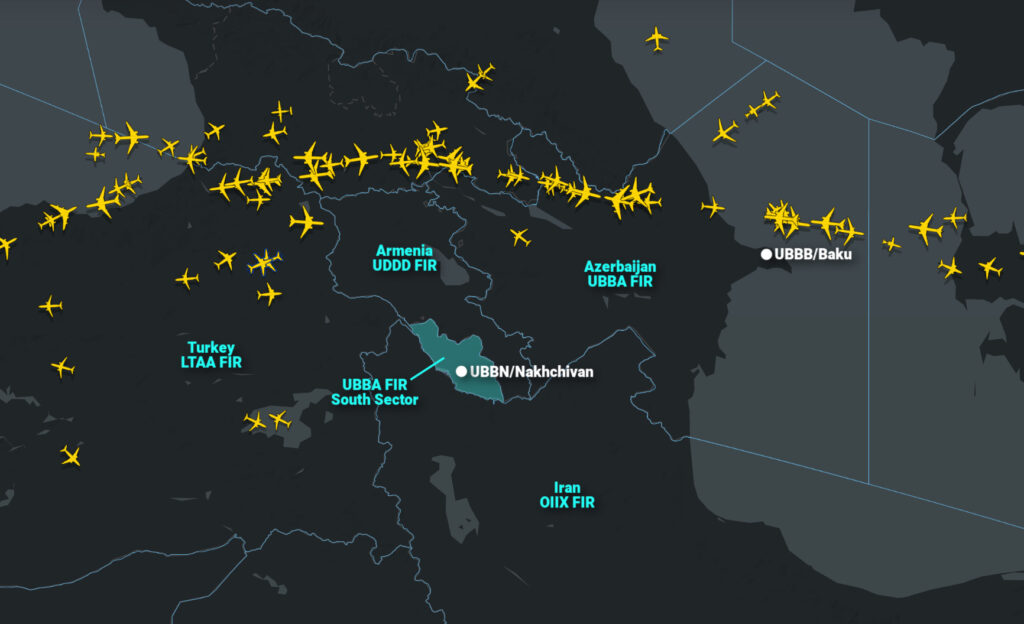
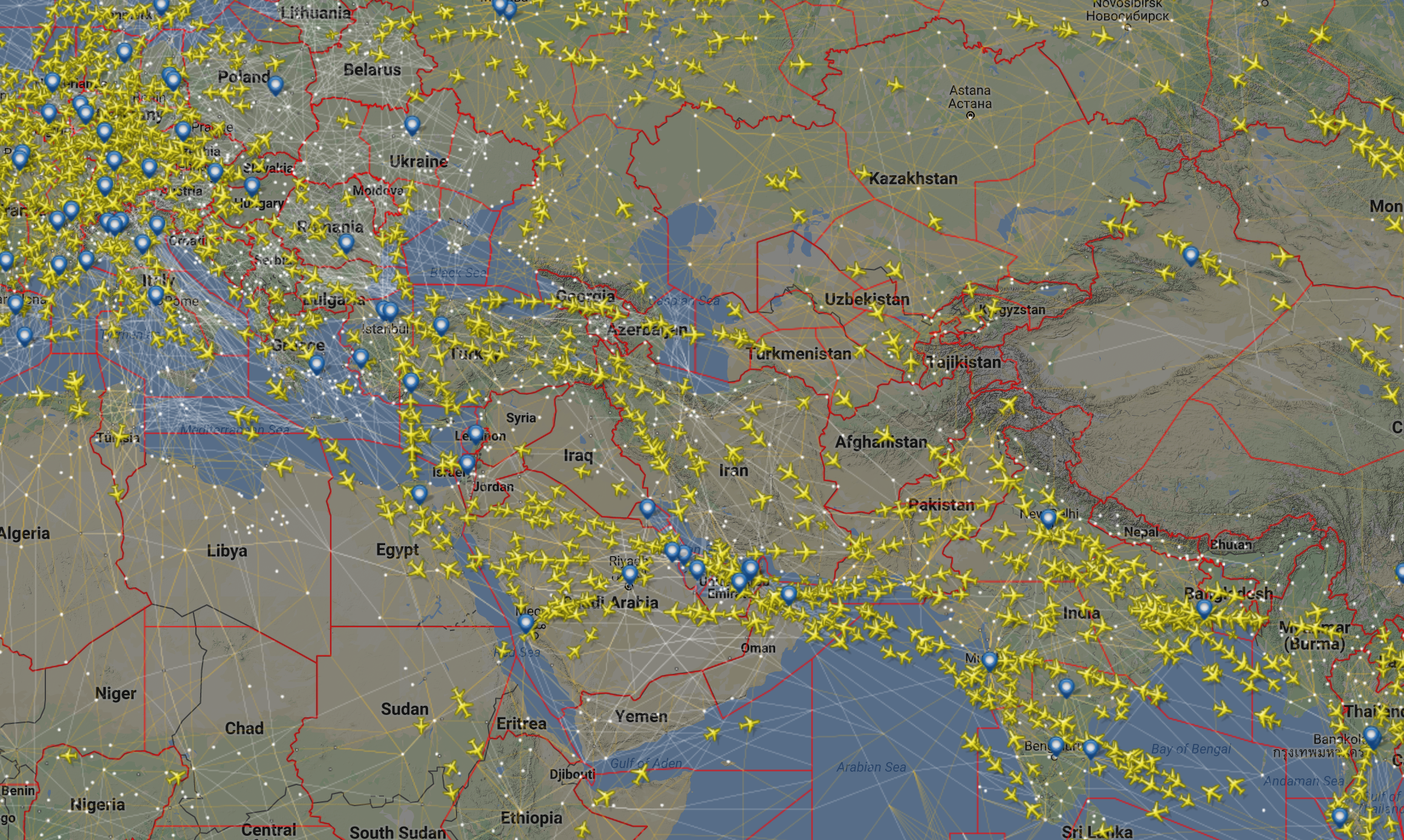
It’s worth considering that most airlines other than Middle Eastern carriers are still avoiding Iran. For traffic that normally operates through the Tehran FIR, a predominant alternative for east-west flights into the Dubai area is a southerly routing via Saudi Arabia and Egypt. There are warnings for both of these airspaces as well. Northerly reroutes for Europe-Asia flights are predominantly using a Turkey-Armenia-Azerbaijan-Turkmenistan routing. If entering Afghanistan airspace, note the current warnings there too.

Unfamiliar routes

For many operators wanting to avoid Iran, you may be using routes that are unfamiliar. Take the time to ensure you have the full package of charts, are aware of the risks in each FIR, are aware of the potential for GPS outages en-route (especially in the Turkish, Tel Aviv, Amman, and Jeddah FIRs), and have considered drift down over mountainous areas on the northerly routes.

Advice

Every air operation different. We know OPSGROUP has a huge variety of members – some conducting routine airline flights, some business aviation, charter flights, private ops, military, government flights. Therefore, offering blanket advice is difficult. You must undertake you own risk assessment, but paying close attention to the international warnings as well as what other carriers are doing is a good place to start.

On SafeAirspace.net, we continue to list Iran as Level One: Do Not Fly. The same goes for Iraq. Outside those two countries, just consider carefully what connections to the current situation there may be. Nowhere in the Middle East is without some level of risk.


Iran and Iraq airspace restrictions

Please note: This article refers to the airspace warnings for Iran and Iraq following the shootdown of UIA flight 752 in Tehran in Jan 2020. We are keeping the article here for reference purposes only. For updated airspace warnings, check safeairspace.net


Following the events of Jan 8, when an Iranian missile strike on US military bases in Iraq was quickly followed by the shooting down of Ukraine Int Airlines flight 752 in Tehran by the Iranian Armed Forces, multiple western countries issued warnings to avoid the airspace of Iraq and Iran completely.

But in the weeks that followed, some of these countries issued updated advice, allowing overflights to resume at the higher flight levels.

Here’s a summary of what the main countries/agencies who regularly publish airspace warnings have said with regards to Iraq and Iran:

The US
As of Mar 12, the US prohibit all flights in the airspace of Iraq and Iran, but allow flights in the Persian Gulf and Gulf of Oman. Here are the details for each:

On Feb 27, the US loosened its restrictions on Iraq, issuing an updated Notam and Background Notice document which advised that US operators were now permitted to overfly Iraq at FL320 or above. They said there has been a de-escalation in military activity and diminishing political tensions in the region, but there was still a risk at the lower flight levels from armed militias who are likely responsible for multiple recent attacks on US armed forces in Iraq, as well as rocket attacks targeting the US Embassy and ORBI/Baghdad International Airport.

Then on Mar 12, the US issued an emergency order that once again banned US operators from overflying Iraq with immediate effect. This came after US warplanes hit militia weapons storage facilities in southern Iraq in a strike designed to destroy rockets like those fired at US troops earlier this week.

The US downgraded its airspace warning for the overwater airspace in the Persian Gulf and Gulf of Oman on Feb 17 – the new guidance now just advises caution in this region, and recommends to avoid the airways nearest to the OIIX/Tehran FIR whenever possible, to reduce the risk of miscalculation or misidentification by air defence systems. The crucial change with this new warning is that overflights in this region are now permitted. So for US operators wanting to transit the OKAC/Kuwait, OBBB/Bahrain, OMAE/Emirates and OOMM/Muscat FIRs – you can now do so.

The US ban on the airspace of Iran is still in place – US operators are prohibited from entering the OIIX/Tehran FIR.

Germany
Germany just advises caution for both Iraq and Iran overflights – at no point since the events of Jan 8 have they issued outright bans on the airspace of these two countries.
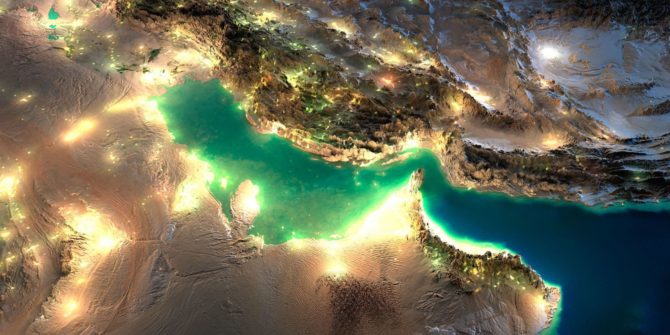
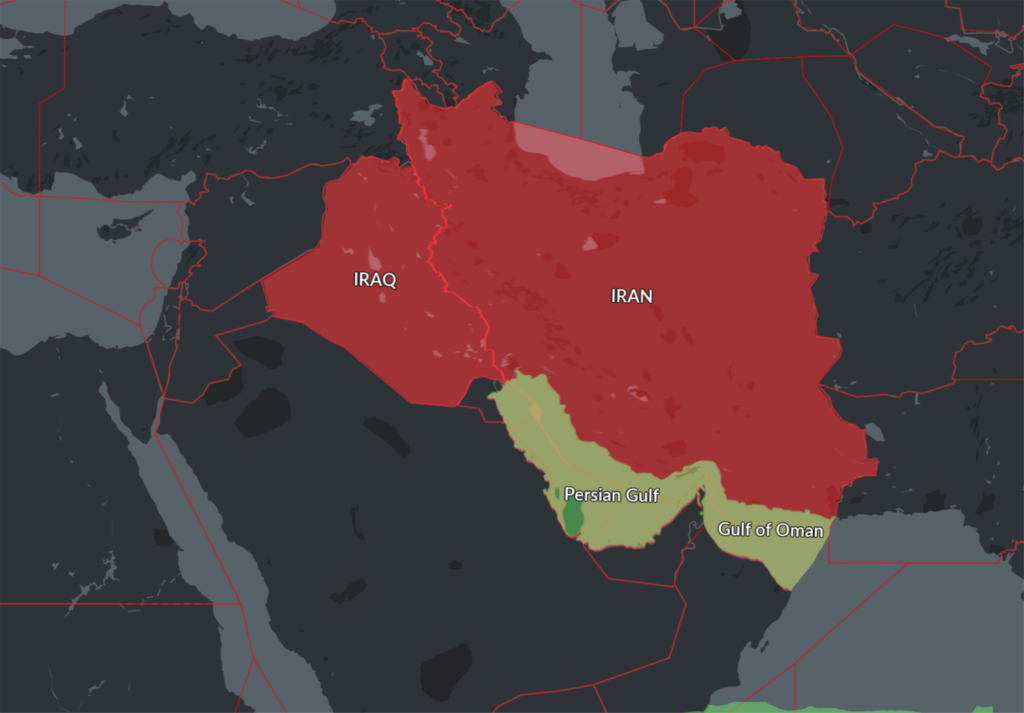
France
France initially issued a Notam on Jan 9 advising operators to avoid the airspace of Iraq and Iran. Then on Feb 14, they changed their advice for Iran, saying that the only chunk of airspace which should be avoided is the western half of the country (everywhere west of 54 Degrees East longitude); they recommended that overflights of the eastern half should be at or above FL320. This guidance was then incorporated into AIC 14/20. The French Notam for Iraq lapsed on Feb 12, and was not renewed – therefore the French advice for Iraq has reverted back to that contained in AIC 14/20 which says that overflights should be at or above FL320, and only on certain airways.

The UK
The UK published Notams on Jan 9 prohibiting operators from entering the airspace of both Iraq and Iran. Then on Jan 17, they issued a new Notam for Iran, and cancelled the one for Iraq, advising operators to revert back to the guidance contained in the AIP ENR 1.1 (1.4.5). Bottom line, the UK advice for both countries is now this: do not overfly below 25,000ft AGL.

EASA
EASA published a notice on Jan 11 specifically warning operators against overflying Iraq and Iran. They said this should be taken as a precautionary measure, following the events of Jan 8. EASA don’t normally issue blanket warnings/recommendations like this. Then on Jan 29, they withdrew that advice, and reaffirmed the position previously stated in their Conflict Zone Information Bulletins (CZIB) – Iraq overflights should be avoided except on two specific airways (UM688 and UM860), and Iran overflights should be avoided below FL250.

Further discussion

  • The #FlightOps channel on Slack is open for Iran/Iraq discussion
  • Email team@ops.group with any intel or analysis you can share

FAA eases Gulf airspace restriction

The FAA has downgraded its airspace warning for the overwater airspace in the Persian Gulf and Gulf of Oman.

They previously said that US operators should avoid this airspace except when flying to/from the main airports in Bahrain, Kuwait and Qatar, UAE and Saudi Arabia.

The new guidance now just advises caution in this region, and recommends to avoid the airways nearest to the OIIX/Tehran FIR whenever possible, to reduce the risk of miscalculation or misidentification by air defence systems (remember, the US ban on Iran overflights is still in place).

The crucial change with this new warning is that overflights in this region are now permitted. So for US operators wanting to transit the OKAC/Kuwait, OBBB/Bahrain, OMAE/Emirates and OOMM/Muscat FIRs – you can now do so.

This new Notam represents a further loosening of the total airspace ban on the Persian Gulf and Gulf of Oman initially applied by the FAA shortly after the Iranian missile strike on US military bases in Iraq on Jan 8, which was quickly followed by the shooting down of Ukraine Int Airlines flight 752 in Tehran by the Iranian Armed Forces, having mistaken the aircraft radar return for an inbound missile.
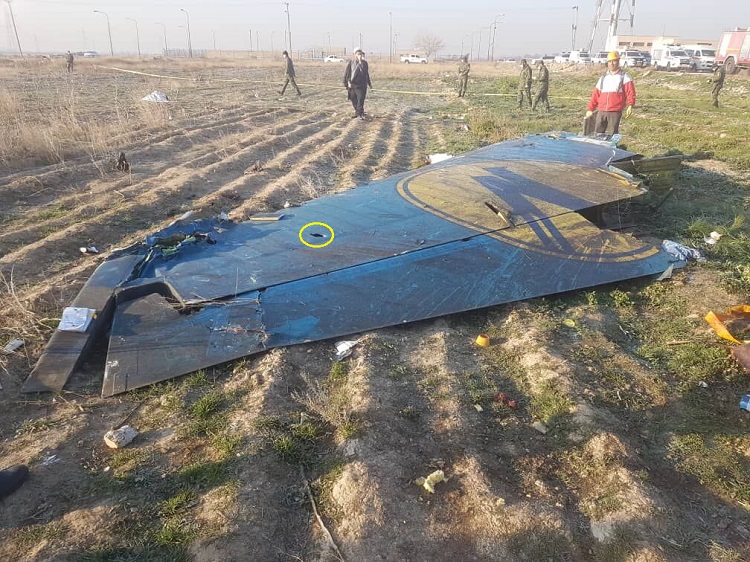
The FAA cited Iranian military de-escalation as the reason for the change. “The FAA assesses there is sufficiently reduced risk of Iranian military miscalculation or misidentification that could affect U.S. civil aviation operations in the overwater airspace above the Persian Gulf and the Gulf of Oman,” the agency said in their Background Information statement, issued on 18th Feb 2020.

Here’s the Background Information statement in full:

Iran has de-escalated its military posture in the Persian Gulf and the Gulf of Oman as of early February 2020. Given this de-escalation, the FAA assesses there is sufficiently reduced risk of Iranian military miscalculation or misidentification that could affect U.S. civil aviation operations in the overwater airspace above the Persian Gulf and the Gulf of Oman in the Kuwait Flight Information Region (FIR) (OKAC), Jeddah FIR (OEJD), Bahrain FIR (OBBB), Emirates FIR (OMAE), and Muscat FIR (OOMM) to permit U.S. civil flight operations to resume.

While the risk to U.S. civil aviation operations in the above-named area has decreased, military posturing and political tensions in the region remain elevated, and there remains some inadvertent risk to U.S. civil aviation operations due to the potential for miscalculation or misidentification. As a result, on 14 Feb 2020, the FAA issued Notice to Airmen (NOTAM) KICZ A0014/20 (reissued on 17 Feb as A0016/20) permitting U.S. civil flight operations to resume in the above-named area while advising operators to exercise caution and to avoid operating on air routes nearest to the Tehran FIR (OIIX) boundary whenever possible. The situation in the region remains fluid and could quickly escalate if circumstances change.

The 8 January 2020 accidental shoot down of Ukraine International Airlines Flight 752 shortly after takeoff from Tehran’s Imam Khomeini International Airport (OIIE)tragically highlights the airspace deconfliction concerns, which pose an inadvertent risk to civil aviation from air defense engagements during periods of heightened tensions and associated military activity. Following the accidental shoot down, the region has seen a lowering of tensions, despite Iran’s continued air defense coverage along its southern coast. In June 2019, there were two incidents of surface-to-air missile fire from the southern coast of Iran targeting U.S. unmanned aircraft systems operating in the Gulf of Oman.

Iran possesses a wide variety of anti-aircraft-capable weapons, including surface-to-air missile systems (SAMs), man-portable air defense systems (MANPADS) and fighter aircraft capable of conducting aircraft interception operations. Some of the anti-aircraft-capable weapons have ranges that encompass key international air routes over the Persian Gulf and the Gulf of Oman. Although Iran likely has no intention to target civil aircraft, the presence of multiple long-range, advanced anti-aircraft-capable weapons in a tense environment poses a risk of miscalculation or misidentification, especially during periods of heightened political tension and military activity.

There is also the potential for Iran to use Global Positioning System (GPS) jammers and other communications jamming capabilities, which may inadvertently affect their command and control capabilities and potentially pose a risk to U.S. civil aviation operating in the above-named area.

The FAA will continue to monitor the risk environment for U.S. civil aviation operating in the region and make adjustments, as appropriate, to safeguard U.S. civil aviation.

Here’s the new Notam in full:

A0016/20 (Issued for KICZ)
SECURITY..UNITED STATES OF AMERICA ADVISORY FOR OVERWATER AIRSPACE ABOVE THE PERSIAN GULF AND THE GULF OF OMAN.

THOSE PERSONS DESCRIBED IN PARAGRAPH A BELOW SHOULD EXERCISE CAUTION WHEN OPERATING IN OVERWATER AIRSPACE ABOVE THE PERSIAN GULF AND THE GULF OF OMAN IN THE KUWAIT FLIGHT INFORMATION REGION (FIR) (OKAC), JEDDAH FIR (OEJD) , BAHRAIN FIR (OBBB), EMIRATES FIR (OMAE), AND MUSCAT FIR (OOMM) DUE TO CONTINUED ELEVATED MILITARY POSTURING AND POLITICAL TENSIONS IN THE REGION.

NOTAM KICZ A0002/20, WHICH PROHIBITS U.S. CIVIL AVIATION OPERATIONS IN THE TEHRAN FIR (OIIX), REMAINS IN EFFECT UNTIL FURTHER NOTICE.

A. APPLICABILITY. THIS NOTAM APPLIES TO: ALL U.S. AIR CARRIERS AND COMMERCIAL OPERATORS; ALL PERSONS EXERCISING THE PRIVILEGES OF AN AIRMAN CERTIFICATE ISSUED BY THE FAA, EXCEPT SUCH PERSONS OPERATING U.S. REGISTERED AIRCRAFT FOR A FOREIGN AIR CARRIER; AND ALL OPERATORS OF AIRCRAFT REGISTERED IN THE UNITED STATES, EXCEPT WHERE THE OPERATOR OF SUCH AIRCRAFT IS A FOREIGN AIR CARRIER.

B. PLANNING. THOSE PERSONS DESCRIBED IN PARAGRAPH A PLANNING TO OPERATE IN THE ABOVE-NAMED AREA MUST REVIEW CURRENT SECURITY/THREAT INFORMATION AND NOTAMS AND COMPLY WITH ALL APPLICABLE FAA REGULATIONS, OPERATIONS SPECIFICATIONS, MANAGEMENT SPECIFICATIONS, AND LETTERS OF AUTHORIZATION, INCLUDING UPDATING B450.

C. OPERATIONS. AVOID AIR ROUTES NEAREST TO THE TEHRAN FIR (OIIX) BOUNDARY, WHENEVER POSSIBLE, TO REDUCE THE RISK OF MISCALCULATION OR MISIDENTIFICATION BY AIR DEFENSE SYSTEMS. ADDITIONALLY, AIRCRAFT OPERATING IN THE ABOVE-NAMED AREA MAY ENCOUNTER INADVERTENT GPS INTERFERENCE AND OTHER COMMUNICATIONS JAMMING, WHICH COULD OCCUR WITH LITTLE OR NO WARNING.

THOSE PERSONS DESCRIBED IN PARAGRAPH A MUST REPORT SAFETY AND/OR SECURITY INCIDENTS TO THE FAA AT +1 202-267-3333. ADDITIONAL INFORMATION IS PROVIDED AT: HTTPS://WWW.FAA.GOV/AIR_TRAFFIC/PUBLICATIONS/US_RESTRICTIONS/.

SFC – UNL, 17 FEB 19:54 2020 UNTIL PERM. CREATED: 17 FEB 20:00 2020


For more on these, and for a full list of current warnings about Iran and Iraq from other states, see SafeAirspace.net


Risk assessing Iran ops – the UIA 737 may have been shot down

Special Update Thursday 09JAN: Members, please see either your email or this post in the Members forum, for a special briefing and update.

08JAN: Iran/Iraq Information page activated with latest information.

The cause of the crash of Ukraine International Airlines (UIA) AUI/PS752 on departure from Tehran is not yet determined, and given political circumstances, may not be clarified beyond reasonable doubt anytime soon.

Purely from the perspective of making a risk assessment for operations to Tehran, and Iran in general, however, we would recommend the starting assumption to be that this was a shootdown event, similar to MH17 – until there is clear evidence to the contrary.

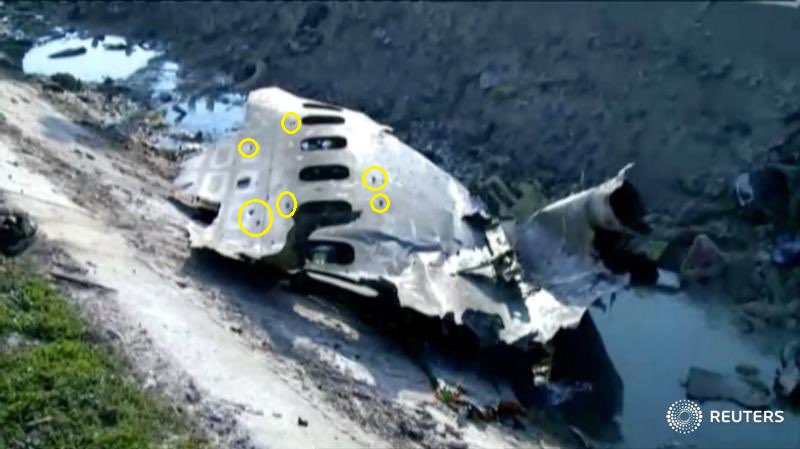
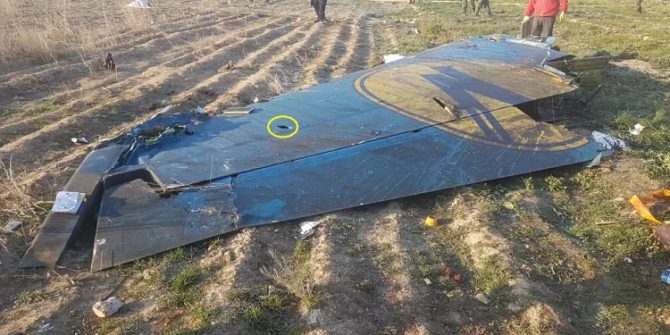
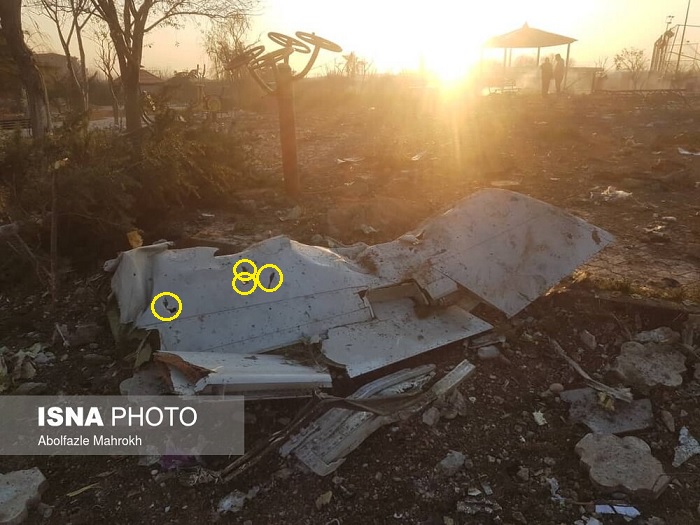
Images seen by OPSGROUP, shown below, show obvious projectile holes in the fuselage and a wing section. Whether that projectile was an engine part, or a missile fragment is still conjecture, but in making a decision as to whether to operate to Iran, erring on the side of caution would dictate that you do not, until there is clear information as to the cause.

Obviously, there is also the wider regional risk as indicated through the US FAA Notams issued late Tuesday night. US operators are covered by these clear and specific Notams – do not operate to Iran, or Iraq, or operate in the Persian/Oman Gulf area.

Other operators are free to make their own judgement, but should note that a majority of non-US international carriers have elected to avoid both countries for the time being.

See also:

  • OPSGROUP Article: FAA Bans Flights Over Iraq And Iran Following Missile Strike On US Base
  • OPSGROUP Article: Germany publishes new concerns for Iraq overflights


Images from ISNA, Reuters; marking of projectile areas from JACDEC.


Germany publishes new concerns for Iraq overflights

Late Monday evening, the German LBA published a new warning for Iraq, indicating areas of concern for overflying traffic, together with a new warning on ORBI/Baghdad Airport.

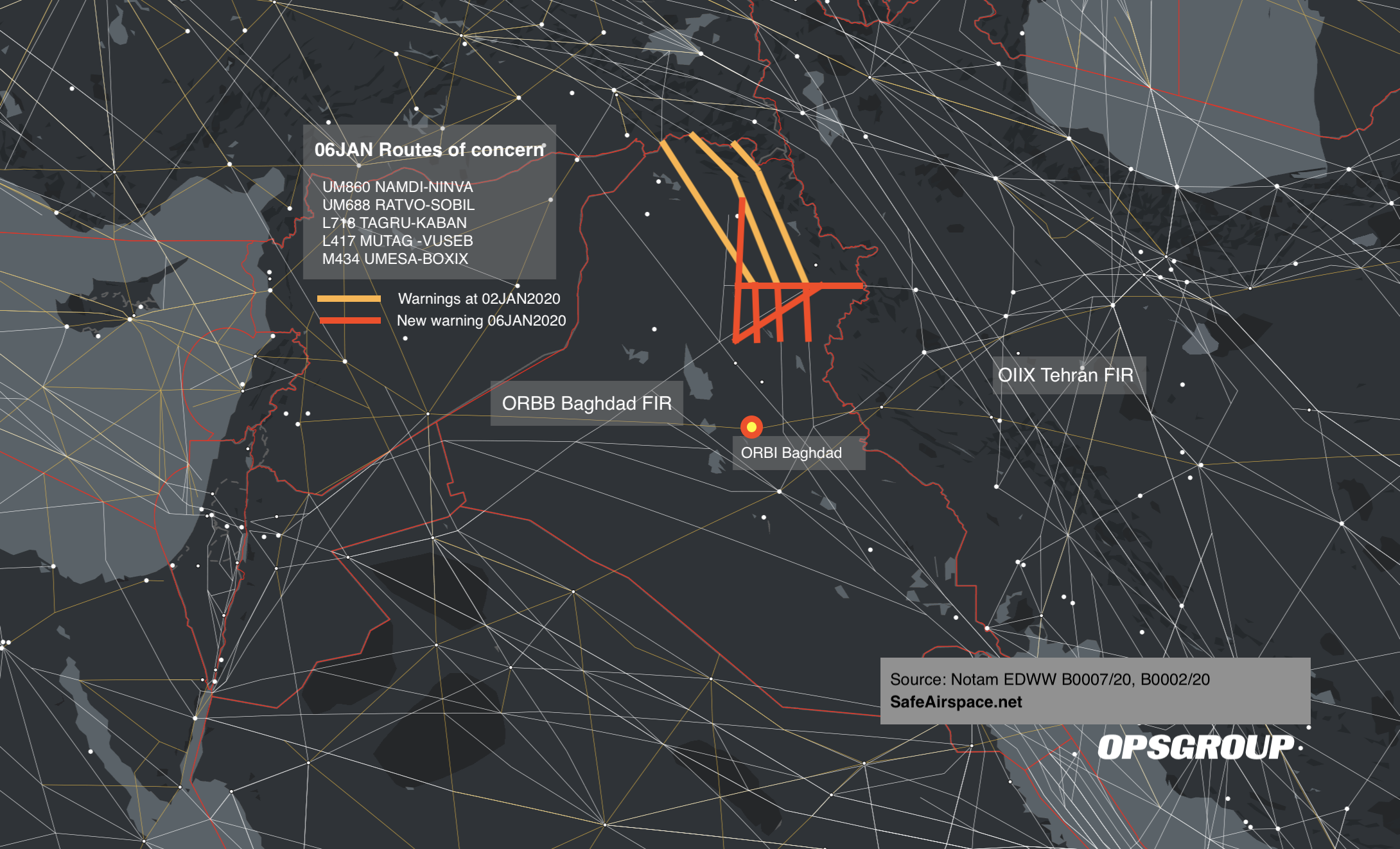
Notam B0007 of 2020 (issued Jan 6) replaces Notam 0002 (issued on Jan 2nd), and these are the routes that Germany now considers a potential risk for aircraft below FL260:

Airway UM860 NAMDI – NINVA
Airway UM688 RATVO – SOBIL
Airway L718 TAGRU – KABAN
Airway L417 MUTAG – VUSEB
Airway M434 UMESA – BOXIX
Airway R652 MUTAG – DAVAS

Seen on the map below, all these airways are in the north east of Iraq: the yellow lines are the warnings that existed on and prior to Jan 2nd, and the orange lines show the additional areas flagged in Mondays Notam.

Of the other primary states that issue airspace warnings – the UK, France, and the US – none have issued updated guidance yet this year.

There is no doubt that the events of Jan 3, 2019 at ORBI/Baghdad Airport have created an extremely tense situation between the US and Iran. The aviation security picture in the Middle East, already fragile and unstable, is now unpredictable. A response by Iran to the US airstrike of Jan 3rd seems possible.

Specific to the Baghdad Airport incident, it seems early reports of Katyusha rockets can be discounted, that it was an attack carried out on vehicles near the airport by US Apache Helicopters. Civil traffic resumed operations shortly after the attack with several departures operating ‘as normal’. Overflights continued during the attack.

As to the Iranian response, anything that looks like a US asset or ally could be a target – military or civil. US operators, at a minimum, should be avoiding the Tehran FIR, and considering security carefully when operating in other countries in the region, most notably Israel, Lebanon, and Kuwait – as a response may target airports in those countries or foreign aircraft. That said, it’s a guessing game right now, and predicting the specifics of a response is extremely difficult.

For full analysis, and a listing of all current warnings, see Safe Airspace.


US issues Emergency Order – No Fly Zone for Civil Aircraft – Iran

The FAA has issued an Emergency Order to US Civil Aircraft, prohibiting all American aircraft operators from entering the Tehran Flight Information Region (OIIX) FIR in the area above the Persian Gulf and Gulf of Oman.

Notam A0019/19 was issued at 0148 UTC, June 21st.

The Notam specifically prohibits any airline or aircraft operator from flying within Iranian airspace in the region that the US drone was shot down in on June 20th.

Some airlines had already reported suspending operations in Iranian airspace. This Notam ensures that US operators cannot operate in the area. Although the official applicability is to US aircraft only, since MH17 all countries rely on advice from the US, the UK, France and Germany to highlight airspace risk.

The full Notam follows (bolded parts by OPSGROUP):
A0019/19 NOTAMN Q) KICZ/QRDLP/IV/NBO/AE/000/999/
A) KICZ PART 1 OF 2
B) 1906210148
C) PERM
E) SECURITY..UNITED STATES OF AMERICA PROHIBITION AGAINST CERTAIN FLIGHTS IN THE OVERWATER AREA OF THE TEHRAN FLIGHT INFORMATION REGION (FIR) (OIIX) ABOVE THE PERSIAN GULF AND GULF OF OMAN ONLY.


ALL FLIGHT OPERATIONS IN THE OVERWATER AREA OF THE TEHRAN FLIGHT INFORMATION REGION (FIR) (OIIX) ABOVE THE PERSIAN GULF AND GULF OF OMAN ONLY ARE PROHIBITED UNTIL FURTHER NOTICE DUE TO HEIGHTENED MILITARY ACTIVITIES AND INCREASED POLITICAL TENSIONS IN THE REGION, WHICH PRESENT AN INADVERTENT RISK TO U.S. CIVIL AVIATION OPERATIONS AND POTENTIAL FOR MISCALCULATION OR MIS-IDENTIFICATION.THE RISK TO U.S. CIVIL AVIATION IS DEMONSTRATED BY THE IRANIAN SURFACE-TO-AIR MISSILE SHOOT DOWN OF A U.S. UNMANNED AIRCRAFT SYSTEM ON 19 JUNE 2019 WHILE IT WAS OPERATING IN THE VICINITY OF CIVIL AIR ROUTES ABOVE THE GULF OF OMAN.


A. APPLICABILITY. THIS NOTAM APPLIES TO: ALL U.S. AIR CARRIERS AND COMMERCIAL OPERATORS; ALL PERSONS EXERCISING THE PRIVILEGES OF AN AIRMAN CERTIFICATE ISSUED BY THE FAA, EXCEPT SUCH PERSONS OPERATING U.S.-REGISTERED AIRCRAFT FOR A FOREIGN AIR CARRIER; AND ALL OPERATORS OF AIRCRAFT REGISTERED IN THE UNITED STATES, EXCEPT WHERE THE OPERATOR OF SUCH AIRCRAFT IS A FOREIGN AIR CARRIER.


B. PERMITTED OPERATIONS. THIS NOTAM DOES NOT PROHIBIT PERSONS DESCRIBED IN PARAGRAPH A (APPLICABILITY) FROM CONDUCTING FLIGHT OPERATIONS IN THE ABOVE NAMED AREA WHEN SUCH OPERATIONS ARE AUTHORIZED EITHER BY ANOTHER AGENCY OF THE UNITED STATES GOVERNMENT WITH THE APPROVAL OF THE FAA OR BY A DEVIATION, EXEMPTION, OR OTHER AUTHORIZATION ISSUED BY THE FAA ADMINISTRATOR. OPERATORS MUST CALL THE FAA WASHINGTON OPERATIONS CENTER AT 202-267-3333 TO INITIATE COORDINATION FOR FAA AUTHORIZATION TO CONDUCT OPERATIONS.


C. EMERGENCY SITUATIONS. IN AN EMERGENCY THAT REQUIRES IMMEDIATE DECISION AND ACTION FOR THE SAFETY OF THE FLIGHT, THE PILOT IN COMMAND OF AN AIRCRAFT MAY DEVIATE FROM THIS NOTAM TO THE EXTENT REQUIRED BY THAT EMERGENCY.
THIS NOTAM IS AN EMERGENCY ORDER ISSUED UNDER 49 USC 40113(A) AND 46105(C). ADDITIONAL INFORMATION IS PROVIDED AT: HTTPS://WWW.FAA.GOV/AIR_TRAFFIC/PUBLICATIONS/US_RESTRICTIONS/

Earlier today, we published an article summarizing the risk to Aircraft Operators in the Gulf region – “The Threat of a Civil Aircraft Shootdown in Southern Iran is Real


In addition to the Notam, the FAA Threat Analysis Division have also published background information on the current situation (download that PDF here )


In that document, the FAA says: “Although the exact location of the attack is not yet available, there were numerous civil aviation aircraft operating in the area at the time of the intercept. According to flight tracking applications, the nearest civil aircraft was operating within approximately 45nm of the Global Hawk when it was targeted by the Iranian SAM. FAA remains concerned about the escalation of tension and military activity within close proximity to high volume civil air routes and the Iran’s willingness to use long-range SAMs in international airspace with little to no warning. As a result, there is concern about the potential for misidentification or miscalculation which could result in the inadvertent targeting of civil aviation.”

The Iran risk is being monitored at Safe Airspace – the Conflict Zone & Risk Database. The Iran country page also has more information on further overflight considerations in other parts of the Tehran FIR.


The Threat Of A Civil Aircraft Shootdown In Iran Is Real

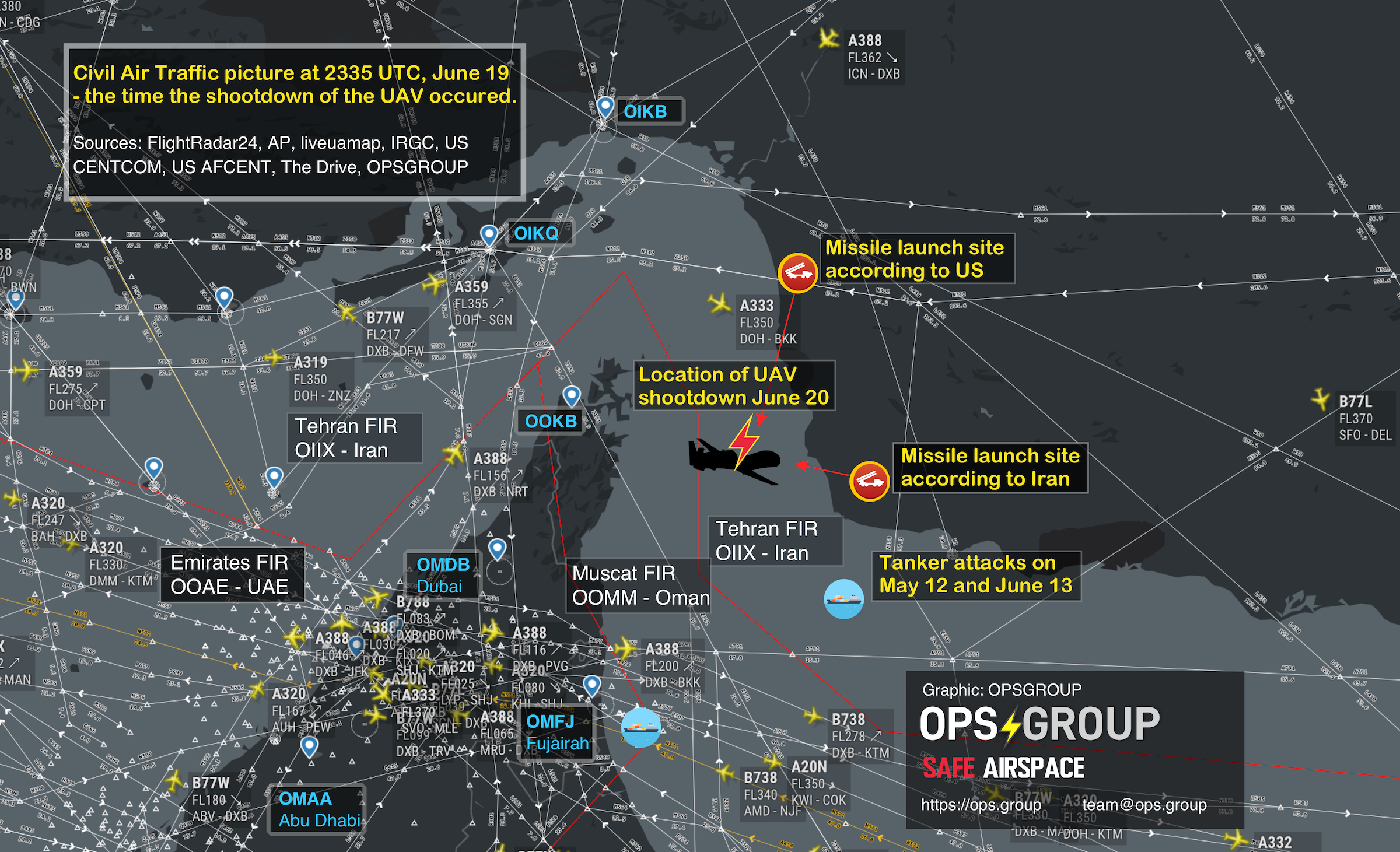
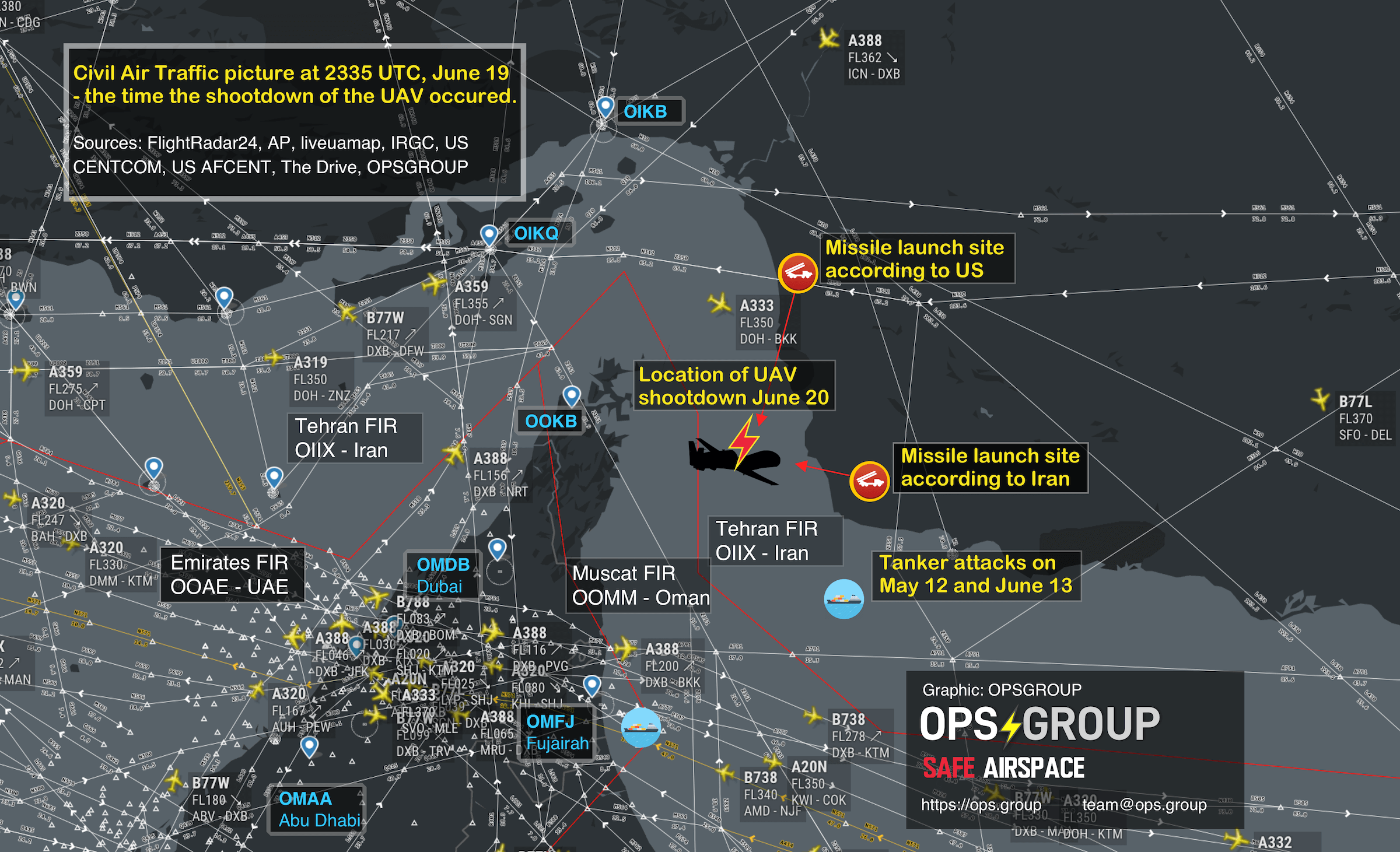
As we know by now, at 23:35Z last night (June 19, UTC), Iran shot down a US UAV on a high-altitude recon mission in the Straits of Hormuz. This was no small incident. The UAV was a $200 million aircraft, weighing 32,000 lbs, with the same wingspan as a 737.

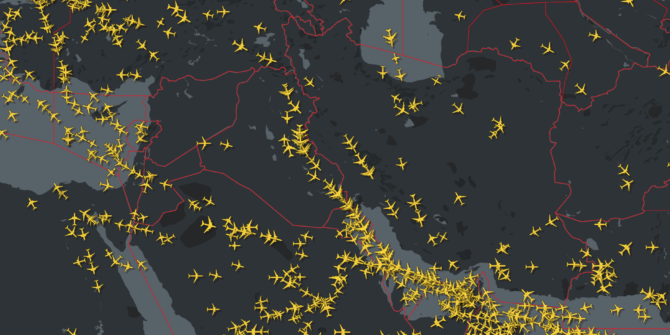
Although Iran and the US have slightly different versions of the position of the shooting down in the media, the approximate area is very clear, and marked on the map below, which shows the airspace picture at 2335Z, the time of the shootdown.

A high-res version of this map is available here.

For civil operators, the Straits of Hormuz have always been an area of high military activity, so it’s tempting to mark this as ‘more of the same’.  However, over the last few weeks tension between the US and Iran has heightened, and the launching of a surface to air missile by Iran represents an escalation in the current situation that crosses a threshold –  warranting a very close inspection by airlines and aircraft operators overflying, or using airports like Dubai, Abu Dhabi, Ras Al Khaimah, Muscat, and Fujairah.

As we approach five years since MH17, we should remember the build up to that shootdown took several months, and there are the warning signs here that we must pay close attention to. In the lead up to MH17, 16 military aircraft were shot down before MH17 became the 17th. Look closely at the map. Civil aircraft were very close to the site of this incident.

This morning, we sent this out to our members in OPSGROUP:

OIZZ/Iran Earlier today, a large US military drone was shot down by Iran over the Strait of Hormuz. The US say it was over international waters, Iran say it was within their FIR. Either way, it means that SAM missiles are now being fired in the area, and that represents an escalation in risk. It appears a 787 was very close to the missile site this morning. Avoiding the Strait of Hormuz area is recommended – misidentification of aircraft is possible. If you are coming close to Iran’s FIR, it’s essential that you monitor 121.5, as Iran uses this to contact potentially infringing aircraft. Local advice from OPSGROUP members says ‘Even if the operator/pilots think they will come close or penetrate Irans Airspace they should contact Iran Air Defense on 127.8 or 135.1’. If the Iranians have an unidentified aircraft on their radar and not in contact with them they will transmit on guard with the unidentified aircraft coordinates, altitude, squawk (if there is one), direction of travel and then ask this aircraft to identify themselves as they are approaching Iranian ADIZ. Monitor safeairspace.net/iran for the latest. 

Last September, when Syria shot down a Russian transport aircraft, we published an article on that risk, and noted “50 miles away from where the Russian aircraft plunged into the sea on Monday night is the international airway UL620, busy with all the big name airline traffic heading for Beirut and Tel Aviv. If Syria can mistakenly shoot down a Russian ally aircraft, they can also take out your A320 as you cruise past.” That same risk of misidentification exists here in the Straits of Hormuz.

Apart from the misidentification risk, is the risk of a problem with the missile itself. The missile used by Syria in September was a Russian S-200 SAM, which was the same missile type that brought down Siberian Airlines Flight 1812 in 2001. The missile can lock on to the wrong target, and this risk is higher over water. The missile system used by Iran last night was a domestically-built Raad Anti-Aircraft system, similar to the Russian Buk that was used against MH17. Any error in that system could cause it to find another target nearby – another reason not to be anywhere near this part of the Straits of Hormuz.

Bear in mind that as an aircraft operator you won’t be getting any guidance from the Civil Aviation Authorities in the region. As we saw with Syria, even when an aircraft had been shot down on their FIR boundary, the only Notams from Cyprus were about firework displays at the local hotels. It won’t be any different here. You need to be the one to decide to avoid the area.

A further risk, if you needed one, is retaliation by the US. It seems probable that the US will at least try to find an Iranian target to make an example of. If you recall the Iran Air 665 tragedy, back in July 1988, which occurred in the same area, the US mistakenly shot down that aircraft thinking it was an Iranian F-14.

Bottom line: we should not be flying passenger aircraft anywhere near warzones. That’s the lesson from MH17, and that’s the lesson we need to keep applying when risks like this appear on our horizon.

The Iran risk is being monitored at Safe Airspace – the Conflict Zone & Risk Database. The Iran country page also has more information on further overflight considerations in other parts of the Tehran FIR.

Further reading:


Sources for this article:


What’s going on in the Strait of Hormuz?

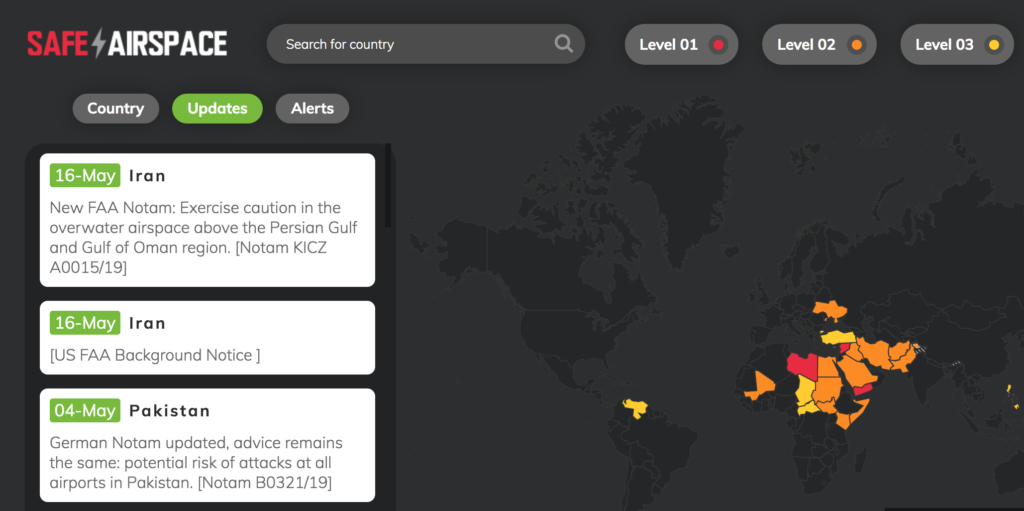
Amid rising tensions between the US and Iran, on 16th May the US FAA issued a new Notam and Background Notice advising operators to exercise caution in the overwater airspace above the Persian Gulf and Gulf of Oman.

The US has deployed warships and planes to the region, and withdrawn embassy staff from Iraq in recent days, and Iran has allegedly placed missiles on boats in the Persian Gulf.

In their Background Notice, the US FAA say that “Iran has publicly made threats to US military operations”, and are concerned about “a possible risk of miscalculation or misidentification, especially during periods of heightened political tension and rhetoric.” They also warn of increased GPS jamming by Iran throughout this region.

The US published another airspace warning for Iran back in September 2018, but that was mainly focussed on the risks of overflying Iran itself due to missiles fired from sites in the far west of the country against targets in Syria. That warning only made passing reference to the Gulf region – the only tangible risk at that time being due to Iran’s “test launches” in the area between Iran and Dubai, where the Iranian military regularly fire missiles during drills to practise blockading the Strait of Hormuz. 

In May 2018, the US pulled-out of the Iran nuclear deal, and re-imposed sanctions. Since then, the relationship between the two countries has rapidly gone downhill. This week, the White House Press Secretary said that Washington would continue its “maximum pressure” campaign on Iran, adding the US would like to see “behavioural change” from the country’s leadership. 

With the military build-up in the Gulf region, the US government has been quick to defend its actions, but the message seems to be clear: we don’t want war, but we’re ready for one.

As National Security Adviser John Bolton said in a statement this week: “The United States is not seeking war with the Iranian regime… but we are fully prepared to respond to any attack, whether by proxy, the Islamic Revolutionary Guard Corps or regular Iranian forces.”

The full FAA Notam and Background Notice text is below. SafeAirspace.net is now updated with the new information.

KICZ NOTAM A0015/19 
SECURITY..UNITED STATES OF AMERICA ADVISORY FOR OVERWATER AIRSPACE ABOVE THE PERSIAN GULF AND GULF OF OMAN. 

THOSE PERSONS DESCRIBED IN PARAGRAPH A BELOW SHOULD EXERCISE CAUTION WHEN OPERATING IN OVERWATER AIRSPACE ABOVE THE PERSIAN GULF AND THE GULF OF OMAN DUE TO HEIGHTENED MILITARY ACTIVITIES AND INCREASED POLITICAL TENSIONS IN THE REGION, WHICH PRESENT AN INCREASING INADVERTENT RISK TO U.S. CIVIL AVIATION OPERATIONS DUE TO THE POTENTIAL FOR MISCALCULATION OR MIS-IDENTIFICATION. ADDITIONALLY, AIRCRAFT OPERATING IN THE ABOVE-NAMED AREA MAY ENCOUNTER INADVERTENT GPS INTERFERENCE AND OTHER COMMUNICATIONS JAMMING, WHICH COULD OCCUR WITH LITTLE TO NO WARNING. 

A. APPLICABILITY. THIS NOTAM APPLIES TO: ALL U.S. AIR CARRIERS AND COMMERCIAL OPERATORS; ALL PERSONS EXERCISING THE PRIVILEGES OF AN AIRMAN CERTIFICATE ISSUED BY THE FAA, EXCEPT SUCH PERSONS OPERATING U.S.-REGISTERED AIRCRAFT FOR A FOREIGN AIR CARRIER; AND ALL OPERATORS OF AIRCRAFT REGISTERED IN THE UNITED STATES, EXCEPT WHERE THE OPERATOR OF SUCH AIRCRAFT IS A FOREIGN AIR CARRIER. 

B. PLANNING. THOSE PERSONS DESCRIBED IN PARAGRAPH A PLANNING TO OPERATE IN THE ABOVE-NAMED AREA MUST REVIEW CURRENT SECURITY/THREAT INFORMATION AND NOTAMS; COMPLY WITH ALL APPLICABLE FAA REGULATIONS, OPERATIONS SPECIFICATIONS, MANAGEMENT SPECIFICATIONS, AND LETTERS OF AUTHORIZATION, INCLUDING UPDATING B450. 

C. OPERATIONS. EXERCISE CAUTION DURING FLIGHT OPERATIONS DUE TO THE POSSIBILITY OF INTERRUPTIONS TO INTERNATIONAL AIR TRAFFIC DUE TO HEIGHTENED MILITARY ACTIVITIES AND INCREASED POLITICAL TENSIONS IN THE REGION. POTENTIALLY AFFECTED OVERWATER AIRSPACE ABOVE THE PERSIAN GULF AND THE GULF OF OMAN INCLUDES PORTIONS OF THE TEHRAN FIR (OIIX), BAGHDAD FIR (ORBB), KUWAIT FIR (OKAC), JEDDAH FIR (OEJD) , BAHRAIN FIR (OBBB), EMIRATES FIR (OMAE), AND MUSCAT FIR (OOMM). THOSE PERSONS DESCRIBED IN PARAGRAPH A MUST REPORT SAFETY AND/OR SECURITY INCIDENTS TO THE FAA AT +1 202-267-3333. 

SFC – UNL,16 MAY 23:11 2019 UNTIL PERM. CREATED: 16 MAY 23:17 2019

FAA Background Information Regarding U.S. Civil Aviation – For the Overwater Airspace Above the Persian Gulf and Gulf Of Oman Region.

Due to increased political tensions and heightened military activities in the region, there is an increasing inadvertent risk to U.S. civil aviation operating in overwater airspace above the Persian Gulf and Gulf of Oman. As a result, on 16 May 2019, the FAA issued Notice to Airmen (NOTAM) KICZ A0015/19, advising U.S. civil flight operations to exercise caution when operating in the above area. 

Iran has publicly made threats to U.S. military operations in the Gulf region. In addition, Iran possesses a wide variety of anti-aircraft-capable weapons, including surface-to-air missile systems (SAMs), man-portable air defense systems (MANPADS) and fighter aircraft that are capable of conducting aircraft interception operations. Some of the anti-aircraft-capable weapons have ranges that encompass key international air routes over the Persian Gulf and the Gulf of Oman. Additionally, Iran recently conducted a military exercise in the region, demonstrating their unmanned aircraft system (UAS) capabilities. Although Iran likely has no intention to target civil aircraft, the presence of multiple long-range, advanced anti-aircraftcapable weapons in a tense environment poses a possible risk of miscalculation or misidentification, especially during periods of heightened political tension and rhetoric. 

There is also the potential for Iran to increase their use of Global Positioning System (GPS) jammers and other communication jamming capabilities, which may affect U.S. civil aviation operating in overwater airspace over the Persian Gulf and the Gulf of Oman. 

The FAA will continue to monitor the risk environment for U.S. civil aviation operating in the region and make adjustments, as necessary, to safeguard U.S. civil aviation.


Stuck in Iran for over 2 months

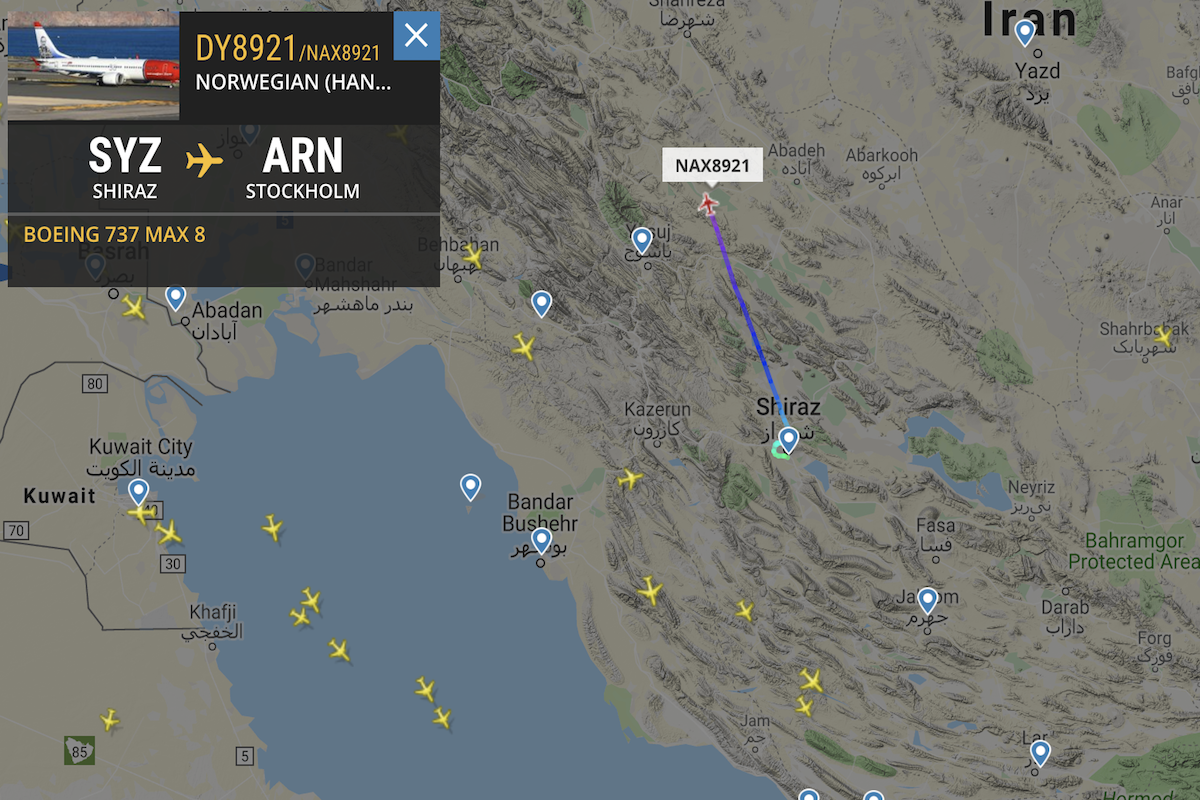
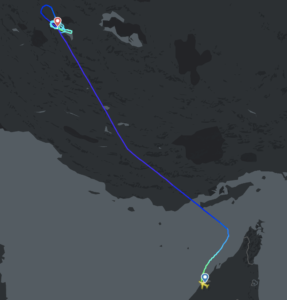
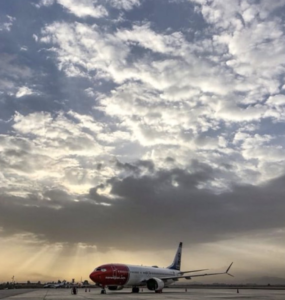
On Feb 23, the Norwegian B737 which had been stuck in Iran for two months after an in-flight diversion finally departed OISS/Shiraz, and landed back at Stockholm’s ESSA/Arlanda airport.

The brand new Norwegian Boeing 737 MAX8 was flying from Dubai to Oslo on Dec 14 when it encountered engine problems that necessitated a diversion to Shiraz.

With the U.S. sanctions currently in place against Iran, it made it very difficult to obtain approval to get the required spare parts over to Iran to fix the aircraft – Norwegian were only able to do so after negotiating a workaround with the U.S. Office of Foreign Asset Control.

The real complication here came from the fact that the aircraft needed a replacement LEAP-1B engine. The engine is a 50/50 ownership split between GE (USA) & Safran (France). The U.S. export restrictions apply to any company that wants to sell or resell goods to Iran that contain more than 10 percent aviation parts or technology from the United States.

In the end, the aircraft was out of service for over two months, no doubt costing the airline a fortune in lost revenue. It’s unclear who will be picking up the bill for “extra” complications of getting the permits with Iran, but that will be a costly exercise also.
The lesson?

Consider your overflight diversion options. If a checklist calls for a diversion to the nearest suitable airport and that airport is in a country with limited diversion support or (in this case) complicated requirements for sourcing replacement parts – is it worth the risk?

Have you operated to anywhere in Iran recently? Let us know how it went!

Further reading


No change to Iran airspace warning despite new US sanctions

The US reimposed sanctions against Iran on Nov 5. Despite this, so far there has been no change to the FAA guidance to US operators issued on 9th September 2018: flights to Iran are not prohibited, but operators should “exercise caution” when flying in Iranian airspace.

However, with the reimposed sanctions comes a new problem if you’re a US operator: you’re allowed to overfly Iran, but you’re not allowed to pay for all the things needed to make that happen – things like overflight permits, and nav fees.

The rule is simple: no US person or business can pay for services in countries with sanctions against them (like Iran), unless that person or business has a licence to do so, issued by the Office of Foreign Assets Control (OFAC).

And you’re not allowed to get an agent to do it for you either; it’s illegal to skirt the OFAC laws by using a 3rd party company (unless, of course, they’ve been approved by OFAC).

So the big question we have now is this: if you’re planning to overfly Iran, have you figured out the legalities of paying for services? How are you making that work? Know someone who’s got an OFAC licence for Iran? Let us know!

And one other thing to watch out for – operators with US based insurers should double-check their policies, as you may now no longer be covered for flights to Iran, due to the new sanctions. This is worth checking, even if you’re only planning on overflying the Tehran FIR, as any unplanned landing (decompression, medical, engine fire) may force you into Tehran or another airport – it’s a big chunk of airspace.

Further reading:


Dubai to London – which way is best?

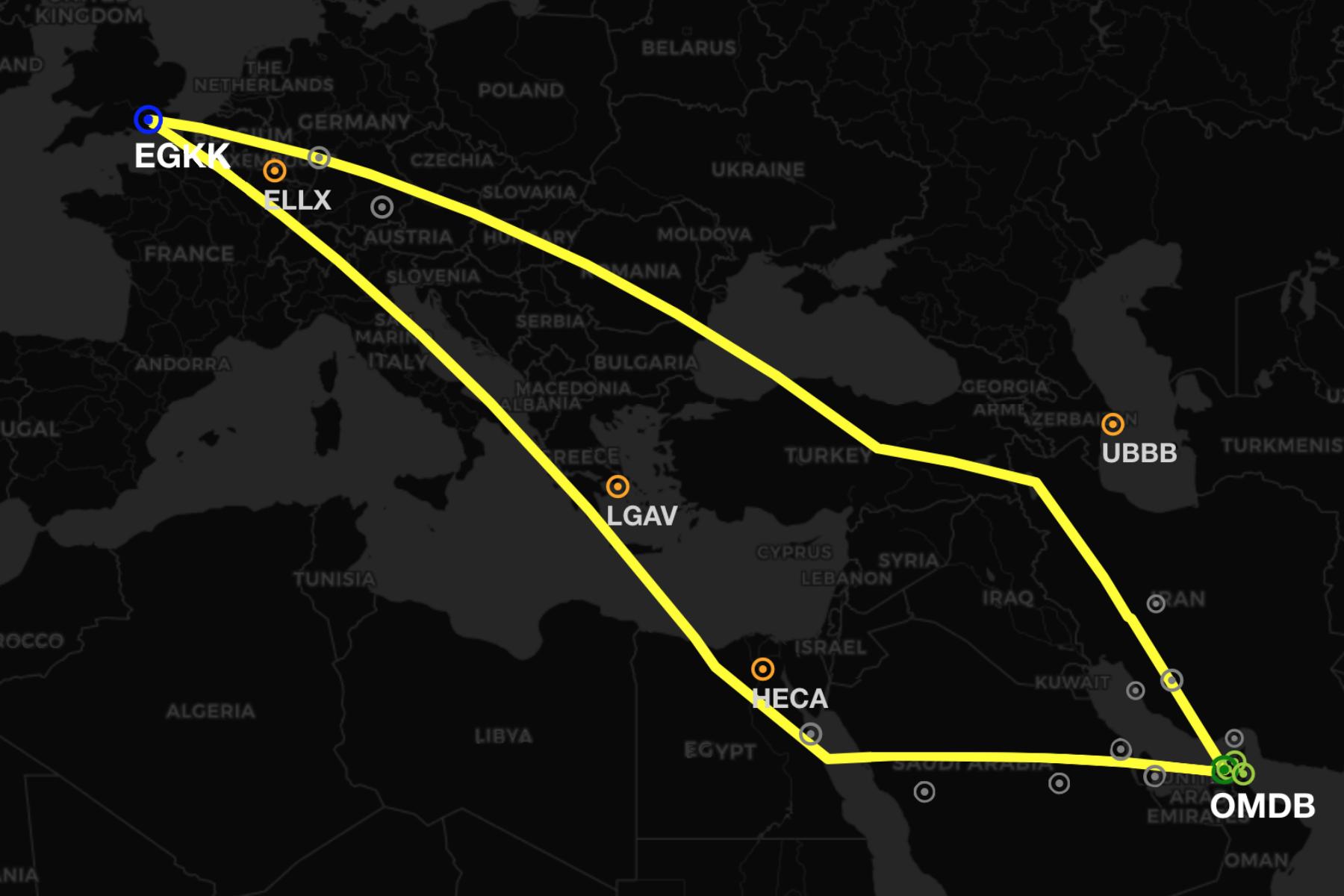
In Short: Two main options, via Saudi and Egypt (safer, cheaper but longer) or via Iran and Turkey (shorter, busier and geo-politically more unstable). It’s a complicated planning climate at present. Review regularly based on latest risk factors.   

There are more business aviation operators flying between the Middle East and Europe than ever before. So we took the time to look over the route options between the two regions. For our example we will be using a flight from Dubai to London, but similar operational considerations are valid for the plethora of route combinations through this whole region.
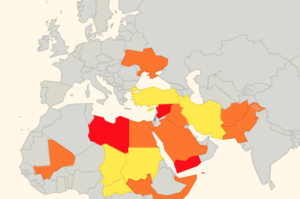
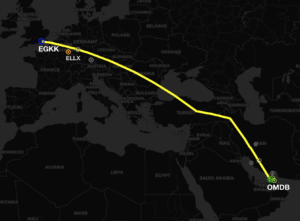
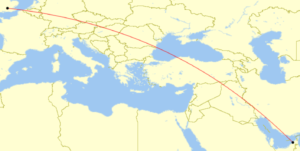
Firstly, we are sure you are a frequent visitor to our safe airspace website. Updated all the time with the latest notes and risk recommendations based on the latest intel. So, first things first, we want to avoid Syria, Libya and the Sinai Peninsula. As you can see however, this is a complicated geo-political region for flight planning. The direct great circle route would take us through Syria and would be around 3125nm. But that isn’t going to work. So, what else we got?

We will look at the two ways to head over the region. One is via Iran, Turkey and onwards to Europe. The other over Saudi Arabia and Egypt towards Europe.

Option 1: Iran/Turkey

Safety: Both Iran and Turkey are FSB Risk Level: Three – Caution. Iran is involved in the ongoing conflict with Syria and several Russian missiles crossed the Tehran FIR and several busy international routes. There are also increased tensions between the USA and Iran at present – if you had to divert in an N-reg aircraft, Iran would not be the friendliest of places to do so. Turkey borders with Syria and we have received multiple reports of GPS interference in the area.

Distance: an extra 100nm.

Time: About 15 minutes longer than great circle route.

Ease and Cost: Iran has higher overflight costs and for US based operators a reminder of the sanctions for dealing directly with Iran, or agencies in Iran. You’ll want to use an approved agent if you’re from the US (i.e.–not an Iranian company). Iran doesn’t work on Fridays, so be aware there. Turkish overflight costs are reasonable and remember that Turkish authorities require the use of an agent to apply for permits.

Traffic: The biggest issue with this route is that everyone is using it! It’s congested with a lot of airline traffic. It’s a major corridor for Asia-Europe flights also. So, getting the levels you want, and off route deviations are more complicated. Things get busy, as you can see!

Option 2: Saudi/Egypt

Safety: In terms of airspace warnings and risk, this route is slightly better. We have rated Saudi and Egypt airspace as FSB Risk Level: Two – Assessed Risk. Beyond the Sinai Peninsula and the Saudi/Yemen border, generally there is less of a chance of airspace security risks at present.
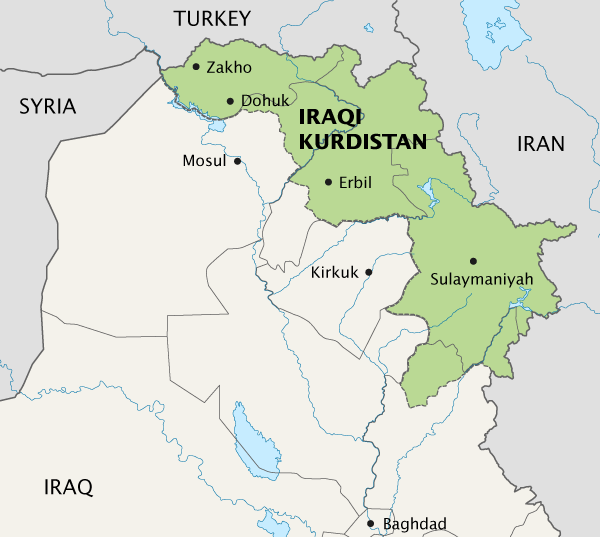
Distance: An extra 300nm from the great circle.

Time: Around 45 minutes longer.

Ease and Cost: Saudi and Egyptian airspace are generally a cheaper option ($1,000USD+). In Egypt, by law you have to get your permit through an Egyptian agent, but it’s a straight forward process. In Saudi, again, using an agent is best; they normally have three-day lead time – so keep that in mind. Also remember that the CAA only work Sun-Wed during office hours.

Traffic: For most of the day, much less of a traffic bottle neck.


Bottom line

Of the two options, routing via Saudi/Egypt is cheaper, and safer (as long as you steer clear of Egypt’s Sinai Peninsular and Saudi’s border with Yemen), but it’s going to take slightly longer.

What about Iraq?

We don’t think it’s a good idea. There’s a lot of information out there saying certain airways are ok but only at higher levels. But if you needed to get down fast, or even make an unexpected landing, Iraq isn’t the place you would want to go at present. Treat with caution.

Which one is your favourite choice? Let us know!

Further reading:


ORER and ORSU: Closed to International Ops

The Iraqi CAA will ban all international flights to/from ORER/Erbil and ORSU/Sulaimaniyah starting from Friday 29th Sep. 

From then on, those airports will only be open for Iraqi carriers and domestic ops.

Tensions around the Kurdish autonomous region of Iraq are rising following a referendum on independence.

The Iraqi govt has demanded that the KRG (Kurdistan Regional Government) hand over control of its two international airports – ORER and ORSU. Until the KRG comply with this request, the international ban on flights to these airports is set to continue.

At the request of the Iraqi govt, Iran had already closed it’s airspace to ORER/ORSU traffic earlier this week, and Turkey was considering implementing the same ban.

The KRG are now deciding whether to give up control of their airports or lose their international flights. Should it be the latter, then from now on anyone attempting to travel to the region will have to transit via Baghdad.

We will update as more information becomes available.


OIIX Tehran FIR 2017 Operational Changes – Iran

Feb 1st, 2017 Traffic is getting far busier through the Turkey-Iran FIR boundary (Europe-Asia main flight route). ALRAM is the new “corner” for avoiding Iraq. Here’s updated flight planning  guidance from Turkey for Jan-March 2017 – use these when planning your ATC route (refer LTAA A5716/16). We’ve translated the Notam a little for clarity, here’s the highlights:

1. SRT-ALRAM segment of UG8  – use FL330 or higher.
2. ULTED-ALRAM segment of UT36 – use FL330 or higher.
3. Going via UG8 or UT36, to leave Tehran FIR via ALRAM, at FL320 and below: Route EZS-UG81/UL124-VAN-BONAM-UMH. Check Iran AIP Sup 93/15 for more.
4. ALRAM-BAYIR segment UT888 minimum FL330. If entering LTAA/Ankara FIR via ALRAM lower than FL330, then route UMH-BONHAM-UI124/UG81-VAN-UI124-UG81-BAYIR.
5. VAN-BONAM segment of UG81 and UI124 can be used bidirectional below FL330.
6. ULTED-NINVA segment of UM688 – use FL330 or higher.
7. Entire R/UR21, SRT-KABAN segment of M/UM860, and ULSAB-KABAN segment of UT334 closed FL180-FL310.
8. UT332 – use FL330 or higher.
9. UT301 totally closed.
10. UT333 closed FL180-FL310 inclusive.


IOB Bulletins

31AUG 2016 OIZZ/Iran has approved the use of its airbases by Russian fighter aircraft; Russia has notified intention to launch missiles in the direction of Syria from the Caspian Sea fleet. The Russian Air Force has deployed six Tu-23M3 BACKFIRE bomber aircraft and multiple Su-34 FULLBACK strike fighter jets to Hamedan Air Base (OIHS/NUJ). FSBIOBXX

17AUG 2016 On August 16, Russian TU-22 bombers based in Hamedan, Iran, attacked targets in the Syrian towns of Deir Ezzour, Aleppo and Idlib. These were the first Russian airstrikes carried out from bases in Iran.

07DEC2015 German Authorities published a new Notam last week warning of a risk to flight for aircraft operating in the vicinity of OITT/Tabriz, OITL/Ardabil, and OIGG/Rasht. DFS, the German ATC agency, recommends overflying this general region at FL260 or higher. A6875/15.

13OCT 2015  On 06 OCT 15 the Russian military launched 26 Kalibr-class cruise missiles from 4 ships in the Caspian Sea at targets in Syria. These missiles were routed through the airspace of Azerbaijan, Iran, Iraq and Syria, causing concern as to the safety of international air traffic crossing the missiles trajectory. Full notice.


More stuff:

  • Iran Conflict Zone/Overflight risk warnings  at safeairspace.net

New airspace warnings – Turkey, Iran

Today Flight Service Bureau has published ION05/16 – an updated Unsafe Airspace Summary, with new warnings for Turkey, and Iran, and a new map at safeairspace.net. This replaces 04/16 issued in August.

Turkey: 23SEP16 Germany B1289/16 Do not plan flights to LTAJ due potential ground to ground firing in the vicinity of LTAJ/Gaziantep Airport.

Iran: 09SEP16 FAA Notam KICZ 19/16 Exercise caution within Tehran FIR due military activity.

New information in the PDF is marked with a   I   beside it. Please distribute the PDF to anyone you like, we are keen to make sure as many operators as possible are aware of the risks.


opg-safeairspace


Midweek Briefing: End of Canada Leniency, Two hurricanes inbound Hawaii

End of Canada Leniency 31AUG Earlier this year Canada introduced a requirement for an eTA – like the US Esta. For a while, it was OK to travel without one. That’s ending in September … Read the article

Two hurricanes inbound Hawaii 31AUG Madeline is first, followed by Lester – both are tracking west towards Hawaii with landfall expected – should it occur – on Wednesday and Thursday. Read the article


LTCC/Diyarbakir, Turkey Kurdish militants fired rockets at Diyarbakir Airport in southeastern Turkey. The militants reportedly targeted a security check-point outside the airport lounge. All personnel were taken inside terminal building for safety reasons. No flights were disrupted, and there were no reports of casualties.

EHAM/Amsterdam It’s that time of year again, watch out for the migrating geese in Amsterdam at sunrise and sunset. They operate between 300 and 700ft without transponder.

VVVV/Hanoi FIR If you’re cutting a line through the Hanoi FIR on the W1 airway, you’ll be held down at FL290 unless you have RNAV5. ATC says so.

DNZZ/Nigeria Members of aviation unions staged rallies at four major airports in Nigeria to protest the planned concession of the facilities to private investors. Protests occurred at Abuja (DNAA/ABV), Kano (DNKN/KAN), Lagos (DNMM/LOS) and Port Harcourt. So far, the protests have not disrupted ops. Lagos has been suffering from some power outages lately as well.

SOCA/Cayenne, French Guyana has staff shortages, and from September 1st will not accept any diversions unless in an emergency. Do not plan SOCA as an enroute alternate. If inbound, with an ETA for SOCA 0200-1100Z, you need to call for an arrival slot. If you need it, ATC phone is +594 594 35 9372 or 9302.

OIZZ/Iran has approved the use of its airbases by Russian fighter aircraft; Russia has notified intention to launch missiles in the direction of Syria from the Caspian Sea fleet. The Russian Air Force has deployed six Tu-23M3 BACKFIRE bomber aircraft and multiple Su-34 FULLBACK strike fighter jets to Hamedan Air Base (OIHS/NUJ).

ORBB/Baghdad FIR/Iraq The Iraqi government has given permission to the Russian MoD to use its airspace in support of air operations in Syria. Russian media outlets are also reporting the Russian MoD has requested use of the FIR for the “passage of cruise missiles” as well, highlighting the potential for such activity to occur in the coming days from the airspace over the Caspian Sea.

LTZZ/Turkey Russia has lifted it’s ban on charter flights to Turkey.

HAZZ/Ethiopia Reports indicate that flights to HAGN/Gondar (GDQ) and HABD/Bahar Dar (BJR) have been indefinitely suspended. The suspension of flights comes amid ongoing unrest in Gondar and Bahir Dar, as well as in other cities in the Amhara and Oromia regions, over the marginalization of ethnic groups by the Tigray-dominated Ethiopian People’s Democratic Front (EPRDF) regime. Ethiopian government officials have not commented on the cancellation of flights to those cities or international flights to Addis Ababa, which has not been largely affected by the unabated unrest occurring in outlying regions.

WSSS/Singapore air quality has deteriorated to a Pollution Standards Index (PSI) of 105, due to the cross-border haze from Indonesian slash-and-burn fires. The agricultural practice, during which farmers burn a patch of land in order to clear land for new crops, creates haze, which then drifts through the region. Experts believe the level of pollution — which in 2015 cost the region more than 700 million US dollars in damage and severely disrupted the aviation sector — will be lower in 2016 due to a rainy dry season.

NFNA/Suva, Fiji is closed during September for runway repairs. Available wirh 30 mins PN in an emergency. Call them on 9906102.

SUEO/Montevidedo Air Traffic Controllers strike until end of September, closures and departure restrictions in place. Info is sketchy, got some updates? Let us know … bulletin@fsbureau.org.

View full International Bulletin 31AUG2016


Midweek Briefing: High Seas Airspace, Canada New Entry Rules

High Seas Airspace – near misses 16MAR The Baltic Sea (Scandinavia) is seeing an alarming rise in traffic proximity events, and ICAO has issued guidance to operators with background and information. Military flights operating under ‘due regard’ are, well – not. Read the full article about High Seas airspace.

Canada New Entry Rules – relaxed 16MAR The new Canada Entry Rules – requiring most visitors to have an eTA before departing – came into force yesterday; with a caveat. In short: you should have one, but it’s OK if you don’t – at least until September 2016. Read the full article.


Cxxx/Canada The new Canada Entry Rules – requiring most visitors to have an eTA before departing – came into force on 15MAR; with a caveat. In short: you should have one, but it’s OK if you don’t – at least until September 2016. Read the full article.

Cxxx/Canada Effective 30MAR, Canadian rules will no longer require an approach completely independent of GNSS at the planned destination. However, where a GNSS approach is planned at both the destination and the alternate, the aerodromes will need to be separated by a minimum of 100 NM. Refer AIC5/16.

Baltic Sea Based on several concrete examples of missing flight plans, the Russian Federation, Finland and Estonia agreed to define 7 new waypoints for State aircraft operations over the High Seas that could be used, to replace the current string of LAT/LONG coordinates, to facilitate all future FPLs between St. Petersburg FIR and Kaliningrad FIR. The ICAO Secretariat assigned the following 5LNCs: PISIS-PIDINPISIM-PIRUX-PINIX-PIVAX-PIPOM. All involved States (Russian Federation, Estonia, Finland and Latvia) agreed to implement/publish these waypoints (all over the High Seas), for the 30 MAR 2016 AIRAC date. Read the High Seas Airspace article.

North Atlantic CPDLC and ADS-C services will be out of service in Gander, Shanwick, Shannon and Reykjavik FIRS on 21MAR for periods lasting no longer than a few hours due to Inmarsat satellite replacement work. Please check the FIR NOTAM’s that pertain to your operation that day.

Kxxx/United States Due to a missile launch from within Miami Airspace the FAA has issued NOTAM A0366/16 to advise of the potential impact to operations with KZMA, KZWY and TJSJ FIRs from March 16 to March 17th. Please check the NOTAM for full details on all the possible routing constraints.

LTXX/Turkey NATO has begun surveillance within the Turkish FIR as part of assurance measures for Turkey. The first duty period was 12-15MAR.

Time Changes Clocks go forward/back depending on whether you’ve just had a long winter or a long summer. The US changed on 13MAR, most of Europe is on 27MAR, Australia and NZ on 03APR. TimeandDate.com has a very useful list.

KTEB/Teterboro A new Charted Quiet Visual Runway 19 visual approach will be published on 31MAR. Starting 04APR, the FAA will test the procedure for 180 days to gauge pilot compliance and environmental impact to determine if the procedure will become permanent.

YMML/Melbourne will host the Formula 1 Grand Prix 17-20MAR, with additional traffic to both YMML and YMEN/Essendon during these dates.

KATL/Atlanta Officials in Atlanta are laying the groundwork for an expansion of the world’s busiest airport. Work will begin soon on a $6 billion expansion and renovation project at Hartsfield-Jackson Atlanta International Airport. Workers will update the domestic passenger terminal and concourses, and add a sixth runway and a hotel. Work begins on concourse renovations later this year.

Lxxx/Austria has issued AIC 4/16 outlining the near future use of more direct Free Route Airspace.

Oxxx/Iran The U.S. State Dept issued a Travel Warning to reiterate and highlight the risk of arrest and detention of U.S. citizens, particularly dual national Iranian-Americans, in Iran, and to note that FAA has advised U.S. civil aviation to exercise caution when flying into, out of, within, or over the airspace over Iran.

NVVV/Port Vila Runway 11/29 will be closed from 16MAR at 1300Z until 17MAR at 1930Z for maintenance. This essentially closes the airport during the time period.

Yxxx/Australia A reminder that Easter travel could be severly disrupted with Border Force and Immigrationstaff at international airports across Australia planning to take strike action on the eve of Good Friday.

UIBB/Bratsk Don’t go. No fuel. Until 31MAR.

View the full International Bulletin 16MAR2016