Thunderbolts and Lightning, Very Very Frightening
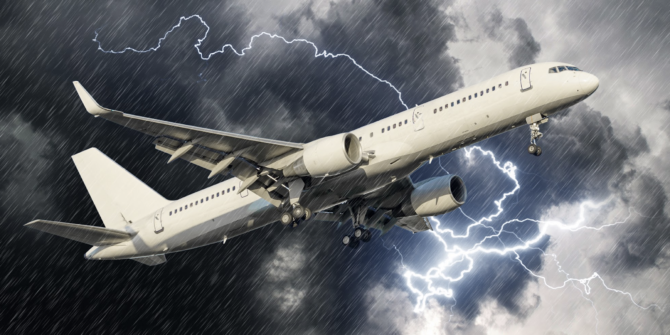
Aircraft sometimes fly too close to storms which means they sometimes get hit by lightning.

Here is a refresher on the signs you’re probably too close to a storm, things to do to prevent a lightning strike, and what the risks are if you do get struck.

Avoid the flash boomers.

Not flying too close to a storm is probably your best bet for avoiding a lightning strike.

Here is a quick recap. If it is big, growing bigger and has an anvil, avoid it.

If it has lightning come out of it, definitely avoid it.

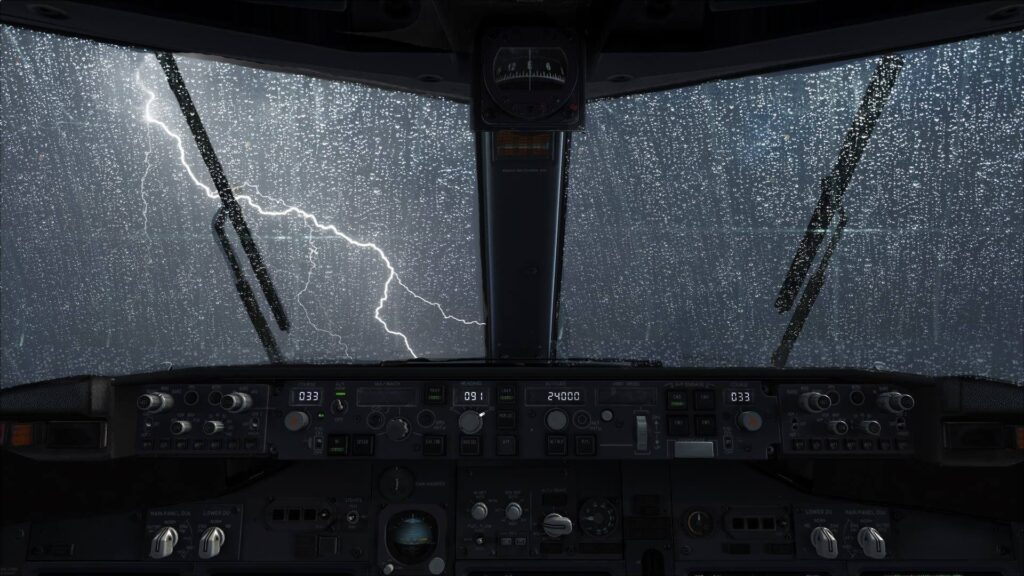
If all you can see outside is this –

Then turn your weather radar on.

Once you have turned your weather radar on, it might look like this –
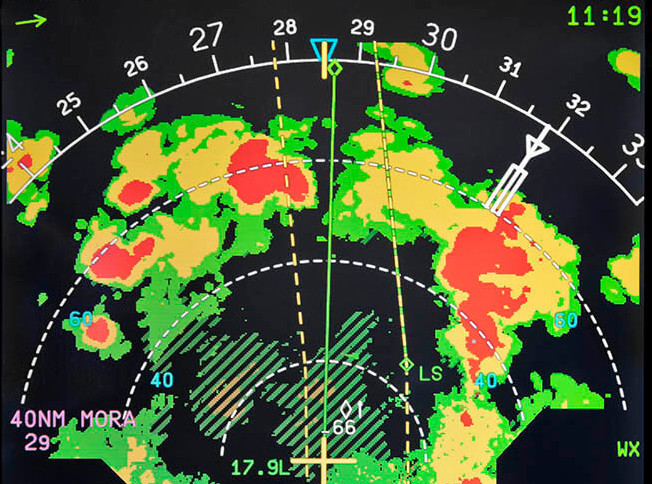
Avoid the red bits.

Keeping away is Plan A.

Avoiding smaller ones by a good 10 miles (preferably upwind so they don’t move towards you) will keep you clear of lumps and bumps, thus avoiding coffee spillages and puking passengers.

Big ones should be given at least a 20nm berth. If you want to route over the top, 5000’ seems to be a good recommendation, and never fly under the anvil. 

You might also want to avoid flying between large storms. They move, and sometimes they move together. They can also combine into mega super cell storms and you really don’t want to be caught in that sandwich, especially since lightning can move sideways!
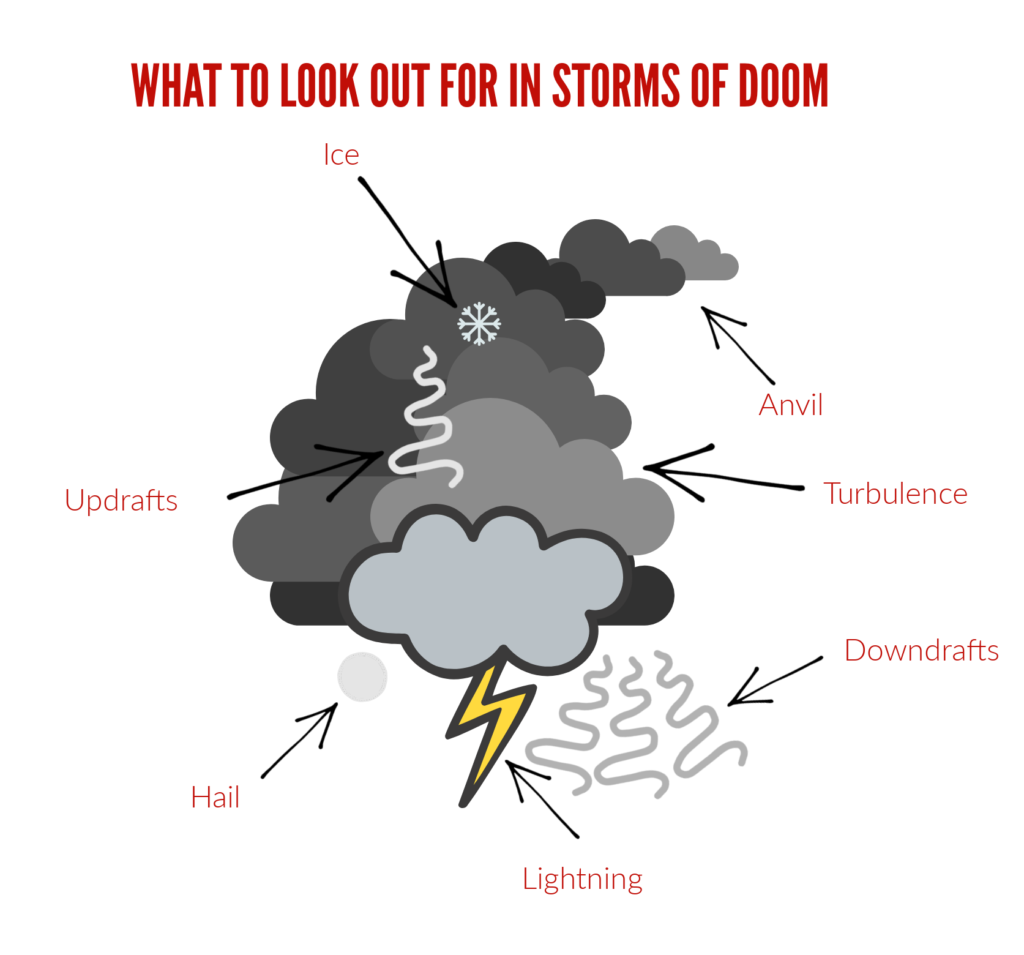
Not just a storm in a teacup!

Let’s get back to the weather radar.

This is probably one of the most misused pieces of equipment on an aircraft. Reading the manual on it is the best place to start, but if you are like most pilots and prefer to learn through practice, then here is a quick guide on how best to twiddle them knobs.

In general, your standard aircraft weather radar is going to have some sort of a tilt function, an azimuth knob and a gain knob.

  • Tilt – for the ups and downs. This is handy for seeing how high a storm might have grown. If it is particularly active, you are going to want to avoid flying too close above because there will be a lot of turbulence even over the cloud tops.
  • Azimuth – for the side to side. If you need to go around one, it is probably wise to check there isn’t another one you might run into.
  • Gain – to see inside. Well, sort of. It adjusts the sensitivity of the receiver. If you slowly turn it down, it will help identify the threatening bits a bit better.

If it is really rainy out, your radar might be saturated – reducing the gain will help show where there is the heaviest precipitation in a convective cloud. Heavy precipitation can also cause “storm shadows” – basically a black hole where the radar signal has been blocked. If you see a black hole on your display, be suspicious. There could be something lurking behind whatever the radar is bouncing off in front.

Now, weather radar can’t really “spot” lightning, but some do have predictive functions. If not, you’ll have to use your judgement when looking at the size of the red or magenta bit. And failing even that, your eyes are pretty handy instruments to use.
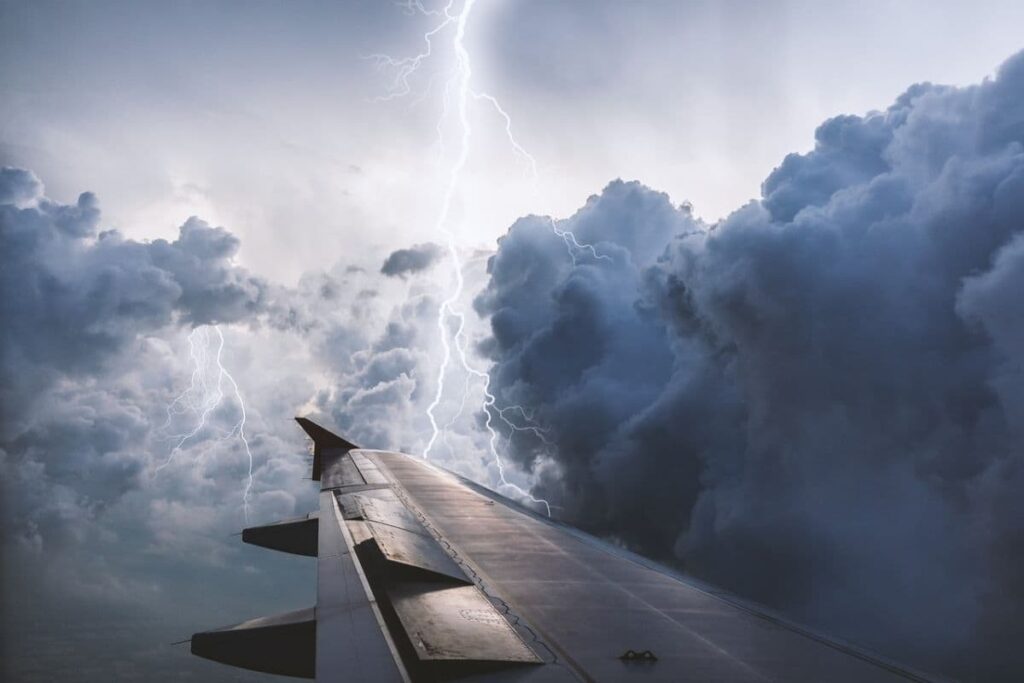
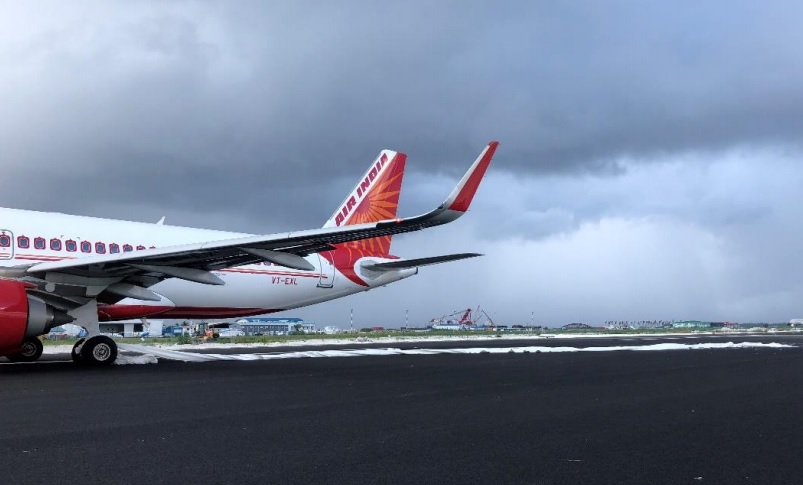
Airplane wing near a storm

Back to the point of this post…

Lightning. First up, what is it?

Lightning is electricity.

OK, that’s a bit of an over-simplication.

In more sciencey terms (but still very basic), it is negatively charged electrons in a storm which get attracted to the positive protons on the ground, and this all results in a big FLASH BOOM. 

The electricity part of a lightning ‘strike’ can actually go from the ground up. The ‘light’ part is everything in the air getting mega hot, and the thunder part is because of the rapid expansion of the air due to the sudden mega increase in temperature and pressure change.

Why are we talking about it?

Well, we all know the threats of flying into a storm. The bumps, the ice, the hail…
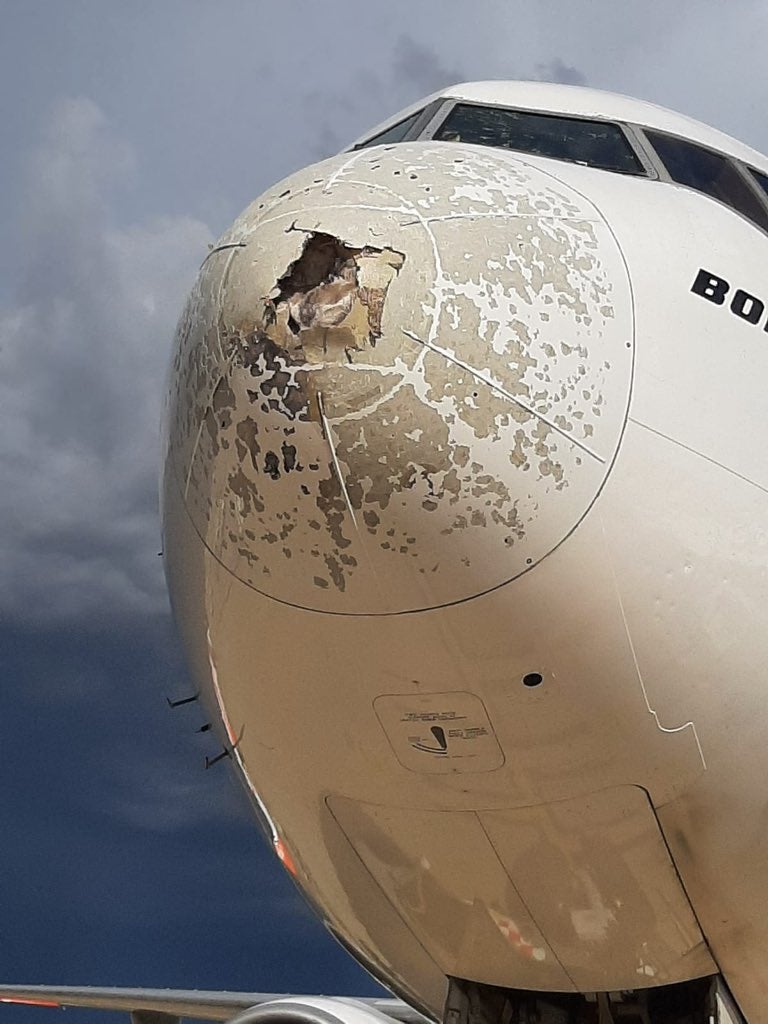
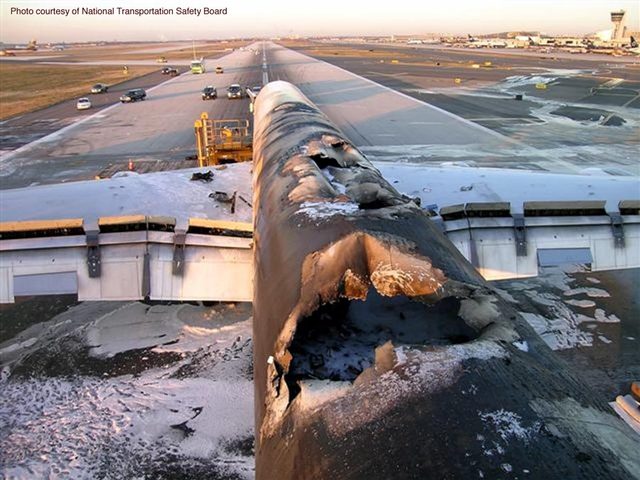
Here’s one that happened earlier

And we all know what lightning is.

The highest ever recorded thunderstorm power level came from a mega flash boomer in India. This behemoth of a storm had an electric potential of 1.3 billion volts. That’s 10 times the previous record holder. Generally household voltages are generally 100-240V so 1.3 billion is… a lot more.

We could all do with a bit of a refresher on what the RISK of lightning is.

Why?

Because aircraft keep getting hit by it so obviously folk aren’t avoiding it quite as well as they maybe could be.

A study estimated that an aircraft, on average, gets hit around once every 1,000 flight hours. So about once a year. Most of these are ‘self-triggered’ – meaning they occurred because the aeroplane was flying through a heavily charged cloud.

Lansa Flight 508, in 1971, is considered the worst crash due lightning of all time. Because of crashes like the Lansa flight, a lot of research has been done on improving aircraft resilience against lightning damage.

A deadly strike by lightning has not happened in years.

But that doesn’t mean there aren’t still other risks.
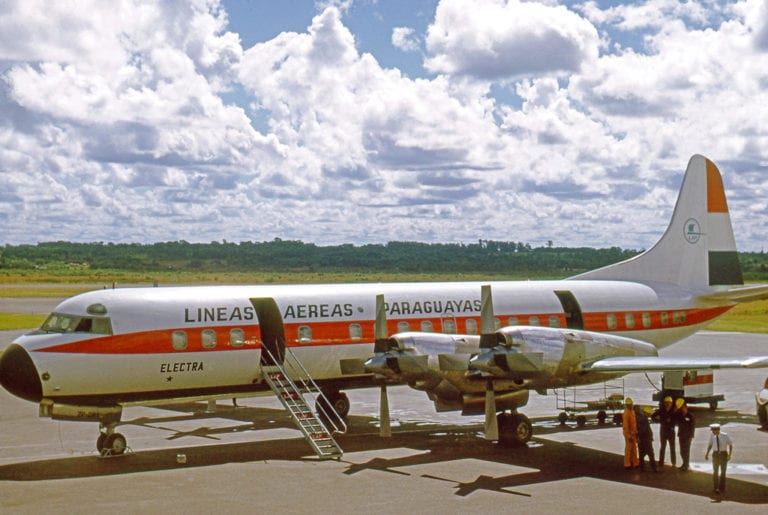
June 19, 1971. There was one survivor and they walked away from the crash site.

The Risks (and the fixes).

The three most ‘explodable by’ or ‘mess up-able by’ lightning parts of your airplane are your fuel tanks, avionics and the skin.

STRIKE 1: Your fuel tanks are protected by the skin, which must be robust enough in the tank area not to easily burnt through by lightning. The design also protects from any possible arcing and static. Fuel developments have reduced vaporisation which reduces the changes of it combusting uncontrollably.

Pan Am Flight 214 in 1963 (possibly) crashed due fuel vapours igniting from lighting, but in recent decades there have not been any accidents attributed to lightning making fuel tanks explode.

One more thing – those little sticks poking out from your wings and tail are your static wicks. They help discharge static electricity. So during your walk-around, make sure they are attached!

STRIKE 2: Modern aircraft are filled with wires. Wires which control the aircraft, the avionics, the everything really. One thing wires don’t like is too much electricity zooming through them, and that is exactly what lightning is. So aircraft wires are shielded – conductive layers around them act like Faraday cages, and these help reduce transients (oscillations caused by the movement of the lightning across the exterior of the aircraft).

Systems also contain surge suppressants to help mitigate against big surges of voltage.

But equipment, particularly the avionics, can still be damaged by lightning strikes even with protections in place.

STRIKE 3: Older, aluminium framed aircraft were actually better at withstanding strikes because they are nice and conductive – the metal skin is like a slip ‘n’ slide for the lightning. Composite skins on the other hand are not, which makes them more susceptible to damage.

They generally contain a fine mesh of aluminium to help lightning flow by providing a continuous conductive path of low resistance across the aircraft exterior, but it isn’t uncommon for burn marks and even holes to be left as a result of a strike.

Holes in the skin , if big enough, can cause decompression. Unlikely but not impossible.

Here are a few other risks to think about:

STRIKE 4: You. Not because you’re in the airplane (you’re protected by it due that whole Faraday Cage thing again). But your eyes are not – if flying near a storm turn your storm lights in the flight deck up to full bright to help protect against flash blindness.

Startle is the second big risk. In 2019, a Russian aircraft crashed in Moscow following a severe lightning strike. However, it wasn’t the strike itself, or the subsequent loss of instruments which led to the crash, but the crews reaction and “rush” to land.

STRIKE 5: Ball lightning. You know how I said it travels across the external skin of the aeroplane? Well, sometimes it can also come inside the cabin or flight deck, in a big ball.

Fact or fiction? An analysis of ball lightning in aircraft was carried out in 2009. The researchers wanted to find out if this was just “lore” or “for reals”. They analysed reports from 1938 to 2007 discovered 87 occurrences of ball lightning being witnessed in or from aircraft.

It is described as a “metastable, rare lightning type” – basically, a horrifying ball of electricity around 25cm in size that can come swooshing through the cabin. The big mitigation here is, again, to just avoid storms.

There don’t seem to be any actual photos of this phenomena

How else to tell if you’re too close?

  • Be on the look out, or rather sniff out, of an Ozone smell.
  • If you start to experience strong static on frequencies this might be an indicator or electrical activity outside.
  • St Elmo’s fire on windscreens occurs as static charge builds up – a sign you are in a highly charged area.

Impressive display of St Elmo’s Fire (Credit: Christiaan van Heijst).

What else can you do to avoid?

  • Check your weather radar as you line up for departure. Request an early turn to avoid and if ATC cannot accommodate then delay your take-off. Most strikes occur between 8,000 ft and 14,000 ft so think about the departure routing too.
  • Check up ahead and plan weather avoidance early – double check your planned route won’t lead you towards more weather, or into prohibited or unsafe airspace. Or too close to a volcano as an Air France flight accidentally did.
  • Check the charts – see what is forecast before you get there.
  • Certain areas, and certain times of year, get more storm activity. If you’re routing through the ICTZ then be ready! If you are heading into a known region, make sure that radar is on and you are looking out!
  • Use sites that show live lightning activity when planning your flight. Eurocontrol provides cross border forecasting and recommends Lightning Maps as a top site for tracking storm activity.
  • Blitzortung has worldwide lightning strike maps (and they look pretty cool).
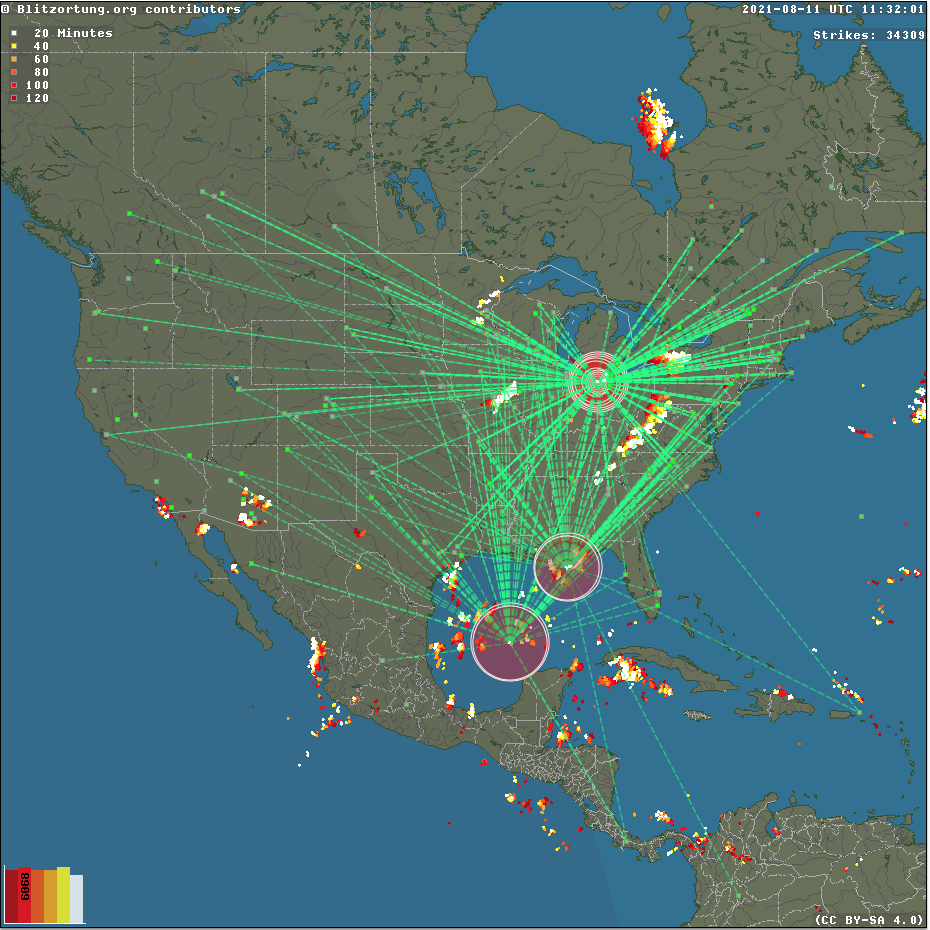
A snapshot of live lightning strikes in the USA.

Struck by a need to read a bit more?


Get your FAA Airspace KICZ here

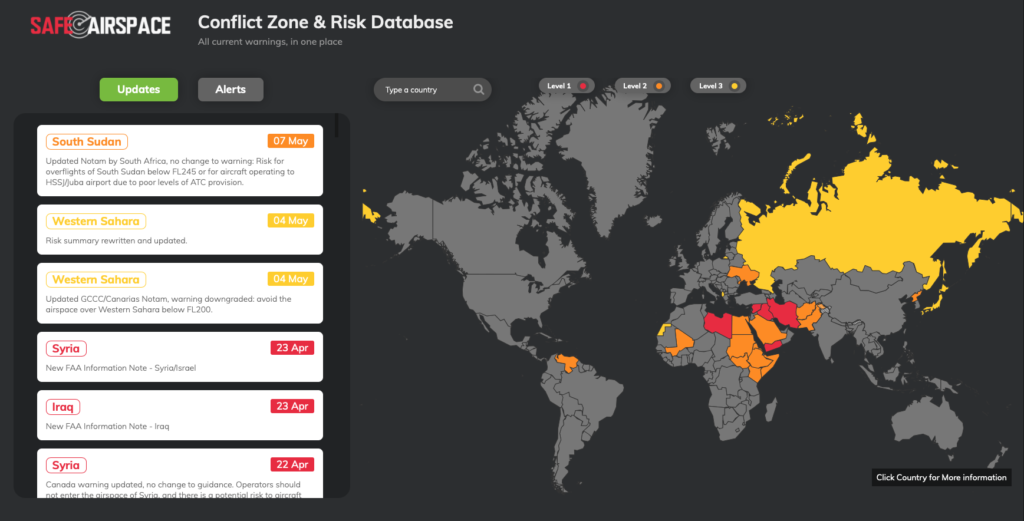
Our SafeAirspace website contains all the current airspace warnings from major authorities for various airspace regions around the world.

If you are a US registered operator, then you can find info on the FAA warnings here too.

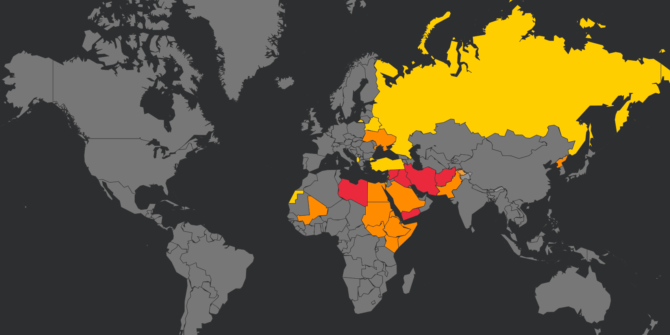
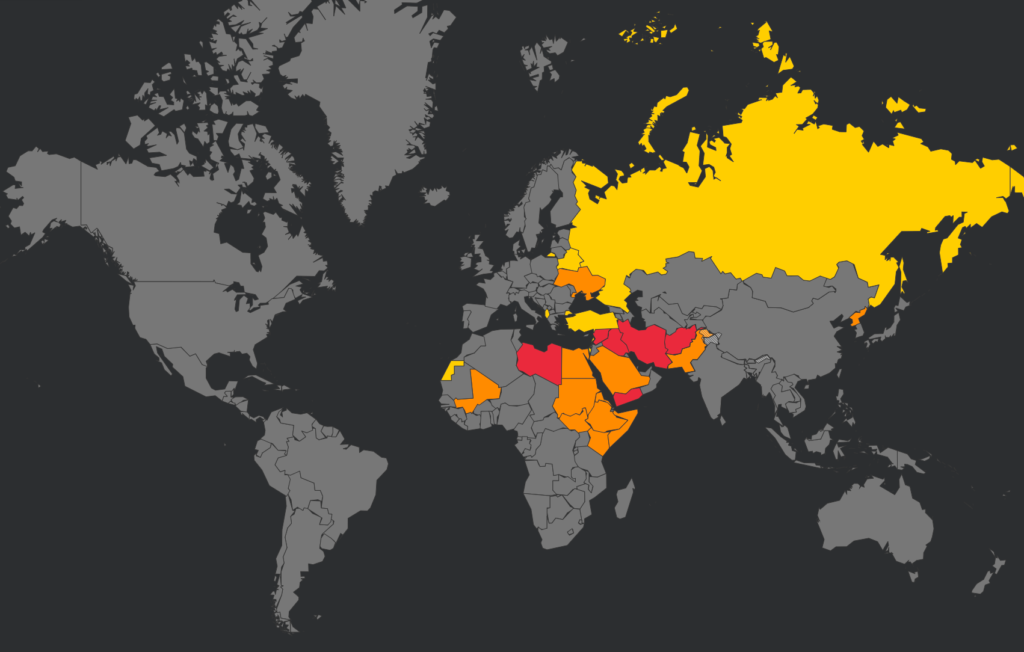
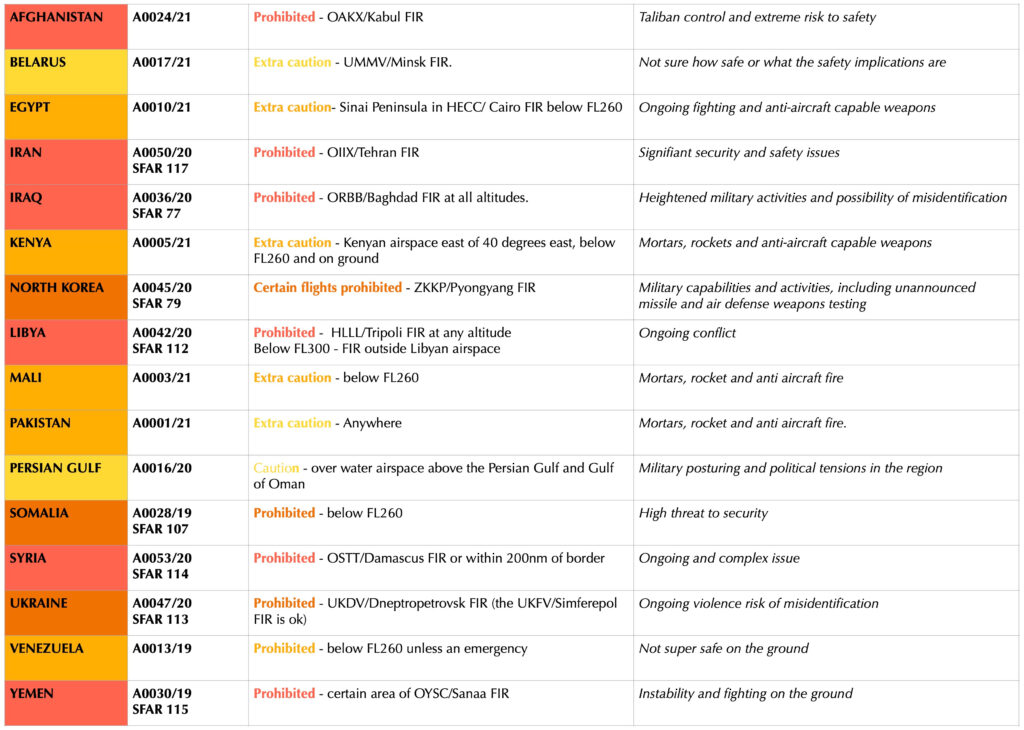
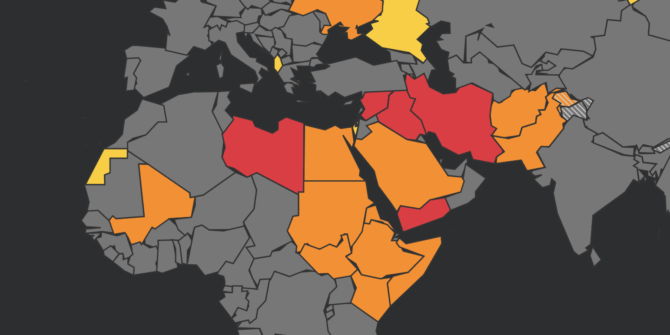
But we thought we would make a brief summary for you here, just as a refresher on what the current KICZ status is for each country.

Where can I find them?

SafeAirspace pulls all the latest info from the US FAA’s dedicated webpage which contains all their ‘Prohibitions, Restrictions and Notices’. This is where you can find their International Security NOTAMs (KICZ) and Special Federal Aviation Regulations (SFAR), plus information relating to the background of the situations and the prohibitions/restrictions.

A summary

Here is a summary of the countries with a US FAA airspace prohibition/restriction in force, and what it (very briefly) says for each one.

Afghanistan

US Operators are prohibited from operating in the OAKX/Kabul FIR. Overflights are still allowed on airways P500 and G500 which run alongside the eastern boundary of the Kabul FIR.

Why? There is a risk of direct and indirect fire targeting airports and from surface-to-air fire targeting aircraft operating at low altitudes. Additionally, the recent Taliban takeover has led to zero ATC control across the entire airspace and an extreme threat to aircraft and crew safety and security on the ground. Air defense forces in all neighboring states are likely at high alert status within respective border regions – target misidentification by military air defense operators remains a credible scenario.

Belarus

US operators are to exercise extra caution when operating over, within, in or out of the UMMV/Minsk FIR.

Why? Well, they recently “caused” a commercial aircraft to land and it is not entirely clear how secure the region is and if there are any safety implications for US operators at this time.

Egypt

US operators are to exercise extra caution when operating over, within, in or out of the Sinai Peninsula within the HECC/ Cairo FIR below FL260.

Why? There is ongoing fighting between military and extremist forces and they have anti-aircraft capable weapons.

Iran

US operators are prohibited from operating in the OIIX/Tehran FIR.

Why? There are signifiant security and safety issues in the region and the US and Iran are not on the best of terms. There was also an aircraft shoot-down due to mis-identification of their anti aircraft defence systems.

Iraq

US operators are prohibited from operating in the ORBB/Baghdad FIR.

Why? Similar to Iran, there are heightened military activities and increased tensions which present and inadvertent risk to US civil aircraft due potential for mis-identification.

Kenya

US operators are to exercise extra caution when operating over, within, in or out of Kenyan airspace east of 40 degrees East longitude (the border region with Somalia), at altitudes below FL260. The caution applies to the ground as well.

Why? Because there’s possible militant activity and with it a threat of damage to aircraft from mortars, rockets and anti-aircraft capable weapons.

North Korea

US operators are prohibited from operating in the ZKKP/Pyongyang FIR, including the oceanic part of the ZKKP/Pyongyang FIR over the Sea of Japan.

Why? Because there are hazards and risk to civil aircraft safety from North Korea due their military capabilities and activities, including unannounced missile and air defense weapons testing.

Libya

US operators are prohibited from overflying the HLLL/Tripoli FIR except for altitudes at or above FL300 “outside of Libyan territorial airspace” – which is basically the international airspace over the southern Mediterranean Sea that is managed by Libya.

Why? Because of ongoing conflict between the government and the Libyan National Army over territory, government control and resources – and all this means fighting, often with weapons which could damage aircraft.

Mali

US operators are to exercise extra caution when operating over, within, in or out of Mali below FL260.

Why? There is a risk of militant and extremist activity and mortars, rocket and anti aircraft fire.

Pakistan

US operators are to exercise extra caution when operating over, within, in or out of Pakistan.

Why? There is a risk of militant and extremist activity and mortars, rocket and anti aircraft fire.

Persian Gulf

Exercise caution operating in overwater airspace above the Persian Gulf and Gulf of Oman in the OKAC/Kuwait, OEJD/Jeddah, OBBB/Bahrain, OOMM/Muscat and OMAE/Emirates FIRs.

Why? There is a lot of military posturing and political tensions in the region and this bit is particularly close to the OIIX/Tehran FIR which is prohibited for US operators.

Somalia

US operators are prohibited operating below FL260 in the airspace of Somalia.

Why? There are active extremists in the region which pose a threat.

Syria

US operators are prohibited from entering the OSTT/Damascus FIR, and should exercise caution if within 200nm of Syrian airspace.

Why? It is a complex and ongoing conflict there, and it poses a risk to US operators.

Ukraine

US operators are prohibited from entering the UKDV/Dneptropetrovsk FIR (the UKFV/Simferepol FIR is ok).

Why? There is ongoing military action and the potential for aircraft misidentification there.
Venezuela

All operations below FL260 are prohibited unless specifically approved or they need to for an emergency.

Why? Mainly poor infrastructure, and political conflict between the two countries.

Yemen

US operators are basically prohibited from overflying the landmass of Yemen, but certain offshore routes within the OYSC/Sanaa FIR are allowed.

Why? Because of ongoing fighting, instability and possible terrorist activity.

An even briefer summary

For further information on the situation in each country and to see the prohibitions and restrictions recommended by other authorities, visit the SafeAirspace site.

The concept of SafeAirspace is this: to have a single source for all risk warnings issued about an individual country, independent of any political or commercial motivation, so that a pilot, flight dispatcher, security department, or anyone responsible for flight safety can quickly and easily see the current risk picture.

Travel Advisories

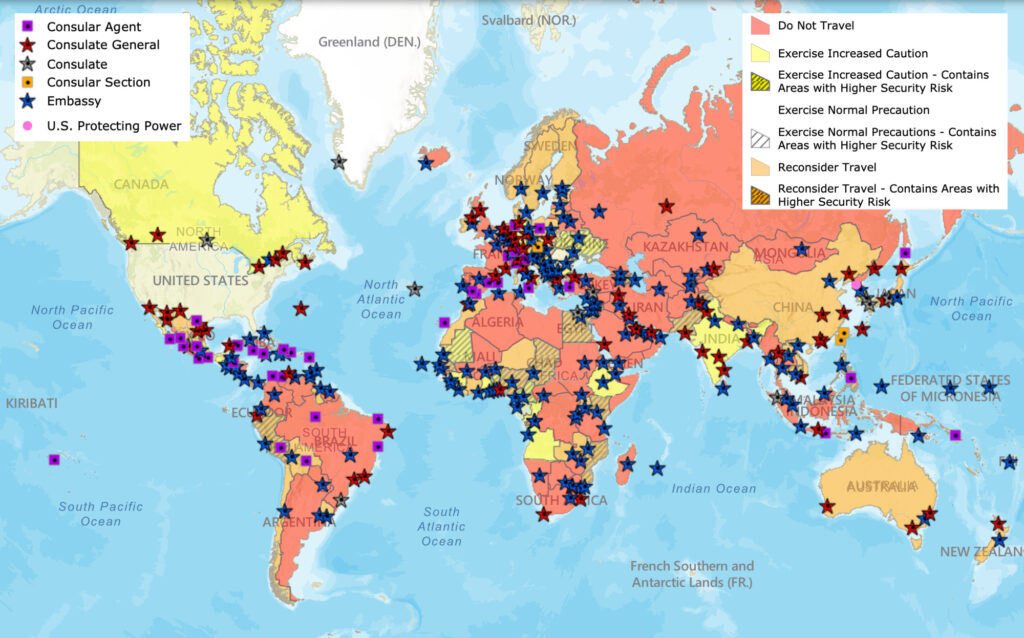
Travel Advisories and Airspace Warnings are different things. But for US operators flying internationally, it’s worth checking out the latest country-specific Travel Advisories issued by the US Dept of State. Each country’s Travel Advisory also has a link to the local US Embassy website in that country – these will show announcements on all the latest security-related news and incidents there.

Further reading

  • US and allied forces have now pulled out of Afghanistan, and the Taliban have taken control of the country. Afghanistan’s airspace is now effectively closed to overflights – the OAKX/Kabul FIR is uncontrolled, and overflying traffic should route around the country. Here is our latest update on what is happening.
  • The US reissued their Ukraine warnings in 2021. However, certain regions are Ukrainian airspace are now deemed safe for overflight.
  • Information on the aircraft shootdown in Iran, and ongoing concerns with their airspace safety.
  • Assessing the risk to routing over or into conflict zones is much more than just an “is there a weapon down there?” question. Gathering and sharing information on airspace risk is still one of the biggest barriers to safety. Are we actively seeking this information, or simply waiting for it to come our way? Read our article.


Wrong Runway, Wrong Airport, Wrong Country

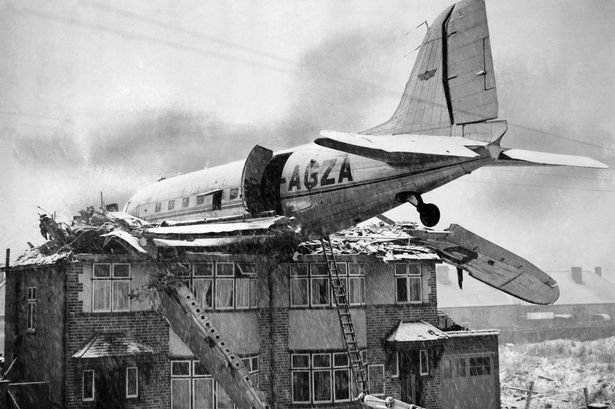
Even with today’s levels of planning, monitoring and onboard safety systems, aircraft are still managing to land at the wrong airports, crew are still mistaking one runway for another, and even (occasionally) heading to the wrong country entirely.

Here is a look how and why these rather embarrassing, and potentially dangerous mistakes happen, and how to avoid them.

Wrong Runway.

Landing on the wrong runway is a hazardous event which poses a major traffic collision risk. It also has potentially big performance implications and by that we mean the chance of a runway excursion.

EASA Safety Information Bulletin 2018-06 looked at reports filed by European operators between 2007 and 2017 and found 82 occurrences of aircraft landing on the wrong runway. An average of 8 a year might not seem high, but the consequences of an aircraft landing on the wrong runway could be catastrophic so even one is really one to many.

*Thankfully* the majority of incidences occur in visual flight conditions and are a result of visual illusions or misidentification during visual approaches and side step manoeuvres. So, instances of crew just aiming at the wrong runway.

While ‘being visual’ might mean a traffic collision risk is lower, the risk of performance issues and runway excursions remains high.

There are numerous airports worldwide which present a risk due to their runway orientation, approaches and prevailing conditions. KJFK/New York’s Carnasie approach has seen several an aircraft incorrectly establish inbound for runway 13R instead of 13L following the inbound turn, particularly when there are crosswinds which affect the “picture” (the runway doesn’t appear in the window where you expect it to).

There are also instances of mistaken clearances. Like the one that took place in July 2020.

United Airlines flight UA57 was on finals for runway 09L at LFPG/Paris Charles de Gaulle when ATC incorrectly cleared them to land runway 09R. The crew, used to sidestep procedures in the USA, failed to query the clearance which was unusual for Paris and instead commenced a low level turn to runway 09R. An EasyJet aircraft already lining up on 09R for departure reported the conflict on the radio and the United Airlines flight initiated a go-around from 260 feet AGL. 

While an initial investigation into this has raised probable causes primarily resulting from the ATC mental slip, a sidestep at that altitude should be a visual manoeuvre. The crew of the United Airlines should have spotted the aircraft already on a runway which they were turning towards at 300 feet. The FAA have released a new SAFO related to this.

So being visual does not always reduce the traffic collision risk after all.

Then there are the more concerning ‘not aiming for a runway at all’ events.

The KSFO/San Francisco Air Canada incident in 2017 is a serious example of visual cues going wrong. The Air Canada A320 was cleared to land runway 28R. However, they had missed a Notam advising that runway 28L was closed and, expecting to see an open runway to their left, mistook 28R for 28L and aligned themselves with an active taxiway.

The aircraft missed traffic on the taxiway by between 10-20 feet during their go-around.

In 2007, an MD-83 routing from Lisbon to Dublin was carrying out an approach at night to Dublin runway 34. There was a prevailing wind of 260/12 which orientated the aircraft heading to 336° in order to maintain the inbound track of 342°. The crew mistook a 16 storey lit building for the runway and aimed for it, carrying out a missed approach from 1700 feet (around 200 feet above the building).

TNCM/Princess Juliana airport in Sint Maarten is known for a large hotel to the left of runway which, in hazy or rainy conditions, can be mistaken for the runway due to it being more conspicuous than the runway.

Then there was the KLM crew who managed to mistake taxiway B for a runway on takeoff from EHAM/Schiphol…

So how to avoid making this mistake?

The recurring factor throughout all of these is visual illusions and incorrectly interpreted visual clues. Not looking at stuff, or not looking at stuff right. 

Of course, it is easy to say that from the comfort of a chair, on the ground.

Sat in the pilot seat, barrelling towards said ground at several hundred feet per minute with everything else going on around you as well… less easy. But there are some fairly common sense methods of identifying threats and errors before they become a problem.

The FAA released SAFO 17010 following the KSFO incident. It provides some ‘best practices’ for accomplishing an approach and landing on the correct airport surface:

  • Any visual approach, or visual segment of an approach, should be well briefed and monitored.
  • Known risks (such as hotels that somehow look more like the runway than the runway) should be talked about. If there is a chance of visual illusions, talk about them and talk about what you expect to see.
  • Think about the wind and where you will actually need to be looking in order to see the runway. It might not be straight ahead.
  • Fly a stabilised approach.
  • Monitor things like height, heading, to make sure they make sense. And back it all up with Navaids and other information if that is available.

Wrong Airport.

Landing at the wrong airport also happens!

One analysis found at least 150 flights by US carriers landed (or almost landed) in the wrong airport between the 1990s and 2014. Not including totally valid diversions of course.

The most common reason for wrong airport landings is down to pilot error once again – both visual and procedural.

In 2017, a Delta flight 2845 landed at the wrong Minneapolis airport. They were due to touchdown in KRAP/Rapid City, but mistook nearly Ellsworth air force base for their intended airport. Both have the similar runway orientations (although that’s really the only similarity – Rapid City has two runways which possibly should have been a giveaway).

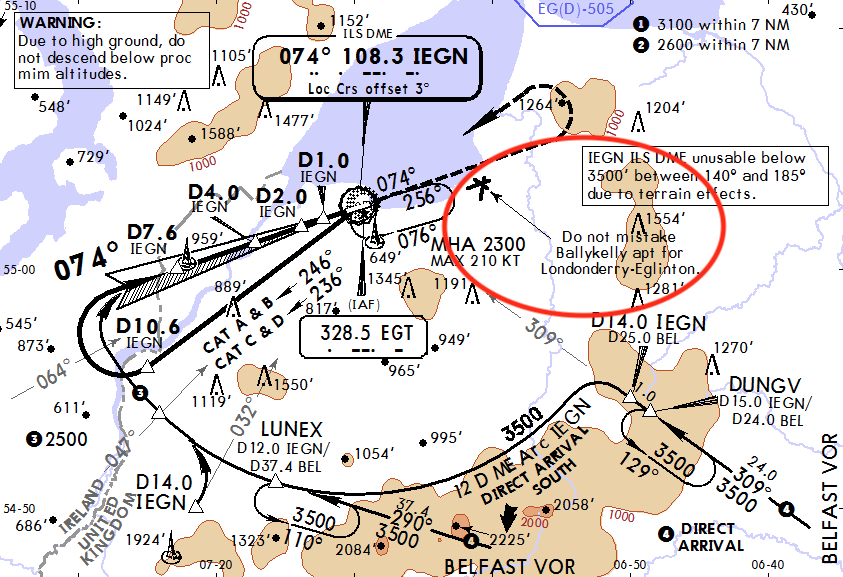
In 2006, a Ryanair flight aiming for EGAE/Londonderry-Eglinton ended up landing at a military base in Ballykelly 5 miles away, again just due to a misidentification of the airport.

Ethiopian airlines suffered two near embarrassments when two of their airplanes both tried to land at the wrong airport in Zambia. Actually, one of them did. Destined for Ndola, both mistook the new (and unopened) Copperbelt for their destination airport.

The fix remains the same:

  • Brief what you expect to see.
  • Brief how you expect to get there.
  • Check and monitor that other clues – navaids, waypoints, airport layout – make sense!
  • A lot of airport charts also have warnings on them when there is another airport nearby which has been known to trick pilots in the past. Look out for these.
  • Many aircraft have systems which monitor their position in relation to what you told it (in the box) you were going to fly it. If your airplane is beeping, blaring or swearing at you then it is trying to tell you something – don’t ignore it!

Are these just embarrassing stories?

Unfortunately, there is a much more serious side. The wrong airport might be a commercial, logistical problem, but the real big risk comes down to that runway performance again.

Of the 150 or so near/actual landings at wrong airports which took place in the US since the 1990s, there were 35 actual landings and 23 of these occurred at airports where the runways were shorter than those at the intended destination.

In 2014, Southwest flight 4013 aiming for KBBG/Branson airport accidentally touched down at KPLK/Clark Downtown airport instead. Branson’s runway is 7140’. Clark’s is 3738’.

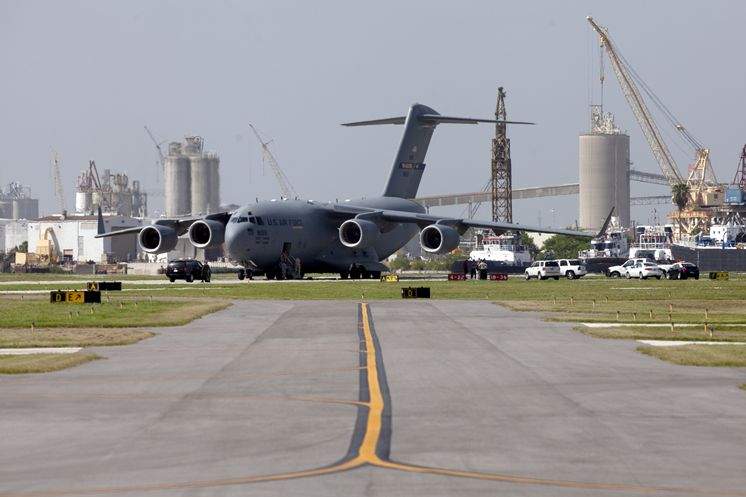
A Boeing Dreamlifter made a similar error when routing to McConnell Air Base but instead touched down at Jabara airport, on a runway only 6,101 feet long.

The critical safety issue here is the performance – the fact it hasn’t been checked and that it might not therefore be, well, ok.

And if it is happily ok, then you might still be looking at a bit of an issue getting the airplane back out again. Much like our Dreamlifter friends found out.

Wrong Country.

Finally, wrong countries. A much rarer occurrence but possibly the most embarrassing should it happen.

A British Airways flight (in all fairness it was actually a German aviation business operating on behalf of BA) managed to fly to EGPH/Edinburgh instead of EDDL/Düsseldorf after a paper work mix up had the crew sent totally the wrong flight plan.

However, since the flight was planned and fuelled for Edinburgh this only really impacted the rather put-out passengers. 

A potentially more serious incident happened in 2015 when an Air Asia crew had to divert back to Melbourne, Australia, after the pilot incorrectly input the route from Sydney to South Africa instead of WMKK/Kuala Lumpur.

Given the fairly different direction you have to wonder how far they got before they, or ATC, spotted something was up?

Fancy a bit more reading?

NASA have a handy analysis on visual traps that is worth a read.

Check out the FAA’s project on ‘runway surface events’ here – including some info on the ASDE-X project which uses surface radar to detect when an aircraft might be lining up on a taxiway for departure.


Any Single Pilots Out There?

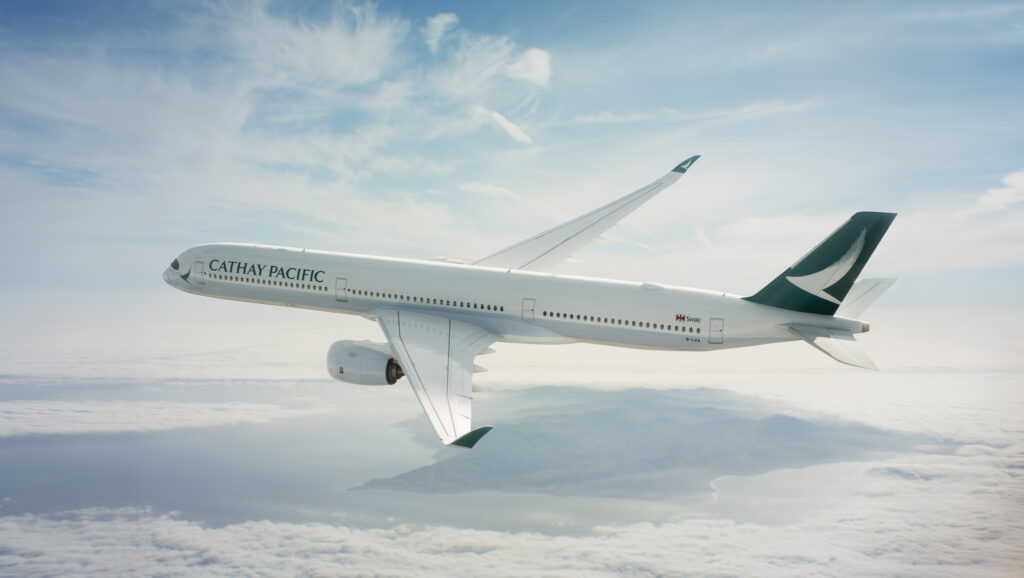
The big talking point of the moment – Airbus and Cathay Pacific’s project to have only one pilot in the cockpit during cruise.

So let’s take a look at what this might mean for safety, operations and pilots worldwide.

The headlines are misleading

Cathay and Airbus have not designed a new A350 which no longer needs pilots operating it. There is no mega computer AI robot involved which is stealing our job.

The plan is to simply allow one pilot to go and rest during “quiet cruise” phases, while another pilot remains in the cockpit vigilantly monitoring (and probably with toothpicks propping their eyes open). This will allow them to potentially reduce the number of crew required on long haul flights, and while it means a change to procedures it is not really, as many are reporting, a leap towards pilotless flight decks.

Maybe just a small step

So, what are the considerations here that people are talking about?

GermanWings

The GermanWings accident resulted in a rule that there must be two persons in the cockpit at anytime. So if a pilot needed a bathroom break, a cabin crew member was required to come in. This was fairly contentious at the time because, as many pointed out, what is a cabin crew member going to do if a “situation” arises?

This rule was eventually revoked, in part because EASA and other authorities brought in new regulations relating to pilot psychometric testing. However, with only one pilot in the flight deck, this does raise various safety concerns – from events similar to the GermanWings accident, to the question of pilot incapacitation or even, what do they do if they need the loo?

What about the AF447 accident?

AF447 was, in part, attributed to the experience levels of the two crew in the flight deck – both First Officers while the Captain was out sleeping.

Using cruise relief pilots is not a new thing though, and in order to operate with a single pilot, that pilot will presumably need to meet a minimum experience level. Additionally, the Captain will maintain the decision as to when they leave the flight deck in their First Officer’s hands.

The lonesome pilot can also recall their colleague to the flight deck should a situation require it. So the question really comes down to whether a situation is likely to arise where, by having only a single pilot the result is more critical or catastrophic than if two had been present and therein lies the problem – because years of aviation safety studies have shown time again that there is a reason we operate with two crew.

Safety in numbers

Modern aircraft, and the A350 in particular, have many levels of safety and redundancy to support the crew. They can automatically fly TCAS maneuvers. They can carry out an emergency descent at the push of a button. In addition, Airbus are working to demonstrate that their aircraft and systems are robust enough to basically not really fail. They are also designing them to be able to autonomously handle any situation without pilot input for 15 minutes.

This will be a big deal. It will mean, should something fail, and the single pilot be incapacitated, that there is time for the second pilot to wake up and make it to the flight deck to solve the situation. However, recent aviation accidents involving malfunctioning systems (designed to minimize pilot workload), and ongoing concerns about automation complacency highlight the potential downside of such advancements.

Can ETOPS can teach us something?

The A350 was certified for 370 minutes ETOPS. That’s a long time. It is over 6 hours. 6 hours on one engine potentially. So what leads to this?

ETOPS is given to the operator, not the aircraft, and it is based on the operator’s ability to demonstrate necessary airworthiness, maintenance and ops requirements. It is really a statistical thing. If an operator hasn’t had an engine issue in a really long time then they are probably going to be able to get a better ETOPS approval.

So what does this have to do with only one pilot in the flight deck?

Well, it boils down to the same thing – statistics and procedures:

  • How often does something go wrong in the cruise (which requires two pilots to handle it)?
  • What procedures will be in place for ensuring safety and redundancy levels are maintained?

The answer to Question 1 might be “hardly ever”, but aviation safety improvements are built on the fairly simply idea that if there is a risk, find a way to mitigate it. 

Even if that risk is minute, if it can be removed it should be. This is why astronauts have their appendix out before heading into space. This is why we have redundant systems onboard, or each pilot eats a different meal. Statistics might suggest an event occurring which a single pilot cannot deal with and which then results in a fatal accident or hull loss is tinier than a hair on a fleas back…

But if a risk exists that can be mitigates simply by retaining two pilots in the cockpit, then two pilots should remain.

A Disco onboard

They gave the A380 a bar and showers, now the plan is to have Discos…

DISCO actually stands for Disruptive Cockpit (I am not sure that sounds any better). This is the Airbus project looking at enhanced cockpit design to enable single-pilot operations on new aircraft.

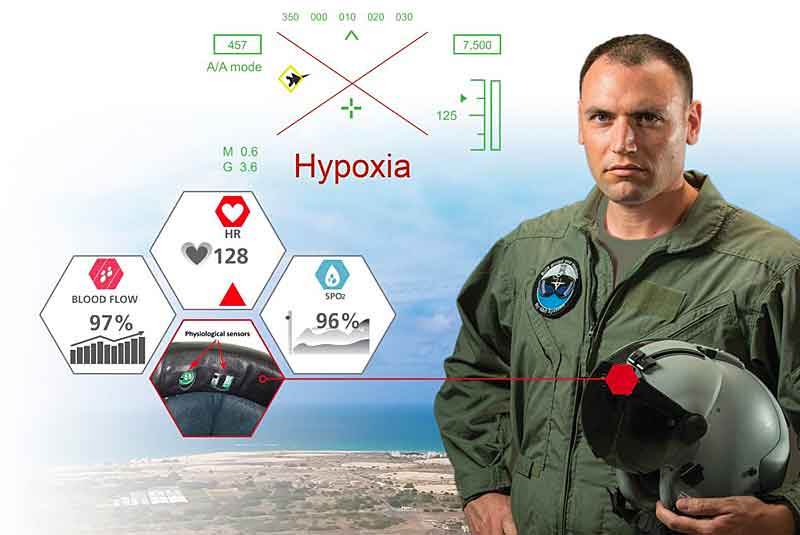
The DISCO concept is looking to place core technologies into the flight deck in a ‘multi modal’ way. Things like pilot monitoring systems which track eye movement, voice recognition for commands, improved ground collision avoidance systems, new navigation sensors.

And of course pilot health monitoring systems.

An integral safety aspect of this concept lies in the monitoring of the sole pilot, and the availability of a system to detect if they become incapacitated, and to alert the remaining crew member.

It is only happening in 2025

The plan is to implement this in 2025. That is 3 and a bit years of procedure writing, regulation making, testing and trialling before it is put into action, and there are a fair few obstacles that stand between now and that day :

  • Regulators will be looking at their procedures with a fine tooth comb
  • The pilot will probably need monitoring, particularly to ensure incapacitation does not occur (or if it does, the other pilot can quick-foot it back)
  • There will need to be pilot training in place
  • Airbus need to hit that 15 minutes of safe autonomy.
    • And these systems will also need to deal with situations where ‘Black and White’ failures do not occur. When you consider the multiple, varied and often “illogical” failures which can arise from a lightning strike, a bomb onboard, or multiple computer failures this does not look as simple as Airbus might say
  • The approvals for this do not just sit with the Hong Kong authorities. Any state that the airline might overfly with only one pilot in the driving seat is going to have to be convinced as well
  • Passengers will need convincing…

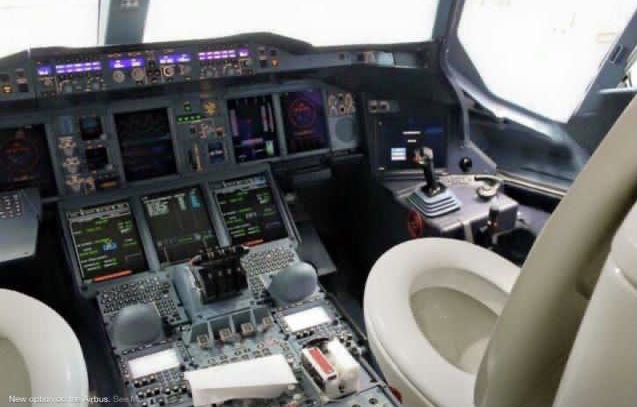
And they still need to answer the question of the toilet. We all want a little more information on how that ‘specially designed unisex toilet’ to be used ‘in coordination with ATC’ will work.

If this happens, they won’t need pilots anymore

This is a contentious one to raise right now. Say ‘single pilot’ or ‘autonomous systems’ and a lot of pilots break out in a sweat, seeing themselves replaced by AI computers. But aviation has always been very innovative and those in it have always had to adapt to new technologies. Take a glance back to the 1980s and flight engineers were still a relatively common site in flight.

Ignoring the rather decimating impact of Covid though, aviation was growing, and it was growing fast.

Chances are it will again.

There are around 200,000 active pilots and forecasts suggested upwards of 500,000 would have to be trained over the next two decades to meet forecast growth demands. Even if every (long haul) flight deck sees the number of crew in it halved, it is still probably safe to say none of the current or new generation of pilots will be out of work anytime soon.

But we still are not convinced

There are unresolved questions here. The main one being “Why?”

You see, there is already this rather marvelous thing in an airplane – it can watch the pilot, it can monitor aircraft systems, and it can take over no matter what the failure or the complexity of that failure might be…

It is called “the other pilot”.

There is a good reason why aircraft are multi-crew machines. So why are Airbus and Cathay Pacific investing millions into developing systems which can do this?

It isn’t for safety…

This is being driven, not by manufacturers looking to increase safety, but by an operator looking to reduce costs. And for many, that appears an unwise and arguably unethical reason. Even if the statistical impact on safety is a 0.0001% decrease, that is still an unacceptable decrease when it is made for business reasons. There are also a great many places within an airline or operation where costs can be cut, and when cuts are made these should never occur at the price of safety, even if that price does seem negligible.

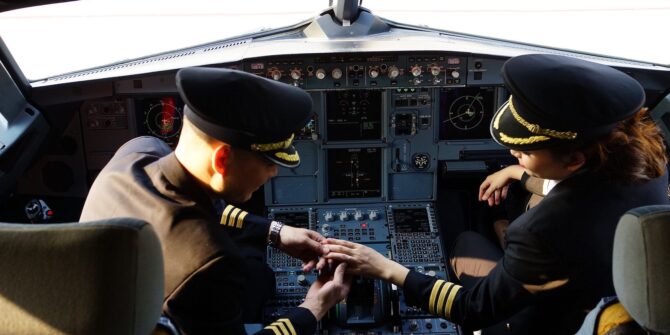
The main photo is of a pair of VietJet co-pilots who got married – because we think that’s nice, but also because we liked the play on ‘single pilot’ in the flight deck idea. Congrats to them both for their lovely day!


Close Encounters Of The Third Kind

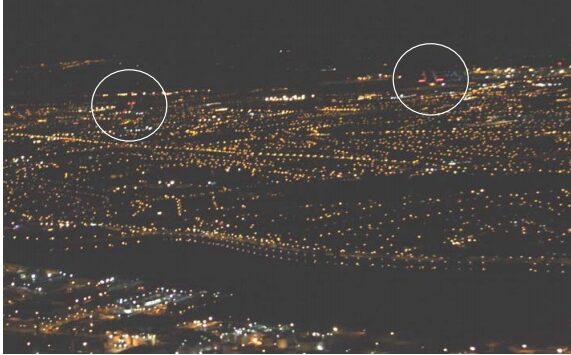
Back in April, the Pentagon confirmed that some leaked photos and videos of UFOs were, indeed, legitimate. Of course, ‘UFO’ just means “unidentified flying object” – it doesn’t necessarily mean extra-terrestrial. In fact, these days the US government generally use the term ‘UAP’ (unidentified aerial phenomena) which makes us think of old, retired aliens…

Reports of UFO’s/UAP’s, or whatever you prefer to call them are relatively common though, and over the years there have been numerous sightings directly from airline pilots.

So, do we need to be wary of alien spaceships in our airspace? What sort of risks do the other possible explanations actually mean for aircraft safety?

What is out there?

First up, let’s take a look at what sightings have been reported in the past, including the recently acknowledged ones.

The Metallic Blimp

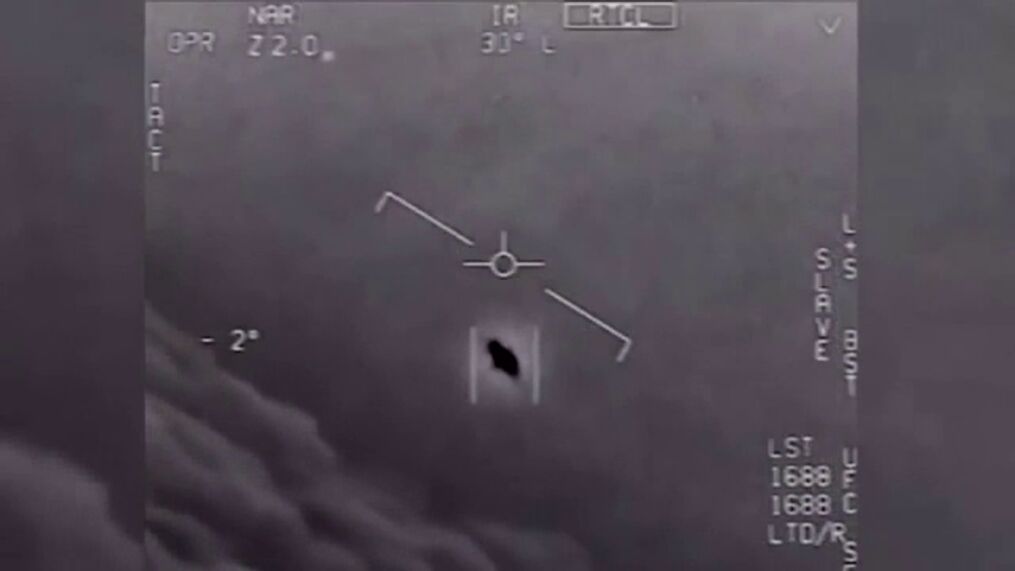
The videos the Pentagon recently acknowledged were actually taken back in 2004 and 2015, and they show objects moving at mega speed. In one, a pilot is heard exclaiming “Look at that thing, dude! It’s rotating!”

But is that a UFO, or is there a more reasonable explanation?

The most obvious answer would be that it is a military aircraft of some sort, but given the videos were made by military pilots who were not aware of other military traffic operating in the area, and considering the Pentagon confirmed the videos’ authenticity, but not what they were showing, the mystery continues…

The New Mexico Sighting

In February 2021, a radio transmission from an America Airlines crew was picked up by a random blogger who happened to be listening in on a radio scanner. He apparently just ‘stumbled across’ the transmission.

The aircraft was routing over New Mexico at 37,000ft when they reported seeing an object zooming over them. On querying it with ATC, they were informed that the controllers could see no object on their radarscopes.

The Bright White Light Flight

In 2018, a British Airways crew called in after seeing a ‘very bright light that disappeared at very high speed’. The sighting was backed up by a Virgin Airlines pilot who said they also witnessed multiple ‘exceedingly bright’ objects.

New Age Reporting

The US Government is certainly taking sightings more seriously, and in 2019 announced they would bring in a new ‘data driven’ approach to reporting and recording them.

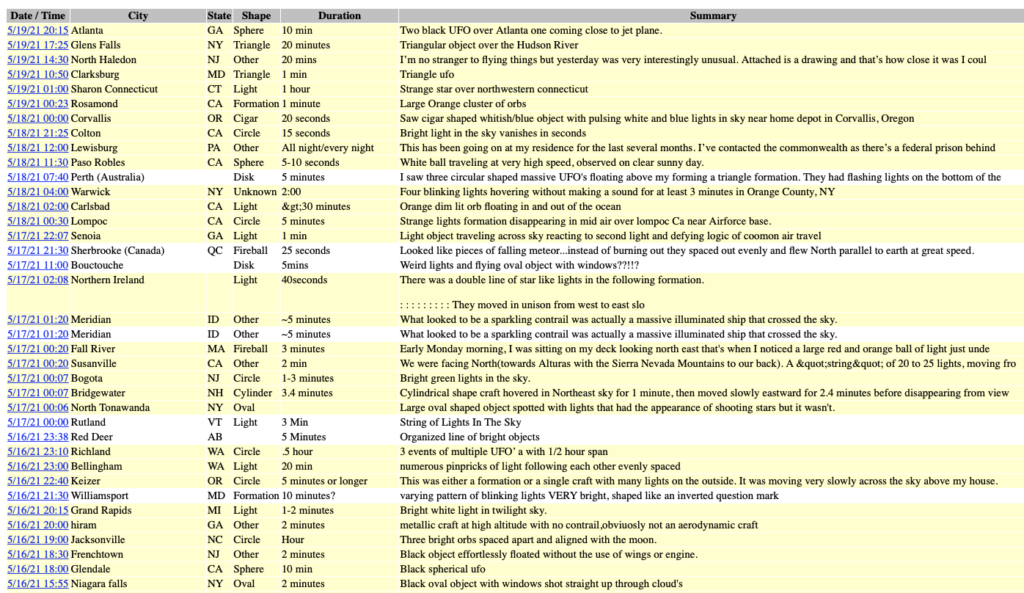
You can visit the official US NUFORC site here. NUFORC stands for the National UFO Reporting Center, and they have a database of all reports. In fact, the number of reports is quite impressive, as are some of the things written in them.

Here are the Other Theories (and the real risks)

The other possible explanations for many of these sightings actually have some important risk considerations to think about if you come across them in your airplane.

First up, meteor showers and falling space debris. These are pretty common and appear bright and fast-moving for more than a few seconds, particularly if they are entering the atmosphere at a certain angle and are big enough to withstand being immediately incinerated.

The American Meteor Society has a ‘Fire Ball Log’ which you can check to confirm whether your ‘UFO sighting’ was spotted by someone else and logged as meteor.

You can also keep an eye on the calendar for the reoccurring meteor showers which light up the skies each year.

The real risk here is fairly minimal. Aside from being a distraction, these are not going to hit an aircraft. Space debris is potentially another matter, and something we talked about here if you want to read up on it. The recent “return” of a Chinese Satellite gave some cause for concern just because of its size, and unguessable re-entry point.

The second theory (well, theories) are more earth-based. Atmospheric balloons and Chinese lanterns have been mistaken for UFO’s in the past – and these are often released without regard for how close they might get to aircraft. In 2018, an airplane narrowly missed a lantern while cruising at 20,000ft and despite being relatively thin these can still cause damage if ingested into engines.

In 1970, Aeroflot 1661 crashed shortly after take-off after colliding with a weather balloon. However, Radiosonde balloons are generally Notamed given their size and proximity to airports when released, so you should be aware of these in advance.

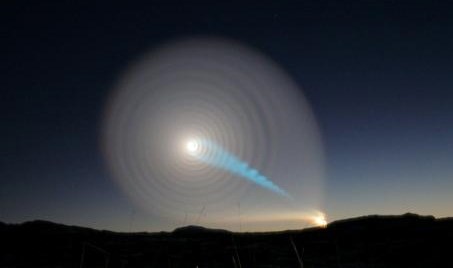
Rocket Launches. And other launches for that matter. An experimental rocket test in Norway caused concern after atmospheric conditions produced a bizarre illusion in the skies. It was in fact a missile test from Russia which went wrong, resulting in a spectacular (and presumably quite expensive) cloud.

Rocket launches mean prohibited airspace, so when they are going up they shouldn’t be an issue to aircraft. The FAA are reporting rocket launch site on charts nowadays, and you can find launch dates published on their Temporary Flight Restrictions page.

Clouds. Yep, weird clouds have confused people into thinking a spaceship is loitering nearby. Lenticular clouds often form over mountains when moist air is pushed up over them. The time to watch out is when you see lines of these sitting beyond the mountain crests because they can mean some pretty serious mountain waves are out there – and this means turbulence.

Other planets, even the Moon, have been mistaken for other flying objects by pilots.

A crew once took evasive action because they mistook Venus for another aircraft. In all fairness, they didn’t think it was a UFO so much as a C130 known to be in their near vicinity. This incident boiled down to a loss of SA, and a lot of fatigue.

Then there are drones, UAVs, UASs. The FAA have a website dedicated to reports on sightings of these, and it is important to report them because they are a genuine threat to aircraft when they encroach on airspace they should not encroach upon.

So, do we need to keep an eye on the sky?

Regardless of whether you think something is terrestrial or extra, if there is an unidentified object in your airspace – report it. It might be a real and immediate hazard to other aircraft, and recognizing what you see out there for what it really is will also help avoid the real threats.

A preliminary US intelligence analysis of unidentified aerial phenomena has concluded that such incidents are at least a threat to flight safety and potentially present a broader hazard. Particularly because they are often physical, and are one more thing inside already cluttered airspace.

Of course, UFOs might really be aliens coming to say hello. Some of the mysteries are still, after all, unsolved…


Dangerous Goods: The Bad Ones

IATA recently ‘urged action’ over rogue lithium-battery shippers. Folk are apparently sneaking them onboard without proper notification or packaging, and this could turn into one big, hot mess for airlines.

So, here is a closer look at Lithium Ion batteries, what they are, what they can do, and how to better deal with them onboard.

What are they?

In big terms they are things that power a lot of our airplanes. In smaller terms, they are the batteries in our phones and portable electronics.

And in super simple terms (and with some creative licence thrown in) they are a cell that contains an electrolyte liquid. Lithium Ions get all charged up, and when they are feeling particularly positive, they dive into the electrolyte and swim through it. The movement of them gets the electrons all excited too, and they go zooming along from the current collector, through the device (your phone, laptop, airplane) which sucks out their charge, and then they get collected up by the negative current collector. 

They are different to regular Lithium (without the ion) batteries because they are rechargeable. They also have no memory effect (they don’t get lazy when repeatedly recharged) and they have good energy-to-weight ratios.

What is the risk?

They sometimes go into thermal runaway, usually when charging, but also if you bash them about (think iPhone stuck under business class seat, getting repeatedly run over by the chair mechanism as the passenger tries to pull it out again).

Thermal runaway, as the name suggests, involves them getting really hot – so hot it reaches the melting point of the metallic lithium and causes a pretty horrid reaction when it just keeps getting hotter and hotter until flame, fire, explosion…

You might think a small phone would not be much of a hazard but there are a lot of very flammable things in your airplane cabin. And there are a lot of things with lithium ion batteries in them that people bring onboard.

Then there are airplane batteries themselves. Boeing had an issue early on with their 787 Lithium Ion batteries leading to an All Nippon Airways 787 having a pretty serious incident with one before the problem was resolved.

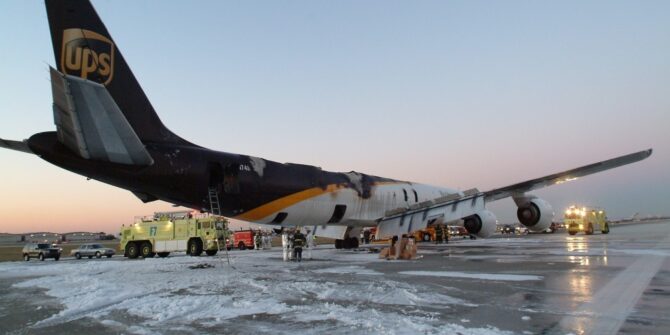
The biggest risk though comes from those in the cargo bay. Particularly the ones that you don’t know are there, should not be there, and which you cannot monitor. A UPS 747 crashed in Dubai after LI batteries in the cargo hold caught fire. The report suggested the heat and smoke from the fire disabled the crew oxygen system and entirely obscured their view within 3 minutes of the initial warning.

What can we do about them?

Most airlines will have a procedure written into their manuals, but it is worth a quick recap because there are some important bits to note.

  • If it has flames, use Halon. If you are using halon (in the cockpit) make sure at least one of you puts a smoke hood on – the stuff is very bad for you.
  • If there are no flames and it is just smoking hot, then cool it down by pouring water or a non-alcoholic liquid on it. If it is a laptop or something fixed in the cockpit then have a little think before you go slugging water on it though, because there are other electrics around which might not like it that much.
  • Don’t try to pick it up (without gloves on). Don’t cover it with ice thinking this will help cool it better, because it actually just insulates it more making it hotter. Don’t put it in fire resistant bags for the same reason.
  • Once it is safe to move, use fire gloves and put it in a receptacle – things like waste bins are good. Fill with water and store it somewhere safe where you can keep monitoring it.

Getting your crew to be vigilant for phones under seats (and passengers not moving said seat until phone is retrieved) is a good plan too.

The Cargo Concern

Lithium Ion batteries in the cargo hold are a different matter. If you have Dangerous Goods approval then you will have manuals and info on this. If you don’t have DG approval then any mention of Lithium Ion batteries on a NOTOC should be concerning you.

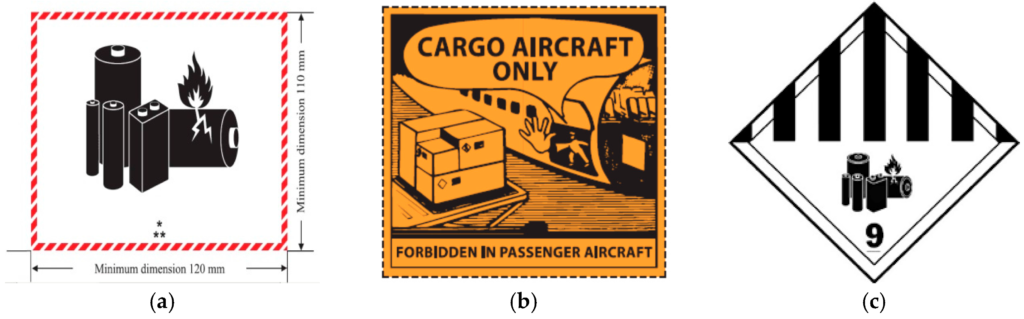
Lithium Ion batteries are a Class 9 Dangerous Good. The ones to look out for are the UN3480 and UN3090 numbers:

  • UN 3090, Lithium metal batteries (shipped by themselves). These are are not rechargeable and are designed to be chucked out after their initial use. They are actually Lithium Metal batteries. These are prohibited for carriage on passenger aircraft.
  • UN 3480, Lithium ion batteries (shipped by themselves). These are the rechargeable ones found in your phones and things.
  • UN 3091, Lithium metal batteries contained in equipment or packed with equipment
  • UN 3481, Lithium ion batteries contained in equipment or packed with equipment

Lithium Ion batters are allowed to be carried on cargo aircraft so long as they have been handled properly. The proper handling, packing, labelling and loading (what they need to be separated from) is all covered by IATA in their massive DG Manual. You can get that here, and find some handy online while you’re at it.

Again, if your operator doesn’t have DG Approval then this is just for info. If you’re wondering whether they do have approval then they don’t – crew have to undergo a yearly Dangerous Goods refresher course and you would remember this (because it is generally quite boring).

So, the simplest thing is to not carry them…

That would be great, but unfortunately it is not that simple. Lithium Ion batteries are in everything nowadays. They come in all shapes and sizes. So the first step is ensuring your passengers know what they are in, and are aware that they shouldn’t be putting these in their checked baggage.

Here is a handy info brochure to give to passengers.

This is a general ‘heads up’ list of some of the things an LI battery might be lurking within:

  • First up, those luggage bags which have them installed in them – if the battery can’t be removed and is more than 0.3g or 2.7Wh it probably shouldn’t be carried. If the battery is under those limits, or if it is removable then it can come onboard but only in the cabin, not in checked baggage.
  • Any lithium ion battery that is under 2g or 100Wh can generally be brought into the cabin. There is often a limit here (20 per person) but this varies with different operators.
  • Mobility aids – electric wheelchairs – often cause problems because folk don’t always know what their battery details are, and it is the airport staff who have to deal with this. The battery on these has to be in an enclosed container to prevent short circuits, and it must be attached as per the manufacturer instructions, or removed if it can be. If it is removed then it must not exceed 300 Wh or 160Wh if there are two of them on the device.
  • Hidden batteries – A lot of devices contain batteries. eBikes. Drones. Things that passengers don’t always think about.

The Captain probably needs to know about the location of these, so if you see stuff being loaded on and haven’t been informed about it, ask.

Finally, rogue shippers. Because of the restrictions, people are sneaking them onboard hidden in incorrect packaging, and without declaring them. They key to stopping this is going to lie with the airlines, operators and ground staff who need to be vigilant. The crew cannot do much more than mitigate the situation if some are onboard, and do cause issues.

Here is the full note from the US Department of Transport and IATA

What to do if you have an incident

If you have a Dangerous Goods Incident, you need to report it, and usually quite quickly. The FAA info page is here to help.

Lithium Ion battery fires are extremely hot and burn incredibly fast. If you think you have LI onboard that might be compromised, get that airplane on the ground as quickly as possible, and get your passengers off.

Want to read some more?


Assessing the Risk: Operations Over Conflict Zones

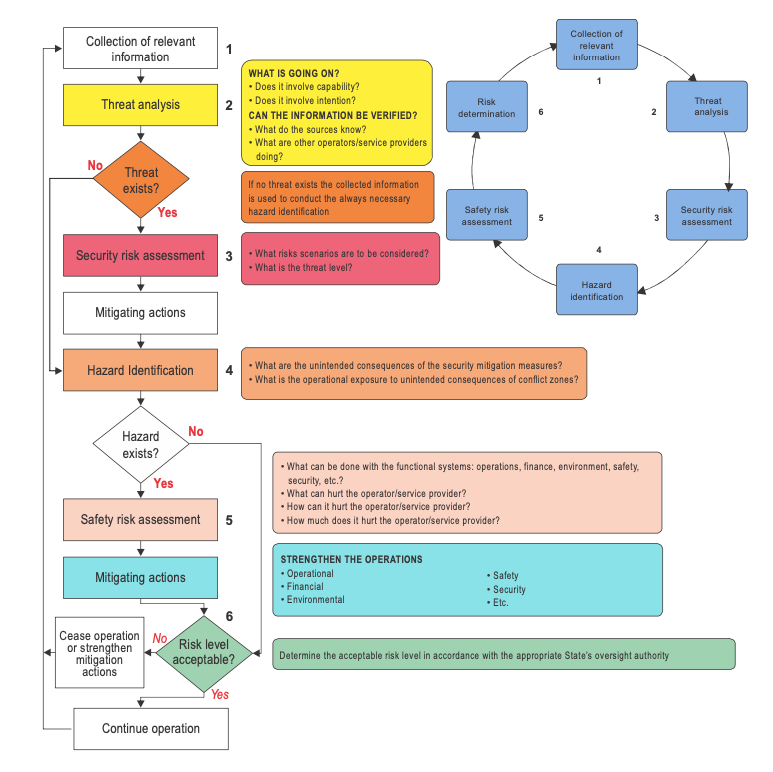
ICAO Doc 10084, if you have not come across it, is a sixty plus page document looking at ‘Risk Assessment for Civil Aircraft Operation Over or Near Conflict Zones’. Important stuff.

But despite manuals and procedures, regulations and recommendations telling us how to watch out for, assess, mitigate and manage the risk of conflict zones, there remains a much bigger and more significant risk to safety because of conflict zones.

So, what is this risk, and more importantly, what can we do about it in the aviation community?

Information

The huge hindrance to maintaining safety does not lie just with the SAMs themselves. It lies with information – the quality, quantity, reliability and promulgation of it. The result is that risk assessments are fundamentally flawed, understanding is limited and critical information does not reach those who need it.

So, there are four big points that need considering when we look at conflict zones and their impact on airspace safety:

  1. The Bigger Question – A risk assessment is much more than just asking “Is there a weapon down there?”
  2. Rules alone do not change the behavior of states – Information from states is critical, but it is often not shared, or not shared very well.
  3. Are we actively seeking information, or simply waiting for it to come our way? – The safety process does not stop at the state level, it continues (should continue) dynamically with operators and with the pilots, so understanding the situation is important.
  4. How can we do better? – Individuals and the industry have a responsibility to ensure information and strategies are shared.

1. The Bigger Question

The bigger question is to do with how risk is assessed, and it is a complex process even when information is available.

ICAO Doc 10084 lays out the risk assessment process. It’s an interesting read and worth taking a few minutes to think about because understanding the background to conflicts and what the key factors at play are is the only way for safety strategies and risk assessments to continue, and continue they should – it does not stop when a Notam is released.

The process is dynamic and needs to continue with the operator and the pilots too.

What are the key factors in a risk assessment?

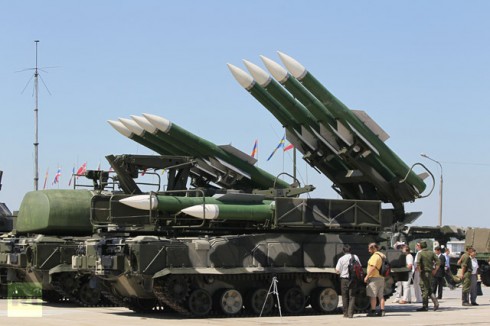
First up, what are we actually talking about here? Long-range Surface-to-air missiles (SAMs) can reach aircraft cruising in excess of 25,000ft (7600m). They are often linked with radar sensor systems to help identify targets, and are mobile and easily and quickly relocated.

So we need an assessment of what danger these pose to airlines and airplanes, and this means we need to know who has them (the capability) and also their intent (who or what do they plan to target).

But it is not that simple. Where there is intent, there is not always capability; and as importantly, where there is capability there is not always intent. The Iranian shoot down is a clear example of this. So we also need to consider the unintentional risks as well.

The questions asked look something like this:

  • Is there use of military aircraft in combat roles or for hostile reconnaissance (including unmanned aircraft)?
  • Are aircraft used to transport troops into the area and do these routes coincide with civil air corridors, or lie close and so pose a risk of misidentification between civil and military aircraft operating in the area?
  • What are the politics relating to the region?
  • What are the training levels of SAM operators and what is the military deployment of SAMs? How reliable and credible is the information shared by the state regarding this?
  • Is there a lack of effective air traffic management over the relevant airspace? Is the state fully in control of their own territory and do they fulfil all their ATC, coordination and promulgation (of information) obligations?
  • Do civil aircraft route pass over or close to locations or assets of high strategic importance or which may be considered vulnerable to aerial attack in a conflict situation?

But, the risk continues beyond this initial assessment because we also have to identify any ongoing consequences of an event. If a major airport is targeted, the impact is not only with the initial damage – if that initial damage is to the ATC systems required to maintain control and separation of aircraft then now we have reduced safety in the airspace and a much larger level of disruption.

So, we must think about the overall severity, and with that the tolerability of an infrastructure or operation. We are asking both ‘What can it hurt?’ and ‘How much it will hurt?’ 

This assessment, according to the ICAO document, is thrown into a matrix and churns out a ‘Risk Level’ which leads to the actions taken. 

Sounds simple, but there is one key point here – 

This info is not easy to come by. It is rarely reliable, and there is a qualitative narrative that makes it very subjective. The information has to be promulgated from states.

Which leads us to Point Number 2.

2. Rules do not change the behavior of a state….

States are responsible for sharing info on hazards, on what mitigation strategies they have in place, and the assessed impact of the strategies they adopt.

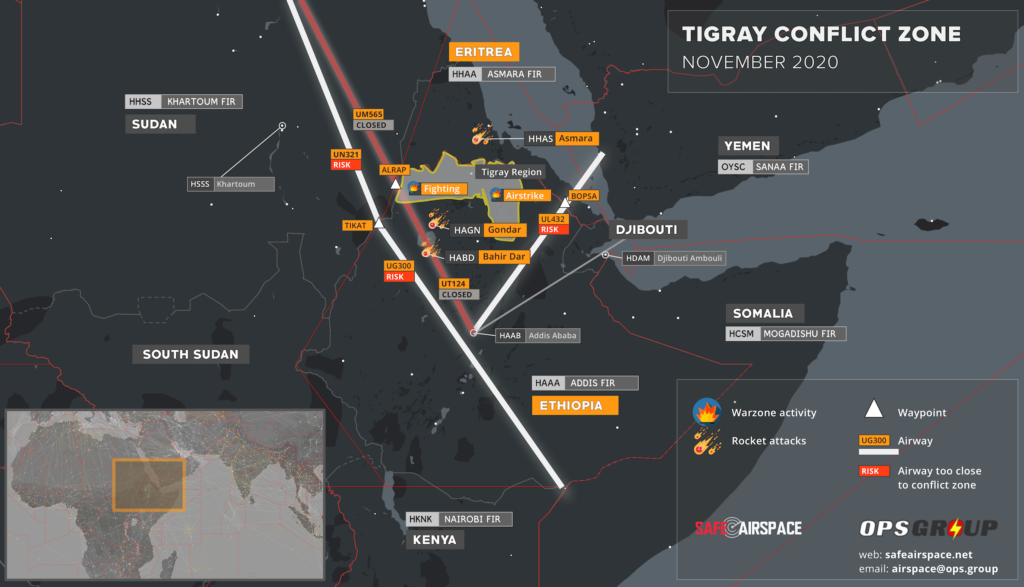
This often does not happen, or it does not happen well. Look at Ethiopia/Tigray region situation – misleading Notams and no guidance from the Ethiopian authorities led to Opsgroup issuing our own warning regarding the situation.

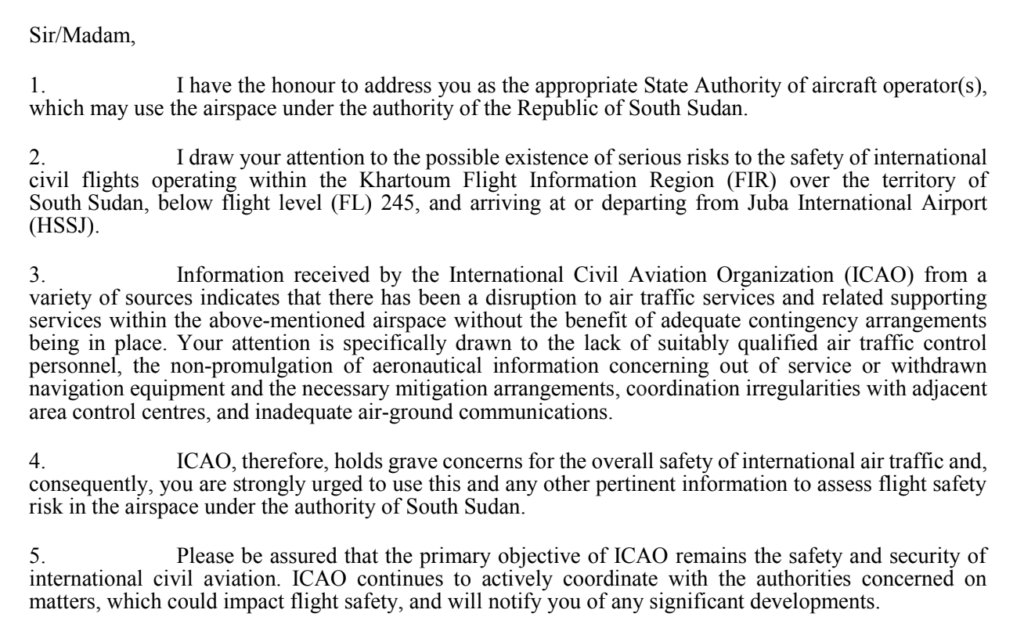
Further to that, ICAO only mandated the reporting of hazards in notices to pilots since 2020, and some states are still failing to do so.

3. People are not seeking information, they are waiting for it to come their way

This is why SafeAirspace was created.

Information is not being shared well and risk assessments are fundamentally flawed because the information on key factors is simply not available or reliable most of the time.

What’s more, people are rarely questioning whether the information they received was reliable, accurate or complete. Few proper risk assessments are taking place because those responsible are waiting for the information to come to them, and without a proper risk assessment, mitigation strategies are not sufficient, and are not being passed on to those who need them – the pilots.

What is the Operator’s continued role in the process?

Every operator is responsible for continuing the risk assessment. It is not enough to simply direct crew to a Notam. Ensuring crew have a full briefing on the threat and any mitigation strategies is important.

  • Emergency and abnormal procedures should be considered in advance. Take Mogadishu airspace where only flights on specific airways over the water are allowed. What is the strategy here in case of an engine failure or depressurization? If you operate over this region, you should have access to this information.
  • Operators are also responsible reviewing fuel requirements – ensuring additional fuel is provided for potential diversions around conflict zones.
  • If aircraft will be operating into conflict zones, then a review of MEL items which can be deferred is a good call – can the aircraft get out again without requiring maintenance or fueling?

What is the pilot’s continued responsibility in the process?

The information and strategies we see at the operations end are things like these:

  • Coordination between military authorities, security and ATS units
  • Briefings of personnel
  • Identification of civil aircraft by military units
  • Issuance of warnings and navigation advice
  • Air Traffic Restrictions
  • Closure of Airspace

But this does not mean the full risk has been removed. Understanding this, understanding how the situation got to this point, and understanding the risk assessment and safety management that has taken place is vital because the process now continues with you, the pilot, and this a fundamental step in continuing to manage safety.

  • The Crew, and the Commander of the aircraft are responsible for the safety of the aircraft and the passengers. Of course, we all know that, but if you are given a Notam saying “this airspace ain’t great, maybe avoid it” and then you fly through it, where does the responsibility of your operator end and yours begin?
  • Reading notams, the AIPs, AICs, and being aware of the threats of the airspace you might be asked to operate into is vital. More than that, ensure you are aware of any mitigation strategies required.
  • Pre-prepare for diversions and know where you can safely go. Some diversions might take you through prohibited airspace so if you are operating in the vicinity of some, have a route ready in box two so you can easily avoid airspace when you need to.
  • Be aware of security threats and hazards on the ground, in advance.
  • Consider the serviceability of aircraft equipment before you go – critical equipment would be communication systems, and those required to ensure military units can identify them as civilian;
  • Have an awareness of the potential political implications if diverting into some regions with certain nationalities onboard. If you divert there, what will happen to your passengers and crew, and why?
  • Report things. Keep the information loop going.

4. How can we do better?

Aeronautical info from states and authorities is your first point of call. AICs, AIPs and Notams are going to contain info on advisories, restrictions and recommendations.

If you are an FAA operator, then the FAA put out KICZ notams and this page has all the current ones for airspace.

Networks and organizations such as us here at OPSGROUP try to share relevant and up-to-date information on airspace, conflicts and the risks that are out there.

Open sources like social media and news sites are also good – but be careful, these may come from unconfirmed or unreliable sources. We recommend checking info with other sources too, like handling agents in the area.

Finally, talk to other pilots and operators, and be sure to report information you have from operating in or through airspace.


The Bermuda Triangle: Fact or Fiction?

The Bermuda Triangle. A place of myths and legends. But how real is it, and what affect if any does it have on aircraft flying through it?

Where exactly?

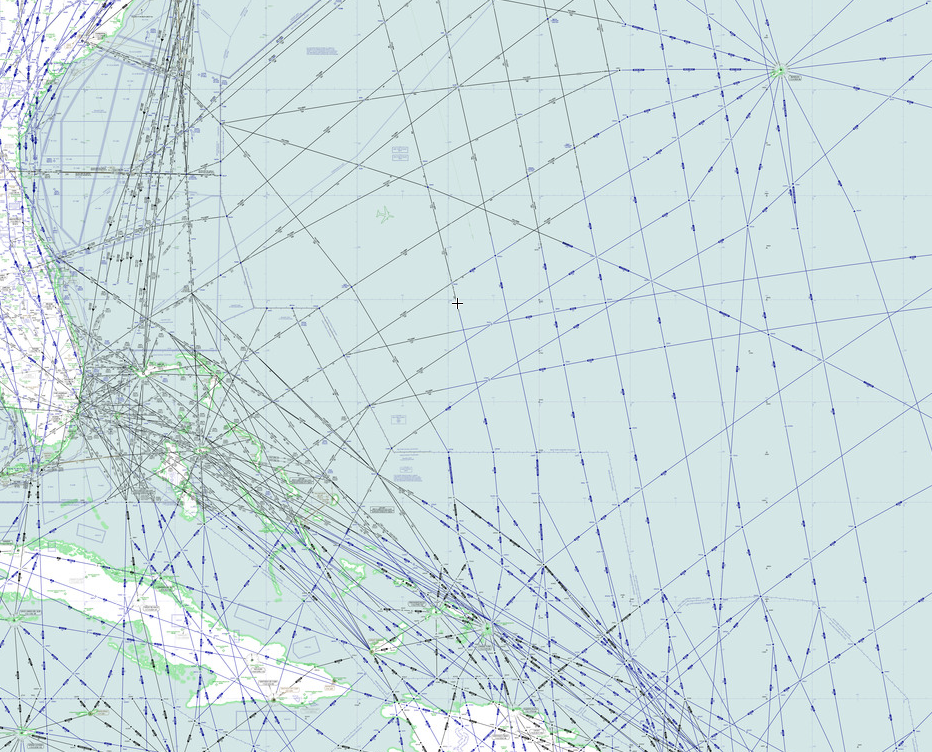
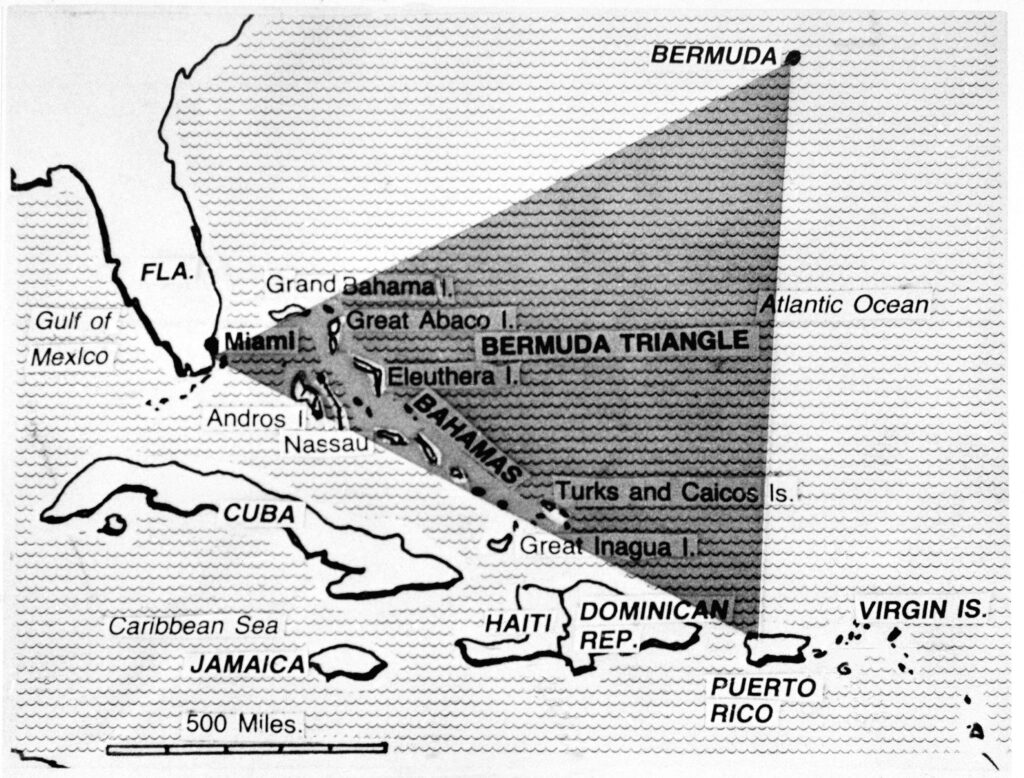
The Bermuda is a fairly loosely defined area out in the great Atlantic Ocean, generally mapped out with its three corners reaching Bermuda, Miami and the northwestern corner of Puerto Rico. It varies in size from around 500,000 sq. miles to 1,500,000 sq. miles depending on how its boundaries are drawn.

Why do we talk about it in Aviation?

It has a reputation for disappearances – sinking ships and vanishing airplanes, dots on the radar that are gone in a blink, never to be seen again. Some say it is haunted, some say aliens use it as a human abduction point, others reckon it is home to an immense Kraken that swallows ships whole…

These might be tall tales, but in fact is has been the location of a higher-than-its-fair-share of naval and aviation disappearances, and random technical malfunctions too. Somewhere in the region of 50 ships and 20 airplanes since folk started paying attention.

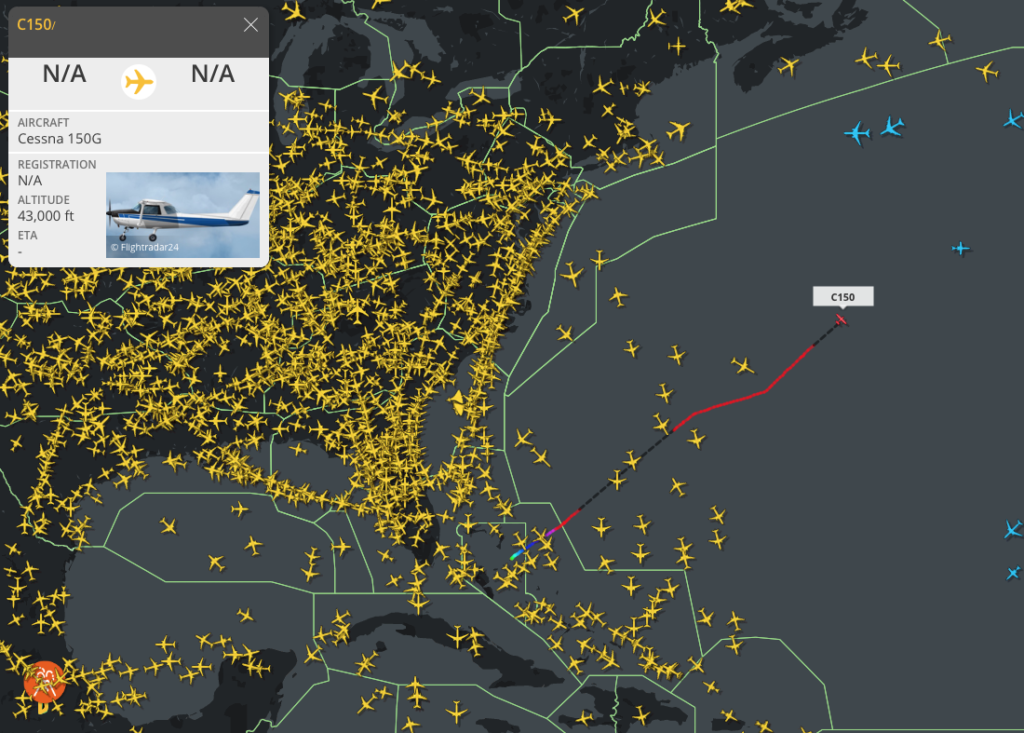
In 2017, a Turkish Airlines A330-200 experienced a series of electrical and mechanical malfunctions while routing over the Triangle. Routing from Istanbul to Cuba, they ended up making a diversion to Washington Dulles. Flight 19 was a squadron of five Torpedo Bombers that disappeared in the area. And of course the famous Amelia Earhart’s final flight was rumored to have gone down in this general location.

It gained its name from an article written back in 1964, which started with an attention grabbing hook –

Fact or Fiction?

Read through the list of sea and air incidents and accidents and you will notice something – the vast majority of events happened last century. Aside from TK183 and a few light aircraft accidents, all the rest generally took place between the 1940s and 1970s.

The investigations into Flight 19 and Amelia Earhart’s disappearance both concluded that poor weather, a loss of situational awareness regarding their actual positions, and ultimately running out of fuel were most likely to blame.

Flight 19 was attributed to the Flight Leader mistaking the Bahamas for the Florida Keys, a broken compass and the fact that the advice for if you got lost in the area back then was to just “take up a heading of 270”. And the Turkish Airlines flight was a fairly uneventful malfunction and diversion.

The high numbers of events can also be put down to the high amount of traffic that routes through this region. It is a fairly major shipping route between the East Coast of the US and the Gulf of Mexico, and in more modern times it has become a fairly busy area for aircraft too.

What is causing it all then?

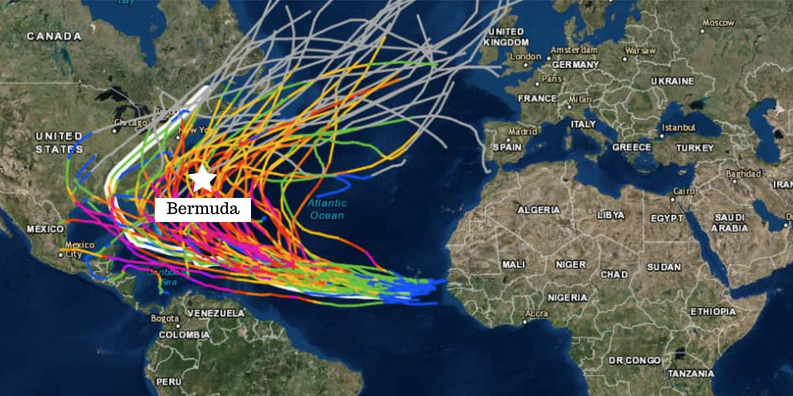
Well, weather seems an obvious answer. It is a pretty popular area for hurricanes to aim towards. In fact, Bermuda (the island) sits in Hurricane alley – the more frequent path taken by Atlantic Hurricanes. So it is no surprise old airplanes and ships without the use of modern weather radar systems might fly into this region and be surprised by some really nasty ship-sinking / airplane-crashing storms.

Another explanation offered up by science is to do with magnetism. You all know this, but the Earth’s magnetic pole isn’t quite in the same spot as True North. Your compass points to magnetic north, but there are these things called Agonic Lines which line up magnetic and true north and along these your compass is Truly (pun intended) accurate. One such line runs from Lake Superior and down through the Gulf of Mexico.

Back in the days before GPS, when pioneering navigators relied on compasses and stars (which they couldn’t see because of all the bad weather), they would have potentially corrected for Magnetic to True. But correcting along an agonic line would actually have led them astray.

Then there is the depth of the trenches in this area of the ocean. Most of the sea floor is as far down as 19,000 feet, some areas over 27,500 feet. Which means when things do sink there, they are not easily found. So your sunken ship or ditched airplane is not likely to be found and the conspiracies about aliens and wormholes start to run rampant.

So, the lack of recent aviation events attributable to supernatural phenomena do suggest that it was probably due to more standard reasons that incidents were higher here than in others areas. Added to the fact it makes a good story, and we find we just have an area of bad weather, lots of traffic, and disappointingly unexciting reasons for accidents.

Are there any things modern aviators should look out for in the region?

Yes. Those hurricanes are worth keeping an eye on. The main Atlantic Hurricane season runs from June to the end of November. We wrote a bit about it here.

If you are flying to Bermuda itself then the fact it is a very remote island is also worth thinking about. TXKF/Wade International is your main airport, and some of the nearest alternates lie a good 650 miles away on the east coast of the US.

Some serious fuel planning is a good idea then – Isolated Airport Procedures usually require you to carry at least 2 hours additional fuel (at normal cruise consumption above the destination aerodrome). Here is a useful CAA produced checklist for Isolated Airport Procedures.

The surrounding airspace is also a threat. To the East you have the open Atlantic and all the procedures and challenges associated with that. To the West you have the East coast of the US, including the Florida Metroplex airspace, along with KMIA/Miami and KFLL/Fort Lauderdale – two of the busiest airports, in some of the busiest airspace of the USA.

Did you know there is a Bermuda Triangle in space?

Yep, astronauts have their own ‘Bermuda Triangle’ to contend with. It lies over the South Pacific, stretching between Chile and Zimbabwe, and is rather more real than its earthly counterpart.

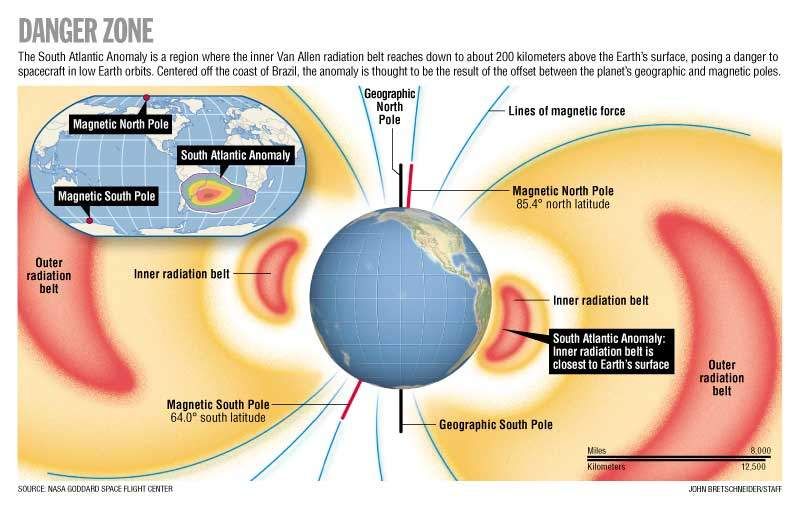
This area of space is where the inner Van Allen radiation belt comes closest to the Earth. These rings of charged particles – loads of electrons in the outer ring and high-energy protons in the inner –  surround the planet, and are caused by the Earth’s magnetic field which protects us from this harmful radiation by trapping these particles in its magnetic grip.

Unfortunately, in this particular area, the Earth’s magnetic field is weakest, so all those particles are free to swoosh around more. They have also managed to get much closer to the Earth which means our satellites, space equipment and space travelers sometimes orbit through it.  This pretty much messes with electrical equipment, and people for that matter.

For the Hubble telescope, which passes through it about 10 times a day, it means a disruption in its workings for about 15% of each day. Satellites often experience temporary system failures when passing through during high flux days, and the astronauts onboard the ISS have to be shielded to prevent excess radiation. They often report seeing random white flashes, and having issues with communication equipment.

Disappointingly then it seems the Bermuda Triangle is just the stuff of fiction

Most authorities and Scientific organizations agree, but if you fancy reading some more about it then these are some good places to head to:


Bomb Onboard: Do you know your procedures?

Airport security means the threat of a bomb onboard is greatly reduced. But if you do receive a bomb threat, or find a suspicious package onboard, what procedure does your operator have in place for you to follow?

How much risk is there?

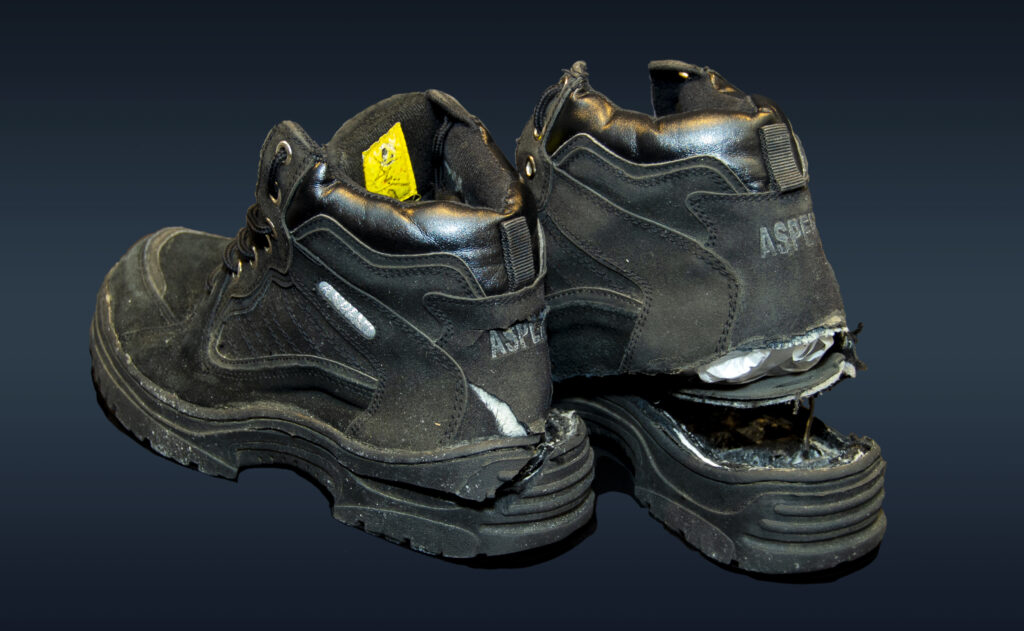
You have probably all heard the Shoe Bomber attempt from 2001. This was thwarted by some brave passengers and crew, and also the fact the bomber had sweaty feet – his swamp foot dampened the trigger preventing it from igniting.

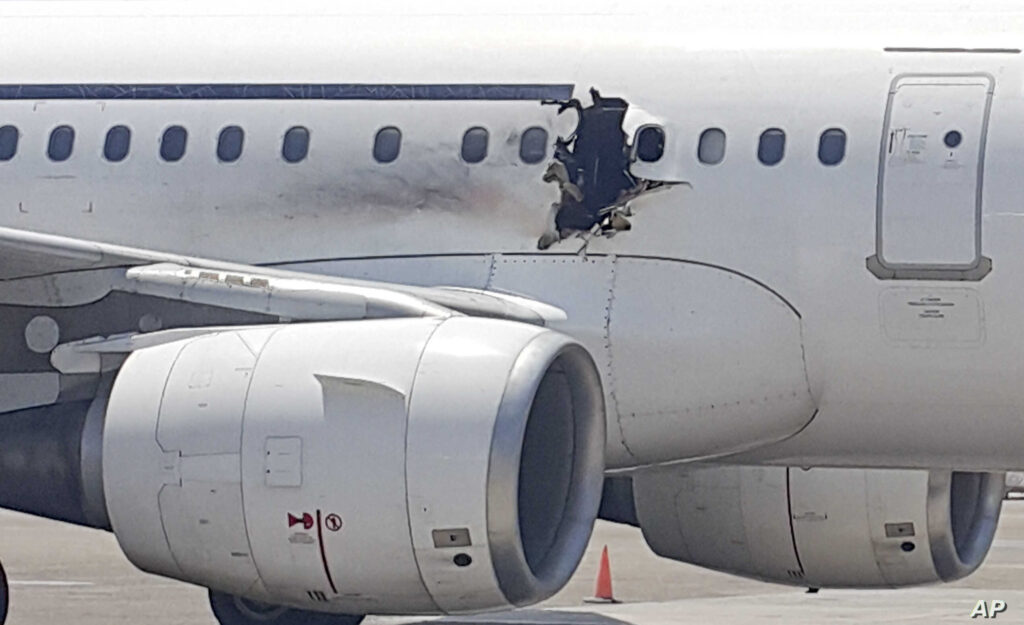
In 2016, an aircraft made an emergency at HCMM/Mogadishu airport after a bomb exploded onboard. The bomb was likely brought on concealed within a laptop. This flight was lucky though – the impact of the bomb was minimal, limited because the bomb exploded while the aircraft was at a lower altitude (11,000ft).

In 2020 a European airline found a ‘bomb note’ onboard. The flight was escorted to a safe landing and passengers disembarked without incident.

So bomb threats, and attempted bombings, do occur, and while security is getting better and better, unfortunately terrorists are getting more creative in finding ways to bring items on board. The attempts are not always aimed at causing destruction either – threats alone cause a huge amount of disruption to operations. So understanding how to assess the risk and credibility of a threat is as important as knowing how to deal with a possible explosive device if one is found onboard.

Is the threat credible?

Threats received regarding an aircraft need to be assessed, and the credibility determined. The threat classification will generally be based around how specific the threat is. Most operators will have a procedure in place for determining this, and probably take into account something along the following lines:

If a threat mentions a specific target, or is made by a known terrorist organization and is deemed credible then this is going to be considered more serious. Often these are referred to as a red threat.

On the other hand, a threat which is vague, general, and doesn’t specify targets might be considered less credible. A hand scribbled note in the toilet for example. This would be categorized as a green threat.

However, regardless of the assessed credibility, a bomb threat has to be taken seriously and treated as a genuine situation.

If you are on the ground

The simplest and safest option if you are on the ground is to disembark and carry out a full search of the aircraft. It might be a hassle and result in some big delays, but the possible alternative is much worse.

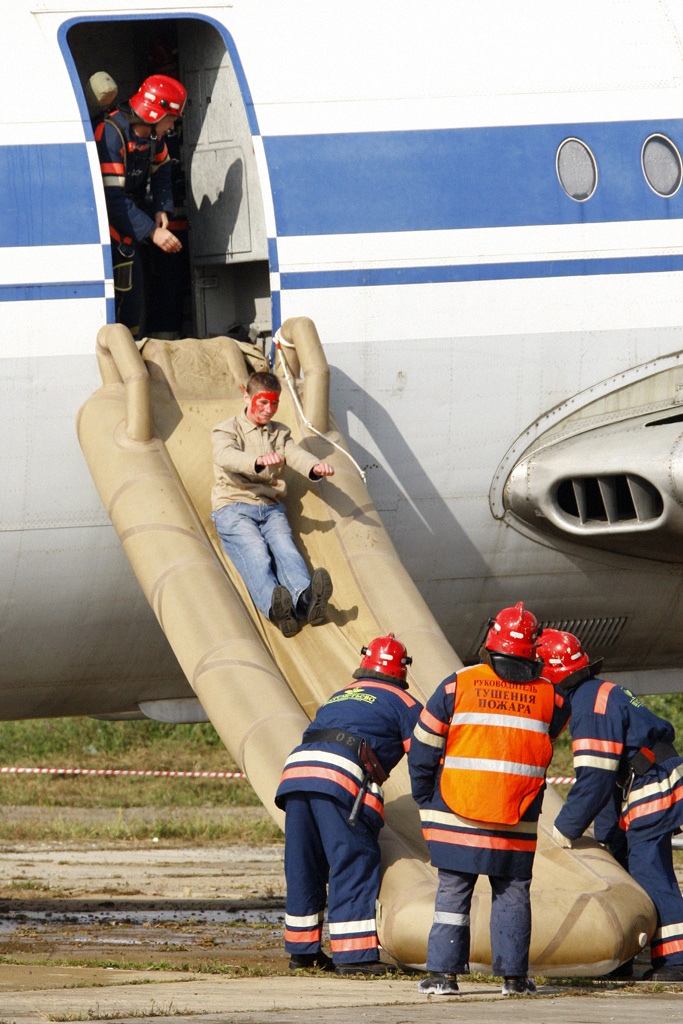
A serious threat may require a precautionary disembarkation – which will result in offloading the passengers as quickly and as safely as possible. This creates a risk to safety in itself, and generally the credibility of the threat will be communicated to the crew so that they can judge the risk of waiting (for steps) versus disembarking immediately to clear the aircraft (but have passengers hurling themselves towards the tarmac).

If you are in flight

If a threat is received against your aircraft while in flight, carry out a search checking those places which are often overlooked during security checks on the ground, but where an article might easily be concealed – toilets, galleys, jump seats, stowage areas, closets etc. Try and do it discreetly to avoid unnecessary worry for passengers.

If an article is found, do not move it or touch it. Move passengers away from the immediate area, and remove any flammable items and have fire extinguishers ready in case. A PA asking for anyone onboard with ‘BD or EOD experience’ might help – these are terms which experts will recognize without saying “Hey, passengers, is there a bomb expert onboard?”

Not terrifying your passengers is probably a good call, but ensuring they are following your crew’s orders, and that they are prepared for the situation on the ground, is also necessary. This means providing them with clear information, but without dramatizing the situation.

“Ladies and Gentlemen, we have received a message that a threat has been made against one of our aircraft/an aircraft in this airspace. These threats do happen, however, until we can establish how credible it is, we will take all possible precautions and therefore intend to land at… in…”

If you find a suspicious article

Most manufacturers provide checklists for bomb-on-board situations. Know where this is, and understand what it says. 

There are a few measures you might want to consider:

  • Talk to ATC so they know exactly what is going on and what you need. They all assist with locating an airport with services needed, and coordinating with military if necessary.
  • Try to avoid routes over heavily populated areas.
  • Consider carefully the choice between flying fast to minimize airborne time versus flying slow to minimize air-loads and damage (in the event of fuselage rupture).
  • Request remote parking on the ground if there isn’t a designated bomb location.
  • Brief your crew for a possible emergency landing, and in any event, brief them to ensure passengers are disembarked quickly and moved to at least 200m upwind from the aircraft.
  • Avoid large and rapid changes to pressure altitude – consider using manual cabin altitude controls to minimize rapid pressure changes while still lowering the cabin altitude to reduce the differential pressure.

Aircraft are designed to not ‘explode’ if there is a rupture in the fuselage – that’s why they tend to have a lot of smaller sections attached together. It makes the overall structure more resilient to the effects of an explosive decompression, aiming to keep it “localized”.

Reducing the differential pressure to around 1 PSI will also reduce the damage if an explosion does occur. Maintaining a slight differential will ensure the blast moves outwards, but the lower differential limits the force of air from the cabin outwards. 

1psi is the equivalent of about 2,500 feet difference, but flying at an altitude that allows you to manually reduce the differential will probably mean a much lower level and much higher fuel burn.

Where is your aircraft’s LRBL?

A Least Risk Bomb Location is an area where the least damage will occur should a bomb explode. This should be specified in your aircraft manual. These are often near aft doors or in washroom stowage areas. The area provides the least risk, in the event of an explosion, to flight critical structures and systems.

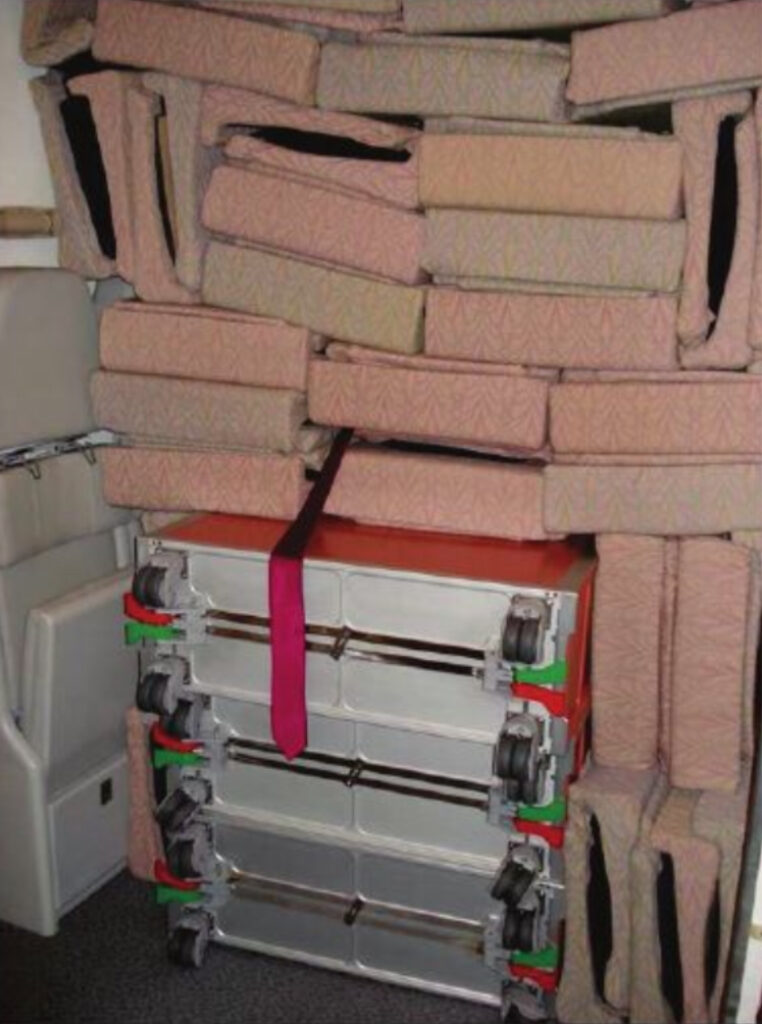
If the article is deemed unsafe to move, cover it in plastic to prevent any liquids getting in, and then pile blankets and pillows, seat cushions and soft clothing around it. We’re talking as big a pile as you can, and once done, saturate in water to minimize fire risk in case an explosion does occur. Don’t forget the plastic sheets first though –  liquid damage to electrical components is also a big risk.

If you can move it, and only if it is deemed essential to do so, then check that LRBL. Once in place, build up the barricade.

Always minimize movement to any article as much as possible, and don’t put anything directly on top of it. An igloo of saturated cushions around it and the gaps stuffed with blankets etc is good.  This ‘cushioning’ will help minimize the force if an explosion does occur. Never put inside an oven or trolley though as a sealed container will amplify the pressure and explosive force of a bomb.

Where to go

You will likely be accompanied by fighter jets to an airport with a designated bomb area – usually a remote apron away from buildings, fuel supplies and other aircraft.

What next?

Getting your aircraft safely on the ground is Step One. Getting your aircraft to a safe point to disembark/evacuate your passengers and crew is Step Two and coordinating this with ATC and airport services is important. Knowing in advance where you will taxi to will get you there more quickly and safely. Landing, slamming on brakes and bursting tires will get you nowhere fast, so plan ahead and be prepared.

A bomb threat or bomb onboard situation is difficult to plan for because the ‘where you are and what will happen’ is not something we can prepare for, other than being ready to follow our procedures and remaining calm. Chances are this is not a situation many of us will (thankfully) find ourselves in, but understanding the resources you have to assist, and knowing the onboard procedures so you can coordinate passengers and crew will no doubt help if it ever does occur.


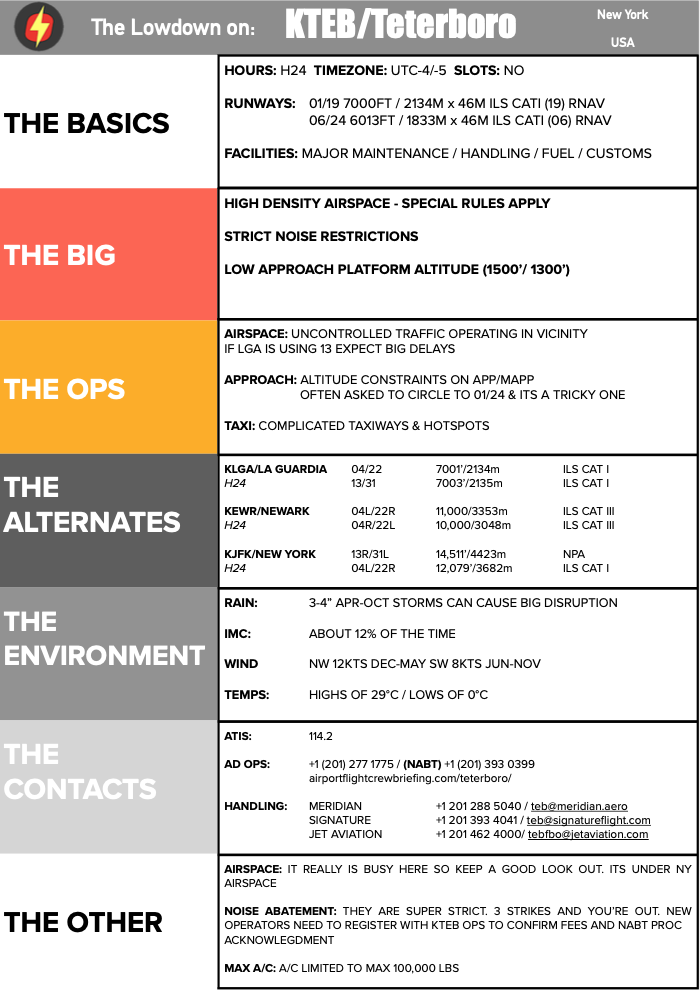
Introducing: Airport Operational Lowdowns

Ever been bamboozled when flying into airports you’ve never been to before? You’re on your approach and all looks good – straightforward, easy, no threats – and then, they cut 50nm off your arrival track and suddenly you’re high and fast and this is when your co-pilot (who has been there before) turns around and says – “Oh yeah, they always do that!”

Or what about that airport where they built a really big hanger in a really silly spot, and you don’t find out about the wind shear off it until you are there, at 30 feet, battling with it?

Calling All Pilots… 

  • All pilots who operate into random, challenging or interesting airports.
  • All pilots who do not operate into the same airports regularly.
  • And all operators, ATC, anyone with a bit of knowledge about an airport for that matter.

Following on from our OpsChat where some of you raised the idea of briefings on specific airports, we have started to put these together…

What’s the idea?

The idea is a lot of pilots, particularly corporate folk (but this is still for everyone) might not have access to loads of shared information on specific airports. If you do not fly somewhere regularly, or do not work for a big airline, then the only information you will have on certain airports is what you can read off the charts and in the AOIs.

But we all know there are airports out there which have specific challenges you only discover when you operate in. The useful, practical, operational stuff. The threats, risks and gotchas that you discover with experience.

Introducing: Operational Lowdowns

Our Operational Lowdowns are our new way of trying to share this information between you all.

If you have experience going into an airport and spotted something unusual, odd, tricky or interesting then send in that Airport Spy report. Or even drop us an email with a full lowdown about it.

If you are operating into a new airport and want some additional info before you go, then check the airport on our Airport Spy app – there might already be a Lowdown Briefing in there. If there isn’t, let us know and we will do some digging and try and put one together for you.

Sharing is caring…

… and it is also safety!

Knowing about specific operational challenges, environmental threats and tricky procedures before you get there, so you can BRIEF about it and come up with a plan to mitigate any risks, is important.

So we hope you find these useful, and keep getting in touch with info you have to share, and what info you would like to know.

Take a look at the Operational Lowdown for KTEB if you want to see what we’re talking about 😃 ✈️


Squawk 7800 for Hacked

An airplane is circling over Seattle. Onboard, the Captain, Reece Roberts, is desperately trying to control it, but cannot – she is locked out from the flight control systems because the main computer has been hacked. It is a race against time for the crew to regain control before they run out of fuel. Dom Dom DOOOOMMMMM!!

This might sound like the plot from a terrible movie (it is), but how possible is this, and are there any mechanisms in place to prevent it?

Hack attack

Back in 2015, a cyber security expert, Chris Roberts, was detained by the FBI after making some claims on social media about hacking into an aircraft computer and briefly assuming control of it. According to Roberts he had hacked into several planes over a four year period, using the in-flight entertainment system as his way in.

On this particular occasion, Roberts claims he managed to overwrite some code and issued a “climb” command to the airplane which then caused one of the engines to increase thrust. His actual statement was that he made the airplane “fly sideways” (which possibly discredits the whole story just a little).

This is not the only claim of aircraft hacking though. In 2016, a Boeing 757’s system were also breached, and this one was slightly more disturbing because it actually, definitely happened. It was also less worrying because the aircraft was on the ground and the whole thing was carried out by the US Department of Homeland Security as an exercise to see how possible a hack attack actually would be.

The Aerospace sector is the fifth most targeted sector for cyber-attacks. A high level then, but while some of those attempts are aimed at aircraft flight control computers, and an equally small number at infiltrating airport infrastructure systems, the large majority are of the data gathering nature – attempts to steal sensitive passenger info, credit card data and that sort of thing.

How serious are we talking?

Our aircraft are intelligent. The computer brains that run them are complex beasts made up of multiple data generating sensors, and just as many parts giving out orders to various aircraft systems. Take the FADEC on an engine – this is a self-monitoring, automated system. It controls the engine start, deciding when to open valves up, when to add fuel. It also monitors parameters and can stop a start, run a cooling cycle, and try all this again without pilot intervention. The system also controls inflight restarts.

Rolls-Royce launched an ‘intelligent engine’ concept in 2018 – an engine so connected that it has the basic AI algorithm “intelligence” to assess, analyse and learn from its experiences, as well as those of its “peers” (other engines that all share their data).

All this level of automation is great, but what if it is no longer in control, and is being controlled with the pilot effectively locked out?

Then there is the connectivity

Aircraft are increasingly digitalized and increasingly connected, and these connections might be less secure than we think. One highlighted “weakness” in aircraft onboard systems is the encryption levels within the comms and reporting systems. You might point out that aircraft are fairly visible on Flightradar, but this only gives general whereabouts, and transponder data is no longer shared. Being able to pinpoint exact locations in real time has far greater consequences if the wrong people are able to access this information.

There is growing speculation that Malaysia Airlines Flight 370 may have been electronically hijacked, or at the very least had its position spoofed leading to the initial confusion over its whereabouts, and later the difficulty finding the crash site.

The good news

The good news is there are protections within aircraft systems. First up, there is no way to access a critical system via a non-critical one. Network architecture prevents this and various experts have stated it is impossible to move from, for example, the in-flight communications system to the avionics.

Airbus incorporate a switch in the flight deck – the NSS (Network Server System) gatelink pushbutton is effectively an added ‘disconnect’ which separates all cockpit systems from the ‘open’ world, cutting off any potential link to the aircraft flight management systems should a threat be perceived.

Then there is the risk of “locking” the pilot out – gaining access of a system and sending commands to it is one thing, but pilots have the ability with most systems to disconnect and get back to basics. For a hacker to lock a pilot out – prevent them from disconnecting – this would require a command that is not currently in the system and this level of hacking and re-programming is not, most suggest, all that feasible.

The bad news

There are other ways to disrupt operations.

 GPS jamming is not direct interference, but the impact it has on aircraft systems is a known one – with a jammed GPS, aircraft lose the ability to navigate with accuracy and must rely on dated radio navigation systems. Not such a big issue, but removing the capability for an aircraft to carry out an RNP or RNAV approach means they are reliant on older ILS equipment, or having to fly non-precision approaches.

ILS equipment relies on both ground and aircraft systems, meaning there are much more “parts” which can fail. These systems are also older and require more maintenance on the ground meaning the likelihood of one part malfunctioning is higher, and when it does, the level of safety redundancy for aircraft which have had GPS jamming problems is suddenly really reduced.

The risk of interference to GPS and radio signals also creates a vulnerability in UAV operations.  The controllability of an aircraft might not be in question, but the ability of a hacker to take over and control a UAV – and potentially “control” it into an aircraft – is a growing threat.

A report looking into potential airport weakness identified a large number of “weak spots” where targeted hack attacks might result in disruption. The airside points ranged from spoofed ILS signals to changing airplane signatures on docking system from larger to smaller aircraft, reducing the wingtip clearance margins and safety significantly.

What is being done?

Technologies to prevent UAVs in airports is well underway with systems in place already at many major airports, and the FAA trialling more this year. Solutions to GPS jamming are also a high priority with several conferences and work groups already taking place, identifying both the threat and the root cause of why jamming takes place.

As for the direct cyber security risk to aircraft, this is not a new “idea”. The FAA moved it in the right direction with their Aircraft Systems Information Security Protection (ASISP) initiative in 2015. This initiative asked the questions, and asked manufactures to start thinking up answers, and they are responding. Manufacturers of major avionics, entertainment systems, communication systems, and aircraft are all analyzing the risks, and upping the protections, securities and preventions.

We might not see them in our aircraft, but they are there, and until aircraft become completely secure we still have that last trick up our sleeve – the one where we just turn it off and get back to basics and fly it ourselves.

So ‘Cabin Pressure’ might just be collection of movie cliches surrounding a troubled plane that no-one takes seriously, but the threat of cyber terrorism in aviation is one that everyone else is taking very seriously indeed, and for good reason.