Here’s something we had Hima-layan around

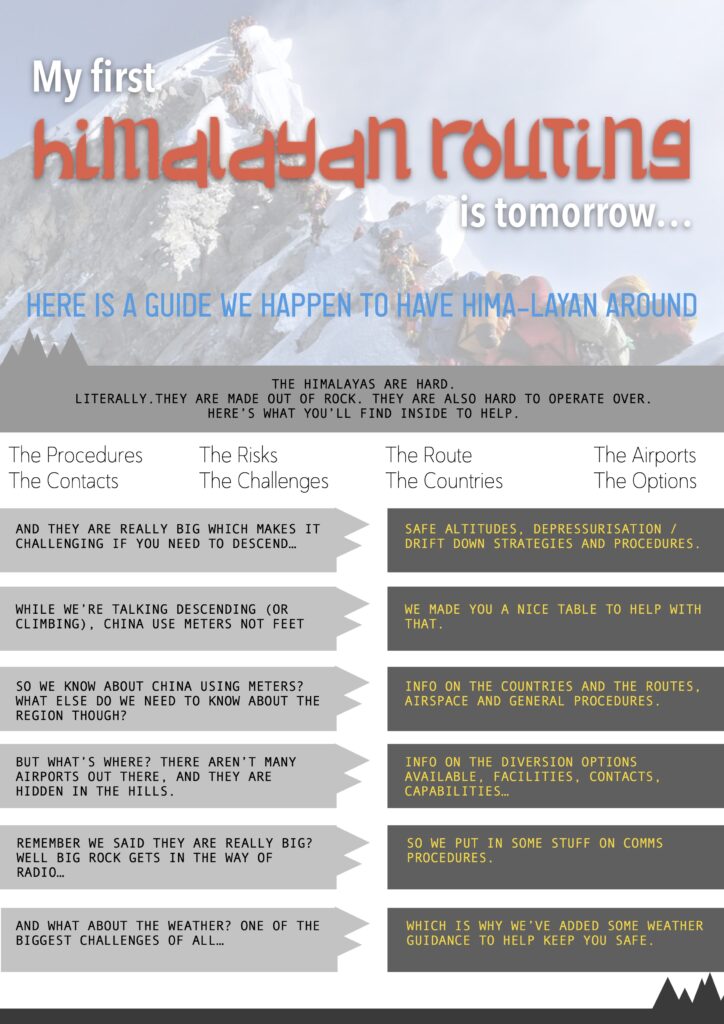
Flying over the Himalayas can be tough. It’s a challenging place and there are a lot of things to think about. Big things – like the big mountains under you. Chilly things that can send shivers down your spine – like the chilly weather. Or things that might just trip you up – like converting meters to feet.

So we decided to make a handy guide for you, filled with things to think about if you are heading over the Himalayas for the first time, or for the first time in a long time.

What is the Purpa-se of the guide?

To provide some handy info to help you on your way. It is just a guide though. Don’t use it to replace your company ops manuals, AIPs or anything else. Do use it to refresh yourself on stuff you might want to know about before you go.

(And if you don’t get the Purpa pun then check out page 5.)

We also wrote a related post a while ago.

We called it ‘The Hills have Ice’ which we found amusing. This guide expands on some of the things we put in there.

What will you find inside?

Things to think about like what your safe altitudes might be, how to plan for a depressurisation, what airports are available or weather to watch out for…

We also threw in some contacts, calculations, cold weather considerations, airspace info, comms advice and a couple more witty puns for good measure.

It won’t help you move mountains…

But maybe it will help you move over them more smoothly.

Download the Guide

Opsgroup members can download the guide as a PDF direct from the dashboard here, or click on the image:

If you want to become a member of Opsgroup, click here.


Our little disclaimer: This really is just to provide some handy insights into what you might want to study up on more. Your operator will have their own procedures, official calculations etc and this is not to replace them, more to remind you that you might want to take another look at them.


I Feel The Need For Reliable Speed

Speed is a big thing when it comes to flying. Lift is, after all, equal to half of something multiplied by something else and, oh yeah, velocity squared…

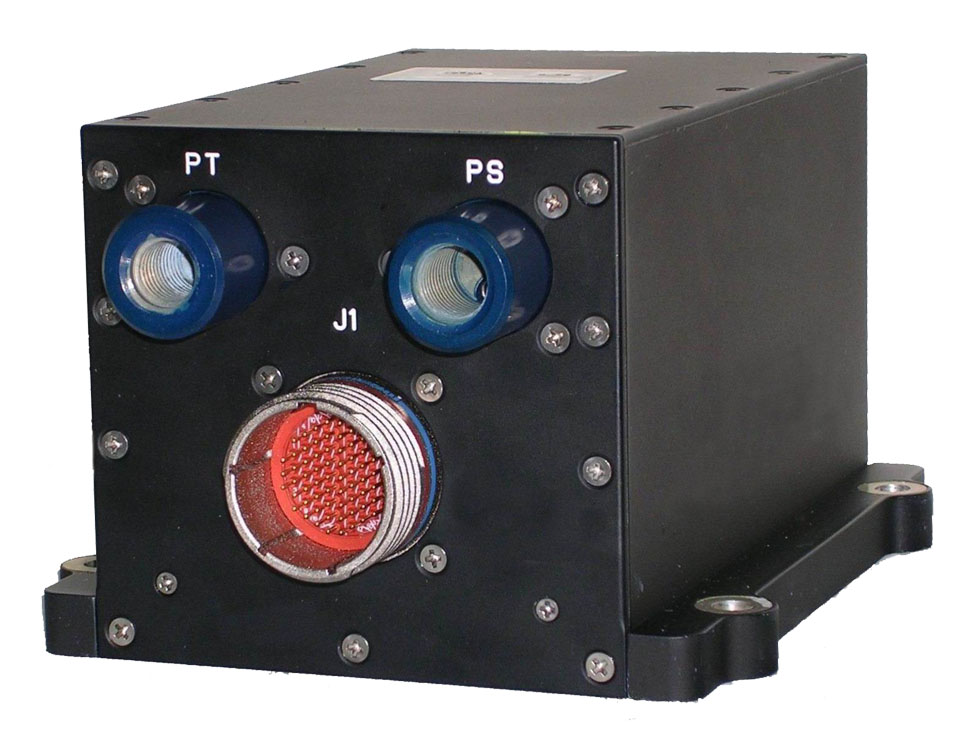
Now, with so many airplanes being hauled out of storage complete with bugs, beetles and other nasties nesting in places they should not be nesting in, there has been what EASA described as “an alarming trend” in the number of aircraft experiencing unreliable airspeed indications.

So we thought we would take a more practical look at what unreliable airspeed might really mean for you.

What are we talking about?

Airbus reported that in the period from January 2020 to March 2021, they had 55 events of unreliable airspeed. But 55 in a 14 month period (considering how many Airbus are out there flying) doesn’t sound that many.

So why is everyone so worried about it?

Well, we wrote a bunch of stuff about it here. We also talked about startle factor because that really is one of the big danger elements of the unreliable speed problemo. You see, if you get unreliable airspeed, there is a good chance you will do so at a horribly critical moment in flight. Like takeoff when you are near the ground, don’t have much speed, and have even less time to deal with it.

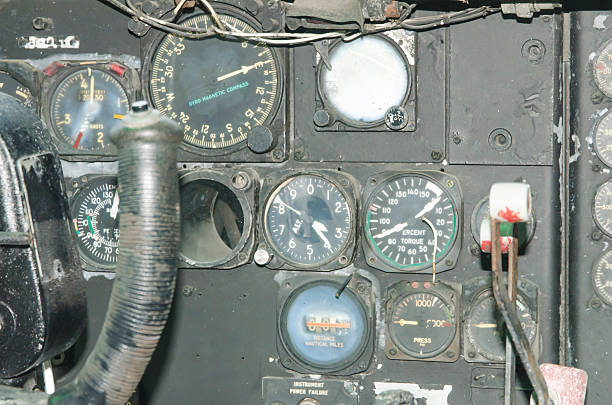
So, we are talking about you (the pilot) or it (the aircraft) not knowing what airspeed is reliable, and everything getting fairly confusing, very quickly.

What happens when it happens?

Airplane systems are clever. They use teamwork. They don’t just rely on one sensor or one probe, instead, they have independent probes talking to independent systems, and then these talk to each other and on a good day everything matches. On a bad day they might not.

But air data computers don’t argue, they get logical. If two are receiving the same information then chances are number three is wrong and then majority rules and the other systems effectively vote it out. Of course, they tell the pilot when this happens so you can judge for yourself, and maybe try to work out why there is a discrepancy.

The situation gets more complex when the computers cannot determine which is reliable and which is not. When we talk about ‘Unreliable Airspeed’ this is the situation we are really referring to because now you are going to have to troubleshoot, pretty quickly, in order to work out what to trust. More critically, you are going to have to decide pretty fast whether or not your airplane is in a safe condition.

So your first action needs to be that ‘Aviate’ bit of those Golden “ANC” rules.

Don’t forget the first line…

The memory items for ‘Unreliable Airspeed’ are going to vary between types, but the general gist is probably the same: decide if the airplane is safe and if it isn’t, make it safe before you do anything else.

Airbus, for example, say “if safe conduct of flight impacted”.

So what they mean is don’t go hurling on thrust and yanking the airplane nose about unless you actually need to (but if you need to, then do!)

If you are in cruise – straight and level, with a sensible pitch attitude and thrust setting – and your autopilot disconnects because it ain’t sure about the speed, then do you actually need to do anything? Other than making sure you have control, probably not. The speed hasn’t suddenly become unsafe just because you cannot say exactly what it is.

The same goes for a nice, stable approach. If you’re configured, heading down the ILS, and your autopilot disconnects, but the airplane is still on the ILS, descending at a normal ROD with a normal thrust and pitch setting, why not continue (or at least see if it is safer too before you throw it into a go-around)?

Destabilizing it is potentially just going to give your a whole load more work, and the airplane a whole load more trouble.

But don’t forget the first line…

There are also instances when you do not have time to think about whether it really is or isn’t reliable.

V1 is determined during your performance calculations. This is the speed by which you need to have made the decision to stop, if you are going to. But it is not “just” the speed that matters. What your performance calculations are actually thinking about is how long (and by how long, really how far) it will take you to accelerate to that speed, and then how much runway you will need to decelerate back down from that speed if you reject.

So we sort of need to think about V1 in terms of the point on the runway we will pass when we reach that speed. If our airspeed indications are unreliable, then we cannot really say if we are at the point, before it or past it, and if we don’t know that and don’t know our actual energy then…

Can we stop?

Common sense and airmanship will probably tell you when rejecting versus taking TOGA and setting a pitch attitude is the best option.

Why does it happen?

Aircraft coming out of storage with stuff stuck in their probes seems to be the most common reason. Of Airbus’ 55, 44 of them were due to things “obstructing” the probes. One fix is to put covers on to stop stuff getting in. Unfortunately, this also led to a few situations where covers were left on stopping the air from getting in and resulting in, well, unreliable airspeed.

Icing if you fly into adverse weather is also a common cause. This can be incipient and hard to spot. Combined with high altitude handling differences, half asleep pilots, and a few other factors and you have a scenario starting to sound similar to the one Air France 447 encountered.

Damage to probes (hail stones, birds and things flying into them at high speed are probably to blame here) and Volcanic Ash are less common but equally possible reasons.

What can we do about it?

Well, EASA, ICAO and other wise folk say to try and avoid it happening in the first place with some decent maintenance checks if pulling your aircraft out of storage. They also recommend good procedures and good monitoring as a good way to not get caught unawares.

The general advice is:

  • Know your pitch and power settings. Old school, back to basics flying, but having an idea about these will a) help you notice when something just doesn’t look right and b) might just save the situation.
  • Don’t ignore your stall warning. This works off Angle of Attack, not airspeed. Think of it like your wife/partner – it is probably yelling at you for a (very valid) reason.
  • Follow your aircraft memory items and checklist. This means getting the airplane into a safe flying condition and then troubleshooting.
  • Make life easy for yourself. Talk to ATC – ask for a block altitude. If you are heading in to land, ask for a long descending final so you can take your time configuring. Remember there are other resources onboard as well – GPS gives approximate altitude and speeds.


The Mexican Downgrade: What’s the impact to ops?

Mexico have recently found themselves downgraded by the FAA under their IASA program.

So, what does this mean for Mexico, and what does everyone else need to know about this?

First up, what is the IASA program?

It might sound confusingly like a combination of EASA and IATA, but ‘IASA’ is actually the International Aviation Safety Assessment Program run by the FAA, and used to determine the safety standards in foreign countries.

It was set up in 1992 to monitor air carriers operating in and out of the US – not to monitor the operators specifically, but to check the authority in the country is up to scratch with ensuring their operators are up to scratch. If not, the US don’t want to let them into their airspace.

What do they look at?

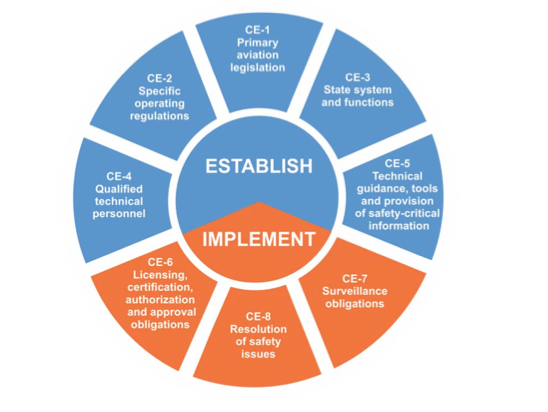
They are focusing on the country (not the operators in the country), to see how well they adhere to international aviation safety standards and recommended practices, as suggested by ICAO in Doc 9734.

There are 8 elements that the FAA/ICAO reckon a decent aviation safety oversight authority should be doing well:

  • Legislation
  • Operating Regulations
  • The State civil aviation system and safety oversight functions
  • Technical personnel qualifications and training
  • Technical guidance, tools and provision of safety critical information
  • Licensing, certification, authorization and approval obligations
  • Surveillance obligations
  • Resolution of safety concerns

I feel like they combined a few there, and its actually more than 8. But there’s the list.

How do they do the assessment?

If you visit the IASA site, on the FAA main site, then you’ll find each of those areas has its own checklist. These are thorough, lengthy things. The Operating Regulations alone is 19 pages with a whole bunch of points to check off per page. Oddly, all that checking leads to only two possible outcomes.

A country either meets the standard or it doesn’t. There is Category 1, or there is Category 2, no in-between.

  • Category 1, Does Comply with ICAO Standards
  • Category 2, Does Not Comply with ICAO Standards

Basically, if one or more deficiencies are identified, it’s a Category 2 ranking, and Santa won’t be bringing you a present that year.

What does it mean to be on the naughty list?

Well, if you already have air carriers flying to the US then you can continue but they are going to monitor them pretty closely. If you don’t already have air carriers operating in and want to, then you’re going to have to improve before they give you permission.

But why should we all care?

After all, the oversight is to do with their air carriers and nothing more? Surely it just means their aircraft might be a risk coming into US airspace, or their pilots might not follow procedures properly?

Well, actually no. The problem is these air carriers share airspace with you. If their pilots are not licensed or trained correctly (think Pakistan’s recent problem) then this can degrade the safety for all aircraft operating in their vicinity.

If a state is failing to ensure minimum safety standards in areas such as the promulgation of safety critical information (notams), technical personnel qualifications (the maintenance folk who might be fixing your aircraft, or the CAA inspectors checking compliance) then this is something any international operators might want to be aware of as well because there are potential knock-on safety impacts for those heading into the country in question.

So does it tell me if another country is safe to fly to?

No. The FAA is not saying every country ranked 1 is safe, no issue, no problem.

It also isn’t telling you a country is unsafe to operate to if they don’t meet compliance standards. Remember, it is purely looking at the regulatory and safety oversight and asking if they ensure minimum ICAO standards. There are countries out there that pose significant threats (just not because of any deficiencies in the authority’s oversight).

It might also mean that the FAA have not ranked that country, because no-one from that country is flying or planning on flying to the US.

Remember, these rankings are looking at how a state ensures its air carriers are safe and compliant. It does not consider whether services or infrastructure within the state itself are safe or compliant.

How should operators and pilots use this list?

For operators and pilots, if a country is ranked Category 2, it means you might want to be doing your own risk assessment before heading in. No-one is saying that country isn’t going to be safe, but they are saying there are deficiencies with the authority, and since that authority looks after a lot, it is worth asking whether there might be other deficiencies as well.

You should be looking at the following:

  • What are the standards of the handling agents and maintenance services you are going to require there?
  • How reliable are Notams, and are they providing the information required?
  • What level of service and safety will ATC provide?
  • Will procedures and regulations be correctly adhered to there, and if not, what will this mean operationally for your flight safety?

You can get this info from sites like Safeairspace, Airport Spy, and through talking with colleagues who have operated into there before.

Who is on the Category 2 list?

So the big news this week is that Mexico were downgraded. Again, actually.

Along with Mexico the FAA also have the following countries ranked at Category 2:

  • Bangladesh
  • Curacao
  • Ghana
  • Malaysia
  • Eastern Caribbean States
  • Pakistan
  • Thailand
  • Venezuela

It changes though.

In 2014, the FAA downgraded India, citing inadequate oversight by local regulators, and in 2001 South Korea found themselves downgraded due to unskilled technical staff, pilot screening problems, issues with flight operations rules and a lack of objectivity in air crash investigations.

Both made it back on again relatively quickly.

Let’s take a closer look at Mexico…

The FAA have not yet given the reasons for their downgrade. However, Mexico was downgraded previously – back in 2010 – due to shortcomings in technical expertise, trained personnel, record-keeping and inspection procedures.

Actually, Mexico has a pretty decent infrastructure in terms of airports, although these do pose some operational challenges of their own (things like high terrain, high elevation). The CAA was actually “revamped” back in 2019. We put out this post about ramp checks.

Mexico’s political problems seem to be at the root of most issues here for the aviation industry. A project to build a new airport was recently cancelled (Texcoco airport was partially constructed already.) Now the government are instead looking to improve MMTO/Toluca and build new runways at an Air Force base near Mexico City. Plans are also under way for a third terminal at Mexico City Juarez, but given it is already congested and operating over its designed capacity, this might not be any solution.

Combined with Covid Pandemic problems, the latest downgrade will mean a big financial impact for various Mexican airlines now unable to access the major Mexico-USA market, and the knock on effect from this might be further felt in the aviation industry there as a whole.

The Big Taco-way?

If you are operating into an FAA IASA Category 2 ranked country, doing your own risk assessment on the standards and compliance you can expect to experience there might be worthwhile.


2020 Vision: A look at Safety

2020 was an interesting year for aviation. It was dominated by Covid, which saw traffic numbers fall to the levels of several decades before – which is why a review of the accident statistics is an interesting one to consider.

What sort of accidents are taking place?

The primary accidents seen in 2020 are unsurprisingly similar to those seen over the last decade:

  • Runway excursions
  • Loss of control in flight
  • CFIT
  • Abnormal runway contact (hard landings and tail strikes)
  • Actually missing the runway (undershoot and overshoots)
  • System malfunction or failure
  • Fire

We wrote a bit about these in a bit more detail not that long ago. We called it the ‘Seven Deadly Things’ and you can read it here.

What are the 2020 stats?

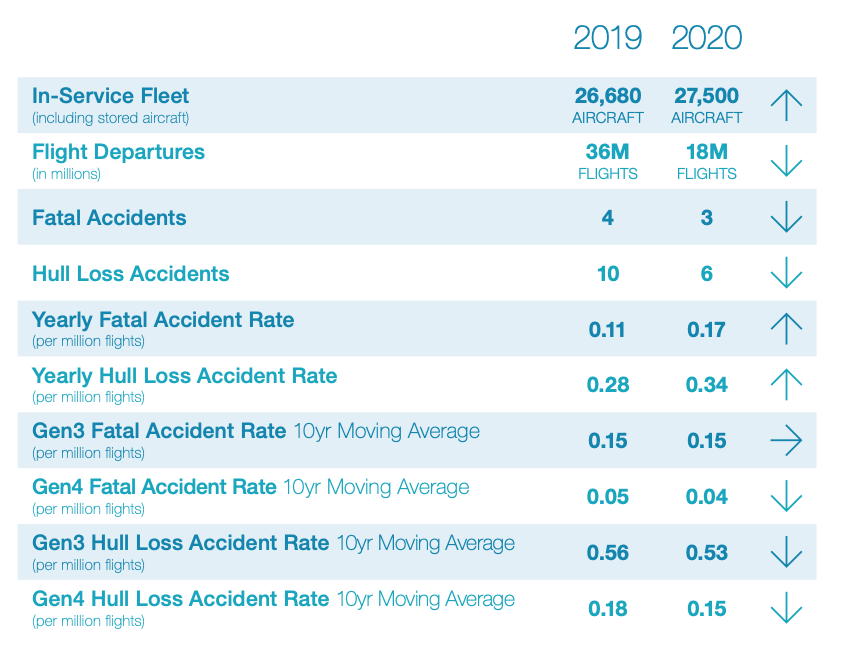
Well, first up, 2020 was roughly the same in terms of capacity as 1998 – a year known for Bill Clinton, the inception of the Euro and the movie ‘Titanic’. Yep, that long ago. So, same traffic levels, but different accident rates – 1998 saw 10 fatal accidents and 24 hull losses compared to “just” 3 and 6 in 2020.

But if we compare the 2020 numbers to 2019 it paints a different picture. Or rather, it is actually a very similar picture. While there there were only roughly 50% the number of flights in 2020 that took place in 2019, there were still 75% the number of fatal accidents. 

OK, this isn’t a very telling statistic since we’re talking 3 instead of 4 and neither is huge, but it does mean the fatality rate and hull loss rate went up per million flights in 2020. It was not a significant increase, but it is enough to suggest that yes, not flying regularly can lead to more accidents and incidents. 

Not really news there then, but something worth considering.

Point number 1 – Lack of flying leads to mistakes

If we take a leap back to 1958 and look at the accident rates through the decades then there has been a steady overall decline, and now we are sitting “comfortably” at under 5 fatal accidents per year, while flights have increased from about 12.5 million (1989 sort of time) to 35.8 million (the peak in 2019).

So, in thirty years the rate per million flights has dropped significantly to around the 0.17 per million flights point, and hull losses to 0.34 per million.

How did it get so low?

Significant leaps have been made in aircraft design over the years and this has had a huge impact on safety levels. Of course, training, CRM, Human Factors awareness and all of that has played a part too, but the major pat on the back goes to the airplane builders. For every silly mistake a pilot has made, they have generally identified it and then helped prevent it by building us better instruments, more robust systems, or things that catch our mistakes for us.

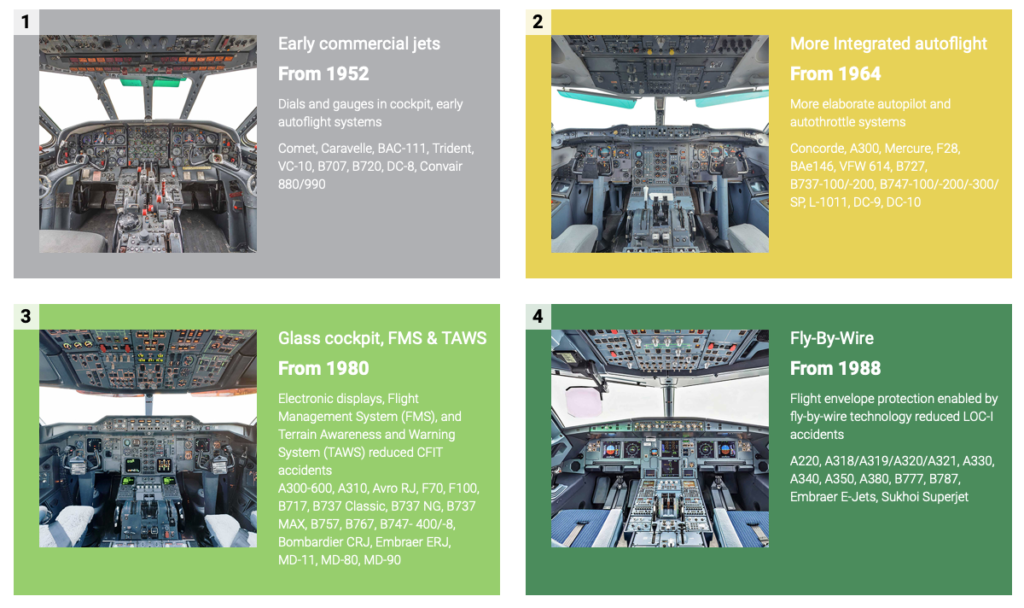
In fact, if you look at the fatal accident rates per million and then break it down into aircraft generation, it has dropped from 3.0 to 0.1 , and 5.4 to 0.2 for the hull losses. So technology is helping us. A lot.

Those big ones – the CFITs and LOC-I accidents – have reduced by 86% and 89% because of technology upgrades from Generation 1 to Generation 4 aircraft. This is down to the introduction of things like glass cockpits, FMW and TAWS systems.

How low can it go?

Can we reduce the occurrences to zero? If not, even with all this handy automation, then why not?

Well, these statistics offer us an answer there as well.

They are taken from across civil aviation, revenue flights on western built commercial jet aircraft that carry over 40 passengers, and also big cargo ones. It doesn’t include non-western built aircraft (possibly because the safety records on them ain’t great), and it doesn’t include Business Aviation.

Why not? Well, because the operational environment is very different, and very different in challenging ways. 

So, we are looking at the accidents which have involved nice, relatively modern commercial aircraft generally piloted by experienced folk going into places they have gone into many times before. And yet they are still managing to get it wrong.

What’s more, we’ve seen how automation is helping – it has brought us down to a very steady level.  So what is going on? We recently published a piece on the ‘Hidden Risks of Automation’, which we think offers some of the answer.

The ‘Problem of the Person’

Unfortunately, the solution to the Problem of the Person is not a simple one.

‘Human Factors’ might give us some reasons – poor decision making, bad workload management, lack of understanding the systems, but none of these really provide the answer to correcting it. The work now comes down to us.

1. Don’t Become Complacent: We have multiple systems put there to provide another layer of safety but we are seeing pilots rely on them as the only level of safety. These systems are a last line of defence though, not the the only defence.

ROW/ROP should supplement good landing performance assessment and stabilized approach management.

TAWS and GPWS systems give us a hard floor that we must not go below, but our own situational awareness should keep us well away from ever having to hear those calls.

Autopilots, flight protections and warnings should be a final alert, but basic airmanship and handling skills should correct our flightpath long before we reach a level that needs those systems to help.

2. Poor Decision Making and Workload Management: None of our clever automation and systems have the ability to think and question for us. So we need to make sure we are doing this, and we need to make sure we are doing it in the right way. Ask the right questions, gather information and use your resources properly.

Ask “What does this mean?” – Diagnose the problem not based on what has happened, but on what the impact and consequence of that failure is.

Ask “What has changed?” –  Review your decisions. Don’t fit new information into the solution you’ve already picked, rather adapt your solution to consider the new information. 

Ask “What do you think?” – Open-ended questions that gather input from someone else might catch things you have missed, or misinterpreted.

3. Just Do better

When we have seen automation and systems reduce the number of occurrences down to this point where the vast majority of accidents are down to human error, there really is no better solution than us Just Doing Better.

But this ‘better’ falls on the whole industry.

Sharing information, experiences, supporting development in others and improving training and pilot resilience. 

There are multiple projects out there:

  • IATA and the Flight Safety Foundation have just released their recommendations for reducing runway excursions (GAPRE).
  • ICAO are implementing new Runway Condition Assessment and Reporting standards from the end of this year.
  • UPRT training is being developed and improved.
  • IATA and ICAO Evidence Based Training development is shifting the training paradigm to train competencies rather than practicing solutions to singular events.

At the end of the day, aviation has grown progressively safer and more efficient over the last few decades, but the trend is flattening out and the same events seem to be occurring, for the same reasons. The ball is now in our court to try and fix the remaining issue – because, as harsh as it sounds, that issue is us.

Fancy reading some more?


The Bermuda Triangle: Fact or Fiction?

The Bermuda Triangle. A place of myths and legends. But how real is it, and what affect if any does it have on aircraft flying through it?

Where exactly?

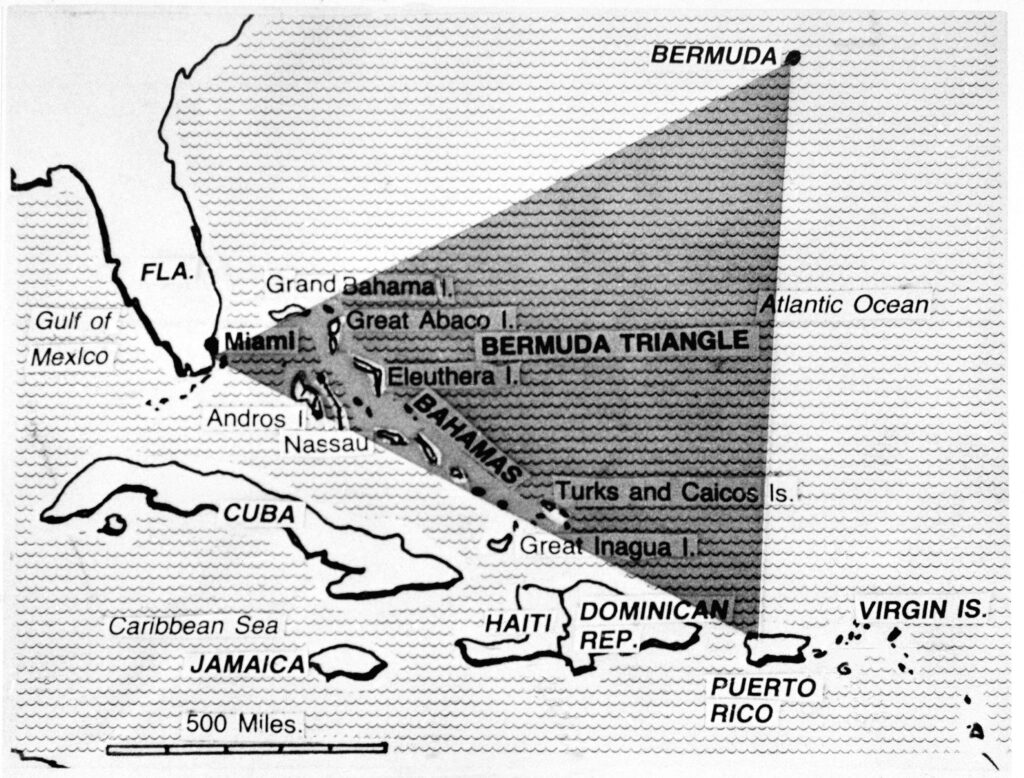
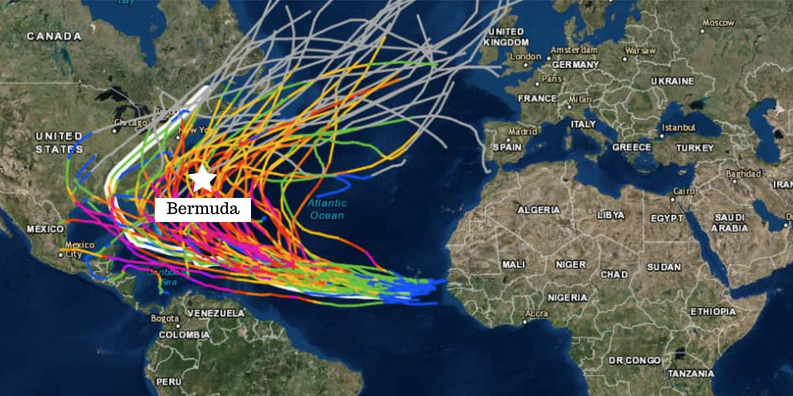
The Bermuda is a fairly loosely defined area out in the great Atlantic Ocean, generally mapped out with its three corners reaching Bermuda, Miami and the northwestern corner of Puerto Rico. It varies in size from around 500,000 sq. miles to 1,500,000 sq. miles depending on how its boundaries are drawn.

Why do we talk about it in Aviation?

It has a reputation for disappearances – sinking ships and vanishing airplanes, dots on the radar that are gone in a blink, never to be seen again. Some say it is haunted, some say aliens use it as a human abduction point, others reckon it is home to an immense Kraken that swallows ships whole…

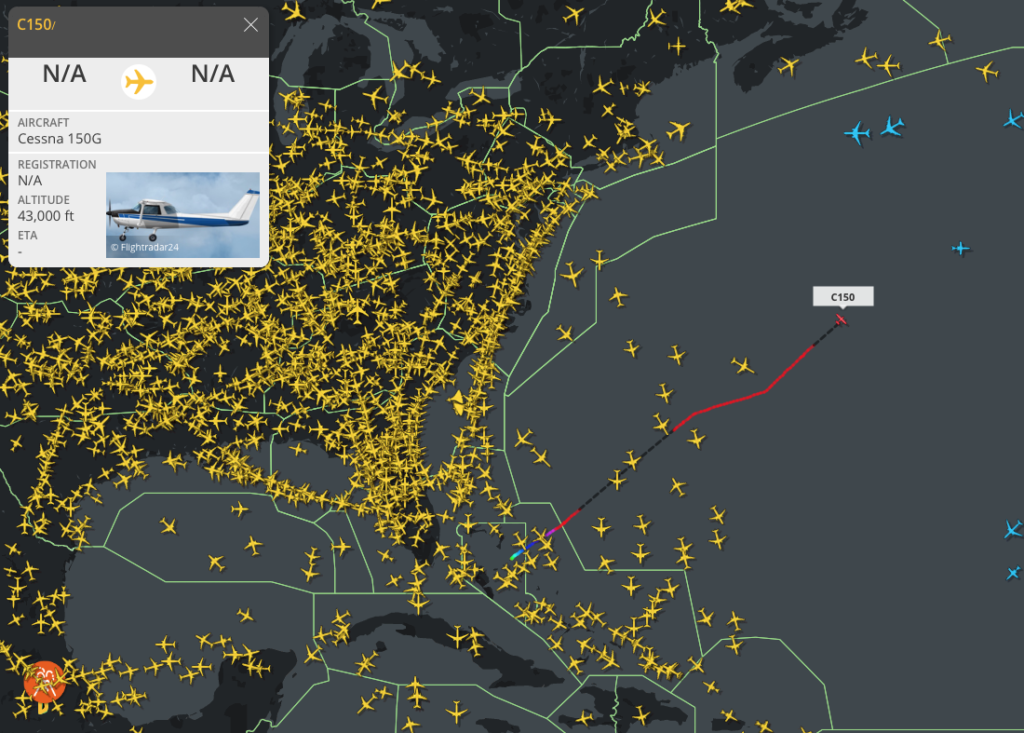
These might be tall tales, but in fact is has been the location of a higher-than-its-fair-share of naval and aviation disappearances, and random technical malfunctions too. Somewhere in the region of 50 ships and 20 airplanes since folk started paying attention.

In 2017, a Turkish Airlines A330-200 experienced a series of electrical and mechanical malfunctions while routing over the Triangle. Routing from Istanbul to Cuba, they ended up making a diversion to Washington Dulles. Flight 19 was a squadron of five Torpedo Bombers that disappeared in the area. And of course the famous Amelia Earhart’s final flight was rumored to have gone down in this general location.

It gained its name from an article written back in 1964, which started with an attention grabbing hook –

Fact or Fiction?

Read through the list of sea and air incidents and accidents and you will notice something – the vast majority of events happened last century. Aside from TK183 and a few light aircraft accidents, all the rest generally took place between the 1940s and 1970s.

The investigations into Flight 19 and Amelia Earhart’s disappearance both concluded that poor weather, a loss of situational awareness regarding their actual positions, and ultimately running out of fuel were most likely to blame.

Flight 19 was attributed to the Flight Leader mistaking the Bahamas for the Florida Keys, a broken compass and the fact that the advice for if you got lost in the area back then was to just “take up a heading of 270”. And the Turkish Airlines flight was a fairly uneventful malfunction and diversion.

The high numbers of events can also be put down to the high amount of traffic that routes through this region. It is a fairly major shipping route between the East Coast of the US and the Gulf of Mexico, and in more modern times it has become a fairly busy area for aircraft too.

What is causing it all then?

Well, weather seems an obvious answer. It is a pretty popular area for hurricanes to aim towards. In fact, Bermuda (the island) sits in Hurricane alley – the more frequent path taken by Atlantic Hurricanes. So it is no surprise old airplanes and ships without the use of modern weather radar systems might fly into this region and be surprised by some really nasty ship-sinking / airplane-crashing storms.

Another explanation offered up by science is to do with magnetism. You all know this, but the Earth’s magnetic pole isn’t quite in the same spot as True North. Your compass points to magnetic north, but there are these things called Agonic Lines which line up magnetic and true north and along these your compass is Truly (pun intended) accurate. One such line runs from Lake Superior and down through the Gulf of Mexico.

Back in the days before GPS, when pioneering navigators relied on compasses and stars (which they couldn’t see because of all the bad weather), they would have potentially corrected for Magnetic to True. But correcting along an agonic line would actually have led them astray.

Then there is the depth of the trenches in this area of the ocean. Most of the sea floor is as far down as 19,000 feet, some areas over 27,500 feet. Which means when things do sink there, they are not easily found. So your sunken ship or ditched airplane is not likely to be found and the conspiracies about aliens and wormholes start to run rampant.

So, the lack of recent aviation events attributable to supernatural phenomena do suggest that it was probably due to more standard reasons that incidents were higher here than in others areas. Added to the fact it makes a good story, and we find we just have an area of bad weather, lots of traffic, and disappointingly unexciting reasons for accidents.

Are there any things modern aviators should look out for in the region?

Yes. Those hurricanes are worth keeping an eye on. The main Atlantic Hurricane season runs from June to the end of November. We wrote a bit about it here.

If you are flying to Bermuda itself then the fact it is a very remote island is also worth thinking about. TXKF/Wade International is your main airport, and some of the nearest alternates lie a good 650 miles away on the east coast of the US.

Some serious fuel planning is a good idea then – Isolated Airport Procedures usually require you to carry at least 2 hours additional fuel (at normal cruise consumption above the destination aerodrome). Here is a useful CAA produced checklist for Isolated Airport Procedures.

The surrounding airspace is also a threat. To the East you have the open Atlantic and all the procedures and challenges associated with that. To the West you have the East coast of the US, including the Florida Metroplex airspace, along with KMIA/Miami and KFLL/Fort Lauderdale – two of the busiest airports, in some of the busiest airspace of the USA.

Did you know there is a Bermuda Triangle in space?

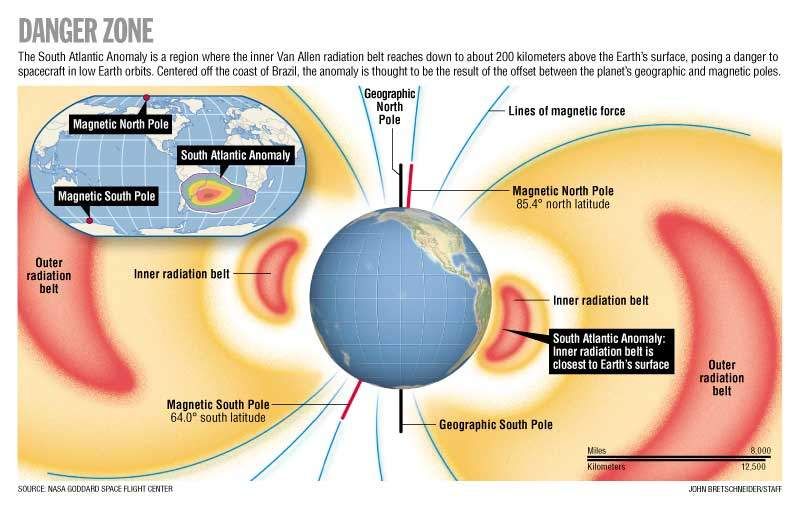
Yep, astronauts have their own ‘Bermuda Triangle’ to contend with. It lies over the South Pacific, stretching between Chile and Zimbabwe, and is rather more real than its earthly counterpart.

This area of space is where the inner Van Allen radiation belt comes closest to the Earth. These rings of charged particles – loads of electrons in the outer ring and high-energy protons in the inner –  surround the planet, and are caused by the Earth’s magnetic field which protects us from this harmful radiation by trapping these particles in its magnetic grip.

Unfortunately, in this particular area, the Earth’s magnetic field is weakest, so all those particles are free to swoosh around more. They have also managed to get much closer to the Earth which means our satellites, space equipment and space travelers sometimes orbit through it.  This pretty much messes with electrical equipment, and people for that matter.

For the Hubble telescope, which passes through it about 10 times a day, it means a disruption in its workings for about 15% of each day. Satellites often experience temporary system failures when passing through during high flux days, and the astronauts onboard the ISS have to be shielded to prevent excess radiation. They often report seeing random white flashes, and having issues with communication equipment.

Disappointingly then it seems the Bermuda Triangle is just the stuff of fiction

Most authorities and Scientific organizations agree, but if you fancy reading some more about it then these are some good places to head to:


Bomb Onboard: Do you know your procedures?

Airport security means the threat of a bomb onboard is greatly reduced. But if you do receive a bomb threat, or find a suspicious package onboard, what procedure does your operator have in place for you to follow?

How much risk is there?

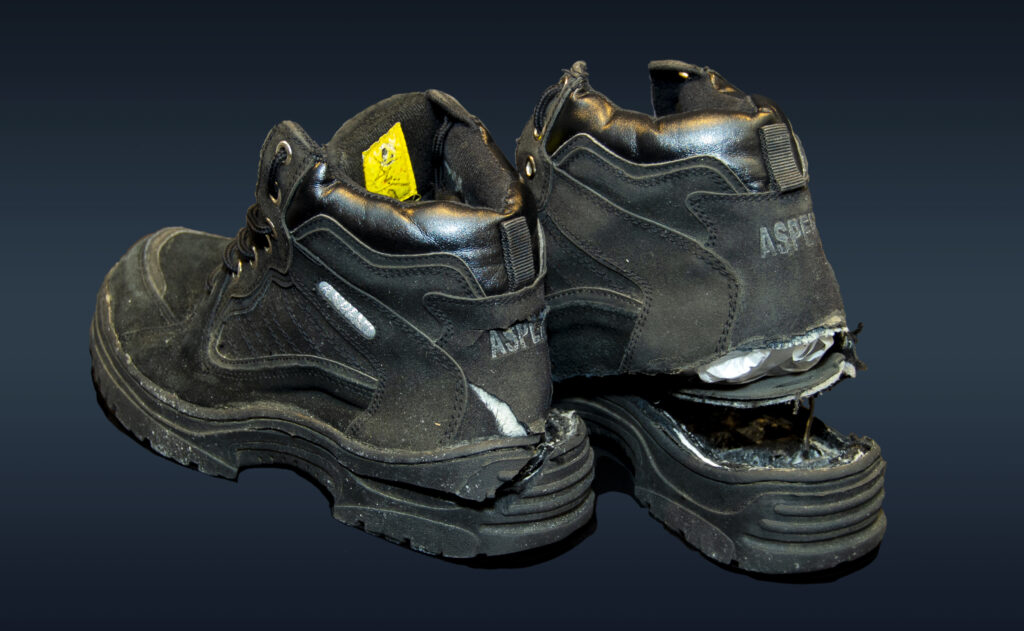
You have probably all heard the Shoe Bomber attempt from 2001. This was thwarted by some brave passengers and crew, and also the fact the bomber had sweaty feet – his swamp foot dampened the trigger preventing it from igniting.

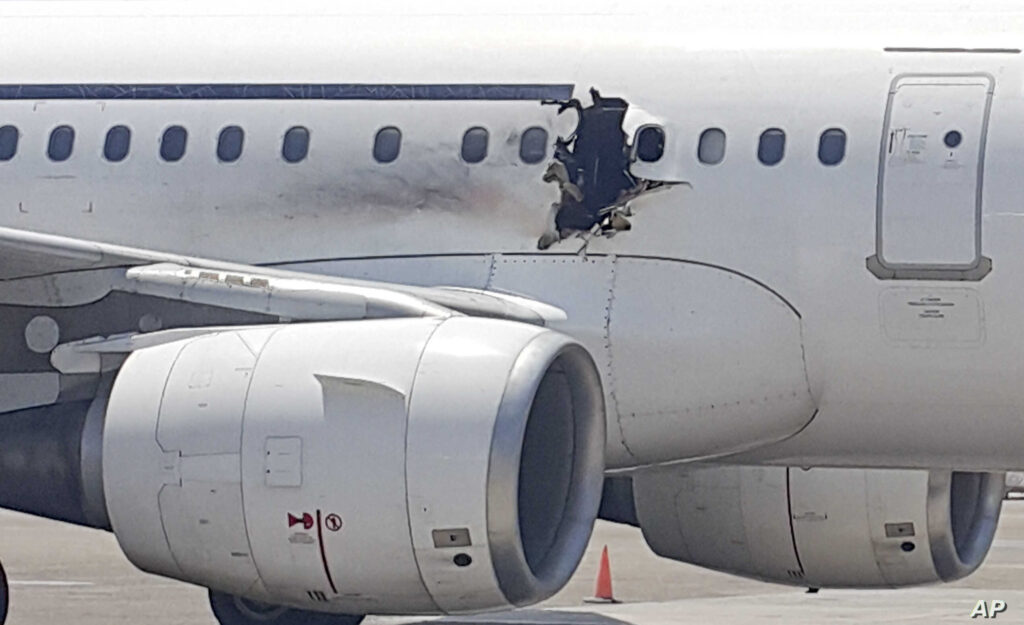
In 2016, an aircraft made an emergency at HCMM/Mogadishu airport after a bomb exploded onboard. The bomb was likely brought on concealed within a laptop. This flight was lucky though – the impact of the bomb was minimal, limited because the bomb exploded while the aircraft was at a lower altitude (11,000ft).

In 2020 a European airline found a ‘bomb note’ onboard. The flight was escorted to a safe landing and passengers disembarked without incident.

So bomb threats, and attempted bombings, do occur, and while security is getting better and better, unfortunately terrorists are getting more creative in finding ways to bring items on board. The attempts are not always aimed at causing destruction either – threats alone cause a huge amount of disruption to operations. So understanding how to assess the risk and credibility of a threat is as important as knowing how to deal with a possible explosive device if one is found onboard.

Is the threat credible?

Threats received regarding an aircraft need to be assessed, and the credibility determined. The threat classification will generally be based around how specific the threat is. Most operators will have a procedure in place for determining this, and probably take into account something along the following lines:

If a threat mentions a specific target, or is made by a known terrorist organization and is deemed credible then this is going to be considered more serious. Often these are referred to as a red threat.

On the other hand, a threat which is vague, general, and doesn’t specify targets might be considered less credible. A hand scribbled note in the toilet for example. This would be categorized as a green threat.

However, regardless of the assessed credibility, a bomb threat has to be taken seriously and treated as a genuine situation.

If you are on the ground

The simplest and safest option if you are on the ground is to disembark and carry out a full search of the aircraft. It might be a hassle and result in some big delays, but the possible alternative is much worse.

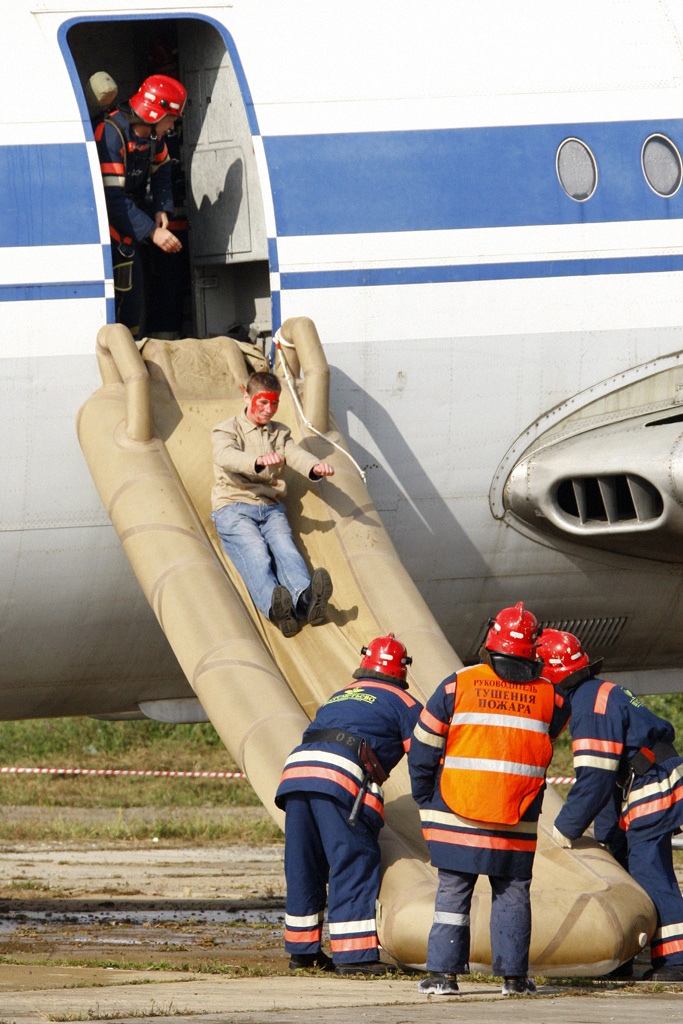
A serious threat may require a precautionary disembarkation – which will result in offloading the passengers as quickly and as safely as possible. This creates a risk to safety in itself, and generally the credibility of the threat will be communicated to the crew so that they can judge the risk of waiting (for steps) versus disembarking immediately to clear the aircraft (but have passengers hurling themselves towards the tarmac).

If you are in flight

If a threat is received against your aircraft while in flight, carry out a search checking those places which are often overlooked during security checks on the ground, but where an article might easily be concealed – toilets, galleys, jump seats, stowage areas, closets etc. Try and do it discreetly to avoid unnecessary worry for passengers.

If an article is found, do not move it or touch it. Move passengers away from the immediate area, and remove any flammable items and have fire extinguishers ready in case. A PA asking for anyone onboard with ‘BD or EOD experience’ might help – these are terms which experts will recognize without saying “Hey, passengers, is there a bomb expert onboard?”

Not terrifying your passengers is probably a good call, but ensuring they are following your crew’s orders, and that they are prepared for the situation on the ground, is also necessary. This means providing them with clear information, but without dramatizing the situation.

“Ladies and Gentlemen, we have received a message that a threat has been made against one of our aircraft/an aircraft in this airspace. These threats do happen, however, until we can establish how credible it is, we will take all possible precautions and therefore intend to land at… in…”

If you find a suspicious article

Most manufacturers provide checklists for bomb-on-board situations. Know where this is, and understand what it says. 

There are a few measures you might want to consider:

  • Talk to ATC so they know exactly what is going on and what you need. They all assist with locating an airport with services needed, and coordinating with military if necessary.
  • Try to avoid routes over heavily populated areas.
  • Consider carefully the choice between flying fast to minimize airborne time versus flying slow to minimize air-loads and damage (in the event of fuselage rupture).
  • Request remote parking on the ground if there isn’t a designated bomb location.
  • Brief your crew for a possible emergency landing, and in any event, brief them to ensure passengers are disembarked quickly and moved to at least 200m upwind from the aircraft.
  • Avoid large and rapid changes to pressure altitude – consider using manual cabin altitude controls to minimize rapid pressure changes while still lowering the cabin altitude to reduce the differential pressure.

Aircraft are designed to not ‘explode’ if there is a rupture in the fuselage – that’s why they tend to have a lot of smaller sections attached together. It makes the overall structure more resilient to the effects of an explosive decompression, aiming to keep it “localized”.

Reducing the differential pressure to around 1 PSI will also reduce the damage if an explosion does occur. Maintaining a slight differential will ensure the blast moves outwards, but the lower differential limits the force of air from the cabin outwards. 

1psi is the equivalent of about 2,500 feet difference, but flying at an altitude that allows you to manually reduce the differential will probably mean a much lower level and much higher fuel burn.

Where is your aircraft’s LRBL?

A Least Risk Bomb Location is an area where the least damage will occur should a bomb explode. This should be specified in your aircraft manual. These are often near aft doors or in washroom stowage areas. The area provides the least risk, in the event of an explosion, to flight critical structures and systems.

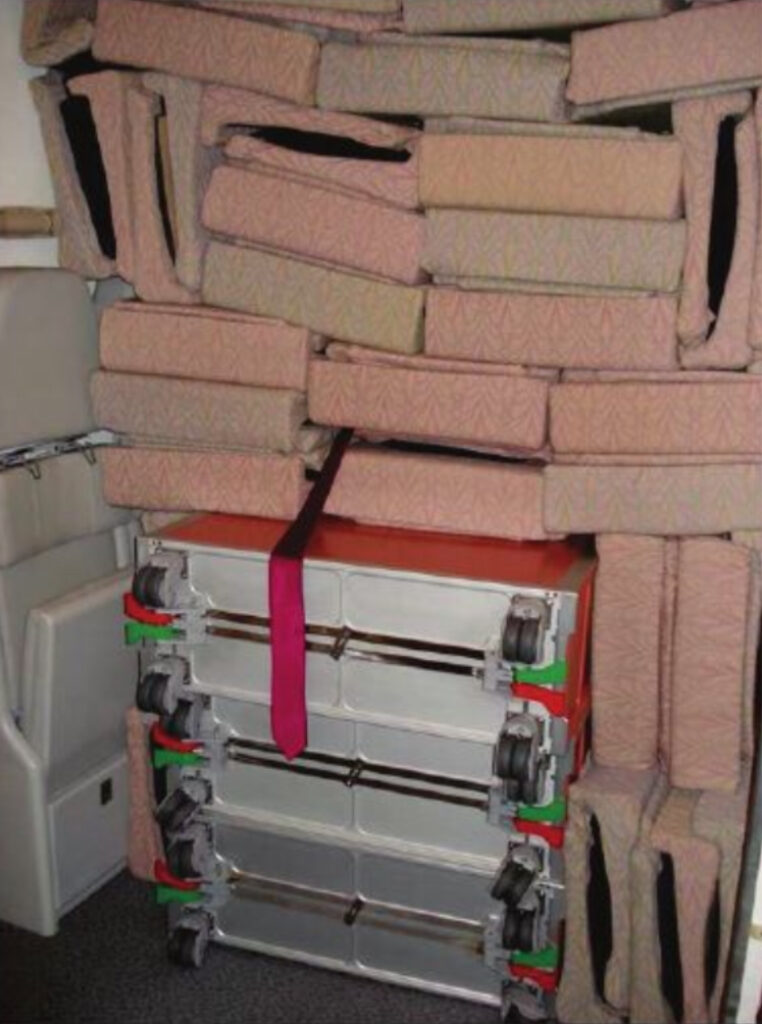
If the article is deemed unsafe to move, cover it in plastic to prevent any liquids getting in, and then pile blankets and pillows, seat cushions and soft clothing around it. We’re talking as big a pile as you can, and once done, saturate in water to minimize fire risk in case an explosion does occur. Don’t forget the plastic sheets first though –  liquid damage to electrical components is also a big risk.

If you can move it, and only if it is deemed essential to do so, then check that LRBL. Once in place, build up the barricade.

Always minimize movement to any article as much as possible, and don’t put anything directly on top of it. An igloo of saturated cushions around it and the gaps stuffed with blankets etc is good.  This ‘cushioning’ will help minimize the force if an explosion does occur. Never put inside an oven or trolley though as a sealed container will amplify the pressure and explosive force of a bomb.

Where to go

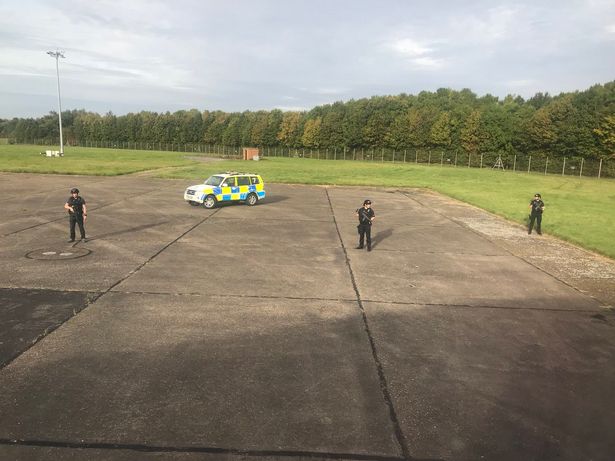
You will likely be accompanied by fighter jets to an airport with a designated bomb area – usually a remote apron away from buildings, fuel supplies and other aircraft.

What next?

Getting your aircraft safely on the ground is Step One. Getting your aircraft to a safe point to disembark/evacuate your passengers and crew is Step Two and coordinating this with ATC and airport services is important. Knowing in advance where you will taxi to will get you there more quickly and safely. Landing, slamming on brakes and bursting tires will get you nowhere fast, so plan ahead and be prepared.

A bomb threat or bomb onboard situation is difficult to plan for because the ‘where you are and what will happen’ is not something we can prepare for, other than being ready to follow our procedures and remaining calm. Chances are this is not a situation many of us will (thankfully) find ourselves in, but understanding the resources you have to assist, and knowing the onboard procedures so you can coordinate passengers and crew will no doubt help if it ever does occur.


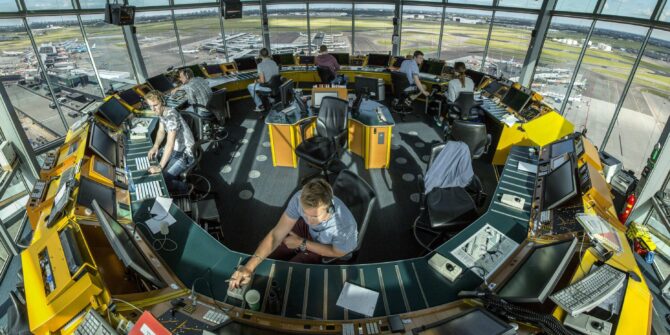
ATC VS PILOTS: The Battle for the Skies

The great battle of the skies! Pilots trying to fly wherever and however they like, free like birds, while mean old air traffic controllers tell them off and put a stop to the fun having…

OK, not quite. Our ATC colleagues are a vital part of the safety infrastructure and it is only with their support and services that operations remain safe and efficient. Which is why we should be asking how their pandemic situation is going as well. So, this is a look into the concerns, challenges and events that ATC are dealing with because of Covid, and some feedback on how pilots and ATC can work together to fix ‘em.

So, if you are all sitting comfortably…

What’s been going on inside the towers?

  • Challenge #1 Low workload, low arousal levels

ATC have seen reductions in traffic to as low as 20% pre-covid levels, but workload is not linear to traffic reduction, it is exponentially lower. So this is a challenge for ATC who thrive on dynamic, high workload environments. In one area of the UK, 7 sectors previously controlled by 7 individual controllers is now handled by just one to ensure the workload (and arousal levels) are at a level which can maintain skills and concentration.

  • Challenge #2 Technical & Procedural changes

The risk of Covid has meant bit changes in how procedures are carried out, in an attempt to avoid ATC Zero events due rampantly spreading sickness. But this means ‘situational awareness’ handovers traditionally carried out face-to-face are now not leading to potential communication risk and lack of effectiveness. Safety management procedures have had to adapt, fast.

  • Challenge #3 Different events requiring different mitigations

New events, previously not even thought of events are happening, and like our pilot CRM, ATC use TRM (team resource management) to debrief and learn from them. But unlike pre-Covid days they don’t have oodles of time to disseminate information across the operational audience – the learning and sharing has to happen fast to avoid repeats. So they are dealing with new situations, quickly.

What events have been happening?

  • Event Type #1 Altitude busts

Level deviations aren’t a new thing but apparently numbers have increased in some regions. The UK and parts of Europe have variable transition altitudes and these can be low, which means your level-off on departure could be a fairly low flight level. Add to this some low atmospheric pressures and it can get messy. For example, if you take off with 983hPa set and forget to change to standard, you’ll find yourself 900 feet higher than you should be.

  • Event Type #2 CPDLC

Frequencies across Europe were at saturation level pre-Covid which is why CPDLC was getting popular. It is a great thing, we like it, and controllers are still encouraging the use of it now ready for when those traffic levels pick up and the frequencies get busy again. But they are also reporting a few issues with it.

First up, pilots are reverting to voice when CPDLC doesn’t give them the direct or the level they want. If you get a “negative” on CPDLC then it is going to be the same controller giving you the same “negative’ over the radio, only a little more irritatedly since they’ve already told you once.

Secondly, directs are causing issues (for once, not a pilot’s fault). When you receive a clearance by voice it usually goes something like “Route alpha then bravo”. When you receive it by CPDLC it might be formatted “Route Bravo via Alpha”… and when you receive this on certain systems the message might be truncated leaving the pilots thinking “we are cleared direct Bravo”. So check your CPDLC message carefully if in doubt, then double check.

  • Event Type #3 Airspace Incursions

Empty airspace means more directs are possible, but it also means some GA pilots cutting corners into airspace where big planes are playing. ATC do their best to kick them out again before they get in your way, but keep a good watch out on your TCAS for errant traffic.

Unstable Approaches

This one gets a section of its own.

Let’s step back a few miles from the 300 knots, 6000 feet at 12 miles though, and ask how we got ourselves into that position in the first place? Was it the moment ATC offered us a shortcut? Was it at 15nm when, honestly, it was looking a little tight but they would have said something?

Feedback from ATC is that they are there to help, and they want to offer the most efficient approaches they can, cutting down our track miles wherever possible… and lower traffic levels mean this is much more possible at the moment. Problem is, back in pre-Covid days when traffic levels were higher and most approaches were kept “standard”, ATC knew what to look for. If an aircraft looked a bit high, a bit fast, compared to “normal”, they could give us a cheeky “do you need a few more miles?” prompt.

Fast forward to post-Covid times though and ATC have much less idea of what is “normal”. It might be ok for you, and your aircraft type, to do 300 knots at 12nm, but ATC do not necessarily know. So we cannot depend on ATC to say something when it doesn’t look right – the pilots need to do this. If you are too high, too fast, too close, speak up, you will get those track miles, but don’t rely on ATC to recognize it is all going a bit wrong.

The big point?

The big point is this – we are in it together. ATC and pilots, directly tackling the operational challenges that this pandemic has brought.

So next time you are out flying, have some of these points in mind when working with ATC. Talk to them, work with them, and above all support them because they are what are keeping us safe in the skies.


UK: No more LPV approaches after June

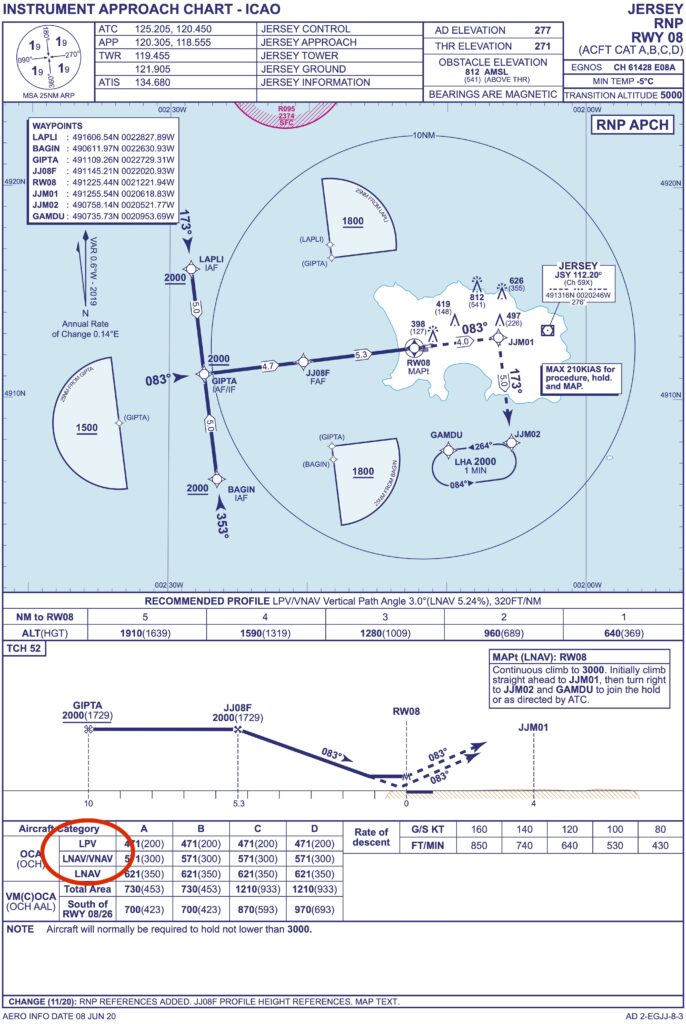
On June 25 the UK’s current EGNOS working agreement comes to an end, and they are not renewing it. This means their access to EGNOS will stop – which means LPV approaches at UK airports will no longer be possible.

So let’s talk LPVs. What exactly are they? What on earth is EGNOS? And what has Brexit got to do with all of this?

What is an LPV approach?

If you read this and are thinking “That isn’t something I’ve ever flown” then you can probably stop reading (unless you’re interested in a bit of aviation geekery), because this probably won’t have much of an impact on you. If you do fly these, and fly them in the UK, then read on.

LPV means localizer performance with vertical guidance. It is a GPS based approach sort of like LNAV/VNAV but also, confusingly, sort of like an ILS.

More confused? Us to. Let’s dig deeper.

An LPV has vertical guidance but is not a precision approach (which your standard ILS of course is). Instead, it is classified as an ‘approach with vertical guidance’, or APV for short.

So an LPV is an APV? Yes, and the point of this distinction is that it’s a lot cheaper, quicker and easier to implement than an ILS because there is a lot less paperwork involved, but it still offers “nearly” the same precision as an ILS – meaning you get down low if you need to.

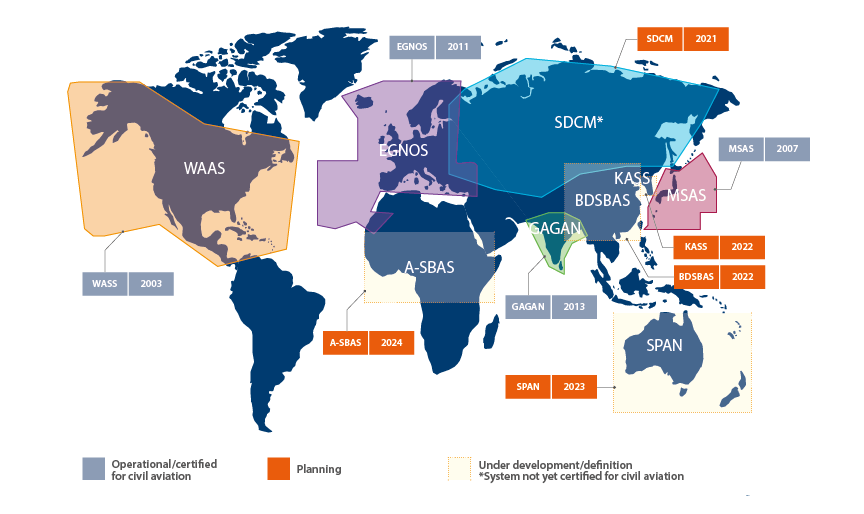
You might also see the term SBAS used in the same breath. SBAS stands for satelitte-based augmentation system, and is a generic term for the use of geostationary satellites which broadcast augmenting information.

That’s the basics, but how does it actually work?

They provide lateral and guidance down to a DA, just like an ILS. And just like an ILS, they get more sensitive the closer to the runway you get, which is what allows you to operate down to lower minimas than, say, your less sensitive LNAV option.

There are a few things you also need to know – first up, you need a special receiver on your plane for it (which is probably why a lot of folk are scratching their chins and wondering what on earth as LPV is).

Secondly, if you’re planning on using an airport without an ILS or some sort of ground based navaid as your alternate, then the FAA wants you to plan on LNAV minimas.

Why do we like them?

Well, because they get us nice and low so we can see the runway in not so nice weather.

They also use GPS, so the equipment you need is on your plane. An ILS needs a whole bunch of ground and plane equipment meaning there is a lot more that can fail on us. RNP and SBAS approaches are the future.

Okay, so what is EGNOS?

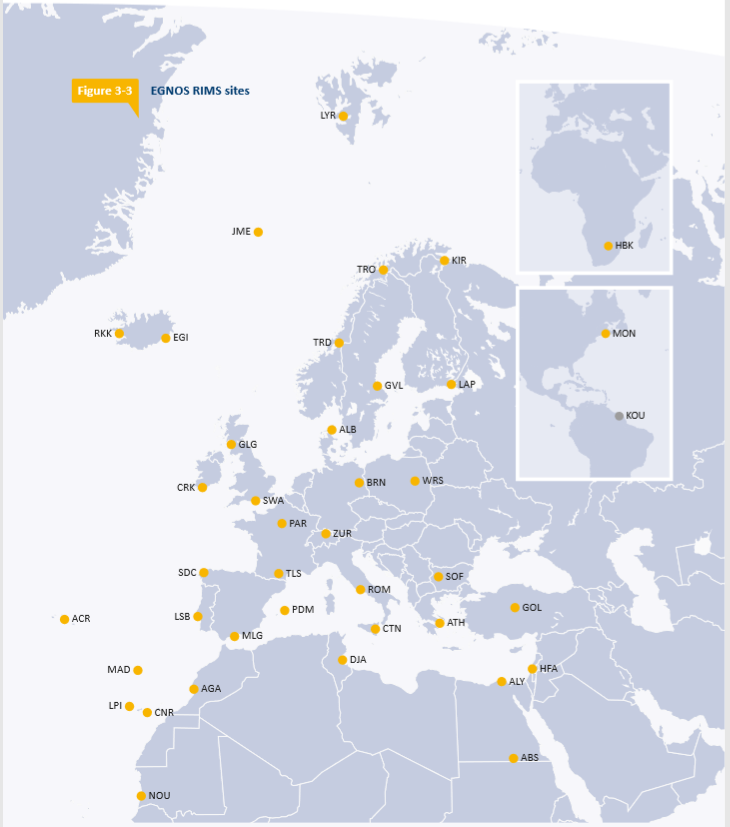
Not to be confused with the delicious Christmassy drink, EGNOS stands for ‘European Geostationary Navigation Overlay Service’. It is basically a bunch of European satellites, (actually just 3 out of the Galileo GNSS system, and a network of 30 referencing stations), that improves positioning measurements and gives much better accuracy than GPS alone.

In fact, it has 95% accuracy, which translates into the locating of a position to 1-3 meters horizontal accuracy, and between 2-4 meters vertical accuracy.

So EGNOS is what gives LPVs their precision.

Brexit…

Yep, we’re pretty bored of it now too. Brexit means the leaving of the UK from the EU. Not to be confused with Europe the continent – the UK is still part of that. But leave the EU it has, which means leaving all EU related programs including EGNOS (even though the UK’s NATS was one of the founders of EGNOS…)

Anyway, the EGNOS working agreements are not going to be renewed, so as of 25 June 2021, the UK will not longer participate in the EGNOS program and their LPV approaches will no longer have the accuracy assurance that EGNOS provided.

How many airports are affected?

The UK has 125 licensed aerodromes and out of these 69 have at least one instrument approach (surprisingly low given how miserable the weather often is in the UK.)

Anyway, ILS is still the most popular in the UK with 81 runways having an ILS approach available on them. Only 45 runways use LPVs and 20 of those have an ILS as well anyway, but that does leave a few airports where the other option is your old school, much higher minima non-precision approach.

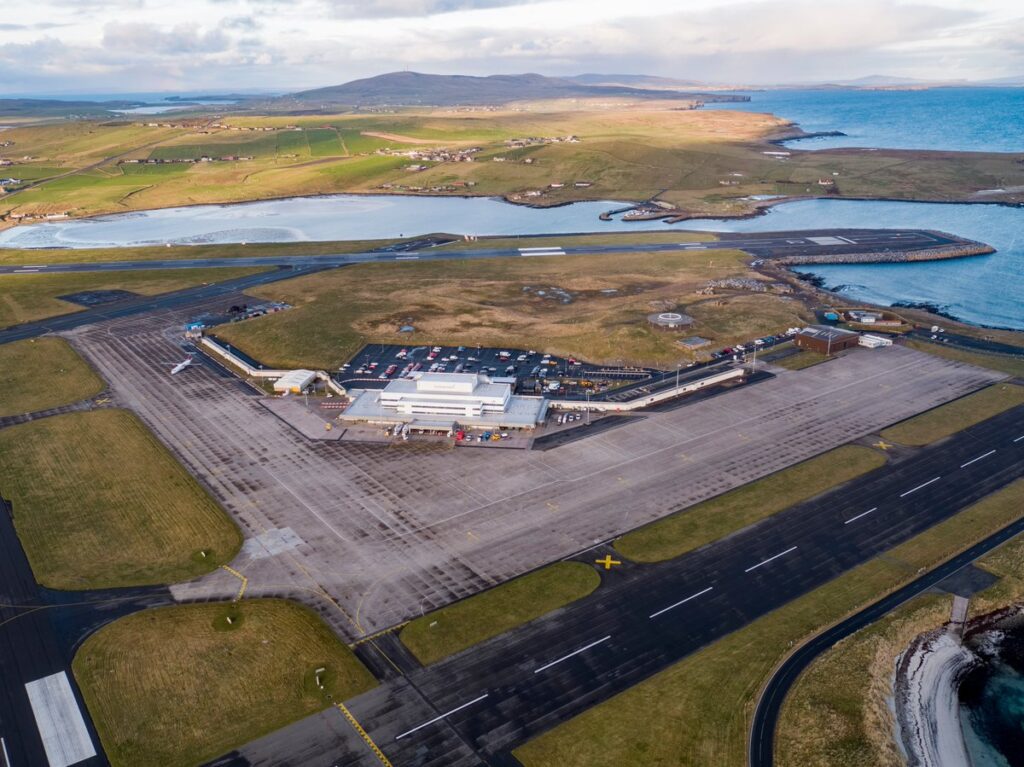
Like poor old EGPL/Benbecula for example, which only has a VOR. A very old VOR which they are really hoping to retire. Or EGHE/St Mary’s which has a timed NDB…

The first LPV approach in the UK only went operational in 2014 at EGTE/Exeter airport, with Flyer magazine saying the country no longer needed to “hang its head in shame” because they had finally caught up with the rest of the modern aviation world…

The Impact

It isn’t huge – most airports have alternative approaches. However, there are a few points to think about:

  • Where there is an ILS, the minima will be the same, but the redundancy for approaches is now reduced.
  • Where this is only an LNAV, or non-precision approach, the minima will be higher so watch out for that poor weather.

The official word on it all

Here are the official FAQs on the UK leaving the EGNOS program.

The FAQs have the following statement in them –

If EGNOS or an alternative SBAS SoL service becomes available before 31st December 2021, the LPV may be notified subject to the following:

  • An impact assessment to confirm nothing has changed since the time of approval before implementation.
  • IFPs shall be safeguarded against the latest obstacle data to ensure the procedures are obstacle clear.

Alas, unless the UK renegotiate the EGNOS Working Agreements (EWAs), or are able to find a replacement solution, then from 25 June 2021 the LPV approaches in the UK will stop.

Up for some further reading?


Brexit is here: What’s the impact to ops?

The UK officially left the EU on Jan 1st, 2021. Although it’s still a part of Europe (the continent), it’s no longer part of the European Union (the trade and political bit). Whereas before, the UK fell under EASA and all their rules and regulations, the UK CAA is now in charge of all things aviation in the UK…

So, what does that mean?

It means a raft of changes to the rules for operators flying between the UK and EU states. A new agreement has been drafted which applies from Jan 1. Here are the main changes:

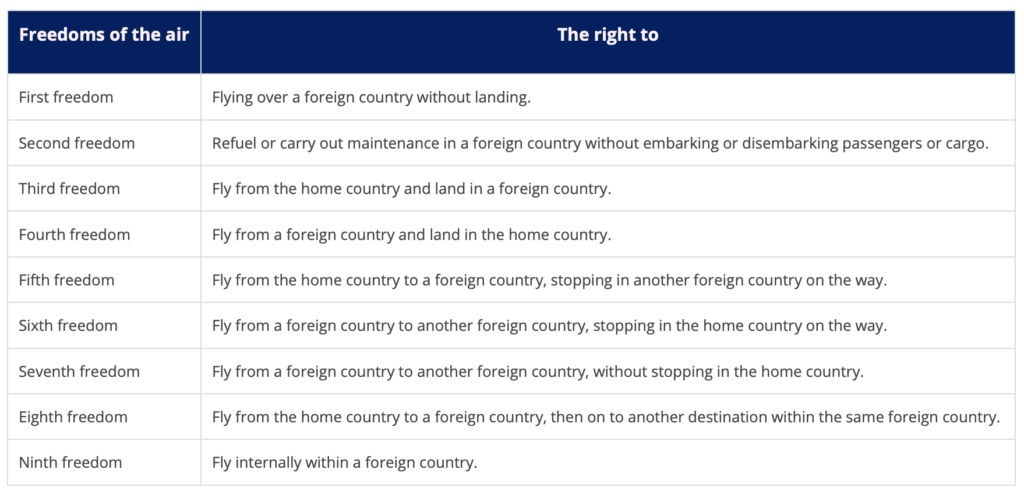
  • Essentially UK operators will no longer be considered as EU carriers, and will instead be ‘third country’ carriers, meaning they will lose their special treatment. Flights between the UK and EU will continue, but passenger cabotage flights will no longer be allowed. Or in more human terms, UK operators will not be able to carry fare paying pax between two EU states (and vice versa). Cargo cabotage will still be okay as long as the two countries involved have an agreement.
  • Both sides will still have the right to overfly each other’s territory, make technical stops, and to operate third- and fourth-freedom passenger and cargo flights between any point in the UK and any point in the EU. The fifth-freedom rights beyond the EU will continue, but only for a five-month period and with a new capacity cap.
  • UK and EU airlines can also continue codesharing, and UK airlines can continue providing wet-leasing operations.
  • There are other changes coming too, which EBAA cover here.

But what about laws, licences, rules and regulations?

All existing EASA certs, approvals and licences valid for UK registered aircraft will be good for another two years. For UK operators of EU-registered aircraft things are more complicated. The UK CAA have set up a useful website to help you get your head around what you need to do to stay compliant elsewhere in Europe, and it’s a great place to start. There is also a helpful flow chart to keep things simple.

With Brexit complete, the UK CAA is now in charge of setting the rules, but they’ve basically said that they’ll be sticking to pretty much all of the aviation law, rights and obligations that were in place before. You can read that statement, and a bit more, on the UK CAA’s main regulations site.

The heads-up for passengers

Things may get complicated. UK citizens will likely lose their special EU travel privileges which means it may become harder to move around Europe thanks to everyone’s favourite elephant in the room, Covid.

As a general rule, pax from the UK to Europe will need to make sure their passport has at least six months validity in it if they want to visit any EU country, Iceland, Liechtenstein, Norway or Switzerland. They will also need to check their health cover – the EHICs (European Health Insurance Cards) are still valid if issued before January 1.

If they are entering as a tourist, they can stay for 90 days – and they can do that twice a year. But if they are entering for business purposes, they might need a visa.

All of this is on the UK Gov website if you want to take a look.

The Question of Covid

Not being part of the EU anymore means that flights from the UK to the EU will no longer have the same Covid entry restrictions applied. “Luckily” no-one was really letting UK flights in anyway, what with their virus mutation running rampant, so right now, any change for flights originating in the UK (and passengers for that matter) is not really relevant.

The entry rules for UK nationals in the rest of Europe are changing fast, and every country is different but in most cases it will be harder for UK travellers to avoid Covid related rules for non-essential travel. Don’t know where to start? We don’t blame you. The best place is the UK FCO website which has the most up to date entry requirements for UK nationals for every country around the world.

CO2 much?

One extra little snippet of info to know about Brexit is that the amount of emissions small, non-commercial operators can produce as “improved”. If you already have an EU-ETS (emissions trading scheme) exemption then your allowance has now been doubled.

Instead of 1,000t CO2, you can now produce 2,000t CO2 – half in the EU and half in the UK. 

Don’t think you can get away with puffing about and no-one watching though. The UK are setting up their own scheme, and France will be monitoring the EU bit of it (apparently they won the task because UK operators tend to spend more time there than anywhere else in Europe).

If you are trying to work out what 1,000t of CO2 coming out your aircraft looks like, then there is a handy calculator you can use (but its roughly 103,400 gallons or 391,500 litres of JET A1 burned).

The news for N-reg’ers

Well, to be honest, not a lot at this point. The main thing to know is that the UK no longer falls under EU (EASA) rules and law, so if you have any problems you’ll now be dealing direct with the UK CAA… but currently their laws aren’t actually any different to what they were at the end of December.

If you are carrying passengers from Europe to the UK (or vice versa) then there will be different passport and entry procedures for them now.

That’s about it.

So, the really important bit… can you bring food?

Always one of the big questions for crew who want to stock up on all things delicious. Basically, no meat, milk, or dairy stuff into the EU from the UK. The UK is a bit more chilled, but you do need to declare things, and a suitcase filled with Camembert and wine probably won’t go down very well.

Of course, the real good news is all those juicy duty free goods which travellers between the UK and EU will now be able to buy!


Volcanoes – No lavaing matter

One of the rowdy Icelandic volcanoes is at it again. Earlier this month, the Icelandic Met Office changed the aptly named Grímsvötn to a ‘Code Yellow’ after it started showing high levels of activity.. There has also been a fair amount of action in the Pacific Rim, and even Mount Etna has been rumbling…

Why is volcanic ash so dangerous?

For starters, it is not the same thing as smoke.

Volcanoes are on the ground, airplanes are in the air, but unfortunately volcanoes spit out loads of hot, nasty stuff and they tend to spit it rather high. That hot, nasty stuff is a mixture of glass, rock and mineral particles, and it is really fine – the diameter of a particle measuring less than 2mm. It is also very porous meaning it weighs next to nothing and is easily carried along on the wind. 

Once the ash cloud starts to spread it, it can be very hard to spot – even a fairly dense ash cloud is unlikely to show up on your weather radar because the particles are just too small.

If it is ingested into a jet engine, it will erode the compressor blades before forming a substance similar to molten glass inside the combustion chamber, and this then re-solidifies on the turbine blades. The end result can be stalling and engine failure – and you might not be able to get them going again. And if that wasn’t enough, it can also damage the flight deck windows, block pitot static systems, and get into the cabin air and damage ventilation and pressurisation systems.

So volcanic ash is to airplanes, like sand is to picnic on a beach – it gets everywhere, and pretty much ruins it.

Take British Airways Flight 9 for example…

In 1982 a British Airways 747 was en-route from London Heathrow to Auckland (with a few stops along the way). While overflying Indonesia, late into the night, their windshield began to glow an eerie shade of blue. They had unwittingly entered an ash cloud from the recently erupted Mount Galunggung. Within three  minutes, all four engines had stopped. They descended over 25,000’ and were making some pretty close-up eye contact with fish before they finally managed to get the engines running again.

In December 1989, a KLM 747 had a similar incident when en-route from Amsterdam to Tokyo, Narita. This time it was an ash cloud from the Redoubt Volcano that caused all four engines to fail. They also eventually managed to re-start and landed safely into Anchorage with no injuries, but with around 80 million dollars worth of damage to the airplane…

Okay, so what can we do about it?

For starters, understand the alerts you see in your pre-flight briefings.

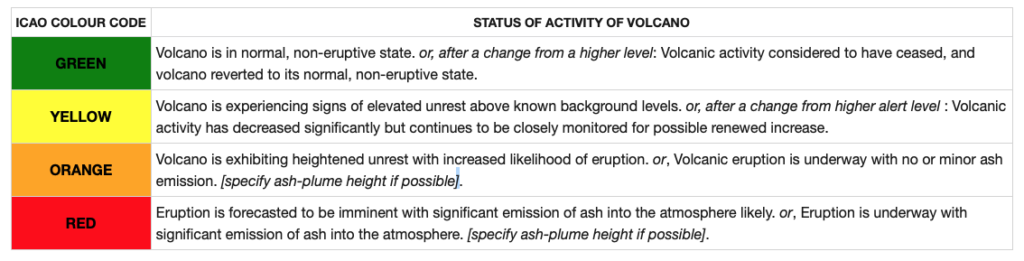
To help operators plan against potential ash encounters, ICAO have helped develop a universal alerting system for aviation that uses a simple but informative colour coding to give a heads up of the activity level of volcanoes.

ICAO also coordinate several Volcanic Ash Advisor Centers (VAACs) around the world that operate under the International Airways Volcano Watch. They use a network of met stations, satellites and even reports from pilots to provide forecasts, SIGMETS and advisories to the aviation community regarding ash clouds and eruptions. In other words, they try to tell you where it is, how bad it is and if it will get worse.

So, you can plan your flights to avoid affected areas both laterally and vertically.

Know the signs… 

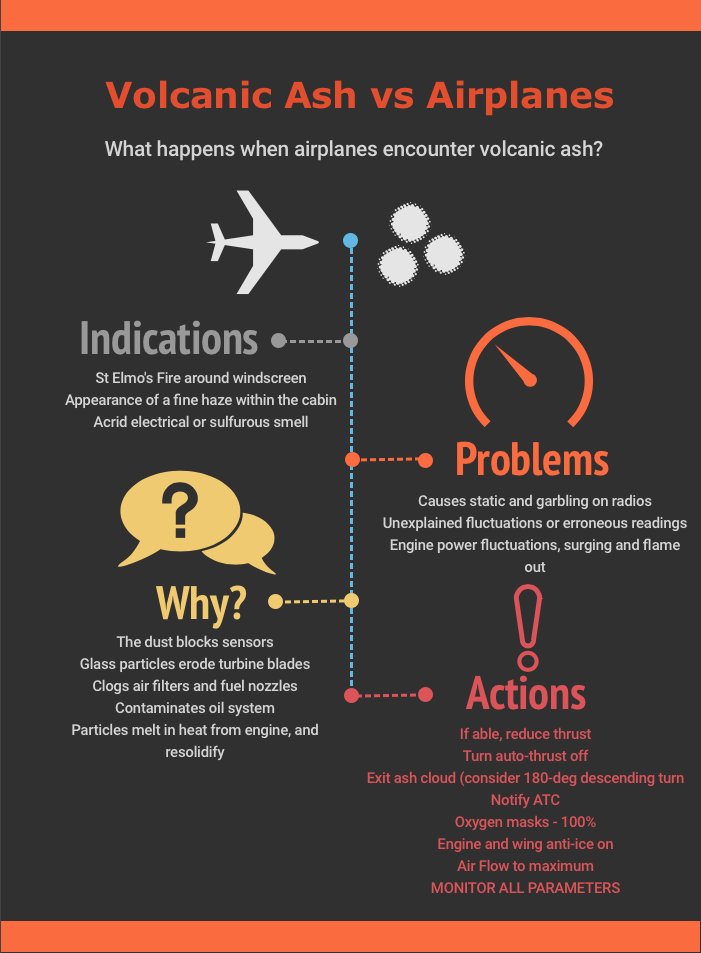
We have made you a handy infographic explaining what happens, and what you should do about it, but the general gist is:

Watch out for the signs that you might be entering an ash cloud – a strange colored cloud (in the vicinity of a known volcano), sulphuric or acrid smells in the cabin that can’t be blamed on the co-pilot, increased static charge around the flightdeck windows, garbled radio, or a picture of it on your sigmet chart (that you missed in the pre-flight briefing) are usually a good giveaway;

If you think you’ve flown into ash, get out fast. A 180 degree turn is usually best. Follow the actions or volcanic ash checklist for your aircraft type, and consider getting yourself on oxygen;

Look after your engines. Monitor your engine closely – you might see surging, stalling or high EGTs. If they are, reduce power and turn the auto throttle off. Do not try to climb out of it;

Watch your speed. If you’re getting erroneous speed indications, go back to basics using pitch and power until you can confirm your speed is safe;

Report it – Chances are if you’ve flown into it, so will another aircraft behind you, so make sure you put a radio call out to warn them, and to let ATC know why you just did a massive wheelie in the sky.

The Bigger Issue for Aviation

In 2010 the unpronouncable Eyjafjallajökull erupted and caused enormous disruption to air travel across Europe. The disruption lasted for over a week, and that was just one volcano!
A previously published report established that over one hundred airports in twenty-six different countries were affected by the eruptions of just forty-six volcanoes within a three period. Unfortunately for aviation, there are about 1500 active volcanoes in the world (not counting the ones that line the ocean floor.) 75% of these fire breathing mountains live in the Ring of Fire, in the Pacific, but there are some seriously cranky calderas on all continents bar Australia.

Which ones should we keep an eye on?
Volcano-watching organizations and aviation authorities have established a ranking system for volcanoes using an overall threat score, and a threat to aviation score which take into account 24 factors.

In the US, Kīlauea in Hawaii ranks numero uno worst with an overall threat score of 263, and an aviation threat score of 48. Mount St. Helens, Washington poses the greatest threat to aviation with a score of 59.

So what other resources are there to help avoid serious aviation disruptions from eruptions?
Unfortunately, volcanic eruptions can be a little hard to forecast, but generally how much they are rumbling, GPS data that monitors seismic activity, and historic eruption data are used to predict if and when they might pop.

Ash clouds are relatively hard to track as well – normally data is plugged into ash cloud modeling programs that consider the density and plume size, and the wind conditions for the day to model how it might disperse. Satellite sensing to detect radiation absorption levels, and thermal infrared wavelength levels also help, but there is no one sensor for observing everything.

Aviation authorities determine ash zones based on the concentration of ash. These are either a No Fly Zone, or an Enhanced Procedure Zone, and are based off tolerance levels agreed with aircraft and engine manufacturers. Generally enhanced procedures require training for the pilots (on identifying effects) and additional maintenance checks for the engines and aircraft.

Too Long; Didn’t Read

  1. Keep an eye on our alerts. Opsgroup will send out alerts on any volcanic eruptions that look like they will significantly impact flight operations;
  2. Familiarise yourself with the signs of ash clouds, and the actions to take in case you ever do end up in one.

Other resources


EUROPE: Third Country Operators (TCO)

A TCO is an authorization issued by EASA to any third-country operator wishing to perform commercial air transport in any of the following European countries:

  • 28 EU Member States
  • Iceland, Liechtenstein, Norway, Switzerland

Plus the following territories:

  • Gibraltar, Aland Islands, Azores, Madeira, Canary Islands, Guadeloupe, French Guiana, Martinique, Reunion, Saint-Martin, Mayotte

Applications are made directly to EASA using their application form.

https://www.easa.europa.eu/document-library/application-forms/fotco00160

You will need to provide the following documentation:

  • AOC
  • Operating Specifications
  • Insurance

Contact details for applications are made to:

European Aviation Safety Agency
Applications Handling Department
Postfach 10 12 53
D-50452 Köln
Germany

Fax: +49 (0)221 89990 ext. 4461
E-mail: tco.applications@easa.europa.eu

Should EASA deem the application in order the operating authorization process is completed in approximately 30 days.  Some flights can avoid this requirement, such as Air Ambulance or Humanitarian flights.

Please note:

  • Overflights of the above states do not require a TCO permit.
  • EU member states cannot issue a permit for their country if the operator does not already hold a TCO operating authorization.

If you plan to operate to these areas, we’d suggest getting your TCO right away, even if you don’t have a planned flight at the moment.  They can take some time to obtain.


What is this, 20 questions?

Yes. We’ve got a fresh set of common International Operations questions, together with their answers and references  Test yourself, use as part of your next refresher training, or forward to a colleague.

Thanks to our OpsGroup member Guy Gribble for these; Guy is an international airline pilot and runs a training organization called International Flight Resources – read more at the end of the questions about what he does.

20 Questions – INTERNATIONAL OPERATIONS

1. What is the term ‘IFBP’, and where you might use it?

This is sometime referred to as an “IATA broadcast”. This is a specially formatted position report to enhance situational awareness in remote areas with poor ATC coverage. It is specifically recommended to be used in specific areas of Central Africa:

A) On 126.9.
B) When operating off airways.
C) For flight level changes only.
D) Throughout most of the continent, as a backup to ATC, and as an awareness tool for other aircraft. Broadcasts should be made in the format published on the Jeppesen Africa High/Low Enroute 1 / 2   en-route chart.

In-Flight Broadcast Procedures, IFBP can be found here, and Traffic Inflight Broadcast Area, TIBA can be found in Annex 11, Attachment B.


2.  Is it possible to receive a North Atlantic oceanic crossing clearance via data link if sitting on the ground at an airport close to the oceanic boundary?

Yes. If less than 45mins to the OEP, request datalink (RCL) clearance 10mins prior to engine start-up.
NAT Document #007, Paragraph 5.1NAT Operational Bulletin, #2010-008        


3. When are passengers entering the United States on a Private/Part 91 flight required to have a visa?

US Citizens do not require a visa. Non-US citizens require a visa if they are not a citizen of a country that the US permits a waiver from. The Visa Waiver Program (VWP) is administered by DHS and enables eligible citizens or nationals of designated countries to travel to the United States for tourism or business for stays of 90 days or less without first obtaining a visa. Examples of VWP approved countries are: Australia, Belgium, Chile, Denmark, Japan, Germany and the United Kingdom. Note that the Aircraft Operator must also be approved under the VWP.

http://www.cbp.gov/travel/international-visitors/frequently-asked-questions-about-visa-waiver-program-vwp-and-electronic-system-travel


4. I got a TCAS/ACAS Resolution Advisory on my last trip in the US. Do I have any reporting requirements?

Yes – if there was a substantial risk of collision. In 2010 the NTSB implemented additional reporting requirements. If an RA was received when an aircraft was being operated on an IFR flight plan, and compliance with the advisory is necessary to avert a substantial risk of collision between two or more aircraft – then a report to the NTSB is required.

NTSB 830.5 (10).


5. What defines a Gross Navigation Error (GNE)?

Lateral errors of 25 nautical miles or more from the aircraft’s cleared route. Note: The North Atlantic Systems Planning Group (NAT SPG), in its Conclusion 48/21 of 06/12, reclassified a GNE as a “lateral deviation from a cleared track by 10 Nautical miles (nm) or more.” The FAA is examining this new ICAO NAT Region definition for possible adoption.

FAA Order 8900.1 Volume 7, Chapter 3, Paragraph 7-81


6. Short of calling a service provider how do you determine which countries require an Overflight Permit?

Research the AIP’s from the overflown countries.

Search inside the “General” section, “National Regulations” and find the paragraphs titled “Entry, Transit and Departure…” Jeppesen provides excerpts from these documents in the “Entry Requirements” section.


7. I saw information that Russian ATC now has to speak “English Only” at all of their airports. Is this a fact?

Not quite. All international airports in Russia will pass information in Russian or English. The requirements for knowledge of the spoken English language will have to confirm the fourth level according to the ICAO scale. Six steps is the maximum. 

Russia Federation AIP, Enroute ENR 1.7, Paragraph 6.1.3


8. Is there an HF frequency designated as “Guard” internationally (121.5 equivalent)?

Yes – 2182 and 4125, State the frequency in use, callsign, nature of distress/urgency, intentions of PIC, present position, altitude, heading

Annex 12, Chapter 2, Paragraph 2.6.5 “Note”, AC 91-70a, Chapter 3, Paragraph 3.4c, 3-10


9. Explain why you would expect a time-delay when transmitting position reports and requesting clearances from oceanic communications facilities.

It is important that pilots appreciate that routine air/ground ATS Voice communications in the NAT Region are conducted via aeroradio stations staffed by communicators who have no executive ATC authority. Messages are relayed by the ground station to/from the air traffic controllers in the relevant OAC.

NAT Document #007, Chapter 6, Paragraph 6.1 and AC 91-70A, Paragraph 9-3b, 14-3d


10. I have an aircraft heading to Australia in 2 days; our handler just informed us that we needed to have bug spray can with serial number on board.  Where I can get this?

Disinsection procedure with 2% Permethrin and 2% d-Phenothrin aerosols are used with this process. Top of Descent has not been approved by the FDA/FAA for use or sale in the USA. The claim it is not safe for flight attendants. It comes from Sydney. Most of the Hawaiian FBO’s carry a good supply. Most operators opt for the “Pre-Embarkation and Top-of-Descent”

With approval from the Australian government on operator may conduct “On-Arrival” disnsection procedures. You do not have to empty the bottle. Spray rates are based on the cabin/cargo hold size. For example: A Challenger 605 only requires 15sec spray duration.

Full details can be found at: http://www.daff.gov.au/biosecurity/avm/aircraft/guidelines-operators


11. We all dislike ramp checks, but what kind of stats can be gleaned from the SAFA program in EASA?

The stats below are taken from the latest summary from the EASA folks. SAFA program has been in-place since 1996. A new “force” behind the program is Implementing Regulation, Authority for Air Operations (ARO)-Ramp. This went active 27OCT14 and applies to EU countries (ECAC has also signed on).

  • 2012 had just over 11,000 inspections performed, over twice as many as 2005.
  • Most frequent private operator’s country of registration inspected was USA, Isle-of-Man, Germany
  • Frequency of inspections is almost evenly split between EU and Non-EU countries. Largest number of SAFA locations were France (71), Italy (34), UK (31) and Germany (30)
  • On average, 40 of the 54 possible items were inspected each time with 46% of the findings labeled “Significant”
  • “Significant” findings are reported to the operator and the registered CAA. These will also require “Corrective action” prior to flight Latin American/Carib operators had the most number of findings, USA and African operators were tied for second place
  • Largest percentage of operators inspected, Germany (7.0%), Russian Federation and UK (6.8%), Turkey (4.9%) and USA (4.5%). France was 2.2%


12. When should a revised ETA be passed to ATC?

Position estimate time error of 3minutes or greater. Occurs when an aircraft’s reported actual time of arrival, ATA is 3 minutes or more before/after the estimated time of arrival, ETA.

NAT Doc#007 Paragraphs 5.1.7, 11.7.14. FAA ORDER 7110.82D, AC 91-70A Appendix 2, Page 8


13. Which Oceanic Control Agencies in the NAT Region have the ability to pass the crossing clearance via datalink ?

Via FANS/1A: New York OCA. Via ACARS/AFIS: Gander OCA, Shanwick OCA, Santa Maria OCA, Reykjavik OCA

NAT Document #007, Chapter 5, Paragraph 5.1.4 NAT Operations Bulletins #5,#6,#8 


14. Is specific training required to be conducted in the area of Foreign ATC terminology and verbiage?

No. Recommended reading on this subject:

Annex 10, Volume 2, Chapter 5,  ICAO Document #9432, UK’s CAP 413 and the FAA’s Pilot/Controller Glossary


15. What is the term “SLOP” and the procedure for applying it?

Strategic Lateral Offset Procedure. Aircraft can fly in automatic tracking mode 1 or 2 NM to the right of centerline of the cleared course. Position reports are given as if you are crossing the actual waypoint. When entering and exiting oceanic airspace you must cross the actual waypoint. In 2014 ICAO and the FAA have begun studying SLOP, offsets in tenths of a nautical mile up to a maximum of 0.5 NM.  This is being considered where the lateral separation minima or spacing between route centerline is 6 NM or more and less than 30 NM.

ICAO Doc#4444, Chapter 16, Paragraph 16.5. NAT Doc#007, Paragraph 8.5. NOTAMS Domestic/International Part 3, Section 2, AC 91-70A, Paragraph 3-9 and Appendix 2, Page 8, FAA NAT Reference Guide, Page 5, FAA PAC Reference Guide, Page #6   


16. What navigation problems do I need to know about when operating at an airport such as CYRB/Resolute Bay, or BGTL/Thule Air Base/Pituffik?

Besides the extreme cold temps, ground based navigation facilities are reference to True North instead of Magnetic North. Aircraft FMC and Navigation displays will need to be re-configured to allow for IFR operations. This may be an automatic function or require manual selection. Individual AFM’s will contain the details. This is also correct for the Canadian Northern Domestic Airspace.

Canadian AIM Rules of the Air and Air Traffic Services Section 2.0 Para.  2.2.1 “Canadian Domestic Airspace”


17. If executing published contingency procedures in NAT airspace is it necessary to submit an Assigned Altitude Deviation Report?

Yes. Anytime you deviate from your altitude clearance including TCAS/ACAS, turbulence or contingency events 300ft or more an Altitude Deviation Report Form should be filed.

This form is found in NAT Document #007, Attachment 2   


18. If SELCAL isn’t functioning in Oceanic/Remote airspace, can I continue the flight?

Yes, SELCAL meets the “Continuous listening watch” requirement of 14 CFR 91.511. If SELCAL is inoperative one of the pilots must listen on the appropriate enroute frequency for calls.

Annex 6, Part 2, Paragraphs 2.5.1 and 3.7.1


19. In Europe, what is a “Maintenance Release” and how do I get one for an FAA Part 91 Operation?

Very basically, the European inspectors are looking for an entry in an aircraft maintenance logbook (Technical Log) that reads something like, “Return to Service in Accordance with 14 CFR § 43.9. I certify that the work specified; except as otherwise specified, was carried out in accordance with FAA airworthiness regulations, and in respect to that work the aircraft is considered ready for release to service. Signed XXXXX AP#XXXXXX” The sub clause “except as otherwise specified” is intended for use with two types of deviations:

(1) The case where all required maintenance was not carried out. In this case, list the maintenance not carried out on the 14 CFR § 43.9 Return to Service and/or attachments.

(2) The case where the particular maintenance requirement was only EASA-approved and not FAA-approved. Example: an EASA Airworthiness Directive not approved by the FAA.

 NOTE: In the case of maintenance carried out by a U.S.-based EASA Part-145 approved organization subject to the EASA/FAA agreement, EASA only recognizes the dual release FAA Form 8130-3 for component, engine, or propeller maintenance.

14 CFR 43.9, 43.11 and EASA 145.A.50, Rulemaking Interpretation # 13D51397 “Maintenance release of aircraft not covered by the Basic Regulation” and Annex 6, Part 1, Paragraph 8.8 and 8.4.1


20. I thought that with ADS-C the aircraft was sending position reports to a ground station (once logged on), Why do I have to make HF radio calls?

It depends on the OCA’s monitoring needs. If they state “Voice reports not required” then do not make routine voice reports. HF radios would be used to voice report position, maintain a back up to CPDLC. SELCAL would also have to be checked for functionality.

Global Operational Data Link Document (GOLD), 2nd Edition Chapter 5, Paragraph 5.6.3, NAT Document 007 Paragraph 6.1.22. 


With sincere thanks to International Flight Resources. They are a pilot focused training provider emphasizing International Operations and Human Factors training with on-line and in-person training options. If you’d find a cost estimate, standard rate sheet and course outline useful, visit their website at www.InternationalFlightResources.com or email admin@InternationalFlightResources.com

Did you like these?

– Let us know: questions@opsgroup.co

– If you have a burning question that you’d like answered – let us know at questions@opsgroup.co. We’ll research it and include in the next round.

– If you haven’t already joined OPSGROUP, please do!