


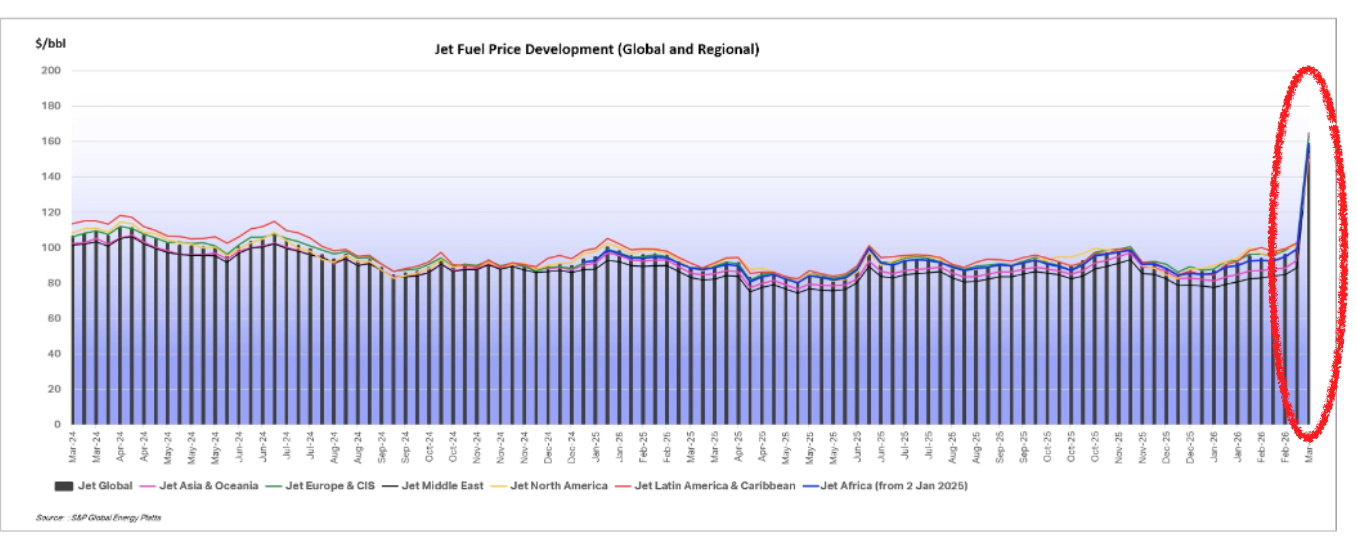
Jet fuel is becoming more expensive across the US as the crisis in the Middle East continues to push up global oil prices.
On March 6 we reported that retail prices at some FBOs had reached $10 per gallon, particularly in the Northeast.
The good news is that this isn’t being driven by shortages. But if supply isn’t the problem, what is pushing prices higher, and what can operators expect moving forward?
Why prices are rising
The main driver is crude oil.
Whenever tensions increase in the Middle East, global oil markets react quickly because a large proportion of the world’s energy supply moves through that region.
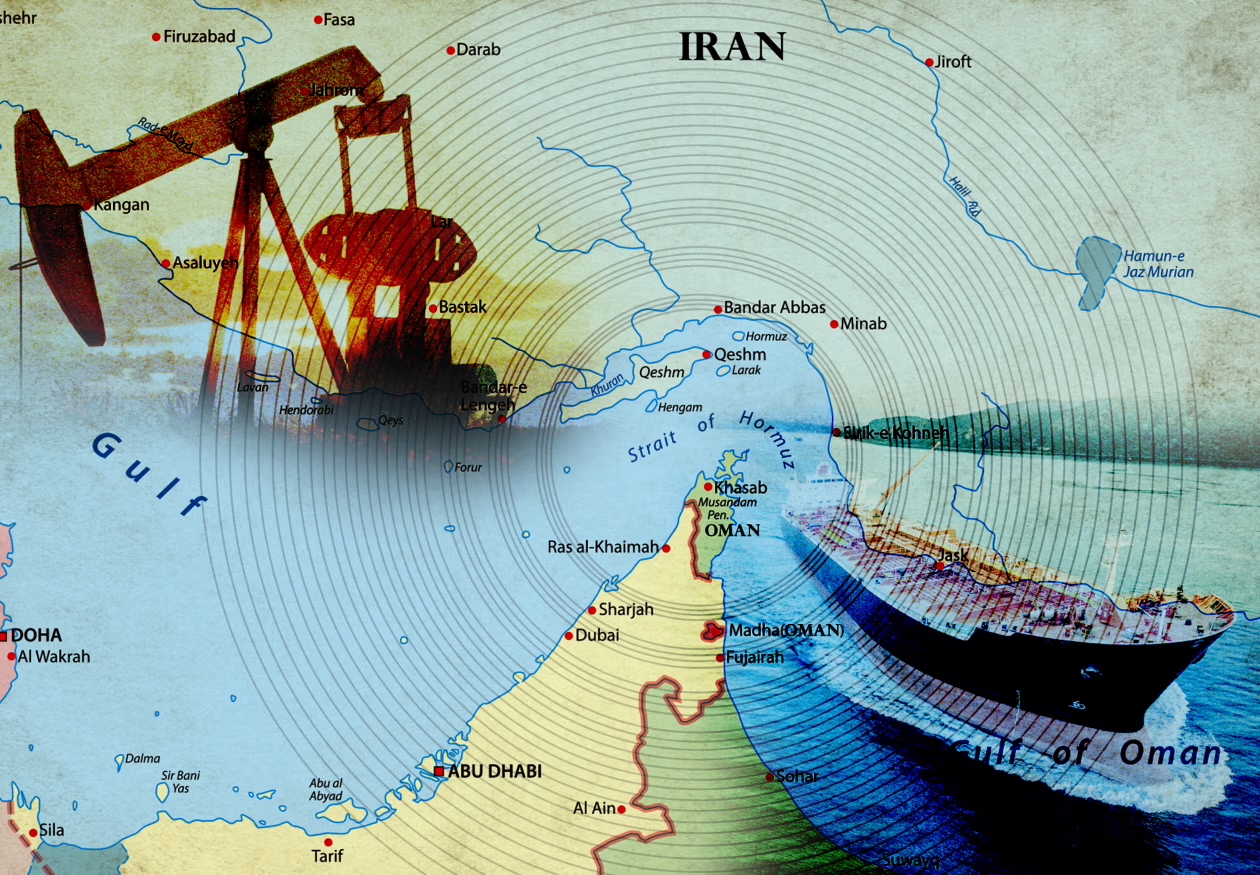
In recent days the situation has been amplified by political rhetoric around the Strait of Hormuz, the world’s most important oil chokepoint.
Roughly 20% of global oil supply moves through the Strait every day. Even the threat of disruption can push prices higher, because traders immediately start pricing in the possibility that shipments may be affected.
That risk premium is now showing up in jet fuel.
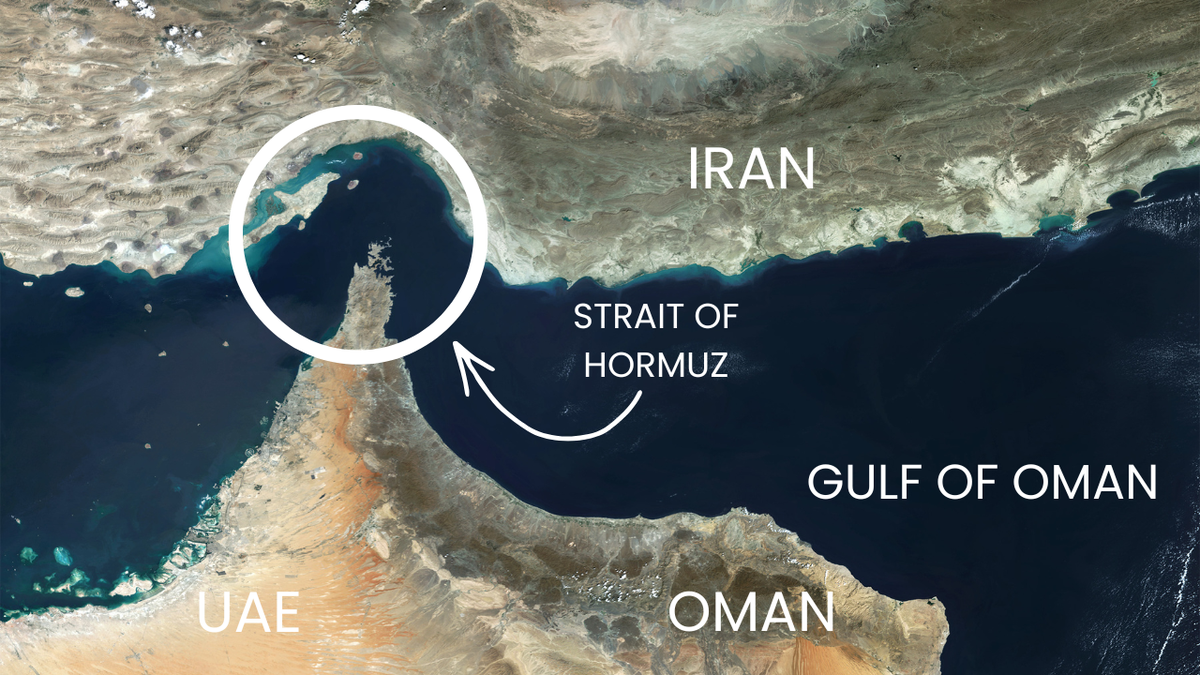 Roughly twenty percent of the world’s supply moves through the Strait of Hormuz every day. Even the threat of the route being disrupted will have a direct impact on oil prices. This is because traders immediately start pricing in the possibility that shipments may be disrupted.
That risk premium is now showing up in jet fuel.
 Shortages not expected
Despite the sudden surge in prices, actual fuel shortages in the US are unlikely.
Domestic refinery capacity remains strong and the US produces large amounts of crude oil. What we’re seeing is price volatility rather than a lack of supply.
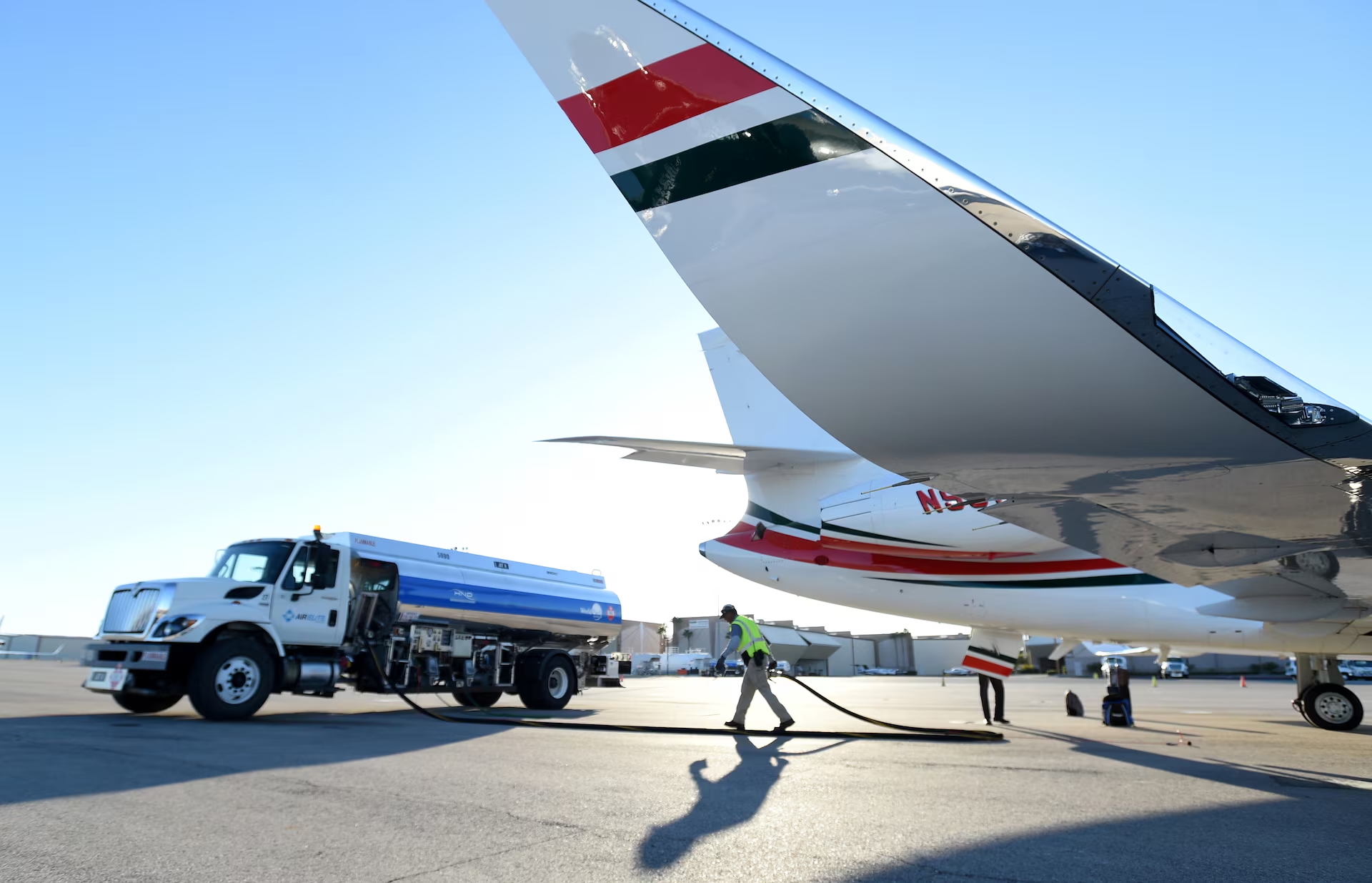
Unfortunately, this doesn’t help with our smouldering wallets. Operators will likely continue to see wide price differences between airports as FBOs adjust their inventory and contract pricing.
How to compare prices
In the current environment, it has become more important than usual to check fuel prices when filing a flight plan.
There are a few ways to make this easier:
AirNav is a useful free resource that shows posted retail fuel prices at many US airports. It pulls data from a database of more than 3,000 FBOs nationwide.
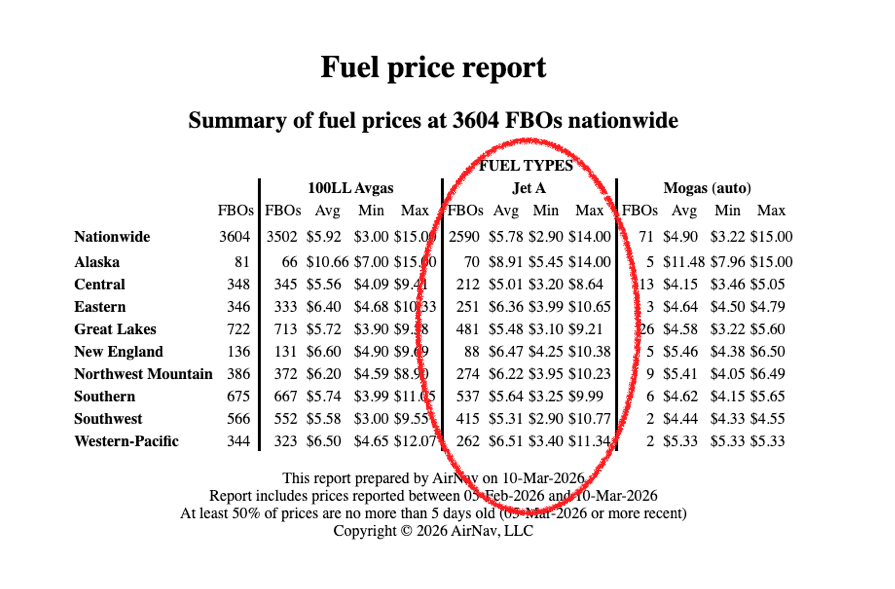
Courtesy of AirNav
If you have contract fuel through the likes of Shell, World Fuel or Colt check whether they have an app. These often show contract prices at nearby airports.
Lastly, call ahead to the FBO and avoid nasty surprises. The posted prices don’t always reflect discounts or contract rates.
How long will this all last?
Like the rest of the world, we simply don’t know.
Oil prices can rise quickly, but they can also fall just as fast. Fuel markets react rapidly to geopolitical risk and often normalise once the situation stabilises.
If tensions in the Middle East ease, prices could settle within days, weeks or months. If the conflict escalates and disrupts major oil infrastructure or shipping routes, higher prices may persist for longer.
More on the topic:
- More: Winter Ops: Fun Fuel Facts
- More: Contaminated Jet Fuel In Nigeria
- More: MOT for aircraft? It’s actually a tax
- More: New Zealand Fuel Supply Issue
- More: Is the Fuel Pool Drying Up?
More reading:
- Latest: Middle East Airspace – Current Operational Picture
- Latest: Middle East Crisis: Impact on Jet Fuel Prices
- Latest: Belgium airports impacted by another nationwide strike
- Safe Airspace: Risk Database
- Weekly Ops Bulletin: Subscribe
- Membership plans: Why join OPSGROUP?






 Get the famous weekly