July 2019 North Atlantic Update

There are four new things to tell you about the North Atlantic, following the flurry of new and updated NAT Bulletins that ICAO issued last week. Get ready for some acronyms! Here’s a summary:

1. OWAFS

Operations Without an Assigned Fixed Speed
ICAO NAT Bulletin 2019_001

We wrote about this before. This Bulletin just formalises the practice that has already been in place since April 2019 in the Shanwick, Santa Maria, and New York Oceanic FIRs (not WATRS).

Here’s how it works: You’ll get a normal oceanic clearance, with a fixed Mach Number, like you always did. But then somewhere after the Oceanic Entry Point, you may get a CPDLC message saying RESUME NORMAL SPEED. You should reply with WILCO. What that means is: Fly ECON, or a Cost Index with Variable Mach. You can fly within 0.01 up or down of your cleared Mach, but if it varies by 0.02 or more you must advise ATC.


2. ASEPS

Advanced Surveillance Enhanced Procedural Separation
ICAO NAT Bulletin 2019_002

ASEPS was another trial that started in April 2019 – this time in the Shanwick, Gander and Santa Maria FIRs.

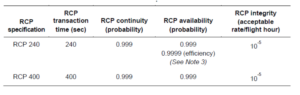
So far it has only been for longitudinal separation, which can be brought down to as close as 14NM for compliant aircraft (RVSM/HLA approval, ADS-B, and fully PBCS compliant – which means meeting the specifications of RNP4, RCP240 and RSP180).

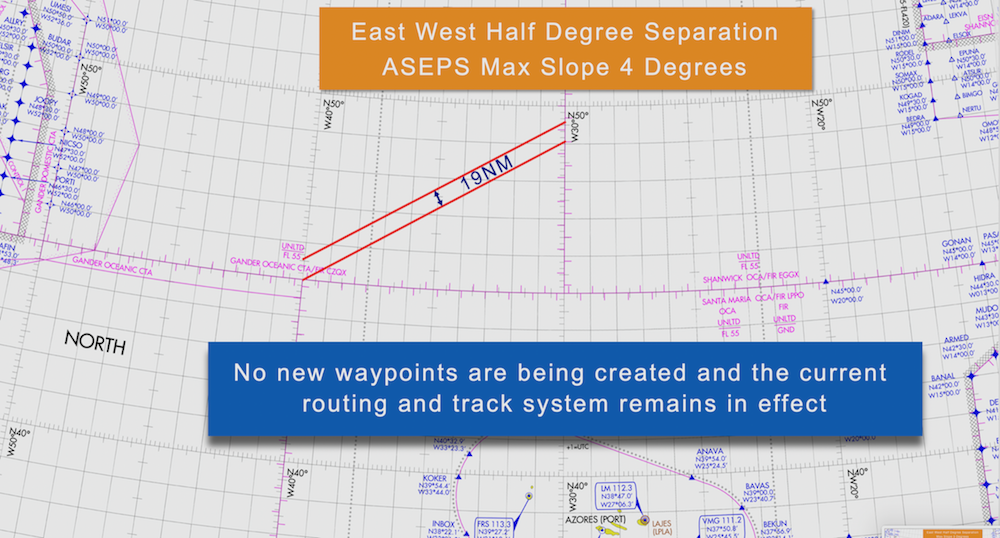
But in the new Bulletin, from October 2019 they plan to reduce lateral separation for compliant aircraft as well – down to 19NM from the previous limit of 25NM.

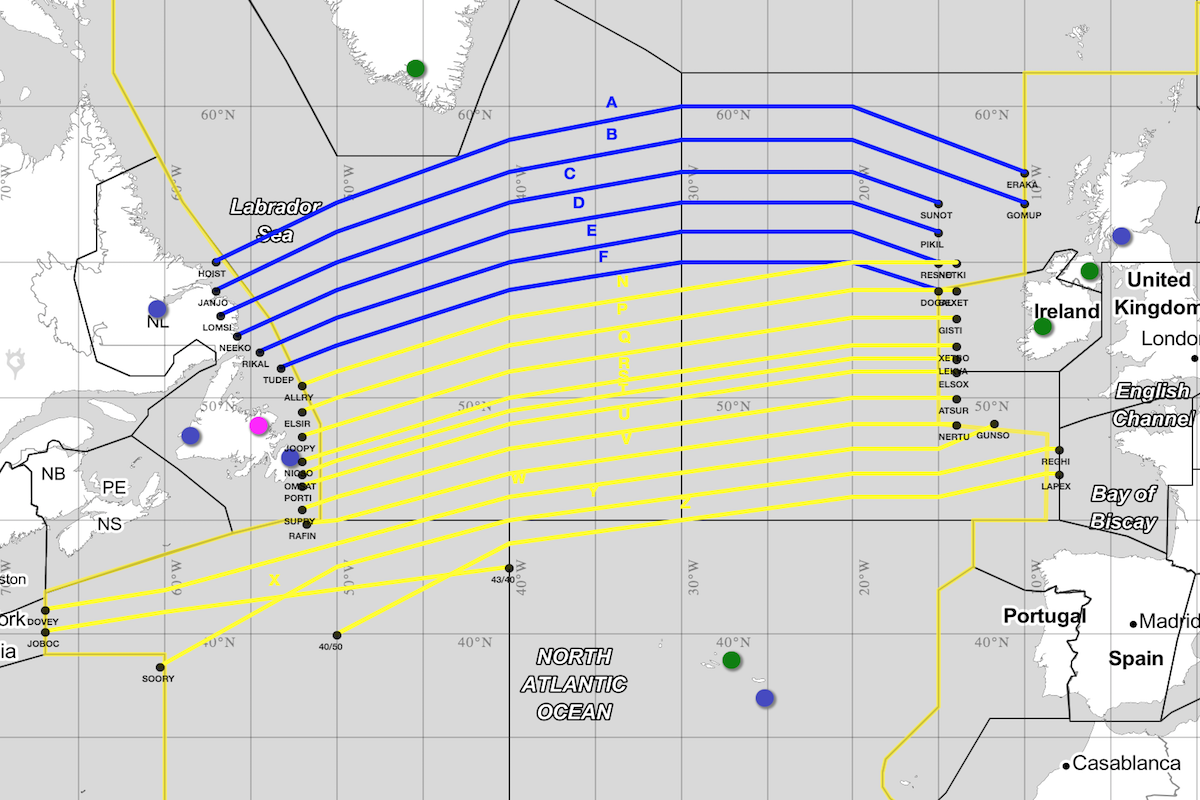
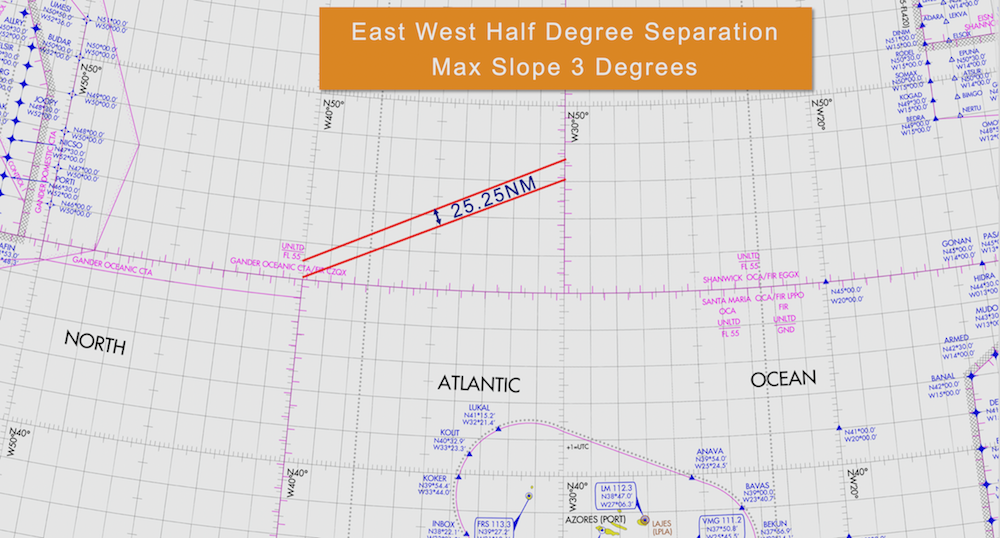
There are no plans to change the design of the NAT Tracks, which will continue to be spaced 25NM apart. The initial benefit of the 19NM lateral separation will basically just be that steeper route angles will now be available for pairs of aircraft flying parallel routes outside of the NAT Track system – the current “gentle sloping turn” limitation is 3 degrees latitude between 10 degrees of longitude, but on 10th October 2019 that will change to a limitation of 4 degrees latitude between 10 degrees of longitude. The result of this will be a lateral separation of 19NM on the steeper turning routes.

Images courtesy of 30WestIP


3. Data Link Performance Improvement Options

ICAO NAT Bulletin 2019_003

Nothing to worry about, this is just a list of common datalink errors and what to do about them.

Two key take-aways:

  1. Update your aircraft avionics software as soon as updates are available.
  2. Answer your messages within 60 seconds or send a Standby message (recent data indicates Business Aviation operators are very bad at this).


4. NAT DLM – The North Atlantic Data Link Mandate

ICAO NAT Bulletin 2017_001_Revision 04

This one is just a slight revision to the plans for the datalink mandate. Datalink is currently required between FL350-390 in the NAT region, and from 30th Jan 2020 this mandate will be extended to between FL290-410.

So with this revised Bulletin, the change is that they have decided they will cap it at FL410 – whereas previously there were no plans for any upper limit at all. This will basically match the NAT HLA and RVSM vertical limits and makes sense. This will allow non-compliant aircraft to continue to operate at FL430 and above – mostly GA/BA operators.


Further reading:

Special thanks to Mitch Launius at 30WestIP.com for help with this post. For assistance with international procedures training for business aviation crews worldwide, check out the website.


2019 North Atlantic changes

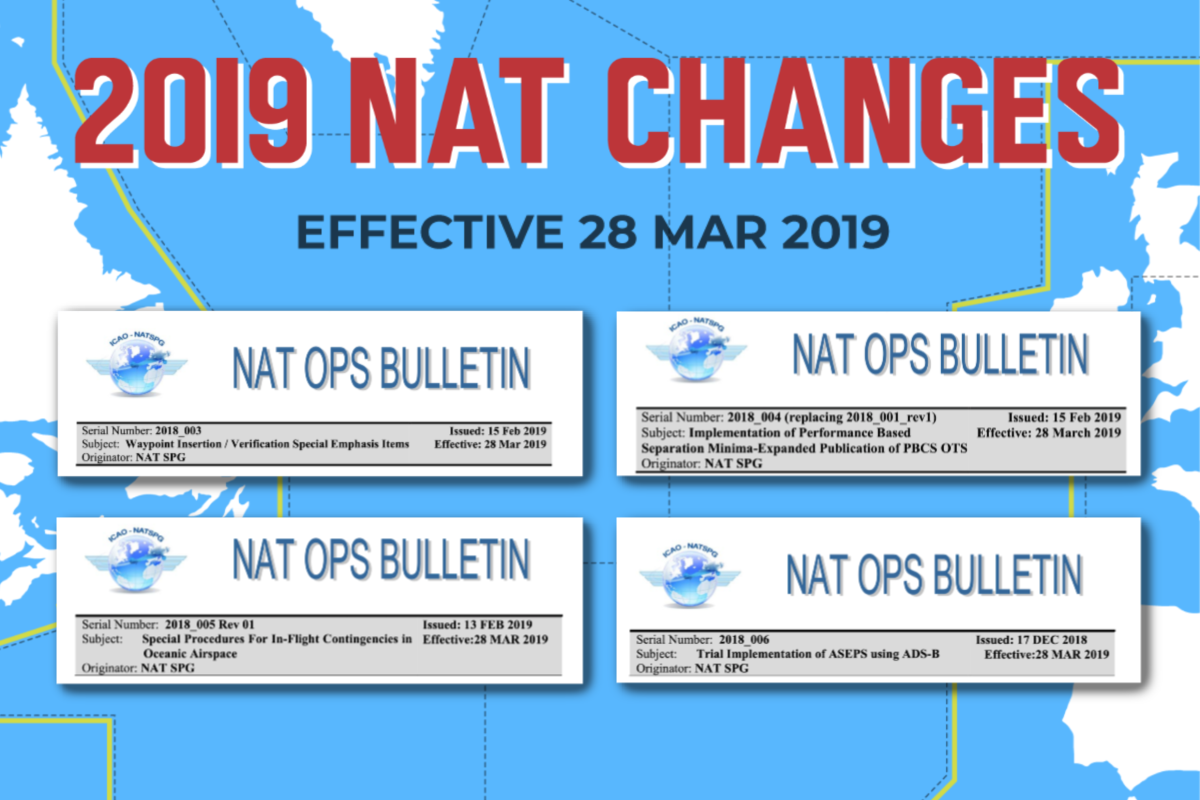
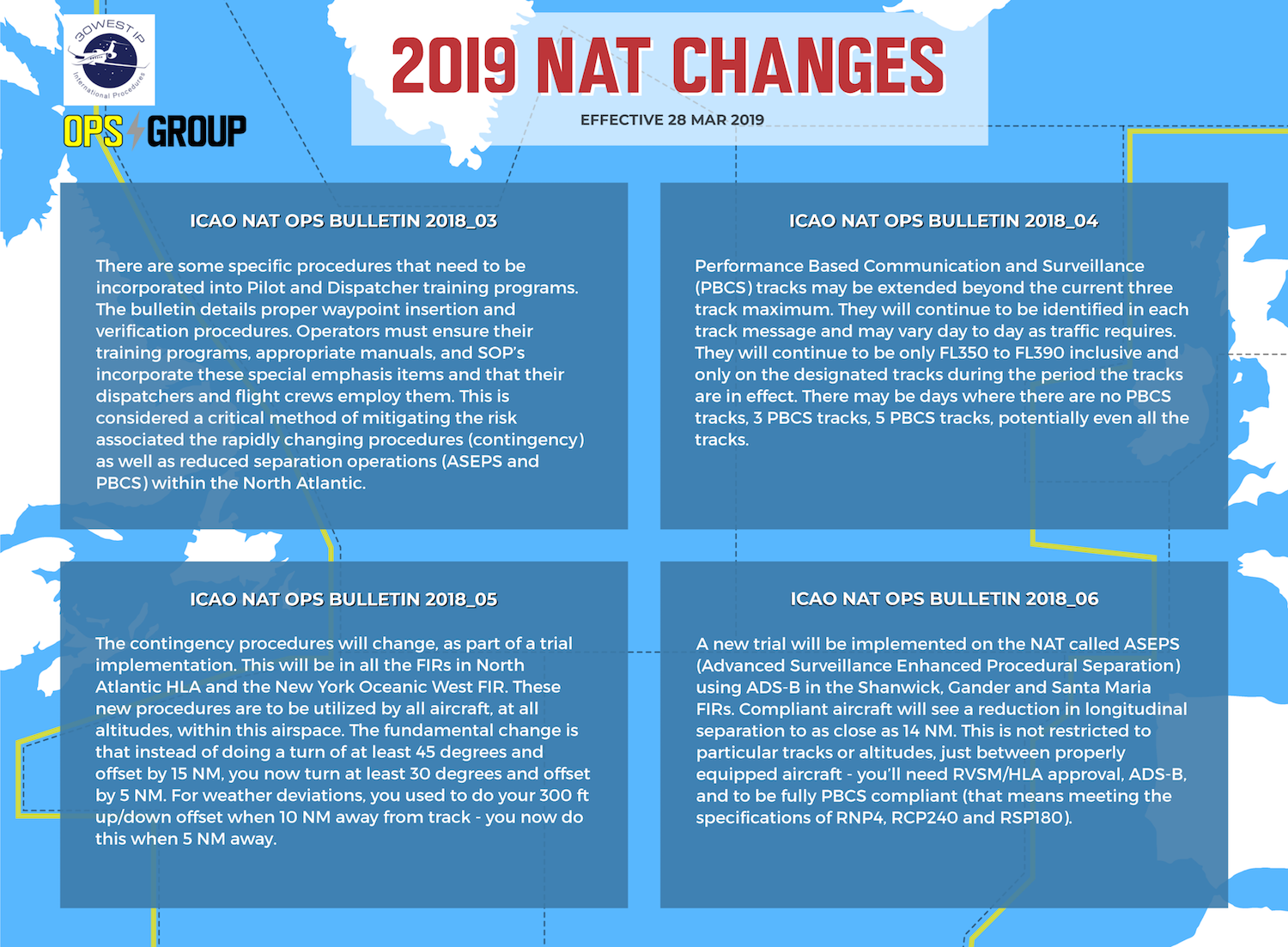
There are four ICAO NAT Ops Bulletins due to go into effect on March 28th, 2019. The PBCS tracks will be expanded, real-time Space-Based ADS-B surveillance and reduced separation standards will be introduced, and the regional contingency and weather deviation procedures will be changed.

You can click on each one, and read them in full:

We have had a good look at each of them. Here’s the lowdown:

ICAO NAT Ops Bulletin 2018_03: Waypoint Insertion / Verification Special Emphasis Items
Lowdown: There are some specific procedures that need to be incorporated into Pilot and Dispatcher training programs. The bulletin details proper waypoint insertion and verification procedures. Operators must ensure their training programs, appropriate manuals, and SOP’s incorporate these special emphasis items and that their dispatchers and flight crews employ them. This is considered a critical method of mitigating the risk associated the rapidly changing procedures (contingency) as well as reduced separation operations (ASEPS and PBCS) within the North Atlantic.

ICAO NAT Ops Bulletin 2018_04: Implementation of Performance Based Separation Minima-Expanded Publication of PBCS OTS
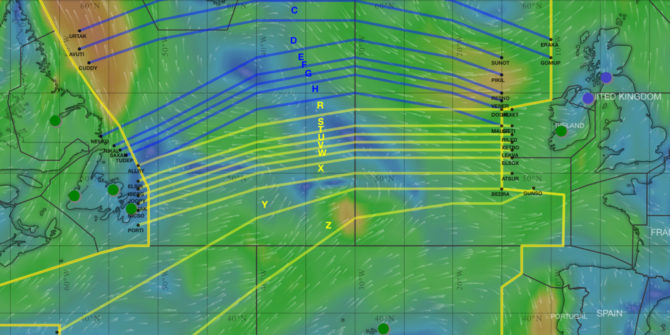
Lowdown: Performance Based Communication and Surveillance (PBCS) tracks may be extended beyond the current three track maximum. They will continue to be identified in each track message and may vary day to day as traffic requires. They will continue to be only FL350 to FL390 inclusive and only on the designated tracks during the period the tracks are in effect. There may be days where there are no PBCS tracks, 3 PBCS tracks, 5 PBCS tracks, potentially even all the tracks.

ICAO NAT Ops Bulletin 2018_05: Special Procedures For In-Flight Contingencies in Oceanic Airspace
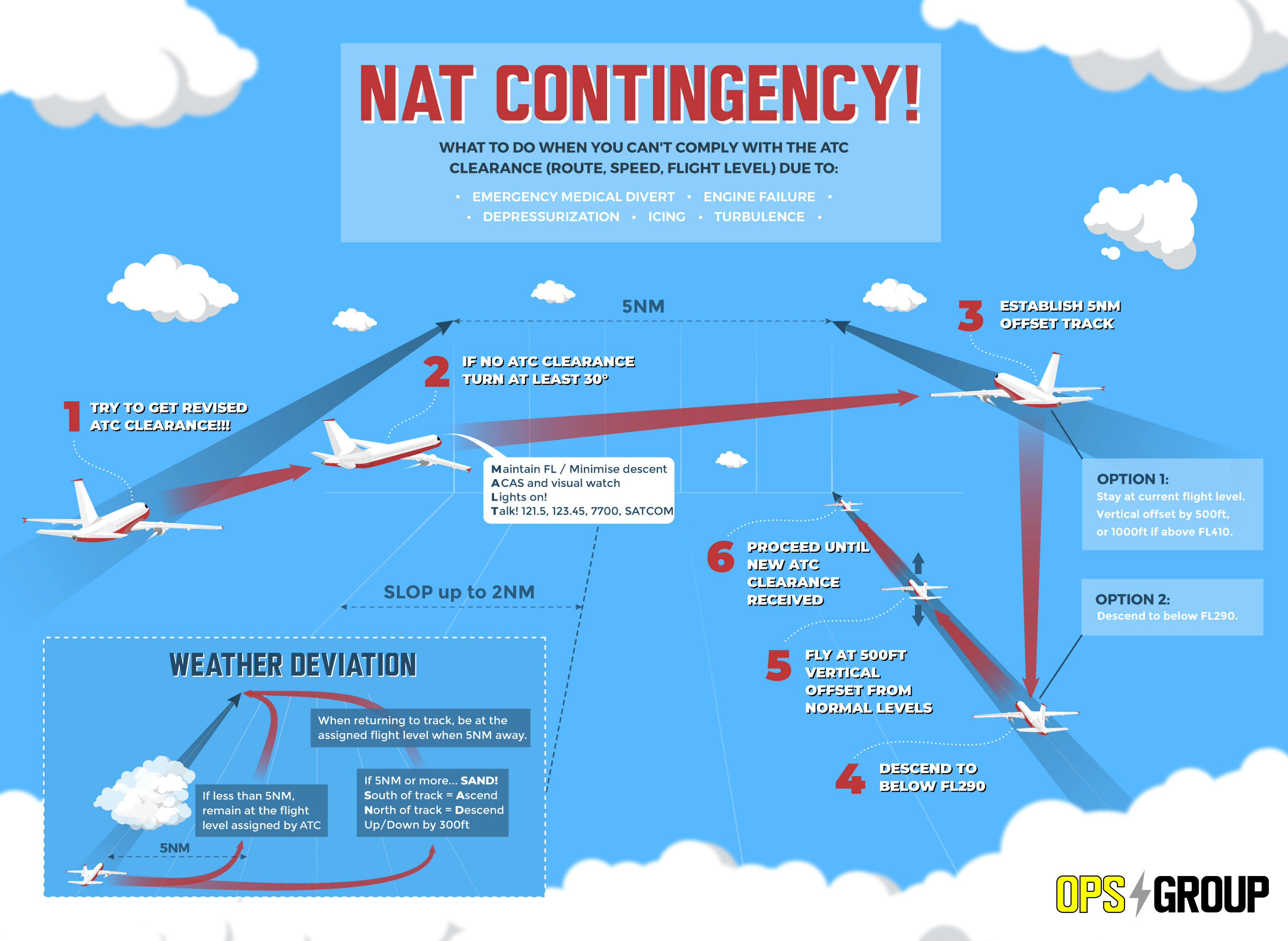
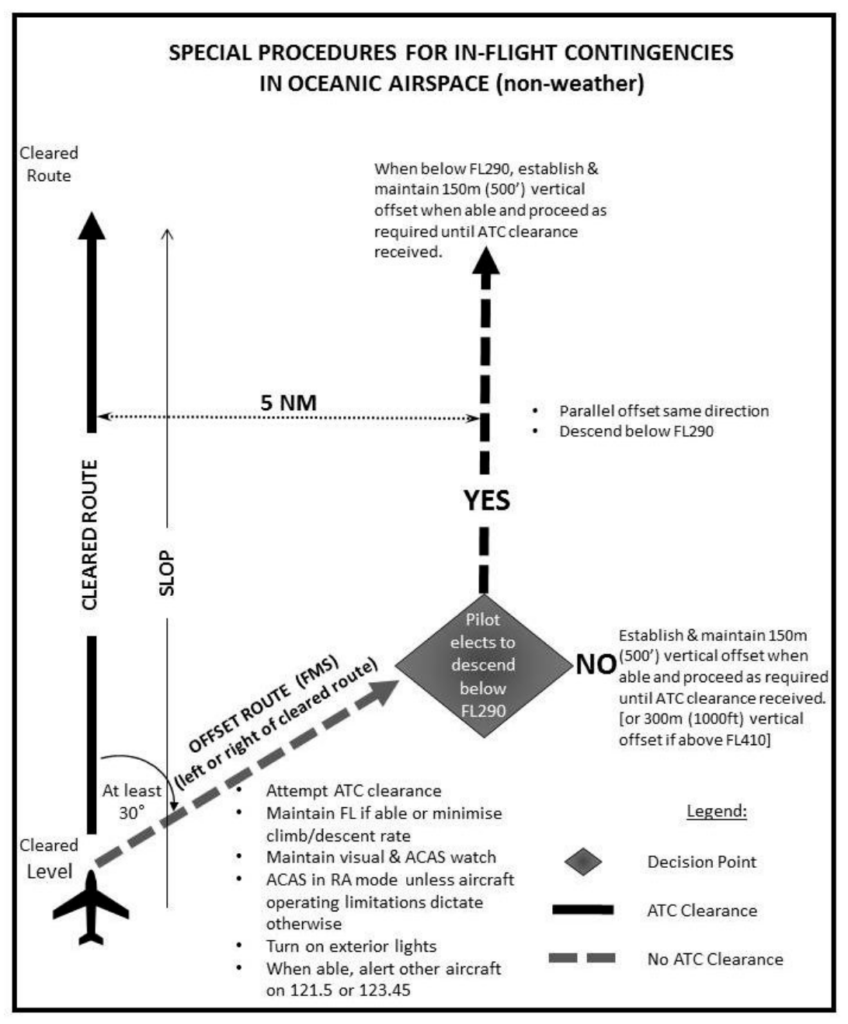
Lowdown: The contingency procedures will change, as part of a trial implementation. This will be in all the FIRs in the NAT Region and the New York Oceanic West FIR. These new procedures are to be utilized by all aircraft, at all altitudes, within this airspace. The fundamental change is that instead of doing a turn of at least 45 degrees and offset by 15 NM, you now turn at least 30 degrees and offset by 5 NM. For weather deviations, you used to do your 300 ft up/down offset when 10 NM away from track – you now do this when 5 NM away. For more info on this, read our article.

ICAO NAT Ops Bulletin 2018_06: Trial Implementation of ASEPS using ADS-B
Lowdown: A new trial will be implemented on the NAT called ASEPS (Advanced Surveillance Enhanced Procedural Separation) using ADS-B in the Shanwick, Gander and Santa Maria FIRs. Compliant aircraft will see a reduction in longitudinal separation to as close as 14 NM. This is not restricted to particular tracks or altitudes, just between properly equipped aircraft – you’ll need RVSM/HLA approval, ADS-B, and to be fully PBCS compliant (that means meeting the specifications of RNP4, RCP240 and RSP180).

So there you have it. We made a couple of handy graphics for all this. Print them out and sellotape them to your cockpit. (If you actually do this, please send us a photo!)

click on the image to open larger version

For a bit more of an in-depth look at the contingency and weather deviation procedures as shown in the image above, read our article.

And if you’re still hungry for more NAT info, we highly recommend you check out the replay of the webinar hosted by Mitch from 30WestIP, titled: ‘A North Atlantic Game Changer, 4 NAT OPS Bulletins all go into effect in one day’. This really breaks down each of the four new Bulletins which take effect from 28th March 2019 – essential viewing if you operate over the North Atlantic! View it here.

Further reading:

  • On 1st Nov 2018 we had a call with 140 OPSGROUP members about upcoming changes on the NAT in 2019, and how we can effect change. OPSGROUP members can find the PDF notes of this in your Dashboard.
  • A big thing driving the ASEPS trial is the rollout of Space-based ADS-B, which is scheduled to complete its deployment by 30 Dec 2018, giving us worldwide, pole-to-pole surveillance of aircraft. For more on that, and how it will affect operations on the NAT specifically, read the article by Mitch Launius here.
  • Use our quick guide to figure out where you are welcome on the NAT, depending on what equipment and training you have.

First look at NAT changes for 2019

Starting 28th March 2019, a new trial will be implemented on the NAT called ASEPS (Advanced Surveillance Enhanced Procedural Separation) using ADS-B in the Shanwick, Gander and Santa Maria FIRs.

Compliant aircraft will see a reduction in longitudinal separation to as close as 14 NM. This is not restricted to particular tracks or altitudes, just between properly equipped aircraft – you’ll need RVSM/HLA approval, ADS-B, and to be fully PBCS compliant (that means meeting the specifications of RNP4, RCP240 and RSP180). Read this ICAO Bulletin for all the details.

When the ASEPS trial starts, there will also be some changes to the contingency and weather deviation procedures. Before, there was a lot of confusion around the wording of these two procedures – this has now been made much clearer, and they have even included a nice little graphic to help us understand what to do. Read this ICAO Bulletin for all the details.

ICAO have published all these changes in their updated NAT 007 Doc valid for 28th March 2019.

Further reading:

  • On Nov 1st we had a call with 140 Opsgroup members about upcoming changes on the NAT in 2019, and how we can effect change. Opsgroup members can find the PDF notes of this in your Dashboard.
  • A big thing driving the ASEPS trial is the rollout of Space-based ADS-B, which is scheduled to complete its deployment by 30 Dec 2018, giving us worldwide, pole-to-pole surveillance of aircraft. For more on that, and how it will affect operations on the NAT specifically, read the article by Mitch Launius here.
  • Use our quick guide to figure out where you are welcome on the NAT, depending on what equipment and training you have.
  • All the big changes on the NAT in 2018 are covered on our page here.

The Impact of Space-Based ADS-B on International Operations

I can distinctly remember the build up to and roll out of GPS navigations systems. Like so many of us, I was excited to see this new technology integrated into my cockpit. The idea that I would have the capability to accurately determine my position anywhere in the world was exciting!

It’s hard to overstate the significance of GPS navigation on the international operation of aircraft, particularly when operating in oceanic airspace. Today we are about to reach a similar milestone that could be even more significant – the introduction of a Space-Based Automatic Dependent Surveillance Broadcast (SB ADS-B) monitoring system.

When SB ADS-B completes its deployment (scheduled 30 December 2018), we will achieve worldwide, pole-to-pole surveillance of aircraft. This goes beyond a pilot knowing his or her own location. This opens up the ability for ATC to locate any ADS-B equipped aircraft anywhere in the world. With the US and EU ADS-B requirements approaching in 2020, aircraft that operate internationally will almost certainly be ADS-B equipped.

A brief history of Space-Based ADS-B

SB ADS-B technology has been placed into service by a commercial company, Aireon, and not a governmental entity, which has enabled it to be brought to operational status in a much shorter timeline than most other government implementations.

Although Aireon was initially established in 2012 to provide civilian surveillance services, the disappearance of Malaysia Flight 370 changed the industry. The inability to locate the aircraft forced industry regulators to consider how improved aircraft tracking might have helped to resolve the location of the aircraft in distress and prevent a future disaster. In response to this concern, ICAO created a standard for aircraft tracking designated as the Global Aeronautical Distress Safety System (GADSS). Aireon responded by creating a low-cost tracking solution based on aircraft ADS-B equipage utilizing the SB ADS-B network to meet that tracking requirement faster and cheaper than many of the alternatives.

This implementation takes advantage of the same ADS-B 1090ES systems already installed in most aircraft, not requiring any additional investment or modification from operators who currently comply with ICAO ADS-B approved 1090ES systems. Compare this to the evolving and evasive FANS 1/A+ requirements that have placed many operators in the position of having to upgrade aircraft (at great expense) only to find they are not PBCS and/or U.S. domestic compliant. Quite a contrast.

What are the benefits?

The primary advantage of the introduction of surveillance into oceanic operations will be a reduction in separation. Initially, this will be applied to in-trail spacing (longitudinal separation) and potentially reduce that separation to as close as 14 Nautical Miles (NM). The current longitudinal standard for data link approved aircraft is 5 minutes or approximately 50NM. The introduction would significantly increase the capacity of the most fuel-efficient routes and altitudes. The trial implementation is not expected to be restricted to specified tracks or altitudes, just between properly equipped aircraft.

Another key advantage of SB ADS-B is that the system is based on an active constellation of 66 low earth orbit satellites with geo-synchronous orbits that provide worldwide coverage. The system will also have 9 backup satellites available in orbit as well. The information on worldwide aircraft location will be in the system, it’s just a matter of having it sent to ATC control panels that are properly equipped to display the information. The SB ADS-B system operates independently from the ADS-B ground stations and can provide a direct data feed to air navigation service providers (ANSPs).

The primary targets for Aireon SB ADS-B services are ANSPs such as the FAA, EASA, Africa’s ASECNA, South Africa, New Zealand, Singapore, etc. This brings tremendous value to areas like Africa and Southeast Asia where ANSP’s face unique challenges involving infrastructure. Placing a network of ground-based ADS-B receivers in remote areas can expose them to vandalism or theft. As an example, a recently installed ILS system in Benin, Nigeria was stolen!

What does my aircraft need to be compliant?

In order for SB ADS-B separation reduction to be applied, aircraft will be required to be ADS-B and fully PBCS compliant. The controlling agency will determine eligibility based on the flight plan filing codes for ADS-B and PBCS. Let’s recall that the PBCS requires FANS 1/A+ approval with RCP240, RSP180, and RNP 4 capabilities. Just add ADS-B, NAT HLA, and RVSM equipage and approval and you’re ready! That is a lot of approvals, plus let’s not forget, TCAS Version 7.1 and Enhanced Mode S Transponder equipage is required as well.

Where will it be implemented?

Initial trial use of SB ADS-B for surveillance and separation will begin in Canada’s Edmonton Flight Information Region (FIR) in the first quarter of 2019. This will be followed by a planned trial launch in the North Atlantic (NAT) on 29 March 2019. The NAT oceanic surveillance trial program will be employed in both in Gander and Shanwick’s oceanic FIRs. Santa Maria will also introduce ADS-B separation standards, but that program will initially be limited to ground-based ADS-B operations.

We anticipate a mid-December 2018 release of a North Atlantic Ops Bulletin detailing the trial implementation which will be referred to as “Advanced Surveillance-Enhanced Procedural Separation” (ASEPS). This is to be followed by ICAO publishing the associated standards for ASEPS in a 5 November 2019 update to Procedures for Air Navigation Services – Air Traffic Management (PANS-ATM) Document 4444. This would move the ASEPS program beyond trial use and allow implementation of ASEPS based operations worldwide.

The final specifics involved in the trial program will be detailed in Canadian and United Kingdom Aeronautical Information Publications (AIPs), most likely involving a release of Aeronautical Information Circulars (AICs) to formally initiate the trial programs.

The NAT HLA does not anticipate requiring ADS-B for airspace entry but simply employing it as available. The impending U.S. and EU ADS-B requirements in 2020 will help ensure common equipage.

The introduction of ASEPS reduced separation standards in oceanic and remote regions will also impact contingency procedures for operators in the NAT HLA. To address this concern ICAO has created new contingency procedures for oceanic and remote operations which will also be identified in the November 2019 update to Procedures for Air Navigation Services – Air Traffic Management (PANS-ATM) Document 4444.

We expect the mid-December release of an additional North Atlantic Ops Bulletin detailing the trial implementation of these new contingency procedures in the NAT HLA airspace to be implemented with ASEPS. These new contingency procedures will initially only be used in the NAT HLA but, after the ICAO approval in November 2019, they may be implemented in other oceanic regions as well.

It would be important to note that the ASEPS target date for implementation, 29 March 2019, is also the target date for the expansion of the PBCS tracks in the North Atlantic Organized Track System. Add in the change in contingency procedures and that is a lot of moving parts, all happening at the same time, in the most congested oceanic airspace in the world.

One thing we don’t anticipate changing on March 2019 is strategic lateral offset procedures (SLOP). Changes may follow down the road but it’s not on the calendar now.

Let’s all get ready for a busy spring in the North Atlantic!

Mitch Launius is an International Procedures Instructor Pilot with 30West IP and can be contacted through his website: www.30westip.com
Your top three PBCS questions answered

PBCS has been an ongoing PITA for some time now. We wrote about it back in March. Here are the top three questions we’ve had on it since then – and now we finally have some answers!

Question 1: What happens if I still haven’t received my updated A056 LOA?

After the PBCS tracks were introduced in March 2018, the FAA published a Notice requiring all N-reg operators to update their A056 LOA authorization – regardless of whether or not they intended to fly these PBCS tracks. For private (Part 91) operators, the deadline to submit the application was 30th September 2018.

There was a barrage of applications, and the FAA still seem to have a bit of a backlog, as even now some operators have still not received their updated approvals.

The FAA’s unofficial policy is that as long as you have applied for a revised LOA, you can continue to use your old authorization after September 30th, while you wait for the new one to be issued.

Bottom line: This means you are allowed to keep flying in the North Atlantic, just not on the PBCS tracks.

Question 2: What about that problem with aircraft with Honeywell systems installed?

Back in March, a latency timer issue with certain Honeywell FMS systems meant that there were bunch of aircraft which weren’t able to get the PBCS approval.

In June, Honeywell issued a service bulletin fix for the issue, available at varying times for different aircraft. Since then, the FAA has been issuing the updated A056 LOA approvals to those aircraft with the Honeywell systems that reflect the new capabilities but the still don’t meet the PBCS requirement of RCP240 due to the latency timer issue.

Bottom line: Now those affected aircraft are able to receive the updated A056 LOA approvals, just with a PBCS restriction – meaning they can continue to operate in the North Atlantic, just not on the PBCS tracks.

Question 3: What the heck is PBCS anyway?

PBCS stands for ‘performance-based communication and surveillance’.

PBCS involves globally coordinated and accepted standards for Required Communication Performance (RCP) and Required Surveillance Performance (RSP), with the goal being to allow the application of reduced lateral and longitudinal separation to aircraft which meet the criteria.

To be PBCS compliant, you basically need CPDLC capable of RCP240 and ADS-C capable of RSP180; this effectively means having a 4 minute comms loop, and 3 minute position reporting.

PBCS has been implemented in various different chunks of airspace around the world, but most notably in the North Atlantic, where the three core daily NAT Tracks are assigned as PBCS tracks between FL350-390. To fly those, you will need to be PBCS compliant (read above) but also have RNP4 (the rest of the NAT only requires RNP10).

Feeling queasy? That’s okay, reading about PBCS makes us feel that way too. If you’re still hungry for more though, check out our recent article on all things PBCS!

More questions? Get in touch!


PBCS – What, Where and How

In Short: The performance-based communication and surveillance (PBCS) framework allows for higher safety standards and more efficient airspace use. If your aircraft already has the equipment and you cross the Atlantic or Pacific Oceans often, it’s worth looking into getting your regulatory approval.

PB… what? It’s a good question. We have so many acronyms in aviation, it’s easy to forget what this one stands for and what it really means. So, let’s try and get to the bottom of it.

What is PBCS?

Official answer:

The ICAO performance-based communication and surveillance (PBCS) framework ensures that emerging technologies for communication and surveillance fully support ATM operations and are implemented and operated safely.

In plain speak:

With the technology already available on many aircraft and in the Air Traffic Control facility, aircraft can now fly closer than ever before, especially over non-radar oceanic airspace.

There are two key buzz words, so let’s define them. They are interlinked with RNP – Required Navigation Performance.
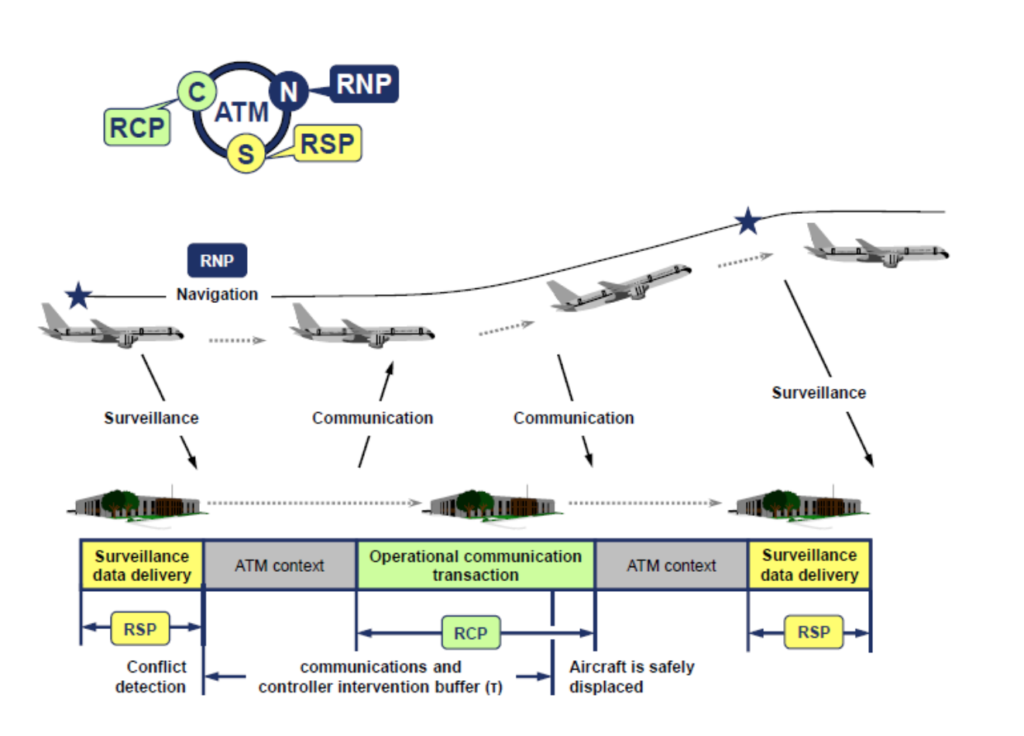

  • RSP – Required Surveillance Officially known as “surveillance data delivery”, often stipulated in the Airplane Flight Manual. Basically, how often does the aircraft send its position to ATC/ground station. There are two specifications, RSP180 and RSP400. The numbers indicate the maximum number of seconds (180 or 400) for the transaction to occur.
  • RCP – Required Communication ICAO has two specifications, RCP240 and RCP400. Again, the numbers indicate the maximum number of seconds (240 or 400), or “transaction time” taken for the controller to issue an instruction to the crew and for them to receive a response. This could be via CPDLC, HFDL, VDL or SATCOM.

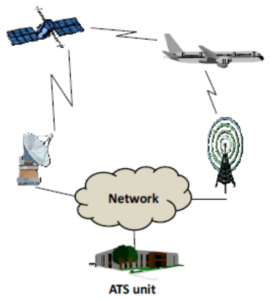
So, we have a loop here, C-N-S. Communication, Navigation and Surveillance. An aircraft sends surveillance information to ATC about where it is; the aircraft stays within confines of RNP navigation requirements and ATC communicates with the aircraft within the required transaction times.  Pretty easy!

But why do we need PBCS?

The take away? If all given aircraft in a certain airspace have a lower RSP value and a lower RCP value, we can start putting these aircraft closer together.

Essentially – performance-based separation minima. This allows aircraft to be separated safely according to technological capability rather than “one-size-fits-all” prescriptive distances.

What are the differences from PBN?

They are similar but there are notable differences. In a simple sense, the PBN (RNP/RNAV) only requires that the operator obtains approval because it focuses on how the equipment works. PBCS (RSP/RCP) however requires the involvement and approval of the air traffic service provider because it’s a two-way communication and surveillance effort. There are dependencies and complexity with the equipment standards on both ends.

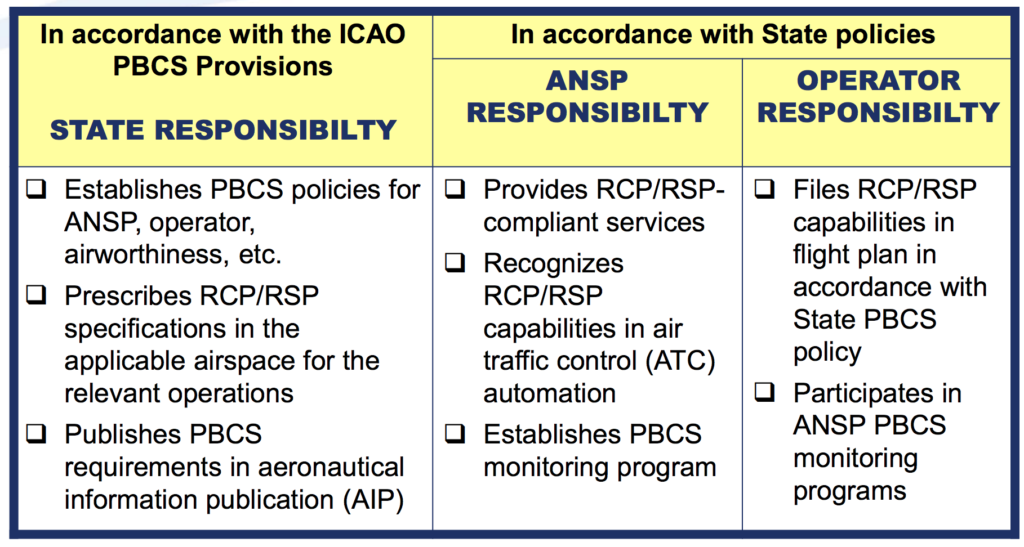
In this graphic you can see a high-level summary of who is responsible for what:

Where is it in place?

Currently PBCS is in effect in one form or another in the following FIR’s

  • NZZC/Auckland Oceanic
  • NFFF/Nadi
  • KZAK/Oakland Oceanic
  • PAZN/Anchorage Oceanic
  • WSJC/Singapore
  • VCCF/Sri Lanka
  • NTTT/Tahiti
  • RJJJ/ Fukuoka
  • KZNY/New York Oceanic
  • CZQX/Gander
  • EGGX/Shanwick
  • BIRD/ Reykjavik
  • LPPO/Santa Maria Oceanic

The Air Traffic Service providers of China, Brazil and Indonesia have also shown interest to introduce PBCS in the future.

Specifically, PBCS is being used between FL350 and 390 on certain “half” NAT tracks as we have written about before.

What do I need to do?

Requirements vary from state-to-state on the exact procedure for obtaining approval. It’s important to note that not all aircraft are automatically PBCS ready (refer to your aircraft manufacturer and your airplane flight manual).

The FAA has outlined its approval process here and has a handy powerpoint document here.

An important element is to prove that you have signed the “PBCS Global Charter” which can be found at the FANS Central Reporting Agency (CRA) website.

When a PBCS authorization is obtained an operator is required to file both P2 (indicating RCP240) in item 10 and SUR/RSP180 in item 18 of the flight plan, in addition to the J codes for CPDLC and D1 or G1 for ADS-C in item 10.

The correct filing of these two codes will indicate to any ATM ground systems applying performance-based separation minima that the aircraft is eligible for these minima and that the crew have received the relevant training in order to safely operate using the reduced separations.

Will you notice that PBCS standards are being applied to your flight?

Ok this is the funny part of this story. The short answer, probably not.
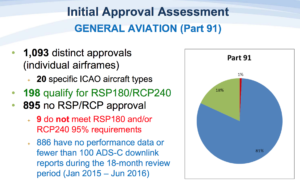
While it may be easier for RCP240/RSP180 approved aircraft to obtain optimal flight profiles, especially during high traffic periods, and particularly for NAT flights using the OTS, the application of these standards is generally tactical in nature for ATC. An aircraft may not have performance-based separation applied at all on an individual flight, or possibly may never have had it applied to any of its flights. Even if a you have RCP240/RSP180 approvals, if the aircraft nearby does not also have the approvals, the separation standards cannot be applied!

What if I don’t have RCP240 and RSP180 approval?

If you do not have RCP240/RSP180 approvals you will always have the larger separations, e.g. 10-min, applied, and not be eligible for the lower standards in cases where it may be beneficial.



The only airspace that has implemented tracks that will require PBCS to file is in the NAT OTS. There are still non-PBCS tracks in the OTS for which PBCS approvals are not required.

All other airspace in which performance-based separation minima are currently applied will allow aircraft with and without RCP240 and RSP180 approvals to enter and use the airspace in a mixed-mode operation.

Will I be penalized if I don’t have it?

Probably not in the short term. In the future as more and more airspace corridors become PBCS only, then it is possible you may be subject to reroutes, delays or the requirement to fly outside of certain flight levels.

So, our conclusion?

PBCS is a great step forward in maximizing efficiency in a busier airspace environment thanks to the advent of better technology. If you fly the NATs often and have an aircraft capable of PBCS certification standards, then yes – do it! The approval process is not overly burdensome, and many modern transatlantic jets already meet most of the technical requirements.

Ultimately, reduced separation standards mean more great air-to-air views. So, pack your camera!

Did we miss something, or does something need more explaining? Let us know!

Extra Reading:


PBCS PITA – here’s the latest Rumours and Facts

Well, we’ve been up all night on this one. PBCS is a bit of a minefield right now. But, very cool to get so much OPSGROUP input on this – about 100 replies. We have straightened out the Rumours vs Facts below, and this is our best shot at the present picture of PBCS.

Don’t take any of it as total fact, but we have redacted the best picture from the various experts in the group (and there are some great people – we should say a big THANK YOU!).

Got corrections? Comments below …

Oh for the days of HF and a dodgy INS accurate to about 6 miles. Anyhow ….

Results after OPSGROUP input – updated March 16th, 2018

These aircraft have Honeywell FMS’s that have the Latency Problem:

  1. All NZ-2010 Equipped Aircraft – NZ-2010 (NZ6.1)
  2. Bombardier Global Express/XRS/Global 5000 – IC-810 (NZ6.1)
  3. Dassault F900C/EX (Primus 2000) – IC-810 (NZ6.1)
  4. Dassault F900DX/EX/LX (EASy II) – EPIC (NZ7.1.2)
  5. Dassault F2000DX/EX/LX/S (EASy II) – EPIC (NZ7.1.2)
  6. Dassault F7X (EASy II) – EPIC (NZ7.1.2)
  7. Dornier 328-100 Turboprop – NZ (NZ6.2)
  8. Gulfstream GV – IC-810 (NZ6.1)
  9. Gulfstream G450 – EPIC (NZ7.1.2)
  10. Gulfstream G550 – EPIC (NZ7.1.2)


Latest Links:

United States – for N-reg aircraft


Canada 

Europe

NAT Region
Happy PBCS’ing!


PBCS is coming to Singapore

It’s not only the North Atlantic that will be seeing PBCS being implemented on March 29th – on that same date, the weird acronym is coming to Singapore too!

However, the requirements for Singapore airspace are slightly different to that for crossing the NAT.

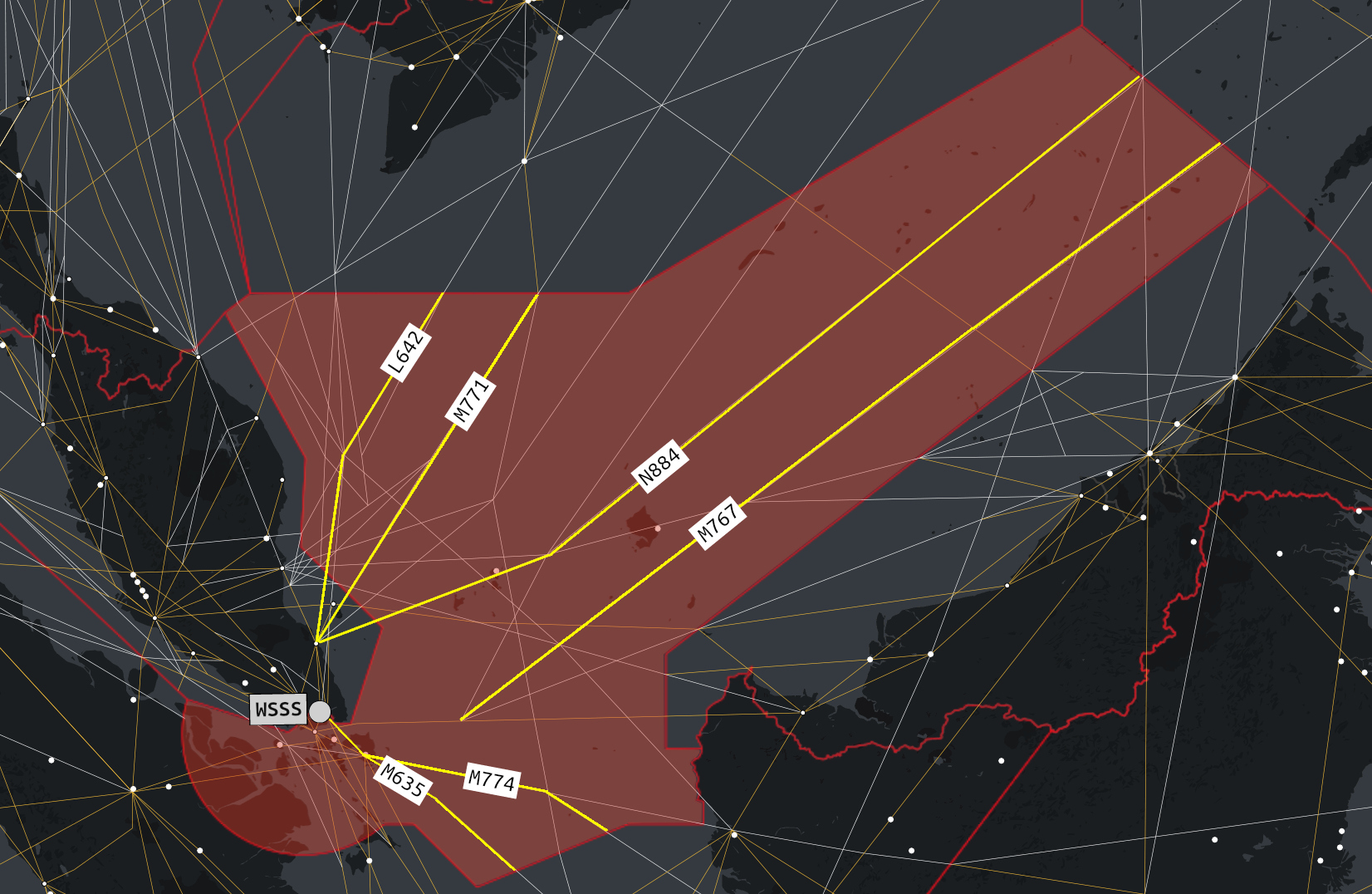
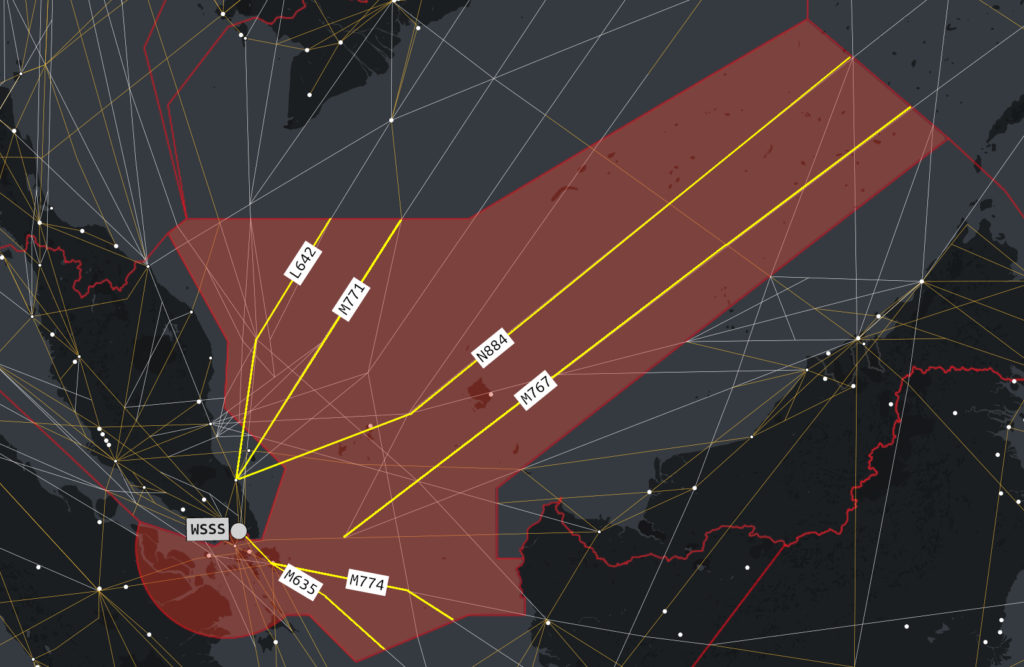
The short of it – compliant aircraft will be allowed a reduced separation of 50NM (or 10 minutes in trail) on certain airways: L642, M635, M767, M771, M774 and N884. For everyone else, it’ll be 80NM (or 20 minutes in trail). For Singapore, ‘compliant aircraft’ basically means anything with RNP10, CPDLC and ADS-C capable of the RCP240 / RSP180 performance requirement.

You’ll still need to obtain some kind of operator approval from your State of Registry. As we mentioned in our article on PBCS on the NAT – the best way to do that will probably be to submit an AFM Statement of Compliance for PBCS, showing exactly what data link communication systems you aircraft has, along with the selected performance.

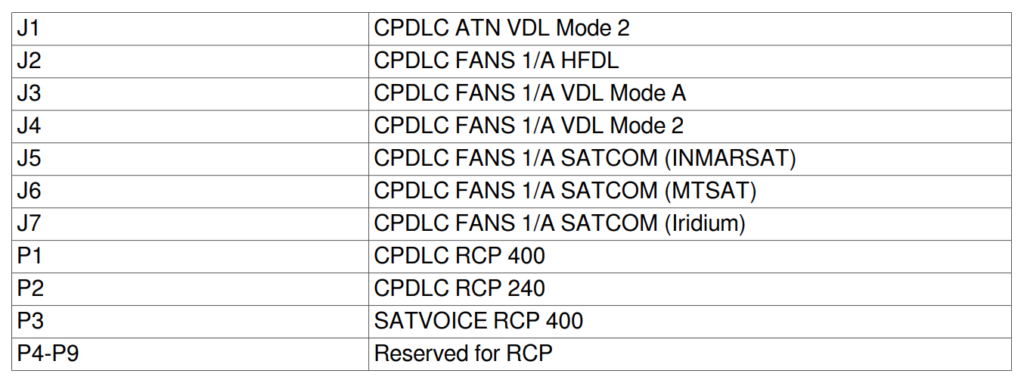
For Singapore, if you want to operate on those airways at the reduced separation, here’s what you’ll need to remember to include in your ATC FPL:

In 10a:

In 10b:

In Item 18:
Make sure you include SUR/RSP180 to show you’re capable of the RSP180 performance requirement.

For more info, check out the full AIC published by Singapore here.


PBCS: New rule on the NAT from March 29, 2018 – RCP240 and RSP180

Update March 16th, 2018: PBCS is turning into a PITA. After OPSGROUP input, we have an update on the latest status including rumours of delays, A056 LOA’s, and Aircraft that have failed to comply with PBCS.

For the latest changes and updates on the North Atlantic, including our most recent Guides and Charts, use our NAT reference page at flightservicebureau.org/NAT.

ICAO is introducing another acronym in the North Atlantic Region. This time, it’s PBCS (Performance Based Communication and Surveillance), and from March 29th 2018 you will need to be compliant if you want to fly on the half-tracks between FL350-390.

Initially, there will only be a maximum of three daily tracks where you will need to be PBCS-compliant between FL350-390. These will likely be the same tracks as we currently see being assigned as ‘half-tracks’ each day.

This requirement will eventually be extended to all the NAT tracks between FL350-390, but we understand that will only happen when the filing of PBCS designators on flight plans reaches the 90% mark, or 28th March 2019 – whichever comes first. Either way, the ‘transition period’ for this PBCS implementation is set to last six months, so the roll-out of the requirement to all the tracks won’t happen until Oct 2018 at the earliest!

But from March 29th 2018, Shanwick and Gander will basically just continue the concept used in the RLatSM trial – whereby daily tracks spaced at less than 60nm from an adjacent track will be specified as a ‘PBCS Track’ and will be notified in the Track Message Remark-3.

So what is PBCS?

PBCS is the thing that will replace two trials in the NAT which are both coming to an end on March 29th:

  • RLATReduced Lateral Separation Minimum: where a reduced lateral separation of 25 nm has been implemented on the tracks between FL350-390 (so now there are extra “half tracks” each day, spaced by one-half degree of latitude)
  • RLong – Reduced Longitudinal Separation Minimum: in the Shanwick Oceanic Control Area (OCA), longitudinal separation has been reduced to 5 minutes between aircraft following the same track.

When these trials end, PBCS standards will be introduced to continue to allow the application of both reduced lateral and longitudinal separation for aircraft that meet the Required Communication Performance (RCP) and Required Surveillance Performance (RSP) specifications.

How do I comply with PBCS standards?

To operate on the PBCS tracks between FL350-390, you will need to be RNP4 compliant, with CPDLC capable of RCP240, and ADS-C capable of RSP180.

But watch out! Some aircraft do have ADS-C and CPDLC but have never demonstrated RCP or RSP, and have no statement of compliance (e.g. most Honeywell Primus aircraft and several early Boeing aircraft). These aircraft may struggle to get approval to operate in PBCS airspace. Which brings us neatly on to…

Do I need PBCS approval from my state of registry?

PBCS approval will differ depending on which country operators are from.

For UK operators, check the requirements here.

US operators will need to update their LOA for Data Link Communications (A056). The FAA have published a new guide, which tells operators exactly what they need to do to get this authorisation, namely:

  1. Submit an AFM Statement of Compliance for PBCS, showing exactly what data link communication systems you aircraft has, along with the selected performance
  2. Since July 2016, various oceanic FIRs have been collecting data on whether certain aircraft meet RSP and RCP criteria. You need to make sure your aircraft isn’t already listed as having failed to meet these criteria, by checking here: https://www.faa.gov/air_traffic/separation_standards/pbcs_monitoring/

What new codes do I need to put down on my flight plan?

  • FANS 1/A CPDLC equipped aircraft planning to operate in the NAT HLA shall insert the appropriate designator (J2, J3, J4, J5 and/or J7) in Item 10a of the flight plan.
  • FANS 1/A CPDLC RCP 240 compliant aircraft intending to operate in the NAT HLA shall insert the designator P2 in Item 10a of the flight plan.
  • FANS 1/A ADS-C compliant aircraft planning to operate in the NAT HLA shall insert the designator D1 in Item 10b of the flight plan.
  • FANS 1/A ADS-C RSP 180 compliant aircraft planning to operate in the NAT HLA shall insert SUR/RSP180 in Item 18 of the flight plan.
  • RNP 4 compliant aircraft planning to operate in the NAT HLA shall insert PBN/L1 in Item 18 of the flight plan.

If I’m not eligible for PBCS, where can I go? 

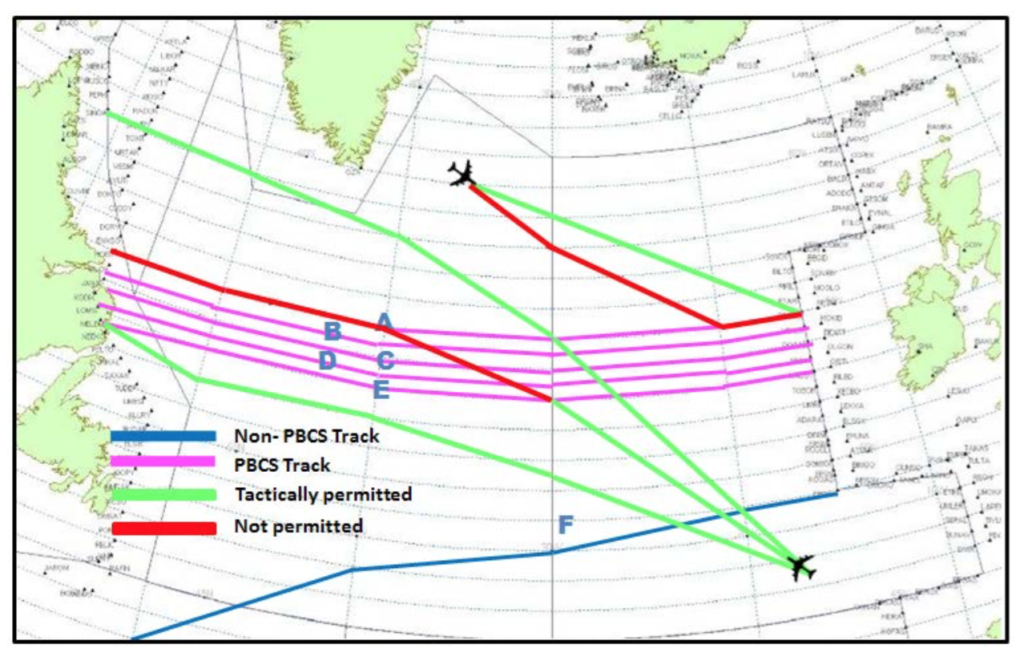
ATC may allow you to do either of the following, depending on how stressed/busy they are (i.e. decided on a ‘tactical basis’):

  • You can infringe on the daily PBCS tracks between FL350 – FL390 at only one point (including Oceanic Entry/Exit Point) i.e. cross but not join an NAT PBCS track
  • You can climb or descend through levels FL350 – FL390 on a PBCS track provided the climb or descent is continuous.

In their NAT OPS Bulletin 2018_001, ICAO have published a handy little picture to demonstrate this:


Further information:

  • For a great FAQ on all things PBCS, check out the latest FAA document here.
  • For more info on the PBCS implementation, check out the full UK AIC here.
  • To figure out where you are welcome on the NAT, depending on what equipment and training you have, check out our quick reference guide here.
  • Special thanks go to Mitch Launius at 30westip.com for help with this post. For assistance with international procedures training for business aviation crews worldwide, and to watch an excellent webinar about all things PBCS-related, check out the 30westip.