Cathay crew witness missile re-entry from North Korea

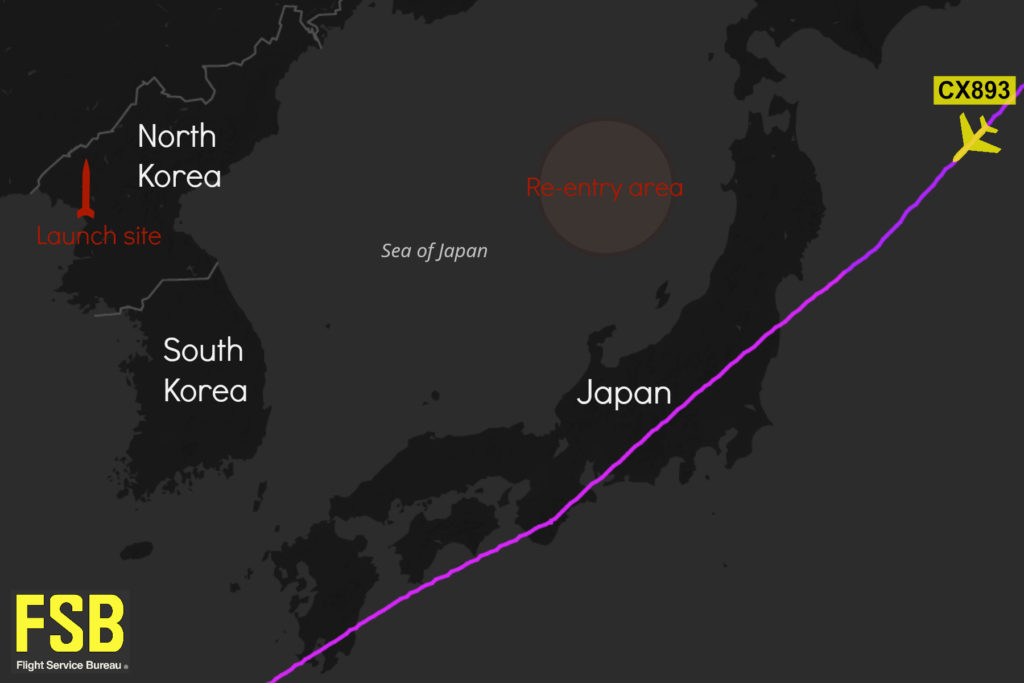
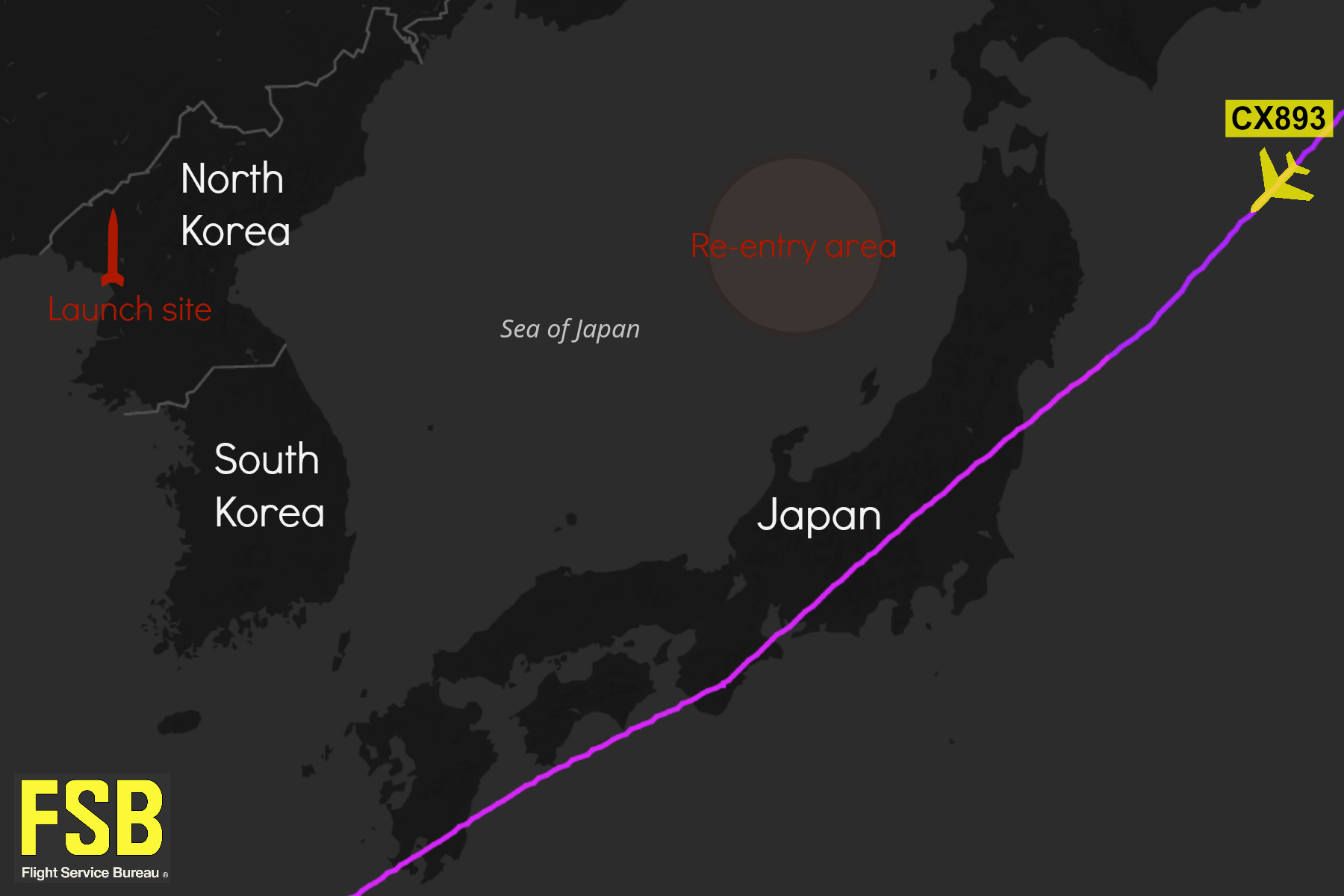
Crew onboard a Cathay Pacific flight witnessed the re-entry of North Korea’s latest missile near their position late last week. The CX893 service from San Francisco to Hong Kong on Nov 29 was over Japan at the time when North Korea launched its missile.

The crew reported: “Be advised, we witnessed the DPRK missile blow up and fall apart near our current location.”

Here’s Cathay Pacific’s full statement:

“On 29 November, the flight crew of CX893 reported a sighting of what is suspected to be the re-entry of the recent DPRK test missile. Though the flight was far from the event location, the crew advised Japan ATC according to procedures. Operation remained normal and was not affected. We have been in contact with relevant authorities and industry bodies as well as with other carriers. At the moment, no one is changing any routes or operating parameters. We remain alert and review the situation as it evolves."

North Korea’s missiles are larger, and can fly further, than the other missiles we’ve previously seen. Over the past year, most of these missiles land in the Sea of Japan, well inside the Fukuoka Flight Information Region (Japanese airspace). But as we see with this latest test, there is clearly a danger of some of these missiles not re-entering the atmosphere intact – meaning that a debris field of missile fragments passes through the airspace, not just one complete missile. If you haven’t done so already, make sure you read this: our article on why North Korean missiles are now a real threat to Civil Aviation.

This latest test is also significant because of its unprecedented altitude – 4500km (2800 miles). Experts seem to agree that if it had been fired on a standard trajectory, the missile would have been capable of traveling around 13000km (8100 miles), meaning it could have struck anywhere in the mainland US.

If you’re operating in the region, we recommend avoiding the ZKKP/Pyongyang FIR entirely and avoiding the affected areas over the Sea of Japan. For more info, check out Safeairspace.


Bali – Airport Status

Volcanic eruptions from Bali’s Mount Agung earlier last week forced the closure of WADD/Denpasar and WADL/Lombok airports, as volcanic ash spread across both islands.

Here’s the current situation at the airports on Dec 4:

  • WADD/Bali: Re-opened on Nov 29. (Although the airport will be closed for runway repair from 18-23z daily [except Saturdays] until Dec 31).
  • WADL/Lombok: Re-opened on Nov 30. 
  • WARR/Juanda: Open and operating. So far has not been affected at all by the volcanic ash. (Although the airport will be closed for runway repair from 16-22z daily until Jan 06).

Although Mount Agung has now stopped emitting ash, another large eruption is still likely. The local monitoring agency are registering powerful and continuous tremors, and authorities have ordered locals and journalists within 10km of the volcano to evacuate. Further intermittent airport closures are possible, depending on wind direction.

We will keep this page updated with the latest news as we get it.


Strike cancelled at Tel Aviv Airport

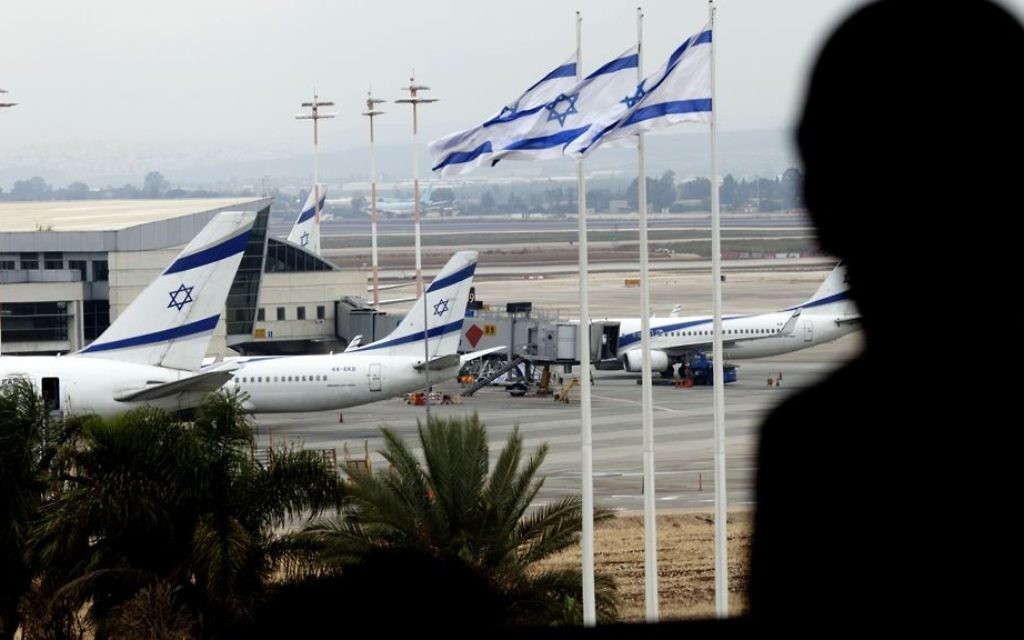
Update 1800z Nov 30: A strike by airport workers at LLBG/Tel Aviv which was originally planned for this weekend has now been cancelled.

The Airports Authority says the strike was canceled after the government intervened and were able to reach a deal with the workers’ union to delay any strike action this weekend.

We’ll keep this page updated with any more news as we get it.


OpsGroup – the power of the group

The power of the group

In the last 30 years, there has been a massive change in how the world works: thank you, internet. We are witnessing a shift from the power of a central source – like government, and large corporations – to the power of the individual. Each of us is now connected to the entirety of human knowledge through a small, handheld device, and can connect with others to effect powerful and positive change.

OPSGROUP is founded on this premise.  International Flight Operations is an inherently tricky area, full of gotcha’s and unforeseen changes for even the most diligent airline or aircraft operator. One operator versus a myriad of often unreadable government-sourced regulations and information – Notams, AIC’s, FAR’s – is a battle with guaranteed casualties.

But by connecting with other people, just like you, with the same problems and challenges, you can solve and share solutions.

When we started this group last year, we had a small handful of pilots, dispatchers, and managers that figured coming together in this way was a winner. As of November 2017, we’re now heading for 4,000 OPSGROUP members, with a great variety in operations roles: Airline and Corporate pilots, Military operators, Federal agencies, Flight Dispatchers and Schedulers, ATC, and Civil Aviation Authorities – all working together.

It’s still early days, and we have a way to go. But with some basic core principles – plain language (we call a spade a spade), operator and passenger safety ahead of lawyer-speak, cooperation instead of competition  – and a huge appetite for development, there is much to gain.

So what’s good in the group? Read on …

1. Information

First on the plate for almost every operator is staying current. Rules and regulations are changing with increased voracity. Did I miss something? Yep, almost definitely. Each week we produce the International Operations Bulletin. We try to cover all the big changes in the last 7 days. If we miss something, we’ve found that someone in the group is pretty quick to tell us, and it appears in the next one.


2. Fun (including Goats)

We promise to keep it entertaining“. Without your attention, we’ve got nothing. Not only that, but we get as bored as you do with the standard aviation legal-language speak that permeates even the most important documents. Which is why sometimes we’ll run a Goat Show. Sometimes it’s just great to be “unprofessional“.

3. Members

Like we said, approaching 4,000. All working together with the same goal: making International Flight Operations better. Click on the links to read what they say.

Airlines like United, Fedex, and Etihad
Small Part 91 Flight Departments like CAT3, Fayair, Pula
Big 135 Charter Operators like Jet Aviation, TAG and Netjets
Companies like Visa, IBM, and AT&T
Manufacturers like Boeing, Airbus, and Lockheed
International Pilots like Matt Harty, Bill Stephenson, and Timothy Whalen
Organisations like IFALPA, the NBAA, and CAA Singapore


4. Airspace Risk

MH17 was a tragedy that must not be repeated. A small handful of operators were privy to information on the risk, and the Notam writers of Ukraine that were aware of previous shoot-downs released the information in a language almost designed to confuse. Through our safeairspace.net project, we can now share risk information within OPSGROUP and make sure that every single member has access to a current picture of airspace risk.


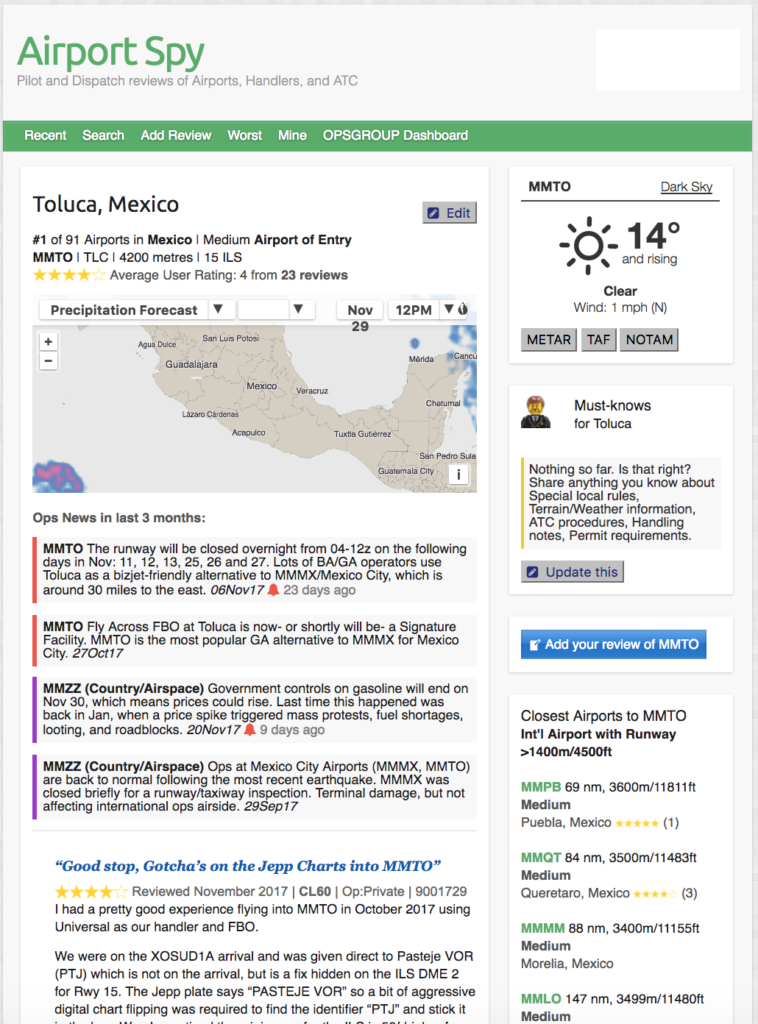
5. Airport Spy

One of our group members came to us with a great idea last year – why don’t we share our knowledge of operations at airports around the world. So we made a TripAdvisor style section in the member Dashboard, and allowed members to add their own reports on Airports, ATC, and Handlers. We now have 3000 or so reports.
 

6. Member Dashboard
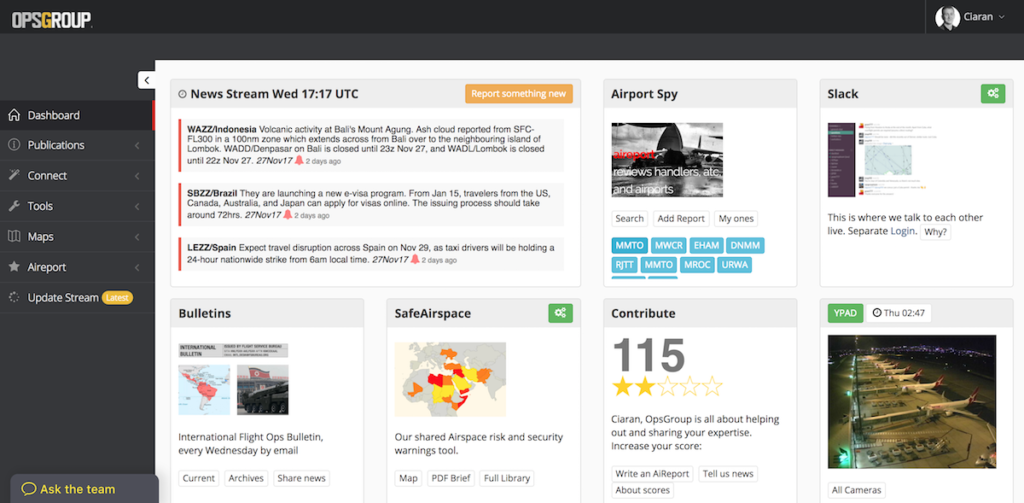
We don’t need to explain this one too much. Everything the group has, in one place.


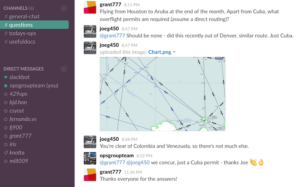
7. Slack

Slack is cool. It’s a chat app, but it’s more than that. Internally, we don’t use email anymore, we use slack. There are different channels like #crewroom, #todays-ops, #usefuldocs, and #questions. When there are special events, like #FranceATCStrike or #NewYorkSnow we open a special group for that. About 1200 members use this regularly, and it’s the perfect way to connect with other crews, ATC, or the Feds.
 

8. George

George is a bot. He’ll fetch information for you on airports, get weather, the NAT Tracks, and a few other things. We’re working on making him a little smarter.


9. Ask Us Anything

Getting an answer to your question is what keeps us awake at night. There’s not much we can’t help with, but usually someone else in the group beats us to it. If not though, the FSB International Desk team will research that ops question that is threatening to make your life hell.


10. The future

The best part of OPSGROUP is that we’re really just getting started. The future of the group is unwritten, but placing the planning power in your hands as an operator rather than 3rd parties, and having the security of knowing that the group has your back, is a great way to start. There is much to build and develop, and we’d love you to be involved!


11. Joining

You can choose an Individual, Team, or Flight Department membership. All the information on that is on the OpsGroup website. We limit joining windows to certain months of the year, so that we can be all hands on deck with building new things for the group once membership is closed. If we’re not accepting new members at the moment, you can waitlist for the next opening.


Further


French Guiana ATC strikes continue

There seems to be no end in sight for the French Guiana ATC strikes. Here’s the current situation:

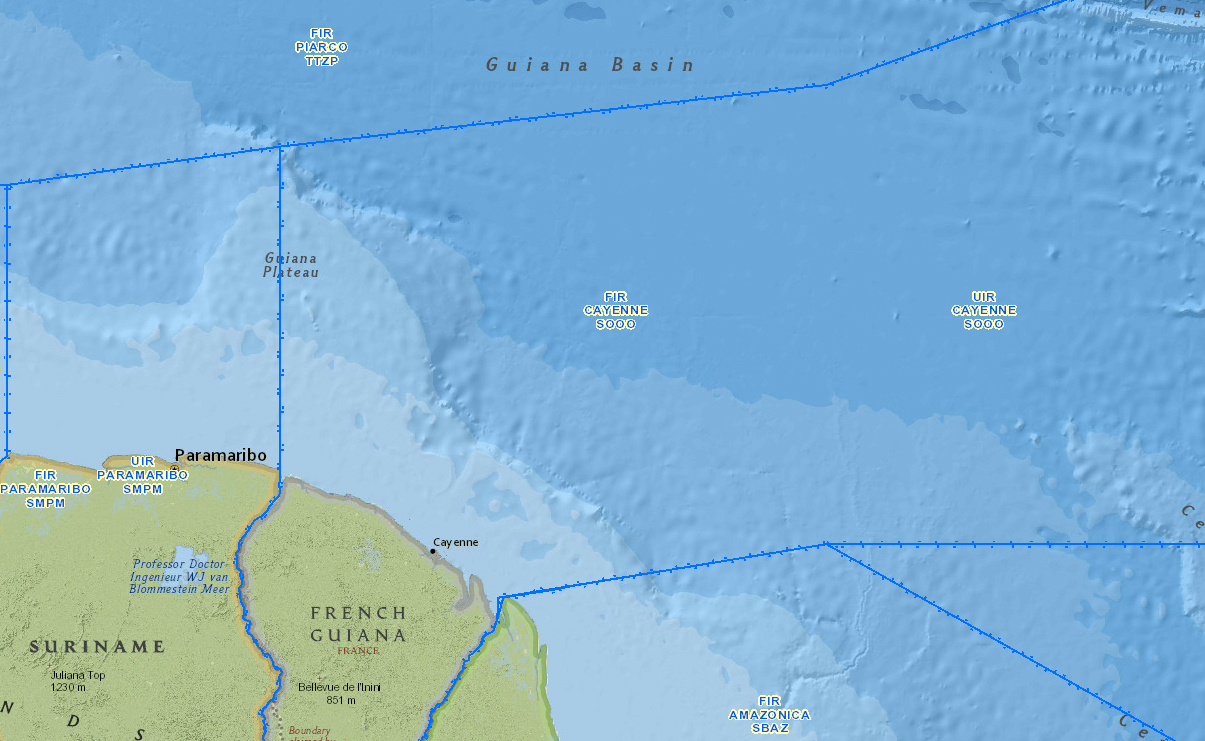
SOOO FIR: the entire airspace will be uncontrolled from 00-11z until further notice (extended beyond 01Dec).
That means there will be no ATC staff on duty during these times. Basically, during the closure, there’s a contingency plan in place: so if you want to cross this bit of airspace, there are now very specific routes and levels you have to fly at. Check these carefully prior to ops, and make sure you’re at the right flight level before crossing the FIR boundary. Once you’re inside the FIR, don’t change your speed or level.

To read the contingency plan in full, with all the published routes and what to do, click here.

TTZP/Piarco ATC (who control the FIR to the north) have said that everything has been running smoothly so far with this contingency plan, and they haven’t had any problems with directing overflying traffic from TTZP to SOOO.

SOCA/Cayenne Airport: the airport will be limited between 0100-1100Z until further notice.  This means you can’t file as an alternate, and if you’re arriving or departing during these times, you’ll need to call ATC for PPR at +594 35 92 72, or +594 39 93 02. 

We’ll keep this page updated with the latest news as we get it.


International airlines resume Iraq overflights, airspace reopens today

Emirates will be the first international airline to resume overflights of Iraq, with the first flights through the Baghdad FIR expected today, Monday Nov 27. According to FSB sources, effective 0001Z this morning the GCAA will authorize UAE based airlines to use this airspace, after several years of restrictions. Emirates anticipates that about 150 flights a day will now route via Iraq, rather than having to take longer routes via Saudi Arabia or Iran.

This is the first in several steps we expect will lead to almost full resumption of overflights over Iraq, meaning operators will have shorter routes through the Middle East available once again.

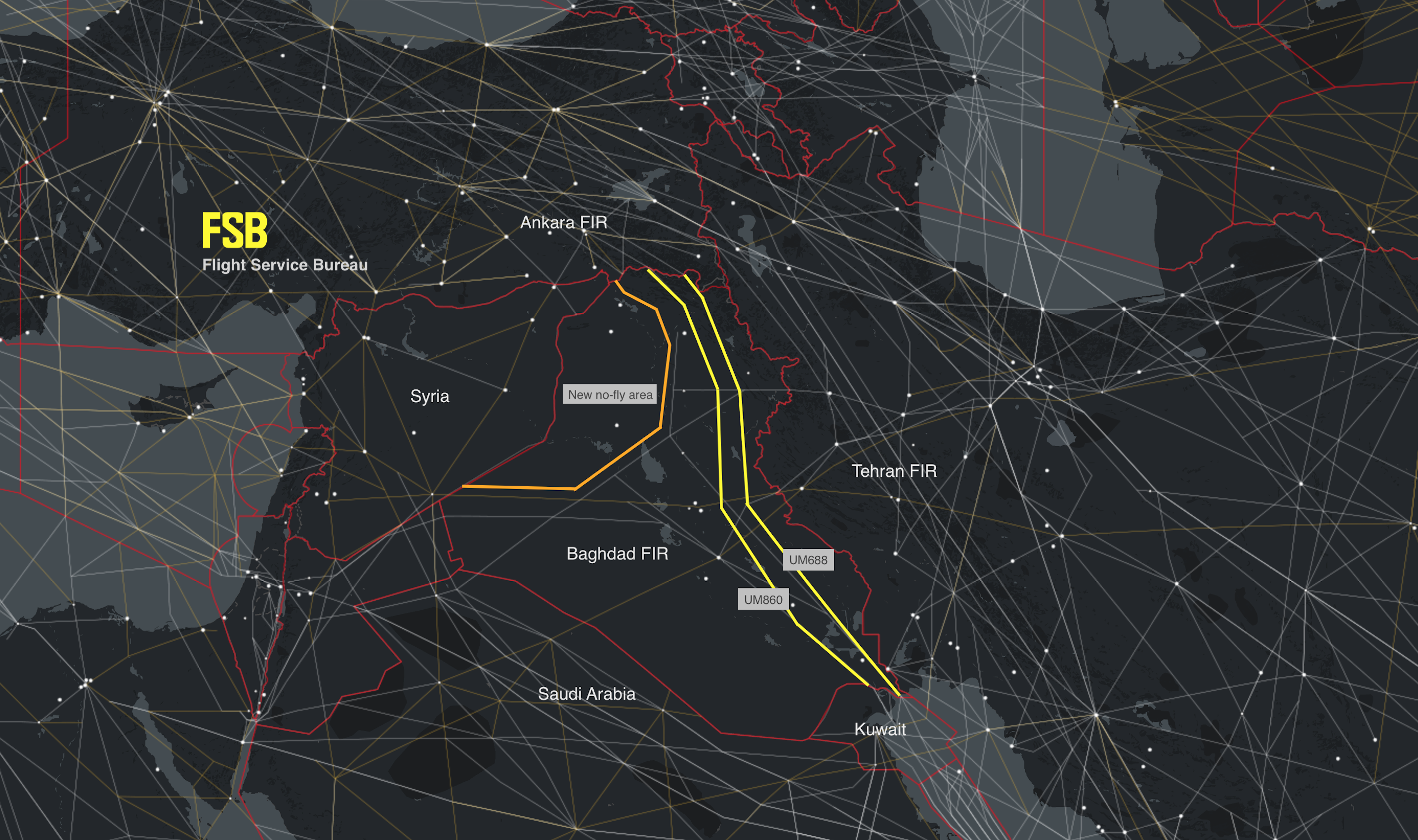
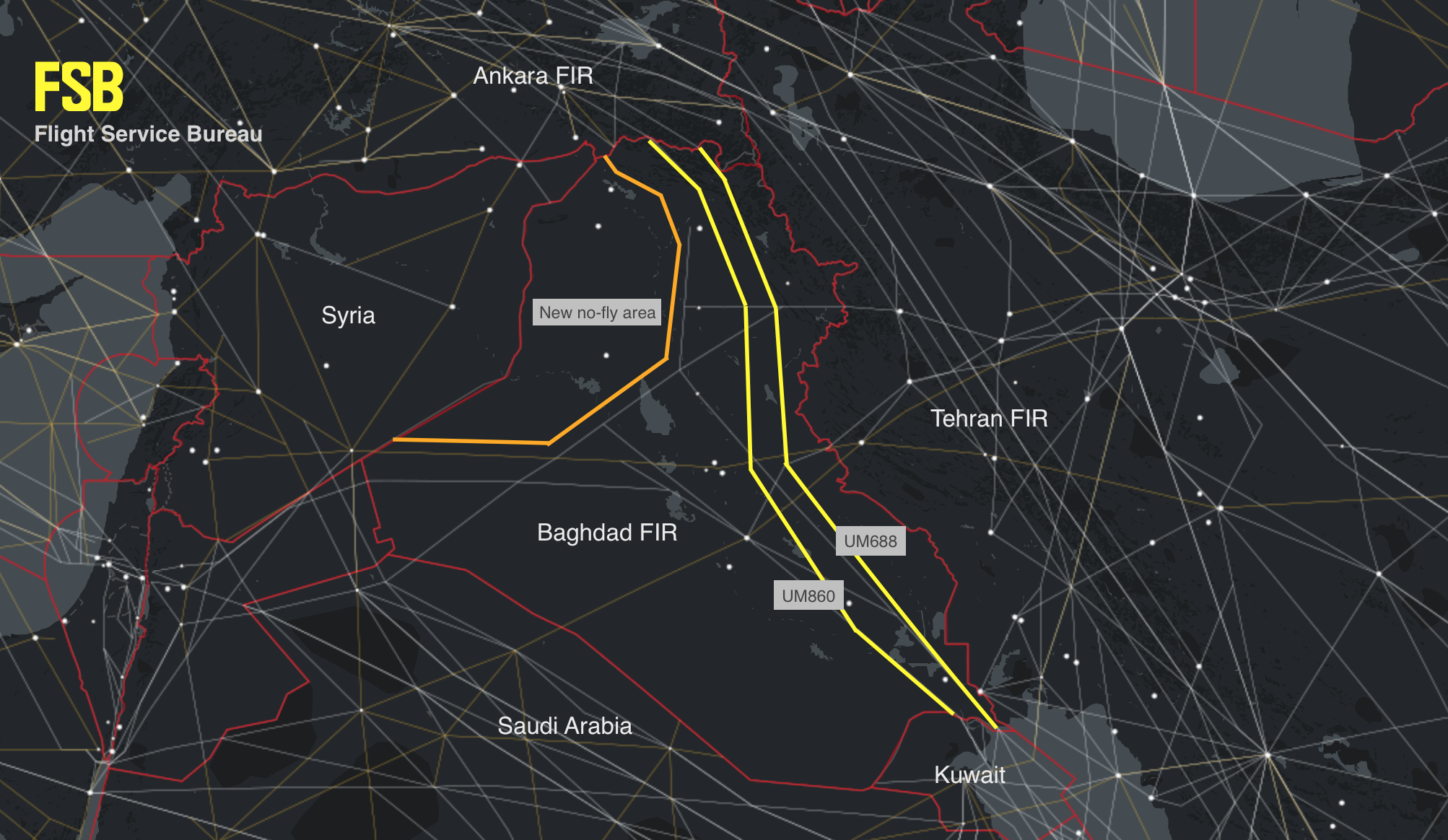
The next step will be for the FAA to authorise US carriers to overfly Iraq – most likely at FL260 or above. That approval was initially slated for the end of October, but was held back after events on the ground posed a security concern for UM860 and UM688 – the two main routes through the Baghdad FIR to Europe and vv.

The FAA were about to hit ‘publish’ on a Notam  which would have enabled US airlines to start overflying Iraq again. The text of this Notam included:

  • An amendment to the existing Iraq restriction
  • An authorisation for US airlines and operators to overfly Iraq at or above FL260

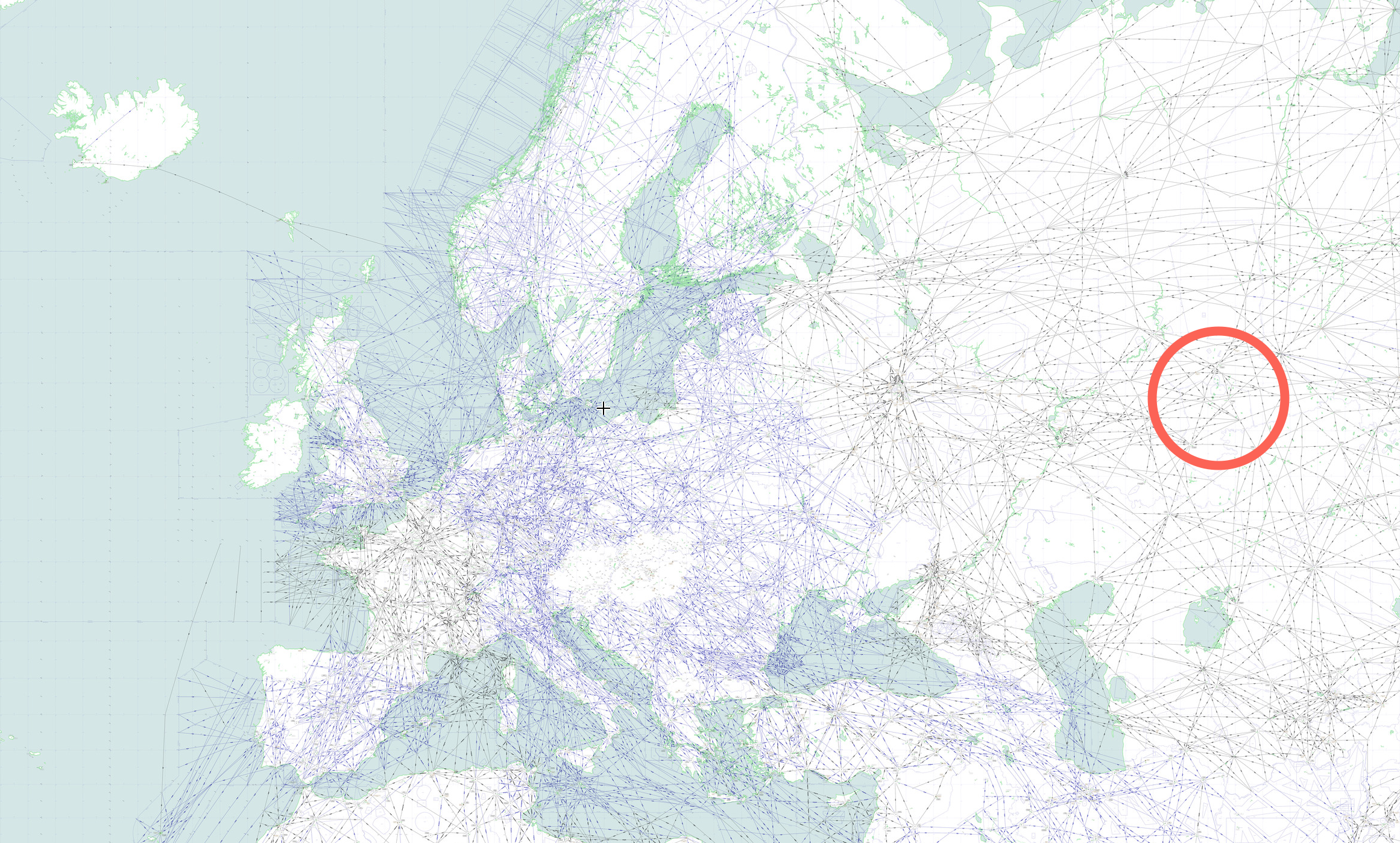
But then, a military operation by Iraqi forces to take control of Kirkuk from the Kurds the same day, created concern as to overflight safety. Kirkuk sits pretty much underneath the UM860 airway on the map above.

For now, only UAE carriers have been given the green light for Iraq. Other operators and authorities are likely to follow suit soon.

See also:


Overflight risk – Radioactive Russian airspace

Media reporting in the last 24 hours has raised concerns amongst operators about a possible Nuclear accident in Russia, leading to a radioactive cloud in the region of Chelyabinsk, in the Ural mountains. USCC/Chelyabinsk is about 100nm south east of USSS/Ekaterinburg Airport.

Russia has denied that any such accident occurred, but cannot account for the increased levels of radioactivity in the region, which were 1000 times higher than normal. Through the Russian met service, they have confirmed the high radiation levels.

However, assessing a report last week from the French Nuclear watchdog, ISRN, we believe there should not be any risk to operators, especially for overflights. The facts are as follows:

  • The high levels of radiation were first detected at the end of September in Europe
  • Since the beginning of October, levels have decreased in Europe
  • ISRN says they are not concerned about risks to health, even at the higher levels
  • However, no recent data is presented from Russia

Further reading:

CYYR/Goose Bay closed – sticky runways

CYYR/Goose Bay was closed by the Canadian Department of National Defence on Nov 8, following the discovery of a problem with their runways. During snow removal operations over the past few days, crack sealant was found on vehicles after they were used on the runways. Specialists are en-route to Goose Bay to assess the situation.

Runway 08/26 has been completely closed, and Runway 16/34 has closed to all except Medevac flights, with a shortened Landing Distance Available of 7600 feet.

The Airport has said that emergency flights will be considered on a “case by case basis”. However, for now, carrying CYYR as an ETOPS alternate does not make sense.


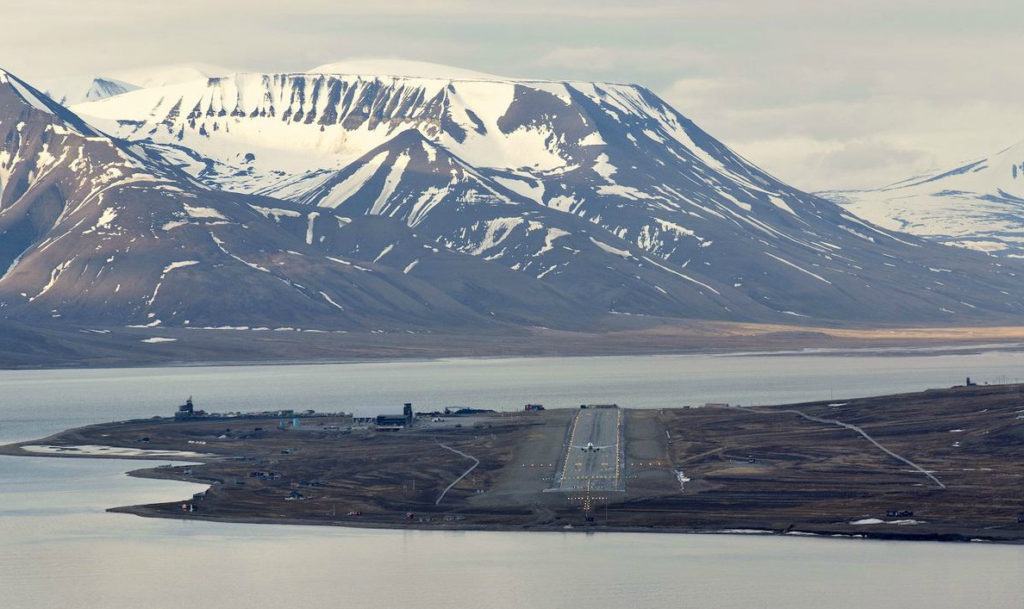
ENSB: No more direct flights, emergency diverts still OK

This is now officially a domestic airport – international arrivals are no longer permitted.

We asked the Norwegian CAA the million-dollar question: can ENSB still be used as an ETOPS or emergency enroute alternate?

Their response: “ENSB now being a domestic airport, it shall not be used as an alternate airport in normal flight planning, but in case of emergency, medical – or flight safety related, the airport may be used.”

In other words, if you are planning a Polar flight and want to use ENSB as an ETOPS or emergency enroute alternate, you can. 

We also spoke with the ATC tower at the airport: they confirmed that you can still use ENSB as an emergency divert, and they have someone there on duty H24. The normal RFF category is 8.

So why has the airport been downgraded from international to domestic?

It seems it has something to do with the authorities desire to limit the amount of charter fights operating directly to Svalbard. Now, if you want to go there you will first have to go to one of Norway’s international airports to clear customs, and then continue on to Svalbard as a domestic flight. The Norwegian CAA say direct international charter flights may still be allowed “in the interests of tourism”, but it seems this will be the exception rather than the rule.

Interestingly, you can still fly to ENSB direct from Russia, as they have a separate agreement from 1974 regarding the use of  the airport – which is unaffected by this new rule.

Even more interesting is that when you get to Svalbard, if you decide to leave the main town of Longyearbyen, it is a legal requirement to carry a gun, and to know how to use it – they’re not joking about those polar bears.


Iraq ATC strike – update

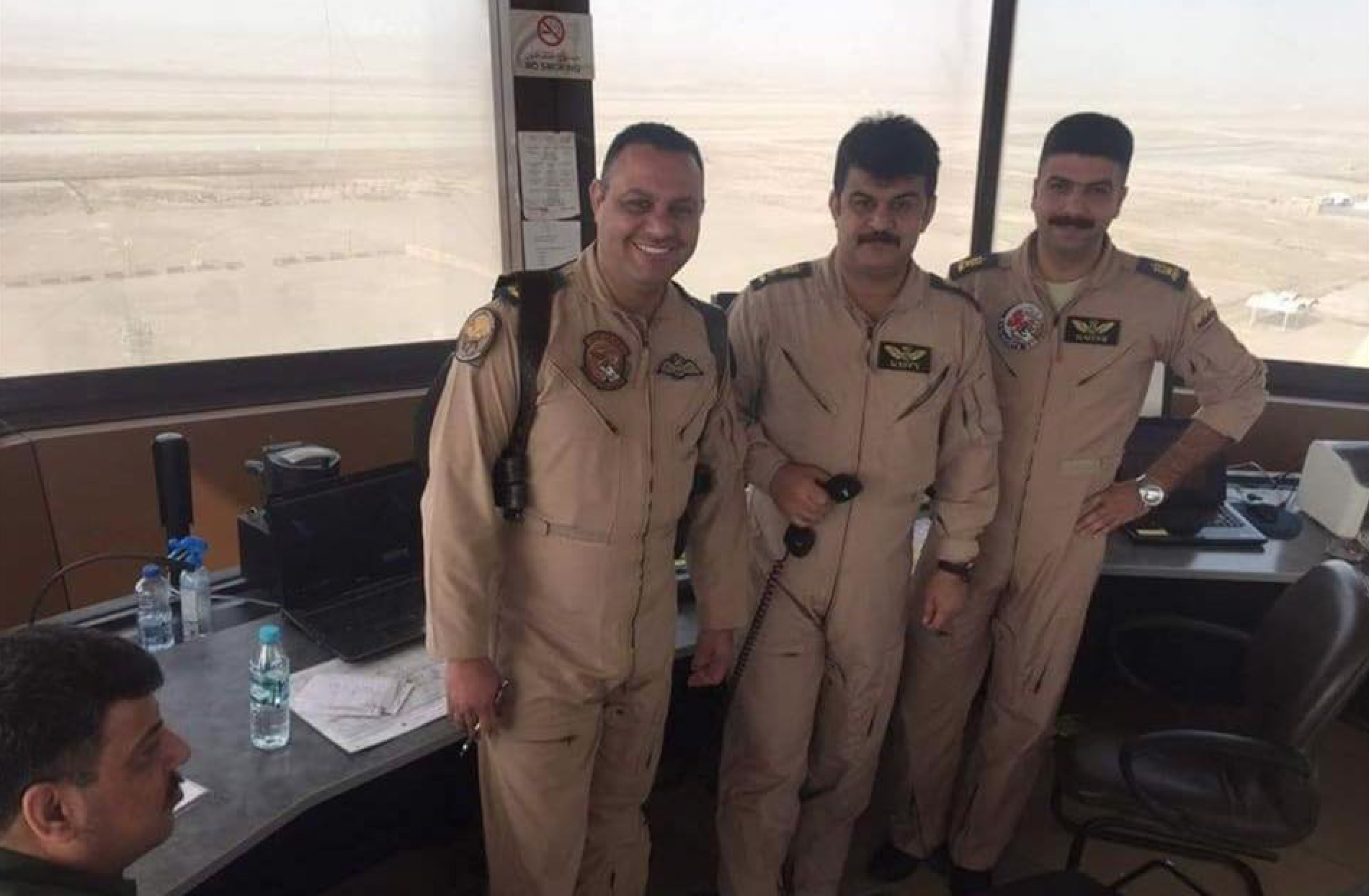
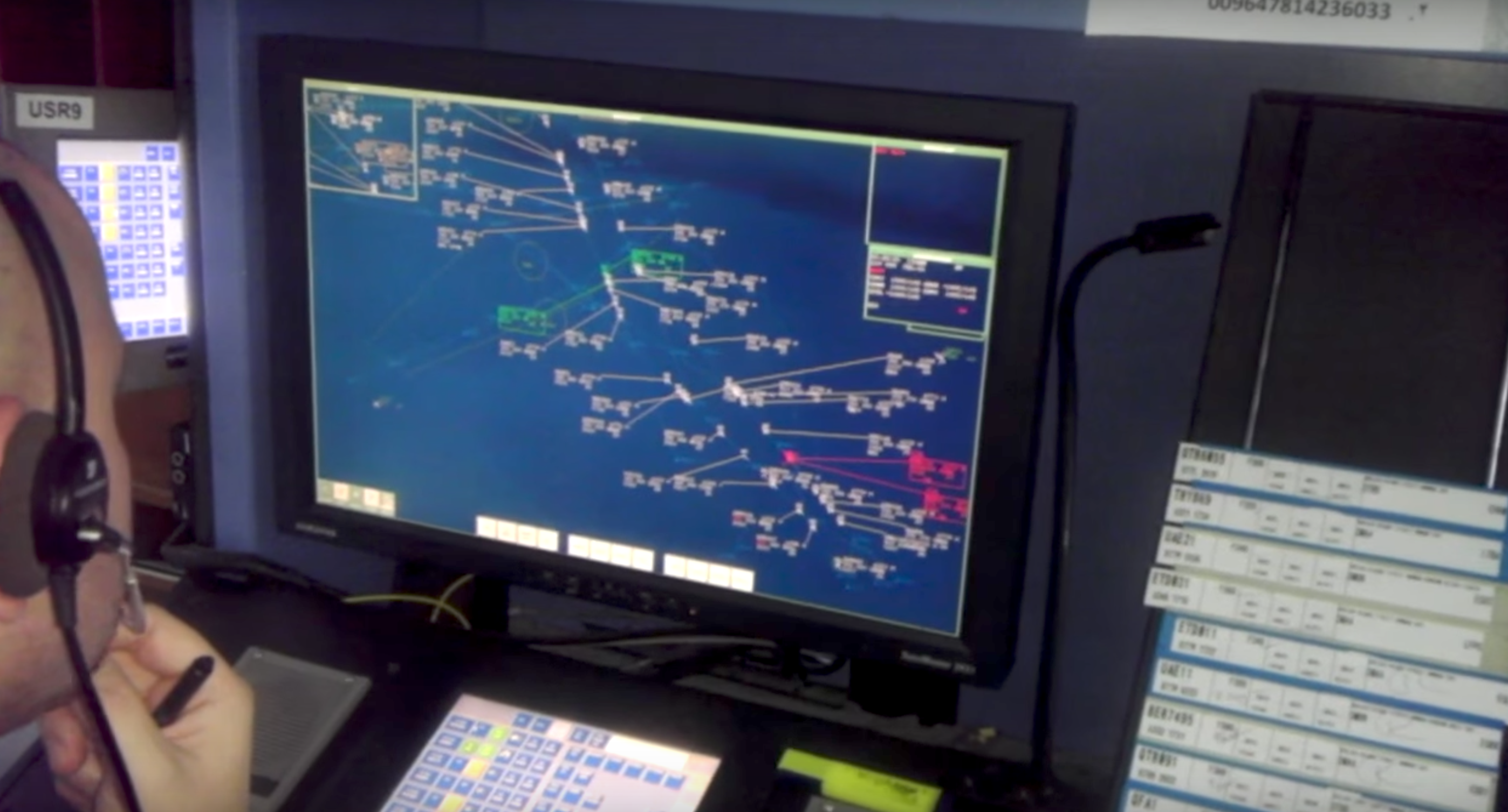
At 0800 local this morning, Iraqi controllers returned to work. For the last few days, Iraqi ATC had been on strike for better pay, effectively closing the Baghdad FIR and intermittently Baghdad and Basra airports. An 80nm in trail requirement has been removed. Military controllers, pictured above, who had been running ORBI/Baghdad Airport have completed their duties.

Local ATC controllers tell us that the strike is over – they are running what they call ‘ops normal’ for two weeks, before they will/may strike again as negotiations continue. Inside word is that a number of local controllers have been fired, and Serco were providing most of the staff to cover the centre. Baghdad FIR Control Centre and Iraqi Airports are running normally – for now.

We are still expecting the FAA to remove the restriction for US operators using the Baghdad FIR, this is a separate issue. No further news on that just yet.

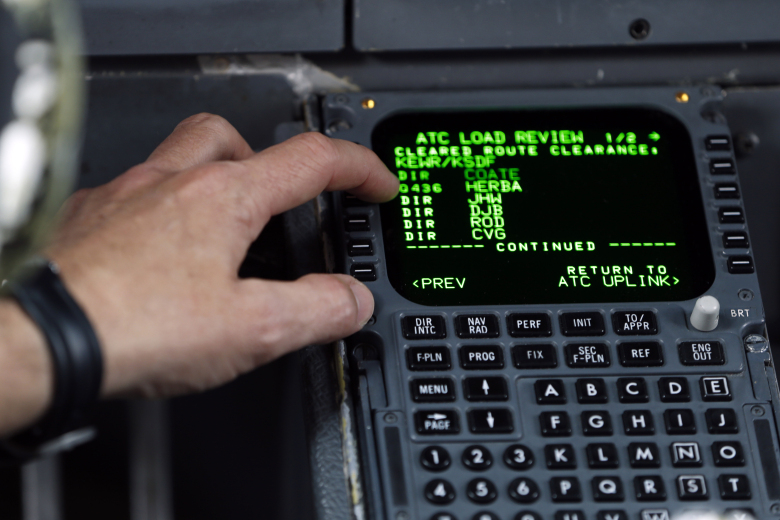
New, single CPDLC logon for US airspace

In case you missed the several hundred Notams this week, KUSA is the new identifier for all datalink logons in the US, including CPDLC-DCL, and enroute, which came into use on October 22nd. Now, the only logon you need is KUSA.

For all you could possibly want to know about Datalink operations in the US, take a peek at the new AC90-117, ” an overview of data link communication operations for U.S. domestic
operations and in oceanic and remote continental airspace”, which we’ve uploaded here.

More readable is the FAA’s CPDLC-DCL guide, uploaded here.

There are some comments that it doesn’t work properly if you don’t have an active FPL in the box, let us know your experiences on that in the comment section below.


Storm: Central America landfall of Selma on Saturday

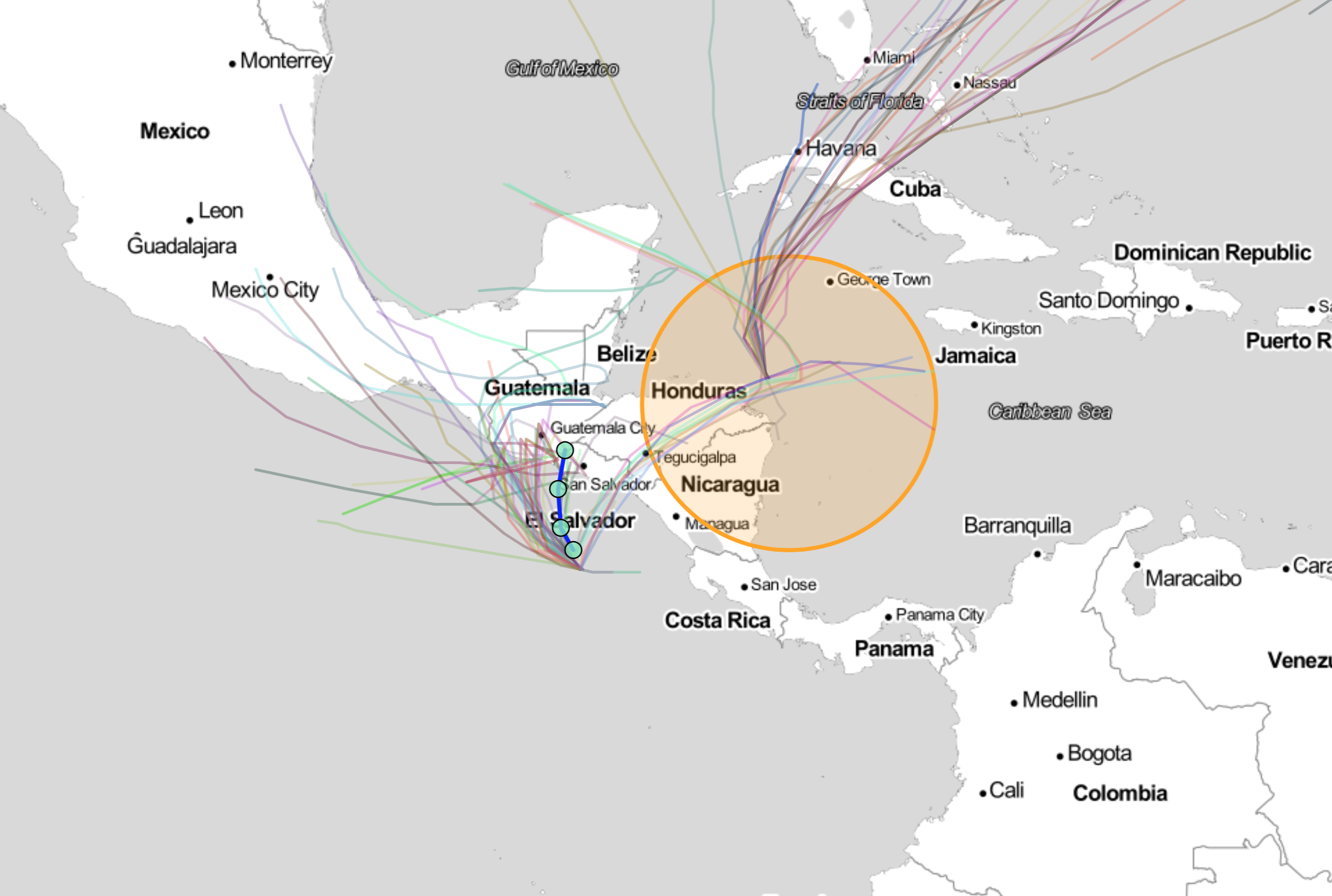
Tropical Storm Selma is heading for Central America, landfall El Salvador coast on Saturday, current winds 35G45 kts.

Monitor:

  • http://www.usno.navy.mil/JTWC/
  • https://www.cyclocane.com/


National Italian ATC Strike (cancelled)

Update: 1800Z / 24October

Good news–the strike scheduled for October 27th has been cancelled, no disruptions in ATC services to be expected.  All FIRs have issued NOTAMs accordingly.

Italy ATC Unions have announced a strike on October 27th, which is a Friday (big surprise there). As of now, the strike is expected to take place from 1100-1500UTC.

Negotiations are ongoing, and we have our contacts in Italy keeping us updated to any developments and impact to operations.

ENAV has confirmed the strike could affect:

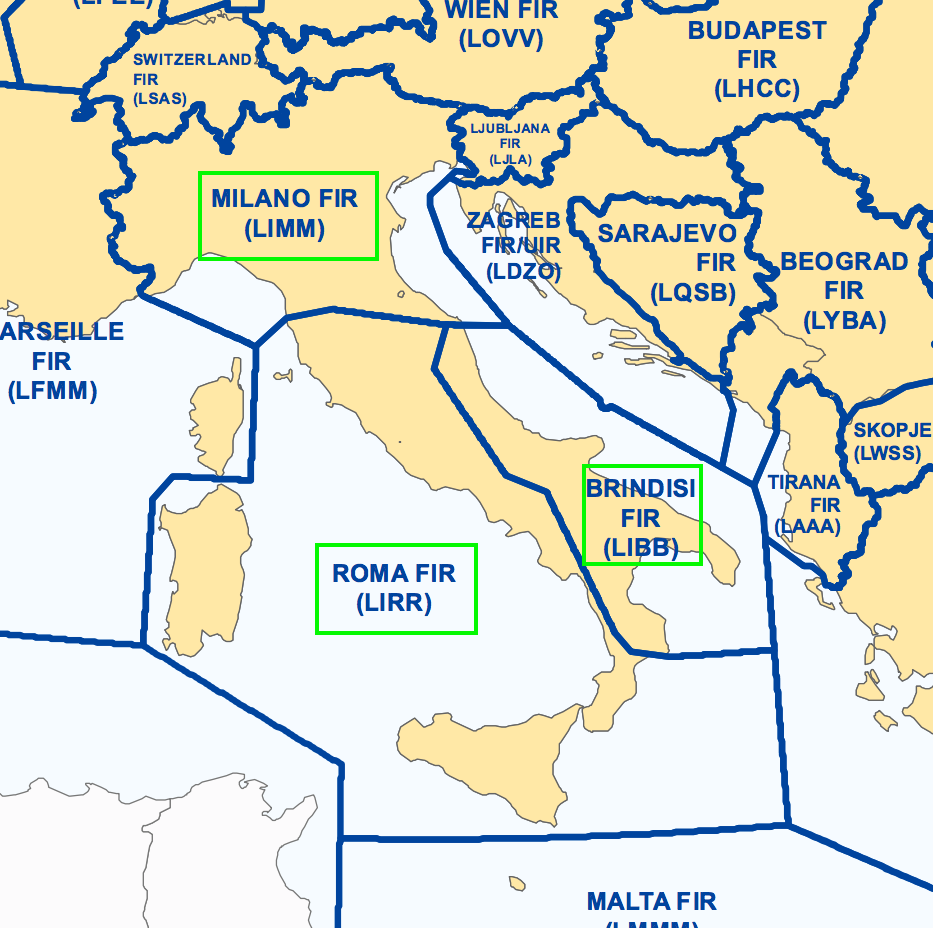
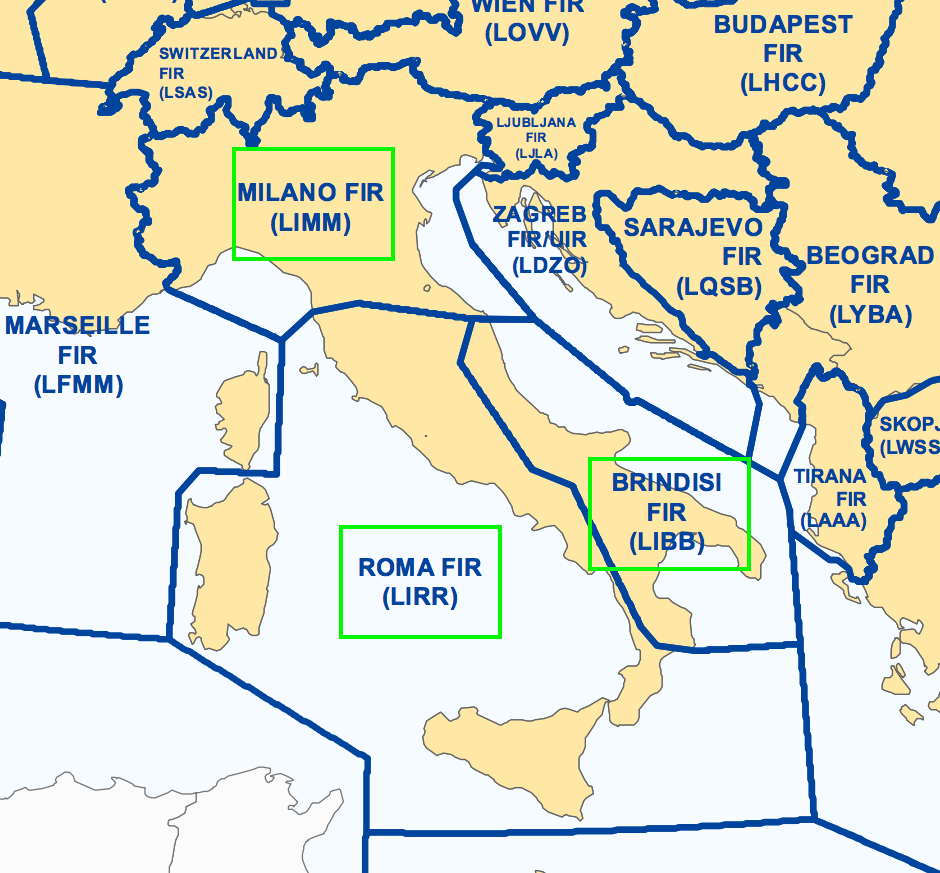
Milano, Roma, and Brindisi ACCs, ATS and MET at a large chunk of Italian airports, the flight planning data office, ground communications, weather forecasting units…it’s a large strike.


Read up on the full NOTAM below, and we’ll get the updates here when they’re posted.


DUE TO STRIKE OF PART OF OPERATIONAL PERSONNEL FOLLOWING AIR NAVIGATION SERVICES MAY BE AFFECTED:
1) LIBB, LIMM, LIPP AND LIRR ACC/FIC
2) ATS AND MET OBS PROVIDED BY ENAV, AT:
LIBD LIBF LIBG LIBP LIBR
LIEE LIEO LIMA LIMC LIME
LIPH LIPK LIPO LIPQ LIPR
LIRI LIRN LIRQ LIRU LIRZ
3) ATS/AIS/MET AND COM PROVIDED BY
- NOTAM OFFICE (NOF-AFTN LIIAYNYX)
- ATS REPORTING OFFICES WITH CENTRAL BRIEFING OFFICE CAPABILITY 
(ARO-CBO ROMA-AFTN LIRFZPZX AND ARO-CBO MILANO-AFTN LIMLZPZX) NOTAM IN FORCE
- INTERNATIONAL COMMUNICATION CENTRE (ICC-AFTN LIIDYFYX)
- CENTRALIZED AUTOMATED FLIGHT PLANNING DATA OFFICE (AODO-AFTN LIIRZEZX)
- GROUND GROUND COMMUNICATION MONITORING UNIT (CME)
4) METEOROLOGICAL FORECASTING UNITS (UPM ROMA-AFTN LIJRYMYX AND UPM MILANO-AFTN LIJLYMYX).
REMARKS:
A) ACCORDING TO ITALIAN LAW 146/90 AND 83/2000 THE PROVISION OF ATS WILL BE GRANTED TO:
- STATE/HEAD/FFR/MEDEVAC/HOSP/HUM/SAR/ATFMX AND EMERGENCY FLIGHT
- OVERFLYING FLT AND STATE AIRCRAFT
- INCOMING INTERCONTINENTAL FLT
- FLT TO/FM ITALIAN ISLANDS AND DEP INTERCONTINENTAL AS IDENTIFIED BY CIVIL AVIATION AUTHORITY
- ALL OTHER FLT SPECIFICALLY AUTHORIZED BY CIVIL AVIATION AUTHORITY 
B) DURING STRIKE ATS/AIS/MET MAY BE PROVIDED TO ADDITIONAL FLT ACCORDING TO RELEVANT 
FLOW CONTROL MEASURES FOR LIBB LIMM LIPP LIRR ACC ISSUED IN DUE TIME BY EUROCONTROL DNM (DIRECTORATE NETWORK MANAGER)
C) AVAILABILITY OF AIR NAVIGATION SERVICES PROVIDED BY ATS/AIS /MET/COM 
UNITS WILL BE ANNOUNCED BY SPECIFIC NOTAM


EGGW/London Luton to close for 27 nights

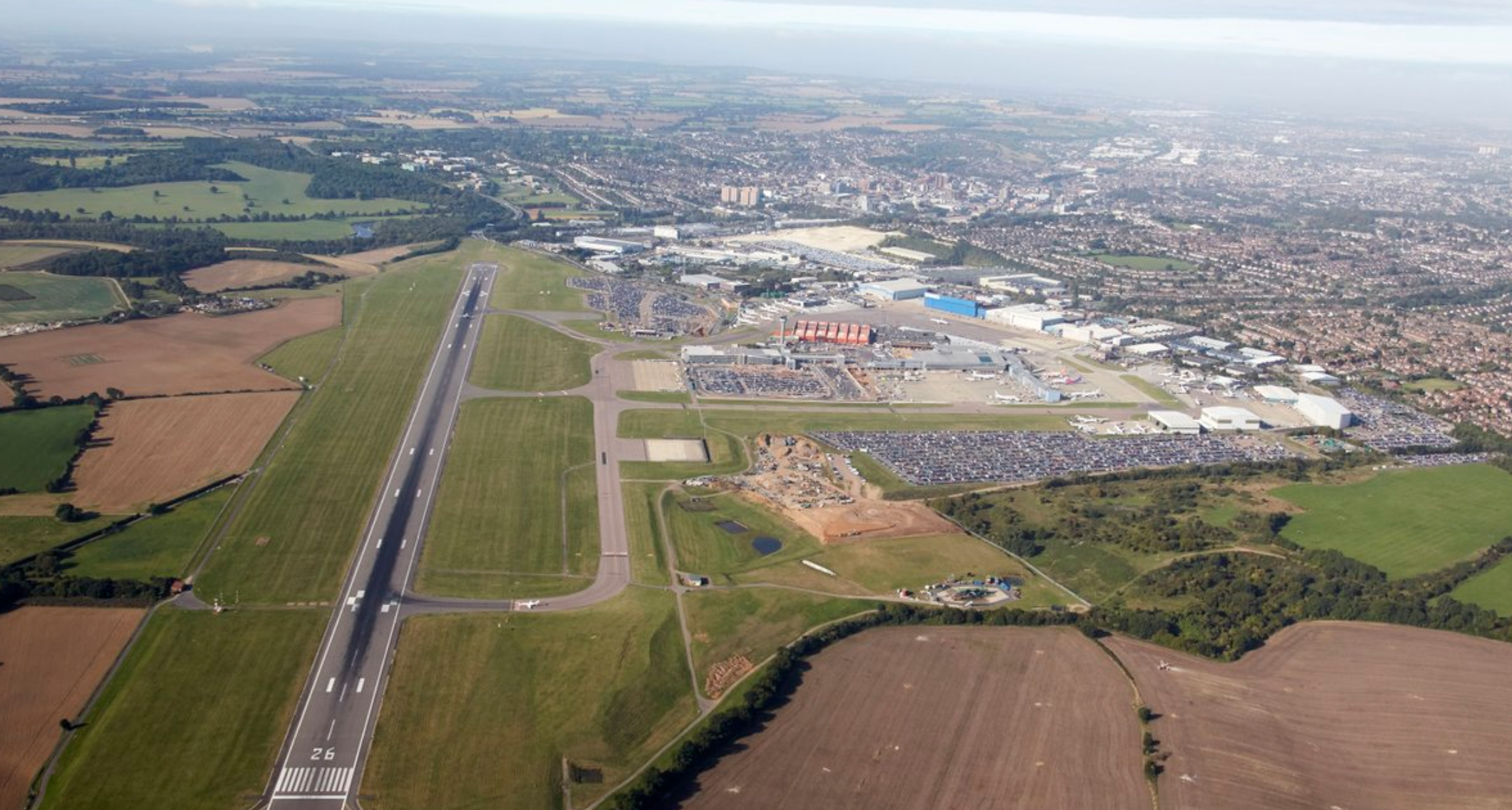
EGGW/Luton will be closed for 27 nights from 0000L to 0530L daily, starting Monday, November 6th and ending the morning of Sunday, December 3rd, 2017 for runway resurfacing.

So, late night and early morning arrivals and departures won’t be possible.

Standard operations will be practiced outside of these hours, with little to no disruption expected during daytime.


Oceanic ATC’s tell us their position on Iridium Satcom

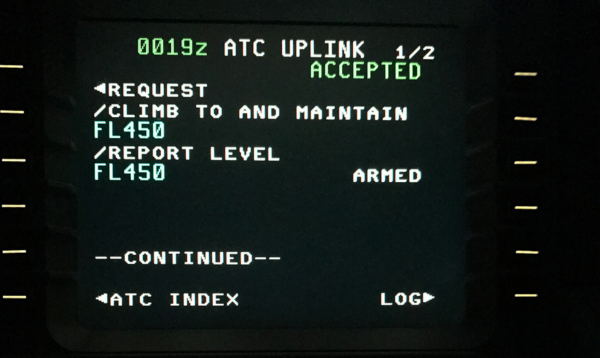
Last week we reported on an equipment issue with Iridium satcom that prompted a ban by a number of Oceanic ATC agencies. Some aircraft were receiving massively delayed clearances sent by ATC via CPDLC – and one took the instruction and climbed 1000 feet, even though the message was meant for the flight the aircraft operated previously.

Today, we checked-in again with all the oceanic ATC centres, to see what their current policy is on the issue.

EGGX/Shanwick told FSB that they are aware of the issue, reviewed it, but have decided not to ban the use of Iridium for either CPDLC or ADS-C just yet. LPPO/Santa Maria have the same position. So, in this airspace, you can use Iridium, for now.

CZQX/Gander said they did a safety analysis of it, and decided not to ban it. They have all kinds of conformance alerts in place to prevent any problems from happening – so if aircraft deviate they get notified immediately.

BIRD/Reykjavik aren’t that concerned about the issue – they use HF most of the time anyway.

Chile (SCIZ)
Japan (RJJJ)
Anchorage (PAZA)
Oakland (KZAK)
New York (KZNY and KZWY)
All these centres have published Notams instructing crews not to use Iridium for CPDLC or ADS-C. Until the fault is fixed, in those regions you’ll have to either use HF for ATC comms, or use another SAT provider.

Auckland (NZZO) and Brazil (Atlantico SBAO) have applied the ban to CPDLC alone. Use ADS-C if you like.


From Iridium themselves, they told FSB: “We’ve updated their queue management system. Every minute, there is a queue check. If there is any message that is older than 4 minutes, it marks as timed out, and will not be delivered. This update was done at ground level, so it does not require any software updates by the user. We’re still waiting on feedback from FAA workgroup on the fix and if it’s sufficient to allow use of Iridium for CPDLC and ADS-C.”

That’s it for now! We’ll keep you posted, or, even better – tell us below in the comment section if you hear news.


Baghdad FIR still reopening – but wait a little

So, last week we told you that Iraqi Airspace was about to re-open to international overflights. It still is, though the bit where it was going to happen this week is no longer true.

The FAA were about to hit ‘publish’ on a Notam this past Monday,  which would have enabled US airlines to start overflying Iraq again. The text of this Notam included:

  • An amendment to the existing Iraq restriction
  • An authorisation for US airlines and operators to overfly Iraq at or above FL260

But then, a military operation by Iraqi forces to take control of Kirkuk from the Kurds the same day, created concern as to overflight safety. Kirkuk sits pretty much underneath the UM860 airway on the map below.

So for now, do nothing and wait. It seems the situation is de-escalating, and we expect now that the Notam may be issued as early as next week.

Once that happens, we’d expect other countries to follow suit and allow overflights in the same way, meaning that these two airways will become busy again.

Keep an eye out, we’ll let you know.

See also:


Iridium fault prompts ban by Oceanic ATC

Aircraft Operators using the Iridium Satellite service for ATC comms should be aware of an equipment issue that has prompted a ban by a number of Oceanic ATC agencies in the last few days

Right now, Chile (SCIZ), Japan (RJJJ), Anchorage (PAZA), Oakland (KZAK), New York (KZNY and KZWY) have all told operators not to use Iridium for CPDLC or ADS-C. Until the fault is fixed, in those regions you’ll have to either use HF for ATC comms, or use another SAT provider. Auckland (NZZO) and Brazil (Atlantico SBAO) have so far only applied the ban to CPDLC alone. Nothing has been published yet by Gander (CZQX), Shanwick (EGGX), Reykjavik (BIRD) or Santa Maria (LPPO) – although we’re keeping a close eye on them for any update.

Here’s what happened:

On Sep 12th, an Alaskan Airlines flight had a failure of their CMU (Comms Management Unit) that caused the Iridium connection to stop working. An ATC message was sent to the aircraft but not delivered. On the next flight, the CMU power was reset and corrected the issue, and the pending message was delivered. The CMU did not recognise the message as being old, and so it was presented to the Flight Crew as a control instruction. FSB understands that this aircraft took the climb instruction and executed the level change, climbing 1000 feet .

Another flight, operated by Hawaiian out of Oakland, had a similar problem. This aircraft had both Iridium and Inmarsat on board, and during the flight switched over to Inmarsat as the provider. An ATC message was routed via Iridium, but didn’t reach the aircraft before the switch. Some 23 hours later, on the next flight, Iridium was activated again and again the ATC message presented as a “live” instruction. On this occasion, the crew queried the instruction and did not climb.

The problem in simple terms is that if ATC sends a CPDLC message like “Climb FL370“, which is obviously only valid for “right now”, but another crew gets the message hours later, then you have a very high risk of the new crew accepting that and climbing.

For now, Iridium has a plan to fix the ground side to not allow older SBD messages to be delivered, and they say they are testing it at the moment and expect to release it soon.

OpsGroup members will be updated directly on further news.
Notam copies below:

ANCHORAGE PAZA A0626/17 - USE OF CPDLC AND ADS-C VIA IRIDIUM SATCOM IS PROHIBITED WITHIN THE ANCHORAGE OCEANIC, DOMESTIC AND ARCTIC FLIGHT INFORMATION REGIONS (FIRS). SFC - UNL, 13 OCT 19:40 2017 UNTIL 13 NOV 00:00 2017 ESTIMATED. 
CREATED: 13 OCT 19:35 2017
NEW ZEALAND AUCKLAND NZZO B4985/17 - USE OF CPDLC (DATALINK) VIA IRIDIUM SATCOM 
IS PROHIBITED WI NZZO FIR. COMMUNICATION WI NZZO FIR IS TO BE VIA HF 
RDO ON THE APPROPRIATE SP6 FREQ. OPERATORS USING IRIDIUM SATCOM MAY 
CONTINUE TO USE ADS-C FOR POSITION REPORTING WI NZZO FIR. HF VOICE 
POSITION REPORTS ARE NOT REQUIRED UNLESS SPECIFICALLY REQUESTED. 
08 OCT 21:56 2017 UNTIL 08 JAN 21:00 2018 ESTIMATED. 
CREATED: 08 OCT 21:56 2017
OAKLAND KZAK A4306/17 - FOR ACFT EQUIPPED WITH IRIDIUM SATCOM, USE OF CPDLC AND ADS-C VIA IRIDIUM SATCOM IS PROHIBITED WITHIN OAKLAND CENTER OCEANIC AIRSPACE. COMMUNINCATION WITH KZAK MUST BE VIA HF FOR IRIDIUM USERS. 
13 OCT 19:49 2017 UNTIL 31 DEC 23:59 2017. CREATED: 13 OCT 19:54 2017
NEW YORK KZNY A0334/17 - USE OF CPDLC AND ADS-C VIA IRIDIUM SATCOM IS PROHIBITED WITHIN NEW YORK CENTER OCEANIC AIRSPACE. 13 OCT 19:27 2017 UNTIL 30 DEC 08:00 2017. CREATED: 13 OCT 19:38 2017
NEW YORK KZWY A0502/17 - USE OF CPDLC AND ADS-C VIA IRIDIUM SATCOM IS PROHIBITED WITHIN NEW YORK CENTER OCEANIC AIRSPACE. 13 OCT 19:27 2017 UNTIL 30 DEC 08:00 2017. CREATED:13 OCT 19:36 2017
BRAZIL ATLANTICO SBAO N0095/17 - FOR ACFT EQUIPPED WITH IRIDIUM SATCOM, 
USE OF CPDLC IS PROHIBITED WITHIN ATLANTICO CENTER OCEANIC AIRSPACE. 
FLIGHT CREWS CAN LOG ON SBAO TO ALLOW THE USE OF ADS-C FOR POSITION 
REPORTING. COMMUNICATION WITH SBAO MUST BE VIA HF. IF USING ADS-C 
POSITION REPORTING, HF VOICE POSITION REPORTS ARE NOT REQUIRED 
UNLESS SPECIFICALLY REQUESTED. 15 OCT 12:00 2017 UNTIL
13 JAN 12:00 2018.  CREATED: 15 OCT 01:22 2017
JAPAN FUKUOKA RJJJ J7236/17 - FOR ACFT EQUIPPED WITH IRIDIUM SATCOM, USE OF CPDLC AND ADS-C VIA IRIDIUM SATCOM IS PROHIBITED WITHIN FUKUOKA OCEANIC AIRSPACE. COMMUNINCATION WITH RJJJ MUST BE VIA HF FOR IRIDIUM USERS. 16 OCT 10:08 2017 UNTIL UFN. CREATED: 16 OCT 10:09 2017


Iraq Airspace to re-open for overflights

ORBB/Baghdad FIR Overflights of Iraq may be permitted to resume as early as next week, allowing international carriers access again to several previously heavily used routes through the eastern side of the Baghdad FIR.

In May of this year, SFAR 77 – banning US operators from operating within Iraqi airspace – lapsed, and was replaced by Notam KICZ 10/2017 – which had much the same wording.

However, on October 3rd, Iraq issued a new Notam (A0477/17) – with a new restricted area in the northwest of the FIR, from Surface to FL460. The previous restricted areas 601 and 701 were withdrawn.

This re-shuffling of restricted airspace paves the way for two major international air routes to be reopened, UM860 and UM688 – which were realigned in April for this purpose, allowing operators additional route options through the Middle East to Europe and vv.

FSB expects an official announcement shortly, and will update operators further. OpsGroup members will be notified directly.


After Hurricane Maria – Airport Status

Post Maria Airport and Airspace status:

Updated October 25, 2017 1800Z

Bahamas

  • MYMM/Mayaguana: Open and operating
  • MYSM/ San Salvador: Open and operating

Turks & Caicos

  • MBPV/Providenciales: Open and operating
  • MBGT/Grand Turk: Open and operating

Dominican Republic

  • All Airports Open and operating

Puerto Rico

TJZS all aircraft should use caution when operating within the interior or near the Island due to numerous low flying rotary wing aircraft.  For additional operation information click here.

  • TJSJ/San Juan: Open and operating. Airport continues to be under massive strain and Humanitarian flights are still top priority. The VHF frequencies and radar are working but intermittent.  CPDLC unavailable.  Fuel is available. Operators must make contact with Aerostar or handler for gate allocation. Slots now only required if you’re using the contingency ramp there. Call MFOC at 001-850-283-5994 all other flights file FPL normal. Overnight parking is available.
  • TJIG/Isla Grande: Open and operating from 0600-1900. Customs open 0800-1730.  Frequency 121.7 for advisory. Tower is operational. Overnight parking available.
  • TJBQ/Aguadilla: Military and Relief flights only. Tower is open and operating. Limited water, electricity, and internet. For services phone contact has been more successful due to internet complications.
  • TJPS/Ponce: Military and Hurricane relief and Air Carriers with PPR.
  • TJRV/Ceiba: Military, Hurricane relief, and GA flights only. Sunrise to Sunset only due to airport lighting down. VFR only no ATC or Tower. Fuel available.  No heavy equipment available to offload supplies. Military flights are required 48HR PPR contact: 805-326-9041.
  • TJVQ/Vieques: Open and operating. Sunrise to Sunset only due to airport lighting down. Internet not available.

For more information on operating into Puerto Rico

For Ops reports in Puerto Rico

U.S. Virgin Islands

  • TISX/St.Croix: Open and operating. A contingency ramp has been established for FEMA/DOD flights they require Slot reservation contact MFOCC at 1-850-282-0236. All aircraft should contact Longhorn Ops on 251.9 or 139.9 (+/-20min) before landing to arrange parking and fueling. Normal ATC procedures. Customs available.
  • TIST/St.Thomas: Open and operating. Airport hours are 0900-1800 local time.  Customs available 0800-1600LT. Equipment available for Cargo offload.  Fuel available. Fema permit NOT required.  Tower and unicom frequency is 118.8. Limited coverage from SJU Center.  ATIS, navaids, ILS, runway lights – all out of service.  For services contact St.Thomas Jet Center customerservice@sttjetcenter.com (email is best as phones are intermittent Contact Roy Romney: 340-690-5076/ or Terri Thomas: 340-626-5270 for immediate questions.
    Include the following when requesting services:
    Company name
    Tail #
    Make and model of aircraft
    Date of arrival/departure
    Local time ETA/ETD
    Number of crew and pax both in and out
    Method of payment
  • TIST have island curfew 1900-0800 still in place

For more information on operating into TIST/STT

British Virgin Islands

  • TUPJ/Beef Island-Tortola: Open and operating 1130-2100z, but VFR only. Fuel available, limited internet, and electrical power.  The perimeter fence was badly damaged by hurricane Irma, so the airport is no longer secured. No overnight parking. Only Property owners, residents and citizens are allowed in the territory at this time.  ATS services reduced to 5nm radius of the airport. Flights will need to get PPR here: http://ppr.bviaaops.com or via email: clevons@bviaa.com mfrance@bviaa.com Csmith@bviaa.com Lyrubain@bviaa.com Dhamm@bviaa.com
  • TUPA/Anegada: Airport closed.
  • TUPW/Virgin Gorda: Airport closed.

Sint Maartin

  • TNCM/Princess Juliana: Open and Operating 0700L-Sunset (due to no lighting). Fuel is available.  File FLP from point of origin due to com difficulties.  Equipment to offload cargo is fine, Menzies in charge of the cargo loader.  Main Frequency 118.7. ATC is operational (1100Z-Sunset daily). 3 fire vehicles active at the airport, fire CAT 9. Hotel rooms are difficult to find but handler can help arrange.

For information on TNCM/SXM

St. Kitts & Nevis

  • TKPK/Basseterre: Open and operating
  • TKPN/Nevis Island: Open and operating

Antigua

  • TAPA/Antigua: Open and operating.

Anguilla

  • TQPF/The Valley: Open and Operating. Open from 1100Z to Sunset only. PPR required. Call sign Anguilla Radio on 118.500 25NM out. Fuel is available, Internet, Water and Electrical in terminal. ATC not available contact: 1-264-476-9642 or 1-264-476-5655. Comms with weather and traffic only. Call Aeronautical station for slot reservations (arrival and departure) 1-264-497-1646 and 1-264-584-5397
Guadeloupe

  • TFFR/Pointe-a-Pitre: Open and operating

Dominica

Serious damage. Homes and trees flattened. Recovery efforts are currently being coordinated from the nearby islands of St Lucia and Antigua.

  • TDPD/Roseau: Open and operating with limitations. Hours Sunrise – Sunset. Electricity is via standby generator. Water supply is limited and JetA1 fuel is available only. Comms 118.9 standby radio is working and Fire CAT5. Ground handling available on request. Customs, Immigration, and agriculture officers present. Perimeter fence is limited to 60%.
  • TDCF/Canefield: Open and operating on a limited basis. Largest aircraft that can operate there is a Twin Otter. Only handheld ATC from offsite location, tower was heavily damaged. Difficult to contact as most communications are still down. Most utilizing Helicopters and St.Lucia is being used as a staging airport.
Trinidad and Tobago
  • TTCP: Open and operating normally
  • TTPP: Open and operating normally

Save

Save

Save

Save

Save


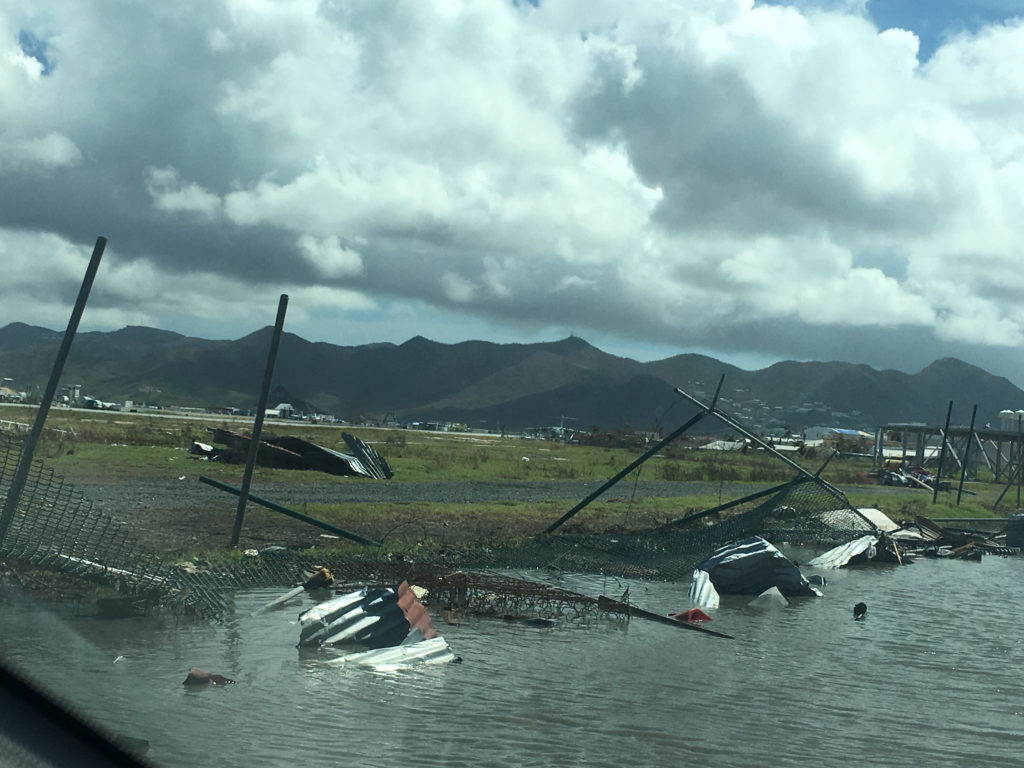
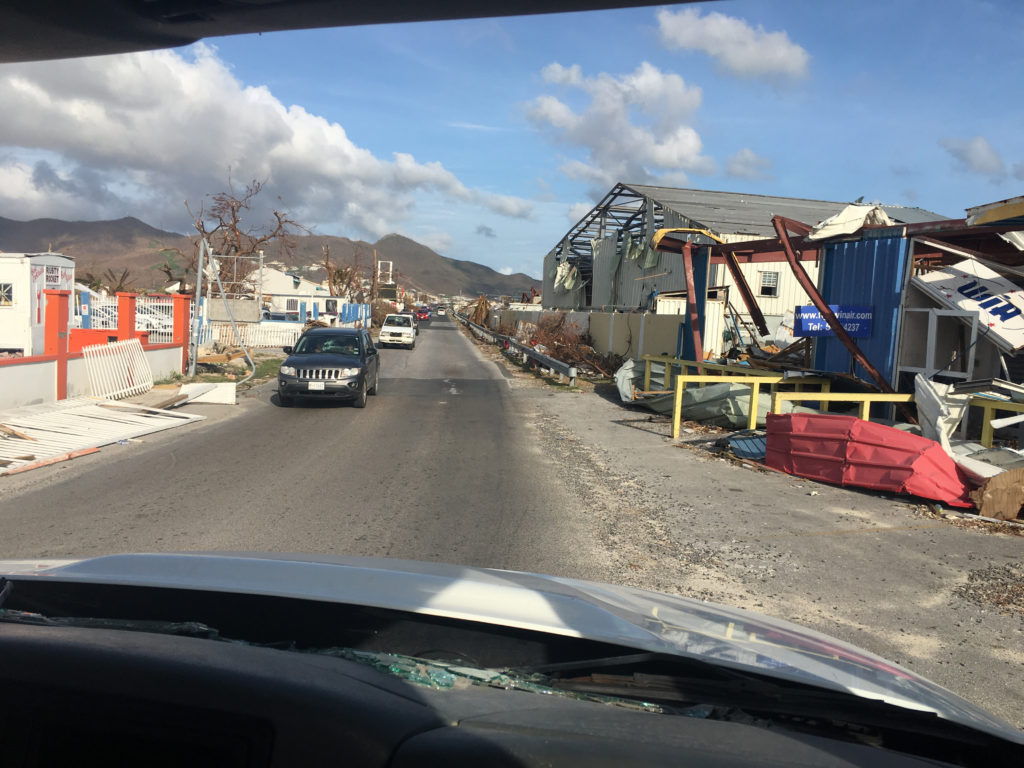
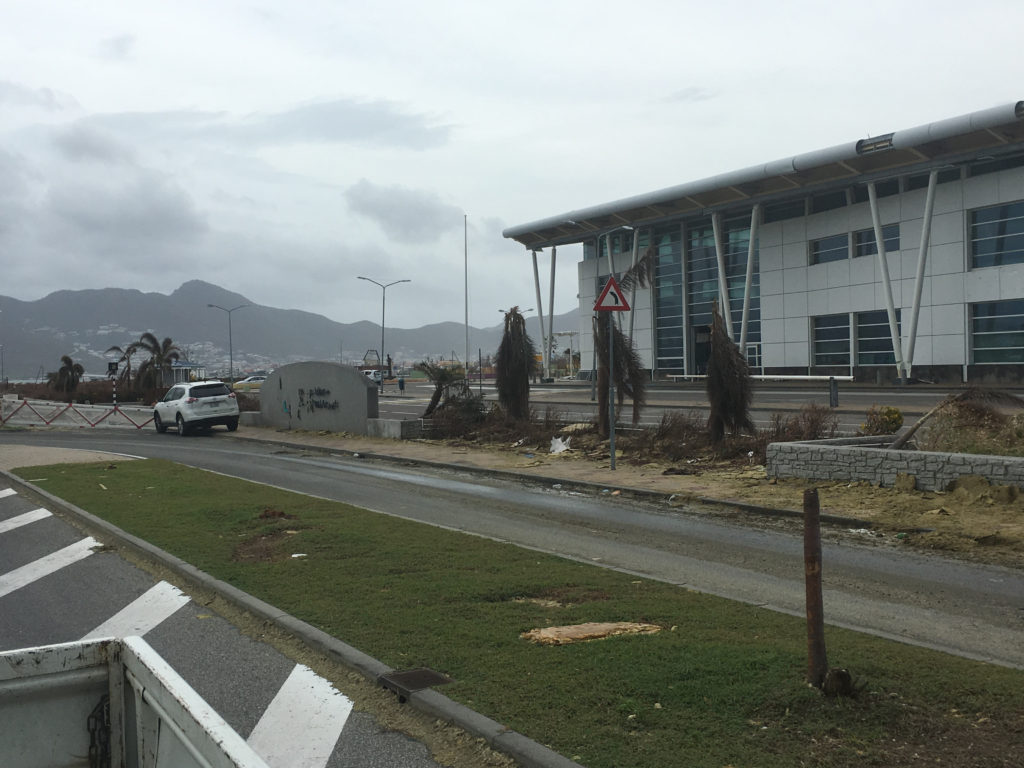
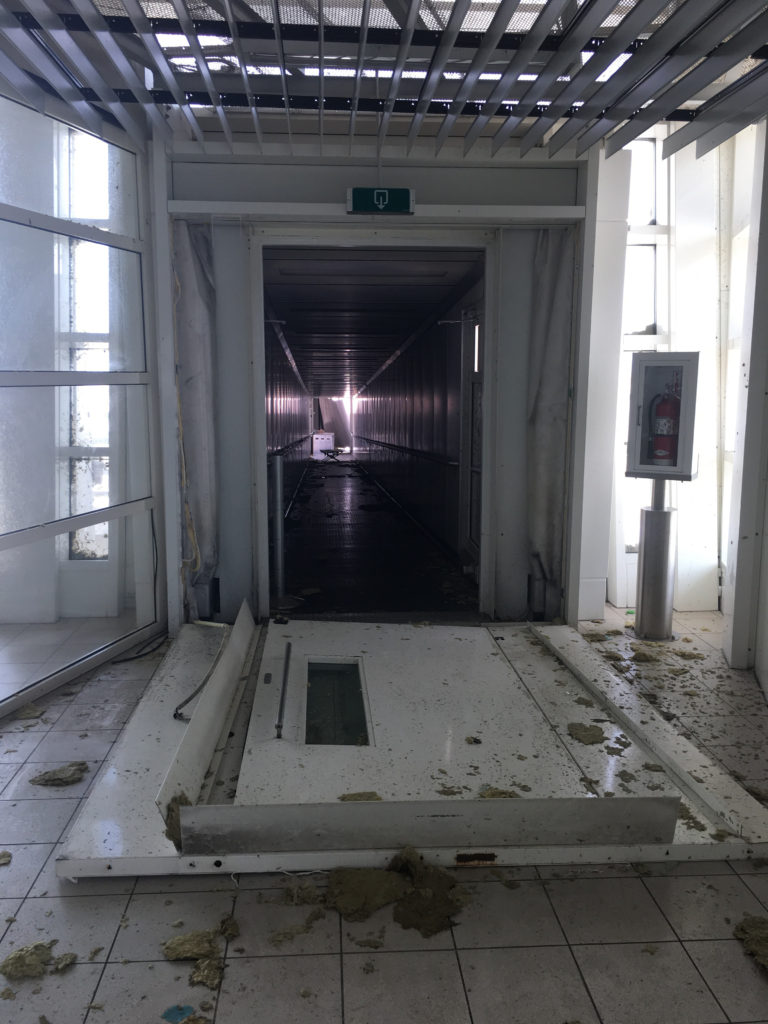
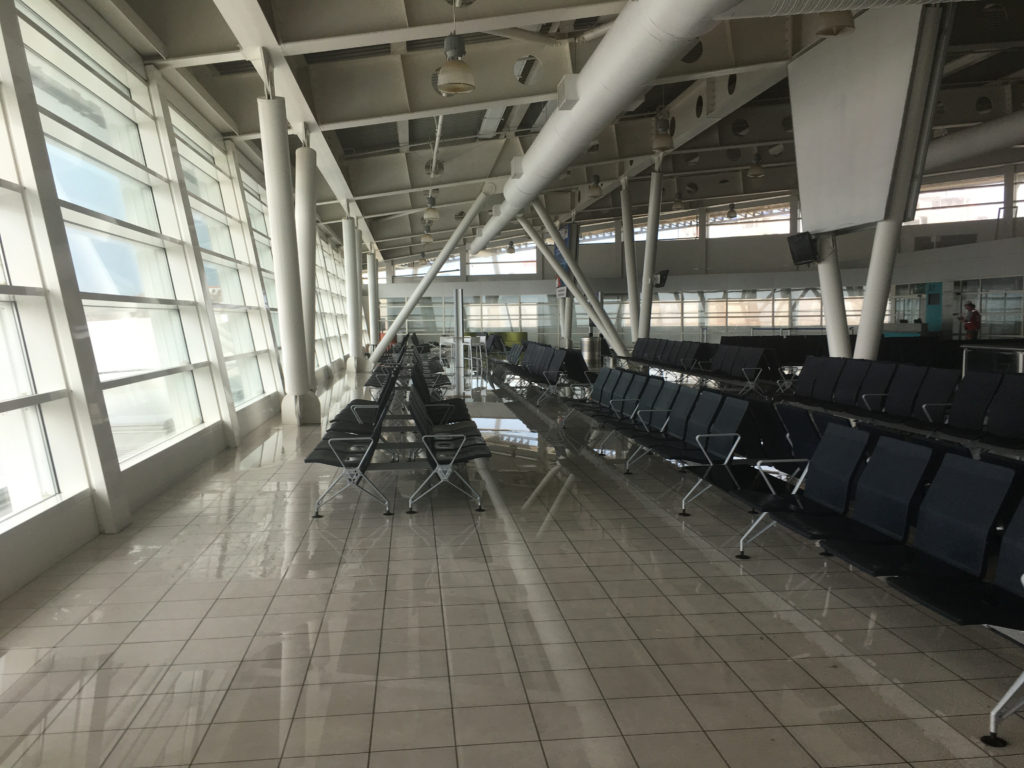
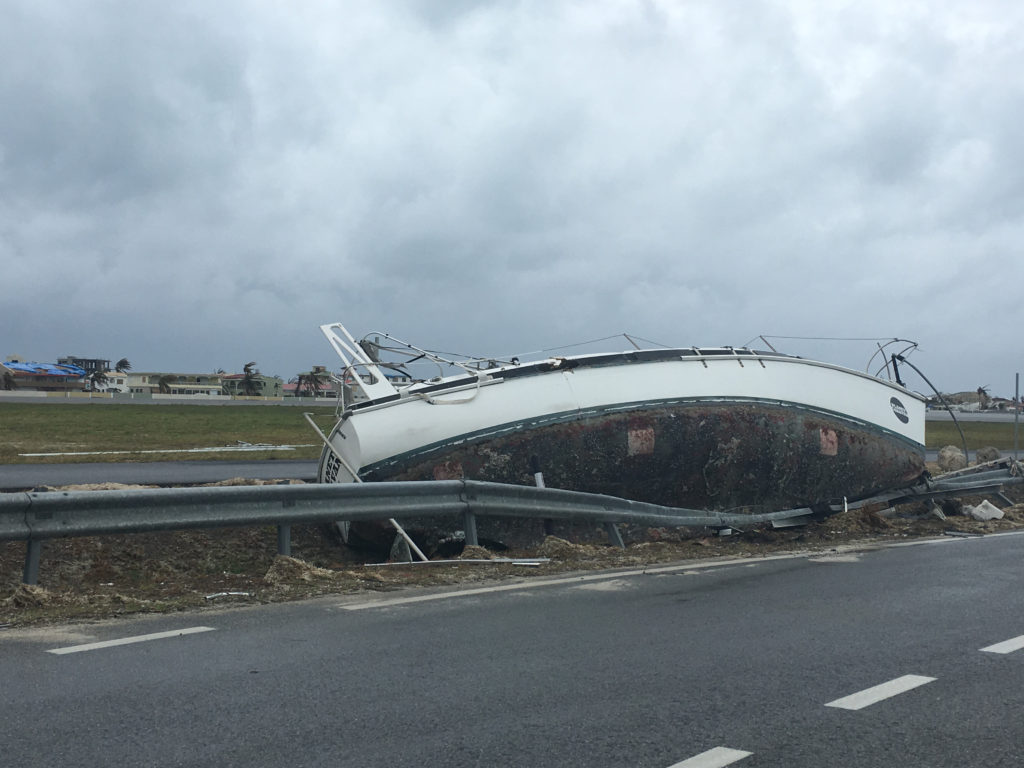
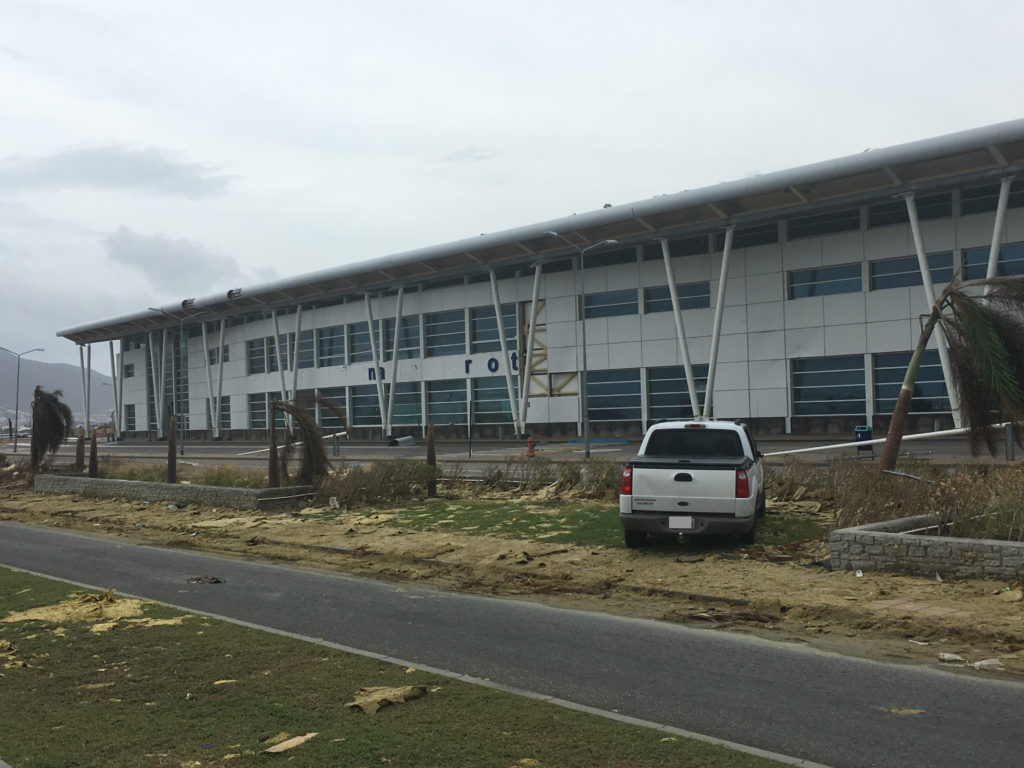
TNCM/SXM Airport Damage

Updated: 1415Z / 09October

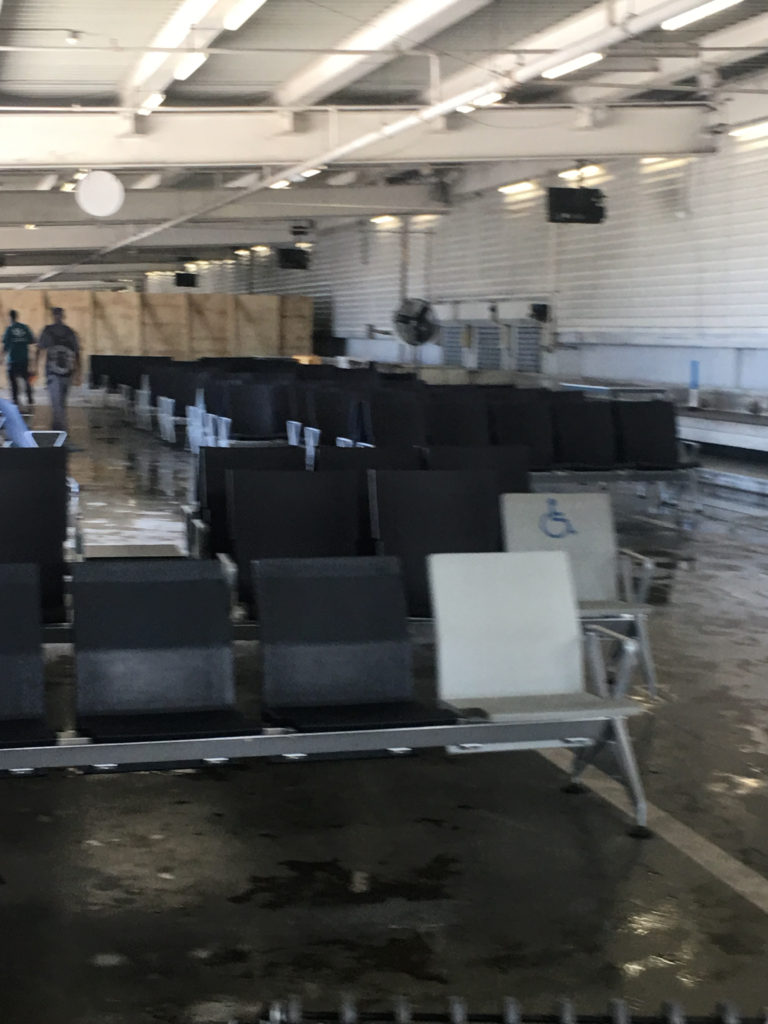
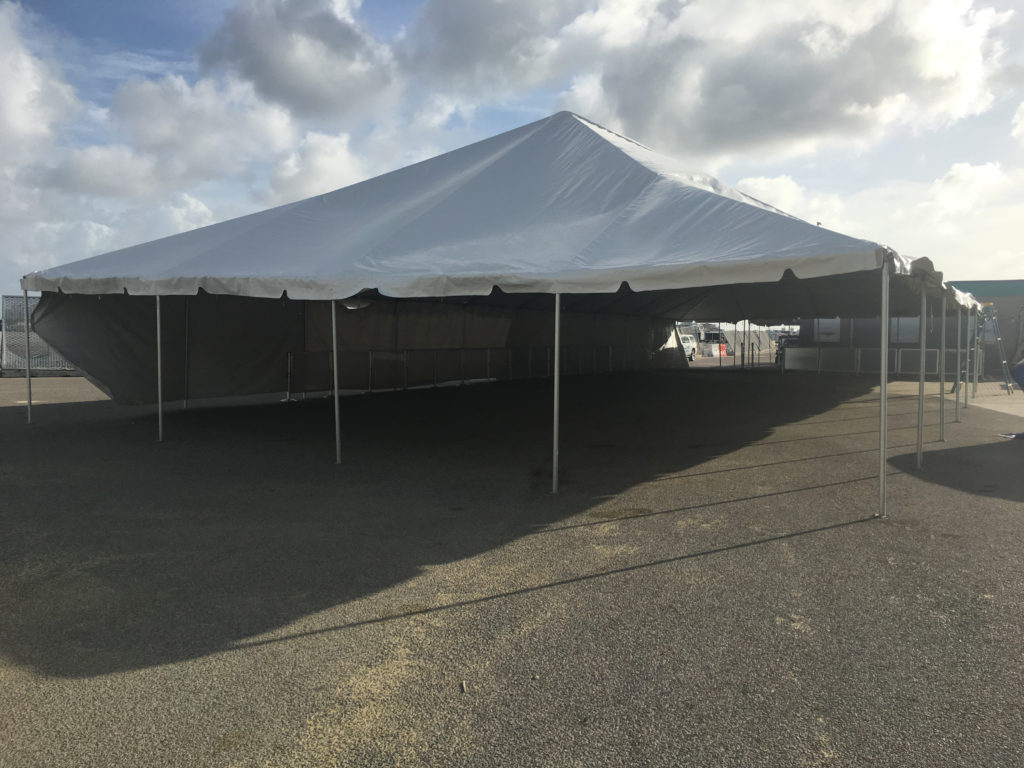
Good news–TNCM is set to reopen to commercial flights on October 10th.  ATC is 100%, and security is in place for all areas (including the perimeter fence).  The terminal is not yet fully operational, so there will be a hall set up with kiosks to support the passengers.

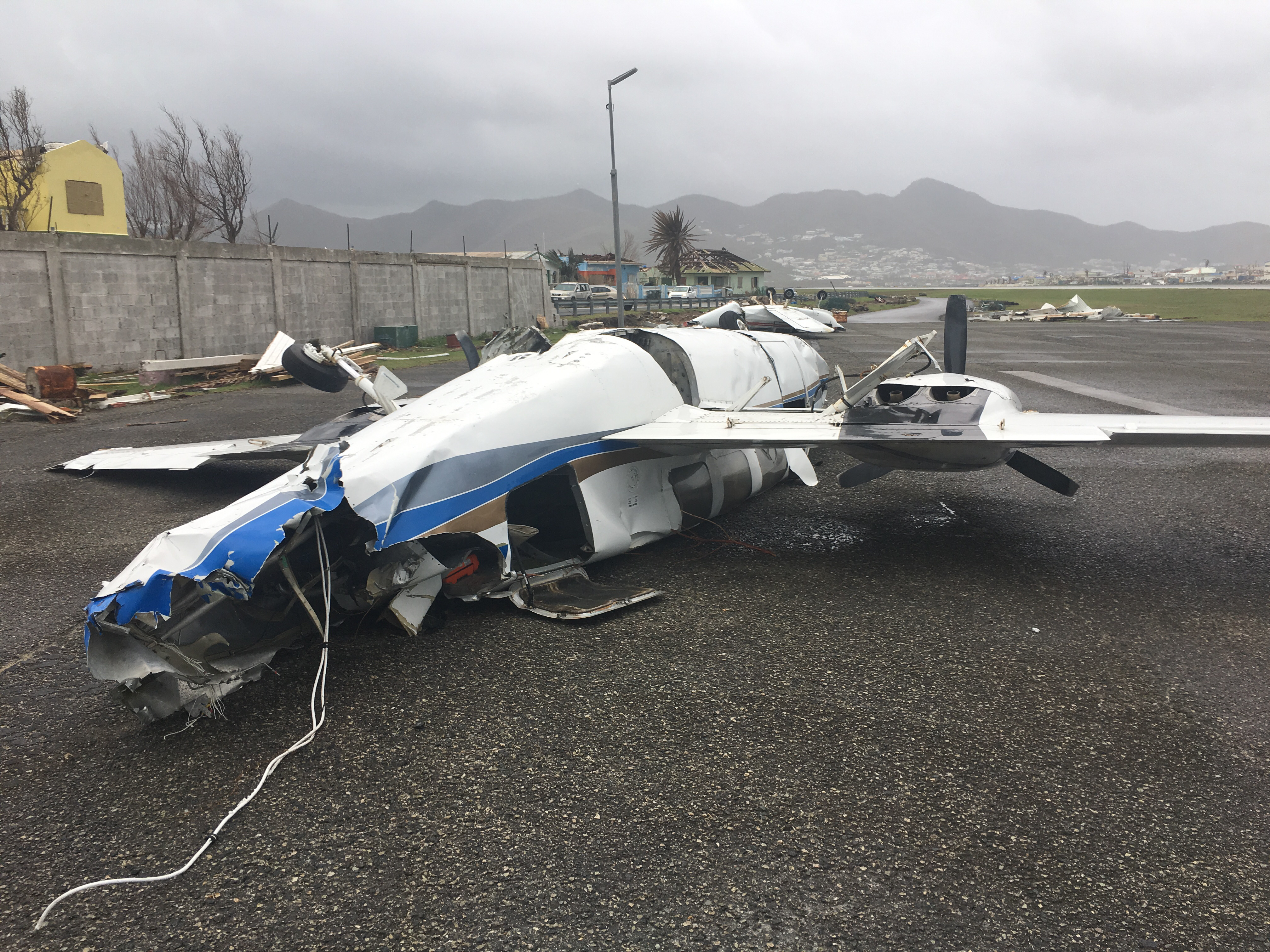
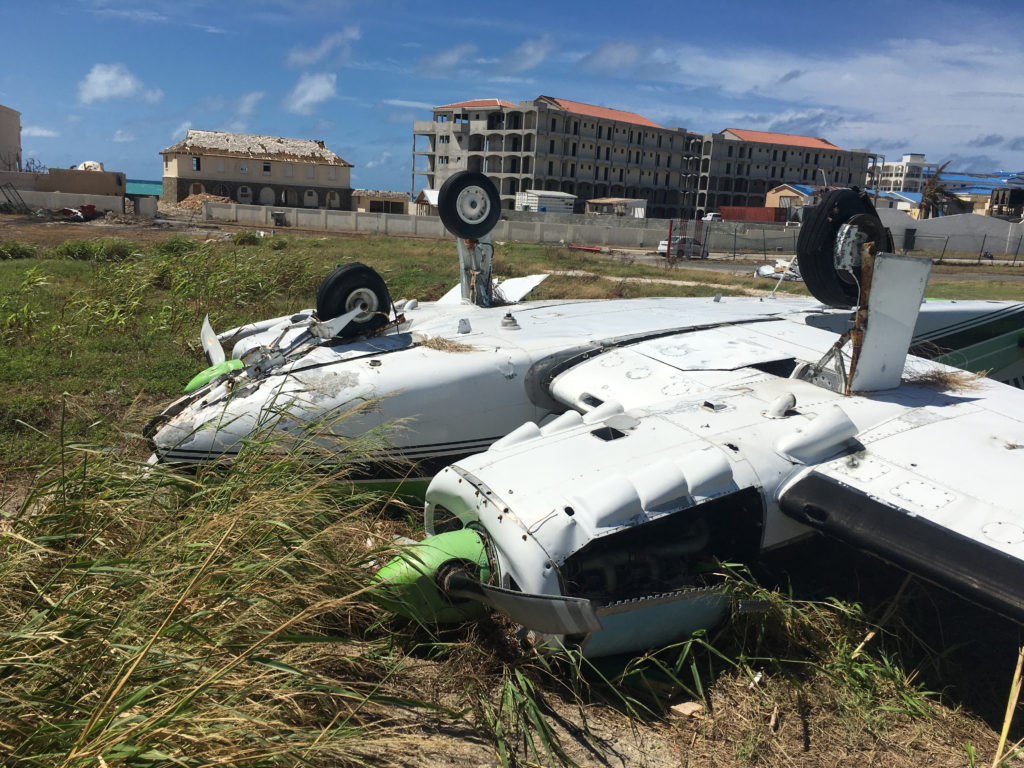
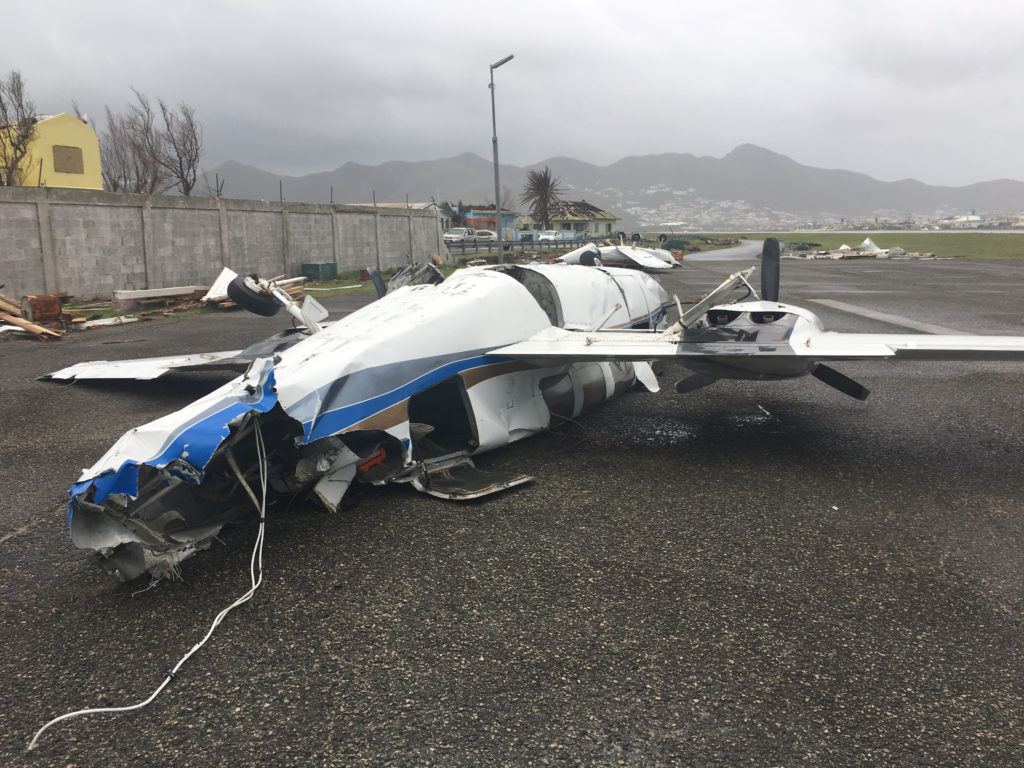
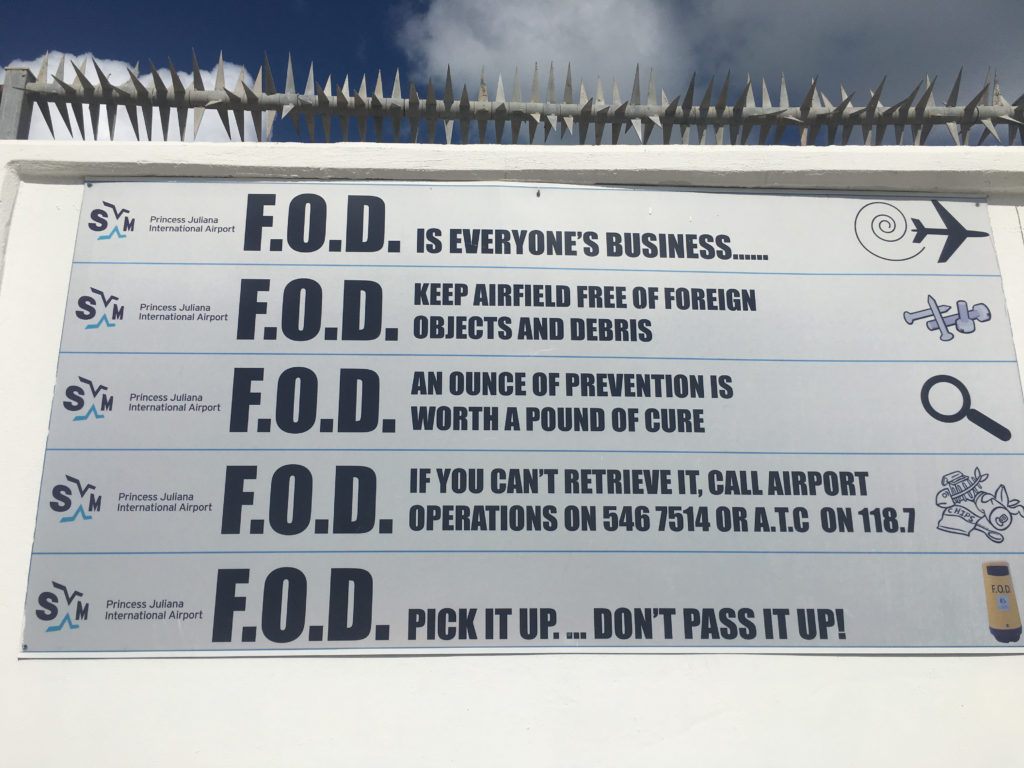
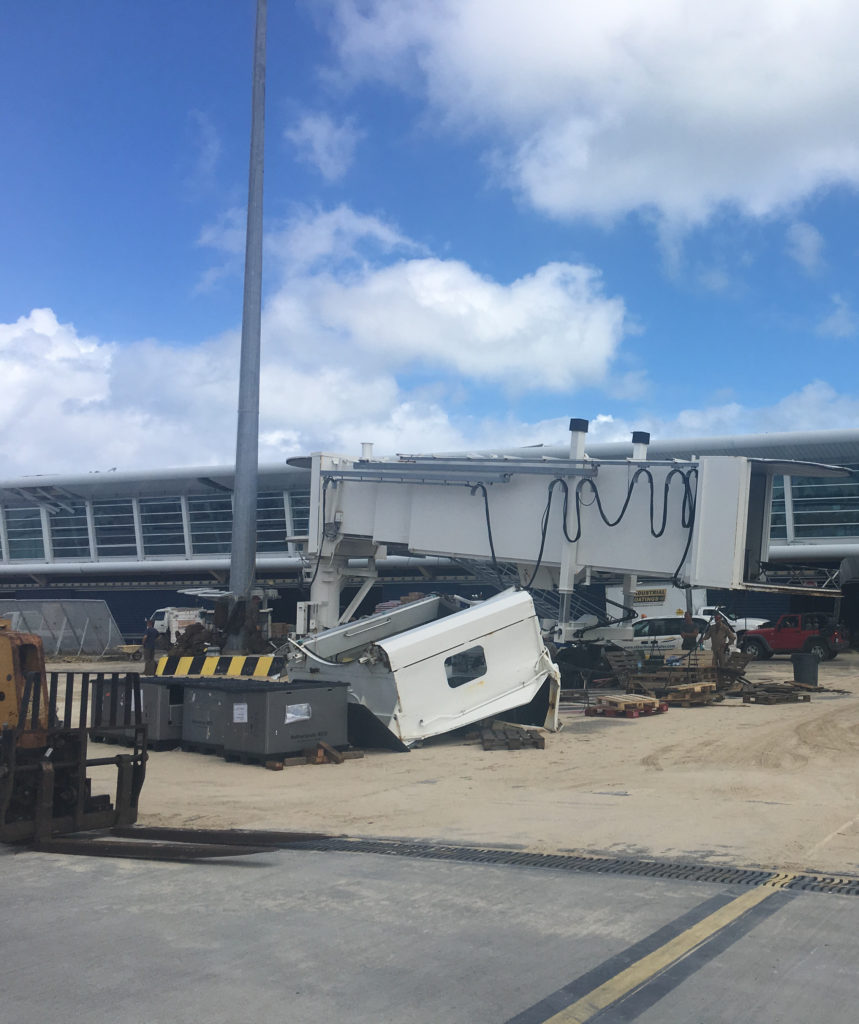
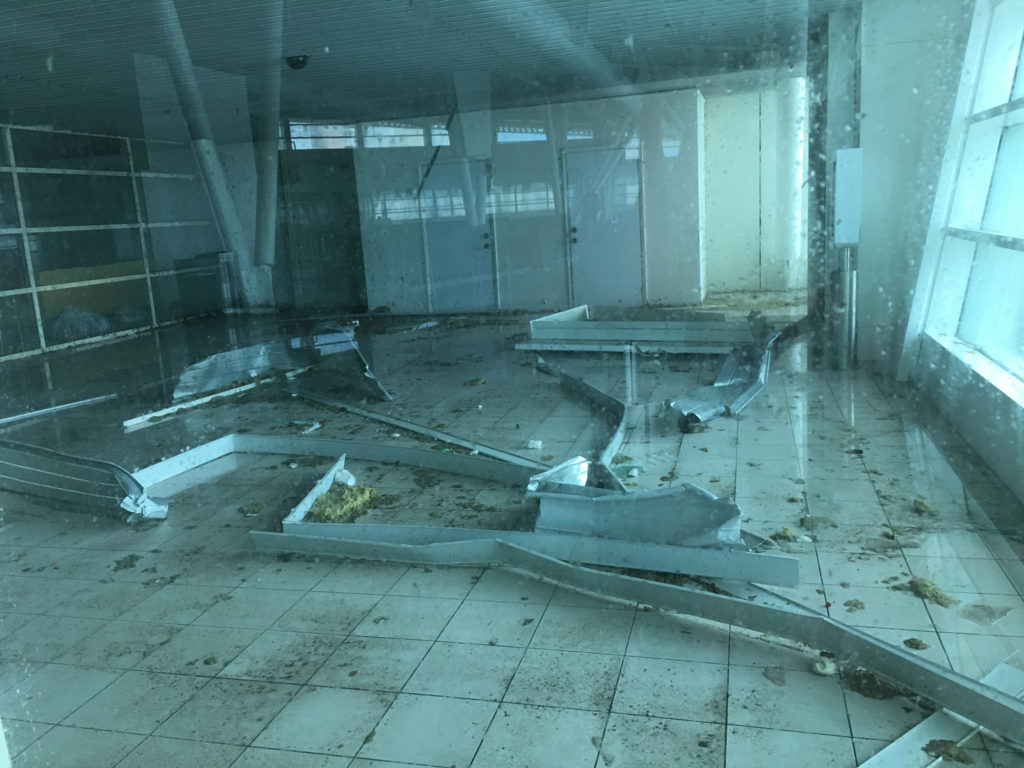
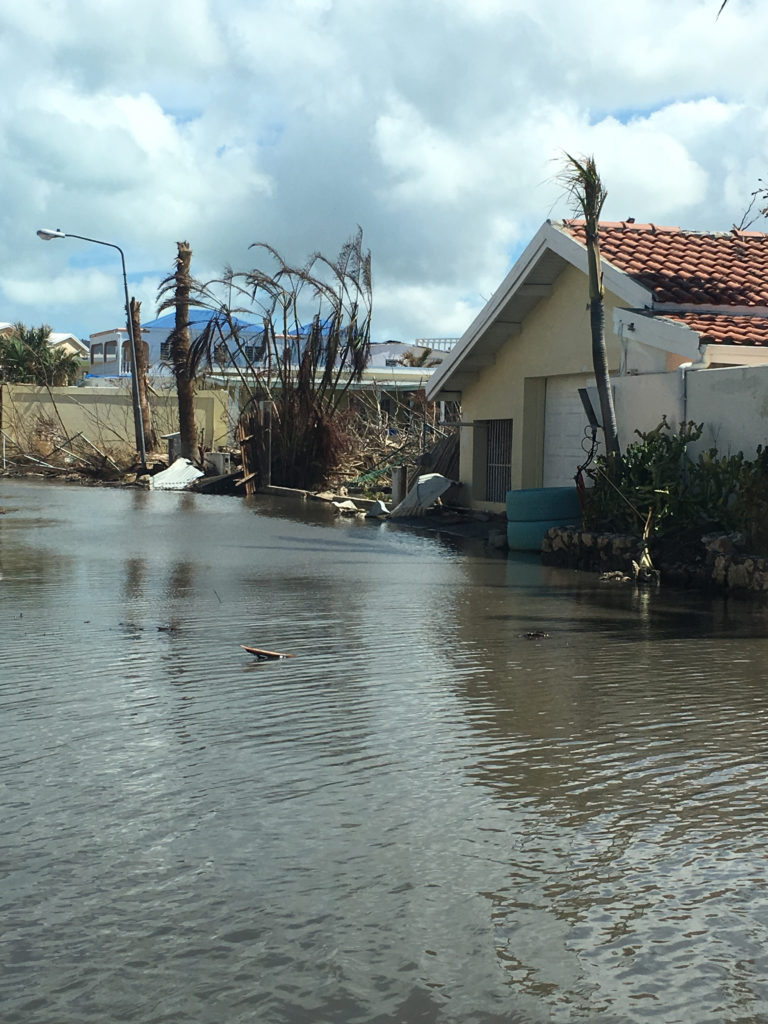
For daily updated status of SXM, please view our main Maria post here.   Below are photos sent to us from on the ground at TNCM/ SXM after the storm passed.

We’ve got some progress photos:

Original Photos:

Keep an eye here for any updates.

Save


Swiss Emission Changes – 2018

In 2018, Switzerland will be launching their own emissions trading scheme, to integrate with the rest of the European ETS.

All domestic flights, flights from Switzerland and Basel-Mulhouse Airport into Europe, as well as flights between Switzerland and Basel-Mulhouse will apply to the new ETS.  A few exceptions:

  • Government / Heads of State Flights
  • Military, Customs, Police Flights
  • VFR Flights
  • Training Flights
  • Flights operated by aircraft under 5700 kg.
  • …more in attached PDF.

As of 30 September, all aircraft operators were to submit their monitoring plan, and starting January 1st, operators need to record the emissions data based on the same monitoring plan.

All monitoring plans, data reports, and enquires should be sent to:

Mail:
Federal Office of the Environment
Climate Division
“Civil Aviation Monitoring”
3003 Bern

Email:
climate@bafu.admin.ch

Full AIC from Switzerland: AIC 006 2017A CH ETS


Ops Reports – Puerto Rico

We got a ton of useful reports in the last few days from OPSGROUP members that have been to Puerto Rico after Hurricane Maria. Because they’ll be useful to the wider Ops community, we’ll share them there.

OPSGROUP members can login to Aireport for the full reports and latest additions as we get them – just view the latest reports and scroll through to see all.

Here are the reports:


TJBQ/Aguadilla 29SEP (G550)
 
*FAA*
o   Prior to departure local POI advised we needed to request the LOA A529
o   Were advised that military is increasing presence and slot system may be set in the next couple of days

*Arrival to TJBQ*
o   Staged in Orlando the night before
o   Crossed the southern end of the MIA FIR at 17,000/squawk 1200 VFR
o   Contacted tower on published frequency with no issue
o   Runway/taxiways had no issues

*Western Aviation (WASCO)*
o   FBO is up and running on generators but have no phones/radios
o   Utilized a contact on the ground with a sat phone to arrange arrival
o   Fueler advised they have approximately 200,000 gallons of Jet A
o   Front desk accepted credit card payments (not sure when they will post)
o   Security guard at the door of FBO to ramp
o   Were able to have truck driver escorted onto ramp to load supplies
o   Some reports of supplies being confiscated but we did not have any issues

*Surrounding Areas*
o   Gas/water/basic commodities are very scare
o   Power lines are down along the roads/in the roads so be cautious

*Departure*
o   Departed later in the day VFR to 6500’
o   Issued a transponder code by center and our ATC clearance to destination airport
o   Area radar was back up and running but the terminal was not


TJIG/Isla Grande 28SEP (Falcon 900)
We didn’t get FSDO approval but then again we are Part 91. I couldn’t say for 135 folks. The tower was open at Isla Grande today which should definitely improve things. There were still some planes having to go VFR an hour out of San Juan, but we found that filing the FAA recommended routes got us all the way there IFR.

TJRV/Ceiba 28SEP (Falcon 900)
We went into TJRV, about 30 miles SE of San Juan over the hills. There are no Jepp charts for it but Foreflight has an airport diagram. It’s a long runway with displaced thresholds. Frequency is 122.7. There’s a Millionaire there too. We thought it was uncontrolled but a Marine battalion came in and is staying at a hangar that Google has turned into a test facility. The Marines also opened up the old Naval base tower and gave us a clearance to land as we called giving us position reports so that was a bit surprising. Word is it that the military is going to use the airport to relieve stress on San Juan next week and private jets will be welcomed. Notams in the A/FD say to file TJSJ to use this airport but that backfired on us. We filed TJSJ and of course we didn’t have a PPR to go in so they held us at Ft. Lauderdale until we filed a new flight plan for TJRV. And that worked just fine. Hope this will help.

TJSJ/San Juan 28SEP (Falcon 900)
Getting the PPR for today into the international airport worked great. Very busy at Jet Aviation – but they were pretty efficient at getting us fueled.

TJBQ/Aguadilla 26SEP (G650)
Airport tower was operational on published frequencies. Full runway was in good shape. Off load was at FBO depicted on airport diagram near taxi way Charlie.Aircraft had to operate VFR reaching point ELMUC (TJZS FIR boundary) and cross it at 17000’ inbound to TJBQ. Cancellation of IFR was with MIA center once below FL180.  Aircraft inside the FIR were passing advisory position reports on 123.45 and de-conflicted using standard VFR altitudes from ELMUC. Aircraft was able to reach the airport tower about 40nm out. Departure was VFR from the airport climbing to 16500 to point SAPPO. Once in contact with MIA ON 126.45 the crew was able to activate an IFR flight plan and climb. MIA was very busy with all the traffic requesting clearances inbound to the states but we were eventually able to accommodate. Fuel plan accordingly, in case of a delay in climbing.

TJIG/Isla Grande 26SEP (MJET)
We had no delays going into TJIG, where Millionaire is doing a great job with fast service and lots of fuel. Miami Center is using a few fixes: Sappo, Idaho and Elmuc as their transition points between IFR and VFR. You must go VFR (about an hour out) at these fixes and then contact San Juan approach 80 miles north of San Juan using their tower frequency, 119.4. Isla Grande traffic was using the ground frequency of 121.7 for advisories. The taxiway on the northeast side of the field past B4 is only wide enough for Kingairs and smaller so if you have to back taxi on RWY 9, try to exit on the southside or wait past B4.”

TJSJ/San Juan 25SEP (MJET)
No major issues at TJSJ, but heads-up as there are many VFR operations below FL180.  IFR and VFR operations are occurring in close proximity.  Ground services appear to be normal. TJSJ tower was very busy this afternoon with arriving IFR and VFR traffic, transitioning shoreline traffic and local helicopters.  Be patient and vigilant and all will be well.

TJSJ/San Juan 25SEP (Falcon 7X)
To TJSJ expect to be asked to cancel IFR or remain IFR with some holding (our choice) by HARDE.  Both options seem to work equally well for operators.  San Juan TWR is operational and the airfield is in good condition.  Departed VFR, received IFR about 100NM north with NY AIRINC.  Fuel was available at Jet Aviation.

TJIG/Isla Grande 23SEP (CL30)
Airport is uncontrolled.  No lights, and no US Customs.  Expect to cancel IFR as soon as inside TJSZ FIR airspace. The TWR freq is unusable as of this morning.  CTAF alternative is 121.7 Ground frequency.


Local Contacts:
TJSJ/San Juan: 
Jet Aviation San Juan – (787) 791-7005 / (787) 399-3260 / fboservices@pazosfbopr.com
Airport Aviation Services – (787) 797-8500 / (787) 424-9499 / info@tjsjfbo.com

TJIG/Isla Grande:
Million Air – (787) 289-2021 / info.tjig@millionair.com
Signature Flight- (787) 721-1414SIG@signatureflight.com

TJBQ/Aguadilla: 
Copeca Jet Center – (787) 890-1250 / (787) 505-0256 / copeca@copecajetcenter.com
Western Aviation Service – (787) 890-2323 / ops@wascobqn.com

TJPS/Ponce:
South Puerto Rico Aero Service – (787) 844-5223 / CustomerService@SPRAeroservice.com

TJRV/Ceiba:
Million Air – (787) 289-2021 / info.tjig@millionair.com

TJVQ/Vieques:
Million Air – (787) 289-2021 . / info.tjig@millionair.com

TIST/St.Thomas: 

St. Thomas Jet Center – (877) 894 1810 / customerservice@sttjetcenter.com
Alliance Aviation – (340) 777 4646 / alliance@allianceaviation.net


Ops normal at NZAA/Auckland

The fuel issue that has been affecting flights out of Auckland has been rectified and it’s back to business as usual.

NCRG/Rarotonga and NFFN/Fiji, which had also been rationing fuel have also resumed normal ops.

Hopefully that is the last that we will hear on fuel issues out of Auckland.


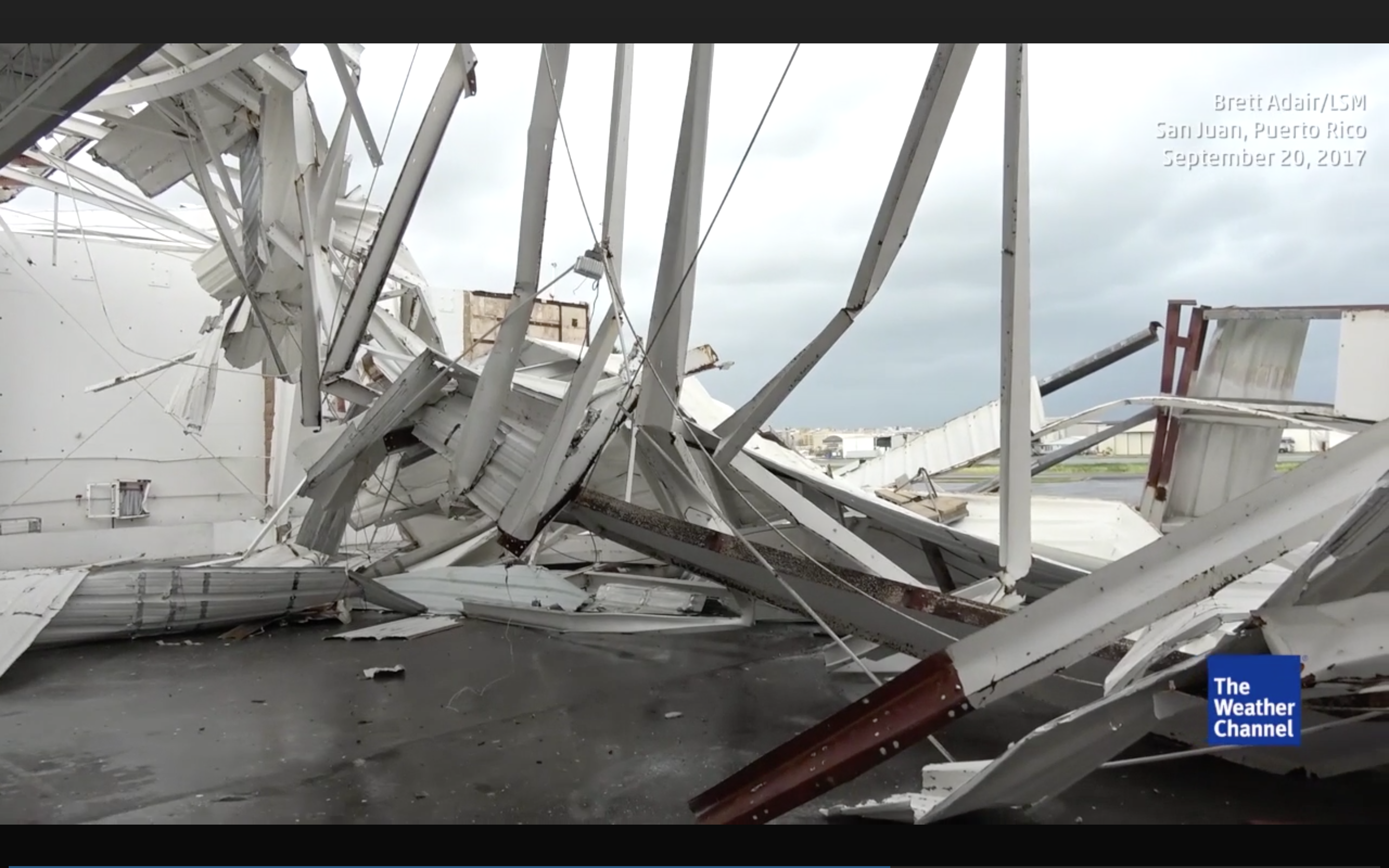
Images from Puerto Rico Airports show devastation

Please review Hurricane Maria – Airspace and Airport Status for the latest operational information on closures and impact on flight ops

Images from TJIG/Isla Grande in Puerto Rico. TJIG is 6nm from TJSJ/San Juan.


Please review Hurricane Maria – Airspace and Airport Status for the latest operational information on closures and impact on flight ops


Heavy rain affecting ops into VABB/Mumbai

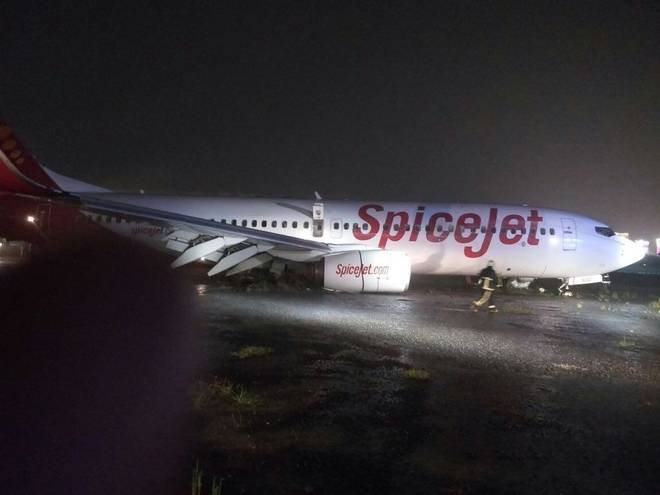
VABB/Mumbai Heavy rain is affecting flight ops at Mumbai airport for the second day in a row. The main runway (09/27) remains closed after a Spicejet aircraft skidded off last night and got stuck in mud, and it’s not expected to be open again until later today – once the aircraft can be recovered.

In the meantime, the other smaller runway is in use. Expect delays until the weather improves!