NAT Tracks NIL – an experiment

The long-awaited and much discussed scenario on the North Atlantic finally happened this week: No published NAT Tracks, with all aircraft on Random Routes. The concept of free-routing on the NAT is one that airlines in particular have been keen to see for a long time: the ability to decide their own routes, unconstrained by an overlay of tracks that may be tangential to their flight-planning whims.

This is an experiment being led by NATS and Nav Canada (or Shanwick and Gander, if you prefer), and on the face of it, it appears straightforward. Traffic levels are lower at present – about 40% of normal. In January 2021, Shanwick managed 15,241 flights (averaging 491 flights per day), 41% of the January 2020 figure of 36,782 (averaging 1,189 flights per day). A reduction in volume goes hand in hand with a reduction in complexity from an ATC perspective. Without published tracks to assist in separation, the burden on the controller is increased – but the lower traffic levels mean it can be safely managed. Ideal time to try it out.

The concept has garnered much media interest, not least because of the timing of a scientific research paper from Reading University that suggests efficiencies of up to 16.4% can be achieved with this “new idea”. As a result, in the past 10 days the NAT Tracks have featured on CNN (“Airlines can now pick their own routes across the Atlantic. Huge fuel savings could follow”) and the Independent (“‘Surfing the wind’ could allow aircraft to cut carbon emissions and reduce flight times”). Headline: New York-London journeys could be cut by 21 minutes.

The media, and even our own industry news coverage, would have us believe that somehow we’ve just stumbled onto some preternatural scheme of harnessing the power of the wind, to spirit our hulking lumps of metal across the pond. Jet streams, you say? Pray tell.

Let’s clarify something first. Aviation contributes around 2% of global CO2 emissions. Global warming is a danger to our entire existence. We are an industry founded on innovation and ingenuity, and we should be looking for every opportunity to do something more than just shave a few dollars off a route cost. We need to open our minds, stop being quite so defensive about aviation, collaborate with science and research, and above all recognise the impact that aircraft are having on the environment. We need dramatic change.

In the cold light of operational reality, however, all is not as the public coverage seems. The Shanwick/Gander No-Tracks experiment itself is founded on solid ground – the results will provide useful insight, and the reasoning for it is sound. The research paper, however, and associated media fanfare, has shakier foundations. In fact, there are fundamental flaws in the assumptions made to reach the headline proclamations of 16.4% and 230km (125 nautical mile) savings on route distance.

We’ll look at three things in this article …

One: How an aircraft operator actually chooses a route across the NAT
Two: The ATC perspective; why No NAT Tracks is not as easy as it might sound.
Three: A review of the research report from Reading University.

Part One: How does a NAT route get chosen?

The hardest thing in life is knowing what you want. It’s no different on the NAT. The process for selecting a route across the ocean is more complex than it might seem. At first glance, it might appear that the most logical route is the best wind route, in other words, the track across the ocean where we can take maxium advantage of the jet stream. In the Reading University report, this is called the “OFW: Optimized for Wind Route“. Let’s see why this is not the case.

There are four track calculation options available to most aircraft dispatchers and flight planing systems:

A. MDT: Minimum Distance Track. Departure to destination with shortest distance (ie. Great Circle track). Only sensible if there is no wind, which never happens.
B. MFT: Minimum Fuel Track. Departure to destination with lowest possible fuel burn. Equivalent to the OFW/Optimized for Wind Route.
C. MTT: Minimum Time Track. Departure to destination in shortest possible time. Often very similar to the MFT.
D. MCT: Minimum Cost Track. Departure to destination with lowest cost – considering not just fuel, but navigation fees, and the cost of time (eg. knock on schedule effects, missing curfews etc.)

Which is the most commonly used? Minimum Cost Track, by far. Minimum Fuel is good. But for aircraft operators, we have to consider whether saving 100 kgs in fuel results in being 10 mins late to stand, or makes us overfly a much more expensive country, or miss a curfew time at the airport.

A North American OPSGROUP airline dispatcher told me: “To give you an idea of cost, a Minimum Time Track (MTT) or Minimum Fuel Track (MFT) for our Boeing 777 from the west coast of North America to east Asia can cost anywhere from $10,000 to $15,000 more than taking an MCT. The difference? The MTT and MFT will go through Russia [where navigation fees are much higher]. The MCT stays on the North Pacific in Oakland and Fukuoka airspace. But that cheaper route can be 30+ minutes longer.

And even then, that’s not the track the operator might want to fly. One big consideration: Turbulence.

In the winter months in particular, the eastbound jet stream can be nasty. The place where the most efficient route lies is efficient because that’s where the winds are strongest. This is often also where the core ‘efficient’ NAT Track Xray or Zulu lies these days. A 200 knot tailwind is great, but it comes with a sting in the tail: severe turbulence. The same dispatcher told me: “In the last week, we’ve not flown the NAT Tracks because of multiple patches of severe turbulence, both forecast and reported by other airlines”.


Planning a real-life NAT route from start to finish: eight steps

We’ll look at an eastbound flight from New York Kennedy (JFK/KJFK) to London Heathrow (LHR/EGLL). Given that the research paper mentioned above identifies maxium fuel savings eastbound of 16.4%, this is a good example to choose. On the maps that follow, you will see the there are eight steps, starting with the great circle track, and working through what happens in practice until we reach the actual route flown. The aircraft in this example is a Boeing 787, which has an optimum altitude of FL390 (presure level of 200 hPa) at operational weight (~85% of MTOW). Therefore, the winds shown are those at FL390. For track planning, we will consider only the track from Top of Climb (first point of cruising altitude) to Top of Descent (beginning of descent into LHR). The map also shows the ATC areas that will control the flight in the enroute phase. The jet stream is shown as background: the whiter, the faster.

01: GC: Great Circle Route. The shortest distance between JFK and LHR. This does not take winds into account, so to find the best wind route, we must add wind from the forecast for FL390 for our time of flight.

02: OFW: Optimised For Wind route. The track taking maximum advantage of the winds at FL390 (39,000 feet, or the 200 hPa pressure level in ISA).

03: OFW ATC route. The OFW route as adjusted for oceanic ATC flight planning limitations – which are: 1. You must use fixed 1/2 degree latitude points at every 10 degrees of longitude from Oceanic Entry Point to Oceanic Exit Point. 2. You must fly a straight line from that point to the next 10 degree longitude line. This route equates to the MFT (Minimum Fuel Track) in flight planning systems, and in our case here, also the MTT (Minimum Time Track). For some NAT routes, overflight fees will be a consideration (for example, avoiding higher charges in UK and Swiss airspace on routes that go further into Europe) – but here, they are not, so MCT (Minimum Cost Track) is also the same. In other words, OFW ATC = MFT = MTT = MCT.

04: Operator Preferred Route. The next big consideration is turbulence. In this example flight, there are moderate-severe turbulence warning patches at several points on the ATC OFW/MCT route above, so the dispatcher elects to move it a little further north – still gaining from the eastbound jetstream, but outside the core jetstream which has the highest turbulence.

We can now move on to the next stage of planning in a real-world scenario: accounting for a high volume of other traffic, ie. matching the Operator Preferred Route to the closest NAT Track of those published for the day of flight.

05: Published NAT Tracks. Once a day, Gander issues the NAT Track Message for Eastbound Tracks, which allows Air Traffic Control to safely separate the peak flow of flights from the US to Europe. In this case, there are five tracks.

06: Closest NAT Track to Preferred Route. This is a simple calculation – which NAT Track most closely matches the Operator Preferred Route across the ocean. In this case, it is highlighted in purple, and is a relatively close match.

Finally, we can account for what will happen at the time of flight …

07: Flight Plan Route (FPL). With the choice of track made, the operator will then file the Flight Plan with their requested route, several hours in advance of the flights’ departure from JFK. The purple track above at Step 6 (closest NAT Track) becomes the yellow track in this step, to which the domestic ATC routings are added. Once airborne and enroute, about an hour from the Oceanic Entry Point at 50W, the crew will request their Oceanic Clearance from Gander, as per this flight plan route.

08: Actual Flown Route.  For this flight, the requested track was not available at FL390 (because of other traffic ahead). The crew were given a choice of either a more notherly NAT track at their preferred level (FL390), or their requested NAT track at FL370. The altitude difference would have made for a greater fuel burn than a slightly longer distance, so the crew elected to take the more northerly track (30 nautical miles further north laterally, but in terms of distance flown adding about 20 nautical miles). At 15W, the flight is under radar coverage from Shannon, and was cleared direct to the Strumble (STU) beacon in Wales (which was the original planned Top of Descent). The green track therefore depicts the actual route flown.


Where did we lose most efficiency?

Since the background to this article is considering the benefits of not having to follow prescribed NAT Tracks, the key question is – where has most efficiency been lost on this flight?

  1. Loss 1: The difference between the Minimum Fuel Track (MFT) (or “ATC OFW”) and the Optimized for Wind Route (OFW). Some efficiency is lost because the OFW is constrained by flight planning requirements – specifically having to flight straight lines between each 10 degrees of longitude, and having to cross each 10 degrees of longitude at 1/2 degrees of latitude. The “route of straight lines” is, of course, longer.
  2. Loss 2: The difference between the MFT and the Operator Preferred Route. In this case, the operator chose to move the track further north to avoid turbulence. This decision creates an efficiency loss in terms of fuel burn, because the minimum fuel track is no longer being followed.
  3. Loss 3: The difference between the Operator Preferred Route and the closest matching NAT Track. This is the key efficiency difference when considering gains from the “No NAT Track’s” experiment.
  4. Loss 4: The difference between the NAT Track requested (Flight Plan Route) and the Actual Route flown. There is a mixed bag here. On the one hand, if the operator has to fly anthing other than the requested route, they lose efficiency to some degree. In this case, ATC could only offer a lower level, or a more northerly route. On the other, domestic ATC (using radar) often provide shortcuts which lessen the track miles flown.

A scientific analysis of a series of actual flights would reveal the numbers involved in the four different areas of efficiency loss – and this is roughly the aim of the OTS NIL experiment that Shanwick and Gander are conducting,


Part Two: Why we might still need NAT Tracks

The narrative in the majority of recent reports about the North Atlantic tell us that because we now have ADS-B satellites, and thereby excellent surveillance, this changes the entire landscape, and allows for the disbanding of NAT Tracks. But this overlooks a key point: it’s not a surveillance problem, it’s a comms problem.

We’ve got surveillance nailed – it’s basically the same as radar, now that the full complement of Aireon ADS-B satellites are up and running, complementing the ADS-C coverage already in place. So, controllers can see the aircraft in much the same way as a domestic radar controller. That’s exciting.

However, it’s a bridge too far to assume that just because surveillance is good, we can start treating the Air Traffic Control of NAT aircraft as if it were somewhere in the centre of Europe.

And the reason: instant communication. In a domestic ATC environment, the approximate sequence of events goes like this (callsigns dropped from some calls for clarity):

Controller (thought):Hmmm, Delta and Speedbird are getting a little close. I’ll climb the Delta.
Controller: Delta 63, climb FL360.
Delta 63: Sorry, unable 360, we’re still too heavy.
Controller: Delta 63, roger, turn right 10 degrees due traffic.
Delta 63: Roger, right turn heading 280.

And Delta turns. Conflict solved. That entire sequence of events takes about 10 seconds. Now consider the Oceanic environment. CPDLC is a hell of a lot better than HF, but the target time for the same sequence of events is 240 seconds, or 4 minutes. That’s the basis of RCP240.

See the ATC problem? We can see the traffic now, but we can’t be sure that we can move it around in the same way as a real radar environment, because we don’t have VHF.

This is why the new satellite coverage does not go all the way to allowing a full reduction in separation to the standard enroute value of 5 nautical miles. Oceanic ATC, even with this additional surveillance, remains more of a procedural environment – and separation standards cannot yet drop. In the same vein, we’re not yet at the point where we can solve enroute conflicts with a few vectors and “on your way”.

And therefore, removing the NAT Organized Track Structure for high volumes of traffic is a big challenge.

Part Three: The Reading University Report

Published in January 2021, a paper from Reading University titled “Reducing transatlantic flight emissions by fuel-optimised routing” suggested that “current flight tracks [on the North Atlantic] have air distances that are typically several hundred kilometres longer than the fuel-optimised routes”, that by using the optimal wind route eastbound flights would save on average 232 km, and that an efficiency gain of up to 16.4% would be possible. These headline figures are the ones taken by the media in the last few weeks resulting in articles suggesting that the average New York-London flight could arrive 21 minutes earlier [Independent >].

The paper shows these graphs, with the eastbound plot on the right:


From an operational perspective, however, the promise of 232km (125nm) average route savings, and 16.4% increases in efficiency do not ring true. If you are a dispatcher, or pilot, you will share my instinct that this number feels extremely high.  The term “potential increase in efficiency” really means “current inefficiency” – and my gut feeling says it’s not always ideal, but far from that bad. Many plans are indeed sub-optimal, and crossing the NAT certainly has the potential to result in a track a half-degree north or south of the one requested or a level below the optimum – but is the inefficiency really that high?

Closer analysis shows that at least some of the assumptions in the report to be fundamentally flawed.

The report itself makes the flaw clear here: “Taking the results for an airspeed of 240 m s−1 and averaging savings in air distance between the most efficient ATM track and the OFW route across all 91 days of winter 2019–2020 for flights from JFK to LHR, gives an air distance saving of 37 km, but the saving for the least efficient ATM track is over 931 km. The average saving for all ATM tracks is 232 km”

The problem is that to reach these high numbers, the paper is assuming that “airlines use all provided tracks equally“. This is not what happens in reality, by any stretch. There are normally 8-10 NAT Tracks eastbound. An airline, or aircraft operator will request their Preferred Track, as we have seen in the example above. Almost all of the time, the requested track is granted, albeit with potentially a lower level (or higher) than requested. Very ocasionally, a track one north or one south is given by ATC.

The efficiency figure of 16.4% is created by dividing the air distance between LHR-JFK by additional distance flown on the least efficient eastbound NAT Track (2,997nm/503nm ~ 16.4%). That least efficient NAT Track (which will usually be Track Zulu in non-Covid ops for an eastbound flight) is normally a southerly Caribbean area route intended for traffic departing places like Miami, the Bahamas, or even Trinidad and Tobago. It will never be flown by a New York-London flight.

Therefore, we have to disregard these higher numbers entirely.

The report does identify, when looking at actual flights, that efficiency savings of “2.5% for eastbound flights and 1.7% for those flying west” would be obtained by flying the optimum wind route (OFW). Those numbers look far closer to what we might expect as total efficiency losses identified at the end of Part One, above.

However, consider further that we looked at four different types of efficiency loss: flight planning constraints, avoiding turbulence, the NAT Tracks requirement, and tactical routing by ATC. It is clear, then, that the presence of the NAT Tracks accounts only for a portion of those inefficiencies. Again, real world analysis of actual flights with the full compendium of information as to what caused the ineffciencies would give the most insight, and this is what we will hopefully see from NATS and Nav Canada as a result of the “OTS NIL” experiment.

A further paper as an iteration of the first, applying a collaborative approach with the operational world (ATC, Airlines, Aircraft Operators, Flight Crew), would be beneficial.

Over the past 25 years, there has been continual improvement in ATC efficiency. The NAT region was the first to implement reduced vertical separation (RVSM), in March 1997, and subsequent improvements in surveillance (ADS-B, ADS-C), and communications (CPDLC), have led to lateral separation improvement from 60nm to 19nm, and longitudinal from 80nm (or 10 minutes) to as low as 14nm – in addition to the altitude separation reduction from 2,000 to 1,000 feet. In simple terms, the number of aircraft that can fly closer to the optimum route for a city pair has dramatically increased.

Despite the inaccuracies in the numbers, we should look at the bigger picture: The paper does identify a key point that we should digest in this industry: “Airlines currently choose routes that minimise the total cost of operating a flight (by specifying a Cost Index, which is the ratio of time-related costs to fuel costs), not the fuel consumption or emissions.”

This, I think, is important to consider. We are not currently flight planning to minimise emissions – we flight plan to minimse cost. With the reality of our warming planet, and the thankfully growing recognition that a corporation’s profit should not come ahead of the greater good of humankind, focus should be placed on how we can operate flights more efficiently – where ‘efficient’ does not mean reduced costs, but reduced emissions.


Airspace Risk Warning – Ethiopia and Eritrea

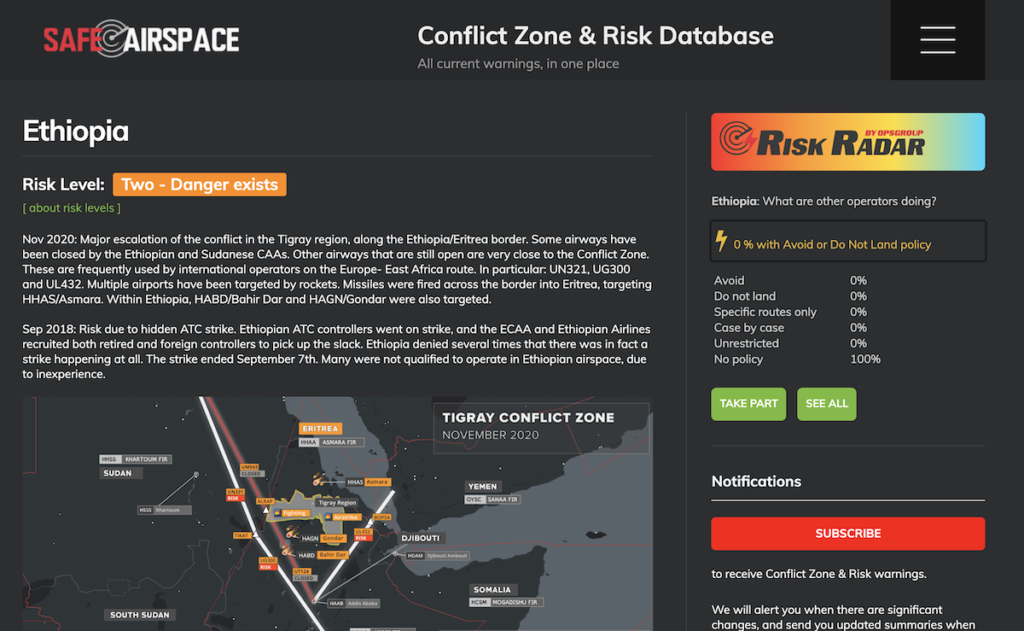
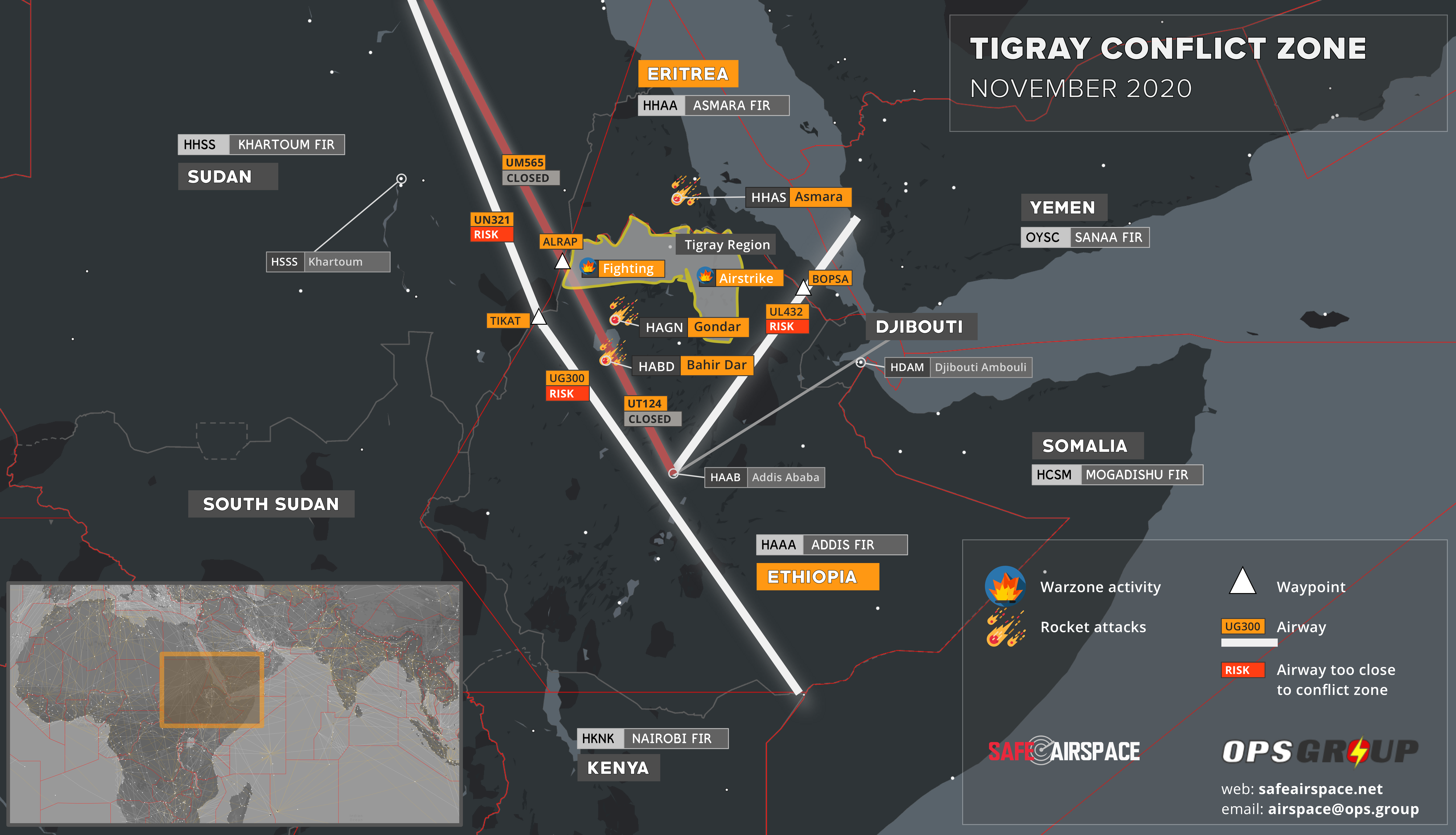
There is a new Conflict Zone in the east of Africa, which carries elevated risk to flight operations that may not be obvious from NOTAMs or other risk warning sources.

Some airways have been closed by the Ethiopian and Sudanese CAAs. Other airways that are still open are very close to the Conflict Zone. These are frequently used by international operators on the Europe- East Africa route. In particular: UN321, UG300 and UL432. We are concerned that operators may be using these routes without being aware of the risk.

OPSGROUP has today issued an Airspace Risk Warning to its members.

Download OPSGROUP Airspace Risk Warning – Ethiopia/Eritrea (PDF)


Download Hi-Res version of this Conflict Zone map


Situation

The region being disputed is called Tigray. It’s in the north of Ethiopia. Government forces are fighting a regional force that wants independence, called the TPLF. In the past week, there has been heavy fighting, multiple airstrikes, missiles launched, and a growing refugee crisis. A domestic conflict has become a cross-border war.

Our Concerns

There are many warning flags that point to previous shootdown incidents – not least MH17 and PS752. These are the reasons we are particularly concerned about the risk to civil aviation in this region:

Local NOTAMs are misleading
The NOTAMs issued by the Ethiopian CAA to close airways in the conflict zone (UM308, UT124) do not say why they are closed. NOTAMs issued to reroute traffic to adjacent routes (UN321, UL432) do not say why they are rerouted. The same applies to NOTAMs issued by the Sudan CAA to close airways and reroute traffic. Flight crews and aircraft operators are therefore not alerted to any conflict in the area by NOTAM.

Arbitrary Reroutes
Traffic is being rerouted to other airways by ATC, but it’s not clear, or likely, that there has been any risk assessment. European flights are now using UN321/UG300, and UL432 – all of which come exceptionally close to the conflict zone. As we’ve learned from MH17 and PS752, just because airspace is open and available, does not mean it is safe.

Previous shootdowns
The Ethiopian Army shot down an Embraer 120 in May 2020, in Somalia. The Ethiopian Air Force shot down a US Learjet in August 1999 in the Eritrean border region. Both were misidentified.

No guidance to operators
No aviation authorities or official sources have issued any guidance or warnings to date via normal channels.

Rapid Escalation of Conflict
The situation has intensified rapidly, and is extremely unpredictable and unstable. The impact on aviation has not been widely reported.

Guidance

Enroute – Overflight:
If you’re transiting any airspace near or over Ethiopia, Eritrea, or Sudan, take a close look at the map and cross check the airways you are operating on. Several open airways are exceptionally close to the Conflict Zone. Just because they are open does not mean they are safe.

Landing – Airports:
Airports in the north of Ethiopia, including the Tigray and Amhara regions, are unsafe at present. Many are closed. There have been missile attacks on HABD/Bahir Dar, and HAGN/Gondar. HHAS/Asmara in Eritrea should be avoided – missile attack on Nov 14, 2020.

Information Sources

The Conflict Zone & Risk Database at SafeAirspace.net contains all current published warnings and alerts for Ethiopia and Eritrea.

The countries that issue the most relevant updates for unsafe airspace are:

• US (FAA) – through Notams and SFARs
• UK (DFT) – by Notam and then AIP
• Germany (BMVI) – by Notam
• France (DGAC) – by AIC

Note: Operators should not rely on EASA Conflict Zone Information Bulletins (CZIB)’s as a primary source of information. These serve only as pointers to the above sources, and often are not issued until several months after updates, if at all. Note that the Civil Aviation Authorities of the countries whose airspace is determined to be unsafe are unlikely to issue reliable guidance.

Group effort

This information is compiled from OPSGROUP member input, information, intelligence and analysis. If you have additional information to share, please send it to report@safeairspace.net.

Members: More information

OPSGROUP Members: More information in the discussion in the Forum about Ethiopia/Eritrea:
Forum > International Ops > New Conflict Zone Ethiopia/Eritrea

All links to further resources are there.


GoCrow planning map – 2020 update!

Hi again members!

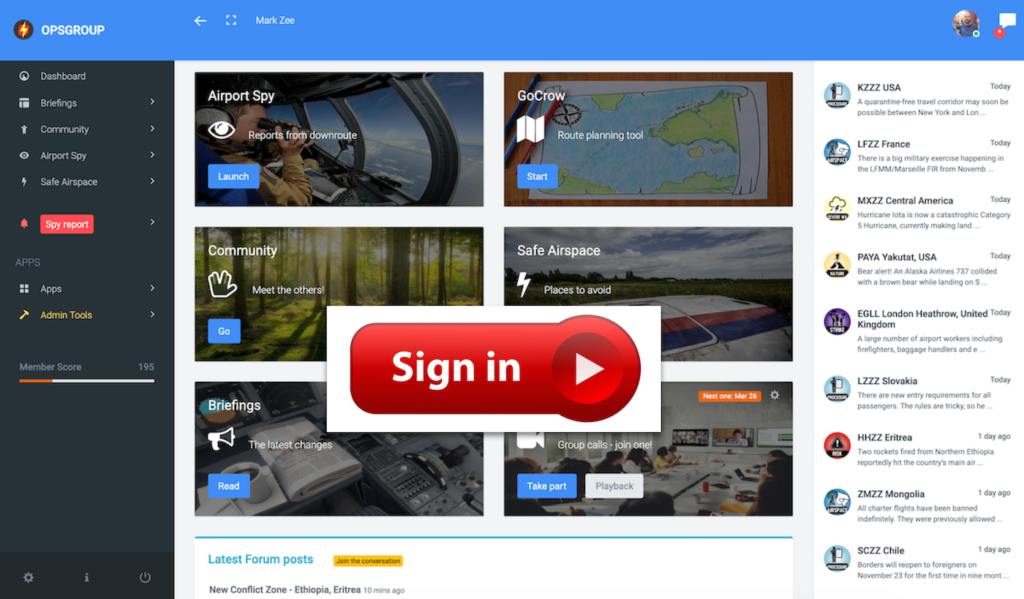
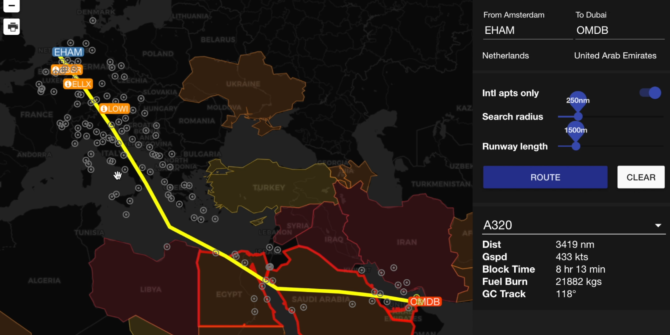
There’s a new version of GoCrow – the OpsGroup route analysis and planning map…

There’s some cool new stuff:

  • SafeAirspace warnings are now on the map, you’ll see them very clearly. Click on a country for more info.
  • All OpsGroup Alerts will show on the route
  • Permit information is fed directly from the Permit Tool in your dashboard
  • New underlays – all kinds of maps
  • You can print a route briefing.

All of this is still in beta, there are still a few bugs and some design issues to work out, but it’s pretty solid. Have a play with it! Watch the video above to get a better idea of what it can do.

GoCrow is here: https://ops.group/dashboard/gocrow/

Comments welcome!


Jobs: our shared spreadsheet

Hi members!

A very simple new little thing in OPSGROUP is now alive …

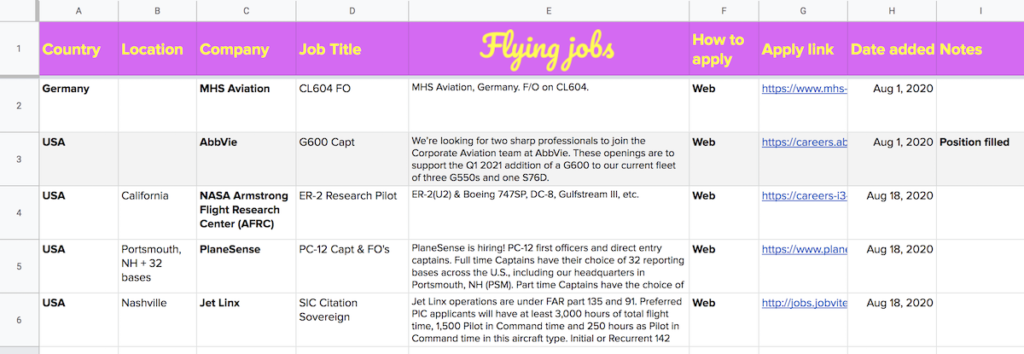
The idea is wonderfully easy. It’s a shared Google Sheet. All group members have access to add and edit.
If you are looking for a new Flying or Ops job, browse the jobs listed.

If you know of a Flying or Ops job, add it …

There are a handful of jobs in there to get us started, but we need your help to add more.

Got one to add? Jump in and add that job. Just make sure it’s an active position available now, and not some kind of hiring agency resume-collector … 🤦


And that’s it! Hope you find it useful, we’d love any feedback or suggestions for improvement.

Have a lovely week!


OPSCHAT: 23rd July 2020 – Flight Ops discussion

When: Thursday 23rd July @ 10am Eastern, 1400 UTC
(Thurs 7am San Francisco, 10am New York, 3pm London, 4pm Berlin, 10pm Hong Kong)

The next OPSCHAT is coming up this Thursday, and there’s definitely some stuff to talk about!

Here’s what we’ve got so for on the agenda:

  • Analysis: That jet that went to Italy and got turned around.
  • Risks – what might you be missing because of the Covid headlines?
  • If a country need a Covid test, where do you get one before leaving?
  • All the 2020 NAT changes in ten lines – and what’s coming in November.
  • Staying proficient when we aren’t flying. What’s being done to keep people in the flying mindset?
  • Jobs – seekers and finders.
  • Relief Air Wing – how OPSGROUP can help hurricane survivors this year.
  • Going to Europe – can you or can’t you?
  • The KEF – STN run, backdoor into Europe?

What else would you like to see discussed? Or, is there something you’d like to present on?

What’s the barrier to your next flight? Tell us, and we’ll bring it up on the call, and see who else is struggling with the same thing (you’re never alone!)

You can already register and save your spot here.

But do please tell us what else we should talk about! We’ll update the agenda once we have expanded the list.

See you there!

Email: opschat@ops.group.


OPSGROUP wants to help you find that new job.

Hi. Mark here. On Saturday morning, I posted a little note to our members in Slack, and this on LinkedIn:

I got a lot of messages. In starting to compile a list, it struck me that I hadn’t quite asked for the right thing.

I felt I wasn’t doing justice to telling each persons story.

What I’d said was, condense your CV/Resume into a little paragraph, and we’ll send that out to the group. But it felt a little flat.

And I think that’s because CV’s are a little flat. It’s just a snapshot of your story, but there are better ways to tell it. I want people to read your story, and think – yep, that person could be right for us. It’s hard to do that with a list of aircraft types and places you’ve worked and what certificates you have.

So if I’m really going to help, I have to look for a better way to tell your story.

When we hire at OPSGROUP, we don’t ask the standard HR questions. They don’t work for us. “Where do you see yourself five years from now?”: Kidding, right?

What we do, is try to get to know you a little – what lights you up, what do you love working on, what do you want to change in aviation, what adventures you’ve been on. We like those questions. They may be specific to our mission, but the concept is important: something about you stands out, and we want to find it.

So, if I’m going to send an email out to our group and tell them about you, how can I tell your story so that something stands out? How do we make it engaging, so that it’s actually fun to read, and people will actually read it – and in turn, give you a decent chance of someone contacting you with a role that might fit?

And so, I had a better idea (I think). How about we make each one into a mini-feature. Like you might read in a magazine. Short and sweet, but with a few good questions that bring out more about you than a CV can. Here’s what we have to get started – If you have a great question to add, comment below or send it to me and we’ll add it to the list (this is just a starter):

* What has been your biggest adventure?
* What book has had the biggest impact on you?
* What is your superhero skill?
* What would you love to do in aviation that you haven’t done yet?
* In the last five years, what new belief, behavior, or habit has most improved your life?
* What’s the most positive impact of 2020?
* What unusual hobby do you have?
* What advice would you give to your 20-year-old self?
* Is there something that really lights you up?

* What’s the best thing about working in aviation?

So here’s the plan. Send me your paragraph, but structure it like this:

1. Your name and your ‘resume snapshot’ – where you are based, your experience, etc.
2. Choose three questions from the list and answer them
3. Put down your contact details – email, LinkedIn profile, and if you like – social.

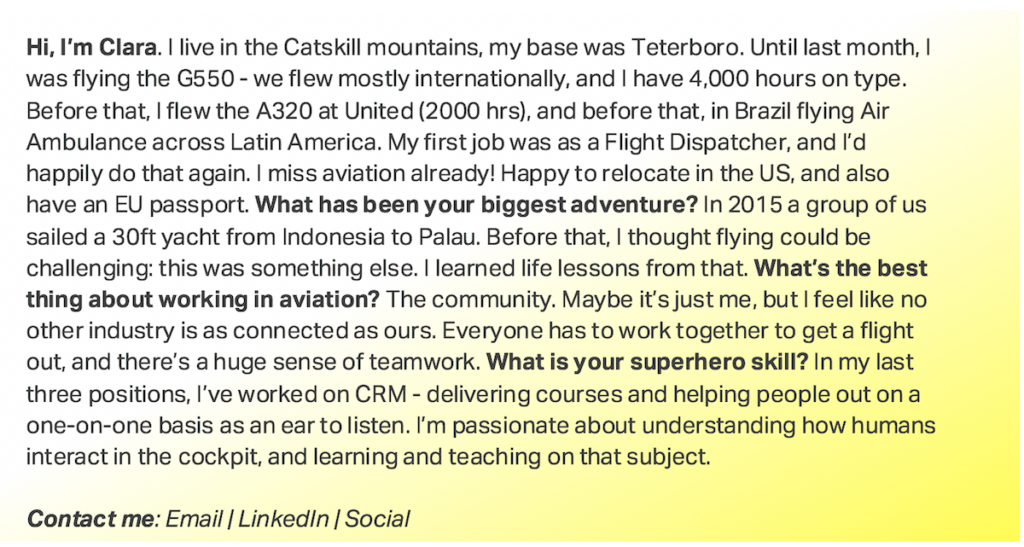
Here’s an example of what you might end up with:

So if you like, make your own paragraph, and then just email it to me. Whether you’re a member of the group or not doesn’t matter, we’ll get the word out. I suggest keeping it short and sweet! Maybe 10-15 lines, just like the one above.

If you don’t know about OPSGROUP, here’s our own little story: OPSGROUP was formed to solve a problem. When MH17 was shot down over Ukraine, we learned that a handful of people had known about the risk, and avoided the airspace. Nobody else did, because they didn’t know. Today, OPSGROUP has 7000 individual members – We are Flight Dispatchers, Pilots, Air Traffic Controllers, and operational specialists from large airlines, small aircraft operators, Civil Aviation Authorities, ICAO, NBAA, and a multitude of other aviation organizations. We work together to share critical new information about airspace risk, procedures, and just help each other out. Most importantly, this is a group of people, not of companies or authorities.  More on us here.

What this means for you, right now, is that we have a big group of people at the heart of flight operations, who will read your story, and might have a job that suits you. I know we have a great group and if there’s a chance for someone to help, they’ll take it.

As promised, I’ll compile a list, make it into an email, and send it out to our group.

I can’t promise that you’ll get responses, but I do think that this way of doing things gives you a much better chance.

I would also love your thoughts. Maybe you have even better ideas.

Cheers – Mark.


Email: mark.z@ops.group


We got some checklists for you …

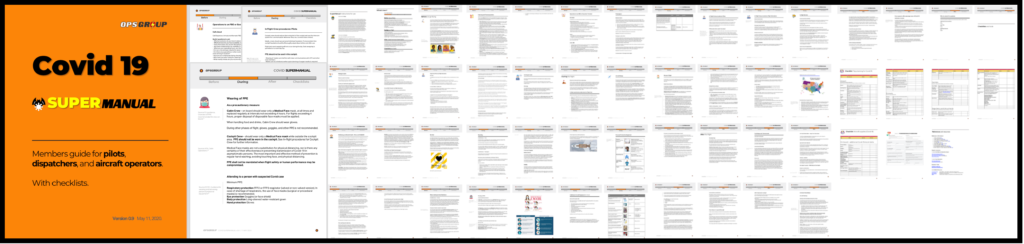
This is an extract from the OPSGROUP Covid-19 Supermanual, version 0.9 – May 11, 2020


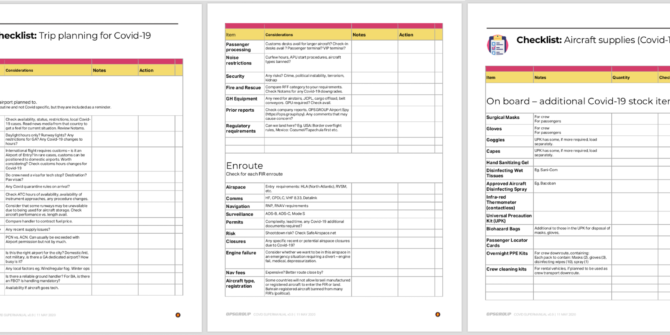
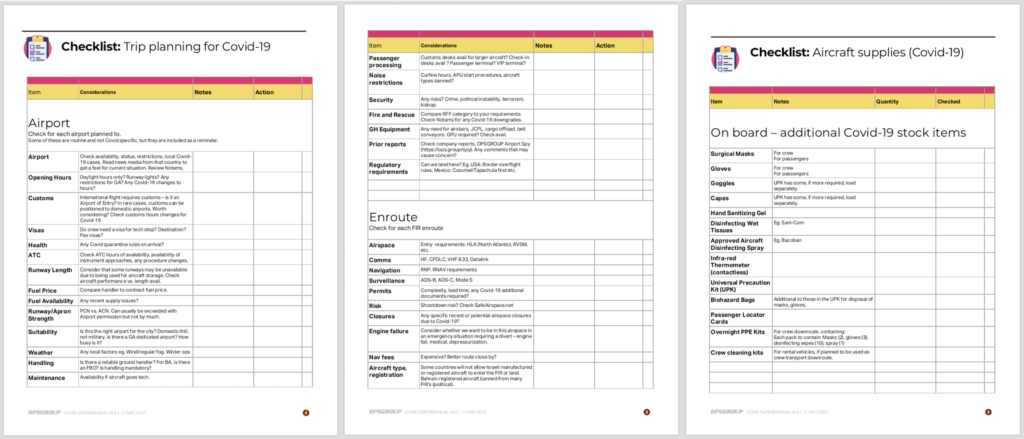
Trip planning Checklists for Covid-19

At the back of the group Covid-19 Supermanual we have 5 pages of checklists, which you can download here.

  • Airport
  • Enroute
  • Permits
  • Regulatory and Documents
  • Aircraft Supplies 


What else is in the manual?

We’ve divided the manual into four areas around phases of flight: Before, During, After … and a Checklists section.

Before we go flying

About Covid, Precautions, Off duty crew and staff
Going to work, Health Check, Illness at work, Dispatchers
Flight Crew – Fit to fly, License, medical and recency, keeping aircraft and crew current
Wellbeing and Mental Health: How to find calm, Be Kind
Planning a flight, Crew pairings and planning
Aircraft cleaning and preparation, Risks: Hand Sanitizers, Dangerous Good regulations
Catering and Food preparation, Operations to an FBO or Executive Terminal, Passengers
Arriving at work, Briefings

During our flight

In-flight considerations
Aircraft Setup, Boarding, Temperature Checks, Baggage, Seating
Wearing of PPE (Personal Protective Equipment)
Additional Aircraft Equipment
In flight Crew procedures: Pilots, Flight Attendants, In-flight Service
Illness in Flight – Crew actions, Dispatch actions, Cleaning procedure

After – back home (or downroute)

Disembarking
Tech Stops and Turnarounds, Interim Cleaning, Walkaround
Arrival at Destination, Waste Disposal, Cleaning at outstation
Overnights/Layovers, Hotel guidance, Crew PPE kits
Crew Illness away from Home base
AOG/Unplanned overnight
Arrival at Home base,
Aircraft Cleaning, Cockpit cleaning
Crew exposure, Contact tracing

Checklists

Checklist: Trip planning in Covid-19
Checklist: Aircraft supplies
Passenger Health Screening form example

For more about the Covid-19 Supermanual contents, and to download a copy, use this link.


Hand sanitizers on board: Fire risks

This is an extract from the OPSGROUP Covid-19 Supermanual, version 0.9 – May 11, 2020


Hand Sanitizers – fire risk

In a documented case in May 2020, an individual suffered first and second degree burns when they made contact with a metal surface and a static discharge ignited the still wet hand sanitizer. Hand sanitizer gels contain large concentrations of alcohol. Once the hand sanitizer is applied, individuals must make sure the gel has suitable time to dry. Alcohol vapors can ignite if exposed to an ignition source, such as light switches or cigarette lighters. Crews should be made aware of this risk, especially in the aircraft operating environment. Original source here.

Dangerous Goods exemption requirements

Alcohol-based hand sanitizers are classified as dangerous goods and are not specifically permitted by the IATA Dangerous Goods Regulations and ICAO Technical Instructions for the Safe Transport of Dangerous goods by Air (DGR 2.5, ICAO Technical Instructions Part 1;2.2) .

Operators that wish to add alcohol-based hand sanitizer to the items carried in galleys or installed in lavatories will need to request authorization from their civil aviation authority (State of the Operator) in accordance with the provision that is set out in Part 1;2.2.1 a) of the ICAO Technical Instructions.

IATA recommends that the request for authorization addresses the following:

– The classification and UN number of the hand sanitizer. For example, UN 1987, Alcohols, n.o.s. (ethyl alcohol mixture), UN 1170, Ethanol solution. However, the safety data sheet from the manufacturer of the hand sanitizer should be checked for the classification;

– The quantity of hand sanitizer in each container and the number of containers to be carried on the aircraft;
– What steps will be taken to ensure that the hand sanitizer is kept away from sources of heat or ignition;

– Provision of information to crew members on the carriage of the hand sanitizer. For example, that crew members will be advised on the procedures through a bulletin or other appropriate method.

Crews can take hand sanitizers as carry on, each bottle max 0.5L, under the IATA Dangerous Goods regulations, total for toiletries is 2L.


What else is in the manual?

We’ve divided the manual into four areas around phases of flight: Before, During, After … and a Checklists section.

Before we go flying

About Covid, Precautions, Off duty crew and staff
Going to work, Health Check, Illness at work, Dispatchers
Flight Crew – Fit to fly, License, medical and recency, keeping aircraft and crew current
Wellbeing and Mental Health: How to find calm, Be Kind
Planning a flight, Crew pairings and planning
Aircraft cleaning and preparation, Risks: Hand Sanitizers, Dangerous Good regulations
Catering and Food preparation, Operations to an FBO or Executive Terminal, Passengers
Arriving at work, Briefings

During our flight

In-flight considerations
Aircraft Setup, Boarding, Temperature Checks, Baggage, Seating
Wearing of PPE (Personal Protective Equipment)
Additional Aircraft Equipment
In flight Crew procedures: Pilots, Flight Attendants, In-flight Service
Illness in Flight – Crew actions, Dispatch actions, Cleaning procedure

After – back home (or downroute)

Disembarking
Tech Stops and Turnarounds, Interim Cleaning, Walkaround
Arrival at Destination, Waste Disposal, Cleaning at outstation
Overnights/Layovers, Hotel guidance, Crew PPE kits
Crew Illness away from Home base
AOG/Unplanned overnight
Arrival at Home base,
Aircraft Cleaning, Cockpit cleaning
Crew exposure, Contact tracing

Checklists

Checklist: Trip planning in Covid-19
Checklist: Aircraft supplies
Passenger Health Screening form example

For more about the Covid-19 Supermanual contents, and to download a copy, use this link.


Covid SuperManual for Flight Operations

Hi members,

The OPSGROUP Covid-19 SuperManual is ready! Before we get into it, a BIG thank you to everyone that took part in this huge effort. The team here received 100 or so individual Operations Manuals and Flight Ops Bulletins, and that’s what this ‘Super Manual’ is: a collation of all of the group knowledge and procedures around Covid.

This is OPSGROUP at its best – you guys coming together to share your piece of the puzzle, and then we put them all together and get the full picture out to the whole group. So, well done everyone!


What’s in the “Covid Super Manual” ?


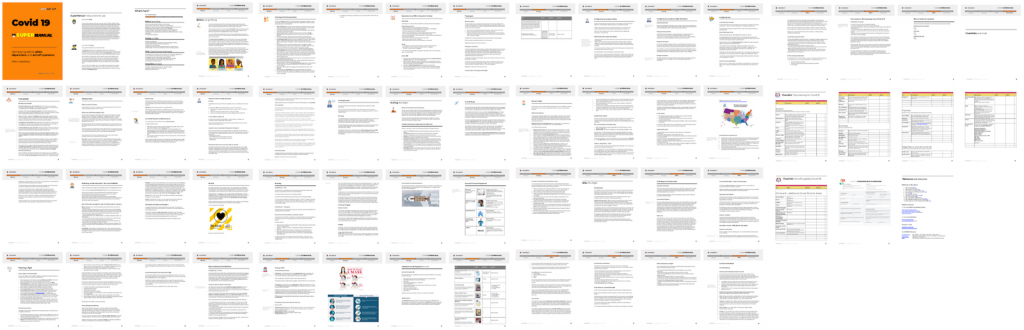
We’ve divided the manual into four areas around phases of flight: Before, During, After … and a Checklists section.

Before we go flying

About Covid, Precautions, Off duty crew and staff
Going to work, Health Check, Illness at work, Dispatchers
Flight Crew – Fit to fly, License, medical and recency, keeping aircraft and crew current
Wellbeing and Mental Health: How to find calm, Be Kind
Planning a flight, Crew pairings and planning
Aircraft cleaning and preparation, Risks: Hand Sanitizers, Dangerous Good regulations
Catering and Food preparation, Operations to an FBO or Executive Terminal, Passengers
Arriving at work, Briefings

During our flight

In-flight considerations
Aircraft Setup, Boarding, Temperature Checks, Baggage, Seating
Wearing of PPE (Personal Protective Equipment)
Additional Aircraft Equipment
In flight Crew procedures: Pilots, Flight Attendants, In-flight Service
Illness in Flight – Crew actions, Dispatch actions, Cleaning procedure

After – back home (or downroute)

Disembarking
Tech Stops and Turnarounds, Interim Cleaning, Walkaround
Arrival at Destination, Waste Disposal, Cleaning at outstation
Overnights/Layovers, Hotel guidance, Crew PPE kits
Crew Illness away from Home base
AOG/Unplanned overnight
Arrival at Home base,
Aircraft Cleaning, Cockpit cleaning
Crew exposure, Contact tracing

Checklists

Checklist: Trip planning in Covid-19
Checklist: Aircraft supplies
Passenger Health Screening form example


Some things to highlight
: these were the most discussed areas in the SuperManual work group:

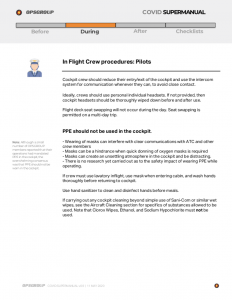
  • Cockpit PPE, to wear or not to wear. Although there is no specific guidance (yet) from authorities, the vast majority of operators are opting for the rule “No PPE to be worn on the Flight Deck” – considering the risks and impact on ATC comms, intra-crew comms, quick donning of oxygen masks, and the unknown potential impact of wearing masks and gloves. We have therefore opted for this play-it-safe approach – the safety of the flight comes before any potential (and seemingly unlikely) benefit from wearing masks while flying.
  • Dangerous Goods regulations. Operators need to check the rules as they apply to your own operation, but for most, carrying hand sanitizers on board in galleys and cabins requires approval from your Aviation Authority.
  • Aircraft Cleaning. Before you rush to wipe everything down, check the section on cleaning for some materials that should not be used as they will degrade the paintwork and cause damage to aircraft parts.
  • Illness in Flight. We saw this in almost every manual, with some wildly differing versions. So, in the SuperManual, there are 2 full pages on how to handle this, have a read.


How to use the SuperManual

  • Use it as a “Oh, I hadn’t thought of that” – read through and see what might apply to your operation
  • Remember that OPSGROUP is a mix of operators: some airline, some corporate, charter, private ops, military, and others. Not everything will apply to your operation. So, when you copy and paste into your own manual, apply common sense
  • Use the sources in the left column to double check the latest situation and guidance from authorities. Things are changing fast, and this might be out of date soon. Also, it might just be plain wrong. Don’t believe everything you read!

Example page with source notes:

Take part in the next round

  • This is version 0.9. We might not get to a v1.0 for a while, until more of the manual is backed up by official guidance, but this is everything we’ve seen and know in the group right now.
  • If you want the next version sent to you directly, send us what you have. As with all the 100 or so manuals we’ve already received, none of the original manual is shared or identified, everything is anonymous, and once we’ve had a look we’ll delete the manual. Top secret stuff, we know!

Download the Covid SuperManual:

  • Get it in your Dashboard: right here
  • Or, check your email – all members received a copy on publication.


Wednesday, May 13th @ 4pm Eastern, 8pm UTC

A special OpsChat around Flight Operations and Covid-19, to coincide with the release of the OPSGROUP Covid-19 SuperManual. More on that here.

A recording of the OpsChat will be available in the Dashboard shortly.


Questions?

Let us know – team@ops.group. We’d love to hear feedback on the manual, what might make it better, additions, corrections, improvements … and if you have a manual to share for the next version, please do send it to us.

Cheers,
The OPSGROUP Team.


OPSCHAT: 13th May 2020 – Flight Ops and Covid

It won’t look anything like the cheesy corporate picture above, but we’re going to have a special OpsChat around Flight Operations and Covid-19, to coincide with the release of the OPSGROUP Covid-19 SuperManual.

When: Wednesday, May 13th @ 4pm Eastern, 8pm UTC
(Weds 1pm San Francisco, 4pm New York, 9pm London, 10pm Berlin, Thurs 4am Hong Kong, 8am Auckland)


We’ll focus on these areas:

  • Going to work, Health Check, Illness at work, Dispatchers
  • Flight Crew: Fit to fly, License, medical, keeping aircraft and crew current
  • Wellbeing and Mental Health: How to find calm, Be Kind
  • Aircraft cleaning and preparation, Risks: Hand Sanitizers, Dangerous Good regulations
  • Aircraft Setup, Boarding, Temperature Checks, Baggage, Seating
  • Wearing of PPE (Personal Protective Equipment)
  • Additional Aircraft Equipment
  • In flight Crew procedures: Pilots, Flight Attendants, In-flight Service
  • Illness in Flight – Crew actions, Dispatch actions, Cleaning procedure
  • Overnights/Layovers, Hotel guidance, Crew PPE kits
  • Crew Illness away from Home base

Join us – the usual way, register here, get Zoom, and jump on at 4pm EST on Wednesday.

Have a look at the OPSGROUP Covid-19 SuperManual, we’ll get into that on the call.


Cargo Fail: How not to convert your pax aircraft

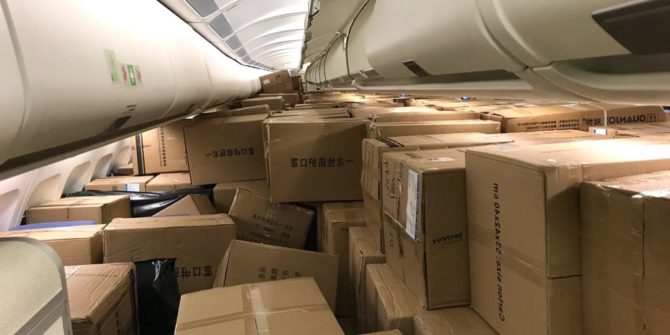
A good number of airlines are working through the process of quickly converting passenger aircraft to cargo (and a few are making a mess of it).

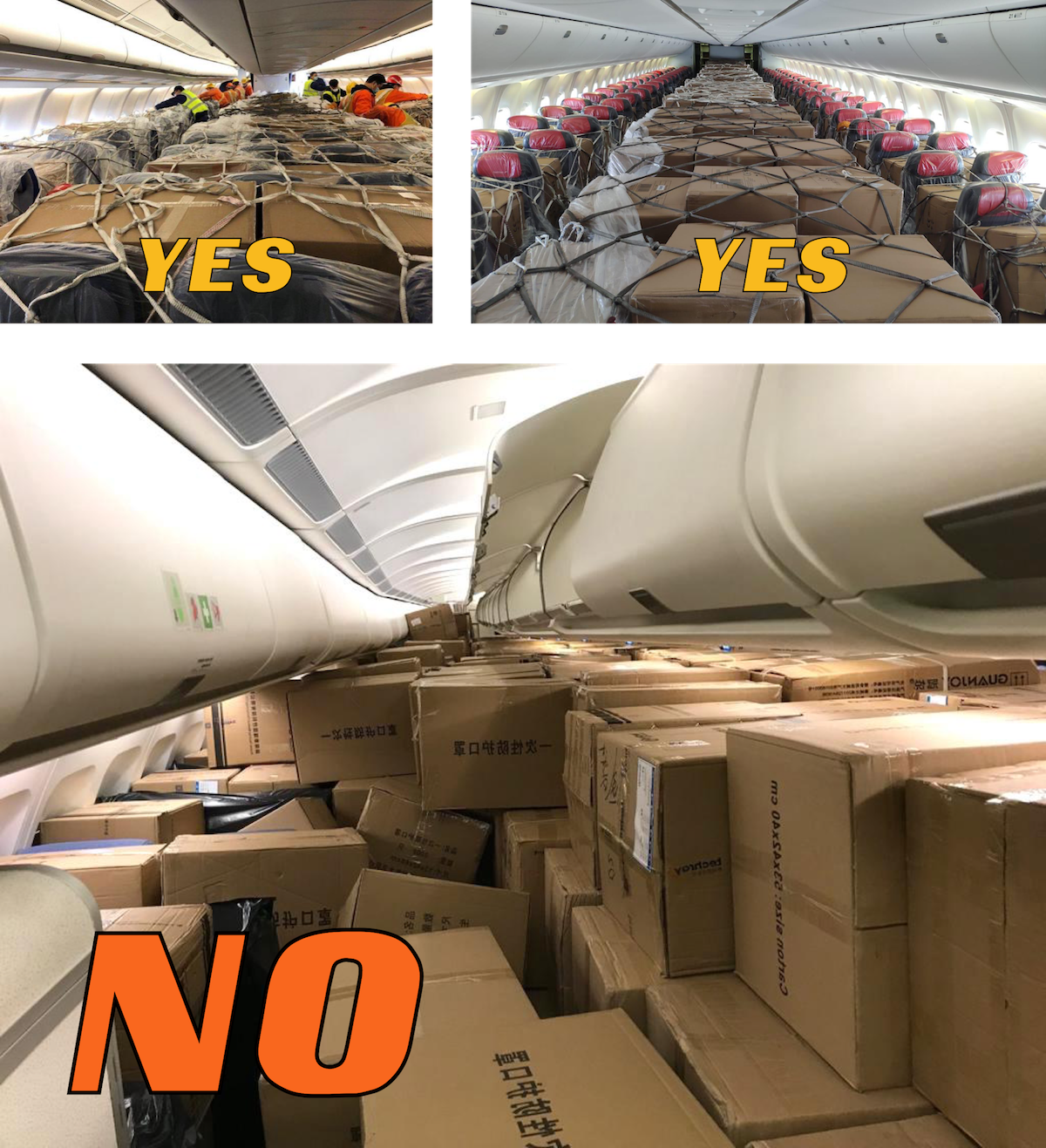
Here’s a simple guide to help you in the process.

Cargo Conversion Guide

Um, that’s basically it. Avoid picture three, and you’re fine.

A few more details …

It’s not hugely complex, and there is some good official guidance on it. Based on the EASA rules (document below in the footnotes), here’s a good summary from one of our member operators:

Setting up the cargo

* The mass of the cargo shall not exceed the structural loading limits of the floor
* Aisles & exits MUST remain clear to allow for emergency action
* Loads on seats must not exceed 77kg
* Underseat stowage is only permitted if the cargo is FULLY under the seat. The weight for underseat cargo shall not exceed 9kg
* All cargo packaging must be able to handle the Delta Pressure
* The vertical CG of the cargo must be equal or lower than the
during all flight phases
passenger CG provided by the seat supplier
* Cargo carried in overhead bins must not exceed the weight stated
* Dangerous Goods MUST be carried in the hold ONLY.

During the flight

* There must be ONE empty row in-between crew in the passenger compartment and cargo
* The only persons permitted on board the aircraft are employees of the company acting in their role. Any other persons would be classed as passengers and the flight would not be operated in accordance with the exemptions
* On board crew MUST occupy Cabin Crew seats. Crew cannot share a row with cargo
* Any fire/smoke in the passenger compartment must be easily
– investigated by the crew on board and must be able to be
– extinguished by the onboard equipment.
– All smoke/fire detection equipment shall be maintained in accordance with EASA regulations

Loadsheet and monitoring

* Load Sheet to ACCURATELY reflect the position of cargo onboard
* PIC must be informed of cargo contents by NOTAC – to be including in briefing pack
* The CG of the aircraft must be operated within those for passenger flights
* Cargo to be checked during flight phase. At the minimum:
– Before Takeoff
– Before Landing
– During Cruise Phase
* At any other time on the direction of the PIC
– Avoiding making PA’s to the cargo. Unlikely to be interested.

OK, we added that last point, but other than that, it’s a good list. Now for the official stuff.

EASA Guidelines for Boxes on Seats

The approval, in Europe at least, stems from Article 71(1), so you can find those rules in full here: EASA Cargo in Pax Compartment . EASA updated this recently to allow operators to stick boxes on seats, but if you’re planning a bigger conversion, then you’ll need the info below.

EASA wider advice

(from this page)

In the context of the emergency situation created by the COVID-19 pandemic, EASA has committed to treating projects supporting the collective effort to transport medical supplies and other important goods as efficiently as possible. The following message is intended specifically for Design Organisations and Operators, and offers updated information on airworthiness and certification aspects.

We have developed further guidance on the design change classifications, certification aspects as well as use of Exemptions in accordance with Art. 71.1 of the Basic Regulation 2018/1139 for limited time periods.

In order to enable an early availability of a transport solution in the frame of the current COVID-19 situation, EASA supports the use of the provisioning of Article 71.1, also for on-going projects, through additional support to National Competent Authorities and operators as required.

For a permanent use, a design change approval is required.

Transport of medical supplies under a design change approval

Approved Design Organizations may reclassify such modification as “Minor Change” and approve these under their DOA-privileges, allowing for the use of cabin seats when related to the transportation of medical supplies (e.g. masks, gloves, clothing, etc.) provided they are not classified as dangerous goods. This has to be indicated in the approval documents and AFM Supplement.

Since this kind of installation is a change in the scope of operation of the aeroplane, and in the absence of dedicated operational requirements covering this kind of operation, the installation and the procedures for operation have to be addressed taking into account the specific configuration of each aeroplane model affected.

Transport of other cargo under a design change approval

For transport of cargo other than medical supplies as well as in case removal of seats are necessary to allow fixation of cargo onto the aircraft structure for cargo operation, a Major Change or STC application is required and will be processed by EASA with priority.

While preparing your documentation, please consider the following information:

  • For the installation of Cargo Seat Bags the CM-CS-003
  • The published Special Condition, can be used as appropriate guidance, also in the frame of Minor Changes.
  • Already approved STC
  • Guidelines published by the aircraft manufacturers Airbus (ref.: FOT-999-0028-20-00) and Boeing (ref.: MOM-MOM-20-0239) have been issued.

Aside from the advice issued by EASA, the FAA have also published a SAFO, and IATA have chipped in with some guidance of their own too.

In the US the FAA writes the aviation regulations in 14 CFR, but the Pipeline and Hazardous Materials Safety Administration (PHMSA) writes the Hazardous Materials Regulations (HMR) in 49 CFR Parts 171-180. The FAA’s SAFO contains a nod to the hazardous materials/dangerous goods regulations, but PHMSA has published some information and relief documents that might be useful such as notices and issuance of guidance and Special Permits providing limited relief to some regulation.

For the hazardous materials regulations you should go to 49 CFR Part 175.

Both FAA and PHMSA have dedicated pages which should be checked often for the most current information. Those pages can be found here:
https://www.faa.gov/coronavirus/
https://www.phmsa.dot.gov/news/assistance-public-during-covid-19

Time to swap hats

Now that you’ve got your airplane converted, you need to get yourself across to the dark side as well.

Cargo pilot conversion tips:

–  You’ll need a baseball cap, preferably old with grease stains.

– You can make even longer than normal PA’s, the boxes will probably pay more attention than the passengers used to. Just skip the ‘Please remain in your seats …’ part on the taxi in, these are the most well behaved guests you’ve ever had.

Get better stories. That one about the time you had to feather two props on an Electra out of Ostend with eight pallets of porcelain toilets. Cheat and get some good ones here.

– You can now wear your uniform for a week without changing it. Spill some coffee on it on Day 1.

– No need to deviate left or right, just plough through those CB’s. And forget the turbulence reports, the boxes can take it and so can you.

– You’ll need a new type rating: the coffee maker. Don’t worry, you’ve got 8 hours to Shanghai to figure out how to make it work.

– Good news, you qualify for membership of the Freight Dogs forum on PPRuNe.

And finally … a Cargo Pilot Ground course in 3 mins. Learn from the old masters:


A330 shot at during Covid relief flight

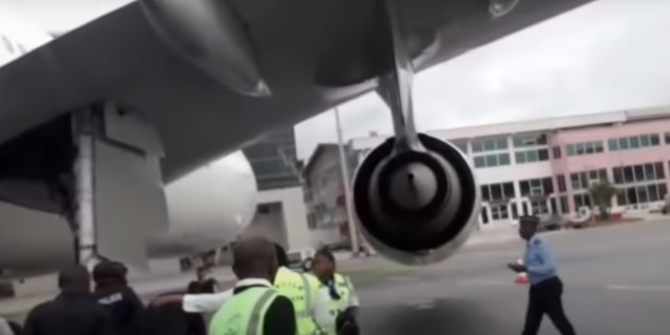
An Air France A330-200 was shot at after landing in FCPP/Pointe Noire, on the evening of April 11th. The aircraft was operating a Covid repatriation flight, picking up passengers in Congo-Brazzaville, and planned to depart back to Paris via Bangui.

Two shots were fired during the incident, with one bullet puncturing the fuselage.

Initial reports made the incident seem quite disturbing, with differing versions of the story appearing in news media.

But, it turns out to have been a little less dramatic. It seems an altercation between a security guard and his boss led to him trying to fire his gun in the air, and hitting the aircraft was unintended.


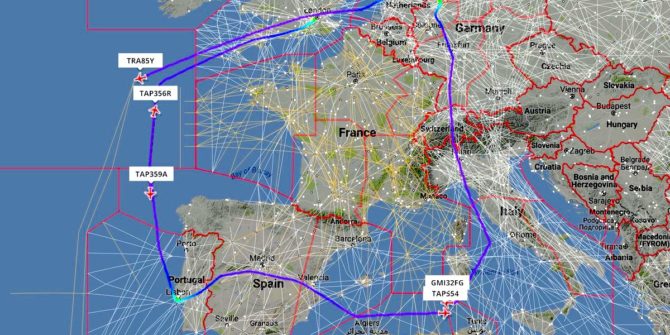
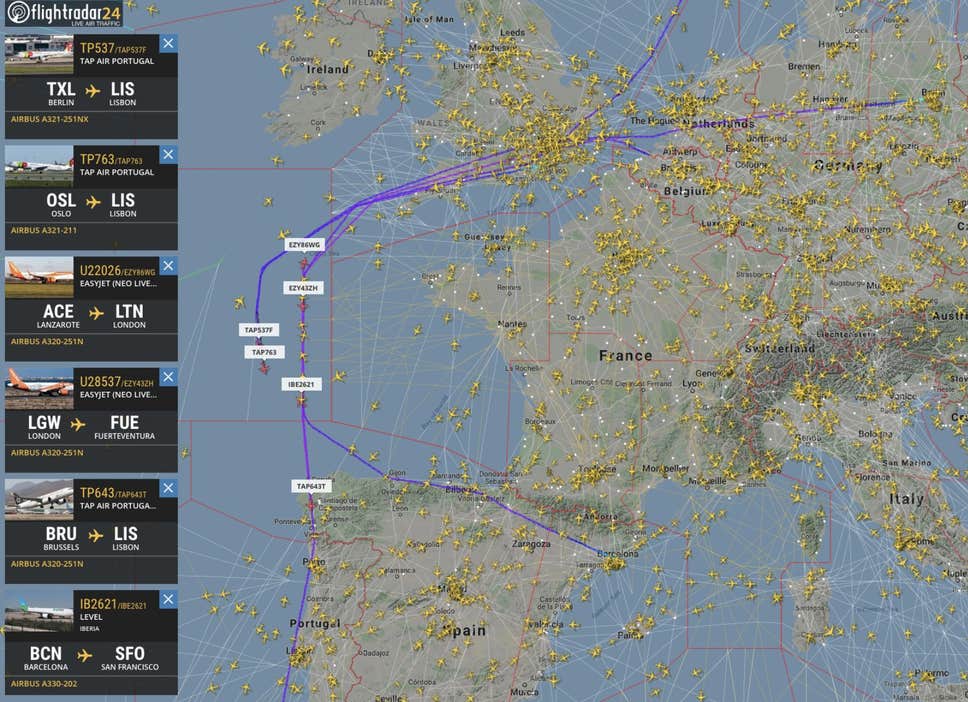
France switches to ‘ATC by Notam’ only

In a move that industry analysts have declared ‘revolutionary’, France has flipped the table on the provision of Air Traffic Control services.

With a new guide published on the topic, instead of issuing Strike Notams, France will now ‘activate ATC service’ by Notam only, on specific dates.

When ATC is available in French airspace, and when airports are running normally, France will issue an A-series Notam with the specific wording ‘Warning: Full ATC service available‘. Officials have been tight-lipped on when the first day of routine French service can be expected in 2020.

Speaking after the decision made in Paris earlier this month, a DGAC spokeswoman told us “We’re unhappy that France is only responsible for about 30% of the delays in European airspace over the last 15 years. Although commendable, we can only be truly proud of a number in excess of 50%, to ensure we retain the #1 spot for years to come.”

Adjoining ATC Centers have applauded the move, saying that the new system will bring an end to the endless Eurocontrol NOP warnings about French strikes. “It’s a much more sensible system”, said a Eurocontrol Network Manager staffer in Brussels. “With this new method, we only have to occasionally highlight a Notam that is issued when French airspace is operating normally. We anticipate this being a rare occurrence, so the workload for us is much lower and more manageable.”

Airlines too have welcomed the new plan. “We really enjoy the banana routes“, said a pilot at Easyjet. “Too often these days we get long, straight, direct clearances from these boring, efficient controllers in Shannon, London, Maastricht, and Madrid. That means you’re just following a magenta line several hundred miles into the distance, and it’s so dull. With the French closures, we get to see parts of Europe we normally don’t. Extreme Flight Planning is fun. And there’s much more time to relax in the cockpit.”

Shanwick, too, are enjoying the extra traffic on the Tango Routes between Ireland, the UK, and Spain. A controller in the Oceanic Center at Prestwick told us, “It’s not like the North Atlantic is busy these days. Year on year we’ve seen declining traffic, there’s so few aircraft crossing east to west, so this additional boost from the French shutdowns is really a positive for Shanwick. The Tango routes are keeping us nice and busy, and the controllers here are thrilled.”

Speaking during a fuel stop in South Sudan, a Ryanair First Officer highlighted the positives of the French reroutes. “I mean, this is Africa, it’s wonderful! Who would have thought that a Stansted – Zurich flight could be such an adventure. Everyone here in Juba has been so welcoming.”

Algerian and Tunisian tourism agencies have also added to the support for the new French move, seeing an increase in travel to their countries, after passengers have experienced the beauty of their coastlines from FL350 during the reroutes around France.

Others however, are more cautious.

Representatives from Greece and Turkey are concerned about the additional strain on the Notam system, with the upcoming annual Notam Battle scheduled for late February. “Historically, we have reserved the right to use the Notam system for our border disputes. It’s essential that these can continue, and we would urge the French authorities to keep the text of these new Notams to a minimum, and keep the AFTN lines clear so we can use them.”

With so few days of routine French ATC service, we think Greece and Turkey don’t need to worry.

TL;DR: All joking aside, we’re getting another French ATC strike on Thursday 20th Feb – this will be the tenth French ATC strike since they started having them pretty much every week at the start of Dec 2019. You probably know the drill by now, but if not, check out this post on how to survive a French ATC strike!


Risk assessing Iran ops – the UIA 737 may have been shot down

Special Update Thursday 09JAN: Members, please see either your email or this post in the Members forum, for a special briefing and update.

08JAN: Iran/Iraq Information page activated with latest information.

The cause of the crash of Ukraine International Airlines (UIA) AUI/PS752 on departure from Tehran is not yet determined, and given political circumstances, may not be clarified beyond reasonable doubt anytime soon.

Purely from the perspective of making a risk assessment for operations to Tehran, and Iran in general, however, we would recommend the starting assumption to be that this was a shootdown event, similar to MH17 – until there is clear evidence to the contrary.

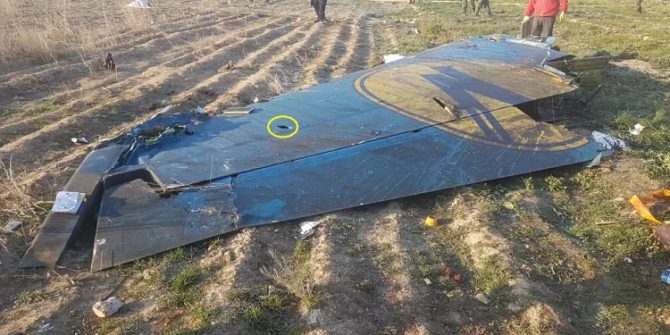
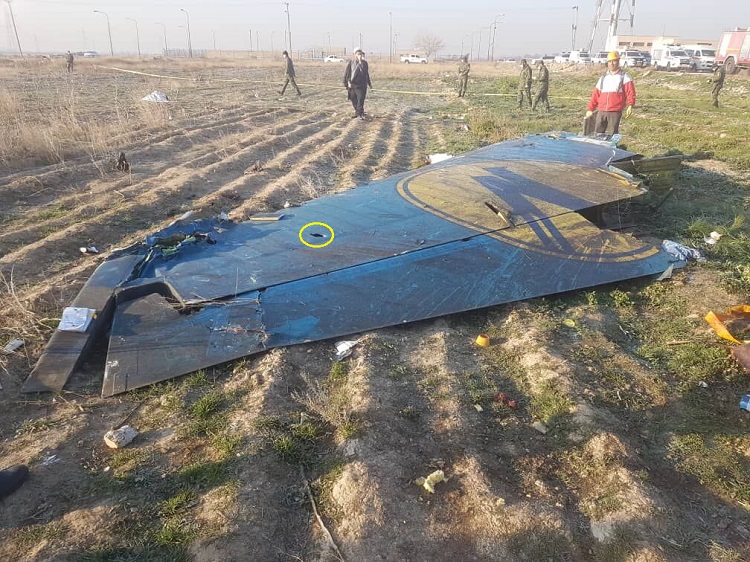
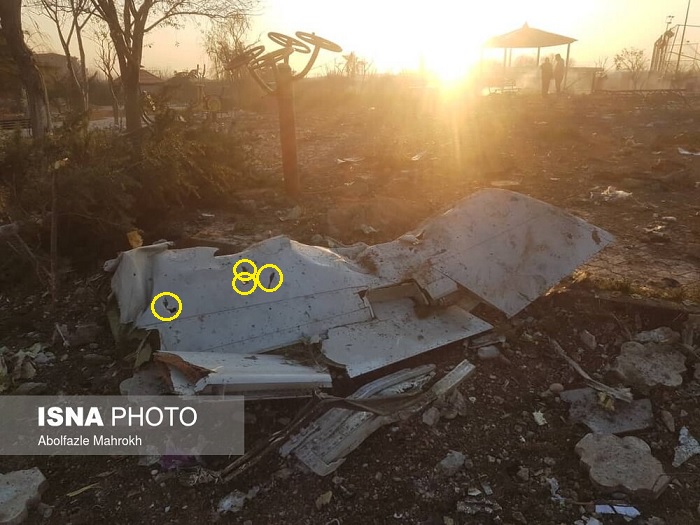
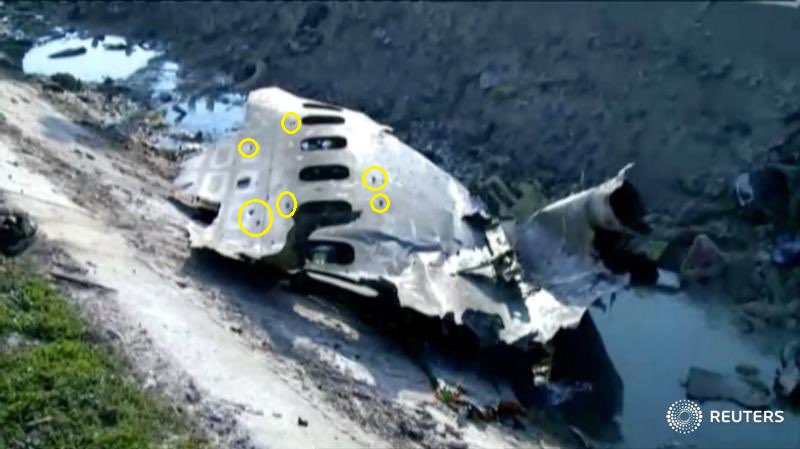
Images seen by OPSGROUP, shown below, show obvious projectile holes in the fuselage and a wing section. Whether that projectile was an engine part, or a missile fragment is still conjecture, but in making a decision as to whether to operate to Iran, erring on the side of caution would dictate that you do not, until there is clear information as to the cause.

Obviously, there is also the wider regional risk as indicated through the US FAA Notams issued late Tuesday night. US operators are covered by these clear and specific Notams – do not operate to Iran, or Iraq, or operate in the Persian/Oman Gulf area.

Other operators are free to make their own judgement, but should note that a majority of non-US international carriers have elected to avoid both countries for the time being.

See also:

  • OPSGROUP Article: FAA Bans Flights Over Iraq And Iran Following Missile Strike On US Base
  • OPSGROUP Article: Germany publishes new concerns for Iraq overflights


Images from ISNA, Reuters; marking of projectile areas from JACDEC.


Germany publishes new concerns for Iraq overflights

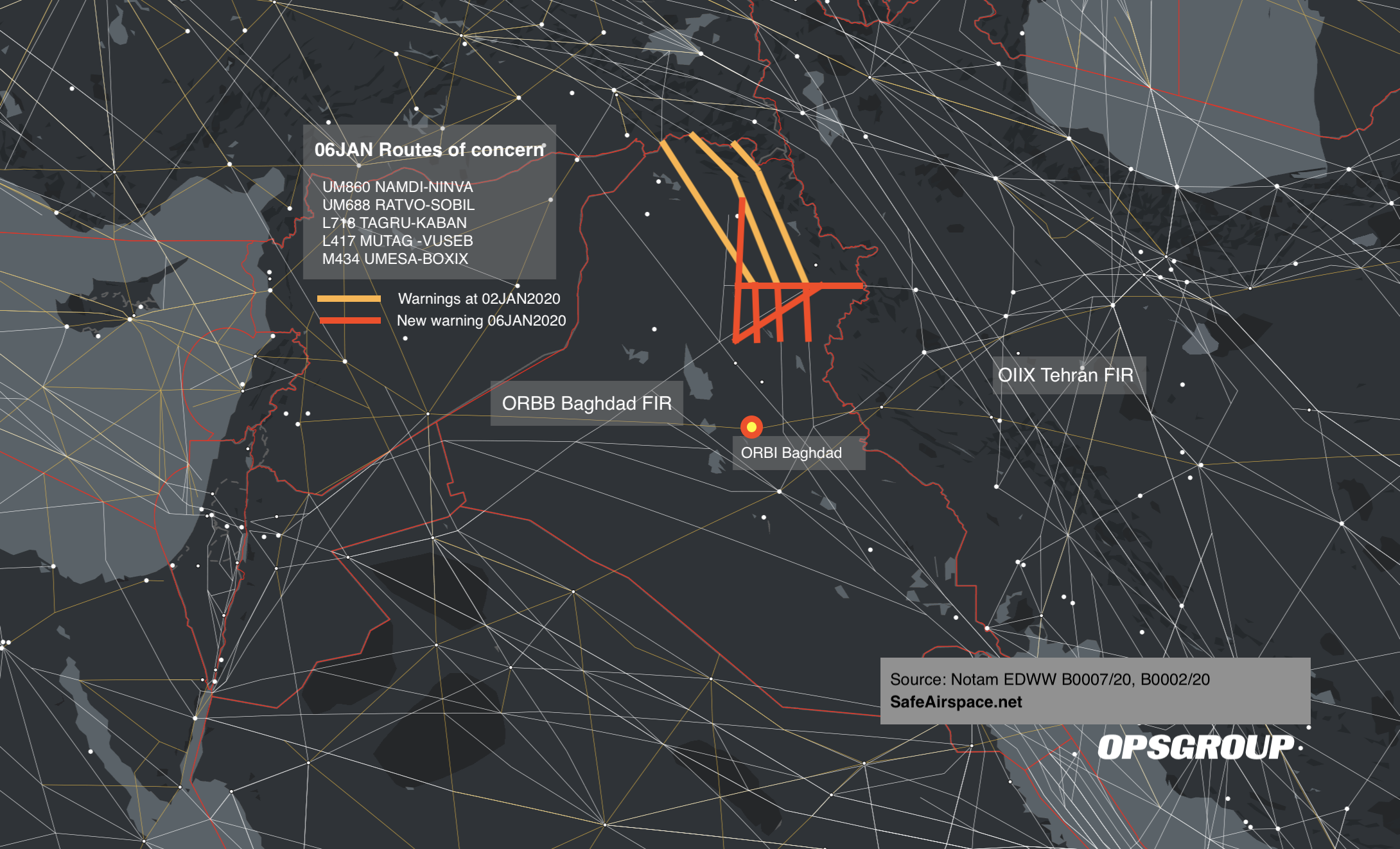
Late Monday evening, the German LBA published a new warning for Iraq, indicating areas of concern for overflying traffic, together with a new warning on ORBI/Baghdad Airport.

Notam B0007 of 2020 (issued Jan 6) replaces Notam 0002 (issued on Jan 2nd), and these are the routes that Germany now considers a potential risk for aircraft below FL260:

Airway UM860 NAMDI – NINVA
Airway UM688 RATVO – SOBIL
Airway L718 TAGRU – KABAN
Airway L417 MUTAG – VUSEB
Airway M434 UMESA – BOXIX
Airway R652 MUTAG – DAVAS

Seen on the map below, all these airways are in the north east of Iraq: the yellow lines are the warnings that existed on and prior to Jan 2nd, and the orange lines show the additional areas flagged in Mondays Notam.

Of the other primary states that issue airspace warnings – the UK, France, and the US – none have issued updated guidance yet this year.

There is no doubt that the events of Jan 3, 2019 at ORBI/Baghdad Airport have created an extremely tense situation between the US and Iran. The aviation security picture in the Middle East, already fragile and unstable, is now unpredictable. A response by Iran to the US airstrike of Jan 3rd seems possible.

Specific to the Baghdad Airport incident, it seems early reports of Katyusha rockets can be discounted, that it was an attack carried out on vehicles near the airport by US Apache Helicopters. Civil traffic resumed operations shortly after the attack with several departures operating ‘as normal’. Overflights continued during the attack.

As to the Iranian response, anything that looks like a US asset or ally could be a target – military or civil. US operators, at a minimum, should be avoiding the Tehran FIR, and considering security carefully when operating in other countries in the region, most notably Israel, Lebanon, and Kuwait – as a response may target airports in those countries or foreign aircraft. That said, it’s a guessing game right now, and predicting the specifics of a response is extremely difficult.

For full analysis, and a listing of all current warnings, see Safe Airspace.


A review of aviation in Hurricane Dorian relief efforts

The response to Hurricane Dorian was overwhelming – likely the single greatest aviation response to a natural disaster in history. Without these flights, supplies and relief would not have reached so many, so quickly.

And yet, there are many lessons to learn. We saw a lot of things that went right, and a lot of things that went wrong. And we’d like to ensure that we have a full picture of events so that we can learn those lessons. We’ll share the review with you, just tick the box on the survey.

Hence, this little survey. It’s anonymous. Just say what you saw. About 10 questions – 5 minutes of your time. To jog your memory of what happened, have a look at our Operational Summary from those first days of the relief efforts.

We would especially like input from:

  • NGO’s and relief organizations involved in Dorian (whether aviation focused or not)
  • Pilots that flew during Dorian
  • Flight ops people – ATC, Dispatch, Coordinator, Scheduler
  • Aircraft operators (Civil/Mil/Govt)
  • Anyone that was part of the aviation response

Thank you for your help! With a better process, we can save lives and get relief flowing more quickly in future disasters.

Answer the survey below, or open in a new window. When you’re done, please share the link to this page!


IFBP – Belt and Braces in Africa

ATC in Africa is slowly improving – investment in radar and CPDLC is helping – but vast swathes of airspace remain where ATC, quite simply, is not to be trusted to the same degree as in other parts of the world. Not all of this is the fault of the controller – more so equipment – but crews should be fully aware of the need to be more situationally aware.

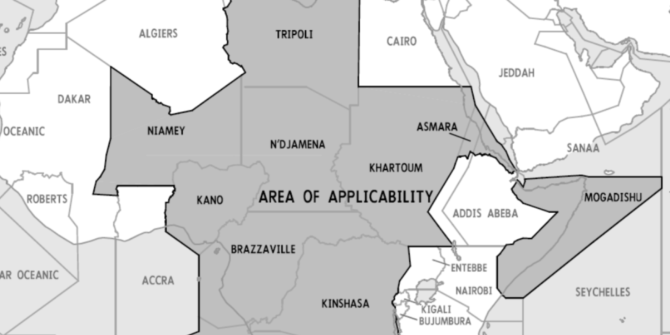
The airspace map below shows the current airspace that IATA deems “At Risk”, and recommends applying the Inflight Broadcast Procedure (IFBP).

Specifically, these  FIR’s:

• Asmara
• Brazzaville
• Kano
• Khartoum
• Kinshasa
• Luanda
• Lusaka
• Mogadishu
• Niamey
• N’Djamena
• Tripoli
• Dakar (Dakar Terrestrial and Dakar Oceanic FIR’s apply IFBP only in the case of the activation of their contingency plans)

IATA adds a note that Brazzaville, Niamey and N’djamena FIR’s provide CPDLC service, however these FIR’s are maintained in IFBP area of applicability “to accommodate users’ requirement for linear boundaries to the extent feasible”. If you were to read between the lines, you might conclude that CPDLC doesn’t remove the risk entirely.

This is the latest version of the procedure.


Cockpit napping – what are the rules?

As is too often forgotten by regulators, aircraft flown by humans require rules that match human needs.

One of those needs is sleep. Normally, we do this for about 33% of the day. If you manage to get a perfect night’s sleep, have a short ride to the airport, and then operate a long haul flight that departs on schedule, you might get away with not feeling tired during it. Most of the time, these perfect conditions don’t show up on the day.

Especially with the cumulative fatigue we suffer as pilots, a quick nap works wonders.

NASA did extensive research on this in 1994, and the findings showed that “The benefits of the nap were observed through the critical descent and landing phases of flight … The nap did not affect layover sleep or the cumulative sleep debt displayed by the majority of crew members. The nap procedures were implemented with minimal disruption to usual flight operations and there were no reported or identified concerns regarding safety.” This gave us the term, “the NASA Nap“.

So, napping is good. NASA says so. But, around the world, we have very different regulatory approaches to this. To make it sound better, the regulators call it “Controlled Rest”, or CR.

Places where you can:

Australia, Bolivia, Canada, China, Europe, Israel, India, New Zealand, Turkey, and the United Arab Emirates.
[source: Flight Safety, 2018]. Know more? Comment on the article and we’ll update.

Places where you definitely can’t:

The US. Although the Air Force and the Coast Guard allow it, the FAA does not – neither for Part 91, nor Part 121. CR was considered when the latest FAA rules were developed beginning in 2010, but it was excluded from the final regulations. FAA Advisory Circular 120-100 (FAA, 2010, page 11) states:
Although a number of foreign air carriers authorized in-seat cockpit naps during flight, the FAA does not authorize such in-seat cockpit naps.

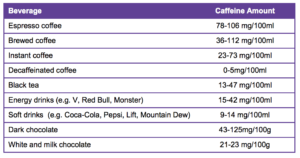
Just drink coffee!

That seems to be the FAA position. No napping allowed. There are some wonderful resource guides, listed below, that delve deep into the subject, but in terms of napping – it’s still forbidden. Why? That’s a good question. We don’t know.

Guidance Docs:

Discussion

We will discuss the topic in the Ops Chat on December 12th, 2019 at 12pm EST – register here:
https://ops.group/opschat


New North Atlantic Guides and Charts from OPSGROUP

New changes on the NAT!

Just kidding, September has been quiet so far, there’s nothing new this month. But, after the onslaught of change that 2019 has brought to pilots and operators traversing the great expanses of the North Atlantic, we thought it would be a good time to bring some new NAT guides and charts to you.

If you’re an OPSGROUP Member, you’ll find these in the Guides and Charts section of your Members Dashboard, for free (no need to purchase in the shop). And if you’re not, then you can get your own copy in the OPSGROUP Shop.


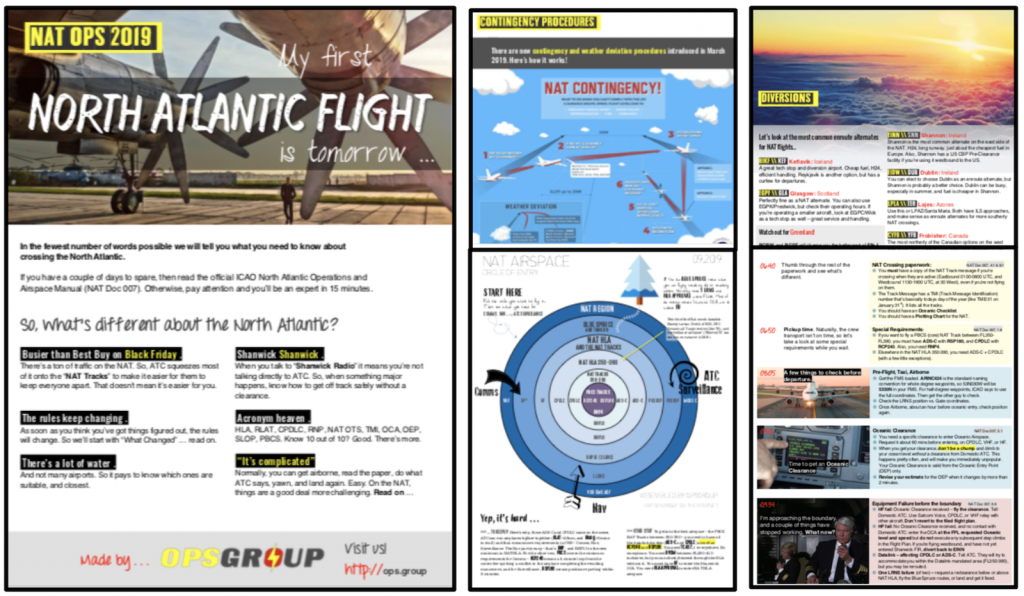
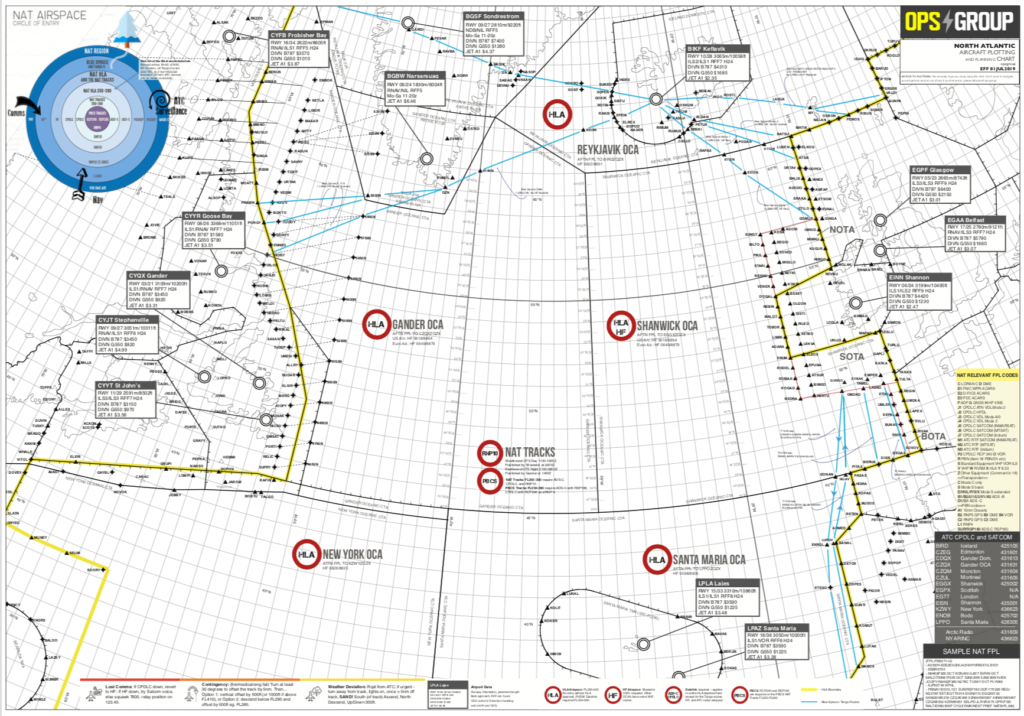
1. The 2019 NAT Pack

If you really need to know all there is to know about the North Atlantic right now, then the NAT Pack is your girl. You get:

– The current North Atlantic Plotting Chart ($35 value)
– The NAT Ops Guide “My first North Atlantic Flight is tomorrow” ($25 value)
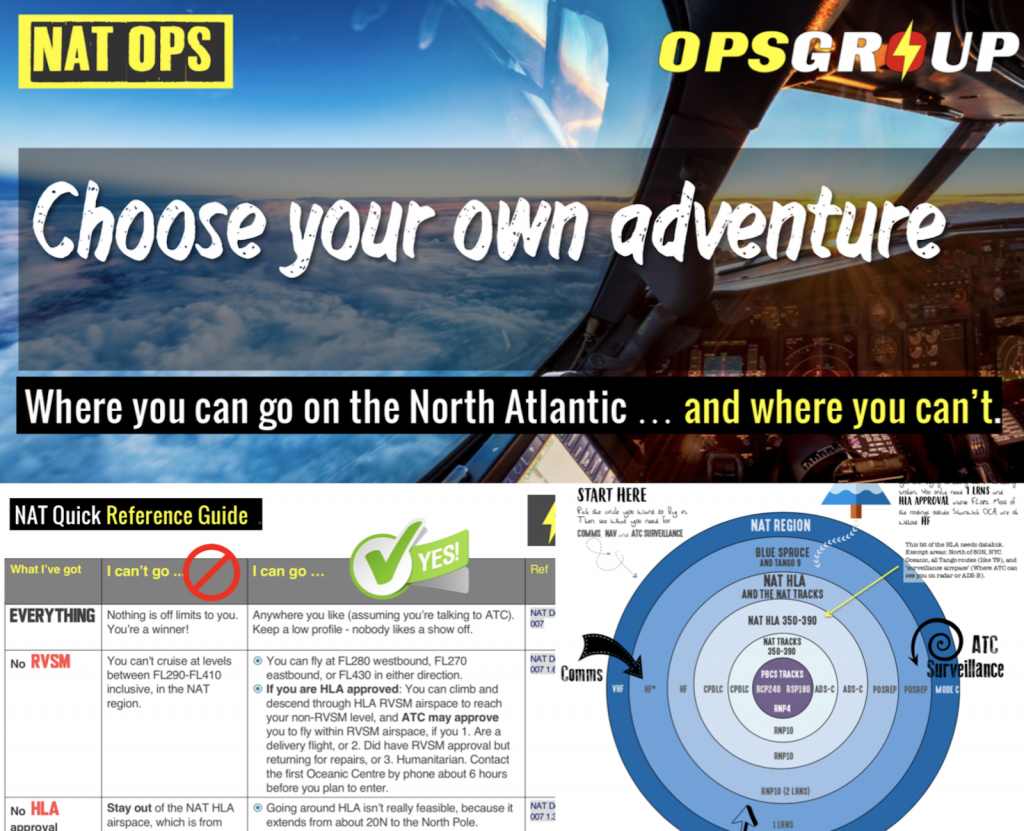
– The Quick reference guide to the NAT “Choose your own adventure” ($15 value)
– The “Circle of Entry” showing Com, Nav, and ATC requirements for the different parts of the NAT region

You save $25 by selecting the NAT Pack instead of purchasing items individually.

Membersget your free copy here
Non-memberspurchase here

2. The 2019 NAT Ops Guide “My First North Atlantic Flight is Tomorrow”

This NAT Ops Guidebook covers (we hope!) everything you need for both a routine crossing (but still complex), and non-routine (eg. No HF, No HLA, No RVSM) ferry flight. Read the latest 2019 changes, easy to read guidance, sample flights, Flight Planning codes, ATC contact numbers, Diversion airports guide, Blue Spruce routes, VHF coverage, non-standard overflight permits – all in one single guide. 19 pages in PDF format. Download, print, share.

Contents:

1. What’s different about the NAT?

2. Changes in 2019, 2018, 2017, 2016.

3. Circle of Entry – a visual depiction of what equipment is needed to enter the different parts of the NAT region airspace.

4. NAT Quick Map – Gander boundary, Shanwick boundary

5. Routine Flight Example #1 – Brussels to JFK (up at 5.45am) – NAT HLA certification, Oceanic Paperwork, Special requirements, getting an Oceanic Clearance, Equipment failure, Weather deviation, and going off track.

6. Non Routine-Flights: No PBCS, No RVSM, No RNP4, No HF, 1 LRNS, No HLA, No ETOPS, No TCAS, No Datalink – what you can do and where you can go.

7. Diversion Airports guide: A couple of notes on each of the most popular diversion airports from Shannon to Goose Bay: What to expect.

8. Airport data: BGBW Narsarsuaq, BGSF Sondy, BIKF Keflavik, EGPF Glasgow, EGPK Prestwick, LPLA Lajes, LPAZ Santa Maria, EINN Shannon, EIDW Dublin, CYFB Fro Bay, CYYR Goose Bay, CYQX Gander, CYYT St. Johns, LPPR Porto, LPPT Lisbon, TXKF Bermuda.

9. Overflight permits – routine and special, non-standard airworthiness, how to get one.

10. Special NAT procedures: Mach number technique, SLOP, Comms, Oceanic Transition Areas, A successful exit, Screwing it up, Departing from Close Airports

11. North Atlantic ATC contacts – Shanwick, Gander, Iceland, Bodo, Santa Maria, New York – ATC Phone, Radio Station Phone, AFTN, Satcom, CPDLC Logon codes; and adjoining Domestic ATC units – US, Canada, Europe.

12. NAT FPL Codes and Flight Levels

13. The new 2019 contingency procedure – graphic.

14. The big changes explained – OWAFS, ASEPS, Datalink Mandate 2020, Microslop.

15. Flight Plan Filing Addresses by FIR

16. Links, Questions, Guidance

Membersget your free copy here
Non-memberspurchase here


3. The 2019 North Atlantic Plotting Chart

This is a Hi-Res North Atlantic Plotting and Planning Chart in PDF format showing North Atlantic Oceanic Airspace, Shanwick, Gander, Reykjavik, Bodo, New York, Santa Maria, and adjoining domestic airspace, with Airspace entry requirements, FPL codes, Airport data and pricing.

Membersget your free copy here
Non-memberspurchase here


4. The 2019 NAT ops Quick Reference Guide

Quick Reference Guide – airspace entry:
– If you have No RVSM – where can you go, and where must you avoid
– Same for No CPDLC, No ADS-C, No Transponder, No full LRNS, TCAS, ETOPS, RNP4, RNP10, HF, SELCAL, PBCS
– Alternative options for routings
– The NAT Circle of Entry showing what you need for Comms, Nav and Surveillance for each part of the NAT: The entire NAT region, just the HLA, the HLA on the NAT Tracks, and the NAT Tracks at 350-390, and PBCS airspace.
– Reference and further reading links from OPSGROUP

Membersget your free copy here
Non-memberspurchase here


We hope you enjoy these guides and resources!

You have four options to get these North Atlantic Guides:

1. Get everything above by purchasing the NAT Pack 2019
2. Pick and choose individual items in the OPSGROUP Shop
3. Skip the queue and get everything for free with any OPSGROUP membership – see the options here and choose a plan.
4. If you’re already a member, get them in your Dashboard

Safe flying.


Bahamas Relief Flights – here’s what happened in the first five days

Hello all,

We’re standing down. The purpose of our involvement in the Bahamas Relief effort was twofold – to provide an accurate information flow from an aviation perspective, and to help coordinate in some way the massive amount of civil aircraft that started taking part last Thursday.

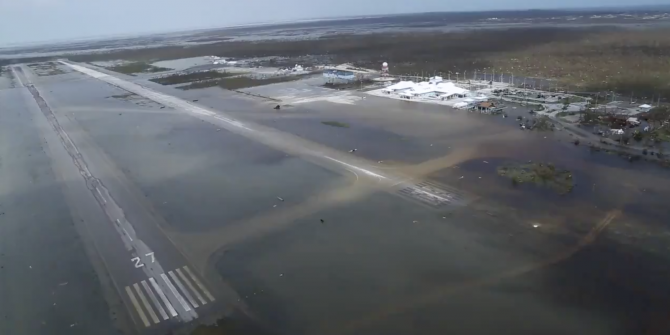
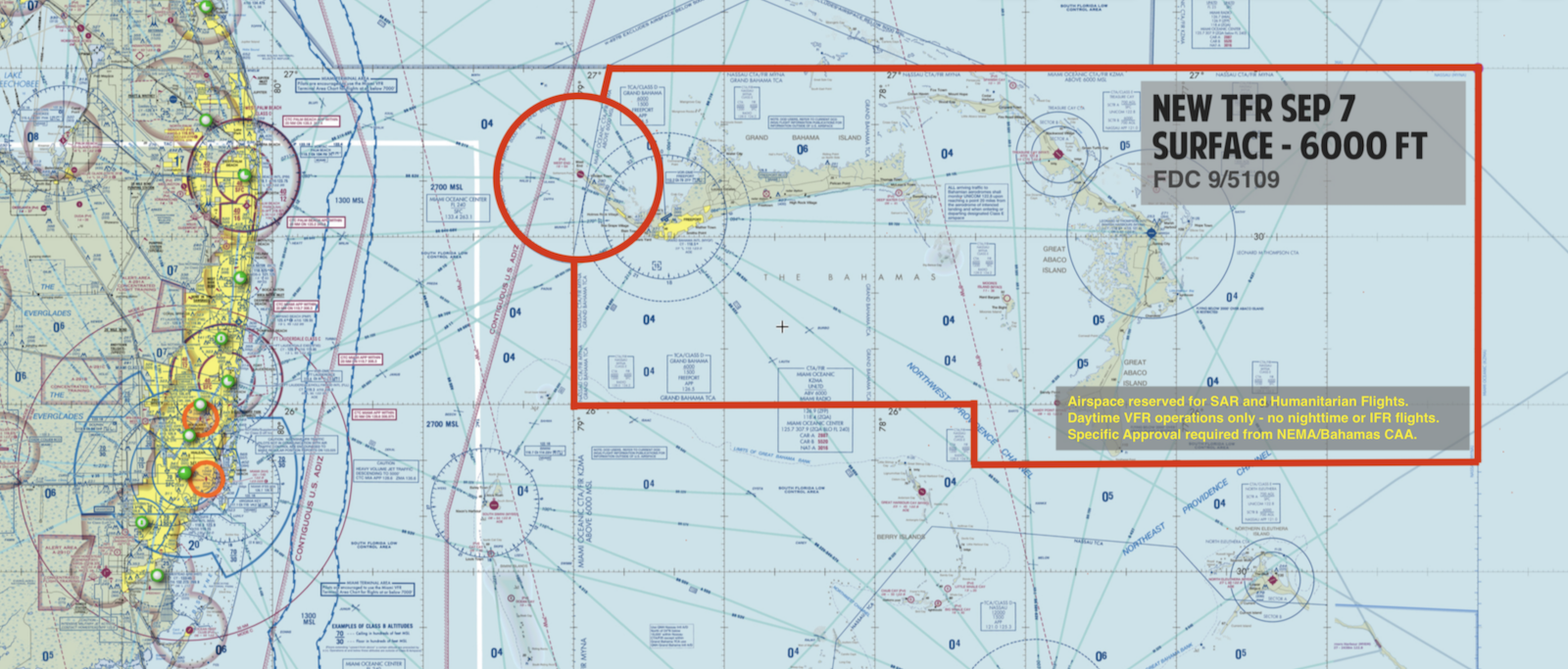
Once the winds had died down on Thursday morning, and it became safe for aircaft to start operations, what we initially saw was a void of information on the situation – which airports were available, and what the approval process from Bahamas CAA/NEMA was and how that worked. Nobody was quite sure. But hundreds wanted to help. So, we made contact with many of the pilots and operators, and Bahamas ATC, to get accurate status reports from Nassau, Freeport, Treasure Cay, Marsh Harbour, and Sandy Point – the five locations where the relief efforts were focused at the end of last week, and got that information out in a twice daily briefing. We also worked with the Bahamas CAA approvals team to get word out on how to apply, and what that process looked like.

The response from Business and General Aviation was overwhelming to say the least. Hundreds of flights were flown on Thursday and Friday bringing in much needed first-response supplies. The initial situation was challenging – airports had not been secured and there was a rush to get relief items arriving, creating an unsafe security situation for crews in some locations. Nonetheless, efforts continued. It quickly reached a saturation point. There was no ATC, and the entire Abaco area was on one Unicom frequency. Airports that normally have a few movements per hour were seeing in excess of 60 aircraft per hour at times. Some were operating without transponder and radio calls.

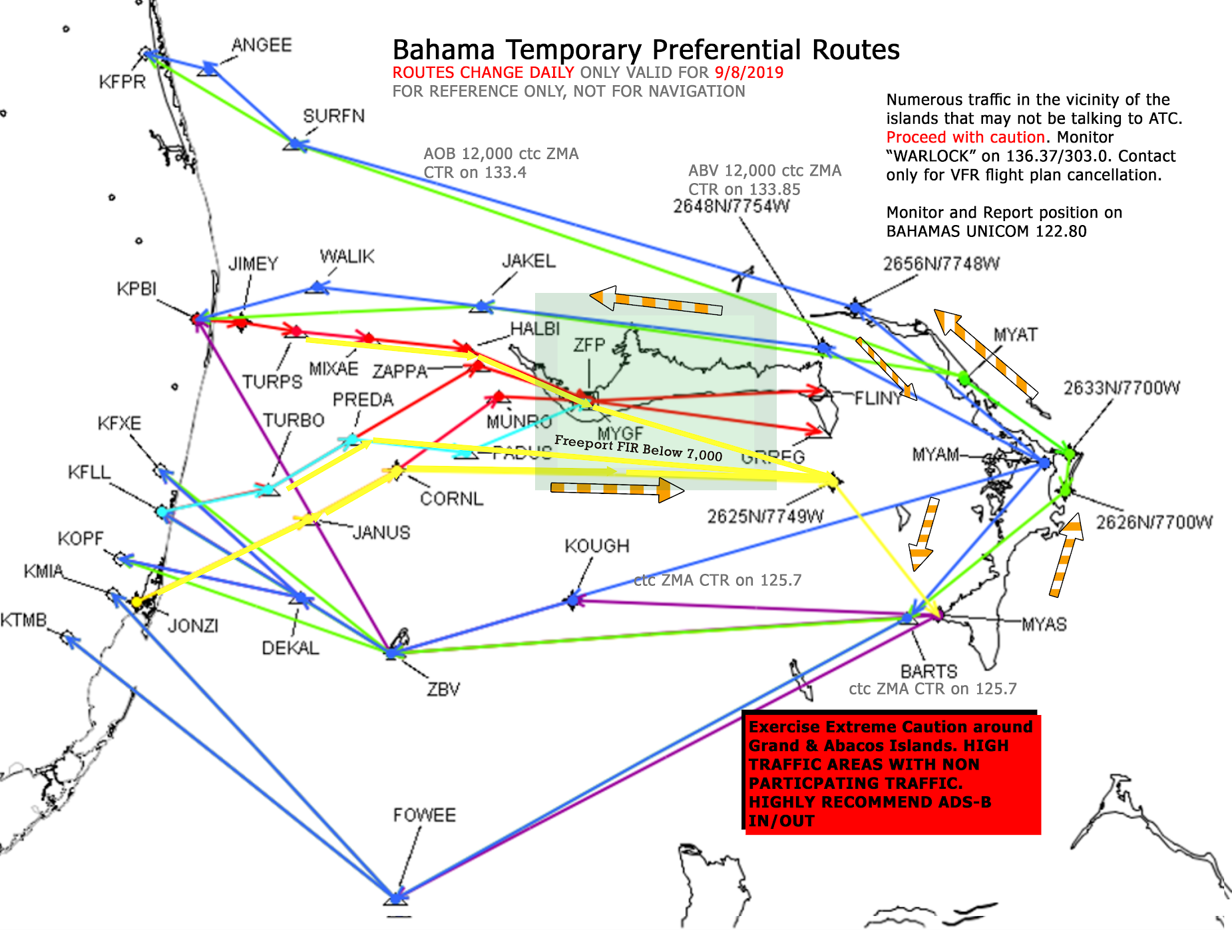
On Friday evening, it showed no sign of abating, and airspace safety was now the primary concern. We worked with AOPA and NBAA ATS in an effort to reduce the level of GA traffic, especially as larger aircraft were now coming on scene and could do more to help. Saturday proved to be another exceptionally busy day, and we coordinated with Miami Center to get routes in place to manage that flow of traffic, and get word out to use those routes. Freeport opened up, with limited ATC.

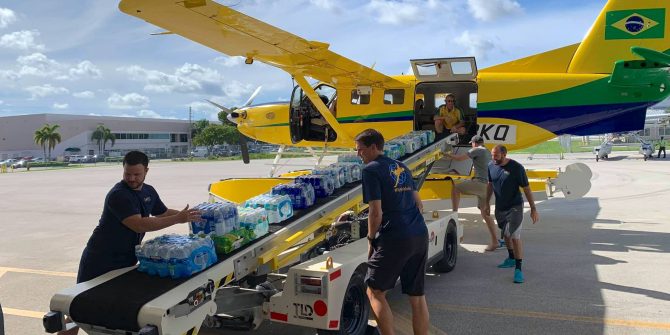
Finally, by Sunday afternoon, there was some respite in the traffic, and the picture of airport status was clear, but there was still a need for coordination among the many separate organizations, and individual operators, conducting relief flights. We worked with Odyssey, Aerobridge, Operation Airdrop, Banyan, numerous FBO’s, the US Coast Guard, and probably 150 individual pilots, all part of the flotilla of floatplanes, helicopters, business jets, and private aircraft helping to bring relief. At the same time, airlines and military were now providing larger aircraft for the mass evacuations from Abaco that we saw Sunday and Monday. The marine relief effort was even bigger.

Throughout, we were in contact with the NEMA coordinator, UN OCHA, Bahamas CAA and ATC – and later, NGO’s – who all did an exceptional job given the extreme circumstances. The geography of the Bahamas was the biggest challenge – scores of tiny Cay’s, and with bridges out and roads washed away, there were – and still are – many pockets of cut-off communities, all needing help.

On Thursday night I started a Facebook group to bring as much information into one place for the operators and pilots involved as we could. It’s been a tremendous success. Thanks to all the volunteers participating, we’ve had a steady stream of updated information on airports and airspace, and more importantly, we’ve been able to coordinate everything from Search and Rescue helilifts, flights for teams of Doctors, medication transport, evacuation flights, and determine very specific locations to bring aid to.

And now? The presence of the UN, the USAF, International Navy vessels, and upwards of 50 NGO’s, all at full tilt, means that the vast majority of relief efforts are being taken care of on a larger scale.

Make no mistake. The situation is still dire. People still need help, in a massive way. Whole towns are gone. The death toll is much higher than than the small numbers first reported. Individual flights can and will continue to make a difference. We’ll keep this group open and running, so you can post and share info. I and the OPSGROUP team will get back to work on what we normally do, but we’ll keep an eye here to help out where we can.

So – a big THANK YOU to every single one of you that has been part of this effort. None of us have slept much in the last five days, and it’s been heartwarming to see the massive generosity of time, effort, aircraft, pilots, and supplies, and help. Simply amazing. Much love to you all!

Mark.


Operational Summary – Relief flights to the Bahamas

Bahamas Relief Flights – Operational Summary

Updated Tuesday 9.30am ET

SITUATION UPDATE – 0930 ET Tuesday

Hello all,

We’re standing down. The purpose of our involvement in the Bahamas Relief effort was twofold – to provide an accurate information flow from an aviation perspective, and to help coordinate in some way the massive amount of civil aircraft that started taking part last Thursday.

Once the winds had died down on Thursday morning, and it became safe for aircraft to start operations, what we initially saw was a void of information on the situation – which airports were available, and what the approval process from Bahamas CAA/NEMA was and how that worked. Nobody was quite sure. But hundreds wanted to help. So, we made contact with many of the pilots and operators, and Bahamas ATC, to get accurate status reports from Nassau, Freeport, Treasure Cay, Marsh Harbour, and Sandy Point – the five locations where the relief efforts were focused at the end of last week, and got that information out in a twice daily briefing. We also worked with the Bahamas CAA approvals team to get word out on how to apply, and what that process looked like.

The response from Business and General Aviation was overwhelming to say the least. Hundreds of flights were flown on Thursday and Friday bringing in much needed first-response supplies. The initial situation was challenging – airports had not been secured and there was a rush to get relief items arriving, creating an unsafe security situation for crews in some locations. Nonetheless, efforts continued. It quickly reached a saturation point. There was no ATC, and the entire Abaco area was on one Unicom frequency. Airports that normally have a few movements per hour were seeing in excess of 60 aircraft per hour at times. Some were operating without transponder and radio calls.

On Friday evening, it showed no sign of abating, and airspace safety was now the primary concern. We worked with AOPA and NBAA ATS in an effort to reduce the level of GA traffic, especially as larger aircraft were now coming on scene and could do more to help. Saturday proved to be another exceptionally busy day, and we coordinated with Miami Center to get routes in place to manage that flow of traffic, and get word out to use those routes. Freeport opened up, with limited ATC.

Finally, by Sunday afternoon, there was some respite in the traffic, and the picture of airport status was clear, but there was still a need for coordination among the many separate organizations, and individual operators, conducting relief flights. We worked with Odyssey, Aerobridge, Operation Airdrop, Banyan, numerous FBO’s, the US Coast Guard, and probably 150 individual pilots, all part of the flotilla of floatplanes, helicopters, business jets, and private aircraft helping to bring relief. At the same time, airlines and military were now providing larger aircraft for the mass evacuations from Abaco that we saw Sunday and Monday. The marine relief effort was even bigger.

Throughout, we were in contact with the NEMA coordinator, UN OCHA, Bahamas CAA and ATC – and later, NGO’s – who all did an exceptional job given the extreme circumstances. The geography of the Bahamas was the biggest challenge – scores of tiny Cay’s, and with bridges out and roads washed away, there were – and still are – many pockets of cut-off communities, all needing help.

On Thursday night we started this Facebook group to bring as much information into one place for the operators and pilots involved as we could. It’s been a tremendous success. Thanks to all the volunteers participating, we’ve had a steady stream of updated information on airports and airspace, and more importantly, we’ve been able to coordinate everything from Search and Rescue helilifts, flights for teams of Doctors, medication transport, evacuation flights, and determine very specific locations to bring aid to.

And now? The presence of the UN, the USAF, International Navy vessels, and upwards of 50 NGO’s, all at full tilt, means that the vast majority of relief efforts are being taken care of on a larger scale.

Make no mistake. The situation is still dire. People still need help, in a massive way. Whole towns are gone. The death toll is much higher than than the small numbers first reported. Individual flights can and will continue to make a difference. We’ll keep this group open and running, so you can post and share info. I and the OPSGROUP team will get back to work on what we normally do, but we’ll keep an eye here to help out where we can.

So – a big THANK YOU to every single one of you that has been part of this effort. None of us have slept much in the last five days, and it’s been heartwarming to see the massive generosity of time, effort, aircraft, pilots, and supplies, and help. Simply amazing. Much love to you all!

Mark.


Earlier updates

Hello all,

If you are involved in the relief effort, planning to fly, or have information to share, please join:

FB group: Bahamas Relief Air Coordination

 

Much of the evacuation effort has been completed. Airports and airspace is now less crowded. SAR efforts continue. The flight of ‘general’ supplies in from GA is winding down. Some communities have made the decision not to be evacuated, and these will need resources. There is still an unfolding humanitarian crisis. We know that the death toll will rise significantly.

We now move to more specific tasked requests for aviation help. There are swarms of NGO and Relief Agencies in Nassau and the islands. Many need very specific help with things, and it’s clear from this evenings NEMA meeting and NGO coordination meetings, that support from the GA community, and private operators, will continue to be extremely useful.

It’s been a real challenge here for us to strike a balance between getting help where it’s needed, and not having too many respond to the same airports, which created the unsafe airspace situation we saw over the weekend.

We’ll continue to work on getting latest info out, so that from an air ops perspective you have the current status. With that, we’ll also continue to work with the NGO’s and NEMA to bring in private air support wherever we can. Please continue the great work here! Well done everyone.

A new TFR has been issued Sunday morning restricting flights – see below.

There is very clear risk in too many aircraft operating here. Please share this, and get the word out as best you can. This is an exceptional situation, and if you can get this message to anyone thinking of flying, please do.

The operational situation in the northern Bahamas is still complex and changing continuously.

We’ve monitored the situation continuously, and have discussed with and received intel from many agencies including Bahamas and US ATC, FAA, BCAA, NEMA, USCG, Military, the NBAA, as well as a number of pilots that are currently operating there in a government and recon capacity.

New TFR for the Bahamas – Sunday

There is a new TFR (Restricted Airspace) issued early Sunday morning for the Bahamas, valid through until 1st Oct.

Key points:
– New TFR issued Sunday am
– Restricted area boundaries changes
– Surface to 6000 feet.
– Daytime VFR ops allowed only, no night ops or IFR.
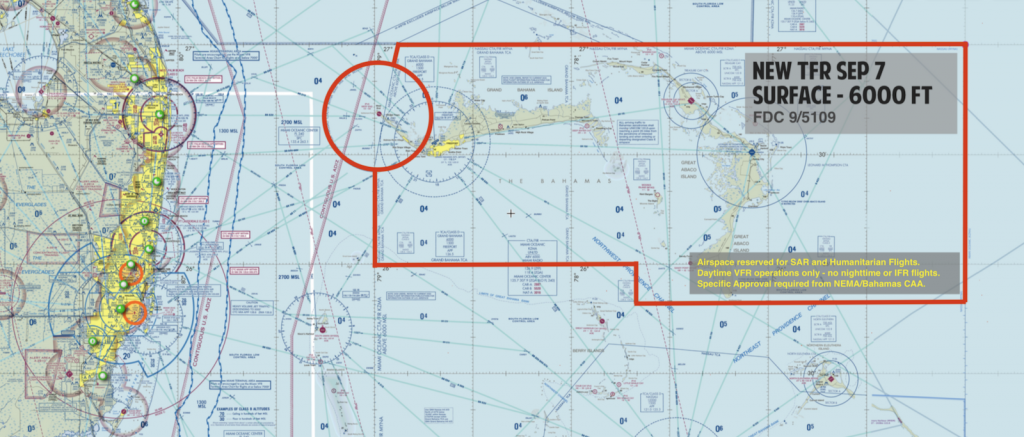
Full Text – original TFR here

Overall picture


There are two primary areas where relief operations are currently happening – Abaco and Grand Bahama. Large parts of the islands have been wiped out, much flooding remains, roads are out, and the situation on the ground is very challenging. The focus at the moment is on evacuation – getting people out. The airspace picture is worrying. We’ve received reports of aircraft operating at low level without transponder (presumably because they don’t have approval to be there), creating a collision concern. There are many more aircraft than usual in Abaco, meaning the airspace is crowded in places, and there is no ATC. There is a TFR active, approval is required from NEMA, see below.

Before you go

Please consider the following carefully:

1. The airspace in Abaco is already overcrowded. The US Coast Guard, government aircraft, and approved relief flights are all operating to, from, and over the island. There are many more helicopters and fixed wing aircraft here than usual.
2. Some aircraft are operating without transponders, and may not be making radio calls, to avoid being pinged for operating without approvals.
3. Help is needed, but it has to be delivered sensibly. If you are going to go, you must request permission from NEMA/The Bahamas CAA. See below for contact details. Consider the safety of your own aircraft and pilots first, then others, and only operate with permission – or you are likely to jeopardize the relief effort as a whole.
4. There is a TFR for the entire Northern Bahamas. All aircraft require approval from NEMA. See below.
5. The situation changes hour by hour.
6. Miami ATC have published very specific preferred VFR and IFR routes. Check them carefully. See below for details. Especially if you are IFR, make sure to file the correct route – not doing so is creating issues for Miami.
7. Read these tips on Relief flying from the NBAA, and if you haven’t already, sign up for the Hero Database. Better to work with a larger organisation with coordinated relief efforts than trying to fly a single mission on your own.

Current Operational Information


All the information that we have on Bahamas airfield status, permissions, fuel, customs, and general situation is at the Aviation Impact Tracker.
Getting permission to go


NEMA approval is necessary
for operations to Abaco and Grand Bahama. It’s being managed by the Bahamas CAA.

Situation:
– The CAA and NEMA Teams are still at capacity trying to handle relief flights, but the essential ones are getting approvals. There is a team of 3 working right now through all requests.
– The airspace, particularly GB and Abaco area, is very busy. There are many aircraft operating on humanitarian relief missions.
– They ask that we get the word out that following the procedure, step by step, is the best way to help right now.

Procedure:
All relief flights must request approval
– If you are planning a flight to the Bahamas, plan to fly to Nassau first. Clear customs there. If you are given approval to fly onwards, then do so from there. Only exceptional cases will be allowed to operate direct to GB and Abaco from outside the country.
– Complete the TFR Emergency Approval form, with the requested attachments (Pilot license, medical, insurance)
Use email as the first method of communication, rather than phoning them. Email the form to them with the first request.
tamiko.johnson@bcaa.gov.bs, Ladario.Brown@bcaa.gov.bs, Juliea.Brathwaite@bcaa.gov.bs
If approved, you will get a TFR Number. Put this in your Flight Plan.
– Bahamas CAA are present at the out islands. Do not try to fly direct without authorization, do not operate without a transponder, or without radio calls. This seems obvious but some are doing this.

Reminders:

– There are MANY relief operations happening right now. Before adding your aircraft to this, consider whether it may be more helpful to send your load via a larger operation, or boat. Each additional aircraft increases the complexity.


Bahamas airports – current status

MYNN/Nassau is operational, but seeing increased traffic from the relief operation, including a lot of helicopters – not the norm for the Bahamas. Bear that in mind. Coordinate with the airport before you depart.

For the current status of Abaco and Grand Bahama airports, please check the Impact Tracker.

Most of the other unaffected airports are now operational, with the exception of Bimini, which is, we believe, planning to open Thursday morning.

See the latest on the Impact Tracker.


Routes to the Bahamas


Miami ATC are very up to speed on the whole situation, and have published some Preferred Routes (including which way to fly around the islands), as per the map here. The routes are being issued by Notam (KZMA is the identifier), and although the current set have been issued through to 4th Dec, these may change – so keep an eye on the Notams.

Please get the word out to IFR departures from Florida FILE AND FLY THE CORRECT ROUTE out to the Bahamas. There is a large volume of traffic and not filing/flying the correct route is creating a big issue.

From Miami Center: All aircraft arriving Bahamas must be at or above 7,000 FT. VFR aircraft should be +500 feet and proper altitude for direction of flight. If an aircraft cannot climb above 7,000 ft, they will be asked to hold and for pilot’s intentions prior to entering MYGF approach. Due to limited radar coverage northeast of ZFP ALL MYAT/MYAS/MYAM bound aircraft must be above 9,000 until clear of Freeport FIR.

Aircraft unable to maintain 9,000 can expect 7,000 feet will be terminated and handed off to Freeport approach, traffic permitting. Limited radio and radar coverage North and East of Freeport. Limited radio and radar coverage over Abaco Islands.

Aircraft may be instructed to monitor “WARLOCK” frequencies 136.37/303.0. Contact only for cancellation of VFR flight plan. The Bahamas Unicom frequency is 122.80, monitor this frequency and report positions.

This is the map for routes on Sunday Sept 8th. Routes for Monday and the week may be different, so check that Notam carefully!
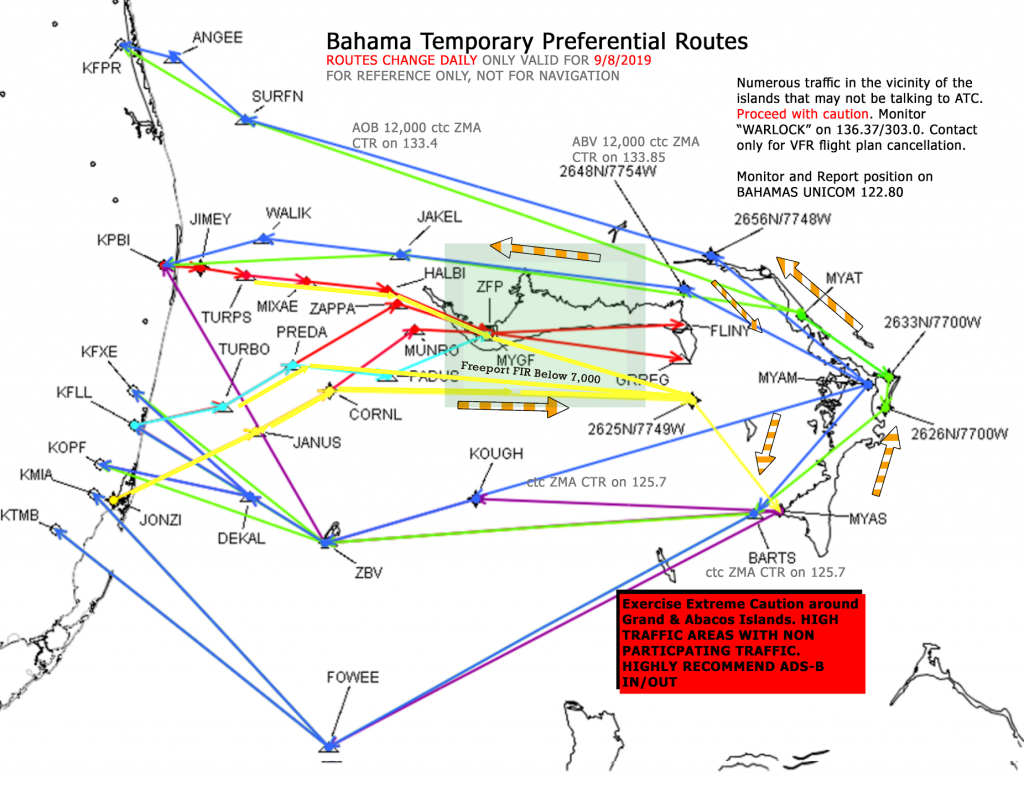

Inaccurate CNN Reports

Many of you will have seen the reports from CNN, which have now been spread widely on Social Media, declaring that Freeport Airport is “gone”. This is not true. The CNN report was filmed in the Western Air terminal, not the main airport. The damage shown was to that facility. Although the airport terminal has been partly damaged, runways are OK, and the airport is open.

If we can help

Please just email us at team@ops.group and we’ll do our best to answer questions or point you in the right direction. There are a lot of relief efforts happening, and we’re doing our best to provide coordinated, useful, and accurate information for you.
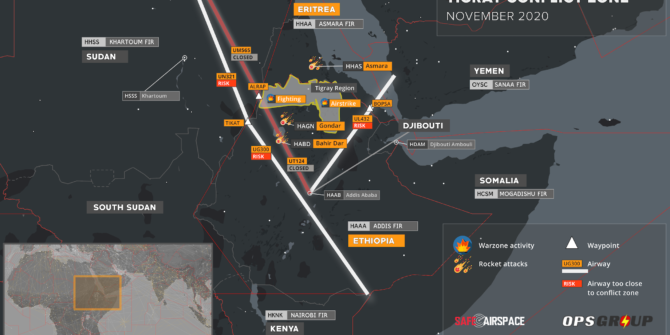
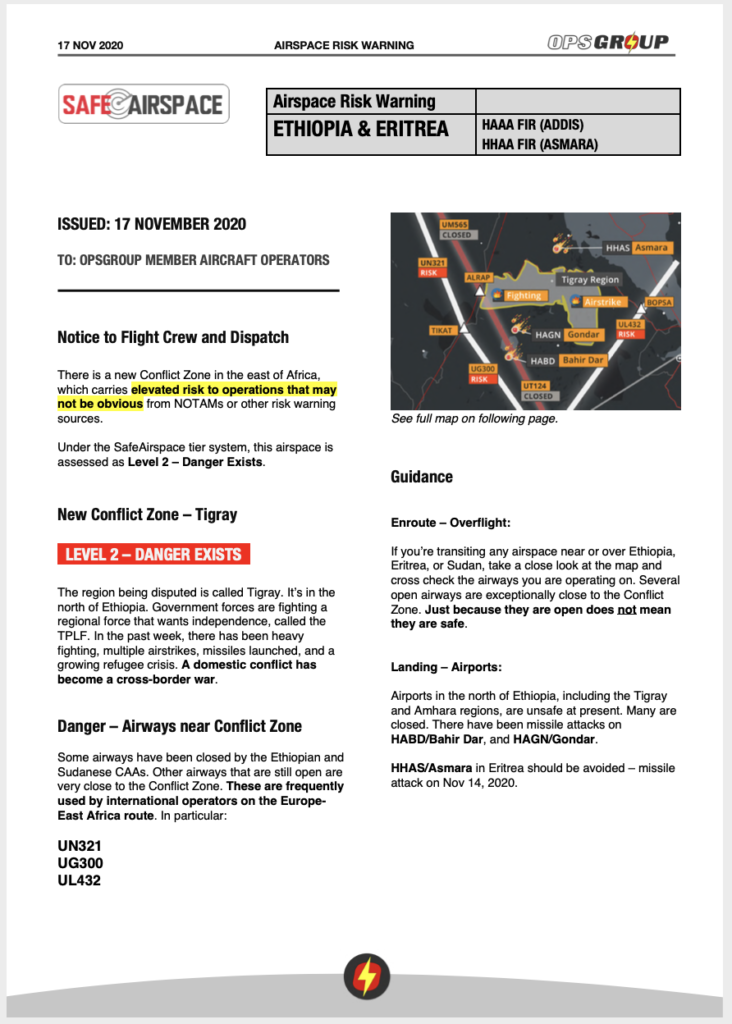
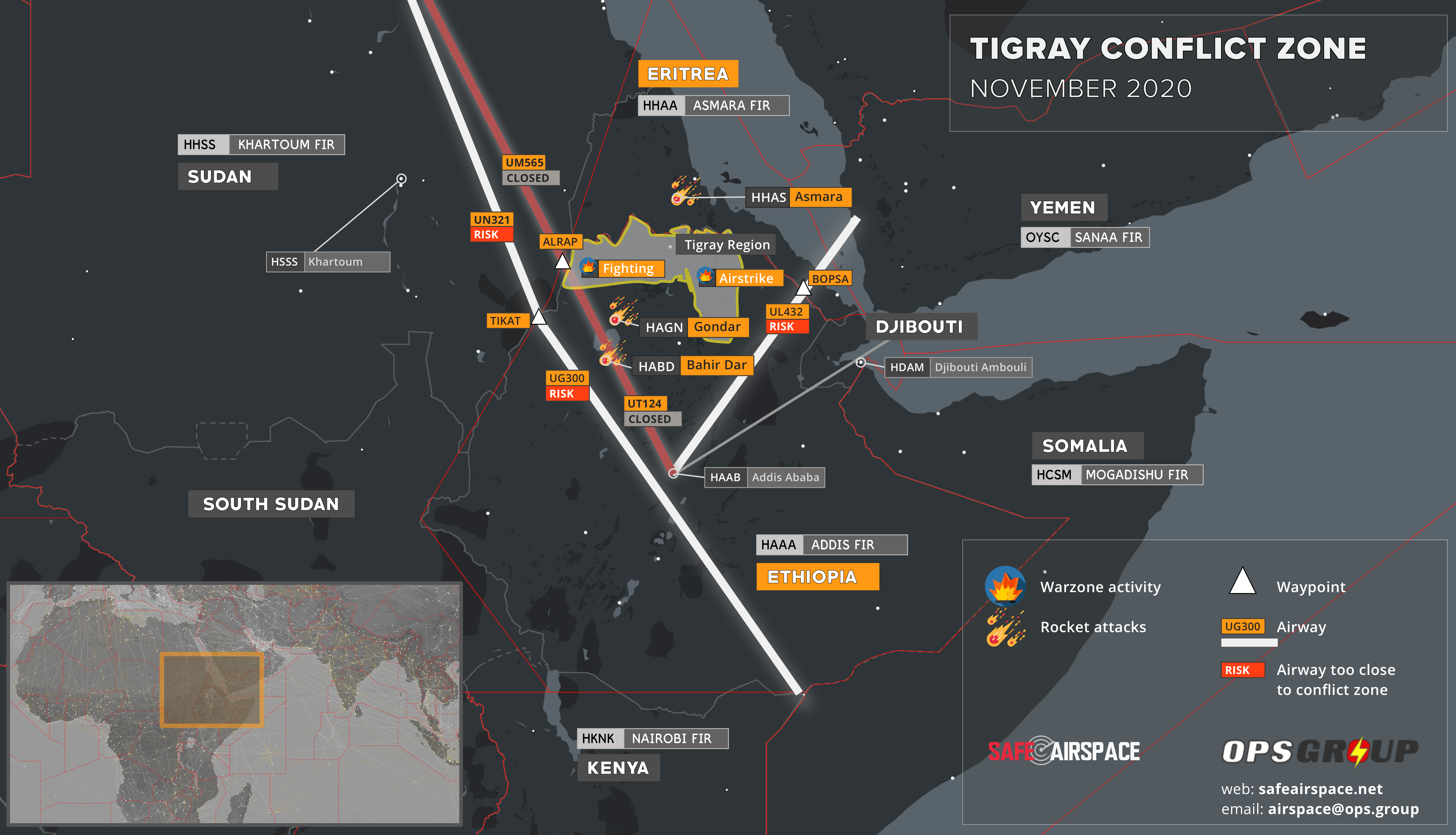
Two is Not Enough: New NAT Doc 007 (Version 3) – August 2019

NAT Doc 007 is the Bible of the North Atlantic. It’s full of NAT goodness – all the specifics about how to operate your aircraft safely through the complex airspace of the region is here.
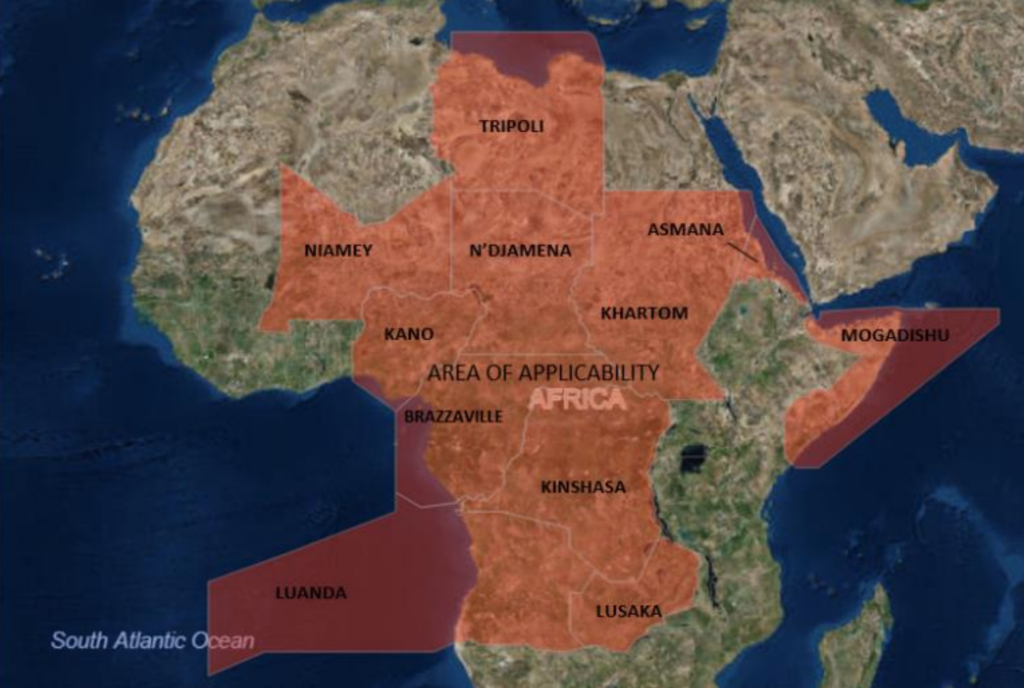
And there’s another new edition!

The NAT changes over the last few years have been coming thicker and faster than the sandwiches at Katz’s Deli on the Lower East Side. And now, there’s more. Effective August 7th, 2019, NAT Doc 007, Version 3, is the latest tome to digest. As aviation documents go, it’s written in pretty digestible language. There’s just a lot in it. But this is the first time we’ve had 3 editions of this in one year.

So, we’re going to start naming them after 007 Movies to keep track of them all. This is the “Two is Not Enough” edition.

NAT Doc 007, Version 3, 2019:
Download the full NAT Doc 007.

So, here are the three things that have changed this time:

1. We got new SLOP rules! This is a biggie. Instead of the three previous choices (0, 1, or 2nm), we now have Twenty One choices! More on this below.

2. 99 problems and Datalink is one. The short version: check that you’ve got the latest software update for your datalink.

3. The next datalink mandate (2C) is capped at FL410. This comes in January 30th next year. And so, the Checklist for Dispatchers is updated.

The new SLOP rules

Now, let’s take a closer look at the big change – SLOP (Strategic Lateral Offset Procedure). To get up to speed, check out our full article on SLOP – the how, and why (and where).

The change here is that instead of just being able to SLOP 1 or 2 nm right of track, (or fly the centreline), you go from these three choices to twenty one – you can use any one of 21 Micro-SLOP offsets. Specifically: 0.0 nm, 0.1 nm, 0.2 nm …. OK, you get it. All the way up to 2.0 nm Right of track.

Simple, right?

Not quite. It’s not yet fully clear which of the OCA’s have given the green light for this, even though NAT Doc 007 now says you should Micro-SLOP if you can.

But, phoning around the Oceanic Houses, we’ve got this to tell you:

1. Gander – you can micro-SLOP right now! An AIP amendment will follow soon.
2. Shanwick – you can micro-SLOP right now! A Notam will be published soon, and the AIP will be updated in Dec 2019.
3. New York – they will allow micro-SLOP from 12th Sept 2019, and will update the AIP in Jan 2020.
4. Santa Maria – you can micro-SLOP right now! Nothing published officially yet, but that’s what the good people from the oceanic control centre have told us.
5. Iceland – just like New York, they will allow micro-SLOP here from 12th Sept 2019 as well. When that happens, you will still not be allowed to SLOP below FL285 within the Reykjavik CTA (that’s the domestic part over Iceland, and the airspace over Greenland above FL195). We asked them to publish a Notam about this – and they actually did!! Check it out!
6. Bodo – Nothing official yet, but ATC say they “have no objections” to operators micro-SLOPing right now. (Currently, SLOP is only allowed here above FL285 within the OCA.)

That’s the current picture as of 1100z on Monday 19th Aug.

We will update this as soon as we get more info. Got something for us? Email us!


Good news from Australia – the TSP just got easier

If you’re amongst the many international aircraft operators stung by the lengthy and document-heavy process to obtain an Australian Transport Security Program approval, good news has reached OPSGROUP HQ –  there is a new TSP-Lite version that you can apply for.

The Dept. of Home Affairs has created what they call a “Secretary-Issued TSP … a new simplified way for operators who meet certain criteria to apply for a TSP”. They tell us “This application is much shorter than the standard TSP application”.

Do you qualify for the new TSP-Lite?

Yes, if you can answer YES to all of these questions (the first two are the big ones):

  1. Your flights are private or charter operations and not operated on a fixed schedule or route; and
  2. You do not have temporary or permanent operational facilities in Australia; and
  3. You do not allow passengers or aircraft operator staff to enter the landside security zone (sterile area) of a security controlled airport; and
  4. You do not allow passengers or aircraft operator staff to mix with other passengers of prescribed air services in airside areas; and
  5. You do not transport persons in custody.

The Dept also told us that “Under our legislation there is still the same maximum decision making time for a Secretary-Issued TSP, however in practice, the intent is that we will be able to review and approve these applications much faster.”

Crack open a slab of VB! This is great news. Now, this has just started up, so it remains to be seen how it works in practice.

For more on how to apply for a normal TSP, the new TSP-lite, and to trade intel with other operators, jump into the TSP Victim Support Group in the Members Dashboard, login below.


NOTAMs: Creating the solution through community collaboration

Update: November 1st, 2019: The Notam Team is up and running – we’re fixing Notams. Follow our progress at fixingnotams.org.

There cannot be a more agreed upon problem in aviation. Every single airline, every single flight: the most critical information about that flight is passed to the pilots in the style of a Telegram from the early 1900’s. Coded, abbreviated, often undecipherable, upper case chunks of text: the least human-friendly format imaginable.

A news story in 2013 declared “Plug pulled on the world’s last commercial electric telegraph system”.

Shhh. Don’t tell them. Not true. Our NOTAM system is still proudly flying the flag. We use the ITA-2 International Telegraph Alphabet character set from 1924, instead of ASCII, which the rest of the world switched to in 1963. Ever wonder why Notams are all upper case? That’s why. We use Q-codes (from 1909) to categorize the message. We use abbreviations heavily, because it costs more money to send messages in plain text format. Wait, scratch that – that logic ended in the 90’s because, well, the internet.

And so, while the passenger is choosing emojis for their last What’sApp message before the aircraft doors close, in the cockpit the pilot is deciphering what the impact of this Telegram might be 🤷‍♀️:

🙏. If that seems tough to get through, now consider what 50 pages of it looks like:

That is the average size of the Notam Briefing package that each crew is given. And so, your job as a pilot at briefing time, is to find the one Notam that will end your career or endanger the aircraft, in a package the same size as a short novel. Buried deep in Birds of Bangkok, War and Peace by Greece and Turkey, Unlighted Tiny Obstacles, Goat grazing times, Grass cutting timetables – is a runway closed, a diversion airport unavailable, a decision height changed. And you’ll miss it.


Air Canada 759 missed the one telling them that 28R was closed in San Fransisco, so they tried to land on the taxiway. Only an alert United crew prevented the worst crash in American history, and then only by 14 feet, or 1 second. That led to the NTSB to declare “Notams are Garbage”.

From the Final NTSB Report: “Concerns about legal liability rather than operational necessity, drive the current system to list every possible Notice to Airmen (Notam) that could, even under the most unlikely circumstance, affect a flight. The current system prioritizes protecting the regulatory authorities and airports. It lays an impossibly heavy burden on individual pilots, crews and dispatchers to sort through literally dozens of irrelevant items to find the critical or merely important ones. When one is invariably missed, and a violation or incident occurs, the pilot is blamed for not finding the needle in the haystack!”

Thank you, Robert Sumwalt, for calling the problem out.

It’s not just the volume, or readability – it’s the Mensa-level problem solving skills required to parse the contents. Answer this question: If you’re on Parking Stand 505 Right, can someone else use Stand 503 Left?

If you did figure it out, how long did it take? Now multiply that time by 250, a straw-poll average number of Notams in a briefing. Think this is manageable in the 20 minutes the crew have to brief the flight?

In 2007, the annual count of Notams reached 500,000. This year, 2019, we are on track for 2 million Notams. The problem is intensifying, and rapidly. We are drowning in the data, but missing the message. Every change imaginable is stuffed into the system:

And this Chinese entry is the best one of 2019 so far …

Say it out loud.

In 1964, Flight International published a snippet from the FAA, declaring that the Notam system was being revamped, and from March 15th that year only essential, critical Notams would be allowed to remain. That was 55 years ago. We’ve tried, and we’ve failed, many, many times, to solve the problem.

But – enough about the problem. If you are a pilot, dispatcher, or controller, you know only too well the problem, and its impact.


How about we talk about how we find the solution instead?


Let’s start here.

I’m gathering a team of people that understand the problem from the user perspective. A team of pilots, dispatchers, controllers, and anyone else that wants to help. A team of people that care about solving the problem because of how it affects us every day, and because we know that one day, we’ll be bitten by it. A team motivated by a desire to make this better for our colleagues, and those that will follow us.

We’re not fixing it because we have to, but because we want to.

We’re not fixing it to make a profit, or because it enhances the bottom line somewhere. We’re fixing it because we want it to change.

Most importantly, we’re fixing it as a community, collaborating to create the space to allow the solution to come.

Zooming out a little, if we look at this as not an aviation problem, but a communication problem, it becomes less unique, less challenging. Many bigger problems have been solved by looking at them differently.

So we’re going to collaborate with smart thinkers, problem solvers, designers, coders, creatives. We’re going to work together as people, rather than agencies or companies. We’re going to jump into a process that might be messy, challenging, difficult, and will often seem impossible.

As per this handy graph I’ve drawn:

Don’t join us to force change – this is the change. Don’t join us to shout louder – this problem is bigger than any one agency or organization. Don’t join us if you think this is someone else’s problem to fix – it’s our problem, and we’ll fix it together.

The first step is creating the space for this magic to happen. Join us if you have no idea how to solve it yet, but you have positive energy to contribute.

The Notam Team needs you! We start July 1st (yep, you’re already late, so jump in). We have set a lifespan of 9 months – do, or die.

The first part of the process is the gathering, the coming together. Once we’ve all said hello and had a look around, we’ll start with the first and most important step – creating that space for the solution. Figuring out how best to collaborate, invite creativity in, think differently. Then, the research – the science, the data, the hard facts. Identify the problem, and the impact. And from there … well, it’s unwritten. Not knowing is part of the approach. Oh, and we’re going to have fun. There’s no creativity without fun.

I believe the problem is eminently solvable, but only as a community. And I hope you’ll join us! If you’re in – just write to me at mark.z@ops.group.


At long last, Pakistan declares airspace fully open again

Pakistan airspace is open! In a clearly written, yet quietly announced in-the-dead-of-night Notam, Pakistan has today declared the entirety of its airspace fully open and available for all overflights.

This is very welcome news for long-haul airlines and operators transiting the Middle East and Asia, where finding a usable and safe route route through the region has become akin to navigating a level of Pac-Man with few escape options left.

Pakistan being open again makes the traditional and preferred Europe-Asia route through Afghanistan, Pakistan, and onwards to India available again, and means that city pairs abandoned after the February shutdown will likely be restarted.

The good-news Notam was issued around midnight Pakistan time:

A0710/19 NOTAMN
Q) OPXX/QARXX///E/000/999/
A) OPKR OPLR
B) 1907151908 C) PERM
E) WITH IMMEDIATE EFFECT PAKISTAN AIRSPACE IS OPEN FOR
ALL TYPE OF CIVIL TRAFFIC ON PUBLISHED ATS ROUTES

So, what does this mean?

In recent months, operators have had to avoid Pakistan and route much further south, as this graphic from an article we worked on with Reuters in April shows:


The impact has been significant. Avoiding Pakistan has meant up to an additional 410 miles, or an hours flying time, for Europe-Asia flights.

For many long-haul operators trying to get to India, the dog-leg around Pakistan made the trip unworkable, either because of fuel endurance, or crew hours. Many operators cancelled flights to Delhi, the worst located airport in terms of the airspace closure.

Now, with this reopening, we have the ability to fly closer to optimum routings once again.


So, good news for airlines and long-haul operators.