


Update Jan 2026
Universal is reporting a clarification from US CBP that the widely cited 26 Dec 2025 date is not an implementation deadline for BizAv operations. (Note: CBP uses the broader term General Aviation, but for the purposes of this article we’re sticking with BizAv!)
Although CBP now has legal authority to collect biometric entry and exit data from non-US citizens, it has not yet defined how this will work for BizAv, and no operational rollout has been announced. Until CBP publishes specific guidance in the Federal Register, BizAv flights will carry on as they did before. Much of the confusion comes from treating the rule’s effective date as if it were an enforcement date – which CBP is now saying it isn’t.
What’s changing
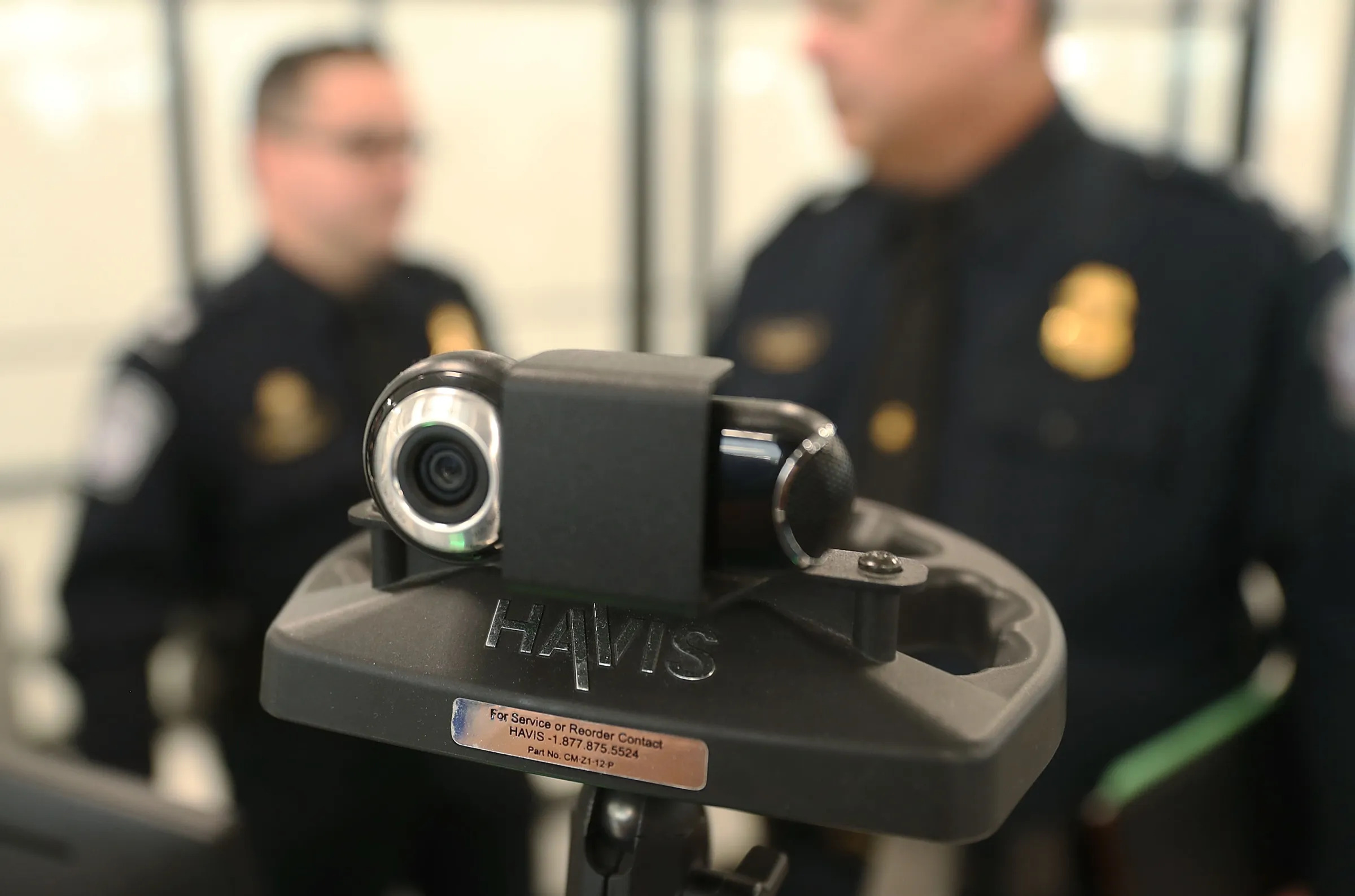
From 26 Dec 2025, a rule took effect that gives CBP legal authority to collect facial biometrics from all non-US passengers and crew entering or exiting the US, across all modes of travel, including BizAv. This is a legal change, not an operational one. The rule removes previous limitations on who CBP may collect biometrics from, including exemptions that applied to certain nationalities and categories such as many Canadian nationals and diplomats.
What’s actually new
CBP has collected biometric data on entry for years, and biometric exit already exists for airline flights at many airports. What’s new is the legal scope, not the process. The rule makes biometric entry and exit a nationwide requirement in law for all non-US nationals, regardless of how they travel. For BizAv, the unresolved issue is how this will be applied in practice, particularly on departure, where biometric exit has not previously been routine.
Airport reality and BizAv impact
OPSGROUP members report that there’s no single way biometrics are handled today. Sometimes CBP clears passengers onboard using a mobile device, sometimes everyone goes into the CBP office, and sometimes it depends entirely on the officer. With no BizAv guidance published yet, that variability isn’t likely to go away any time soon.
What operators should do now
For now, don’t treat 26 Dec 2025 as an enforcement deadline for BizAv. No immediate operational changes are required. Continue normal CBP arrival and departure procedures as before!
Separate proposal: ESTA changes under review
CBP has published a separate proposal to significantly change how the ESTA works for non US travellers. These changes are not final and are open for public comment until 9 Feb 2026. You can check the official proposal here, and send an email to CBP_PRA@cbp.dhs.gov if you want to submit any comments.
If adopted, ESTA would become far more app based and data heavy. Proposals include a mobile app only ESTA, mandatory live selfies, and a big expansion in the personal info travellers must provide. That includes several years of social media history, along with phone numbers, emails, and family and business contacts. Yes, they really want the socials!
There is also a proposal to let travellers confirm their departure via a CBP app using a selfie and location data. That would help CBP close long standing exit gaps, but it sounds like it wouldn’t remove any existing operator admin.
Bottom line, these are proposals, not requirements. If adopted, ESTA would push more work onto pax and add more ways for trips to get stuck before departure! Expect more chasing pax for app downloads, selfies, and old social accounts. Yay! 😁

More on the topic:
- More: Boston Parking Restrictions Are Back
- More: US Shutdown Ends and FAA Lifts Flight Restrictions
- More: FAA Housekeeping: Foreign Instrument Procedures, Approach Chart Clutter
- More: Do I need a TSA Waiver for a flight to the US?
- More: Private Flights to the US
More reading:
- Latest: NAT Pack 2026: All the North Atlantic goodies
- Latest: New 2026 NAT Oceanic Checklist
- Latest: The Bahamas wants your cash
- Safe Airspace: Risk Database
- Weekly Ops Bulletin: Subscribe
- Membership plans: Why join OPSGROUP?





 Get the famous weekly