New APIS system coming to Hong Kong
  • Hong Kong has implemented a new APIS system. BizAv flights need to do this from 29 April 2025 onwards (although non-compliance will not be enforced until Sep 2025). APIS info will be required for all crew and pax (including transit) for all flights – both private and commercial.
  • The local FBO (HKBAC) will not do this for you. The operator must complete APIS themselves, or get a third party trip support provider to do it for them.
  • The process for actually submitting APIS sounds a bit messy. Full guidance below ⬇️

So, first things first, there’s this letter that says BizAv flights need to do APIS from 29 April 2025 onwards, with full compliance mandatory from 1 Sep 2025.

In terms of how to go about doing it, there is now a website up and running where you can register an account to file APIS online:
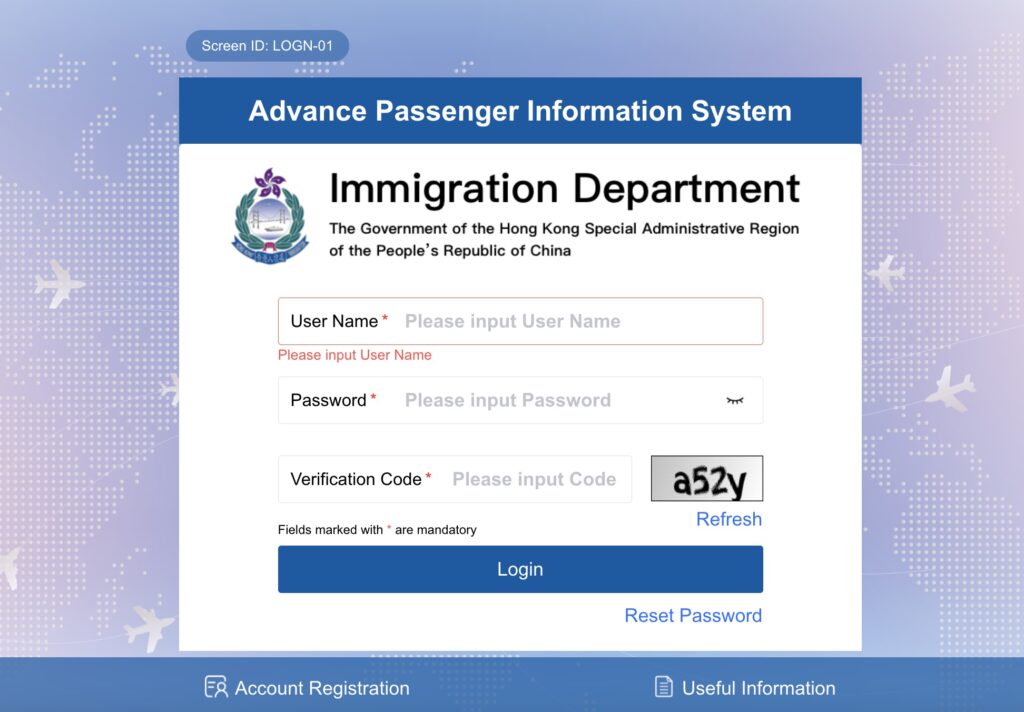
Click on ‘Useful Information’ and you can then download the ‘Submission Guide’ which tells you what to do, but the main things to know are as follows: 

1. “No Board” = No entry, even for crew
If the APIS system returns a “No Board” message for any traveller, including crew members, they are not permitted to board the flight! You then have to contact the Command Centre if you think that decision is wrong for any reason. Phone: +852 2121 0008. Email: apisoperation@immd.gov.hk

2. Different submission deadlines for pax and crew
This is a weird one. Passenger API data must be submitted no later than 40 minutes before departure, but crew data must be submitted at least 60 minutes before departure. No idea why, but it’s in the rules! Best thing to do is just submit both crew and pax data at least 1hr prior, and forget about the whole ’40 mins for pax’ thing (and certainly don’t tell them about it!)

3. Crew data must be submitted twice
This is ever weirder still! Operators are required to submit crew API data twice for every inbound flight. The first submission must occur before departure, and the second (the Flight Close-out Message) must be submitted after the flight has departed. Even if there are no changes to the crew, the second submission is mandatory and must reflect the actual crew on board.

4. Transit crew and pax must be included
API data must be submitted for all travellers on board the aircraft, including those in transit who are not disembarking in Hong Kong. 

5. The local FBO can’t do it for you
This one doesn’t actually appear in the guidance, but was reported to us by the local FBO (HKBAC). They said they cannot file APIS for operators – they can help you to set up the account on the APIS website, but you will have to file yourself! (or get your third party trip support provider to do it for you)

6. Eventually there will be fines for getting it wrong
As seems to be standard with all things like this, they say they’ll fine you if you get it wrong. Failure to submit required data, submission of inaccurate or misleading information – stuff like that. Although they do also say that they won’t start fining anyone in the ‘transitional period’ which ends on 1 Sep 2025.

Ops to Hong Kong

This has long been a tricky old game for GA/BA flights – even before this latest thing with the new APIS requirements. 

To operate to VHHH/Hong Kong, you need all of the following to be confirmed in advance (and we recommend applying in this order): landing permit, parking, ground handling, slots… and now APIS too.

All of these need to be applied for individually. Here’s how to do it…

Landing Permit

This can be done whenever, but should probably be done first.

Apply here: www.cad.gov.hk/english/efiling_home.html

Contact: Civil Aviation Department (CAD)
Email: asd@cad.gov.hk, gcmtse@cad.gov.hk
Phone: +852 2910-6648, -6629

Parking

Parking is confirmed on a first-come-first-served basis, and can be applied for up to 30 days in advance. Ultimately, the earlier you apply the better. However, parking requests for 5 days or more can sometimes be rejected, and overnight parking is often denied during busy periods. If this happens, unfortunately the best strategy is still to just keep making new applications until you get accepted! Once your parking is approved, you’ll receive a confirmation, and this must be given to your ground handler.

Apply here: https://extranet.hongkongairport.com/baps/

Contact: Hong Kong Airport Authority (HKAA)
Email: bjetslot@hkairport.com

Ground Handling

There are plenty of agents and handlers at VHHH, but only one dedicated FBO for BA/GA flights – HKBAC. Send them an email to confirm your ground handling in advance.

Contact: Hong Kong Business Aviation Centre (HKBAC) https://www.hkbac.com
Email: hkbac@hkbac.com
Phone: +852 2949 9000

Slots

Applications will only be considered 14 days prior to flight (unless you’re applying for a last-minute cancelled or unused slot). Authorities monitor the slot system for intentional misuse – which could lead to operators being banned from using the system altogether. Other violations include any cancellations of outbound flights less than 72 hours before departure, and delays on the day by more than 2 hours – although any off-slot operations outside a tolerance of +/-20 minutes can still flag up for potential slot misuse.

Apply here: http://www.hkgslot.gov.hk/Online_Coordination.html

Contact: Hong Kong Schedule Coordination Office (HKSCO)
Email: hkgslot@cad.gov.hk
Phone: +852 2910 6898

Our Pilot Report – here’s what we did…

If you’re headed to VHHH/Hong Kong for the first time (or the first time in a long time) and want to know what to expect, here’s an OPSGROUP Team report from a recent flight:

Hong Kong is a busy commercial hub in Asia. However, they manage BizAv aircraft there. There are a few gotchas to keep an eye out for when arriving and departing.

Handling:

  • All your operations will centre around the HKBAC (Business Aviation Centre). They are helpful, and I’d suggest you contact them for help arranging your parking and slots.
  • It can get busy, so the earlier you contact them, the better your chances will be.
  • It is an expensive place to fly into. However, Hong Kong is expensive in general.

Arrival:

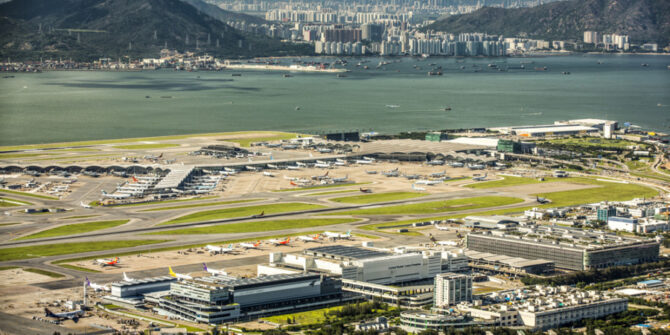
  • If you are coming to Hong Kong, note that the airport is beside a large mountain, so you get significant mechanical turbulence and wind shear.
  • All arrivals are RNAV; vectors are not expected for many shortcuts beyond TD for Runway 25R. There is a lot of terrain.
  • I suggest you take the RNAV 25R over the ILS. The ILS is very complicated as it is a two-part RNAV transition. It is also very high-load, and you must NOT select approach mode (i.e., switch to LOC/GS) before you hit TOPAN. Honestly, stick to the RNAV Z unless the cloud base is really an issue (which it rarely is).
  • Even with calm winds on the ground, expect the approach to be quite bumpy.
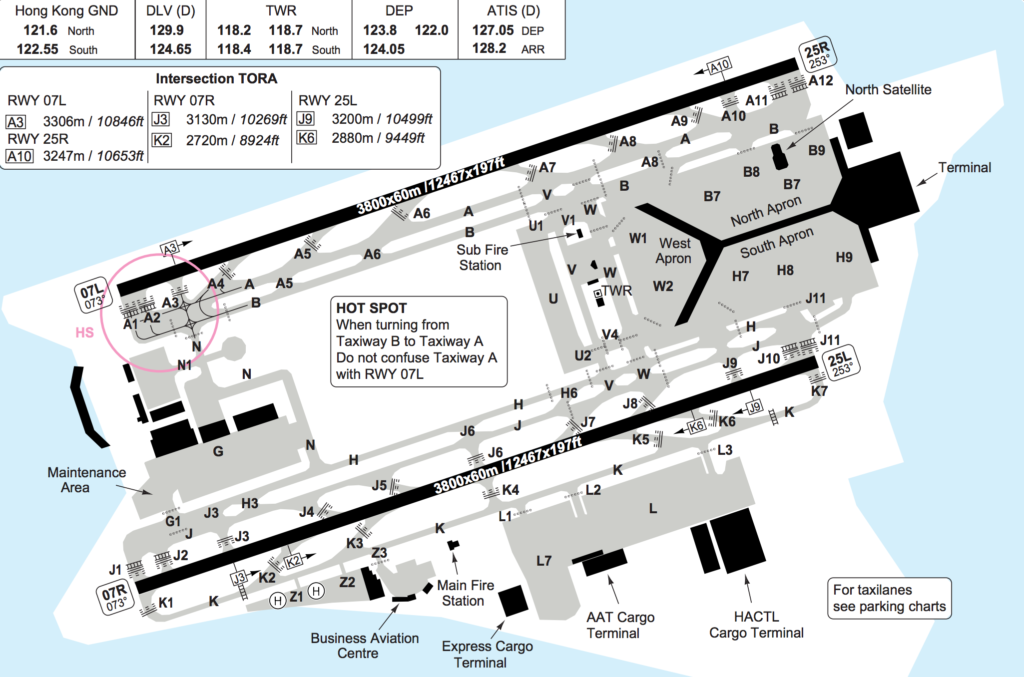
  • Generally, ATC won’t assign you the close runway for landing, so expect a long taxi. You can expect to cross 07R/25L at K6 before making a right turn onto K and then into the BAC.
  • Once you open the door, they will offload the pax and cargo (customs screens everything, so take note), and they will often reposition you quite quickly to a staging bay while you clean up.
  • If you have a short lay over the Sheraton at Tung Chung is nice, otherwise it is a good 45-minute uber ride into Town.

Departure:

  • The ramp is small, so expect to be at a remote staging area while you get the aircraft prepped. You can run the APU, etc., without issue, and then somewhere ETD-30, you can expect them to tug the plane into your departure position. These guys know what they are doing, but give them a heads-up if you wish your passengers would be late.
  • PDC is available, as is Digital ATIS. Don’t forget you need a start clearance (this isn’t the USA).
  • You can expect to depart from the closeby runway (07R/25L) unless it is closed for some reason (there is a nightly alternating closure for maintenance). So there is a short taxi; just be mindful that if you are slow with cabin prep, etc., you will be blocking the cargo aircraft that also taxi from the same side of the airport. ATC is friendly and competent but expects us to be efficient also.
  • Departure clearance will be on your SID to 5000. Be mindful of flying noise abatement procedures; they expect you to accelerate to SID speed restrictions knots as soon as practicable. It is all on the charts; remember, we operate amongst a sea of heavies.
  • One thing to note is that HK Departures only wants you to make the first call reporting your altitude passing and non-climb. There is no need to report your SID.
  • Expect to level off at 9000′ until you are about 20-30nm from the airport; this is due to the arrival traffic above. 

If you have been to VHHH/Hong Kong (or anywhere else) and have a story to share – please do! Reports like these are super useful for everyone in the group. File an Airport Spy report anonymously here.

Seven things about Hong Kong

The Hong Kong Sevens is a major rugby tournament, and one which hasn’t taken place for three years. So this one is probably going to be quite popular.

Here are seven things for you to know about if you’re planning on heading to Hong Kong during this event.

1. Tournament Info

The tournament takes place November 4-6.

You can find all the info on it here, but from a flying perspective the main thing to know is that teams from 16 countries will be taking part and that means a lot of extra BizAv airplanes heading to Hong Kong around these dates.

2. Hong Kong Covid Info

Hong Kong have been one of the stricter (and slower) countries in terms of easing up on Covid entry stuff, but at the start of October 2022 they made it a lot easier for crew and passengers to head in.

The main thing was the dropping of mandatory hotel quarantine for fully vaccinated crew.

Essentially, crew can choose between entering without isolating if they take multiple PCR & RAT tests during their stay in Hong Kong, or not entering under closed loop arrangements to self-isolate at the Airport Hotel (Skycity Marriott Hotel) until their next departure.

They also have to complete their online health declaration and get a QR code before they board the flight into Hong Hong. You can find that here.

We received a report from someone who operated there recently, and they said they were not able to test on arrival as crew, but were offered the option to declare themselves a passenger and pay for a $2000HK test in the terminal. Otherwise, they were not allowed out.

3. Permits and Slots.

You need to talk to HKCAD to get prior clearance if you’re a private, non-revenue flight. They take about 3 days so hurry up if you haven’t already sorted this.

We actually wrote a whole load on the process here, but in general they need what you’d expect them to need:

  • What you are flying
  • Where it is registered
  • Who the operator is
  • Which ground handling agent you are using
  • Dates and times
  • Insurance stuff
  • Proof you meet all their AIP specifications.

Slots are mandatory as well. Thankfully the airport operates 24/7 but they do have restrictions between 10pm and 7am local so don’t assume you can avoid the crowds by heading in in the middle of the night.

There is a whole load of info in here which the Airport and Authority posted about slots in 2021. The main bits are probably this:

  • Generally you need 14 days to set up a new account and get slots booked (or your handling agent can do this for you through their account)
  • It isn’t just the runway slot you need. You need a parking ‘slot’ and ground handling arranged
  • The online slot system is here
  • Talk to the folk at Hong Kong Business Aviation Centre – hkbac@hkbac.com – for help with your slots.

4. Parking

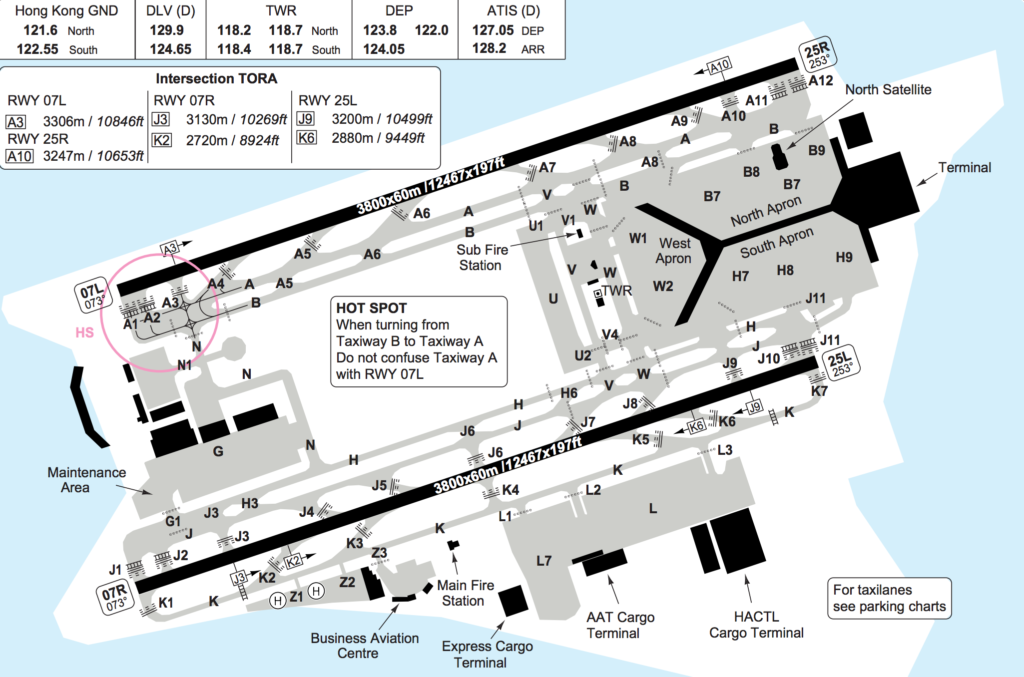
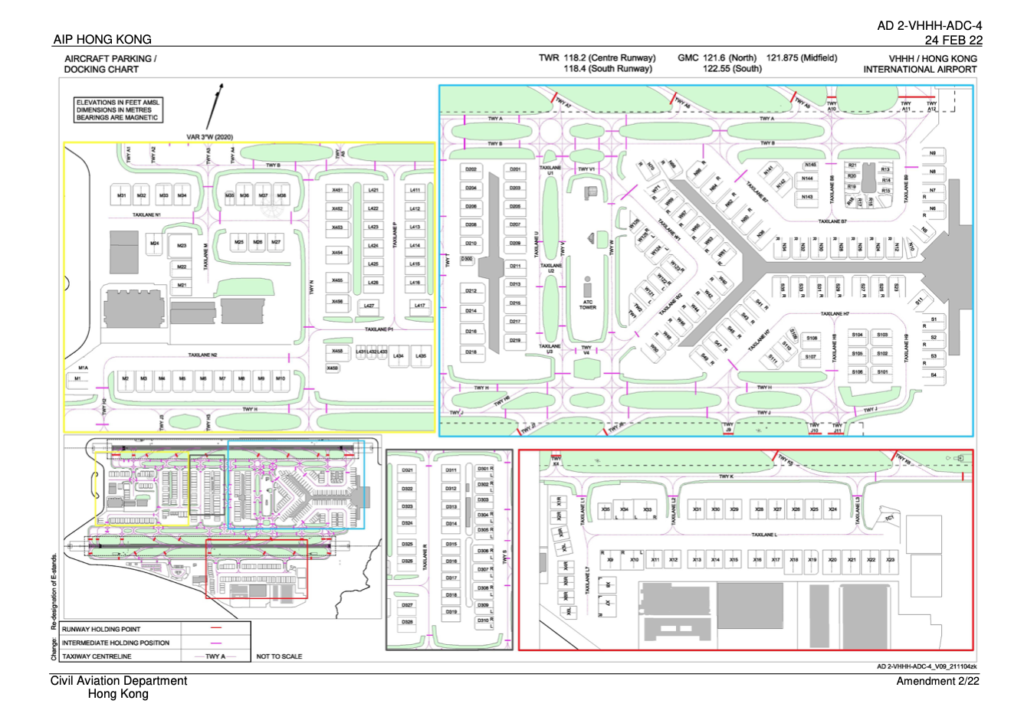
Parking at Hong Kong isn’t too big an issue because its a big airport. Here is an unhelpful picture out of their AIP:

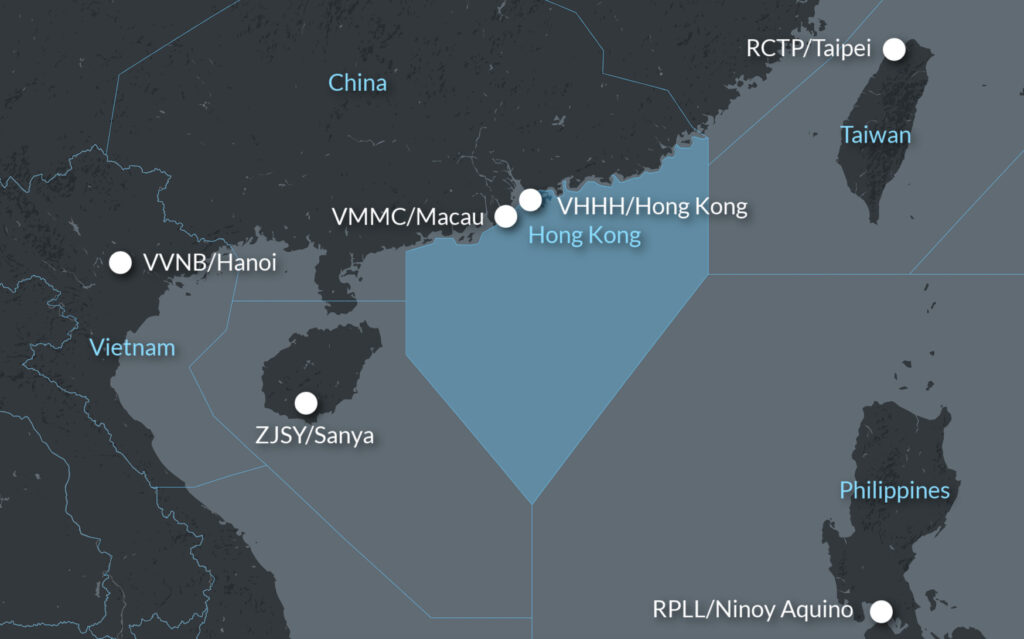
If you do find you can’t get a space there though, then there are some alternate options which you could use to swing by Hong Kong from:

  • VMMC/Macau Right next door, 11,024’/3360m runway, smaller and more limited parking options though
  • RCTP/Taipei A little bit further away, a 12,467’/3800m and a 12,008’/3660m runway, and a big airport with a load of parking
  • VVNB/Hanoi About the same distance as Taiwan, a 10,499’/3200m and a 12,467’/3800m runway to pick from and plenty of parking.

What we don’t recommend is China Mainland because…

5. China Mainland stuff

They get a bit funny about it. Not half as funny a they do with Taiwan-China Mainland operations, but it can still be a real hassle with visas for your crew and maintenance for your aircraft, and all that.

And a little thing called Covid which will probably still have you in boiler suits, escorted to and from locked hotel rooms.

6. Operational Stuff at Hong Kong

Here is the online AIS which is a good spot to start if you’ve not been to Hong Kong before.

It is a well managed airport, but there are a few things to know about.

  • They just got a new runway Well, earlier in 2022, but they did and you might not have used it yet so here is a post about it.
  • Issues with the ILS An ongoing thing which has earned its own special AIC. It basically says watch out for false capture because terrain means it doesn’t totally conform to standard ICAO ILS specs
  • Terrain is annoying there It gets in the way of things like the go-around and one engine out stuff. You might want to check the gradients because they are quite high
  • You need ADS-B or you’ll be stuck down at rubbish levels

If you’re an Opsgroup member, then give VHHH a search on Airport Spy because there are a lot of reviews, documents and other useful things there on Hong Kong, including an Airport Lowdown.

7. What else…

I said 7 because of the Rugby Sevens thing, but I can’t think of another one.

Oh, ok, weather – ’tis the season of typhoons so keep a look out for them. This is a good page to do it on.

Don’t just worry about the weather at Hong Kong, check it for your alternates as well because the whole region can get some pretty nasty weather when these storms start brewing.


Hong Kong: New Runway Opening

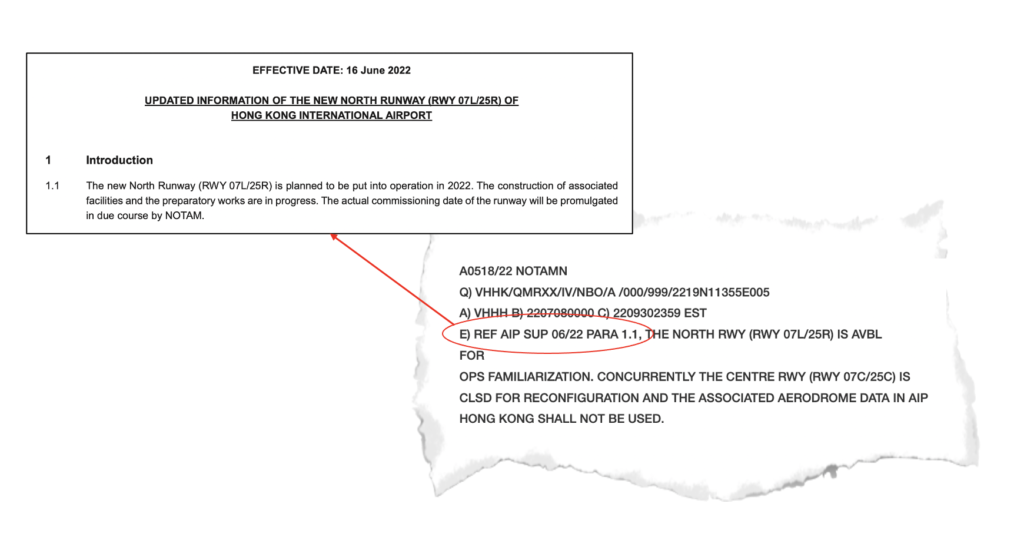
In Honkers, things are about to change. The airport’s shiny new northerly runway (07L/25R) will become operational on July 8 – earlier than expected. Although there will still be some restrictions on its use.

AIP SUP 6/22 (an 111-page ‘über-sup’) which literally swallowed a bunch of other smaller sups, was published back in April with everything you might want to know about the new runway.

Now that you stand a pretty good chance of actually using it, let us help you out by hand-picking some of the more vital ‘need-to-know’ info to keep you out of trouble.

The basics.

The recently constructed 07L/25R is  12,467′ (3,800m long) and 197′ (60m) wide.

There are ILS/LOC approaches at both ends. There are also RNP (AR) approaches, but as their names suggest, you’ll need prior approval to shoot those.

Runway 07L is also equipped with CAT II goodies (25R is CAT I only). A big head’s up though – you need to get permission from HK authorities to conduct low viz ops at VHHH before you get there. There’s a form to fill out, and of course you’ll also need to provide evidence of your state-issued approval (OpSpec C060 for US operators).

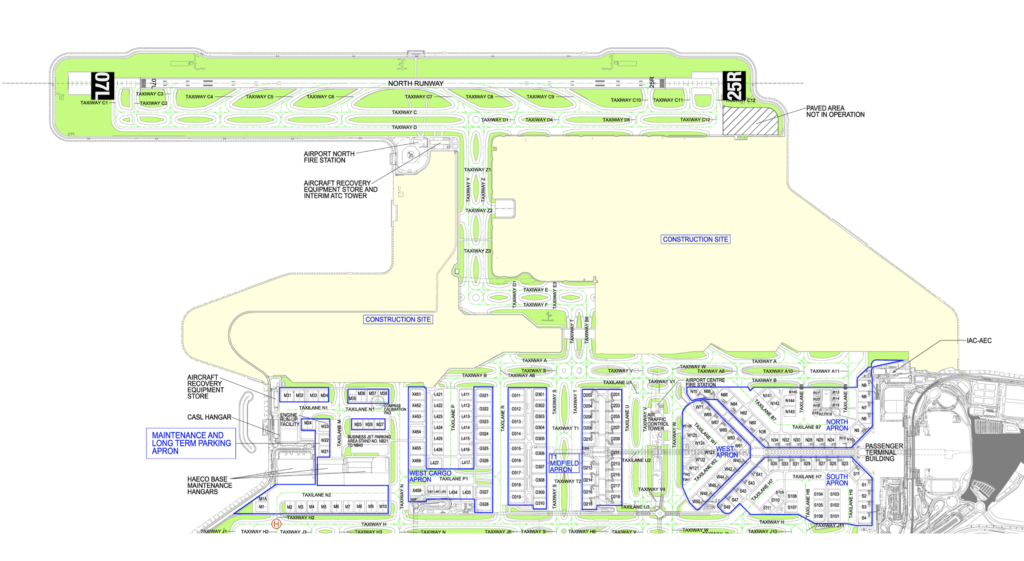
As you would expect, along with the runway will be a bunch of new taxiways too. The layout is quite straight forward:

The new ‘normal’ configuration.

The new runway (07L/25R) will normally be used for arrivals, while the southerly runway (07R/25L) will be used for departures. When winds are light or easterly, expect to land on 07L for noise abatement which is preferred.

Squashed in the middle is 07C/25C. It will be closed from July 7 until further notice, but recalled if another runway becomes blocked.

Keep an eye out for routine closures for maintenance, which may reduce the airport to single runway ops at quieter times. The weekly schedule for those closures has been published in this (much more bite-sized) SUP.

Watch those ‘fly-overs.’

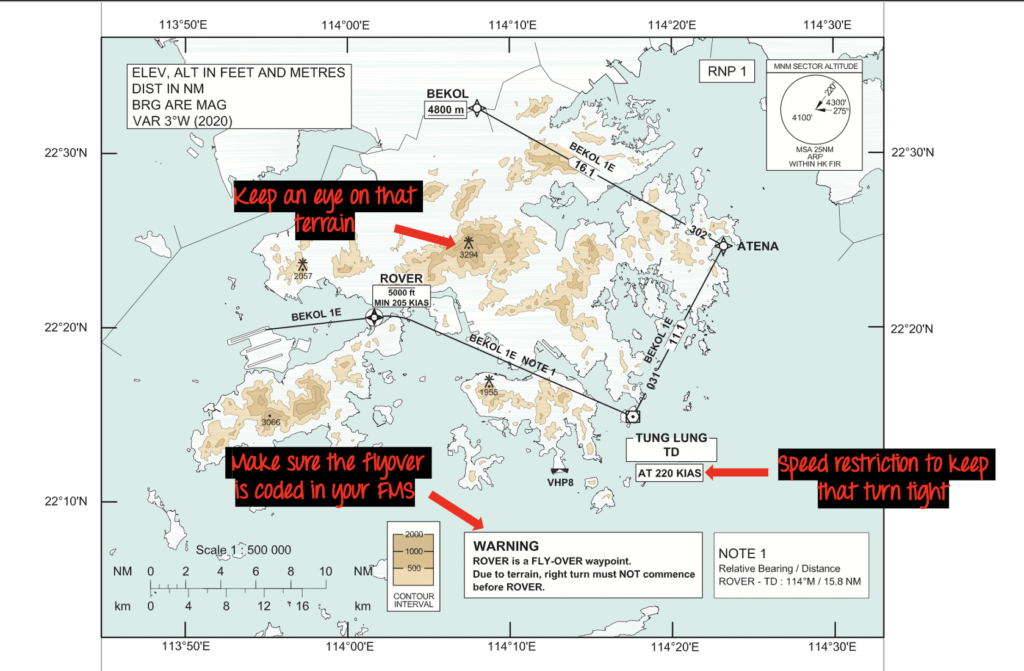
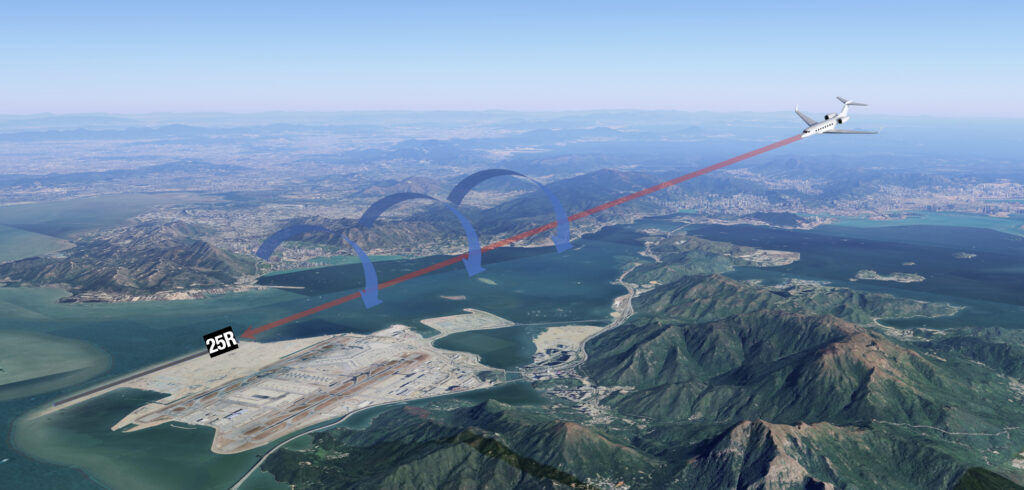
There are new RNAV SIDs and STARs for 07L/25R. Tracking is straight forward, but the major thing to look out for are fly-over waypoints. They can be lost a little in the noise of a chart, but if there is a circle around a waypoint, turn-anticipation is a no-no. Make sure the fly-over is correctly coded in your FMS. There are also speed restrictions to keep your turn radius down. The reason for these is to keep traffic well clear of high terrain just a stone’s throw away – spot heights within a mile or two of the airport reach as high as 2000.’

Wind shear.

High terrain north of the airport means that in some conditions, wind shear is a real problem.

The new runway is the closest of all of them to those hills, which means it may be the most susceptible.

Be on alert when the wind is from the Northwest through to the Northeast above 20kts, it’s going to be sporty – especially if landing on 25R. Carry fuel for a comfortable missed approach, and possible diversion.

Bad signals and false captures.

ILS interference has long been reported at VHHH due to the effects of the terrain around it. It can lead to nasty stuff like false captures and excessive descent rates. Boeing aircraft are especially susceptible (although don’t ask us why). It is often recommended that the LOC is captured first, before arming the glide slope. This has been reported on both existing runways, and so it stands to reason the new one (07L/25R) will be no different. Keep an eye on the chart notes for this one. If it happens to you, its really important to report it – there’s a form available here.

IFALPA warning…

IFALPA has issued a safety bulletin for the new runway (07L/25R). Due to terrain, the ILS is broken into two parts – an RNAV transition, and the approach itself which are found on two different charts. The bulletin has useful recommendations to stay on the correct profile, and to avoid nuisance GPWS warnings – essentially slow down and configure early. It’s also important not to arm the glideslope before the point TOPUN, due to the risk of false captures.

We need your help!

As the new runway configuration gets up and running, we’d love to hear any feedback from operators heading in there. You can reach us on news@ops.group. Or if you’d prefer, you can submit a report to Airport Spy.


Hong Kong: King of the Airports

What is happening at Hong Kong airport?

They are working on something…

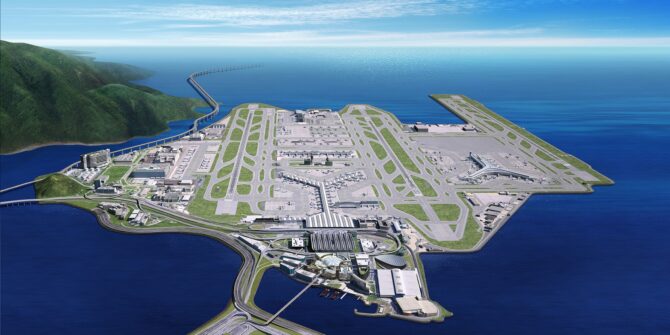
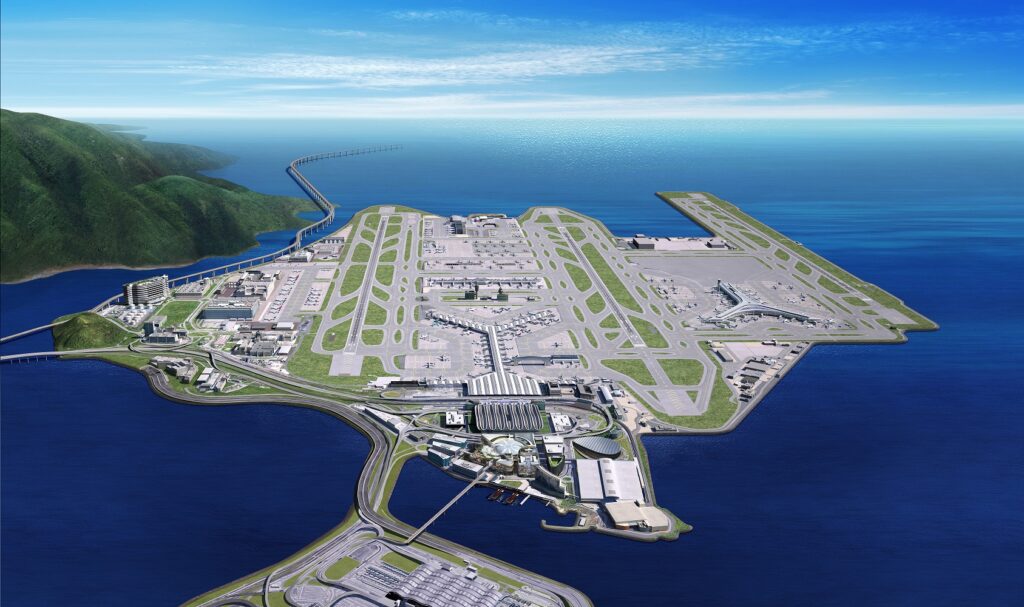
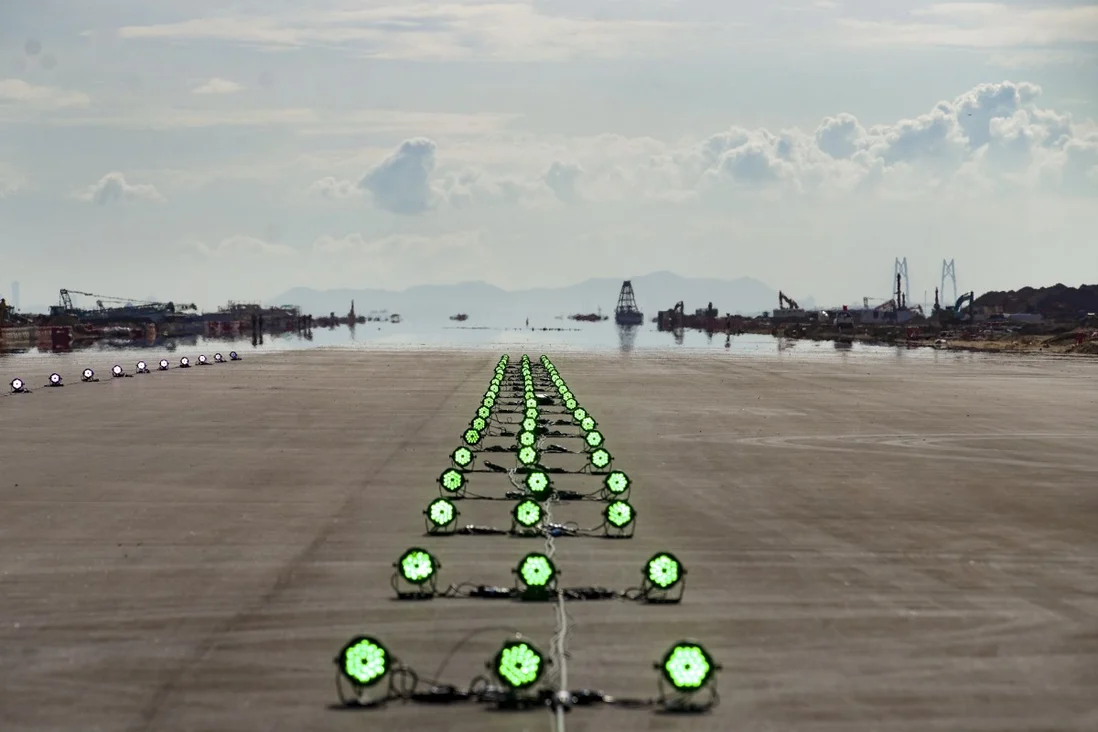
They are indeed. Hong Kong is adding a new runway and they’ve just finished building it! Six years in the making and due to open 2022, the new runway is set to transform Hong Kong from a city airport to an airport city.

What’s it got now?

Hong Kong currently has two runways 07L/25R and 07R/25L, both offering 12,467’ (3800m) and a bunch of CAT II/III approach options.

The new one will be no less decent – planned to be the same length, and 60m wide.

Why do they need it?

Hong Kong is a major hub and currently sees around 419,795 traffic movements a year, which amounted to 71.5million passengers and 4.8millions tonnes of cargo moving through it (back in 2019).

Here is the bit you are probably more interested in – it can handle just under 70 flights an hour at peak time and has 119 passengers stands, 55 cargo, 26 maintenance and 12 temporary stands.

The airport expansion will enable them to handle an additional 30 million passengers and will add 57 new parking spots.

We mentioned the slot and parking issue a few years ago. It is deceptively green at the moment, but this is probably more to do with a certain pandemic than any real improvement.

The current runways also do not run 24/7 though, there are regular maintenance closures. AIP SUP 08/21 updated on October 13 2021 has the info.

  • 07L/25R closes 3 nights a week, and 07R/25L closing for 4, between 1601-2315 UTC
  • 07L/25R also closes daily between 0116-1025 UTC.

So more runway and more parking will mean a big improvement on your chances of ad-hoc ops in.

(OK, we’ll slot in a quick slot summary)

This was issued in June 2021: The Hong Kong slot getting guide.

In brief, you probably want to do this:

It it a confusing a frustrating process so if it is your first time you might want to get some help from an agent. Hong Kong Business Aviation Centre (HKBAC) are based at Hong Kong (and you’ll be talking to them for your ground handling anyway.

Email: hkbac@hkbac.com

Phone: +852 2949 9000

Back to the expansion plan: What stage is it at now?

The runway work is complete. This will be designated the North runway, while the current north (07L/25R) will become “Centre”. The re-designation will happen at 0000 UTC on December 2 so don’t get confused!

The full ‘three runway system’ is only due for completion in 2024 as the new terminal is yet to be constructed.

What about arrivals and things?

The new charts are likely to only be introduced from 2022, however, the current set up bring aircraft into common points which link to approaches for either runway, so chances are they will just add the 07L/25R (new) to these as well.

The plan is to equip all three runways for takeoffs and landings, but primarily use the northerly for landings, the central for take-offs and the southerly for both.

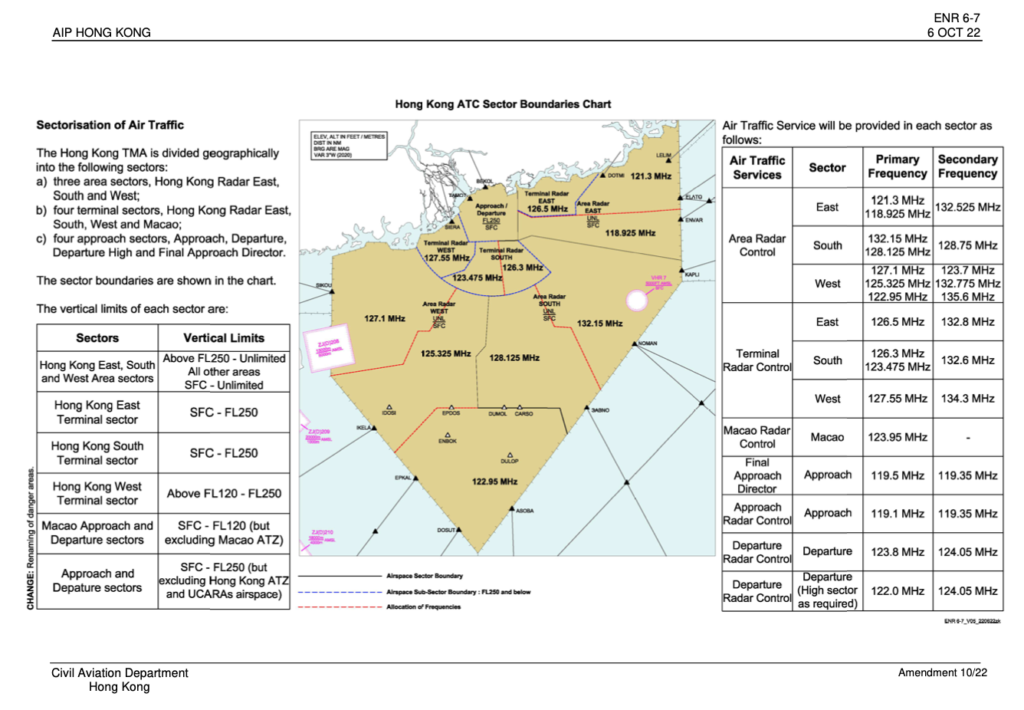
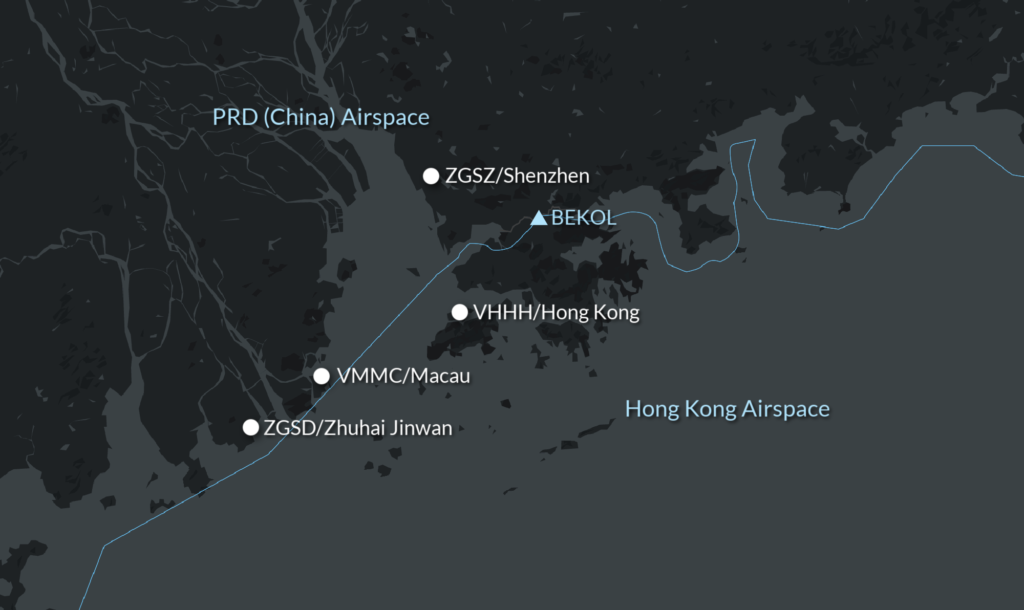
The Hong Kong CAA is also working with the Chinese and Macao CAA to re-develop and improve efficiency in the Greater Bay Area airspace. This airspace refers to the areas utilised by Macao, Guangdong and Hong Kong airports which is high density.

VHHH/Hong Kong’s traffic is restricted by the so called “air wall” between Hong Kong airspace and Pearl River Delta region airspace, and this will also be improved for better traffic efficiency.

The point of control handover is BEKOL, and traffic must reach set altitudes by this point.

Improvements to the airspace are not un-neededseparation issues have cropped up a few times in the past. So watch this space for changes to routings and handover procedures through to 2024.

Want some more to read?

A full rundown of the expansion plan is written up pretty decently here.

Or read about it on the official HKIA Three Runway System website here

The main page for all things slot is here.


Hong Kong revised entry rules for flight crew

Hong Kong has published extensive guidance on its entry rules via its dedicated Covid website, but in a bizarre twist, it’s actually the Notams which make it clearer to quickly work out exactly what’s allowed here:

A1199/20 – IN VIEW OF THE LATEST SITUATION OF COVID-19, THE HONG KONG SPECIAL ADMINISTRATIVE REGION GOVERNMENT IS IMPLEMENTING THE FOLLOWING MEASURES:
1. ALL NON-HONG KONG RESIDENTS COMING FROM OVERSEAS COUNTRIES AND REGIONS BY PLANE WILL BE DENIED ENTRY TO HONG KONG.
2. NON-HONG KONG RESIDENTS COMING FROM THE MAINLAND, MACAO AND TAIWAN WILL BE DENIED ENTRY TO HONG KONG IF THEY HAVE BEEN TO ANY OVERSEAS COUNTRIES AND REGIONS IN THE PAST 14 DAYS.
3. ALL TRAVELLERS COMING FROM MACAO AND TAIWAN, INCLUDING HONG KONG AND NON-HONG KONG RESIDENTS, WILL BE SUBJECT TO A 14-DAY COMPULSORY QUARANTINE, WHICH IS THE SAME AS THE ARRANGEMENTS FOR PEOPLE ENTERING HONG KONG FROM THE MAINLAND.
4. HONG KONG RESIDENTS ARRIVING IN HONG KONG WHO HAVE BEEN TO ANY OVERSEAS COUNTRIES AND REGIONS IN THE PAST 14 DAYS WILL BE SUBJECT TO A 14-DAY COMPULSORY QUARANTINE.
5. AIR CREWS ARE EXEMPTED SUBJECT TO CONDITIONS. DETAILS CAN BE FOUND IN HTTPS://WWW.CORONAVIRUS.GOV.HK/ENG/INBOUND-TRAVEL.HTML
29 SEP 07:39 2020 UNTIL 29 DEC 15:59 2020 ESTIMATED. CREATED: 29 SEP 07:39 2020

Ok, still not actually that clear. Big block of text, all upper case, an assault on the eyes…

So, to make that even clearer, between now and Dec 29:

  • Non-residents may only enter if coming from China, Macao or Taiwan, but not if they have travelled to any other country within the past 14 days.
  • All inbound pax, including Hong Kong residents, are subject to a 14-day quarantine.
  • There are special rules for flight crew

Rules for Flight Crew

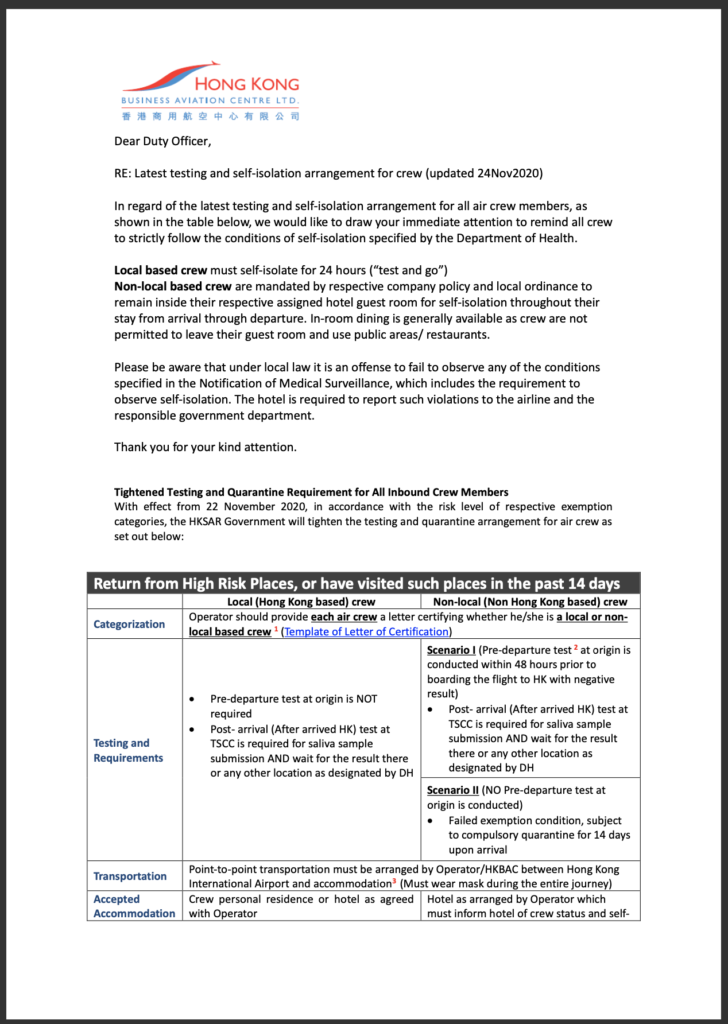
On Nov 24, Health authorities in Hong Kong published a document with the revised entry rules for flight crew. There are basically slightly different rules depending on whether crew have been in “very high risk places” in the past 14 days. Either way, all crew should have a negative PCR Covid test taken within 48 hours of operating, along with a letter from their airline/company that certifies an accredited laboratory was used. On arrival, all crew get tested again and must isolate until departure.

Rules for Positioning Crew

You have to go through all the same health checks, but there’s a way to get around the 14-day quarantine on arrival. You need to prepare a letter in advance (see below). As positioning crew, you’re required to self-isolate at a hotel for medical surveillance whilst you’re waiting for your outbound flight. You’ll have to wear a mask and get your temperature checked daily for reporting to the authorities. If you have a residence in HK, you should be allowed to go there instead.

To apply for the exemption from the 14-day quarantine for positioning crew, you have to send a letter to HKBAC, who will charge you HKD500 (around $65 USD). Here’s how it works, and the info you need to include:

  1. Flight Operator issues the letter with company letter head describing travel purpose and duty of the concerned crew
  2. The Operator sends email to HKBAC to get verification endorsement on the letter. After verification, a scanned copy of the letter would be sent to the Operator by email.
  3. The Operator provides that letter with verification by HKBAC to its concerned crew.
  4. The concerned crew brings along the letter when travelling as passengers on commercial flight
  5. Upon landing in Hong Kong, the crew approaches Crew Channel to obtain exemption from the Duty Immigration Officer before going through Immigration as passenger

Remarks:

  1. HKBAC’s checking is only for the identity verification based on the information provided by the Operator. HKBAC does not hold any liability on the exemption approval process.
  2. Administration fee at HKD500 per endorsement would be applied and will be charged to the Operator which requests for the crew exemption letter. 
  3. Validity of the letter for crew exemption will be 7 days from the commercial flight date.
  4. Although air crew can be exempted from the compulsory quarantine, the Department of Health (DH) will arrange Medical Surveillance for persons under the exempted categories of persons during their stay in Hong Kong. Exempted persons are subject to the temperature check and health declaration procedures carried out by DH. 
  5. In order to avoid your crew members being denied check in or boarding the commercial flights, please contact the commercial airlines that the crew would be travelling in in advance to ensure they are aware of the exemption.
  6. Please be advised there is no guarantee that HK Health accepts the air crew letter for inbound positioning crew.

Hong Kong has always been a tricky place to fly to, unless you’re an airline with landing rights secured for the next two decades. As the world’s third busiest airport, with only two runways, it goes without saying that congestion is a big issue here!

Things have gotten slightly easier this year due to the downturn in traffic caused by the Covid pandemic, with airport authorities now allowing airlines to keep their slots even if they don’t use them. So, good news for them, but also good news for GA/BA operators, as the overall reduction in traffic means that a lot more slots are available right now – daytime ones too! So if need to go to Hong Kong and can navigate the entry rules, slots and parking should not be a problem.

Have you flown to Hong Kong recently? How did it go? Send us an email and let us know, or even better – file a report on Airport Spy and it will automatically go out to everyone in the group!


Ops to Hong Kong are getting easier

Following months of disruption in Hong Kong due to anti-government protests and then the coronavirus outbreak, the airport has decided to relax its “use-it-or-lose-it” rule for slots until the end of October 2020. This means airlines are allowed to keep their slots even if they don’t use them.

The decision follows calls for a relaxation of the policy to prevent carriers from flying empty planes between destinations to maintain the rights.

“Given the latest development of Covid-19, and in line with the recommendation made by IATA, it has been decided that alleviation of slot usage requirement at Hong Kong International Airport will be effective for the whole of the Summer 2020 Season,” a Civil Aviation Department spokeswoman said.

This means the airlines (particularly Cathay Pacific!) will now be able to announce cuts to their schedules through to October this year. So, good news for them, but also good news for GA/BA operators, as the overall reduction in traffic will mean that a lot more slots will now become available.

Since Oct 2018, Hong Kong Airport has been providing six slots to GA/BA each night between 1600-2059z, which you can apply for up to 14 days in advance online using the OCS system. You can also use the system to request any unused or cancelled daytime slots up to 2 days in advance. Getting your own access to this system can be a pain – but your trip support provider or local handler should have access, and can obtain airport slots for you. 

So it appears that ops to Hong Kong are getting easier for GA/BA – although it’s still challenging. 

To go here, you need all of the following to be confirmed in advance: landing permit, parking, ground handling, and slots. All of these need to be applied for individually. We recommend applying in this order. Here’s how to do it…

Landing Permit

This can be done whenever, but should probably be done first.

Apply here: www.cad.gov.hk/english/efiling_home.html

Contact: Civil Aviation Department (CAD)
Email: asd@cad.gov.hk, gcmtse@cad.gov.hk
Phone: +852 2910-6648, -6629

Parking

Parking is confirmed on a first-come-first-served basis, and can be applied for up to 30 days in advance. Ultimately, the earlier you apply the better. However, parking requests for 5 days or more can sometimes be rejected, and overnight parking is often denied during busy periods. If this happens, unfortunately the best strategy is still to just keep making new applications until you get accepted! Once your parking is approved, you’ll receive a confirmation, and this must be given to your ground handler.

Apply here: https://extranet.hongkongairport.com/baps/

Contact: Hong Kong Airport Authority (HKAA)
Email: bjetslot@hkairport.com

Ground Handling

There are plenty of agents and handlers at VHHH, but only one dedicated FBO for BA/GA flights – HKBAC. Send them an email to confirm your ground handling in advance.

Contact: Hong Kong Business Aviation Centre (HKBAC) https://www.hkbac.com
Email: hkbac@hkbac.com
Phone: +852 2949 9000

Slots

Applications will only be considered 14 days prior to flight (unless you’re applying for a last-minute cancelled or unused slot). Authorities monitor the slot system for intentional misuse – which could lead to operators being banned from using the system altogether. Other violations include any cancellations of outbound flights less than 72 hours before departure, and delays on the day by more than 2 hours – although any off-slot operations outside a tolerance of +/-20 minutes can still flag up for potential slot misuse.

Apply here: http://www.hkgslot.gov.hk/Online_Coordination.html

Contact: Hong Kong Schedule Coordination Office (HKSCO)
Email: hkgslot@cad.gov.hk
Phone: +852 2910 6898

Other things worth knowing:

  • Feb 2020: Revised ILS approach procedures for RWY 07L and RWY 07R based on PBN transition to connect the existing PBN STARs to ILS final for RWY 07L and RWY 07R without reliance on ground-based navigation aids guidance.
  • Jan 2020: A reminder that ramp checks can be carried out at any time, with no warning. Here’s what they check for.
  • Feb 2019: Hong Kong ATC started reducing separation from 3.5 NM to 3.0 NM – that means more chance of wake turbulence. In summary, the new advice is this: do NOT slow to less than 125kts on final approach speed to ensure that following traffic does not have to execute a go-around; and when landing on RWY 07L, make sure you get off the runway at taxiway A7 within 50 seconds.
  • Dec 2018: Hong Kong published an AIC saying that GA/BA aircraft are taking too long vacating the runway after landing. They want pilots to “consider minimizing braking to reduce the deceleration rate on the landing roll so as to be able to vacate runway expeditiously via the first available RET.”
  • Oct 2018: Following lobbying by AsBAA, the trial to increase the number of night-time slots available to GA/BA was extended until the end of March 2019, with 6 slots available instead of 4 as before.
  • Sep 2018: Chinese authorities launched the Bullet Train rail link between Guangzhou and Hong Kong. Travel time between the two cities is now approximately only 40 minutes (previously crews needed to take a ferry, or else face a long car journey!)
  • Jun 2018: Airport issued Notam A1792/18 prohibiting reduced or single engine taxi out – all engines must be started before commencement of taxi for takeoff.
  • Jun 2018: Hong Kong issued AIC 13/18 to remind operators to stick closely to ILS procedures for Runway 07/25.
  • Apr 2016: You now need RNP1 to operate to Hong Kong. 

Have you been through Hong Kong recently? We’d love to hear how it went! Drop us an email, or Opsgroup members can file a quick report on Airport Spy.


More overnight slots for Hong Kong

Without stating the obvious, Hong Kong is a busy airport and it’s a difficult one to get slots and parking at, if you are a GA/BA operator.

Ok- it’s true, we went as far as calling operations to Hong Kong a PITA in the past.

Well, the latest intel is that the Airport Authority (AAHK) and the Hong Kong Schedule Coordination Office (HKSCO) have decided to trial an increase in slot availability from 4 to 6 total slots each night.

This is the info we have:

Notice on night slot availability (trial from 8 August 2018 until 8 October 2018)

  1. The number of slots available for GA/BA operations between 0000 to 0500 local time (16-21 UTC) will increase from 4 slots daily to 6 slots daily.
  2. The application procedure for these 6 slots will be the same as that for the 4 daily slots currently available.
  3. The above are provided on a trial and temporary basis and are subject to continuous review jointly by AAHK and HKSCO. The procedures will be effective from 0000 UTC on 8 August 2018 until 2359 UTC on 7 October 2018.

Also important to note, as pointed out to us by our friends at the Asian Business Aviation Association (AsBAA) – these 6 slots will be made available to all aircraft types, not just the ones currently exempted from the noise abatement regulations. This means that BBJ’s/ACJ’s/Lineage 1000/Globals/G650ER etc can now operate in and out of Hong Kong at night-time, subject to slot availability.

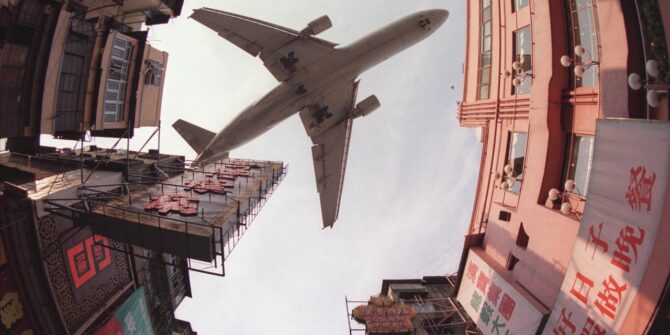
Some days I miss the old Kai Tak airport. My Dad reminded me that the 20th anniversary of its closure just went by last month. I feel old.

If you do too, watch a Kai Tak video to cheer you up 🙂

Extra Reading:


Updated communication procedures for Hong Kong FIR

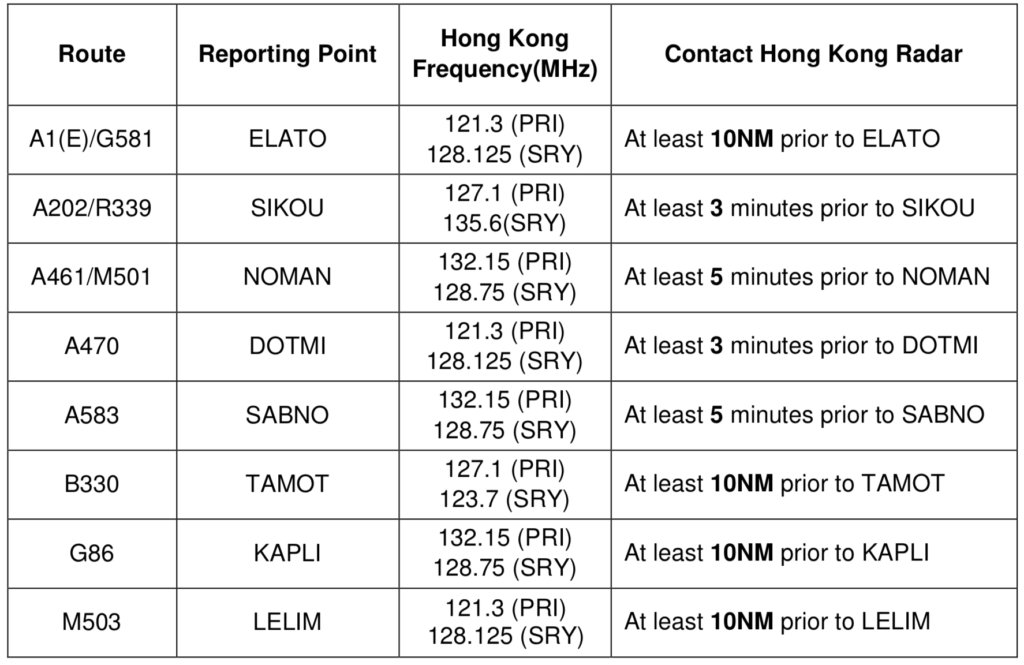
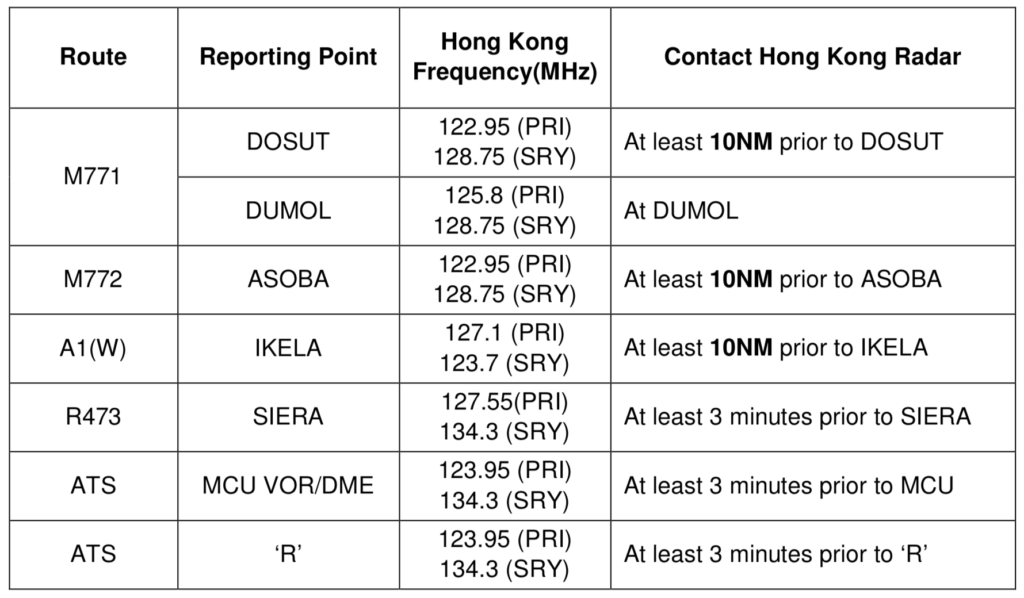
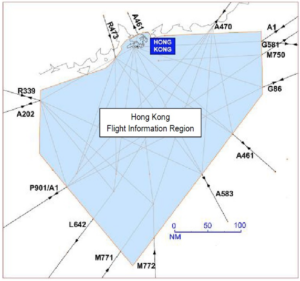
AIP SUP A09/18 details new communication procedures for air traffic entering the VHHK/Hong Kong FIR.

The key points:

  • Aircraft shall comply with the following communication requirements to obtain an air traffic control (ATC) clearance:
  • Pilot shall report the aircraft callsign, position (with reference to reporting point), level (including passing and cleared levels if not maintaining the cleared level), transponder code, and other pertinent information (e.g. speed assigned by last ATC, tracking if it differs from the flight plan route) in the initial call before entering Hong Kong FIR.
Also a small change: the requirement for pilots to report the estimate time exiting Hong Kong FIR on first contact with Hong Kong Radar as stipulated in AIP Hong Kong ENR 1.1 paragraph 2.2.4 will no longer be applicable and is hereby cancelled.


Hong Kong near-misses on the rise

According to recent figures released by the Civil Aviation Department (CAD) of Hong Kong, 2017 saw an increase in ‘loss of separation’ incidents within it’s airspace.

Twelve times, two aircraft came within 1000 feet and less than 5 nautical miles of each other last year. This is the highest in six years.

Local law makers are now calling for a new ATC system to be implemented. A local pilot operating regularly through VHHH/Hong Kong International Airport (HKIA) commented to FSB recently that the Air Traffic Services have been in “constant decline” over the past seven to ten years.

CAD insisted that alerts were issued “in a timely manner as per system design”. It said “losses of separation” were due to a number of factors such as adverse weather, operating procedures and human factors and they did occasionally occur due to the old air traffic system and other systems around the world. “CAD would investigate every individual incident according to established procedures and make necessary improvement,” the department added.

Hong Kong airspace is congested at the best of times. With four major airports within 150 kilometres and many overflights to and from mainland China, the 2016 introduction of a new Air Traffic System known as “Autotrac3” was set to assist in solving some of the complexity whilst increasing safety. The transition to the new system was challenging with various system issues.

The TMA is also complicated by significant terrain and regular adverse weather. Recent statistics show that air traffic is up over 3.5% already in 2018 with 36,000 movements occurring monthly (6.4 million passengers).
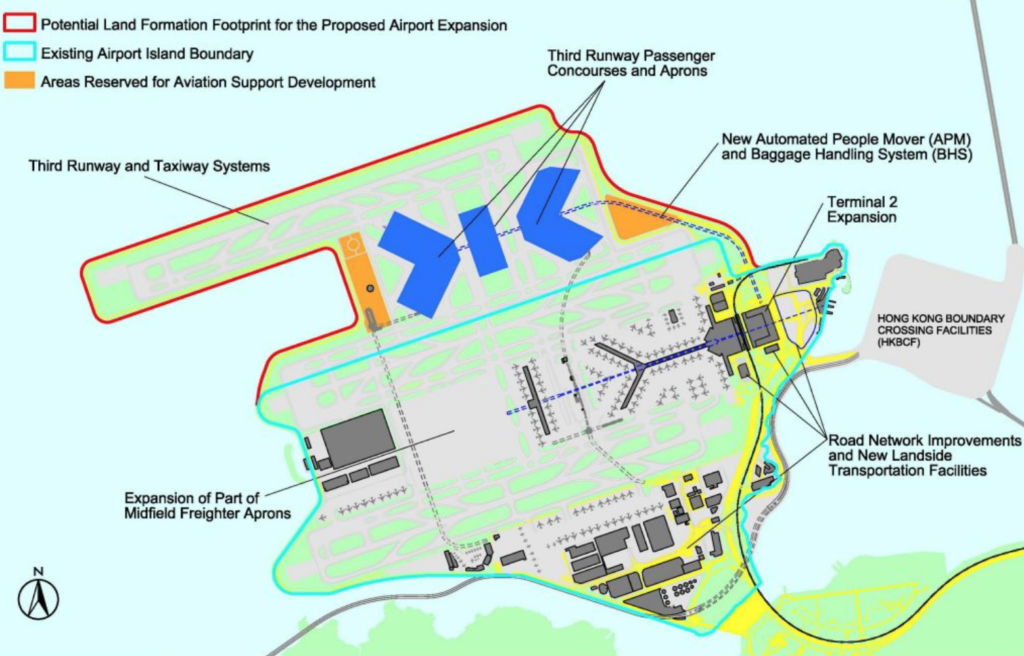
The continued massive year-on-year growth has seen the start of work to construct a third runway, expected to be operational in 2023-24 to facilitate the expected 100 million passengers using HKIA by that time.

This will no doubt just put further strain on an already complicated airspace situation.

The new third runway at HKIA- coming 2023-24.

Have you operated through the Hong Kong area lately? Can you provide an update?

Extra Reading:


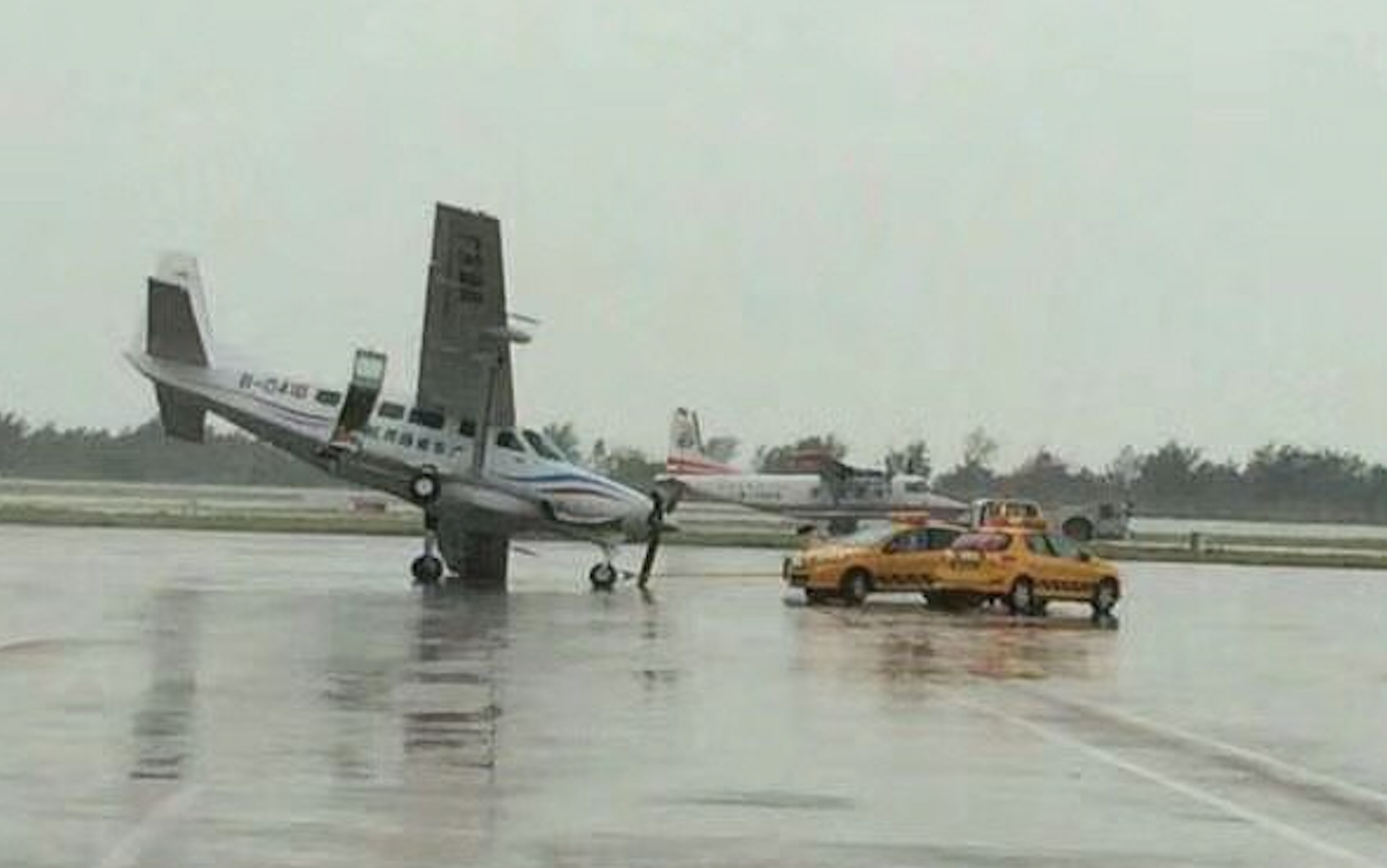
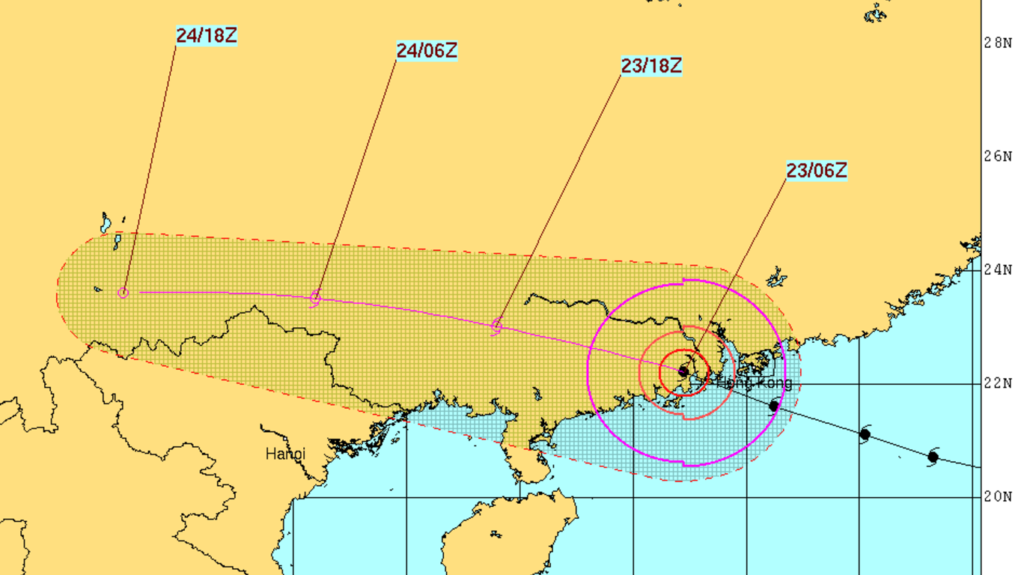
Typhoon Hato affects Hong Kong, Macau, Zhuhai

With the worst of Typhoon Hato now past the Pearl River Delta, some incredible footage has been seen showing the storm in action.

The worst affected airports were VHHH/Hong Kong, VMCC/Macau, and ZGSD/Zhuhai, with winds up to 105 knots.


Hato is now tracking away to the west.


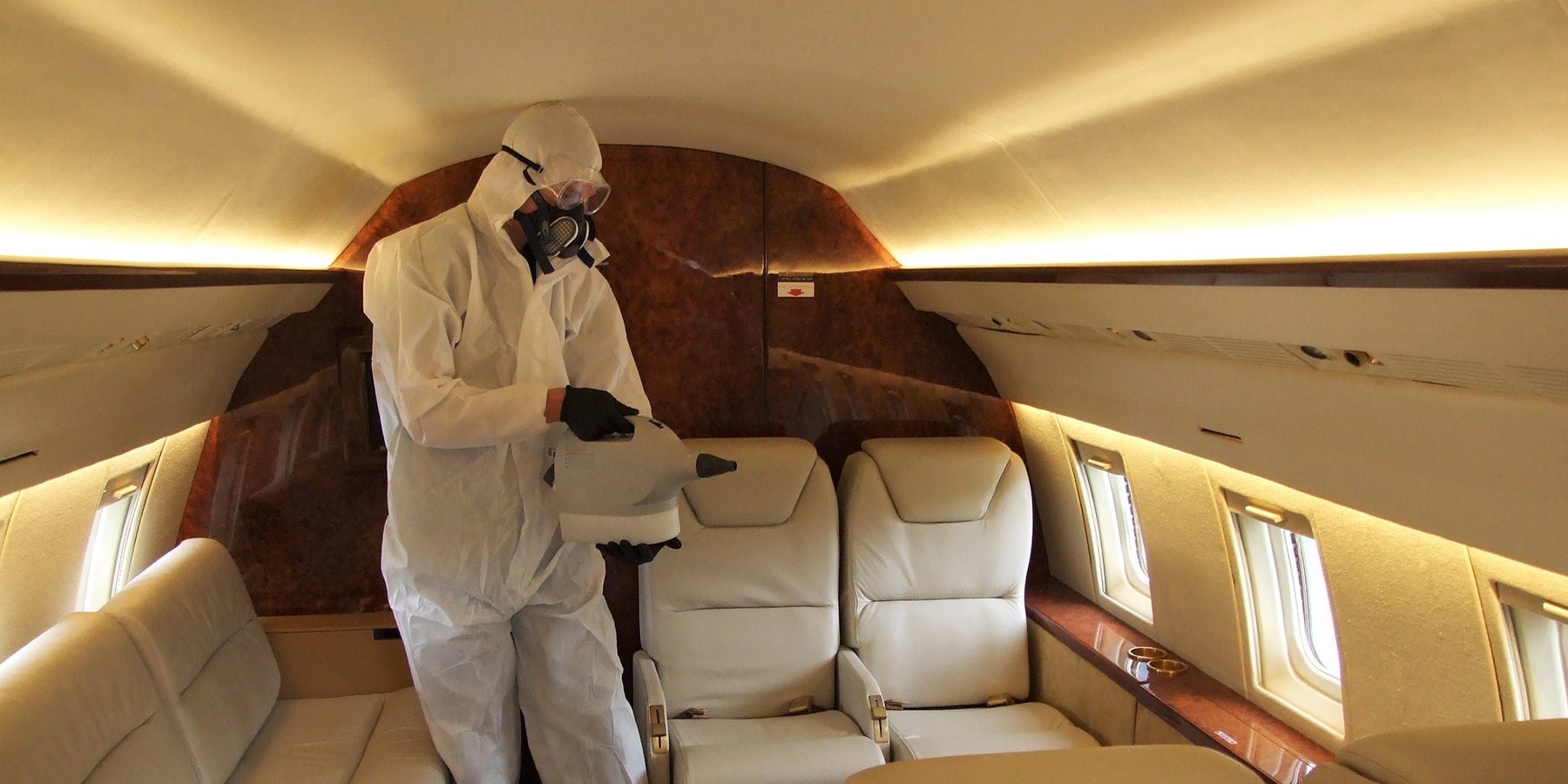
New disinsection procedure for Hong Kong (VHHH/HKG)

From April 25th, 2017, Hong Kong will require disinsection for all aircraft inbound from Zika affected areas (i.e. last port being a WHO Category 1 or Category 2 area). The current list of Zika affected areas can be found in WHO’s latest Zika virus situation report:

Per the new regulations, there are three groups:

  • Airlines/Aircraft operators adopting residual disinsection – this group of airlines/aircraft operators should repeat residual disinsection before the expiry dates marked at the last residual disinsection certificates and provide PHO with the new disinsection certificates upon request.
  • Airlines/Aircraft operators adopting non-residual disinsection – Upon request, this group of airlines/aircraft operators should provide PHO with the details of non-residual disinsection in the Health Part of the Aircraft General Declaration and empty or partly used insecticide cans within 24 hours of arrival of each aircraft. These items should be submitted to PHO (Room 5T577, Level 5, Arrival Hall, Terminal 1, Hong Kong International Airport) at 2:30 pm to 3:30 pm daily. For private jets, their crew/operators should submit the Health Part of the Aircraft General Declaration and the photos of empty or partly used insecticide cans to PHO by email to sphi_ap@dh.gov.hk. PHO will take follow-up actions if an airline/aircraft operator fails to comply with the above requirement.
  • Airlines/Aircraft operators adopting no disinsection – For airlines/aircraft operators not adopting regular disinsection, they will be reminded of the disinsection requirement before their aircraft arrive. The Airport Authority will allocate an outside berth for the aircraft.

Residual Disinsection

The internal surface of the aircraft, excluding food preparation areas are sprayed with residual disinsection at intervals not exceeding eight weeks (WHO, 1995)2. Pesticides used and methods of application should be recommended by the WHO. Pesticides used should be registered according to the Pesticide Ordinance (Cap. 133).

The residual disinsection remains efficacious for eight weeks and causes minimal inconvenience to passengers and prevents the crew or passengers from exposure to aerosol sprays.

Non-Residual (Spraying)

Blocks away The Blocks away disinsection is recommended by the WHO and takes place after passengers have boarded, the doors have been closed and prior to take-off. The cabin is treated by crew members walking through the cabins discharging aerosols.

Pre-flight and Top of Descent The pre-flight spraying involves the aircraft cabin and hold being sprayed with an aerosol containing a residual insecticide while the aircraft is on the ground but before passengers embark. Pre-flight is spraying usually followed by a non-residual top of descent spraying. The combined treatment lasts for the duration of single flight sector.

On-arrival On-arrival treatment of cabin and hold of incoming flights to Hong Kong should be carried out when no spraying has been conducted prior to departure for Hong Kong or during the flight. On-arrival treatment is carried out after landing with passengers on board by the crew under supervision of PHO.

Insecticides

For aircraft disinsection, WHO currently recommends permethrin (2%) for residual disinsection (WHO, 2005) and d-phenothrin (2%) for space spraying. The specification of the insecticides are attached in Annex I.

References


Hong Kong is a pain in the ass – it’s official

After a few members complained, we put  the question out to OpsGroup:  is operating a non-scheduled flight to Hong Kong really that difficult?

The response was a resounding “Yes”. 

Why then? Operators talk of having to cancel planned flights, that it’s impossible to get a decent schedule, and even with a poor one, that lining up slots, parking, permits and handling is extremely difficult. End result: a mountain of frustration.

Trying to get slots at Hong Kong International Airport has always been tricky. Now the world’s third busiest airport with over 1000 flights per day departing from its two runways, severe congestion means that only a handful of daily slots have been available to private, corporate and non-scheduled operators.

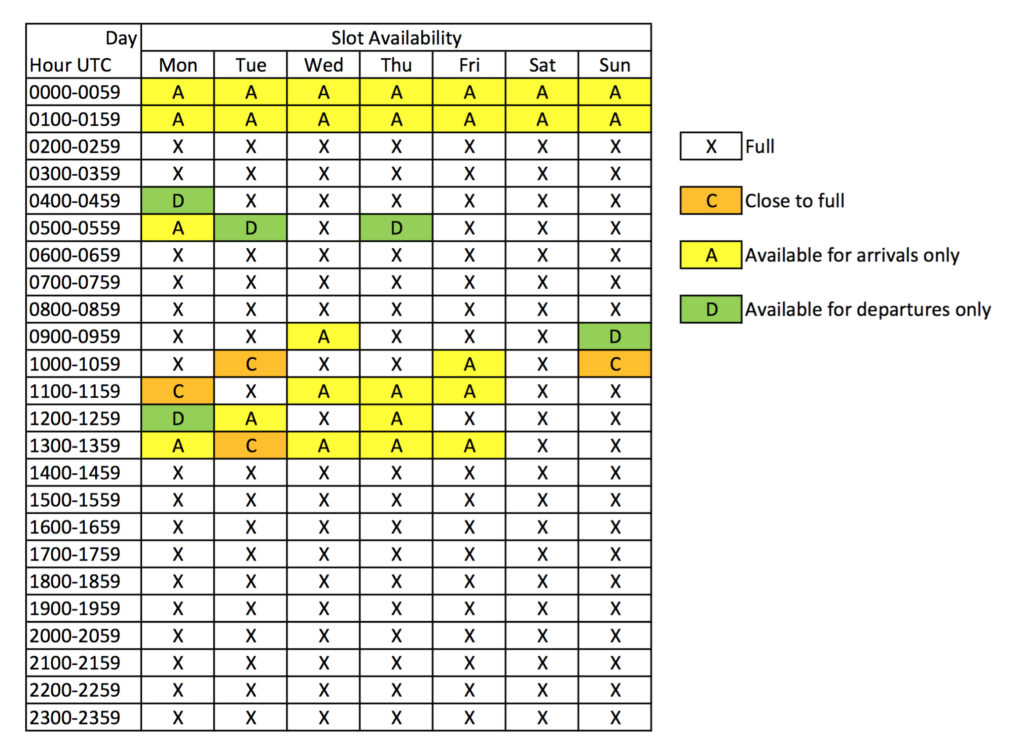
Here’s a look at a typical daily slot availability chart at Hong Kong International Airport:

typical-daily-hk-slot-availability

Back in March 2016, the airport authority made it mandatory for all BA/GA operators to start using the Online Coordination System (OCS) to reserve their slots, rather than by email as they had done previously. But for many, this system has proven to be frustrating, as a lack of enforcement has meant that slot hoarding and mismanagement by some operators has largely gone unpunished.

But in a recent attempt to crack down on such behaviour and to prevent slots going unused, the airport authority has tightened restrictions for operators flying into or out of Hong Kong. You now need all 4 of the following to be confirmed in advance: landing permit, parking, ground handling, and slots.

New changes mean that slots can be booked up to 14 days in advance (instead of 7 days as before), and authorities will monitor the slot system for intentional misuse – which could lead to operators being banned from using the system altogether. Other violations include any cancellations of outbound flights less than 72 hours before departure, and delays on the day by more than 2 hours – although any off-slot operations outside a tolerance of +/-20 minutes can still flag up for potential slot misuse.


hk-apt-chart

As for parking – again, severe congestion means this is problematic. Parking is confirmed on a first-come-first-served basis, and can be applied for up to 30 days in advance – ultimately, the earlier you apply the better. However, parking requests for 5 days or more will likely be rejected, and overnight parking is often denied during busy periods. If this happens, unfortunately the best strategy is still to just keep making new applications until you get accepted!

Over 100 business jets use HKIA as their home base, but fewer than 70 parking spaces are available at any given time, and the GA ramp itself only has space for 20 aircraft. If full, the authorities will rarely grant parking on the commercial side, and often they will just deny the parking request altogether. Once your parking is approved, you’ll receive a confirmation, and this must be given to your ground handler.

It should be noted that the requests for the landing permit, parking, ground handling and slots are all separate from each other, and need to be applied for individually. We would recommend the following, in order:


1. Apply for LANDING PERMIT

Can be done whenever, but should probably be done first.

www.cad.gov.hk/english/efiling_home.html

Civil Aviation Department (CAD)

Email: asd@cad.gov.hk, gcmtse@cad.gov.hk

Phone: +852 2910-6648, -6629


2. Apply for PARKING

Can be done up to 14 days in advance of flight, the earlier you do this the better!

https://extranet.hongkongairport.com/baps/

Hong Kong Airport Authority (HKAA)

Email: bjetslot@hkairport.com


3. Apply for GROUND HANDLING

There are plenty of agents and handlers at VHHH, but only one dedicated FBO for BA/GA flights:

http://www.hkbac.com/en

Hong Kong Business Aviation Centre (HKBAC)

Email: hkbac@hkbac.com

Phone: +852 2949 9000


4. Apply for SLOTS

Will only be considered 14 days prior to flight.

http://www.hkgslot.gov.hk/Online_Coordination.html

Hong Kong Schedule Coordination Office (HKSCO)

Email: hkgslot@cad.gov.hk

Phone: +852 2910 6898