I Feel The Need For Reliable Speed
Speed is a big thing when it comes to flying. Lift is, after all, equal to half of something multiplied by something else and, oh yeah, velocity squared…

Now, with so many airplanes being hauled out of storage complete with bugs, beetles and other nasties nesting in places they should not be nesting in, there has been what EASA described as “an alarming trend” in the number of aircraft experiencing unreliable airspeed indications.

So we thought we would take a more practical look at what unreliable airspeed might really mean for you.

What are we talking about?

Airbus reported that in the period from January 2020 to March 2021, they had 55 events of unreliable airspeed. But 55 in a 14 month period (considering how many Airbus are out there flying) doesn’t sound that many.

So why is everyone so worried about it?

Well, we wrote a bunch of stuff about it here. We also talked about startle factor because that really is one of the big danger elements of the unreliable speed problemo. You see, if you get unreliable airspeed, there is a good chance you will do so at a horribly critical moment in flight. Like takeoff when you are near the ground, don’t have much speed, and have even less time to deal with it.

So, we are talking about you (the pilot) or it (the aircraft) not knowing what airspeed is reliable, and everything getting fairly confusing, very quickly.
Stop high-fiving and fly the airplane you fools.

What happens when it happens?

Airplane systems are clever. They use teamwork. They don’t just rely on one sensor or one probe, instead, they have independent probes talking to independent systems, and then these talk to each other and on a good day everything matches. On a bad day they might not.

But air data computers don’t argue, they get logical. If two are receiving the same information then chances are number three is wrong and then majority rules and the other systems effectively vote it out. Of course, they tell the pilot when this happens so you can judge for yourself, and maybe try to work out why there is a discrepancy.
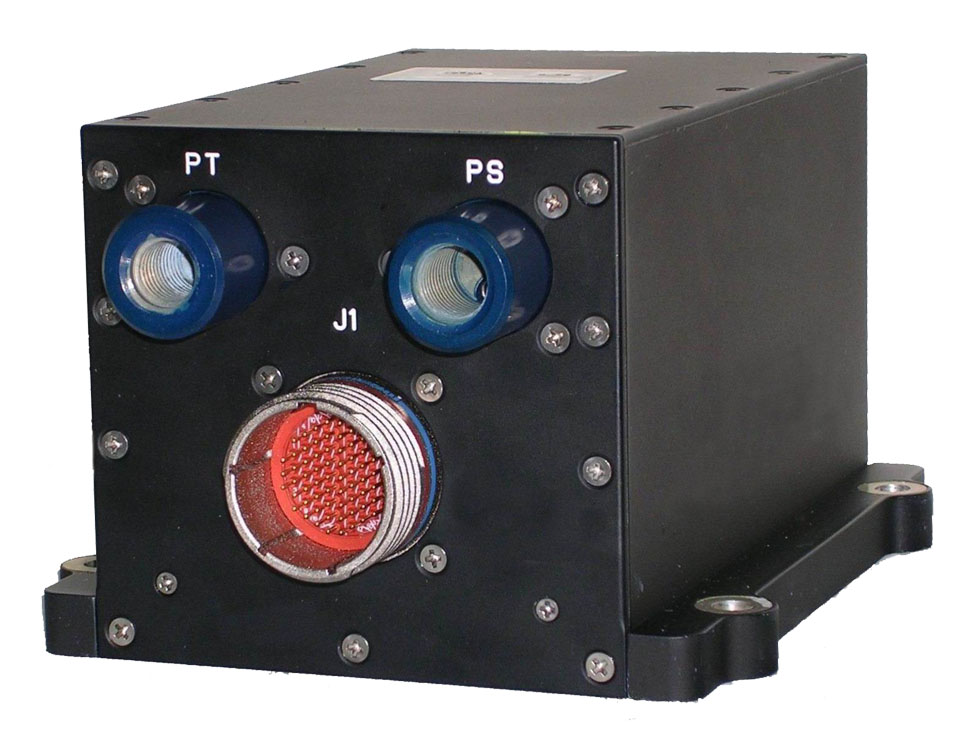
Is it me, or does this ADC look slightly startled?

The situation gets more complex when the computers cannot determine which is reliable and which is not. When we talk about ‘Unreliable Airspeed’ this is the situation we are really referring to because now you are going to have to troubleshoot, pretty quickly, in order to work out what to trust. More critically, you are going to have to decide pretty fast whether or not your airplane is in a safe condition.

So your first action needs to be that ‘Aviate’ bit of those Golden “ANC” rules.

Don’t forget the first line…

The memory items for ‘Unreliable Airspeed’ are going to vary between types, but the general gist is probably the same: decide if the airplane is safe and if it isn’t, make it safe before you do anything else.

Airbus, for example, say “if safe conduct of flight impacted”.

So what they mean is don’t go hurling on thrust and yanking the airplane nose about unless you actually need to (but if you need to, then do!)

If you are in cruise – straight and level, with a sensible pitch attitude and thrust setting – and your autopilot disconnects because it ain’t sure about the speed, then do you actually need to do anything? Other than making sure you have control, probably not. The speed hasn’t suddenly become unsafe just because you cannot say exactly what it is.

The same goes for a nice, stable approach. If you’re configured, heading down the ILS, and your autopilot disconnects, but the airplane is still on the ILS, descending at a normal ROD with a normal thrust and pitch setting, why not continue (or at least see if it is safer too before you throw it into a go-around)?

Destabilizing it is potentially just going to give your a whole load more work, and the airplane a whole load more trouble.
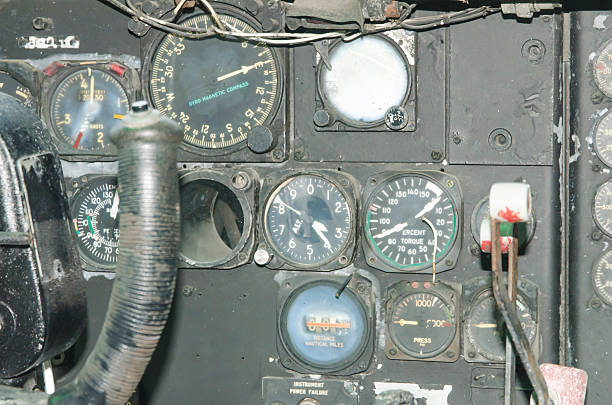
Probably not going to be reliable…

But don’t forget the first line…

There are also instances when you do not have time to think about whether it really is or isn’t reliable.

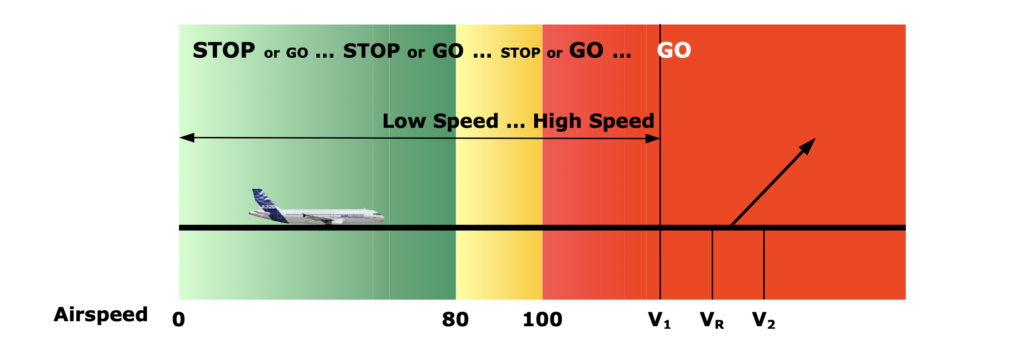
V1 is determined during your performance calculations. This is the speed by which you need to have made the decision to stop, if you are going to. But it is not “just” the speed that matters. What your performance calculations are actually thinking about is how long (and by how long, really how far) it will take you to accelerate to that speed, and then how much runway you will need to decelerate back down from that speed if you reject.

So we sort of need to think about V1 in terms of the point on the runway we will pass when we reach that speed. If our airspeed indications are unreliable, then we cannot really say if we are at the point, before it or past it, and if we don’t know that and don’t know our actual energy then…

Can we stop?

Common sense and airmanship will probably tell you when rejecting versus taking TOGA and setting a pitch attitude is the best option.

Why does it happen?

Aircraft coming out of storage with stuff stuck in their probes seems to be the most common reason. Of Airbus’ 55, 44 of them were due to things “obstructing” the probes. One fix is to put covers on to stop stuff getting in. Unfortunately, this also led to a few situations where covers were left on stopping the air from getting in and resulting in, well, unreliable airspeed.

Icing if you fly into adverse weather is also a common cause. This can be incipient and hard to spot. Combined with high altitude handling differences, half asleep pilots, and a few other factors and you have a scenario starting to sound similar to the one Air France 447 encountered.

Damage to probes (hail stones, birds and things flying into them at high speed are probably to blame here) and Volcanic Ash are less common but equally possible reasons.

Not something you want nesting in your probe (or anywhere else)

What can we do about it?

Well, EASA, ICAO and other wise folk say to try and avoid it happening in the first place with some decent maintenance checks if pulling your aircraft out of storage. They also recommend good procedures and good monitoring as a good way to not get caught unawares.

The general advice is:

  • Know your pitch and power settings. Old school, back to basics flying, but having an idea about these will a) help you notice when something just doesn’t look right and b) might just save the situation.
  • Don’t ignore your stall warning. This works off Angle of Attack, not airspeed. Think of it like your wife/partner – it is probably yelling at you for a (very valid) reason.
  • Follow your aircraft memory items and checklist. This means getting the airplane into a safe flying condition and then troubleshooting.
  • Make life easy for yourself. Talk to ATC – ask for a block altitude. If you are heading in to land, ask for a long descending final so you can take your time configuring. Remember there are other resources onboard as well – GPS gives approximate altitude and speeds.
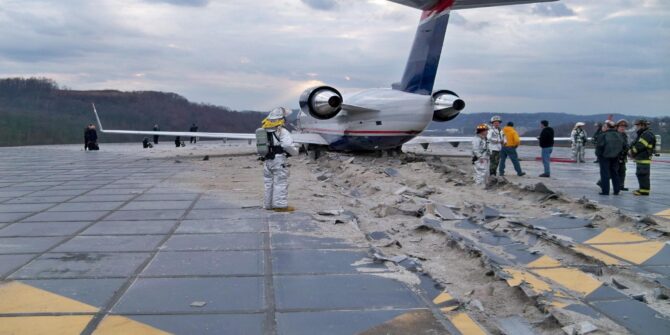
Go / No-Go: Why Are We Rejecting Above V1?

Rejected take-offs aren’t new

Every time we open up those thrust levers and accelerate down a runway there is a risk that something will go wrong and that we will need to stop again. Which is why we brief before every departure.

But they are also pretty rareOne study found that they happen on average once in every two thousand take-offs. For a long-haul pilot that’s about one every twenty-five years, and for short-haul folks once every four years. And of those RTOs, ninety percent happen below 100 kts. So when they happen at speed they are usually accompanied with a healthy serving of startle factor.

Common sense and physics tells us that the faster we go, the more dangerous it becomes to reject, rather than get airborne. Once we hit V1 we go, because there may not be enough of the hard stuff in front of us to stop anymore. The problem is that reports continue to tell us that avoidable accidents are happening because crew are still rejecting take-offs above V1. Which poses an important question: why?

There is no simple answer. But accident and incident reports may hold some clues…

The Real World is Different

The vast majority of high speed RTOs we practice in the sim are related to engine problems. Failures, flame-outs, bird ingestion, compressor stalls. Those sorts of fun things. They are generally easier to identify and illicit a strong and confident decision to reject the take-off.

But here’s the kicker: Most high speed RTO’s are not caused by engine problems.

In fact historically, less than quarter of them are. Which means when something unexpected happens that we haven’t seen before, the Go/No-Go Decision suddenly becomes a lot more difficult.

Here are some of the other leading causes:

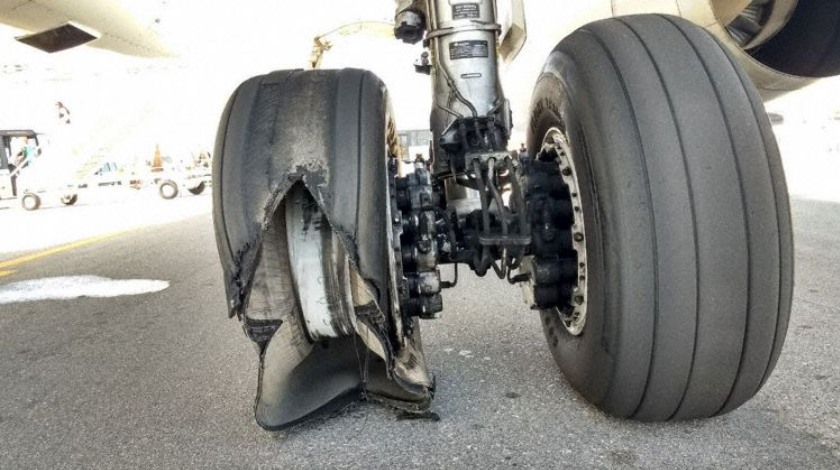
  • Wheel/tire failure
  • Config warning
  • Bird strike
  • ATC
  • Noise/vibration
  • Directional control issues
  • Crew coordination
  • Malfunction Indications

A lot can go wrong and the process of detecting, deciding and acting takes time. At high speeds close to V1 this is a problem. Here’s why…

V1 is not a Decision Speed

V1 has been redefined a number of times over the years and has ultimately ended up with the current FAA definition:

‘…..V1 means the maximum speed in the take-off at which the pilot must take the first action (e.g., apply brakes, reduce thrust, deploy speed brakes) to stop the airplane within the accelerate-stop distance. V1 also means the minimum speed in the take-off, following a failure of the critical engine at VEF, at which the pilot can continue the take-off and achieve the required height above the take-off surface within the take-off distance….’

I know what you’re thinking – that’s a lot of words. Which is why it is still casually referred to as ‘take off decision speed.’ It just rolls off the tongue better. But hidden amongst all those words is this key concept – by the time you reach V1, the decision must have already been made and the first action taken.

Here is an easier way to put it: V1 is the end of the go/no-go decision making process, not the beginning. 

It may seem like a technicality, but it’s not. It has been shown that with a balanced field length, if an RTO is initiated just two seconds after V1 an aircraft will exit the end of the runway at between 50 and 70kts. On average it takes pilots between 2-4 seconds to react. In other words, time is critical.

But there’s more to it than that. What does ‘unsafe to fly’ actually mean?

We know that the faster we’re going, the more dangerous it is to stop. Which is why we become ‘go-minded’ at higher speeds (usually above 80 or 100kts). It is in our efforts to embrace this go-mindedness that we have adopted the philosophy that there are four things that could trigger a high speed abort: engine failure, engine fire, windshear or an unsafe condition. Makes sense right? We brief them every sector.

But what constitutes an unsafe condition? Or in other words, what are the signs that an airplane is unable to fly?

Accident reports show that pilots are having difficulty recognising these conditions and that is leading them to stop above V1 when it would be safer to go. They often interpret anomalies (like a tire blow out) as events that threaten the safety of the flight and decide to reject at any speed. The overrun of a Learjet departing KCAE/Columbia Metro in 2008 serves as a tragic example.

In fact one study found that almost half of all high speed rejected take-offs were the wrong decision. That’s a startling statistic.

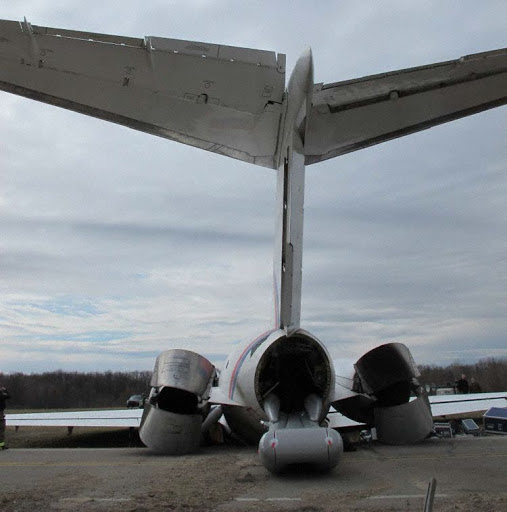
And to make matters worse, sometimes it is the right decision as the accident of an MD-83 in 2017 certainly proved.

The Decision Isn’t Easy

Go/No Go – if only it was as straight forward as it sounds. From a pilot’s perspective, it is difficult to make the right decision. Given any number of failures, the incredibly short timespan we have to make the decision and the lack of information at hand, it’s no wonder that that not all rejected take-offs go to plan.

But there is still room for improvement if we continue to train for them and brief them using lessons learned from accidents past.

The Joint Industry/FAA Takeoff Safety Training Aid was published in 1993 as a guide to pilots and operators on how reduce the number of RTO related accidents and improve the outcome of go/no-go decisions. We still widely use those same principles today. There were four key takeaways identified from accident reports which might prove as a decent starting point:

  • We must be prepared to make the decision before V1. 
  • We need to be able to differentiate between ‘safe to fly’ and not. 
  • Crew must be ready to act as a well co-ordinated team. 
  • We have to be well practiced and able to fly RTO procedures proficiently.

It may be unrealistic to think that we can get rid of RTO related accidents entirely. But with more training and a focus on what is going wrong out there we can certainly work toward keeping everyone safer on the roll.


The Hidden Risks of Automation

Over the past decades our industry has undergone an automation revolution.

Basic autopilots from eras-past were little more than wing levellers. Today they are sophisticated computers capable of awe-inspiring accuracy.

The industry has welcomed automation with open arms. And it’s no surprise. The vast majority of aviation accidents are caused by us, humans. Mechanical failure on the other hand only accounts for less than a quarter of all accidents.

So for operators and manufacturers alike the benefits of automation are clear – safety and efficiency. We are simply not as predictable or consistent as a computer because we are human. And automation has become a major line of defence.

But herein lies the problem…

It’s easy to see that a pilot’s role in the flight deck has changed forever as we interact with higher and higher levels of automation. Some might even argue that we are being progressively designed out of the cockpit completely and to some extent this may be true. Whether we like it or not, full autonomy is coming. Take the Xwing Project for instance – their concept can be retrofitted to conventional aircraft enabling them to fly without a pilot.

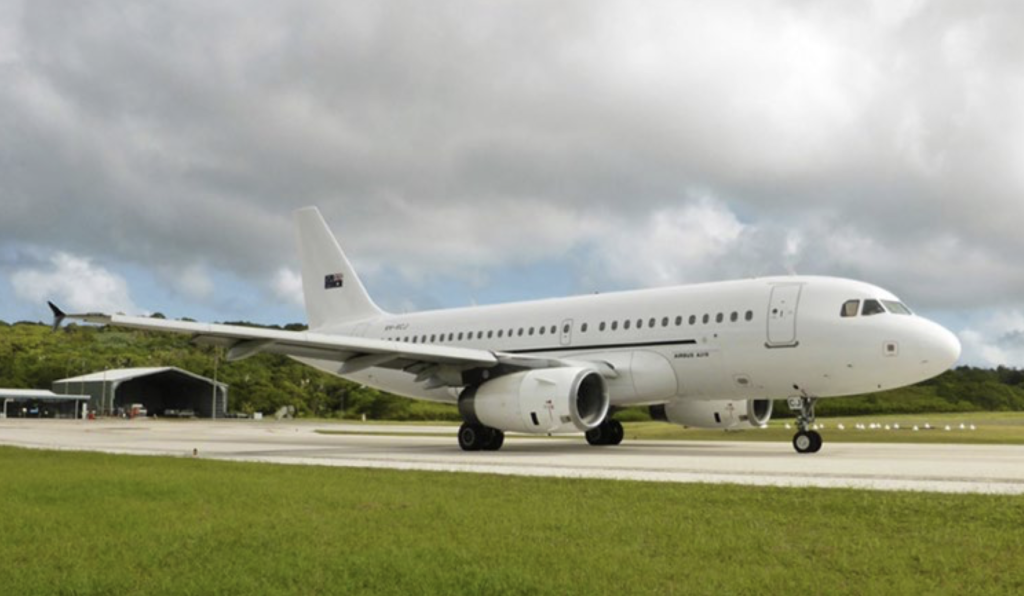
But right now the more pressing issue is that our role continues to transition more and more from flying airplanes to managing automation. Put it this way. A recent study found that across a large sample of flights aboard the Airbus A319, pilots were spending on average only 120 seconds manually flying each flight. And that was the middle of the curve.

This creates a unique set of risks that the industry collectively needs to better address.

Good Automation

By no means is this an attempt to detract from the positive impacts that good automation continues to have in our skies. The benefits are no secret. When used as intended it is a huge work-load reducer. It allows us better flight path control and liberates us from repetitive and non-rewarding tasks – something humans are known be no good at. We become less fatigued and have more capacity to deal with other things.

It also works in unison with systems like ECAM and EICAS to better help us manage things when something goes wrong.

Automation has also improved the skies we fly in. Fantastic things like RVSM and PBN have allowed us to fly closer together and make better use of crowded airspace. While around the world minimas grow ever closer to the ground thanks to things like RNP approaches where automation can help us ‘thread the needle’ in some one the world’s most challenging approaches.

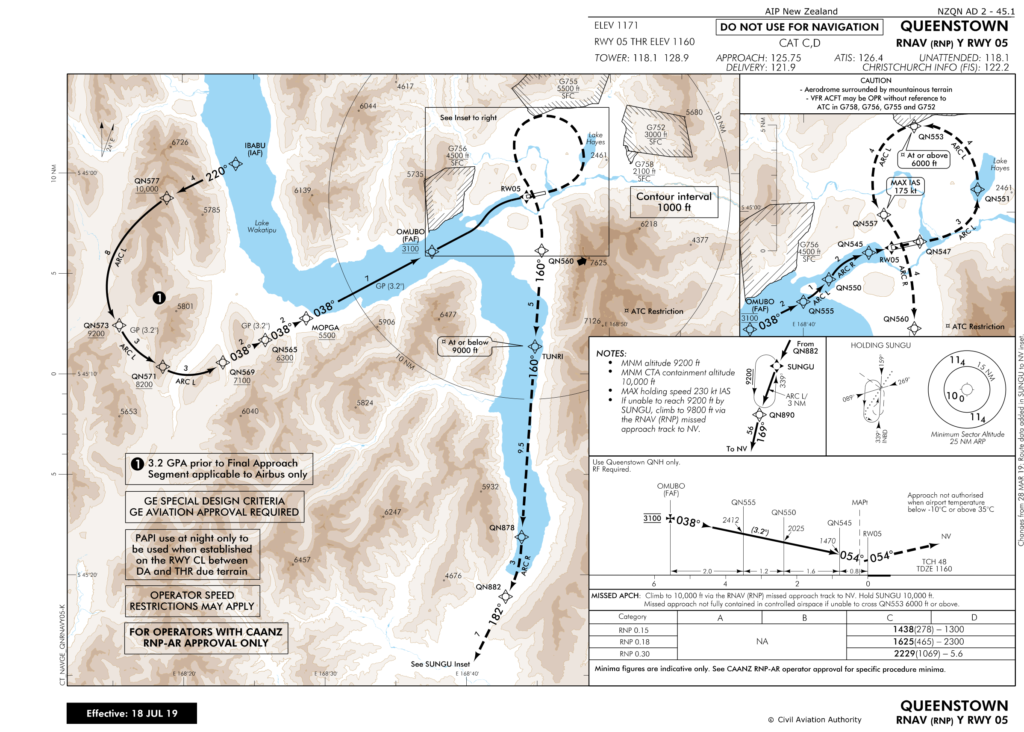
Take Queenstown for example. The notorious airport down in New Zealand boasts beautiful scenery but a reputation amongst pilots as being one of the most demanding in the world due to the intimidating terrain that surrounds it. RNP approaches have dropped minimas from over 3000 feet off the deck to less than 300. And now you can land there at night.

Bad Automation. Here is where things start to go wrong.

All positives aside, automation is also having an effect on us pilots. And it is important to remember  just that – we are still pilotsWe must never lose the ability to fly without automation. Back in 1997 the late and well-respected Airline Captain Warren Vanderburgh saw it coming and coined the phrase you are no doubt familiar with – Children Of The Magenta Line.

This remains true to this day. If we become too reliant on automation, avoidable accidents happen. Here’s why.

It Erodes Skills.

Slowly but surely automation is chipping away our manual and cognitive flying skills. You know the ones – your stick and rudder. We are being actively encouraged to keep automation on and control our trajectory through it. Do that for long enough and we begin to forget how to do it the other way – with our hands, eyes and feet.

It Distracts.

Because we are so used to flying our airplanes through automation, when something unexpected happens such as short notice changes from ATC our immediate response is to try and figure out how to make the automation accomplish it. We go heads-down precisely when we should be going heads-up – and the clock is ticking.

It Confuses.

Chances are if you have operated anything with high levels of automation, at least once you’ve uttered the infamous phrase “what’s it doing now?”

And yet still we are reluctant to turn it off. As soon you identify that the aircraft is not going where it should, that’s your cue to intervene. The minute you don’t, you are simply along for the ride. Pilots around the world would agree, this is never good enough.

Mode confusion is another. Modern automation features many different ways of achieving the same outcome, but with subtle and sometimes dangerous differences. We need to understand the limitations of each one because if we don’t, we know that tragedies can happen.

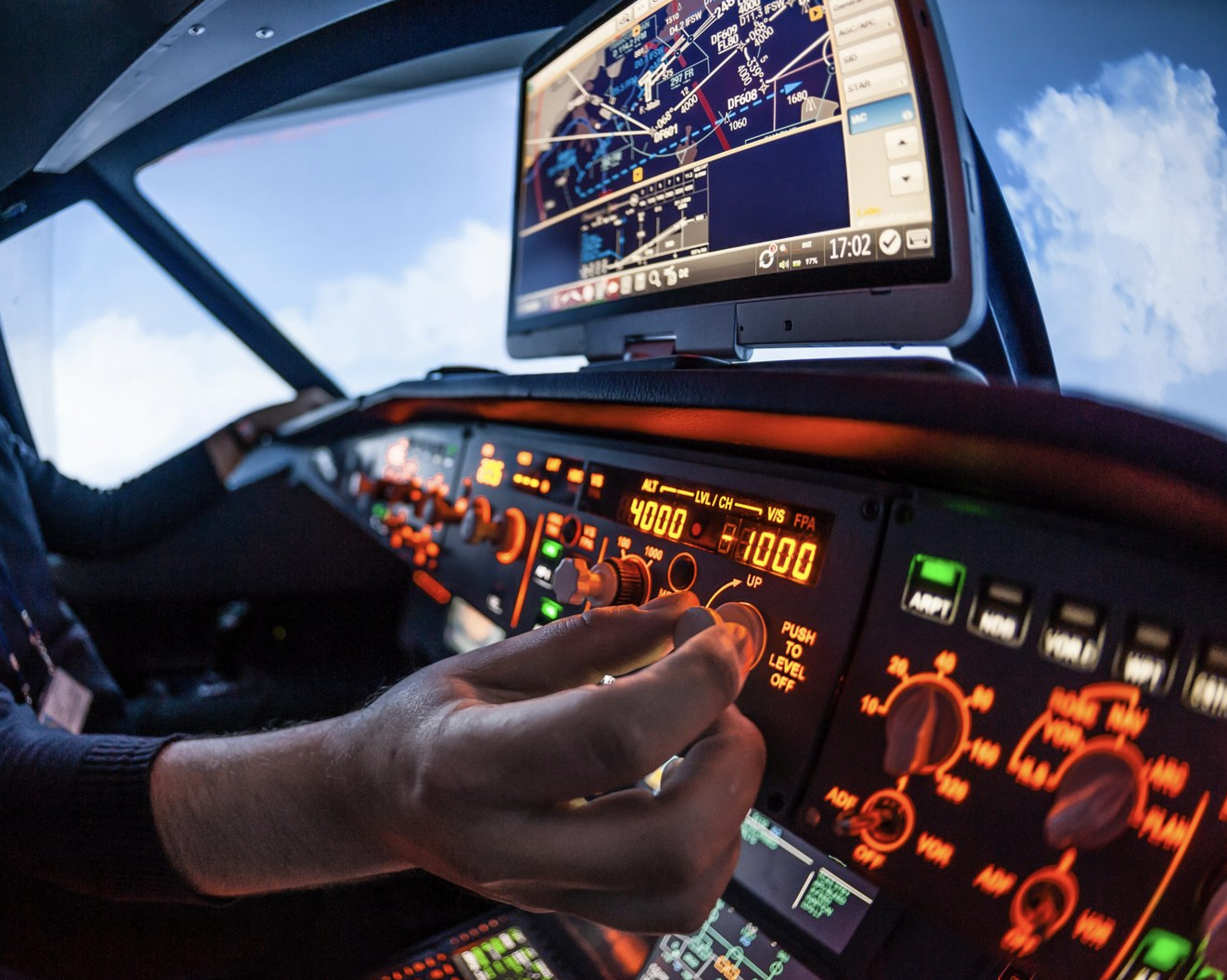
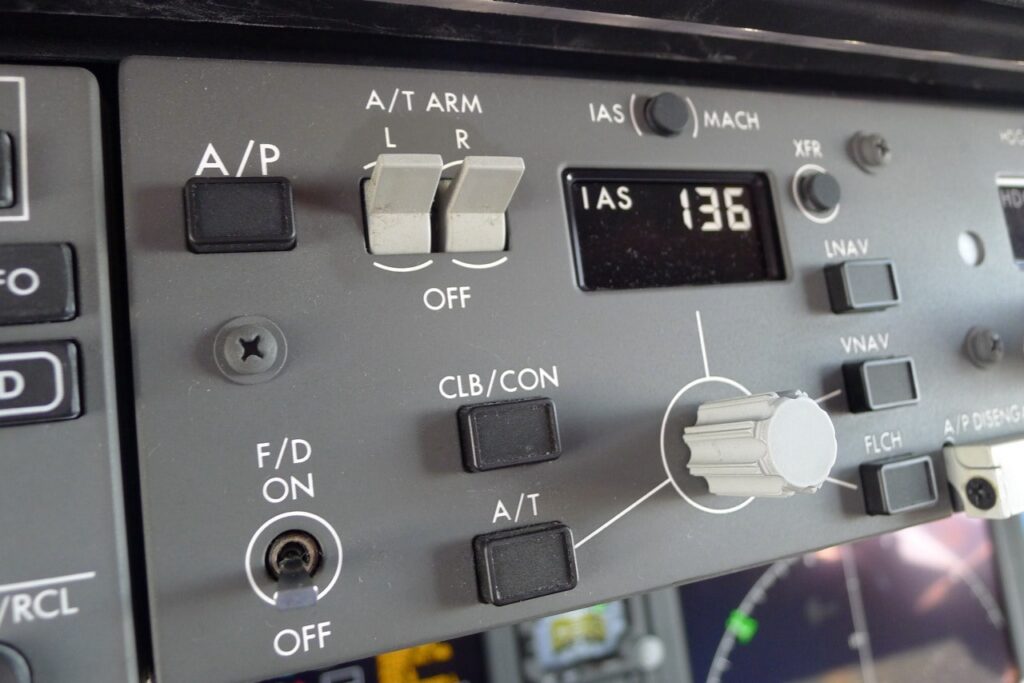
A little known incident in Australia serves as a good example. Snowbird, an Airbus A319, was on approach at YMML/Melbourne airport on a clear calm evening. A tired but highly experienced crew were flying an unremarkable STAR and ILS approach at the highest level of automation. All was going well until the pilot flying reached up to arm the approach in a dimly lit cockpit. He pressed the wrong button. Over the next 39 seconds chaos ensued.

What followed was a series of rapid fire mode changes, confusion and attempts to salvage the approach through the automation. Three EGPWS warnings were triggered and an altitude alert issued by the tower as the airplane reached just over 1,000 feet off the deck at 315 kts before they regained their situational awareness and executed a missed approach.

After the incident neither pilot could recall exactly what happened, what modes they had engaged and neither had heard any of the EGPWS warnings. The automation had performed flawlessly throughout by providing the crew exactly what it was told to do. When it all went wrong, it seems the pilots were reluctant to turn it all off.

It Startles.

Automation is designed to give you back control when something goes wrong. For crew our first indication is usually a loud aural alert and a flashing red light. For systems that seem to operate flawlessly flight after flight, day after day, the affect can be startling.

Pilots are suddenly given full control because we are supposed to be the ultimate fail safe.

We are not even supposed to be there unless we can fly our aircraft manually without hesitation. But the problem is we are not used to flying manually anymore. We are used to flying through automation, so when it’s suddenly not there it’s like going back to school.

There have been a number of instances where pilots have been faced with failing automation and have been unable to keep the aircraft flying safely using manual control.

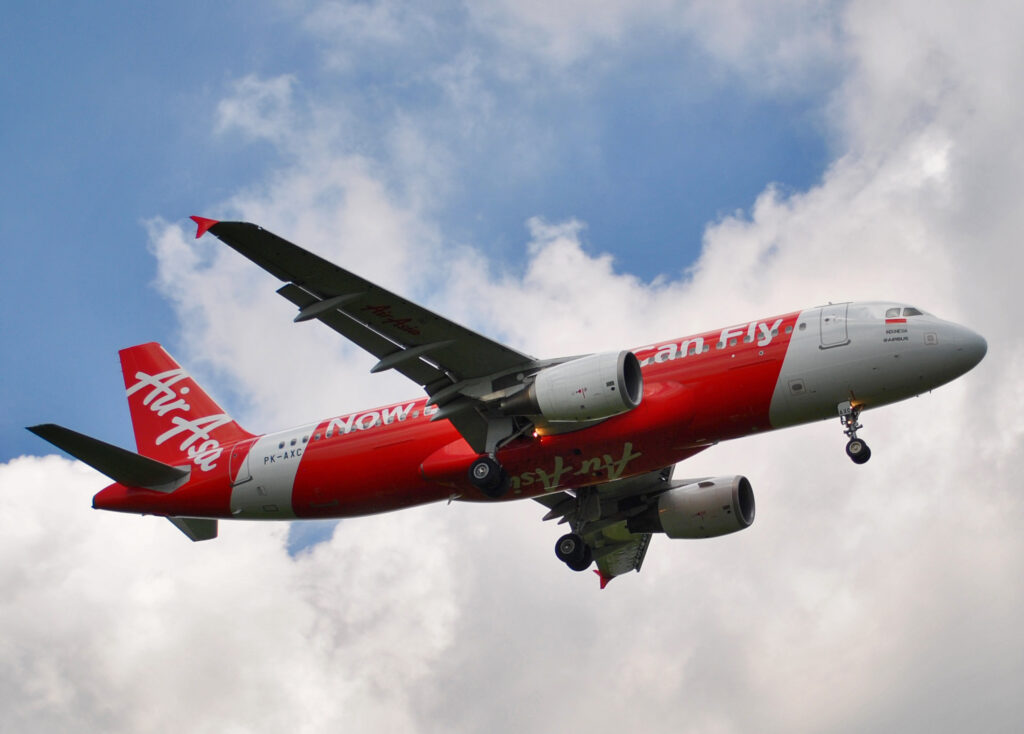
Air Asia Flight 8501 is a good example. To get rid of a nuisance alert the crew pulled a single circuit breaker to one of the aircraft’s flight control computers. As an unintended consequence the autopilot disconnected and the aircraft transitioned into a degraded mode of flight where the automation was no longer available and flight protections were removed. It had done what it was designed to do – hand back control to the pilots.

Tragically the pilot flying, startled by having to fly manually in a degraded mode, stalled the aircraft from straight and level flight. The crew never managed to regain control.

As an industry our approach to how we interact with automation has to change.

Automation dependency is not a new issue. But as automation becomes more sophisticated and complex we have to continue to manage how we interact with it.

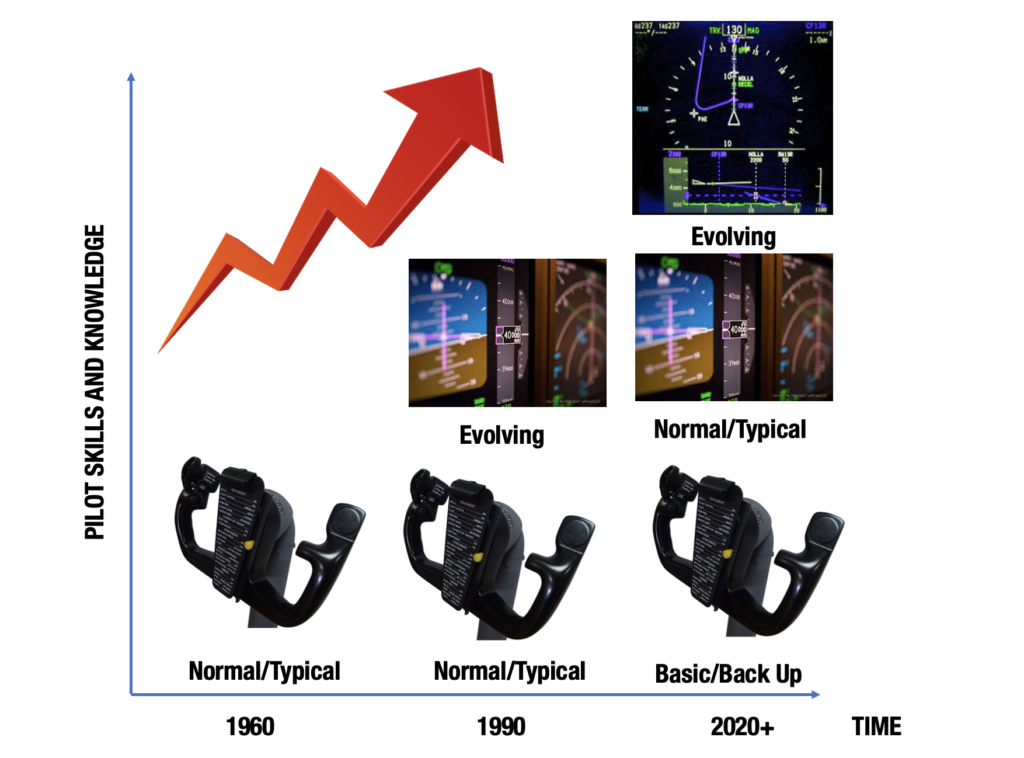
It was never intended to replace our core skills and abilities as aviators, only to better support them. Like the image below our core ability to fly manually is supposed to be a constant.

But there are some ways to help.

SOPs. They must be flexible enough to allow pilots to turn the automation off when it is appropriate. You have to give pilots the freedom and confidence to use their hands and feet. Six months between sim sessions is too long.

Training. Evidence based training is revolutionising our sim sessions. There is opportunity there to encourage manual flight. To turn it all off without warning and give us the much needed confidence back.

Monitoring. We need to encourage active monitoring so that we can intervene quickly if we need too. We should always be mentally flying the plane even if an autopilot is flying. One way to do this is by keeping our hands on the controls during dynamic phases of flights. It is a tactile reminder that we are still in control and can take over at any stage.

Practice. It makes perfect. It’s what we got into this game for. When conditions are right and workload low, take the opportunity to turn it all off. It’s right there waiting for you again if things get busy.

Automation is here to stay.

What matters is how we use it. We cannot allow it replace our abilities to fly an airplane without it because for the foreseeable future we will still be the ultimate failsafe.


Expect the Unexpected: Evidence-Based Training

Today’s aviation environment is complex but incredibly reliable. Our aircraft are packed full of automation, systems and redundancies designed to keep us safe up there. Fancy things like EGPWS, Flight Envelope Protection and TCAS are there to protect us.

But herein lies the issue: because things are so reliable, the circumstances of the next accident waiting to happen are ever more challenging to predict.

All that technology is still limited by us humans. One thing we do know is that human factors have played a role in between 70 and 80% of airline accidents and serious incidents over the past thirty years. In many cases these accidents have certain things in common – poor group decision making, ineffective communication, inadequate leadership and poor flight deck management.

So it is clear we have an important role to play in making ourselves more reliable too.

Enter ‘Evidence Based Training’ or simply EBT for those in the know. And it’s a revolution for pilot training.

What is it in a nutshell?

In really simple terms it is about looking at data or ‘evidence’ to find relevant threats and errors and then changing the way we train pilots so they have the competencies they need to deal with them.

Cool, so what does that actually mean? Let’s delve into things a little more.

Out with the old

Traditional airline training was based simply on events that occurred on early generation jet aircraft from yester-year. There was a belief that simply exposing crew to those same ‘worst-casescenarios over and over again would be enough.

The cyclic was born. A long list of bad things that can happen which you’d periodically face in the sim. They tended to be manoeuvre based – you know the ones. V1 cuts, rejected take offs, go-arounds. As long as you flew them within limits you were officially ‘competent.’

It was simply a tick-in-the-box approach to pilot training. But you couldn’t help but get a nagging feeling the industry was missing the point: you have no way to predict what will actually happen to you when you go to work the next day.

Modern aviation has a way of throwing things at us that we haven’t seen before. Computer failures, mode confusion, strange stuff. Just look at the tragic case of Air France 447. Training in modern fly-by-wire aircraft has never been the same but it sadly came to late for that particular crew.

In with the new

Over time the amount of data or evidence out there improved dramatically. There were a bunch more sources – flight data, LOSA programs and air safety reports to name a few.

In 2007, a new industry-wide safety initiative emerged. It was led by IATA and began to use this evidence to identify relevant threat and errors that crews face for their particular operation and adjust training to better equip crew to deal with them. EBT was born. ICAO was sold on the idea too and hopped onboard in 2013.

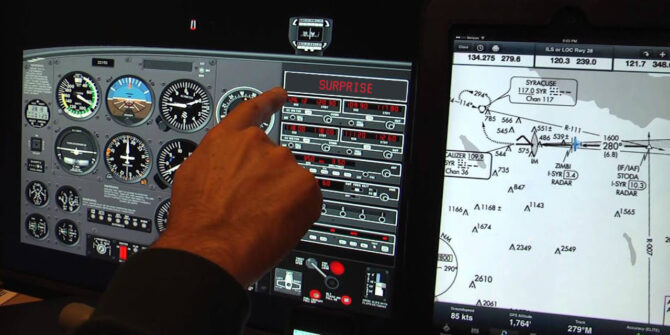
The emphasis is on crew effectiveness as a whole by developing a bunch of competencies – tools that pilots can use in any scenario, normal or abnormal. The training uses unscripted situations to develop crew management strategies, techniques and human factors that are just as important to safe flight as technical skills.

Here is an example of the sorts of competencies that EBT training sessions look to develop (it really is the whole package):

  • Application of Procedures
  • Communication
  • Aircraft Flight Path Management, including manual flying
  • Leadership and Teamwork
  • Problem Solving and Decision Making
  • Situational Awareness
  • Workload Management
  • Knowledge

Isn’t that just Crew Resource Management?

Not really. Although CRM continues to be a solid step forward for the industry, when put into startling or surprising situations studies have shown we lack the capacity to immediately control our behaviour. What we need is practical training over time with consistency and reinforcement which is where EBT becomes so valuable.

It combines both technical and non-technical skills and focuses on the crew as a team, achieving successful outcomes when faced with the unexpected. It moves the emphasis away from checking and more toward training.

So how does this all work in the sim?

Good news, EBT doesn’t mean you’ll be in the sim more often. They’ll still pop up on a biannual basis. What will change is how the sessions are run.

EBT sessions are typically broken into two or three parts:

An Evaluation – this is where your baseline performance is measured. You’ll be given scenarios you may face in your own operation. This is so your trainer can get a good look at you in action and begin to identify your own personal areas of weakness that they can work on in subsequent sessions.

Proficiency Training– this is mostly manoeuvre based stuff you’re used to. Your trainer will focus on your technique. You’ll be put under pressure but the idea is to further develop your abilities in challenging circumstances. Your standard currency items will also be ticked off.

Scenario Based Training – this is the heart of EBT and where most of the work is done. The focus is on event management and the scenarios are off the script. You pretty much won’t know what is coming but you’ll have to apply your knowledge, skills and attitudes to a successful outcome. It is a journey of self-discovery in solving problems rather than simply following SOPs.

Over time these competencies will be reinforced – giving you the confidence in your own abilities to tackle whatever is thrown at you.

After all isn’t that how the real world works out there?

Other things to read

EBT is fast becoming an industry standard and many operators have have their new training programs up and running. For those that haven’t, here are two things you need to get started:

EBT looks at pilot competencies – a set of ‘tools’ for a pilot to quick draw out of their metaphorical tool belt in order to help them solve whatever situation flies their way. The Decision Making & Problem Solving ‘competency’ is a big, multi-faceted one, and it turns out that making a decision is often easy, but making a good one is less so. Read our article on this here.


The Seven Deadly Things

Have you ever taken a look at a report listing the distribution of Accidents by Accident Category? There are apparently more than 40 possible ways an accident can be categorized, but there are 7 that seem to pop up way more often than any other.

Airbus took a look into all fatal and hull loss accidents which occurred between 2009 and 2019 and the results are shocking in that a lot of those accidents just should not have happened.

P is for…

Yep, pilots. We are a big problem. We mess up a lot. That is what seems to be said in the media anyway…

But, it isn’t always our fault, (sadly some of the time it also is), and we all know that the news reporter’s favorite phrase “pilot error” (or “human error” if they are feeling particularly generous about it) is rather meaningless, and very unfair.  It removes all the context of the why’s and the how’s of what led to a pilot making an error, and it is rarely ever as simple as “they just messed it up.”

There are usually countless small things that lead up to any incident, and many a CRM course has been spent discussing and brainstorming how we can better avoid all of these little things and so avoid it ending up in a “one big thing” event.

So, why are these big events still happening? And what can the pilot in the equation do to prevent them? (Because the vast majority of these definitely are preventable).

1. Loss Of Control In Flight

This is the single biggest cause of fatal airplane accidents in this period, accounting for a scary 33%, and 12% of hull losses. We are not talking about situations where something major has broken or failed – we are talking about times where aircraft have somehow managed to get into a situation they shouldn’t be in, and the crew have not able to safely get them out of said situation.

Air France Flight 447 is one of the most discussed examples of this occurring.

All these accidents no doubt had other factors involved – it was not just the pilots not knowing how to fly. There were things like startle factor, bad weather, other warnings, other traffic…

But a large number of these could have and should have been recoverable.

So, what can we do about this? Well, ICAO took an in-depth look at why these kept happening, and they came up with a great and simple thing – UPRT. 

Upset Recovery and Prevention Training

When they say simple they really mean it – all you really need to know is PUSH, ROLL, POWER, STABILISE (and maybe have had a few practice goes in the sim).

This is the recovery though. It is the point when everything has gone wrong and all you have left is fixing it.

Luckily, we pilots do have a few other tools in our toolbox which we can pull out earlier at a time when prevention might still be possible. Things like good monitoring, situational awareness, an understanding of startle factor.

In fact, we have a post right here if you’re up for some more reading on the old startle thing.

There is also that Other thing we can do. It might be one that makes a few palms get a little sweaty at the thought of it – but we can disconnect the autopilot and actually hand-fly now and then.

2. Controlled Flight Into Terrain

Second on the list of the ‘7 Deadly Things’ is Controlled Flight Into Terrain. Again, not because something has broken, but because a crew have just totally lost their situational awareness. These account for 18% of all fatal accidents, and 7% of all losses reviewed in the 20 year period.

The Korean Air Flight 801 accident report offers more insight into how these occur.

Again, other things factor into this – distractions, visual illusions, somatographic illusions – and these can be tough to handle because they are one of the few things a simulator cannot realistically simulate.

We have backups though. GPWS for one. Although this really is the final layer of the safety net. If this is going off then you’re out of the prevention and well into the recovery and mitigation part of the accident curve.

There is good old Situational Awareness again though – this is the stuff of heroes. It is something you can gain, or regain, with a simple briefing. A “What if… then what will we do?” chat. Briefing threats is important, but briefing how to avoid them is even better. Get a bit of CRM in and ask the other person next to you what they think you should be looking out for.

Situation Awareness is knowing where you have told your plane to go but, most importantly, it is knowing if it is actually going there (and this means vertically and laterally).

3. Runway Excursions

These account for 16% of fatal accidents, and a whomping great 36% of hull losses. No failed brakes or issues with steering involved, just big old “oops, didn’t check the performance properly” type situations. We have mentioned this before. It is one of the biggest “that just shouldn’t have happened” types of event.

Actually, the biggest thing that leads up to runway excursions is generally unstabilised approaches.  These are something we can definitely avoid and IATA has some great tips on how. Cut out the unstabilised approaches and you’ll probably cut out a big proportion of runway excursions right away.

There are a few things to help us here too – if you are flying an Airbus then lucky you, because these have a great system on them called ROW/ROP that squawks at you on the approach, and on the landing roll, if it reckons you’re going to go off the runway. But if you don’t have this, then checking your performance properly and managing that approach well are going to be what saves you from an embarrassing call to your chief pilot.

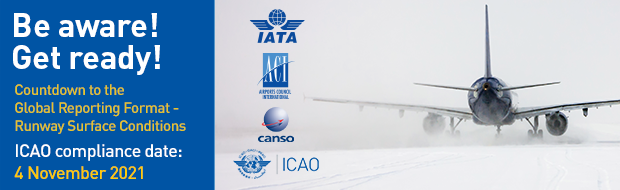
There is also a big change to runway friction reporting coming in on 4th November 2021 – The Global Reporting Format, or ‘GRF’ as he is known to his friends. Griff will standardize how runway surface conditions are reported worldwide and with better reporting will hopefully come better awareness of the risks.

That was the Top 3. What about the others?

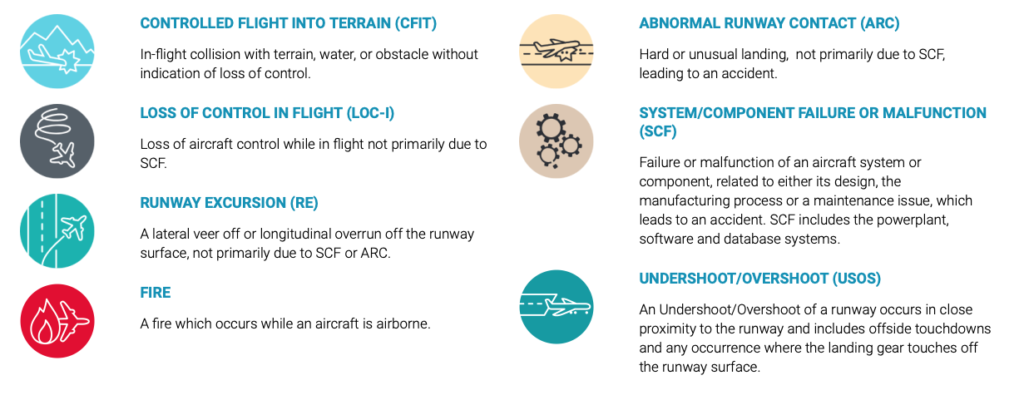
The other four are lumped together into ‘Other’ which makes up the remaining 33%. (Actually, 11% of that is ‘other’ others!) Combined, our final four account for 22% of all fatal accidents and 22% of hull losses.

These are:

  • Fire
  • Abnormal Runway Contact
  • System/Componet Failure or Malfunction
  • Undershoot/ Overshoot

Now, I know what you’re going to say – fire probably isn’t your fault (unless you dropped your phone under your pilot seat and then ran over it repeatedly with your chair trying to hook it out again).

But there are still things a pilot can do to help lower the impact of these.

How? Well, by knowing our fire procedures (the what to do if something Lithium Ion powered in the flight deck does start smoking), and by knowing the comms procedures needed to help support our cabin crew if there is something going on down the back. We can also prepare in flight – be ready with something in the secondary flight plan in case we need to suddenly divert.

As for system and component failures, well, the 737Max accidents of the last few years account for a big proportion of this, however, in all cases having a strong systems knowledge and preparing for those “what if?” situations might help save your life one day.

You might have noticed a shift in the training paradigm in the industry, and with good reason – the days of focusing on practicing specific failures in the sims are vanishing and in its place is Evidence Based Training – training that focuses on building the skills needed to handle any situation. If that all sounds newfangled to you then think of it this way – a pilot is there just not to push buttons, but to manage the flight, and these skills are the tools which will enable us to do that.

Fancy reading some more?

  • A full report from IATA on LOC-I can be found right here