Delhi GPS Interference: New Pilot Reporting Procedure

India’s DGCA has issued new pilot reporting rules after a week of GPS interference in the Delhi area.

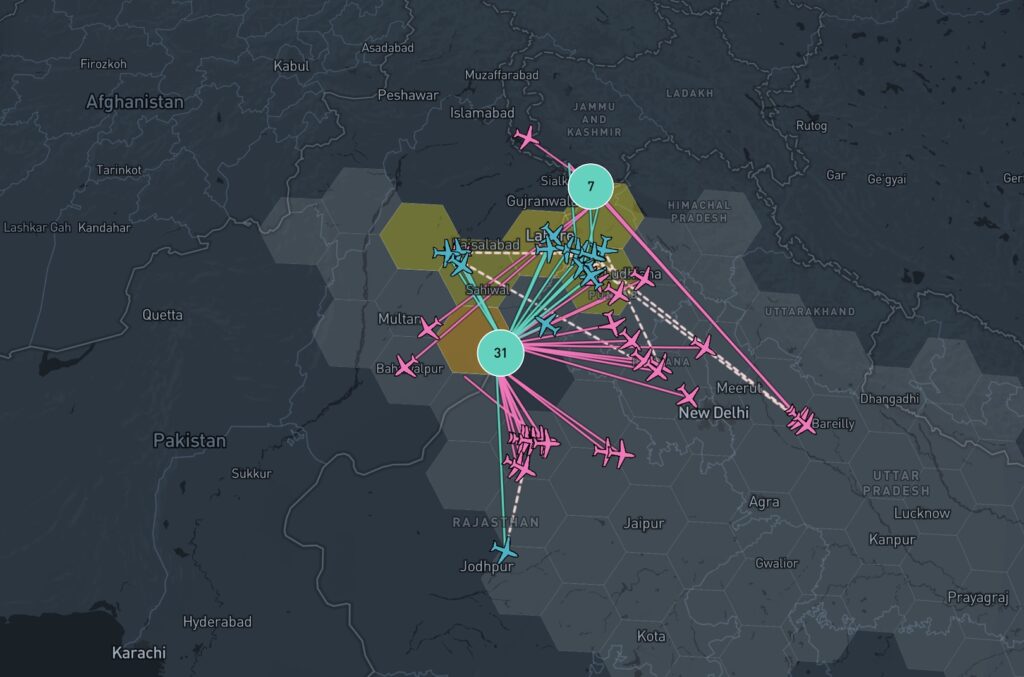
In early November, crews approaching VIDP/Delhi saw navigation anomalies including false EGPWS warnings, incorrect position data and altitude errors – consistent with GPS spoofing.

Image the work of GPSwise and SkAI Data Services.

Hundreds of flights were affected. ADS-B integrity in the Delhi TMA briefly dropped to zero, leaving ATC unable to rely on GPS-based surveillance.

The timing coincided with the temporary withdrawal of ILS for runway 10/28, which increased reliance on RNAV procedures.

The paperwork trail

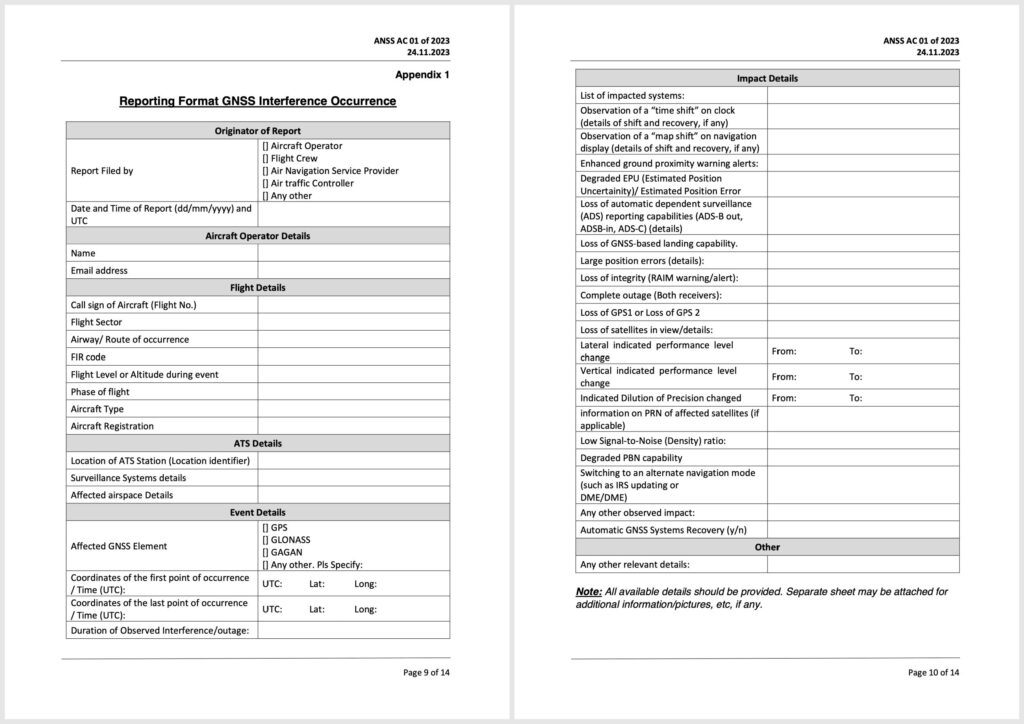
DGCA first outlined its GNSS-interference reporting process in a 2023 Advisory Circular.

On 10 Nov 2025, they followed up with a new SOP on GNSS Spoofing – which included the “report within 10 minutes” requirement.

Crews flagged parts of it as unclear, so on Nov 17, DGCA issued an Addendum to clarify exactly what pilots and operators must do!

What pilots need to do

If interference is detected before top of descent:

  1. Tell ATC as soon as possible.
  2. Notify your operator’s post holder (responsible manager) by any available means.
  3. The post holder must then notify DGCA immediately using the form below.

If interference is detected after top of descent, or only discovered after landing:

  1. Report it to the post holder as part of normal post-flight duties.
  2. The post holder must then notify DGCA using the same form.

DGCA emphasises that the goal is timely reporting, not enforcement!

Click for PDF.

What to expect

A reminder that GPSwise (powered by the experts at SkAI Data Services) provides a real time GPS Spoofing and Jamming map spanning the globe. You can access it here.

Their current data shows a steady interference patch northwest of Delhi. It isn’t constant, but it’s there often enough that crews should expect occasional GNSS issues when routing through that area and be ready to cross-check and revert to conventional procedures.


Where is the spoofing today? Two maps to help

If you’re keen to know exactly where GPS Spoofing – or GPS Jamming – might be happening today, there are two handy live maps to share with you.

Both of these use data from flight tracking websites to look for position anomalies, and convert those into hotspots that show where the activity is.

These are very useful in-flight to get a heads up on where you might encounter issues with GPS interference.

Live GPS Spoofing tracker

First up is this live GPS spoofing tracker from SkAI Data Services, in partnership with the Zurich University of Applied Sciences.

About a month ago, SkAI and Zurich University were following the discussions about GPS spoofing, and wondered if they could detect spoofing in real-time based on the ADS-B data from the OpenSky Network. As it turns out, they can. Having up-to-date information can help raise the situational awareness and prepare the flight crew for the possibility of spoofing.

Their algorithm can detect spoofing anywhere in the world where they have ADS-B coverage. The website is free to use. Unfortunately, the receiver network doesn’t quite have the same coverage as other ADS-B websites, let alone space-based ADS-B. Regardless, it’s a great tool for planning flights into areas of potential GPS issues.

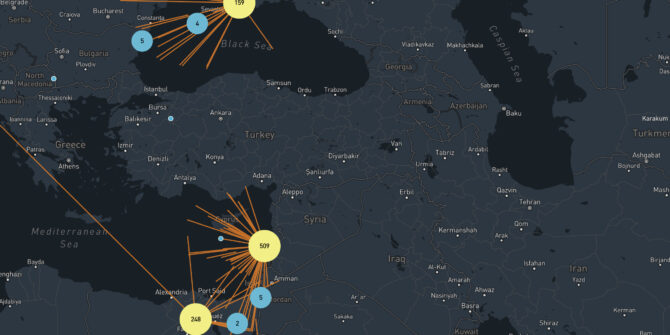
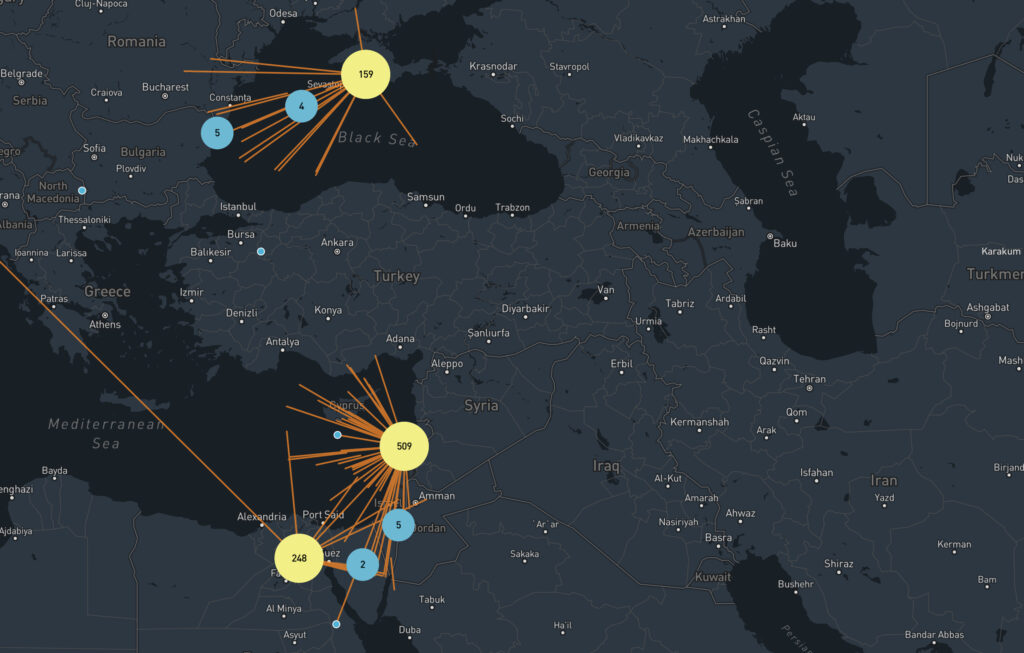
The screenshot above is from this morning, May 7th. It matches exactly the three primary GPS spoofing hotspots this year: Sevastopol, Beirut, and Cairo. These are the three locations that you can expect your GPS to “think” it’s at, when you are over the Black Sea, Eastern Med/Israel, and Egypt, respectively.

GPS Jamming tracker

This map has been around a little longer, and will be familiar to some. GPS Jam uses data from ADS-B Exchange, and looks for aircraft indicating low navigation accuracy. More details are in their FAQ.

This was created when jamming was the only type of GPS interference we encountered, but now that spoofing is on the scene, it most likely shows both jamming and spoofing. That said, when being spoofed, the aircraft doesn’t know it has an issue with navigation accuracy (and that’s the very problem). Maybe someone knows more about this.

Either way, it’s a great map to see potential GPS trouble spots.

What’s the latest on GPS Spoofing?

The spoofing tracker above is probably the best answer to that!

Since OPSGROUP first reported the new GPS Spoofing phenomenon in September last year, we continue to receive daily reports of spoofing. However, the areas affected remain largely the same. Our GPS Spoofing Pilot QRH from November last year still holds true, except that we’ve seen far fewer reports from the Iraq/Iran area, and a new area in Sevastopol affecting Black Sea transits.

We continue to ask members to report GPS spoofing events (pictures are very useful too) to us at team@ops.group, or via WhatsApp to +1 747 200 1993. Thank you!


Signal Jam: US GPS Interference Testing This Month

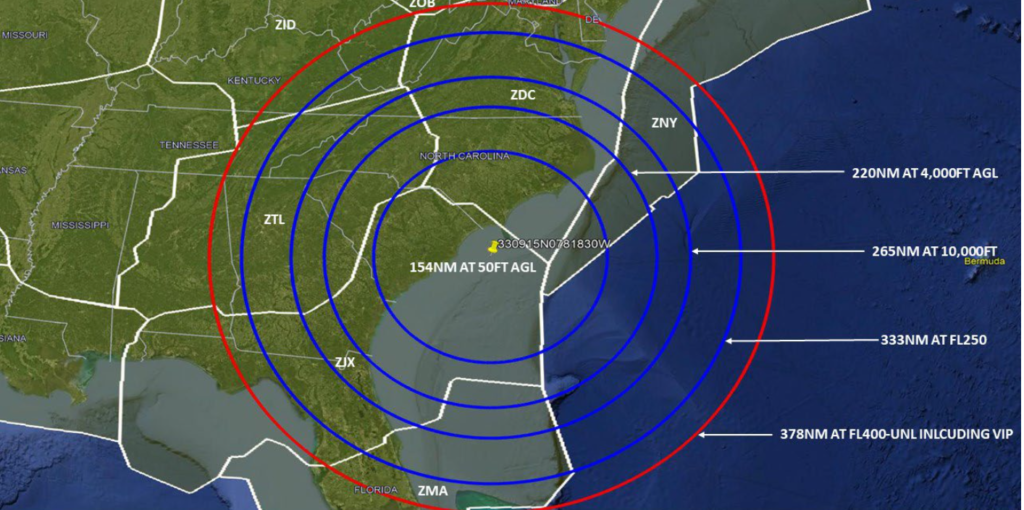
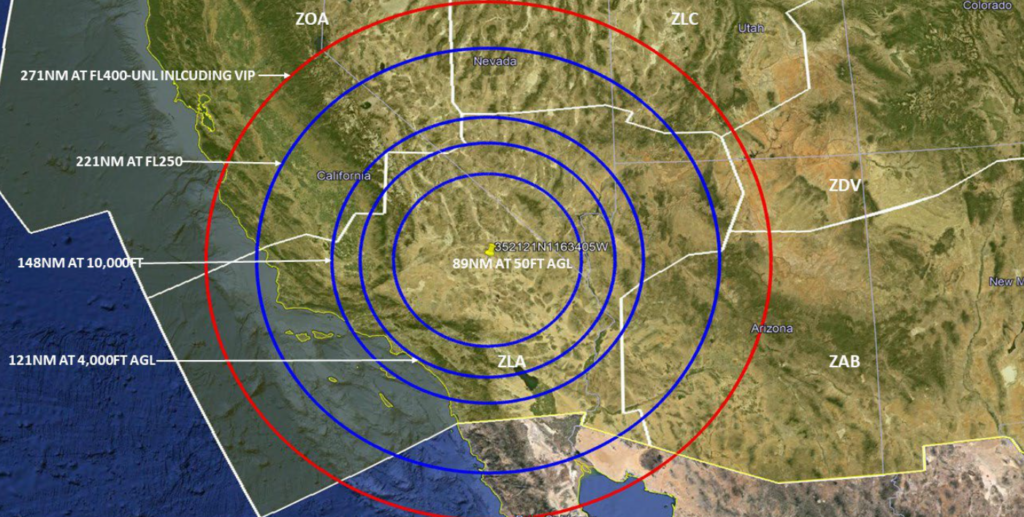
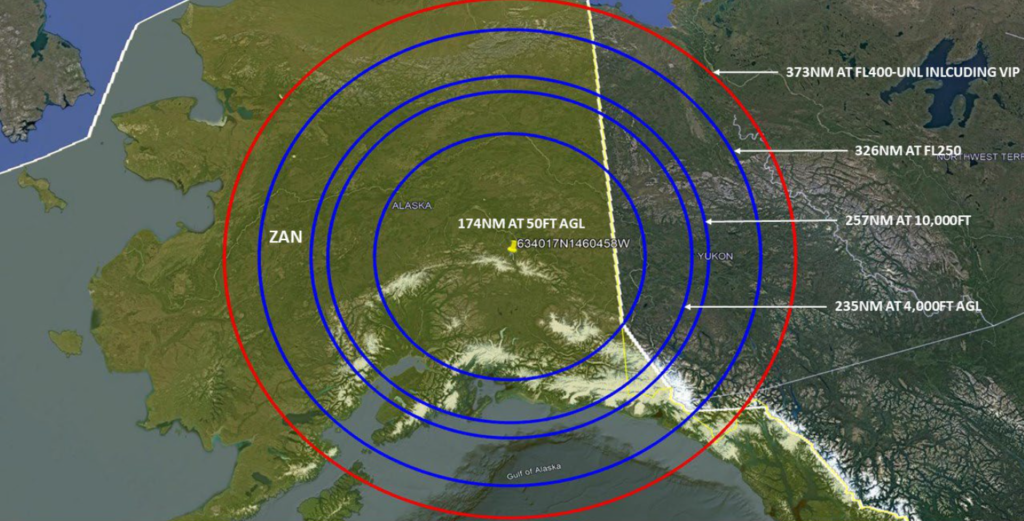
For the remainder of March, the US military are carrying out GPS interference testing in three locations around the US for extended periods of time. During these periods, aircraft within 350nm of the tests may lose GPS signal completely – including WAAS and ADS-B.

Here’s a quick summary of what’s happening, and when.

Wait. It ain’t broken – why do they have to interfere with it in the first place?

Simply put, because the military need to be prepared if GPS signals are lost due to enemy jamming. That way it allows service personnel to train in an environment where it is not available.

In the event of a large-scale conflict, it is likely that the constellation of GPS satellites may be targeted or interfered with to erode the other’s side’s ability to navigate, deploy weapons accurately or even operate surveillance drones or other unmanned vehicles.

We’ve written about GPS jamming before – take a look at our article if you’d like to know a little more.

Unfortunately, aviation is forced to make way for these exercises. Despite being heavily dependent on GPS, the exercises simply have to happen. And in fact, they are happening more often than ever before. They are four times as frequent as they were just ten years ago.

Back to what’s happening this month.

There are three tests to be aware of (the range of outages increases with flight level).

Southeastern US

A Carrier Strike Group will be carrying out tests off the coast of South Carolina. Three days are affected:

15 March 1900z – 2130z

17 March 1200z – 1630z

28 March 1200z – 1630z

……..(Local time GMT-4)

Here is a map of the affected area:

South Carolina Courtesy: FAA

More testing is happening over at Fort Irwin, California. The test days are much more frequent than the other side of the country:

16 March 0700z – 1259z

18 March 0700z – 1259z

19 March 0700z – 1259z  1830z – 2200z

20 March 1830z – 2200z

21 March 0700z – 1259z  1830z – 2200z

22 March 1830z – 2200z

……..(Local time GMT-7)

Here’s a map of the affected area:

California Courtesy: FAA

Testing will also be carried out up North at Ft. Greely in South-eastern Alaska across multiple days:

15 March 0001z – 0300z  0900z – 1200z

16 March 0001z – 0600z  1700z – 2000z

17 March 1800z – 2300z

18 March 2200z – 2359z

19 March 1800z – 2300z

20 March 2200z – 2359z

21 March 1800z – 2300z

22 March 1000z – 1700z

23 March 2200z – 2359z

24 March 1800z – 2300z

25 March 2200z – 2359z

……..(Local time GMT-8)

Here’s a map of the affected area:

Don’t forget to report any outages.

It is important that any GPS interference is reported to the FAA – even though the interference is deliberate. There’s a proper process to follow for that which you can find in the Aeronautical Information Manual (AIM).

The relevant bits are paragraphs 1-1-13 and 5-3-3. Here’s a link to that document.

But in a nutshell, aircraft should notify ATC, use a different source of navigation and if necessary, request an amended clearance. It would also be a good time to grab a pen and write down as many details as you can as they’ll want a whole bunch of information in your report to the FAA. This will need to be submitted when you’re back on good ol’ terra firma. Click the link to see just how much information they’re after.

Why should we bother reporting?

Because GPS jamming tests are an ongoing issue for civil aviation and it is important to keep tabs on just how much of a problem it is. They are having a growing impact on the US NAS which is becoming more and more dependent on GPS always being fully operational. Work is ongoing to safely accommodate these tests alongside aviation and the more info the industry has, the better.


GPS Jamming: All the Wrong Signals

We live in a GPS world. This fantastic technology has revolutionised aviation since the first basic unit was approved for IFR use back in 1994.  It has become engrained in day to day operations. We use it for a bunch of really important stuff – navigation, communication, surveillance, ADS-B and even TAWS. It is a technology that we rely on to stay safe.

And herein lies the problem. It relies on radio signals from satellites to work, and they can be intentionally interfered with. If you operate between Europe and Asia then the chances are this is not new. What is concerning is that it is happening more and more. In the last five years EUROCONTROL report that cases of GPS outages have risen dramatically. The number one suspect? Deliberate interference.

The Hot Spots

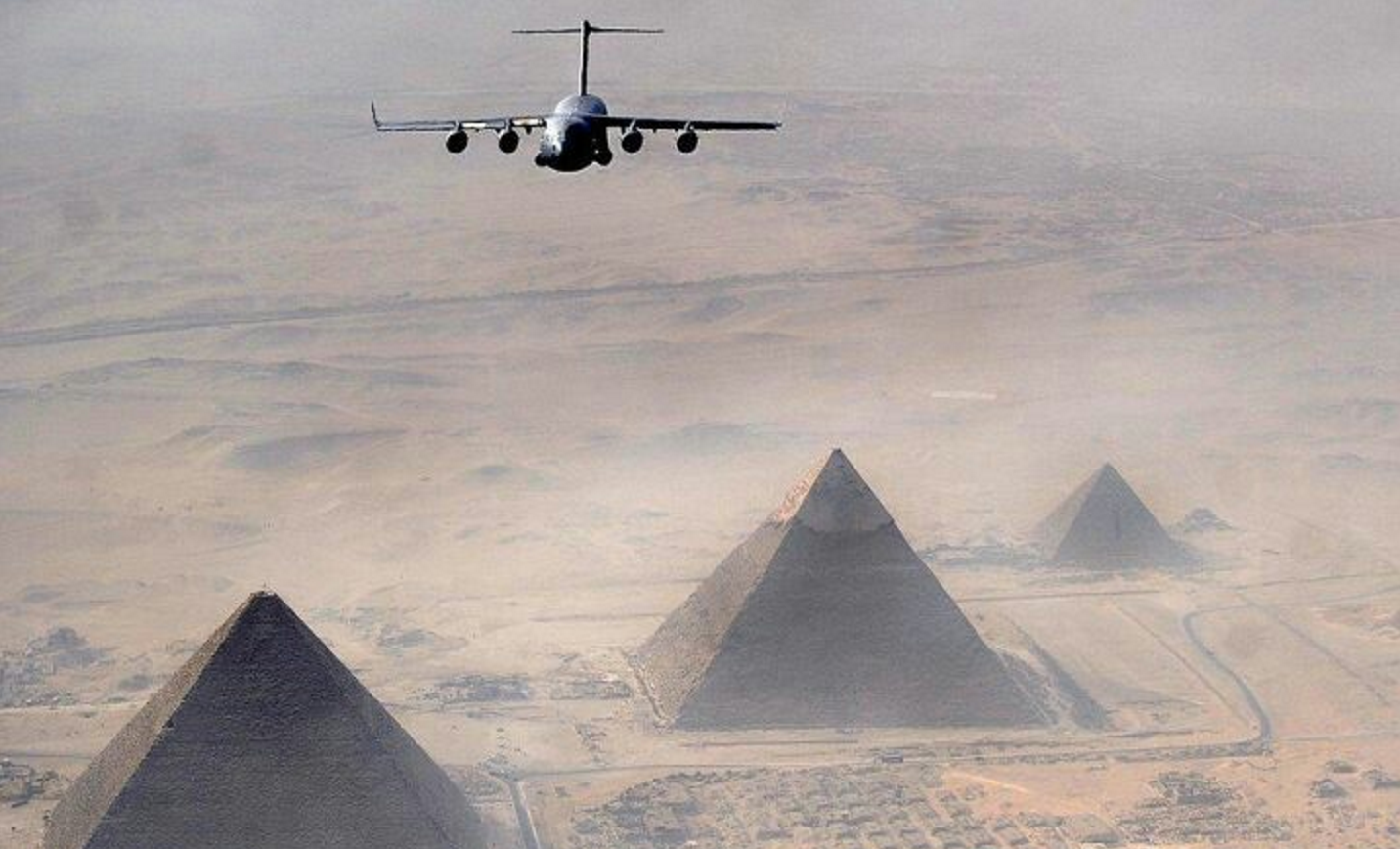
Almost always, widespread GPS outages occur in areas of political tension. It’s no surprise then that the Eastern Mediterranean, Middle East and Caucasus are consistently the most affected regions – last year alone there were 3,500 reports of outages there. About 10 a day. And that’s just from the people who spoke up. The LCCC/Nicosia FIR over Cyprus extending through to LLBG/Tel Aviv is particularly bad, with reports as far north as Italy, as well as Turkey and Egypt.

It is a part of the world alive with tension – spill over from the Syrian War, ongoing conflict in Libya and the current Azerbaijani conflict. Unfortunately it is also a major air corridor for flights between Europe and the Middle East and Asia. It is almost unavoidable.

But it’s not just there – There are reports of GPS sabotage throughout the world – rings of interference (also known as ‘crop circles’) have been traced to China, North Korea and even the US.

So why tamper with GPS?

Unfortunately electromagnetic warfare is real. The goal for military interests is to make things as difficult as possible for the other side including disrupting communications and navigation. GPS jamming is also used as a defence against drones – the explosive ones which we see in the headlines, and the ones that are spying. In other cases, jamming is used to protect people’s privacy, and sometimes as a source of criminal mischief. Unfortunately for us, whether we like it or not, civil aviation is along for the ride

Jamming or Spoofing?

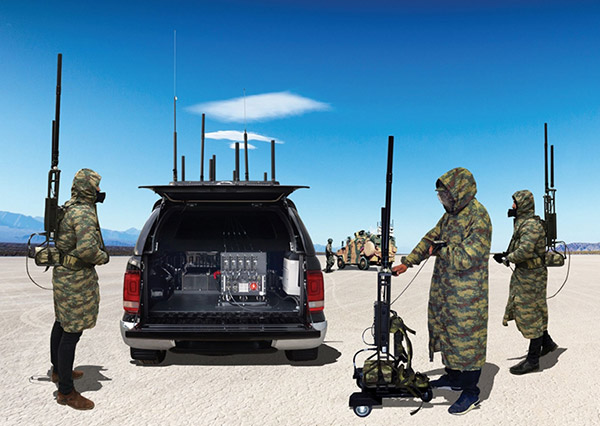
GPS signals are low power, which means that a weak interference source can cause a receiver to fail, or more concerningly produce false information. A basic way to achieve this is with jammers – devices that mask the signal with noise. Although they are illegal in the US, they’re not in other countries. And they’re readily available.
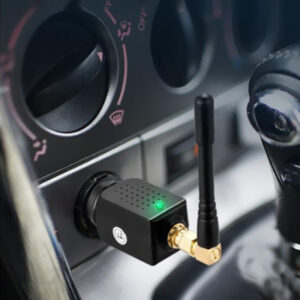
A more sophisticated approach used by the military is ‘spoofing’ where a ground station transmits a fake GPS signal that overrides the legitimate one.

In simpler terms – jamming causes the receiver to die, spoofing causes it to lie.

In powerful military applications, the effect of a single device has been known to affect a 300nm radius, and it is almost impossible to locate them. They can be installed at bases, mounted in vehicles or put onboard ships.
So why is this a problem for aviation?

The issue is getting worse, and outages are sporadic and unpredictable. Three quarters of GPS loss worldwide is occurring in the cruise, and in ten percent of these cases it lasts for more than half an hour. There have also been reports where GPS receivers never regained a signal. According to ICAO’s rules, frequent outages must be Notamed but the reality is, few states are actually doing it. To make matters worse, with so few aircraft flying during the pandemic it is unclear just how bad it is getting.

For crew, a loss of GPS forces an aircraft to rely on other means to navigate in airspace that relies on accurate navigation to separate you from other traffic. It can also lead to other issues including false alerts and even GPWS warnings. Requiring pilots to ignore them is a concerning precedent.

The plot thickens, enter 5G.

We’ve all heard about it – the revolutionary technology that will let you download your favourite episode of ‘The Bachelor’ in record time. Worrying news in the US has emerged that the federal government has allowed a new network provider to access a slice of the radio spectrum usually reserved for GPS signals to power a huge 5G network across the country. The frequencies are powerful, and there is no guarantee that they won’t won’t interfere with GPS signals.

So what can we do it about?

Unfortunately, like Covid, the problem isn’t going away anytime soon. While manufacturers work on new ways to protect your aircraft, there are a few things you can do.

The most important thing is contingency – have a plan. Be aware of the threat of jamming if flying in affected areas of the world, and the issues it may create for you in the flight deck. If you lose GPS signal, report it to ATC. The more reports they get, the better. They will work to increase your separation and coordinate with other units.

When you’re flying a GPS-based approach, know what you’ll do if the screen goes blank. Be prepared for the unexpected because as recent events have shown, that super reliable technology can fail.

And stay informed, here are some useful resources:

GPS Jamming at Cairo

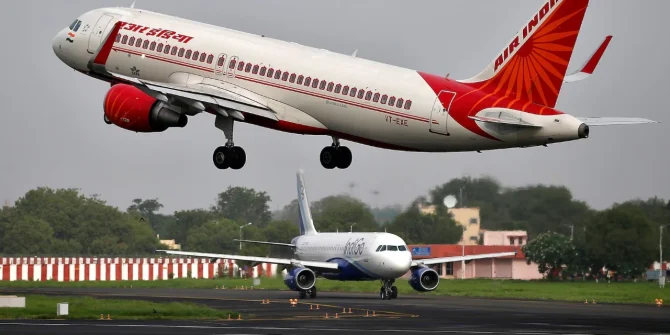
Egypt notified airlines yesterday that GPS jamming is a concern to arrivals and overflights, and warned against conducting RNP/RNAV arrivals or approaches.

The jamming was announced on 24MAY, and is centred on Cairo Airport; the source is unknown.

Similar GPS jamming was conducted, at state level in that case, by North Korea last month, from five locations along the border with the South. South Korea, along with other Civil Aviation Authorities, are looking at an eLORAN based alternative as a backup.

Operators planning flights through the Cairo FIR should monitor NOTAMs for latest.