2025 Update: BizAv Ops to Israel

Key Points
  • May 2025: Turkish airports have stopped supplying fuel to aircraft heading to Israel due to a trade embargo. BizAv flights will need to plan fuel stops enroute at one of Israel’s “approved airports.”
  • Jan 2025: Israel’s new Electronic Travel Authorization system (ETA-IL) is now mandatory for pax from all visa-exempt countries. Plus we have a new list of approved airports from which international flights are allowed to enter or overfly the LLLL/Tel Aviv FIR.
  • May 2024: Israel has tightened the rules for GA flights from the US, due to security concerns. Most flights will now need to either hire an approved security company to do screening in the US, or else make a stop en-route at an approved European airport.
  • Check below for a summary of how to get an Israel landing or overflight permit, and what to expect on how that process works.
May 2025: No fuel for Israel-bound flights in Turkey

We’ve had confirmation from a local handler that Turkish airports will no longer supply fuel to aircraft heading to Israel. This is part of a trade embargo Turkey imposed on Israel following the Gaza war, but it seems like only recently they’ve started applying the rule specifically to jet fuel for BizAv flights.

So if you’re flying to Israel and were planning to tech-stop in Turkey for fuel – that’s no longer an option. You’ll need to plan a fuel stop at another airport enroute, and make sure it’s on Israel’s list of “approved airports” for international departures (see list below).

Jan 2025: New ETA Rules

Effective 1 Jan 2025, Israel’s new Electronic Travel Authorization system (ETA-IL) is now mandatory for pax from all visa-exempt countries. The ETA will be valid for up to 2 years, and lets people stay for up to 90 days. Visitors from non-eligible countries still need to get a visa, just like before. Operating crew are exempt (official word here).

For a list of visa-exempt countries, check here. Visitors from non-eligible countries still need to get a visa, just like before.

Jan 2025: New list of approved airports for flights to Israel

Israel has published a revised list of approved airports from which international flights are allowed to enter or overfly the LLLL/Tel Aviv FIR. Download it here.

Several airports have been removed from the list: EBCI/Charleroi, GMMN/Casablanca, LEPA/Palma, LEMG/Malaga, and KIAD/Washington Dulles.

Russian airports UUBW/Zhukovsky and UUWW/Vnukovo have been added.

You can still apply to operate from airports that don’t appear on the list – but allow extra time for processing.

May 2024: GA flights from US to Israel – 3 Options

Effective May 2024, there are some new rules for GA flights from the US. These have come from ASOC (Aviation Security Operations Center), the authority responsible for the security procedures for the arrival of aircraft into and through Israeli airspace.

You can read the ASOC announcement on this here. If you want to fly from the US to Israel, you now have three options…

1. Hire an ASOC-approved security company in the US to do pre-departure security screening and fly direct. 

  • You basically pay one of two companies to send their staff to whichever US airport you want to depart from, and they will do your pre-departure security screening for you.
  • The two companies approved by ASOC are: Premier Corporate Security or Crisis 24. Contact deets for both can be found here.

2. Private flights can sign up to the Preferred Carrier/Aircraft Program and fly direct without any pre-departure screening.

  • Charter flights (Part 135) are not eligible for this – only Private flights (Part 91).
  • It’s quite a process – you have to pay for ASOC to come visit you, conduct interviews, train your crew, and the whole thing can take months. So this option is really only applicable to operators who do frequent flights to Israel or who have close ties to the country.
  • You can apply by emailing asoc-dvir@int.gov.il

3. Land at an approved European airport en-route for a security check before continuing to Israel.

  • Check this list of approved airports (published in Jan 2025). These are where you’re allowed to fly direct to Israel from. Ignore the US ones (KEWR and KJFK) as these no longer apply to GA flights.
  • For flights coming from the US, there are plenty of viable options to consider in northern Europe. (BIKF/Keflavik isn’t an option though – that got removed from the list back in 2023).
What do I need to do to fly to Israel?

So now we’re talking about permits i.e. the standard stuff that’s been around for a while.

It’s the same process for landings and overflights, except for the thing about a ‘local sponsor’ – you only need this for landing permits.

  1. You must be departing from one of the approved airports in the approved list. (For overflights, your destination airport doesn’t matter.)
  2. For landing permits: You need a ‘local sponsor’ – a contact person in Israel who can vouch for you. This person must be Israeli, and personally acquainted with all passengers – not just a travel agent or hotel representative. They will be contacted by the security services before any approval is given.
  3. For overflight permits: You don’t need a local sponsor.
  4. Your crew/pax/plane need to be from Israel-friendly countries: You must provide passport copies of the crew and passengers, who must be nationals of countries that have diplomatic relations with Israel. The same rule applies to the country your aircraft is registered in.
  5. Fill in the permit application form, and send it back to ASOC at asoc@int.gov.il.

The next step is where it can get a bit confusing. Get ready for some jargon. Check out the full guidance on ASOC’s website, but here’s the lowdown on how it works and what to do:

  1. ASOC will check your permit request, and if approved, will reply to you with a Pending Permission Notification.
  2. The Captain must then call or log in to the ASOC website to submit an Entry Code. The Pending Permission Notification then becomes a Final Security Arrival Permit.
  3. You’re good to go! On entering Israeli airspace, you’ve then got to follow the Arrival Identification Procedure. This bit is easier than it sounds – ATC will basically just ask for your Entry Code to approve you for entry. ASOC have published an example of how you can expect that conversation to go.

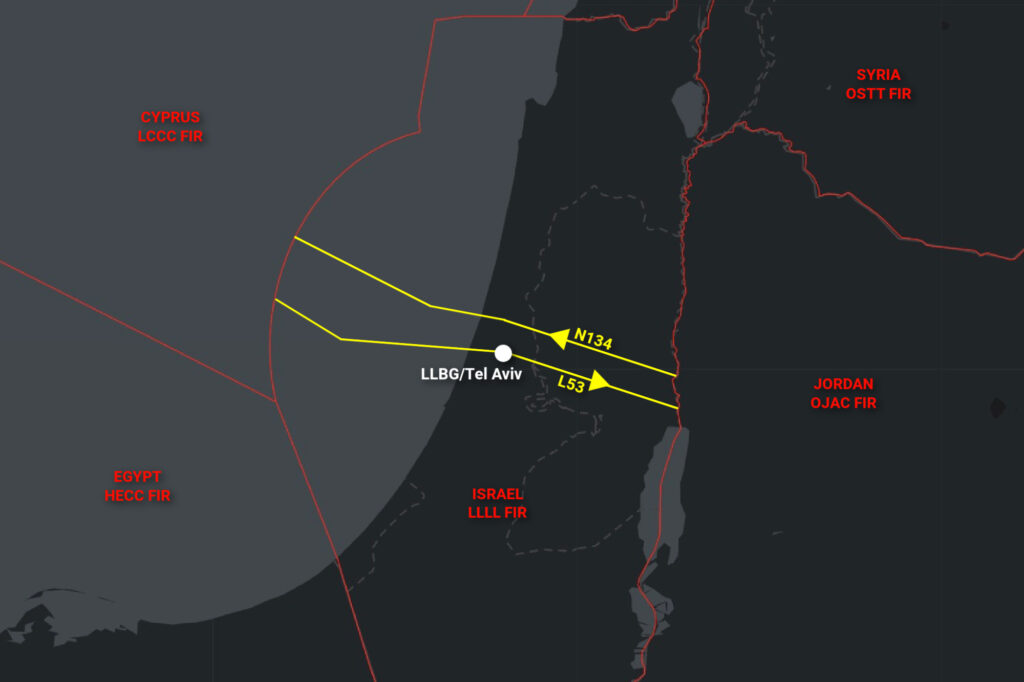
For overflights, there’s basically two options – N134 for westbound flights, and L53 for eastbound. Although check the Notams for the latest here, as they often only permit overflights at specific flight levels and times.

Security & Airspace Safety

Ongoing GPS spoofing, sporadic attacks in the north from Lebanon, and the Gaza conflict create a hostile and non-routine environment. There remains significant risk within the Tel Aviv FIR from the ongoing conflict, and a day-to-day review of the current situation is essential prior to operating.

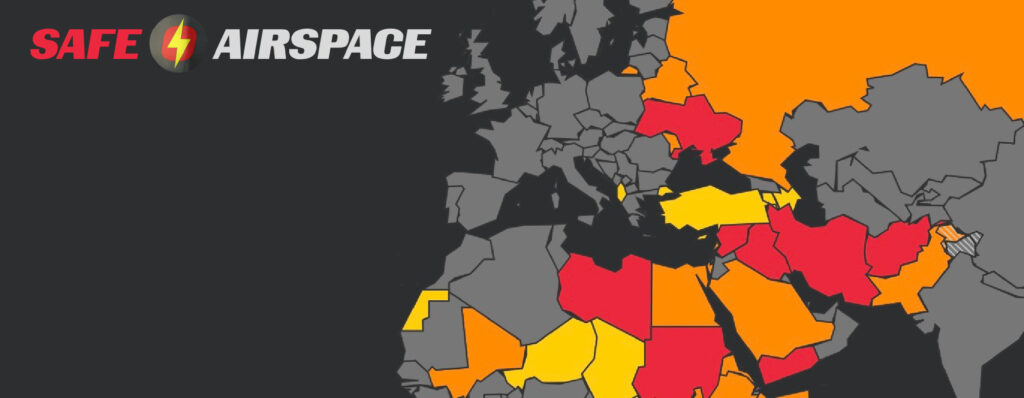
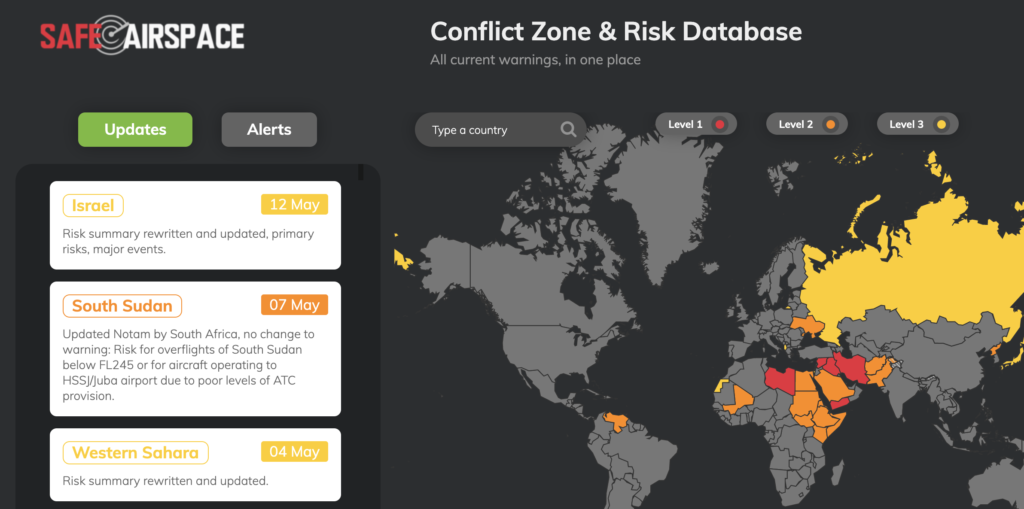
For more info, check safeairspace.net, which also includes a report about the recent Iranian drone/missile attacks on Israel that resulted in airspace closures across the region.

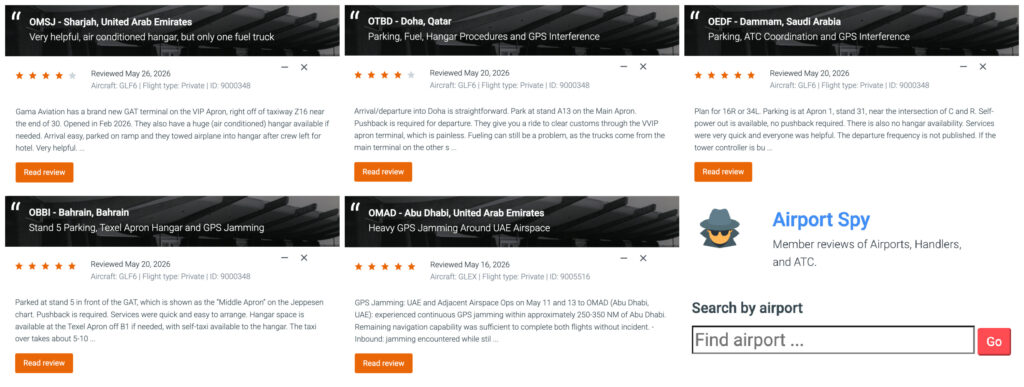
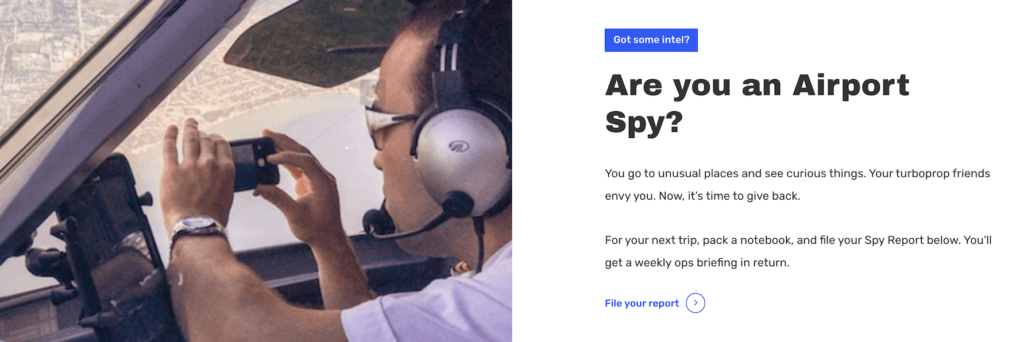
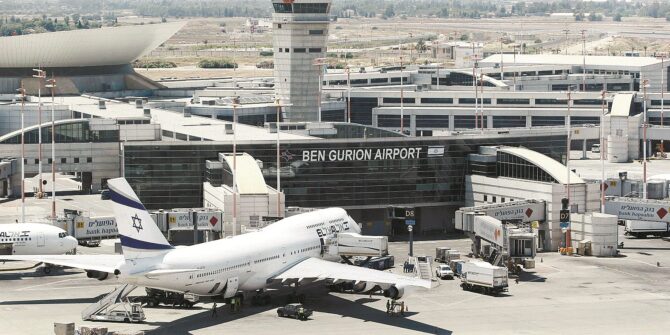
Most airlines stopped flying to Israel at the start of the conflict in Oct 2023, and many have been slow to return. To read OPSGROUP member reports on flights they have recently operated to LLBG/Tel Aviv, check Airport Spy.

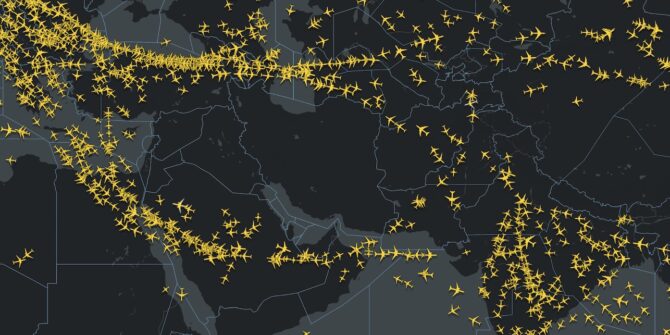
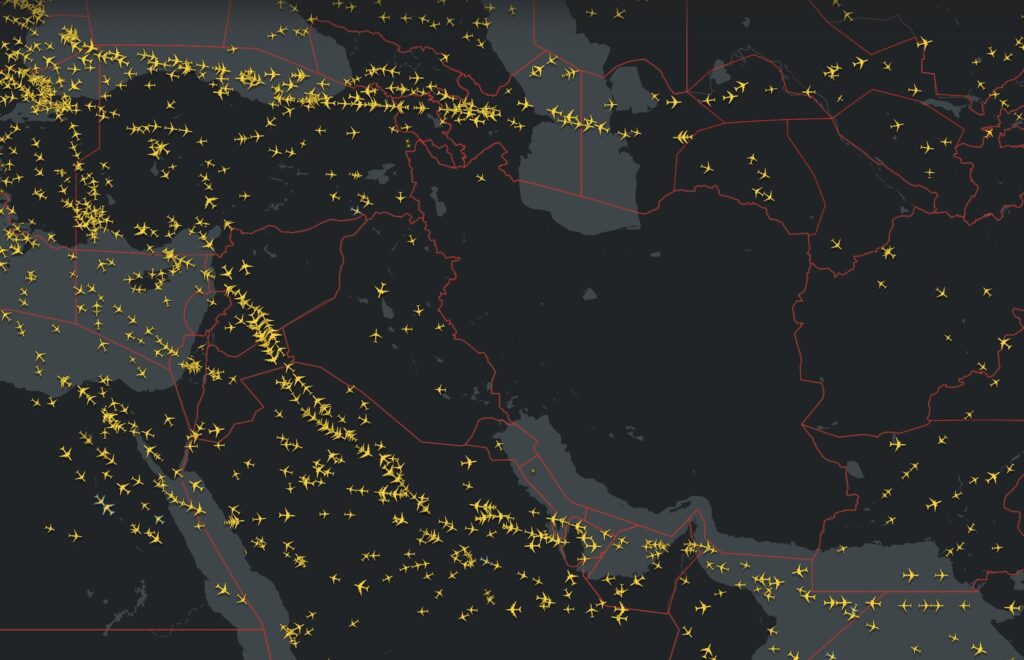
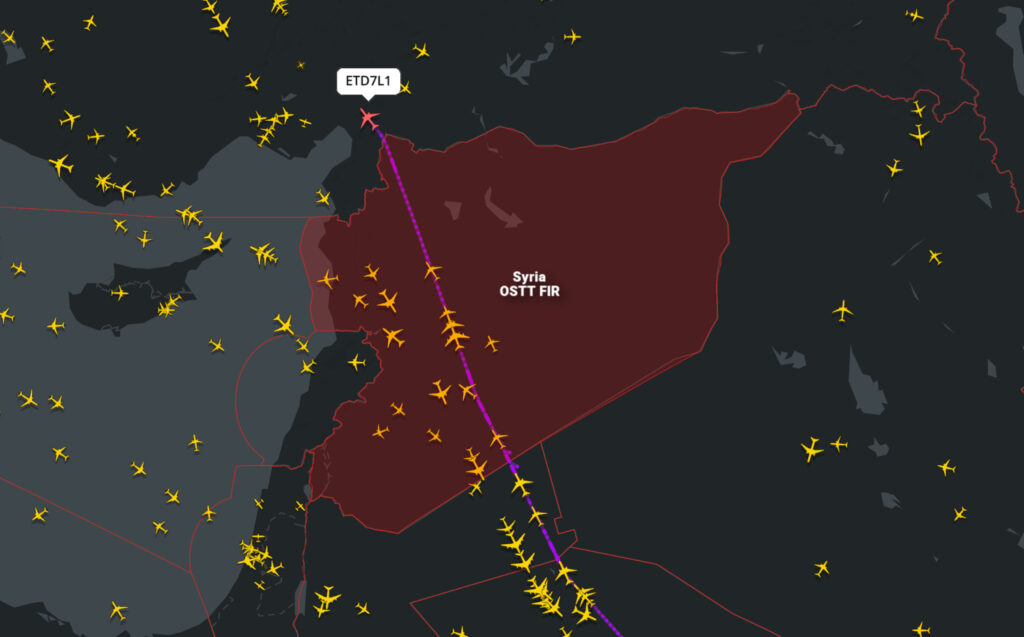
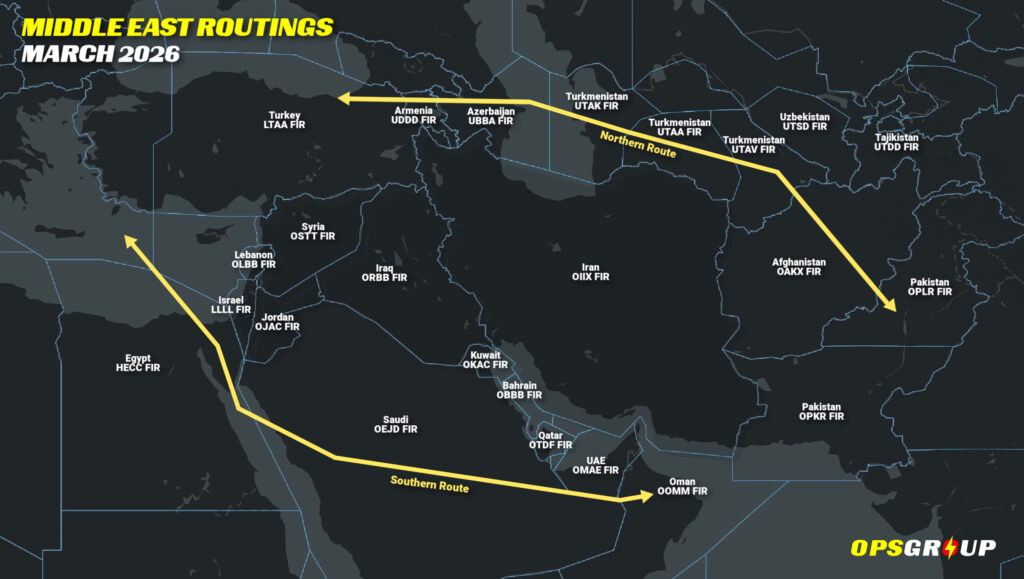
For overflights in the region, almost none are going over Israel. Most operators are going via Egypt and Saudi Arabia – many are choosing to transit west of Cairo, fly south, avoid Sinai, and then continue eastbound over Saudi Arabia. The northern route via Turkey and Iraq is also an option, though warnings for Iraq remain below FL320.

Send us your reports!

If you’ve been to Israel recently (or anywhere else, for that matter) and can share some info on how it went, please file a quick Airport Spy report and we can update this article and share the info with everyone!


Why EASA has Withdrawn Airspace Warnings for Iran and Israel

On January 31, EASA withdrew its CZIBs for both Israel and Iran.

But the question remains – what does that actually mean for the safety of civil aviation there?

A word on EASA CZIBs.

A little context here helps.

  • CZIB stands for ‘Conflict Zone Information Bulletin’ which EASA puts out when required using a combination of publications issued by worldwide states, and risk assessments performed by their own team called the Integrated EU Aviation Security Group.
  • EASA shares information on conflict zones to help operators and member states make an informed decision whether to enter risky airspace or not.
  • Unlike some state-issued airspace warnings, CZIBs are not legally binding. They are just recommendations. You can find a list of them here.
  • On January 31, EASA made some changes to this list – namely, they cancelled the CZIBs for both Israel and Iran.

Why the change?

EASA has published a brief explanation here, but it doesn’t give much away.

Ultimately, they cite an improving risk environment due to ceasefire agreements between Israel, Hamas and Hezbollah along with a reduction in short-term regional tensions.

The CZIBs were originally published in November 2024 in response to unprecedented regional hostilities. It now seems EASA believes the situation has sufficiently come back off the boil.

Those in the know

While quick to re-affirm that some risks to aviation in the region are still present, the CZIBs have been replaced by Information Notes distributed to those on a ‘need-to-know’ basis – their words, not ours.

Existing State Warnings

EASA CZIBs (and their removal) have no direct effect on existing state-issued airspace warnings. This falls into the hands of policy makers who may wish to follow their advice.

With that in mind, you can find a full list of current state-issued airspace warnings still in effect for Iran here, and Israel here.

We still think Iran is potentially risky

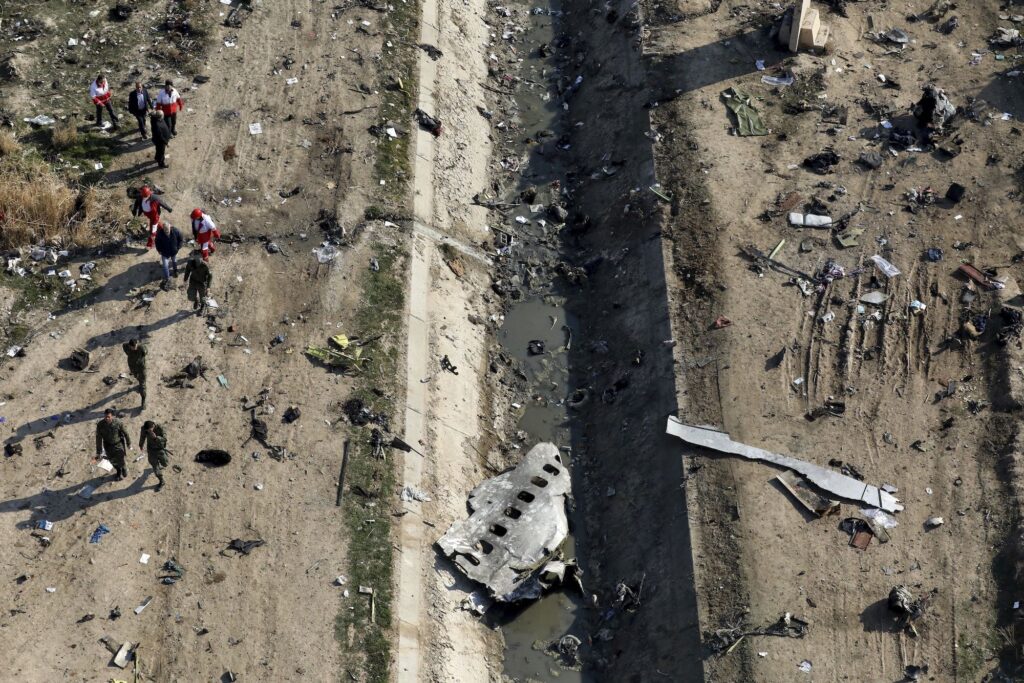
Five years have passed since PS752 was misidentified and shot down by an air defense system near OIIE/Tehran airport. The country still possesses the same arsenal of advanced anti-aircraft weaponry today.

The sudden closure of the entire OIIX/Tehran FIR last year is proof of how quickly the risk picture can change for overflights.

While there may not be an intent to target civil aviation itself, agencies such as the US FAA continue to warn of the danger posed by unannounced military activity and mistaken identity – so much so that its existing airspace prohibition (by SFAR) has been extended all the way to 2027.

Operate to Israel with caution

In line with EASA’s advice, we have seen improving airspace safety in the LLLL/Tel Aviv FIR. Just recently we reduced our SafeAirspace.net risk rating for Israel from ‘Do Not Fly’ to ‘Danger Exists.’

This was in response to the same ceasefire agreements and a proven track record of maintaining airspace safety in close proximity to active conflict zones. This also reflected the decision of several major carriers to resume scheduled flights there.

However, the long-term outcome of these agreements remains unpredictable – along with potential for rapid escalation in risk to previous levels should the agreements fail. Recent events have proven they remain fragile.

For that reason, we advise operators to heed existing warnings and prepare for short notice airspace closures or reroutes in Israeli airspace.

What about Lebanon?

There was another change to EASA’s list of CZIBs that was easily overlooked.

Rather than withdraw it, EASA has extended its existing guidance for the OLBB/Beirut FIR until end of March 2025.

EASA explains that the country has not sufficiently proven capability to address existing risks – including the potential for renewed escalation between Hezbollah and Israel.

Without appropriate mitigating procedures to fall back on, the airspace should still be considered dangerous. Interestingly, EASA expressed similar concerns in its recent airspace warning for Western Russia following the downing of Azerbaijan Airlines 8243 on approach in Grozny.

As such, EASA continues to advise aircraft not to enter Lebanese airspace at all levels. Over at SafeAirspace.net, we also maintain a ‘Do Not Fly’ warning for the same skies.

Need more info?

We maintain a full database of state issued airspace warnings at SafeAirspace.net, where a full global briefing is available with a single click. You can also reach us on team@ops.group around the clock.


Lebanon Risk Update

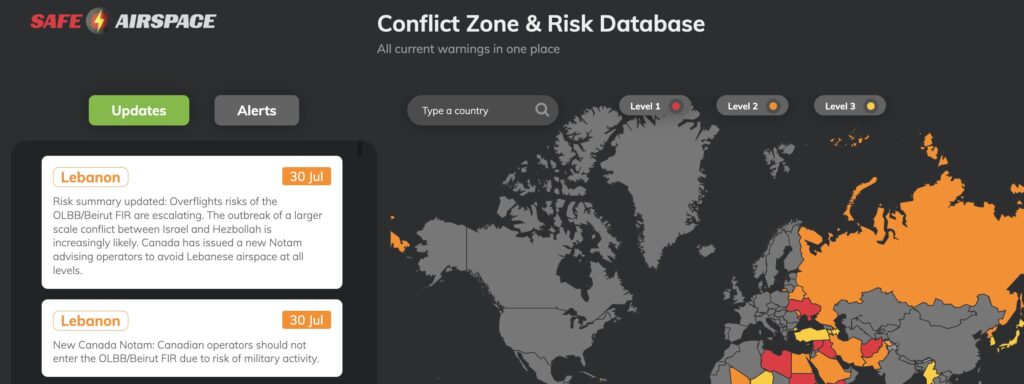
  • Overflights risks of the OLBB/Beirut FIR are increasing. The outbreak of a larger scale conflict between Israel and Hezbollah is increasingly likely. 
  • Several airlines (Air France, Eurowings, Lufthansa, Swiss, Transavia and Middle East Airlines – the Lebanese flag carrier) have temporarily suspended flights to OLBA/Beirut airport.
  • Canada has issued a new Notam (July 30) advising operators to avoid Lebanese airspace at all levels. 
  • Surface-to-air weaponry may be present capable of reaching aircraft at all altitudes. 

Risk to aircraft operating over Lebanon is increasing

There was a significant escalation in hostilities between Israel and Hezbollah in Lebanon over the weekend.

On July 27 a suspected Hezbollah rocket attack caused Israeli casualties in the Golan Heights region – although Hezbollah has been uncharacteristically quick to deny their involvement.

This was quickly followed by Israeli airstrikes well inside Lebanese territory.

The US Embassy has since issued an alert to citizens that scheduled flights to/from Beirut may change or be cancelled at short notice. They’re also recommending anyone there develop a ‘crisis plan’ to leave if the current situation escalates.

There is widespread concern that the two sides could imminently be drawn into a full-scale conflict. In which case the risk picture for aircraft in both the LLLL/Tel Aviv and OLBB/Beirut FIR could change dramatically.

Here is a brief summary of the situation.

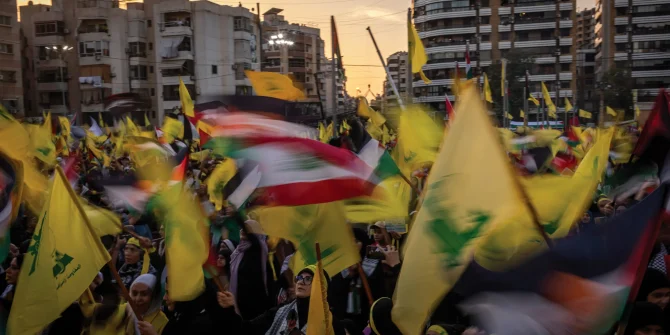
Why are Israel and Hezbollah fighting?

The two have fought in several wars – the latest was in 2006. The background to these hostilities is beyond the scope and intent of this article – but you can read more about that here.

The most recent cross-border fighting began almost immediately after the Hamas assault in Southern Israel which sparked the current war in Gaza.

The situation in Gaza has mobilised Iranian-backed militants across the region to act, and Hezbollah is widely considered one of the most powerfully equipped.

Hezbollah has said they will not stop hostilities against Israel until there is a cease-fire in Gaza.

So Far…

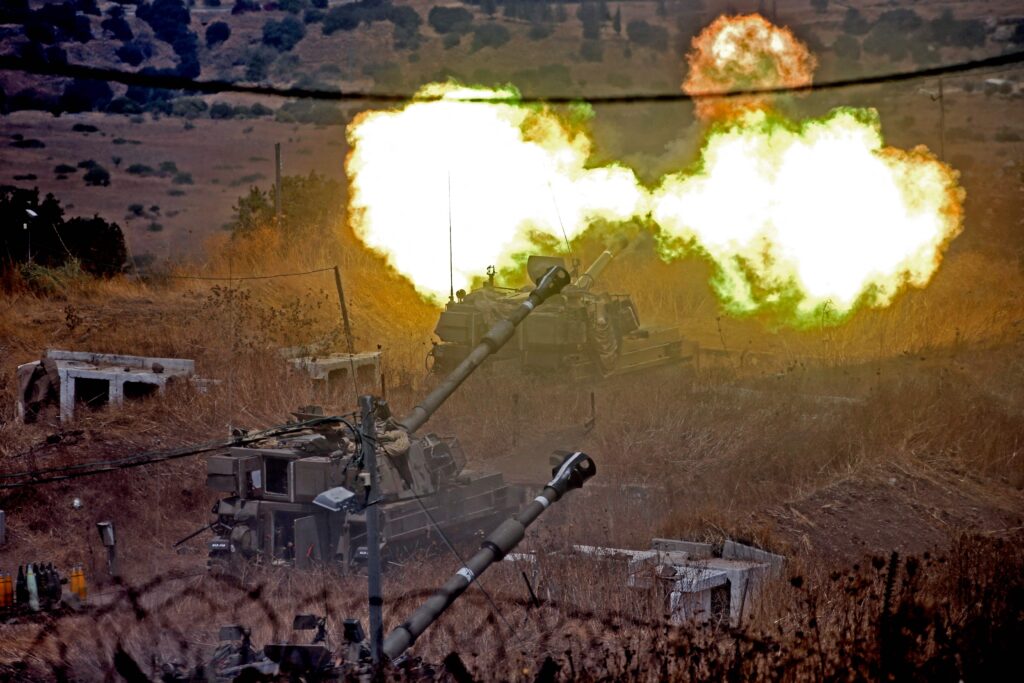
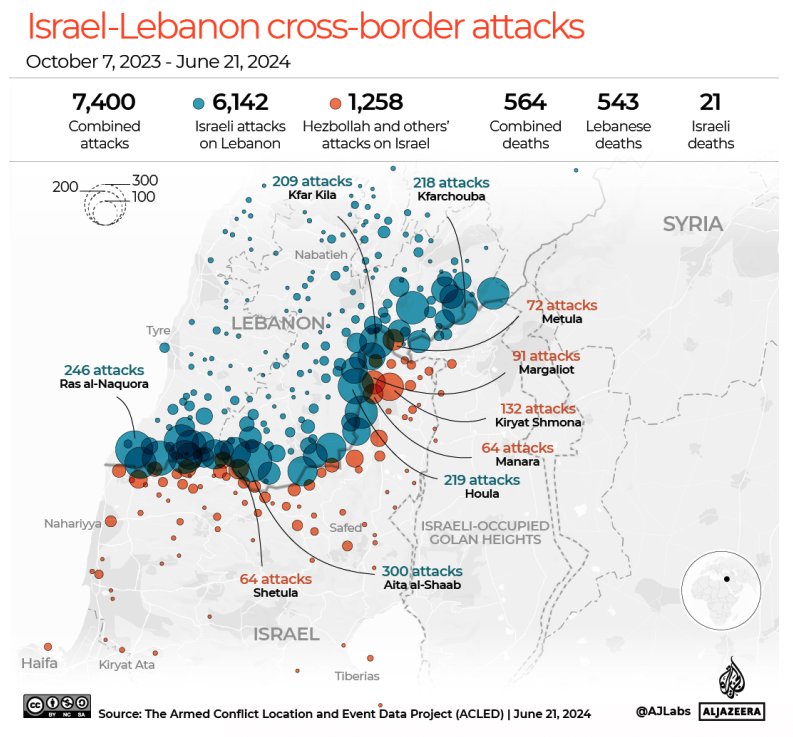
Since the start of the war in Gaza, sporadic fighting across the Israeli/Lebanese border has been almost a daily occurrence. It is not immediately obvious in existing airspace warnings just how frequent these skirmishes have become.

Here is a statistic that may cause alarm to traffic regularly overflying – as of the end of June, the media reported 7,400 cross-border attacks between Israel and Hezbollah in the preceding nine months.

This has included artillery firing, rocket attacks, missiles, drones, and of most concern – air defense activations on both sides. Various instances of false identification have been reported.
This fighting has mostly been constrained. If a full-scale conflict develops as feared, things may get a lot worse.

In the skies

Just last month, Hezbollah reported targeting Israeli fighter jets using surface-to-air missiles for the first time. Existing airspace warnings for the OLBB/Beirut FIR do not any mention level restrictions.

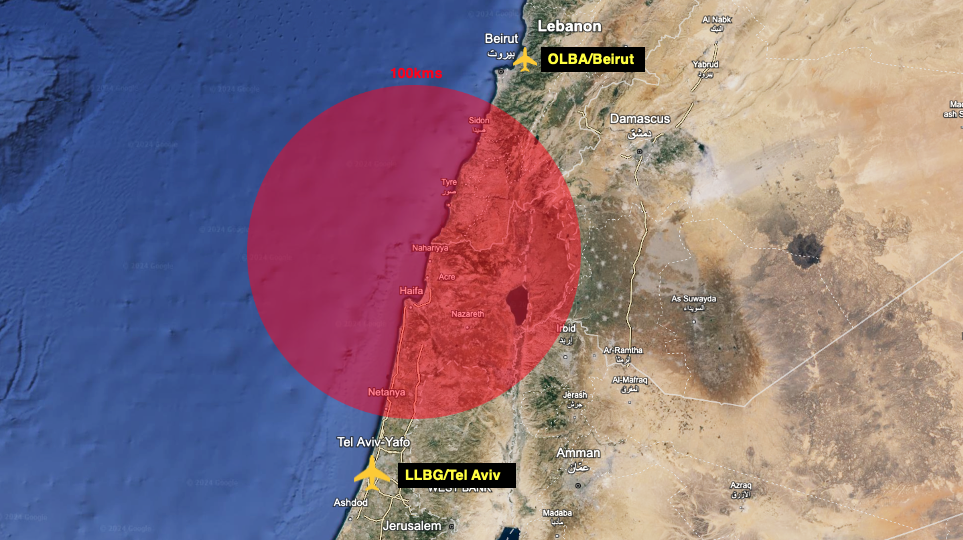
There has been some credible concern recently that Hezbollah might possess more sophisticated surface-to-air weaponry. One report speculates this includes mobile Iranian made radar-guided SAMs which are capable of targeting aircraft as high as 90,000 feet with range of up to 100kms (depending on the variant).

The Wall Street Journal have also suggested another system may be present with similar capabilities supplied by Wagner Group mercenaries.

It is possible we have just not seen these types of weapons used by Hezbollah in this conflict to date.

While the LLLL/Tel Aviv FIR has arguably been a masterclass in how to maintain safe and informed overflights near a conflict zone in recent month, should a larger conflict arise it is unlikely the safety of civil aircraft in the OLBB/Beirut FIR will be protected to the same extent.

Existing Airspace Warnings

We maintain a Safe Airspace Risk Level of Two (Danger Exists) for the OLBB/Beirut FIR.

Here is a summary of existing state-issued airspace warnings for Lebanon:

  • Canada Operators should not enter the OLBB Beirut FIR at all levels due to risk of military activity. CZQX Notam H3476/24. New, July 29.
  • US FAA Exercise caution within 200nm of the Damascus FIR due to military activity. Possibility of GPS interference, communication jamming, and long-range surface to air missiles in the area. KICZ Notam A0009/18.
  • United Kingdom Caution to UK operators in the OLBB/Beirut FIR due to potential risk from military activity. EGTT Notam V0025/24.

Why have these warnings not been upgraded?

History has taught us that we need to be more responsive to airspace threats – a danger may exist or develop before states publish official airspace warnings or restrictions. And all of that takes time.

The events of the past days have happened quickly, and extensive diplomatic efforts are now underway to prevent a larger-scale conflict in the Middle East, but it remains to be seen if one can be avoided. We’re monitoring the situation closely – keep an eye on safeairspace.net for updates.


April 2024: Israel/Iran Situation, All Call active

Attn all Members:

A briefing with all known information on the Israel/Iran situation is now live in the OPSGROUP Members Dashboard. Situation summary, group intel, airspace closures, reroute options, and operator/crew reports.

ALL CALL currently active, please continue to report any information in confidence to team@ops.group.

Briefing URL: https://ops.group/dashboard/briefings/middle-east/


Oct 2023: Airspace risk: Tel Aviv is still busy, and it shouldn’t be

Airspace Risk: Israel Level 1 – Do Not Fly
  • Key message to operators and flight crew: LLBG/Tel Aviv is still busy – and it shouldn’t be.
  • Safe Airspace Risk – Israel Level 1 – Do Not Fly (Full warning text)
  • Civil Shootdown risk high: Lessons of MH17 and UIA752 need to be applied


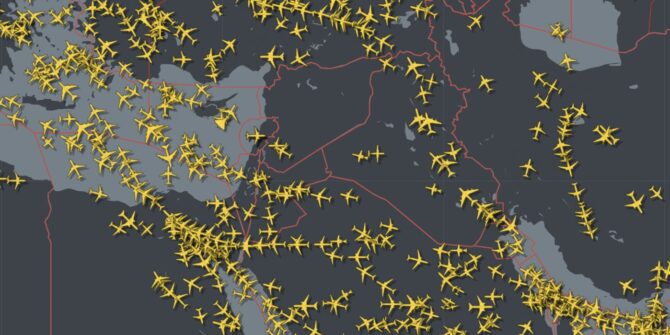
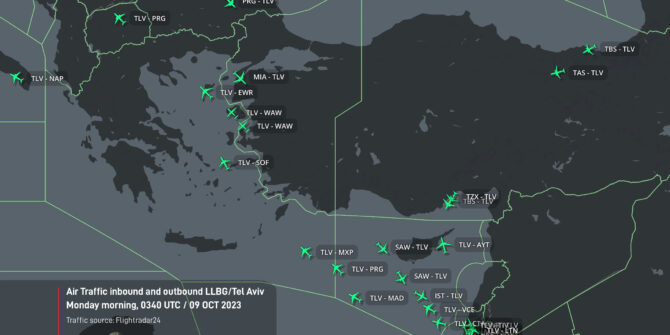
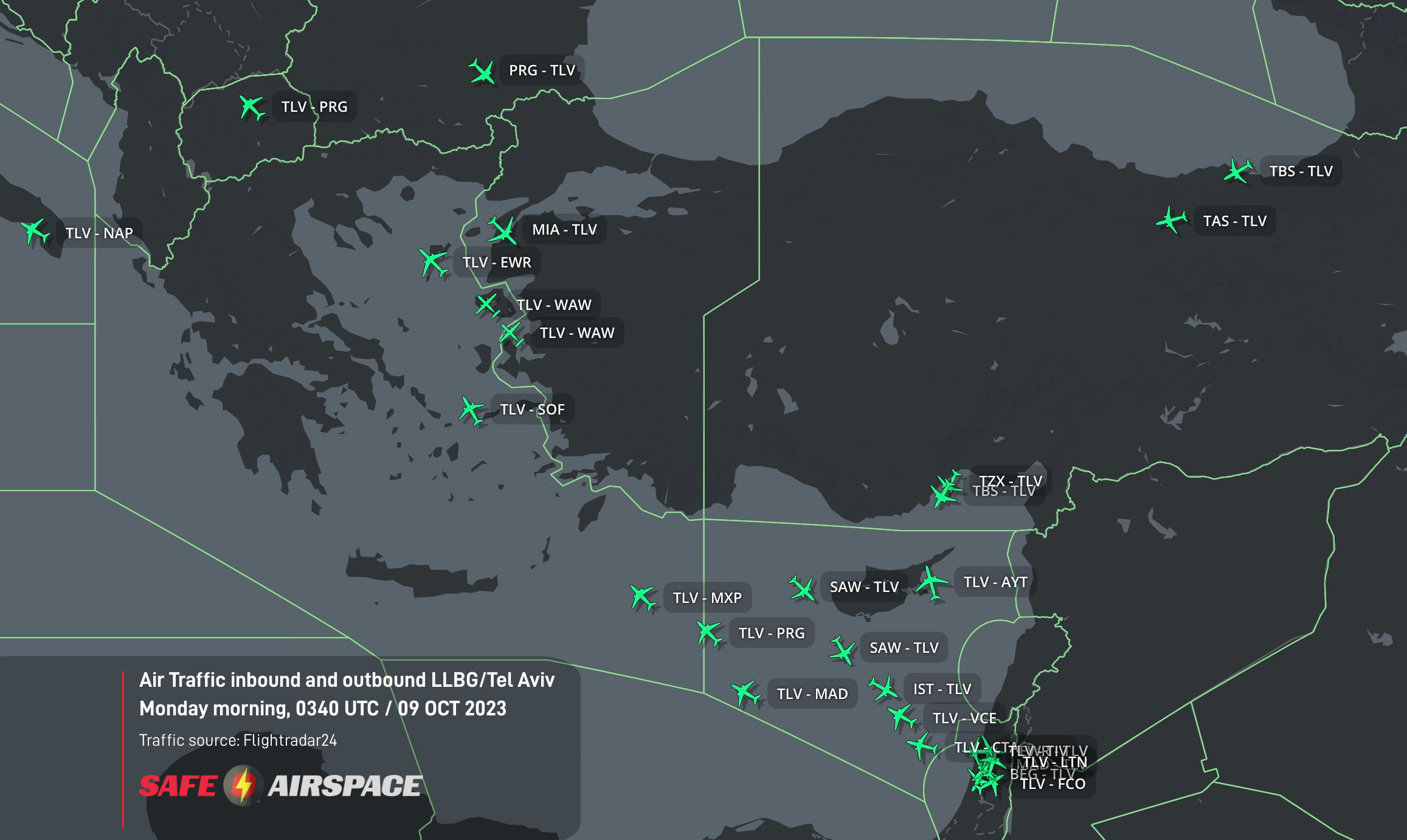
Significant traffic levels still operating to Tel Aviv (Monday morning, 0340z)

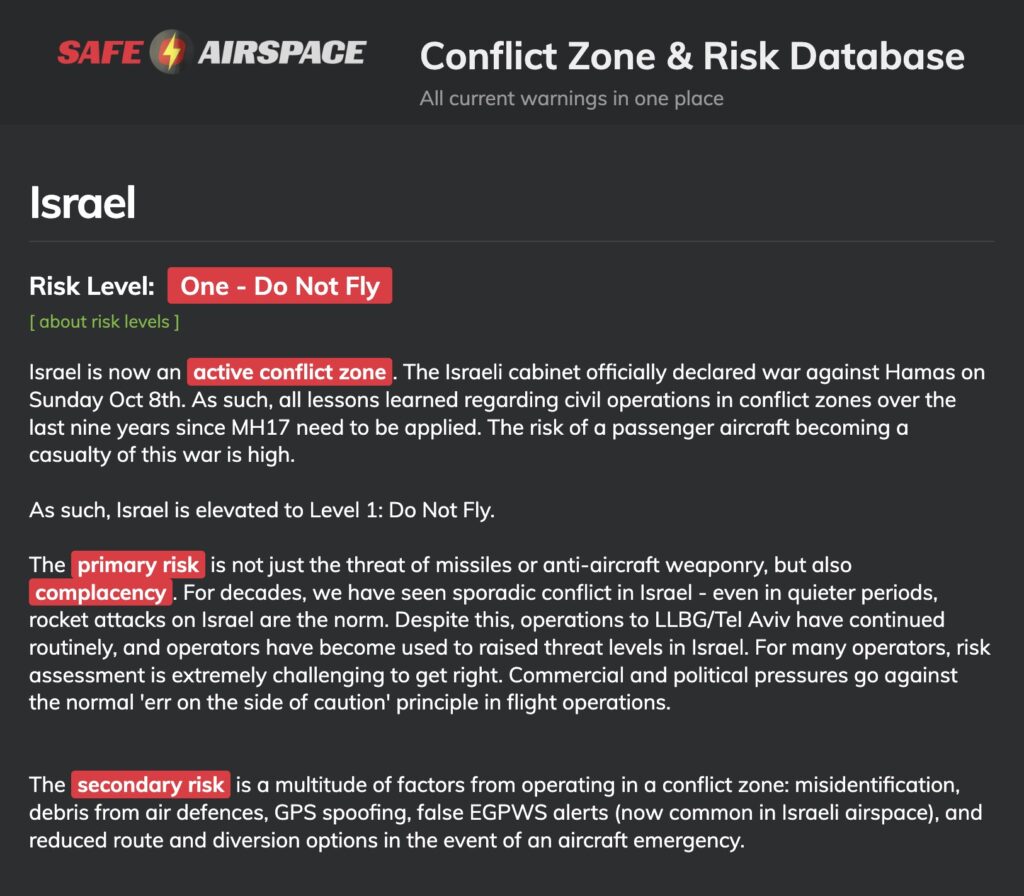
Israel is now an active war zone, and therefore the Safe Airspace warning is at Level 1 – Do Not Fly. The Israeli cabinet officially declared war against Hamas on Sunday Oct 8th. As such, all lessons learned regarding civil operations in conflict zones over the last nine years since MH17 need to be applied. The risk of a passenger aircraft becoming a casualty of this war is high.

In the nine years since MH17 was shot down, we have made many advances in recognizing Conflict Zone risk to civil aviation. It’s time to apply that understanding, and avoid another civil aircraft catastrophe.

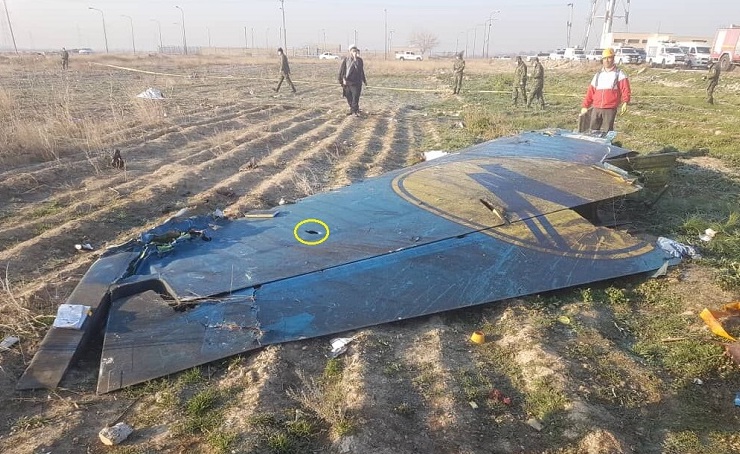
In January 2020, OPSGROUP became concerned at the heightened risk in the Baghdad and Tehran FIR. Despite issuing an alert the previous day, we were unable to prevent the shootdown of Ukraine International UIA752 on January 8th, 2020. This morning, looking at the traffic levels in the Tel Aviv FIR, we feel the same sense of unease and concern.

It should be noted that about 30% of the traffic shown in the radar image is operated by El Al, who are running normal service in order to repatriate reservists called up for duty, and citizens wishing to leave Israel. This may give operators even a sense that ops are normal – but bear in mind that these El Al flights are to some degree troop transport movements, and in fact may increase the appetite for making civil aircraft a target.

The ultimate sentiment from MH17 still echoes: “What were they doing flying over a war zone“? We truly hope the same question doesn’t need to be asked in Tel Aviv airspace this week.


OPSGROUP recommends full avoidance of Israeli airspace

  • Avoid all Israeli destinations (LL**), especially LLBG/Tel Aviv
  • Avoid overflight of Tel Aviv FIR (LLLL)
  • Carefully consider route choices into OJAI/Amman, Jordan and other OJ** airports


Primary Risk : Complacency

The primary risk is not just the threat of missiles (hundreds are being directed at LLBG as this is being written) or anti-aircraft weaponry, but also complacency (or a false sense of security). For decades, we have seen sporadic conflict in Israel – even in quieter periods, rocket attacks on Israel are the norm. As such, operations to LLBG/Tel Aviv continued, and operators have become used to raised threat levels in Israel.

This situation is absolutely not routine.

Further risk comes from a multitude of factors from operating in a conflict zone: misidentification, debris from air defences, GPS spoofing, false EGPWS alerts (now common in Israeli airspace), and reduced route and diversion options in the event of an aircraft emergency.

Risk Assessment, no authority guidance

Despite the elevated risk, no prohibitions or restrictions have been issued by any national aviation authority, the FAA, or EASA. One exception: the Russian FATA has restricted their operators to daylight ops only.

Israeli CAA warning: A golden rule in Conflict Zone understanding has been written on the Safe Airspace portal since it first launched in 2015:  “Operators should note that in general, the Civil Aviation Authorities of the countries whose airspace is determined to be unsafe are (very) unlikely to issue reliable guidance.” The Israeli CAA issued NOTAM A1092/23 on Sunday, which draws attention to the security risk, but does not provide any guidance, closures, or restrictions. In fact, the omission of any restrictions present the connotation that routine operations can be expected other than “delays and fuel” issues. This is misleading.

An FAA FDC NOTAM (FDC 3/2050) advises operators to exercise extreme caution when operating within the Tel Aviv FIR. An EASA “Conflict Zone Information Bulletin” simply says to check the Israeli NOTAM, and that “The fact that Israel has issued and is maintaining NOTAMs regarding its airspace and its main airports demonstrates that the Civil Aviation Authority of the state of Israel is actively managing the risk to civil aviation. At present, there are no indications that these mitigation measures are not efficient or inadequate.” This is also misleading – the risk to civil aviation is not being managed.

The standard line now is “carry out a risk assessment“. For many operators, risk assessment is extremely challenging to get right. Commercial and political pressures go against the normal ‘err on the side of caution‘ principle in flight operations. Larger operators may have the ability to complete dedicated risk assessments, but the majority of flight crew and operators need better guidance from aviation authorities.

Consider that in the 2014 Hamas rocket attacks – a far less intense event – the FAA responded with a 2 day prohibition for LLBG and EASA advised operators to suspend flights. The current situation in Israel is only going to escalate in the coming days, as the country begins their return offensive against Palestine.

It would be helpful to many flight crew and operators if the same duty of care was extended to them again in this situation.


Resources:


May 2021: Israel Airspace Risk

Update May 23, 2000z:

  • The ceasefire between Israel and Hamas in Gaza agreed on May 21 is continuing to hold.
  • Israel has now removed its Notam advising caution to operators in the LLLL/Tel Aviv FIR.

Update May 15, 1200z:

  • The Israeli CAA have now published a Notam advising caution in the LLLL/Tel Aviv FIR due to the ongoing conflict between Israel and Gaza. Operators can contact the Israel Airports Authority for operational info: contactus@iaa.gov.il.
  • Militants continue to launch rockets and drones at towns in central Israel, while the Israeli Defense Force continue to target locations in the Gaza.
  • LLBG/Tel Aviv airport will be closed all day tomorrow, May 16.
  • The US has updated its Travel Advisory for Israel, increasing the level of advice to “Level 3: Reconsider Travel”.

Story from May 12:

Flights at LLBG/Tel Aviv Airport were temporarily suspended on May 11, with some diverting to Greece and Cyprus, as the city was bombarded with multiple long range rockets launched by militant groups in Gaza. No damage has been reported at the airport, although some airlines have cancelled flights this week.

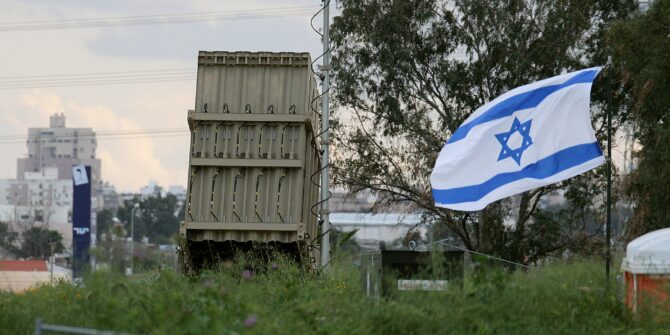
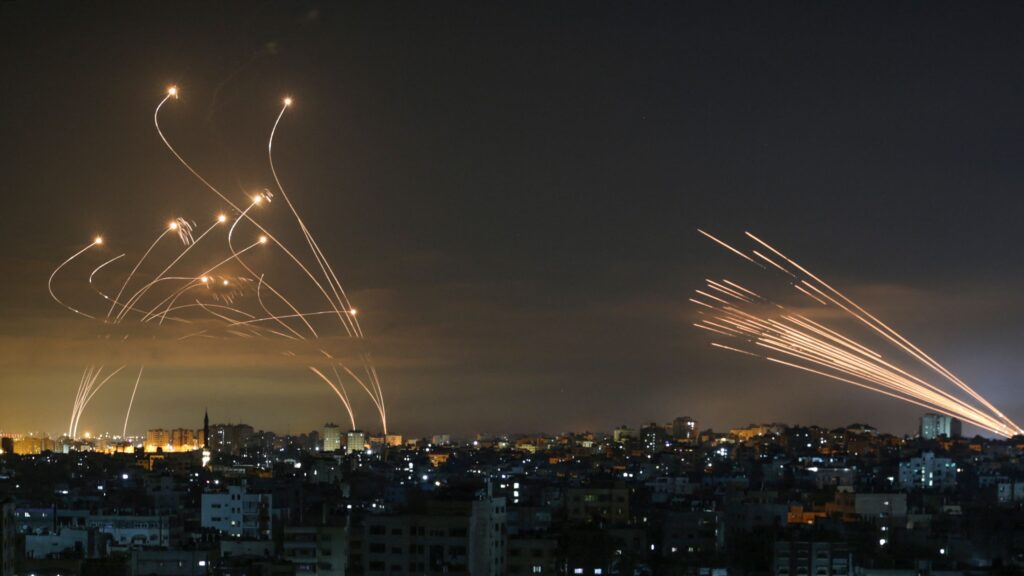
Israel has an Air Defense System – “Iron Dome” which protects populated areas of Tel Aviv from rocket attacks by launching interceptor missiles to ensure rockets detonate prior to reaching the ground, minimizing damage. However, the sheer number of rockets launched resulted in several impacting the city.
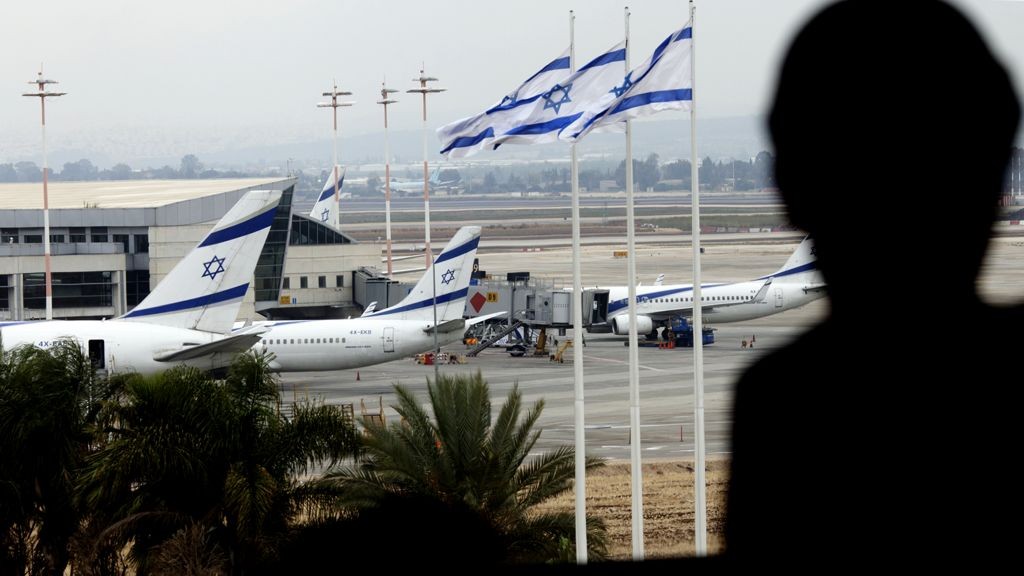
Sporadic rocket attacks in Southern Israel are not unusual but don’t often target Tel Aviv itself, and certainly not on this scale. One look at the footage of the attack and you will begin to see just how dangerous the skies of Israel became on Tuesday night.

The conflict has been escalating throughout the month of Ramadan, which coincides this year with the significant religious Jewish event Shavuot.

Earlier on Tuesday, a series of Israeli airstrikes in Gaza led to the collapse of a residential building and the reported deaths of several people. Militant groups in Gaza immediately retaliated by unleashing a large-scale rocket attack on Central Israel, forcing the temporary suspension of flights at LLBG/Tel Aviv Airport as air defence systems were activated around the country.

It marks a major escalation in the conflict which may present a new risk to aviation.

Are there new airspace warnings?

EASA have published a warning, available via the Eurocontrol homepage:

12/05/2021 16:15
Considering the heightened tensions in Israel, including exchange of rocket fire 
and retaliatory airstrikes, air carriers operating within Israeli airspace and 
to or from Ben Gurion International Airport (LLBG/TLV) in particular, should 
monitor closely these developments and adapt their operations according to 
Israeli Authorities aeronautical publications. Several NOTAMs are already in 
place for FIR Tel Aviv (LLLL) and its commercial aerodromes rerouting civilian 
aviation flight paths as necessary to ensure safety and security of the air 
operations. Due to the unstable regional situation, these publications may be 
more restrictive within short notice. The situation in the region remains a 
matter of high concern for commercial aviation – It is recommended to exercise 
caution by taking into account any relevant information, alongside available 
guidance or directions from your national authorities as appropriate.

So just a warning for now – no firm restrictions on flights. The most recent incident of major rocket fire from Gaza against Tel Aviv was in 2014 during the Gaza War. Back then, the US FAA responded quickly by imposing restrictions at LLBG/Tel Aviv airport for a two day period, and EASA advised that operators should suspend flights, which ultimately resulted in 30 airlines cancelling flights.

What are the risks?

There are parallels between the situation in Israel and similar rocket attacks carried out recently on Saudi Arabia’s major cities. Previously issued guidance on those and the threat which they pose to civil aircraft may also be relevant here.

The major risks identified from rocket attacks were:

  • Misidentification or miscalculation by air defence systems.
  • Falling debris from air defence activities.
  • Ballistic impact while on the ground.
  • Short notice airspace closures.

Where to from here?

We’re likely to see further rocket attacks on Israel and Israeli air strikes on Gaza. From an operator’s perspective, perhaps the most significant development here stems from the fact that militant groups are now showing renewed ability and intent to mount major aerial attacks on Tel Aviv.

Keep an eye on the SafeAirspace.net page for Israel where we will report changes as they happen, and continue to monitor the situation if planning to operate within the LLLL/Tel Aviv FIR – the events of this week have shown us just how quickly quiet skies can become active conflict zones.


Feb 2018: Tel Aviv Airport closes as a precaution against attack

LLBG/Tel-aviv: Israel’s main airport briefly suspended operations on Feb 10, due to military clashes along the northern border with Syria.

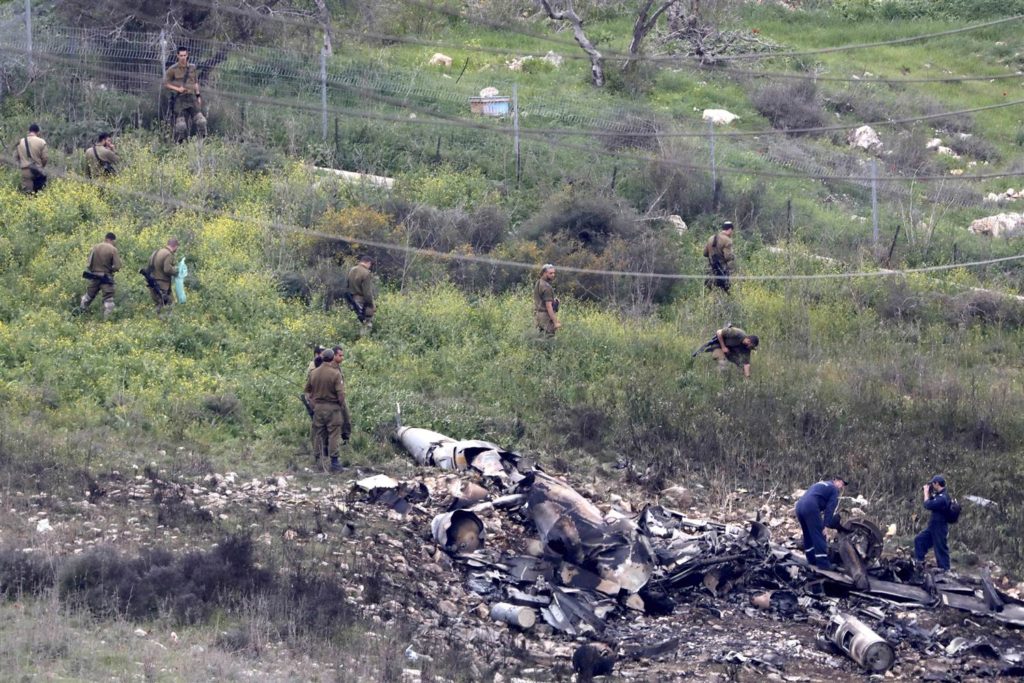
Two Israeli pilots were forced to abandon their F-16 jet, which crashed near the border after being hit by a Syrian anti-aircraft missile. The jet was on a mission in which it struck an Iranian facility in Syria that had previously operated a drone which Israel shot down over its territory.

This resulted in all flights from LLBG/Tel-aviv Airport being grounded for around an hour starting at 9am local time, as a precaution against any further attacks. The airport is considered a strategic location that could be targeted during military conflict.

Here’s what Israel’s PM had to say about it:

This incident marks the most significant engagement by Israel in the fighting that has been taking place in neighbouring Syria since 2011. Israel has mostly stayed out of the conflict so far, but has recently become more concerned about the increased Iranian presence along its border.


Strike cancelled at Tel Aviv Airport

Update 1800z Nov 30: A strike by airport workers at LLBG/Tel Aviv which was originally planned for this weekend has now been cancelled.

The Airports Authority says the strike was canceled after the government intervened and were able to reach a deal with the workers’ union to delay any strike action this weekend.

We’ll keep this page updated with any more news as we get it.


Midweek Briefing: Where is Zika, Elevated North Korea Risk

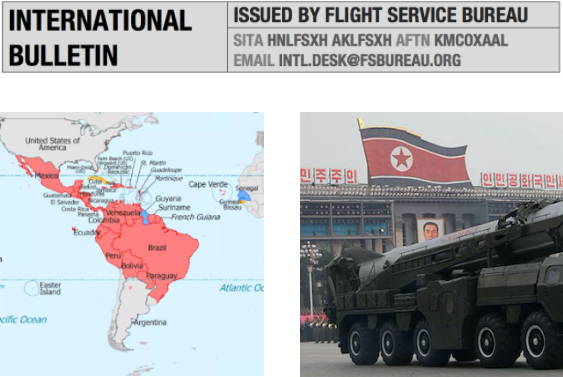
Where is Zika? 24AUG With the again-increasing levels of Zika infection worldwide, this updated map will be useful to operators. Check Zika Map.

North Korean Risk Elevated 24AUG We’ve published an updated Unsafe Airspace Summary today, which elevates North Korea to Level 2 in our warning list. In 2016, there have been increased instances of medium-range ballistic missile (MRBM) launches without prior warning. Read the article


DIAP/Ivory Coast issued a Notam last Friday advising of ‘serious risks to safety’ when operating through the Tripoli FIR. Not many operators are entering this airspace, but it’s unusual for a non-adjoining country to issue advice like this, so we’ll mention it.

SPZO/Cuzco, Peru is busy at the moment; non-scheduled and GA flights cannot park overnight, and there are Traffic Management procedures inbound. Don’t forget if operating to Cuzco that special crew training is required.

WADD/Bali Authorities have stepped up security measures at all the entry points on the island, following recent reports of an alleged plot to carry out attacks.

HKNW/Nairobi WIlson is operating normally again after a Police helicopter crashed on take off on Monday, near the control tower.

LLZZ/Israel Israeli aircraft attacked mortar positions in southwestern Syria near the border with the Golan Heights on 22AUG. The airstrikes were apparently in response to mortar fire from the Syrian side of the border.

RJAA/Tokyo Narita is open again after the passage of Typhoon Mindulle. The control tower at Narita was evacuated due to strong winds, the first time this has happened since the 9.0 earthquake in March 2011.

WIZZ/Indonesia has warned its neighbours that haze from forest fires is beginning to cross the Malacca Strait. In 2015 the smog affected Malaysia, Singapore, and Thailand, causing disruptions throughout the region, closing airports and delaying flights.

EDDT/Berlin Tegel Aircraft larger than ICAO Code D, and parking longer than 3 hours, approval of Traffic Management is required. Contact verkehrsplanung-txl@berlin-airport.de, in place until 30Sep.

VEZZ/India Couple of new ICAO codes here, VASD is Shirdi Airport, and VEPY is Pakyong Airport. AFTN connections not yet set up.

LBPD/Plovdiv Reports of lasers directed at departing aircraft. Notify ATC with any details if experienced.

FOZZ/Gabon If you’re arriving into Libreville International Airport you can submit an online visa application at least 72 hours before the date of travel and collect your visa on arrival

BGTL/Thule Updated hours for Radar service – 1100-1900Z Mon-Fri only.

NTAA/Tahiti has a bunch of night-time closures until 03SEP; this is an isolated aerodrome so check carefully in advance of ops.

NWWW/Noumea has ongoing staff shortages in ATC, and therefore interruptions in opening hours for the airport. Check before operating.

VDZZ/Cambodia has introduced a new tourism and business multiple-entry visa, which will allow foreigners to stay in the country for up to three years. The visa will become available on 1 September. The current visa grants visitors a 14-to-31-day stay.

LCLK/Larnaca New ATC Controllers being trained (under supervision)—be nice to them!

FMMM/Antananarivo has a new disinsection procedure for flights arriving from Mauritius; also, all flights from Mauritius must operate to FMMM first before other airports in Madagascar.

HCSM/Mogadishu Due to HF Difficulties, all aircraft in Mogadishu FIR with Satcom are requested to contact Mogadishu FIC on Satcom.  Inmarsat 46601, phones +251-20-762274 or +254-20-2365679.

View the full International Bulletin 24AUG2016


Midweek Briefing 06JUL: Hong Kong capacity problems, Iceland: The fun continues

Hong Kong capacity problems 06JUL During this year, the Hong Kong CAA has issued a couple of warnings to operators to stick carefully to their allocated slots, but it’s not making much of a difference to operations there. Read the article.

Iceland: The fun continues 06JUL Last week there were some really positive indications that the ATC strike in Iceland was coming to an end, but it’s now worse than ever, with Westbound, Eastbound, and landing traffic all affected. Read the article.


HECC/Cairo FIR A restriction exists for traffic to and from the Amman FIR, so if overflying Jordan and then Egypt, or vice versa, you can only use the waypoint METSA.

OMAE/Emirates FIR has some updated peak times. Departures need a slot between 0630-0730Z and 1700-0000Z. Arrivals will be spaced 5 mins apart during these times also, as will aircraft entering the OMAE FIR from nearby airports like Muscat, Isa, and Baghdad.

EIDW/Dublin Runway 10/28 is closed overnight until 09JUL.

OERK/Riyadh, Saudi Arabia will be hosting the ‘Global Ministerial Aviation Summit’ 29AUG-31AUG. 55 different ministers from various countries are expected to be in attendance. Be aware of potential restrictions leading up to and after the event.

CYFB/Iqaluit Another NAT alternate favourite, CYFB has some runway closures throughout July.

EGCC/Manchester is doing some work on 05L/23R overnight until 08JUL and has advised operators to carry some extra gas due possibility of holding.

LOWW/Vienna has published a helpful list of rush hour periods – worth avoiding these times as holding is common at VIE. The times are: 0530-0750, 0920-1030, 1140-1240, 1340-1500, 1615-1800, and 1840-1940Z.

BIZZ/Iceland Despite optimistic reports of a resolution to the ATC dispute in Iceland last week, the situation remains unresolved. Last night BIRD Oceanic was closed to most Eastbound traffic once again, as was BIKF. A new addition to restrictions is a closure to many Westbound flights on Wednesday 06JUL – “DUE TO STAFF SHORTAGE IN REYKJAVIK OACC WESTBOUND TFC PLANNING TO ENTER BIRD FROM ENSV VIA GUNPA,VALDI, IPTON, INGAL, ISVIG AND EGPX VIA LIRKI, GONUT, OLKER, MATIK AND RATSU AND THEN PROCEEDING INTO EGGX OR CZQX SHALL REMAIN SOUTH OF BIRD CTA” Read the article.

EDYY/Maastricht ATC have requested crews operating through the Maastricht UIR to log on to CPDLC EDYY, if you have datalink. While voice remains the primary comms method, you might get an uplink message if the frequency is busy – it’s not a test, you should confirm – most of these uplinks are likely to be frequency changes.

EPZZ/Poland has advised operators to check carefully whether permission is required in advance of operations at airports other than EPWW/Warsaw. Many countries including Poland have reinstated Border Controls within the Schengen zone. Best advice is to treat each country as having full Border Controls for the moment (so think Passport, GenDec, etc.)

SPIM/Lima FIR (Note that the airport is now SPJC, distinct from the FIR code) is shutting down airway UG427 after 21JUL.

SUEO/Montevideo ACC (Uruguay) has some comms issues in it’s airspace, and has advised of some extreme spacing between aircraft irrespective of FL – 40nm. For now, this ends today (06JUL) but may happen again.

WSZZ/Singapore Qualifying citizens of Singapore are now eligible to apply for US Global Entry membership – and benefit from expedited entry to the United States at designated airports. Similarly, qualified U.S. citizens are eligible for enrolment in Singapore’s enhanced-Immigration Automated Clearance System (eIACS).

ZMUB/Ulaanbaatar, Mongolia is downgraded to RFF Cat 7 until 10JUL. Also, from 12-16JUL, you can’t file this as an alternate which may limit your options somewhat.

LFPG/Paris due to maintenance on the ILS for Runway 08L/26R from 18JUL to 02OCT. The only approaches that will be available will be RNAV based procedures (LNAV/VNAV, LPV, LNAV) and VOR/DME.

GQNN/Nouakchott, Mauritania has moved to a new international airport this June. Located approximately 10nm north of the city, it has an annual passenger capacity of 2 million. Infrastructure from the capital’s old airport was transported to the new one.

SECU/Cuenca Following the landing incident on 28APR of an E190, all inbound flights will be reportedly be held if the runway is wet – until end of August.

LFMH/St Etiennee Fuel outage on 07JUL, 0800-1100 UTC.

Canada/Mexico From 01DEC2016, Mexican nationals will be able to travel to Canada without a visa for business and tourism for up to 90 days.

Turkey/Russia Russia has lifted the travel restrictions on tourists between the two countries. The ban was put in place following the downing of a Russian military aircraft last year.

Bangladesh Germany, Australia and the U.K. have banned direct cargo flights from Bangladesh due to security concerns.

Israel/China The Israeli parliament has ratified a multiple-entry visa agreement with China, under which Chinese business visitors and tourists can enter Israel multiple times with the same ten-year visa and vice versa.

EZZZ/Europe the European Union updated Air Safety list (aka the Airline Blacklist) on 17JUN, and lifted a ban on Zambian air carriers.

Uganda Introduction of ‘e-visa’ system. You must show a valid yellow fever vaccination certificate on arrival.

ZJSA/Sanya FIR, China has an ADS-B trial up and running on L642 and M771. Radar is still the primary separation tool, but ATC ask that you check your Flight ID matches your FPL.

View the full International Bulletin 06JUL2016


Israel moves closer to Eurocontrol

Israel has signed an agreement with Eurocontrol to work more closely together in flight planning.

Air traffic between Israel and Europe has been growing at over 9% a year for the past three years. This growth poses ongoing challenges to international civil aviation and underlines the need to improve ties between regions in order to ensure flight efficiency and safety in airspace and airports that are growing more crowded every year.

Israel is now the second country to sign the “Eurocontrol Comprehensive Agreement”.

What does this mean for operators?

The existing process is complex and multi-step: flights that transit Europe from Israel require filing at least 3 hours in advance to the Tel Aviv Coordination Centre, who then liaise with Eurocontrol to verify that the routing is RAD compliant. Changes are often then made by Eurocontrol and back down the line to the operator.

The implementation date is to be confirmed, but FPL filing out of Israel will now be the same as for any other European country, with immediate ACK from Eurocontrol.

Other benefits of this agreement are improved crisis management, more efficient traffic flows between Israel and Europe, more predictable day to day operations, improved safety and possibly airspace redesign and management.


Midweek Briefing 08JUN: Unsafe Airspace, New China ADIZ

Unsafe Airspace – new summary issued 08JUN Today Flight Service Bureau published International Ops Notice 02/16 – “Unsafe Airspace”.

New China ADIZ – South China Sea 08JUN There have been several media reports this week that China is preparing to set up a new ADIZ in the South China Sea. Read the article.


KCLT/Charlotte New SIDS and STARS for aircraft arriving and departing to the Northeast have been added to CLT as of May 31. Also, construction of a new ATC tower has also broken ground, the new tower will be equipped with NextGen systems that include STARS (Standard Terminal Automation Replacement System), ADS-B (Automatic Dependant Surveillance – Broadcast) and AEFS (Advanced Electronic Flight Strip System.

CZZZ/Western Canada has been experiencing fuel shortages due to recent wildfires in the oil patch. Please check with local handlers for any fuel constraints.

KZMA/Miami FIR NASA is planning on launching a Delta IV rocket on 09JUN. Please check KZMA FIR NOTAMS for restrictions.

KZZZ/USA Tropical Storm Colin has passed Florida, Georgia, South Carolina and North Carolina before moving out over the Atlantic.

CYQY/Sydney, Nova Scotia has added 2 fire trucks and increased staffing levels to provide ARFF CAT 6 or 7, time of day pending. CYQY has issued NOTAM 1A3425/16 covering those hours.

LLZZ/Israel has signed an agreement with Eurocontrol and will allow the country and it’s users to benefit from the services that Eurocontrol provides. This is excellent news for filing out of LLBG and transiting to or over Europe as this will help streamline the process significantly and coordination will only have to be with Eurocontrol for any changes.

RCTP/Taipei has resumed operations on June 3 after operations were suspended due to flash flooding. The airport has also lost power numerous times due to the unstable power supply following days of severe flooding. While the power cuts rendered the terminal’s air conditioning system inoperable, the airport experienced only minor delays.

VNKT/Kathmandu has been experiencing problems with the VHF ATC equipment. Aircraft on approach and Area Control freqs may experience increased squelch and at times leaving ATC without comms.

HSZZ/Sudan has warned it will shoot down any aircraft that infiltrates it’s airspace that has not obtained the proper permission and/or following proper procedures. If you need to transit this airspace please make sure you have all the required documentation.

FHSH/St Helena has reportedly delayed the airport opening indefinitely, due to safety concerns – severe turbulence and windshear were commonplace during testing trials by a B737-800.

China Beijing – The Mainland Affairs Council (MAC), which supervises relations across the Taiwan Strait, on Friday issued a yellow travel alert for Beijing after the first H7N9 flu infection case for this year was confirmed in the Chinese capital.

Malaysia Malaysian officials fired several officials on charges connected to a security breach at Kuala Lumpur International Airport (WMKK/KUL). Security officials stated that airport security officials collaborated with human trafficking syndicates to bypass the airport’s passport verification system. The investigation discovered that, since 2010, airport officials purposely disrupted the immigration system at certain times of the day on several occasions. Malaysian officials will publish a report with the full findings.

Angola The World Health Organization (WHO) reported on 27 May 2016 that 301 people have died in Angola’s yellow fever outbreak, which began in December 2015. The number of suspected cases is now 2,536. The outbreak began in Luanda and has since spread to areas throughout the country, particularly along the coast and in the central regions, despite a large-scale vaccination program. Cases linked to the Angolan outbreak have also been reported in the Democratic Republic of Congo (DRC), Kenya and China.

Jamaica is now charging a $35 US departure tax for all air passengers.

Uzbekistan British FCO cautions when travelling with medicines; you can be detained on arrival if you’re in possession of certain medicines, including codeine; you should always carry a doctor’s prescription with you.

France – the Air France pilots’ union announced a work stoppage for 11-14 June, coinciding with the first week of the Euro 2016 soccer championship. The strike has been planned in protest over pay disputes, and the union has stated that it may observe further strikes. Further details are likely to emerge, as the situation is developing.

Yemen On 28MAY, approximately 20 gunmen stormed Aden International Airport (OYAA/ADE). A 90-minute gunfight followed the attack, during which one civilian was killed by a stray bullet. Authorities regained control of the situation and detained the gunmen’s suspected leader.

Nepal A nationwide general strike is planned on Thursday 09JUN2016 across the county. Protest can occur at short notice anywhere. Stay cautious and stay away from these areas.

View the full International Bulletin 08JUN2016