NAT Doc 006/008 Changes 2023

Read all about it! ICAO are changing up the NAT docs!

Here, for you, is our summary of the *exciting amendments to our *favourite documents.

*They aren’t that exciting. Also aren’t our favourites, clearly that is 007.

First up, Doc 008

NAT Doc 008 ‘Application of Separation Minima North Atlantic Region’ contains exactly what the title suggests: info on the application of separation minima. The standards that it doth contain apply to aircraft in the NAT Region who are communicating via a radio station or via CPDLC and also when in ‘Direct Controller Pilot VHF voice Communication’.

Excellent. We saw an amendment notification and we headed over to see what the change was. With baited breath we clickethed upon the link. Fingers tapping as it slowly downloaded itself and opened. We scrolled with frantic enthusiasm to the ‘amendments’ table. What would the change be? Is it big? Is it exciting?

It is not.

They have just amended paragraph 3.4.2.D to say that longitudinal separation is ‘10 minutes between aircraft on same/intersecting tracks, whether in level, climbing or descending flight, provided the aircraft have ADS-C periodic contracts with a maximum reporting interval of 20 minutes or are being tracked by an ATS surveillance system.’

‘or are being tracked by an ATS surveillance system’ appears to be the only change, at least that we can see anyway.

Doc 006

This one looks more interesting. First up, a review of what Doc 006 is.

In case you aren’t familiar with this one, it used to be:

  • Part I – Contingency Situations Affecting ATC Facilities
  • Part II – Contingency Situations Affecting Multiple FIRs
  • Now it has Part III – Contingency Situations Caused By Space Weather Events, which ‘considers events which are likely to affect one or more than one facility within the NAT region, specifically the contingency processes applied to minimize operational impacts of space weather events.’

You can find the updated Doc 006 parts here.

Part I of Doc 006 – Air Traffic Management Operation Contingency Plan.

The only change in this bit is the insertion of some text onto Page 1 about Part III – The Space Weather Contingencies.

There is also this newly amended table which, while grey and joyless, is actually very handy indeed. This covers general loss of ATC which could be space weather related, but could also not be space weather related.
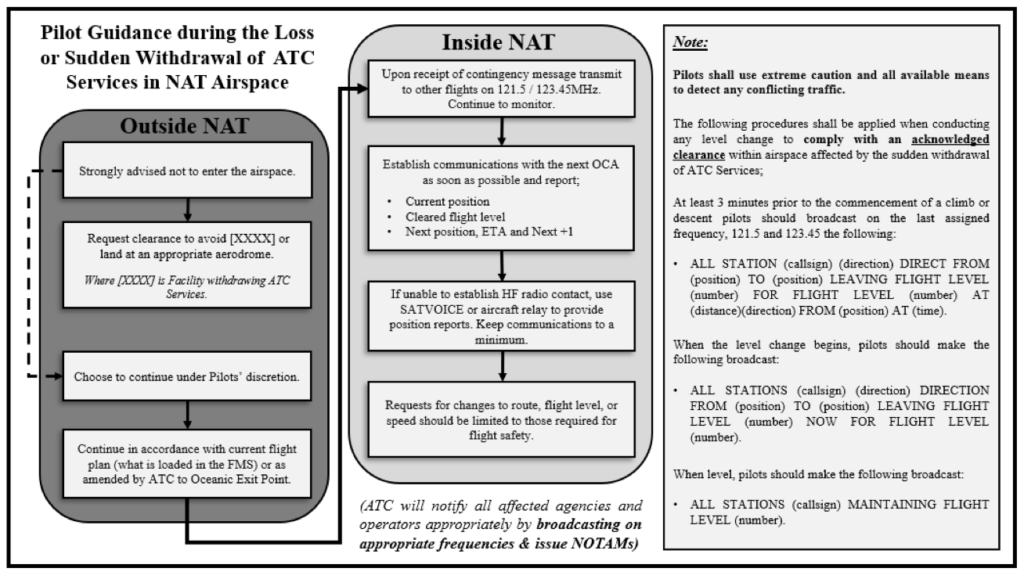
Simple but mighty.

Doc 006 Part III

I’ve given it a section of its own. This is the Space Weather bit, but, there is an actual document – Doc 10100 – which talks about space weather. 10100 can be found here and this is where you should go for *all your space weather knowledge needs.

*Not all, but a good start. 

Doc 006 Part II is all (only) about the contingencies in the event of issues with ATC, navigation, systems etc because of space weather.

A little bit of space weather info before we dive all the way in:

Space weather can play havoc on our GNSS systems, satellite stuff, HF, RF, power grids, even our microwaves (microwave links whatever they be). It can also have effects beyond just one FIR, or even the whole NAT region. So it’s a great thing that we now have a document to help.

Don’t fly too close to the sun

Space Weather peaks around every 11 years, but we’ve seen a load of pretty decent (but not severe) space weather stuff of late. Things like:

  • Disruptions and even total unexpected loss of HF, SATVOICE, CPDLC etc
  • Issues with GNSS (that impacts out ADS-B and C)
  • Weird and random reboots of electronic stuff onboard
  • Passengers and crew growing extra limbs/glowing green etc

The Contingency Phases

They’ve broken the actions down into a few phases.

Initial Action (Reactive Phase):

What is happening during this phase is some space weather is whizzing its way over and an ANSP has become aware of it and so they start telling everyone about it, putting contingency plans into action, getting in touch with other ANSPs for support etc.

If you’re an airplane that is not yet in the NAT region then the general plan is to warn you about what might be awaiting you, and possibly (if it is really bad) re-route you.

If you are already in the NAT then you should do what you would normally do if you lose comms, or have some technical issue and that’s follow the published contingency procedures.

Subsequent Action (Proactive Phase):

What is happening in this phase depends on the severity of the situation, but basically a whole load of communication (about the severity of the situation) and stuff to help manage it.

Long term contingency plans:

This is for the really bad stuff that knocks out comms or satellites of what have you for really long amounts of time.

That… wasn’t very helpful

Doc 006 is really just more of an outline of what ATC will do (and so what the pilots can expect).

So, refer to the nice table, refer to the AIPs, go read your actual contingency procedures, and use this Doc 006 Part III as a helpful guide on what to expect.
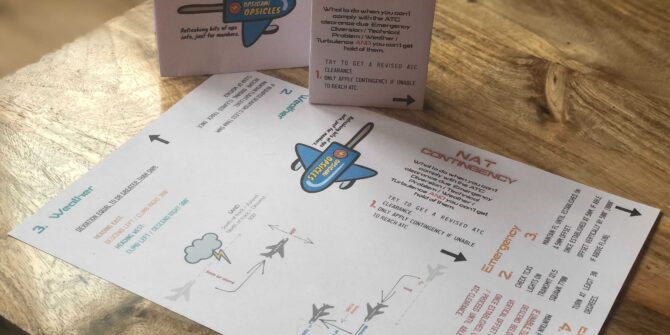
Something to help with NAT Contingencies

There are standard contingency procedures to follow if you are in the NAT HLA, they have been around for a while. But folk still struggle with them from time to time (so would we at 3am over the North Atlantic if we had to suddenly try to remember what they were while things were breaking or storms were flashing).

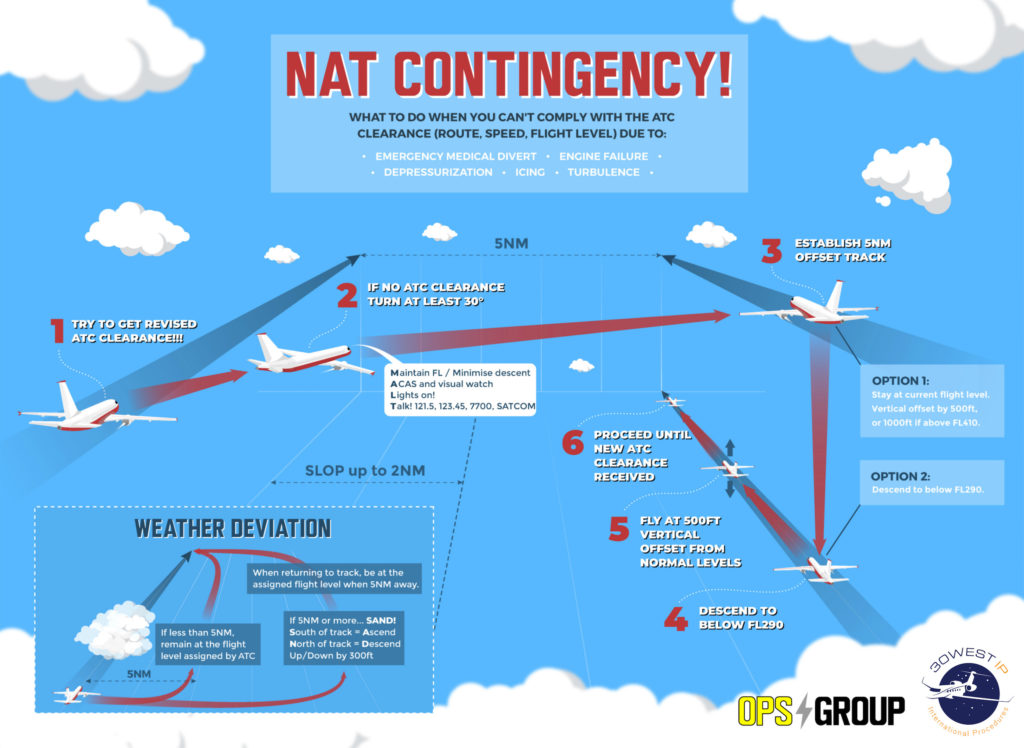
We have written about this before. Here’s how it works:

Unfortunately, sometimes folk still do get it wrong.
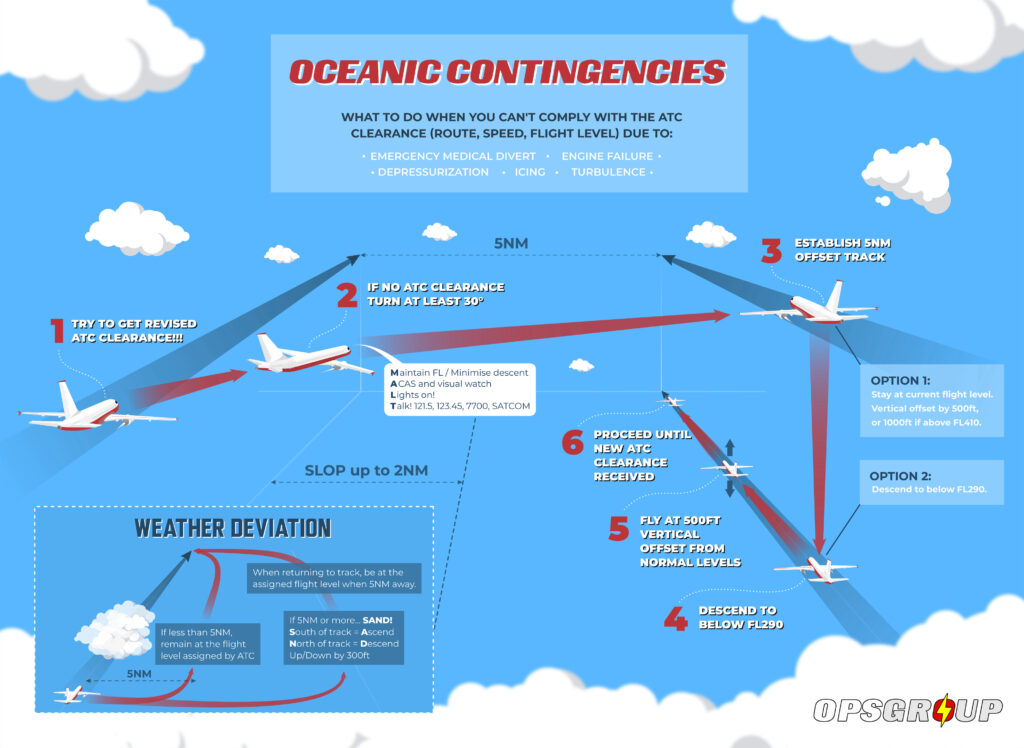
The most common mistakes seem to be people applying a contingency procedure when they are in contact with ATC (ATC will give you a revised clearance if you need it so check first before diving into a contingency manoeuvre).

Sometimes though, we just don’t quite do it right because there are a few little steps to follow depending on what is going on. For example, if you are deviating around weather, then the first step is to try and get a re-clearance from ATC. If you can’t get one, that’s when you follow the contingency procedure, and then what you do depends on whether your detour is less than or more than 5nm…

So we decided to make something else to help…

Introducing the Opsigami Opsicle

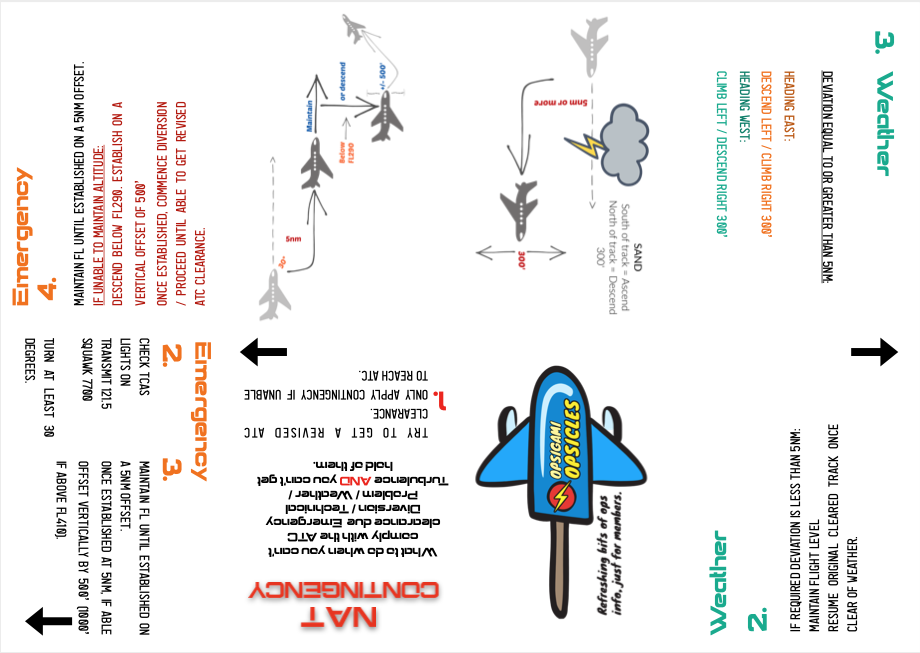
The NAT Contingency Opsigami Opsicle is less exciting than it sounds. It is the two contingencies – for emergencies and for weather – laid out step by step. That’s the Opsicle part.

The Opsigami bit(Origami with an Ops twist) is because if you print it out (and fold it correctly) then it will give you each step in order to help you follow it as you need to.

It looks like this:

And it works like this:

We made this for OPSGROUP members – we hope you find it useful!

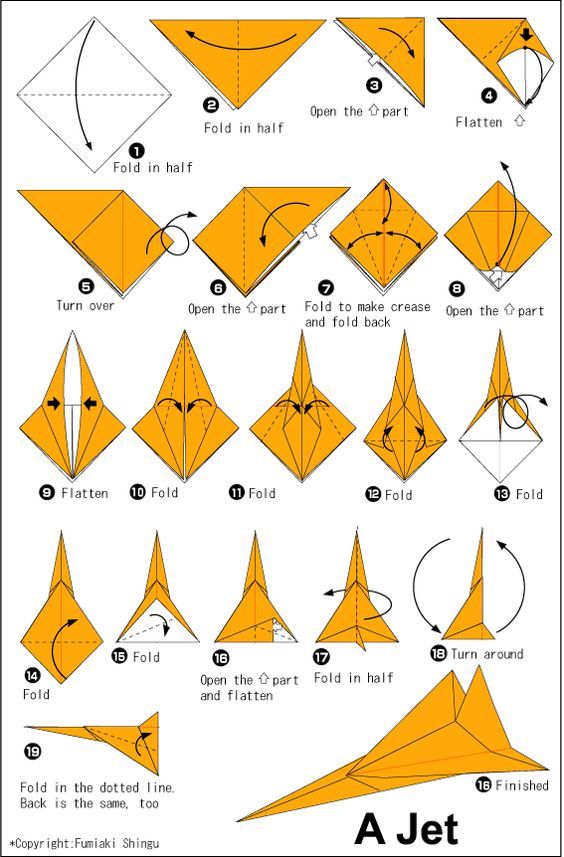
Just in case you don’t, here is a great Origami (ok, paper airline) design which you can fold it into instead 🙂


Simthing to Think About

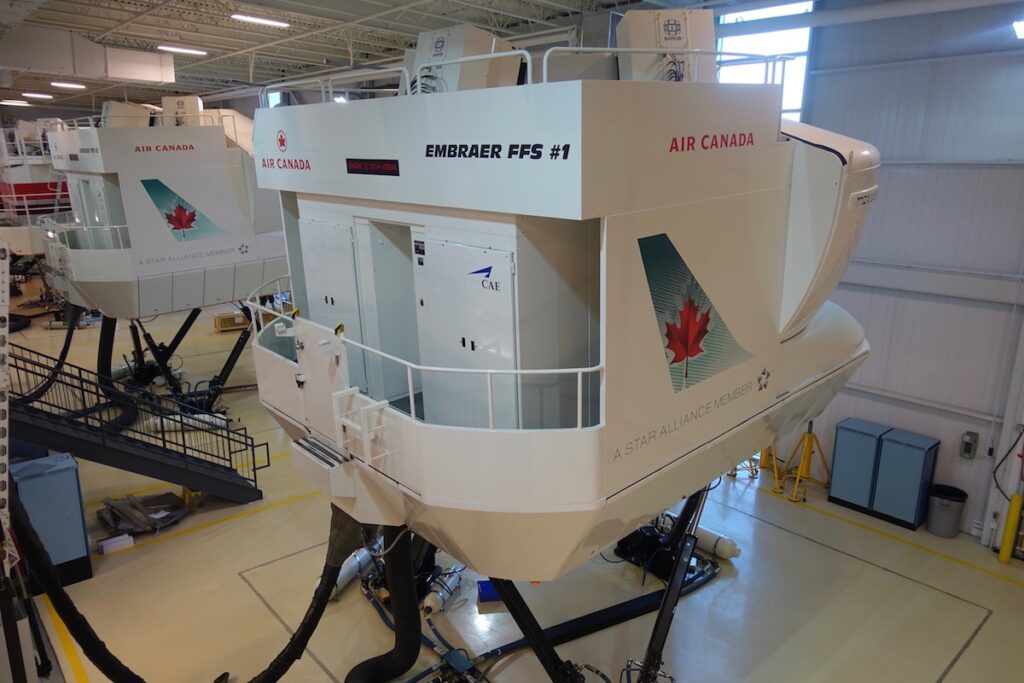
What are you practicing with your crew in the sim nowadays? An engine failure on take-off? A few technical malfunctions? An assessment of their competencies and then send them on their way for another year?

Well, we thought we might suggest a slightly different sim scenario for you to think about…

What else should you be throwing at your crew?

There have been a bunch of recommendations out from the authorities suggesting crew swot up on their Unreliable Speed procedures because the number of these occurring have increased a lot recently. Something to do with aircraft coming out of long term storage with bugs nesting in their probes…

However, an ‘Oracle of the NAT’ recently pointed out to us that many crew have not been doing anywhere near as many NAT routings, which means their NAT procedures probably need as much attention as their airplane’s pitot ports do.

What are we talking?

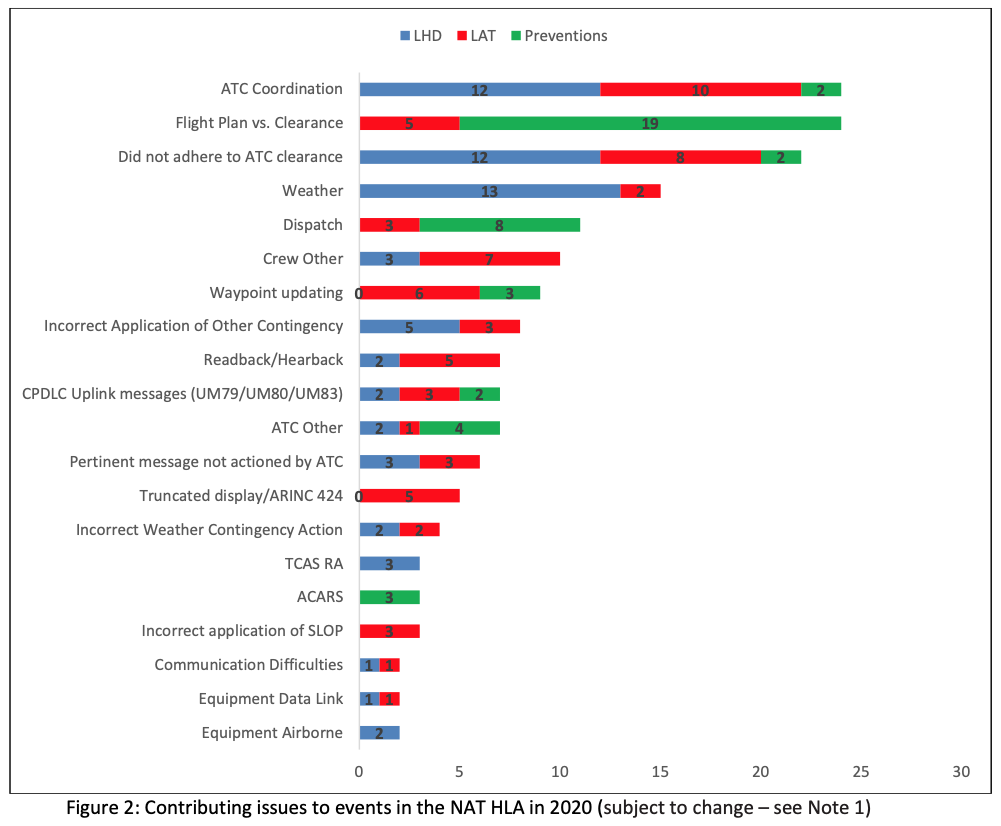
Incorrectly flown contingency procedures (not to do with weather) were one of the top reasons for lateral deviation events in the NAT in 2020. Now it was admittedly only 6% but that is still one of the Top Ten mess ups, and a mess up easily prevented with practice.

There were also a few incorrectly flown weather deviations. These procedures are not hard to do, but they do need thinking about once in while (preferably before you’re actually up there needing to know them) which is why the sim suggestion was presumably made. 

Now, you could just email everyone a reminder of how to do it. A bit of text and a diagram. But a handier way to recap (and in a way that properly puts the info into their heads) would be to really put crew up there, throw some “fun” failures at them, and let them practice “for real” in the sim.

So, what’s the recommendation?

Well, we ain’t no trainers, but between us we have seen a few sims ourselves in our time. So here is what we suggest you might want to throw into a sim session if you think your crew could do with a refresher…

The Opsgroup Ops on the NAT Sim Scenario Storyline Suggestion.

Let’s set the scene. It is the middle of the night, the flight is somewhere over the North Atlantic, dark, lonely and quiet, when…

KABOOM! Rapid decompression.

This throws in a nice bit of startle factor (which is also something pilots need practice in dealing with.)

Now those contingencies will be put to the test – how much to turn, how much to offset, what else do they need to do and say?

There is also that good old Situational Awareness thing to look at as well.

Do they, for example, identify where other traffic is, think about the NAT tracks and their proximity to the next parallel one, and think about whether they were SLOPing already or not?

Let’s get really mean.

A big thing to consider with NAT flights is just how remote and far from land you often are. So Big Picture proactive planning is a good habit to get into.

This means setting up for emergency diversions before you find yourself suddenly having to do one. An awareness of where the closest and most suitable spot for a landing is in advance might really save the day. Or at least a few panicked minutes of trying to work it out.

This is important anywhere, but particularly so when flying in the NAT because something like a rapid decompression is going to have you zooming down to FL95.

Fuel can become a big problemo quickly, but so can separation to other traffic if you start diving down and crossing tracks.

Where we would do it.

We would be mean trainers. The ones that people always call sick for. Power-crazed with the fun of coming up with mean scenarios to inflict on our poor pilots!

We would definitely make sure it was remote, with a massive headwind making the “nearest” in distance the furthest in time. We would probably throw in some bad weather at one to see if the crew fly themselves into a corner, and maybe an HF blackout or ATC Zero just to make those radio procedures a bit more fun.

Then we would sit back and enjoy watching it unfold while rubbing our hands together gleefully.

You might be nicer than us though.

If you are then you could always share the following with your crew before the sim session:

Skills Fade.

The real point of this is that recent surveys of pilots returning to work (after prolonged periods) have shown that it isn’t the hand flying that gets rusty (well, it does, but comes back pretty fast).

It is the Procedures and the Workload Management which really suffer.

Unusual or unused (or not regularly used) contingencies and SOPs will need refreshing. The NAT is a prime spot where additional threats and challenges make it all the more important to not be rusty when you route through.

So sims to get your pilots’ flying skills up to scratch are critical. Practicing those engine-out procedures, crosswind landing techniques and general “How do I make actually it move?” hand-flying sessions will definitely help with confidence levels.

But opportunities to (re) consolidate those procedures, particularly those ones in challenging airspace like the NAT which are likely to be required on a standard flight could make a very big difference to safety in a practical way.


Flying outside the Procedures

Aviation is full of procedures. We fly by them, sometimes we kind of live by them. But other times there are situations where we need to disregard them. So when is it ok to throw the rule book out the window? 

In an airplane, never.

In the literal sense anyway, given the risk of opening a window mid-flight and getting sucked out. But what about in the less literal sense?

Procedures are not there to stop us just doing whatever we want. They are there to keep us safe, to make sure everyone is operating to the same standards and to provide pilots with a guideline of what they should do in *most situations.

Why the asterix? 

I will come back to that. But for now, that reasoning makes sense. If every airplane did what it wanted, flew how and where it wanted, the sky would be a messy mass of chaos. So, we have procedures and we have them so we know what to do, when to do it and how to do it.

More importantly, everyone else knows as well. Which brings us back to the “most situations” comment. 

We cannot expect there to be a procedure in place for every possible event. They are there to offer guidelines and standards, but they are not designed to cover everything.

And they are definitely not supposed to remove the need to think.

So what should we think?

Well, thinking about situations where we might be without a procedure, or where there is a procedure but it no longer leads to a safe outcome is a good place to start.

Let’s take a look at ICAO Doc 007 – the “bible” for the North Atlantic. It is quite clear on a lot of things – for example, what the contingency procedures are if you experience some sort of emergency while flying in the NAT.

We are talking some busy airspace out there, with a lot of aircraft flying on specific tracks, and so the last thing you want is aircraft barreling across them setting off TCAS warnings as they zoom off on a diversion.

So NAT Doc 007 lays out some procedures to follow. Things like turning 30 degrees off track and offsetting 5nm. And one that says – 

“When below FL290, establish and maintain 500’ vertical offset when able and proceed as required”.

Ok, great, it is pretty clear. Get yourself down to below FL290, establish on your offset, and now go where you need to go.

But…

What if our emergency is a decompression, and we are right out in the middle of the NAT where routing at 10,000ft the whole way to an airport might turn into a fuel problem?

Do we still need to get to FL95 before starting a diversion?

There might not be a black and white, right or wrong answer, but this is the point – there are situations where there isn’t necessarily a procedure telling us what to do, or when to follow another procedure.

So this is something we should probably be thinking about a bit more. The “What If?” things that could happen.

So, what is the rule for breaking procedures?

Is there sort of a checklist for when we can, can’t, ought to or must? Why isn’t there a rule for every time you are allowed to break a rule? 

Well, the reason is no-one can think through every situation, and more importantly they shouldn’t try to! 

The day pilots can only do something if a procedure tells them to is the day you might as well replace them with a computer. We need to retain the skill of weighing up risk and reward, consequence of actions, because there are so many situations out there which are not going to be black and white. 

NAT Doc 007 document actually states quite clearly several times –

The pilot shall take action as necessary to ensure the safety of the aircraft…”

And this goes for any procedure, any rule, anytime you are flying. 

Just because the book says “No, don’t do that!” never means you cannot do it if it is what you need to do to maintain safety.

The tragic Swissair Flight 111 accident is often raised in CRM discussions as an example of when following procedures to the book might not lead to a safe outcome.

But…

Not following procedures because you think there is a quicker, better, easier way to do something is probably not the best idea either.

A Qantas pilot experienced “incapacitating” symptoms after a technical malfunction where they decided to cary out their own troubleshooting, rather than following the checklist.

So, having a good reason to not follow a procedure is important because you are going to have to justify why you broke the rule. If you need to break it for safety then break it, but the key seems to be having a valid, justifiable and safety related reason.

That is airmanship, and that is why the Commander has final authority. It is also a cornerstone of our pilot licence that we “agree” to accept the ultimate responsibility for the safety of the flight.

Why are we even having this discussion?

Possibly because we sometimes forget why we have procedures in the first place.

Unfortunately none of us are immune to this. I can remember several times in my career when procedure-following took over from common sense. The time when we shut down an engine with 10 meters of taxi left, ran out of steam, and had to be towed the last 9… But hey, we still ticked the one engine out taxi box.

So, all of us stepping back and considering why the procedures are there, and then what we might do when we find ourselves potentially having to operate outside of them, is important.

Which brings us back to the debate about FL95 over the NAT. 

Different folk might answer this question differently. It is going to depend on the day, on you and on the situation, and there probably isn’t a definitive answer to be given.

What is clear is that at some point in our flying career we will all probably find ourselves in a situation where there is no procedure, no clear cut answer, no simple solution, and this is where our experience, airmanship and judgement will really be put to the test.

When we end up in that situation we should’t be asking “What is the risk of me getting into trouble if I do?” but rather “What is the risk to my safety if I don’t?” because all the procedures we fall back on were not put there to be blindly followed, and were not written into stone to keep you out of trouble – they are there to be thoughtfully followed when they keep your aircraft out of trouble. 


Safety on the NAT: B+ with room for improvement

The eighth Annual Safety Report for the North Atlantic Region is out, and it looks good. A solid B+ for pilots and ATC alike.

But there is still room for performance improvement, so here are the highlights from the report to focus on.

Did anyone fly in 2020?

The number of flight hours in the NAT HLA through 2020 was 892,137 which was unsurprisingly a decrease on the 2019 hours (2,063,908 in case you’re wondering).

The peak week was July 15-21 when it saw 5,621 flights crossing, compared to 13,733 for the peak week of 2019.

If you want to check and compare all the stats to 2019 then here is our post on that.

What have they been monitoring?

Safety Performance in the NAT HLA is monitored and measured in 12 areas. The targets for 6 of these were achieved in 2019, while 2020 achieved an impressive 8.

The biggest improvements seem to be:

  • Less Large Height Deviations where Datalink was not in use
  • A reduction in the amount of time aircraft with datalink spent at the wrong flight level
  • A reduction in the number of GNE events involving aircraft with datalink

How likely are you to fly into someone else?

Much of the safety focus in the NAT really boils down to this – it is an area of reduced separation and high density traffic. So, they also worked out the risk of collision and in 2020 it reduced by 74%, which is probably down to less aircraft but also to less mess-ups. 

SLOP is one of the main factors in reducing this number. And it doesn’t just reduce the risk of collision, it reduces your risk of running into wake turbulence as well. So keep up that slopping, up to 2nm right (and 0.1nm increments).

Who’s to blame for the times it did go wrong?

Ok, ok, the purpose of the report is not to point fingers, but to understand where improvements can be made.

The Top 10 factors in errors haven’t really changed – ATC coordination errors are top, closely followed by “crew other” (which pretty much means crew not doing what they’re told, messing up etc) and then interestingly application of contingency (other than weather).

So here is a quick recap on those Contingency Procedures to follow

Some facts and figures

Since 2019, 70% of core NAT traffic has been using ADS-B.

There have been no accidents in the NAT since at least 2017. 2020 also saw no losses of lateral separation for the first time since 2017.

They did see 47 LHDs, 57 Lateral Deviations (15 were GNEs, the other 13 were caught and corrected by ATC), 26 coordination events, 1 longitudinal loss of separation and 30 events they prevented where someone was basically just flying the wrong flight profile.

18% of events were down to ATC coordination between different ATC sectors.

18% also came down to fight plan versus clearance issues.

11% were weather related. 

Issues with dispatch contributed another 8% and everything else was down to, well, lots of other things.

How can we improve?

Follow the Golden Rules of operating in the NAT HLA:

  • Have the Right Equipment: If you ain’t sure then check out our Circle of Entry.
  • Have a Clearance: If you can’t get it on CPDLC then have those HF or VHF frequencies ready for a voice clearance, and make sure you read it back and confirm it correctly.
  • Check your Route: This means flying what you’ve actually been told to fly which means checking what is in the airplane box matches what is in the clearance. It probably should say ‘flight profile’ because it means route, altitude and speed.
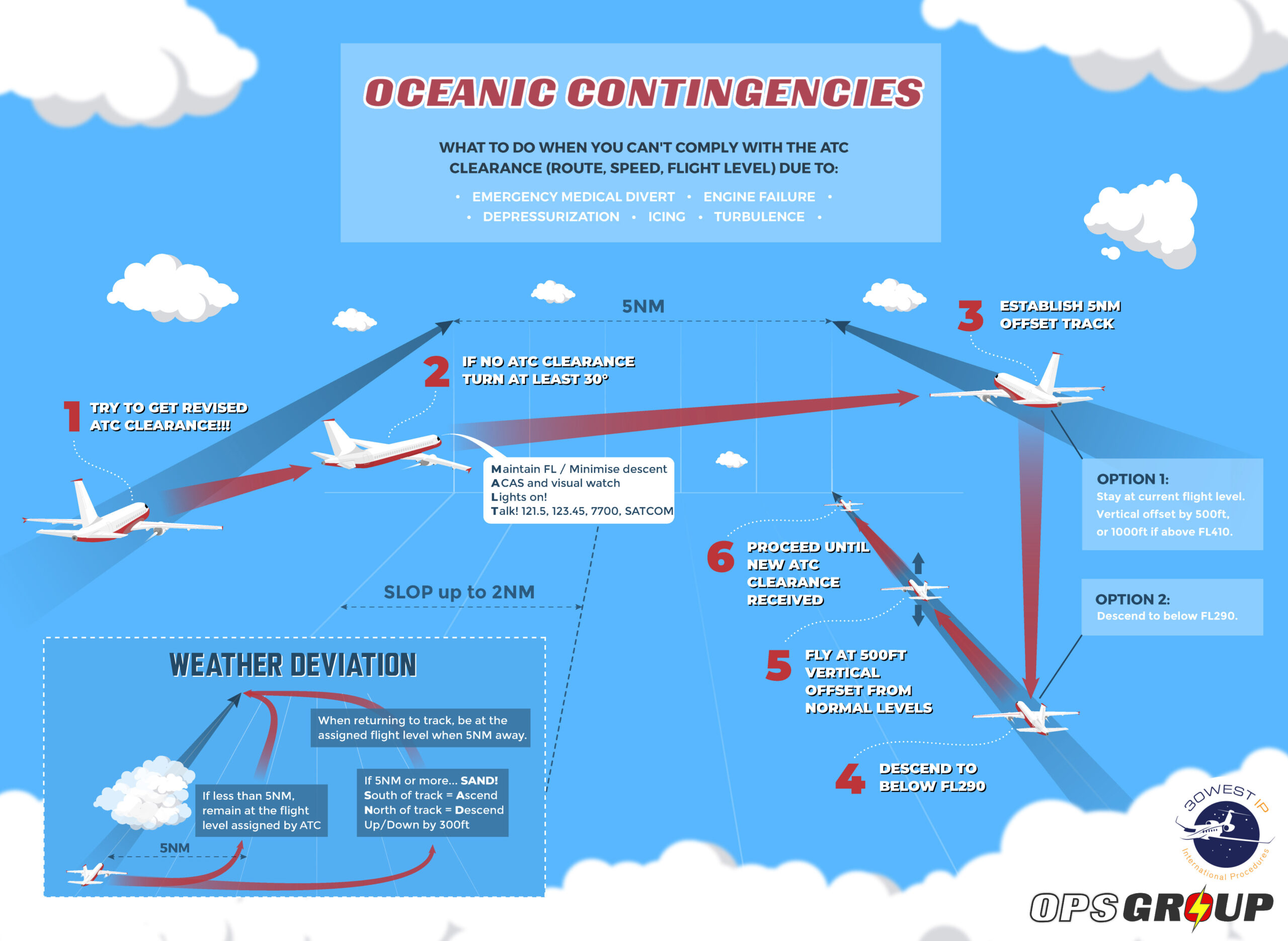
  • Know your Contingencies: We added the picture above to help. Read more about this here.

And don’t forget to SLOP.

Keep up to date on NAT info

Photo @Algkalv from Wikimedia Commons


Spot The Difference: Oceanic Airspace With Non-Standard Contingency Procedures

On 5th November 2020 the new ICAO PANS-ATM Doc 4444 sprung into action like a super hero in a paper cape. Doc 4444 is the Standard for Air Traffic Management. It is a big deal in the world of documents. It is what provides the worldwide recommendations on Procedures for Air Navigation Services, including those for Contingency and Weather Deviation situations.

But…

That does not mean states have to follow it. They really should. But if they don’t that is ok, they just need to let everyone know in their AIP what their different procedures are.

One Contingency Procedure to Rule them All

So, on 5th November the new recommended Contingency Procedures came into being. In fact, these were the procedures that had been in place in the North Atlantic Region since March 2019. But with the release of the new ICAO Doc 4444, the plan was for these procedures to now be rolled-out everywhere – so there would be one standard set of Contingency and Weather Deviation Procedures for all oceanic airspace worldwide.

The procedure is straightforward: Contingency offsets that previously were 15nm are basically now all 5nm offsets with a turn of at least 30 degrees.

Here’s how it works:

But you know this already, so why are we repeating it?

And that would be great. Pilots, no matter where they are, would know exactly what to do when something goes wrong. But…

Some places aren’t playing by the (new) rules

There are four named oceans on Earth – the Atlantic, Pacific, Indian and Arctic. They are quite big. So big they are often “broken” into North and South as well, and who rules the airspace above said oceans is a mishmash of who borders what bits.

This means while you might just be routing over the Indian Ocean, you might not just be under Indian control, which also means the contingency for each bit of airspace might vary since it is up to each State to decide whether to implement the standard procedure over their bit of the ocean. And not all of them have.

So which ones do we know of that you still need to look out for?

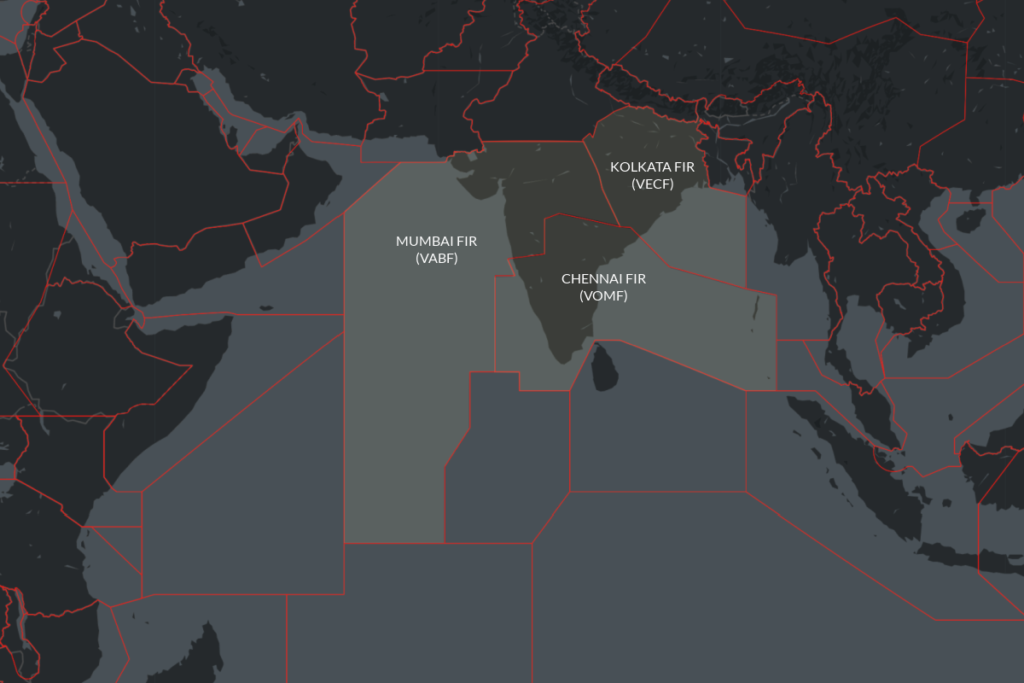
India

India control a big bit of Oceanic Airspace which falls under their VABF/Mumbai, VOMF/Chennai and VECF/Kolkata FIRs.

Until August 12 2021 India did not follow the standard ICAO contingency. From then, they do.

Here is a copy of the new AIP SUP updating their manuals.

China

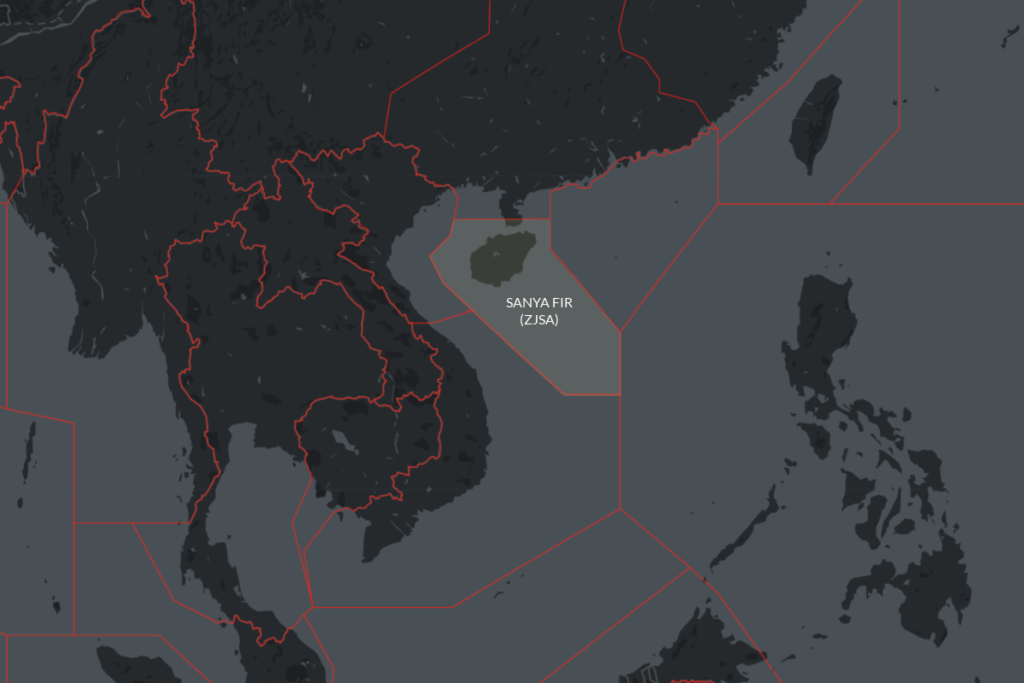
The ZJSA/Sanya FIR includes an oceanic portion in the South China Sea. It is a “marginal sea” that is part of the Western Pacific Ocean (marginal meaning: would just be the ocean only a bunch of islands and archipelagoes sort of divide it off a bit).

China also do not follow ICAO standard contingencies and instead require you to turn 90 degrees right or left, offset by 25nm and then climb or descend 500ft.

China are pretty strict on deviations and detours. They even use different sized airways in some spots. So check their AIP and China specific Rules and Regs before a flight.

French Guiana

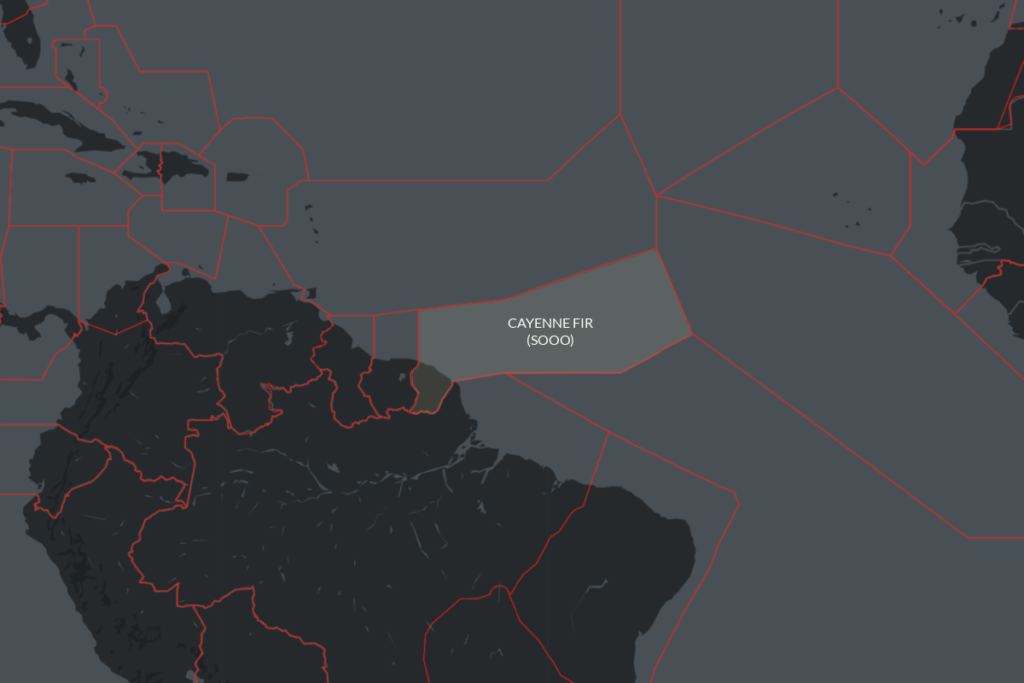
The SOOO/Cayenne FIR extends halfway across the South Atlantic Ocean towards Cape Verde and the West African coastline. The procedures here are also yet to be updated. The French AIP here has the info (ENR section 1.8.5) and tells you to turn left or right by 90 degrees, offset by 15nm and climb or descend 500ft. Nothing strange, but it ain’t your ICAO standard.

French Polynesia

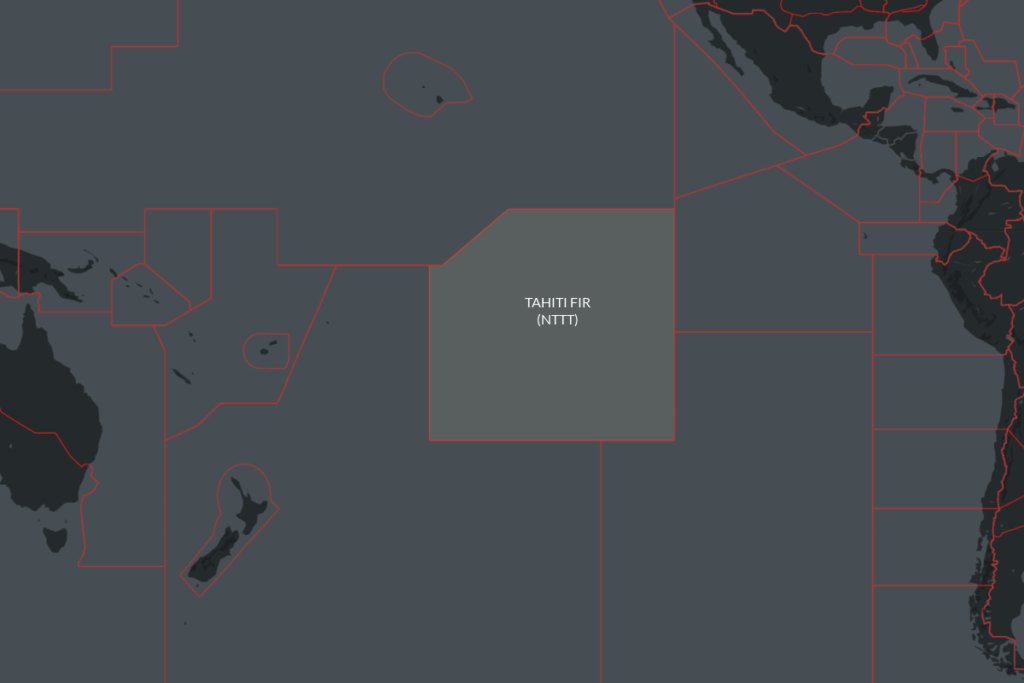
The NTTT/Tahiti FIR in the Central Pacific ocean is another one that comes under the French AIP and still uses old procedures – the now familiar 90 degrees left or right and 15nm offset.

Cape Verde

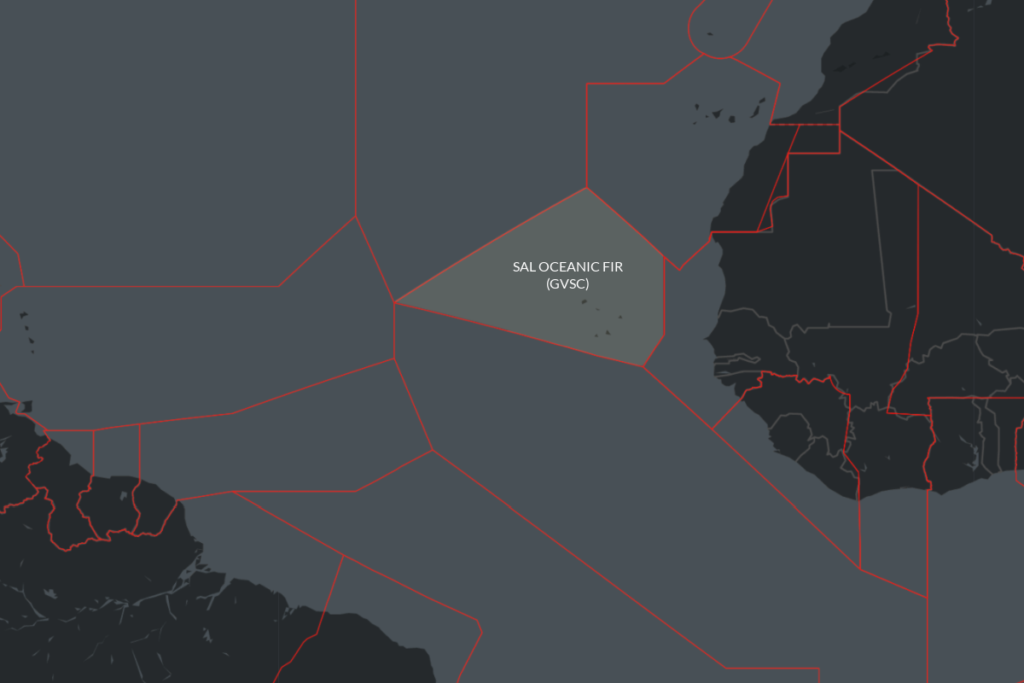
In the GVSC/Sal Oceanic FIR you are also going to find the old procedures are still in force – the 90 degrees left or right and 15nm offset. You might also want to keep an eye on areas with only 30nm separation and avoid shooting through those 15nm offsets.

Malaysia

The WMFC/Kuala Lumpur FIR Oceanic Airspace requires a 90 degree left or right and 15nm offset

Maldives

They don’t refer to the VRMF/Male FIR as ‘Oceanic’, we think it is so we are not sure on this one. We do know that if you need to do an emergency descent, they want you to remain on away T456. If you are on airways Z653 or Z749 then you can leave the route.

Seychelles

There is a special procedure if you are in FSSS/Seychelles Oceanic FIR. It is in the Seychelles AIP SUP 02/2014. The procedure is a 45 degree turn and a 15nm offset. If you are able to maintain your flight level then once at 10nm, select a level 500′ different to assigned (if at or below FL410), or 1000′ different (if above FL410)

If unable to maintain your assigned level, then pick a level you can maintain and apply the 500’/1000′ difference above, but watch out for aircraft who might be on a SLOP

Where else? We need you to tell us!

If you are flying through a region and spot a non-standard contingency or “different to ICAO” note in the AIP then be a superhero and share it with us, and then we can share it with you all and help keep everyone safe and up to date. Email us at: news@ops.group


One Contingency Procedure to rule them all

From 5 Nov 2020, there will be one standard set of Contingency and Weather Deviation Procedures for all oceanic airspace worldwide.

If you’ve been flying in the North Atlantic Region over the past year and a half, you’ll be familiar with how it works – the new procedures were introduced there back in March 2019, and now they’re being rolled out everywhere.

The FAA has already published a Notice to say that these procedures will take effect in US oceanic airspace from 5 Nov 2020, and ICAO is expected to formally publish the Standard in an update to PANS-ATM (ICAO Doc 4444) to take effect from the same date.

Rarely do we see worldwide oceanic contingency procedures undergo a formal revision. The last time a major revision occurred was in 2006 when ICAO standardized a 15 NM offset executed with a turn of at least 45 degrees. Prior to that, the North Atlantic and the Pacific had used different offset distances and a 90 degree turn.

Wait… what are “contingency procedures”?

These are basically any time you have to do things differently if you need to deviate from your cleared route, and for one reason or another you cannot get permission from ATC first.

Why would you need to bust your clearance? You may not have the ability or capacity to communicate with ATC, or they may not be able to respond to your request quickly enough for a variety of reasons – meteorological conditions (severe turbulence and weather avoidance), aircraft performance, loss of pressurisation, immediate diversion, or a loss of navigational accuracy.

What are the new procedures?

The short answer
Contingency offsets that previously were 15 NM are basically now all 5 NM offsets with a turn of at least 30 degrees (not 45 degrees).

The long answer
Read the FAA Notice.

The slightly less long answer
– Turn at least 30 degrees (reduced from 45) to the left or right of track and establish yourself on a parallel track that is offset by 5nm (reduced from 15).
– The direction of turn is up to you, but you should consider airways around you – the likely direction of other aircraft, the applicable SLOP procedures, the direction of your diversion airport and of course terrain. (If going left or right is a 50/50 choice, going right is probably better – it gets you out of the way of all the SLOP offset traffic that might be coming at you from the opposite direction!)
– When established on your offset track, maintain an altitude that is vertically offset by 500 feet from normal levels (or 1000 feet if above FL410).
– In areas of parallel airways, it is recommended you descend below FL290.
– Watch your TCAS, and if possible, keep your eyes outside for other aircraft.
– Make sure your transponder is set to TA/RA (if able).
– Be seen – turn on as many exterior lights as possible.
– Squawk 7700.
– Try and talk to ATC via voice or CPDLC, and declare a PAN PAN, or MAYDAY.
– Establish comms with other aircraft on 121.5 MHz or 123.45 MHz. Make a position/intention report as you would in TIBA procedures.

The best answer
A picture! So often the best answer. And this one’s pretty neat. Not least because you can click on it, download it, print it out, and put it in your flight bag to take with you. (If you’d also like to laminate it, we’re ok with that).

Weather deviations

If you have to deviate from your assigned track due to anything weather-related, there’s a whole different procedure to follow.

Here’s what to do:

  • In the first instance, up the urgency with the phrase “WEATHER DEVIATION REQUIRED.” ATC will attempt to provide separation, and if they can’t they will ask you to advise your intentions.
  • If you intend to deviate, let them know. Say something like – “I am deviating under PIC emergency authority. At 5 NM from course I will employ the Weather Deviation contingency.”

Then apply the following:

  • Declare a PAN.
  • Deviate away from other airways if practical.
  • Talk to other aircraft on 121.5 and 123.45.
  • Keep an eye on your TCAS and outside.
  • Turn on all your exterior lights.

For deviations of less than 5 NM, remain at the flight level assigned by ATC.

For deviations of 5 NM or more, when you are at the 5 NM point initiate a change as follows:

If flying EAST, descend left by 300ft, or climb right by 300ft.

If flying WEST, climb left by 300ft, or descend right by 300ft.

In other words – SAND! (South of track = Ascend, North of track = Descend; Up/Down by 300ft)

Once you are back on track, resume your cleared level. If you’re already deviating and cannot get a clearance to deviate further. Change your level immediately in accordance with the table above.

Turnback procedure

The new guidance has left out any specific reference to how to divert across the flow of traffic or turn-back procedure, and instead simplified it to just “proceed as required by the operational situation”. Turning back would assume you either employ the 5NM offset as per the new contingency procedure, or else get a new revised clearance.

Bottom line

Download the pic, and give the new procedures a good read (they’re not actually that long). Beginning 5 Nov 2020, the new procedures are expected to be implemented. You might want to prepare changes for your ops manuals and checklists too.