


Update March 2026
Before we get into the basics, here’s a quick update for those of you who’ve been on the long, boring, confusing EES/ETIAS rollercoaster over the past few years. Two useful new things worth flagging:
Operator Guide PDF: If you’re trying to get your head around how all this actually works in practice, PNRGO have put together a solid step-by-step operator guide you can download here. It walks through the carrier interface, how the queries work, and some of the edge cases you’re likely to run into.
Webinar this week: They’re also running a free webinar on Thursday 19 March at 1600 UTC that’s worth a join if you’ve got questions. They’ll run through EES, what’s coming with ETIAS, and share some early lessons from operators already using the system, plus a live Q&A. You can register here.
And now for the basics…
Key Points
- The EU is rolling out two new border systems that affect passenger flights into the Schengen Area: EES and ETIAS. These change how certain travellers are checked before departure.
- EES and ETIAS are run by eu-LISA, the EU agency responsible for large-scale border IT systems.
- The most important upcoming date is 10 April 2026. From then, operators must check short-stay Schengen visas (single or double-entry) holders via the eu-LISA carrier interface before departure, confirming they have unused entries.
- Visa-free travellers are not affected yet. Checks for them will come later under ETIAS, expected in late 2026.
- EES is also being rolled out at borders. Airports across Europe are gradually switching to the new digital entry system. During the transition period, passports may still be stamped in some places.
EES
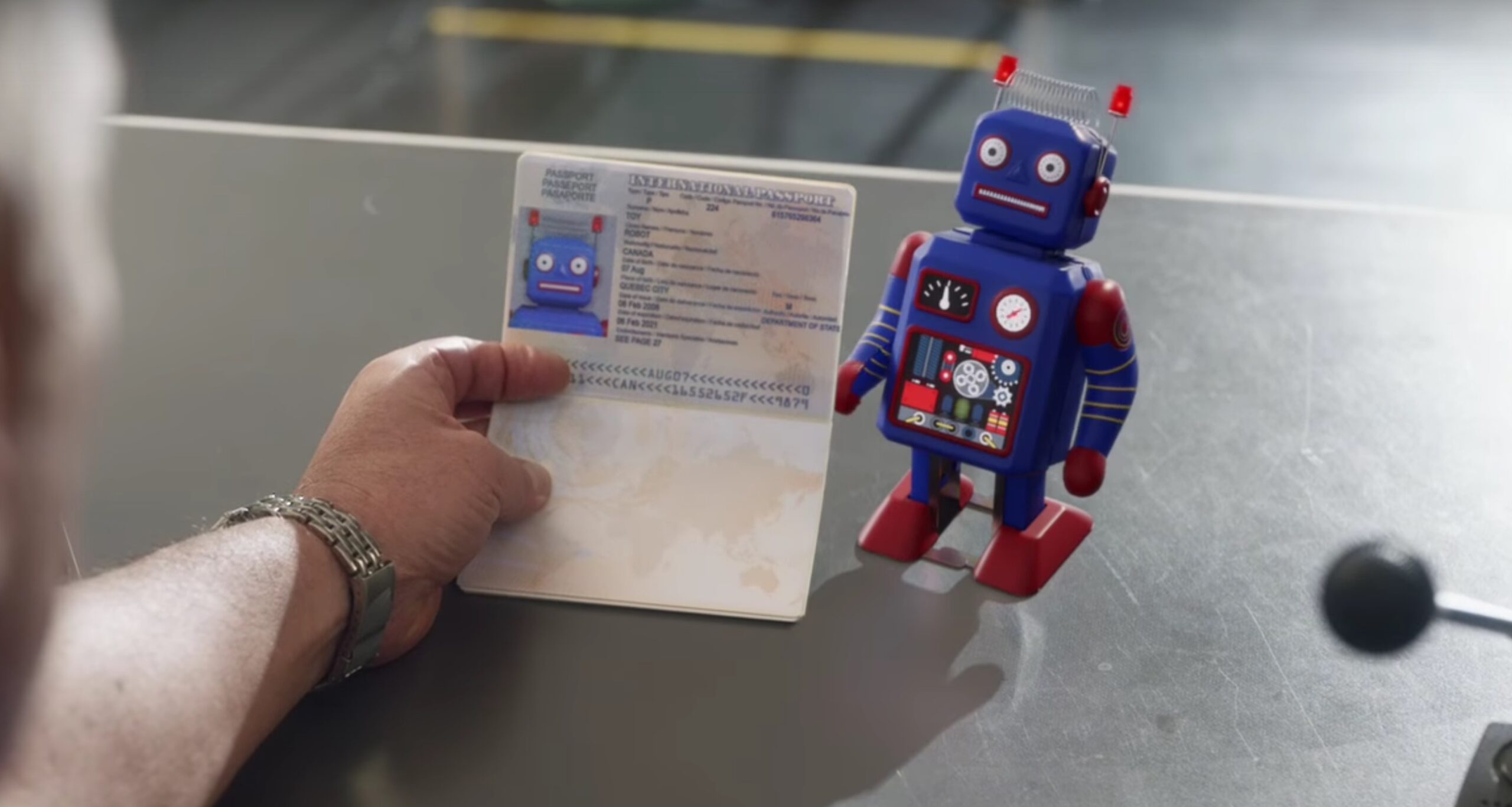
Think of EES as the EU’s digital replacement for passport stamping.
Instead of relying only on stamps, border authorities will now record entries and exits electronically when travellers cross the external Schengen border.
For operators, the main operational change is the pre-departure visa check.
If you are bringing passengers into the Schengen Area from outside Europe, you must query the eu-LISA carrier interface before departure to confirm that travellers holding short-stay Schengen visas (single or double-entry) still have valid entries remaining.
If a passenger without valid authorisation is transported, the operator may face penalties and could be required to return the passenger.
These checks become mandatory from 10 April 2026.
They only apply to travellers holding short-stay visas. Visa-exempt travellers (like US passengers) are not included in this step.
The query can be made any time within 48 hours before departure.
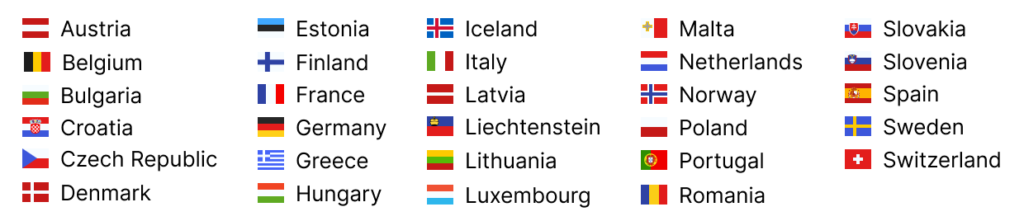
The system currently covers 29 European countries participating in the EES programme:
ETIAS
ETIAS is a separate system that will apply to visa-exempt travellers.
It will apply to 30 European countries (the 29 EES countries plus Cyprus).
It is essentially the EU’s version of the US ESTA: a short online travel authorisation required before travelling.
When ETIAS launches (currently expected late 2026), operators bringing passengers into the Schengen Area will need to verify that travellers who require ETIAS have a valid approval before boarding.
Operators will perform this check through the same eu-LISA carrier interface used for EES.
As with EES, the verification query can be made within 48 hours before departure.
ETIAS is expected to include a transition period followed by a grace period, meaning enforcement will ramp up gradually after launch.
The ETIAS fee will be €20, waived for travellers under 18 or over 70.
For more info on all the basic stuff of EES and ETIAS, check out the homepage here.
Are private flights exempt?
Since 2024 we have asked eu-LISA this question many times, in different ways. Their position had always been the same. They told us that EES and ETIAS apply to commercial flights, not private flights.
They confirmed that:
- Private flights with non fee paying passengers are out of scope for EES and ETIAS.
- This remains the case even if the pilots are paid to operate the aircraft.
- Operators using privately owned aircraft for private purposes are not considered “carriers” and do not need to connect to the carrier interface.
- Company owned and operated aircraft flying to the EU for private purposes also fall under the private flight definition.
Based on this, the industry understanding was simple: private flights did not need to do EES or ETIAS.
However!
In Jan 2026, eu-LISA refined this position, with a new and much narrower distinction. They told us the following:
Privately operated flights that are not open for public use, with a crew hired directly by the aircraft owner, do not need to comply with EES and ETIAS obligations, therefore, no need to register with eu-LISA and query the travellers in scope of EES and ETIAS.
Flights of private aircrafts managed by a professional operator (crew, maintenance, handling, etc.), or managed by a commercial charter operator, even if the flights are not open for public use, need to comply with EES and ETIAS obligations, therefore, the operator needs to register with eu-LISA and query the carrier interface.
Therefore, if you transport solely the owners of the plane and their guests, you will not need to register with eu-LISA.
In other words:
Owner-operated private flights with owner-hired crew = no EES / ETIAS.
Professionally managed or charter-operated private flights = EES / ETIAS required.
This explains why two aircraft that both look like “single owner private flights” can now fall on opposite sides of the rule, depending on how the aircraft and crew are managed.
Why some private flights are registering anyway
Several OPSGROUP members who do purely owner-operated private flights have told us that they have registered for the system anyway. The benefit of doing this is that you will be able to confirm prior to the flight that your pax have all the proper documentation they need – potentially avoiding any nasty surprises on arrival.
With the EES system, passports will eventually no longer be stamped. For visas that allow only a limited number of entries, operators will otherwise have no easy way to confirm whether those entries have already been used unless they query the system.
Also, similar story when ETIAS starts. Though there will be a website to confirm a passenger has an approved ETIAS, eu-LISA says there are a lot of reasons for an ETIAS to be revoked, so checking the system prior to the flight will help make sure the ETIAS is still valid.
More info for operators
For more info, you can check the eu-LISA homepage for operators here.
For answers to pretty much all the questions we can think of, including how to actually use the system as an operator, check this FAQ document provided by eu-LISA.
More reading:
- Latest: Paris Ramp Checks: Illegal Charters and Tax Avoidance
- Latest: Middle East Airspace – Current Operational Picture
- Latest: Greenland NAT Alternates: March 2026 Update
- Safe Airspace: Risk Database
- Weekly Ops Bulletin: Subscribe
- Membership plans: Why join OPSGROUP?





 Get the famous weekly