Boston is getting busy again, and PPR requirements are coming back for BizAv flights at KBOS.
The PPR program is expected to run roughly from April 21 through October, similar to previous years. During this period, all non-scheduled flights (private and charter, Part 91 and 135) will need PPR, issued on a first-come-first-served basis via Signature Aviation.
It’s not just the usual summer congestion. Several construction projects are currently underway on the airfield, including electrical upgrades, taxiway rehabilitation, and other infrastructure work that may occasionally slow things down on the ground this season, as shown in the latest FAA construction outlook.
If you do get PPR, you’ll need to stick closely to your approved schedule. Signature Aviation remains the only FBO at Boston, and based on current guidance aircraft are limited to a maximum stay of 2 nights on the ground. PPR requests can currently be submitted up to 60 daysbefore the planned flight.
If you don’t stick to the rules, there are some pretty hefty fees involved. Here’s the updated table of scary costs for getting things wrong.
Where else to go?
For drop-and-go’s, you could reposition to KBED/Bedford airport for parking. KBED looks like it could be a good option, as they are open H24 (tower is open from 07-23 LT), have a 7,000 ft runway, and the airport is only 20 miles from Boston – they do also handle international flights too, so you could always just fly there directly instead. The Signature page for KBED is here.
One other option is KBVY/Beverly airport. Flight Level Aviation is the sole FBO there, and fees can be lower than KBED. The airport only has a 5,000 ft runway, and does not have 24/7 customs coverage, but you can contact the CBP office at KBED to make arrangements. Drive time from KBVY into downtown Boston is roughly equivalent as from KBED. The Flight Level Aviation page for KBVY is here.
2026 Davos World Economic Forum: Airport Restrictions
written by David Mumford | 12 April, 2026
The World Economic Forum will take place in Davos from 19-23 Jan 2026. Parking at airports in the region will be limited – make sure you reserve your spot asap!
Here’s what to expect at the airports:
LSGG/Geneva
BizAv flights will need parking permission from Jan 16-26 due to congestion.
Airport operates roughly 0600-2200 local time for BizAv. Arrivals outside these hours need prior approval and are not guaranteed, especially during WEF. If you arrive late without approval, expect a diversion.
Repositioning from LSGG to LSMD will not be allowed – aircraft would have to land and depart directly from LSMD.
LSZH/Zurich
Maximum 2 hour ground time for BizAv without parking permission (so drop-and-go’s are fine, as long as you stay within that 2 hour window).
You will not be able to use LSZH as an alternate from Jan 16-24.
Airport operates from 0600-2200 local time daily, and overtime is not available – make sure you land before closing time or you’ll get diverted to another airport.
Customs clearance is available at the FBO for up to 24 pax. Any more than that and they will need to clear through the main pax terminal instead.
Repositioning from LSZH to LSMD will not be allowed – aircraft would have to land and depart directly from LSMD.
Located in downtown Zurich. Normally a military airfield, but opens to civilian traffic each year for the Forum. BizAv flights can only operate here during this period if pax are heading to the WEF.
During the event, they are open from 0700-2100 local time weekdays, and 0900-2000 on weekends. No overtime available.
Slots not required, but PPRis required.
Customs clearance is provided in the military terminal building.
Here is the 2026 pilot guide for operating at LSMD, it has all the information from the Swiss airforce which is applicable for this years event.
Operator report: A few years ago, several operators were issued SAFA findings at LSMD, due to the fact that the ILS GS is 4.5°, which qualified for a steep approach in their AFMs, which they did not have approval for. My info shows the ILS is still 4.5° and the RNP is 4.4°. Operators planning on using Dubendorf may want to check this out.
LSZR/St Gallen-Altenrhein
Could be a good option – if you’re small enough to cope with their 4774ft runway!
Opening hours: 0630-1200 and 1330-2100 local time Mon-Fri, 0730-1200 and 1330-2000 Sat, 1000-1200 and 1330-2000 Sun.
The standard fire cover is Cat 2, but they can provide up to Cat 6 for an extra fee.
No slots or PPR are required.
Parking is available, hangar might be available on request (up to G650/GLEX etc).
First things first, this is a VFR airport with some IFR traffic. Pilots heading here need to take this test first. If you haven’t flown in here before, now might not be the best time to give it a try, because…
For the WEF, the airspace around Davos (which includes LSZS airport) will be restricted: there are special procedures for arrivals and departures, and all flights need PPR. The airport has published this briefing which includes everything you need to know.
Open from 0800 local time until “the end of evening civil twilight” – as they beautifully put it. Customs clearance is available during these times.
Landing permits are not required for private BizAv flights to Switzerland or Germany. You’ll only need a landing permit if you’re operating a charter flight on an aircraft not registered in the EU.
Each French ATC strike is different, but there are some things that are pretty much the same every time. Here is what you need to know, in order to survive!
What happens?
There’s a normal pattern to French ATC strikes – controllers who are unhappy about a range of issues (mainly salaries and labour reforms) announce they plan to go on strike, Eurocontrol puts a plan in place to mitigate the disruption as best as possible, and airlines start cancelling flights – sometimes voluntarily, other times under the instruction to reduce their schedules.
So let’s break that down a bit…
How do strikes get announced?
Often on the Notams, to start with. And the Notams that get published prior to these strikes are often fairly similar, and tend to be a bit vague. That’s because they never know exactly how many staff will go on strike until the day itself, when they look around the control room and count the number of empty seats.
Then what happens?
Eurocontrol tell us about the Notams – in the “Network Headline News” section at the top of the NOP website.
strike fest
Then they start figuring out what they think the impact will be. They normally host a teleconference or two, where a bunch of their ATC personnel jump on a call with airlines and other interested parties to discuss what they think will happen.
Then they publish a “Mitigation Plan”. This tells you:
Their best guess of how bad the strike is going to be
What to expect for flights to France
How best to avoid French airspace.
The big day arrives… it’s strike time!
Smaller airports – These tend to have the harshest restrictions applied, often with periods where no ATS services are provided at all.
Bigger airports – During the really big strikes, the larger airports can get hit pretty hard too, and when Notams start getting published saying “MINIMUM SERVICE”, that’s when you know that things are getting serious – as that basically means that only 50% of FPLs are being accepted (the absolute minimum allowed under French law, regardless of whether or not a strike is taking place).
Impact – The airlines will often be told to cut their schedules at the big airports. For the rest of us, expect delays if flying to airports in France as well as for French overflights – because unlike most other countries in Europe, when French ATC goes on strike, there’s no special exemption for overflights!
French ATC strikes may also impact French overseas territories – so keen an eye on the Notams at the likes of NTAA/Tahiti, SOCA/Cayenne, TFFF/Martinique, TFFR/Pointe a Pitre, FMEE/Reunion, and FMCZ/Mayotte airports as well as those in France.
Where to look for live updates?
For real-time updates of any airspace issues once the strike has started, keep an eye on the “Tactical Update” section of the NOP, as well as this French ATC webpage:https://cdm.dsna.fr/
For smaller airports, best check the Notams directly, as they might get forgotten about in the deluge of information that gets published and endlessly updated for the other larger airports.
Routing around French airspace
The Mitigation Plan should be your first port of call here. Make sure you’re checking the latest version. It will tell you what to do!
Here’s what it normally says, every time:
Tango Routes are subject to higher than normal demand when strikes are on. Flights intending to route to/from Canaries, Madeira and mainland Portuguese and Spanish destinations via the Shanwick Oceanic Control Area (OCA) are usually requested to flight plan via published routes T9, T213 or T16. During the strike period, ATC normally won’t let you cross from one Tango Route to another.
Tunisia allow overflights without the need for an overflight permit.
Algeria allow scheduled commercial flights to overfly its airspace without a permit, but all other flights must have one.
For routes through Tunisia/Algeria, check the Mitigation Plan for the permitted routings. And make sure to add the right AFTN codes on flight plans! That means as well as filing your FPL to the normal Eurocontrol addresses, you must also include those for Algeria (DAAAZQZX) and Tunisia (DTTCZQZX and DTTCZRZX) – and make sure these are included for any subsequent DLA messages as well.
Shanwick always publish something on the NOP telling us what entry points to use for NAT crossings. For westbound NAT crossings heading over the central Atlantic (rather than the NAT Tracks up north), they normally want us to file via OMOKO (or west of) or PASAS in order to best avoid all the extra traffic on the Tango routes. If you’re entering the Shanwick OCA, you must have HF radio. And for oceanic clearance during the strike, you need to make sure you request your oceanic clearance 40 minutes before entry to the ocean.
US Pre-Clearance: How does it work?
written by David Mumford | 12 April, 2026
What is US Customs and Border Protection Pre-Clearance?
This service basically allows aircraft flying from certain approved airports direct to the US to complete their entry procedures at their departure airport – instead of on arrival in the US.
Where can I do it?
If you’re a bizav flight (i.e. private or charter), you can only do it at EINN/Shannon and TNCA/Aruba.
Scheduled airline flights can do it at these airports too:
Where can I fly to in the US once I’ve Pre-Cleared?
Turns out it’s not that easy to find a list of US airports approved for the arrival of Pre-Cleared aircraft. But thanks to Signature FBO at EINN/Shannon, here is a copy:
Click for PDF.
Finding a list of US International Airports of Entry is pretty easy, just go to the CBP website and use their interactive map. But it’s worth noting that not all US International Airports of Entry are on the list of those approved to accept Pre-Cleared flights, due to lack of agriculture agreements, and/or local CBP agreements there.
Click for CBP website.
How does Pre-Clearance work in reality?
US CBP has published this guide on exactly how the Pre-Clearance service works, but here’s the lowdown:
Request the service with CBP – Get in touch with CBP telling them that you want to do it! Pass them a bunch of information – details about the flight, passengers and crew. You can do this step through your ground handler (recommended).
Submit APIS – Slightly tricky here, because for Pre-Clearance you have to submit this no less than one hour before the scheduled Pre-Clearance processing time itself, rather than the departure time from the Pre-Clearance airport. For example, you want to fly from EINN-KALB at 2pm, and you’ve got your Pre-Clearance set up for 1pm, so that means you need to file your APIS no later than 12pm!
Pre-Clearance approval – US CBP will email notice of approval, including the appointment confirmation number.
The Pre-Clearance procedure – When you arrive at the Pre-Clearance airport, CBP will conduct the same procedures as if you were at an airport in the US. Travelers and luggage are screened and the aircraft is inspected.
Departure – Crew, passengers and luggage board the aircraft, and off you go. (And remember – no opening of any aircraft doors from this point before departure!) The kindly CBP chaps you’ve just dealt with will zap your info across to their counterparts at whichever US airport you’re flying to, so everything should be nice and smooth on arrival.
Arrival – Upon arrival in the US, bag up your garbage for CBP to collect. Note that if you have to land somewhere other than where you said you’d be landing in your APIS, Pre-Clearance approval will be voided and you’ll have to go through the normal entry process.
Remember, if you’re a bizav flight, you can only do Pre-Clearance at EINN/Shannon Airport or TNCA/Aruba. So here’s some info specific to both of these airports…
Pre-Clearance at EINN/Shannon
One of the FBOs there is Signature Aviation, and they have provided a summary of what you can expect when you Pre-Clear, with a few more details than the basic summary above. You can download the PDF here, but key points are: you must give 24hrs notice, and the CBP office opening hours are 0900-1700 local each day with out of hours available between 0700-0900 and 1700-2100 local. You can contact them at snn@signatureflight.ie.
Pre-Clearance at TNCA/Aruba
Jet TNCA is the only FBO at Aruba, and they can provide Pre-Clearance to bizav flights. They need 24hrs notice, it costs $315, and CBP there are open from 0930-1100 and 1530-1700 local time each day (not available on afternoons at weekends). You can find more info here, and contact them at ops@jet-tnca.com.
A note on the US Virgin Islands
Technically, airports in the Virgin Islands “offer” this service too, but it’s not really Pre-Clearance in the same sense as at EINN and TNCA – here it’s actually more of a requirement than an optional extra. The US CBP say the following:
For flights leaving the USVI enroute to other United States locations, GA aircraft operators are required to contact CBP in the USVI prior to departure. Aircraft cannot be moved from the U.S. Virgin Islands to other U.S. locations until CBP Agriculture Specialists (CBPAS) have:
had the opportunity to inspect the aircraft;
crew, and passengers; and
the CBPAS has provided clearance for departure from the USVI.
Standard Aviation FBO at TIST/St Thomas say that Customs requires a minimum notice of 2hrs in advance of the appointment time. Appointments are available 7 days a week from 0800-1630 local, and it costs $250. Contact them at ops@sa-stt.com.
That MMEL Thing: Here’s an Update
written by David Mumford | 12 April, 2026
It looks like there might finally be a solution to the long-running MEL vs MMEL issue for US operators headed to Europe, keen to not get a ramp check finding!
The brief Backstory
Since 2017, US aircraft have been getting hit with ramp check findings in Europe because EASA decided that the D095 LOA wasn’t good enough – they wanted to see a D195 LOA instead, but it was taking operators a long time to get these approved by the FAA in the US due to a big backlog of applications.
The Solution
The FAA has published an updated Advisory Circular (AC 91-67A) which speeds up the process of getting this D195 LOA.
The NBAA have reported that the FAA has also updated guidance to its field offices, who will now issue the LOA after a brief review, provided the application is accompanied by an “attestation letter”.
The slightly longer Backstory
Over the past few years, ramp checks on some US aircraft in Europe highlighted an important issue – EASA and the FAA have different interpretationsof the ICAO standards regarding deferring aircraft discrepancies.
In the US, with FAA authorization operators can use a master minimum equipment list (MMEL) to defer repairing certain equipment. But in Europe, MMEL cannot be used in lieu of an MEL specific to each aircraft or fleet.
The European Aviation Safety Agency (EASA) began requiring all aircraft transiting European airspace to have an approved Minimum Equipment List (MEL) for each, individual aircraft (i.e. a D195 LOA). An MEL that references the MMEL was not acceptable (i.e. a D095 LOA).
This was a pain for US operators, as to get an individual MEL approved under the LOA from the FAA takes time – but by not doing so, they ran the risk of getting a ramp check finding in a European country. (France seems to be the place where this happens most often!)
At the start of 2018, the rumour was that the FAA and EASA reached an agreement: the FAA would start requiring international operators with D095 LOAs to obtain new D195 LOA’s instead, and in return EASA would halt any findings for a period of 12 months to allow for these new LOA’s to be issued. There was no official announcement on this, but SAFA data did indicate that ramp check findings for use of D095 were greatly reduced for a time.
The FAA proposed a policy change to phase out the D095 LOA over the next 3-5 years, and to work out a streamlined approval process to issue everyone with D195’s instead.
The French CAA said they would stop issuing ramp check findings once the FAA has launched the new policy.
FSDOs across the US then started processing the backlog of D195 requests from operators (there were lots!). In the meantime, US operators with the D095 LOA continued to face the same old MMEL findings on ramp checks in Europe.
A period of temporary relief of the North Atlantic Datalink Mandate (NAT DLM) rules ended in Feb 2021. So since then, aircraft need to be CPDLC and ADS-C equipped to operate between FL290-410 throughout the NAT region.
Exceptions – areas where you DON’T need datalink
– Everything north of 80°North.
– New York Oceanic East FIR.
– Tango Routes T9 and T290. The other Tango routes (T213, T13, T16) all require datalink.
– ATS Surveillance airspace, where surveillance service is provided by means of radar and/or ADS-B, coupled with VHF. This includes the Azores, Bodo, and Iceland-Greenland corridor.
Tell me more about this “ATS Surveillance airspace”
This is a tricksy one.
NAT Doc 007 sets out the exempted ATS Surveillance airspace over Greenland and Iceland where you can still fly if you don’t have datalink (though if you don’t have it, you must have ADS-B!)
These go over Greenland linking Canada with Iceland via waypoint OZN, and are not fully contained in the exempted airspace. So if you’re flying these southerly Blue Spruce routes you will have to meet the NAT DLM requirements or fly outside of the vertical parameters of DLM airspace (i.e. below FL290 or above FL410). In other words: you needCPDLC and ADS-C to fly on the southerly Blue Spruce routes between FL290-410.
The northerly Blue Spruce routes
These are the ones going overhead BGSF/Sondrestrom airport. These do fall within the exempted area of airspace – so datalink is not mandatory if you’re flying here.
Only the northerly Blue Spruce routes are fully exempt from the NAT DLM.
Aircraftwithout datalink can request to climb/descend through datalink mandated airspace, but will only be considered on a “tactical basis” by ATC (i.e. you have to ask them on the day, and they’ll let you know, depending on how busy it is).
Flights that file STS/FFR, HOSP, HUM, MEDEVAC, SAR, or STATE in Field 18 of the FPL, are permitted to flight plan and fly through datalink mandated airspace, but may not get their requested flight levels.
For more details about the datalink mandate, check out the NAT Doc 007 in full here.
So, to recap…
Datalink Airspace: Remember, NAT DLM airspace only applies from FL290-410. Below or above that, you don’t need datalink in the North Atlantic.
If you have full datalink (CPDLC and ADS-C): You can go where you like. But watch out here – “full datalink” means you have Inmarsat or Iridium. HF datalink alone (ACARS) does not meet the satcom part of the NAT DLM requirement. So if you want to fly in NAT DLM airspace (FL290-410 in the NAT region) “J2” in field 10a of your FPL isn’t enough – you need “J5” for Inmarsat or “J7” for Iridium.
For GOTA airspace: You need a transponder, automatic pressure-altitude reporting equipment and VHF. If you have ADS-B, that’s helpful for ATC.
For the Blue Spruce Routes: You need datalink for the southerly ones, but not the northerly ones. (If you’re flying on these then you’re probably doing so below FL290 anyway, in which case you’re below NAT DLM airspace and don’t need datalink).
Authorities have announced a ramp check program will be in place from now until mid-Jan 2024.
They had a similar surge in ramp checks last year during the same period – the official line then was that this was instituted to ward off cabotage.
Make sure you have all the required docs on board – big fines apply for anyone missing anything important. Local agents advise these checks are taking up to 40 mins to complete.
Ramp Check Reports
We’ve had a few recent reports from OPSGROUP members who have been ramp checked at airports in Mexico:
MMZO/Manzanillo (Jan 2024)
Part 91 trip, Falcon. The Mexican ramp check/arrival was a bit more detailed than we’ve previously experienced. We frequent this airport and the customs/immigration officers opened every available panel, bag onboard, AND wanted us to open the avionics nose cone which was odd. We explained screwdrivers and a ladder were required – and they didn’t make us open it. An important note: we were repositioning empty into the airport and leaving with Pax that the handler is quite familiar with (in a good way).
Airport Permit /paperwork was issued without problems, but every potential crew member will need to be listed on the aircraft’s paperwork. Handler suggested operators should submit all possible names to prevent delays to their future ops. We requested the permit 48 hrs prior to landing and it came through just a few hours before we headed down there. Short notice trips will be unlikely. Permit good for 6 months, at this airport only.
MMTP/Tapachula (Oct 2023)
Part 91 customs stop, the whole process took exactly one hour from Block in to Block out. G600 with 15 pax and three crew.
– Upon arrival, the military and drug sniffing dogs were plane-side waiting for all the bags to come off(including crew bags). – They were snapping photos nonstop. – They did not want us to take our trash bags out. We just double bagged and left them in the lav. – Myself, our FA, along with our pax and handler walked about 100 yards to the customs building, in a light drizzle. – Bags got x-rayed and we waited while there was some back and forth between the customs agents. They stamped docs and permits which took a good 30-40 minutes. – Walked back out to the jet and departed with no issues.
MMTO/Toluca (Aug 2023)
Part 91 operator came in from the Caribbean on our way to Toluca. The ramp and customs personnel were there waiting for us and marshalled us to an area of the GA ramp. 30 yards or so from a covered entrance to the terminal. We were able to Leave the APU running with a crew member onboard. Passengers and crew were escorted into the terminal to clear. They did an exterior sweep and came on board the aircraft. I do believe all bags came off and went through security in a private area. I don’t recall any specific questions but the whole process took probably 25-30 minutes.
Here’s the list of everything you should carry on board for trips to Mexico in case you get ramp checked:
1) Airworthiness Certificate 2) Registration Certificate 3) Worldwide and/or Mexican Insurance stating Private use when flying Far Part 91 and Charter use when flying Far Part 135. When flying Far Part 135, it is mandatory to have both insurances: worldwide and Mexican. 4) Pilot’s licenses: both sides and stating aircraft type rating. 5) Pilot’s medical certificates: valid document according to crew role (Pilot in Command or Second in Command), type of flight and according to pilot’s age. 6) If holding Multiple Entry Authorization (MEA), this document and its corresponding payment receipt, must be on board. 7) For Charter operations, the following additional documents are required: a. Valid Air Operator Certificate (AOC): Copies are accepted considering this document might include many tail numbers (fleet). Payment receipt should also be included. b. FAA OST 4507 FORM copies are accepted considering this document might include many tail numbers. Alternatively, the appropriate exemption document, Certificate of Public Convenience and Necessity is also accepted. c. If holding a Mexican Indefinite Blanket Permit (IBP), this should be accompanied by the Mexican AOC, and the Yearly Verification (including payment receipt) for it to be considered valid. Copies are accepted considering this document might have many tail numbers. 8) The logbook (maintenance logbook) stating the most recent information about maintenance performed on the aircraft. 9) The authorization to operate as a mobile radio aeronautic station; (Aircraft radio station license/authorization). 10) The Flight Manual. 11) Noise Certificate. 12) The Minimum Equipment List (MEL) when the type certificate indicates it. 13) Mexican AIP (for Private flights, a Jeppesen Airway Manual has been sufficient in the past for this. Charter operators, however, are required to carry a copy of the Mexican AIP – you will need to subscribe to the AIP through AFAC and carry electronic copies onboard). 14) The preflight checklist. 15) If full or partial (inbound/outbound Mexico) route involves overflying the ocean, then a life raft and/or life jackets are required to be on board, according to the type of aircraft. Please note this is also a usual requirement, but Mexican CAA will also be double checking for this. 16) Weight and Balance Manifest. 17) First Aid Kit. 18) Jeppesen Manuals, (at least electronic format). 19) If operating Far Part 91 – Private flights, it is required to present a document stating the purpose of the flight, to include the name of the lead passenger and to declare its connection with the aircraft (owner, employees, etc). If accompanied, letter must declare the relationship of the passengers with the lead passenger (family, friends, employees, etc). This will prove there is no commercial purpose under any circumstance. To present this letter, having it notarized is not necessary.
Private flights watch out!
Private flights to Mexico on aircraft that are used for both private and charter flights should watch out – the authorities in Mexico will likely require further proof that you are, in fact, a private flight. So if the aircraft is not registered in the name of the pilot or one of the pax, the best thing to do is prepare a notarized letter identifying the legal owner of the aircraft and that the owner is authorizing the crew and pax to be on board. The letter should also clarify that the flight is a private, non-commercial flight.
Further Reading
For a look at some of the long-standing challenges affecting General Aviation ops to Mexico, as well as some of the more recent issues which maybe haven’t been widely reported yet, check out our article.
Jetplanner, FD Pro, Charts – down
written by Mark Zee | 12 April, 2026
Hi members,
As those of you immediately affected by this will already be well aware of, the majority of Jeppesen planning products are not working at the moment.
Foreflight (now a Boeing company) is working but their Notam feed is not.
There is a note on the “outage” on the Jeppesen website, but reports from members here indicate that phone support is not available, and information is scarce.
However, it does appear that Jeppesen is dealing with a ransomware attack, meaning they have a choice of paying a ransom to restore service, or find an alternate way of providing service. Much as the impact of the outage will weigh heavy on some operators, our thoughts are with Jeppesen – not a nice situation to be in at all.
Given the situation it seems lilkely that the outage may continue for some time yet.
We will post any updates here and in the #flightops channel on OPSGROUP Slack.
If you have any information, please share with the OPSGROUP Team.
Saudi-Yemen Airspace Update
written by David Mumford | 12 April, 2026
There’s an improving airspace risk picture in Saudi Arabia since a ceasefire was agreed in April – which has now been extended to Aug 2. All groups have agreed to halt the conflict inside and outside Yemeni borders. The first month of the ceasefire saw no reported drone strikes in Saudi Arabia.
However, long-standing airspace warnings remain in place. If the conflict resumes, Houthi drone and missile attacks on targets in Saudi Arabia pose a potential threat to ops at Saudi airports, and for overflights of the OEJD/Jeddah FIR. The most significant risk is in the south of the country along the border with Yemen, but OERK/Riyadh and OEJN/Jeddah airports have also been targeted in the past.
Back in March 2021, OEJN/Jeddah Airport closed temporarily following multiple attempted drone attacks. Saudi media reported dozens of drones were intercepted in their airspace, and the US Embassy also issued a statement. OERK/Riyadh Airport was targeted in June 2020 and again in October.
Much of the information comes from state media and cannot always be independently verified. In 2017, a New York Times investigation suggested that at least one of the most high-profile attacks from that year may not have been “shot-down” or intercepted by Saudi defense systems at all.
Saudi Arabia Airspace Risk
With the ceasefire now in place, we’re waiting to see if any of the countries who have issued airspace warnings for Saudi Arabia will amend their guidance.
Germany and Canada warn of a risk to landing anywhere in the country, but particularly along the border with Yemen in the southwest part of the OEJD/Jeddah FIR. France has issued similar advice, with the specific warning not to operate to OEAB/Abha, OEGN/Jazan, OENG/Nejran, OESH/Sharurah, OEWD/Wadi Al Dawasir and OEBH/Bisha airports:
The airports to really watch out for.
A note on Yemen
The first month of the ceasefire saw notably reduced hostilities in Yemen, and commercial flights resumed at OYSN/Sanaa Airport for the first in six years.
The situation at OYSN/Sanaa airport has been pretty bleak since it closed in 2016.
However, Yemen remains an active conflict zone, and the vast majority of Yemeni airspace (OYSC/Sanaa FIR) should be avoided. Several countries have prohibited flights here due to the ongoing conflict on the ground. The oceanic portion of the OYSC/Sanaa FIR is excluded from most warnings, by nature of being offshore. The guidance issued by the US FAA currently looks like this:
US operators are only allowed on M999 and UT702 offshore routes.
Essentially, US operators are banned from flying north of a line KAPET-NODMA-ORBAT-PAKER-PARIM-RIBOK. The US FAA specifically mentions UT702 and M999 as being ok to use.
Watch out for ESCAT
You might know this as SCATANA. ESCAT is the new name, but the process is the same – if you’re overflying the OEJD/Jeddah FIR and hear “ESCAT RULES ARE NOW ACTIVE” (or something to that effect) you need to be aware that these apply to you!
You will likely be given a change of route directly out of the airspace, or will be directed to land at the nearest suitable aerodrome. The purpose is to clear the affected airspace of all civilian aircraft at which point they close down all nav aids and airports until the threat has been dealt with.
ESCAT procedures are published in GEN 1.6 of Saudi Arabia’s AIP. If you don’t have a login, you can see the relevant section here. There are some special routes that you have to fly in the southern part of the OEJN/Jeddah FIR, as advised by Notam, and you can find these in AIP SUP 02/21.
SafeAirspace.net continues to provide up-to-date information for both Saudi and Yemen airspace.
L888 – The Silk Road Airway
written by OPSGROUP Team | 12 April, 2026
We received this interesting question this week:
We said: “There are four airways over the Himalayas (L888, Y1, Y2, Y3) which the Chinese authorities will only let you use if you have ADS, CPDLC and satellite voice communication, and operators need to verify their equipment with them at least 60 days in advance! So they recommend that only regular scheduled flights apply to use these airways.”
Member said: “We’ve not been allowed to fly these routes, costing time between Europe and Hong Kong. I’ve been unable to get a direct answer of why not from our local Universal Aviation reps except, “the authorities won’t allow it”. Per above, there appears to be a procedure to use these airways. What is the process to gain access to these airways? Our equipment is Gulfstream with everything including the kitchen sink.”
We will start with the answer
The process to apply for access to these airways is found in AIP CHINA Section ENR 3.3.2.4 “L888, Y1, Y2”.
12.1 A formal application shall be submitted to Air Traffic Management Bureau of the Civil Aviation Administration of China before air carriers operate data-link route, the application shall include:
” City pairs;
” Schedules;
” Starting time;
” Type of aircraft used;
” Satellite telephone numbers for the fleet;
” Procedure of emergent escape. (Y1, Y2 exceptive)
12.2 Flight plan notification of data-link capability is required before data-link services can be provided.
12.3 Aircraft equipped with serviceable ATS data-link equipment shall fill in ICAO flight plan forms as follows: a. Advice of data-link capability shall be included in Field 10 (Communication and Navigation) by using an abbreviation “J”. b. Advice of available data-link media shall be included in field 18 by use of the prefix DAT/followed by one or more letters, as follows:
” DAT/S for satellited data-link,
” DAT/H for HF data-link,
” DAT/V for VHF data-link,
” DAT/M for SSR mode data-link,
” DAT/SAT for satellite phone.
12.4 Serviceable ADS equipment carried will be annotated by adding the letter D to the SSR equipment carried.
12.5 Air Carriers are required to provide a list of satellite telephone numbers with each aircraft which flying along route L888, Y1, Y2.
Now, onto the interesting stuff. The process requires submission of a “Procedure of emergent escape”.
The available alternate airports for route L888 are (according to the AIP);
ZPPP/Kunming airport;
ZUUU/Chengdu airport;
ZWWW/Urumqi airport; and
ZWSH/Kashi airport.
This is where it can get a little complicated. The handful of “air carriers” authorized to operate over these airways have type specific ‘escape’ procedures such as this example which shows a B777-300ER ‘Depressurization Terrain Considerations’ on Y1.
There is also the consideration of additional crew and passenger oxygen. The GRID MORA is over 20,000ft for several hours.
If you’re flying routes over this airspace regularly with the same aircraft, meet the onboard aircraft requirements and are willing to invest in developing type specific escape procedures, then a submission to CAAC might be in order. Even then, it’s a complicated approval process and there is always the potential requirement to carry an approved onboard navigator for travel to certain domestic airports.
Another tip we picked up was to make sure you don’t change callsigns between the submission of your application and the date you fly. Some flight plans have been getting rejected close to departure due to callsign confusion.
Some history…
As you’ll probably already know, the Silk Road or Silk Route was an ancient network of trade routes that were for centuries central to cultural interaction originally through regions of Eurasia connecting the East and West.
The concept behind the Silk Road initiative was not new. As long ago as 1997, the Australian airline QANTAS commissioned a study that crossed part of the Tibetan plateau which determined that there would be substantial benefits for their B747-400 aircraft, and that suitable depressurization escape routes were able to be determined.
As recently as 2013 ICAO was working to expand routes over this airspace:
“ICAO presented information on a possible high density routing initiative for traffic from Southeast Asia or Southern China to Europe via north of the Himalayas, taking advantage of the latest Performance-based Navigation (PBN) navigation specifications. The Silk Road initiative was a proof- of-concept ATS route study, utilising RNP 2, RNAV 2 or RNAV 5 navigation specifications, and was first presented to the Asia/Pacific Regional ATM Contingency Plan Task Force (RACP/TF) as a possible future contingency system for traffic operating on Major Traffic Flow (MTF) AR-4, in case of airspace unavailability in South Asian FIRs.”
Bamako Airport has reopened following last week’s military coup which overthrew the government, though monitor GOOO/Dakar FIR and GABS/Bamako Airport Notams for further – it may change.
The Bamako TMA (which sits under the GOOO/Dakar FIR) remains operational with overflights unaffected.
ICAO is actively monitoring and ensuring that there is a timely flow of information on continued airspace/ATC service availability. MedAire have given us a local situation update: with the continuing uncertainty they recommend against overnights until things settle. There is likely to be a high demand for emergency/evac flights in the coming days, and they recommend those to be quick in and outs for now.
Meanwhile, the Northern Mali conflict continues, and there have been no improvements in stability. The US, Germany, France and the UK all have airspace warnings in place, advising to operate FL250/260 or higher, and avoiding GATB, GAGO, and GAKL airports. We would suggest, as usual, that a higher level closer to FL300 is more sensible.
Senegal and Niger control the airspace over Mali, and they have long-standing Notams (published under the GOOO/Dakar and DRRR/Niamey FIRs) warning that you can only fly between FL320-400 through the entire airspace in Mali north of the GABS/Bamako TMA due to military ops across the region. Here’s what that looks like:
The UK recommend against all travel to northern Mali, and against all but essential travel to the south of the country, including Bamako. The US advice is more straight-forward: do not travel to Mali due to COVID-19, crime, terrorism, and kidnapping.
For more info on operating in this region, check out SafeAirspace.net
Ops to Hong Kong are getting easier
written by David Mumford | 12 April, 2026
Following months of disruption in Hong Kong due to anti-government protests and then the coronavirus outbreak, the airport has decided to relax its “use-it-or-lose-it” rule for slots until the end of October 2020. This means airlines are allowed to keep their slots even if they don’t use them.
“Given the latest development of Covid-19, and in line with the recommendation made by IATA, it has been decided that alleviation of slot usage requirement at Hong Kong International Airport will be effective for the whole of the Summer 2020 Season,” a Civil Aviation Department spokeswoman said.
This means the airlines (particularly Cathay Pacific!) will now be able to announce cuts to their schedules through to October this year. So, good news for them, but also good news for GA/BA operators, as the overall reduction in traffic will mean that a lot more slots will now become available.
Since Oct 2018, Hong Kong Airport has been providing six slots to GA/BA each night between 1600-2059z, which you can apply for up to 14 days in advance online using the OCS system. You can also use the system to request any unused or cancelled daytime slots up to 2 days in advance. Getting your own access to this system can be a pain – but your trip support provider or local handler should have access, and can obtain airport slots for you.
So it appears that ops to Hong Kong are getting easier for GA/BA – although it’s still challenging.
To go here, you need all of the following to be confirmed in advance: landing permit, parking, ground handling, and slots. All of these need to be applied for individually. We recommend applying in this order. Here’s how to do it…
Landing Permit
This can be done whenever, but should probably be done first.
Parking is confirmed on a first-come-first-served basis, and can be applied for up to 30 days in advance. Ultimately, the earlier you apply the better. However, parking requests for 5 days or more can sometimes be rejected, and overnight parking is often denied during busy periods. If this happens, unfortunately the best strategy is still to just keep making new applications until you get accepted! Once your parking is approved, you’ll receive a confirmation, and this must be given to your ground handler.
There are plenty of agents and handlers at VHHH, but only one dedicated FBO for BA/GA flights – HKBAC. Send them an email to confirm your ground handling in advance.
Applications will only be considered 14 days prior to flight (unless you’re applying for a last-minute cancelled or unused slot). Authorities monitor the slot system for intentional misuse – which could lead to operators being banned from using the system altogether. Other violations include any cancellations of outbound flights less than 72 hours before departure, and delays on the day by more than 2 hours – although any off-slot operations outside a tolerance of +/-20 minutes can still flag up for potential slot misuse.
Contact: Hong Kong Schedule Coordination Office (HKSCO) Email: hkgslot@cad.gov.hk Phone: +852 2910 6898
Other things worth knowing:
Feb 2020:Revised ILS approach procedures for RWY 07L and RWY 07R based on PBN transition to connect the existing PBN STARs to ILS final for RWY 07L and RWY 07R without reliance on ground-based navigation aids guidance.
Jan 2020: A reminder that ramp checks can be carried out at any time, with no warning. Here’s what they check for.
Feb 2019: Hong Kong ATC started reducing separation from 3.5 NM to 3.0 NM – that means more chance of wake turbulence. In summary, the new advice is this: do NOT slow to less than 125kts on final approach speed to ensure that following traffic does not have to execute a go-around; and when landing on RWY 07L, make sure you get off the runway at taxiway A7 within 50 seconds.
Dec 2018: Hong Kong published an AIC saying that GA/BA aircraft are taking too long vacating the runway after landing. They want pilots to “consider minimizing braking to reduce the deceleration rate on the landing roll so as to be able to vacate runway expeditiously via the first available RET.”
Oct 2018: Following lobbying by AsBAA, the trial to increase the number of night-time slots available to GA/BA was extended until the end of March 2019, with 6 slots available instead of 4 as before.
Sep 2018: Chinese authorities launched the Bullet Train rail link between Guangzhou and Hong Kong. Travel time between the two cities is now approximately only 40 minutes (previously crews needed to take a ferry, or else face a long car journey!)
Jun 2018: Airport issued Notam A1792/18 prohibiting reduced or single engine taxi out – all engines must be started before commencement of taxi for takeoff.
Jun 2018: Hong Kong issued AIC 13/18 to remind operators to stick closely to ILS procedures for Runway 07/25.
Apr 2016: You now need RNP1 to operate to Hong Kong.
Have you been through Hong Kong recently? We’d love to hear how it went! Drop us an email, or Opsgroup members can file a quick report on Airport Spy.
France switches to ‘ATC by Notam’ only
written by Mark Zee | 12 April, 2026
In a move that industry analysts have declared ‘revolutionary’, France has flipped the table on the provision of Air Traffic Control services.
With a new guide published on the topic, instead of issuing Strike Notams, France will now ‘activate ATC service’ by Notam only, on specific dates.
When ATC is available in French airspace, and when airports are running normally, France will issue an A-series Notam with the specific wording ‘Warning: Full ATC service available‘. Officials have been tight-lipped on when the first day of routine French service can be expected in 2020.
Speaking after the decision made in Paris earlier this month, a DGAC spokeswoman told us “We’re unhappy that France is only responsible for about 30% of the delays in European airspace over the last 15 years. Although commendable, we can only be truly proud of a number in excess of 50%, to ensure we retain the #1 spot for years to come.”
Adjoining ATC Centers have applauded the move, saying that the new system will bring an end to the endless Eurocontrol NOP warnings about French strikes. “It’s a much more sensible system”, said a Eurocontrol Network Manager staffer in Brussels. “With this new method, we only have to occasionally highlight a Notam that is issued when French airspace is operating normally. We anticipate this being a rare occurrence, so the workload for us is much lower and more manageable.”
Airlines too have welcomed the new plan. “We really enjoy the banana routes“, said a pilot at Easyjet. “Too often these days we get long, straight, direct clearances from these boring, efficient controllers in Shannon, London, Maastricht, and Madrid. That means you’re just following a magenta line several hundred miles into the distance, and it’s so dull. With the French closures, we get to see parts of Europe we normally don’t. Extreme Flight Planning is fun. And there’s much more time to relax in the cockpit.”
Extreme Flight Paths – The Independent
Shanwick, too, are enjoying the extra traffic on the Tango Routes between Ireland, the UK, and Spain. A controller in the Oceanic Center at Prestwick told us, “It’s not like the North Atlantic is busy these days. Year on year we’ve seen declining traffic, there’s so few aircraft crossing east to west, so this additional boost from the French shutdowns is really a positive for Shanwick. The Tango routes are keeping us nice and busy, and the controllers here are thrilled.”
Speaking during a fuel stop in South Sudan, a Ryanair First Officer highlighted the positives of the French reroutes. “I mean, this is Africa, it’s wonderful! Who would have thought that a Stansted – Zurich flight could be such an adventure. Everyone here in Juba has been so welcoming.”
Algerian and Tunisian tourism agencies have also added to the support for the new French move, seeing an increase in travel to their countries, after passengers have experienced the beauty of their coastlines from FL350 during the reroutes around France.
Others however, are more cautious.
Representatives from Greece and Turkey are concerned about the additional strain on the Notam system, with the upcoming annual Notam Battle scheduled for late February. “Historically, we have reserved the right to use the Notam system for our border disputes. It’s essential that these can continue, and we would urge the French authorities to keep the text of these new Notams to a minimum, and keep the AFTN lines clear so we can use them.”
With so few days of routine French ATC service, we think Greece and Turkey don’t need to worry.
TL;DR: All joking aside, we’re getting another French ATC strike on Thursday 20th Feb – this will be the tenth French ATC strike since they started having them pretty much every week at the start of Dec 2019. You probably know the drill by now, but if not, check out this post on how to survive a French ATC strike!
New route requirements for Iceland
written by David Mumford | 12 April, 2026
There are some new route requirements for flights to BIKF/Keflavik and BIRK/Reykjavik.
These can be found in the updated version of AIP ENR 1.8.4.1.3.7 which explains exactly how you should file your flight plans to/from both BIKF and BIRK. But to make all this blurb easier to understand, the good folks at Isavia have published some handy graphic presentations of the requirements:
If you follow the guidance and flight plan accordingly, you should avoid any nasty last-minute “FPL REJ” messages!
For a summary of all the NAT changes, including EGGX/Shanwick, CZQX/Gander, BIRD/Iceland, ENOB/Bodo, LPPO/Santa Maria, and KZWY/New York Oceanic East, click here.
Regulatory deadlines on the horizon
written by Chris Shieff | 12 April, 2026
Regulatory compliance – nothing quite warms the heart like reading those two words, side by side. This year has seen quite a few changes in this department already (thank you, NAT HLA!), but here is a list of some other regulatory deadlines on the horizon…
Dec 31, 2019 – Operations in North Atlantic
U.S. operators must have the revised LOA BO39: “Operations in North Atlantic High Level Airspace (NAT HLA)”. Operators holding the old MNPS LOA BO39 will not be permitted to fly in the NAT HLA beyond this date. Requirements include: RNP10, crew training and new contingency procedures incorporated in company operating handbooks. Read our article here.
Jan 1, 2020 – US ADS-B Out Mandate
ADS-B Out will be required where Mode C is required AND:
Class A, B and C airspace, Class E at or above 10,000’ MSL (but not below 2,500’ AGL).
Within 30nm of Class B (Mode C veil).
Above the ceiling and within lateral boundaries of Class B and C up to 10,000’.
Class E over Gulf of Mexico, at and above 3000’ MSL within 12 nm of US coast.
Jan 30, 2020 – Expansion of Datalink Mandate in the North Atlantic
Phase 2C of North Atlantic Datalink Mandate. FANS 1/A CPDLC and ADS-C will be required between FL290-FL410 throughout the entire NAT region (previously FL350-390). Read our article here.
Feb 5, 2020 – European Datalink Mandate
Initially legacy aircraft flying above FL290 in European airspace were to be equipped with CPDLC capability by Feb 2015. But due to equipage requirements and technical issues the mandate was delayed to Feb 2020, AND, even better, most GA/BA aircraft will be exempt from this. Read our article here.
June 7, 2020 – European ADS-B Out Mandate
Aircraft flying IFR in Europe with max certified takeoff weight of more than 5700kg (12,566lbs) OR max cruising TAS of more than 250kts must be equipped with ADS-B. GPS sensor with at least WAAS accuracy coupled to a 1090 Extended Squitter transponder required.
DELAYED:
Canada: ADS-B Out Mandate
This was planned to be implemented in Class A airspace from Feb 2021, and Class B airspace from Jan 2022. But Nav Canada has now postponed this mandate. They still plan on using ADS-B for surveillance, and this will be used on a priority basis for suitably equipped aircraft starting in 2021, but they say – “non ADS-B Out equipped aircraft will be accommodated within the airspace until a performance requirements mandate can be implemented.”
ALSO ON THE HORIZON:
August 14, 2020 – EU: SAFA Ramp Checks & Pilot Mental Health
EASA regulations requiring alcohol testing during ramp checks will take effect across all SAFA participating countries (although some countries have already started doing this: Austria, Belgium, Czech Republic, France, Germany, Greece, Iceland, Ireland, Italy, Netherlands, Portugal, Spain, Switzerland, UK, and Singapore). Tests may also be carried out by local police at any time.
All pilots working for European airlines will have access to mental health support programs.
European airlines will perform a psychological assessment of their pilots before the start of employment.
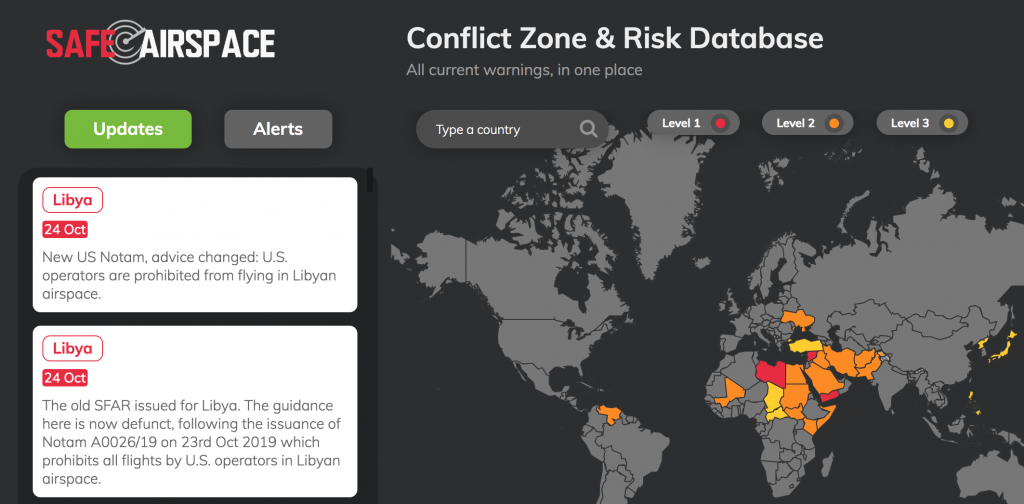
On 23rd Oct 2019, the US issued an emergency order prohibiting U.S. operators from flying in Libyan airspace. The guidance here is very clear: do not operate anywhere in the HLLL/Tripoli FIR, at any flight level.
This follows months of civil war in Libya, with militia from the east mounting a campaign to seize control of Tripoli, including HLLM airport, and threatening to shoot down aircraft operating in western Libya.
In recent months there have been a number of airstrikes targeting HLLM/Mitiga airport, the latest coming on Aug 15, which reportedly killed two people and forced the airport to close. There are videos on social media showing planes landing at the airport as shells are falling in the background.
Prior to yesterday’s announcement, the U.S. guidance on Libya was that operators were allowed to overfly Libya at FL300 or above, except an area in the north-western part of the country over Tripoli, where all flights were prohibited. Here’s what that looked like:
But this guidance is now defunct. The FAA website now shows the updated guidance for Libya – including the Background Notice.
Germany and Malta still have warnings in place which mirror the old advice of the U.S. – do not fly over the north-western part of Libya, but overflights of the rest of the country are permitted at the higher flight levels. The UK and France advise against all overflights. These warnings may be updated in the coming days, following the new advice from the U.S.
Libya remains politically unstable, with a fragile security situation across the country. In their SFAR issued back in March 2019, the U.S. said that the main threat to aviation at the lower flight levels stems from the widespread proliferation of man-portable air-defence systems (MANPADS) across the country:
“Both GNA and advancing LNA forces have access to advanced man portable air defense systems (MANPADS) and likely anti-aircraft artillery. These ground-based weapon systems present a risk to aircraft, but only at altitudes below FL300. LNA forces have tactical aircraft capable of intercepting aircraft at altitudes at and above FL300 within the self-declared military zone in Western Libya, which may present an inadvertent risk to civil aviation operations in Western Libya. While the LNA tactical aircraft threat is likely intended for GNA military aircraft, an inadvertent risk remains for civil aviation at all altitudes due to potential miscalculation or misidentification.”
However, there are factions on the ground in Libya which possess weapons capable of targeting aircraft above FL300. The LNA is one of many armed groups in Libyawhich continues to use various rocket systems looted from Gaddafi’s stockpiles at the end of the war in 2011. In May 2018, the LNA proudly displayed a refurbished Russian-made surface-to-air missile system at HLLB/Benina Airbasein Benghazi. This system has the capability to engage aircraft at altitudes up to FL450.
The opposing GNA forces have surface-to-air missile systems of their own. Some reports indicate that the GNA are in possession of the Russian-made SA-3 system, which has the capability to engage aircraft at altitudes over FL800.
With the current conflict between these and other rival factions on the ground in Libya now escalating, it’s not clear what level of control the main players hold over their missile systems.
Bottom line, there’s still a potential risk to aircraft at all altitudes and across all parts of Libya.
Even if you are allowed to overfly the country, there are only two approved routes available, in the far north-eastern corner of the country, as per HLLL Libyan Notam A0063/17:
Even on these routes, reliable ATC services cannot be guaranteed. The past few years have seen regular ATS and radar outages across the HLLL FIR airspace, and severe limitations in VHF capability, with operators having to communicate with Malta ATC for guidance.
Given the current security concerns, we continue to list the entire country as “Level 1 – Avoid” at SafeAirspace.net
Italy ATC strike on Oct 25
written by David Mumford | 12 April, 2026
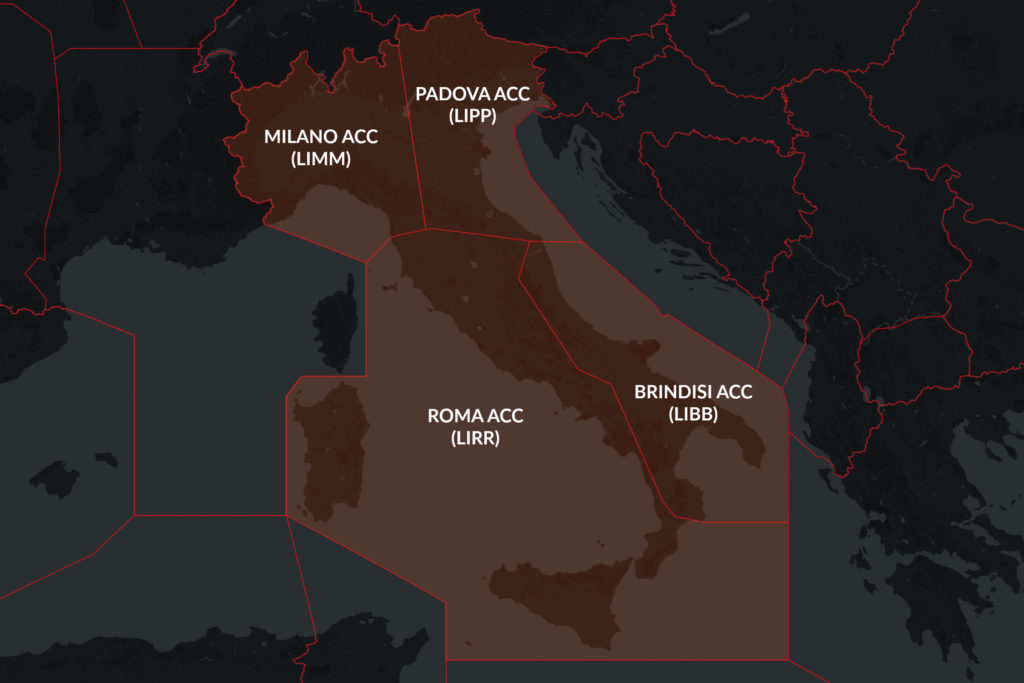
Notams have now been published advising of the planned nationwide ATC strike on Friday Oct 25.
The strike will happen between 13-17 local time (11-15z), although it looks like the LIBB/Brindisi sector in the south-east of the country will run from 12-16 local time.
When these 4-hour strikes go ahead, overflights and “incoming intercontinental flights” (i.e. those from outside Europe) are normally not significantly affected, but there are often big delays for flights to/from Italian airports.
LIRZ/Perugia airport has also announced a local ATC strike between 1300-1700 local time the same day. There may be more local airport-level ATC strikes announced in the coming days, so watch out for those too, as these are the airports which are always worst affected by delays.
You can see the full Notam for the nationwide strike here. For updates, keep an eye on the Eurocontrol NOP page on the day of the strike. Eurocontrol will be hosting a teleconference with more info on what to expect, on Thursday 24th Oct at 1200z; you can dial in on +44 2071 928000, and punch in the conference ID number 1581056.
Further reading:
All the latest official information about Italy ATC strikes can be found here. Just make sure you have your Google Translate tool enabled on your browser!
Five months of misery at Mumbai
written by David Mumford | 12 April, 2026
Airlines and operators are preparing for major peak-hour disruption at VABB/Mumbai Airport, on account of a partialshutdown of the main runway over the next five months.
The main runway will be closed for repairs from 4th Nov 2019 to 28th Mar 2020, between 0930-1730 local time, Mondays to Saturdays. The second runway will be operational during this time, but this can only handle 36 flights per hour – which is around 80% of the regular traffic.
The main runway will remain open on all the big festivals and holiday dates during this period: Dec 25, Jan 1 & 15, Feb 19 & 21, Mar 10 & 25.
This is the second time this year that Mumbai airport has enforced a partial runway shutdown. The first instance, which lasted from Feb 7 to March 30, was for repair works at the intersection of the two runways, which lead to peak hour closures.
This new closure has been announced through a combination of Notam (for Nov 4 to Nov 7), and AIP SUP (for Nov 7 to Mar 28).
Other things worth knowing:
It’s not showing on the Notams, but local handlers have confirmed that VABB/Mumbai is closed to GA/BA flights daily at the following local times: 0800-1000, 1730-1930, 2115-2315, 0320-0400.
VASU/Surat airport may be a good alternate for VABB/Mumbai (120NM away). It became an international airport of entry in Feb 2019 and has a 2250 metre long runway with ILS. The next nearest airports are VOGO/Goa (230NM away), or VAAH/Ahmedabad (240NM away).
The ADS-B mandate across Indian airspace outlined in AIP SUP 148/2018 that was due to take effect on 1st Jan 2019, has now been delayed to 1st Jan 2020. Confirmation of this can be found in Notam G1995/18 (issued for VABF VIDF VECF VOMF).
Since India introduced e-visas back in Feb 2018, they have stopped issuing visas on arrival. Crew must apply for the ‘e-Business Visa’, and passengers must apply for the ‘e-Tourist Visa’, on the government website: https://indianvisaonline.gov.in/
At long last, Pakistan declares airspace fully open again
written by Mark Zee | 12 April, 2026
Pakistan airspace is open! In a clearly written, yet quietly announced in-the-dead-of-night Notam, Pakistan has today declared the entirety of its airspace fully open and available for all overflights.
This is very welcome news for long-haul airlines and operators transiting the Middle East and Asia, where finding a usable and safe route route through the region has become akin to navigating a level of Pac-Man with few escape options left.
Pakistan being open again makes the traditional and preferred Europe-Asia route through Afghanistan, Pakistan, and onwards to India available again, and means that city pairs abandoned after the February shutdown will likely be restarted.
The good-news Notam was issued around midnight Pakistan time:
A0710/19 NOTAMN
Q) OPXX/QARXX///E/000/999/
A) OPKR OPLR
B) 1907151908 C) PERM
E) WITH IMMEDIATE EFFECT PAKISTAN AIRSPACE IS OPEN FOR
ALL TYPE OF CIVIL TRAFFIC ON PUBLISHED ATS ROUTES
So, what does this mean?
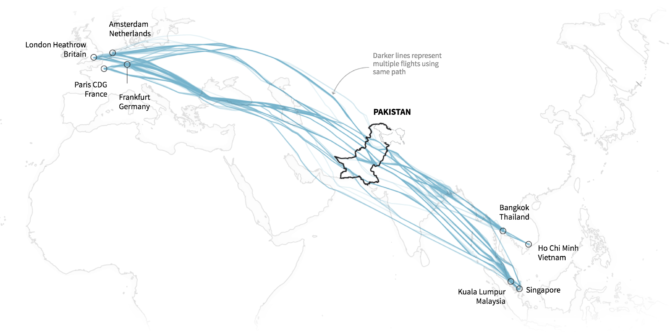
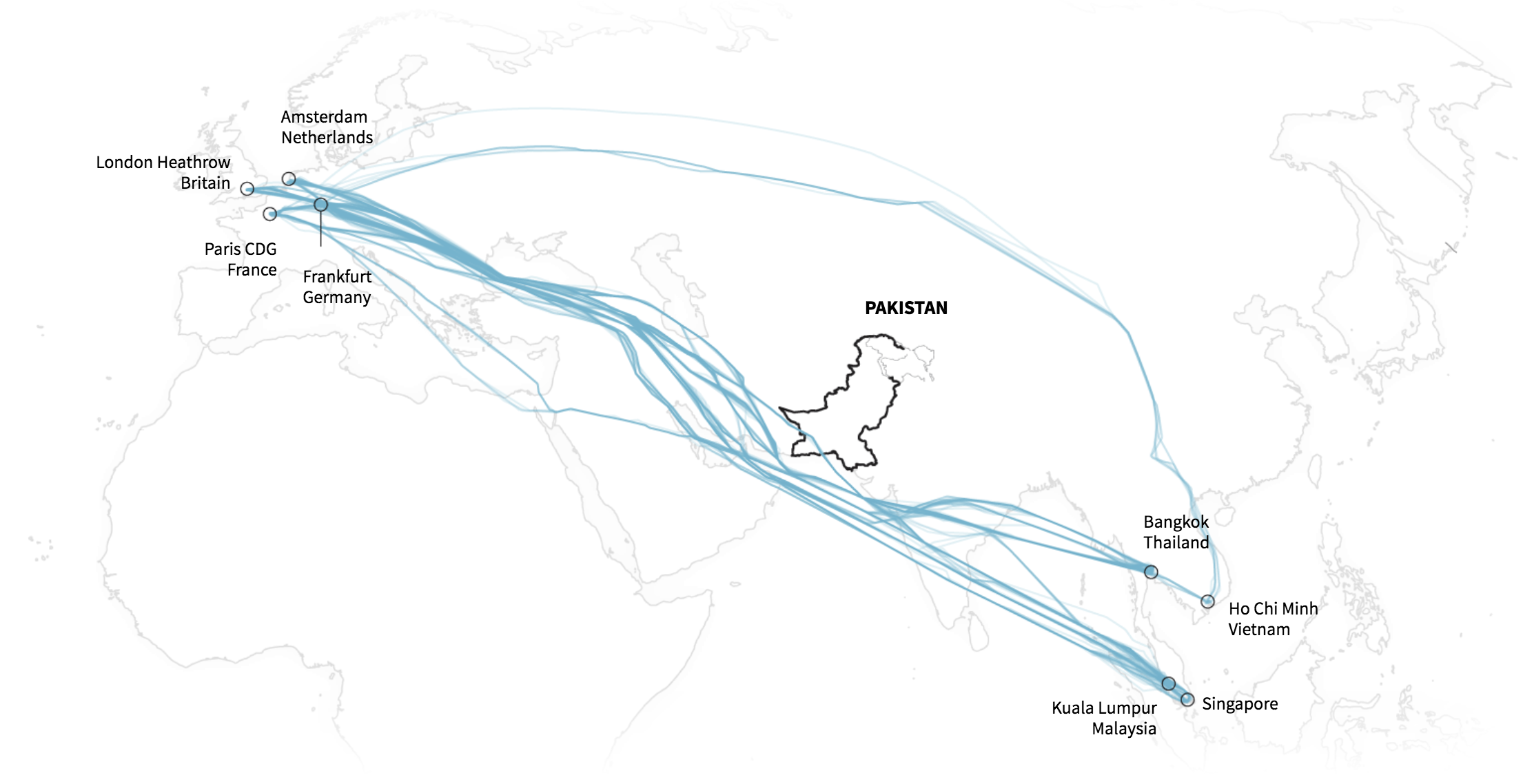
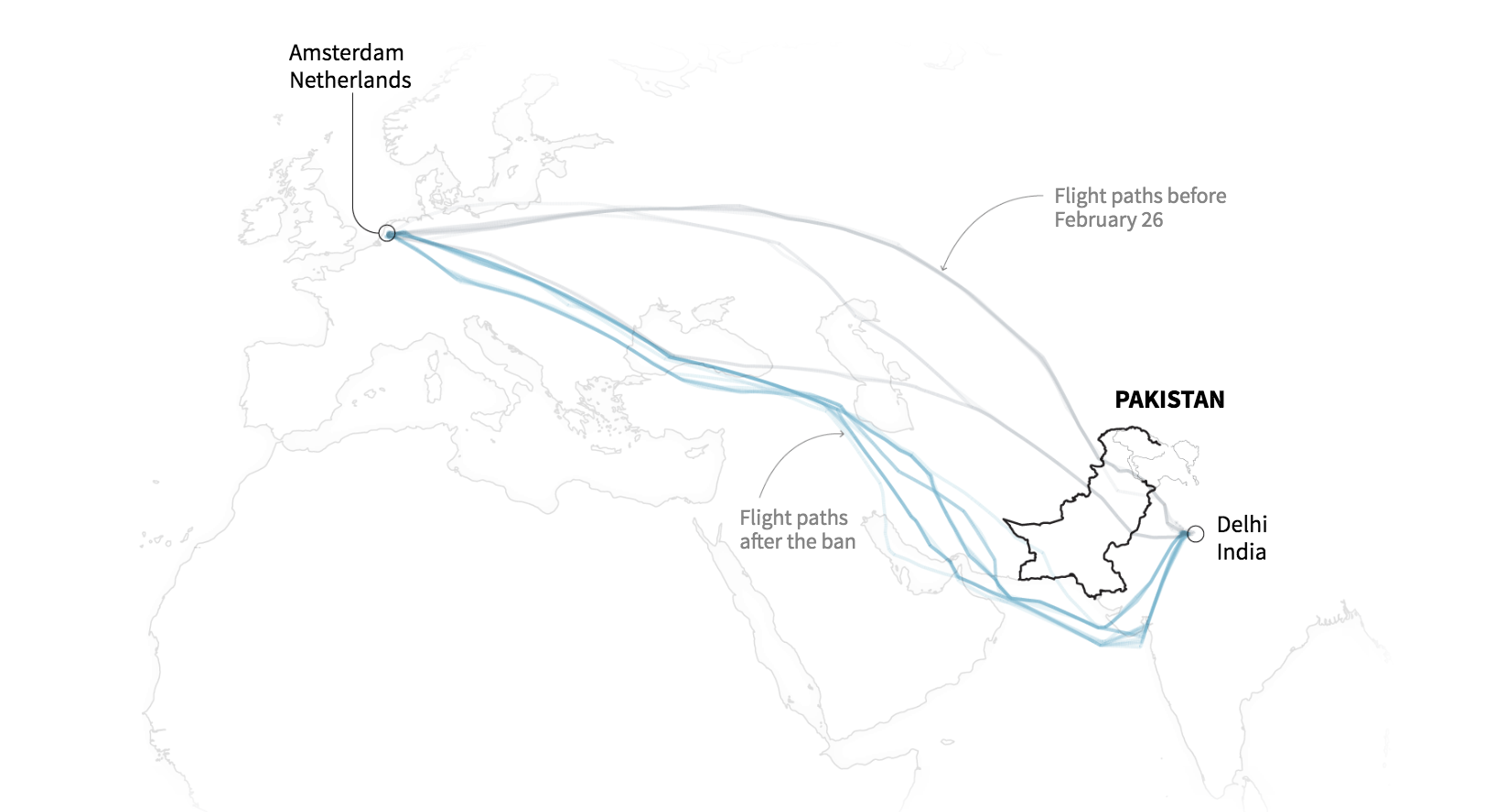
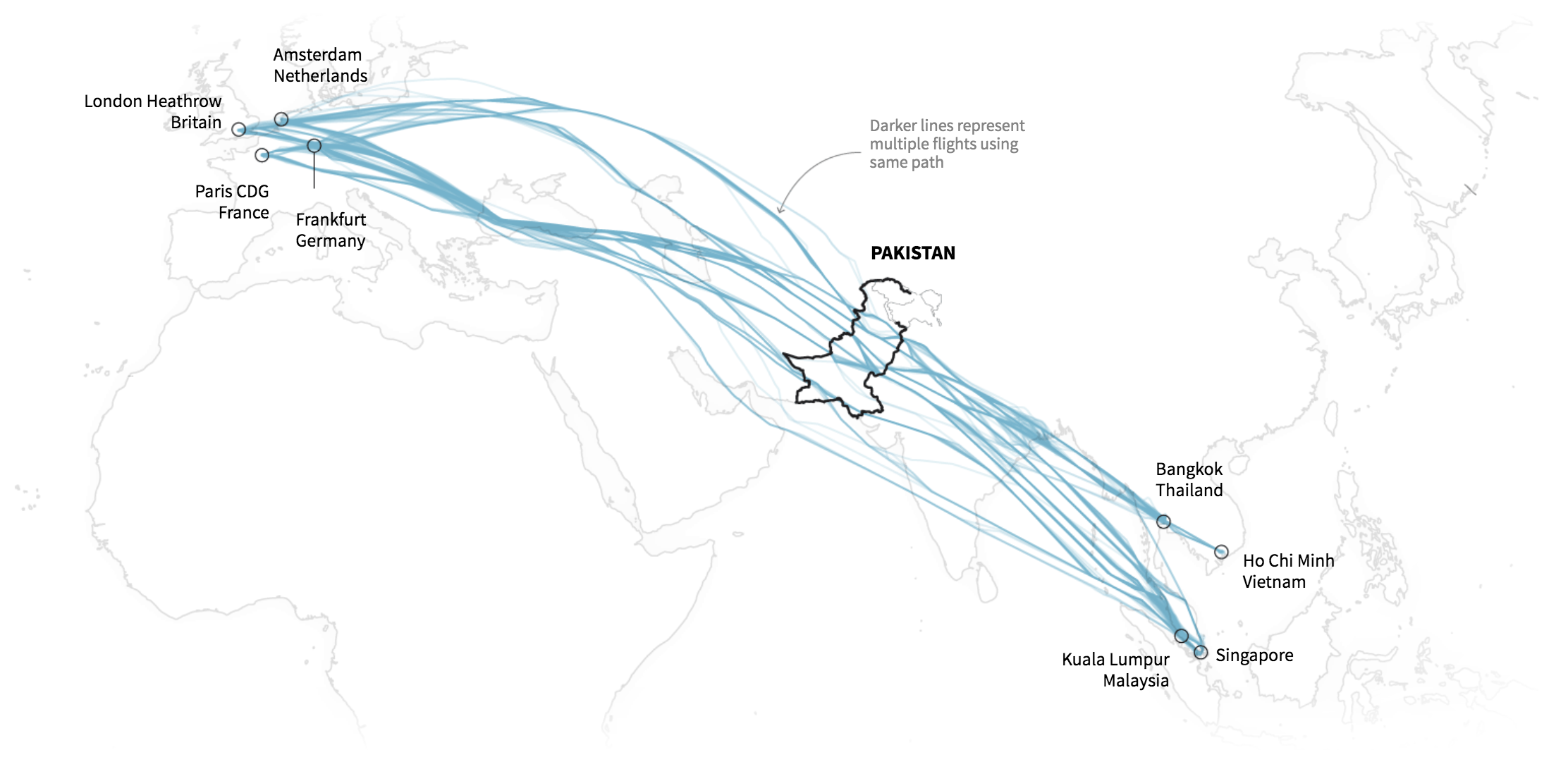
In recent months, operators have had to avoid Pakistan and route much further south, as this graphic from an article we worked on with Reuters in April shows:
The impact has been significant. Avoiding Pakistan has meant up to an additional 410 miles, or an hours flying time, for Europe-Asia flights.
For many long-haul operators trying to get to India, the dog-leg around Pakistan made the trip unworkable, either because of fuel endurance, or crew hours. Many operators cancelled flights to Delhi, the worst located airport in terms of the airspace closure.
Now, with this reopening, we have the ability to fly closer to optimum routings once again.
So, good news for airlines and long-haul operators.
Charter Flights Within Russia Now Require Cartel Approval
written by David Mumford | 12 April, 2026
There’s a new rule for charter flights to Russia, effective 21 JUN, which says you must now seek permission from a bunch of different Russian carriers and companies (a.k.a. the ‘Cartel’) before you can go.
The way it’s written suggests that it applies to all charter flights, even if you fly straight in and out again. But local agents are saying it’s more complicated than that. They say that for aircraft with less than 20 seats, you only need Cartel approval for charter flightswith domestic legs in Russia:
Aircraft with less than 20 seats
Routing
Cartel approval required?
LFMN-UUWW-LFMN
No
LFMN-UUWW-ULLI-LFMN
Yes
Aircraft with 20 seats or more
Routing
Cartel approval required?
LFMN-UUWW-LFMN
Yes
LFMN-UUWW-ULLI-LFMN
Yes
Russia is issuing new rules thick and fast at the moment. Last week it was for private flights – to fly domestic legs in Russia you now have to get approval from Customs in advance. If the early feedback from local agents is correct, the new rule issued this week for charter flights seems to have been designed to establish a parallel framework for dealing with foreign commercial operators wanting to fly domestically within Russia.
The process seems fairly straight-forward: you send off an email to the group of Russian carriers and companies, and once you get permission from all of them, you can then apply for your landing permit.
They’re saying that your request for approval should be made at least 5 days in advance of your planned flight. But you also have to then add on extra time to get your landing permit – there’s a 1-day lead time for aircraft with less than 20 seats, and a 5-day lead time for those with 20 seats or more.
Here is the info you need to send them:
Full company name and postal address, telephone number, e-mail address, and the name of the country that issued your AOC.
Flight details: date of a flight, flight number, point of departure, point of destination, and anywhere else you’re stopping en-route.
Aircraft details: type, nationality, and reg.
Passengers: names and total number, and details of any cargo transported.
Charterer of the aircraft: name, postal address, and e-mail address.
Consignor and consignee details
To check out exactly who is in the Cartel, plus the email addresses you should send your requests to, click here if your aircraft has less than 20 seats, and here if it has more than 20 seats.
Once that’s all done, and you have permission from everyone, send copies of everything along with your landing permit application straight to the authorities, at: permit@matfmc.ru and aviapermit@scaa.ru
This is a new procedure, so we expect there will be some teething problems early on, but initial reports from OPSGROUP members suggest that it’s already working, with non-objections coming back from the Cartel fairly quickly.
For full details of this new rule, straight from the horse’s mouth, check out Russian AIP SUP 14/19.
Australia confirms TSP is a nightmare
written by David Mumford | 12 April, 2026
Update June 17, 2019: We have launched a TSP Victim Support Group for OPSGROUP members, so we can share experiences, and help each other to get the approval. We feel the pain!
Oops, Freudian slip: What we meant was, Australia confirms TSP is required. But trust us, it’s a nightmare.
A TSP is a Transport Security Program, and if you don’t know what that is yet, prepare for some painful bureaucracy.
Over the last few years, they exempted lots of corporate and private ops. Now they say they’ve changed their mind. Everybody operating a jet needs one – Private, Charter, Commercial, Air Force One – whoever. You have got to do one, no exceptions.
The official line is that it takes two months to get one. The best we’ve heard from OPSGROUP members is 40 days.
If you’ve got a trip planned and need TSP approval quicker than that, you can always check with guidancecentre@homeaffairs.gov.au to be sure – they might be able to help you with a shorter timeframe, but there are no guarantees.
The official guidance on how to apply can be found here, and they have at least been good enough to provide a templateapplication form (all 66 pages of it – ouch!!) which can be found here. If at all possible, save yourself some misery and get someone else to apply on your behalf!
Have you applied for a TSP before? What do they want to see, exactly? What does a good TSP look like? Are you willing to share your approved TSP as a guide to help others? If you send us yours, we’ll anonymize it completely, and it will be used internally within the group as a shining example of perfection!
Rockwell GPS fix coming soon
written by David Mumford | 12 April, 2026
A large number of operators have been affected this week by a software glitch in some Rockwell Collins GPS receivers. After a few days of head-scratching, the cause of the problem was tracked back to the receivers’ failure to compensate for the “leap second” event which happens once every 2.5 years when the US Government update their satellites – which they did on 9th June.
This meant that certain aircraft equipped with the affected GPS receivers suddenly started getting ‘ADS-B fail’ messages, which initially led to groundings of aircraft which did not have GPS on their minimum equipment lists (MEL).
In a note from Rockwell on Monday 10th June, they advise that the next scheduled update by the U.S. Government to the GPS constellation is set for Sunday 16th June at 0000Z. This is when things should start working again, but they are not guaranteeing this will definitely fix the issue. Rockwell told OPSGROUP it’s a ‘wait and see’ situation.
In the meantime, it seems as though all the affected aircraft have been identified, and you should know at this stage if yours is working or not. Some aircraft remain grounded because there is no MEL relief. Rockwell are advising those who have not powered on their GPS units since the 9th June should leave them switched off. Make sure to check the advice from your OEM – some are advising to pull the GPS circuit breakers to prevent further issues.
Until the issue is fixed, many aircraft will be forced to fly non-RNP routes below FL280 and navigate VOR-VOR, or else remain on the ground.
For more on this, or if you have something to share, head over to the OPSGROUP forum.
New rules for ops to Japan
written by David Mumford | 12 April, 2026
Operators to all the main airports in Japan must now sign a statement saying they will take measures to ensure objects don’t fall off the aircraft. The authorities also want you to agree to pay compensation for any incidents where damage is caused by falling objects – potentially also when the falling objects don’t even come from your aircraft!
For the past ten years, Japan has required its own airlines to report any objects falling off aircraft during take-off or landing. But from March 2019, this applies to all foreign operators too.
Japan published AIC 7/19 on 28 FEB 2019, which outlines the measures they require all crews to take when operating at Japan’s airports. It comes with two attachments which both need to be signed and returned to the Japanese authorities by post, prior to ops.
Technically, you must send hard copies of these to each airport you will fly to in Japan. However, local handler Aeroworks has told us that operators can email them copies of everything by email, along with a power of attorney letter, and they are authorised to pass everything on to local authorities – they can provide this service for most airports in the country.
Attachment 1: This lists all the measures to take, including: completely draining the lav/waste pipes prior to take off to prevent ice blocks from forming, confirming all panel doors are closed, inspecting for leaks, removing rainwater or snow from cargo when loading.
Attachment 2: This is a strange one. It says the following:
“In case that it is unable to identify one specific aircraft which caused the damage by falling objects from aircraft (hereinafter referred to as “the causing aircraft”) and to identify a person responsible for the compensation of the damage, and if the Falling Object Confirmation Committee established in Regional Civil Aviation Bureaus of Ministry of Land, Infrastructure, Transport and Tourism determines a presumably causing aircraft (hereinafter referred to as “the acknowledged aircraft”), the operator of the acknowledged aircraft shall bear the amount of expenses for compensation of the damage, proportionally divided by the number of the acknowledged aircraft.”
If we’re reading that right, that basically means if something falls off a plane and causes damage, and they can’t figure out which specific one it came from, whichever aircraft were in the area at the time may all be required to share the cost of paying for any compensation that may be due!
Over the past few years there have been a number of high-profile incidents in Japan where objects have fallen off aircraft. In September 2017, an aircraft panel fell onto a car driving on a busy street in Osaka; and in May 2018, a hospital in Kumamoto was sprayed with metal fragments from an aircraft that had suffered engine failure after taking off from RJFT/Kumamoto Airport.
With the Tokyo Olympic Games coming up in July 2020, local authorities are keen to ensure no such incidents occur here.
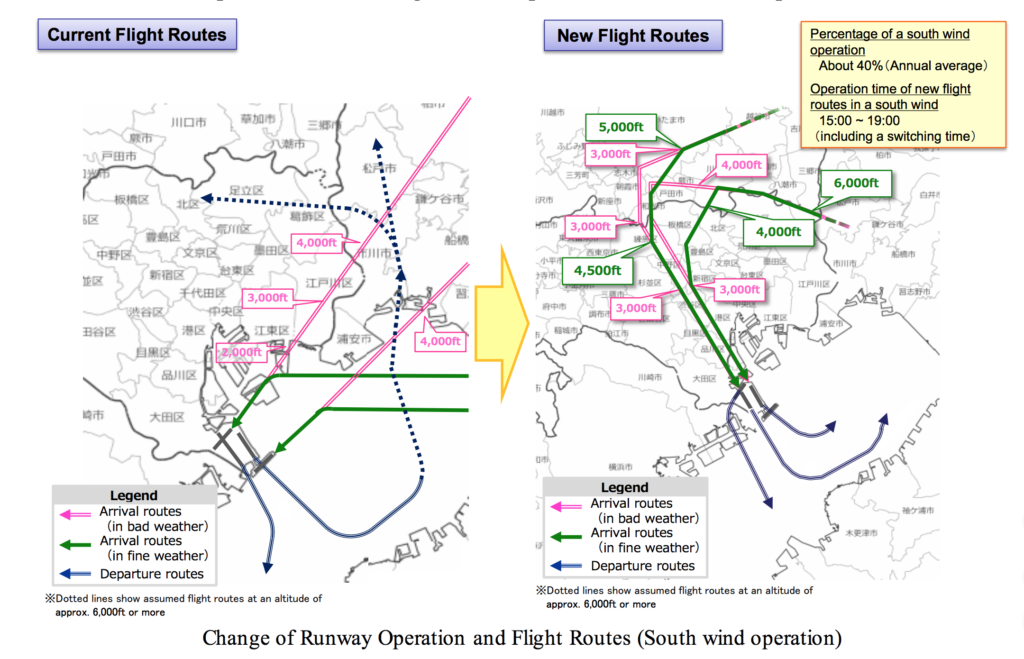
Airport authorities are looking at ways to increase slot capacity at Tokyo’s airports, and one such measure will be to revise the arrival routes to RJTT/Tokyo Haneda, which will mean that flights will operate almost directly over the city centre – and these new rules regarding objects falling off planes have been implemented in response to this.
Further reading – The presentation made by the Japanese delegation to ICAO’s Air Navigation Oct 2018 Conference, regarding the various measures taken to prevent objects falling off airplanes in Japan. Check it out here. – IFALPA has published a Safety Bulletin which provides some great info on the various different approaches that are available at RJTT/Tokyo Haneda, depending on the wind direction and the time of the day, with a focus on the reduced options available if operating overnight. Definitely worth a read if operating to RJTT. Check it out here.
Goose Bay: “Our runway is broken”
written by David Mumford | 12 April, 2026
Larger jets will not be allowed to land on three out of four runways at Goose Bay for the next three months, as they’ve found cracks after the winter thaw.
The airport has settled on a final version of their “Our runway is broken” Notam, and it looks like this:
05/037 – CYYR RWY 08, 26 AND 34 NOT AVBL FOR ACFT WITH TIRE PRESSURE OF 1.0MPA (145 PSI) OR GREATER AND ACFT WITH ACN/PCN OF 40 OR GREATER, EXC MEDEVAC AND AVBL AS EXTENDED RANGE TWIN-ENGINE OPS (ETOPS) ALTERNATE. 21 MAY 14:01 2019 UNTIL 17 AUG 23:59 2019. CREATED: 21 MAY 14:06 2019
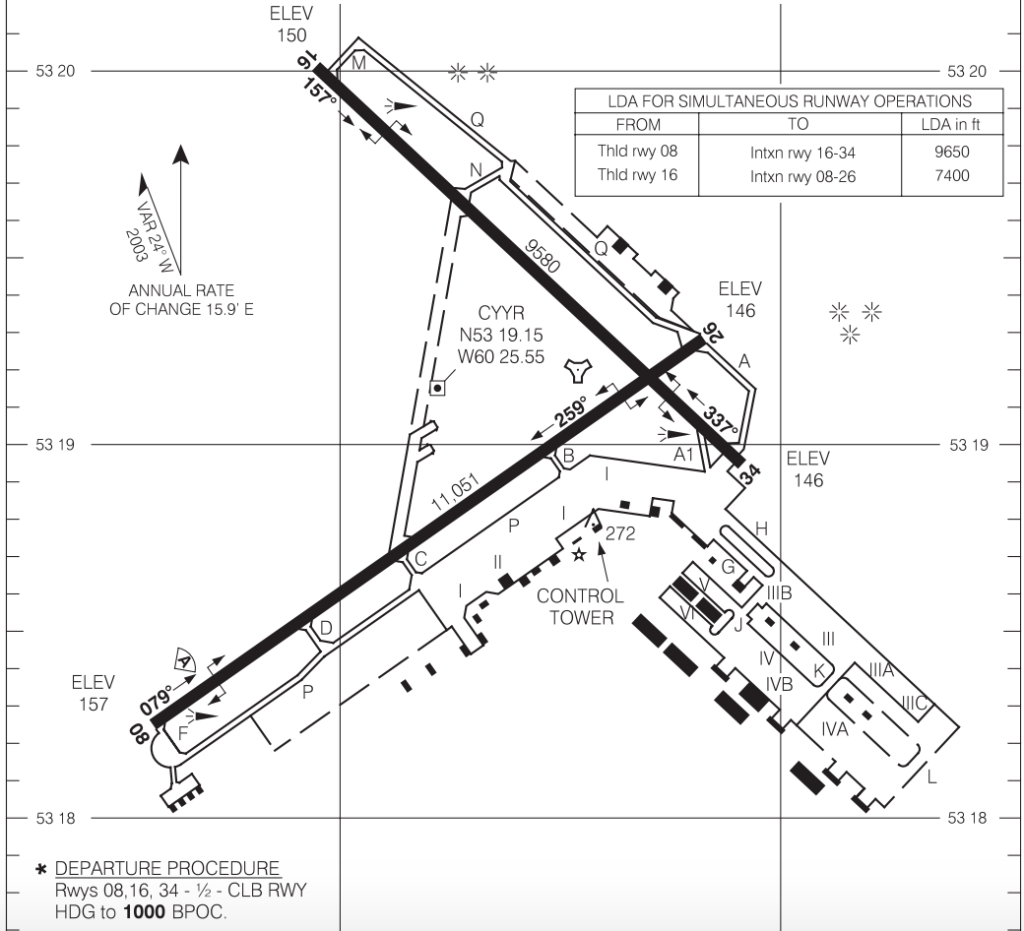
So not the most pilot-friendly piece of information! Unless you happen to know your tire pressure off-hand, best head for RWY 16, which is the only one that remains fully open and operational to all aircraft (the only reason RWY 34 is restricted is because aircraft using that runway touch-down on the intersection with RWY 08/26 – which is where some of the cracking damage has been found).
The Notam does state that the other three runways at CYYR can still be used an ETOPS alternate, meaning that you’re allowed to divert there in an emergency regardless of size, weight, tire pressure, or ACN. However, with the deteriorating runway conditions they’re also warning of possible aircraft damage due to loose sealant and asphalt:
05/038 (190206) – CYYR RWY 08/26 SFC IS DETERIORATING AND CRACKING AND MAY PRODUCE FOREIGN OBJECT DEBRIS (LOOSE SEALANT AND ASPHALT) ACFT DAMAGE MAY OCCUR. 23 MAY 18:20 2019 UNTIL 23 AUG 23:59 2019. CREATED: 23 MAY 18:24 2019
ACN vs PCN
The mention of “ACN/PCN” in Goose Bay’s Notam made us close our eyes and try to imagine a world where Notams just made immediate sense.
Knowing your tire pressure is one thing, but trying to work out your ACN number is a much more tricky business, as it has to factor in the aircraft’s maximum centre of gravity, maximum ramp weight, wheel spacing, tire pressure, and other factors. Your AFM should have a bunch of pages which tell you this (or you can have a quick look here instead).
Once you know your ACN number (or rather, ‘numbers’ – as there are different ACN numbers for each aircraft depending on the strength of the runway you’ll be landing on), you can then check it against the runway PCN number – the number issued for each runway which tells you what kind of surface it is, how strong it is, and what level of stress it is able to withstand.
Ultimately, if your aircraft’s ACN is equal to or less than the runway’s PCN, you’re good to go.
In the AIP, Goose Bay’s runway PCN is 076FBXU. The important bits here:
the PCN number here is 76
the F means that the runway is ‘Flexible’ (i.e. made of asphalt rather than concrete)
the B means it is of ‘Medium’ strength
the X means it has maximum tire pressure of 1.75 MPa.
But with all the runway cracking that’s been going on, Goose Bay’s PCN number is no longer accurate. It’s probably safer to assume the B is more like a D right now – runway strength ‘Very low’. And the new CYYR Notam suggests the new PCN number is 40 (as aircraft with an ACN number higher than that are not allowed to go there).
Other NAT alternates?
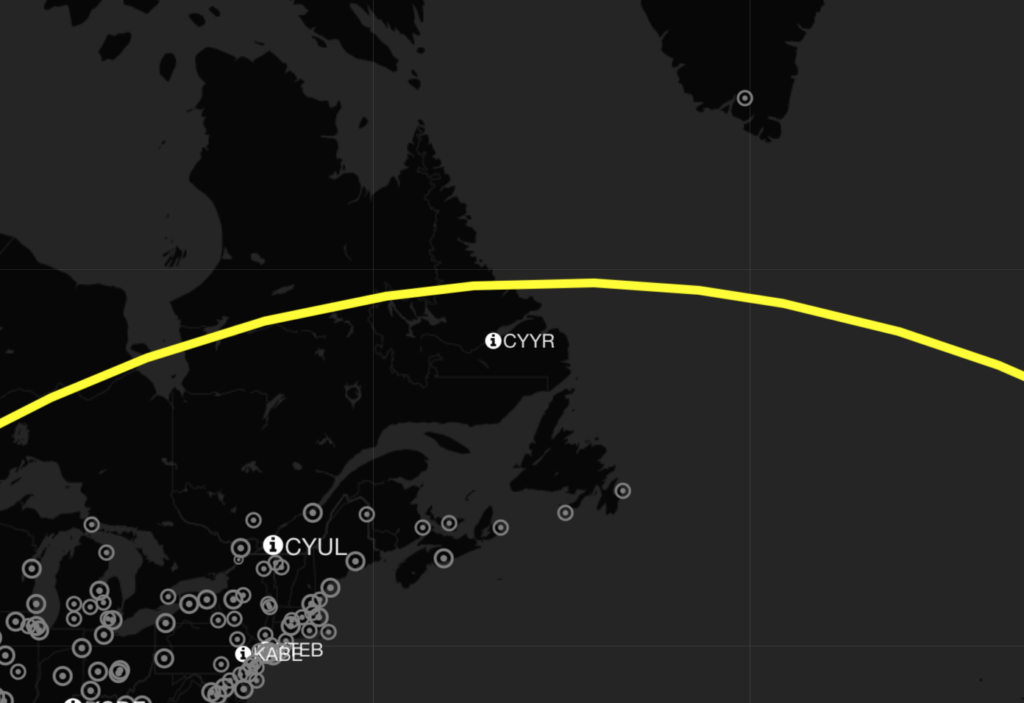
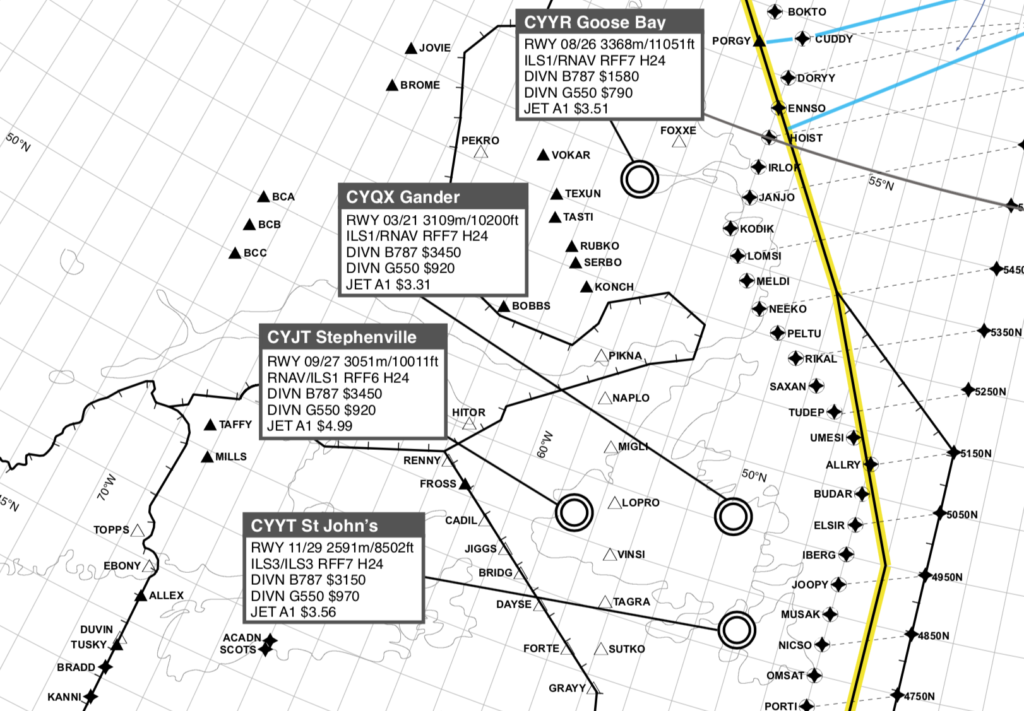
A quick check on GoCrow shows us there’s really nothing available to the north of CYYR:
But there are some decent options to the south:
This isn’t the first time Goose Bay has had problems with its runways. In Nov 2017, the airport was closed due to ‘sticky’ runways – during snow removal crack sealant was found on vehicles after they were used on the runways.
Further reading:
United Airlines has downgraded Goose Bay Airport’s suitability for diversions, after one of its flights with 250 passengers on board diverted there on 19th Jan 2019, and was then forced to spend 16 hours on the ground as there were not enough customs staff available to process everyone on board to enter Canada. Customs opening hours at the airport are 8am to midnight daily.
What’s going on in the Strait of Hormuz?
written by David Mumford | 12 April, 2026
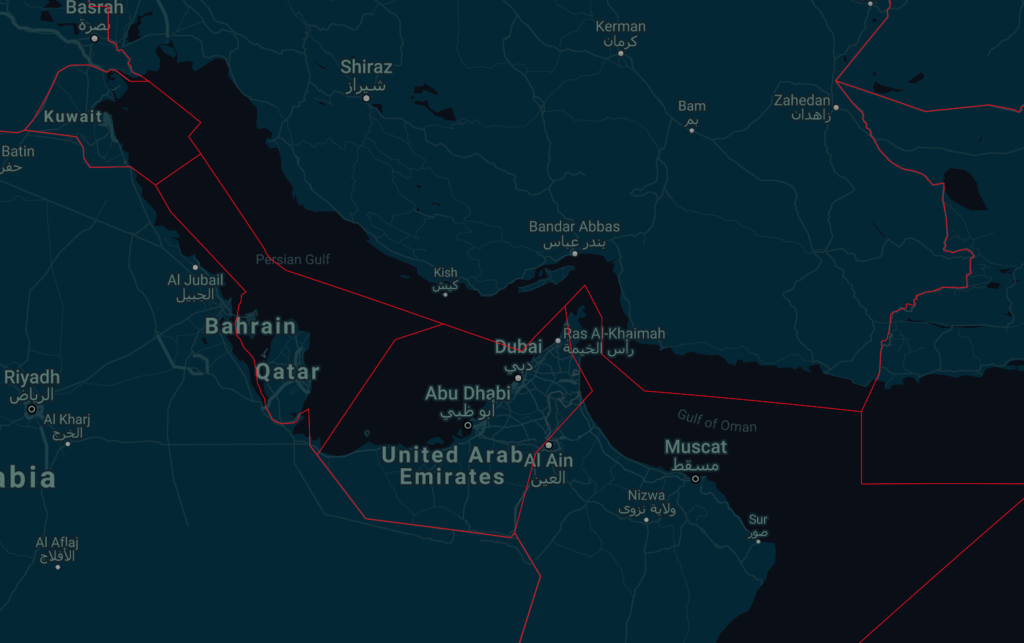
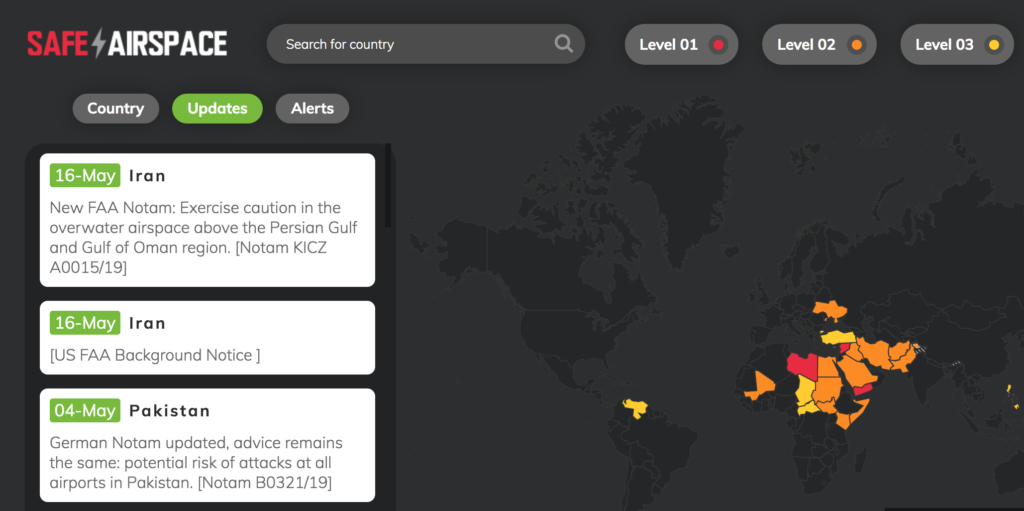
Amid rising tensions between the US and Iran, on 16th May the US FAA issued a new Notam and Background Notice advising operators to exercise caution in the overwater airspace above the Persian Gulf and Gulf of Oman.
The US has deployed warships and planes to the region, and withdrawn embassy staff from Iraq in recent days, and Iran has allegedly placed missiles on boats in the Persian Gulf.
In their Background Notice, the US FAA say that “Iran has publicly made threats to US military operations”, and are concerned about “a possible risk of miscalculation or misidentification, especially during periods of heightened political tension and rhetoric.” They also warn of increased GPS jamming by Iran throughout this region.
The US published another airspace warning for Iran back in September 2018, but that was mainly focussed on the risks of overflying Iran itself due to missilesfired from sites in the far west of the country against targets in Syria. That warning only made passing reference to the Gulf region – the only tangible risk at that time being due to Iran’s “test launches” in the area between Iran and Dubai, where the Iranian military regularly fire missiles during drills to practise blockading the Strait of Hormuz.
In May 2018, the US pulled-out of the Iran nuclear deal, and re-imposed sanctions. Since then, the relationship between the two countries has rapidly gone downhill. This week, the White House Press Secretary said that Washington would continue its “maximum pressure” campaign on Iran, adding the US would like to see “behavioural change” from the country’s leadership.
With the military build-up in the Gulf region, the US government has been quick to defend its actions, but the message seems to be clear: we don’t want war, but we’re ready for one.
As National Security Adviser John Bolton said in a statement this week: “The United States is not seeking war with the Iranian regime… but we are fully prepared to respond to any attack, whether by proxy, the Islamic Revolutionary Guard Corps or regular Iranian forces.”
KICZ NOTAMA0015/19 SECURITY..UNITED STATES OF AMERICA ADVISORY FOR OVERWATER AIRSPACE ABOVE THE PERSIAN GULF AND GULF OF OMAN.
THOSE PERSONS DESCRIBED IN PARAGRAPH A BELOW SHOULD EXERCISE CAUTION WHEN OPERATING IN OVERWATER AIRSPACE ABOVE THE PERSIAN GULF AND THE GULF OF OMAN DUE TO HEIGHTENED MILITARY ACTIVITIES AND INCREASED POLITICAL TENSIONS IN THE REGION, WHICH PRESENT AN INCREASING INADVERTENT RISK TO U.S. CIVIL AVIATION OPERATIONS DUE TO THE POTENTIAL FOR MISCALCULATION OR MIS-IDENTIFICATION. ADDITIONALLY, AIRCRAFT OPERATING IN THE ABOVE-NAMED AREA MAY ENCOUNTER INADVERTENT GPS INTERFERENCE AND OTHER COMMUNICATIONS JAMMING, WHICH COULD OCCUR WITH LITTLE TO NO WARNING.
A. APPLICABILITY. THIS NOTAM APPLIES TO: ALL U.S. AIR CARRIERS AND COMMERCIAL OPERATORS; ALL PERSONS EXERCISING THE PRIVILEGES OF AN AIRMAN CERTIFICATE ISSUED BY THE FAA, EXCEPT SUCH PERSONS OPERATING U.S.-REGISTERED AIRCRAFT FOR A FOREIGN AIR CARRIER; AND ALL OPERATORS OF AIRCRAFT REGISTERED IN THE UNITED STATES, EXCEPT WHERE THE OPERATOR OF SUCH AIRCRAFT IS A FOREIGN AIR CARRIER.
B. PLANNING. THOSE PERSONS DESCRIBED IN PARAGRAPH A PLANNING TO OPERATE IN THE ABOVE-NAMED AREA MUST REVIEW CURRENT SECURITY/THREAT INFORMATION AND NOTAMS; COMPLY WITH ALL APPLICABLE FAA REGULATIONS, OPERATIONS SPECIFICATIONS, MANAGEMENT SPECIFICATIONS, AND LETTERS OF AUTHORIZATION, INCLUDING UPDATING B450.
C. OPERATIONS. EXERCISE CAUTION DURING FLIGHT OPERATIONS DUE TO THE POSSIBILITY OF INTERRUPTIONS TO INTERNATIONAL AIR TRAFFIC DUE TO HEIGHTENED MILITARY ACTIVITIES AND INCREASED POLITICAL TENSIONS IN THE REGION. POTENTIALLY AFFECTED OVERWATER AIRSPACE ABOVE THE PERSIAN GULF AND THE GULF OF OMAN INCLUDES PORTIONS OF THE TEHRAN FIR (OIIX), BAGHDAD FIR (ORBB), KUWAIT FIR (OKAC), JEDDAH FIR (OEJD) , BAHRAIN FIR (OBBB), EMIRATES FIR (OMAE), AND MUSCAT FIR (OOMM). THOSE PERSONS DESCRIBED IN PARAGRAPH A MUST REPORT SAFETY AND/OR SECURITY INCIDENTS TO THE FAA AT +1 202-267-3333.
SFC – UNL,16 MAY 23:11 2019 UNTIL PERM. CREATED: 16 MAY 23:17 2019
FAA Background Information Regarding U.S. Civil Aviation – For the Overwater Airspace Above the Persian Gulf and Gulf Of Oman Region.
Due to increased political tensions and heightened military activities in the region, there is an increasing inadvertent risk to U.S. civil aviation operating in overwater airspace above the Persian Gulf and Gulf of Oman. As a result, on 16 May 2019, the FAA issued Notice to Airmen (NOTAM) KICZ A0015/19, advising U.S. civil flight operations to exercise caution when operating in the above area.
Iran has publicly made threats to U.S. military operations in the Gulf region. In addition, Iran possesses a wide variety of anti-aircraft-capable weapons, including surface-to-air missile systems (SAMs), man-portable air defense systems (MANPADS) and fighter aircraft that are capable of conducting aircraft interception operations. Some of the anti-aircraft-capable weapons have ranges that encompass key international air routes over the Persian Gulf and the Gulf of Oman. Additionally, Iran recently conducted a military exercise in the region, demonstrating their unmanned aircraft system (UAS) capabilities. Although Iran likely has no intention to target civil aircraft, the presence of multiple long-range, advanced anti-aircraftcapable weapons in a tense environment poses a possible risk of miscalculation or misidentification, especially during periods of heightened political tension and rhetoric.
There is also the potential for Iran to increase their use of Global Positioning System (GPS) jammers and other communication jamming capabilities, which may affect U.S. civil aviation operating in overwater airspace over the Persian Gulf and the Gulf of Oman.
The FAA will continue to monitor the risk environment for U.S. civil aviation operating in the region and make adjustments, as necessary, to safeguard U.S. civil aviation.

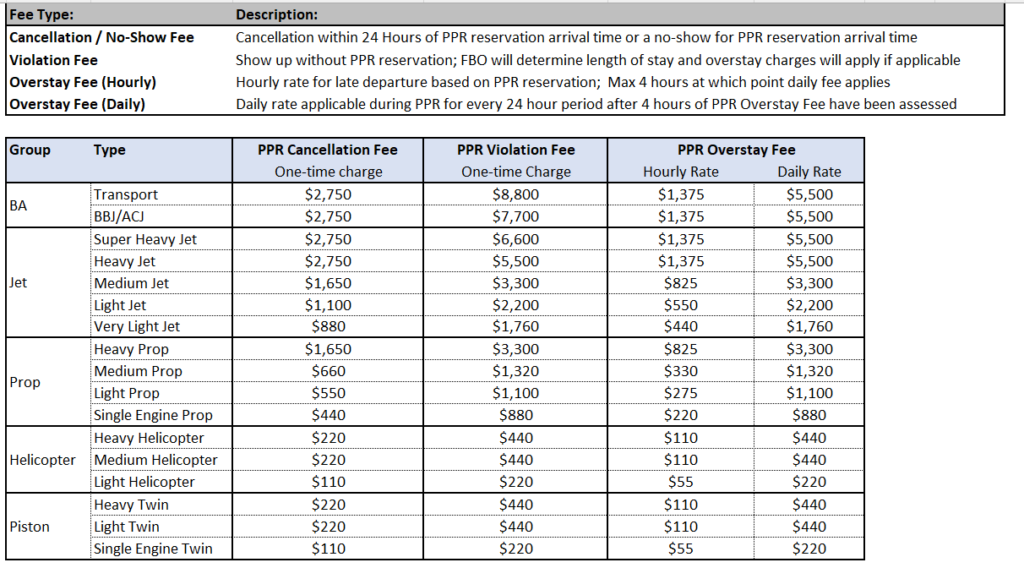


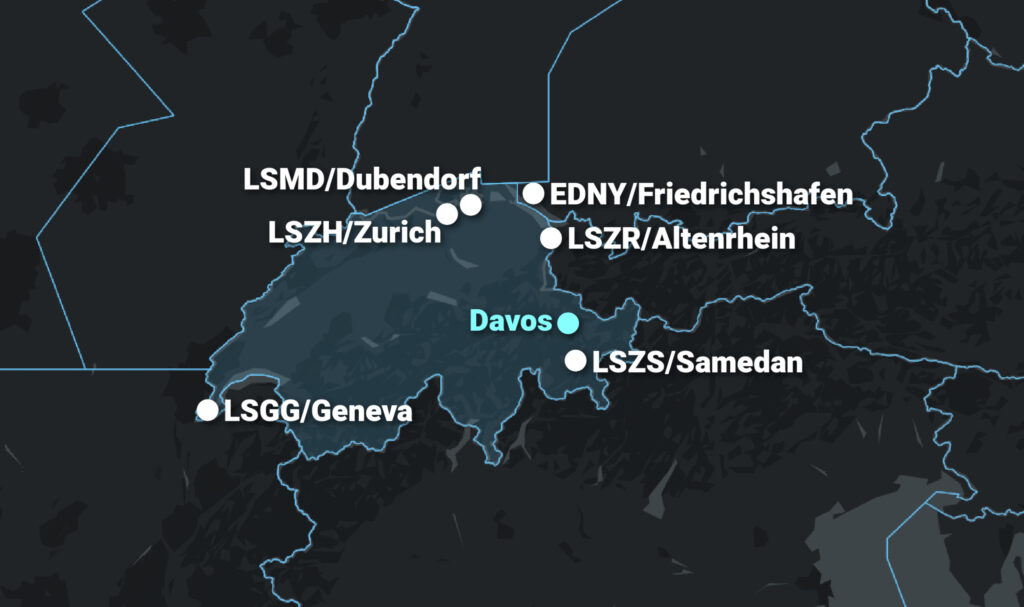
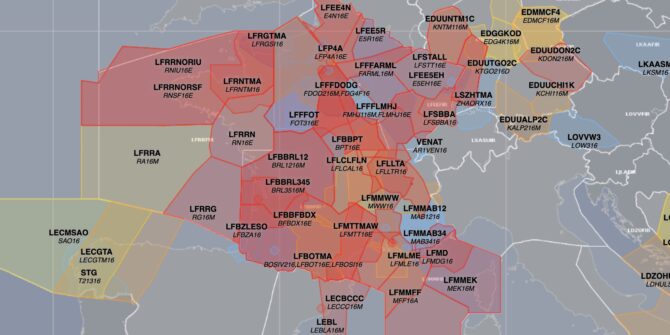
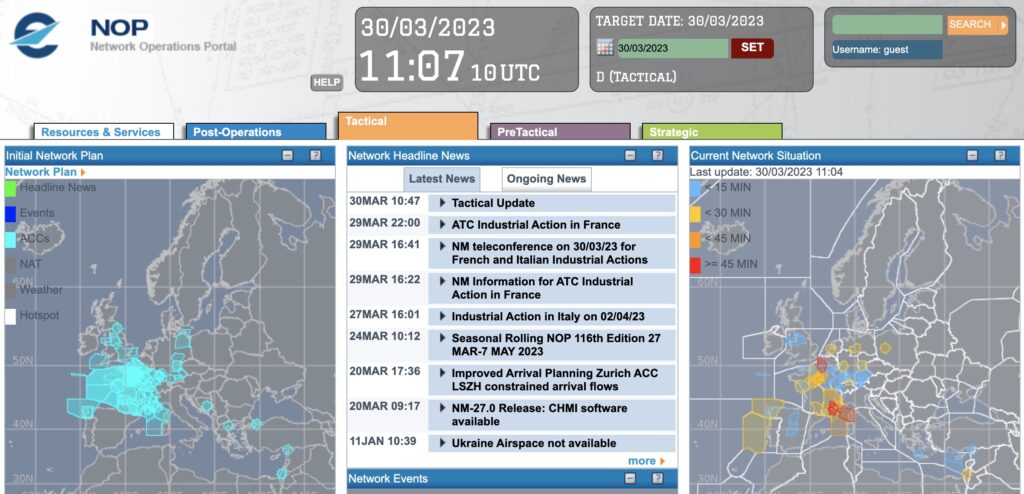
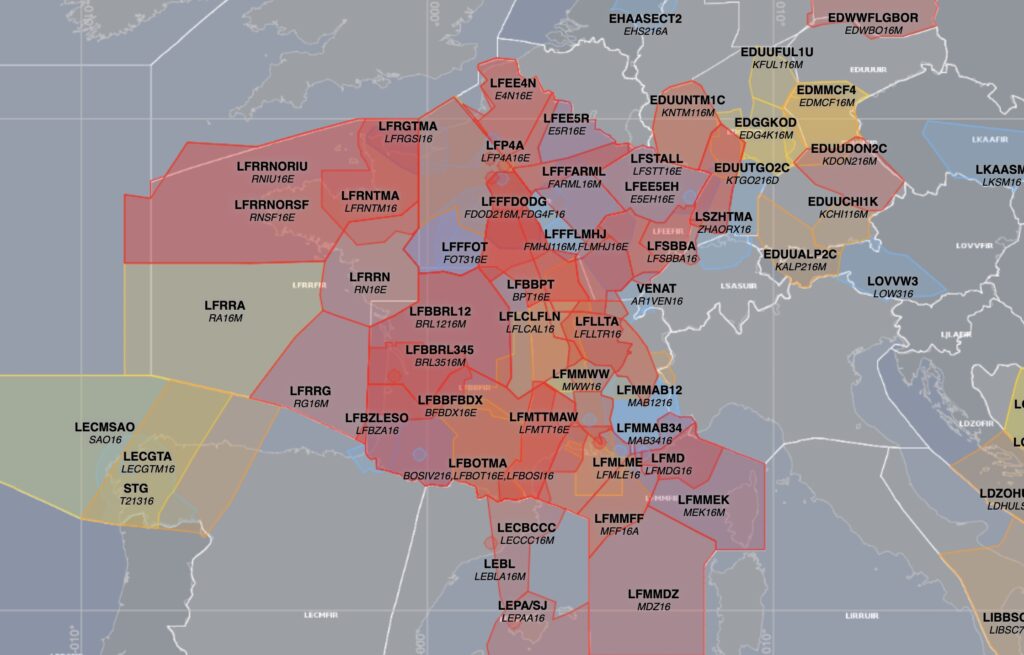
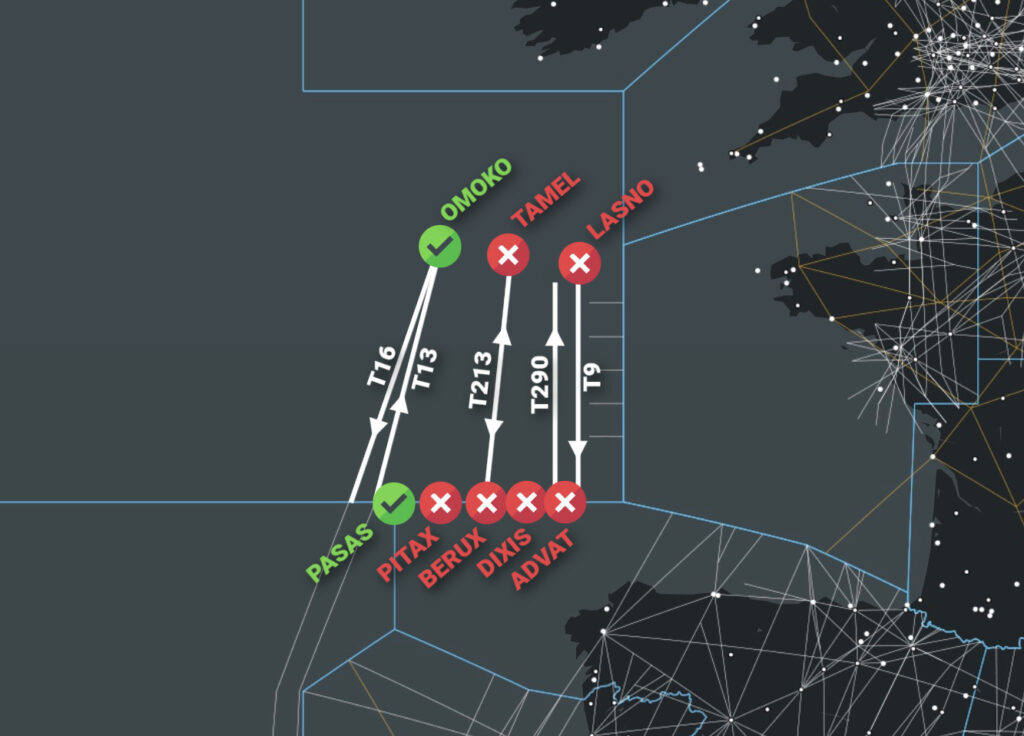
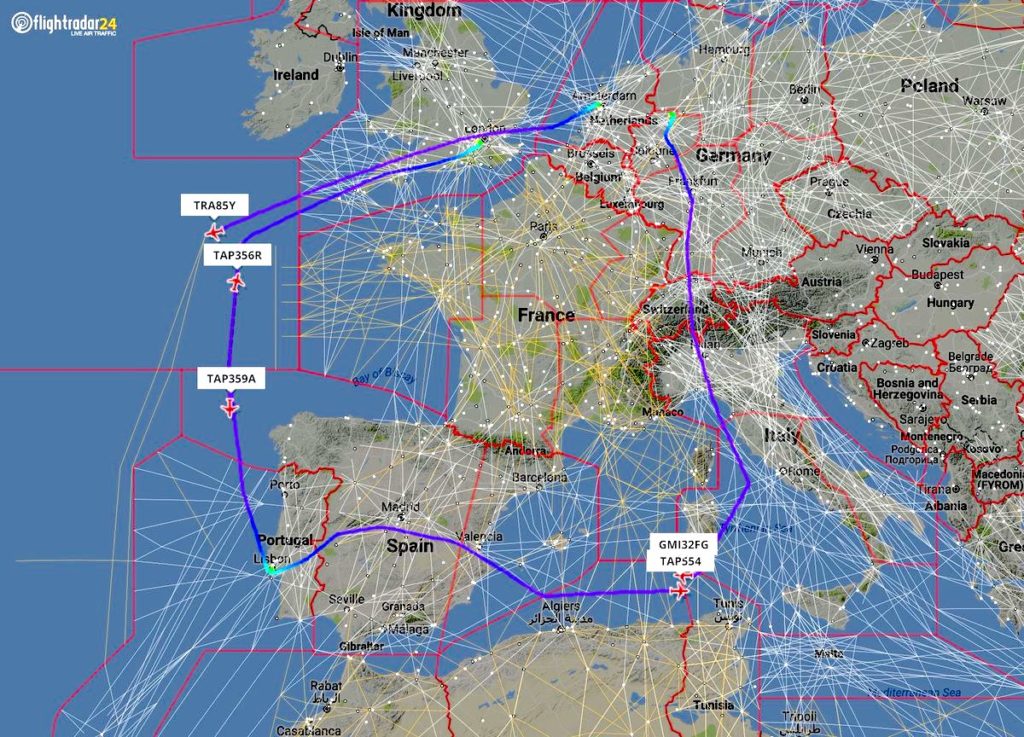
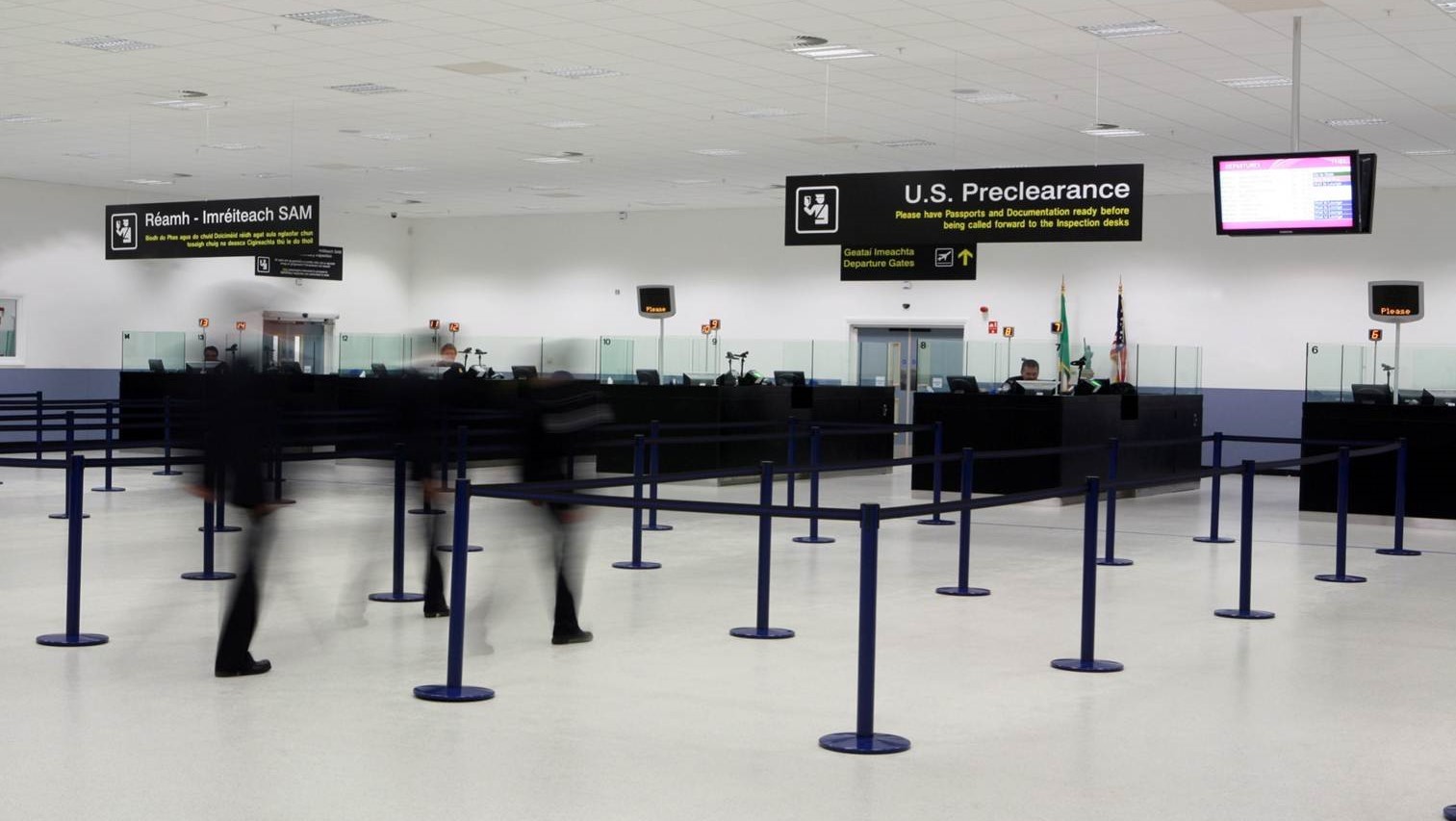
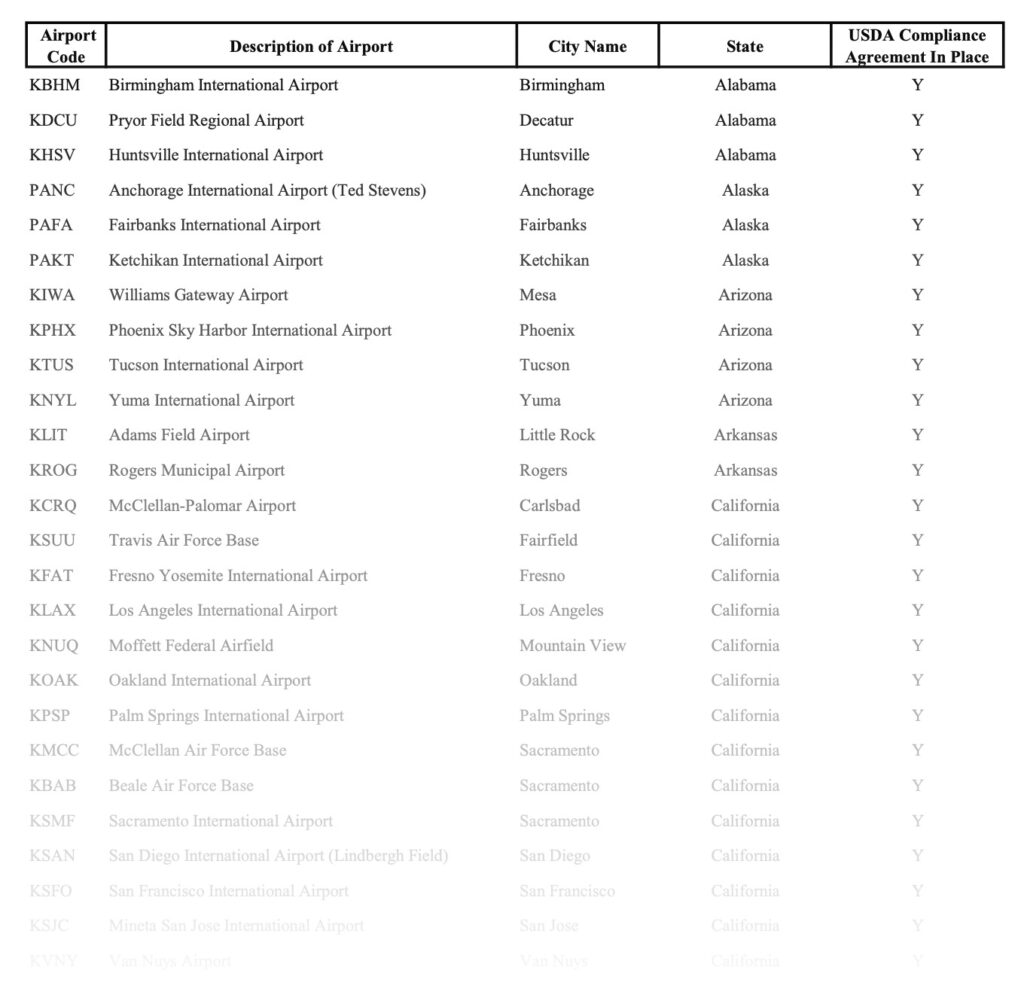
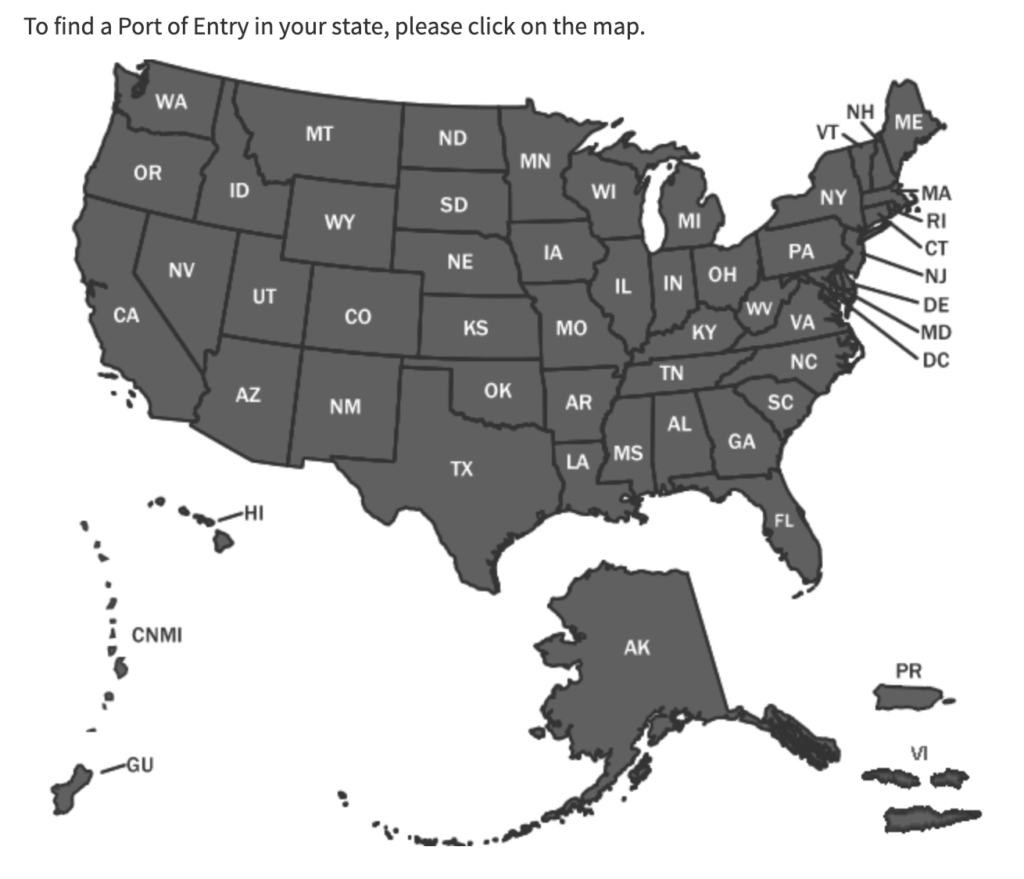
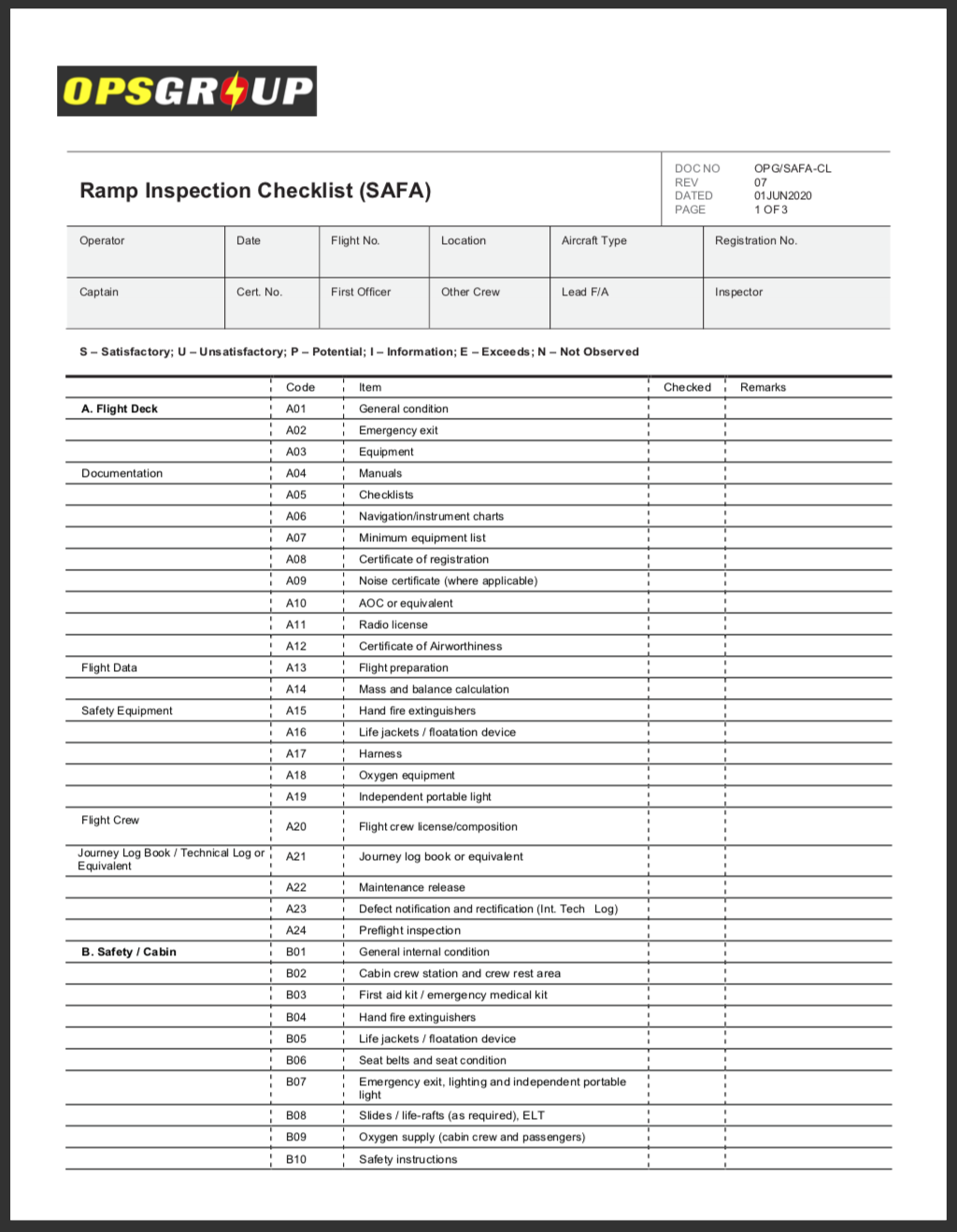

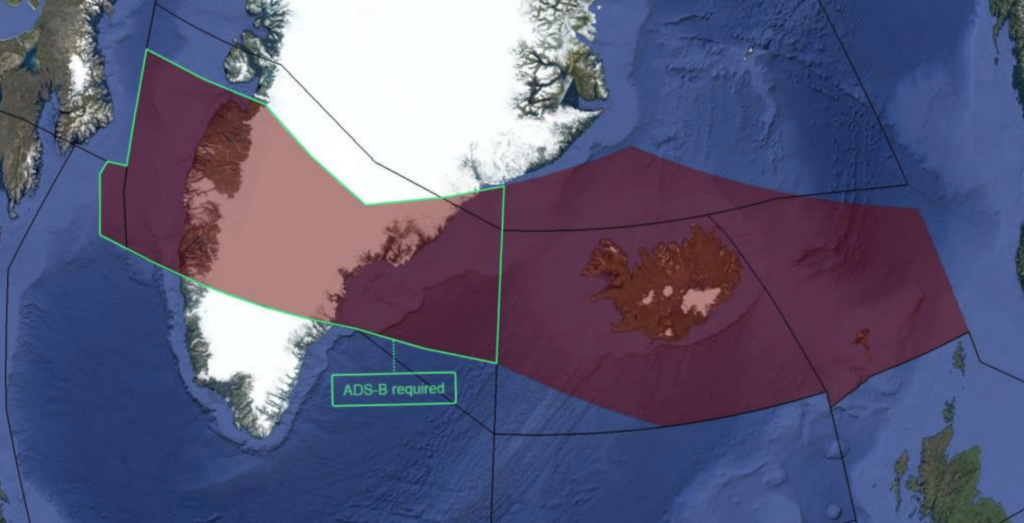
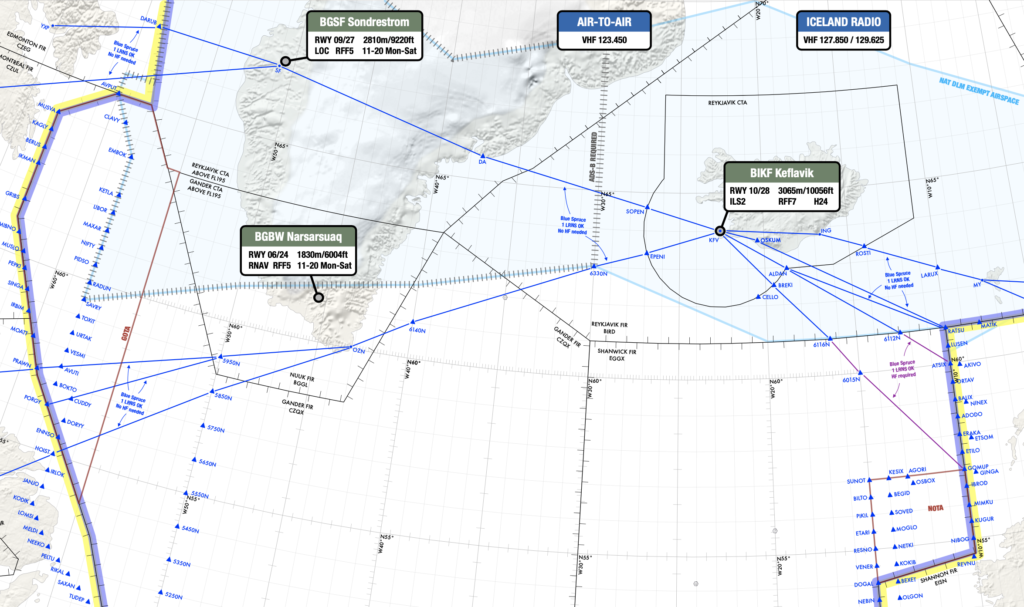

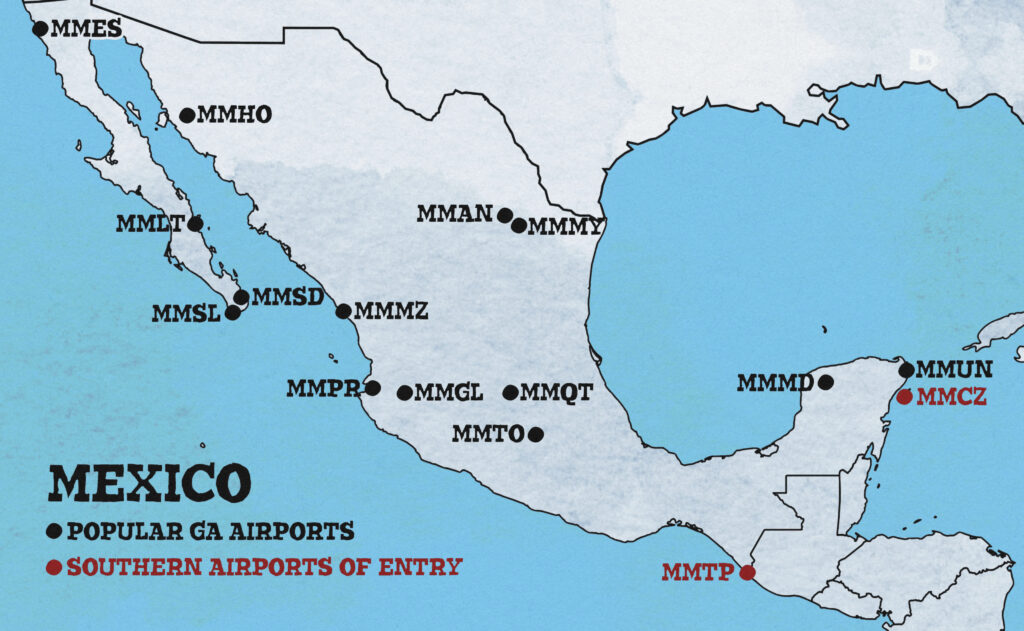

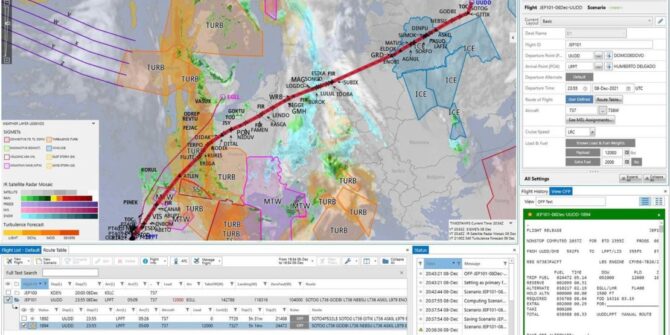
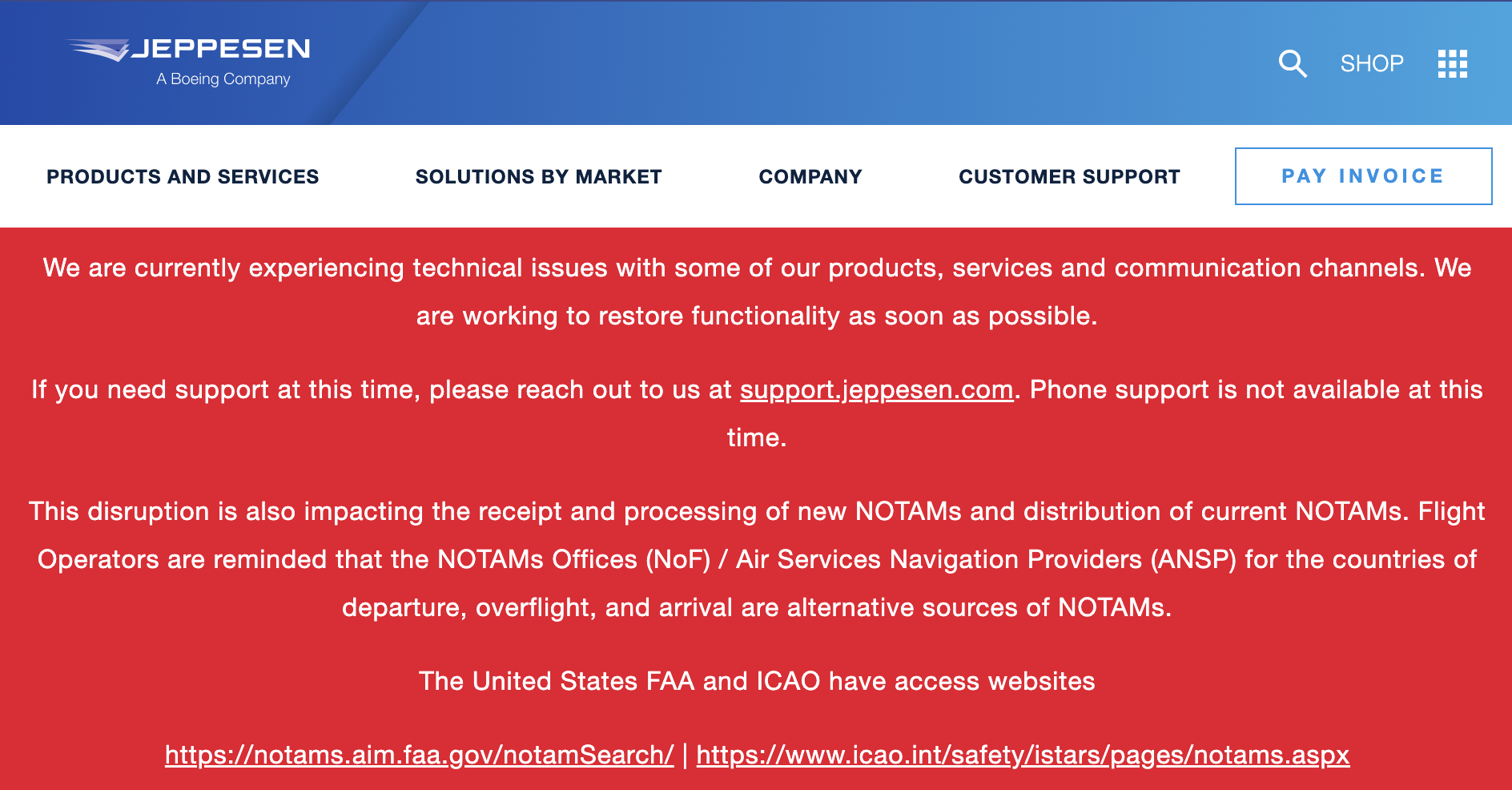

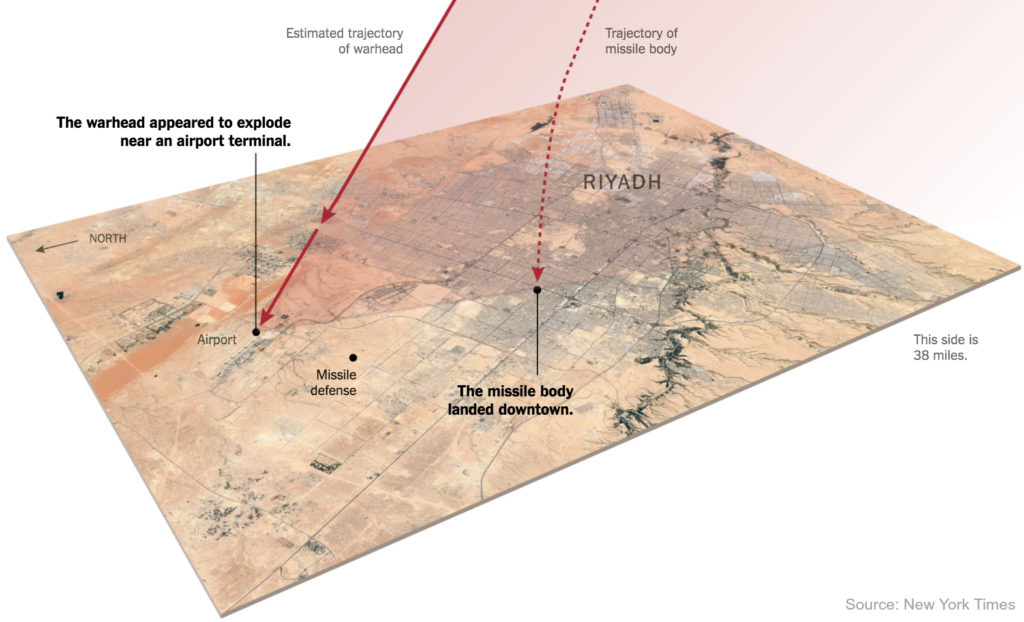
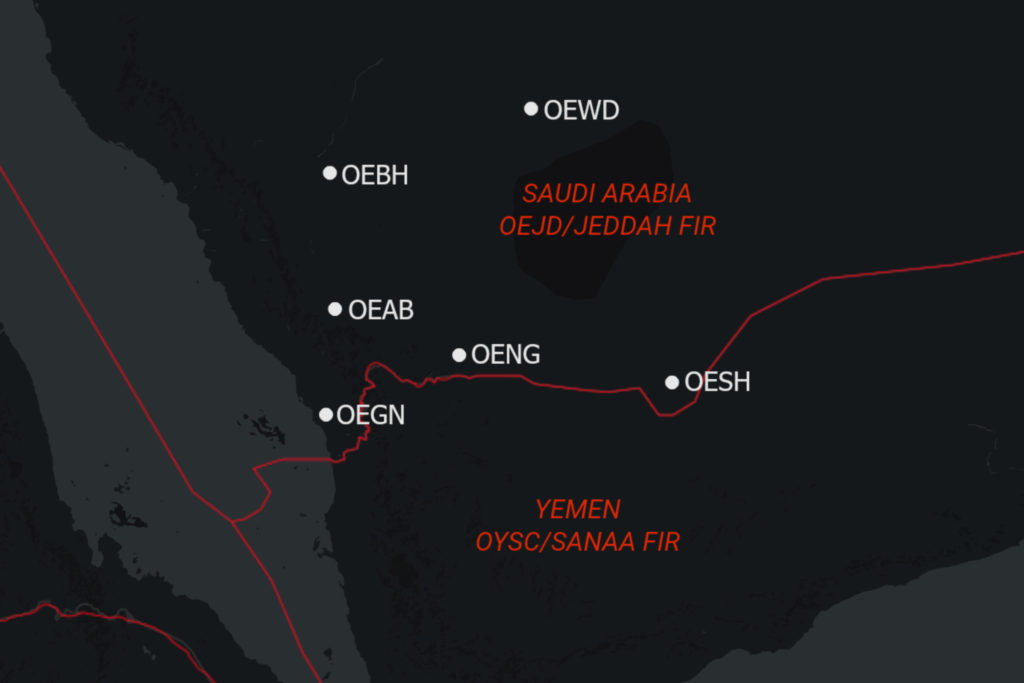

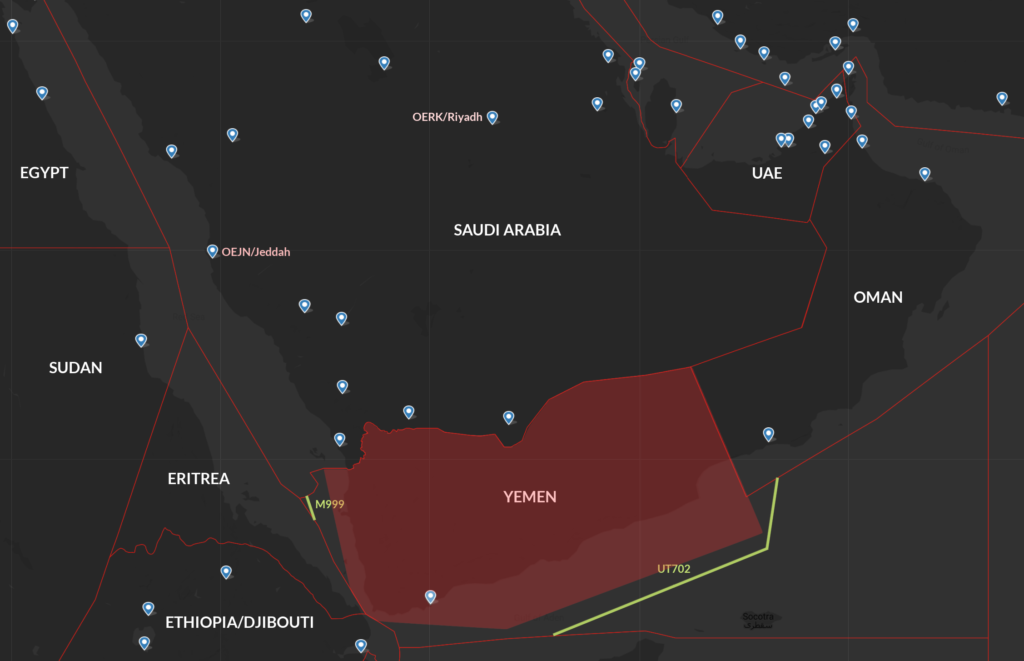
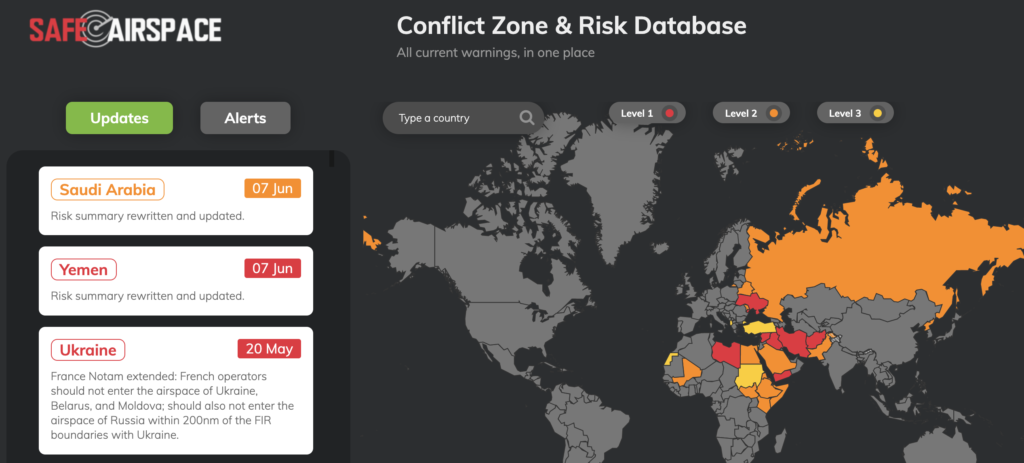

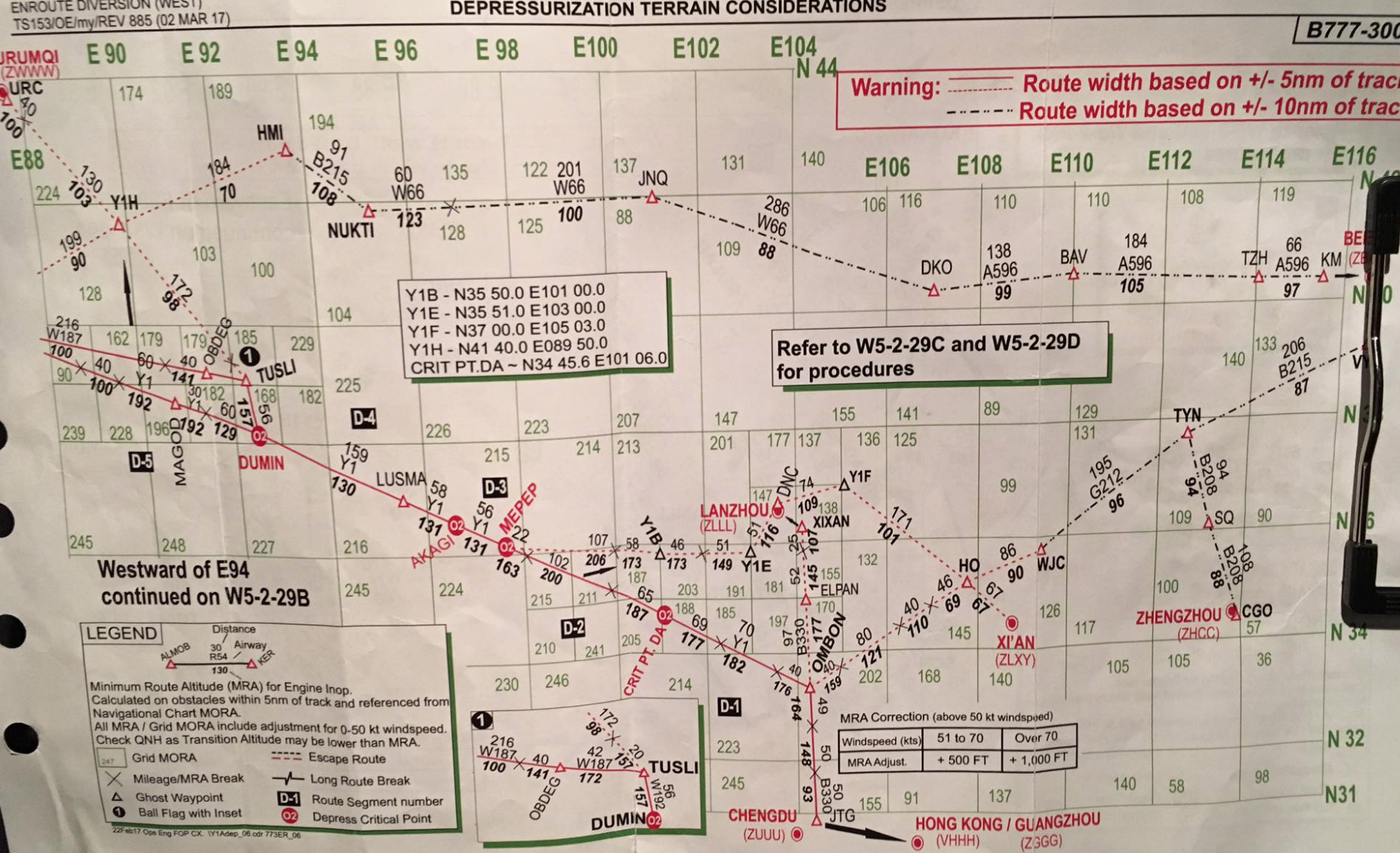
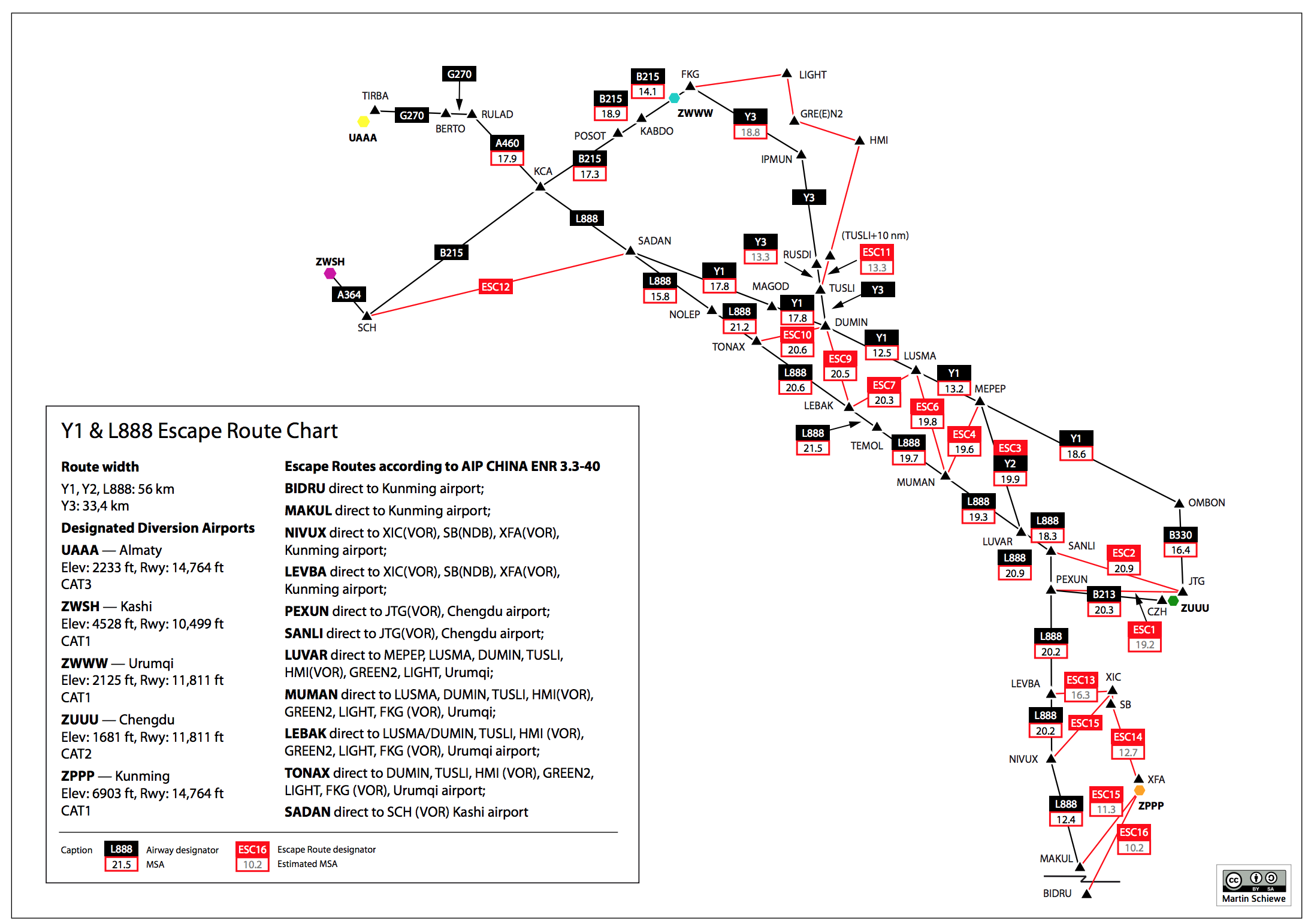
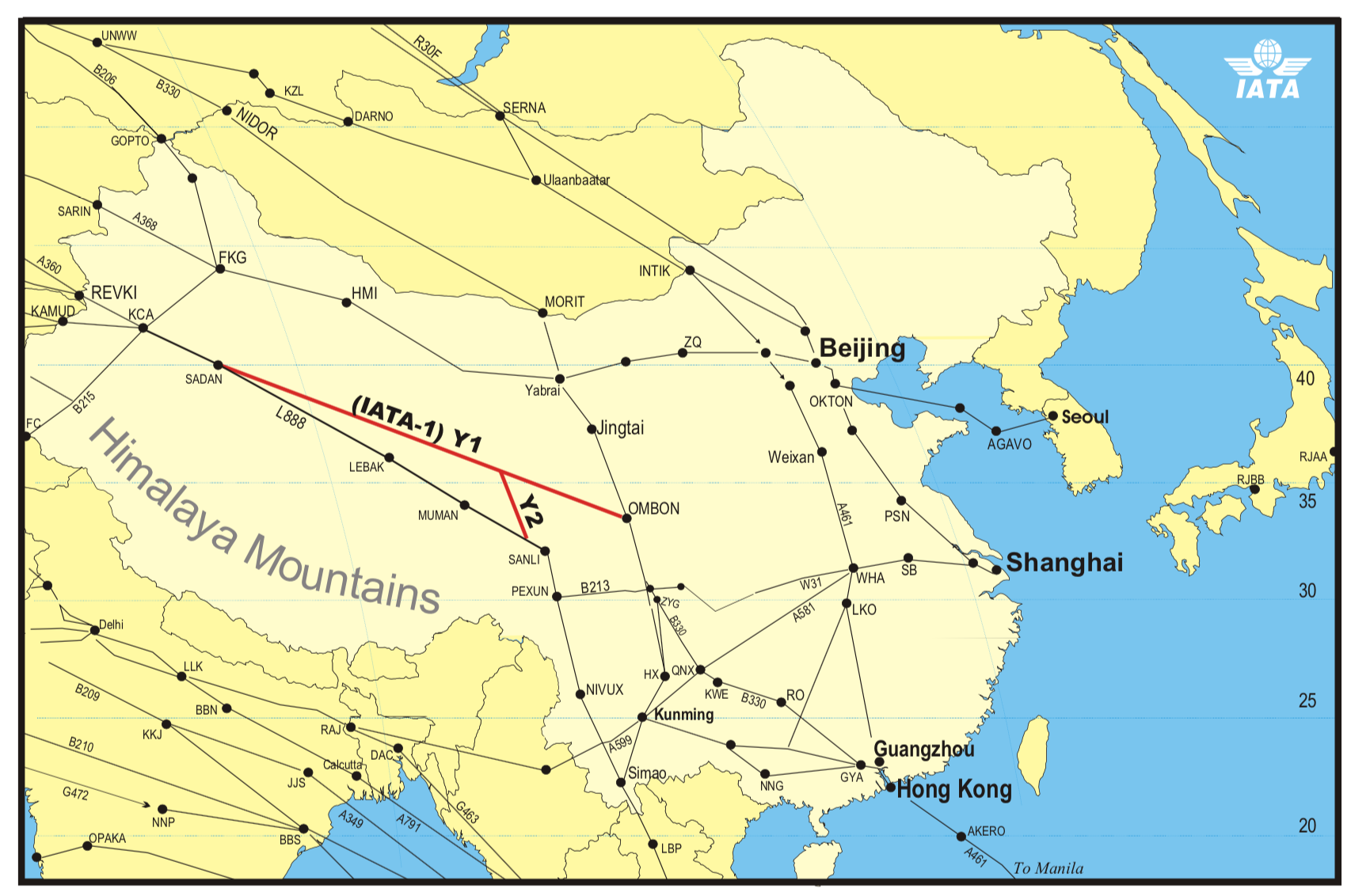

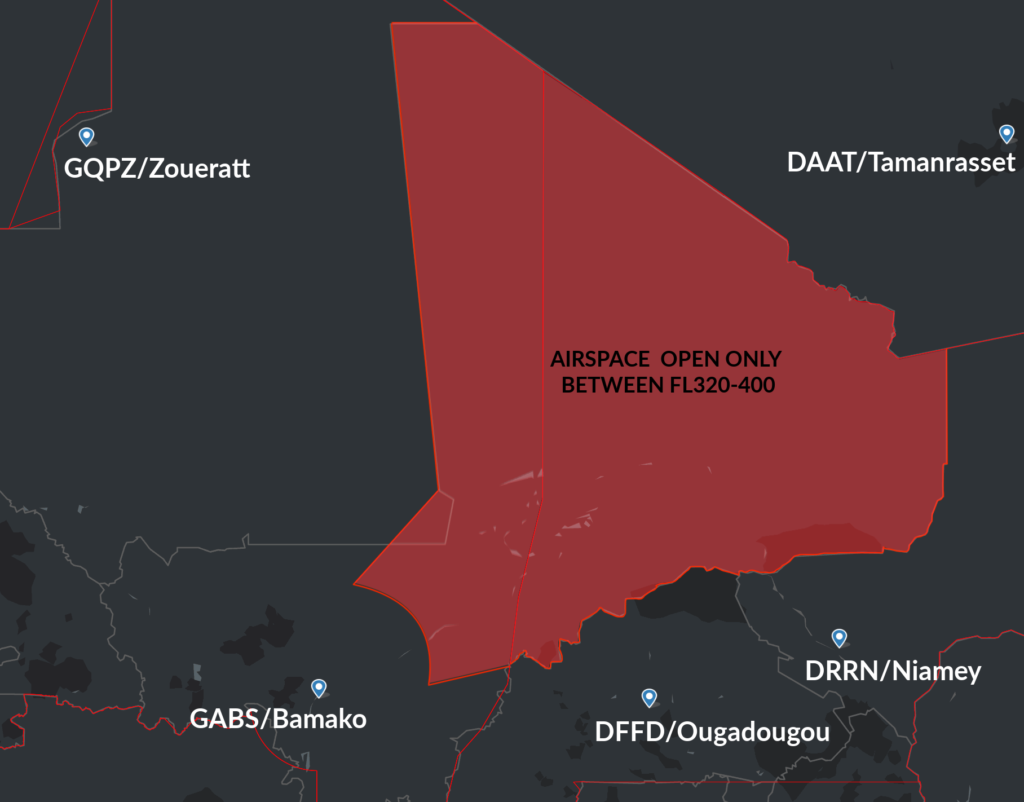

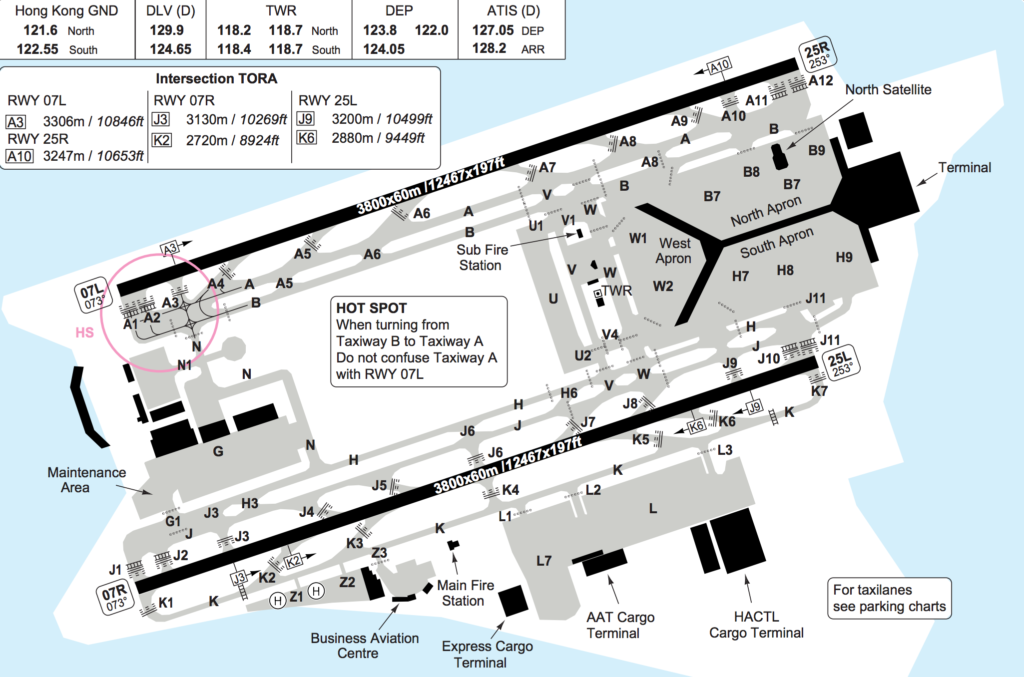
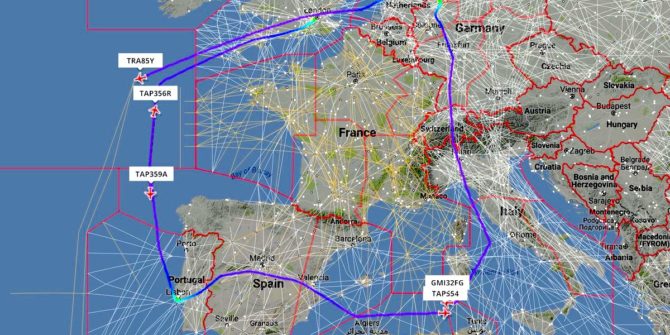
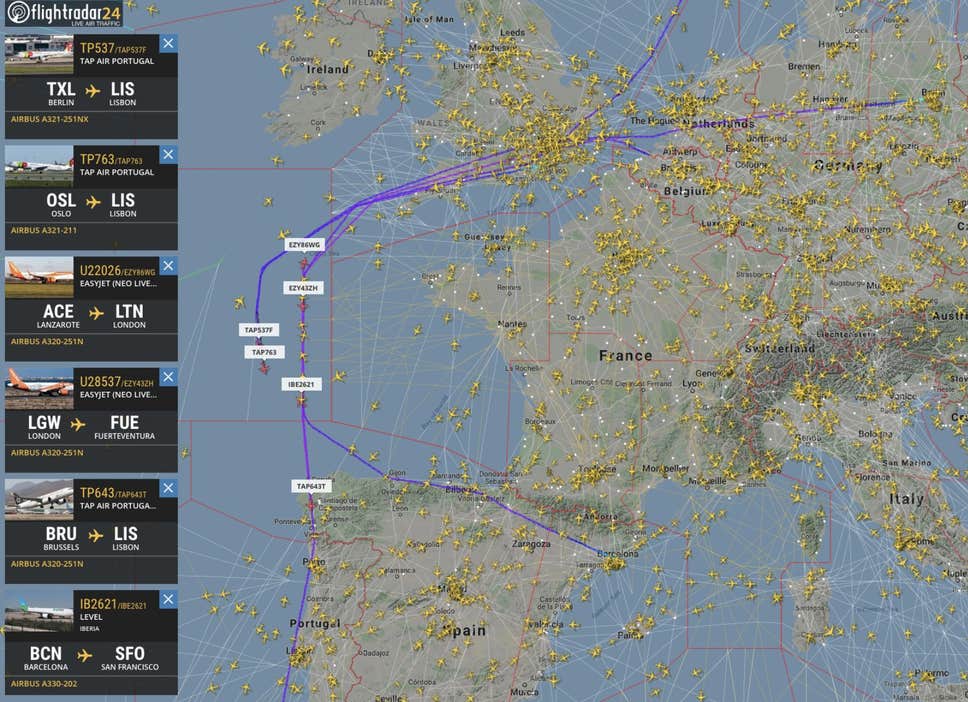
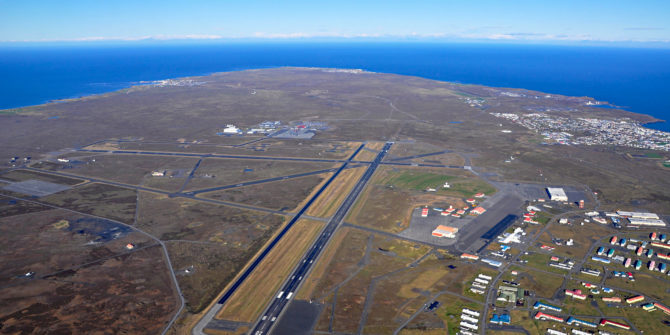
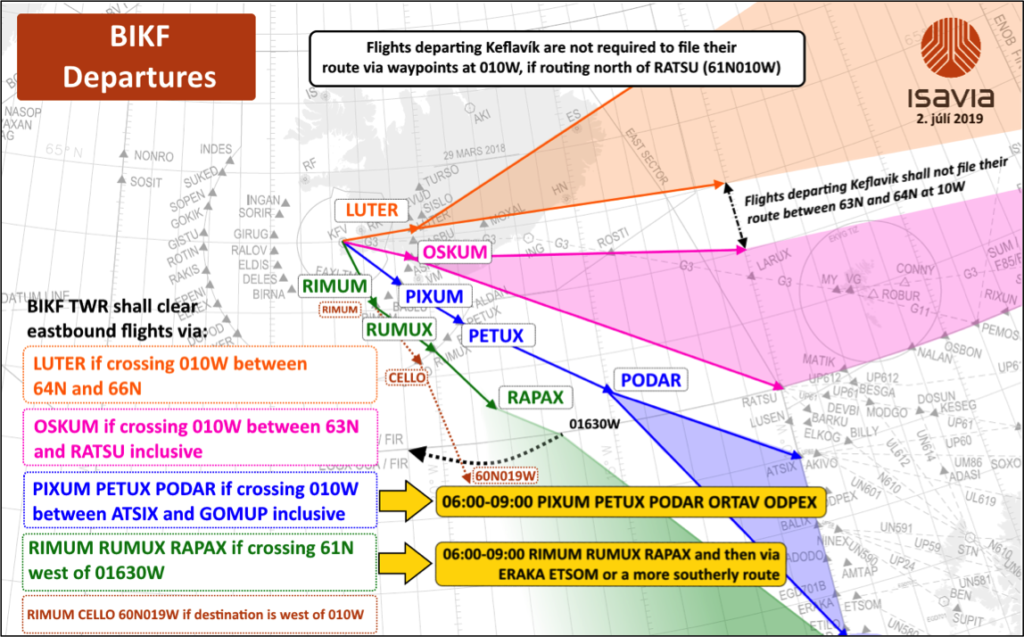
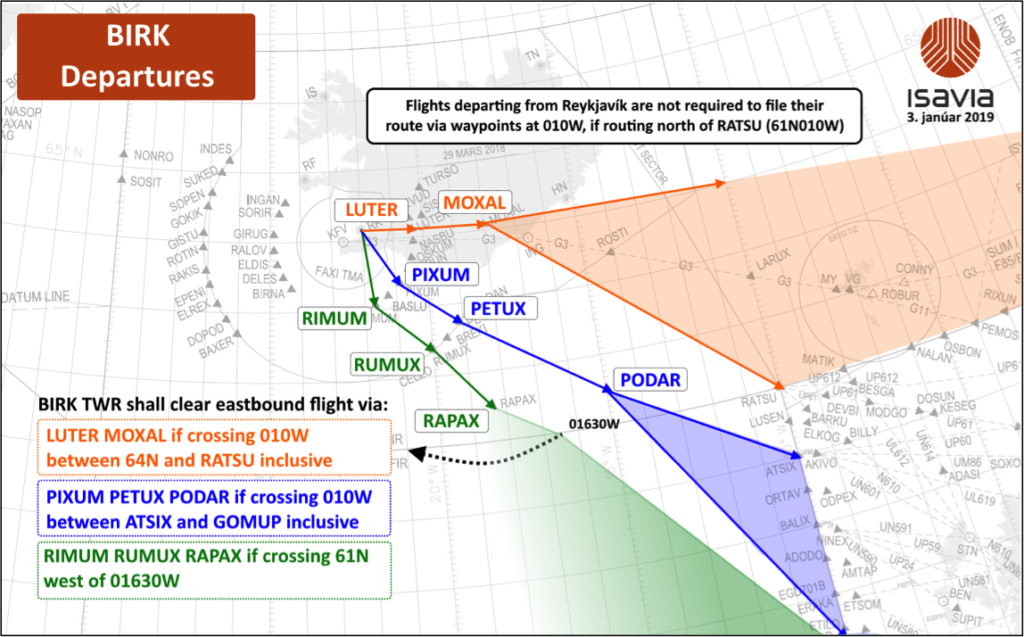
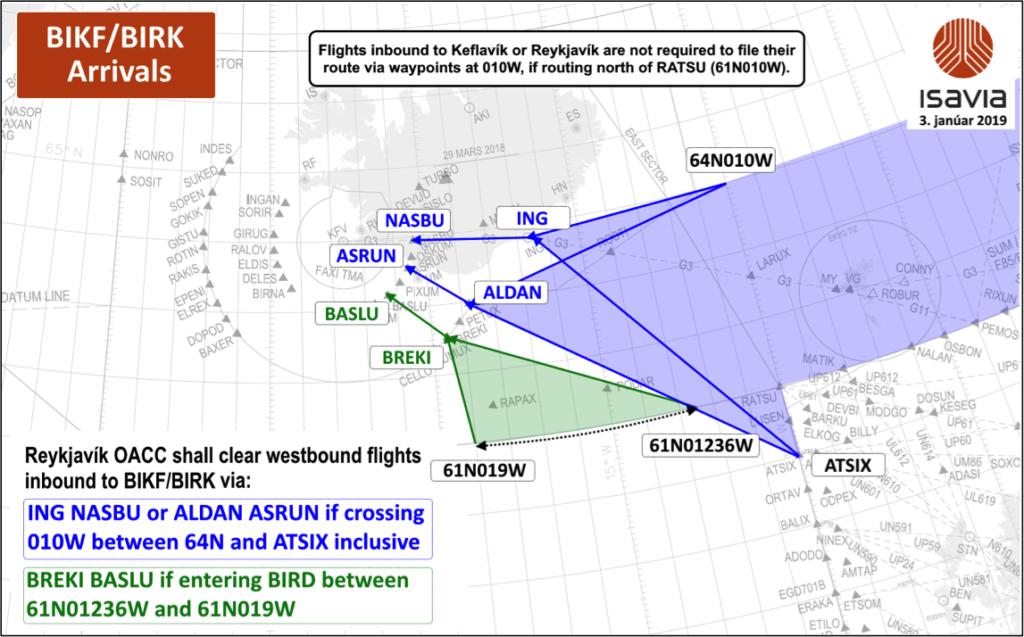
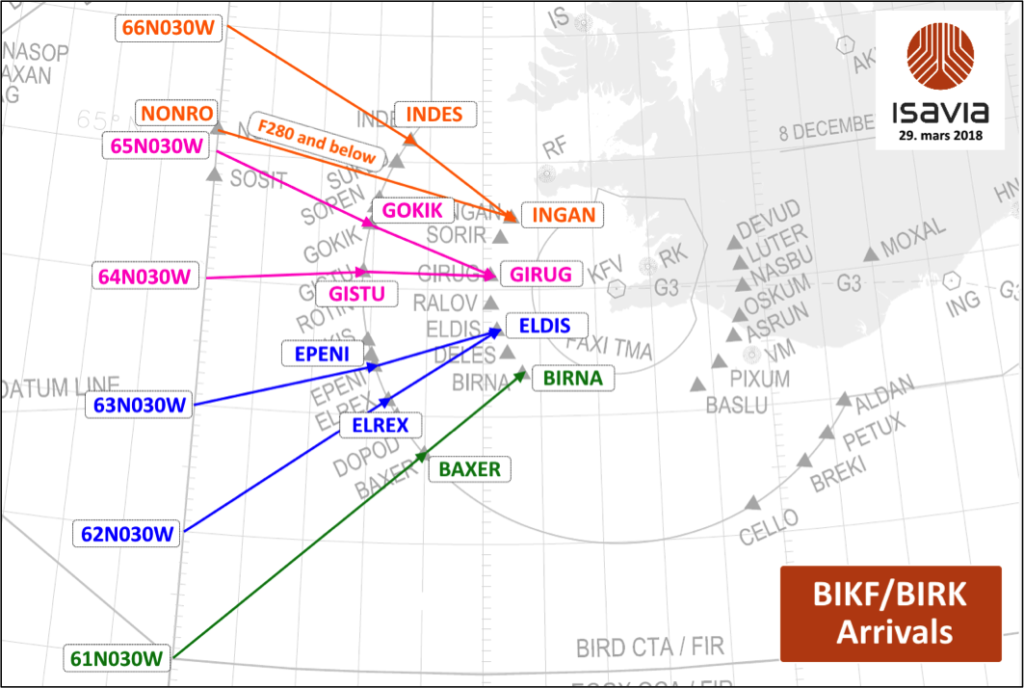
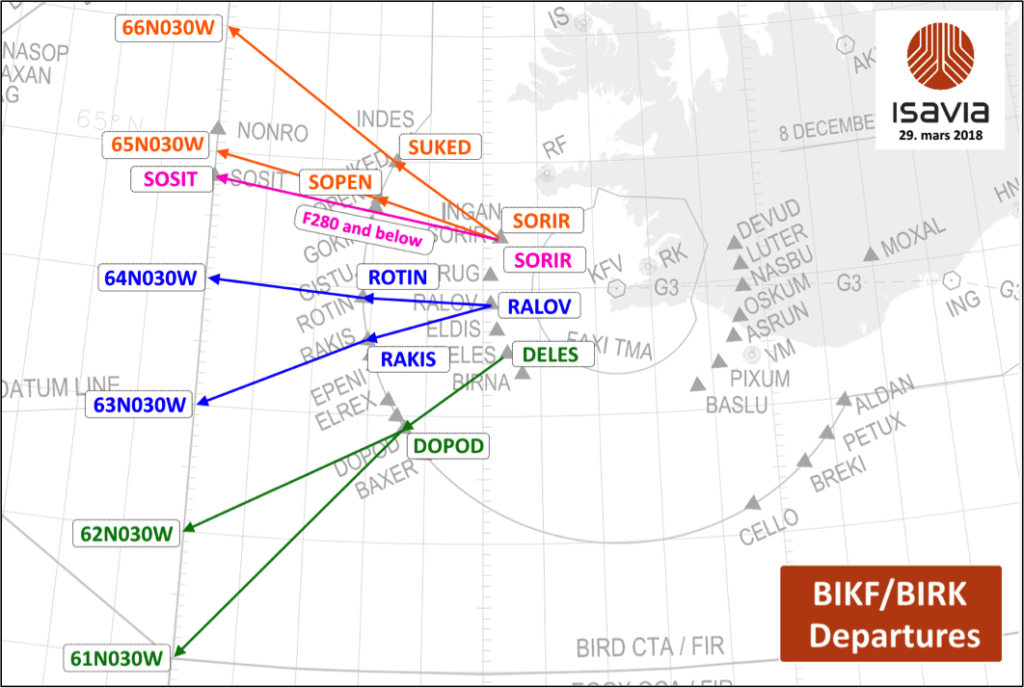
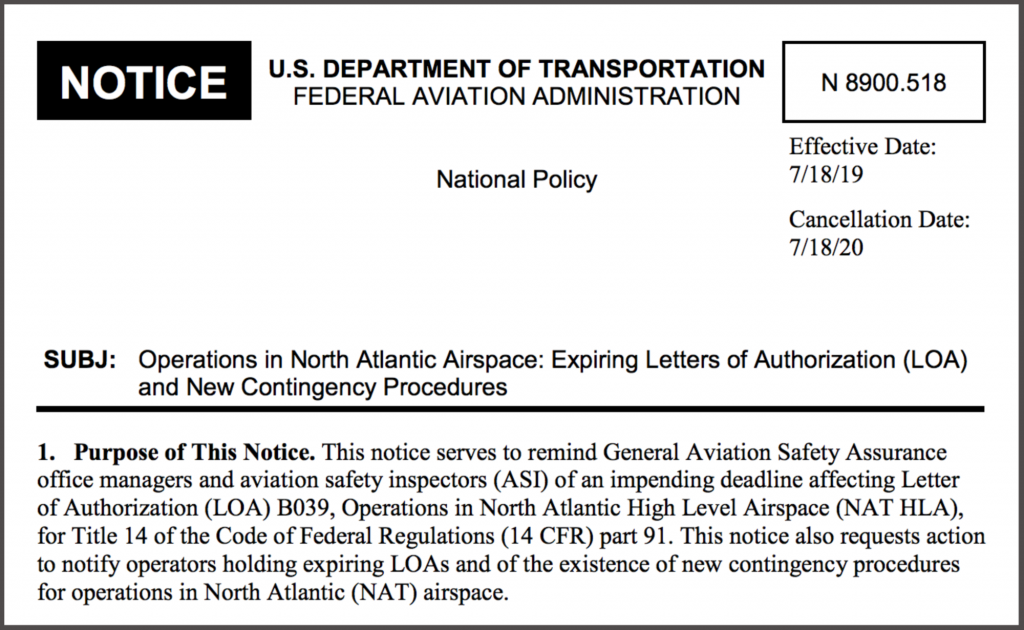
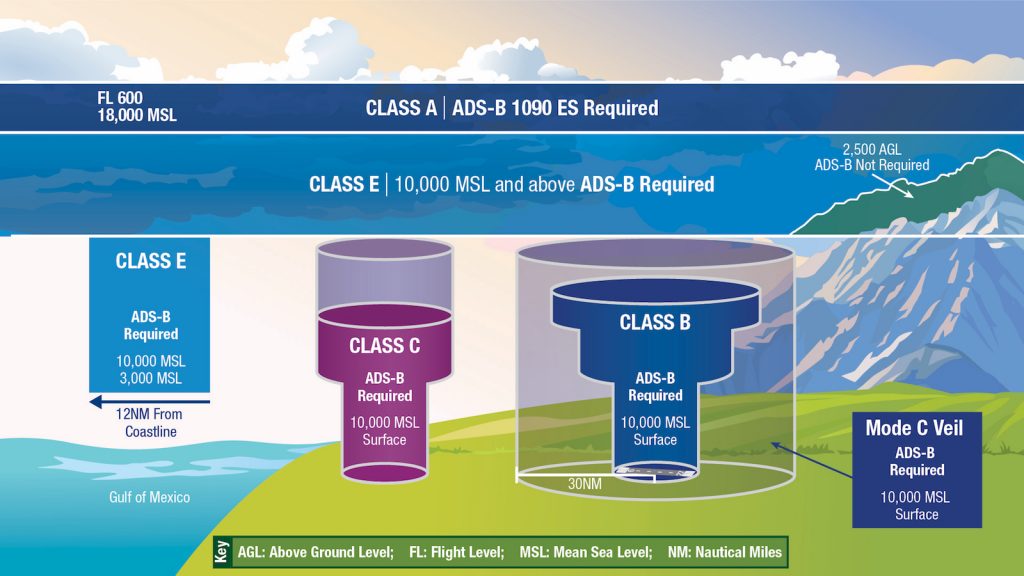
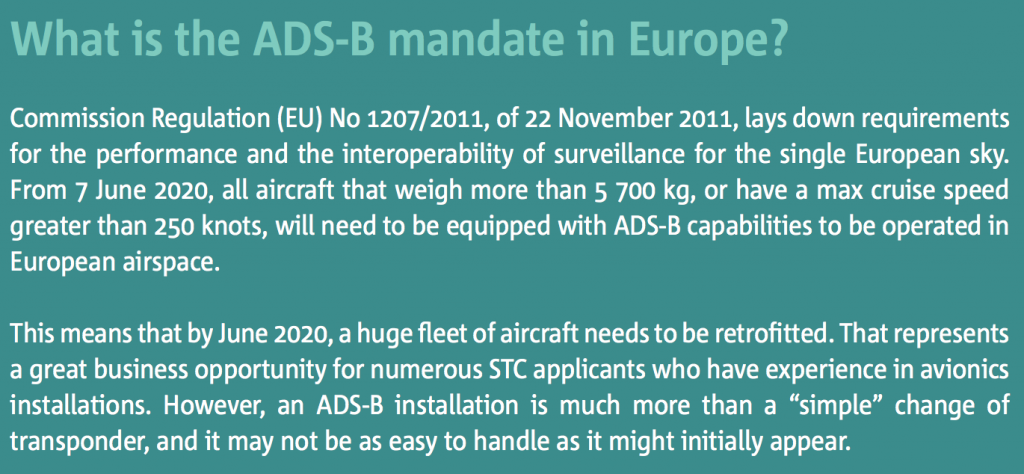
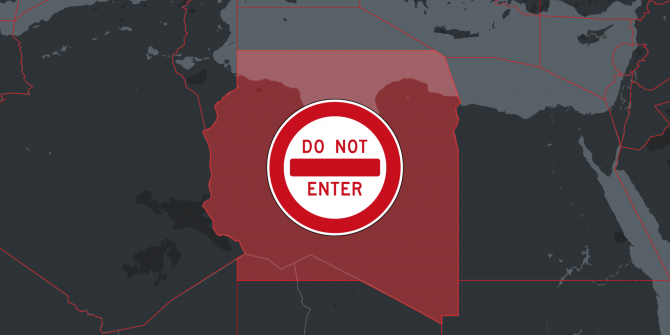
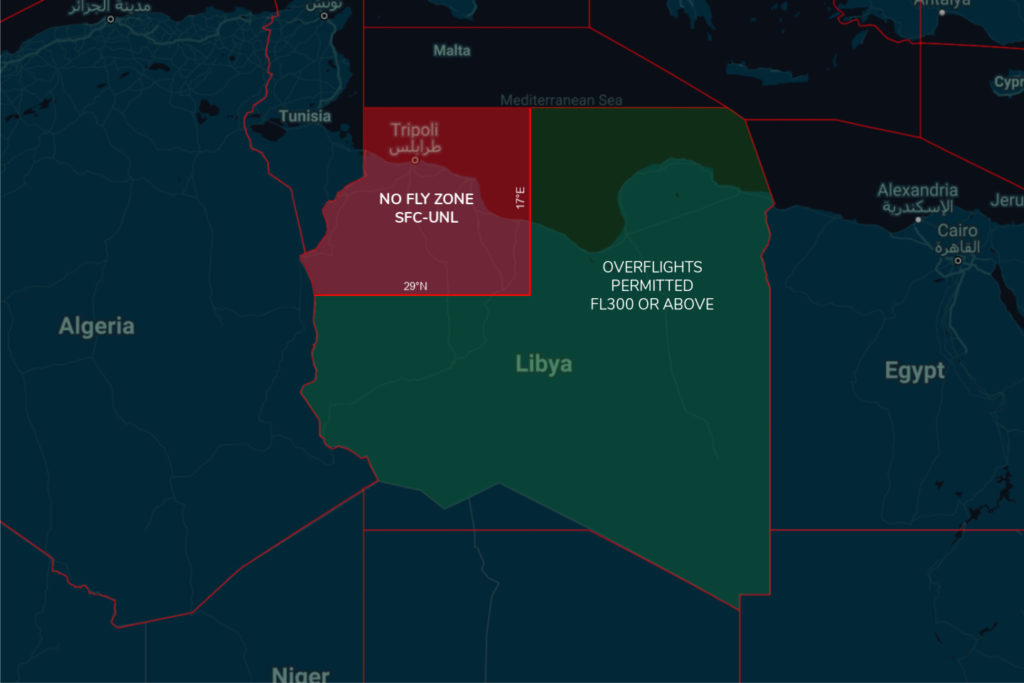
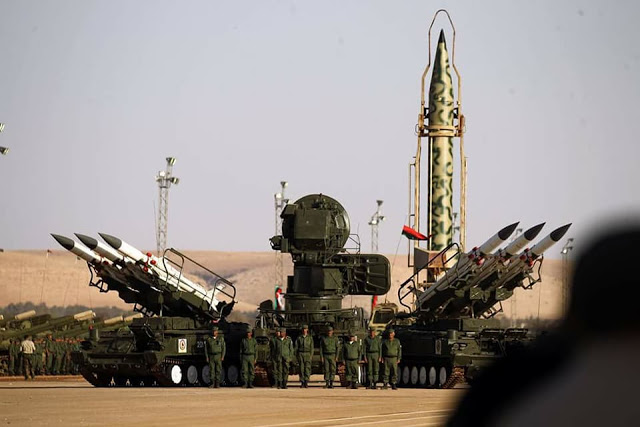
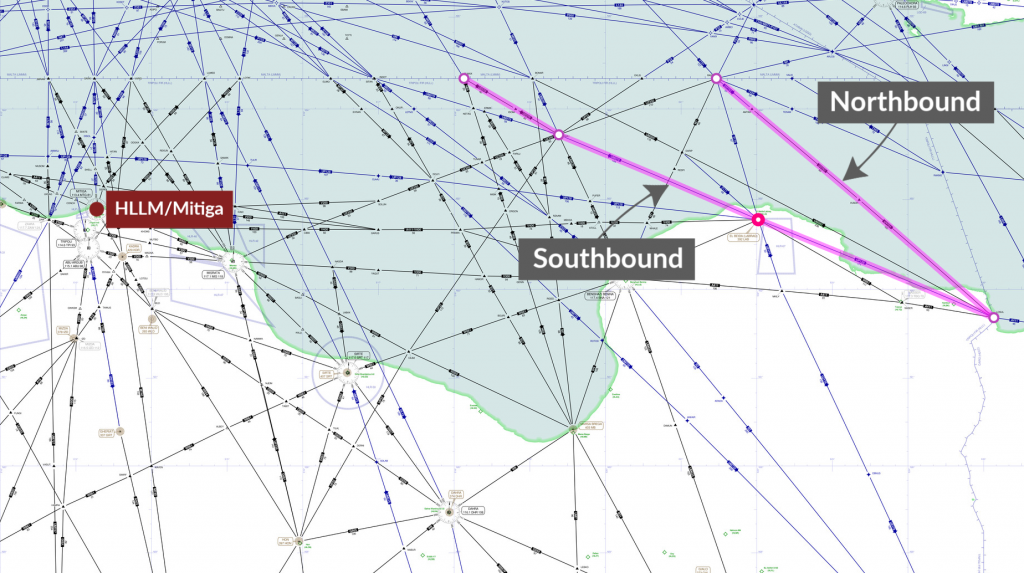 Northbound: LOSUL UP128 LAB UM979 RAMLI UZ270 OLMAX (even levels)