Wake Turbulence: See You On The Flip(ped over) Side
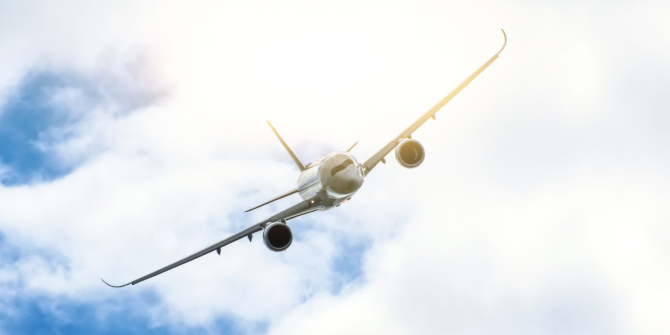
We last wrote about this back in 2017, after the en-route wake of an A380 flipped a Challenger 604 upside down over the Arabian Sea. But as the skies start to grow busier again it’s worth having a think about how to avoid wake turbulence or deal with it when you come across it.

If you are going to run into wake turbulence, there is a good chance it will happen near the ground. Not the ideal place to suddenly find yourself banking sharply without warning.

The levels of traffic operating in close proximity (and in configurations specifically designed to produce lots of lift which is what basically leads to wake) can make the approach, departure, takeoff or landing a gauntlet of swirling vortices of doom. Added to that, aircraft are generally operating at low speed with lower controllability margins.

A study in Australia looked at the vortices of an A380 and in 35 knot winds, at 2,400ft, it took 72 seconds for the vortices to cover 1300m. They move, and they take a while to dissipate. This study took place after a Saab 340B temporarily lost control, dropping 300-400ft in altitude and rolling 52 degrees left and 21 degrees right. 

An ILS calibration aircraft crashed in OMDB/Dubai after breaching minimum separation distances from commercial traffic. Hitting wake is not fun and can lead to catastrophic consequences.

Thankfully, wake turbulence is taken seriously. In fact, in 2016, wake turbulence categories were rethought.

They used to just be based off MTOWs:

  • Super (the A380 held this spot)
  • Heavy (anything with a MTOW more than or equal to 136 tons) 
  • Medium (7 tons to 136 tons)
  • Light (anything under 7 tons)

Nowadays, the categories are a little more complex and consider both weight and wingspan, because wing design is a big contributor to what sort of vortices roll off the tips. Now we have 7 categories: G-A. Ultimately, the important thing to remember is the distance you need from each depending on what you are in.
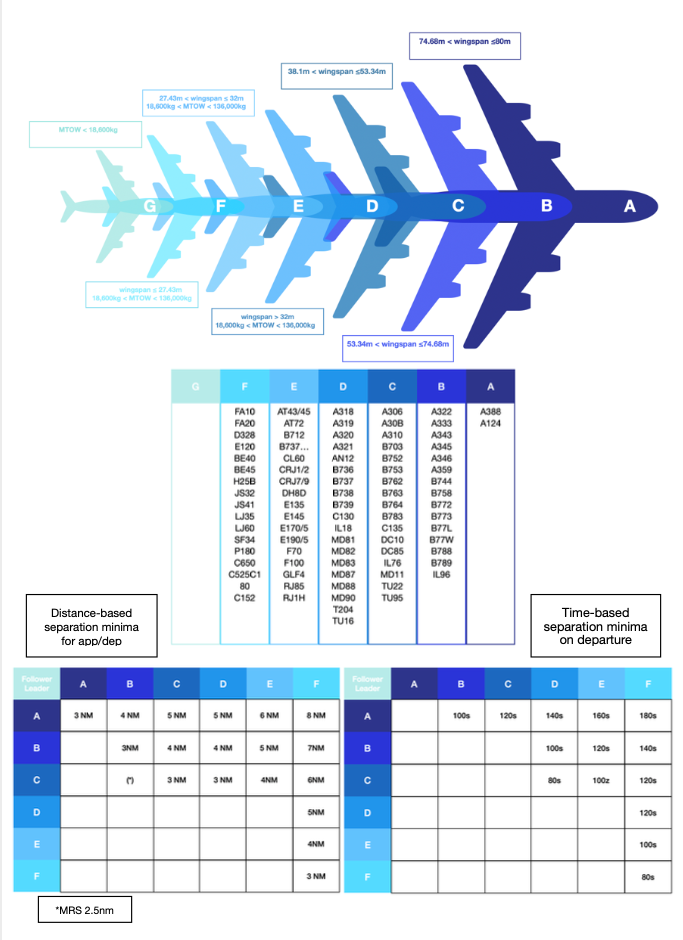
Here’s one we made earlier

Get woke about wake.

So, we have our 7 categories, and we have our distance based separation (which ICAO allows to go as low as 2.5NM).

Something to remember – these have been designed to allow maximum runway capacity and operational efficiency. You won’t be ATC’s favorite pilot if you ask for more separation (you might even lose your spot in the sequence) but safety is ultimately up to you.

If you need more space, say something.

There are a few other things you can do to help avoid wake in the airport area:

  • Consider requesting a SLOP on arrival – yes, this is possible. Except where they have super strict NABT routes.
  • Consider asking for an extended holding pattern, or opposite direction hold – just check where that might fly you (if you’re close to the border with another airspace you might run into another sort of trouble).
  • Try and remain above the flightpath of the preceding aircraft, and avoid long level sections by flying a CDA.
  • Watch those speed margins – if you think you might meet some wake, think about taking some flap a little earlier so you have more margin.
  • If you are a ‘heavy’ or a ‘super’ then ATC might not want you to fly a CDA, especially in high density airspace. JFK are one such spot.
  • Look at what the wind is doing – if it’s light or variable then those vortexes are going to sit there, waiting for you to fly into them…

Is there any technology to help?

There is indeed. In fact, there are several interesting projects and technologies being tested to help with wake.

Vortex modelling is playing a major part in the EU’s Single European Sky ATM Research and has led to some rather clever folk in Germany discovering that if you build a “plate line” (basically a wall of large wooden boards) this effectively cancels out most of the wake. This is being tested at EDDF/Frankfurt and EDDM/Munich airport using smoke and lasers.
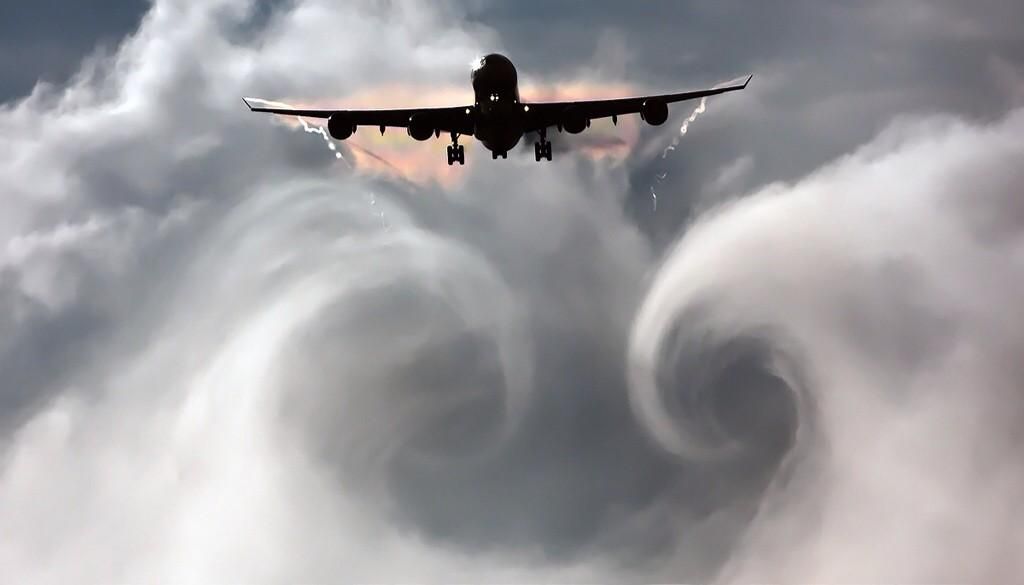
Not so clear air turbulence

Turbulence can really CAT-ch you out.

Going back to the 2017 Airbus 380 vs Challenger 604 battle – the Challenger came off a lot worse.

The big takeaway from this: the risk of wake in cruise is a pretty big one as well. So what can you do about it?

  • SLOP – It is one of the things it was designed for.

But use a bit of common sense here – if the wind is from the left (and slopping to the left is not available), then flying to the right of track just means when you get to abeam where the aircraft in front was, their wake has probably been blown right of track as well. Maybe ask them to SLOP!
Don’t play Chicken, be a chicken and SLOP

Of course, severe turbulence isn’t only caused by wake. Weather, mountains, atmospheric stuff are all to blame as well.

There are technologies out there to help with this as well. Lidar is just such a thing. The Japanese Aerospace Exploration Agency and Boeing have discovered that if you stick one of these onto the side of an airplane then it can detect aerosols on the air. These are tiny particles, such smaller than water droplets so a conventional radar won’t detect them. The Lidar system does though, and can provide up to around 70 seconds warning (about 10 miles).

This might not always be enough to avoid, but it’s enough to switch the seatbelt sign on and warn everyone down the back.

So, sometimes there are warning signs, but sometimes there aren’t. We aren’t going to bore you with a science lesson on Clear Air Turbulence or how to check your shear rates. What we do think is worth talking about is what ICAO, EASA, the FAA et al. have say about what to do when you have inadvertently come across something that has really upset your airplane.

UPRT

Upset Prevention and Recovery Training. This is a big (and very good) thing. Since the AF447 accident it has become mandatory for crew to be trained in UPRT.

But what actually is it?

Well, it is one answer which is hoping to solve the issue of LOC-I incidents amongst other things. Loss of Control in flight is the biggest cause of fatal accidents over the last two decades (on commercial jet aircraft), having led to 33% of fatal accidents.

It is designed to solve the “startle” factor by giving a clear, defined method of what to do if you don’t really know what is going on. Basically, when you experience an “unusual attitude” (with the airplane, not with a strange co-pilot).
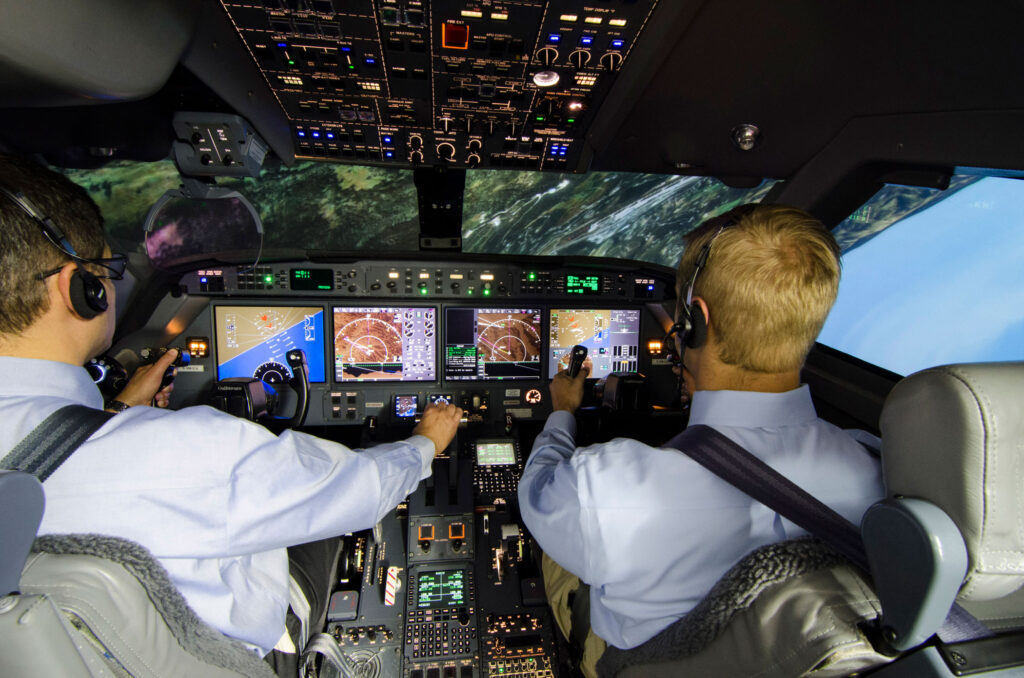
Not what you want be seeing

An unusual attitude is anything outside your aircraft’s normal limits. For a large transport category aircraft we are probably talking nose up more than 25 degrees of pitch, or down more than 10, a bank angle greater than 45 degrees or any flight within these parameters but with airspeeds “inappropriate for the conditions”.

What has changed here from the old-school stall recovery type training?

Well, the big change is what we are really learning during the training. Upsets are not “some aerodynamic phenomenon lurking in the atmosphere to grab pilots following well structured procedures” – they happen when things have gone very, very wrong and procedures have flown out the window.

So, UPRT is about training to deal with the startle and the confusion – giving a method to right the airplane when that startle and confusion is likely preventing you from doing so. It is also about learning how to recognize a potential threat that might lead to an upset, and it is about better monitoring to prevent the startle.

Tell me how to do it.

Probably more for a trained instructor, but the general gist is this:

  • Push
  • Roll
  • Power
  • Stabilise

(Sometimes Roll and Power might want to go in the opposite order.)

Pushing does not mean ramming the stick forward. It means unloading the wings. And once they are unloaded you want to stop the push, but that doesn’t mean yanking the nose back up into a negative-G maneuver. You are going to have to trade some height for speed (and safety) here. When the aircraft is back under control, that means gently returning it to the horizon.

Roll is similar – it is all about giving the wings the best chance of performing, and that means getting them level and not barrel-rolling around the sky. But… if your nose is mega high, and you have power on, then pushing forward is going to be tough to do. So adding some roll can also help us out here, getting the nose to drop, and giving us control of, well, the controls.

UPRT is about monitoring, recognizing and handling.

Fancy some further reading?


I Feel The Need For Reliable Speed

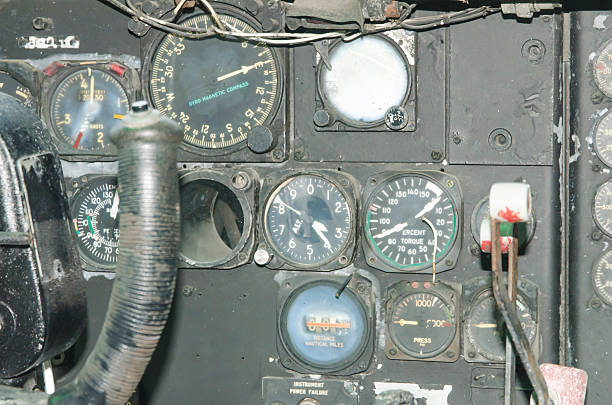
Speed is a big thing when it comes to flying. Lift is, after all, equal to half of something multiplied by something else and, oh yeah, velocity squared…

Now, with so many airplanes being hauled out of storage complete with bugs, beetles and other nasties nesting in places they should not be nesting in, there has been what EASA described as “an alarming trend” in the number of aircraft experiencing unreliable airspeed indications.

So we thought we would take a more practical look at what unreliable airspeed might really mean for you.

What are we talking about?

Airbus reported that in the period from January 2020 to March 2021, they had 55 events of unreliable airspeed. But 55 in a 14 month period (considering how many Airbus are out there flying) doesn’t sound that many.

So why is everyone so worried about it?

Well, we wrote a bunch of stuff about it here. We also talked about startle factor because that really is one of the big danger elements of the unreliable speed problemo. You see, if you get unreliable airspeed, there is a good chance you will do so at a horribly critical moment in flight. Like takeoff when you are near the ground, don’t have much speed, and have even less time to deal with it.

So, we are talking about you (the pilot) or it (the aircraft) not knowing what airspeed is reliable, and everything getting fairly confusing, very quickly.

What happens when it happens?

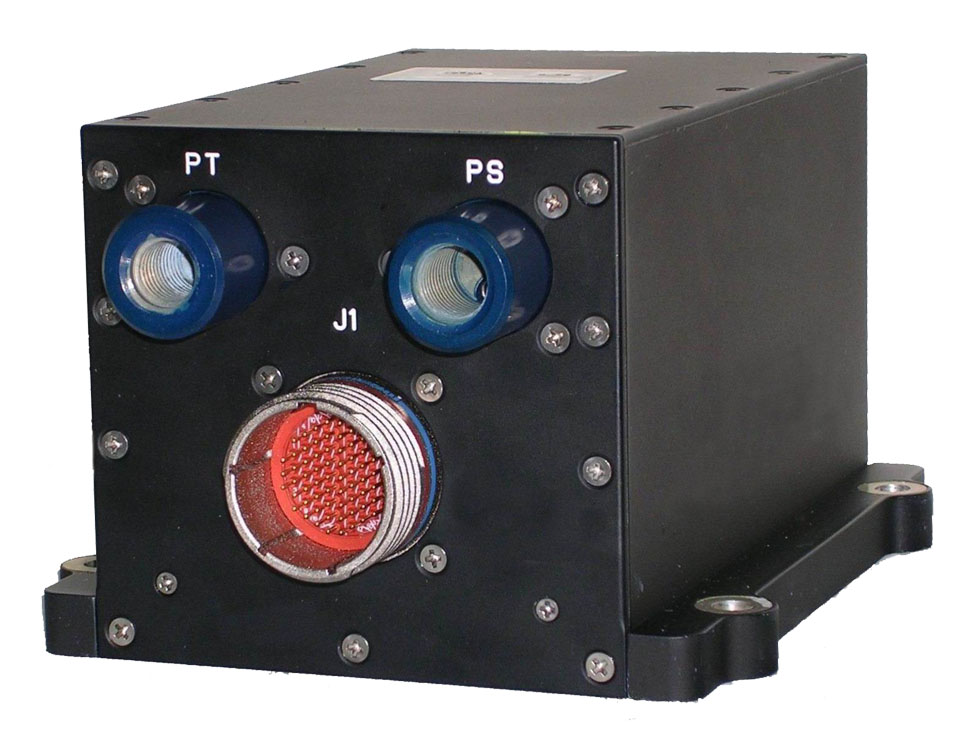
Airplane systems are clever. They use teamwork. They don’t just rely on one sensor or one probe, instead, they have independent probes talking to independent systems, and then these talk to each other and on a good day everything matches. On a bad day they might not.

But air data computers don’t argue, they get logical. If two are receiving the same information then chances are number three is wrong and then majority rules and the other systems effectively vote it out. Of course, they tell the pilot when this happens so you can judge for yourself, and maybe try to work out why there is a discrepancy.

The situation gets more complex when the computers cannot determine which is reliable and which is not. When we talk about ‘Unreliable Airspeed’ this is the situation we are really referring to because now you are going to have to troubleshoot, pretty quickly, in order to work out what to trust. More critically, you are going to have to decide pretty fast whether or not your airplane is in a safe condition.

So your first action needs to be that ‘Aviate’ bit of those Golden “ANC” rules.

Don’t forget the first line…

The memory items for ‘Unreliable Airspeed’ are going to vary between types, but the general gist is probably the same: decide if the airplane is safe and if it isn’t, make it safe before you do anything else.

Airbus, for example, say “if safe conduct of flight impacted”.

So what they mean is don’t go hurling on thrust and yanking the airplane nose about unless you actually need to (but if you need to, then do!)

If you are in cruise – straight and level, with a sensible pitch attitude and thrust setting – and your autopilot disconnects because it ain’t sure about the speed, then do you actually need to do anything? Other than making sure you have control, probably not. The speed hasn’t suddenly become unsafe just because you cannot say exactly what it is.

The same goes for a nice, stable approach. If you’re configured, heading down the ILS, and your autopilot disconnects, but the airplane is still on the ILS, descending at a normal ROD with a normal thrust and pitch setting, why not continue (or at least see if it is safer too before you throw it into a go-around)?

Destabilizing it is potentially just going to give your a whole load more work, and the airplane a whole load more trouble.

But don’t forget the first line…

There are also instances when you do not have time to think about whether it really is or isn’t reliable.

V1 is determined during your performance calculations. This is the speed by which you need to have made the decision to stop, if you are going to. But it is not “just” the speed that matters. What your performance calculations are actually thinking about is how long (and by how long, really how far) it will take you to accelerate to that speed, and then how much runway you will need to decelerate back down from that speed if you reject.

So we sort of need to think about V1 in terms of the point on the runway we will pass when we reach that speed. If our airspeed indications are unreliable, then we cannot really say if we are at the point, before it or past it, and if we don’t know that and don’t know our actual energy then…

Can we stop?

Common sense and airmanship will probably tell you when rejecting versus taking TOGA and setting a pitch attitude is the best option.

Why does it happen?

Aircraft coming out of storage with stuff stuck in their probes seems to be the most common reason. Of Airbus’ 55, 44 of them were due to things “obstructing” the probes. One fix is to put covers on to stop stuff getting in. Unfortunately, this also led to a few situations where covers were left on stopping the air from getting in and resulting in, well, unreliable airspeed.

Icing if you fly into adverse weather is also a common cause. This can be incipient and hard to spot. Combined with high altitude handling differences, half asleep pilots, and a few other factors and you have a scenario starting to sound similar to the one Air France 447 encountered.

Damage to probes (hail stones, birds and things flying into them at high speed are probably to blame here) and Volcanic Ash are less common but equally possible reasons.

What can we do about it?

Well, EASA, ICAO and other wise folk say to try and avoid it happening in the first place with some decent maintenance checks if pulling your aircraft out of storage. They also recommend good procedures and good monitoring as a good way to not get caught unawares.

The general advice is:

  • Know your pitch and power settings. Old school, back to basics flying, but having an idea about these will a) help you notice when something just doesn’t look right and b) might just save the situation.
  • Don’t ignore your stall warning. This works off Angle of Attack, not airspeed. Think of it like your wife/partner – it is probably yelling at you for a (very valid) reason.
  • Follow your aircraft memory items and checklist. This means getting the airplane into a safe flying condition and then troubleshooting.
  • Make life easy for yourself. Talk to ATC – ask for a block altitude. If you are heading in to land, ask for a long descending final so you can take your time configuring. Remember there are other resources onboard as well – GPS gives approximate altitude and speeds.


The Seven Deadly Things

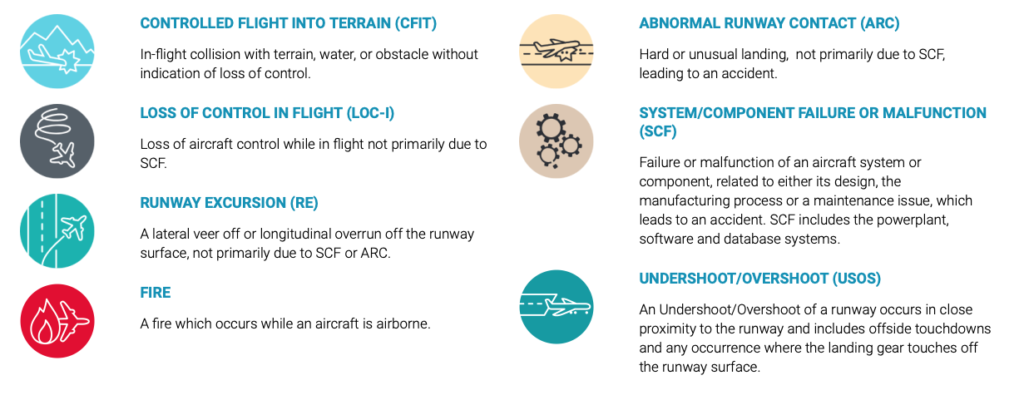
Have you ever taken a look at a report listing the distribution of Accidents by Accident Category? There are apparently more than 40 possible ways an accident can be categorized, but there are 7 that seem to pop up way more often than any other.

Airbus took a look into all fatal and hull loss accidents which occurred between 2009 and 2019 and the results are shocking in that a lot of those accidents just should not have happened.

P is for…

Yep, pilots. We are a big problem. We mess up a lot. That is what seems to be said in the media anyway…

But, it isn’t always our fault, (sadly some of the time it also is), and we all know that the news reporter’s favorite phrase “pilot error” (or “human error” if they are feeling particularly generous about it) is rather meaningless, and very unfair.  It removes all the context of the why’s and the how’s of what led to a pilot making an error, and it is rarely ever as simple as “they just messed it up.”

There are usually countless small things that lead up to any incident, and many a CRM course has been spent discussing and brainstorming how we can better avoid all of these little things and so avoid it ending up in a “one big thing” event.

So, why are these big events still happening? And what can the pilot in the equation do to prevent them? (Because the vast majority of these definitely are preventable).

1. Loss Of Control In Flight

This is the single biggest cause of fatal airplane accidents in this period, accounting for a scary 33%, and 12% of hull losses. We are not talking about situations where something major has broken or failed – we are talking about times where aircraft have somehow managed to get into a situation they shouldn’t be in, and the crew have not able to safely get them out of said situation.

Air France Flight 447 is one of the most discussed examples of this occurring.

All these accidents no doubt had other factors involved – it was not just the pilots not knowing how to fly. There were things like startle factor, bad weather, other warnings, other traffic…

But a large number of these could have and should have been recoverable.

So, what can we do about this? Well, ICAO took an in-depth look at why these kept happening, and they came up with a great and simple thing – UPRT. 

Upset Recovery and Prevention Training

When they say simple they really mean it – all you really need to know is PUSH, ROLL, POWER, STABILISE (and maybe have had a few practice goes in the sim).

This is the recovery though. It is the point when everything has gone wrong and all you have left is fixing it.

Luckily, we pilots do have a few other tools in our toolbox which we can pull out earlier at a time when prevention might still be possible. Things like good monitoring, situational awareness, an understanding of startle factor.

In fact, we have a post right here if you’re up for some more reading on the old startle thing.

There is also that Other thing we can do. It might be one that makes a few palms get a little sweaty at the thought of it – but we can disconnect the autopilot and actually hand-fly now and then.

2. Controlled Flight Into Terrain

Second on the list of the ‘7 Deadly Things’ is Controlled Flight Into Terrain. Again, not because something has broken, but because a crew have just totally lost their situational awareness. These account for 18% of all fatal accidents, and 7% of all losses reviewed in the 20 year period.

The Korean Air Flight 801 accident report offers more insight into how these occur.

Again, other things factor into this – distractions, visual illusions, somatographic illusions – and these can be tough to handle because they are one of the few things a simulator cannot realistically simulate.

We have backups though. GPWS for one. Although this really is the final layer of the safety net. If this is going off then you’re out of the prevention and well into the recovery and mitigation part of the accident curve.

There is good old Situational Awareness again though – this is the stuff of heroes. It is something you can gain, or regain, with a simple briefing. A “What if… then what will we do?” chat. Briefing threats is important, but briefing how to avoid them is even better. Get a bit of CRM in and ask the other person next to you what they think you should be looking out for.

Situation Awareness is knowing where you have told your plane to go but, most importantly, it is knowing if it is actually going there (and this means vertically and laterally).

3. Runway Excursions

These account for 16% of fatal accidents, and a whomping great 36% of hull losses. No failed brakes or issues with steering involved, just big old “oops, didn’t check the performance properly” type situations. We have mentioned this before. It is one of the biggest “that just shouldn’t have happened” types of event.

Actually, the biggest thing that leads up to runway excursions is generally unstabilised approaches.  These are something we can definitely avoid and IATA has some great tips on how. Cut out the unstabilised approaches and you’ll probably cut out a big proportion of runway excursions right away.

There are a few things to help us here too – if you are flying an Airbus then lucky you, because these have a great system on them called ROW/ROP that squawks at you on the approach, and on the landing roll, if it reckons you’re going to go off the runway. But if you don’t have this, then checking your performance properly and managing that approach well are going to be what saves you from an embarrassing call to your chief pilot.

There is also a big change to runway friction reporting coming in on 4th November 2021 – The Global Reporting Format, or ‘GRF’ as he is known to his friends. Griff will standardize how runway surface conditions are reported worldwide and with better reporting will hopefully come better awareness of the risks.

That was the Top 3. What about the others?

The other four are lumped together into ‘Other’ which makes up the remaining 33%. (Actually, 11% of that is ‘other’ others!) Combined, our final four account for 22% of all fatal accidents and 22% of hull losses.

These are:

  • Fire
  • Abnormal Runway Contact
  • System/Componet Failure or Malfunction
  • Undershoot/ Overshoot

Now, I know what you’re going to say – fire probably isn’t your fault (unless you dropped your phone under your pilot seat and then ran over it repeatedly with your chair trying to hook it out again).

But there are still things a pilot can do to help lower the impact of these.

How? Well, by knowing our fire procedures (the what to do if something Lithium Ion powered in the flight deck does start smoking), and by knowing the comms procedures needed to help support our cabin crew if there is something going on down the back. We can also prepare in flight – be ready with something in the secondary flight plan in case we need to suddenly divert.

As for system and component failures, well, the 737Max accidents of the last few years account for a big proportion of this, however, in all cases having a strong systems knowledge and preparing for those “what if?” situations might help save your life one day.

You might have noticed a shift in the training paradigm in the industry, and with good reason – the days of focusing on practicing specific failures in the sims are vanishing and in its place is Evidence Based Training – training that focuses on building the skills needed to handle any situation. If that all sounds newfangled to you then think of it this way – a pilot is there just not to push buttons, but to manage the flight, and these skills are the tools which will enable us to do that.

Fancy reading some more?

  • A full report from IATA on LOC-I can be found right here


Currency and Startle Factor – How to Beat It

Good news – the vaccine is here!

Slowly but surely passengers will begin returning to the skies. Which means pilots will too. Just like a huge ship, our industry has inertia. You cannot simply take your foot off the brake and straight back onto the gas.

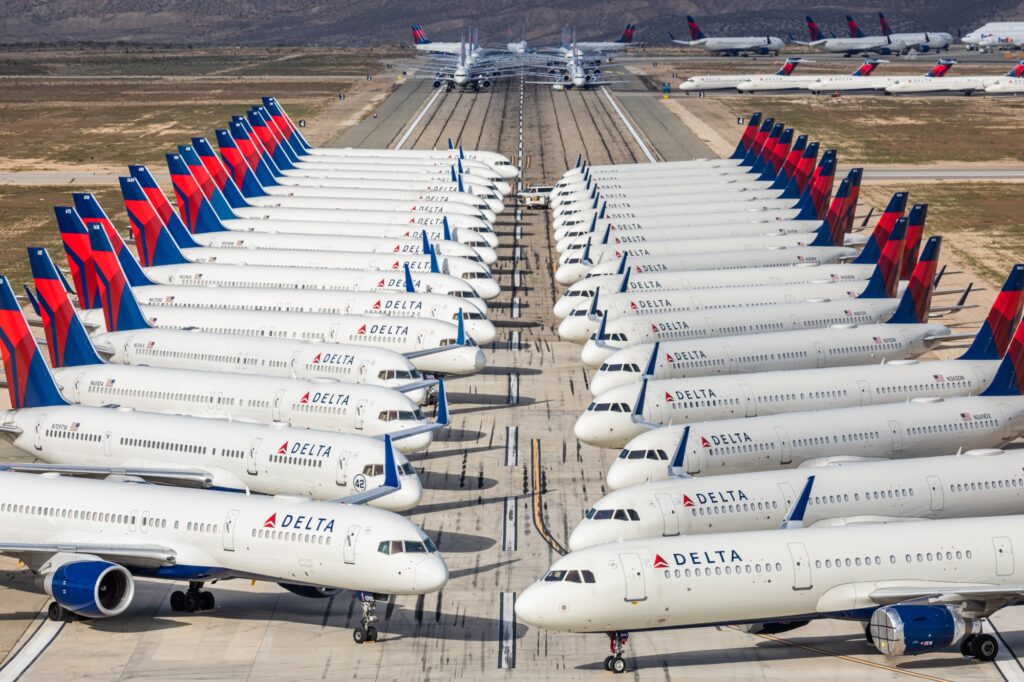
In 2020, it went into a deep hibernation. Remember those pictures? Thousands of gleaming tails stuck depressingly in the desert? Well, pilots didn’t fare much better. Thousands of pilots were put into deep storage too.

To give you an idea of scale, get a load of these stats- the first post-Covid worldwide survey found that 58% of the world’s pilots are currently grounded. 33% lost their jobs completely while a big bunch are on furlough with no clue when they’ll fly next.

So as the industry begins to recover (and it will), a legion of seriously “non-current” pilots will find themselves back in the hot seat facing the same challenges they did back when things were booming and your skills were Chuck Yeager sharp.

Beginning to get the picture? I’ll give you a hint…

It’s not like riding a bike.

We’re not machines and our skills degrade over time no matter how good you are.

Secondly, you might think a bunch of extra training will soon get you back to speed. The issue is resources – it is such a big task to get everyone current again you are likely to find yourself at the controls legally current, but not necessarily at your best.

So if something goes wrong, you’re likely to be further behind the 8-ball. So let’s talk about startle factor. Yep that old chestnut. We’ve all been there. Something has gone wrong and fast. One minute you’re talking about that great place that does burgers near the crew hotel, the next you’re seeing more red lights than Amsterdam. For a fleeting moment all that training and knowledge is gone. You go blank but feel compelled to act. Sadly it is in these brief moments that some crew have tragically become unstuck.

Here’s the issue.

When you’re not current you are more likely to fall victim to startle factor. And you can bet your bottom dollar that whatever is about to happen is not going to wait for you to get a few sectors under your belt first.

So if I get a call up next week, what can I do about it?

  • Understand what is happening in your brain when something goes *bang*.

    Startle factor is normal. It affects everyone because a ‘fight or flight reflex’ has been hard wired into our brains since the days we were running away from woolly mammoths and sabre tooth tigers. It is a physical and mental response to something unexpected.

    When something gives us a fright, our brain activity changes. We think less and act instinctively while our bodies are pumped full of adrenaline and stress hormones. Effectively for a short time our thought processes are hijacked. We can get into a vicious cycle of bad decisions in a hurry. This post-startle brain fog has had tragic consequences in avoidable accidents.

  • Don’t act. At least right away.

    Just for a moment, resist the knee-jerk reaction. Slow it down. By sitting on our hands even for a second or two you are giving your brain a chance to pass through its instinctive reaction and give you back control of your decision making. You have to understand what is actually happening before you can do anything to fix it.

  • Be Ready.

    Fight boredom and be alert. In each phase of flight think about what could go wrong and how you will react. For those less superstitious, dare your plane to fail. By keeping your brain in state of readiness you will overcome the startle factor more easily.

  • Get Back On the Script.

    Ah, yes. Familiar territory – nothing helps you get over a shock than what you already know. Use a robust decision making process and watch your ol’ capacity bucket grow.

    You have probably heard of some – SAFE, GRADE, FATE etc. There are lots of them but it is important to have one and practice it consistently.

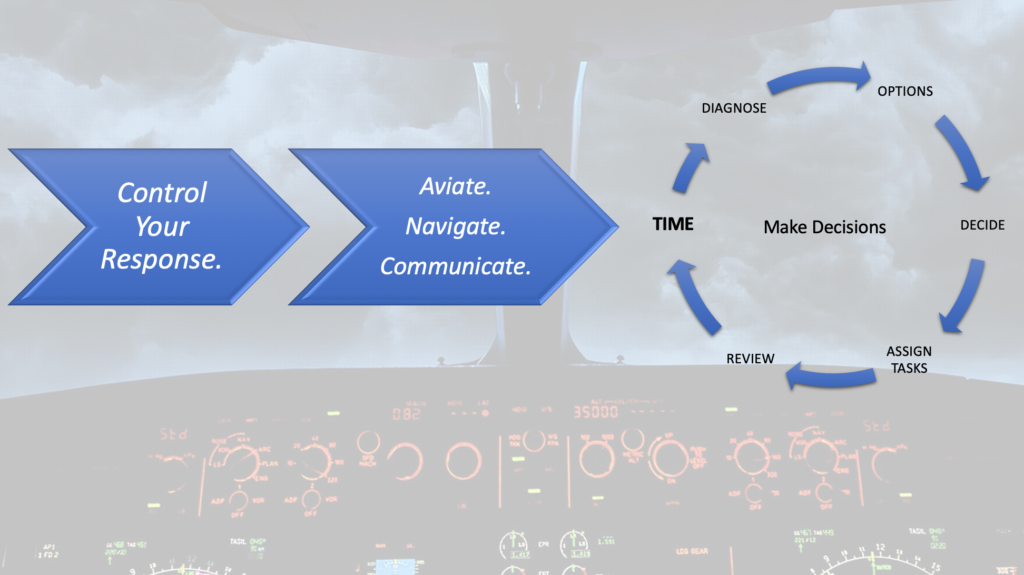
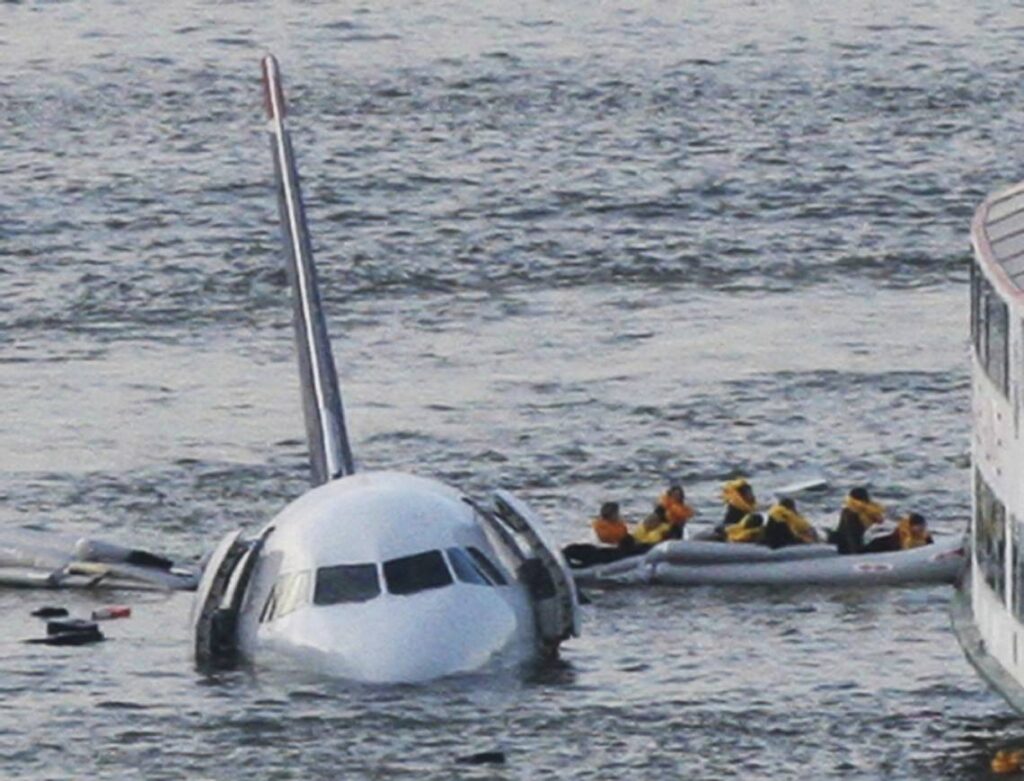
    T-DODAR is another tried and true method, and US Airways flight 1549 shows how it can be used in some of the most startling circumstances that could have been thrown at a crew.

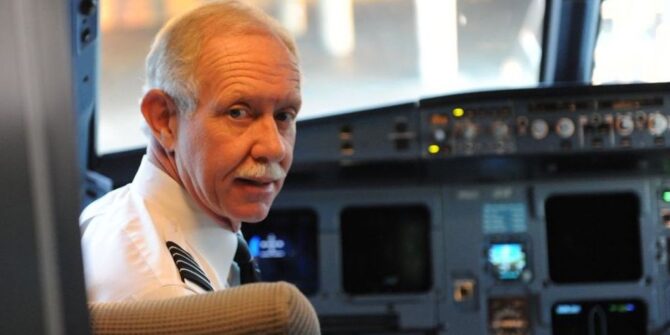
Sully Sullenberger kicked a field goal that fateful day in 2009 when they took a flock of Geese straight through both noise-makers.

He paused, sat on his hands and tried to understand the status of the airplane. What had happened, and why. Whether he had power or not. He got himself back in the loop. He took control of the airplane, established it in a glide and turned the aircraft back towards the airport. He then told ATC. Aviate, navigate, communicate.

Once he had the capacity, he went to work. He knew he had no time and had to land. The diagnosis was obvious – a bunch of birds damaged both engines. Sully worked through his options: Return to La Guardia, go to another airport or ditch. He made his decision – “We’re gonna be in the Hudson.”

Once the decision was made, he assigned tasks. He would fly the plane, his First Officer would run checklists and try and get an engine back and his cabin crew would prep the cabin.

As they descended toward the river he turned to his colleague and with a simple question covered off his review – “Got any ideas?”. In other words, anything we haven’t tried yet? 155 people were saved by the crew’s ability to make decisions effectively. Apply a framework and you create so much extra brain space to concentrate on other things.

Oh, and about the sim.

Traditionally, airlines have followed matrices.

What’s that you say? Matrices, cyclics, whatchamacallits – predictable training programs that meant that every year or two that horrible multiple hydraulic failure would pop up yet again. That canned exercise that you were born ready for because you spent all last night studying it over a room service steak.

While I’d be the first to admit that when it comes to sim assessments, I love to know what’s coming, that’s not how the world works. The real reality is… who knows? There is an un-countable number of factors at play that will decide what an actual airplane is going to throw you at you. So the best defence is being comfortable with what you don’t know.

Spend a few minutes looking up ‘Evidence Based Training.’ Chances are you’ve already heard of it. It’s about assessing competencies no matter what’s thrown at you and it’s a revolution for pilot training. If you have the right tools in your bag you can fix almost anything – and that’s the whole point.

Simulator time is valuable, and if you get the chance use the extra time. Get something new thrown at you – because at the moment, we need all the help we can get!

Some other interesting stuff…