That MMEL Thing: Here’s an Update

It looks like there might finally be a solution to the long-running MEL vs MMEL issue for US operators headed to Europe, keen to not get a ramp check finding!

The brief Backstory

Since 2017, US aircraft have been getting hit with ramp check findings in Europe because EASA decided that the D095 LOA wasn’t good enough – they wanted to see a D195 LOA instead, but it was taking operators a long time to get these approved by the FAA in the US due to a big backlog of applications.

The Solution

The FAA has published an updated Advisory Circular (AC 91-67A) which speeds up the process of getting this D195 LOA.

The NBAA have reported that the FAA has also updated guidance to its field offices, who will now issue the LOA after a brief review, provided the application is accompanied by an “attestation letter”.

The slightly longer Backstory

Over the past few years, ramp checks on some US aircraft in Europe highlighted an important issue – EASA and the FAA have different interpretations of the ICAO standards regarding deferring aircraft discrepancies.

In the US, with FAA authorization operators can use a master minimum equipment list (MMEL) to defer repairing certain equipment. But in Europe, MMEL cannot be used in lieu of an MEL specific to each aircraft or fleet.

The European Aviation Safety Agency (EASA) began requiring all aircraft transiting European airspace to have an approved Minimum Equipment List (MEL) for each, individual aircraft (i.e. a D195 LOA). An MEL that references the MMEL was not acceptable (i.e. a D095 LOA).

This was a pain for US operators, as to get an individual MEL approved under the LOA from the FAA takes time – but by not doing so, they ran the risk of getting a ramp check finding in a European country. (France seems to be the place where this happens most often!)

At the start of 2018, the rumour was that the FAA and EASA reached an agreement: the FAA would start requiring international operators with D095 LOAs to obtain new D195 LOA’s instead, and in return EASA would halt any findings for a period of 12 months to allow for these new LOA’s to be issued. There was no official announcement on this, but SAFA data did indicate that ramp check findings for use of D095 were greatly reduced for a time.

The FAA proposed a policy change to phase out the D095 LOA over the next 3-5 years, and to work out a streamlined approval process to issue everyone with D195’s instead.

The French CAA said they would stop issuing ramp check findings once the FAA has launched the new policy.

FSDOs across the US then started processing the backlog of D195 requests from operators (there were lots!). In the meantime, US operators with the D095 LOA continued to face the same old MMEL findings on ramp checks in Europe.

How to prepare for a ramp check in Europe?

Here’s the article we wrote all about how to make a ramp check painless.

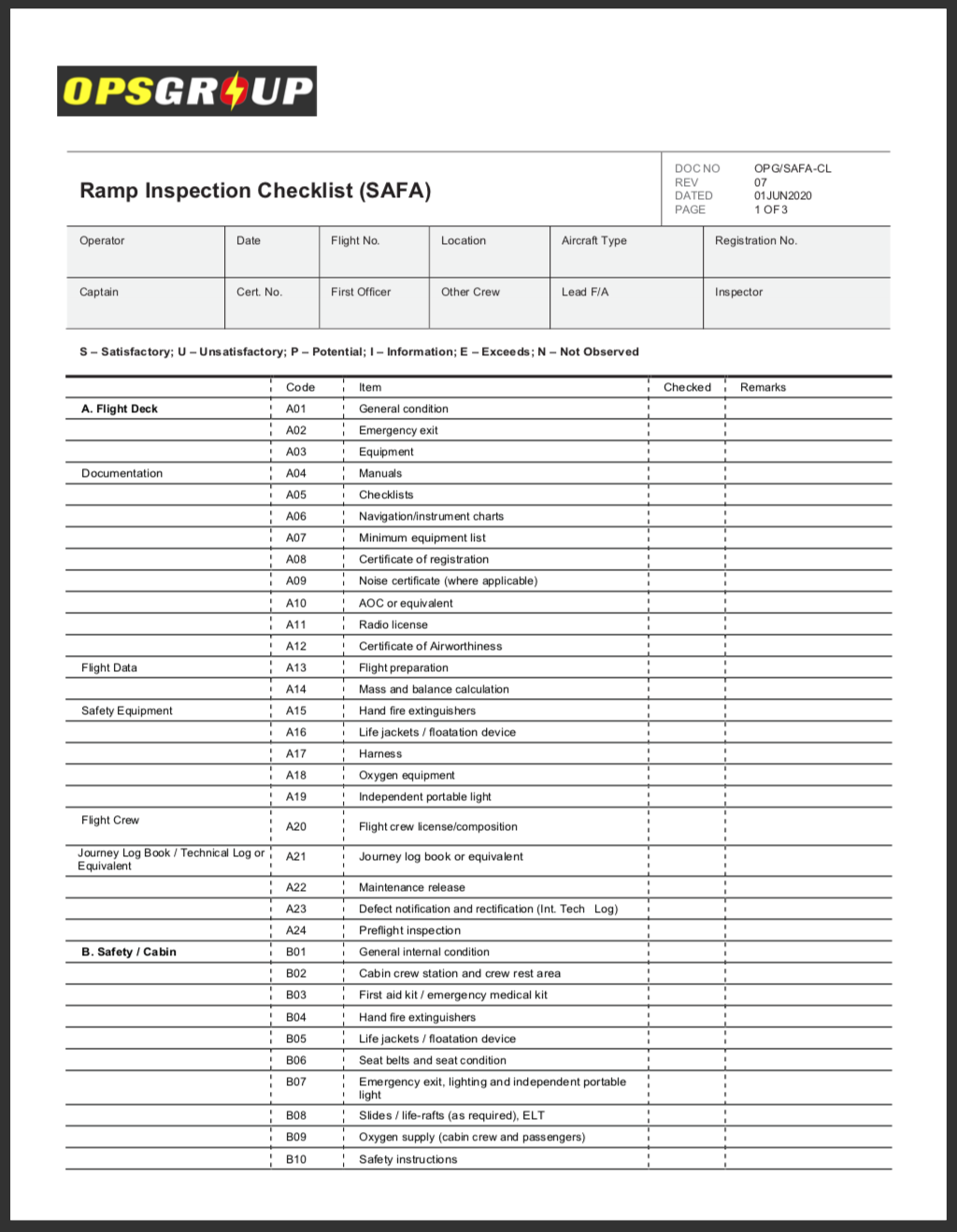
And here is a copy of the OPSGROUP SAFA Ramp Checklist. Download it here.

Keep a copy with you and run through it before you head to Europe.

Further Reading


LOAs: Got Your Number?

LOAs. Letters of Authorisation. We have mentioned before about how to get an LOA approved by the FAA. You can read that here.

This post is less about the process of getting them and more about what you actually need them for.

There are a lot of LOAs…

First up, if you’re a Part 121 operator, or a non-US registered operator then this probably isn’t going to be very useful for you. Go read something more interesting like this story about a guy who definitely didn’t have an LOA for his operation.

For those it does apply to – you need an LOA for any operation which needs a “long term, specific permission”. It lets you do stuff, and what you are approved to do via your LOAs is recorded in your Opspec. Any specific operation probably needs an LOA which is why there are a lot of them, and also why it can get confusing trying to work out what you need – when, where and for what.

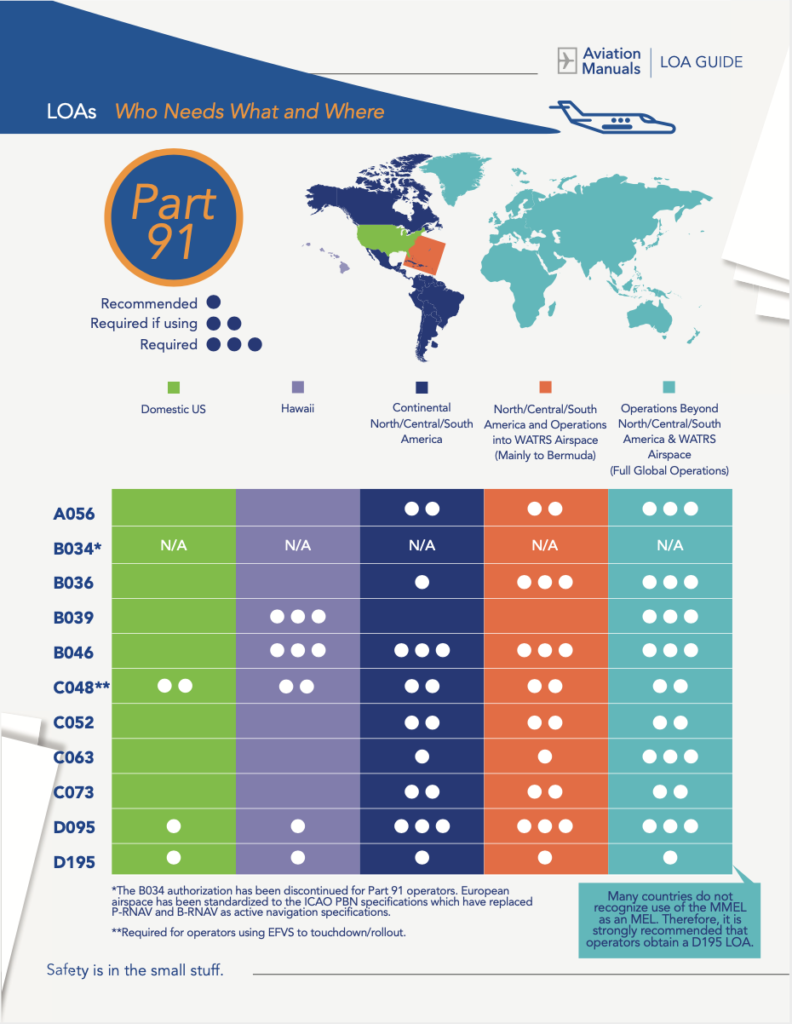
Now, we find the folk at AviationManuals really helpful with all this. They have a great (free) guide on how to get LOAs and it includes a handy bunch of tables which show you what you need for where and for what. Like this one for Part 91 ops.

Here is a quick rundown on the main LOAs you might need for your operations. If you still have questions afterwards then you know who to go ask for more info.

So, the ones to know.

Like we said, there are a lot of LOA options. The “big ones” that you are probably going to need are these…

A056

This is your Datalink Communications LOA (for CPDLC / ADS-C). If you have datalink systems installed and plan to use them outside of the US then you need this LOA. If you are Part 91 and only plan on using your datalink domestically then you don’t need an LOA.

This is not constrained by altitudes but rather to where FANS 1/A+ is mandated. If you think you will go through an airspace with a Datalink mandate, then having this LOA is probably a good idea.

B036

Oceanic and Remote Operations (RNP-10 / RNP-4 / RNP-2). This one looks at stuff like the long range navigation systems you have onboard, and your procedures for using it.

If you are planning on flying in oceanic and remote airspace, and in some spots in the Gulf of Mexico then you are going to need this LOA.

B039

Flights in the NAT HLA will want this LOA. It lets you put an ‘X’ in item 10a on your flight plan – confirming that your aircraft meets the new RNP10 PBN specifications (instead of the old MNPS stuff) and again, that procedures and training is in place.

Now, because this is a little more than just what equipment you got, in order to get LOA B039, you are also going to need a B036 which covers the Oceanic stuff and a B046 which covers the RVSM stuff – two other things you need to know about if you are flying across the big, reduced separation, remote oceanic area that is the NAT HLA.

You might have a B054 instead of the B036 (B054 covers Oceanic and Remote airspace using a single LRNS).

B046 

The RVSM LOA.

RVSM airspace is between FL290 and FL410. Even if you plan on flying above this, it is probably necessary to have the LOA for RVSM because there is a good chance you will, at some point, route through it or potentially have to fly in it if you are too heavy, or meet some mean turbulence or something.

Now, for US ops you don’t need RVSM authorisation if you have ADS-B installed.  Since January 2019 you are automatically authorised so long as you have ADS-B Out fitted (which is compliant with 14 CFR 91.227) and a few other things… one of which is that you don’t operate outside the USA.

So if you’re planning on taking a trip beyond the USA into Mexico or Canada, or further, then you are going to need this LOA.

The C0…s

The big Cs to think about getting are 52, 63 and 73. These give you the authorisation to fly things like RNAV (GNSS) approaches, RNAV and RNP Terminal Operations and VNAV instrument approach and approaches which use an MDA as a DA/DH.

ILS approaches are still a fair old way off becoming obsolete (mainly because of the problems with GPS jamming affecting aircraft capability to fly satellite based approaches), but having the authorisation to fly these might get you out of a spot of bother because there are a lot of parts to an ILS and they do breakdown from time to time.

And the future of navigation is satellite based so it is probably time to think about getting these now, if you haven’t already.

D095

This is the one you need if you want to use a Master Minimum Equipment List (MMEL) as a Minimum Equipment List (MEL).

We talked about that a bit here. The best plan is really to just get an MEL sorted though because the FAA are looking to change the rules on this, and the D095 actually expires fairly soon. Plus, if you fly internationally and only have an MMEL it can get very messy, even with the LOA.

Common Questions

We have covered the basics of what these main LOAs cover. Here are some answers to questions we have seen pop up from time to time.

What is an LOA and do I need it?

Go back to the top and read it all again.

How do I get an LOA?

Check out this post.

I am still confused, who can I talk to?

Talk to these people, they know a lot.

What does “getting an LOA” require?

An LOA is an authorisation to carry out a specific sort of operation. That means you are probably going to need
a) the equipment required for that operation,
b) procedures within your company which refer to that operation, and
c) certain training for your crew related to that operation (which might be required yearly).

So if you are considering taking on ‘some sort of operation’, looking into the requirements for the LOA in advance is a good plan – just having the equipment will not tick all the LOA boxes by any stretch, and an LOA can take several months to be approved.

I am flying internationally but plan to route above the NAT HLA say at FL430, what LOAs do I have to have?

The simple answer if we are just talking “have to have” is B036 or B054 which covers you for the Oceanic and Remote operations.

  • However, you might also want the RVSM one because there is a fairly good chance you will, at some point on that flight, be in RVSM airspace. So throw a B046 in as well.
  • There is also a good chance you will find yourself in some Datalink mandated airspace – it is pretty much all over Europe and beyond – so your A056 might be a good idea.
  • If you have those and are able RNP-10 then you really might as well get the B039 as well since you meet the requirements for it and it might save you a whole bunch of fuel (and trouble) if you have it “just in case”.

That’s all we’ve got to say on the LOA.

For now anyway, but if you think of something we haven’t covered then get in touch or drop those helpful folk at AviationManuals an email.

Our final tip – be careful ‘googling’ LOA because there are some pictures you really don’t want to see of the Loa Loa ‘eye worm’.


Introducing MEL: A guide to Minimum Equipment Lists

Setting up your MEL can be a tricky business. It is definitely not something we know anything about. Thankfully though, we know some folk who do. AviationManuals have just issued an updated version of their MEL guide for clear info on what you need, how to use it, and how to maintain it.

So here is a little guide to their guide, plus some other things we think you might find helpful as well.

Why are we telling you about MELs?

Because it’s easy to get confused about what equipment is needed in certain areas, or to do certain things, or to go certain places.

So, first up, a quick “what’s the difference?” – when do you consult your MEL, and when do you consult the AIP or some other regulation document?

The MEL is all about your aircraft.

Actually, probably a better way to put it is it is all about your aircraft’s ability to fly safely, as opposed to being about specific operations it might want to do. The MEL can tell you whether, if you try to get airborne, it might become a bit of a Lethal Weapon…

More accurately, it is what “makes it possible to temporarily operate with inoperative equipment or instruments.”

Can it safety fly without Datalink? Yes. Can it safely fly without the nose wheel attached? No. The MEL will make that clear. It will also tell you how long you can operate without something being fixed, provides amended procedures (if needed) and maintenance guidance.

So – the MEL is a “Can I fly?” tool.

What you need to remember though is even if your MEL allows you to go fly, you still need to check that where you are going to fly doesn’t need that bit equipment or instrument. This is the gotcha.

Can I safely fly without Datalink working? Yes, the MEL says I can. So I am good to go on my flight through the NAT HLA? Well, hang on, that’s a different thing you’re asking. Your aircraft can can fly perfectly well without it, but you are going to have some planning considerations.
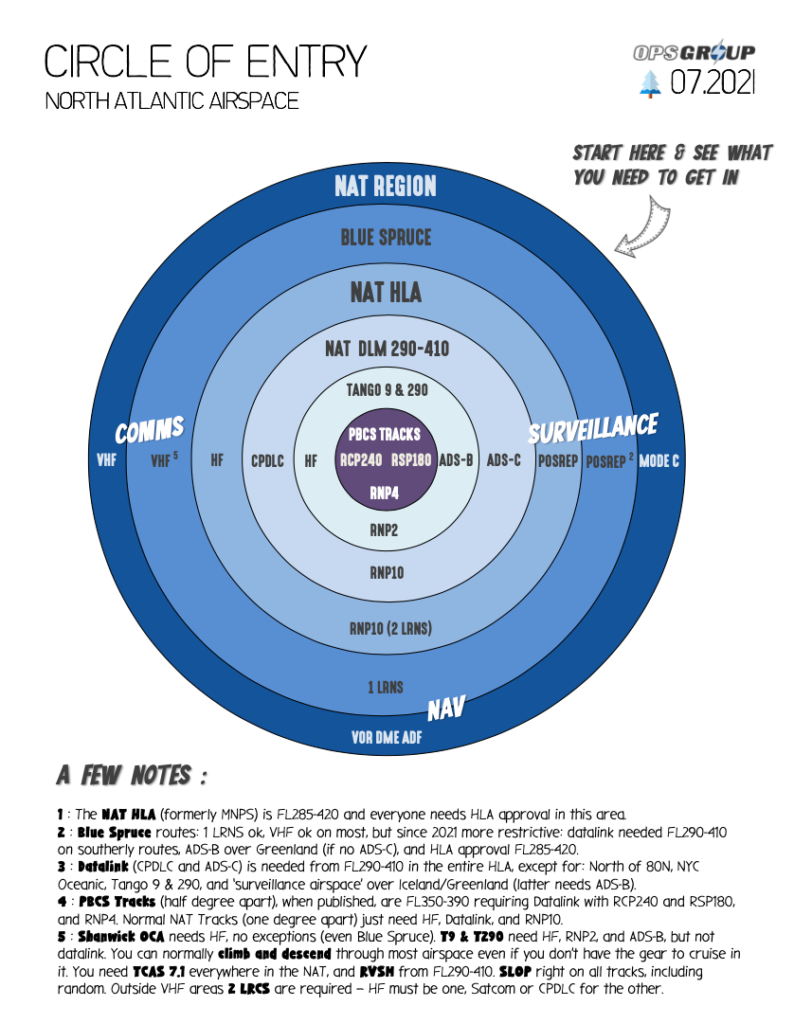
Do you have anymore examples of this?

We said it once, and we’ll add it in again –  even after establishing via the MEL that it is safe to go, you still need to confirm you are capable and compliant in the airspace you are planning on flying through, and that is not what your MEL is telling you.

The NAT HLA is probably the best and clearest one, but there are a lot of places and situations that this might be the case.

Your autopilot for example is not necessarily an MEL items, meaning you could take that airplane without it functioning. It would be annoying. It would make drinking coffee more difficult, but you could. However, if you want to fly through RVSM airspace then an autopilot is a requirement. So what the MEL might let you go without, the airspace you want to go to might not.

So, the MEL is confirming what your airplane needs to safely fly, but it is not (necessarily) confirming that your aircraft will meet all the capability requirements for where it is planning to fly.

When should you use your MEL?

Basically anytime before you start your takeoff roll, because it is the document that is going to guide you on whether your airplane needs what just broke to safely get up (and stay up) in the air. Once rollin’ though, your failure warning system is what you’re going to want to be consulting.

But an MEL is also a handy reference to consult in the air (when you’ve done everything else) because it will help you plan for the other end – can you dispatch without that ‘whatever just broke’ working. When you’re back on the ground the MEL is going to become the “controlling” document once more, so it is worth a look.
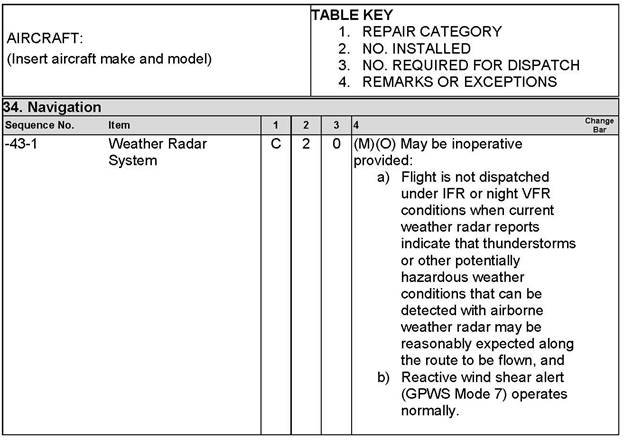
OK, I understand the MEL’s purpose, but…

We have gotten to the bottom of how, and what, to use the MEL for, and what its intentions and limitations are. But I know what your next question will be – 

“I already have an MMEL, so why can’t I just use that?”

The MMEL is a Master Minimum Equipment list. This is made by the authority and the aircraft manufacturer for the aircraft type in general. Some of what is in it might not be useful for you though because you might not actually have all the equipment installed. Maybe you didn’t want it, or maybe your airplane is just a way more modern version of the type that the massive all inclusive MMEL is covering.

Which is why you want an MEL.

It is tailored to your actual aircraft, and your operation and procedures. This makes it shorter, easier to use and more relevant (but not less restrictive).

Now, the FAA do allow Part 91 operators to use their MMEL as an MEL. You need a D095 LOA and some other paperwork for this. But a lot of places don’t allow this, or just aren’t used to it, so you’re probably going to need an MEL (not just the MMEL) if you’re heading abroad.

An MEL is actually a requirement for dispatch so if they don’t accept your MMEL as an MEL you could be in for some lengthy debates and delays if you’re ramp checked.

Here’s something we wrote about it back in 2019 when it started to become a thing.

The FAA are also planning to do away with the D095 in the possibly not too distant future, meaning all US operators will need a D195 – the custom MEL.
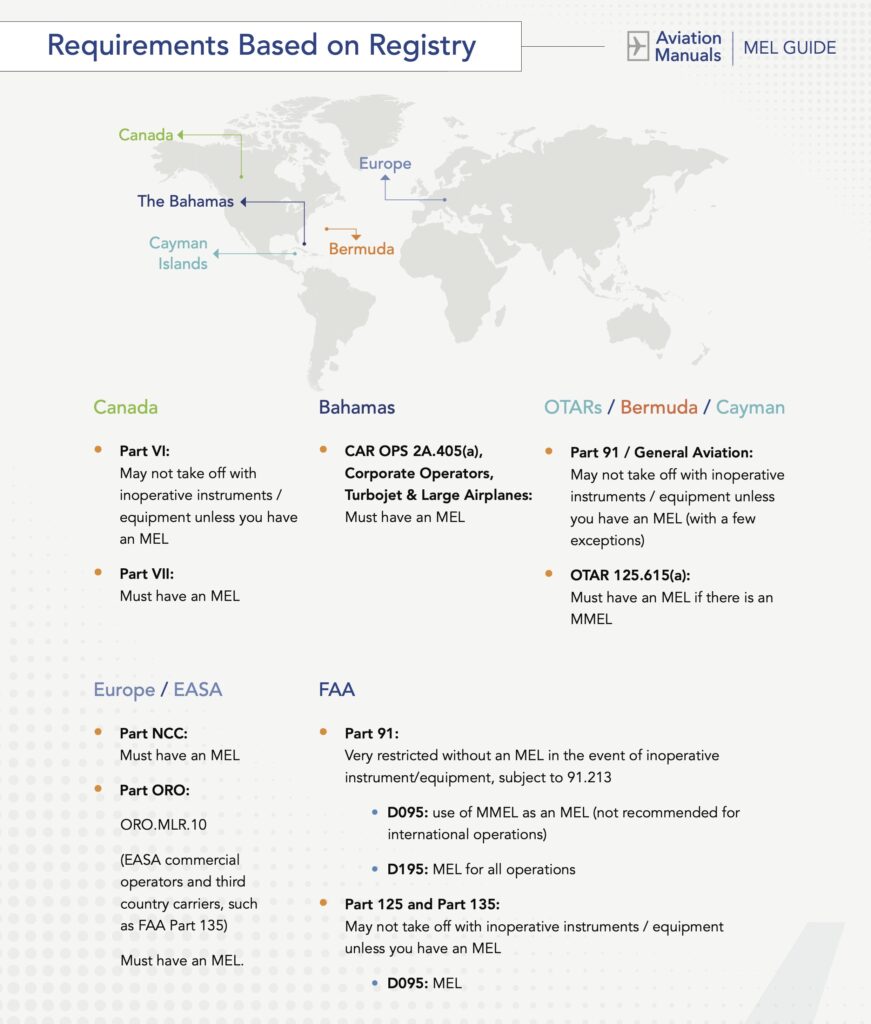
In case you aren’t familiar with the terms, Part ORO establishes organisational requirements to be followed by an air operator conducting specialised and non-specialised commercial air operations and specialised and non-specialised non-commercial air operations with complex motor-powered aircraft.”

Part NCC refers to “non-commercial operations with complex motor-powered aircraft.” So chances are this is going to apply to you and your aeroplane.

Our Guide to their Guide

The AviationManual folk put it better than we can so go check out the website for info on what is involved in the MEL setting up process.

It does look fairly simple though:

  • Complete a simple questionnaire
  • Get a copy of the draft manual for your review
  • Send feedback (and probably some money at some point) and receive your Final Copy. And off you go.

That’s it!

A summary of who to ask?

“I need an MEL written up” – Talk to the folk at AviationManuals, they can help. Here is the link direct to their guide.

“I am on my airplane, ready to go on a flight and something has broken” – Consult your MEL.

“I am flying and something has broken, is my MEL useful now?” – Check your checklist and read through your FCOM. When you’ve done that, know the plan and have a few minute to spare, take a look in the MEL as well to see if it will cause issues for the return flight.

“I am a Flight Planning Person and I’ve just been told that an aircraft is flying tomorrow but its *insert something random* isn’t working, can it still fly on the usual route?” –  Check the AIP, or drop us a quick email and we’ll see if we can fathom it out for you.


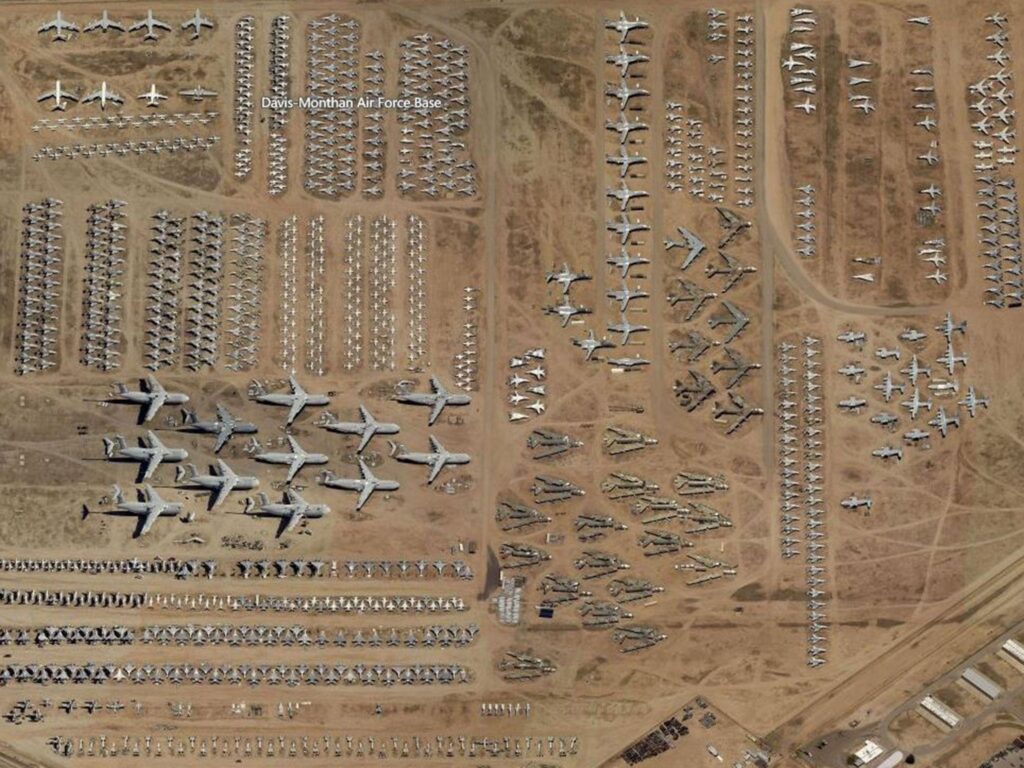
Mothballs & Maintenance: The Risks of Long Term Storage

It’s a strange time for aviation right now: closed countries, fewer passengers, and a lot of aircraft being moved into hangars – not to see the sky again for some time. The long-term storage of aircraft is leading to some unforeseen issues…

We reported on some these before, but we thought now might be a good time to give another quick summary because aircraft are starting to fly again – in particular the 737 Max which is back in the skies of Canada, the US, and soon Europe as well.

The Dangers of Long-Term Storage…

There have been a lot of incidents attributed to aircraft coming out of long-term storage. Wizzair fell foul of some bugs in 2020, an Aeroflot had a bit of a mishap after it was only partially ready to go back flying…

Both the US and EASA safety regulators have raised concerns about certain issues for aircraft coming out of long-term storage, so in case your airplane is currently stashed away, read on.

Nesting Nasties

We mentioned this one before, but with Covid dragging on, we figured it might be worth a reminder.

It sounds nightmarish, but insects have been known to build lairs deep inside aircraft probes, where even the most eagle-eyed walk-around check might not spot them. 

And these critters have led to an alarming trend of airspeed problems for aircraft new out of storage.

Check out our earlier article on the risks of this here, and be sure to do an in-depth check of your aircraft’s nook and crannies before taking to the skies again.

Batteries Not Included

Aircraft with Nickel-Cadmium batteries (which is most of them, unless they have newer lithium ion ones) are suffering from premature power loss.

Embarrassing for the batteries, and dangerous for the pilots.

When disconnected, these batteries can lose their capacity, and when they are plugged back in again, they might not regain it – leading to a lot less time of usefulness that you think you have.

A battery not providing the performance you are expecting on that already bad day when you drop down to emergency power levels, is going to make it a really, really bad day…

What can you do? Well, EASA recommend that aircraft approval holders work with battery manufactures to check out this new found phenomenon, but in the meantime – if you are waking your airplane up from a long term hibernation, make sure its ticker is ticking properly with a full maintenance check, before you head out for a spin.

Clean as a Whistle

Disinfecting is big right now, what with this old pandemic thing. But a lot of the cleaning agents that can kill Covid, can also damage your airplane. 

Damage to screens, fogging and misting from liquid pooling in out of sights areas, and some alcohol based substances ‘crazing’ up windows (alcohol crazes most of us up, but on windows it can cause fine cracks, and permanent damage) are all risks of using the wrong cleaning fluids.

There is also a chance long-term use of certain cleaning agents might start to corrode parts and increase the flammability of the interior, and even cause some shorting of the circuitry.

So, the FAA and EASA have issued guidance suggesting you check which disinfectants are suitable for your aircraft type. That seems sensible. Their recommendations on how to clean are here, and you can find links to anti-Covid approved cleaning agents that you can check with your aircraft manufacturer before spritzing your plane.

Check your flappers

Back in July 2020, the FAA issued an airworthiness directive for 737 Classics and NGs because, when stored for just 7 days, they can start to suffer from corrosion on the Bleed Air 5th stage check valve.

What’s the risk here? Only a little case of double engine failure, according to the directive. Thankfully, they also recommend a fairly straight forward check to confirm your valve and its flapper plate are flapping as they should.

What else can you do?

EASA recommend operators carry out extra checks when bringing an aircraft back into service. These include engine runs, flight control manoeuvrability and brake checks. 

To be safe, they suggest you do it on 20% of your fleet, and to be extra safe, they suggest you consider flight checks on the first 10% returning to the skies. Don’t rush these checks. It takes 3-5 days to ready an aircraft for long term storage, so it probably takes the same to bring them out again.

And don’t forget about your pilots! Pilots don’t fare much better in long term storage either. Like their aircraft, they need consistent use, and without it, you’re going to have to spend a bit longer getting them airworthy again. (We would suggest you let them clean themselves though, and it’s probably best not to ask how their flapper valve is functioning 😃)

Some other stuff to read


European Ramp Checks – most popular questions from inspectors

Of late, the level of interest in OpsGroup for European Ramp Checks has been very high.  There has been a lot to think about. First, we discovered in March that French inspectors had started recording a finding for operators that were using the Manufacturer MEL instead of a customized one, and it turned out that across EASA-land inspectors were raising the same issue. There is an update on that below.

One of our members posted a great list of the most popular findings/issues raised by EASA Inspectors in the last 12 months, together with the skinny on “how to fix these, so you don’t get a finding”.

So, first let’s look at the Top 3 Categories, with the subset questions, and then an update on the D095 MMEL/MEL issue.

Popular European Ramp Check Items

Visiting and locally based aircraft may be subjected to ramp inspections as part of a States’ Safety Programme. The EU Ramp Inspection Programme (EU RIP) is one such inspection regime which currently has 48 participating states. The EU Ramp Inspectors review findings and use this intelligence as a basis for prioritising areas to inspect during a ramp check.

The most frequent findings and observations raised since January 2016 follow. This information can be used to help avoid similar findings being raised during future ramp inspections on your aircraft.

Most Frequent Findings

The main 3 categories of findings, relate to: Minimum Equipment Lists, Flight Preparation and Manuals.

1. Under the category of Minimum Equipment List, the finding is.
• MEL not fully customised.

2. Under the category of Flight Preparation, the main findings are:
• PBN Codes recorded on the flight plan which the operator did not have operational approval for
• Use of alternates which were not appropriate for the aircraft type; and
•[blur]Use of alternate airports which were closed[/blur]

[blur]3. Under the category of Manuals, the main finding is.
• AFM was not at the latest revision.[/blur]


[blur]Simple Steps to Avoid Similar Findings[/blur]

[blur]1.    Review your MEL, especially amendments made to the MEL after the initial approval, and ensure it is fully customised:
•    Where the MMEL and/or TC holders source O&M procedures require the operator to develop ‘Alternate Procedures’ or ’Required Distribution’ etc. these must be specified in the operators MEL and/or O&M procedure;[/blur]


Full report in your OpsGroup Dashboard, including the standard ramp checklist PDF:

Opsgroup Dashboard login Join OPSGROUP for access

To get the full report and checklist – there are two options:

  1. OPSGROUP Members, login to the Dashboard and find it under “Publications > Notes to Members”. All FSB content like this is included in your membership, or 
  2. Join OPSGROUP with an individual, team, or department/airline plan, and get it free on joining (along with a whole bunch of other stuff), or