Fumes. Chances are if you’ve been flying for a while you’ve already experienced them. A recent study showed that in the US alone there are on average five fume events reported every day, and those are just the ones we know about. NASA previously eluded that these reports are just the ‘tip of the iceberg.’
It’s an industry-wide issue and there’s no magic bullet in sight to fix it. As long as we continue operating aircraft that use bleed air, the risk will persist and we need to take it seriously.
Each time we hop in an airplane we run the risk of being exposed to bad air – a threat that has potential to incapacitate both pilots. It’s happened before – just google Spirit Airlines Flight 708.
What do we actually mean by ‘fumes’?
It’s important to understand they are not the same thing as a smell. Smells can be unpleasant but are not necessarily a cause for concern. Your first officer may be to blame, or perhaps a dirty oven. They can also indicate a fume, but aren’t necessarily dangerous on their own.
Fumes on the other hand – are dangerous. In a nutshell, they are anything that produce physiological symptoms when inhaled. Fumes can be colourless, odourless and difficult to detect until they are already affecting you.
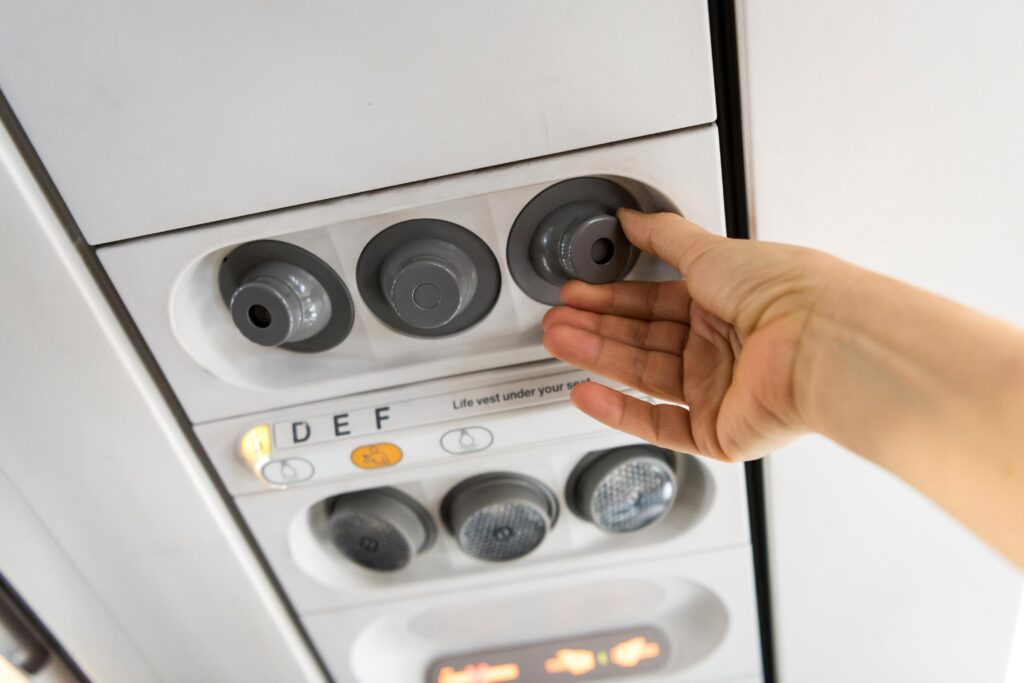
It’s important to understand the difference between a smell and a fume.
What about the regs?
So if it’s that bigger deal, why aren’t we testing the air? Both FAA and EASA airworthiness rules require cabin air to be free from harmful or hazardous gases and vapours but fall short of ongoing testing.
Detection systems are also required for safety critical systems but they have never been enforced for monitoring bleed air. Which is surprising considering it is what we breathe. Both IFALPA and ICAO have previously expressed concern at the lack of regulation out there to protect us and our passengers from contaminated air.
The reality is that most airplanes don’t have air detection – nor are they required to. Essentially it has become an acceptable risk that we need to deal with.
So, what can we do about it?
Knowledge is key. The more we know about fumes, where they come from and what to do in the air, the better we can deal with them safely.
Where are they coming from?
(Almost) all turbine aircraft in service use heated air drawn or ‘bleed’ from the engines or the APU for air conditioning and pressurisation. This is air is taken through ports before being cooled and mixed with recirculated air and distributed into the cabin and cockpit.
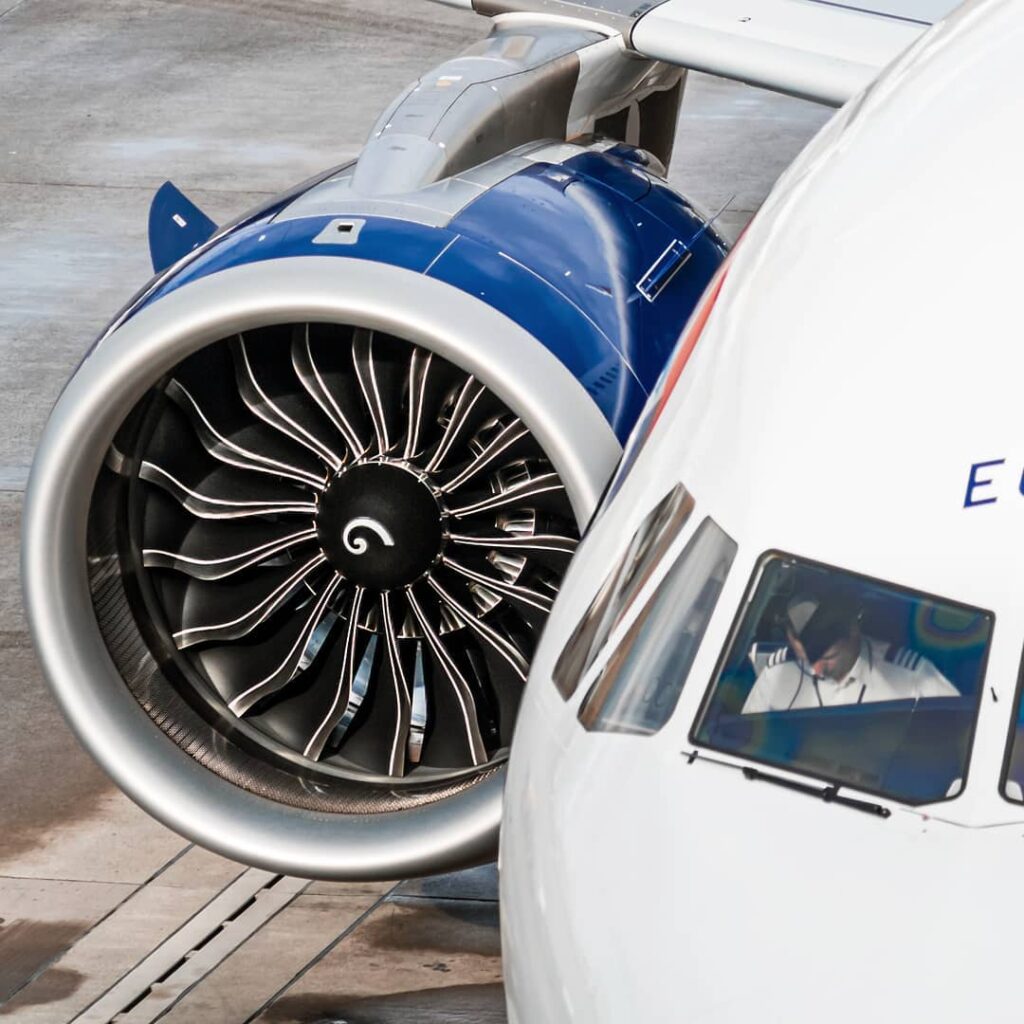
Great performance, fun to look at, but what is it exposing us too?
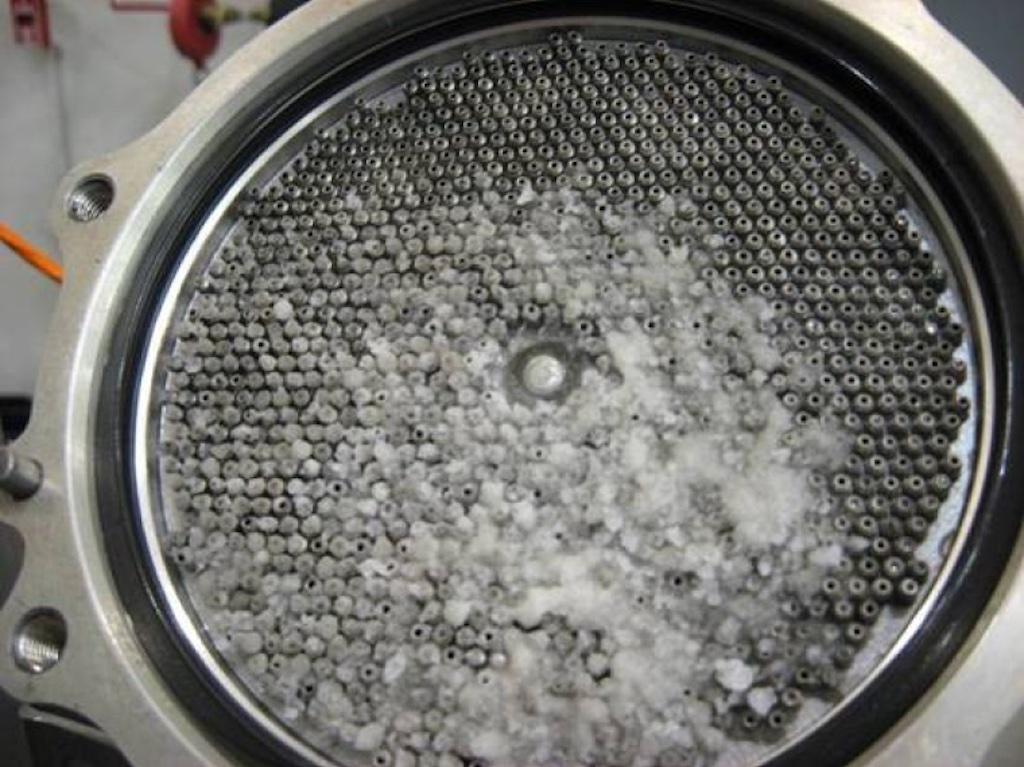
We rely on seals to keep the air clean of a load of nasty chemicals that turbine engines need to operate properly. Unfortunately when those seals leak or fail they allow toxic substances to enter the air we breathe.
What kind of substances?
Modern aircraft are complex, and we can be exposed to a surprising variety of chemicals – none of which do our bodies any favors.
Here are some of the major ones:
Synthetic engine oil. The number one culprit. Engines need it for lubrication and to keep bearings spinning smoothly. While accessories such as starter generators and accessory gear boxes rely on it. The problem is that it contains organophosphates – manmade chemicals that are toxic when inhaled. Oil contamination is often described as smelling like dirty socks, mustiness or ‘wet dog.’
Hydraulic fluid. Leaks and spills on the fuselage can be drawn into the APU inlet along with air intended for the cabin. They also contain organophosphates and are often characterised by a very acrid, bitter and oily smell.
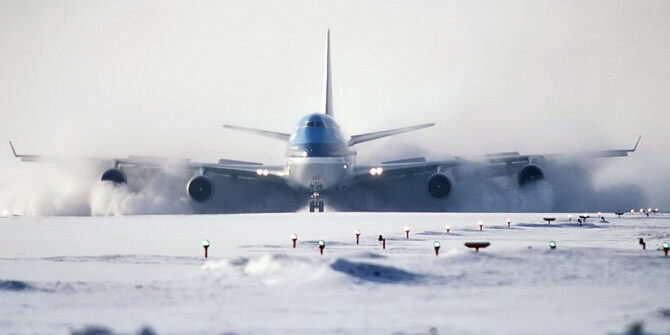
De-icing and anti-icing fluid. Be careful of this one. There are usually some pretty specific procedures to follow. If they’re not done properly fumes can enter the aircraft through a running engine or APU intake. These fluids often contain chemicals that are dangerous to humans such as Diethylene Glycol.
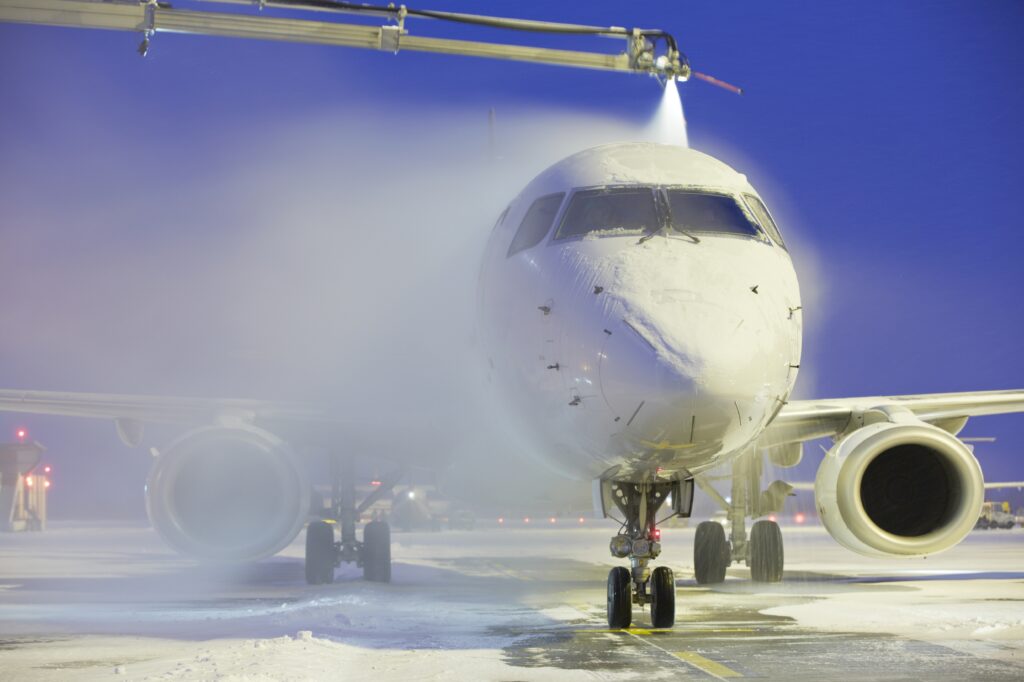
Great at making it safe to fly, just don’t inhale it.
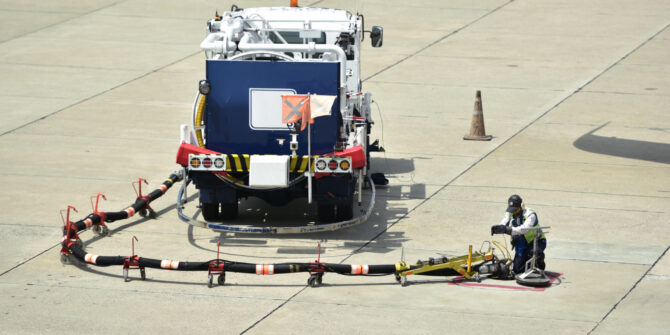
Fuel. Fuelling operations at the airport, tank venting and failed relights can all allow fumes to enter the cabin. Excessive build ups will start to make people feel very unwell very quickly. Ventilation is your friend here.
Electrics. Electrical fumes can be caused by failed or faulty electrical systems and may precede a fire. Recirculation fans are also known to fail and produce smoke in the cabin.
Speaking of which, don’t forget the cabin! There are lots of things in there capable of producing fumes including what passengers have brought on (nail polish remover is a classic), cleaning products, galley equipment (dirty ovens, anyone?) and the lavatories.
Know the signs…
How badly fumes affect you depends on what you have been exposed to and how much of it was in the air. Generally speaking, most “fume events” result in some of the following:
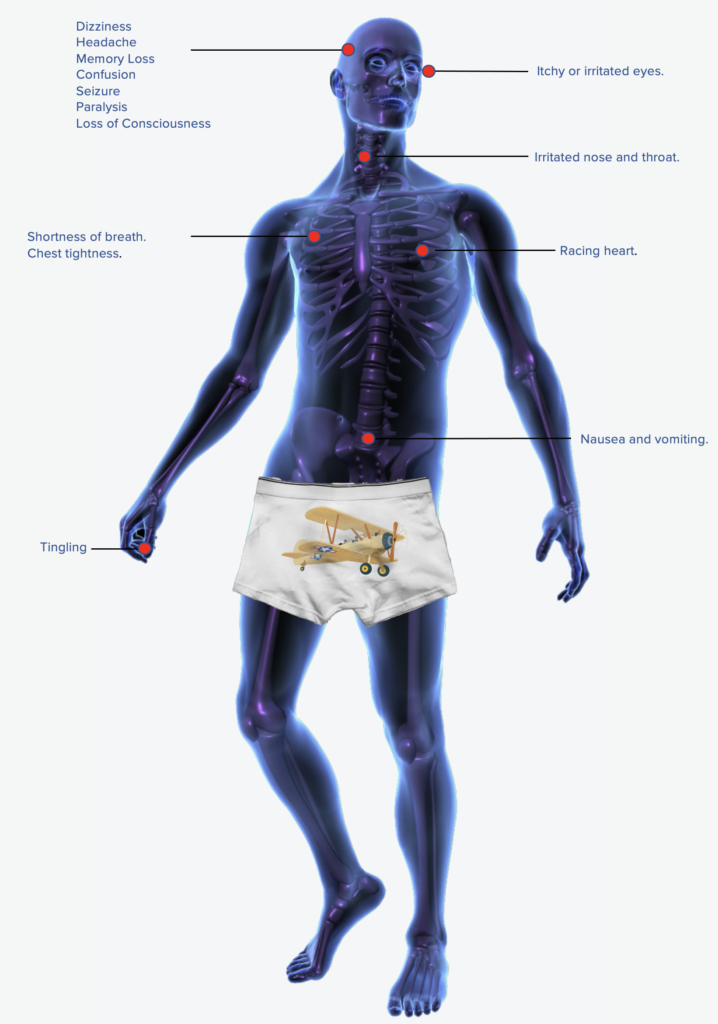
What to look out for, and we don’t mean his boxer shorts.
Here’s the good news. In the overwhelming majority of cases, bad symptoms will last a few hours or perhaps a few days. Long term effects are possible but rare. The initial actions should be about protecting yourself and those in your aircraft.
So if you think you have fumes, what should you do?
Get on Oxygen. And 100% too. Don’t dilute it as you’ll still be breathing in what you’re trying to keep out.
Communicate. Get in contact with your cabin crew. At this stage you need to figure out what it is. Your two biggest clues will be where is it coming from, and it’s odour. Also talk to ATC – let them know you have an issue.
Run your safety procedures. Get that QRH out and look for a fumes removal checklist. Be careful if your checklist is combined with smoke removal. In some cases you will increase pack flow. But if that’s where the problem is coming from, it may make things worse.
Think about health. You may have incapacitated crew or passengers. If it’s a pilot, you likely have a procedure for that too. Consider getting help from a service such as MedLink. If things have gotten really bad, you may need to declare an emergency and divert.
You’re back on the ground and breathing that good ol’ fresh air again. Here’s what you need to do.
De-brief your crew. Find out whether anyone felt unwell or couldn’t perform their duties properly. If so they should stop operating right away until they have seen a doctor.
Report it! As much as you can, no matter how minor. Most operations have a form which will help you. Try and include as much detail as you can as trying to find a ‘bad smell in cabin’ is like trying to find a needle in a hay stack. Don’t forget the tech-log too – help the engineers help you.
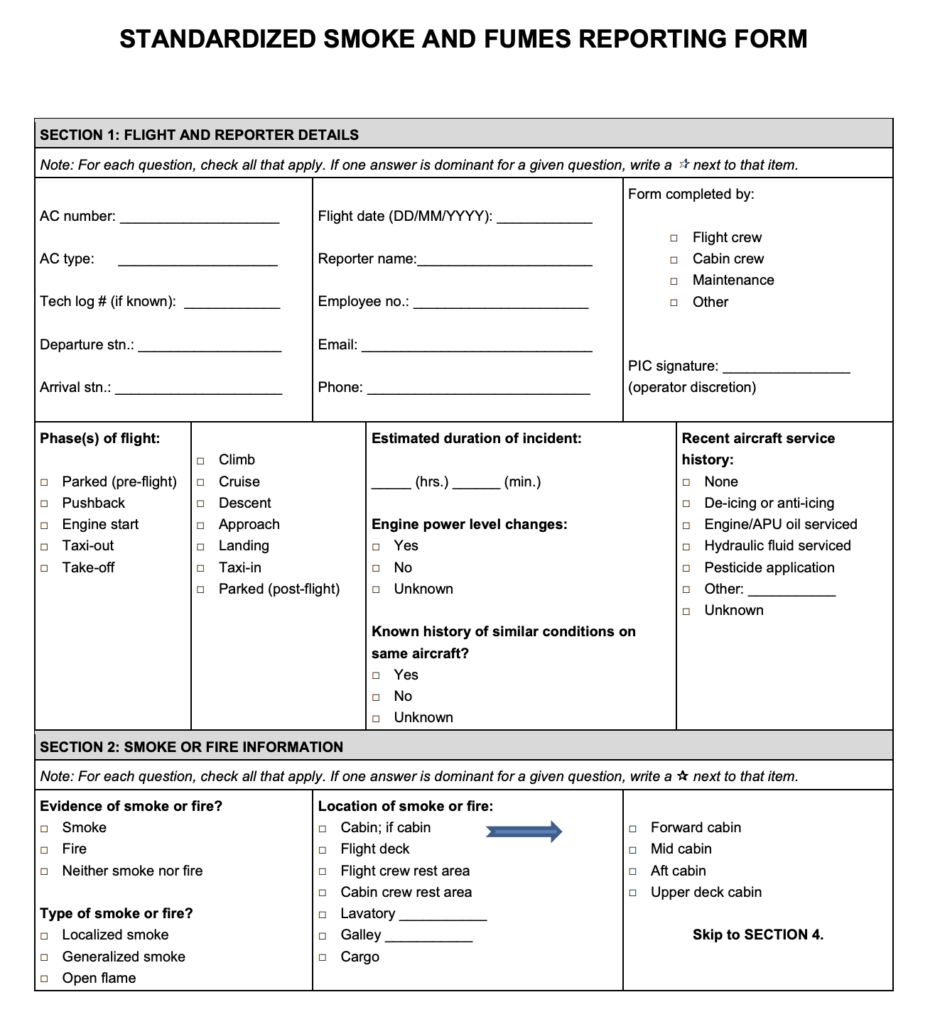
ICAO’s fume event reporting form. Click to download PDF.
Consider visiting your doctor, particularly if you have persistent symptoms.
What can the industry do to stop this happening?
The ultimate solution is bleed free design. And the future is now – check out the Boeing 787. It’s the poster boy/girl of this huge leap forward. But for most of us out there, we’re stuck with it.
Filtration. They’re not 100% effective but bleed air filters are a far cry from simple recirculation filters which are about as useful for fumes as a glass hammer.
Better chemicals. Okay, this one is out of our hands, but the industry should be prioritising this.
Detection and monitoring. The smoking gun. We are literally surrounded by chemicals that are bad for us in our tin cans up there. More needs to be done to make sure the air we are breathing is good air. We need to be able to know when something bad is in the air we breathe. It’s a no-brainer.
The elephant in the room. Which airplanes are the worst?
The moment you’ve all been waiting for. Don’t shoot the messenger. But statistics show that the BAe 146 and Boeing 757 appear to be the worst culprits. But the reality is if you are flying any airplane, you are at risk of fumes.
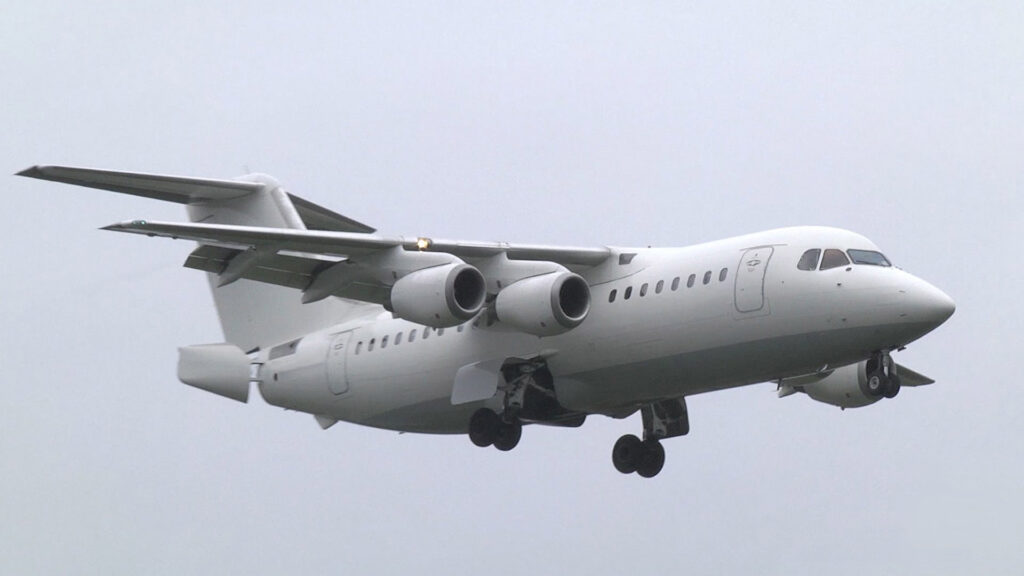
The mighty 146! Sadly one of the worst culprits.
What about Aero-toxicity?
The question of long term effects from exposure to chemicals in planes is beyond the scope of this article and the research is inconclusive. But if you’re worried about it, the Aerotoxic Association is a good place to start.
There’s a ton of reading out there too if you want it. Here are a few good ones.