Israel moves closer to Eurocontrol

Israel has signed an agreement with Eurocontrol to work more closely together in flight planning.

Air traffic between Israel and Europe has been growing at over 9% a year for the past three years. This growth poses ongoing challenges to international civil aviation and underlines the need to improve ties between regions in order to ensure flight efficiency and safety in airspace and airports that are growing more crowded every year.

Israel is now the second country to sign the “Eurocontrol Comprehensive Agreement”.

What does this mean for operators?

The existing process is complex and multi-step: flights that transit Europe from Israel require filing at least 3 hours in advance to the Tel Aviv Coordination Centre, who then liaise with Eurocontrol to verify that the routing is RAD compliant. Changes are often then made by Eurocontrol and back down the line to the operator.

The implementation date is to be confirmed, but FPL filing out of Israel will now be the same as for any other European country, with immediate ACK from Eurocontrol.

Other benefits of this agreement are improved crisis management, more efficient traffic flows between Israel and Europe, more predictable day to day operations, improved safety and possibly airspace redesign and management.


Iceland ATC strike – a solution

The strike goes on … but there may be a solution by Friday this week. Icelandic MPs passed a bill forcing a resolution to the ongoing pay dispute with air traffic controllers. The new law states that the air traffic controllers’ union and the airport operator Isavia have until Friday to reach an agreement – failing this, the matter be sent to a court of arbitration for a final resolution.

In the interim, sporadic airport closures at BIKF/Keflavik and BIRK/Reykjavik continue, as do general airspace restrictions in the BIRD FIR. If you can avoid a stop in Iceland, it would seem sensible to do so until the conflict is resolved.


St. Helena – no hope for opening?

St. Helena is 4000km east of Rio de Janeiro; the only means of travelling to this remote island in the South Atlantic is through a five day sea voyage from Cape Town, with schedules of only once in every three weeks – making St. Helena one of the most remotely populated places on earth.

There have been many considerations for an airport on St. Helena since 1943, but it was only in 2005 that actual plans were announced. In 2011, the British government agreed to assist in the payment for the new airstrip.

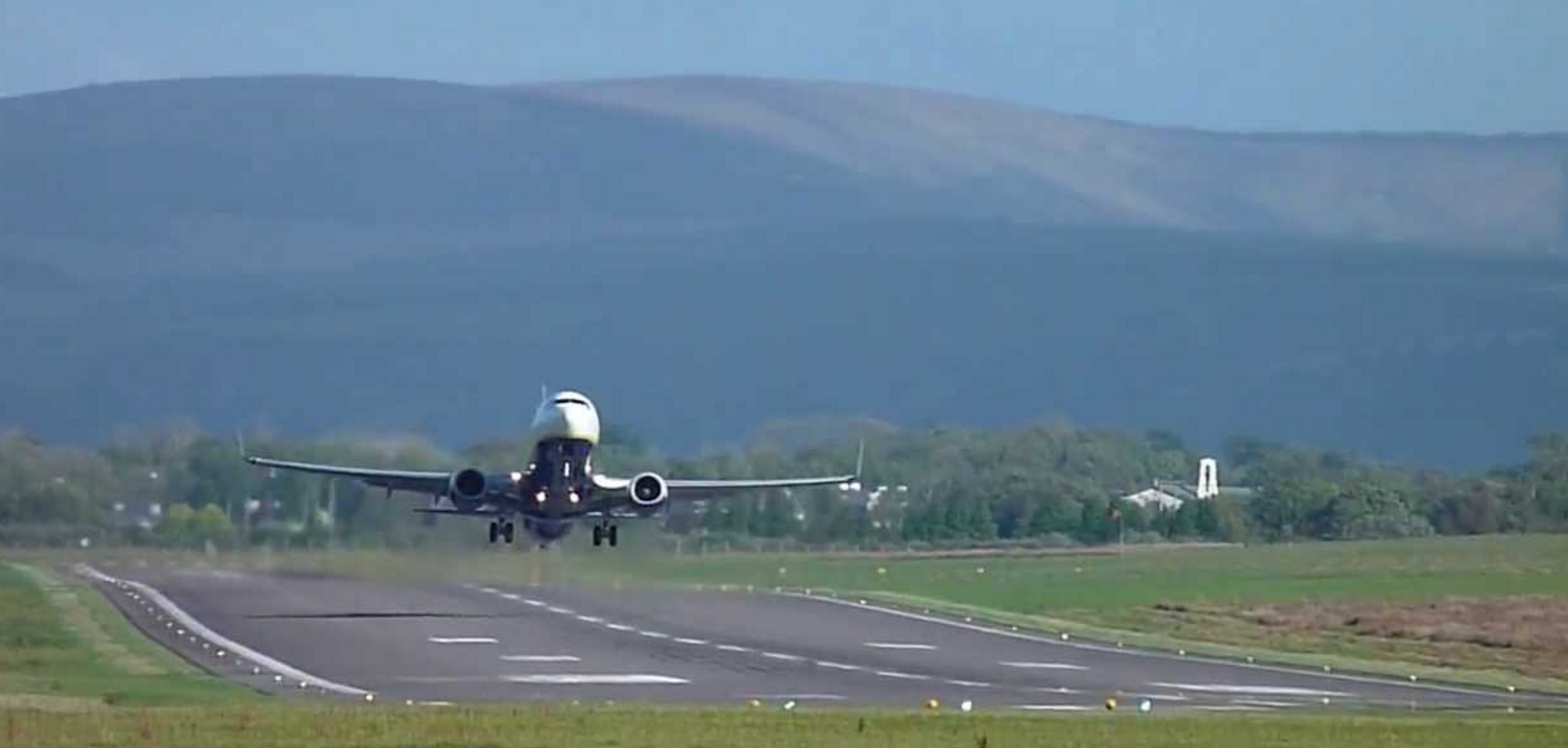
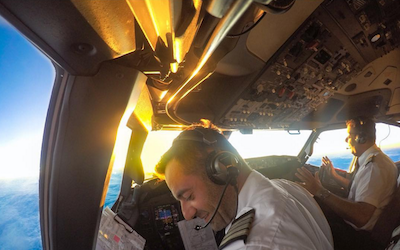
The Airport was scheduled to open on 26 April 2016 but St.Helena Government announced an indefinite delay to the opening due to safety concerns from windshear. An Implementation Flight was conducted by (British Airways) Comair with a Boeing 737-800 aircraft to gather data on turbulence and windshear on the approach to Runway 20 (from the North). The results gathered and the conditions experienced concluded that additional work and preparation are need to ensure safe operations of scheduled passenger flights to and from St. Helena Airport.

So, for now, it seems pretty clear that the project is abandoned, because windshear isn’t something you can fix. It may be that it could open during specific times of the year when predominant wind direction is different, but for now, all that is certain is uncertainty.

Reference Material:


Sudan “will shoot down” aircraft

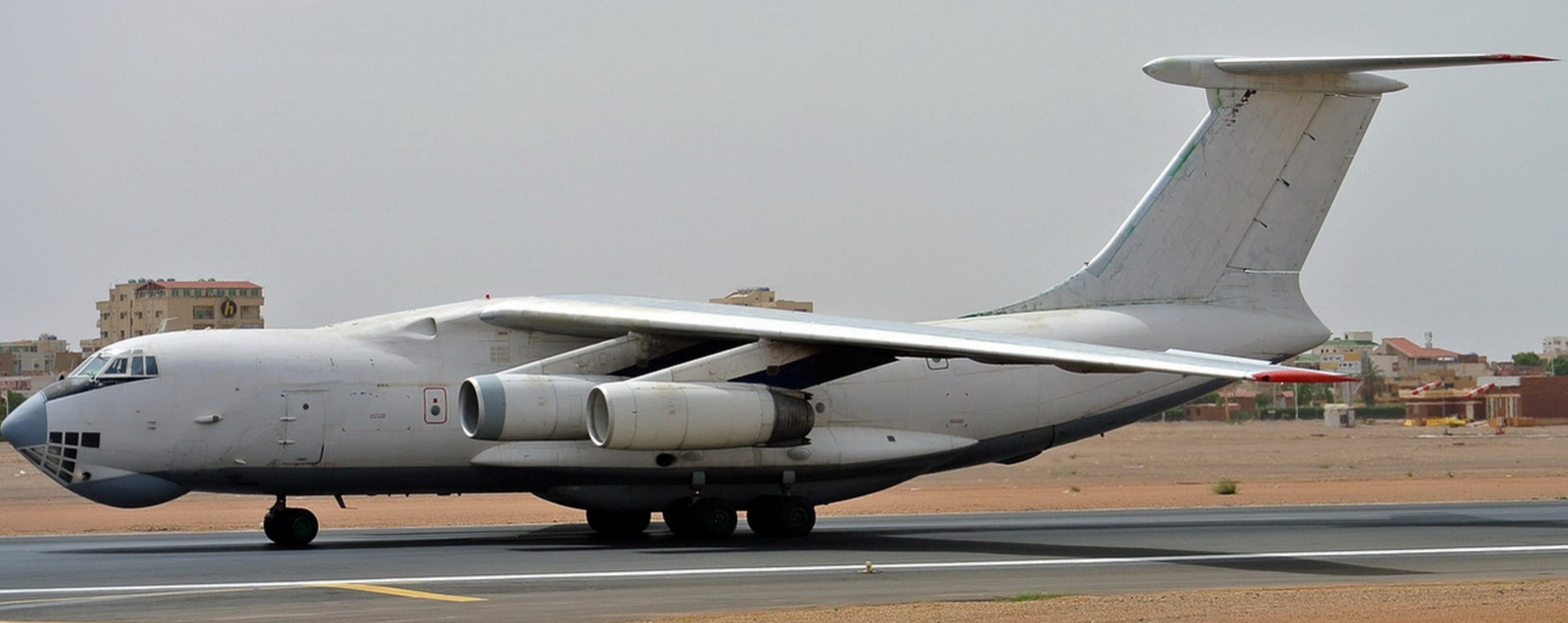
In May 2016, Sudanese radar detected several unauthorised flights by Aid Agencies using chartered IL76 aircraft. The response from the government, on this occasion the Sudanese Army, was extremely strong.

We are concerned at the language being used in Khartoum and Juba. The most recent statement from the Sudanese Army, on 2nd June 2016, says “This action is considered a serious violation of the aviation regulations and the international laws, so we consider it as a direct affront to the Sudanese sovereignty … [we] will deal decisively with any plane failing to observe the proper procedures and entering the Sudanese airspace without prior permission”.

At the start of this year, the South Sudan government declared: “The South Sudanese government has ordered its army to shoot down any aircraft flying across its airspace without permission, citing the increase of unauthorised incursions into the national airspace”.

It’s tempting to dismiss this as not related to regular airline or non-scheduled flying – including long haul overflights – but we’ve learned lessons in the last few years that the unexpected isn’t as distant a threat as it used to be.


New China ADIZ – South China Sea

There have been several media reports this week that China is preparing to set up a new ADIZ in the South China Sea. So far, nothing concrete is in place, but similar reports in 2013 were swiftly followed by the establishment of an ADIZ in the East China Sea. That ADIZ is still in place.

We published this analysis in 2013:

ANALYSIS The announcement of the new ADIZ has a political background relating to China’s broader assertment of sovereignty over offshore islands. The impact on daily operations for operators flying through the ADIZ is minimal, and the unilateral advice from the Foreign Affairs departments of countries responding to the announcement is to comply with the request for FPL’s to be copied to the AFTN addresses in the NOTAMs. It is important to stress that ADIZ does not represent extensions of a nation’s airspace, and as such a nation doesn’t exercise exclusive claims over the area. A nation enforcing an ADIZ thus does not have the right to force airplanes to change course or to refute access to the ADIZ – unless, under the international convention of national self defense – the airplane, for example, is determined to harbor hostile intent and presents an imminent threat to the nation. When an airplane declines to follow with the protocols set for an ADIZ, and is assessed to not be a threat, the most the nation administering the ADIZ can do typically is to track it – which may include scrambling jets if it so deems.

The same analysis remains current, and would do if the new South China Sea ADIZ goes ahead.

The “2013” ADIZ

For the 2013 ADIZ, these details still apply: For any operator planning a flight through the ADIZ, the advice is to plan a normal flight, as per previous operating rules, and copy the flight pan to the AFTN addresses ZBBBZGZX and ZSACZQZX. This new ADIZ impacts 4 FIRs (RKRR, ZSHA, RCAA, RJJJ). There is no requirement for an overflight permit from China unless operating in Chinese Sovereign Airspace.

This report from the Asia Times in March 2016, again on the East China Sea ADIZ , points out that:

“China may be seeking to advance its position in the East China Sea over the long term after a short spike in tension, leaving a new status quo with the East China Sea ADIZ in place. China would acquire strategic advantage by asserting a maximalist position, then seeming to back down, while preserving some incremental gain — akin to a ‘ratchet’ effect. According to this theory,  China would project a calm image and justify the East China Sea ADIZ as a ‘reasonable’ step to which foreign nations should not object. If there is an accident, crisis, or loss of life, Beijing could then blame Tokyo, Seoul, Taipei, or Washington.”


Unsafe Airspace – a summary

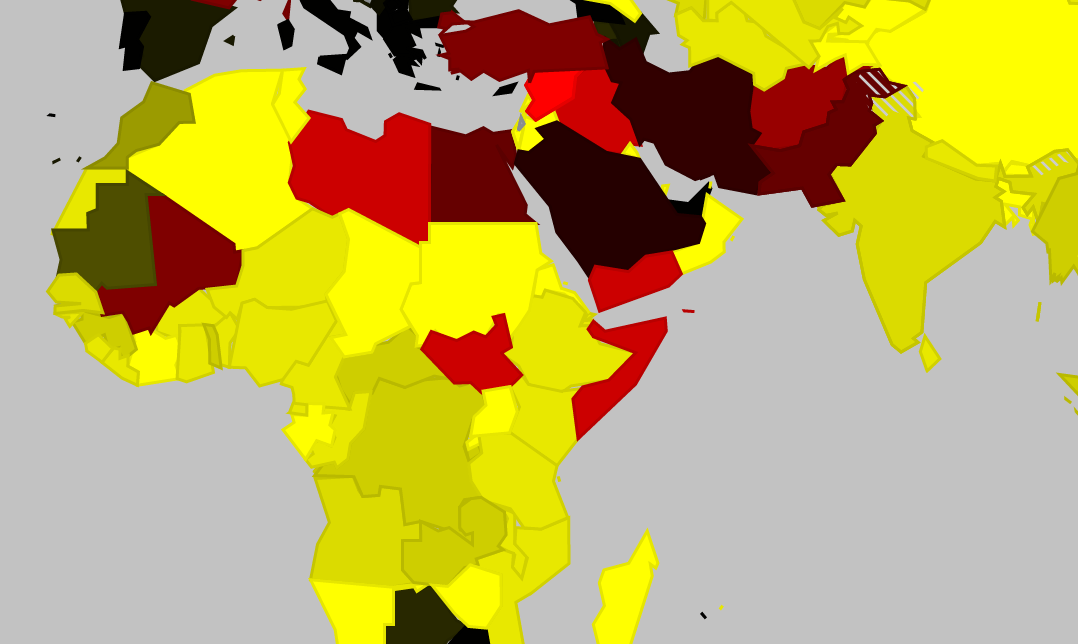
With the events surrounding the shootdown of MAS17, risk assessment of potentially unsafe airspace has given far greater weighting to the situation on the ground. Access to reliable information to determine the ever-changing risk level, is by nature of it’s inherent uncertainty, challenging.

Today we published International Ops Notice 02/16 – “Unsafe Airspace”.

Three levels of airspace risk are used in our assessment.

  • LEVEL 1. Moderate risk – No Fly
  • LEVEL 2. Assessed risk
  • LEVEL 3. Caution

The countries that issue the most relevant updates for unsafe airspace are:  The US (FAA) – through FDC Notams and SFARs, the UK (NATS) – AIP and Notam, Germany (DFS) – Notam, France (DGAC)- AIC. In general, the Civil Aviation Authorities of the countries whose airspace is determined to be unsafe are unlikely to issue reliable guidance.

Five countries are currently included in the LEVEL 1 – Moderate Risk category: Libya, Syria, Iraq, Somalia, and Yemen.

The basis for inclusion is the highly unstable current events on the ground, and in all cases the ground factions having access to RPG’s, Surface-Air missiles. We strongly recommend avoiding this airspace entirely. All countries have multiple warnings, and your country of registry is likely to have issued specific instructions not to penetrate these airspaces.

Download the full notice.

References:

ION0216 Shot


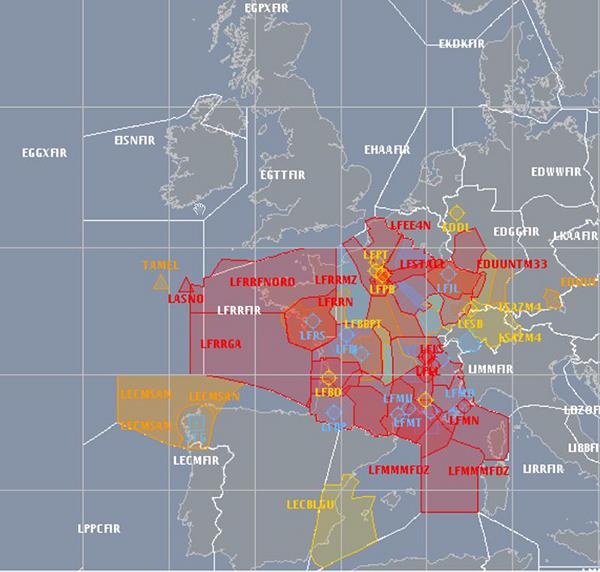
French ATC strike this weekend – Number 8

Notification has been given by French ATC Unions of a Three Day Strike this coming weekend from Friday-Monday, starting at 0400Z Friday 03JUN. This is Strike number 8 this year, and if it goes ahead, promises to be a disruptive one.

As with all previous strikes, reroutes if you are overflying will be important.

Highlights:

Reroutes via Tunisia, Algeria

Tunisia and Algeria regularly open up their airspace to reroutes during French ATC action – and will likely do so again for this strike.

  • Tunisia (DTTC FIR): Overflight permit is required (AFTN direct DTTVYAYX)
  • Algeria (DAAA FIR): Overflight permit not required during this strike but copy FPL to DAAAZQZX and DTTCZQZX

Reroutes via Shanwick Airspace

Read our earlier post on this: https://ops.group/blog/the-three-sisters-shanwicks-tango-routes/


Rules revised: SAFA Ramp Checks for ‘Suspect Aircraft’

01JUN: EASA have published new guidelines for inspectors to assess which aircraft should be prioritised for SAFA ramp checks in Europe and SAFA compliant states. ARO.RAMP.100(b) in the Part-ARO contains the updated list of aircraft that will be selected for priority checking:

(a) (when EASA receive) information regarding poor maintenance of, or obvious damage or defects to an aircraft;

(b) reports that an aircraft has performed abnormal manoeuvres that give rise to serious safety concerns in the airspace of a Member State;

(c) a previous ramp inspection that has revealed deficiencies indicating that the aircraft does not comply with the applicable requirements and where the competent authority suspects that these deficiencies have not been corrected;

(d) previous lists, referred to in ARO.RAMP.105, indicating that the operator or the State of the operator has been suspected of non-compliance;

(e) evidence that the State in which an aircraft is registered is not exercising proper safety oversight; or

(f) concerns about the operator of the aircraft that have arisen from occurrence reporting information and non-compliance recorded in a ramp inspection report on any other aircraft used by that operator;

(g) information received from EASA Third-Country Operator (TCO) monitoring activities;

(h) any relevant information collected pursuant to ARO.RAMP.110. (“whistleblowers”)


The revised Part-ARO, issued in May 2016, contains a large number of revisions and operators should take a close look at the changes.

For a general guide to SAFA Ramp Checks, have a look at our other article: Avoiding the Pain of a Ramp Check.

References:


Australia: GPS requirements relaxed

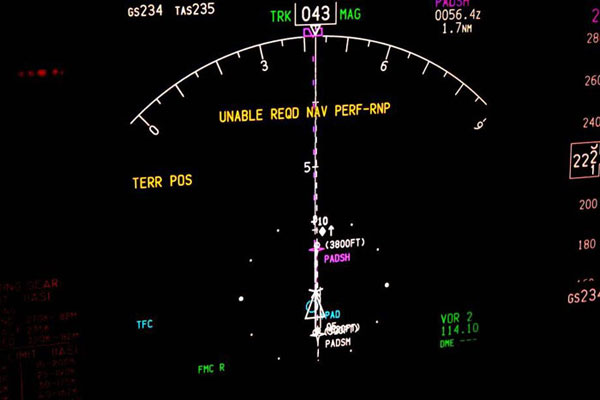
The implementation day for Australia switching off Navaids remains the same: 26MAY2016, but the GPS requirements are relaxed – a little – especially for foreign private operators.

If you’re Australia based:

  • You’ll have seen this coming and will already be RNP1/2 compliant. CASA has no exceptions.


If you’re a Foreign Operator and have RNP1/2:

  • After 26MAY2016, if you’re RNP1/2 compliant, put it in the Flight Plan (read on), and that’s about it.


If you’re a Foreign Operator and you don’t have RNP1/2:

  • Australia has a Two Year Transition for Foreign Operators after 26MAY
  • An “Acceptable Means of Compliance” is contained in CASA EX06/16
  • Notify CASA in advance using Form “Notification to operate aircraft on RNP 2 routes and/or RNP 1 procedures using GNSS based RNAV 1 & RNAV 2”
  • If you are a non-commercial operator – ie. operating a Private flight, then compliance is not mandatory. According to CASA, through a release to IBAC, “Only commercial operators that can comply with the requirements and want RNP 1 and RNP 2 traffic services are required to apply for an exemption. “


Flight Planning:

  • If you have RNP2 – put GRZ in Field 10a and NAV/RNP2 in Field 18.
  • If you don’t, then you must operate according to Australia’s “Acceptable Means of Compliance” and put RMK/CASA RNP AMC in Field 18.
  • If you don’t, and you’re a private operator, probably worth a RMK/NEG RNP PVT FLT or similar.
  • Keep an eye on the charts – a bunch of new 5 letter waypoints are coming, to replace the VOR’s and NDB’s being switched off.

Reference:


Oceanic Errors

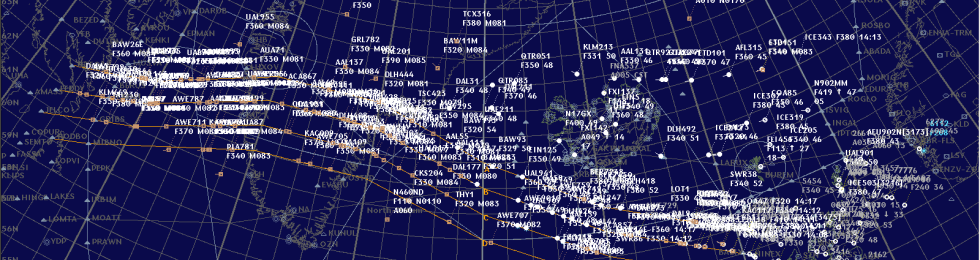
Unfortunately, we don’t fly with three in the cockpit anymore – or even four. The navigators job falls squarely onto the front two seats. Over one weekend in April there was one Gross Navigation Error, and two close calls reported on the North Atlantic.

April 22nd (Friday)
Democratic Republic of the Congo Boeing 727 100 (9QCDC/DRC001) from Santa Maria Island, Azores (LPAZ) to St. John’s NL (CYYT)
At 1235Z, Observed on radar to be over position 4720N 4745W, which was approximately 60 miles north of the cleared route 45N 45W – 47N 50W. The crew reported correctly while in oceanic airspace. The flight was cleared direct to YYT and landed without incident at CYYT. There was no traffic, and no other impact to operations.

April 24th (Sunday)
Neos Airline Boeing 767-300 (INDDL/NOS730) from Ferno, Italy (LIMC) to Havana, Cuba (MUHA)
Cleared via 49N030W 48N040W 45N050W. At 30W, the flight reported 48N040W 44N050W. The aircraft recleared to 45N050W prior to proceeding off course.

Apr 25th (Monday)
Transportes Aereos Portugueses Airbus A330-202 (CSTOO/TAP203) from Lisbon, Portugal (LPPT) to Newark, NJ (KEWR)
Cleared 46N030W 46N040W 45N050W. The aircraft reported proceeding via 46N030W 46N040W 44N050W, as per the original flight plan. The aircraft was recleared via 45N050W prior to proceeding off course.

Did you notice how hard it was to find the error in the above two examples?


Gross Navigation Errors are a really interesting topic, and relevant not just on the North Atlantic but in any Oceanic or Remote airspace where ATC cannot monitor the aircraft tracking.

What defines a GNE? Normally, 25nm: That is, when on “own navigation” the aircraft departs the cleared route by more than 25nm. The NAT Central Monitoring Agency (CMA) now defines a Gross Navigation Error as 10nm instead of 25nm.

Annually, the biggest offenders in order of “market share” are: 1. Corporate/Private, 2. Military/State 3. Civil airlines.

How to Avoid a GNE?
(aka How to avoid a Nastygram from the Authorities):

In general, when operating outside of ATC Radar coverage in any airspace:

  • Crews: Don’t have more than one paper copy of the Flight Plan in the cockpit. Mark the active one “Master Document”. Hide any other copies where you won’t find them.
  • Ops: If you send a new Flight Plan to the crew, tell them what the changes are – especially if you’ve filed a different route in Oceanic or Remote Airspace.
  • Fly the Clearance, not the Filed Plan. This is the biggest gotcha. As soon as you reach the Oceanic Entry Point, or leave radar airspace – refer only to the most recent Clearance from ATC. The filed plan is a request only – sounds obvious, but most GNE’s occur because the crew fly the filed plan although there was a reroute.
  • Be aware of the ‘ARINC424 problem’: In the aircraft FMS, and map display, the current common waypoint format is 5230N for position 52N030W (as prescribed by ARINC 424). To show position 5230N030W – ARINC 424 offers a format N5230. The potential for confusion is clear. ICAO, in NAT Ops Bulletin 3/15, have recommended that operators use the format H5230, if a five-letter FMS format waypoint is required. In addition pilots are recommended to cross check any waypoints that don’t have a ‘name’.
  • Use a plotting chart – it’s mandatory. You don’t have to use ours, but use one.
  • Use an Oceanic/Remote Area Checklist (sample link below).

And specifically on the Atlantic:

  • Read the advice on the Daily Track Message – waypoint cross check, Fly the Clearance (and be sure it is the clearance!)
  • Know the weather deviation procedures: Even with the new “Half Tracks”, there are no changes to the in flight contingency procedures and weather deviation procedures as detailed in PANS ATM Doc444 Para15.2 & 15.2.3.

Here’s some links and resources that we think are really useful:


For regular notices and content like the above, consider joining OPSGROUP.


GPS Jamming at Cairo

Egypt notified airlines yesterday that GPS jamming is a concern to arrivals and overflights, and warned against conducting RNP/RNAV arrivals or approaches.

The jamming was announced on 24MAY, and is centred on Cairo Airport; the source is unknown.

Similar GPS jamming was conducted, at state level in that case, by North Korea last month, from five locations along the border with the South. South Korea, along with other Civil Aviation Authorities, are looking at an eLORAN based alternative as a backup.

Operators planning flights through the Cairo FIR should monitor NOTAMs for latest.


Brazil airspace changes for Olympics

A number of airspace changes, and specific procedures for aircrew and ATC, have been created for Brazil in advance of the 2016 Olympic Games, which start on 05AUG.

Big chunks of prohibited and restricted airspace will take effect in BELO HORIZONTE, BRASÍLIA, MANAUS, RIO DE JANEIRO, SALVADOR, and SÃO PAULO – the focus cities for the games.

The current instrument departure and arrival procedures are not going to be suspended and/or canceled, despite the restrictions imposed by the activation of these areas.

Special departure and arrival procedures have been designed for SBSP, SBGR, SBGL, and SBRJ.

Airports affected will be slot controlled for the Olympics from 19JUL until 23SEP –  these are SBBH, SBBR, SBCF, SBGL, SBGR, SBKP, SBRJ, and SBSP. Slots can be arranged directly by operators at the CGNA homepage.

That’s the skinny. If you need the full details, read the 122 page AIC 07/16.


Overflights without a full Airworthiness Certificate

For many countries, if an aircraft is operating normally, no Overflight or Landing permit is required. Sometimes, however, the aircraft will not meet full airworthiness requirements but is still safe to fly.

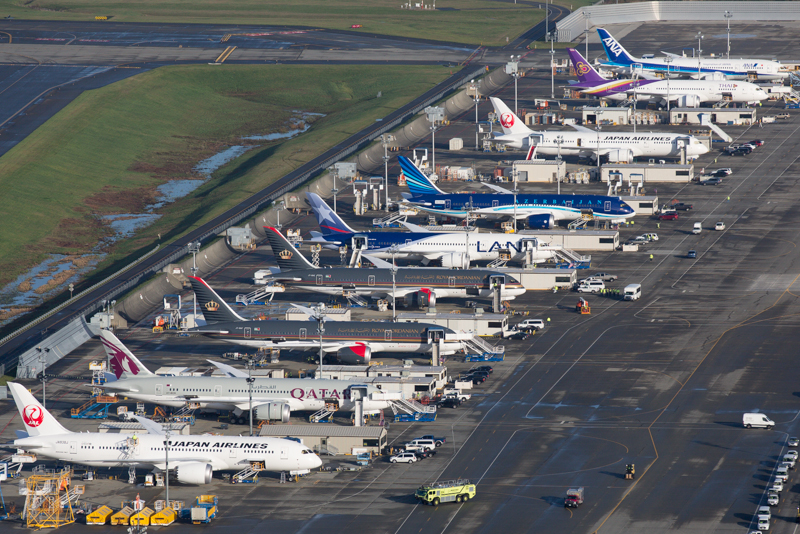
New deliveries, ferry flights to a new operator, maintenance flights, or positioning to storage, may all have special circumstances that normally result in the aircraft operating with a Special Airworthiness Certificate.

DSC00010

Special Airworthiness Certificates

The most common type of Special Airworthiness Certificate is a regular Ferry Permit. The FAA call this a ‘Special Flight permit’, EASA’s term is a ‘Permit to Fly’. It is issued by the Country of registration and allows an aircraft to be flown on a specific route and date, eg. for delivery, maintenance, transfer of ownership.

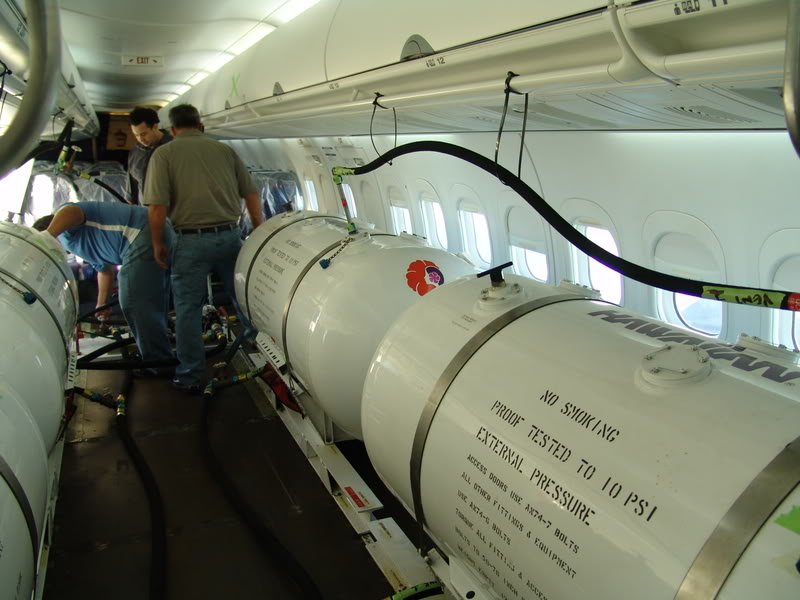
Other types of Special Airworthiness Certificate categories are Restricted (eg. modified special purposeaircraft like NASA’s 747SP with a telescope, or Pratt & Whitney’s 747 engine testbed), Experimental (like the Lockheed Martin X-55.

SAC


Special Permit (Flight Authorisation)

Every aircraft operating on a Special Airworthiness Certificate requires a Special Authorisation from each country being overflown or landed in. This is normally requested from the Ministry of Transport for that country, or the technical department of the Civil Aviation Authority. Official processing times are up to 20 days.

Specific to foreign operators flying to or over the USA, the FAA term for this is ‘Special Flight Authorization.

EU Blacklist – Special Permit

For Operators that are on the current EU Blacklist under Annex A (airlines that are banned from operating in the European Union) and Annex B (airlines that are permitted to operate in the European Union only under specific conditions), a Special Permit can also be obtained to allow flights that are required to operate to the EU for maintenance or other reasons. A separate permit is required from each EU country enroute.

Together with obtaining a Special Permit for each EU country overflown, SAFA must be notified, and the standard Eurocontrol FPL Alarming system must be deactivated for your flight.

Processing Fees

The cost to obtain a Special Permit is different for each country, according to complexity and Civil Aviation and Ministry of Transport charges.

What’s the easiest way to file a request for a Special Permit? 

Many can now be done online through the Flight Service permit tool.

Special Permit


You can also contact service@fsbureau.org for any questions.


Dutch overflights: Special Permits

The Netherlands has revised procedures for obtaining Special Permission for overflying or landing aircraft on delivery, ferry flights, or other circumstances where a normal Certificate of Airworthiness is not in place.

The government charge for this is €267. Questions should be directed to our ferry team at service@fsbureau.org.


FHSH/ St. Helena – Local Traffic Regulations

ST HELENA GOVERNMENT AIRAC AIP SUP S001/2016 23 JUN 2016

FHSH AD 2.20 – LOCAL TRAFFIC REGULATIONS

  1. St Helena is strictly PPR. Contact the Aerodrome Administration.
  2. Compliance with local aerodrome requirements is mandatory.
  3. St Helena is a remote location and classified as a Category C aerodrome. Prior to flight operations, all required members of the flight crew must have received specific training with respect to operations into Category C airports, including the effect of adverse weather conditions, severe turbulence and recovery from windshear conditions.
  4. Aircraft operators wishing to use St Helena must take all reasonable measures to ensure crew and aircraft are adequately prepared before planning to fly to the aerodrome, especially the potential for the need to divert.
  5. Specific approval from the aircraft operator’s regulator for flights to Category C airports must be in force.
  6. A Category C airport briefing for St Helena must be given prior to every flight.
  7. In addition to routine MET information/reporting operators’ attention is drawn to the following:

i. Wind generally from the south-easterly direction throughout the year. However, in the locality of the RWY 20 threshold the wind strength and direction can vary rapidly and by great magnitude;

  1. Strong wind warnings will be issued when wind at any point of the aerodrome is forecast to have a two minute mean speed of 20 KT or greater, and/or wind gusts equal or greater than 28 KT;
  2. Wind Shear warnings will be issued for approaches onto RWY 02 and/or RWY 20 when the two minute mean speed indicated by the touchdown anemometer is forecast to reach a two minute mean speed of 20 KT or greater, and/or the vector difference between the two minute mean surface wind and wind 2000’ above the aerodrome exceeds 40 KT, and/or a THUNDERSTORM or HEAVY SHOWER is within 10 KM of the aerodrome:
  3. For landing on RWY 20 a windshear warning will be issued when wind velocities in excess of a two minute mean wind speed value 20kt gusting 35kt are observed;
  4. On downwind and final approach to RWY 20 the control tower will provide two minute mean wind values from the northern anemometer tower.
  1. Attention should be paid to the WIND DIRECTION indicators located on the West side of the runway, near each touch-down area. These will reflect unexpected and rapid wind changes. Occasionally, they may indicate wind from opposite directions to the velocity provided;
  2. When landing on Runway 20 “SEVERE” wind shear and/or turbulence may be experienced below 400 feet above the Runway threshold. Onset is quick with maximum intensity immediate;
  3. Strong down- or up- draughts are to be expected near the threshold of Runway 20;
  4. When landing on Runway 02 “WEAK” to “MODERATE” wind shear / turbulence may beexperienced on final approach.
  5. Wind Information on downwind and final approach, based on two minutes mean windvalues on final approach and touch down. Instantaneous wind read out, crosswind and

    tailwind components will be provided at pilot’s request;

  6. A service message will be promulgated whenever winds exceed 15 knots;
  7. It is recommended that first time operators carry out an approach in a low drag configuration to assess the weather and windshear conditions on Final Approach to Runway 20 prior to a landing approach;
  8. Where feasible, operators should assess the implications of landing with a tailwind component on runway 02 in the event that conditions on approach to runway 20 are too severe for landing;
  9. The preferred take-off runway is 20.
  10. Operators must obtain a meteorological forecast for the flight prior to take off and,where possible, a briefing from the MET forecaster based at the airport.
  1. Long-term or overnight aircraft may require relocation on the apron if scheduled movements are due on the following day.
  2. Isolated parking for aircraft with Unlawful Interference is on the taxiway.
  3. Pilots are advised to manoeuvre with extreme care when taxiing to the take-off point for Runway 02/20 due to the use of the extended starter strip for the runway, and proximity to the cliff edge.
  4. Pilots should be aware of a daily Radiosonde launch from the MET Station at Bottom Woods (approximately 2nm north-west of the aerodrome). The launch is carried out at 11:15 UTC.
  5. Caution – cliff dwelling bird activity in the vicinity of the aerodrome.
  1. The wearing of high visibility clothing by all employed on the apron including flight crew and attendants is mandatory and is to be fastened up. It is the responsibility of the aircraft captain to ensure passengers are escorted by aircrew or ground staff at all times when on foot in external areas of the aerodrome.
  2. Diversion Procedure – Operators are required to have made arrangements for ground handlingpriortoarrival.Nothinginthisprocedureshallhowever,preventanaircraft thathas declared an emergency from landing.
  3. It is a requirement that every airline using St Helena must have local orders compatible with St HelenaAirportEmergencyPlan.Aviationoperatorsshouldalsonotethatitis theirresponsibility to recover disabled aircraft and aircraft wreckage. They must have appropriate arrangements in place, and confirmed in writing to St Helena Airport, before commencing flying operations into the aerodrome. St Helena Airport will act as coordinating body throughout the recovery operationandhasonlylimitedequipment whichmaybeusedtoassistintherecoveryof aircraft.
  4. Care should be exercised due to the proximity of other aircraft when manoeuvring.
  5. RWY 20 is the preferential runway.DEPARTURE CLEARANCE PROCEDURES
  6. No SID/STARS, ATC clearance subject Traffic


Reykjavik Oceanic Closure

BIRD/Reykjavik Oceanic Operators planning eastbound flights across the NAT should be aware of a NOTAM issued earlier by Reykjavik Oceanic/Iceland ATC, that essentially asks traffic to avoid the airspace wherever possible, due to further ATC Industrial Action. Eastbound flights in particular will not be accepted into the airspace unless:

– Destination is in Iceland, Scandinavia, Baltic States or Russia
– Departure point is west of Denver (105W)

Refer to NOTAM A0248/16

We recommend to monitor BIRD/Iceland NOTAMs carefully as similar restrictions can apply in the next few days.


FL200 – or 2,000ft? International differences

The key to this incident in Ireland, just published by the AAIU, is the wording of a departure clearance to a corporate jet departing EIKY/Kerry – “Climb Flight Level Two Hundred”.

The crew report states: “Our altitude climb instruction was “climb level Two Hundred”. We read back the clearance and began the departure. As we began to climb we had some confusion as to what the altitude clearance limit was as we were unsure what level Two Hundred meant. We levelled at Two Thousand feet to ensure we didn’t exceed any altitude limits

US operators are used to Flight Levels being that airspace above 18,000 ft, and in Ireland, as in much of Europe, Flight Levels can be as low as FL060 (6,000ft) – depending on the transition level – this international difference appears to have been the root cause of the confusion.

Standard ICAO phraseology dictates that “FL200” is Flight-Level-Two-Zero-Zero, but the UK in CAP413 suggest using “Flight-Level-Two-Hundred” to avoid confusion with FL210; this edict has been adopted de-facto many European ATC agencies.

The concern in this case, raised by ATC in Shannon, was that the aircraft levelled out at 2,000ft in the direction of high terrain – with, it appears from the report, real potential for CFIT.

EIKY

The full report is here.


Eurocontrol – Cargo Flights alerts

In 2012, the EU put in place the EU ACC3 program – air carriers that fly cargo or mail from a non-EU airport to an EU airport must ensure that all cargo and mail carried to the EU is physically screened or comes from a secure supply chain which is validated.

Air carrier stations in third countries are required to have undergone an audit to obtain an EU Aviation Security Validation in order to acquire or maintain their ACC3 designation. This validation needs to be reissued every five years, according to the EU Regulations.

On 01FEB16, Eurocontrol set up a NM ACC3 alerting system –  checking Flight Plans, and sending a message to the European Commission and the relevant EU Member State/s when a flight is identified as not having the correct ACC3 accreditation.


Australia is turning off its Navaids – are you ready?

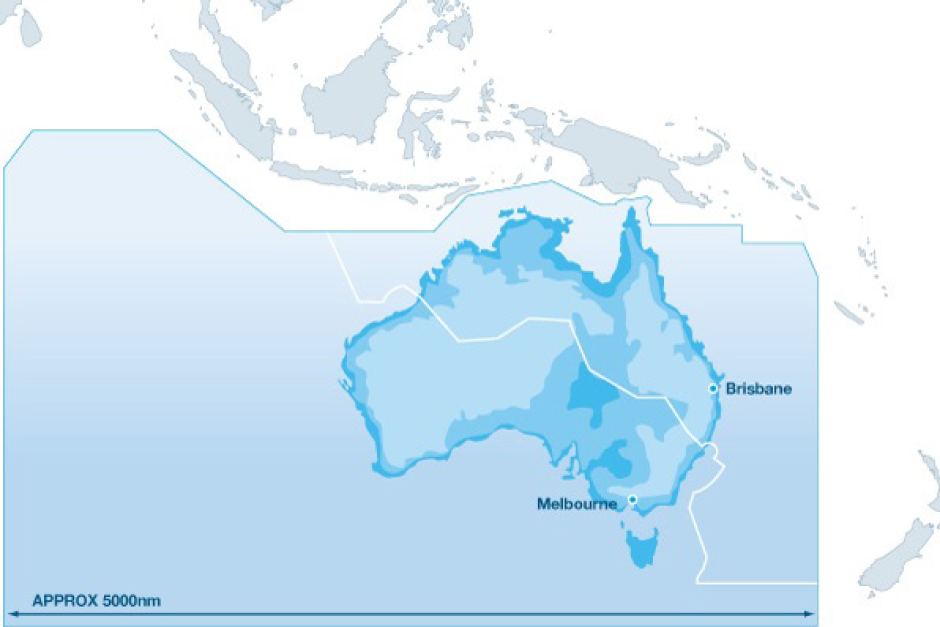
On the 26th of May, Australia will switch off around 180 different VOR’s, NDB’s, and other ground-based Navaids. Those that escape the cull – about 245 of them – will form the basis of their new “Backup Navigation Network”, or BNN.

For International Operators, in short, Australia wants you to navigate with GNSS as your primary means of navigation. The new standards, from 26MAY, are:

  • Oceanic Routes: RNP4 if able, otherwise RNP10
  • Continental Routes: RNP2
  • SIDs and STARs: RNP1
  • Non Precision approaches: RNP APCH (ie. RNAV(GNSS)

CASA will issue an exemption if you have an existing RNAV1 or RNAV2 approval based on GNSS from your National Authority, but you must have either the above RNP capabilities, or the exemption, to operate in Australian Airspace from 26MAY.

Further reading:


5618564-3x2-940x627


Most expensive ATC in Europe?

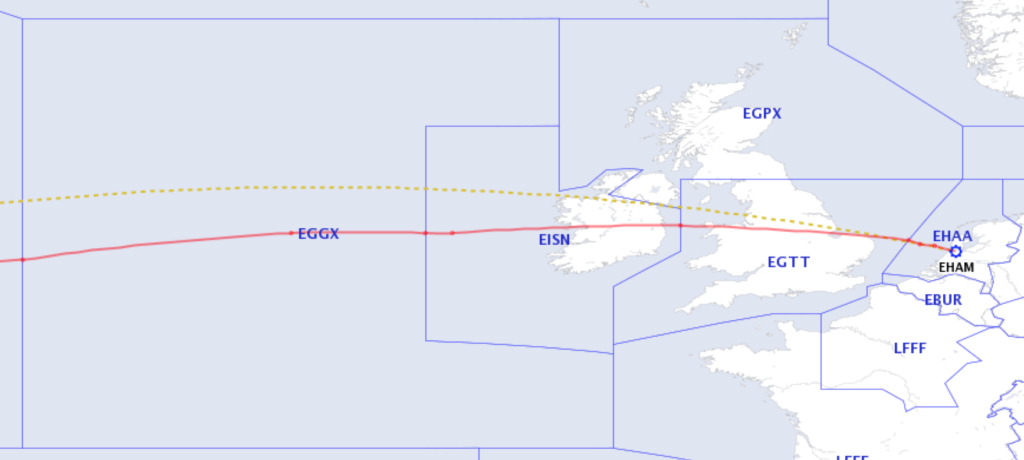
Let’s say you have a flight heading to Europe tomorrow, and you’re routing it eastbound via: Shanwick (EGGX), Shannon (EISN), and London (EGTT) FIR’s into Amsterdam.

Do you have any idea what it  costs to talk to each controller, on an hourly basis?

EB Route

The answer might surprise you. We’ll assume you’re crossing in a B737, weighing around 80 tons (or 175,000 lbs). For an hour’s worth of ATC on the Ocean, it’s 50 bucks.

Next up, you’ll talk to Shannon – and this will cost you about $300 an hour in your B737. As soon as you enter London’s airspace – same service – that rate goes up to about $1000 an hour.

For the above example, you’ll have paid these charges, in USD:

  • Shanwick(Oceanic): $50
  • Shannon(Ireland): $280
  • London(UK): $780

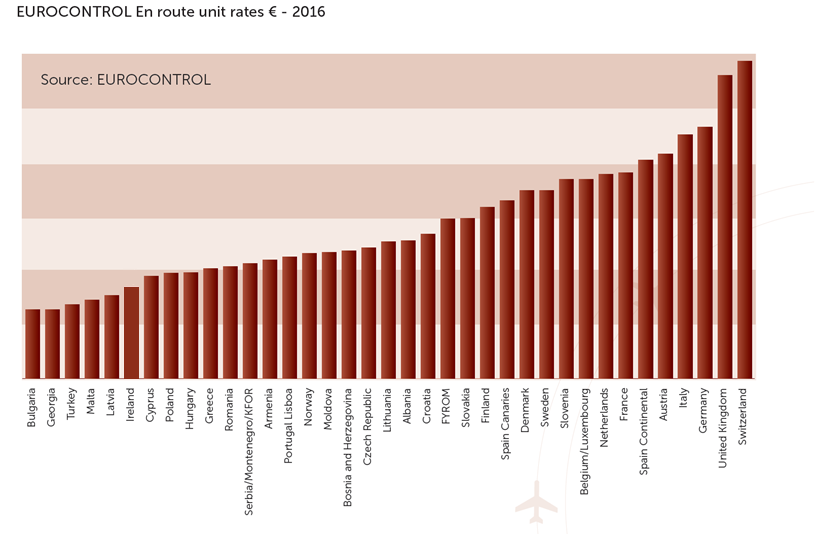
Worth knowing, right? Eurocontrol publishes a list of Unit Rates each month – the current one for May 2016 is below. So who is the most expensive? Simple answer: Switzerland. Followed closely by the UK, Germany and Italy. As you can see, there are huge variations.

The Unit charge in each is what you will pay in a 50 ton aircraft (the Boeing 717 is bang on this weight), for 50nm of that airspace. So, enter the Swiss FIR for 50 miles in a B717, and you’ll get a bill for €104. If you operate a larger aircraft, then a weight factor is applied, for example, multiply everything by 1.25 for a B737. (If you want the maths, here’s the formula).

These are the May Unit Rates, just published, in order of expense, in Euro, which is $1.15 right now.


ICAO Airspace Unit Rate
LS Switzerland € 104.14
EG United Kingdom € 92.12
ED Germany € 82.68
LI Italy € 80.17
LO Austria € 73.72
LE Spain Continent. € 71.78
LF France € 67.63
EH Netherlands € 67.09
EB Belg.-Luxembourg € 65.50
LJ Slovenia € 65.47
ES Sweden € 63.02
EK Denmark € 61.91
LU Moldova € 59.37
GC Spain Canarias € 58.45
EF Finland € 56.32
LZ Slovak Republic € 52.63
LW FYROM € 52.36
LD Croatia € 48.02
LA Albania € 45.61
EY Lithuania € 44.99
LK Czech Republic € 43.06
LQ Bosnia Herzeg. € 41.88
EN Norway € 41.05
LP Portugal Lisboa € 39.99
UD Armenia € 38.65
LY Serb.-Montenegro-KFOR € 37.06
LR Romania € 36.48
LG Greece € 36.11
LH Hungary € 35.04
EP Poland € 33.84
LC Cyprus € 33.66
EI Ireland € 29.76
EV Latvia € 27.40
LM Malta € 25.88
LT Turkey € 25.69
UG Georgia € 23.80
LB Bulgaria € 22.68
AZ Portugal S M € 10.89

table-01

Further reading:

Eurocontrol Guide to Route Charges


New time zone for South America

In an unusual move, a new time zone will take effect in South America from the 1st of May. As part of a measure to battle an energy crisis in Venezuela, the president also gave the public sector every Friday off until at least June 6th – to save electricity.

In addition, the entire country will change timezone from UTC -4h30 to UTC-4 from 01MAY, to ensure more daylight in the evening when energy consumption peaks.

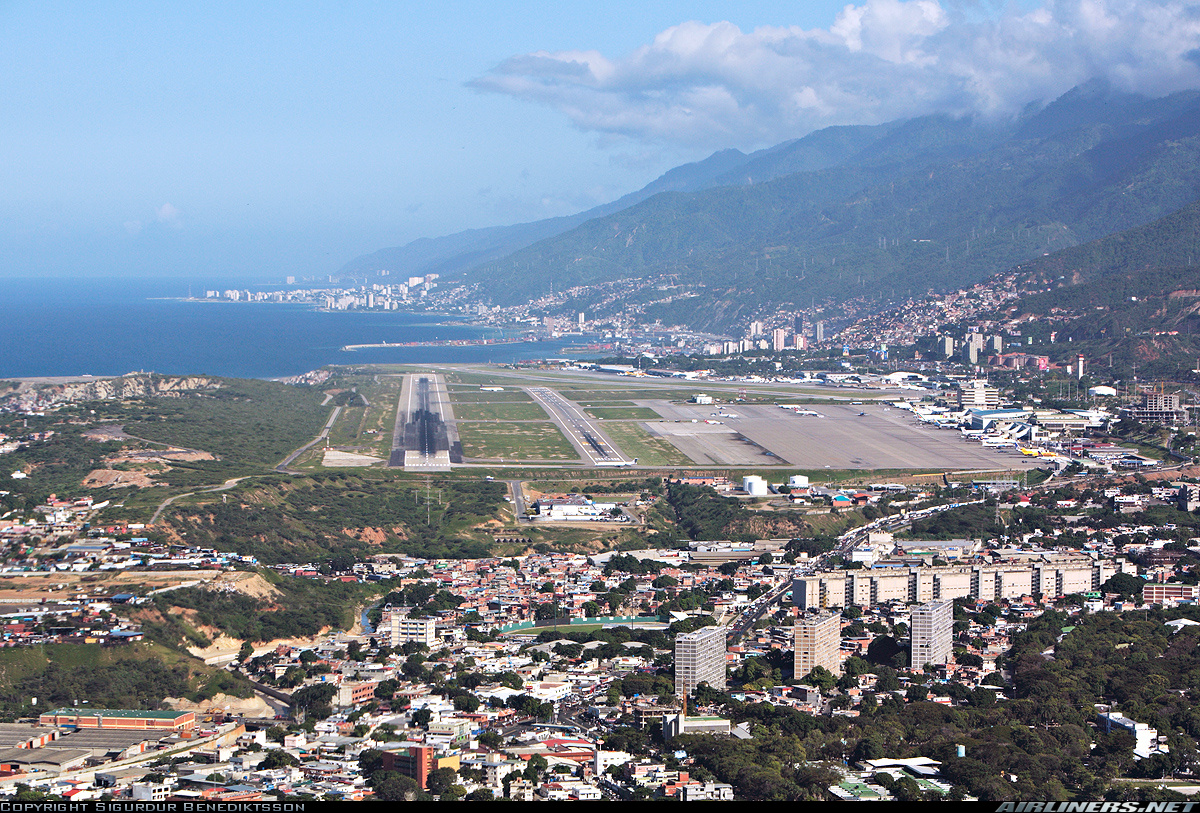
At SVMI/Simon Bolivar, Primary radar has been off the air since 04APR – and remains out of service until the end of May – it’s unclear if this is electricity related.

If operating to Venezuela after 01MAY, local time will therefore be 4 hours behind UTC.


Earthquake effects: Japan, Ecuador

Two large earthquakes struck Japan and Ecuador in the past week, with a longer term impact on International Flight Ops.

Japan

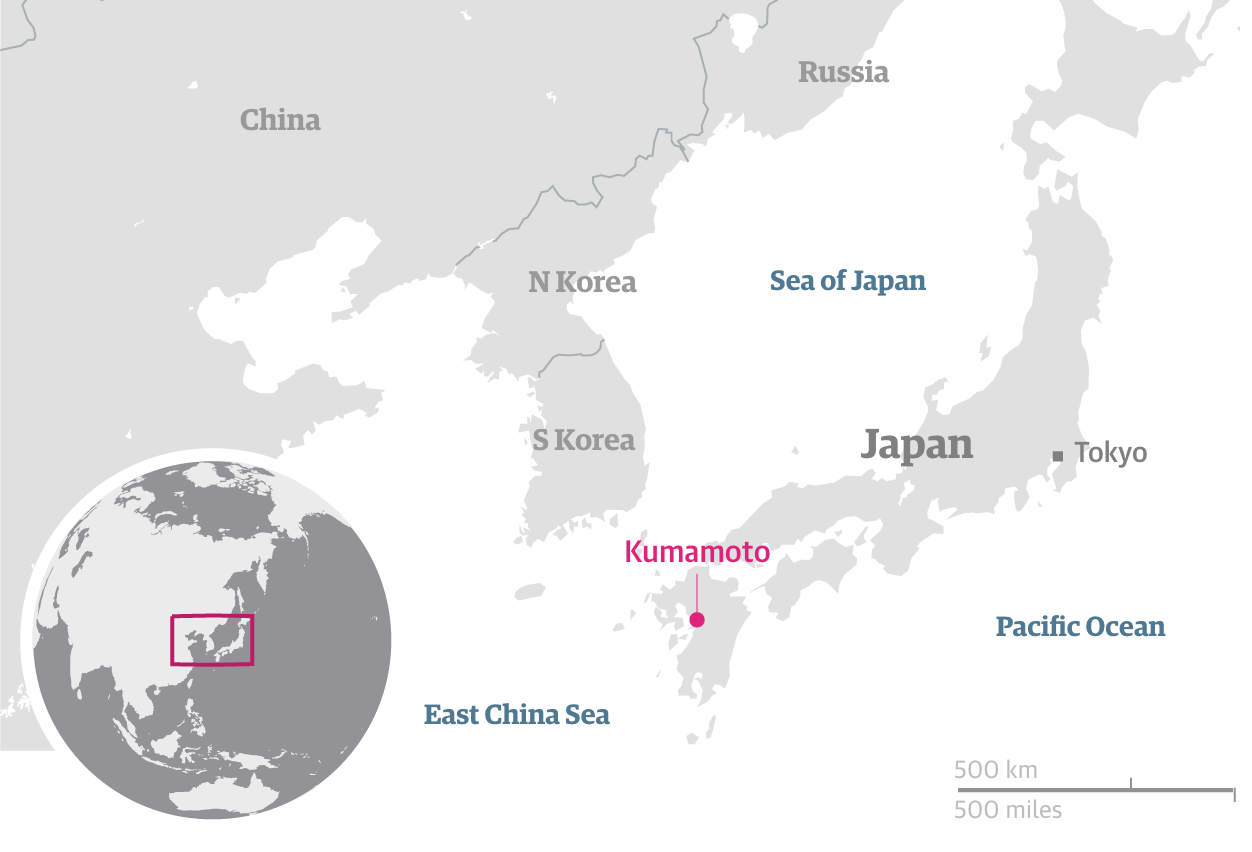
At 0124LT Saturday a 7.3 quake hit Japan, centred on Kyushu, the large island at the southern end of the country.

Airports: RJFT/Kumamoto is closed UFN to all traffic. RJFF/Fukuoka operating normally, RJFU/Nagasaki operating normally. In addition, in Kyushu: – Many roads, bridges damaged, Railways out of service, Region should be avoided.

Ecuador

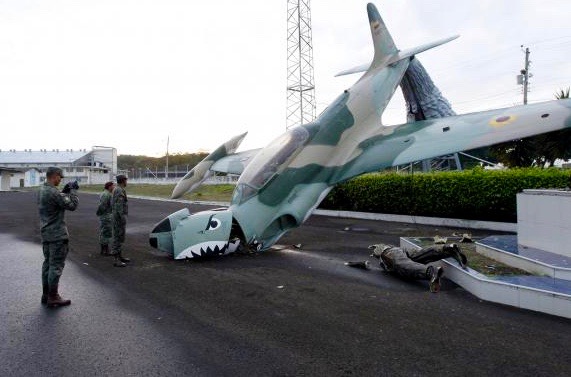
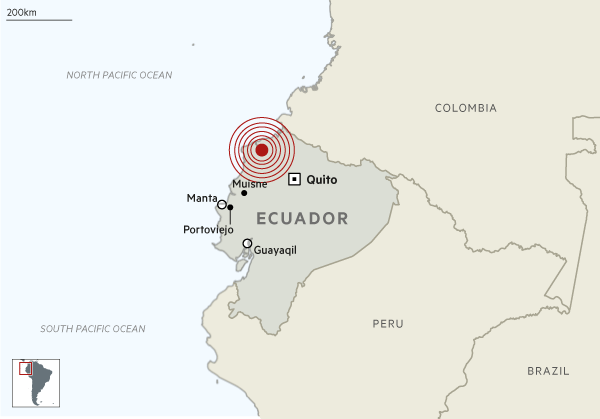
On the same day, a 7.4 earthquake centred towards the north-west of Ecuador.

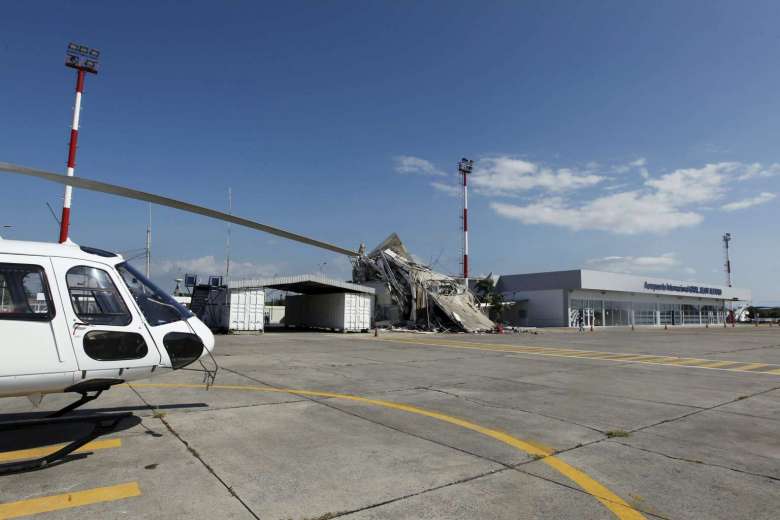
SEMT/Manta, a regular tech stop for traffic between the US and South America, is closed to normal operations after the Terminal and Control Tower suffered significant damage.

Japan-eq   Ecuador-eq


OPSGROUP – this is new.

When we reached 25,000 readers a few months ago, it was obvious that we were doing something right – our little weekly ops update started out five years ago with maybe 50 people on the list.

We branched out with Plotting Charts, Ops Notices, Special Reports, and a bunch of other stuff – doing our best to keep you and others in International Flight Ops as up to date as possible.

Now, we’ve started OPSGROUP. By creating a group, we can focus on delivering all the things we make, directly to the people that want them most.

If you already enjoy our weekly bulletin, then we’re excited to tell you that there’s a whole lot more now available in one place. You should start by reading the feedback from others.

Ops-Group-Logo


Cheapest Jet fuel on the Atlantic? $1.15 a gallon

The cost of a gallon of Jet A1 has been rather unstable lately. Over the last couple of years, we’ve produced several versions of our  North Atlantic Plotting Chart, and as we’ve done so, the price of Jet A1 has dropped each time across the Atlantic seaboard.

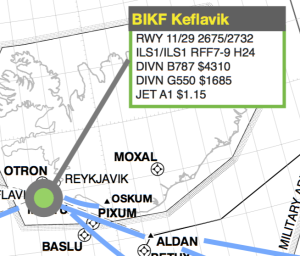
So, where is cheapest? Answer: Keflavik. $1.15 for a gallon of Jet A1 at the best available commercial airline rate. Now, that was six weeks back or so, when we did the research for the chart, and prices have been rising since (tracking the Oil price pretty well).

BIKF

Next best on the list is Shannon, Ireland – $1.37 USD/USG, thanks to the Shannon Free Zone, which strips out most of the taxes that the EU levies as standard.

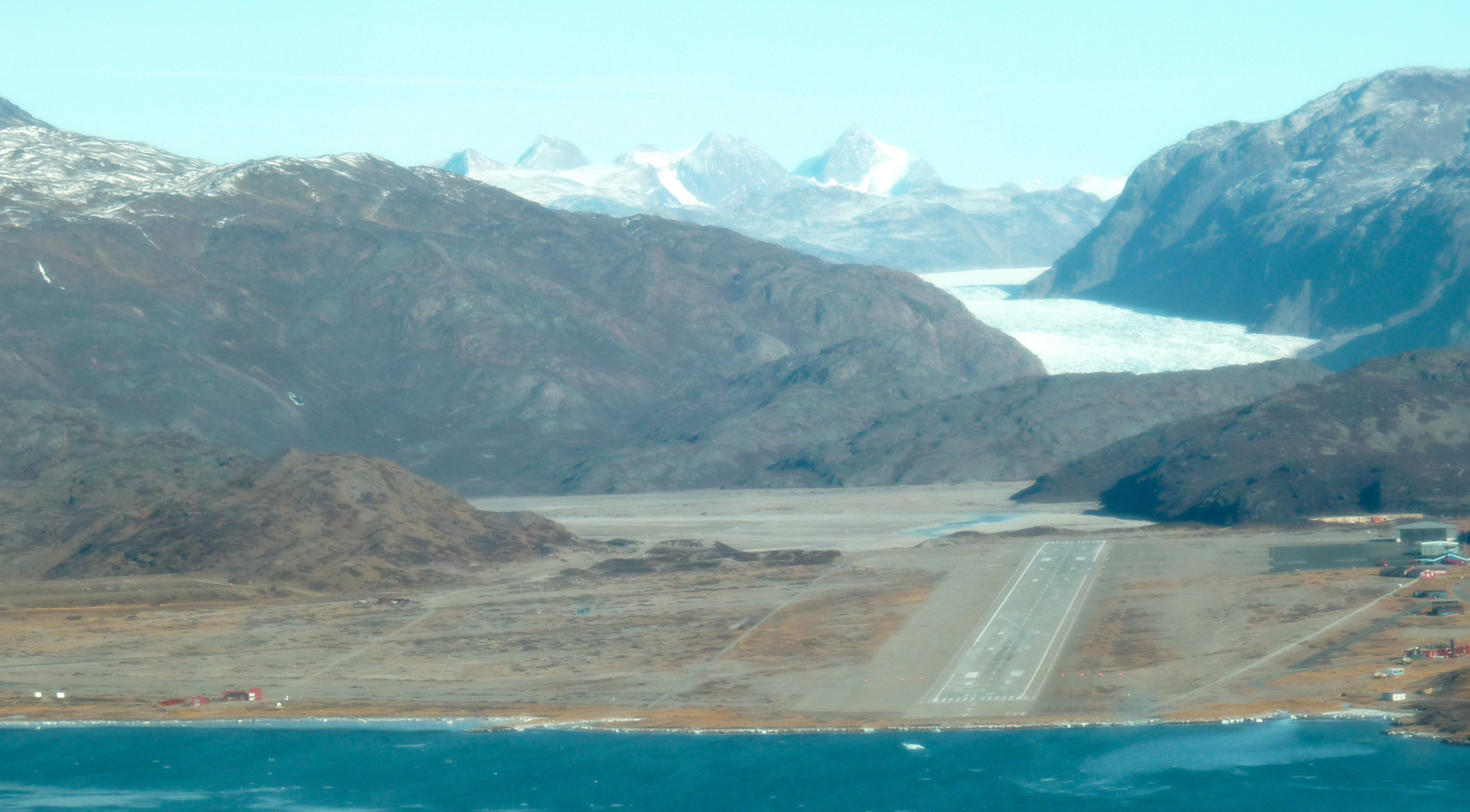
Next question, then: most expensive? Narsarsuaq, at $5.65 for a gallon. Why so much more? Primary reason: getting the fuel to BGBW is an awful lot harder than getting it to BIKF. The rest is down to the difference in government tax policy.

Fuel price is of course not the only tech stop or diversion consideration on the North Atlantic, but given that security, safety, and service quality is pretty much equal across the entire NAT region, it’s an important factor – along with the cost of handling.

If you look at the snapshot above, you can see that your G550 will cost around $1685 including Airport Fees; taking a B787 to KEF will run around $4300 all in.

The North Atlantic Plotting Chart has all this information for all the common North Atlantic ETOPS/Diversion Fields – namely: CYYT/St Johns, CYQX/Gander, CYJT/Stephenville, CYYR/Goose Bay, CYFB/Iqaluit, BGSF/Sondrestrom, BGBW/Narsarauq, BIKF/Keflavik, EGPF/Glasgow Intl, EGAA/Belfast, EINN/Shannon, and LPLA/Lajes.
Download NAT Plotting Chart


Overflight Risk – North Korea, Australian strike: Midweek Briefing 23MAR

Australian Airport Strikes cancelled 23MAR Australia had been set up for a week of Airport Chaos over the Easter Break, with Border Protection and other government services planning a huge list of strikes – but the events in Belgium yesterday prompted an announcement this morning that the strike is cancelled. Read the full article.

North Korea overflight getting riskier 23MAR Over the last fortnight, North Korea has been launching short and medium range missiles like they are going out of style. Nobody in Pyongyang has any intention of aiming them at civil airliners, but the objective is not where the risk lies. Read the full article.


EBBR/Brussels Remains closed until 0000Z on 24MAR, at earliest. If operating to Europe, expect increased security, checks, and delays not just in Belgium but across the continent. ANSP’s and AO’s are invited to join an ad-hoc teleconference organized by Eurocontrol NMOC at 1100Z today. For the log-in procedure, please refer to the Crisis portlet in the protected NOP.

HKNW/Nairobi Four British nationals were arrested on 21MAR for taking pictures of aircraft at Wilson Airport (HKNW/WIL). The detainees have been ordered to pay 2,000 USD or face up to a year in prison.

VHHH/Hong Kong is taking a close look at Airlines and AO’s that depart outside their allocated slot times. Airport capacity is critical and the Airport Company has said they will restrict operators seen to be abusing slot times – the official guideline is departing more than 15 minutes outside your slot window is frowned upon. Have a read of AIC 02/2016 – plenty of background information there if you operate regularly.

KZZZ/USA Thanks to Lee I. for this update – The FAA has now activated 11 of the planned 56 Airports offering CPDLC-DCL. Next up are KTEB/Teterboro and KLAS/Las Vegas on 28MAR.

MDZZ/Dominican Republic Business visitors and tourists who extend their stays beyond 30 days are now subject to an exit fee.

ZKPY/Pyongyang On 21MAR, at approximately 1519 local time (0619 UTC), North Korea launched several missiles into the Sea of Japan. South Korean media reported that the missiles landed approximately 125 mi/200 km from the North Korean city of Hamhung. U.S. military officials stated that they were monitoring the situation with a heightened defense posture. The North Korean military conducted the launch in response to ongoing military exercises between U.S. and South Korean troops.

Zika Virus The Centre for Disease Control (CDC) has listed the ZIKA virus as an “Alert Level 2”. You can find more details on which countries are specifically affected through the CDC website. The CDC has recently added Cuba to the list of affected countries.

URRR/Rostov Airport operational again following crash of B738 on 19MAR.

ZSSS/Shanghai will host ABACE2016 on 12-14APR at Shanghai Hawker Pacific Business Aviation Centre (BAC). Shanghai has two airports of entry (AOEs) – ZSSS and Pudong (ZSPD). Both require airport slots (and have general aviation (GA) departure curfews in place 0700-0900 local). While ZSPD operates 24 hours, ZSSS has night curfews in effect 0001-0559 local. It’s only possible to obtain one slot, at either airport, during peak hours of 0900-2200 local. Also, by regulation, aircraft aren’t permitted to reposition from ZSPD to ZSSS, and vice versa. ZSSS has a fixed-base operator (FBO), while ZSPD doesn’t. Parking is limited to a maximum of three days at ZSSS but is generally unrestricted at ZSPD. Drive time between the two airports ranges from 45 to 60 minutes, depending on traffic (Thanks Sheng Young for this info).

SZZZ/Ecuador The Sangay volcano, located between the provinces of Chimborazo and Morona Santiago in the Andean and Amazon regions has shown increased activity as of 05MAR, with small explosions and tremors. Some ash flow has been observed towards the south. Please check the VAAC for further details.

GVNP/Cape Verde on 12MAR, 6 members of a TAAG Angola Airlines crew were targeted in an attempted armed robbery in Praia, Cape Verde. Reports indicate that assailants opened fire on the bus that was transporting the crew from GVNP/RAI to a hotel in Prainha. The bus driver was able to elude the attackers, and there were no injuries.

PLCH/Christmas Island has no JetA1 until 17APR. Elsewhere in the Pacific, PKMJ/Majuro has no fuel 21-25MAR, and PTPN/Pohnpei is out of supply until 28MAR.

SVMI/Caracas On 19MAR, assailants on a motorcycle shot a man who had recently arrived on a flight from Germany – while resisting a robbery attempt as he was walking along an outside corridor near a terminal at Caracas’ Simon Bolivar International Airport (SVMI/CCS).


View the full International Bulletin for 23MAR2016