Saudi-Yemen Airspace Update

There’s an improving airspace risk picture in Saudi Arabia since a ceasefire was agreed in April – which has now been extended to Aug 2. All groups have agreed to halt the conflict inside and outside Yemeni borders. The first month of the ceasefire saw no reported drone strikes in Saudi Arabia.

However, long-standing airspace warnings remain in place. If the conflict resumes, Houthi drone and missile attacks on targets in Saudi Arabia pose a potential threat to ops at Saudi airports, and for overflights of the OEJD/Jeddah FIR. The most significant risk is in the south of the country along the border with Yemen, but OERK/Riyadh and OEJN/Jeddah airports have also been targeted in the past.

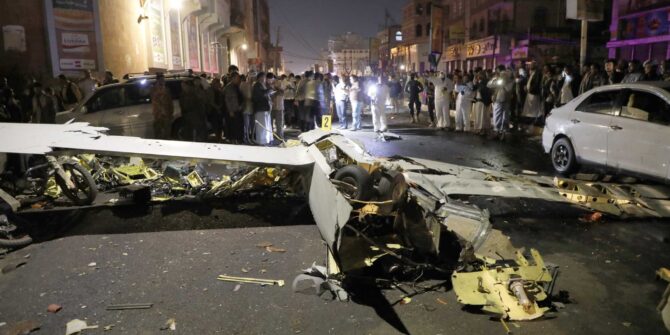
Back in March 2021, OEJN/Jeddah Airport closed temporarily following multiple attempted drone attacks. Saudi media reported dozens of drones were intercepted in their airspace, and the US Embassy also issued a statementOERK/Riyadh Airport was targeted in June 2020 and again in October.

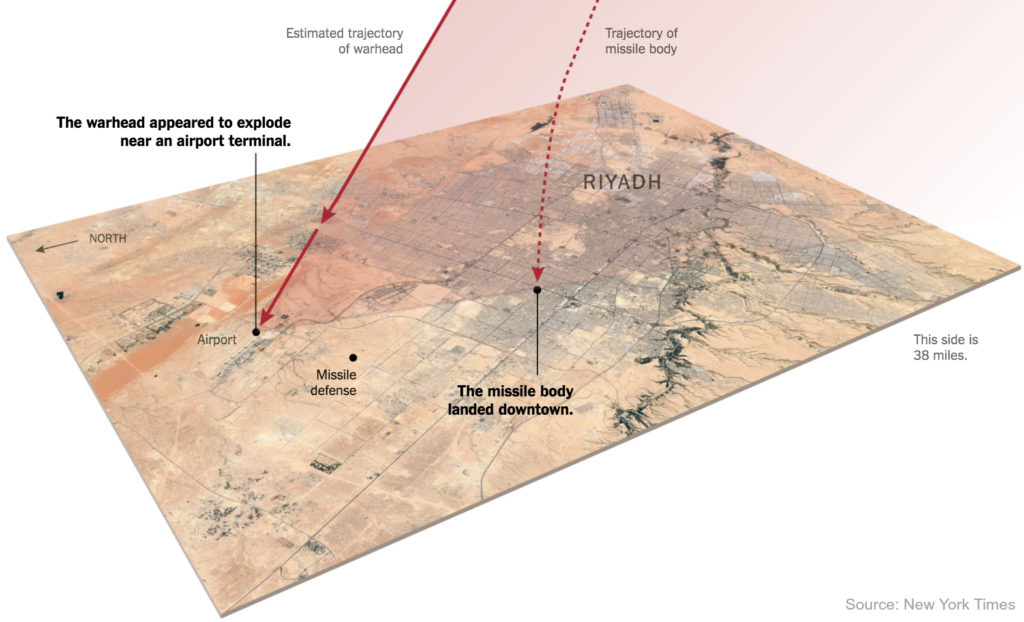
Much of the information comes from state media and cannot always be independently verified. In 2017, a New York Times investigation suggested that at least one of the most high-profile attacks from that year may not have been “shot-down” or intercepted by Saudi defense systems at all.


Saudi Arabia Airspace Risk

With the ceasefire now in place, we’re waiting to see if any of the countries who have issued airspace warnings for Saudi Arabia will amend their guidance.

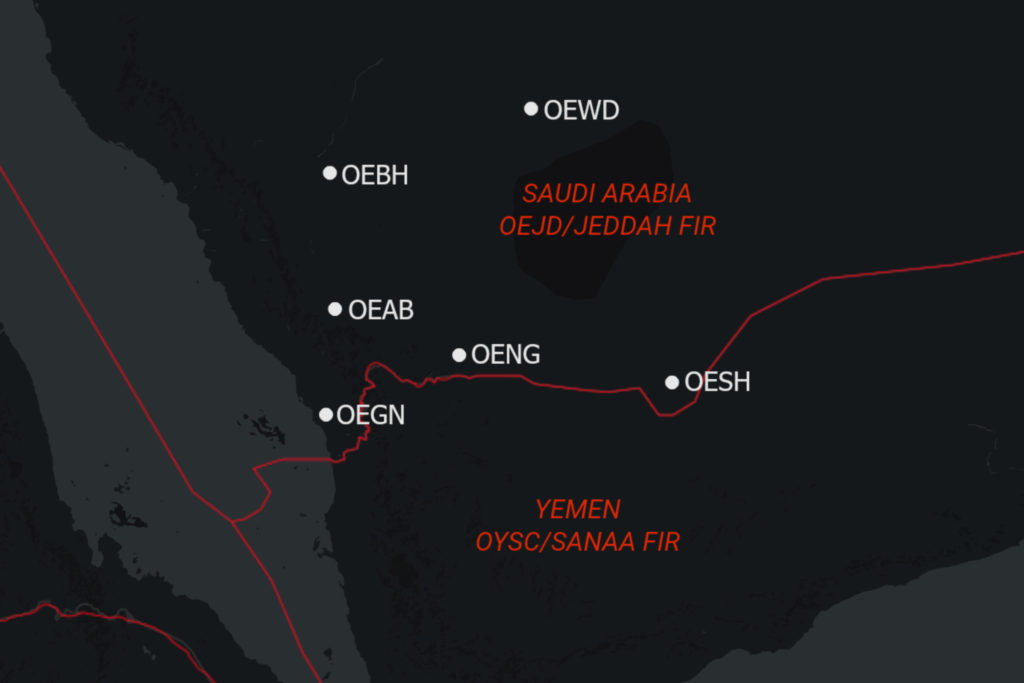
Germany and Canada warn of a risk to landing anywhere in the country, but particularly along the border with Yemen in the southwest part of the OEJD/Jeddah FIR. France has issued similar advice, with the specific warning not to operate to OEAB/Abha, OEGN/Jazan, OENG/Nejran, OESH/Sharurah, OEWD/Wadi Al Dawasir and OEBH/Bisha airports:

The airports to really watch out for.

A note on Yemen

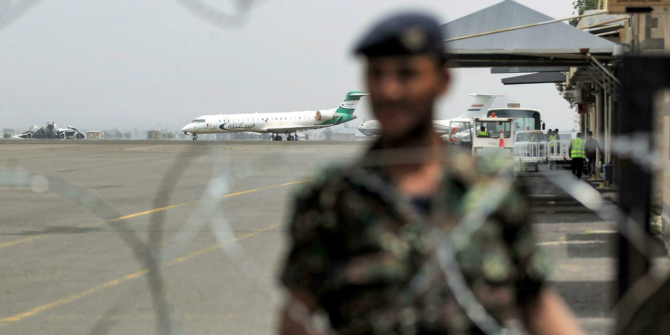
The first month of the ceasefire saw notably reduced hostilities in Yemen, and commercial flights resumed at OYSN/Sanaa Airport for the first in six years.

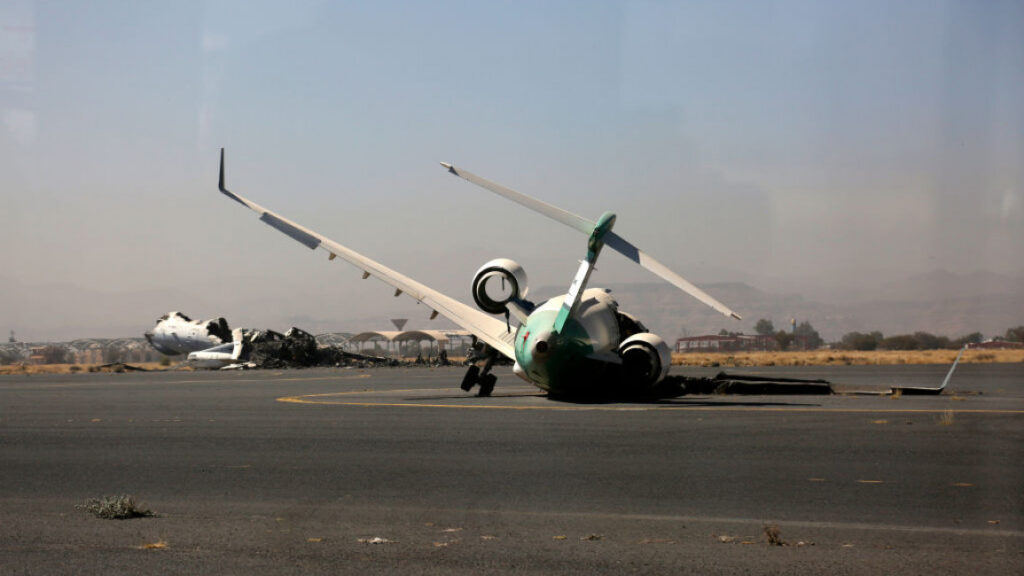
The situation at OYSN/Sanaa airport has been pretty bleak since it closed in 2016.

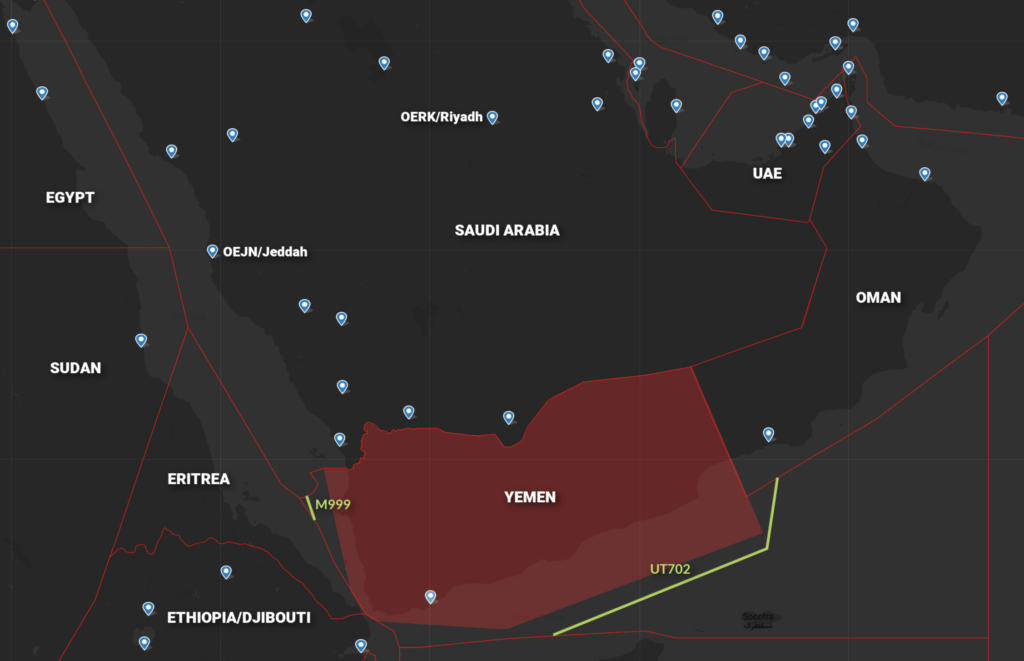
However, Yemen remains an active conflict zone, and the vast majority of Yemeni airspace (OYSC/Sanaa FIR) should be avoided. Several countries have prohibited flights here due to the ongoing conflict on the ground. The oceanic portion of the OYSC/Sanaa FIR is excluded from most warnings, by nature of being offshore. The guidance issued by the US FAA currently looks like this:

US operators are only allowed on M999 and UT702 offshore routes.

Essentially, US operators are banned from flying north of a line KAPET-NODMA-ORBAT-PAKER-PARIM-RIBOK. The US FAA specifically mentions UT702 and M999 as being ok to use.

Watch out for ESCAT

You might know this as SCATANA. ESCAT is the new name, but the process is the same – if you’re overflying the OEJD/Jeddah FIR and hear “ESCAT RULES ARE NOW ACTIVE” (or something to that effect) you need to be aware that these apply to you!

You will likely be given a change of route directly out of the airspace, or will be directed to land at the nearest suitable aerodrome. The purpose is to clear the affected airspace of all civilian aircraft at which point they close down all nav aids and airports until the threat has been dealt with.

ESCAT procedures are published in GEN 1.6 of Saudi Arabia’s AIP. If you don’t have a login, you can see the relevant section here. There are some special routes that you have to fly in the southern part of the OEJN/Jeddah FIR, as advised by Notam, and you can find these in AIP SUP 02/21.

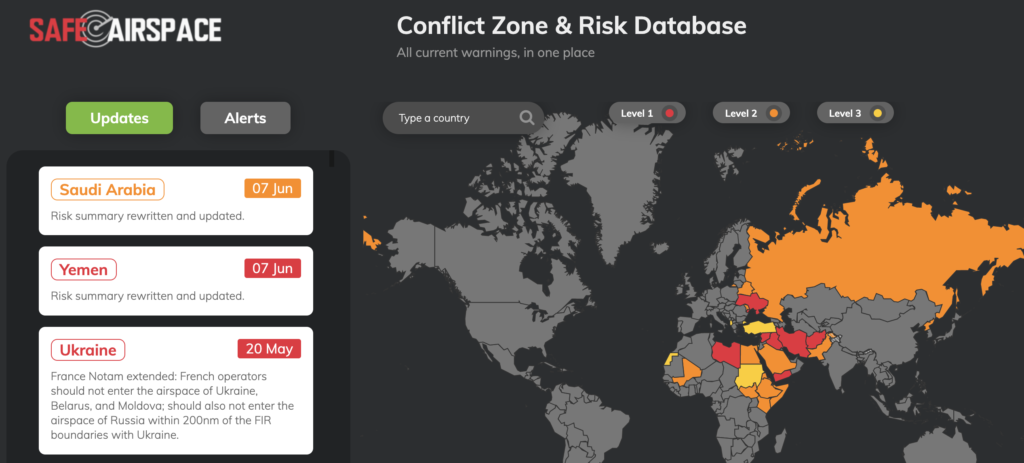
SafeAirspace.net continues to provide up-to-date information for both Saudi and Yemen airspace.


Has The Yemen Conflict Reached The UAE?

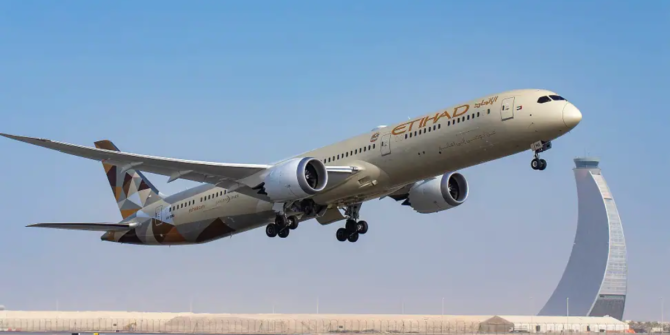
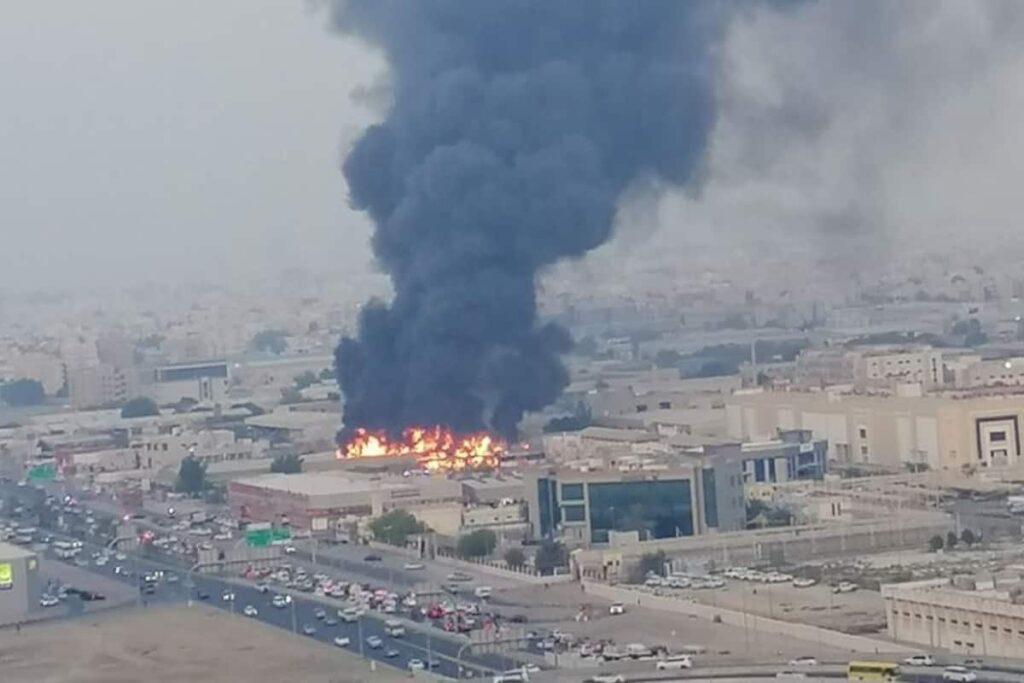
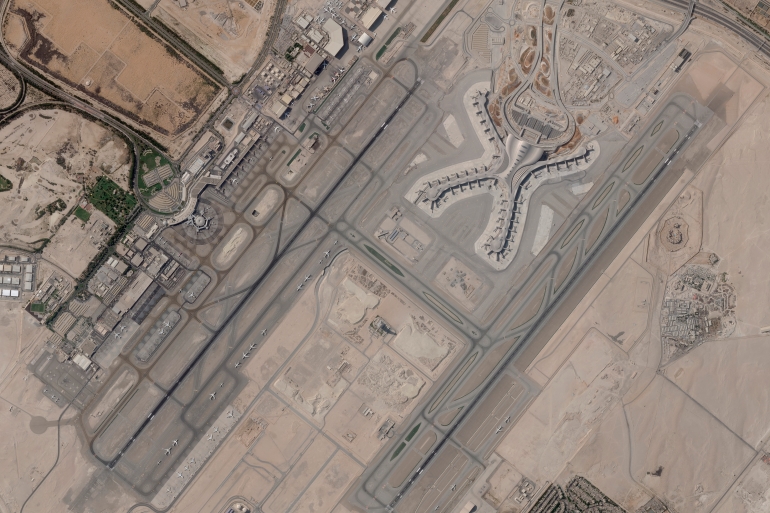
On January 17, bomb laden drones reportedly struck oil tankers and a construction site in Abu Dhabi, UAE. The impact sites were close to OMAA/Abu Dhabi International Airport.

Around the same time, Al-Houthi rebels claimed the group would be launching an attack “deep in the UAE”. While this attack in itself caused no disruption at the airport, it does highlight some serious concerns for safety in UAE airspace, and the wider impact of the conflict and volatility across the Middle East region in general.

What are the concerns?

The precise technical capabilities of the Yemeni rebel forces are not entirely known. In general their drone attacks have primarily targeted Saudi airports OEAB/Abha and OEGN/Jazan which lie close to the Yemen border. The capability and intent to send weapons through Saudi Arabia and to target the UAE is an escalation on what they have previously carried out.

Drone attacks in Saudi Arabia are a fairly common and persistent threat, however, Saudi Air Defence systems manage to intercept the vast majority before damage occurs. How these drones avoided detection is a concern.

What is the situation in Yemen?

Yemen has been an active conflict zone since 2014, with Saudi Arabia leading a coalition of countries from North Africa and West Asia against the rebel forces. OYSN/Sana’a airport has been impacted by multiple airstrikes throughout 2017 and 2018, and continues to be targeted in response to attacks such as this one, along with other regions of Yemen with known rebel activity.

Yemen airspace is prohibited by most major authorities. Saudi Arabian airspace has cautions for the southern Jeddah FIR bordering Yemen.

What is the general situation in the region?

While missile and drone attacks in Saudi territory have intensified recently, attacks against the UAE by the Al-Houthi group have never been confirmed until now.

OEJD/Jeddah lies almost 400 km north along the western coast and has seen some attempted attacks by drones throughout 2021, as well as attempted missile attacks.

OERK/Riyadh which lies in central Saudi Arabia has seem a number of attempts as well, however, Al-Houthi rebels denied they were responsible for a recent attempt in Riyadh. This took place in January 2021 and Saudi Air Defences destroyed the drone before any damage occurred. It was attributed to an Iraqi militant group.

Does this change the risk level for UAE airspace?

The rebels have suggested they will continue to target the UAE, however, they are targeting ‘sensitive sites’ on the ground such as oil refineries. There is no apparent intent to target aircraft or civilian airports. Unfortunately, such sites tend to be located along the coast and are in proximity to busy airspace and major airports.

Can we mitigate any of the risk?

The UAE have significant military defense capabilities as well. If you are operating into the region, be aware of increased military helicopter traffic. Maintain a good listening watch on frequency, and on 121.5.

The UAE do not use special procedures (like the Saudi ESCAT ones) but are proactive in closing their airspace if drones are identified within it – be aware of what your route options and alternate options are in case this occurs.

Keep an eye on Safeairspace for further updates or changes to the risk rating.


Yemen: Airstrike on Sanaa Airport

On December 20, an airstrike was carried out on Yemen’s major airport, OYSN/Sanaa by Saudi-led coalition forces.

It follows months of persistent drone attacks launched by Houthi Rebels on targets in Southern Saudi Arabia – the latest being on December 19.

At the time of writing, it isn’t clear how badly the airport was damaged. However, no reports have emerged yet of any significant disruptions to civil traffic.

But does this attack represent an increase in risk to civil aviation inside the OYSC/Sanaa FIR? Let’s take a closer look.

The situation.

Yemen is an active conflict zone and has been since 2014. Houthi rebels in Yemen are at war both at home and with Saudi Arabia – who lead a coalition of countries from North Africa and West Asia. If you’d like to read a little more about the background of the conflict, a good starting point would be here.

The war itself is in stalemate and so while the attack on OYSN was unexpected, it is not the first time it has happened.

In fact, the airport was also attacked and badly damaged in similar coalition airstrikes back in 2017 and 2018.

So why now?

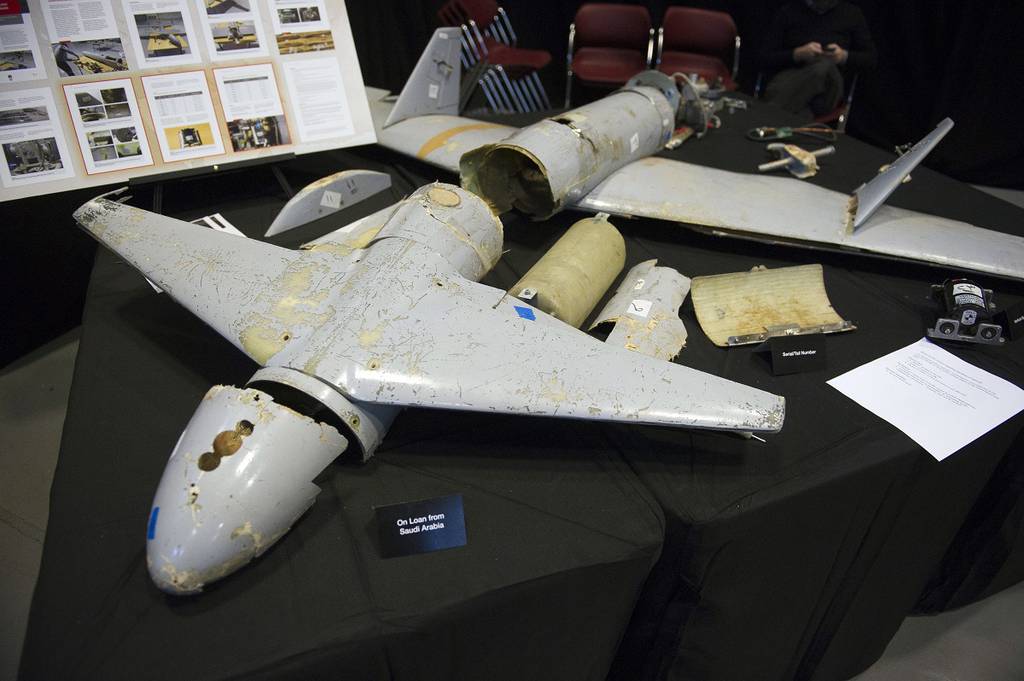
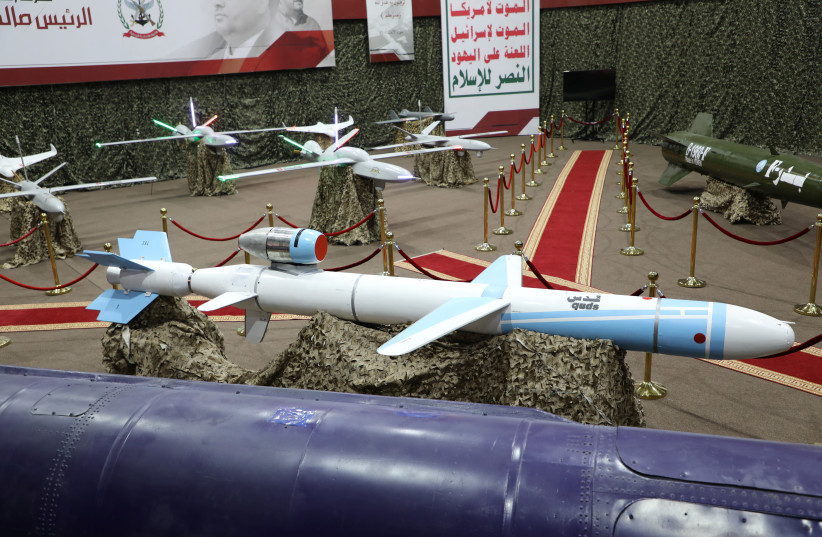
The Houthi’s primary means of attacking Saudi Arabia continues to be through the use of weaponised drones. The attacks have been happening on an almost daily basis recently and are a persistent threat to Saudi Arabia.

The weapons they are using are becoming increasingly sophisticated and are supplied to the Houthi from other political interests in the region.

Despite having sophisticated air defence systems, the challenge for Saudi Arabia is to work out how to stop these attacks.

Drone launches from Sana’a Airport

The Houthi have control over a large section of Western Yemen which includes the capital, Sanaa (and its airport). Recent intelligence has shown that the Houthi are using sites at the airport to store and launch these drones. It is these sites that were targeted in the December 20 airstrike.

Changes to Risk

In terms of overflights of the OYSC/Sanaa FIR, the December 20 airstrike hasn’t changed anything – Yemeni airspace was, and still is, extremely dangerous. Several states (including the US) ban operators from entering it due to the risk of anti-aircraft fire from militant groups at all levels. The only exceptions are airways well off the coast – primarily UT702 and M999.

But when it comes to operations in and out of OYSN airport itself, these events may indicate a renewed threat. Of particular concern is that the Houthi seem to have been carrying out cross-border military offensives in very close proximity to civil aviation.

The risk of this is two-fold:

  • The airport may continue to be targeted by coalition airstrikes which can occur without warning and with little regard for civilian traffic.
  • The Houthi may have a renewed intent on protecting the airport using anti-aircraft weaponry which puts civil aircraft at risk from being misidentified or mis-targeted while operating over or near the airport.

What type of air defence systems do the Houthi have?

In recent years there has been credible evidence that the Houthi have been supplied with advanced anti-aircraft weaponry by proxy, along with aircraft tracking systems that could pose a threat to aircraft at all levels.

There have also been several unverified claims made by the Houthi during the conflict that they successfully shot down numerous military aircraft – although these are sometimes known to be false.

Either way, the December 20 airstrike may serve to encourage their intent to protect their airspace.

Want to know more?

Safeairspace.net is our conflict zone and risk database. Head over there for a full briefing on the OYSC/Sana’a FIR, along with a summary of major state warnings for Yemeni airspace.

You can also add your email to our Airspace Risk Update that is issued once a fortnight – only what you need to know, and zero spam. Click here for that.


Rumbles Over Riyadh: A New Threat?

You might have seen the headlines a week or so ago. On January 23, Saudi Arabia’s capital Riyadh was attacked by a ‘hostile air target’ – likely an explosive ‘kamikaze’ drone. Saudi air defences destroyed it, causing a loud explosion over the city and flight disruptions at OERK/Riyadh.

Then a few days later it happened again. Another big bang in the skies of Riyadh and more flight disruptions. Plenty of people caught it on camera. But the silence from official channels was deafening.

So what? Isn’t there is always stuff in the news about drones over there?

Yes. They’re sporadically sent over the border from Yemen by the Houthi – the folk who overthrew the Yemeni government back in 2014. Southern regions are usually the worst hit and occasionally Jeddah and Riyadh are targeted just to remind Saudi Arabia that they can.

But here’s the kicker: this time it probably wasn’t them.

How Do You Know?

Firstly, the Houthi have adamantly denied they were to blame. They’ve actually gone out of their way to distance themselves from the attack. So why should we believe them? Because of the status quo – they want to make headlines. Their attacks on Saudi Arabia are a demonstration of their firepower and willingness to target anywhere in the country. They’re even known to claim responsibility for attacks that weren’t theirs.

Secondly, someone else has already put their hand up for the attack – a group of militants in Iraq called the Alwiya Waad al Haq. The Who? The ‘Brigades of the Righteous Promise’. It’s a fancy name but the takeaway is this: someone new is apparently taking shots at Saudi Arabia from Iraq.

Here’s why

Saudi Arabia and Iran don’t get along. The reasons are long and complicated and you can read more about them here. But in a nutshell, religious differences and a desire for regional dominance are the cause of the ongoing conflict. The attacks on Riyadh are a worry because they may reflect a changing way that Iran asserts its dominance throughout the Persian Gulf – by proxy.

Proxy conflicts are a thing. It means when someone is doing the hands-on fighting for somebody else. Remember those Brigades of the Righteous Promise people? It is alleged that Iran may have put have put them up to it, and supplied the firepower to do it.

There’s no shortage of independent militia in Iraq. They’re difficult to trace and new ones emerge seemingly from nowhere – so much so that they’re sometimes known as ‘shadow militia.’ In reality, they are usually a cover for larger and much more well-known groups. In this case, possibly the Hezbollah – one of Iran’s largest proxies.  By hiding behind different names they can cause confusion, unpredictability and can divert blame away from the prime suspects.

It is possible that Iran may now start using these proxies more often for attacks on its regional adversaries.

So why is this an aviation issue?

We get twitchy when anyone is firing things into the sky. This way of fighting is unpredictable and the weapons being used are getting more sophisticated and can cover large distances.

Case in point. Back to the Brigade guys – since their alleged attack on Riyadh they have since threatened to attack the Burj Khalifa in Dubai, and also Abu Dhabi airport. Whether or not their threats can be taken seriously remains to be seen – but if the attack on Riyadh is anything to go by, they might have the weapons and intent to do it.

For aircraft, there are a few threats to be aware of:

  • Misidentification by sophisticated air defence systems.
  • Being caught in the cross fire.
  • Simply being in the wrong place at the wrong time. Airports are often a prime target.

What can we do about it?

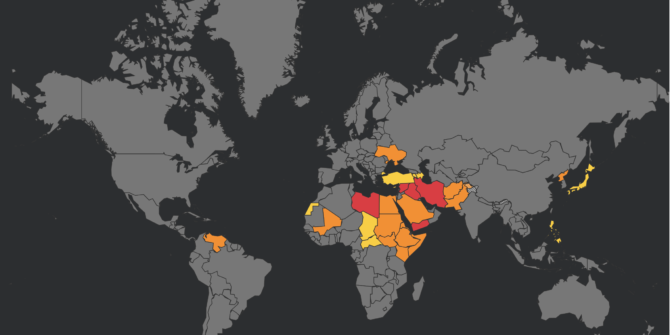
Continue to monitor Safeairspace.net for airspace warnings – it is our database of airspace risk and we update it all the time. Head over there and take a look – there are multiple warnings for the Persian Gulf region including four ‘no fly’ countries: Syria, Iraq, Iran and Yemen.

Understand ESCAT rules. Or you might know them as SCATANA. Either way they are a protocol for getting you out of dangerous airspace and fast. ATC may divert you clear of an FIR or ask you to land. They’re in use in Southern Saudi Arabia – but can be applied at short notice to any airspace where the risk is high. ESCAT procedures are published in GEN 1.6 of Saudi Arabia’s AIP. If you don’t have a login, you can see the relevant section here.

Lastly, carry out your own risk assessment and know what’s going on down there. Just because airspace is open doesn’t mean that it’s safe.


SafeAirspace: 2021 Update

2020 was a heck of a ride. But therein lies the risk – what else might you have missed amongst all the Covid-related noise? Sadly, conflicts and their risks to civil aviation have not taken a break during the pandemic.

As it’s a new year, we thought a summary of Airspace Risk was called for. Here’s what’s making headlines at the moment:

Saudi Arabia & Yemen

Houthi rebels in Yemen are regularly firing explosive drones and rockets across the border into Saudi Arabia, and these usually target airports in the south such as OEAH/Abha and OEGN/Jizan. Their latest attack was on OYAA/Aden airport in late December which resulted in mass casualties.

Saudi Arabia continues to retaliate with airstrikes. The latest was in the capital Sanaa just weeks ago, where multiple munitions landed near the airport.

The risk to aviation is that overflying aircraft may get caught in the crossfire or might be misidentified by Saudi air defences. Active terrorist groups in Yemen may also use anti-aircraft weaponry to target foreign interests.

The FAA prohibit all US operators from entering most of the OYSC/Sanaa FIR at any level. Only two airways are allowed, and they are well off the coast – UT702 and M999.
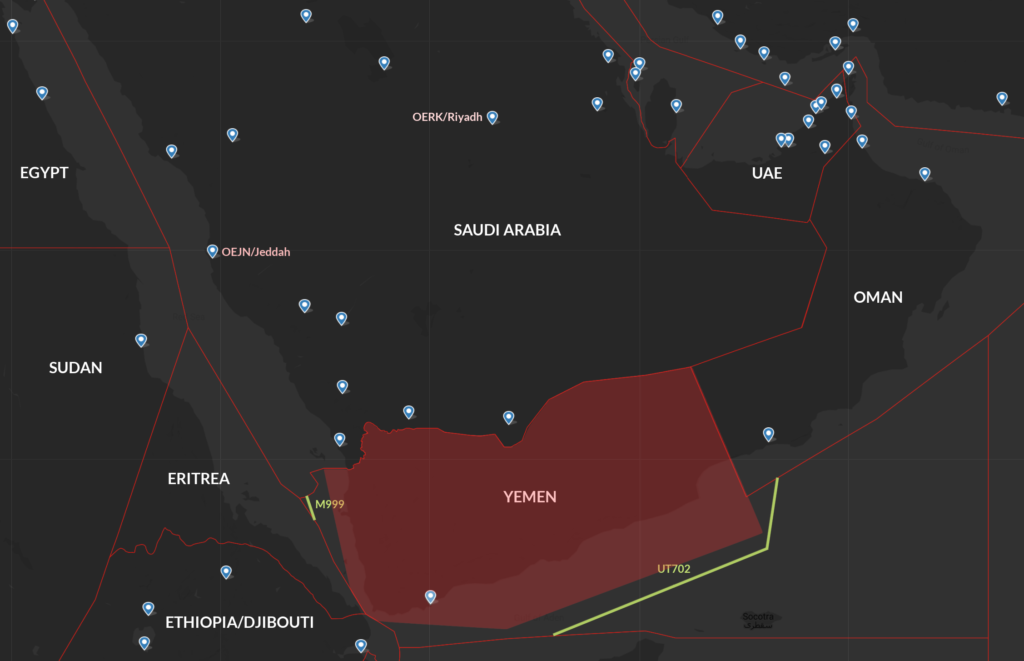
There are no restrictions on Saudi Arabia but use caution in the southern regions. France and Germany have issued their own warnings.

SafeAirspace Yemen page – click here.
SafeAirspace Saudi Arabia page – click here.

Iraq

Rocket attacks on military interests at airports have become a common occurrence. They are generally fired by local militia without warning. ORBI/Baghdad is frequently targeted, along with other airports including ORER/Erbil. There is a clear risk to aircraft at low levels.

US relations were further strained through 2020 with multiple attacks on the US embassy in Baghdad. The tensions escalated to a point where the US considering closing it.

Foreign aircraft continue to be at risk from armed militia who have access to portable anti-aircraft weaponry, while misidentification by the air defence systems of multiple foreign forces in the country is also possible.

The FAA has extended its ban on US operators entering the Baghdad FIR at any level. Even though the SFAR says you can enter above FL320, the long-running Notam KICZ A0036/30 says otherwise.

SafeAirspace Iraq page – click here.

Syria

There have been several recent Israeli airstrikes on targets throughout Syria. In late December there are reports that Israeli fighters transited Lebanese airspace at low level causing alarm in Beirut before attacking targets in Western Syria. Just weeks ago, several sites around Damascus were targeted by Israeli missiles.

The primary risk is that aircraft may be misidentified by Syrian air defence systems which are regularly activated. Civil operators may get caught in the crossfire as missiles may erroneously lock on to the wrong aircraft.
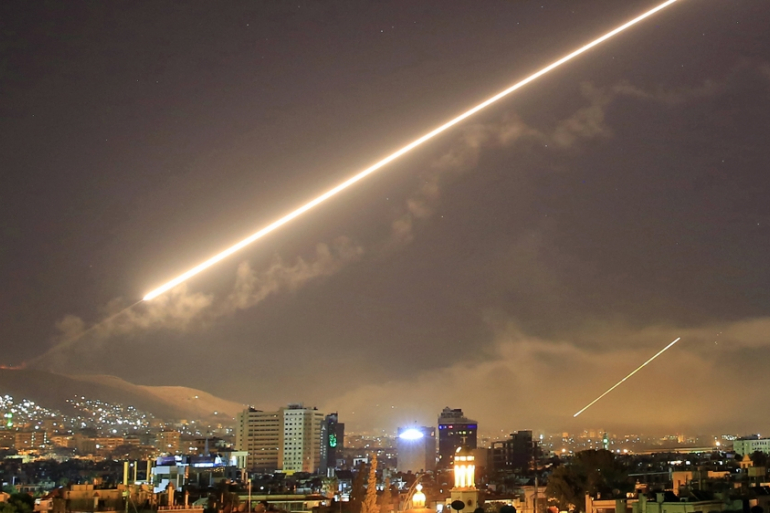
The FAA are taking no chances – the ban on US operators entering the OSTT/Damascus FIR at any level has been extended a full three years to 2023.

SafeAirspace Syria page – click here.

South Sudan

Just this week ICAO issued a concerning warning about the risk to aircraft operating below FL245 in the HSSX/Khartoum FIR over South Sudan, or flying in and out of HSSJ/Juba. They are ‘gravely’ concerned about ATC disruptions, a lack of contingencies, inadequate training of controllers, limited info about equipment outages and a lack of co-ordination with other ATS units.

SafeAirspace South Sudan page – click here.

Emerging Conflict Zones

2020 saw three new conflict zones emerge, here is what is happening with them now.

Ethiopia

A civil conflict erupted in October last year in the Tigray region of Northern Ethiopia. The government went to war with the TPLF – a regional force seeking independence.

The region’s airports were closed and TPLF showed an intent to internationalise the conflict by attacking aviation interests. They fired rockets into Eritrea targeting HHAS/Asmara, and also attacked multiple airports to the South of the Tigray region.

Two airways were closed (T124, and M308) with no explanation of the risk.  Other airways remained open but uncomfortably close to the fight – especially UG300, UN321 and UL432. No airspace warnings were issued despite the dangers.

What’s the latest?

In late November Ethiopian forces captured the region’s capital Mekelle and regained control. Remaining TPLF forces have retreated leaving behind a humanitarian disaster and a vow to continue the fight. Since then, the airway closures have been removed and things have gone quiet, but an airspace risk remains – armed militia continue to be active in Northern regions and may be looking to make a statement. Be wary of operating in the area.

Western Sahara

Late last year the region’s independence movement (the Polisario) declared war on Morocco for breaching a ceasefire agreement. The FAA published a warning that the Polisario might have access to anti-aircraft weaponry left over from previous conflicts.
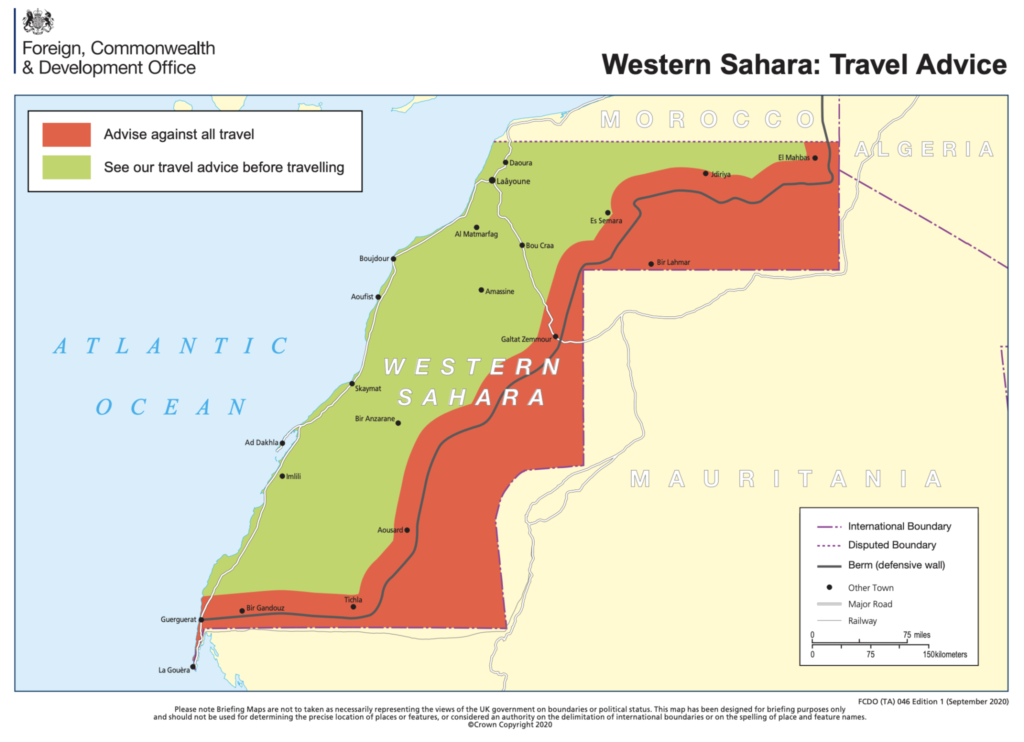
What’s the latest?

It is still an active conflict zone.  The fight has reached the international stage after the US declared their support for Morocco. The Polisario have indicated they are willing to at least talk, but so far have not put down their weapons. So, it is a wait-and-see type deal.

The risk to overflying aircraft remains. The GCCC/Canarias FIR keep extending a Notam advising operators to not fly below FL200 on the following airways: UY601, UN728 and UT975.  However, the reason is still missing: because of the risk of anti-aircraft fire. The GOOO/Dakar FIR haven’t issued any warnings despite the threat. Take care if operating in the area.

Armenia-Azerbaijan

In September last year, an ethnic conflict erupted over a disputed territory in Western Azerbaijan – Nagorno-Karabakh. The fight was between Azerbaijan and Armenia.

As a major air corridor for en-route traffic, there were significant flight disruptions. Azerbaijan swiftly closed all but one west/eastbound airway and routed traffic via Georgia. Armenia asked aircraft to take extra fuel and expect re-routes. The conflict was short but intense, with heavy artillery fire from both sides. The conflict eventually spread beyond the contested regions with longer range weapons. The entire border region posed a risk for civil aircraft.

What’s the latest?

For once the news is good. In November a ceasefire agreement was signed with the help of Russia. Armenia effectively lost and withdrew from the region and the conflict was officially over. Armenia removed its airspace warning, while Azerbaijan re-opened the affected airways and a large section of airspace near the border.

With the conflict now over, and no new reports of significant fighting since the peace agreement in November, direct crossing traffic between the two countries is now technically possible again.  However, most East-West flights are currently still electing to go further north instead, connecting between Azerbaijan and Georgia’s airspace, avoiding Armenia.

What about Safeairspace.net?

Our conflict zone and risk database is updated constantly. We assess risk with official sources and build a simple picture for you of those need-to know-places.

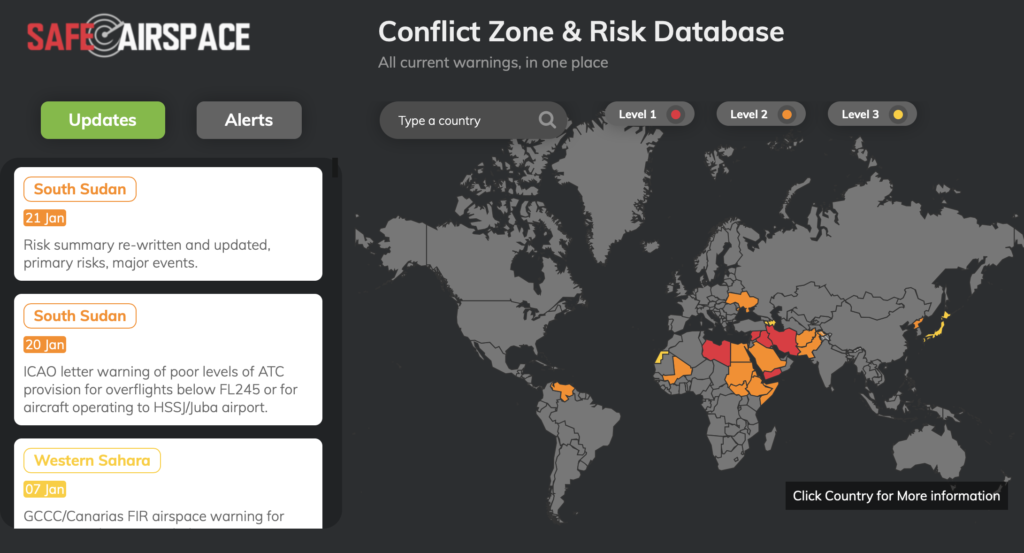
There are currently 5 regions which are assessed as a Level 1 Risk – No Fly. These are: Iraq, Iran, Yemen, Libya, and Syria.

Head over to SafeAirspace.net and take a look. With a single click you can download a risk briefing of the entire world in just a few pages of nice simple English.

The mission of SafeAirspace is this: to provide a single, independent, and eternally free resource for all airspace risk warnings, so that airlines and aircraft operators can easily see the current risk picture for unfamiliar airspace. If you know of a risk not listed on the site, or you have anything else to add, please get in touch with us at news@ops.group
Qatar airspace update – military jets intercepting civil flights

In short: The situation is volatile and constantly changing, even by the hour. Military interception has been reported so the best advice is to be vigilant with sticking to assigned routes for all operations around the region.

The airspace blockade of Qatar has been ongoing since June 2017 with little end in sight.

But over the past few months, tensions have been escalating;

Here is the latest operational information we have:

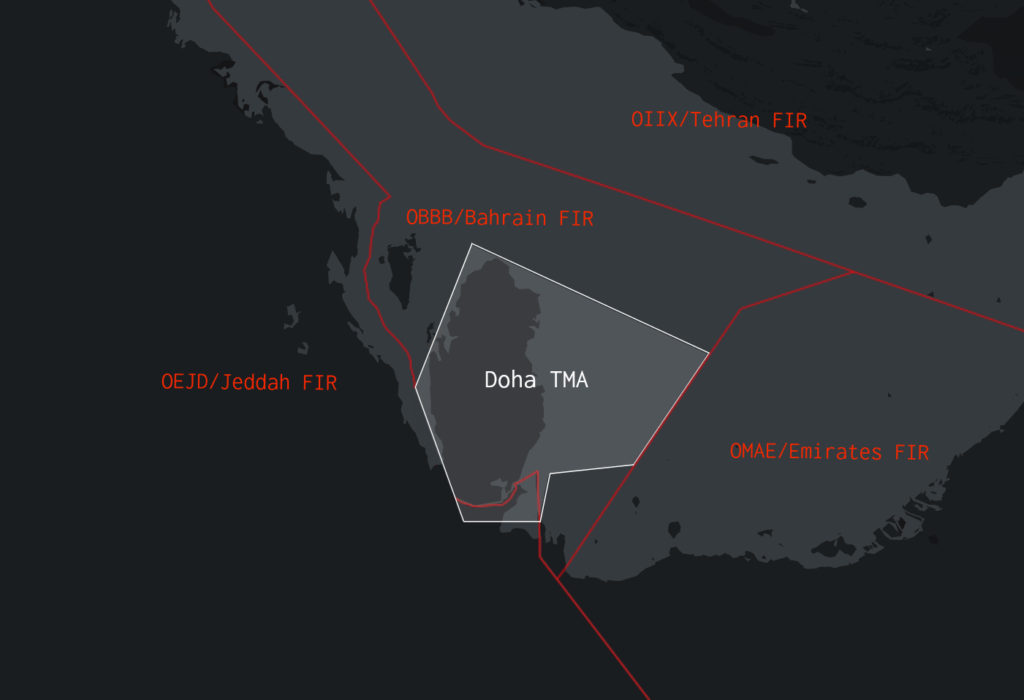
A reminder that Qatar does not have its own FIR. It sits entirely within the Bahrain FIR- you will find Qatar airspace NOTAMs under OBBB. The Doha TMA extends SFC to FL245. Above this sits the Bahrain UIR.

Bahrain and Egypt have relaxed some of their initial restrictions. Saudi and UAE have not.

The current state of play as of 6 April 2018.


_________________________________________________________________________

Have you been through the region recently? Can you provide an update?

Extra Reading:

Some fascinating reporting about what this whole blockade is all about.

  • How a ransom for Royal falconers reshaped the Middle East” – New York Times
  • What the falcons up with Qatar?” – NPR Podcast


Missile attack on OERK/Riyadh was “warning shot”, other airports now targets

Update: Yemen-based Houthi forces fired another missile into Saudi Arabia on Dec 19. Saudi Arabia claim they intercepted it south of the capital Riyadh, with no damage or casualties reported, though a loud explosion was heard throughout the capital. The Houthi forces claim they were targeting a palace in southern Riyadh. This follows the previous Houthi missile attack on OERK/Riyadh Airport on Nov 4th, when they said: “the missile that targeted King Khalid airport was a warning shot and we warn all companies to prevent landing of their planes in the UAE and Saudi Arabia airports”. A Yemeni Army spokesman has said that the November 4 missile attack on OERK was a “warning shot”.

That missile was launched from rebel territory in Yemen, specifically targeting OERK/Riyadh King Khalid airport. Although most mainstream media carried the “missile was intercepted” story, we’re not sure that this is the case – even if it was, parts of it did fall on airport property and there was a visible explosion.

The spokesman said “the missile that targeted King Khalid airport was a warning shot and we warn all companies to prevent landing of their planes in the UAE and Saudi Arabia airports”.

Given that the Yemeni rebels have demonstrated their capability of reaching their target, there is some credibility to the threat.

Operators should consider this in operations to OE** and OM** airports.

At present, there is no indication of increased threat to overflight of Saudi or UAE airspace.

On Monday, the Saudi Arabia coalition closed all air, sea and land borders with Yemen after the missile strike on Riyadh on Nov 4, effectively closing all airports in Yemen. Yemenia airlines said that the coalition, which controls Yemen’s airspace, had declined it permission to fly out of Aden and Seiyun, the only two remaining functioning airports. OYSN/Sanaa has been closed since August 2016.

Also, all UN humanitarian flights to Yemen, one of the few international operators, have been cancelled after flights were no longer given clearance from the Saudi-led coalition to land in the country.

SCATANA remains active in the southwestern portion of the Jeddah FIR, no new Notams have been issued in relation to the last few days.

For further:

  • Monitor Saudi Arabia page on SafeAirspace
  • Monitor OPSGROUP member updates
  • Talk to us at team@fsbureau.org


Aden Airport reopens

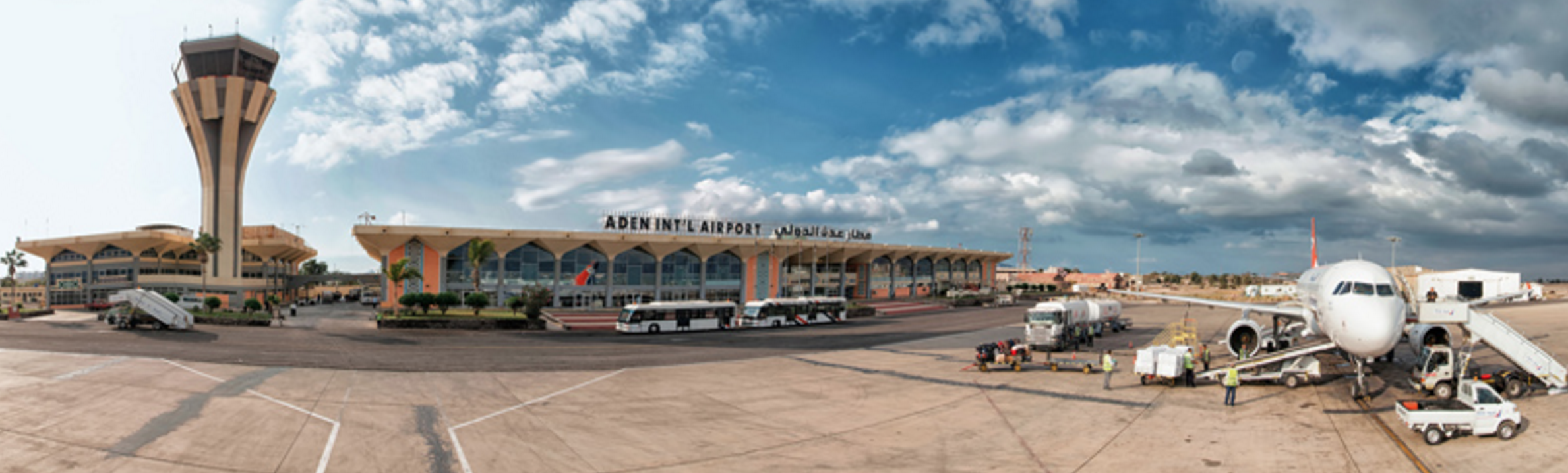
Aden Airport in Yemen (OYAA) is open to traffic once again following a closure caused by intensified Saudi Coalition activity. The airport has been intermittently closed during the conflict, which began in March 2015.

Except for some specific agencies – the UN, Red Cross, and MSF, any flights operating to Yemen must first land at Bisha (OEBH) in Saudi Arabia for an inspection – in accordance with the UN arms embargo in place. Further, all flights must coordinate with the Saudi Coalition before operating.


Midweek Briefing 08JUN: Unsafe Airspace, New China ADIZ

Unsafe Airspace – new summary issued 08JUN Today Flight Service Bureau published International Ops Notice 02/16 – “Unsafe Airspace”.

New China ADIZ – South China Sea 08JUN There have been several media reports this week that China is preparing to set up a new ADIZ in the South China Sea. Read the article.


KCLT/Charlotte New SIDS and STARS for aircraft arriving and departing to the Northeast have been added to CLT as of May 31. Also, construction of a new ATC tower has also broken ground, the new tower will be equipped with NextGen systems that include STARS (Standard Terminal Automation Replacement System), ADS-B (Automatic Dependant Surveillance – Broadcast) and AEFS (Advanced Electronic Flight Strip System.

CZZZ/Western Canada has been experiencing fuel shortages due to recent wildfires in the oil patch. Please check with local handlers for any fuel constraints.

KZMA/Miami FIR NASA is planning on launching a Delta IV rocket on 09JUN. Please check KZMA FIR NOTAMS for restrictions.

KZZZ/USA Tropical Storm Colin has passed Florida, Georgia, South Carolina and North Carolina before moving out over the Atlantic.

CYQY/Sydney, Nova Scotia has added 2 fire trucks and increased staffing levels to provide ARFF CAT 6 or 7, time of day pending. CYQY has issued NOTAM 1A3425/16 covering those hours.

LLZZ/Israel has signed an agreement with Eurocontrol and will allow the country and it’s users to benefit from the services that Eurocontrol provides. This is excellent news for filing out of LLBG and transiting to or over Europe as this will help streamline the process significantly and coordination will only have to be with Eurocontrol for any changes.

RCTP/Taipei has resumed operations on June 3 after operations were suspended due to flash flooding. The airport has also lost power numerous times due to the unstable power supply following days of severe flooding. While the power cuts rendered the terminal’s air conditioning system inoperable, the airport experienced only minor delays.

VNKT/Kathmandu has been experiencing problems with the VHF ATC equipment. Aircraft on approach and Area Control freqs may experience increased squelch and at times leaving ATC without comms.

HSZZ/Sudan has warned it will shoot down any aircraft that infiltrates it’s airspace that has not obtained the proper permission and/or following proper procedures. If you need to transit this airspace please make sure you have all the required documentation.

FHSH/St Helena has reportedly delayed the airport opening indefinitely, due to safety concerns – severe turbulence and windshear were commonplace during testing trials by a B737-800.

China Beijing – The Mainland Affairs Council (MAC), which supervises relations across the Taiwan Strait, on Friday issued a yellow travel alert for Beijing after the first H7N9 flu infection case for this year was confirmed in the Chinese capital.

Malaysia Malaysian officials fired several officials on charges connected to a security breach at Kuala Lumpur International Airport (WMKK/KUL). Security officials stated that airport security officials collaborated with human trafficking syndicates to bypass the airport’s passport verification system. The investigation discovered that, since 2010, airport officials purposely disrupted the immigration system at certain times of the day on several occasions. Malaysian officials will publish a report with the full findings.

Angola The World Health Organization (WHO) reported on 27 May 2016 that 301 people have died in Angola’s yellow fever outbreak, which began in December 2015. The number of suspected cases is now 2,536. The outbreak began in Luanda and has since spread to areas throughout the country, particularly along the coast and in the central regions, despite a large-scale vaccination program. Cases linked to the Angolan outbreak have also been reported in the Democratic Republic of Congo (DRC), Kenya and China.

Jamaica is now charging a $35 US departure tax for all air passengers.

Uzbekistan British FCO cautions when travelling with medicines; you can be detained on arrival if you’re in possession of certain medicines, including codeine; you should always carry a doctor’s prescription with you.

France – the Air France pilots’ union announced a work stoppage for 11-14 June, coinciding with the first week of the Euro 2016 soccer championship. The strike has been planned in protest over pay disputes, and the union has stated that it may observe further strikes. Further details are likely to emerge, as the situation is developing.

Yemen On 28MAY, approximately 20 gunmen stormed Aden International Airport (OYAA/ADE). A 90-minute gunfight followed the attack, during which one civilian was killed by a stray bullet. Authorities regained control of the situation and detained the gunmen’s suspected leader.

Nepal A nationwide general strike is planned on Thursday 09JUN2016 across the county. Protest can occur at short notice anywhere. Stay cautious and stay away from these areas.

View the full International Bulletin 08JUN2016


Unsafe Airspace – a summary

With the events surrounding the shootdown of MAS17, risk assessment of potentially unsafe airspace has given far greater weighting to the situation on the ground. Access to reliable information to determine the ever-changing risk level, is by nature of it’s inherent uncertainty, challenging.

Today we published International Ops Notice 02/16 – “Unsafe Airspace”.

Three levels of airspace risk are used in our assessment.

  • LEVEL 1. Moderate risk – No Fly
  • LEVEL 2. Assessed risk
  • LEVEL 3. Caution

The countries that issue the most relevant updates for unsafe airspace are:  The US (FAA) – through FDC Notams and SFARs, the UK (NATS) – AIP and Notam, Germany (DFS) – Notam, France (DGAC)- AIC. In general, the Civil Aviation Authorities of the countries whose airspace is determined to be unsafe are unlikely to issue reliable guidance.

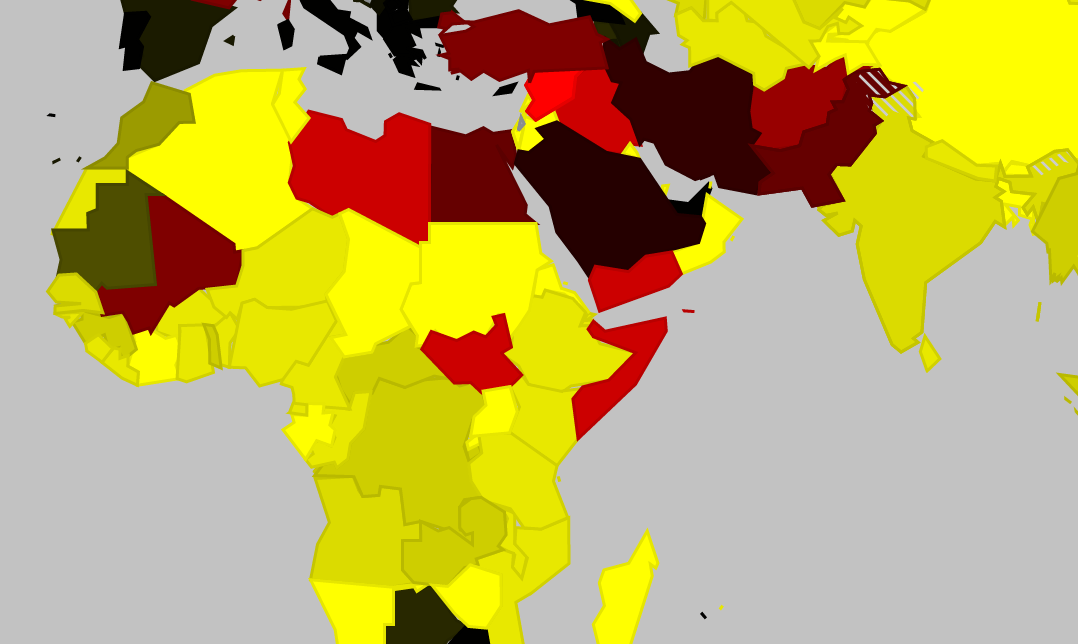
Five countries are currently included in the LEVEL 1 – Moderate Risk category: Libya, Syria, Iraq, Somalia, and Yemen.

The basis for inclusion is the highly unstable current events on the ground, and in all cases the ground factions having access to RPG’s, Surface-Air missiles. We strongly recommend avoiding this airspace entirely. All countries have multiple warnings, and your country of registry is likely to have issued specific instructions not to penetrate these airspaces.

Download the full notice.

References:

ION0216 Shot


Midweek Briefing: New Wake Turbulence Categories, Fiji Cyclone Winston

New Wake Turbulence Categories 24FEB New Wake Turbulence Categories will begin a slow introduction in Europe on 22MAR at Paris Airports LFPG/De Gaulle and LFPB/Le Bourget, where the current four (Light, Medium, Heavy, Super) will become six. Those six new categories are Light, Medium (with Lower and Upper), and Heavy (with Lower, Upper and Super). Read the full article …

Fiji Cyclone  Winston 24FEB Fiji sustained widespread damage throughout the Islands on 21FEB from Tropical Cyclone Winston; most airports are open and operating again, including all international airports (NFFN/Nadi, NFNA/Suva). The following domestic airports are also open: Kadavu, Labasa, Rotuma, Labasa, Rotuma, Gau, Kadavu. NFNA/Suva has no overnight parking available at present due to congestion caused by the Relief effort.


NFFN/Nadi, Fiji Hit by Tropical Cyclone Winston on 21FEB, while there is widespread damage throughout the Islands, most airports are open and operating again, including all international airports (NFFN/Nadi, NFNA/Suva). The following domestic airports are also open: Kadavu, Labasa, Rotuma, Labasa, Rotuma, Gau, Kadavu. Note that NFNA/Suva has no overnight parking available at present due to congestion caused by the Relief effort.

KAGS/Augusta, USA Special Procedures in place 07-10APR for US Masters Golf Tournament.

EXXX/Europe New Wake Turbulence Categories will begin a slow introduction in Europe on 22MAR at Paris Airports LFPG/De Gaulle and LFPB/Le Bourget, where the current four (Light, Medium, Heavy, Super) will become six. Those six new categories are Light, Medium (with Lower and Upper), and Heavy (with Lower, Upper and Super). The rules are part of the RECAT-EU project, with the intention of squeezing more traffic into busy European Airports by applying more precise turbulence separation rules. The separation minima are determined specific to each Aircraft Pair. For example, at the moment, an A330 following a B777 (Heavy behind heavy) requires 4 miles in trail. With the new rules, that is reduced to 3nm. An A320 can now follow 4 miles behind a B777, instead of the current 5nm. There are no Flight Planning Changes (continue to use /L,M,H,J for the ICAO Category). For crews, you’ll notice the smaller separation, but there are no changes to callsigns or pilot obligations – for now. Read full article.

DRRR/Niamey FIR Air Traffic Control 48HR strike 24 and 25FEB. The ASECNA Contingency plan is activated, with ATC provided by neighbouring ACC’s Dakar and N’Djamena.

LTXX/Turkey We have received several reports that Overflight Permits, which were removed as a general requirement for non-scheduled flights in 2015, are being requested by Turkey for Business Aviation aircraft, specifically M- and VP- registrations. Reports welcomed to clarify to bulletin@fsbureau.org.

RCTP/Taipei Airport works on several parking positions may create availability issues from 04MAR-04APR especially for Airbridge gates. Check with handler.

LFPB/Paris Le Bourget Due WIP airport will be closed during 10 nights from 15FEB to 26FEB, every night from 2045 to 0500Z. No Medevac flights will be possible.

EPKK/Krakow Runway 07/25 is closed daily 2330-0430 until 03MAR.

UXXX/Simferopol FIR EASA published an updated SIB 2015/16 regarding the use of Simferopol FIR on 17FEB. The key change is the phased reintroduction of the use of Simferopol FIR for international transit traffic, on the basis of an evaluation of the high seas portion of the airspace (ie. outside the 12nm territorial limit of the Crimean Peninsula). This airspace provides routes UL851 and UM856 (Odesa South Sector), which since 17FEB are suggested by EASA for use by overflying traffic.

YMML/Melbourne will host the Formula 1 Grand Prix 17-20MAR, with additional traffic to both YMML and YMEN/Essendon during these dates.

EHAM/Amsterdam has changed the callsign of Schiphol Start-up to “Schiphol Planner”.

OYAA/Aden, Yemen Airport closed and all flights cancelled since 21FEB due to security concerns.

NVVV/Port Vila On 17FEB local officials signed an agreement with a private contractor to begin repairing the runway. Several airlines suspended flights on 23JAN due to safety concerns with the airport’s runway. Aviation officials stated that the renovations should begin in March.

View the full International Bulletin 24FEB2016