South Atlantic Bulletin: CPDLC Warning

There’s been a lot of noise lately from the NAT, especially as we all come to grips with the removal of oceanic clearances.

But it’s important not to forget about the SAT – or South Atlantic. And it seems a CPDLC issue has been regularly occurring in the Abidjan Area Control Center – a large chunk of airspace found south of Africa’s Ivory Coast.

The issue arises from the fact that while the Abidjan ACC is geographically constrained by the much larger Dakar FIR, it is responsible for its own control.

It seems that pilots have been incorrectly logging onto GOOO/Dakar rather than DIII/Abidjan when transiting this airspace. ATC are concerned, and so a new SAT Ops Bulletin has been published. Here’s a closer look at what it contains, and how to mitigate this error on your next crossing.

The Airspace Picture

Part of the problem may be that pilots crossing the SAT are far less familiar with the airspace picture than they are of its big brother, the NAT. So, he’s a quick crash course.

Over the South Atlantic lies the ‘Atlantic Ocean Random Routing Area’, or AORRA.

This is essentially a volume of airspace between FL290 – FL410 within the Atlantico, Accra, Comodoro Rivadavia, Dakar, Dakar Oceanic, Ezeiza, Johannesburg Oceanic, Luanda and Montevideo FIRs.

This article is concerned with the Eastern Side of the AORRA – specifically the DIII/Abidjan ACC (Ivory Coast) which is contained within the much larger GOOO/Dakar FIR and where the confusion is occurring. Aircraft on routes that transit between South America and Sub-Saharan Africa will likely overfly this airspace.
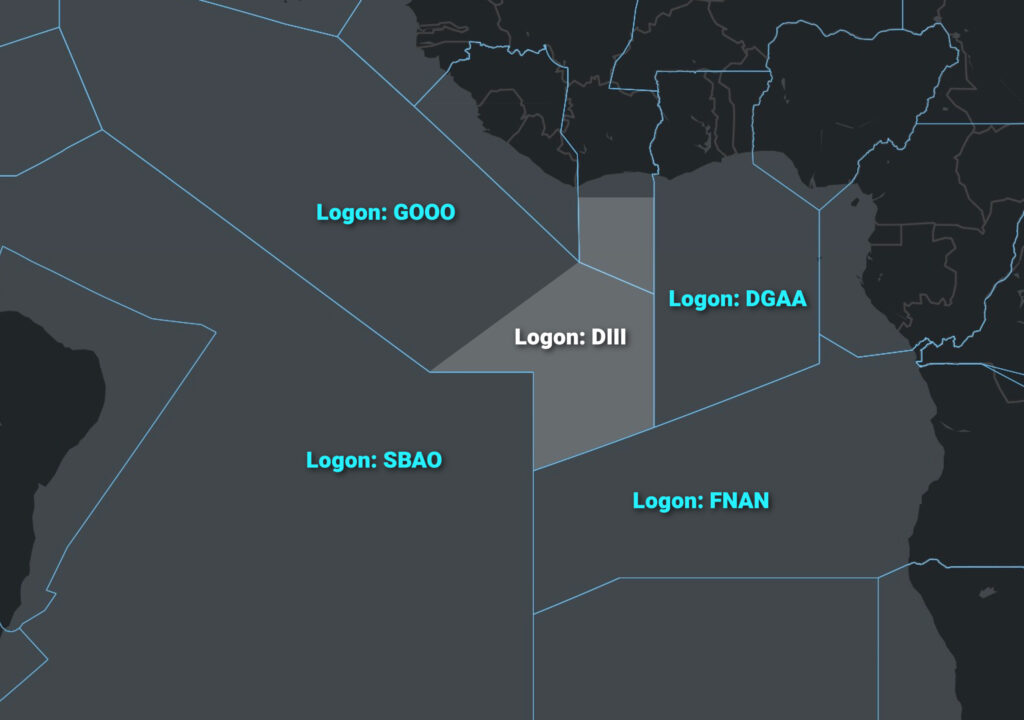
The folk at the South Atlantic Steering Group (SAT SG for short) have reported more and more instances of transiting aircraft incorrectly logging onto GOOO when they should be logging onto DIII while in Abidjan’s airspace.

This then creates communication issues for ATC.

Panic Slowly

While this is cause for concern, SAT SG are quick to explain that in most cases this can be managed safely but vastly increases workload for controllers who must manually resolve the mis-connection.

But occasionally the loss of comms has led to the activation of something called INCERFA – a top-secret ICAO catchphrase for where uncertainty exists as to the safety of an aircraft or its occupants. This alert phase carries its own protocols for ATC.

And so, the key message from the bulletin is this:

‘While Abdijan Airspace is geographically included within the Dakar FIR, it is essential that it is treated as a separate sector for CPDLC logon purposes…’

Simple!

What to do

None of us like unexpected paperwork. So, the SAT SG has also provided us with flight crew procedures to prevent communication problems when overflying Abidjan airspace. Check the SAT Ops Bulletin for these in full, but here’s the lowdown:

Before Entering: Check logged onto Abidjan ACC using correct code (DIII). Confirm logon active by checking uplink message response. Don’t log onto Dakar (GOOO) by mistake.

Failed Logon: Manually log on to DIII if auto fails. Notify Abidjan by voice ASAP if unable to establish CPDLC connection. If practical, trouble shoot before entering.

Transition between Dakar and Abidjan: Monitor handoff carefully. Ensure CPDLC switches before crossing the boundary. Verify correct CPDLC connection is active, especially entering Abidjan airspace.

Have more questions about the SAT?

You can reach the ICAO EUR/NAT office directly via icaoeurnat@icao.int.

For ops in the region, you might also be interested in this little guide on the South Atlantic Corridor we wrote before. OPSGROUP members cash download it from the Dashboard here.
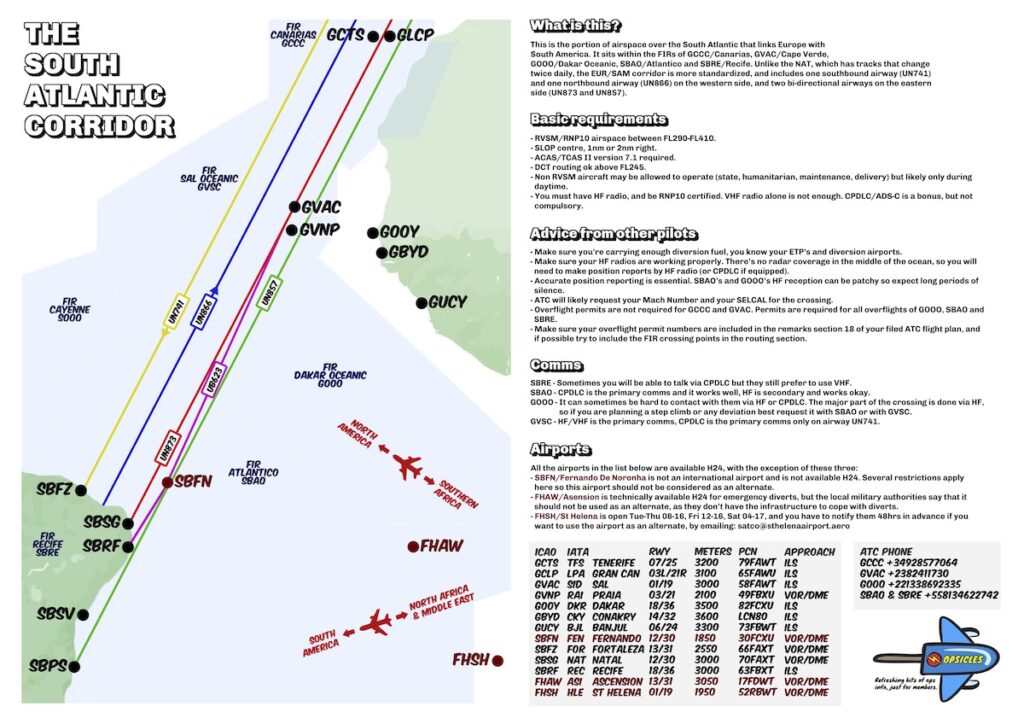
Click to download hi-res PDF.
Islands of the South Atlantic – enroute ETOPS and diversion options

Operating a flight across the South Atlantic is complicated by very limited en-route diversion options.

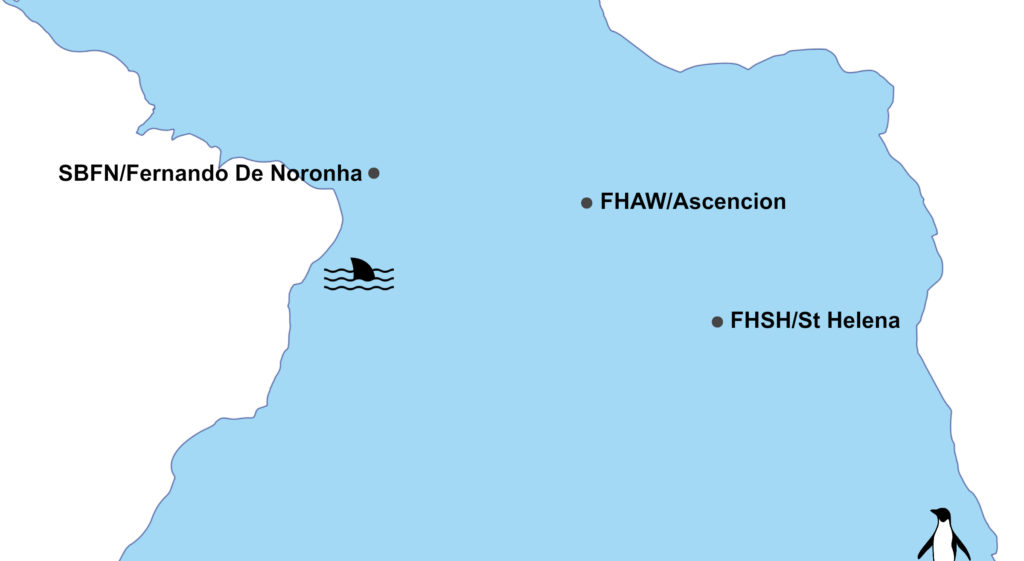
There are only really three airports worth considering between Brazil and Africa, south of the equator. All have their own complexities.

Your three best bets:

Operational Considerations:

FHAW/RAF Ascension Island

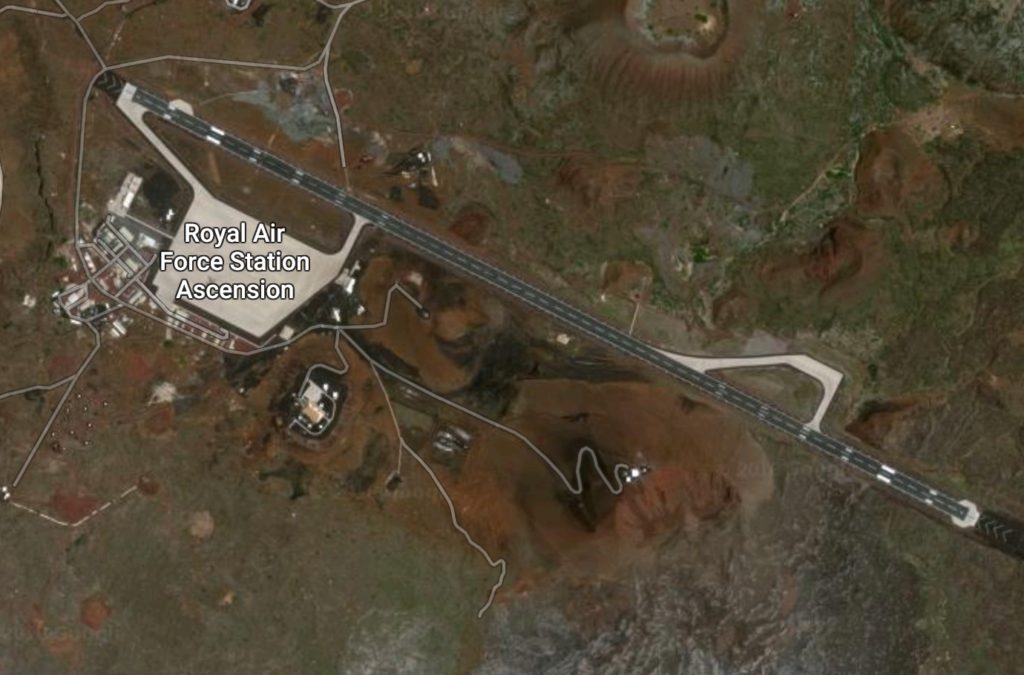
Wideawake Airfield (FHAW) is a military facility operated jointly by the USAF and the RAF. Under the terms of the joint agreement, only state aircraft are authorized to land at Ascension. A monthly RAF flight arrives from the UK and weekly USAF C17 movement occurs.
We have also been advised by local authorities that “the runway is beyond its life cycle and we have imposed aircraft maximum weight limitations on its use to extend its operation”.

Because of these restrictions, passenger links to/from UK were stopped.

To file as an ETOPS/EDTO alternate or not?

The official line is here.

“The US Air Force has agreed its airfields may be identified as ETOPS emergency landing sites for flight planning purposes. This is consistent with the policy that an aircraft can land at any US Air Force airfield if the pilot determines there is an inflight emergency that would make continued flight unsafe. However, we also understand there are published criteria for ETOPS airfields and our policy concerning emergency use is not agreement or certification that Air Force airfields meet those criteria.

Ascension Island is a remote location with resources (accommodations, medical, hangars, crash/fire/rescue, etc) limited to levels essential for support of assigned personnel and the military mission. The airfield is available “as is” for emergency use only as indicated above. Whilst FHAW may be declared as an alternate for ETOPS flight planning purposes, it cannot be used as a weather alternate, except for flights departing from or destined for St Helena.”

However! After we enquired with local authorities, we received the following response:

“As this is a USAF military only field, it is not allowable to nominate as an ETOPS alternate. There are no lodging facilities here on the island, and there is only very limited medical capability.

We will always accept an emergency divert and have done so in the recent past. Nomination as an alternate drives a set of requirements that we do not meet – hotel, medical, 24 hour operations, etc. Since we cannot meet those requirements, nomination is not allowed. If an aircraft were to experience and emergency and need to land, we would make do with what we have.”

As we have reported in the past, it can be costly to nominate enroute alternates sometimes.
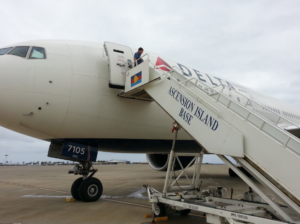
Famously, a Delta 777 diverted to Ascension back in 2013 after experiencing engine troubles.

Either way- it’s another ‘interesting’ approach.


FHSH/St Helena

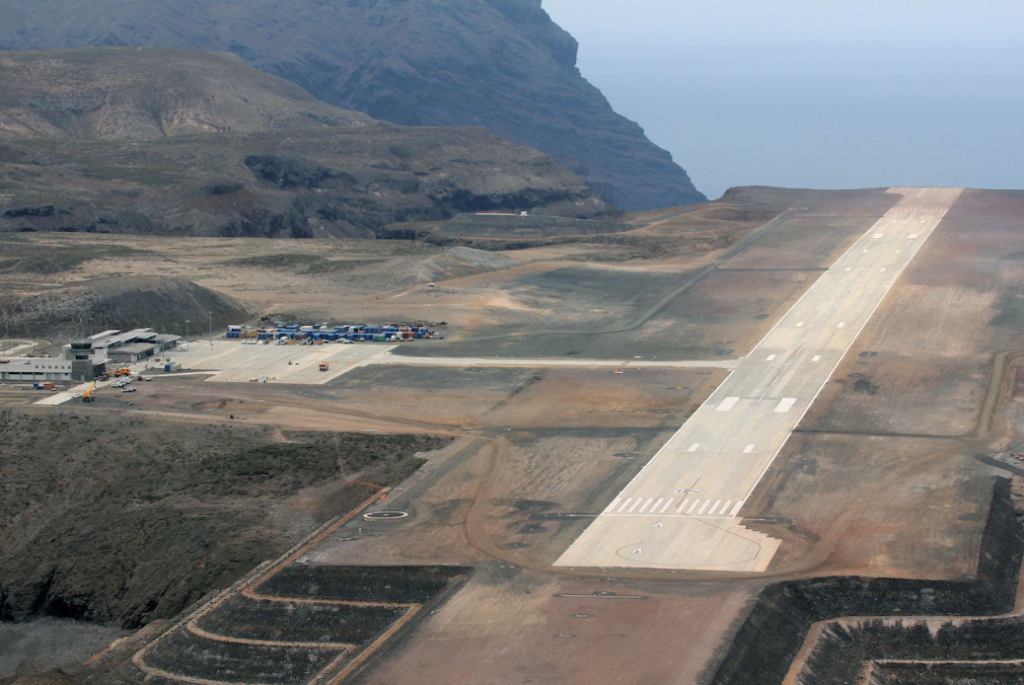
This is a new airport.

It’s windy! It is subject to “severe” windshear and the runway is on top of a mountain and it’s short! There is only limited flights to/from Namibia with an E190 and a monthly flight connects onwards to RAF Ascension.

Even the first commercial flight there need to ‘go-around’ due to the wind.

It was closed shortly after it opened due to these safety concerns, but it’s back up and running now.


SBFN/Fernando De Noronha

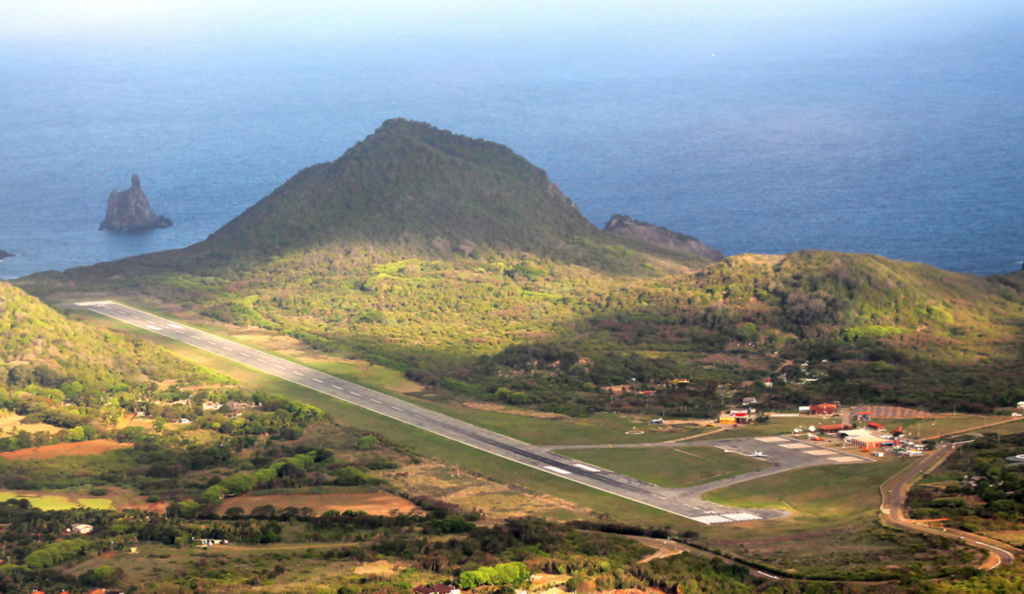
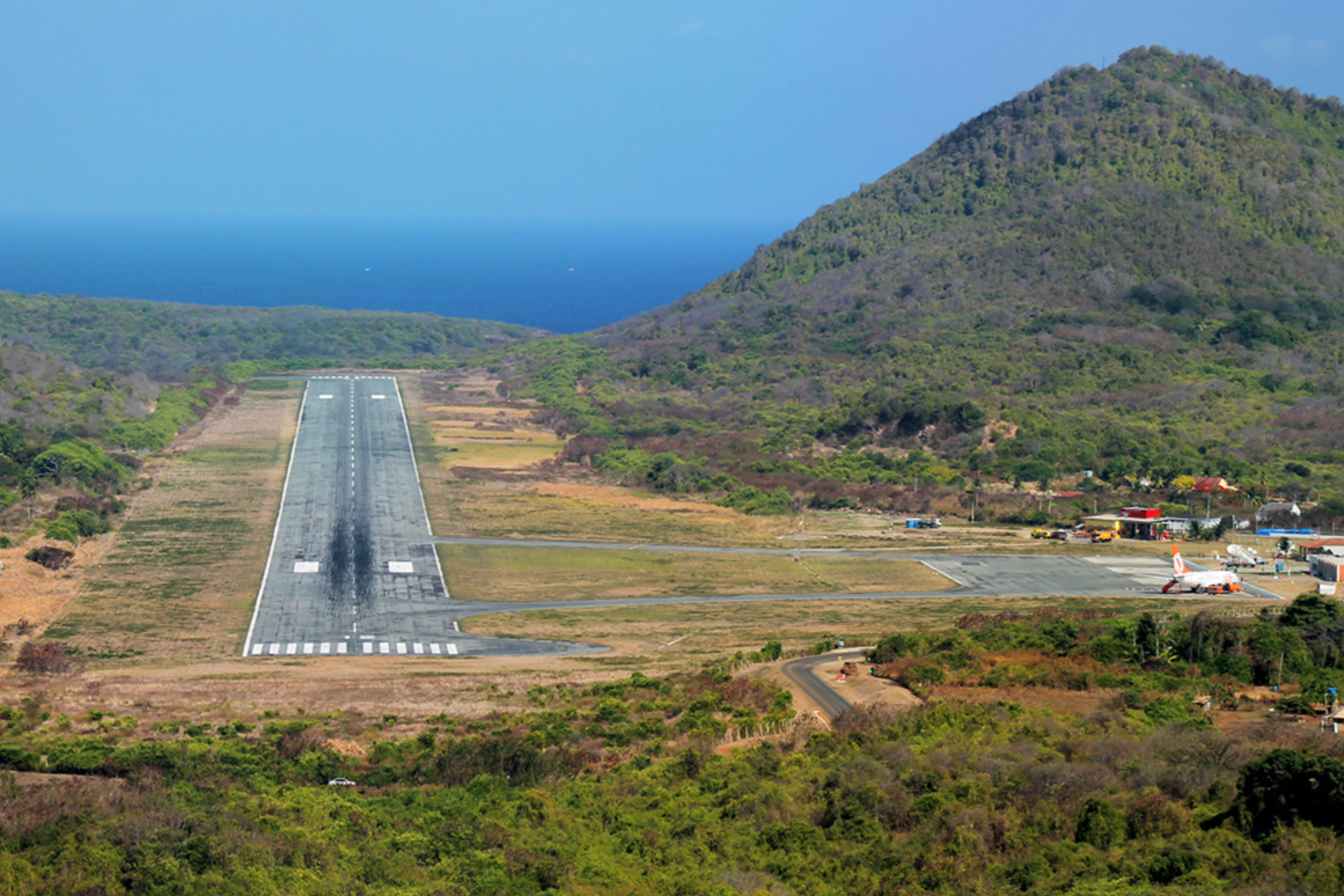
Small island airport. Very scenic on approach and great beaches! Limited ground handling and parking options. Close to the ITCZ – susceptible to unstable weather at times. Regular commercial flights from the island and popular tourist destination with appropriate passenger facilities. Fire fighting only CAT 5. PPR – expect to pay for parking by the hour. Not an airport of entry and no fuel available to non-Brazilian military aircraft. Handling all done by island island administration and special permit landing permit required. Also important to note that the runway will be closed for maintenance between 2001 and 1131 UTC, between May 24th until Dec 31st, 2018 and that all runway lights are unavailable also.

Extra Reading:


St. Helena – no hope for opening?

St. Helena is 4000km east of Rio de Janeiro; the only means of travelling to this remote island in the South Atlantic is through a five day sea voyage from Cape Town, with schedules of only once in every three weeks – making St. Helena one of the most remotely populated places on earth.

There have been many considerations for an airport on St. Helena since 1943, but it was only in 2005 that actual plans were announced. In 2011, the British government agreed to assist in the payment for the new airstrip.

The Airport was scheduled to open on 26 April 2016 but St.Helena Government announced an indefinite delay to the opening due to safety concerns from windshear. An Implementation Flight was conducted by (British Airways) Comair with a Boeing 737-800 aircraft to gather data on turbulence and windshear on the approach to Runway 20 (from the North). The results gathered and the conditions experienced concluded that additional work and preparation are need to ensure safe operations of scheduled passenger flights to and from St. Helena Airport.

So, for now, it seems pretty clear that the project is abandoned, because windshear isn’t something you can fix. It may be that it could open during specific times of the year when predominant wind direction is different, but for now, all that is certain is uncertainty.

Reference Material: