Wake Turbulence: See You On The Flip(ped over) Side
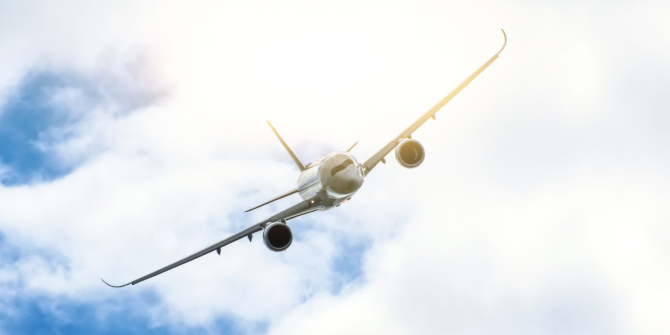
We last wrote about this back in 2017, after the en-route wake of an A380 flipped a Challenger 604 upside down over the Arabian Sea. But as the skies start to grow busier again it’s worth having a think about how to avoid wake turbulence or deal with it when you come across it.

If you are going to run into wake turbulence, there is a good chance it will happen near the ground. Not the ideal place to suddenly find yourself banking sharply without warning.

The levels of traffic operating in close proximity (and in configurations specifically designed to produce lots of lift which is what basically leads to wake) can make the approach, departure, takeoff or landing a gauntlet of swirling vortices of doom. Added to that, aircraft are generally operating at low speed with lower controllability margins.

A study in Australia looked at the vortices of an A380 and in 35 knot winds, at 2,400ft, it took 72 seconds for the vortices to cover 1300m. They move, and they take a while to dissipate. This study took place after a Saab 340B temporarily lost control, dropping 300-400ft in altitude and rolling 52 degrees left and 21 degrees right. 

An ILS calibration aircraft crashed in OMDB/Dubai after breaching minimum separation distances from commercial traffic. Hitting wake is not fun and can lead to catastrophic consequences.

Thankfully, wake turbulence is taken seriously. In fact, in 2016, wake turbulence categories were rethought.

They used to just be based off MTOWs:

  • Super (the A380 held this spot)
  • Heavy (anything with a MTOW more than or equal to 136 tons) 
  • Medium (7 tons to 136 tons)
  • Light (anything under 7 tons)

Nowadays, the categories are a little more complex and consider both weight and wingspan, because wing design is a big contributor to what sort of vortices roll off the tips. Now we have 7 categories: G-A. Ultimately, the important thing to remember is the distance you need from each depending on what you are in.
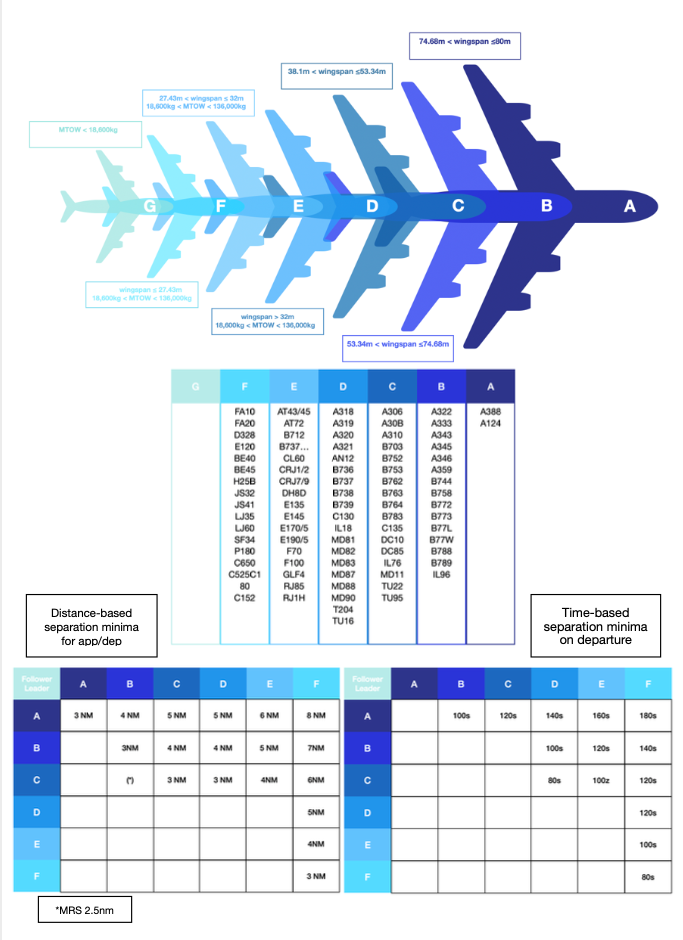
Here’s one we made earlier

Get woke about wake.

So, we have our 7 categories, and we have our distance based separation (which ICAO allows to go as low as 2.5NM).

Something to remember – these have been designed to allow maximum runway capacity and operational efficiency. You won’t be ATC’s favorite pilot if you ask for more separation (you might even lose your spot in the sequence) but safety is ultimately up to you.

If you need more space, say something.

There are a few other things you can do to help avoid wake in the airport area:

  • Consider requesting a SLOP on arrival – yes, this is possible. Except where they have super strict NABT routes.
  • Consider asking for an extended holding pattern, or opposite direction hold – just check where that might fly you (if you’re close to the border with another airspace you might run into another sort of trouble).
  • Try and remain above the flightpath of the preceding aircraft, and avoid long level sections by flying a CDA.
  • Watch those speed margins – if you think you might meet some wake, think about taking some flap a little earlier so you have more margin.
  • If you are a ‘heavy’ or a ‘super’ then ATC might not want you to fly a CDA, especially in high density airspace. JFK are one such spot.
  • Look at what the wind is doing – if it’s light or variable then those vortexes are going to sit there, waiting for you to fly into them…

Is there any technology to help?

There is indeed. In fact, there are several interesting projects and technologies being tested to help with wake.

Vortex modelling is playing a major part in the EU’s Single European Sky ATM Research and has led to some rather clever folk in Germany discovering that if you build a “plate line” (basically a wall of large wooden boards) this effectively cancels out most of the wake. This is being tested at EDDF/Frankfurt and EDDM/Munich airport using smoke and lasers.
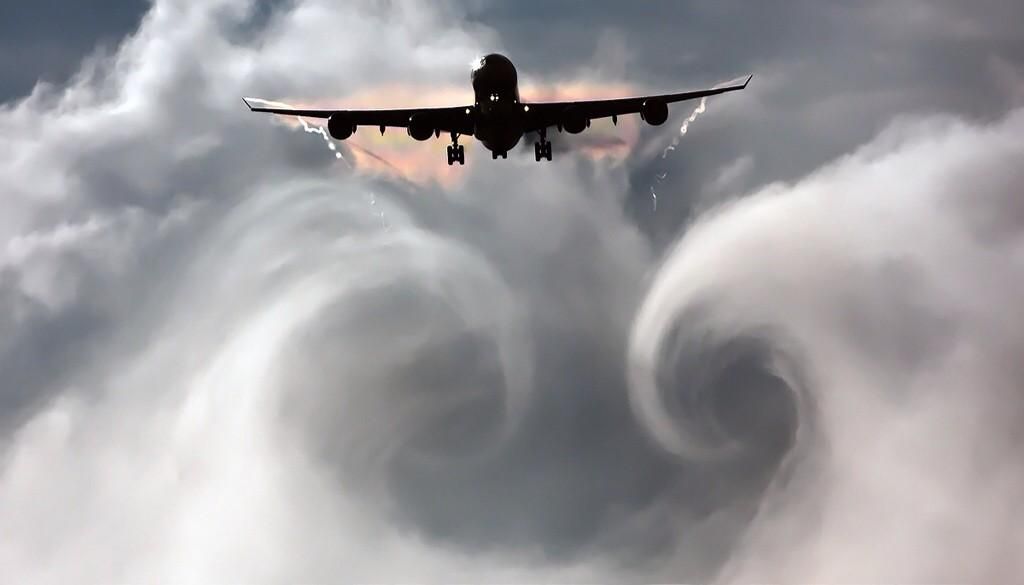
Not so clear air turbulence

Turbulence can really CAT-ch you out.

Going back to the 2017 Airbus 380 vs Challenger 604 battle – the Challenger came off a lot worse.

The big takeaway from this: the risk of wake in cruise is a pretty big one as well. So what can you do about it?

  • SLOP – It is one of the things it was designed for.

But use a bit of common sense here – if the wind is from the left (and slopping to the left is not available), then flying to the right of track just means when you get to abeam where the aircraft in front was, their wake has probably been blown right of track as well. Maybe ask them to SLOP!
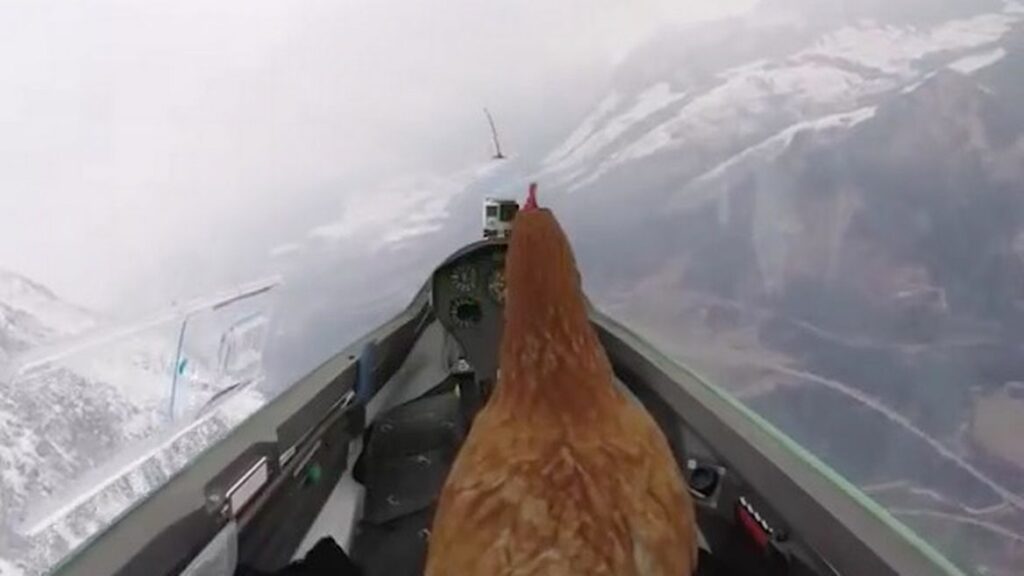
Don’t play Chicken, be a chicken and SLOP

Of course, severe turbulence isn’t only caused by wake. Weather, mountains, atmospheric stuff are all to blame as well.

There are technologies out there to help with this as well. Lidar is just such a thing. The Japanese Aerospace Exploration Agency and Boeing have discovered that if you stick one of these onto the side of an airplane then it can detect aerosols on the air. These are tiny particles, such smaller than water droplets so a conventional radar won’t detect them. The Lidar system does though, and can provide up to around 70 seconds warning (about 10 miles).

This might not always be enough to avoid, but it’s enough to switch the seatbelt sign on and warn everyone down the back.

So, sometimes there are warning signs, but sometimes there aren’t. We aren’t going to bore you with a science lesson on Clear Air Turbulence or how to check your shear rates. What we do think is worth talking about is what ICAO, EASA, the FAA et al. have say about what to do when you have inadvertently come across something that has really upset your airplane.

UPRT

Upset Prevention and Recovery Training. This is a big (and very good) thing. Since the AF447 accident it has become mandatory for crew to be trained in UPRT.

But what actually is it?

Well, it is one answer which is hoping to solve the issue of LOC-I incidents amongst other things. Loss of Control in flight is the biggest cause of fatal accidents over the last two decades (on commercial jet aircraft), having led to 33% of fatal accidents.

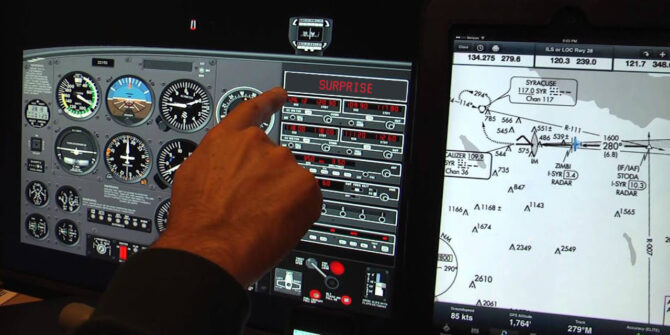
It is designed to solve the “startle” factor by giving a clear, defined method of what to do if you don’t really know what is going on. Basically, when you experience an “unusual attitude” (with the airplane, not with a strange co-pilot).
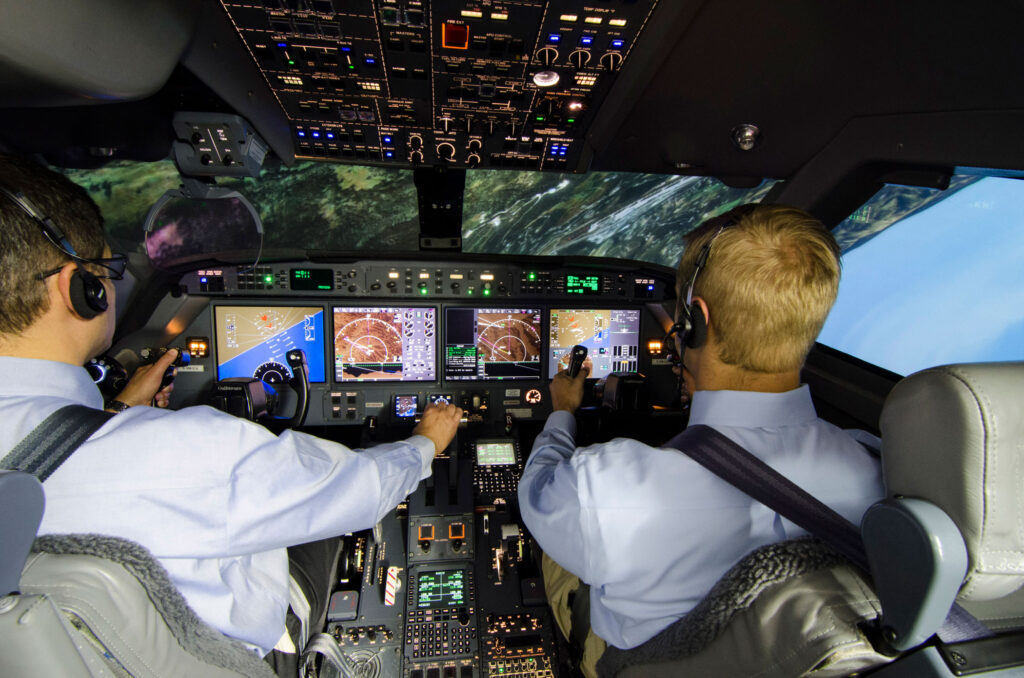
Not what you want be seeing

An unusual attitude is anything outside your aircraft’s normal limits. For a large transport category aircraft we are probably talking nose up more than 25 degrees of pitch, or down more than 10, a bank angle greater than 45 degrees or any flight within these parameters but with airspeeds “inappropriate for the conditions”.

What has changed here from the old-school stall recovery type training?

Well, the big change is what we are really learning during the training. Upsets are not “some aerodynamic phenomenon lurking in the atmosphere to grab pilots following well structured procedures” – they happen when things have gone very, very wrong and procedures have flown out the window.

So, UPRT is about training to deal with the startle and the confusion – giving a method to right the airplane when that startle and confusion is likely preventing you from doing so. It is also about learning how to recognize a potential threat that might lead to an upset, and it is about better monitoring to prevent the startle.

Tell me how to do it.

Probably more for a trained instructor, but the general gist is this:

  • Push
  • Roll
  • Power
  • Stabilise

(Sometimes Roll and Power might want to go in the opposite order.)

Pushing does not mean ramming the stick forward. It means unloading the wings. And once they are unloaded you want to stop the push, but that doesn’t mean yanking the nose back up into a negative-G maneuver. You are going to have to trade some height for speed (and safety) here. When the aircraft is back under control, that means gently returning it to the horizon.

Roll is similar – it is all about giving the wings the best chance of performing, and that means getting them level and not barrel-rolling around the sky. But… if your nose is mega high, and you have power on, then pushing forward is going to be tough to do. So adding some roll can also help us out here, getting the nose to drop, and giving us control of, well, the controls.

UPRT is about monitoring, recognizing and handling.

Fancy some further reading?


Is it time to upgrade to a newer (Decision Making) model?

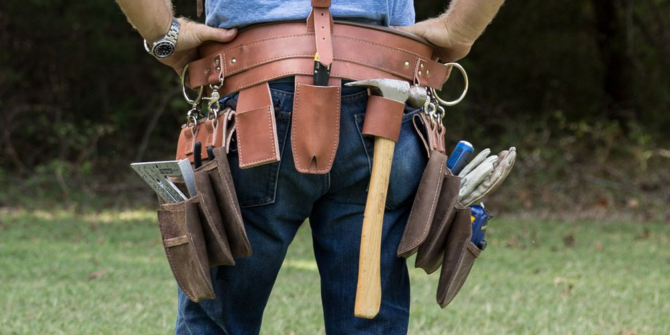
In the brave new world of pilot training there is a new paradigm – evidence based training. But evidence of what? Well, of pilot competencies – a set of ‘tools’ for a pilot to quick draw out of their metaphorical tool belt in order to help them solve whatever situation flies their way.

Where does Decision Making fit into this tool belt?

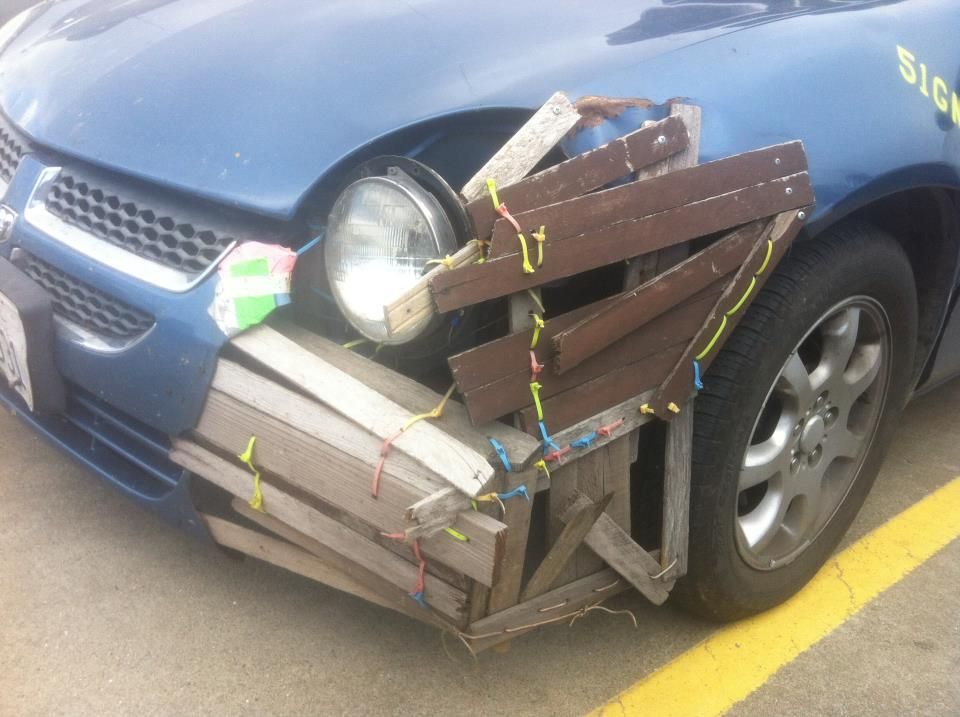
It can be viewed as a sort of Swiss army knife of a competency because it is one which, when wielded well, helps build best outcomes, but when used badly will probably leave you with a few pieces of splintery wood and a nail through you hand.

The (badly metaphored) point trying to be made here is that the Decision Making & Problem Solving ‘competency’ is a big, multi-faceted one, and it turns out that making a decision is often easy, but making a good one is less so…

Double E’s give us the ‘O’ factor

A good decision, or an ‘optimal’ one is going to be the one that leads you to the safest, most efficient and effective outcome.

Efficient because you’ve done the ‘best’ thing. Effective because you got there the ‘best’ way.

Reaching this optimal solution is easier said than done though. You, the pilot, want to be as safe as possible, but then you have authorities wanting you to tick every rule and regulation box, and you have your company wanting you to tick every commercial box, and before you know it you can find yourself heaped under a pile of “What Ifs?” and “Why didn’t you’s?”.

All of which can quickly incapacitate any common sense and airmanship. So what can you do about it?

Have you heard the story of the Nimrod?

Everyone knows the Hudson tale, and a great story it is too – a captain (and crew) showing a level of decision-making that saved the lives of all passengers onboard. Well, the story of the Nimrod is similar.

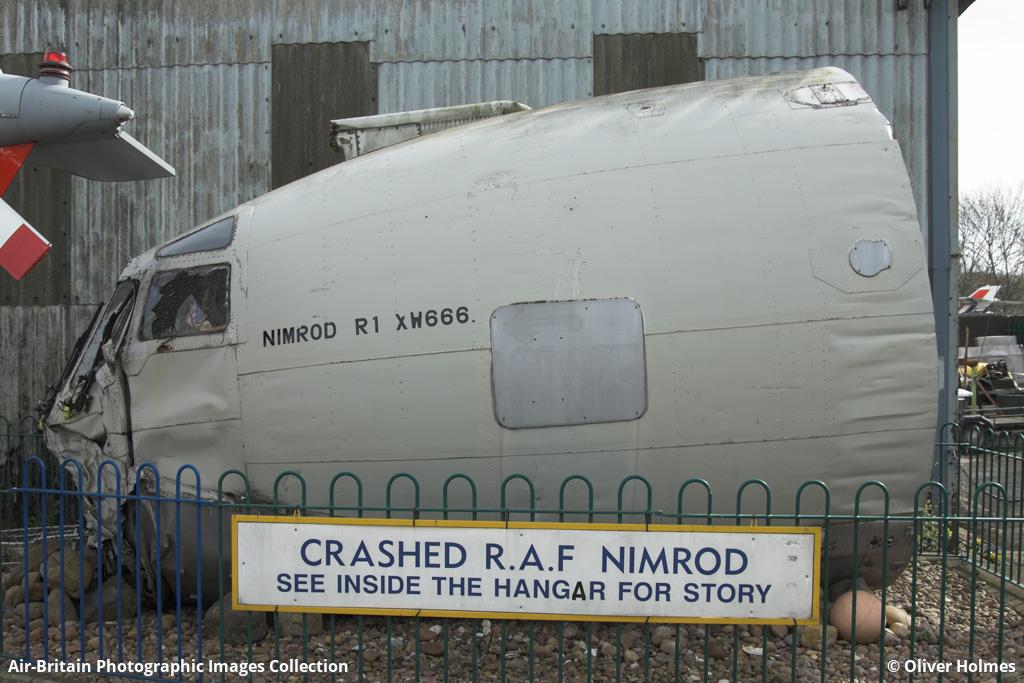
It took place back in 1995, over the coast of Scotland. XW666 was a BAE Nimrod R.1P operated by the RAF, en-route from EGQK/Forres-Kinloss RAF station. They were approximately 35 minutes into the flight when the crew had a No 4 engine fire warning illuminate. During the drill to deal with this the No 3 engine fire warning also illuminated.

The moment that makes this story worth telling was this – at just 4.5nm from EGQS/ RAF Lossiemouth (and its 9,068 feet of runway) the captain discontinued his attempt to put the aircraft onto a tempting piece of tarmac, and instead ditched into the cold water of the Moray Firth.

So why, with just 4.5nm to go between him and a much easier landing, did the captain do this?

The captain had asked the rear crew member to watch through a window and to inform him if fire became visible through the aircraft structure. When this report was received, the captain ditched. When they dragged what was left of the poor Nimrod out of the water (actually, quite a lot of it was left and all the crew survived), the investigation confirmed that the structural integrity of the wing’s rear spar had deteriorated by over 25% in just 4 minutes.

In the time it would have taken to cover that last 4.5nm the wing would have failed, resulting in an uncontrolled crash.

The big learning point here though is that it wasn’t so much the ‘good decision’ (the “let’s land this thing quick” decision) that was the big save, but actually the captain’s ability to change his decision – to review the situation and say “yup, that ain’t gonna work anymore, let’s do this instead.”

When a good choice turns bad

Doesn’t this satsuma look fresh, fruity and delicious? Most people (who fancy a piece of fruit) would probably happily eat it.

I am hungry, I like fruit, this is a piece of fruit, I shall eat it – Problem diagnosed, options considered, decision made, action assigned… DODARing 101.

But what about now?

Turns out it was made of liver paté.

The (rather odd) point to take away from this is that a decision, based on the information you have, can be great. The best. The optimal. The satsuma of choices. But if the information changes, or if it turns out to be incorrect, then so too might the decision be. So fitting information into what you have already decided does not work. Nor does sticking with a decision and not continuing to gather information.

The golden rule of Decision Making, and the one the Nimrod captain applied so well, is the importance of the review – being able to change a decision when it needs changing.

This can be a tough thing to do. As pilots, we are very goal orientated, but when that goal becomes too focused – the “must land now”, or the “it looked alright 5 minutes ago, I’m sure it still is” attitudes – these can lead to unstabilised approached, overruns, accidents (more on that here).

So, don’t be a Nimrod, be like the captain of one instead!


Expect the Unexpected: Evidence-Based Training

Today’s aviation environment is complex but incredibly reliable. Our aircraft are packed full of automation, systems and redundancies designed to keep us safe up there. Fancy things like EGPWS, Flight Envelope Protection and TCAS are there to protect us.

But herein lies the issue: because things are so reliable, the circumstances of the next accident waiting to happen are ever more challenging to predict.

All that technology is still limited by us humans. One thing we do know is that human factors have played a role in between 70 and 80% of airline accidents and serious incidents over the past thirty years. In many cases these accidents have certain things in common – poor group decision making, ineffective communication, inadequate leadership and poor flight deck management.

So it is clear we have an important role to play in making ourselves more reliable too.

Enter ‘Evidence Based Training’ or simply EBT for those in the know. And it’s a revolution for pilot training.

What is it in a nutshell?

In really simple terms it is about looking at data or ‘evidence’ to find relevant threats and errors and then changing the way we train pilots so they have the competencies they need to deal with them.

Cool, so what does that actually mean? Let’s delve into things a little more.

Out with the old

Traditional airline training was based simply on events that occurred on early generation jet aircraft from yester-year. There was a belief that simply exposing crew to those same ‘worst-casescenarios over and over again would be enough.

The cyclic was born. A long list of bad things that can happen which you’d periodically face in the sim. They tended to be manoeuvre based – you know the ones. V1 cuts, rejected take offs, go-arounds. As long as you flew them within limits you were officially ‘competent.’

It was simply a tick-in-the-box approach to pilot training. But you couldn’t help but get a nagging feeling the industry was missing the point: you have no way to predict what will actually happen to you when you go to work the next day.

Modern aviation has a way of throwing things at us that we haven’t seen before. Computer failures, mode confusion, strange stuff. Just look at the tragic case of Air France 447. Training in modern fly-by-wire aircraft has never been the same but it sadly came to late for that particular crew.

In with the new

Over time the amount of data or evidence out there improved dramatically. There were a bunch more sources – flight data, LOSA programs and air safety reports to name a few.

In 2007, a new industry-wide safety initiative emerged. It was led by IATA and began to use this evidence to identify relevant threat and errors that crews face for their particular operation and adjust training to better equip crew to deal with them. EBT was born. ICAO was sold on the idea too and hopped onboard in 2013.

The emphasis is on crew effectiveness as a whole by developing a bunch of competencies – tools that pilots can use in any scenario, normal or abnormal. The training uses unscripted situations to develop crew management strategies, techniques and human factors that are just as important to safe flight as technical skills.

Here is an example of the sorts of competencies that EBT training sessions look to develop (it really is the whole package):

  • Application of Procedures
  • Communication
  • Aircraft Flight Path Management, including manual flying
  • Leadership and Teamwork
  • Problem Solving and Decision Making
  • Situational Awareness
  • Workload Management
  • Knowledge

Isn’t that just Crew Resource Management?

Not really. Although CRM continues to be a solid step forward for the industry, when put into startling or surprising situations studies have shown we lack the capacity to immediately control our behaviour. What we need is practical training over time with consistency and reinforcement which is where EBT becomes so valuable.

It combines both technical and non-technical skills and focuses on the crew as a team, achieving successful outcomes when faced with the unexpected. It moves the emphasis away from checking and more toward training.

So how does this all work in the sim?

Good news, EBT doesn’t mean you’ll be in the sim more often. They’ll still pop up on a biannual basis. What will change is how the sessions are run.

EBT sessions are typically broken into two or three parts:

An Evaluation – this is where your baseline performance is measured. You’ll be given scenarios you may face in your own operation. This is so your trainer can get a good look at you in action and begin to identify your own personal areas of weakness that they can work on in subsequent sessions.

Proficiency Training– this is mostly manoeuvre based stuff you’re used to. Your trainer will focus on your technique. You’ll be put under pressure but the idea is to further develop your abilities in challenging circumstances. Your standard currency items will also be ticked off.

Scenario Based Training – this is the heart of EBT and where most of the work is done. The focus is on event management and the scenarios are off the script. You pretty much won’t know what is coming but you’ll have to apply your knowledge, skills and attitudes to a successful outcome. It is a journey of self-discovery in solving problems rather than simply following SOPs.

Over time these competencies will be reinforced – giving you the confidence in your own abilities to tackle whatever is thrown at you.

After all isn’t that how the real world works out there?

Other things to read

EBT is fast becoming an industry standard and many operators have have their new training programs up and running. For those that haven’t, here are two things you need to get started:

EBT looks at pilot competencies – a set of ‘tools’ for a pilot to quick draw out of their metaphorical tool belt in order to help them solve whatever situation flies their way. The Decision Making & Problem Solving ‘competency’ is a big, multi-faceted one, and it turns out that making a decision is often easy, but making a good one is less so. Read our article on this here.