EASA’s New Cyber and Data Risk Rule for Operators in Europe

On 22 Feb 2026, EASA brings the Part-IS Information Security regulation into force.

This is not a new avionics requirement, and not a connectivity upgrade mandate. It’s a management system rule. EASA wants certain aviation organisations to show they understand and manage cyber and data risks that could affect aviation safety.

That includes things like aircraft networks, satcom and cabin connectivity, data flows, access to systems, and how cyber incidents are handled. EASA’s view is simple: if a digital failure or attack could impact safety, it needs to be treated like any other operational risk.

The most important point up front: Part-IS only applies to organisations EASA regulates. Flying into Europe alone does not put you in scope.

What affected operators actually have to do

If you’re in scope, EASA expects a working information security management system that fits the size and complexity of your operation. Not theory, and not a one-off document exercise.

In practical terms, inspectors will expect to see that:

  • You’ve assigned responsibility: Information security sits at management level. It’s owned, not outsourced to “IT”.
  • You know what matters operationally: You’ve identified systems and data that would hurt safety or operations if compromised. That usually includes connectivity, EFB links, maintenance and planning systems, and interfaces with third parties.
  • You actively manage risk: There’s a repeatable process to identify, assess, mitigate, and review cyber and data risks. This updates when things change – new aircraft, new satcom, new apps, new vendors.
  • Basic controls are in place: Access control, configuration management, patching, backups, logging, and secure remote access. Nothing exotic, but it must exist and be used.
  • You can deal with incidents: You can detect issues, respond, recover, and learn. If an information security event could affect safety, EASA expects it to be managed properly.
  • You manage suppliers: Part-IS pushes hard on supply chain risk. Operators are expected to understand and manage information security risks across connectivity and data providers, not just internally.

Do operators have to submit anything before Feb 22?

Short answer: no. There is no blanket requirement to submit a declaration, form, or compliance statement to EASA by 22 Feb 2026.

Instead, EASA expects that from that date, your Part-IS setup exists and is actually working.

Compliance is checked through normal oversight. That means Part-IS will typically be reviewed at your next audit or inspection, during approval changes or renewals, or earlier if there’s any kind of incident or trigger event.

Bottom line: no paperwork deadline, but also no grace period. From 22 Feb, you need to be audit-ready.

Who is definitely not directly impacted

This is where most of the confusion sits.

Part-IS does not automatically apply to:

  • US Part 91 operators.
  • US Part 135 operators.
  • Privately owned foreign registered aircraft.
  • Operators with no EASA approval or certificate.
  • EASA Third Country Operator (TCO) authorisation holders.

If you don’t hold an EASA AOC, EASA has no legal way to enforce Part-IS on you.

So the common scenarios we’re hearing about:

  • A US owner flying a jet into Europe under Part 91, with no EASA approvals – no direct Part-IS compliance requirement.
  • A US charter operator flying into Europe under Part 135 and holding an EASA TCO only – again, no direct Part-IS compliance requirement.

Flying into Europe, or holding a TCO, does not by itself make an operator subject to Part-IS.

Why you might be getting emails from your connectivity provider about this

So why are operators being told “this affects you” and “you must be ready by 22 Feb”?

Because connectivity providers sit inside the compliance chain.

Their EASA-regulated customers will be audited. Auditors will ask how information security is handled end to end, including customer configurations, access rights, data routing, and system interfaces.

Providers likely don’t want two security standards, weak links in customer setups, or any awkward audit questions they can’t answer!

So they might be pushing requirements downstream via contract changes or software upgrades.

For operators outside scope, this can feel like a regulatory mandate. It isn’t. It’s commercial and risk-driven pressure, not a new EASA legal obligation.

Bottom line

Part-IS is real and it matters – for EASA-regulated organisations. For non-EASA operators, the impact is indirect, driven by vendors and contracts, not regulation.

If you don’t hold an EASA approval, Part-IS is not suddenly your problem on Feb 22. But expect more security questions from the companies you connect to.


Ops to Europe: How to Get a Third Country Operator (TCO) Approval

If you want to operate commercially into the EU (or certain associated states), you’ll need a Third Country Operator (TCO) Authorisation from EASA. The process is free and straightforward if you meet ICAO standards – just a bit time-consuming to get all the paperwork together.

What is it, and who needs one?

A Third Country Operator is any non-European aircraft operator conducting commercial air transport flights into the EU. That includes BizAv charter flights intending to operate commercially. Private flights are exempt.

There’s also a provision for “one-off” or short-notice non-scheduled commercial flights without a TCO authorisation. These are strictly limited to urgent public interest missions – such as humanitarian, disaster relief, or air ambulance flights – and can be approved for operations of up to 12 weeks.

What’s being assessed?

The regulation requires TCOs to hold an authorisation issued by EASA to confirm they meet international operational and safety standards in line with ICAO requirements

Common Gotchas

  • Do you have a Safety Management System (SMS)? Even if SMS is not required by your local regulator, EASA expects these applicable international standards to be complied with when operating to the EU.
  • You need a Flight Data Analysis Programme (FDAP) if your aircraft’s MTOW is greater than 27,000 kg (59,500 lbs).
  • Do you comply with the reinforced cockpit door regulations
  • Are you compliant with Mode S Elementary, ADS-B Out, and Mode S Enhanced Surveillance? Or do you have a plan in place to retrofit? 

If you’re a Part 121-style operator from a well-regulated state, you’ll likely already meet these standards. Part 135 operators may need to address a few gaps.

You can check who already has a TCO here: EASA TCO Holder List

How closely will EASA check? 

EASA applies a risk-based approach when reviewing applications. This takes into account:

  • Your own safety performance and history
  • The safety record of your State of Operator and State of Registry
  • Your level of exposure to European citizens

Operators from well-regulated states with a clean record and modern fleet – for example, an Australian operator with no incidents – will generally face less scrutiny than those from higher-risk environments.

Note: You do not need IS-BAO certification to obtain a TCO. If you have it, great, but EASA assesses each application individually and may request extra info if needed.

How to get a TCO?

The good news? It’s still free to apply, and the process is straightforward if you have your paperwork ready. Here’s how it works in 2025:

It’s actually pretty simple to apply:

  1. Submit your application – Download the latest application form from the EASA website, complete it, and email it to tco.applications@easa.europa.eu (cc tco@easa.europa.eu) – electronic submissions only. Attach the mandatory documents: Certificate of Incorporation, Air Operator Certificate (AOC) or Air Carrier Certificate (ACC), and Operations Specifications (Ops Specs).
  2. Complete the Basic Operator Data – Once you receive login credentials for the TCO web-interface, log in immediately and complete the Basic Operator Data within 7 days. It takes a few hours, so gather AOCs, insurance certificates, and aircraft documents in advance. The portal is still clunky, so hit “save” often. Keep your fleet and contact details up to date.
  3. Submit and respond to follow-ups EASA’s technical evaluation can take up to 30 days. They may ask follow-up technical questions; you’ll need to reference your manuals and reply via the portal.
  4. Get your approval – Once satisfied, EASA will issue your TCO authorisation. It has no expiry date, but continuous monitoring applies, so be ready to respond to periodic information requests.

For most operators, getting and keeping a TCO is free. EASA only charges fees if your risk profile warrants it – for example, if they need to hold a technical meeting (from €10,000) or conduct an on-site audit (from €19,000 plus travel costs). 

What’s next after approval?

Maintain compliance – EASA monitors operators through ramp checks and document reviews, so be prepared at all times. Keep your TCO portal information up to date, and respond promptly to any EASA communication.

Remember, your TCO authorisation is simply EASA’s safety thumbs-up. You may still need to arrange the usual overflight/landing permits from each EU Member State, depending on the nature of your flight and the national rules in place. In other words, TCO gets you through the safety gate, but you still have to knock on the door of each country you plan to operate to.

Extra Reading:


EASA Removes CZIBs: Middle East Risk Gets Harder to Read

Earlier this year, EASA withdrew its CZIBs (Conflict Zone Information Bulletins) for Israel and Iran, citing de-escalation. At the time, we wrote that the move seemed premature.

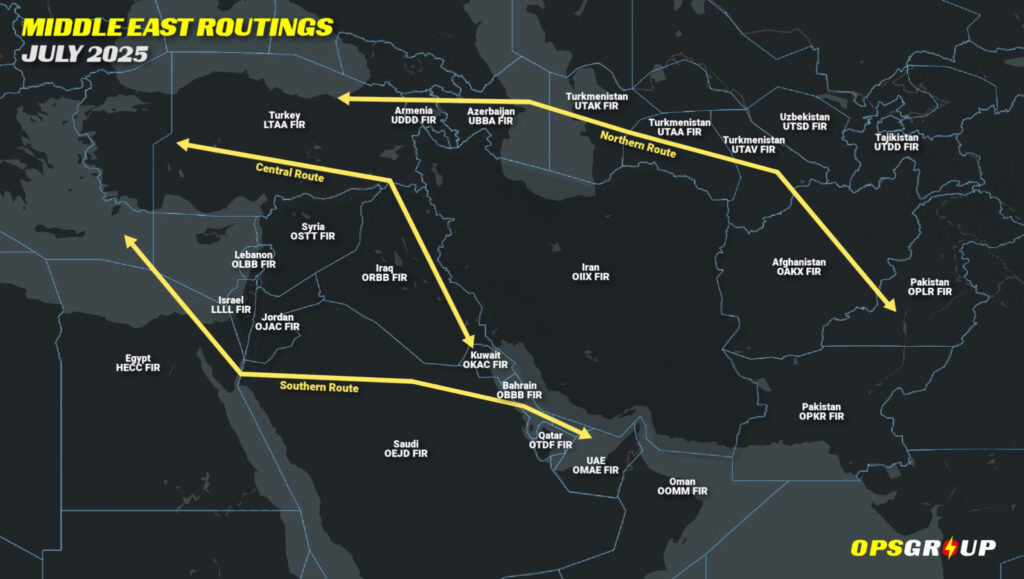
Then in June, the region saw one of its worst escalations in decades, with Israel and Iran trading missile strikes, the US and Gulf states scrambling to protect airbases, and most of the Middle East airspace system grinding to a halt.

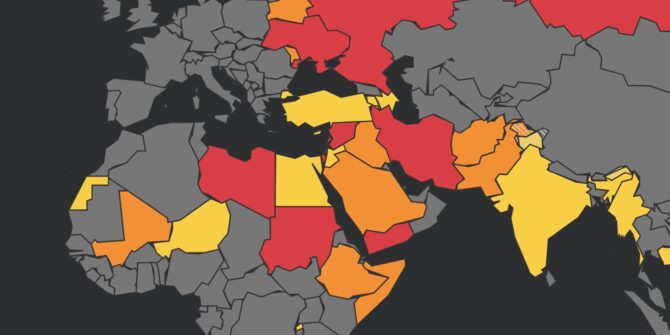
EASA responded by reissuing updated CZIBs advising operators to stay well clear of Iran, Iraq, Israel, Jordan, and Lebanon. They also flagged the risk of spillover into parts of Egypt and Saudi Arabia.

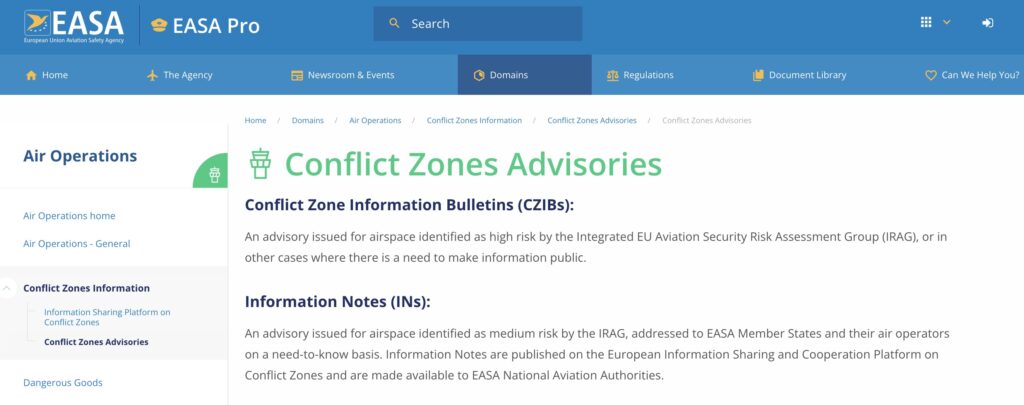
Now, just weeks after that guidance, those CZIBs have been withdrawn again. And once again, they’ve been replaced by vague and inaccessible “Information Notes” — only available to EU-based commercial operators, civil aviation authorities, and EU agencies. Everyone else (mainly biz jets and non-EU carriers) is locked out.

What’s changed?

To recap: Following a ceasefire in early July, most FIRs across the region reopened. Iran reopened its OIIX/Tehran FIR in stages — first the east, then limited use of the west, and finally full ops. Israel began accepting traffic to LLBG/Tel Aviv on specific routings. Iraq reopened its airspace. Syria and Lebanon reopened too, albeit amid some brief re-closures. OPSGROUP members can access a full briefing here.

But the risks haven’t vanished. Most carriers are still avoiding direct routings over Iran. GPS spoofing remains widespread. FIRs across the region are fragile — especially the corridor between Israel and Iran, which could close again at short notice if the conflict resumes.

The CZIBs are gone, again.

EASA’s logic for removing them now appears to mirror their reasoning back in January — improving conditions, a reduction in active hostilities, and a belief that risk has subsided enough to no longer warrant a public advisory.

But here’s the key problem: the new “Information Notes” replacing CZIBs are not public. Unless you’re part of the inner circle of EU-based airlines or national regulators, you don’t get to see them. And the publicly accessible version doesn’t contain any detailed analysis, routing recommendations, or clarity on thresholds for escalation.

CZIBs were never binding, but they were visible — offering a common European position on conflict zone risk. The shift to restricted-access notes marks a change in how EASA communicates that risk.

A continuing need for caution

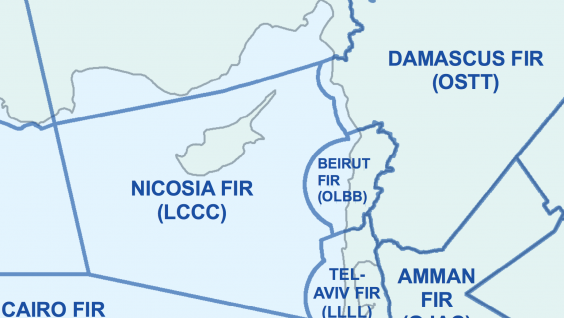
The removal of CZIBs shouldn’t be interpreted as an all-clear. The ceasefire between Israel and Iran remains fragile. Regional tensions persist. GPS interference continues to impact operations across the eastern Mediterranean and Persian Gulf. Routes through Athens and Nicosia FIRs remain congested as many operators still choose to avoid overflights of Iran and Israel altogether.

EASA’s risk assessments will of course evolve as the situation does — but for operators outside the EU system, the reduced visibility makes it more important than ever to consult a variety of sources: state-level airspace warnings, Notams, real-time airspace activity, and third-party guidance.

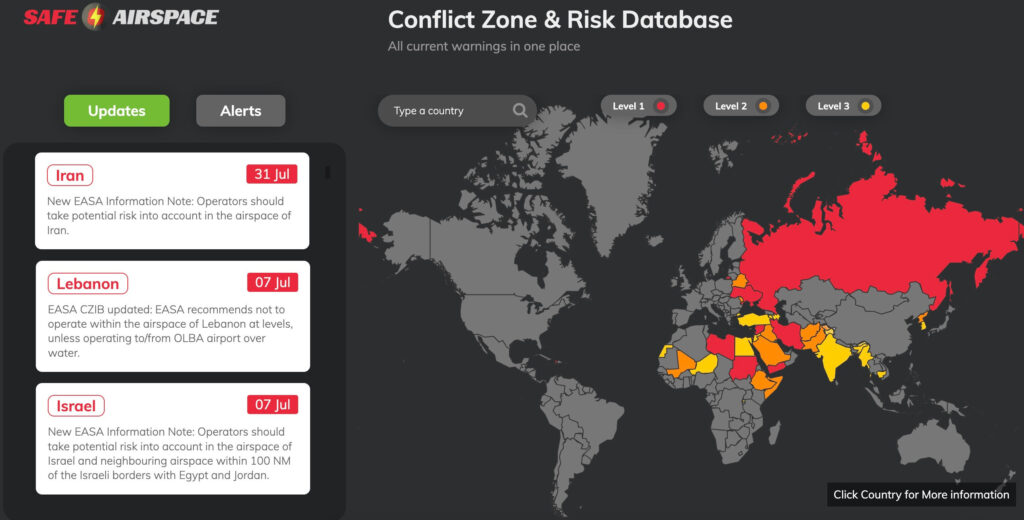
We maintain a full database of state issued airspace warnings at SafeAirspace.net, freely accessible to everyone.

The bottom line

While EASA’s decision to withdraw its CZIBs reflects improved conditions in parts of the region, the underlying risks remain dynamic. Operators should continue to treat Middle East operations with care — especially in and around Iran and Israel — and stay alert to changes that could result in rapid airspace restrictions or closures.

In short: just because EASA has stopped talking about it doesn’t mean the threat has gone away.


Why EASA has Withdrawn Airspace Warnings for Iran and Israel

On January 31, EASA withdrew its CZIBs for both Israel and Iran.

But the question remains – what does that actually mean for the safety of civil aviation there?

A word on EASA CZIBs.

A little context here helps.

  • CZIB stands for ‘Conflict Zone Information Bulletin’ which EASA puts out when required using a combination of publications issued by worldwide states, and risk assessments performed by their own team called the Integrated EU Aviation Security Group.
  • EASA shares information on conflict zones to help operators and member states make an informed decision whether to enter risky airspace or not.
  • Unlike some state-issued airspace warnings, CZIBs are not legally binding. They are just recommendations. You can find a list of them here.
  • On January 31, EASA made some changes to this list – namely, they cancelled the CZIBs for both Israel and Iran.

Why the change?

EASA has published a brief explanation here, but it doesn’t give much away.

Ultimately, they cite an improving risk environment due to ceasefire agreements between Israel, Hamas and Hezbollah along with a reduction in short-term regional tensions.

The CZIBs were originally published in November 2024 in response to unprecedented regional hostilities. It now seems EASA believes the situation has sufficiently come back off the boil.

Those in the know

While quick to re-affirm that some risks to aviation in the region are still present, the CZIBs have been replaced by Information Notes distributed to those on a ‘need-to-know’ basis – their words, not ours.

Existing State Warnings

EASA CZIBs (and their removal) have no direct effect on existing state-issued airspace warnings. This falls into the hands of policy makers who may wish to follow their advice.

With that in mind, you can find a full list of current state-issued airspace warnings still in effect for Iran here, and Israel here.

We still think Iran is potentially risky

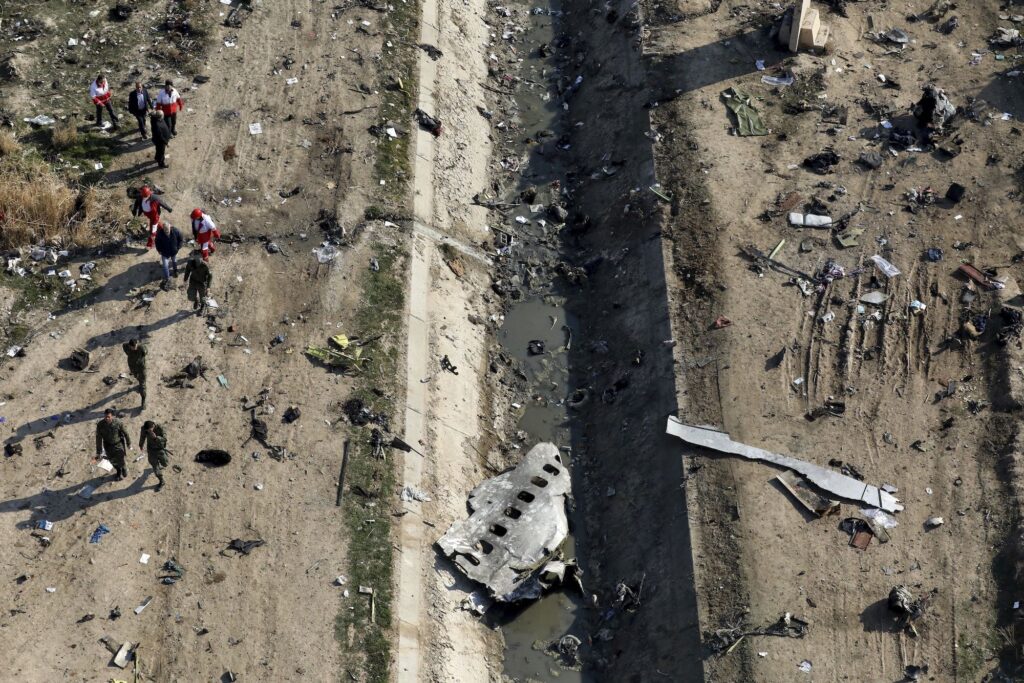
Five years have passed since PS752 was misidentified and shot down by an air defense system near OIIE/Tehran airport. The country still possesses the same arsenal of advanced anti-aircraft weaponry today.

The sudden closure of the entire OIIX/Tehran FIR last year is proof of how quickly the risk picture can change for overflights.

While there may not be an intent to target civil aviation itself, agencies such as the US FAA continue to warn of the danger posed by unannounced military activity and mistaken identity – so much so that its existing airspace prohibition (by SFAR) has been extended all the way to 2027.

Operate to Israel with caution

In line with EASA’s advice, we have seen improving airspace safety in the LLLL/Tel Aviv FIR. Just recently we reduced our SafeAirspace.net risk rating for Israel from ‘Do Not Fly’ to ‘Danger Exists.’

This was in response to the same ceasefire agreements and a proven track record of maintaining airspace safety in close proximity to active conflict zones. This also reflected the decision of several major carriers to resume scheduled flights there.

However, the long-term outcome of these agreements remains unpredictable – along with potential for rapid escalation in risk to previous levels should the agreements fail. Recent events have proven they remain fragile.

For that reason, we advise operators to heed existing warnings and prepare for short notice airspace closures or reroutes in Israeli airspace.

What about Lebanon?

There was another change to EASA’s list of CZIBs that was easily overlooked.

Rather than withdraw it, EASA has extended its existing guidance for the OLBB/Beirut FIR until end of March 2025.

EASA explains that the country has not sufficiently proven capability to address existing risks – including the potential for renewed escalation between Hezbollah and Israel.

Without appropriate mitigating procedures to fall back on, the airspace should still be considered dangerous. Interestingly, EASA expressed similar concerns in its recent airspace warning for Western Russia following the downing of Azerbaijan Airlines 8243 on approach in Grozny.

As such, EASA continues to advise aircraft not to enter Lebanese airspace at all levels. Over at SafeAirspace.net, we also maintain a ‘Do Not Fly’ warning for the same skies.

Need more info?

We maintain a full database of state issued airspace warnings at SafeAirspace.net, where a full global briefing is available with a single click. You can also reach us on team@ops.group around the clock.


Russia: Aircraft Shot Down, New EASA Airspace Warning

Key Points
  • EASA has issued a new airspace warning for Russian airspace following the likely shoot down of Azerbaijan Airlines Flight 8243 on approach to URMG/Grozny Airport on December 25 by a surface-to-air missile.
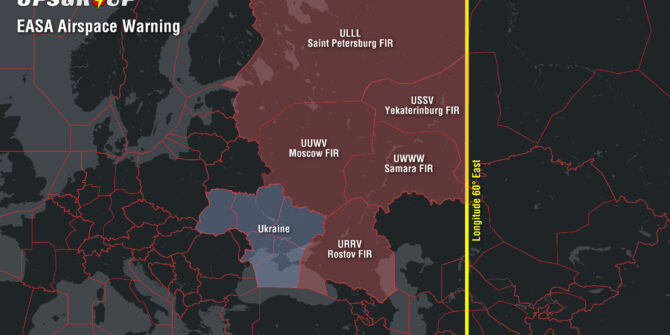
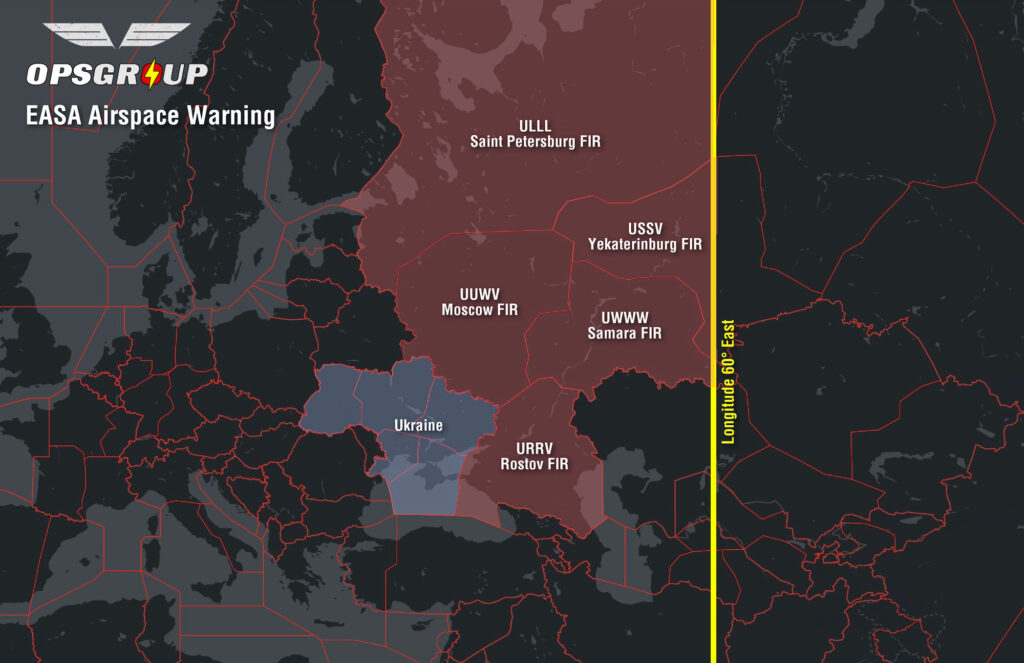
  • Operators are advised not to enter Russian airspace west of longitude 60 degree east (the entirety of Western Russia) at all levels due to the risk of being unintentionally targeted by air defence systems, and extensive GPS interference.
  • Previous state-issued airspace warnings have been confined to areas in close proximity to the Ukrainian border. The new EASA warning suggests a significant escalation in airspace risk.

What’s changed?

Ukraine has strengthened the frequency and intensity of missile and drone attacks on targets well within Russian territory.

The latest occurred this week on January 14 – a combination of cruise and ballistic missiles and the largest drone strike yet (over one hundred and forty devices) against infrastructure across Western and Southern Russia, as far as 680 miles from the border. Russian air defences reportedly shot down a number of them.

The war with Ukraine has entered a new phase which no longer limits airspace risk to the primary conflict zone.

Azerbaijan Airlines Flight 8243

EASA’s new airspace warning appears to be in direct response to the downing of an Embraer passenger jet on December 25 at URMG/Grozny airport, Southern Russia.

The crew were on approach when the aircraft suffered sudden damage which was initially misidentified as a bird strike.

The aircraft later crash landed following a diversion to UATE/Aktau airport in Kazakhstan.

Limited analysis of the wreckage appears to indicate shrapnel damage consistent with a surface-to-air missile. The most likely culprit was a Pantsir air defence system – a radar guided medium range SAM not dissimilar to the Buk system used to shoot down MH17 over Eastern Ukraine in 2014.

It was later confirmed that air defence systems were responding to a Ukrainian drone strike in the area at the time.

While not official, it is almost certain AZ 8243 was mistakenly targeted. In any event we will have more answers soon – ICAO Annex 13 requires a preliminary report to be issued within thirty days of the accident (of which Russia is a member state).

No one’s overflying Russia anyway, right?

This simply isn’t the case. It’s true the Russia has imposed reciprocal airspace bans on aircraft registered to a large number of countries (including the US, Canada and the EU). This is in response to political sanctions, not risk.

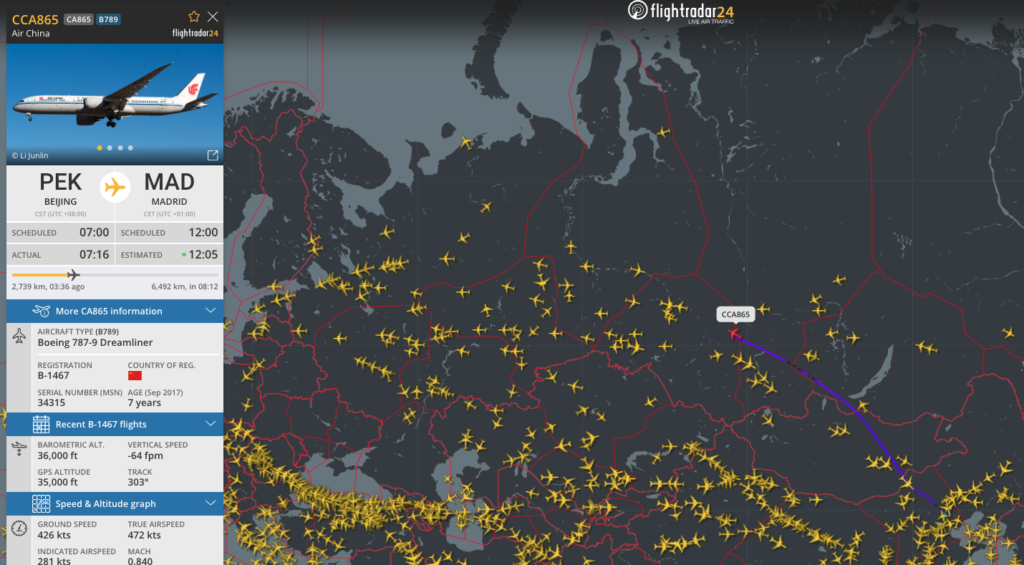
Those from China, Turkey, the Gulf States and others are still allowed. And until now, they have been overflying airspace with no active warnings in place.

The EASA warning

EASA issued its new warning on January 9 via a Conflict Zone Information Bulletin (CZIB).

A note about EASA. Its advice isn’t binding – it is provided for the consideration of its member states and does not represent an actual flight prohibition.

However, history has shown it does have a strong bearing on the rules imposed – as a result, we are likely to see to number of new state-issued warnings for Russia in the coming weeks.

The CZIB recommends operators do not enter Russian airspace (west of longitude 60 degrees east) at all levels. This affects the Moscow, Rostov, Saint Petersburg, Yekaterinburg and Samara FIRs.

EASA advises that the deployment of Russian air defence systems to these areas in response to Ukrainian drone and missile attacks could directly threaten the safety of overflying aircraft.

It argues Russia does not have adequate protections and procedures in place to ensure the safety of civil aviation. The apparent downing of AZ8243 is testament to that fact.

Beyond the risk of misidentification, the warning also cites dangers related to GPS interference (including spoofing) being used to deter aerial threats with little regard to the effect on civil aircraft in the area.

Safe Airspace

At safeairspace.net, our team faces a conundrum.

Russia oversees well over 6.6 million square miles of sky and is transcontinental in scale.

Towards its south-eastern borders with China and Mongolia the risks associated with the conflict in Ukraine are low to non-existent.

To the west, the risk is high which is why EASA’s new warning makes a distinction based on a line of longitude that divides the country in two.

The same applies to our level of warning for Russia at safeairspace.net – where a Level 2 (Danger Exists) remains in place. But in light of recent events, we would advise against overflights of Western and Southern Russia at this time.

Get in touch with us

Our team is available around the clock. You can reach us at blog@ops.group – we’d be happy to help with any questions you may have.


SAFA Ramp Checks: The Top 5 Offenders (+Alcohol test)

Highlights (updated 2024)
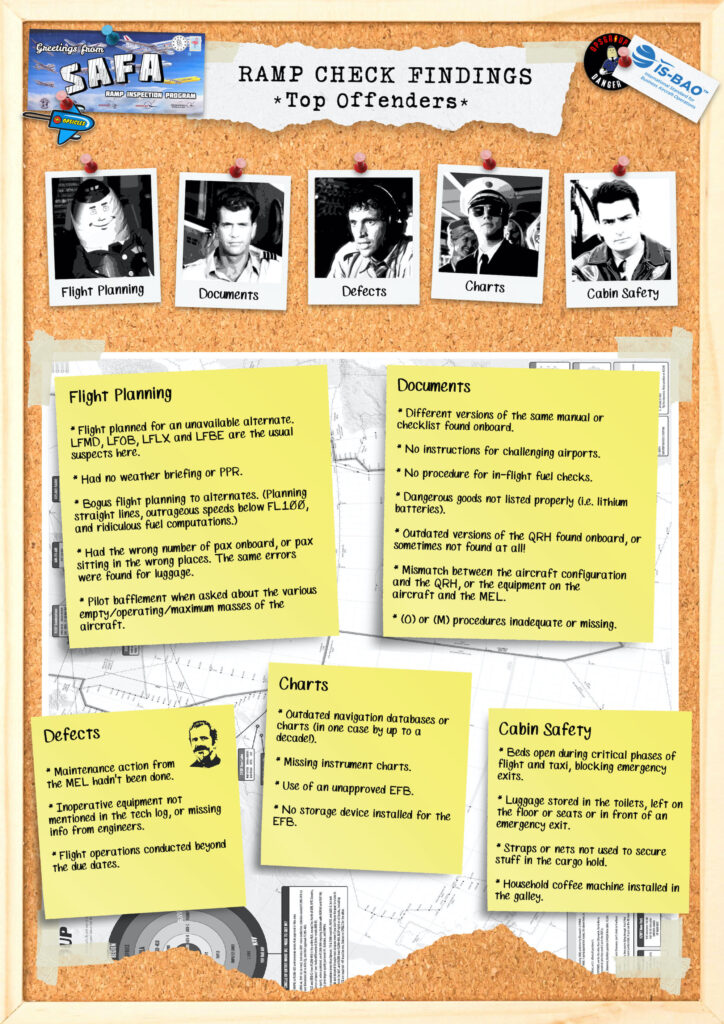
  • The Top 5 SAFA Ramp Check Findings are Flight Planning, Aircraft Documents, Defects, Charts, and Cabin Safety
  • It’s not a knowledge test, so feel free to say “I don’t know”
  • Alcohol testing is now common, see below for a guide

Ramp check! Not our favourite couple of words in the aviation vernacular, but when your number’s up, wouldn’t it be good to know what things most of us are getting wrong?

Well, here they all are, in a handy little guide. Download, print, attach to wall-of-your-choice, and enjoy.

What do we base this on? Well, something pretty special happened recently. The French DSAC partnered up with IS-BAO to take a look at hundreds of de-identified ramp check findings in order to analyse the most frequent CAT 2 and CAT 3 findings in business aviation.

This is “special” for three reasons

  1. It’s great that an aviation regulator has actually shared this info because now we can see the top things we’re getting wrong.
  2. If we can see the top things we’re getting wrong, we can stop getting them wrong, and then ramp checks become faster and more efficient for everyone. 
  3. It’s great that this specific aviation regulator happens to be the one from France – because that’s where a lot of ramp checks seem to occur!

So, all good. IS-BAO published the results here, and it’s worth giving that a read first before we press on…

The Top 5 Offenders

As the good folks from IS-BAO point out – EASA Ramp checks cover 52 inspection items spread over 5 areas: flight deck, cabin, aircraft condition, cargo, and general/other.

But some of those 52 items generate more findings than others. The DSAC/IS-BAO study found that the top inspection items by number of CAT2 and CAT3 findings for business aviation were these ones:

1. Flight preparation (RI checklist item A13)
2. Mass and balance calculations (A14)
3. Manuals (A04)
4. MEL (A07)
5. Checklists (A05)
6. Defect notification and rectification (A23)
7. Navigation/instrument charts (A06)

So essentially, these findings all relate to five key areas: Flight Planning, Documents, Defects, Charts, Cabin Safety. Get these right, and your “sweatin over a ramp checkin” days are over, partner!

Have you been ramp checked recently?

Let us know! Where did it happen? How did it go? What things surprised you?

As always, we will de-identify anything you share with us before we tell anyone else about it. But we’d love to hear your stories, and other people will too! Our idea is to gather together as many of these stories as possible, and put them into a little book to help give other pilots and operators an idea of what to expect. So if you’ve got a story to share, send us an email at news@ops.group

In related news: the EASA RIM has been updated.

What’s the EASA RIM? Europe’s version of the Pacific Rim movie only with ramp inspectors saving the aviation industry from danger? Or just an updated version of a rather boring manual?

Sadly, just an updated manual.

EASA have made some amendments, corrections and added some other details to their Ramp Inspection Manual, so here is our guide to their 131 pages of guidance (and an Appendix).

What’s up?

The Changes to the RIM are contained in a 131 page document here. So this is the doc that crew might want to read. (The massive doc that ramp inspectors use is called the Appendix – we’ll get to that later).

The big stuff to look out for (that we could see) is stuff on Alcohol testing and they’ve changed the name of the “Standard Report” to “Safety Report”.

Page 76.

Let’s start with something small.

This isn’t actually a change, but just something we think might be of particular use. It is the Checklist for on-the-job training for ramp inspectors. Basically, it is a long list of all the stuff they need to check. Which means it’s a long list you might want to check so you know what you are going to get checked on.

Alcohol Testing.

Scroll to page 98 (section 10.3) and it lays out all the info on alcohol testing and how it should be carried out. There is a lot of info here (most of it for the inspecting agents rather than you) but still not uninteresting to read.

The general principles are that it should be done somewhere private, out of sight of anyone else, and if you aren’t happy with the spot they pick then chose another. 

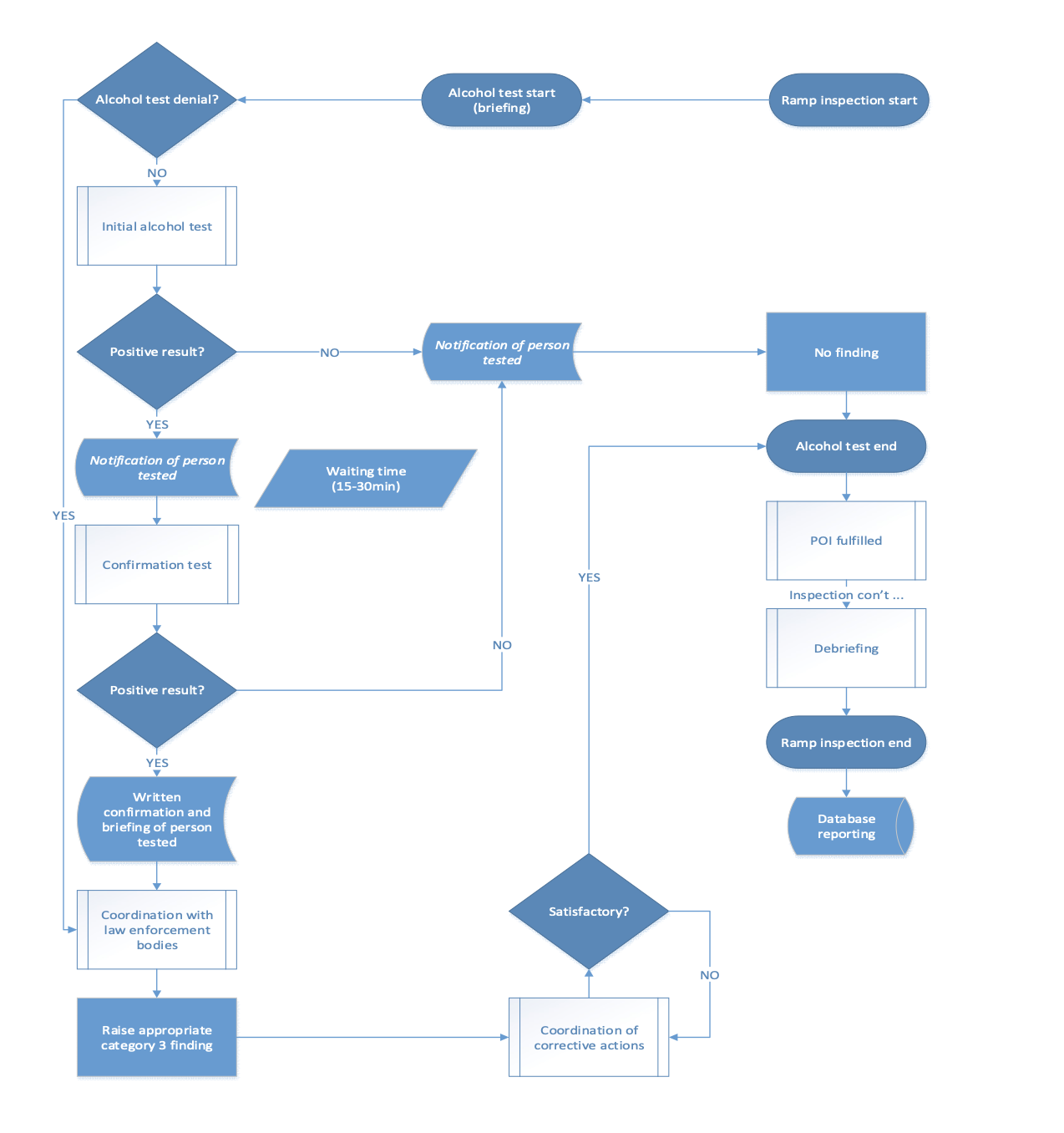
They’re testing to see if you blow more than 0.2 grams of blood alcohol concentration. If you blow below that then you pass. If you test above then don’t panic straight out, they must do a follow up confirmation test which mustn’t happen before 15 minutes, or outside of 30.

Certain drinks can mess up the results:

  • “Aromatic beverages” like fruit juice (never heard them called that)
  • Mouth sprays with alcohol content
  • Medical juices (I don’t even want to know what that might be)
  • Burping on the test can create false positives.

Here is a particularly hideous flow chart of the entire process. 

We think it’s easier to sum up stuff like this:

  1. Don’t ever go to work drunk. Most operators/states specify a minimum time between drinking and working but if you aren’t sure 12 hours is a generally decent one to work off.
  2. Of course even 12 hours won’t get you sober in time if you’ve been on a mega bender the night before. So don’t do that.
  3. If you wake up before you’re report time and realise you’re drunk/potentially drunk then CALL SICK!
  4. If you think a colleague is drunk, stop them from going to the airport! Report them if you need to.
  5. If you are at work, and get picked for a random test, make sure they do it correctly, in a private space following the right procedures.
  6. If you blow positive then don’t panic (unless you are drunk in which case do panic, you’ve messed up bad, partner). Have a think if you’ve maybe ingested something that could cause a false positive. Tell the inspector and wait for the confirmation test. They leave it at least 15 minutes, but don’t push for more than 30.

Moving onto The Appendix.

The Appendix to the RIM is a whole 304 pages filed with information on ramp check instructions and pre-described findings.

Many of which have just been updated.

Now, you might be thinking “why do I care how they’re instructing their inspectors on stuff?”. But you should care because if you know how they’re inspecting stuff, then it makes it a whole lot easier to not mess up on ramp checks and getting told off.

If you just want to scroll through the list of changes, then take a look here at the first 7 or so pages.

If you want a full description in standard EASA English, then read the whole 304.

If you want a summary of the changes then check this out.

Other useful stuff.

We wrote a whole post on ramp checks a while back and the stuff we wrote in that hasn’t really changed that much.

While ensuring you are complaint is important, remember is works both ways. Ramp Inspectors need to follow the rules and procedures as well. Particularly when it comes to not delaying you or disrupting your duties too much.

The manual only recommends they must give you 8-10 minutes of quality quiet time to set up for a flight. If you need more for safety reasons then tell them the time you need them to complete their checks by.

Final note.

Ramp checks can be frustrating. The best way to reduce that is make sure everything is in order and be prepared for them.

There are some airports we’ve heard are particularly vigorous with them:

  • Anywhere in France
  • Florence, Italy
  • Edinburgh, Scotland
  • London Heathrow
  • Copenhagen, Denmark (keen on the breath tests)
  • Amsterdam, Netherlands (also keen on the breath tests)

Let us know where you’ve experienced them so we can update the list!


That MMEL Thing: Here’s an Update

It looks like there might finally be a solution to the long-running MEL vs MMEL issue for US operators headed to Europe, keen to not get a ramp check finding!

The brief Backstory

Since 2017, US aircraft have been getting hit with ramp check findings in Europe because EASA decided that the D095 LOA wasn’t good enough – they wanted to see a D195 LOA instead, but it was taking operators a long time to get these approved by the FAA in the US due to a big backlog of applications.

The Solution

The FAA has published an updated Advisory Circular (AC 91-67A) which speeds up the process of getting this D195 LOA.

The NBAA have reported that the FAA has also updated guidance to its field offices, who will now issue the LOA after a brief review, provided the application is accompanied by an “attestation letter”.

The slightly longer Backstory

Over the past few years, ramp checks on some US aircraft in Europe highlighted an important issue – EASA and the FAA have different interpretations of the ICAO standards regarding deferring aircraft discrepancies.

In the US, with FAA authorization operators can use a master minimum equipment list (MMEL) to defer repairing certain equipment. But in Europe, MMEL cannot be used in lieu of an MEL specific to each aircraft or fleet.

The European Aviation Safety Agency (EASA) began requiring all aircraft transiting European airspace to have an approved Minimum Equipment List (MEL) for each, individual aircraft (i.e. a D195 LOA). An MEL that references the MMEL was not acceptable (i.e. a D095 LOA).

This was a pain for US operators, as to get an individual MEL approved under the LOA from the FAA takes time – but by not doing so, they ran the risk of getting a ramp check finding in a European country. (France seems to be the place where this happens most often!)

At the start of 2018, the rumour was that the FAA and EASA reached an agreement: the FAA would start requiring international operators with D095 LOAs to obtain new D195 LOA’s instead, and in return EASA would halt any findings for a period of 12 months to allow for these new LOA’s to be issued. There was no official announcement on this, but SAFA data did indicate that ramp check findings for use of D095 were greatly reduced for a time.

The FAA proposed a policy change to phase out the D095 LOA over the next 3-5 years, and to work out a streamlined approval process to issue everyone with D195’s instead.

The French CAA said they would stop issuing ramp check findings once the FAA has launched the new policy.

FSDOs across the US then started processing the backlog of D195 requests from operators (there were lots!). In the meantime, US operators with the D095 LOA continued to face the same old MMEL findings on ramp checks in Europe.

How to prepare for a ramp check in Europe?

Here’s the article we wrote all about how to make a ramp check painless.

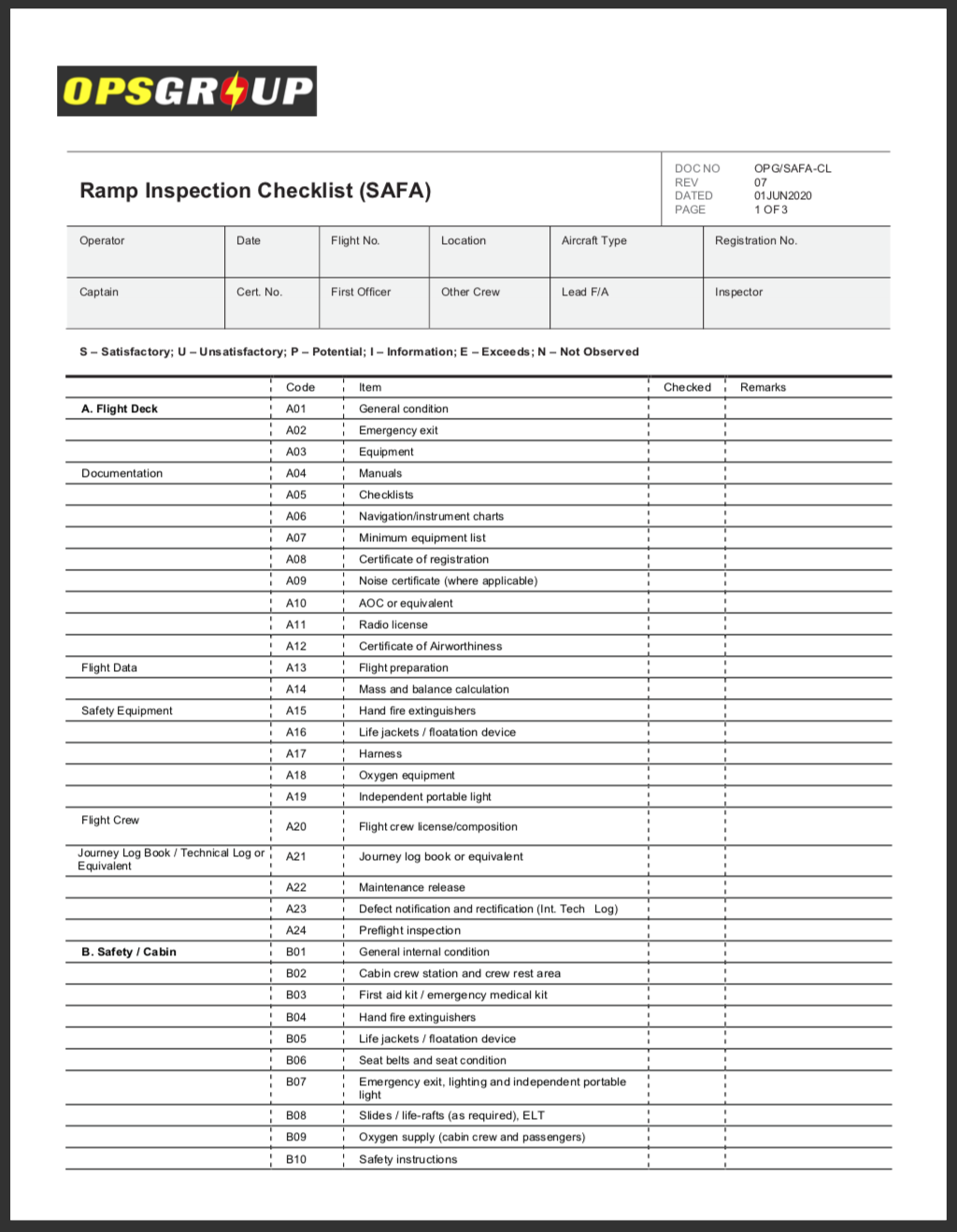
And here is a copy of the OPSGROUP SAFA Ramp Checklist. Download it here.

Keep a copy with you and run through it before you head to Europe.

Further Reading


EASA: New Ops Risks in Europe

In 2020, the industry fell off a cliff as the world went into hiding. Things in 2021 weren’t much better. Then finally last year the wheels started to turn properly again – albeit while still pushing against outdated travel restrictions, quarantine and covid testing.

It is really only this year that the brakes have well and truly been released and the industry has been allowed to return to a full gallop. So with peak summer season coming up, EASA has issued a new Safety Information Bulletin on the emerging new safety risks in Europe.

Here’s a look at some of the main ones…

The Speed of the Recovery

Business is booming, the world is travelling again, and operators are making up for lost time – cash flow has never been more welcome.

But herein lies the problem. The sheer speed at which things have started up again is a threat. The primary issue EASA identifies is that the industry just isn’t keeping up with the pace of change. We’re not managing things as well as we should. And they smell risk – with a delayed fuse…

Shortages of People and Things

There is currently a lack of qualified operational staff across the board. This isn’t just limited to pilots either – cabin crew, engineers and air traffic controllers to name a few are all in hot demand. And for the ones already employed and working, fatigue is becoming a major concern.

For new ones, lack of experience is likely to emerge more often in incident and accident reports. EASA are worried about the lack of time and resources to train them all at the pace the industry is demanding of them. The problem with this is that the safety impact may not be immediately obvious but could emerge later.

But it isn’t just people. It is the tools they use – there is a significant shortage of aircraft and the parts needed to fix them. Supply chain problems are leading to cancelled flights and maintenance delays. Carriers are increasingly turning to old and retired aircraft in storage to fill the void as order lists for new ones fill up.

Cyber Attacks

A busy and overloaded system is a vulnerable one, and this leaves aviation at risk from those who want to harm it. There have been several instances of this reported in the past months. EASA are concerned that the busy peak season may put aviation in the firing line for digital criminals who are capable of wreaking havoc on Europe’s skies.

Lack of Capacity

All of those aircraft need room in the sky and the airways system will be pushed to capacity. That means delays and difficulty securing slots, further exacerbating two major safety elephants in the room – commercial pressure, and fatigue.

Disruptive Passengers

It’s not just operational staff who feel the heat. Passengers dealing with delays, strikes or other inconveniences to their travel plans may act up.

In fact, it is a becoming a major problem worldwide. Just weeks ago IATA put out a new report showing that the number of cases of unruly pax had almost doubled year-on-year after the pandemic.

It’s Not Just Europe

EASA may have concerns for Europe, but the lessons in their bulletin apply broadly as the industry accelerates away from the nastiness of the past few years. In our enthusiasm to see better times, we need to be aware of the threats that we may be steadily introducing. And this simple document is a good place to start.

Inside it has important suggestions for what a bunch of stakeholders (including operators!) can do to start mitigating these threats now, to avoid the fallout later.


Flight Plan Alternates in Europe

In the US, under certain conditions you can get away with not having to select an alternate – as long as both ends of one runway are suitable and available, you have two runways. In Europe, there’s a similar rule, but the key difference is that there has to be separate runways – not one runway which you could land at either end of.

EASA recently issued this reminder letter to Third Country Operators:

For a flight to be conducted in accordance with the instrument flight rules, at least one destination alternate aerodrome shall be selected and specified in the operational and ATS flight plans, unless the duration of the flight from the departure aerodrome, or from the point of in-flight re-planning to the destination aerodrome is such that, taking into account all meteorological conditions and operational information relevant to the flight, at the estimated time of use, a reasonable certainty exists that:

1. the approach and landing may be made under visual meteorological conditions (VMC); and

2. separate runways are usable at the estimated time of use of the destination aerodrome with at least one runway having an operational instrument approach procedure.

In accordance with the ICAO definition, separate runways are two or more runways at the same aerodrome configured such that if one runway is closed, operations to the other runway(s) can be conducted.

Several ICAO contracting States have filed a difference to ICAO with regard to this standard, because their national regulation does not contain a requirement for separate runways at the destination aerodrome when opting to file a flight plan without a dedicated destination alternate aerodrome.

Please be informed that EASA expects TCOs to plan their flights in compliance with the ICAO standard. This means that an alternate aerodrome has to be listed in the ATS flight plan where required in accordance with standard 4.3.4.3.1 of Annex 6 Part 1 to the Chicago Convention, even though your national regulation is less restrictive in this aspect.

The respective destination alternate fuel shall be included in the pre-flight calculation of usable fuel in accordance with standard 4.3.6.3 of said Annex.

EASA will verify compliance by means of sampling flight documents during the initial authorisation and during continuous monitoring of TCO authorisation holders.

Furthermore, ramp inspections performed under SAFA/RAMP inspection programme will serve as an additional source of information for non-compliance.

Where a non-compliance is found, EASA will raise a level-2 finding in accordance with Part-ART of the TCO Regulation (EU) No 452/2014.

We therefore, encourage you to review your flight planning procedures and where necessary to align those to ensure full compliance with the respective above-mentioned standards.

So can I plan a flight in Europe without an alternate?

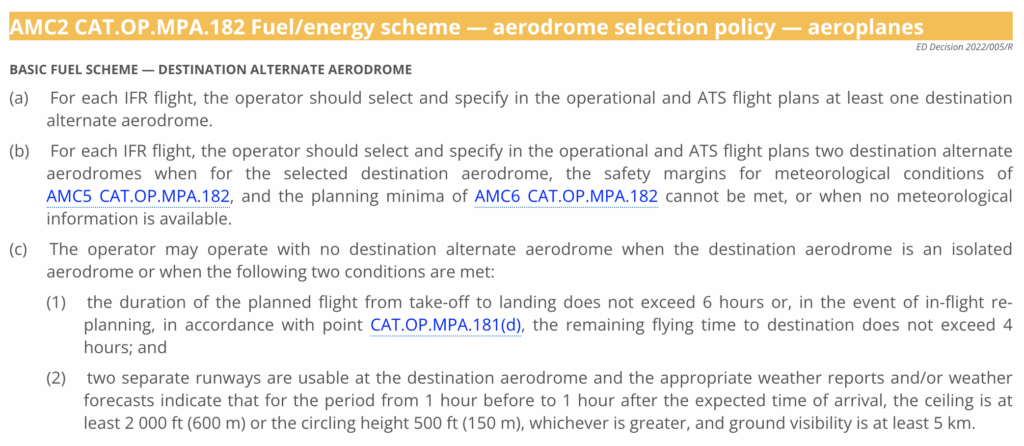
Yes, but only in certain circumstances. EASA CAT.OP.MPA.182 has the details:

Or if you want to keep it simple, just file an alternate airport in your flight plan.

A Cautionary Tale

Here’s a recent report from an OPSGROUP member on this:

We were doing flights all over the EU without an alternate, when the weather didn’t require one as per our rules. Then we got SAFA ramp checked in EGSS/Stansted, and the ramp inspector took umbrage that we were coming in without an alternate on a clear day. We now carry an alternate for all single runway ops in the EU, with a realistic routing.

A Realistic Routing?

This is another thing to watch out for in Europe. You have to make sure your route to alternate is computed and included in your flight plan, that it’s realistic, and that it doesn’t break any rules. Let’s tackle those in order:

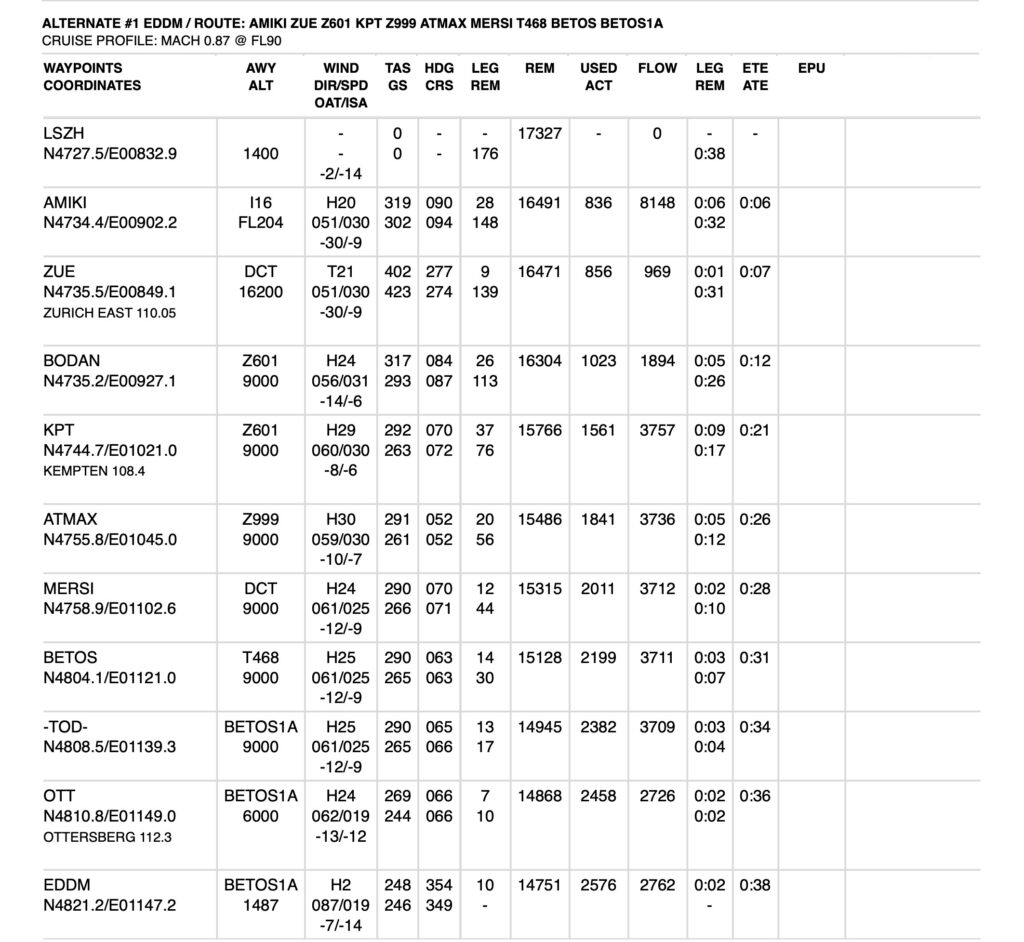
Computed and included in your flight plan:

It should look something like this:

Realistic:

This means you’ve included a proper route to alternate like the one shown above, not just one big DCT. The routing doesn’t have to be fully Eurocontrol compliant, it just has to be realistic. That means making sure you have enough fuel for a missed approach, climb, and descent to alternate. If you use a SID from your destination airport and join it up with a STAR for your alternate, that’s probably a safe bet.

Doesn’t break any rules:

The French DSAC recently partnered up with IS-BAO to take a look at hundreds of de-identified ramp check findings in order to analyse the most frequent CAT 2 and CAT 3 findings in business aviation. A common one was flights planned to unavailable alternates – usually those that cannot be used as per AIP or Notam, or those where you need PPR.

Common ones to watch out for:

LFTH/Toulon – can’t be used as alternate without PPR.

LFMD/Cannes – can’t be used as alternate except for flights to LFTZ/La Mole.

LFMQ/Le Castellet – this sometimes gets used as an alternate for LFMN/Nice and LFML/Marseille. But LFMQ rarely publishes TAF/METAR reports, so if you want to use this, you need to make sure you select at least one other alternate with a weather report!

Do you know of any more? Let us know!

More info

Head here to download the latest ramp check guidance straight from the horse’s mouth.


EASA Fuel Rules: A Picture Book

The new EASA Fuel Rules. A horrendous, confusing document that seems to have been written in the form of an unsolvable riddle. Last time I tried to read it I did actually give up and read some (generally quite lame) aviation riddles instead to relax.

Here’s my favourite.

You are sitting on an aeroplane. There is a horse in front of you, and a car behind you. Where are you?

Back to the EASA riddle.

We are on attempt four thousand now and are slowly managing to wade through it, with the help of some useful input from other people along the way. Thanks people, you know who you are.

We have taken what (we think) we know, and have made a book. Well, a PDF actually which you can download here.

Before you read this, we do think you should read this though. It’s our first post on the EASA fuel rules and it covers who this actually applies to.

Click above for the PDF version (which you can also download directly).

If you prefer, try this “Book” version …

What it is.

A handy thing in PDF form, filled with old Sci-Fi book covers, because I like them, which you can maybe use alongside the actual EASA document to help you wade through it a lot more easily.

What it isn’t.

A replacement to EASA’s document, something to actually use as an official fuel policy decider guide or an actual textbook.

Think you’ve spotted an error?

Well don’t be shy, share it! We’ll even add your name into the book (only if you want us to). Email us at: news@ops.group

Don’t worry, we won’t be offended. Like I said, fourth or fifth thousandth attempt and still not sure we’ve totally got to grips with it. We’re also not an actual fuel planning operator so chances are a lot of you do know more than us on this so let us know and we’ll let others know, and hopefully the combined heads of all might help us finally and definitively solve this riddle.

If you want more (official) info, then check out the Webinars EASA has recorded on it all here.

FYI, the answer to the other riddle is: On the aeroplane.


EASA All Weather Ops Changes: Part I

EASA are bringing in new “All Weather Ops” stuff and like usual, they’ve published the up-and-coming changes in an online document that is harder to wade through than a murky swamp, during monsoon season, filled with hungry hippos.

So we’ve tried to wade through it a bit for you. Full disclaimer, we might have missed a hippo or two, which is why this is Part I…

You can read it yourself if you want to.

The full 330 page draft document is on the EASA website, along with a 2 hour webinar involving all stakeholders. So if you really want to, go have a listen.

We don’t particularly recommend it though. It’s not that their ‘Holistic Rules Making Tasks’ aren’t super interesting, or that hearing what the aerodromes are doing to implement isn’t gripping stuff, but a lot of it won’t apply to you and you’ll have to try and work out what does and there is a lot of blue highlighting fog to find your way through.

So instead, if you read on, we have actually done most of it for you.

But before we get to that…

Before we get into the specifics of what you really need to know, here is a ‘quicker than a fly with a jet pack’ summary of what is going on.

EASA are taking a ‘Total System Approach’ to AWOs. Currently airports have equipment, airplanes have equipment, there are no real standards between the certifications of each. Plus, runway suitability really should be determined by aircraft type because trying to define what is regular, irregular, suitable, not suitable doesn’t really work unless you’re thinking about what the aeroplanes can actually do…

So, a Total System Approach has been taken to create a regulatory framework that fits for everyone. A one-size-fits-all (and hopefully looks good on everyone) pair of lovely AWO unisex pants.

  • On March 30 the aircraft equipment manufacturers got filled in
  • Aerodromes will be from August 1
  • Then from October 30, Air Operators and all the flight crew licensing stuff will have its ‘entry into force’. Which sounds very Star Warsy but basically mean you’ll probably want to have read about it all by then.

What are we reading at the moment?

We are reading the New CS-AWO Issue 2. It is divided into three subparts. Subpart A has all the info on the ‘Enabling Equipment’ (ALS, HUD, EFVS, SVGS, CVS…) and Subparts B and C basically contain the performance requirements and airworthiness type stuff.

The (very basic) idea

The (very basic) idea is aerodromes won’t change – their existing equipment already pretty much works for this. You (the operator) can check out the new AWOs and look at your aircraft equipment, and look at the performance specs and work out what you can do where allweatheropswise.

90% of airports basically fit with this already. Of the remaining 10%, if you’ve been operating safely into them already then you’re going to be able to sort out some “grandfather” rights to keep operating into there. All the rest (ie if its a totally new route) you’ll need to get talking to your aircraft manufacturer equipment provider folk to get approval.

What does it mean?

It means for smaller operators, and especially ones who don’t have CAT II/III approval it should be a lot easier for you to operate into places during nasty weather conditions.

It also means a lot of those gadgety bits and bobs you might use are now going to be included in it making permissions to use it much easier.

OK, so October 30 – What do you need to know?

If you’re an operator then we think these are the questions you’ll want to be asking (and the new AWO stuff will hopefully be answering for you):

  • What equipment do I have?
  • What do I want to do with it?
  • Does it meet the performance specifications?
  • What do I need to do to get the approval?
  • What training does my crew need?

If you’re a pilot then these are your recommended questions:

  • Where am I going?
  • What are the new limitations and regulations (in terms of DH, RVR etc)?
  • What occurrences do I need to report?

The answers

Sorry! We don’t have them for you (yet)! But we reckon if you’re heading into this then do so with these questions in mind, and watch this space for our ‘answers’ once we get that far with it.

If you have answers then email us at team@ops.group and help us out.


The New EASA Fuel Policy: Does it affect you?

So EASA have changed their fuel rules and the ‘Decision’ they have published ain’t an easy thing to read. Here is what we think it says, in plainer English, to help you work out what it all means for you.

We are no pros on fuel planning through so this is more of a heads-up that things are a-changing. For the full regulations you will need to dive in yourself and try to fathom it out, but hopefully this gives some info on bits to really look out for.

First of all, in EASA’s own words…

…What the change is all about?

They also say:

Give it to me in plain English.

  • It will improve fuel efficiency.
  • It will be nicer for the environment.
  • It will apply from October 30 2022.
  • The big change in fuel policy applies to Commercial Air Transport (CAT) operators (but there are a lot of changes for other folk in there too)

If you want to jump straight in and read it all yourself, then here is the link.

What’s changed then?

Remember the old Fuel Policy that we all know and love?

The one where you have to carry taxi fuel, trip fuel, fuel to get to your alternate, contingency fuel (and some additional bits in there about whether that needs to be 5% or 5 mins at 1500′, or 3% or if you can use STATCON…) plus your final reserve and any extra you might want…
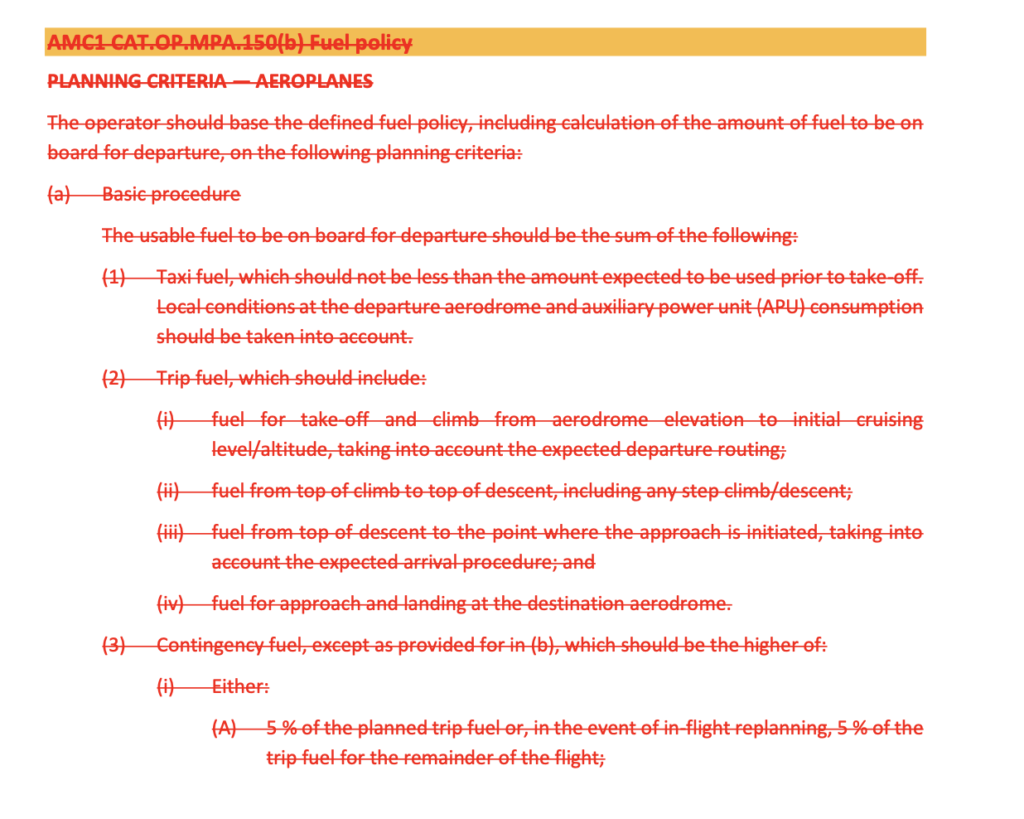
Well, that is out and in its place are three new fuel schemes –

  • the Individual.
  • the Basic.
  • the Basic, with variations.

So the old fuel policy is chopped and there are three new schemes instead. 

Here’s the deal with them. The first thing to know is that the individual and the basic + variations are both voluntary, meaning you’ll need to meet a bunch of criteria to opt for them. The basic is what you’ll be on if the other two don’t apply.

Oh, and should have said it earlier, but this only applies if you’re an EASA operator.

Any idea which fuel scheme to read up on?

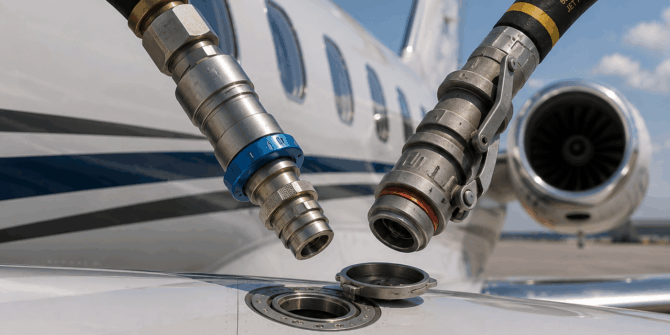
If you’re not a CAT Operator (now that header picture makes sense, right?) then the Individual Fuel Scheme (and all the many, many pages of info referring to that) probably won’t apply to you. That’s not to say it isn’t useful to read and know about anyway.

If you know you don’t have particularly enhanced fuel monitoring capabilities then the basic scheme is the one for you, and this is not really different from the current fuel policy as we know it. There are however a lot of small changes which you will need to know about.

EASA say 

So let’s look at the schemes.

1. The Individual Fuel Scheme.

This applies to big operators with big fuel monitoring systems in place which let them say “I know how much fuel I need all the time because I fly there a lot, monitor it and know about all the possible changes and risks and all that stuff that might affect it!”

So EASA are all “well, if you meet all our criteria then we’re gonna trust that you do know better, and can take just what you need and that’ll be better for you and the environment.”

OK, there might be a bit more to it than that, but in a nutshell if you’re a big operator and think this might apply then dig in and read all the new blue and see if you can opt for this scheme.

If you know this doesn’t apply, then read on.

2. The Basic Scheme.

Ah now this is more familiar. It is basically our old Fuel Policy made simple.  5% for your contingency. Done.

Here’s the actual contingency bit for reference:

For contingency fuel, calculate for unforeseen factors either: whichever is the higher; (1) 5 % of the planned trip fuel or, in the event of in-flight re-planning, 5 % of the trip fuel for the remainder of the flight; or (2) an amount to fly for 5 minutes at holding speed at 1 500 ft (450 m) above the destination aerodrome in standard conditions,

This is not voluntary. The other two are, and if you don’t go for either of them then this is the policy you’ll need to apply.

3. The Basic with variations.

From what we can see, those variations really apply to the contingency and whether you can reduce to 3% or use STATCON, which is based on whether you have some sort of monitoring program in place, amongst other things.
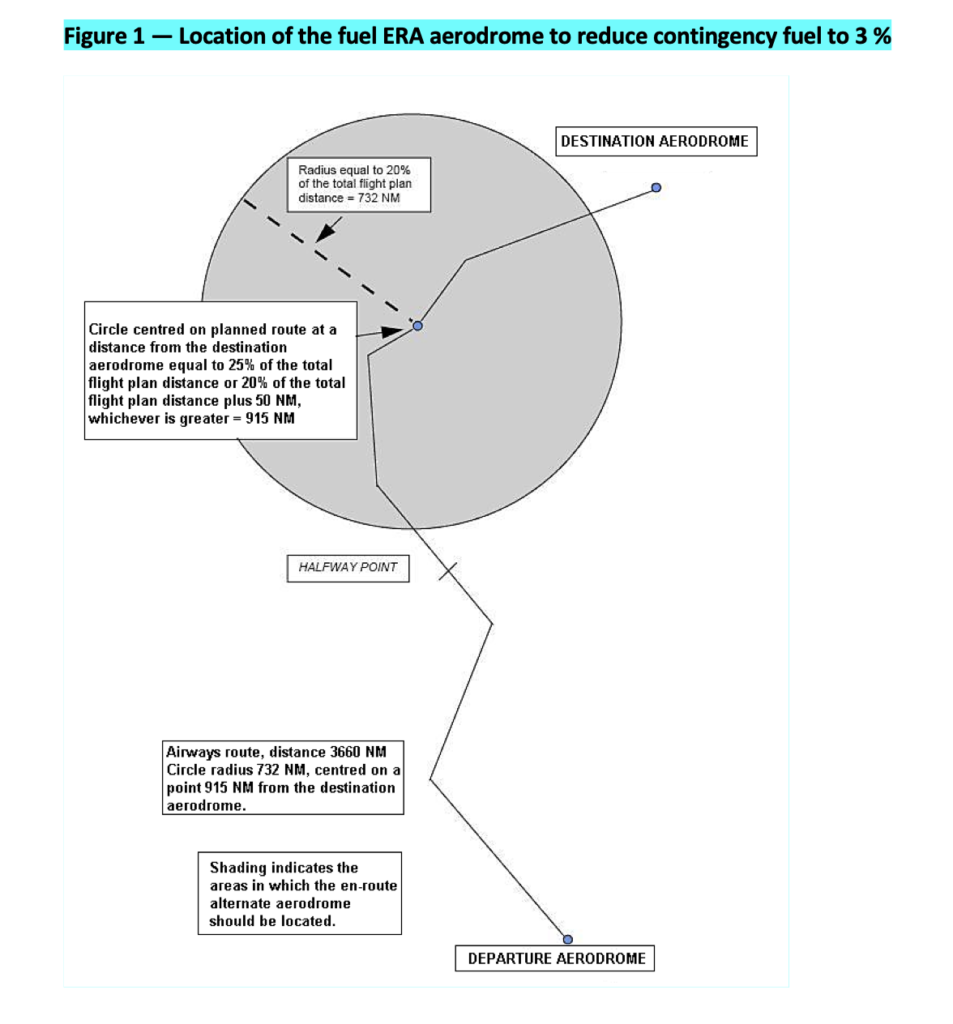
Seems like a lot of blue just for that?

There is a lot because the two voluntary schemes have a lot of points attached to them which you need to know about if you’re planning on applying for one of those schemes.

Aside from the big policy changes, there are some changes and clarifications to definitions and what have you which are worth a read.

Do you need to read the Explanatory Note?

Not unless you really want an in-depth explanation as to why they need the new AMC and GM (acceptable means of compliance and guidance material) on fuel/energy planning, and a whole long list of references.

You can read it here if you do want to.

Annex I

This is the changes to the definitions annex. It is fairly short (they’ve removed acronyms) and made a few definition changes.

You can read it here, but you’re better off reading the full definitions annex here if it’s definitions you’re after.

Here’s one we found interesting:

  • Relevant safety information that might affect the safety of the flight: unforeseen hazards

They’ve published a nice list here of stuff to think about (which you were probably were anyway but just incase) it means stuff like unexpected ATC delays, met conditions which weren’t forecast, sudden obstructions on the runway, failure of some bit of the airplane that means you suddenly need a lot more runway. Sudden acts of nature that you didn’t expect…

The other Annexes

We jumped straight in to Annex IV because it is the Commercial Air Operators annex, and they did say at the start that most of the changes apply to this. If you are not a CAT Operator then take a browse through the annex that does apply. 

This contains all the info on the new schemes and the changes, criteria for opting for them etc. so this is what you need to read!

Some other bits worth looking out for.

  • Alternate Planning: We aren’t here to get into the nitty-gritty of the changes but someone very helpful and with more knowledge on it that us said that this “basically rewrites everything we learned” about flight planning. One of the big rewrites is on the Alternate Planning.
    • The old ‘step-down’ method of alternate planning doesn’t apply anymore. Instead it must be looked at individually each time.
    • Wind gusts also need to be considered.
    • Take a look at the tables (here’s the one for the basic + variations scheme) to get a better idea.
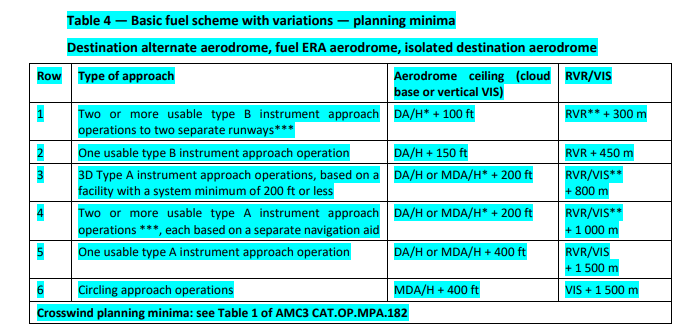
There are also some nicely updated or reclarified definitions throughout so even if the new optional schemes don’t apply to you, its good opportunity to remind yourself about certain meanings which apply to any fuel policy, even non-EASA ones.

  • Appropriate Meteorological information: There is a whole lot of blue here and they seem to have updated the definition on what this means and where you can get this weather from. Basically you can reproduce information from a reliable “weather man” source so long as you are just changing the layout, not the content.  
    • Reliable means it as some sort of quality assurance in terms of accuracy and integrity.
    • You can also use supplementary weather info – like some nice colourful charts.
  • Verifying weather conditions for adequate aerodromes: You have two choices, and the requirement for RFFS seems to have been removed from the adequate definition:
    • Adequate This means an aerodrome that you can fly to and use because its runway characteristics and anything else relevant meets your performance requirements. You don’t have to consider weather conditions to decide if an aerodrome is adequate.
    • Weather permissible You do need to consider the weather to determine if an adequate aerodrome is weather permissible for your planning purposes.
  • Minimum Fuel: This is worth a read, and because we think it is worth a read, we’ve recreated it here for you so you can just read that without everything else around it, if you so wish.

Is there a good way to read this?

It is a fairly unreadable document. The amount of blue and red makes it quite hard to work out what applies to you and what doesn’t. We suggest finding a way to separate the scheme that applies to you from the rest, and then read through the definitions and sections along side your current fuel policy to identify what has specifically changed.

Still totally confused?

We are too if we’re being totally honest. There are some big changes going on here and working out which fuel scheme applies to you is just step on.

EASA are holding a Webinar on this later in the year (Currently planned for July 7). You can register for it here. 

If you’re not already on it then it might be worth signing up to the EASA community network because they post updates, and folk have discussions on all things EASA on here so you might find more answers here.

There are some bits we were confused on so if you spot any errors or issues in this, please let us know at team@ops.group
Europe CPDLC: The Mandate We Missed

A brief little refresher on the datalink mandate in Europe, because some of the temporary exemptions have now ended.

What actually happened?

The EU had a datalink mandate which came into force from February 2020. It applied to all aircraft operating above FL285 throughout Europe.

But, there were exemptions. Two sets in fact – one of a fairly permanent sort, and another that was only temporary. It is the temporary exemptions which have now ended.

When did this happen?

5th February 2022. And no, they haven’t extended it.

What were the exemptions?

There are two articles (you can read all this ‘officially’ here if you would like).

Basically, if you fit under Article 1 then you can get a permanent exemption. If you fit under Article 2 then you probably had (but don’t have anymore) the temporary exemption.

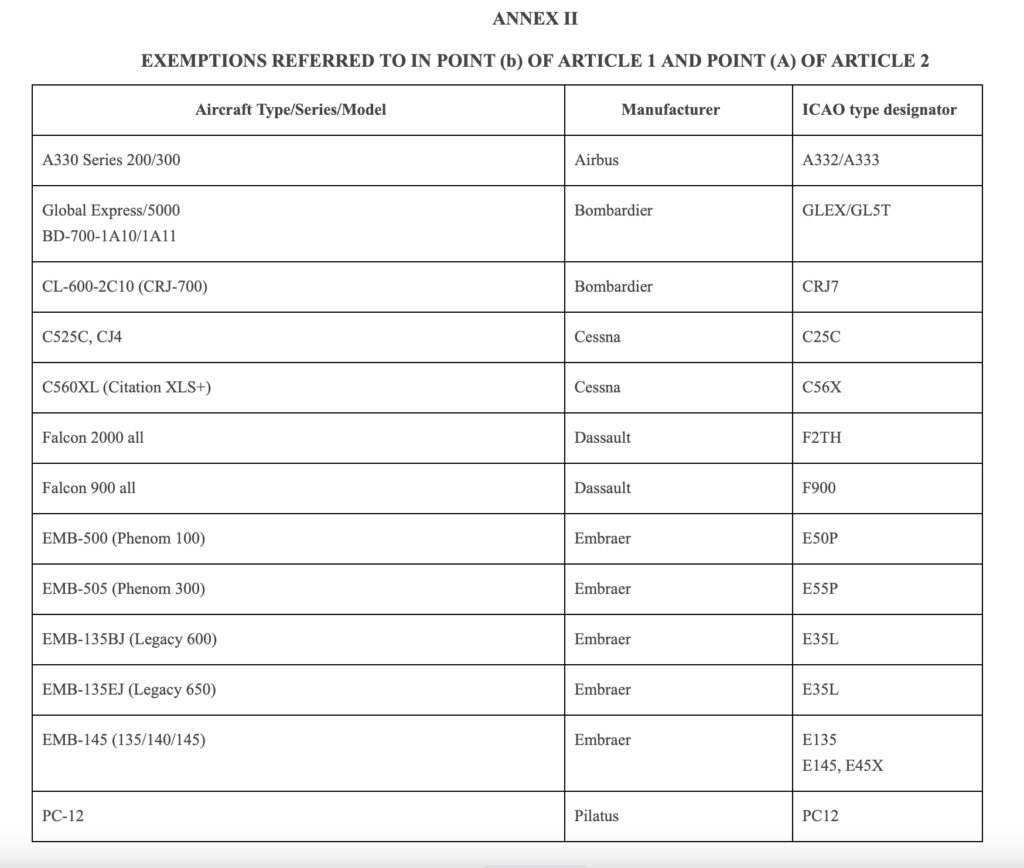
Article 1 covers all aircraft listed in Annex I, and any in Annex II whose first certificate of Airworthiness was issued prior to Feb 5 2020. Article 2 is any aircraft listed in Annex II with an airworthiness certificate issued on or after Feb 5th 2020, and any aircraft specified in Annex III.

Give it to me straight!

Ok, ok, here are the aircraft which are permanently exempt, and those which had the temporary exemption until 5 Feb 2022 to do the avionics retrofit…

Aircraft permanently exempt:

  • Aircraft in Annex I
  • Aircraft in Annex II with a CofA issued before 5 Feb 2020

Aircraft which had up to 5 Feb 2022 to do the avionics retrofit:

  • Aircraft in Annex II with a CofA issued after 5 Feb 2020
  • Aircraft in Annex III

There are a lot of aircraft listed in these annexes, but Annex II in particular contains a fair few Bizav aircraft, so we’ve whacked that in below for you to see. We mentioned how GA/BA aircraft might be exempted here, before.

So does this affect you?

See above. It depends on those criteria.

Basically, most BizAv aircraft probably do meet the requirements of Article 3(3)(d) as well, which covers aircraft with a certified maximum seating capacity of 19 passengers or less and a maximum certified take-off mass of 45 359 Kg (100 000 lbs) or less and with a first individual certificate of airworthiness issued before 5 February 2020. If they do, they are exempted permanently.

This is all really a “reminder” of what’s already happened because if you don’t already know about this, it’s too late now anyway!

Tell us more about the mandate.

Actually, rather than do that, just head here to read what we’ve written before. This covers all the info you (hopefully) need on white list logons and all that jazz.

The entire consolidated version of Commission Regulation (EC) No 29/2009 is available here for your perusal, while the EC Implementing Decision 2019/2012 is here if needed.

The FAQs

EASA have published some (fairly) useful FAQs on all things datalink and CPDLC which you can read here on their ‘Airspace Usage requirements – DLS/CPDLC’ page.

One we see a lot, is do you have to register on the ‘White List’. The answer is no, it’s not  a regulatory requirement.

One final exemption.

If your equipment is temporarily inoperative you can still continue to operate within the applicable airspace if your MEL allows, and if you tell them about it in your flight plan. You do this with a “Z” in item 10 and the indicator “DAT/CPDLCX” in item 18 of your flight plan.

A final final one – you are also exempt if it is a delivery flight.

What EASA said when we asked for clarification.

Basically what we’ve put above, but to make it extra clear, here is a quote from their response –

“The EC Implementing Decision 2019/2012 in Article 2 refers to the 5 February 2022 date. Depending on the specific aircraft type/model and the first CofA date, the aircraft were either exempted or only temporarily exempted until 5 February 2022. There is no extension to this date and no change to this Decision since it has been adopted.

On the other hand, it should be noted that most business aircraft may meet the requirements of Article 3(3)(d) of the Commission Regulation (EC) No 29/2009 referring to aircraft which have a certified maximum seating capacity of 19 passengers or less and a maximum certified take-off mass of 45 359 Kg (100 000 lbs) or less and with a first individual certificate of airworthiness issued before 5 February 2020. If this is the case, the operator’s aircraft is exempted.

So if you were exempted under the earlier Article you are still exempted. If you weren’t but fulfil the criteria in Annex I of the new article then you are permanently exempted. If you fall in the list in the new Annex of only exempted until Feb 5th, then you are no longer exempted.

Any other questions?

You can read SIB 03 2020 here. If you have any other questions, you can ask EASA directly on atm@easa.europa.eu. We asked them some things a while ago and they took a week or two to respond but were super helpful when they did.


Noisy New Rule for EU Ops: The EASA Environmental Portal

There’s a new rule coming. And it’s about noise.

Both foreign and local operators of certain aircraft carrying out Part 91 and 135 operations to airports in the EU will need to register for EASA’s new Environmental Portal by the end of March 2022 (extended from Dec 31, 2021). They will need to upload important noise data about their specific aircraft.

Here’s a brief guide on what you need to know.

Who does this impact?

All foreign and local Part 91 and 135 operators using airports within the EU, with an aircraft that fits the following categories:

MTOW of 34,000kg (75,000 pounds) or more.

 OR

An aircraft with 19 passenger seats or more. Excluding crew seats. For this category, it’s important to note that EASA looks at the number of passenger seats as per the aircraft type’s certified ability, and not the number of seats actually installed on your particular aircraft – i.e. if you’ve only got 18 pax seats installed, but your aircraft is able to carry more, you’ll need to register for the Environmental Portal.

Yep, that’s us. What exactly do we need to do?

Submit this form via email to environmentalportal@easa.europa.eu.

There are two options for the information you’ll then need to provide:

Either:

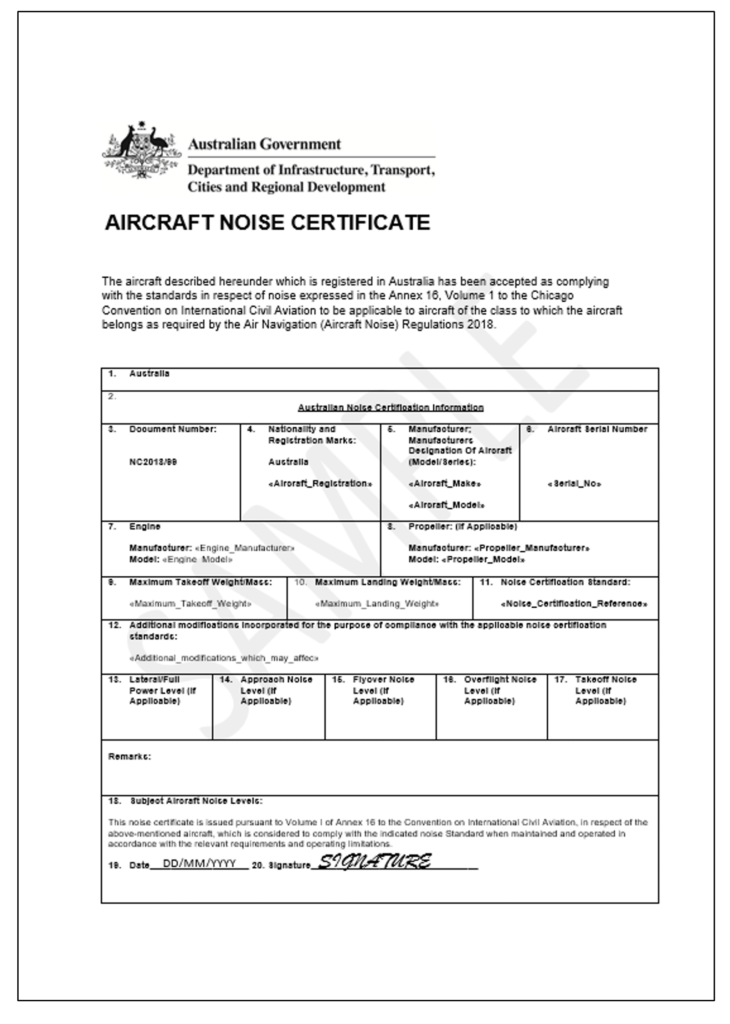
 A stand-alone noise certificate issued by a state of registry. It will need to include your aircraft’s reg, its configuration and noise levels.

Or

 Get that scanner warmed up. Pages from your aircraft’s flight manual which provide the following:

  • Registration
  • Serial number
  • Engine variant
  • Both MCTOW and MLW
  • Airworthiness certificate
  • Noise level data (stage/noise levels)

Isn’t this the same thing as the Third Country Operators Portal (TCO)?

Sadly, nope. The info is similar, but this is a separate requirement. The EU has nominated EASA to be the responsible authority tasked with collecting this info in a separate database.

A head’s up for ‘N’-Reg aircraft.

As the FAA doesn’t currently issue stand-alone certificates, that only leaves the second option. Make sure you also carry this information onboard in case you win yourself a ramp check.

What’s this all about?

The shortest answer is noise. The slightly longer one is this:

As traffic levels continue to grow at EU airports, noise is becoming more of a problem. The challenge is how to accommodate this growth in harmony with densely populated areas around airports – especially at night.

If sweeping noise restrictions were simply decided on a case-by-case basis, they could interfere with commercial competition or make the whole aviation network less efficient by under-utilising precious capacity.

Instead, ICAO suggests what they call a ‘balanced approach’ to noise. Or in other words, using a coherent and consistent method to measure noise across the board. From there they can use the actual data from aircraft operating in the EU to introduce consistent and fair operating restrictions throughout the EU.

The database is a big part of this. It’s about allowing aviation to grow in a sustainable way. Or in other words, without riling up the neighbours.

Who can actually view the data?

It’s not publicly available. Only the following groups will be able to access it:

  • Competent authorities (such as CAAs)
  • Air Navigation Service Providers (ANSPs)
  • Airport Operators
  • Aircraft Operators

They all have to apply for access first too.

Other things to look at (if you’re really keen)

ICAO Resolution A33/7 – a rundown on the idea of a ‘balanced approach’ to noise abatement.

EU Reg No. 598/2014 – skip to article 7. The actual EU regulation.

Speaking of noise – any guesses for the loudest commercial aircraft still in service?

The mighty 727 at 90 decibels. In comparison, when Concorde was flying it would hit 120 decibels – as loud as a clap of thunder.


Brexit is here: What’s the impact to ops?

The UK officially left the EU on Jan 1st, 2021. Although it’s still a part of Europe (the continent), it’s no longer part of the European Union (the trade and political bit). Whereas before, the UK fell under EASA and all their rules and regulations, the UK CAA is now in charge of all things aviation in the UK…

So, what does that mean?

It means a raft of changes to the rules for operators flying between the UK and EU states. A new agreement has been drafted which applies from Jan 1. Here are the main changes:

  • Essentially UK operators will no longer be considered as EU carriers, and will instead be ‘third country’ carriers, meaning they will lose their special treatment. Flights between the UK and EU will continue, but passenger cabotage flights will no longer be allowed. Or in more human terms, UK operators will not be able to carry fare paying pax between two EU states (and vice versa). Cargo cabotage will still be okay as long as the two countries involved have an agreement.
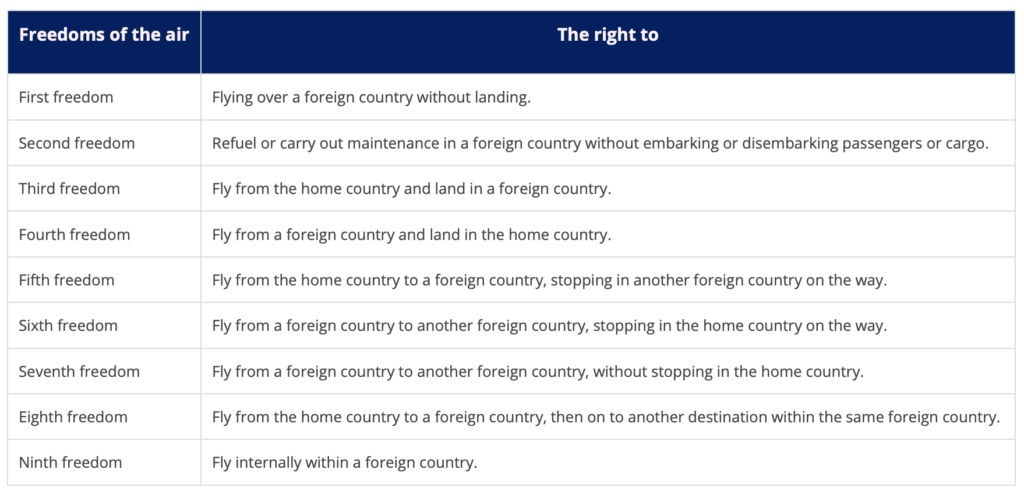
  • Both sides will still have the right to overfly each other’s territory, make technical stops, and to operate third- and fourth-freedom passenger and cargo flights between any point in the UK and any point in the EU. The fifth-freedom rights beyond the EU will continue, but only for a five-month period and with a new capacity cap.
  • UK and EU airlines can also continue codesharing, and UK airlines can continue providing wet-leasing operations.
  • There are other changes coming too, which EBAA cover here.

But what about laws, licences, rules and regulations?

All existing EASA certs, approvals and licences valid for UK registered aircraft will be good for another two years. For UK operators of EU-registered aircraft things are more complicated. The UK CAA have set up a useful website to help you get your head around what you need to do to stay compliant elsewhere in Europe, and it’s a great place to start. There is also a helpful flow chart to keep things simple.

With Brexit complete, the UK CAA is now in charge of setting the rules, but they’ve basically said that they’ll be sticking to pretty much all of the aviation law, rights and obligations that were in place before. You can read that statement, and a bit more, on the UK CAA’s main regulations site.

The heads-up for passengers

Things may get complicated. UK citizens will likely lose their special EU travel privileges which means it may become harder to move around Europe thanks to everyone’s favourite elephant in the room, Covid.

As a general rule, pax from the UK to Europe will need to make sure their passport has at least six months validity in it if they want to visit any EU country, Iceland, Liechtenstein, Norway or Switzerland. They will also need to check their health cover – the EHICs (European Health Insurance Cards) are still valid if issued before January 1.

If they are entering as a tourist, they can stay for 90 days – and they can do that twice a year. But if they are entering for business purposes, they might need a visa.

All of this is on the UK Gov website if you want to take a look.

The Question of Covid

Not being part of the EU anymore means that flights from the UK to the EU will no longer have the same Covid entry restrictions applied. “Luckily” no-one was really letting UK flights in anyway, what with their virus mutation running rampant, so right now, any change for flights originating in the UK (and passengers for that matter) is not really relevant.

The entry rules for UK nationals in the rest of Europe are changing fast, and every country is different but in most cases it will be harder for UK travellers to avoid Covid related rules for non-essential travel. Don’t know where to start? We don’t blame you. The best place is the UK FCO website which has the most up to date entry requirements for UK nationals for every country around the world.

CO2 much?

One extra little snippet of info to know about Brexit is that the amount of emissions small, non-commercial operators can produce as “improved”. If you already have an EU-ETS (emissions trading scheme) exemption then your allowance has now been doubled.

Instead of 1,000t CO2, you can now produce 2,000t CO2 – half in the EU and half in the UK. 

Don’t think you can get away with puffing about and no-one watching though. The UK are setting up their own scheme, and France will be monitoring the EU bit of it (apparently they won the task because UK operators tend to spend more time there than anywhere else in Europe).

If you are trying to work out what 1,000t of CO2 coming out your aircraft looks like, then there is a handy calculator you can use (but its roughly 103,400 gallons or 391,500 litres of JET A1 burned).

The news for N-reg’ers

Well, to be honest, not a lot at this point. The main thing to know is that the UK no longer falls under EU (EASA) rules and law, so if you have any problems you’ll now be dealing direct with the UK CAA… but currently their laws aren’t actually any different to what they were at the end of December.

If you are carrying passengers from Europe to the UK (or vice versa) then there will be different passport and entry procedures for them now.

That’s about it.

So, the really important bit… can you bring food?

Always one of the big questions for crew who want to stock up on all things delicious. Basically, no meat, milk, or dairy stuff into the EU from the UK. The UK is a bit more chilled, but you do need to declare things, and a suitcase filled with Camembert and wine probably won’t go down very well.

Of course, the real good news is all those juicy duty free goods which travellers between the UK and EU will now be able to buy!


EU delays alcohol testing on ramp checks to 2021

The EU had some changes planned for Ramp Checks and Pilot Mental Health which were due to take place on 14 Aug 2020, but these have now been delayed to 14 Feb 2021.

The three big changes

  1. EASA regulations will be updated requiring alcohol testing during ramp checks. This will take effect across all SAFA participating countries. However, a lot of countries have already started doing this anyway: Austria, Belgium, Czech Republic, France, Germany, Greece, Iceland, Ireland, Italy, Netherlands, Portugal, Spain, Switzerland, UK, and Singapore. In most places, local authorities have the power to carry out breathalyzer tests at any time – not as part of ramp checks. For more on SAFA ramp checks, see our article.
  2. All pilots working for European airlines will have access to mental health support programs.
  3. European airlines will perform a psychological assessment of pilots before the start of employment.

Despite the delay to the implementation date, it’s still something worth looking at now. The UK CAA has published a Safety Alert with the following recommendations:

1. Operators are strongly recommended to continue to introduce Flight Crew Support
Programmes as required by the Regulation and to maintain existing programmes despite the deferred implementation date.

2. Operators should also consider the impact of the Covid-19 crisis on cabin crew and other safety-sensitive personnel as well as flight crew. It remains essential that senior management of operators, mental health professionals, trained peers and staff representatives work together to enable self-declaration, referral, advice, counselling and/or treatment, where necessary, in cases where there may be a potential safety issue resulting from a decrease in medical fitness.

3. Additionally, operators are encouraged to use this delay to develop their policies on the prevention and detection of the misuse of psychoactive substances and on the psychological assessment of flight crew.


Unreliable Airspeed and the Hidden Risks of Aircraft Storage

The dramatic effect that Covid-19 has had on the aviation industry has grounded an unprecedented number of aircraft. They have been placed into storage whilst the world waits to recover. The pandemic emerged without warning, and some operators were likely not prepared for what was coming.

Now travel bans are lifting, airports are reopening, and airlines are scrambling to return aircraft to the skies.

EASA recently released a disturbing Safety Information Bulletin. There has been an alarming trend in the number of aircraft experiencing unreliable speed and altitude indications during first flights after storage, caused by contaminated air data systems.

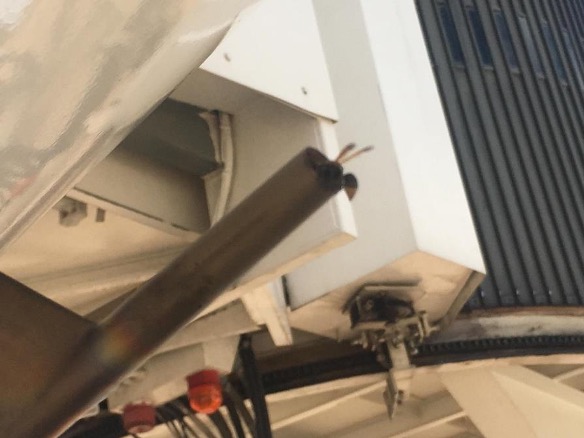
The result has been multiple rejected take offs and airborne returns. Most of the events have been caused by nesting insects in the pitot static system – even after covers were installed.

Modern flight instruments provide large amounts of information to crew with great precision, while automation makes flying transport category aircraft almost routine. Flight envelope protections and aural/tactile warnings keep us safe even in most abnormal scenarios.

At the heart of all of this is the air data computer (ADC) – a small piece of hardware that needs accurate information from outside of the aircraft to work correctly.  They are the “Achille’s heel” of modern electronic flight information systems. In a nutshell, these small computers obtain and process information from the aircraft’s pitot static system, and supply critical systems with information such as airspeed, altitude and temperature.

Like all computers, they don’t think for themselves. They are only as accurate as the information they receive. So, when the pitot static system is contaminated, they can only respond to what they sense. They can’t look out the window.

History has shown that unreliable airspeed events are dangerous:

February 6, 1996. Birgenair Flight 301, a Boeing 757, departed Puerto Plata in the Dominican Republic, on a routine flight. During the climb out, the Captain’s airspeed indicator began to increase dramatically. The autopilot reacted as designed, and increased pitch to reduce airspeed, while the auto-throttles reduced power.

In the meantime, the co-pilot’s ASI indicated a dangerously slow airspeed which was decreasing. Almost simultaneously, an overspeed warning was generated. The autopilot reached the limits of its programming and disengaged. The stick-shaker activated, warning the confused crew that the aircraft was flying critically close to a stall.

The Captain responded by applying full thrust. The excessively high angle of attack resulted in insufficient airflow to match demand and the left-hand engine flamed out. The right-hand engine developed full power and the aircraft entered a spin. Moments later the aircraft became inverted, before impacting the Atlantic Ocean. The three pilots had 43,000 hours of experience between them.

The cause of the accident was a blockage of a single pitot tube. The likely culprit was the black and yellow mud dauber – a small wasp known to nest in artificial cylindrical structures. The aircraft hadn’t flown in 20 days.

The threat of similar events is greatly increased by improper storage techniques and rushing to return to service.

Getting aircraft flying again is a complex process and presents major risks. It is up to operators to ensure adequate procedures are in place to accomplish it safely. They must anticipate the difficulties and rapid adaptation to internal procedures that this entails.

Don’t know where to start? We don’t blame you. Thankfully, EASA has published guidance which can help mitigate some of these risks. Here is a brief rundown of their recommendations:

  • Assemble your A-team. Everyone needs to be onboard. Flight operations, CAMOs, maintenance organisations, type certificate holders and aviation authorities are your first port of call. Find out what needs to be done for each individual tail number and communicate with human resources for manpower, supply chain for the tools, and flight ops for hangar spacing and crewing. Think about who you need to talk too and get started early.
  • Similar aircraft stored in similar conditions will invariably behave in the same way. Safe return to service begins with good data. It is vital that defects are reported and linked. If a nest is found in an aircraft’s pitot tube, the odds are there will be many more. The data needs to be analysed, and operating procedures (such as additional checks) need to be changed to reflect it.
  • Storage Procedures. It is possible that aircraft were not fully stored in accordance with manufacturer procedures. Implement a rock-solid audit programme to make sure things are being done properly. EASA recommend extra inspections, ground runs and flight testing of at least ten percent of aircraft before release to service.
  • Storage Environment The storage environment presents significant hazards to airworthiness. Insects, sand, salt, dust and humidity can all damage aircraft. There may not have been enough protective covers to go around. Was there biocide in the fuel? Is it even useable? It is advised that extra checks be carried out on aircraft parts that are susceptible to contamination, particularly pitot/static systems. Get additional support to add those inspections.
  • Remote Storage This presents unique challenges. Engineering services may be limited, and staff may become overwhelmed with the large number of aircraft waiting to become airworthy. You may need to send additional manpower or require ferry permits to move aircraft around. Is enough equipment on hand to complete extra checks?
  • Time. Nothing happens in a day. Commercial time pressure is a major risk factor. Getting an airplane airworthy can cause delays and rushing has a profound effect on safety. Plan ahead and make sure your deadlines are realistic. Communicate them with your staff to ensure confidence.
  • Inappropriate decision making. This is hazardous, particularly with unfamiliar procedures. Storage on this scale has never happened before and answers may not be in existing manuals. Key personal may not be immediately available to help. Remind staff not to act alone and create a team responsible for making decisions in this challenging scenario
  • Limited staff experience. Remember that this has never happened before and you may need the help of staff who are new to your organisation. Make sure they are aware of internal procedures that they need to know beforehand. It is a good idea to properly supervise them and assess their work.
  • The elephant in the room. Covid-19. The virus has changed the way we can work. Staff can’t move around as freely and there may be restrictions on how many people can work together. You may need to plan ahead and establish isolated teams who work remotely if practical.
  • Overdue maintenance. Airworthiness directives, MELs, routine maintenance, inspections, ground runs, test flights. There is a lot to do. Start with comprehensive airworthiness reviews of each individual tail number.
  • They will be under the same pressure that you are. Communicate with them ahead of time and check their availability.
  • Pilot training. It is likely they are uncurrent, and operating aircraft which have just come out of long-term storage. Simulator training should be relevant to the challenges they will face in the current operating environment. Consider critical systems vulnerable to damage in storage and the affect that these might have on the first flight. In other words, expect the unexpected and provide them with the ability to react quickly and with confidence.

Covid-19 has created a lot of unknowns in our industry. Amongst the noise of statistics and global media, it is important to remain vigilant to the risks specific to aviation that the virus has created. Most of us will have heard by now that aviation itself is not inherently dangerous, but terribly unforgiving of complacency. Never has this been more important than when returning 75% of the world’s fleet from storage to the skies.


European ADS-B Mandate Postponed

There was supposed to be a European ADS-B mandate coming in June 2020, but the deadlines are being pushed back.

Here’s the nutshell version of the amended requirements:

  • Any aircraft with a CofA from between 1995-2020 (i.e. pretty much everyone) won’t have to be fitted with ADS-B until 7th June 2023, but they will need to have a “retrofit program” established before 7th Dec 2020 (more on that below).
  • EXEMPT: Aircraft with a CofA before 1995; aircraft ceasing operations within the EU airspace prior to Oct 2025; aircraft doing maintenance or export/delivery flights.
  • One requirement that’s staying – all aircraft need to be equipped with Mode S ELS before 7th Dec 2020.

All of this has been published on the SESAR ADS-B webpage as one nice, neat little image:

On 29th April 2020, the EU approved and published these measures as Regulation 1207/2011 – the full text is available here.

And for guidance on exactly what your retrofit program should look like, check out the guidance here, as well as the FAQs here.


Cargo Fail: How not to convert your pax aircraft

A good number of airlines are working through the process of quickly converting passenger aircraft to cargo (and a few are making a mess of it).

Here’s a simple guide to help you in the process.

Cargo Conversion Guide

Um, that’s basically it. Avoid picture three, and you’re fine.

A few more details …

It’s not hugely complex, and there is some good official guidance on it. Based on the EASA rules (document below in the footnotes), here’s a good summary from one of our member operators:

Setting up the cargo

* The mass of the cargo shall not exceed the structural loading limits of the floor
* Aisles & exits MUST remain clear to allow for emergency action
* Loads on seats must not exceed 77kg
* Underseat stowage is only permitted if the cargo is FULLY under the seat. The weight for underseat cargo shall not exceed 9kg
* All cargo packaging must be able to handle the Delta Pressure
* The vertical CG of the cargo must be equal or lower than the
during all flight phases
passenger CG provided by the seat supplier
* Cargo carried in overhead bins must not exceed the weight stated
* Dangerous Goods MUST be carried in the hold ONLY.

During the flight

* There must be ONE empty row in-between crew in the passenger compartment and cargo
* The only persons permitted on board the aircraft are employees of the company acting in their role. Any other persons would be classed as passengers and the flight would not be operated in accordance with the exemptions
* On board crew MUST occupy Cabin Crew seats. Crew cannot share a row with cargo
* Any fire/smoke in the passenger compartment must be easily
– investigated by the crew on board and must be able to be
– extinguished by the onboard equipment.
– All smoke/fire detection equipment shall be maintained in accordance with EASA regulations

Loadsheet and monitoring

* Load Sheet to ACCURATELY reflect the position of cargo onboard
* PIC must be informed of cargo contents by NOTAC – to be including in briefing pack
* The CG of the aircraft must be operated within those for passenger flights
* Cargo to be checked during flight phase. At the minimum:
– Before Takeoff
– Before Landing
– During Cruise Phase
* At any other time on the direction of the PIC
– Avoiding making PA’s to the cargo. Unlikely to be interested.

OK, we added that last point, but other than that, it’s a good list. Now for the official stuff.

EASA Guidelines for Boxes on Seats

The approval, in Europe at least, stems from Article 71(1), so you can find those rules in full here: EASA Cargo in Pax Compartment . EASA updated this recently to allow operators to stick boxes on seats, but if you’re planning a bigger conversion, then you’ll need the info below.

EASA wider advice

(from this page)

In the context of the emergency situation created by the COVID-19 pandemic, EASA has committed to treating projects supporting the collective effort to transport medical supplies and other important goods as efficiently as possible. The following message is intended specifically for Design Organisations and Operators, and offers updated information on airworthiness and certification aspects.

We have developed further guidance on the design change classifications, certification aspects as well as use of Exemptions in accordance with Art. 71.1 of the Basic Regulation 2018/1139 for limited time periods.

In order to enable an early availability of a transport solution in the frame of the current COVID-19 situation, EASA supports the use of the provisioning of Article 71.1, also for on-going projects, through additional support to National Competent Authorities and operators as required.

For a permanent use, a design change approval is required.

Transport of medical supplies under a design change approval

Approved Design Organizations may reclassify such modification as “Minor Change” and approve these under their DOA-privileges, allowing for the use of cabin seats when related to the transportation of medical supplies (e.g. masks, gloves, clothing, etc.) provided they are not classified as dangerous goods. This has to be indicated in the approval documents and AFM Supplement.

Since this kind of installation is a change in the scope of operation of the aeroplane, and in the absence of dedicated operational requirements covering this kind of operation, the installation and the procedures for operation have to be addressed taking into account the specific configuration of each aeroplane model affected.

Transport of other cargo under a design change approval

For transport of cargo other than medical supplies as well as in case removal of seats are necessary to allow fixation of cargo onto the aircraft structure for cargo operation, a Major Change or STC application is required and will be processed by EASA with priority.

While preparing your documentation, please consider the following information:

  • For the installation of Cargo Seat Bags the CM-CS-003
  • The published Special Condition, can be used as appropriate guidance, also in the frame of Minor Changes.
  • Already approved STC
  • Guidelines published by the aircraft manufacturers Airbus (ref.: FOT-999-0028-20-00) and Boeing (ref.: MOM-MOM-20-0239) have been issued.

Aside from the advice issued by EASA, the FAA have also published a SAFO, and IATA have chipped in with some guidance of their own too.

In the US the FAA writes the aviation regulations in 14 CFR, but the Pipeline and Hazardous Materials Safety Administration (PHMSA) writes the Hazardous Materials Regulations (HMR) in 49 CFR Parts 171-180. The FAA’s SAFO contains a nod to the hazardous materials/dangerous goods regulations, but PHMSA has published some information and relief documents that might be useful such as notices and issuance of guidance and Special Permits providing limited relief to some regulation.

For the hazardous materials regulations you should go to 49 CFR Part 175.

Both FAA and PHMSA have dedicated pages which should be checked often for the most current information. Those pages can be found here:
https://www.faa.gov/coronavirus/
https://www.phmsa.dot.gov/news/assistance-public-during-covid-19

Time to swap hats

Now that you’ve got your airplane converted, you need to get yourself across to the dark side as well.

Cargo pilot conversion tips:

–  You’ll need a baseball cap, preferably old with grease stains.

– You can make even longer than normal PA’s, the boxes will probably pay more attention than the passengers used to. Just skip the ‘Please remain in your seats …’ part on the taxi in, these are the most well behaved guests you’ve ever had.

Get better stories. That one about the time you had to feather two props on an Electra out of Ostend with eight pallets of porcelain toilets. Cheat and get some good ones here.

– You can now wear your uniform for a week without changing it. Spill some coffee on it on Day 1.

– No need to deviate left or right, just plough through those CB’s. And forget the turbulence reports, the boxes can take it and so can you.

– You’ll need a new type rating: the coffee maker. Don’t worry, you’ve got 8 hours to Shanghai to figure out how to make it work.

– Good news, you qualify for membership of the Freight Dogs forum on PPRuNe.

And finally … a Cargo Pilot Ground course in 3 mins. Learn from the old masters:


European ATC delays are up 133%

In Short: European ATC delays are on the increase, caused by staffing and capacity shortages. Monitor the Network Operations Portal and be flexible in your routing options if bad weather or capacity constraints are expected.

It’s been a great few days on a sun-soaked Mediterranean island. Your passengers are onboard, you are about to close the door, and then you get told your Calculated Take Off Time (CTOT) is an hour from now! Sound familiar? You’re not alone! ?

European air travel this summer is surging and about to hit maximum intensity. Problem is, the ATC system doesn’t seem to be coping, and the misery of long flight delays keeps getting worse.

Delays are up

IATA has recently reported the following:

“Data from Eurocontrol shows that in the first half of 2018, Air Traffic Management (ATM) delays more than doubled to 47,000 minutes per day, 133% more than in the same period last year. Most of these delays are caused by staffing and capacity shortages as well as other causes such as weather delays and disruptive events such as strikes. The average delay for flights delayed by air traffic control limitations reached 20 minutes in July, with the longest delay reaching 337 minutes.”

As an operator, you may be used to seeing alerts like these daily:

EDYY (Maastricht)

Several sectors regulated due to Airspace Management and ATC Staffing/Capacity.

Moderate to high delays.

LFMM (Marseille)

Several sectors regulated due to ATC Capacity/Staffing.

Moderate to high delays.

So is it a story of too many planes and not enough airspace (capacity) or just not enough controllers (staffing)?

Local airlines are not impressed. Ryanair took to twitter this week calling the delays “unjustified”.

In a unusually aggressive statement IATA commented that “key ANSPs in Europe have not made needed investments in their businesses, preferring instead to make super-normal profits.”


Some of the things we recommend to keep on top of expected delays

  • Review the Network Operations Portal regularly – This will assist in making operational planning decisions based on the current delays and capacity restrictions. Also keep an eye on the NOC tactical briefing for the following day which may also assist.
  • Avoid the early morning rush of departures if you can (0900z).
  • Be flexible in your routing options if bad weather or capacity constraints are expected.
  • Discuss with the local FBO for latest on-ground situation to better plan arrival and departure.
  • Monitor Opsgroup – members are always posting the latest information on recent airport and overflight experiences. Not yet a member? Go here!

  • Subscribe to our Daily Brief to get all the latest info on ATC strikes, Airport  closures, and everything else causing delays.

Got any tips or tricks on how to avoid or minimise most of these delays? Is there certain bit of airspace, airports or a time of day you’ve found that works best? Let us know!

Extra Reading:


European air traffic warned over Syria strikes

EASA are warning of possible air strikes into Syria being launched from locations within the LCCC/Nicosia FIR over the next 72 hours (Apr 11-14).

Eurocontrol have published a ‘Rapid Alert Notification’ on their website, with a statement from EASA that reads:

“Due to the possible launch of air strikes into Syria with air-to-ground and / or cruise missiles within the next 72 hours, and the possibility of intermittent disruption of radio navigation equipment, due consideration needs to be taken when planning flight operations in the Eastern Mediterranean / Nicosia FIR area.”

Very few commercial flights operate over Syria, and authorities in the US, UK, France and Germany have all previously issued warnings for Syrian airspace.

But many airlines regularly transit the LCCC/Nicosia FIR: there are frequent holiday flights to the main Cypriot airports of LCLK/Larnaca and LCPH/Paphos; overflight traffic from Europe to the likes of OLBA/Beirut, OJAI/Amman and LLBG/Tel Aviv; as well as traffic from Istanbul heading south to the Gulf and beyond.

Last year, two US warships in the eastern Mediterranean fired missiles at an air base in Syria after a chemical weapons attack by the Assad regime killed more than 80 people.

This week, following another suspected chemical attack by the Syrian government against civilians in a rebel-held town in Syria, the US President Donald Trump warned there would be a “forceful” response. On Apr 11, he took to Twitter to warn Russia to prepare for strike on Syria:

For the airstrikes on Syria last year, the US gave Russia advance warning of the attack, and Russian forces opted not to attempt to shoot down the missiles using its air defence systems stationed in the region.

However, this time round things could be very different. This week, Russia’s ambassador to Lebanon reminded the US that the head of the Russian military has said his forces in Syria would not only shoot down any missiles that threatened them but would target the source of the weapons as well.

The only US warship currently in the Mediterranean and capable of a possible strike is the USS Donald Cook, which left port in Larnaca and started to patrol in vicinity of Syria on Apr 9. According to some reports, it has since weighed anchor off Syrian territorial waters, and has been “buzzed” by low-flying Russian military jets.

Another 3 warships of the Sixth Fleet are already in the Atlantic Ocean, and on Apr 11 the entire US Truman Fleet (including an aircraft carrier, 6 destroyers, and nearly 6,500 sailors) departed Norfolk, Virginia, to head to the Mediterranean Sea. However, it may take up to a week for any of these warships to arrive.

Here’s an overview of US and coalition forces’ military options currently thought to be on offer in the eastern Mediterranean:

With the downing of MH17 by a surface-to-air missile over Ukraine in 2014, as well as all the recent unannounced missile tests by North Korea, there has been increased focus by the aviation community on the risks posed by conflict zones. If any missiles are launched from the Eastern Mediterranean in the next few days, be prepared for possible last-minute reroutes, as any Notams that get published may not give much warning.

Further reading:

One of our biggest missions in OPSGROUP is to share risk information and keep operators aware of the current threat picture. Check out Safeairspace for the most up-to-date information on airspace safety around the world.


EUROPE: Third Country Operators (TCO)

A TCO is an authorization issued by EASA to any third-country operator wishing to perform commercial air transport in any of the following European countries:

  • 28 EU Member States
  • Iceland, Liechtenstein, Norway, Switzerland

Plus the following territories:

  • Gibraltar, Aland Islands, Azores, Madeira, Canary Islands, Guadeloupe, French Guiana, Martinique, Reunion, Saint-Martin, Mayotte

Applications are made directly to EASA using their application form.

https://www.easa.europa.eu/document-library/application-forms/fotco00160

You will need to provide the following documentation:

  • AOC
  • Operating Specifications
  • Insurance

Contact details for applications are made to:

European Aviation Safety Agency
Applications Handling Department
Postfach 10 12 53
D-50452 Köln
Germany

Fax: +49 (0)221 89990 ext. 4461
E-mail: tco.applications@easa.europa.eu

Should EASA deem the application in order the operating authorization process is completed in approximately 30 days.  Some flights can avoid this requirement, such as Air Ambulance or Humanitarian flights.

Please note:

  • Overflights of the above states do not require a TCO permit.
  • EU member states cannot issue a permit for their country if the operator does not already hold a TCO operating authorization.

If you plan to operate to these areas, we’d suggest getting your TCO right away, even if you don’t have a planned flight at the moment.  They can take some time to obtain.


European Ramp Checks – most popular questions from inspectors

Of late, the level of interest in OpsGroup for European Ramp Checks has been very high.  There has been a lot to think about. First, we discovered in March that French inspectors had started recording a finding for operators that were using the Manufacturer MEL instead of a customized one, and it turned out that across EASA-land inspectors were raising the same issue. There is an update on that below.

One of our members posted a great list of the most popular findings/issues raised by EASA Inspectors in the last 12 months, together with the skinny on “how to fix these, so you don’t get a finding”.

So, first let’s look at the Top 3 Categories, with the subset questions, and then an update on the D095 MMEL/MEL issue.

Popular European Ramp Check Items

Visiting and locally based aircraft may be subjected to ramp inspections as part of a States’ Safety Programme. The EU Ramp Inspection Programme (EU RIP) is one such inspection regime which currently has 48 participating states. The EU Ramp Inspectors review findings and use this intelligence as a basis for prioritising areas to inspect during a ramp check.

The most frequent findings and observations raised since January 2016 follow. This information can be used to help avoid similar findings being raised during future ramp inspections on your aircraft.

Most Frequent Findings

The main 3 categories of findings, relate to: Minimum Equipment Lists, Flight Preparation and Manuals.

1. Under the category of Minimum Equipment List, the finding is.
• MEL not fully customised.

2. Under the category of Flight Preparation, the main findings are:
• PBN Codes recorded on the flight plan which the operator did not have operational approval for
• Use of alternates which were not appropriate for the aircraft type; and
•[blur]Use of alternate airports which were closed[/blur]

[blur]3. Under the category of Manuals, the main finding is.
• AFM was not at the latest revision.[/blur]


[blur]Simple Steps to Avoid Similar Findings[/blur]

[blur]1.    Review your MEL, especially amendments made to the MEL after the initial approval, and ensure it is fully customised:
•    Where the MMEL and/or TC holders source O&M procedures require the operator to develop ‘Alternate Procedures’ or ’Required Distribution’ etc. these must be specified in the operators MEL and/or O&M procedure;[/blur]


Full report in your OpsGroup Dashboard, including the standard ramp checklist PDF:
Opsgroup Dashboard login Join OPSGROUP for access
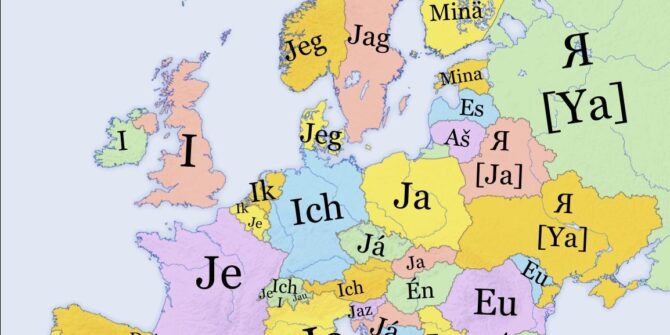
To get the full report and checklist – there are two options:

  1. OPSGROUP Members, login to the Dashboard and find it under “Publications > Notes to Members”. All FSB content like this is included in your membership, or 
  2. Join OPSGROUP with an individual, team, or department/airline plan, and get it free on joining (along with a whole bunch of other stuff), or


Rules revised: SAFA Ramp Checks for ‘Suspect Aircraft’
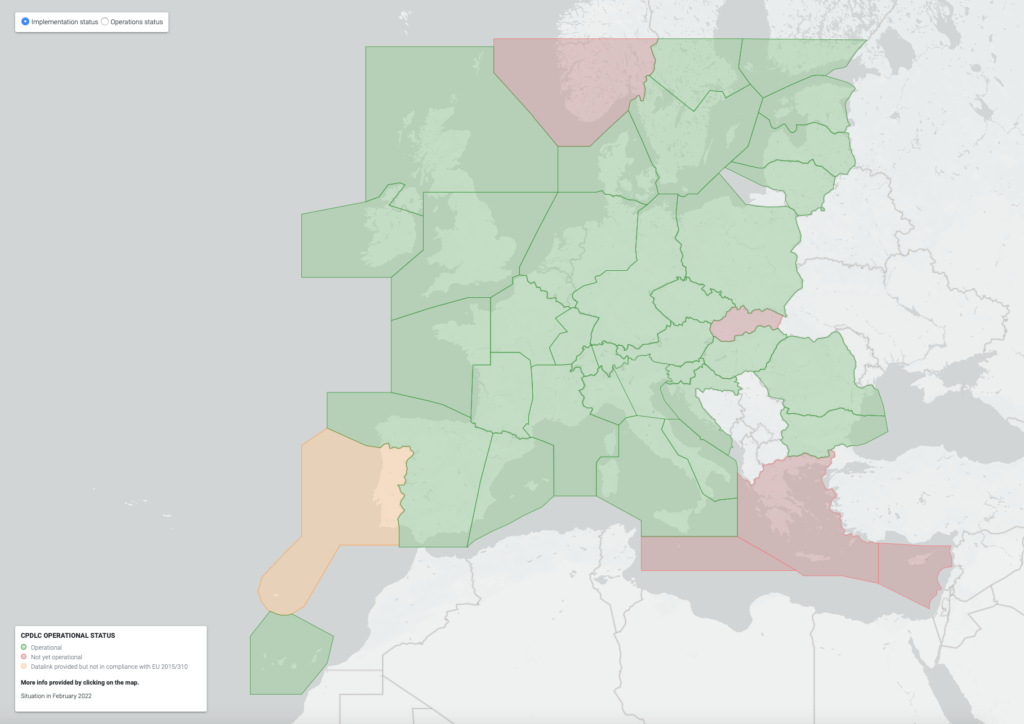
01JUN: EASA have published new guidelines for inspectors to assess which aircraft should be prioritised for SAFA ramp checks in Europe and SAFA compliant states. ARO.RAMP.100(b) in the Part-ARO contains the updated list of aircraft that will be selected for priority checking:

(a) (when EASA receive) information regarding poor maintenance of, or obvious damage or defects to an aircraft;

(b) reports that an aircraft has performed abnormal manoeuvres that give rise to serious safety concerns in the airspace of a Member State;

(c) a previous ramp inspection that has revealed deficiencies indicating that the aircraft does not comply with the applicable requirements and where the competent authority suspects that these deficiencies have not been corrected;

(d) previous lists, referred to in ARO.RAMP.105, indicating that the operator or the State of the operator has been suspected of non-compliance;

(e) evidence that the State in which an aircraft is registered is not exercising proper safety oversight; or

(f) concerns about the operator of the aircraft that have arisen from occurrence reporting information and non-compliance recorded in a ramp inspection report on any other aircraft used by that operator;

(g) information received from EASA Third-Country Operator (TCO) monitoring activities;

(h) any relevant information collected pursuant to ARO.RAMP.110. (“whistleblowers”)


The revised Part-ARO, issued in May 2016, contains a large number of revisions and operators should take a close look at the changes.

For a general guide to SAFA Ramp Checks, have a look at our other article: Avoiding the Pain of a Ramp Check.

References:


Overflights without a full Airworthiness Certificate

For many countries, if an aircraft is operating normally, no Overflight or Landing permit is required. Sometimes, however, the aircraft will not meet full airworthiness requirements but is still safe to fly.

New deliveries, ferry flights to a new operator, maintenance flights, or positioning to storage, may all have special circumstances that normally result in the aircraft operating with a Special Airworthiness Certificate.

DSC00010

Special Airworthiness Certificates

The most common type of Special Airworthiness Certificate is a regular Ferry Permit. The FAA call this a ‘Special Flight permit’, EASA’s term is a ‘Permit to Fly’. It is issued by the Country of registration and allows an aircraft to be flown on a specific route and date, eg. for delivery, maintenance, transfer of ownership.

Other types of Special Airworthiness Certificate categories are Restricted (eg. modified special purposeaircraft like NASA’s 747SP with a telescope, or Pratt & Whitney’s 747 engine testbed), Experimental (like the Lockheed Martin X-55.

SAC


Special Permit (Flight Authorisation)

Every aircraft operating on a Special Airworthiness Certificate requires a Special Authorisation from each country being overflown or landed in. This is normally requested from the Ministry of Transport for that country, or the technical department of the Civil Aviation Authority. Official processing times are up to 20 days.

Specific to foreign operators flying to or over the USA, the FAA term for this is ‘Special Flight Authorization.

EU Blacklist – Special Permit

For Operators that are on the current EU Blacklist under Annex A (airlines that are banned from operating in the European Union) and Annex B (airlines that are permitted to operate in the European Union only under specific conditions), a Special Permit can also be obtained to allow flights that are required to operate to the EU for maintenance or other reasons. A separate permit is required from each EU country enroute.

Together with obtaining a Special Permit for each EU country overflown, SAFA must be notified, and the standard Eurocontrol FPL Alarming system must be deactivated for your flight.

Processing Fees

The cost to obtain a Special Permit is different for each country, according to complexity and Civil Aviation and Ministry of Transport charges.

What’s the easiest way to file a request for a Special Permit? 

Many can now be done online through the Flight Service permit tool.

Special Permit


You can also contact service@fsbureau.org for any questions.