Flying outside the Procedures
Aviation is full of procedures. We fly by them, sometimes we kind of live by them. But other times there are situations where we need to disregard them. So when is it ok to throw the rule book out the window? 

In an airplane, never.

In the literal sense anyway, given the risk of opening a window mid-flight and getting sucked out. But what about in the less literal sense?

Procedures are not there to stop us just doing whatever we want. They are there to keep us safe, to make sure everyone is operating to the same standards and to provide pilots with a guideline of what they should do in *most situations.

Why the asterix? 

I will come back to that. But for now, that reasoning makes sense. If every airplane did what it wanted, flew how and where it wanted, the sky would be a messy mass of chaos. So, we have procedures and we have them so we know what to do, when to do it and how to do it.

More importantly, everyone else knows as well. Which brings us back to the “most situations” comment. 

We cannot expect there to be a procedure in place for every possible event. They are there to offer guidelines and standards, but they are not designed to cover everything.

And they are definitely not supposed to remove the need to think.

So what should we think?

Well, thinking about situations where we might be without a procedure, or where there is a procedure but it no longer leads to a safe outcome is a good place to start.

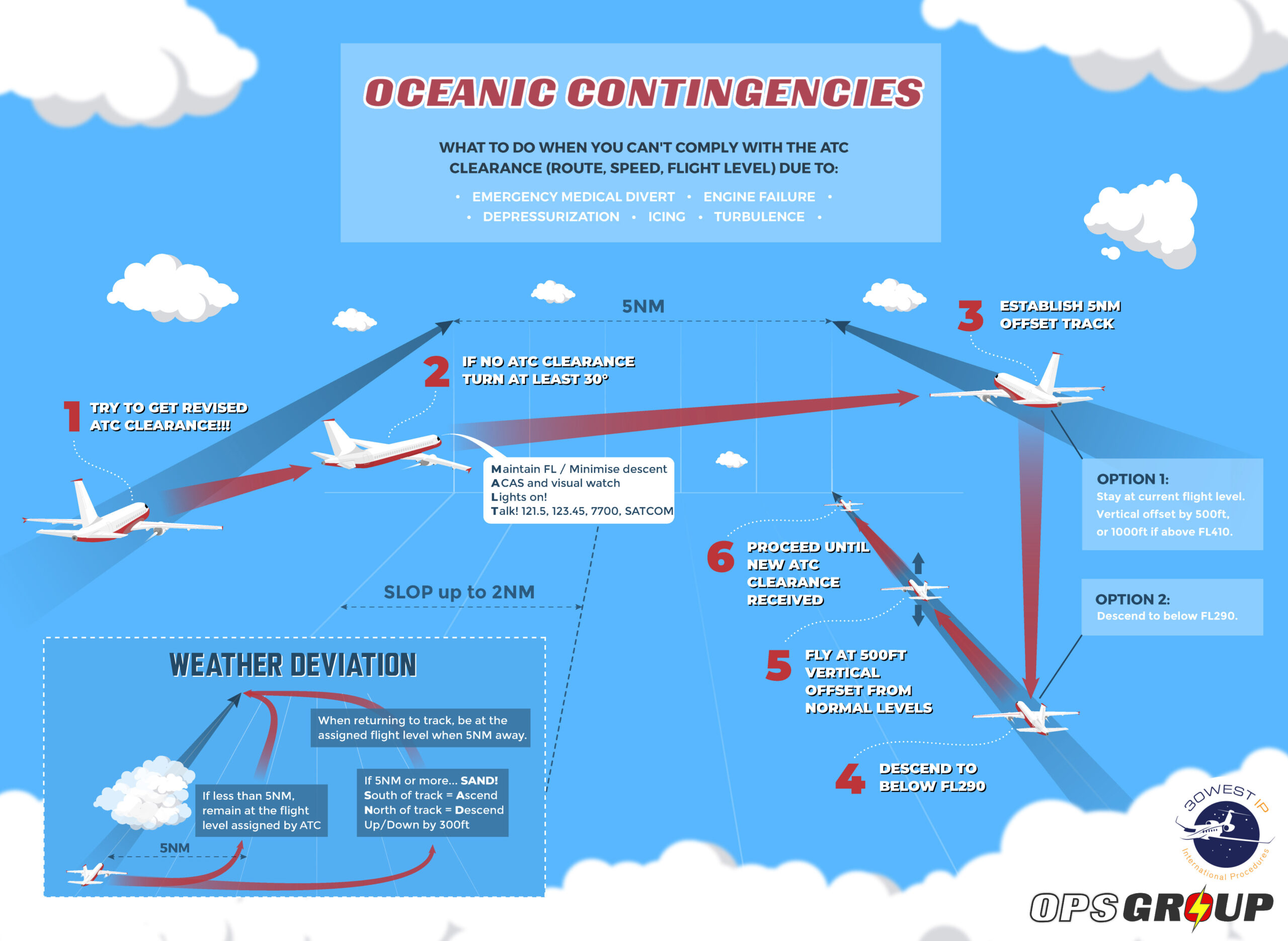
Let’s take a look at ICAO Doc 007 – the “bible” for the North Atlantic. It is quite clear on a lot of things – for example, what the contingency procedures are if you experience some sort of emergency while flying in the NAT.

We are talking some busy airspace out there, with a lot of aircraft flying on specific tracks, and so the last thing you want is aircraft barreling across them setting off TCAS warnings as they zoom off on a diversion.

So NAT Doc 007 lays out some procedures to follow. Things like turning 30 degrees off track and offsetting 5nm. And one that says – 

“When below FL290, establish and maintain 500’ vertical offset when able and proceed as required”.

Ok, great, it is pretty clear. Get yourself down to below FL290, establish on your offset, and now go where you need to go.
But…

What if our emergency is a decompression, and we are right out in the middle of the NAT where routing at 10,000ft the whole way to an airport might turn into a fuel problem?

Do we still need to get to FL95 before starting a diversion?

There might not be a black and white, right or wrong answer, but this is the point – there are situations where there isn’t necessarily a procedure telling us what to do, or when to follow another procedure.

So this is something we should probably be thinking about a bit more. The “What If?” things that could happen.

So, what is the rule for breaking procedures?

Is there sort of a checklist for when we can, can’t, ought to or must? Why isn’t there a rule for every time you are allowed to break a rule? 

Well, the reason is no-one can think through every situation, and more importantly they shouldn’t try to! 

The day pilots can only do something if a procedure tells them to is the day you might as well replace them with a computer. We need to retain the skill of weighing up risk and reward, consequence of actions, because there are so many situations out there which are not going to be black and white. 

NAT Doc 007 document actually states quite clearly several times –

The pilot shall take action as necessary to ensure the safety of the aircraft…”

And this goes for any procedure, any rule, anytime you are flying. 

Just because the book says “No, don’t do that!” never means you cannot do it if it is what you need to do to maintain safety.

The tragic Swissair Flight 111 accident is often raised in CRM discussions as an example of when following procedures to the book might not lead to a safe outcome.

But…

Not following procedures because you think there is a quicker, better, easier way to do something is probably not the best idea either.

A Qantas pilot experienced “incapacitating” symptoms after a technical malfunction where they decided to cary out their own troubleshooting, rather than following the checklist.

So, having a good reason to not follow a procedure is important because you are going to have to justify why you broke the rule. If you need to break it for safety then break it, but the key seems to be having a valid, justifiable and safety related reason.

That is airmanship, and that is why the Commander has final authority. It is also a cornerstone of our pilot licence that we “agree” to accept the ultimate responsibility for the safety of the flight.
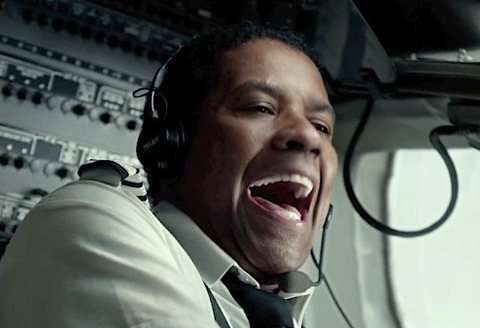
It doesn’t mean the Captain can do whatever they like…

Why are we even having this discussion?

Possibly because we sometimes forget why we have procedures in the first place.

Unfortunately none of us are immune to this. I can remember several times in my career when procedure-following took over from common sense. The time when we shut down an engine with 10 meters of taxi left, ran out of steam, and had to be towed the last 9… But hey, we still ticked the one engine out taxi box.

So, all of us stepping back and considering why the procedures are there, and then what we might do when we find ourselves potentially having to operate outside of them, is important.

Which brings us back to the debate about FL95 over the NAT. 

Different folk might answer this question differently. It is going to depend on the day, on you and on the situation, and there probably isn’t a definitive answer to be given.

What is clear is that at some point in our flying career we will all probably find ourselves in a situation where there is no procedure, no clear cut answer, no simple solution, and this is where our experience, airmanship and judgement will really be put to the test.

When we end up in that situation we should’t be asking “What is the risk of me getting into trouble if I do?” but rather “What is the risk to my safety if I don’t?” because all the procedures we fall back on were not put there to be blindly followed, and were not written into stone to keep you out of trouble – they are there to be thoughtfully followed when they keep your aircraft out of trouble. 


Is it time to upgrade to a newer (Decision Making) model?

In the brave new world of pilot training there is a new paradigm – evidence based training. But evidence of what? Well, of pilot competencies – a set of ‘tools’ for a pilot to quick draw out of their metaphorical tool belt in order to help them solve whatever situation flies their way.

Where does Decision Making fit into this tool belt?

It can be viewed as a sort of Swiss army knife of a competency because it is one which, when wielded well, helps build best outcomes, but when used badly will probably leave you with a few pieces of splintery wood and a nail through you hand.

The (badly metaphored) point trying to be made here is that the Decision Making & Problem Solving ‘competency’ is a big, multi-faceted one, and it turns out that making a decision is often easy, but making a good one is less so…

Double E’s give us the ‘O’ factor

A good decision, or an ‘optimal’ one is going to be the one that leads you to the safest, most efficient and effective outcome.

Efficient because you’ve done the ‘best’ thing. Effective because you got there the ‘best’ way.

Reaching this optimal solution is easier said than done though. You, the pilot, want to be as safe as possible, but then you have authorities wanting you to tick every rule and regulation box, and you have your company wanting you to tick every commercial box, and before you know it you can find yourself heaped under a pile of “What Ifs?” and “Why didn’t you’s?”.

All of which can quickly incapacitate any common sense and airmanship. So what can you do about it?

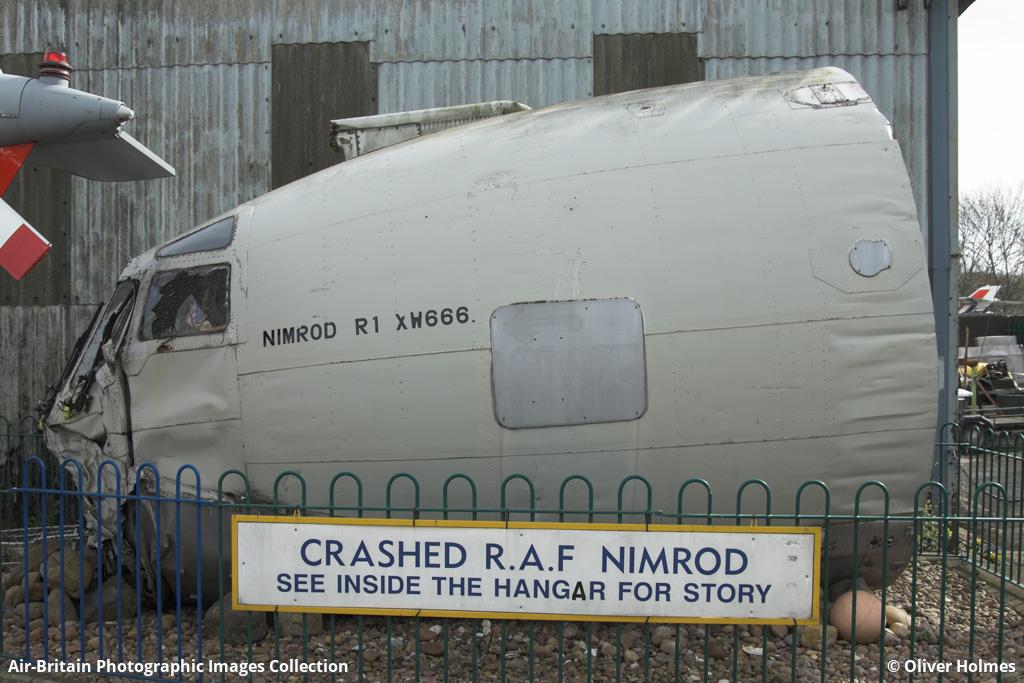
Have you heard the story of the Nimrod?

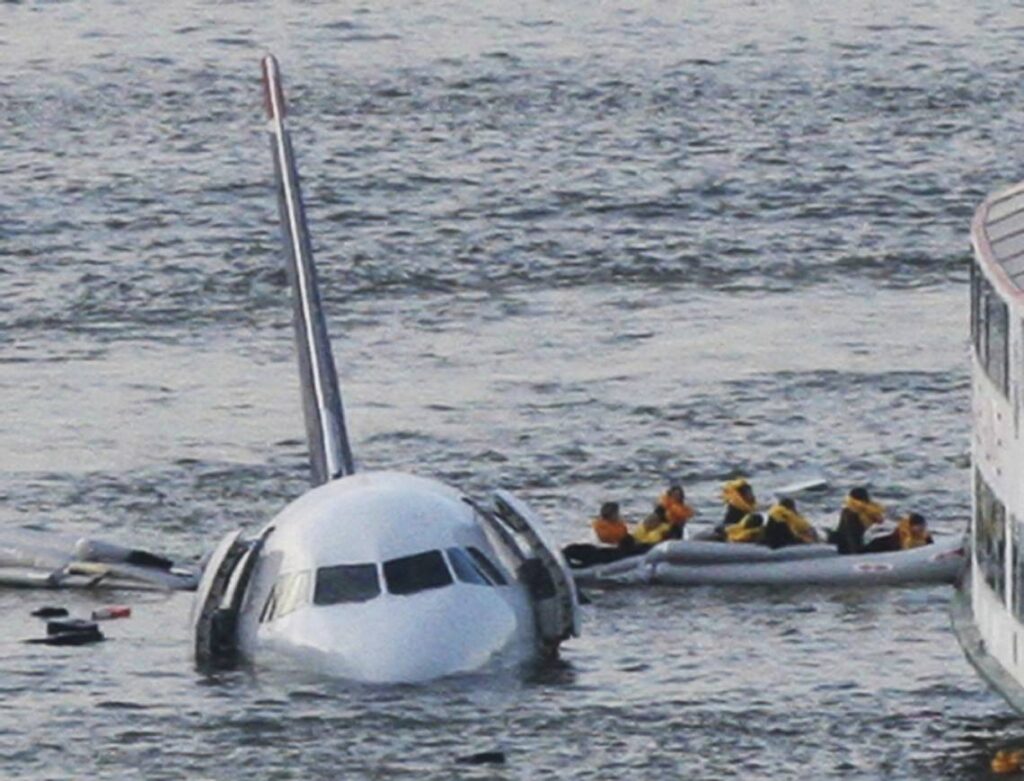
Everyone knows the Hudson tale, and a great story it is too – a captain (and crew) showing a level of decision-making that saved the lives of all passengers onboard. Well, the story of the Nimrod is similar.

It took place back in 1995, over the coast of Scotland. XW666 was a BAE Nimrod R.1P operated by the RAF, en-route from EGQK/Forres-Kinloss RAF station. They were approximately 35 minutes into the flight when the crew had a No 4 engine fire warning illuminate. During the drill to deal with this the No 3 engine fire warning also illuminated.

The moment that makes this story worth telling was this – at just 4.5nm from EGQS/ RAF Lossiemouth (and its 9,068 feet of runway) the captain discontinued his attempt to put the aircraft onto a tempting piece of tarmac, and instead ditched into the cold water of the Moray Firth.

So why, with just 4.5nm to go between him and a much easier landing, did the captain do this?

The captain had asked the rear crew member to watch through a window and to inform him if fire became visible through the aircraft structure. When this report was received, the captain ditched. When they dragged what was left of the poor Nimrod out of the water (actually, quite a lot of it was left and all the crew survived), the investigation confirmed that the structural integrity of the wing’s rear spar had deteriorated by over 25% in just 4 minutes.

In the time it would have taken to cover that last 4.5nm the wing would have failed, resulting in an uncontrolled crash.

The big learning point here though is that it wasn’t so much the ‘good decision’ (the “let’s land this thing quick” decision) that was the big save, but actually the captain’s ability to change his decision – to review the situation and say “yup, that ain’t gonna work anymore, let’s do this instead.”

When a good choice turns bad

Doesn’t this satsuma look fresh, fruity and delicious? Most people (who fancy a piece of fruit) would probably happily eat it.

I am hungry, I like fruit, this is a piece of fruit, I shall eat it – Problem diagnosed, options considered, decision made, action assigned… DODARing 101.

But what about now?

Turns out it was made of liver paté.

The (rather odd) point to take away from this is that a decision, based on the information you have, can be great. The best. The optimal. The satsuma of choices. But if the information changes, or if it turns out to be incorrect, then so too might the decision be. So fitting information into what you have already decided does not work. Nor does sticking with a decision and not continuing to gather information.

The golden rule of Decision Making, and the one the Nimrod captain applied so well, is the importance of the review – being able to change a decision when it needs changing.

This can be a tough thing to do. As pilots, we are very goal orientated, but when that goal becomes too focused – the “must land now”, or the “it looked alright 5 minutes ago, I’m sure it still is” attitudes – these can lead to unstabilised approached, overruns, accidents (more on that here).

So, don’t be a Nimrod, be like the captain of one instead!


Unstable Approaches: Why Aren’t We Going Around?

Late last year, IATA put out a bulletin noting that the number of unstable approaches in 2020 was a lot higher than in previous years.

Look a little further back and you’ll see this has been a trend for some time now.

Fly the line and it’s not hard to see why we are getting unstable – there are a bunch of reasons including weather, other traffic, challenging clearances, complex airspace, fatigue and even currency given the state of the industry, to name only a few.

So what’s the big deal?

IATA also know that in most cases, we’re not going around.

The numbers don’t lie, and they’re scary. Get this – a recent study estimated that 97% of unstable approaches flown in IMC didn’t fly a missed approach. That’s huge.

The leading cause of aviation accidents worldwide are runway excursions. The Flight Safety Foundation looked into all of them over a fourteen-year period and found that 83% of them could have been prevented by a go-around. That’s over half of all accidents recorded. It’s a big deal.

What do we actually mean by ‘unstable’?

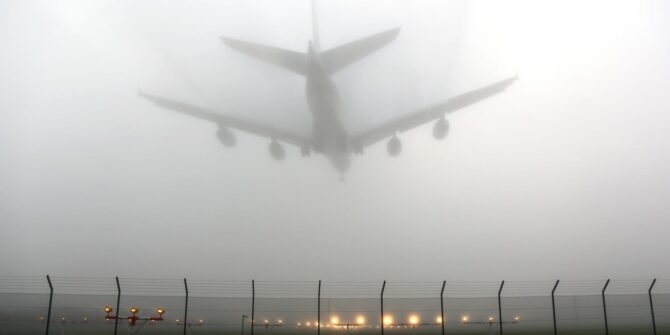
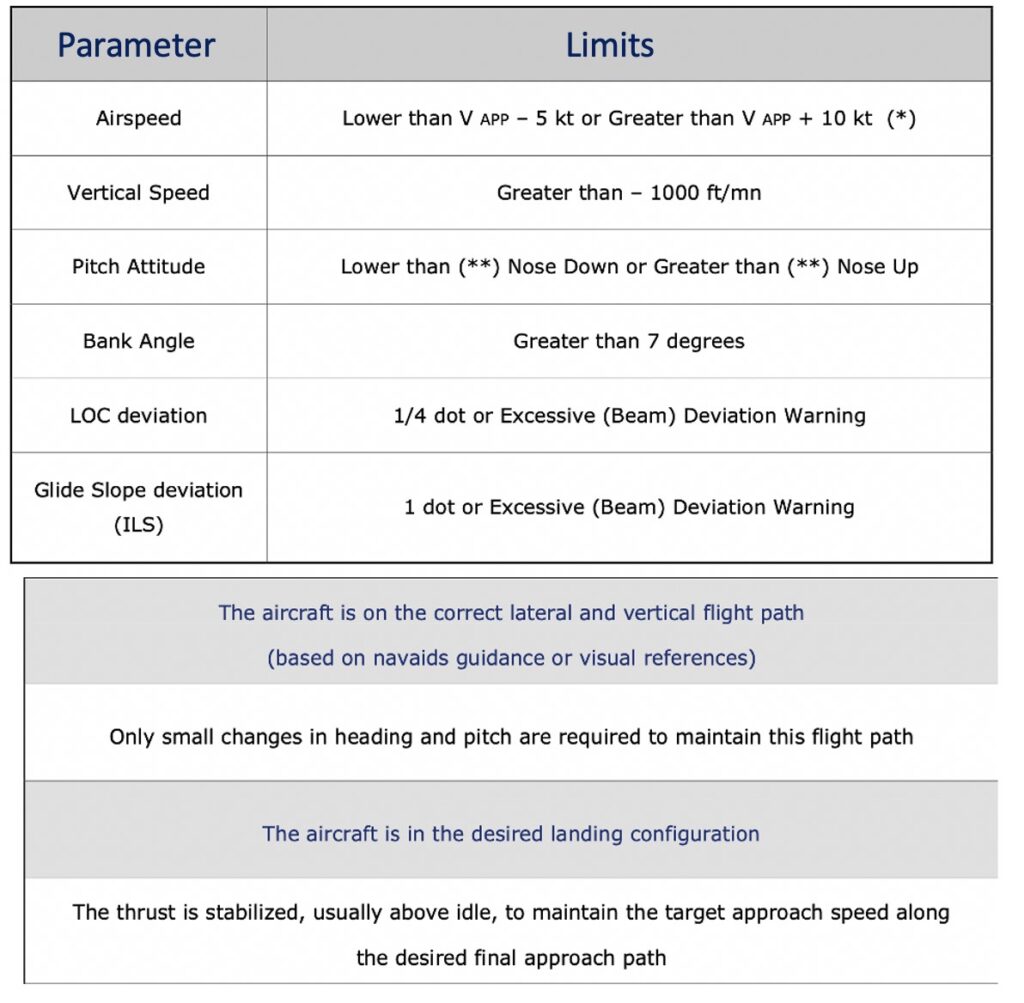
In a nutshell it is any approach that doesn’t meet the stable approach criteria in your SOPs by a certain height – usually 1,000 feet off the deck. And it’s not just the ones that have gone badly wrong either – the criteria are usually pretty tight…

Like the picture, the decision appears to be black and white: If you don’t meet the criteria, you have to go-around.

So why aren’t we doing it?

Good question. There are a bunch of factors but the most important is pilot psychology. Either consciously or sub-consciously we are making a decision to not go-around. Here are some suggestions about what may be happening inside our heads.

1. We’re pilots

Which means we’re mission-orientated. We want to get in and we don’t like conceding defeat. Nor do we enjoy being reminded that we have reached the limit of our ability to fix whatever has gone wrong.

Experience also tells us that if we persist a little longer we can re-stabilise. After all a little speed brake, a little more sink rate you’ll have the thing back on rails long before the runway out the window is too close for comfort.

The problem is we’re fixating on completing the mission.

Studies have shown this behaviour is insidious. It creeps up on you and you begin to normalize the risk. Just like a speeding driver arriving home unscathed, the danger becomes typical. But it gives you far less capacity and room to deal with anything unexpected.

2. Training

A go-around is a normal procedure, but boy do things happen quickly. It’s okay when you know it’s coming. But it’s when you’re off the script that they get especially challenging. Especially after something stressful has already happened.

Studies show that pilots are more reluctant to go-around in scenarios they haven’t practiced. This includes when the aircraft is only partially configured or is very low to ground (such as a bounced landing or botched flare). Complicated airspace and procedures can also be major deterrents to hitting those TOGA switches.

3. What the other guy/gal thinks

Everyone’s personality is different, and we don’t always get along. You might like a good book, while your offsider might prefer a good base jump. When it begins to matter is when it affects safety.

We react differently depending on the dynamic with the other pilot. This can include embarrassment at going around, a lack of support for the decision or disagreement with whether the approach can be safely salvaged. But if you begin to see a go-around as a reflection of your abilities, you are already on a slippery slope. Add an offsider who might judge you for going around and you’re in for a dangerous ride together.

Cockpit gradient is another contentious issue. Too steep and it can turn a multi-crew aircraft into a single pilot one. Age, experience, rank or culture can all contribute. Take this animation of a visual approach on a calm sunny day in San Francisco a few years back. Watch the animation and decide when you would have said something. There were two Captains and a First Officer on the flight deck.

Credit: Airboyd

4. Organisational Pressure

The elephant in the room. No one is pointing fingers but now more than ever operations need to run on the ‘scent of an oily rag.’ Fuel is a big part of that. Crew may be encouraged to carry less of it in the first place which can lead to  fuel anxiety and reluctance to go-around. Or it may be the simple economic cost of using it compared to trying to re-stabilise an approach. It’s no secret that go-arounds use a lot of fuel.

Other factors may come into play too – scheduling, delays, an unwanted diversion or even duty time limits. There are a bunch of external factors which can creep their way into the flight deck and affect our decision making.

So what can we do to improve our Go-Around decision making?

IATA have made some solid suggestions:

1. Make the decision as early as you can. Historically, accidents that follow a decision to go-around usually reflect a late decision. Don’t wander down that garden path. Lion Air Flight 904  serves as another example.

2. Brief the heck out of them. Every time.  Make sure you include what you will be looking for to continue the approach, what may make a go-around more difficult on that particular day and how you will get around those challenges.

3. Encourage acceptance on the flight deck that a go-around is a possibility at any stage. Always prioritise the safest outcome.

4. Follow those SOPs. Operators should always have a mandatory requirement to go-around when stable approach criteria aren’t met. On the flipside, there should never be any punitive reaction to a crew’s decision to go-around. They show good decision making.

5. Fuel policy. Have one which always allows for go-arounds and accept they are a necessary cost of operating an airplane out there.

Up for more reading?

It’s a big issue so there are plenty more places to look. Here are a couple of really good links to get you started.

  • IATA periodically publish a whole bunch of useful stuff about unstable approaches, go-arounds and risk mitigation.
  • Flight Safety’s work on unstable approaches.


Currency and Startle Factor – How to Beat It

Good news – the vaccine is here!

Slowly but surely passengers will begin returning to the skies. Which means pilots will too. Just like a huge ship, our industry has inertia. You cannot simply take your foot off the brake and straight back onto the gas.

In 2020, it went into a deep hibernation. Remember those pictures? Thousands of gleaming tails stuck depressingly in the desert? Well, pilots didn’t fare much better. Thousands of pilots were put into deep storage too.

To give you an idea of scale, get a load of these stats- the first post-Covid worldwide survey found that 58% of the world’s pilots are currently grounded. 33% lost their jobs completely while a big bunch are on furlough with no clue when they’ll fly next.

So as the industry begins to recover (and it will), a legion of seriously “non-current” pilots will find themselves back in the hot seat facing the same challenges they did back when things were booming and your skills were Chuck Yeager sharp.

Beginning to get the picture? I’ll give you a hint…

It’s not like riding a bike.

We’re not machines and our skills degrade over time no matter how good you are.

Secondly, you might think a bunch of extra training will soon get you back to speed. The issue is resources – it is such a big task to get everyone current again you are likely to find yourself at the controls legally current, but not necessarily at your best.

So if something goes wrong, you’re likely to be further behind the 8-ball. So let’s talk about startle factor. Yep that old chestnut. We’ve all been there. Something has gone wrong and fast. One minute you’re talking about that great place that does burgers near the crew hotel, the next you’re seeing more red lights than Amsterdam. For a fleeting moment all that training and knowledge is gone. You go blank but feel compelled to act. Sadly it is in these brief moments that some crew have tragically become unstuck.

Here’s the issue.

When you’re not current you are more likely to fall victim to startle factor. And you can bet your bottom dollar that whatever is about to happen is not going to wait for you to get a few sectors under your belt first.

So if I get a call up next week, what can I do about it?

  • Understand what is happening in your brain when something goes *bang*.

    Startle factor is normal. It affects everyone because a ‘fight or flight reflex’ has been hard wired into our brains since the days we were running away from woolly mammoths and sabre tooth tigers. It is a physical and mental response to something unexpected.

    When something gives us a fright, our brain activity changes. We think less and act instinctively while our bodies are pumped full of adrenaline and stress hormones. Effectively for a short time our thought processes are hijacked. We can get into a vicious cycle of bad decisions in a hurry. This post-startle brain fog has had tragic consequences in avoidable accidents.

  • Don’t act. At least right away.

    Just for a moment, resist the knee-jerk reaction. Slow it down. By sitting on our hands even for a second or two you are giving your brain a chance to pass through its instinctive reaction and give you back control of your decision making. You have to understand what is actually happening before you can do anything to fix it.

  • Be Ready.

    Fight boredom and be alert. In each phase of flight think about what could go wrong and how you will react. For those less superstitious, dare your plane to fail. By keeping your brain in state of readiness you will overcome the startle factor more easily.

  • Get Back On the Script.

    Ah, yes. Familiar territory – nothing helps you get over a shock than what you already know. Use a robust decision making process and watch your ol’ capacity bucket grow.

    You have probably heard of some – SAFE, GRADE, FATE etc. There are lots of them but it is important to have one and practice it consistently.

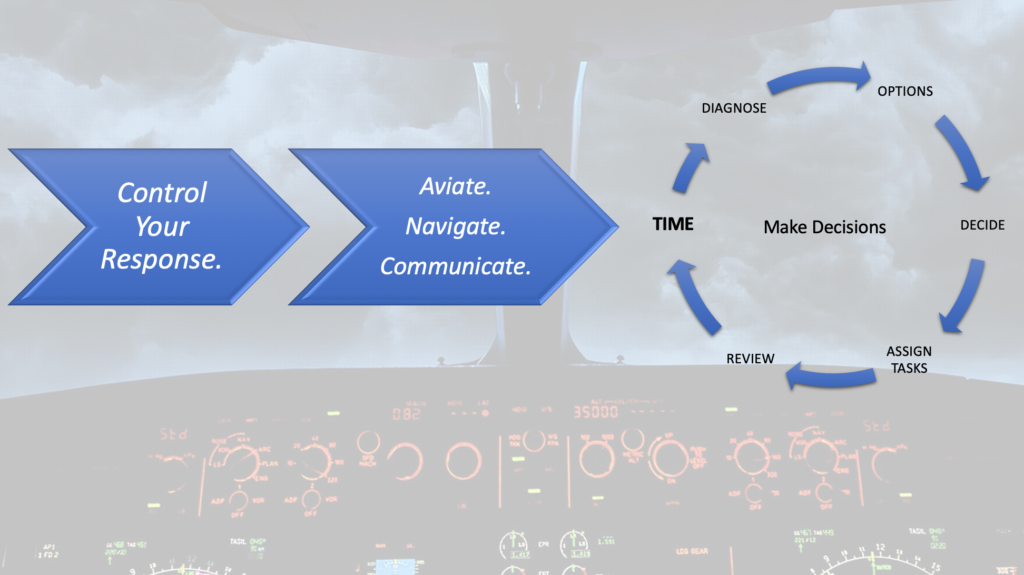
    T-DODAR is another tried and true method, and US Airways flight 1549 shows how it can be used in some of the most startling circumstances that could have been thrown at a crew.

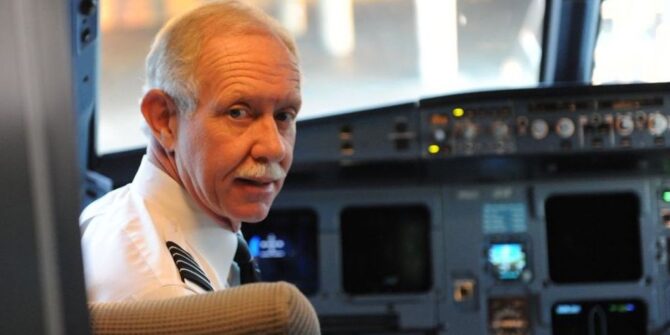
Sully Sullenberger kicked a field goal that fateful day in 2009 when they took a flock of Geese straight through both noise-makers.

He paused, sat on his hands and tried to understand the status of the airplane. What had happened, and why. Whether he had power or not. He got himself back in the loop. He took control of the airplane, established it in a glide and turned the aircraft back towards the airport. He then told ATC. Aviate, navigate, communicate.

Once he had the capacity, he went to work. He knew he had no time and had to land. The diagnosis was obvious – a bunch of birds damaged both engines. Sully worked through his options: Return to La Guardia, go to another airport or ditch. He made his decision – “We’re gonna be in the Hudson.”

Once the decision was made, he assigned tasks. He would fly the plane, his First Officer would run checklists and try and get an engine back and his cabin crew would prep the cabin.

As they descended toward the river he turned to his colleague and with a simple question covered off his review – “Got any ideas?”. In other words, anything we haven’t tried yet? 155 people were saved by the crew’s ability to make decisions effectively. Apply a framework and you create so much extra brain space to concentrate on other things.

Oh, and about the sim.

Traditionally, airlines have followed matrices.

What’s that you say? Matrices, cyclics, whatchamacallits – predictable training programs that meant that every year or two that horrible multiple hydraulic failure would pop up yet again. That canned exercise that you were born ready for because you spent all last night studying it over a room service steak.

While I’d be the first to admit that when it comes to sim assessments, I love to know what’s coming, that’s not how the world works. The real reality is… who knows? There is an un-countable number of factors at play that will decide what an actual airplane is going to throw you at you. So the best defence is being comfortable with what you don’t know.

Spend a few minutes looking up ‘Evidence Based Training.’ Chances are you’ve already heard of it. It’s about assessing competencies no matter what’s thrown at you and it’s a revolution for pilot training. If you have the right tools in your bag you can fix almost anything – and that’s the whole point.

Simulator time is valuable, and if you get the chance use the extra time. Get something new thrown at you – because at the moment, we need all the help we can get!

Some other interesting stuff…