What we’re seein’ in the Caribbean

A bunch of Caribbean countries are changing things up to ‘harmonise’ themselves with ICAO SARPS. That’s Standards and Recommended Practices.

Here’s what we know.

You need TCAS 7.1

This is a Bermudian requirement. Bermuda is of course actually part of Great Britain, sort of (they are a British overseas territory), so by doing what ICAO say, they are fitting with the UK CAA regulations which makes it all a bit simpler.

So, if you want to visit Bermuda in a turbine-engined airplane under FAR 121, 135 or 91K rules which weighs more than 5700kg (12,500 lb) or is authorised to carry more than 19 passengers then you’ll need ACAS II (that’s TCAS II Version 7.1)

If you fly a turbine-engined airplane involved in FAR 91 or non-commercial operations, then the specifications to know are certified take-off mass more than 33,000 lbs (15,000kg) or passengers more than 30, with your airworthiness certificate first issued after January 1st 2007.

When will you need it?

April 1st 2023.

Where’s the official notice?

It is right here – OPSN 03-22 and it says exactly what we said but on official Bermudian BCAA headed paper.

You can also get in touch via email with them directly if you have any questions: foreignoperatorpermit@bcaa.bm

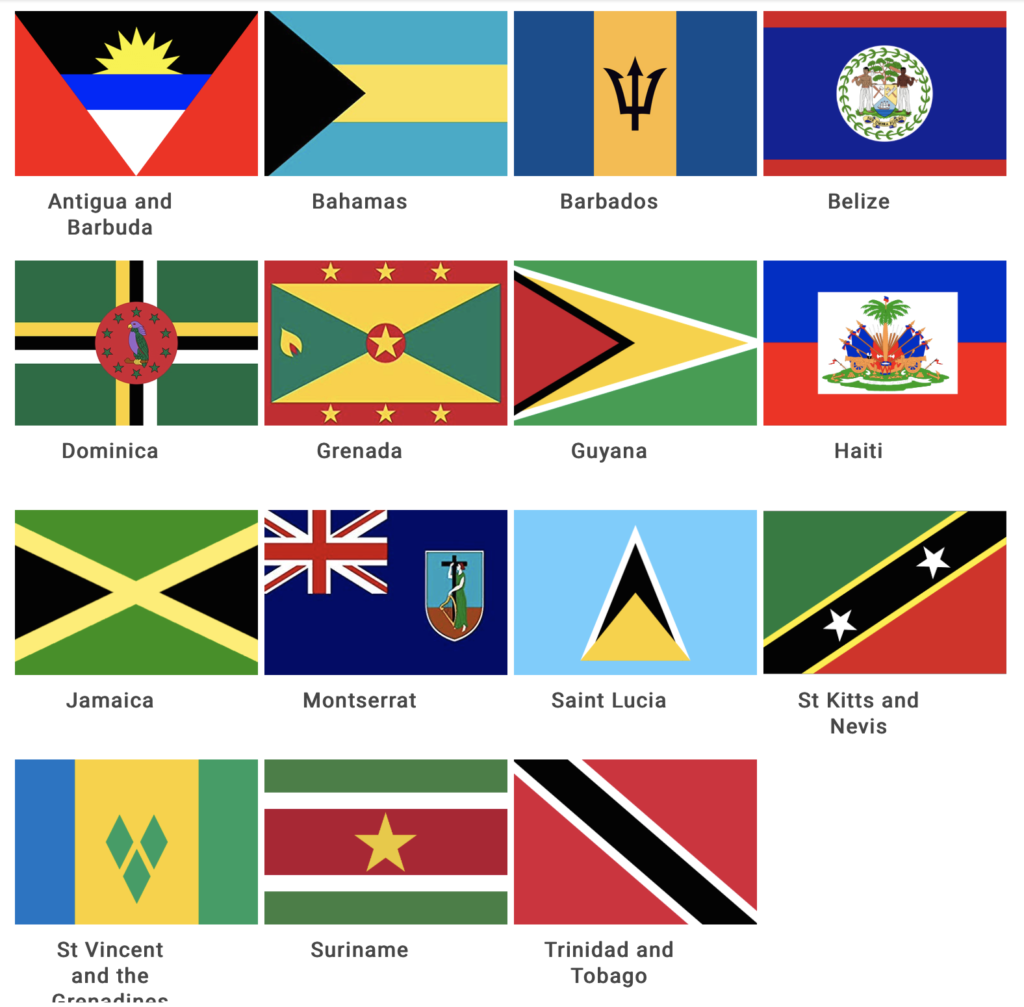
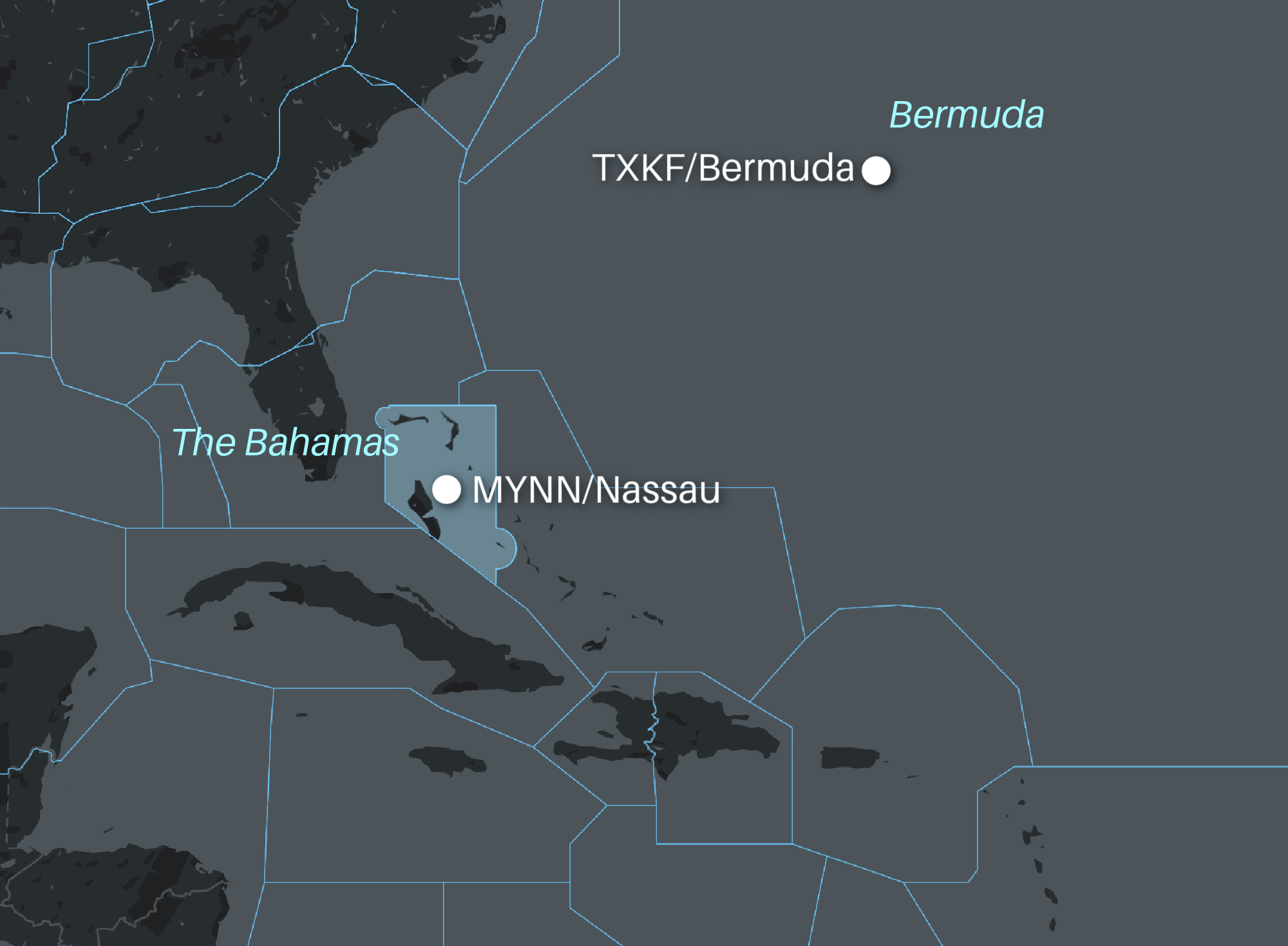
Parts of the Caribbean where the changes are coming in.

You said several countries?

We did. The Bahamas also have some changes coming in. Actually, they came in in 2021, but with Covid you might not have noticed them so here’s a refresher.

They brought our their Civil Aviation Act of 2021, published in their ‘Extraordinary Official Gazette The Bahamas’.

What it says is that foreign commercial operators will need a Bahamian Air Transport License to fly there. To get this you need to be safe, secure and meet some financial obligations. These are listed in Section 15.

Section 16, Subsection 2 Part 1 clarifies a little point about foreign operators – it doesn’t apply to folk overflying or even landing if you don’t have passengers, cargo or mail that gets off in the Bahamas.

There are also a lot of pages on what will happen if you don’t abide by the rules etc etc so it is worth a read if you haven’t been into the Bahamas since February 16th 2021.

Is that it?

Yes, for now, but more things will hopefully come in at some point.

All this started to come about in 2018 during a big meeting between CARICOM (all the Caribbean member states) and ICAO where they talked about it. You can read the 2018 ICAO press release here if you want to.

CARICOM – Bermuda and a few others are associate members.


The Bermuda Triangle: Fact or Fiction?

The Bermuda Triangle. A place of myths and legends. But how real is it, and what affect if any does it have on aircraft flying through it?

Where exactly?

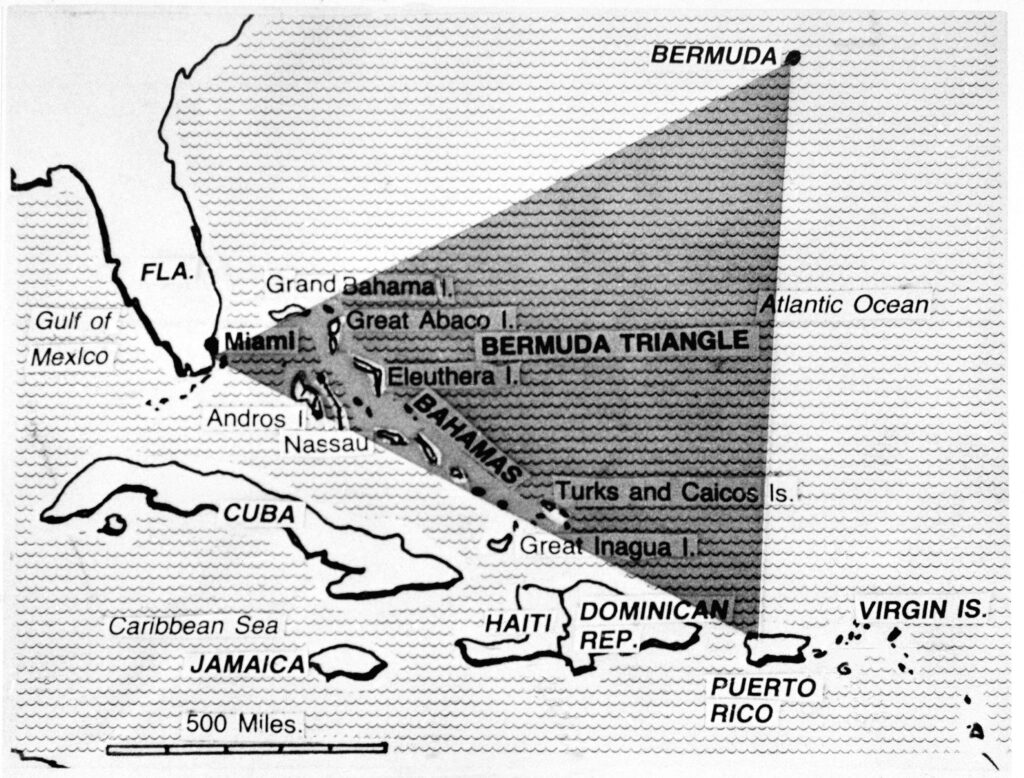
The Bermuda is a fairly loosely defined area out in the great Atlantic Ocean, generally mapped out with its three corners reaching Bermuda, Miami and the northwestern corner of Puerto Rico. It varies in size from around 500,000 sq. miles to 1,500,000 sq. miles depending on how its boundaries are drawn.
Why do we talk about it in Aviation?

It has a reputation for disappearances – sinking ships and vanishing airplanes, dots on the radar that are gone in a blink, never to be seen again. Some say it is haunted, some say aliens use it as a human abduction point, others reckon it is home to an immense Kraken that swallows ships whole…

These might be tall tales, but in fact is has been the location of a higher-than-its-fair-share of naval and aviation disappearances, and random technical malfunctions too. Somewhere in the region of 50 ships and 20 airplanes since folk started paying attention.

In 2017, a Turkish Airlines A330-200 experienced a series of electrical and mechanical malfunctions while routing over the Triangle. Routing from Istanbul to Cuba, they ended up making a diversion to Washington Dulles. Flight 19 was a squadron of five Torpedo Bombers that disappeared in the area. And of course the famous Amelia Earhart’s final flight was rumored to have gone down in this general location.

It gained its name from an article written back in 1964, which started with an attention grabbing hook –

Fact or Fiction?

Read through the list of sea and air incidents and accidents and you will notice something – the vast majority of events happened last century. Aside from TK183 and a few light aircraft accidents, all the rest generally took place between the 1940s and 1970s.

The investigations into Flight 19 and Amelia Earhart’s disappearance both concluded that poor weather, a loss of situational awareness regarding their actual positions, and ultimately running out of fuel were most likely to blame.

Flight 19 was attributed to the Flight Leader mistaking the Bahamas for the Florida Keys, a broken compass and the fact that the advice for if you got lost in the area back then was to just “take up a heading of 270”. And the Turkish Airlines flight was a fairly uneventful malfunction and diversion.

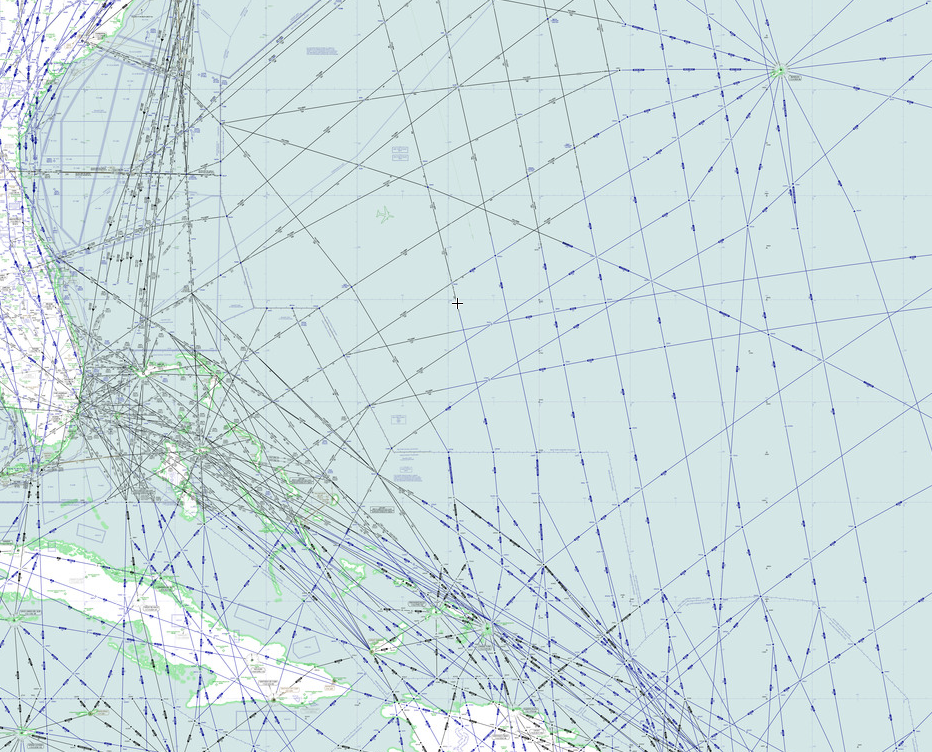
The high numbers of events can also be put down to the high amount of traffic that routes through this region. It is a fairly major shipping route between the East Coast of the US and the Gulf of Mexico, and in more modern times it has become a fairly busy area for aircraft too.
What is causing it all then?

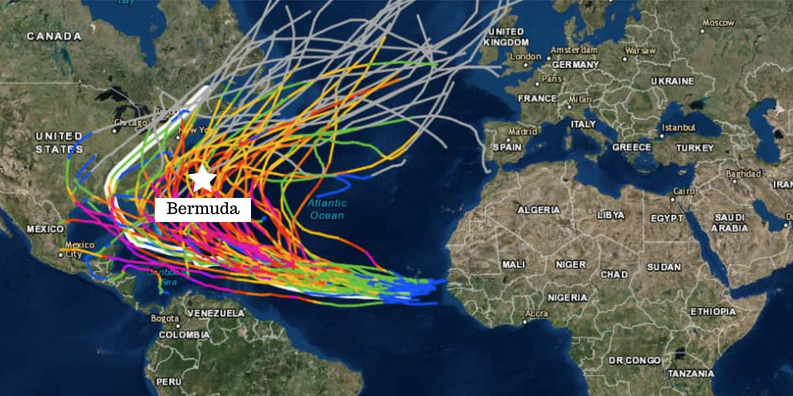
Well, weather seems an obvious answer. It is a pretty popular area for hurricanes to aim towards. In fact, Bermuda (the island) sits in Hurricane alley – the more frequent path taken by Atlantic Hurricanes. So it is no surprise old airplanes and ships without the use of modern weather radar systems might fly into this region and be surprised by some really nasty ship-sinking / airplane-crashing storms.
Another explanation offered up by science is to do with magnetism. You all know this, but the Earth’s magnetic pole isn’t quite in the same spot as True North. Your compass points to magnetic north, but there are these things called Agonic Lines which line up magnetic and true north and along these your compass is Truly (pun intended) accurate. One such line runs from Lake Superior and down through the Gulf of Mexico.

Back in the days before GPS, when pioneering navigators relied on compasses and stars (which they couldn’t see because of all the bad weather), they would have potentially corrected for Magnetic to True. But correcting along an agonic line would actually have led them astray.

Then there is the depth of the trenches in this area of the ocean. Most of the sea floor is as far down as 19,000 feet, some areas over 27,500 feet. Which means when things do sink there, they are not easily found. So your sunken ship or ditched airplane is not likely to be found and the conspiracies about aliens and wormholes start to run rampant.

So, the lack of recent aviation events attributable to supernatural phenomena do suggest that it was probably due to more standard reasons that incidents were higher here than in others areas. Added to the fact it makes a good story, and we find we just have an area of bad weather, lots of traffic, and disappointingly unexciting reasons for accidents.

Are there any things modern aviators should look out for in the region?

Yes. Those hurricanes are worth keeping an eye on. The main Atlantic Hurricane season runs from June to the end of November. We wrote a bit about it here.

If you are flying to Bermuda itself then the fact it is a very remote island is also worth thinking about. TXKF/Wade International is your main airport, and some of the nearest alternates lie a good 650 miles away on the east coast of the US.

Some serious fuel planning is a good idea then – Isolated Airport Procedures usually require you to carry at least 2 hours additional fuel (at normal cruise consumption above the destination aerodrome). Here is a useful CAA produced checklist for Isolated Airport Procedures.

The surrounding airspace is also a threat. To the East you have the open Atlantic and all the procedures and challenges associated with that. To the West you have the East coast of the US, including the Florida Metroplex airspace, along with KMIA/Miami and KFLL/Fort Lauderdale – two of the busiest airports, in some of the busiest airspace of the USA.
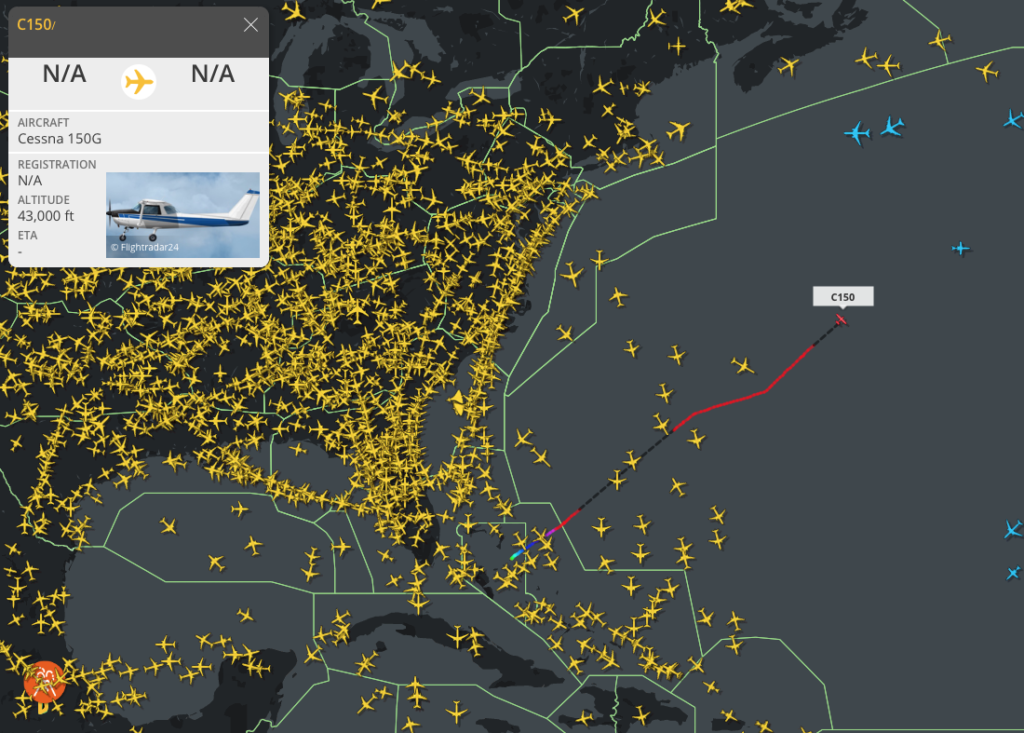
Did you know there is a Bermuda Triangle in space?

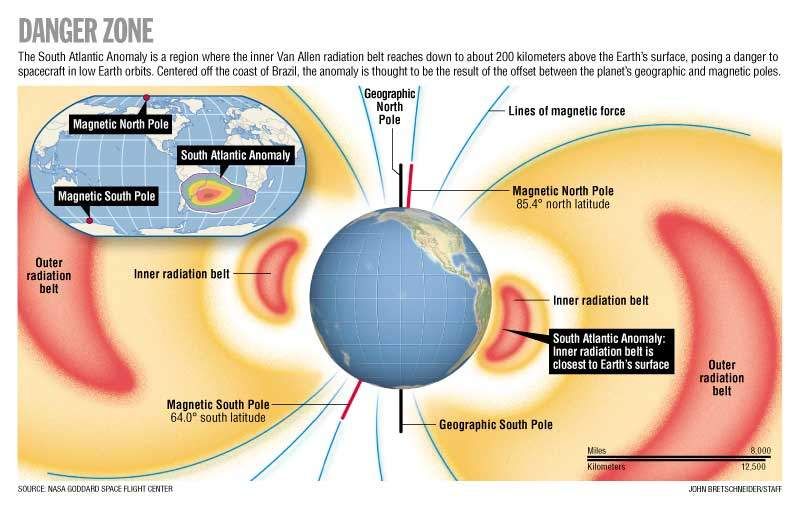
Yep, astronauts have their own ‘Bermuda Triangle’ to contend with. It lies over the South Pacific, stretching between Chile and Zimbabwe, and is rather more real than its earthly counterpart.

This area of space is where the inner Van Allen radiation belt comes closest to the Earth. These rings of charged particles – loads of electrons in the outer ring and high-energy protons in the inner –  surround the planet, and are caused by the Earth’s magnetic field which protects us from this harmful radiation by trapping these particles in its magnetic grip.

Unfortunately, in this particular area, the Earth’s magnetic field is weakest, so all those particles are free to swoosh around more. They have also managed to get much closer to the Earth which means our satellites, space equipment and space travelers sometimes orbit through it.  This pretty much messes with electrical equipment, and people for that matter.

For the Hubble telescope, which passes through it about 10 times a day, it means a disruption in its workings for about 15% of each day. Satellites often experience temporary system failures when passing through during high flux days, and the astronauts onboard the ISS have to be shielded to prevent excess radiation. They often report seeing random white flashes, and having issues with communication equipment.
Disappointingly then it seems the Bermuda Triangle is just the stuff of fiction

Most authorities and Scientific organizations agree, but if you fancy reading some more about it then these are some good places to head to:

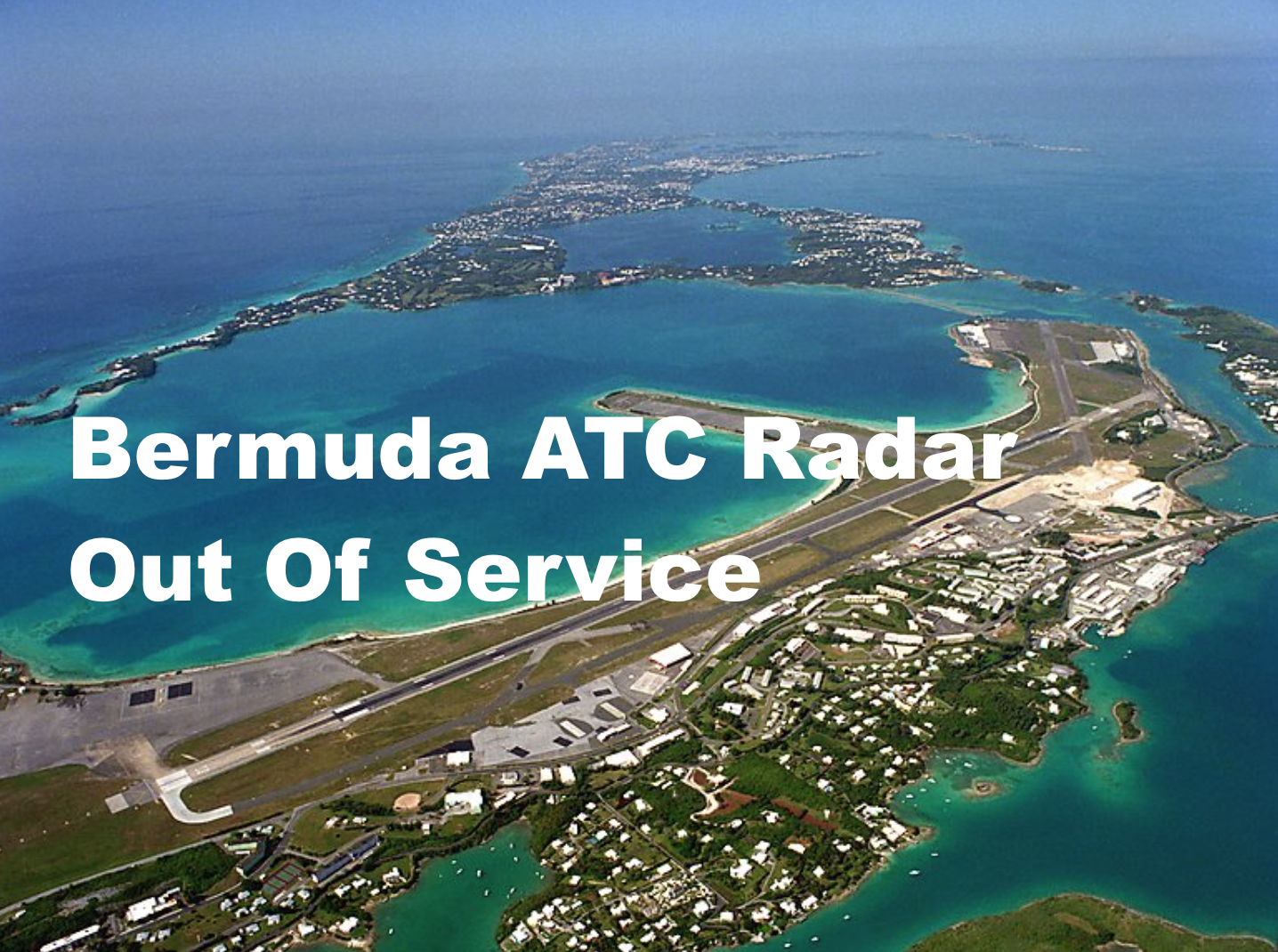
Bermuda ATC Radar Out Of Service all week

It’s going to be mostly sunny and warm (78F, 26C) this week in Bermuda if you’re heading that way – but you should also know they are going to be full non-radar – so plan ahead.
We put together what you need to know.

Firstly, the Bermuda Secondary Surveillance Radar will be out of service for 7 days starting this coming Monday, 29 October, at 1100z (0800L). The NOTAM says it will be back to normal the following Monday, 5 November, at 1700z (1400L).

The following non-radar procedures are in effect (NOTAM – A0404/18 and A0154/18)

  • If you are landing at TXKF/Bermuda you should flight plan and expect FL310 or below at the NY Oceanic CTA/FIR boundary. 
  • Expect possible flow restrictions due to traffic volume and/or during adverse weather.

  • Carry fuel to cover “minimum” of 15 minute arrival/departure delay.
  • All aircraft must file via MOMON 1 or POPOP 1 RNAV STAR however there are restrictions on which transitions can be used:
    • MOMON 1 – Only DASER, ANVER and RNGRS transitions allowed
    • POPOP 1 – Only BALTN and JIMAC transitions allowed
  • Departing aircraft must file via either the BORNN 1 or SOMRR 1 RNAV SIDs.
  • If you are NON-RNAV then you must flight plan to DASER, ANVER, RNGRS, BALTN, or JIMAC (180 nm ARC BDA VOR) then the respective airway to BDA VOR.

In likely far more shocking news, an island in the middle of the ocean is expecting lots of birds, namely lots of Killdeers.
A0152/18 – AERODROME INTERMITTENT PERIODS  OF HIGH BIRD ACT OF KILL DEERS AND PLOVERS DUE TO SEASONAL MIGRATORY
PATTERNS: THE MIGRATORY SEASON BEGINS IN EARLY OCT AND RUNS THRU  EARLY APRIL WITH BIRD ACT AT ITS HIGHEST APRX BTN HR OF 1000 – 2130.  EXERCISE CTN WHEN FLY DRG THESE TIMES.
How these cute little things could kill deers shocks me 🙄 – you have been warned however!
#deathtonotams


Do you use Bermuda (TXKF) as a NAT alternate at night?

The Bermuda AIP says that they have Fire Category 9 from 07–23 local time, but also that “during uncontrolled hours of operations BFRS/ARFF will be called out at CAT 9″.

So does this mean that Fire Category 9 is essentially ALWAYS available? And how long does it really take to call them out in an emergency?

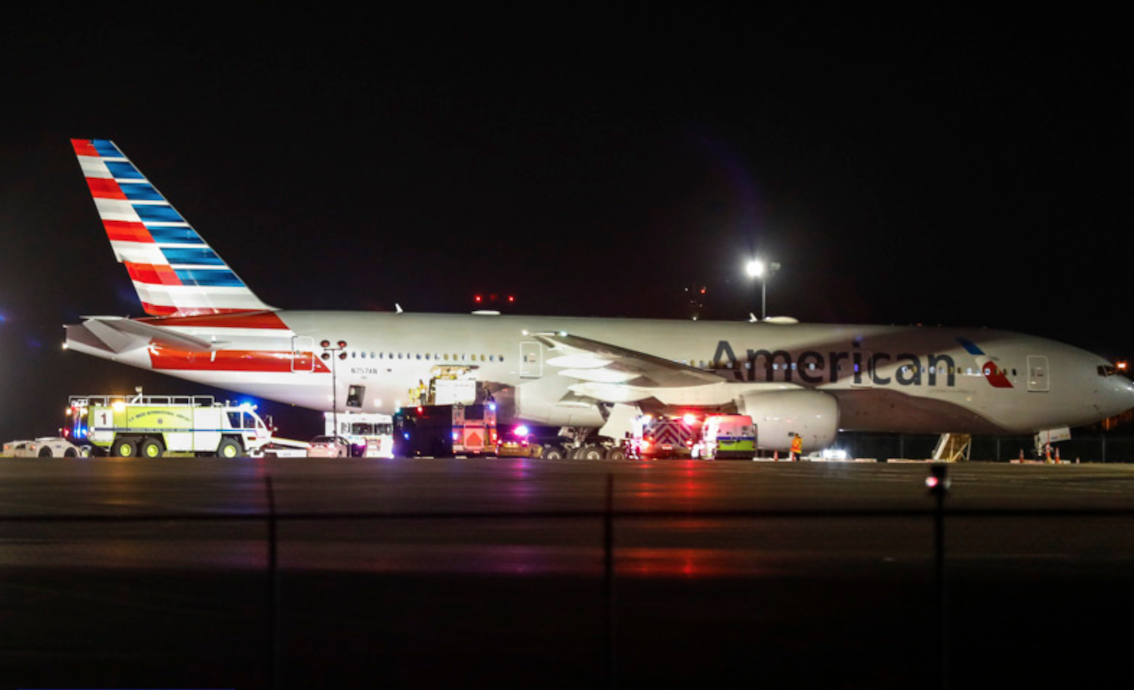
We got an answer to that question the other day, when an American Airlines B777-200 en-route from KJFK/New York to SBGL/Rio de Janeiro had to make an emergency divert to TXKF/Bermuda due to a suspected fire in the cargo hold.

ATC cleared the flight direct to TXKF/Bermuda. They advised the crew that the tower at the airport was not staffed at the time (although the runway has pilot controlled runway lighting), but that emergency services had been alerted and would be on standby for their arrival.

38 minutes later, at 12.18 am, the flight landed, and the emergency services were indeed there as promised.

The whole cargo fire thing turned out to be a false alarm, although we’re very thankful to one of the passengers–the supermodel Joan Smalls–for documenting the ordeal on social media.

We contacted the airport authority to check exactly how long they really need for emergency diverts, and whether they really do provide Fire Cat 9 in these situations. Here is their response:

“ARFF is available 24hrs and yes will be staffed at the appropriate level to be cat 9 at all times. After 2300 Local Time when the local airport is uncontrolled , ARFF requires 20 minutes for call out for such events like diversions.”

So there you have it. You can always rely on Fire Cat 9 at TXKF – just make sure you give them at least 20 minutes notice!


Bermuda PPR requirements for the Americas Cup

Bermuda will host the Americas Cup from May 29 – Jun 27.

As a result, the airport will be busier than usual, so plan ops and parking well in advance.

There are now a number of requirements for private/non-scheduled flights, applied between May 23 until June 30:

  • PPR is mandatory. You must have permission from the Airport Company before operating
  • The Americas Cup dates are May 29-Jun 27, but PPR is required from May23-Jun 30.
  • The request must be made at least 24 hours in advance, unless you are operating a Medevac flight
  • PPR Number will be issued and must be shown in Field 18 of the FPL
  • Request the permission from ac35ppr@skyport.bm, or phone them on +1 441 299-2470

PPR is not required to carry TXKF as an enroute alternate (it’s a popular ETOPS airport), but bear in mind that if you do choose to divert here, recovery may take longer.


International Bulletin: Hong Kong pain in the ass, Haiti relief operations

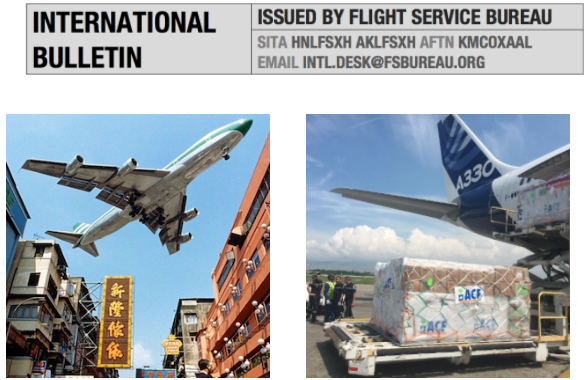
Hong Kong is a pain in the ass – it’s official 20OCT Authorities in Hong Kong confirmed yesterday that the airport is a giant pain, especially for non-scheduled operators. Lining up slots, parking, permits and handling is extremely difficult. End result: a mountain of frustration. Read the article.

Haiti relief operations – and Airbus Flight 101 20OCT After Hurricane Matthew last week, MTPP/Port-au-Prince (Toussaint Louverture) became a central focus in relief efforts for Haiti. OpsGroup member Airbus operated an amazing relief flight from Lyon. Read the article.


VTZZ/Thailand is in a period of mourning following the death of His Majesty, King Bhumibol on 13 October. This is a time of deep sorrow for Thai people – refrain from any behaviour that may be interpreted as festive, disrespectful or disorderly. Abide by local laws and respect Thai customs. There may be some disruption of commercial and public services during the mourning period, especially during the first 30 days (until 13 November). Tourist attractions are open with the exception of Wat Pra Kaew (Temple of the Emerald Buddha) and the Grand Palace in Bangkok. Expect traffic disruptions and heightened security around these areas as people pay their respects to the late King.

EBBR/Brussels All non-scheduled flights destined to EBBR are allowed only after special permission by Airport Authority before start of flight. Contact +32 2 7536900 or inspect@brusselsairport.be.

DTZZ/Tunisia extended the state of emergency on 18OCT, set to expire, by three months. The state of emergency went into effect following a series of terrorist attacks in 2015 and has been extended multiple times.

ORBB/Baghdad FIR Traffic entering from Baghdad FIR (ORBB) to Ankara FIR (LTAA) shall file their FPL as follows: NINVA-OTKEP-SRT at FL320 and above. NOTAM A4572/16 refers.

Solomon Islands There has been a confirmed outbreak of dengue fever in the capital city, Honiara; you should follow the advice of the local authorities and take steps to avoid being bitten by mosquitoes; you should take out comprehensive travel and medical insurance before travelling to the Solomon Islands

TXKF/Bermuda Due to maintenance, the Bermuda Radar system will be out of service on Friday. Recommended reroute to avoid airspace. New York Center overflight procedures will be in effect. Routes have been developed to provide limited non-radar service within the airspace. All departures from Bermuda will be held down at FL310.

OJAI/Amman, Jordan Runway 26L/08R will be closed for urgent pavement maintenance on these days in November:  01,08,15,22,29: from 0930-1330Z. The airport will not be available for either normal operations or emergency diverts during the closure period.

OEZZ/Saudi Arabia From 8 to 10 October there were several missile attacks reported near the Saudi / Yemeni border and the southern Red Sea.

ZZZZ/Worldwide Regulatory and voluntary bans on Samsung Galaxy Note7 smartphones is spreading as airlines and airport authorities around the world are announcing bans or restricted usage on the device, which has been withdrawn by Samsung after some devices caught fire. Ban notices are being issued primarily through airline online check-in pages, as well as via public announcements in airport terminals and onboard aircraft. The US Department of Transportation (DOT) was first to issue a total ban on taking the device on board, as a passenger or as air cargo, when it gave an emergency order Oct. 15 with FAA.The devices are being banned because of fire concerns, and the fallout following an incident involving a smoking smartphone on board a Southwest Airlines aircraft in Louisville, Kentucky on Oct. 5.

YZZZ/Australia will not be implementing the changes in the ICAO PANS-ATM (Doc 4444), as they say they haven’t had enough time to work on the safety case – ie. figuring out if these changes are dangerous in any way. In short, they won’t be saying “Climb via SID” or “Climb via STAR”, which are the new phraseologies.

TTZP/Piarco wins the award for most confusing AIC of the week, namely AIC03/16 issued on 13OCT. Titled “RVSM Implementation”, it appears that Trinidad is finally implementing RVSM in their airspace. But wait, they did that in 2005. So what’s new in this AIC? It’s a mystery. Take a look and see if you can spot it.

KLAX/Los Angeles 3 out of the 4 runways at KLAX have now been renovated. Runway 6R/24L reopened on 16OCT after renovations. Improvements to the fourth and final runway, 07L/25R, will begin OCT22 and continue until June 2017. This last runway will be partially closed until January, and then closed completely to allow for more extensive work to be done

FSIA/Seychelles Runway will be closed on Thursday 20 and 27 Oct between 1815-0245z and Friday 21 and 28 Oct between 1900-0215z. Can be opened in cases of emergency.

UHPP/Petropavlovsk Eruption in progress at Klyuchevskoy volcano (N5603E16038) near UHPP. Ash cloud reported at 0720z on 17 Oct from ground level up to FL300.

VVZZ/Vietnam Typhoon Sarika is forecast to bring hazardous sea and weather conditions to parts of northern Vietnam from around 19 October 2016; heavy rainfall could lead to flooding and landslides

KLAS/Las Vegas Because of the next presidential debate that will be held in Las Vegas on October 19, 2016, intermittent road closures will affect access to McCarran International Airport (LAS) between 4 pm and 10 pm on that date. The recommended route to the airport from the east side of the valley is westbound Flamingo Road to southbound Paradise Road. The recommended route to the airport from the west side of the valley is eastbound Tropicana Avenue to southbound Paradise Road.

OIIX/Tehran FIR The minimum safe level on R462 between DENDA and METBI has been raised to FL140.

KSFO/San Francisco has a new ATC Tower operational since Sunday last, located between Terminals 1 and 2. Per the local report, it “offers controllers a 650-square-foot work area with unobstructed 235-degree views of the airport’s runways and taxiways”. Hopefully there’s not much going on in the other 125 degrees.

OSZZ/Syria Russia’s only aircraft carrier, Admiral Kuznetsov, is nearing the end of a work-up period outside the port of Murmansk before heading for the eastern Mediterranean, reportedly to begin air operations against targets in Syria.

EGPK/Prestwick will be closed from midnight to 0400Z on 21OCT, due to a planned ATC power outage. ATC reachable during outage at +447917 424603.

RPZZ/Philippines Typhoon Sarika recently passed through the island of Luzon as a category 4 storm. Transportation routes, power and telecommunications systems could be affected in some areas. Other services that may be affected in these areas include emergency and medical care, as well as water and food supplies. If travelling to affected areas, exercise caution, monitor local news and weather reports, and follow the advice of local authorities.

View full International Bulletin 20OCT2016 


Midweek Briefing: Oceanic and Remote Procedures Update, Rome Airport Closed Friday

Oceanic and remote procedures updated: 12OCT The FAA this week issued a significantly updated version of their “Oceanic and Remote Airspace” procedures document. There’s a lot of good stuff here, even if you’re not operating an N-reg. Take a look at the PDF.

Rome Airport to close Friday 12OCT A reminder that LIRA/Rome Ciampino will close fully from Friday, for two weeks, as a result of urgently required runway maintenance. You can use LIRF/Fiumicino instead, but with significant restrictions.


LLBG/Tel Aviv starts winter runway maintenance work on 01Nov until 17Nov – Runway 21 will become primary landing runway, associated restrictions, not available as alternate during this time – check AIC 3/16.

LOWI/Innsbruck starting December 14th, the airport will introduce parking restrictions for private flights every week from 1800Z Weds until 1800Z Sunday.

TXKF/Bermuda Tropical Storm Nicole is approaching, expect some disruption and check before using as an alternate over the next few days.

HAZZ/Ethiopia The Ethiopian government has declared a six month State of Emergency from 9 October 2016. While details of emergency arrangements are not formalised, measures to restrict communication, movement and political expression are expected. Carry identification, avoid all large gatherings and protests, monitor the media for details on the application of the State of Emergency and follow all instructions issued by local authorities.

SPIM/Lima radar will be off the air on Friday from 19-21Z for repairs, procedural control, expect enroute delays.

EGGX/Shanwick. An exercise to test to the Volcano eruption response is underway, you may see multiple references to an eruption in Iceland – it hasn’t happened, it’s just a test. Stand down. Katla is also back to code Green.

UZZZ/Russia Karymsky volcano in the Kamchatka peninsula is active with colour code Orange, check before operating.

OKAX/Kabul FIR continues to have comms issues in the north east portion of Afghanistan airspace, VHF comms are not working on 118.3 or 128.5. There are some “Nordo” procedures, refer to AIP ENR 1.6-1.

MUFH/Havana has a couple of new entry points to the FIR – FUNDI and IKBIX – but they’re not for use yet, so don’t.

OPRN/Islamabad If operating to OPRN, be aware that on Saturdays and Mondays ATC will be practising non-radar procedural approach from 0500-0900Z until the end of the year.

SPJC/Lima has overnight parking restrictions from 14-21NOV, check with Airport company or handler prior to operating.

FZZZ/Democratic Republic of the Congo: the security picture is uncertain following recent political protests and there have been calls for further protests in Kinshasa, including on 19 October; you should follow travel advice and monitor local media for updates

SPZO/Cusco will not allow overnight parking from 10-20OCT.

FOZZ/Gabon Following the results of recent elections in Gabon, further strikes or demonstrations could occur in the capital Libreville and in Port Gentil. Avoid demonstrations, large crowds and rallies as they may turn violent.

UAZZ/Kyrgyz Republic Multiple embassies located in Bishkek have issued warnings to their citizens of an increased threat of a terrorist attack in the Kyrgyz Republic, possibly involving kidnapping and hostage taking, against Kyrgyz authorities and foreign diplomats during October 2016.

TQPF/Anguilla has introduced a ban on visitors from Guinea, Liberia and Sierra Leone, with a view to mitigating Ebola risk. Anyone who has been to those three countries in the last 21 days will not be allowed to enter.

VTSP/Phuket is suffering from ramp congestion, and will not allow non-scheduled flights to stay overnight until the end of the year.

WSSS/Singapore Changi has a couple of closures on 18 and 19 OCT due to a military exercise, check local Notams.

ZUUU/Chengdu has a new speed restriction inbound – fly 183 knots from IAF to IF, then 160 knots to 4nm. Notam U2748/16.

View full International Bulletin 12OCT2016


Monday Briefing: Russian overflights of Ukraine now prohibited, EUR: TCAS 7.1 Compulsary

All Russian overflights of Ukraine now prohibited 29NOV In a development of the dispute between Russia and Ukraine regarding traffic between the two countries, Ukraine has extended the original ban (which affected specific Russian Airline only) to all Russian registered Aircraft Operators. Notam 2604/15 issued last Wednesday has the specifics.

EUR: TCAS 7.1 Compulsary 01DEC The EASA Mandate for compulsary carriage of TCAS version 7.1 (with changes to “Adjust Vertical Speed” RA and resolution of “Reversal RA” problems) is 01DEC. All operators must have 7.1 on board. Note that this applies also to EU Territories abroad, eg. New Caledonia, Tahiti.


OYSC/Sanaa FIR We’ve received input from a number of US Airlines that although Yemeni landmass airspace is prohibited, operations through the OYSC/Sanaa FIR Oceanic portion are available in accordance with FDC5/5575.

NZAA/Auckland is closed every Monday morning 0130-0430LT for runway maintenance. However, Robin Leach at Air Centre One notes that several aircraft have departed for Auckland with an arrival time during this period resulting in airborne holding. Part of the issue is that a NOTAM is only issued if the work is cancelled; otherwise the (hard to spot) AIP/IFG notes for Auckland apply.

ZBAA/Beijing Chinese Authorities have issued an ‘orange level’ alert for smog on Sunday, with reports that visibility in places is down to a few hundred feet. This alert requires industrial plants to reduce or shut down production. With the current temperatures, Freezing Fog is affecting operations at Beijing Airports.

North Atlantic First day with the new NAT Tracks structure will be 01DEC per advice from NATS and Nav Canada, reporting that previous IT issues with the new tracks have been resolved.

Spain The National AFTN COM Centre is out of action for a few hours on Monday night (after 2100Z), meaning that FPL filing and other AFTN based messaging will be affected for Airports in Spain and the Canary Islands.

Bermuda Transatlantic Operators should note in addition to the new track structure on 01DEC, that Bermuda will be without radar coverage for the afternoon (1200Z-1600Z), and the National Authority there is recommending to avoid Bermuda airspace. A limited non-radar service will be provided, and only airways L459, 461, and 462 are useable if you do overfly. Refer to KZWY A0461/15 for more.

EINN/Shannon is again closed for maintenance this Monday night 01DEC, 2145Z-0500Z; use alternate diversion alternates!

EGLL/London Heathrow has a high risk of regulation for Mon, Nov 30th from 0540-2200Z due to strong winds. Please plan fuel accordingly for possible airborne delays.

HLLL/Libya FIR Due to the recent escalation of the Libyan Crisis all Italian aircraft operators have been prohibited from flying through HLLL FIR. Prior Permission to operate into HL available aerodromes also requires Prior Permission by the Libyan CAA. REF NOTAM A8382/15 which replaced A5637/15.

LFRR/Brest FIR Training and stepped implementation of the ERATO paperless strip system in Brest FIR commenced on 24NOV and will last until 18DEC with significant capacity reductions. A transition period with capacity reductions will follow from 19DEC; this may potentially extend into Summer 2016. Moderate and (in some case) high delays may be expected daily, depending on the sector configuration provided.

LTxx/Turkey In response to the downing of a Russian Fighter Jet, Russia will be suspending the Visa-Free Travel program between the countries effective 01JAN2016.

VICG/Changigarh The new Chandigarh international airport which was originally scheduled to close for runway resurfacing which was estimated to take approx a year will in fact now remain open during the construction. Work to resurface the runway will take place without disturbing the flight operations there.

EIDW/Dublin The DAA and IAA are currently exploring a further reduction in SID separation to 75 seconds (following aircraft given take-off clearance when preceding aircraft reaches 1NM past DER). Ongoing AIM is to reduce further to 60 seconds if possible.

MKJS/Montego Bay The operator of Sangster International Airport, MBJ Airports Limited, Announced that, effective 24NOV, electronic boarding passes will be accepted as part of the security screening process.

DNxx/Nigeria The Nigerian Civil Aviation Authority, NCAA, suspended some oil marketers from supplying Jet A1 to airlines due to a lack of depot facilities. The affected marketing companies include Jushad Oil and Gas Limited, Lubcon Limited, Ascon Oil Company Limited, Acon Petroleum Limited and Star Orient Aviation Limited.

FQNC/Nacala,Mozambique Mozambique’s airport management company AdM stated on 24 November 2015 that Nacala Airport is expected to receive the proper certification to service international flights by December 2015. International airlines can begin using the facility by March or April 2016. Nacala Airport was a former military airbase and it opened as a civilian facility in December 2014. However, to date, the airport has only been permitted to service domestic flights.


View the full International Operations Bulletin for 30NOV2015