Manila’s GA ban-plan may be softening – RPLL

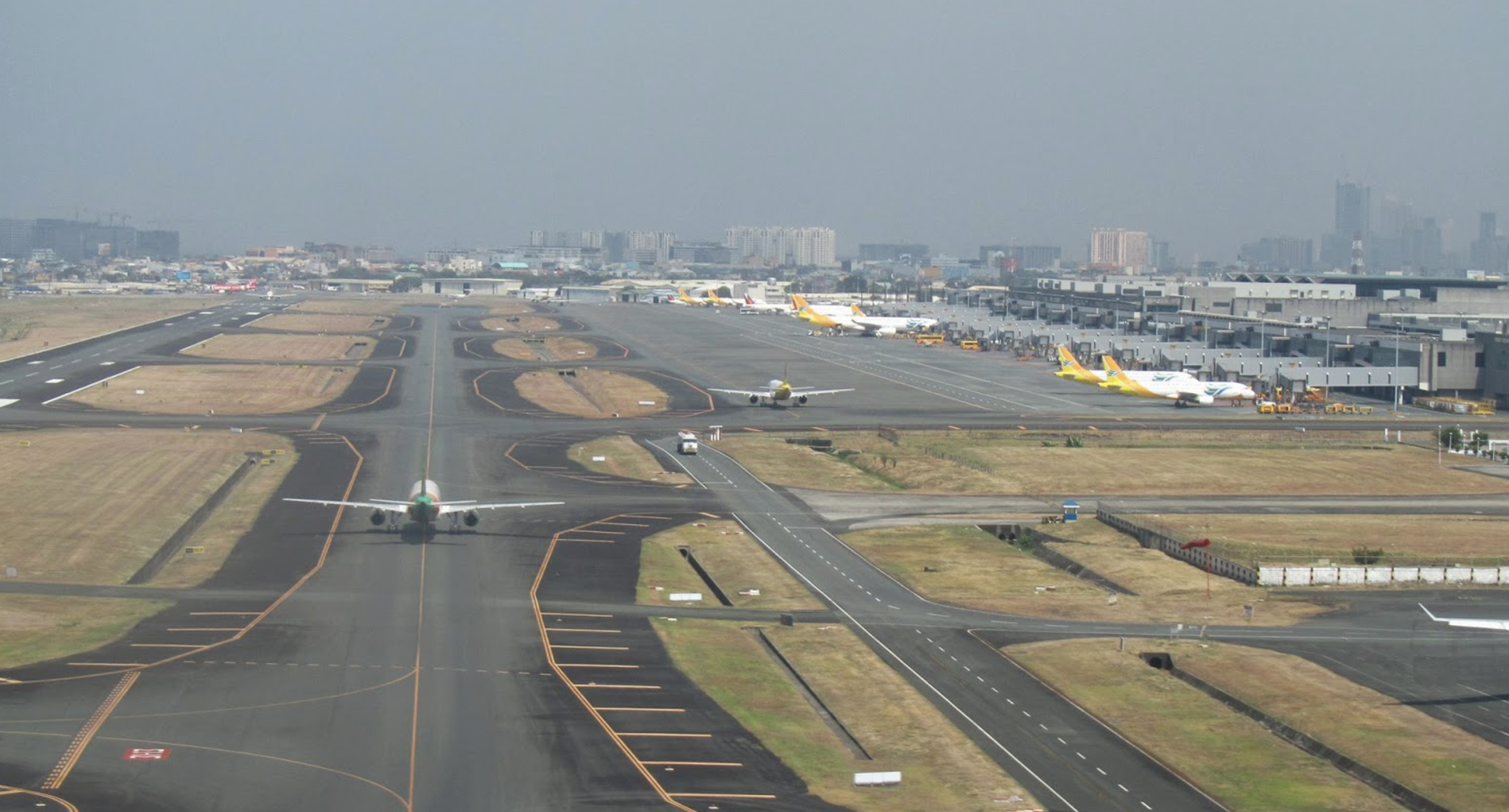
RPLL/Manila is not moving as quickly towards a complete ban of non-scheduled and General Aviation traffic as feared. This is good news for International Operators.

Background: The airport is heavily congested, it’s a big deal in the Philippines, and the President himself started the action to fix things.

The original plan  was that February 2017 would see all GA traffic moved to other airports (aka RPLC/Clark or RPLB/Subic Bay). For international operators, neither of these are great alternatives. Clark can be a 3 hour drive to Manila, and Subic Bay is further again, with about a 4 hour drive.

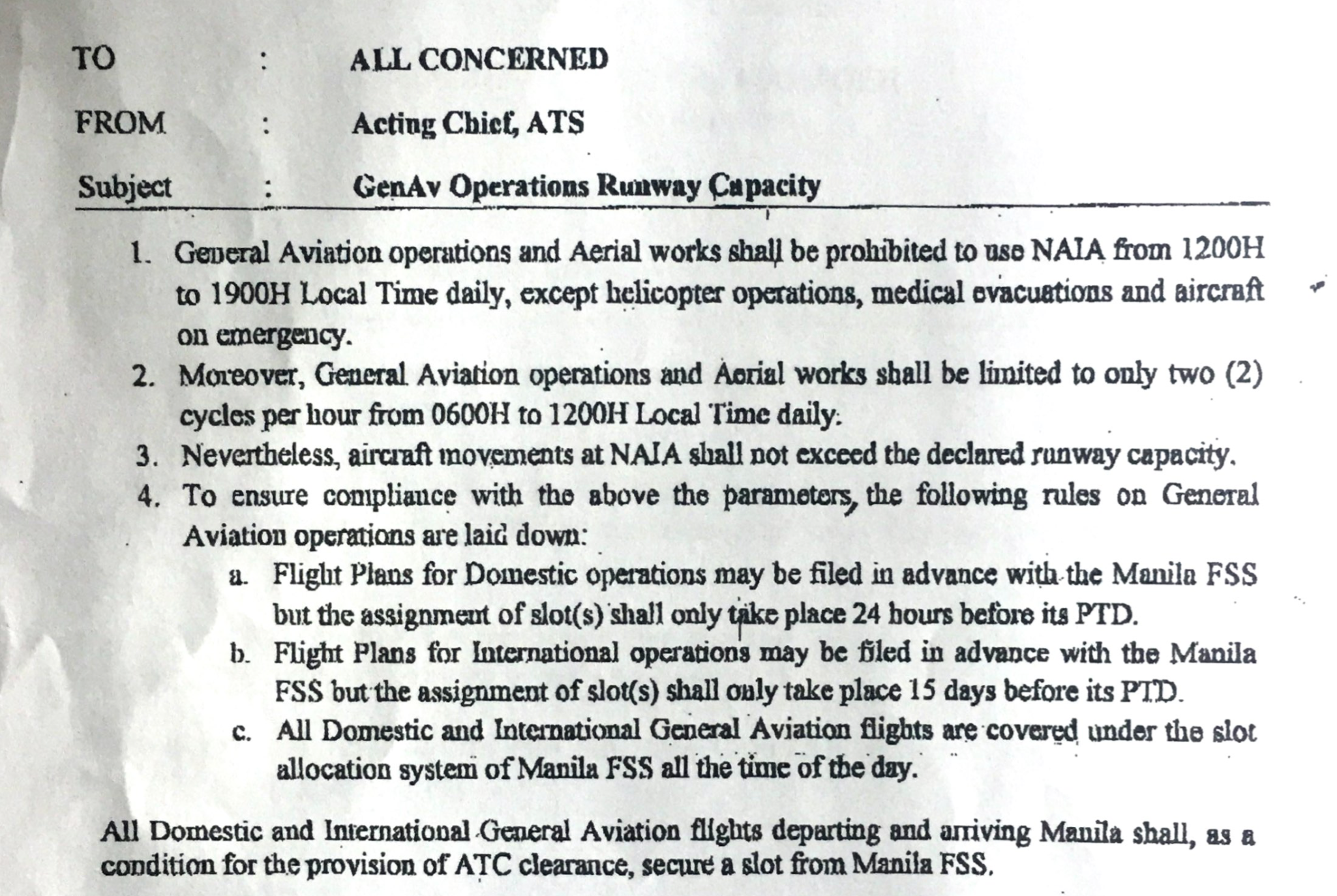
However, the original threat of moving everything that isn’t line traffic out of RPLL might have dissipated. The NAIA Airport Company has now introduced some hefty slot restrictions for GA:

  • 2 GA movements from 0600-1200 local time
  • No GA movements between 1200-1900
  • Slots will be assigned only 24 hours in advance for domestic flights
  • Slots will be assigned maximum 15 days in advance for international flights

The word on the ground (as of January 25th) from the local handling agents, is that the Airport Authority is evaluating whether this might be a sufficient restriction for GA. It seems that they don’t want to exclude GA or non-scheduled flights entirely. We’ll keep you posted.


Boeing 767 shot on approach in Brazil

Details still emerging: this page will be updated. Report any information to report@safeairspace.net.

25 JAN – Information updated.

At Flight Service Bureau we rarely report on individual aircraft incidents, because the impact to other operators in International Flight Operations  is very minimal.  This case is different.

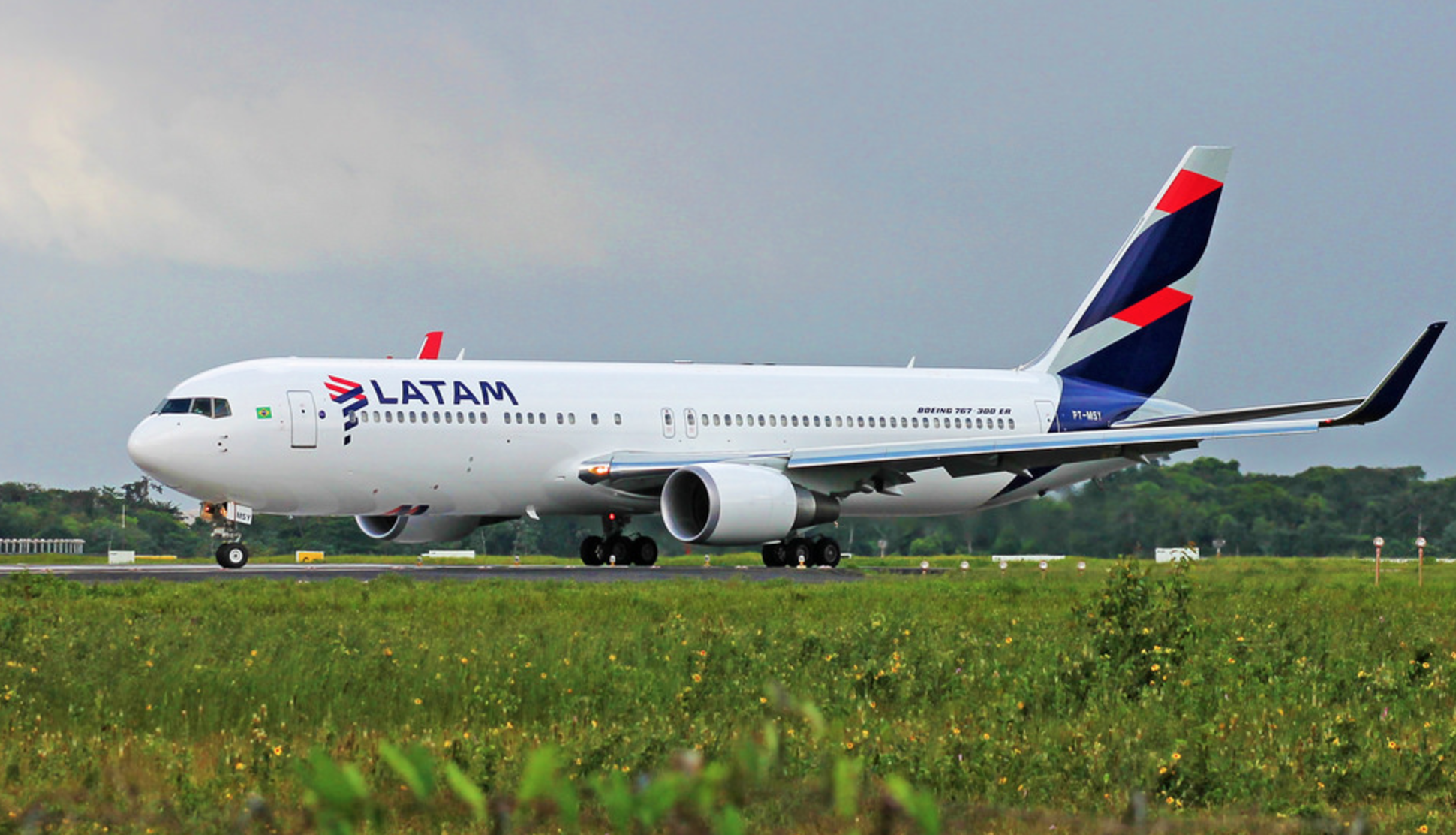
We received an OPSGROUP member report of an incident that occurred around January 15th, to a B767-300 operated by Latam Airlines, on approach.

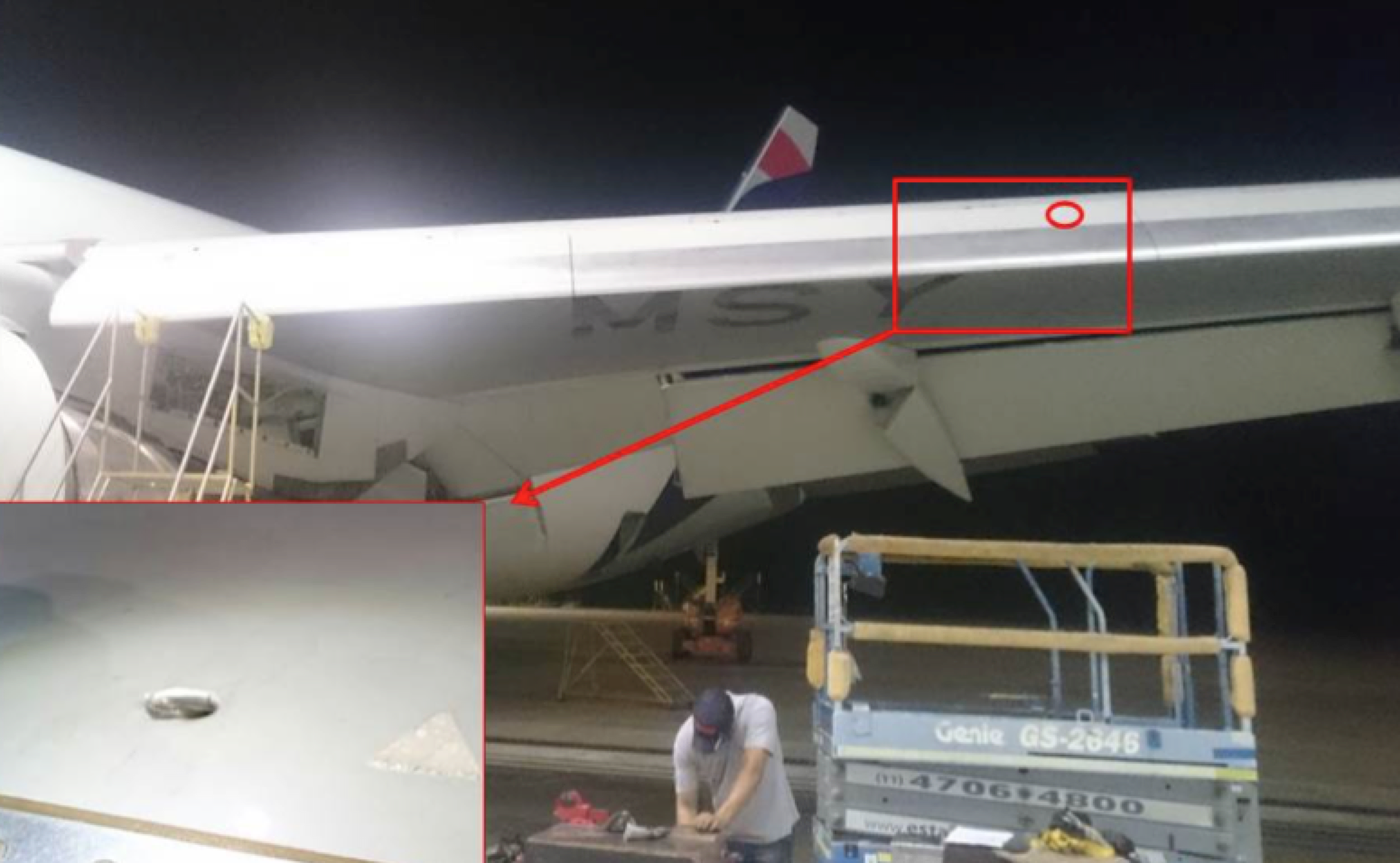
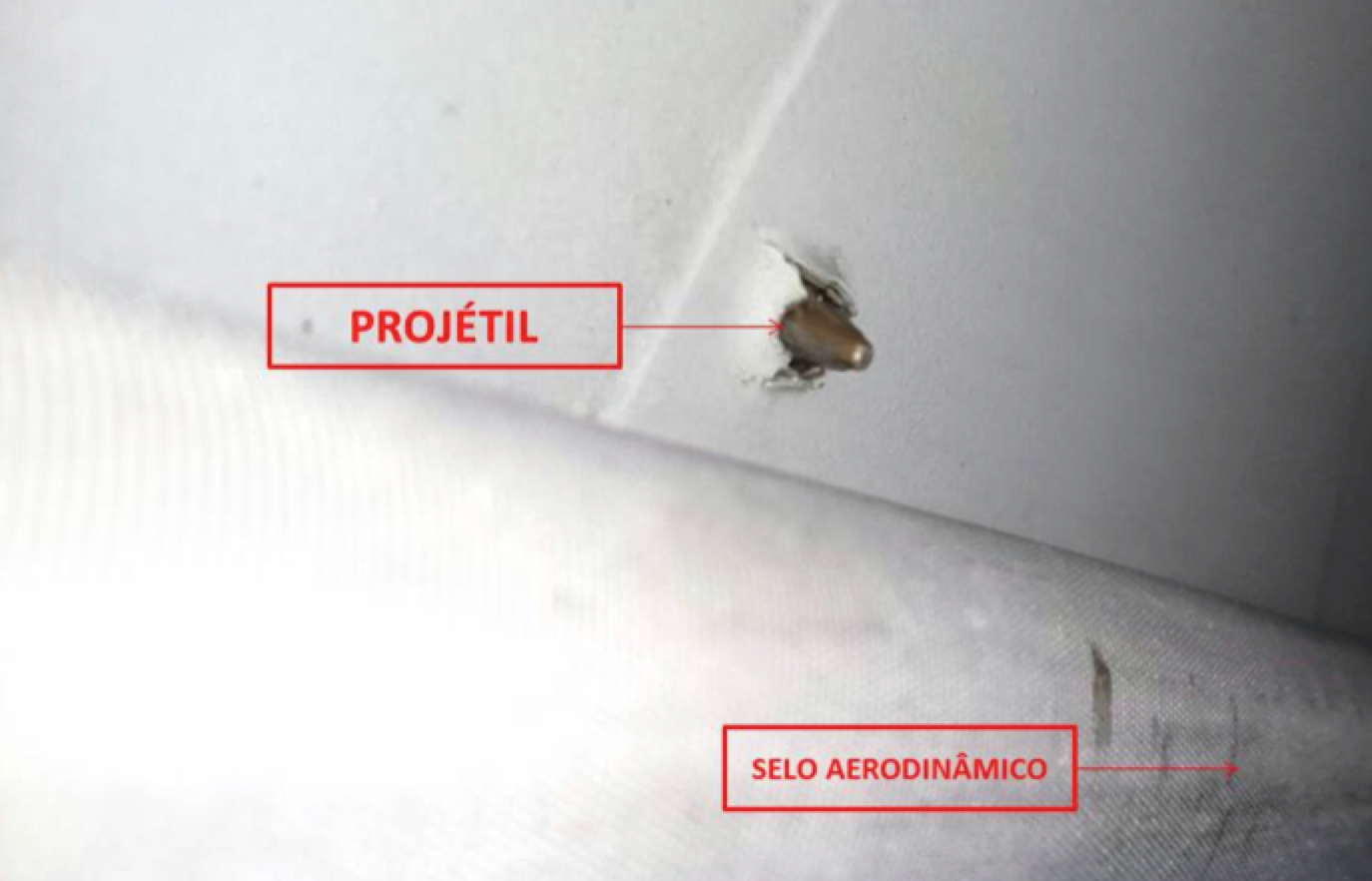
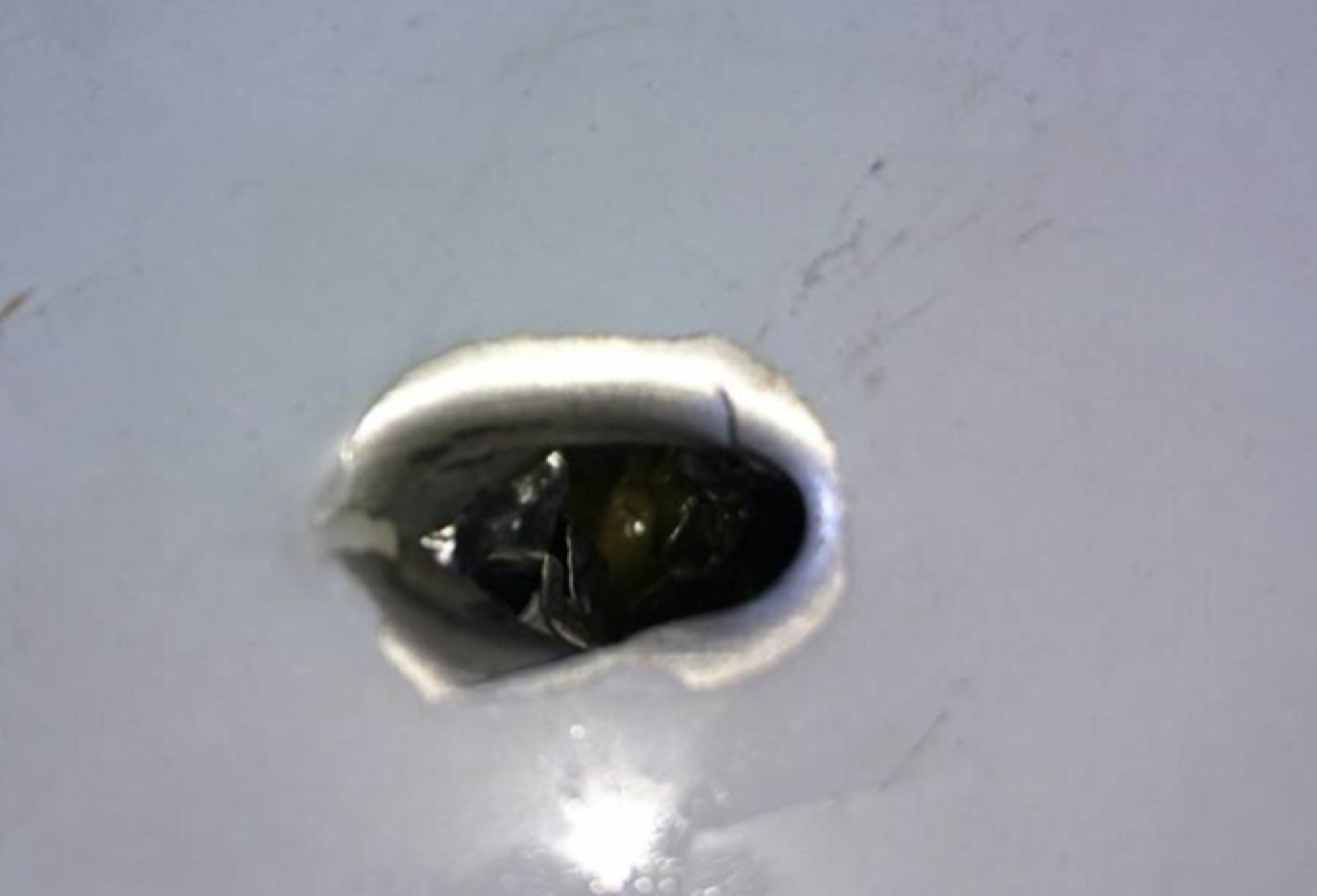
Our initial report indicated that the 767 was fired upon on approach to Runway 15 at SBGL/GIG – the main Rio de Janeiro airport. A 7.62mm bullet lodged in the No. 3 slat, on the left wing. Pictures are below. Subsequent reports from other sources suggest that it may have occured in Sao Paolo.

The specific location in Brazil is therefore uncertain, but anecdotal evidence suggests that the aircraft overflew a favela on approach, and that Rio remains the most likely candidate for the location.

Rio Airport has however asked us to publish this statement:

RIOgaleão, concessionaire responsible for the operation of Tom Jobim International Airport, in Rio de Janeiro (Brazil), informs that there has not been any record of an aircraft hit by a bullet within the airport site. The airline’s press office, in a statement, informed to the Brazilian press that it has activated the national and aviation security agencies. The public agencies investigate the case to identify where the incident occurred.

An entry for Brazil with the full report has been added to SafeAirspace.net, our shared repository on threats to aviation including Conflict Zones, Airspace Security, and Overflight risk.


Update:

19JAN: Rio Airport has asked us to publish this statement:

RIOgaleão, concessionaire responsible for the operation of Tom Jobim International Airport, in Rio de Janeiro (Brazil), informs that there has not been any record of an aircraft hit by a bullet within the airport site. The airline’s press office, in a statement, informed to the Brazilian press that it has activated the national and aviation security agencies. The public agencies investigate the case to identify where the incident occurred.


References:


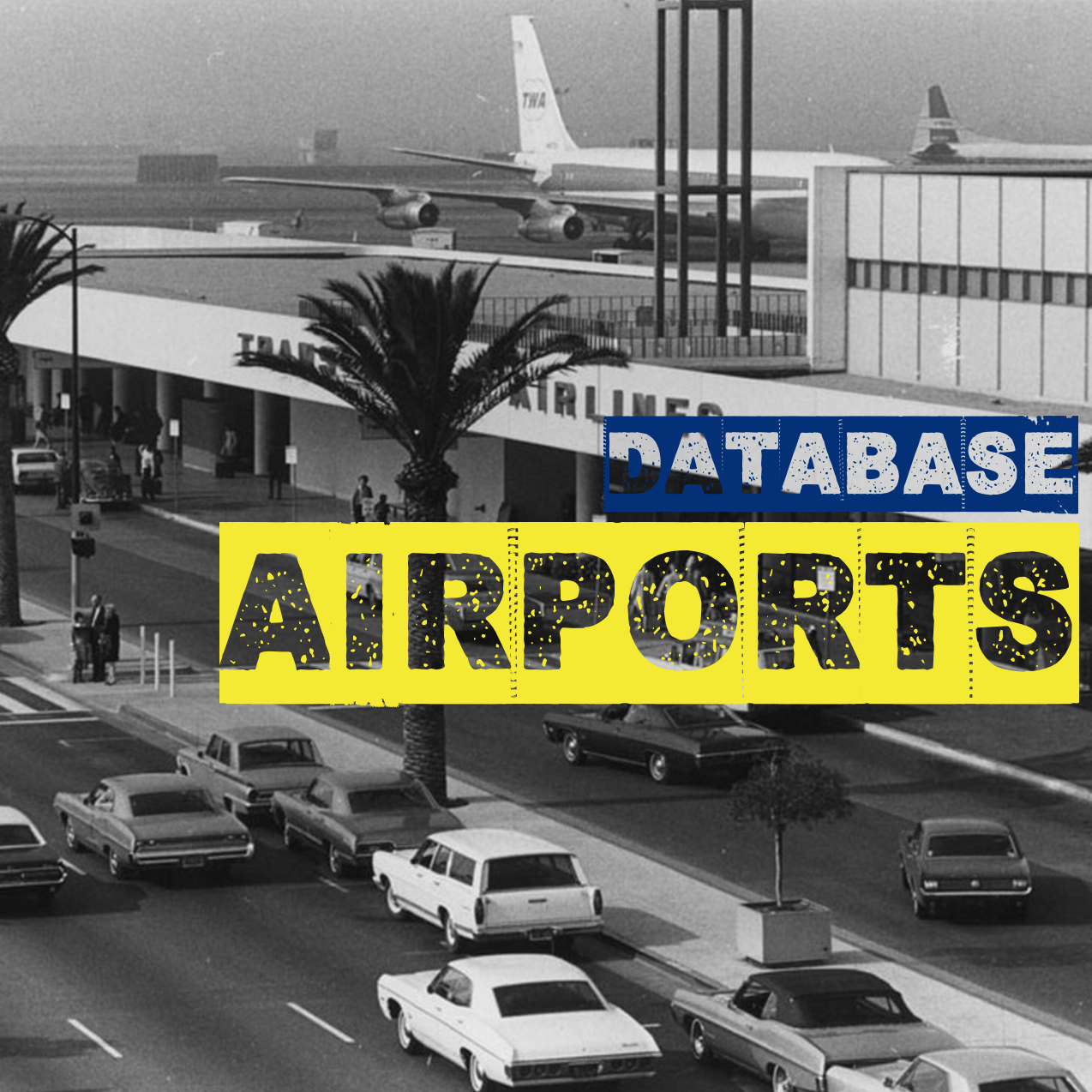
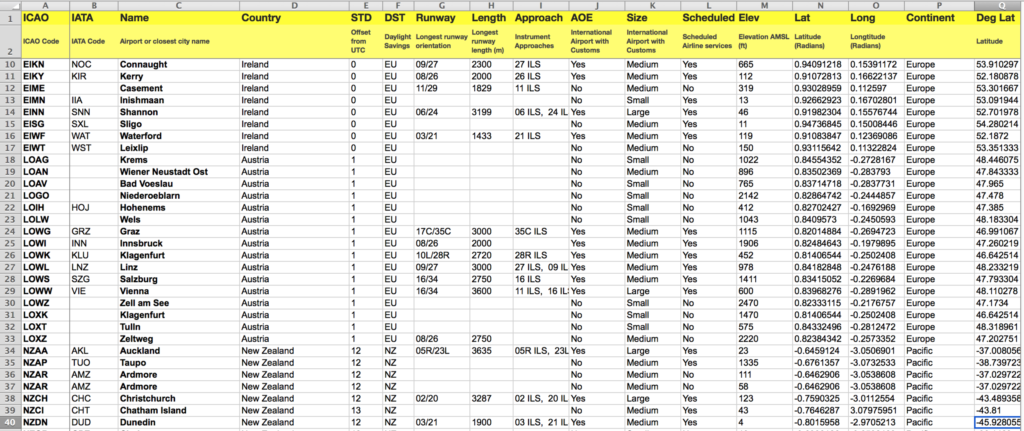
World Airports Database

We needed a reliable, comprehensive Airport database for International Flight Ops. There wasn’t one out there.

That was six years ago. All of the databases that we found online – both paid for and free – had flaws that made them unusable in the daily Flight Operation. Too short, too long, not enough data, wrong codes, badly formatted … We realised that we had to built a new one from scratch.

So we did. In the interim, we’ve added all kinds of useful data to it, updated it, and made it into what we think is the best database for Ops Controllers, Pilots, Airlines, Software developers, and service providers.

Take a look at the database – you can see a sample 100 records, but the full version is a paid product.

Download the sample

static1.squarespace


Sorry, you gotta go to Seletar: Ops to Singapore

Singapore Changi Airport has been named the best airport in the world by Skytrax for the past four years running.

It already has a butterfly garden, free 24-hour cinema, rooftop swimming pool and spa, but soon it’s going to become even more awesome – work is currently underway on the new ten-storey ‘Jewel Terminal’, scheduled for completion in 2018, with a gigantic ‘rain vortex’ waterfall cascading from the ceiling, indoor rainforest park, playgrounds, shopping mall and hotel complex. If it ends up looking anything like the pictures in the brochure, it will be pretty spectacular…

Unfortunately, if you’re operating a business jet to Singapore, you probably won’t be allowed to go there!
The Singapore authorities will not allow overnight parking at Changi for charter flights under any circumstances, and parking for private flights is limited to a maximum of 48 hours. Slots are required, and with the amount of scheduled traffic currently in place, unless you’re planning to do a really quick turn at super off-peak times (ie. the middle of the night), your request will probably be denied.

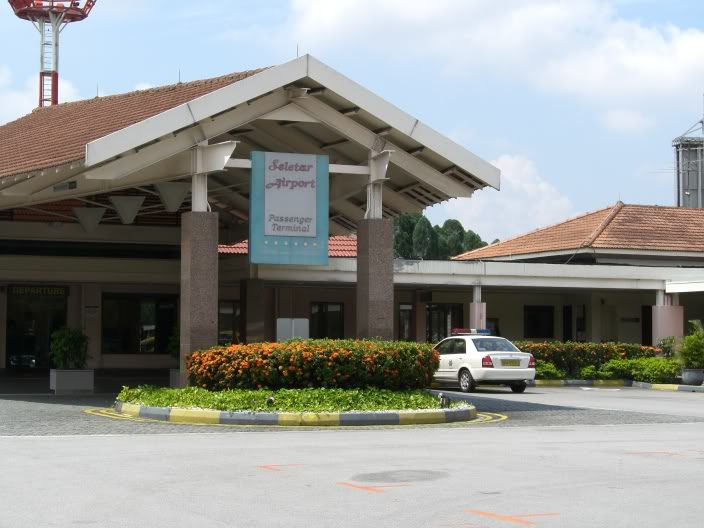
This is where the authorities would like all corporate flights to go instead:

Seletar Airport. Doesn’t look quite as fantastic, does it?

The good news is that unlike Changi, at Seletar there is much less congestion, no parking time limits, and much lower handling costs. However, it does only have a 6024 ft runway and is not due to have ILS installed until some time next year. Added to that, fuel is around $1 per US gallon more expensive than at Changi.

Whether you end up going to Changi or Seletar, if you’re operating as a non-scheduled commercial flight you’re going to need a landing permit, which means you’re going to have to jump through a few hoops.
Here’s a quick breakdown of how to organise that non-sked flight:

Step 1: Get an ‘Operations Permit’ (OP)

You will need to open an ATLAS Account with CAAS and then log in to appoint a handling agent. Then either you or the handling agent will be able to liaise with the authorities to obtain the Operations Permit (OP).

This is basically a blanket approval for that operator to conduct revenue flights to Singapore, and you may have up to 20 aircraft on this permit.

Once this permit is approved, CAAS will advise the validity period which may be up to one year, although the OP will only remain valid for as long as the other aircraft documents are valid for. The OP usually takes 3 working days for approval by CAAS if all paperwork submitted is in order.


Step 2: Get an ‘Air Transport Permit’ (AT)

After securing the OP, it means CAAS have in principle approved you as an operator to carry out charter flights to Singapore.

With the OP in place, you can then apply for an Air Transport Permit (AT) which is required for every individual charter schedule into Singapore (WSSS or WSSL). The AT Permit for WSSS usually takes around 3-5 working days for approval by CAAS, although they will often reject your request and demand that you operate to WSSL instead. The AT Permit for WSSL usually takes around 3 working days for approval.

For the OP and AT permits, you should register an account here:
https://appserver1.caas.gov.sg/ATLAS/welcome.do


Step 3: Slots –  but only if you’re going to Changi!

Remember, slots are only required at Changi, and not at Seletar. You can only obtain slots after you’ve obtained an OP and an AT. Slots will likely take several hours to obtain, and available slot times may differ from what you’ve requested, due to other scheduled traffic. You can only submit requests for slots a maximum of 7 days prior to ops, and a minimum of 24 hours prior. And you will nearly always need to change your schedule in order to match available slot options!

For more information than you could ever possibly need about slot requests at Changi, check the Singapore AIC 2/13:
http://www.caas.gov.sg/caasWeb2010/export/sites/caas/en/Regulations/Aeronautical_Information/AIC/AIC_PDFs/2-13.pdf

For requesting Changi airport slots, if you already have an account then you should use the online system:
https://www.online-coordination.com

Or if you don’t have an account then just send an email with your request in the standard SCR format to:
csc@changiairport.com

Other things to consider…

  • If you’re operating as a private flight to Singapore (instead of non-scheduled commercial), life suddenly gets considerably easier, as permits are not required for private flights! Just make sure you have parking arranged, and file your inbound ATC flight plan 12 hours in advance, being sure to copy in the Singapore ATC AFTN address WSJCZQZX. You’ll still need slots if operating to Changi, but at least you don’t have the added hassle of having to obtain the OP/AT.
  • Permits are not required for Singapore overflights either. The only exception to this is for special airworthiness flights, where for both overflights and landings you basically follow same process – apply for a Singapore Permit To Fly. To do that, complete the form at the following link: http://www.caas.gov.sg/caasWeb2010/export/sites/caas/en/PDF_Documents/Others/aw101.doc
  • It’s also worth noting that in the Singapore FIR, ADS-B is now mandatory for aircraft wishing to fly at or above FL290.


Australia ADS-B requirements: 2017 onwards

Last year Australia switched off most of its navaids, meaning that RNP became a requirement.

This year, they’re asking all aircraft flying in Australian airspace to be ADS-B equipped after February 2nd, 2017. ADS-B means that controllers can use your uplinked GPS position, instead of mammoth SSR Radar Units all over the country.

There are two exemptions:

  • Small Australian-registered GA aircraft
  • Foreign-registered aircraft with the restriction that you must fly below FL290 in continental airspace, and stick “RMK/NIL ADSB AUTH” into Field 18 of the Flight Plan.

You don’t need to apply for special authorisation, just show up.

References:


Shanwick Bogus Messages

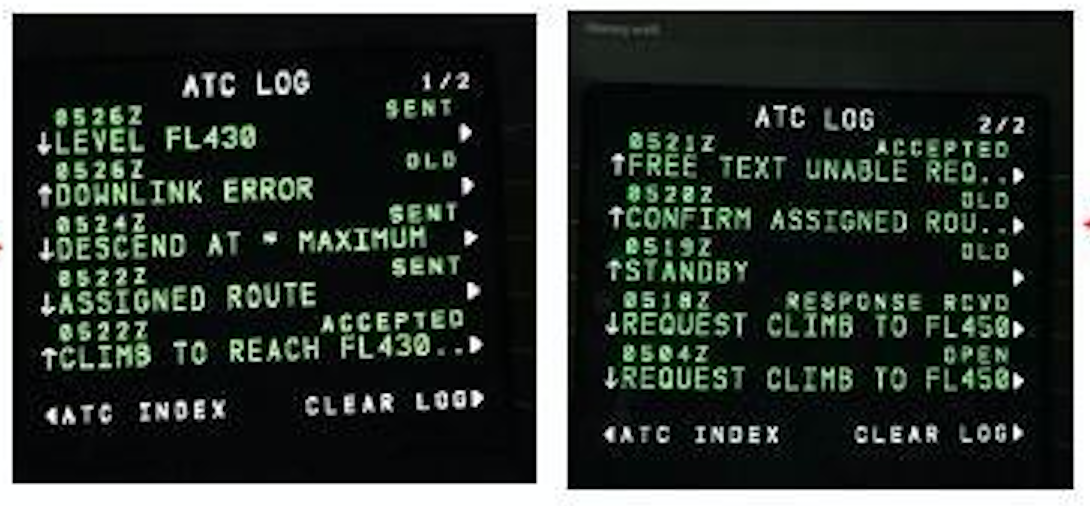
Just around New Years, a story started growing legs about Bogus CPDLC messages from Shanwick and Gander. In the most worrying version of events, the G550 crew received a “Descend at Max Rate” type message on CPDLC, and when they checked on voice with ATC it hadn’t come from them.

We had lots of replies on this – both by email and in slack, thanks everyone! So here is the event summary as pieced together by the community:

– This was a single event that happened in December, at 0500Z one morning, to a G550
– It was caused by an avionics bug in the FMS – a valid error message was parsed incorrectly and assigned a value of “Descend at max rate” by the FMS, which appeared on the screen.
– Fears of it being some kind of spoofing or hack are unfounded. The initial story spread like wildfire! But ultimately, a non-event.

Confirm Assigned Route

This was the second part of the concerns about CPDLC messages from Shanwick. Lots of crews have been getting an FMS message after passing the Oceanic Entry Point saying “Confirm Assigned Route”. We’ve probably gotten 50 distinct messages/emails/queries on this. Many crews don’t know quite what this is or what to do with it, and many wondered if it was also a “bogus message”.

This is normal. It’s a new procedure, and this message is now automatically sent by Gander, Shanwick, and Iceland. The reason for the message, is to act as a cross check, now that we’re all cruising with 30 miles between us instead of the old school 60. When you do “Confirm Assigned Route”, then ATC knows that you’re both on the same page.

We first mentioned it here in November, have a read. The only recent update is that Gander and Iceland have automated the CPDLC message, so everyone that logs on will get the “Confirm Assigned Route” message.


New ICAO SID/STAR Phraseologies from 10 November 2016 (or not?)

This is not going to be a short story.

But here’s the summary. In June 2016, ICAO updated Doc 4444 (the Air Traffic Control bible) with Amendment 7.

One of the main things this new bit does, is to change what the controller will say to the pilot, on a Standard Instrument Departure (SID), and on a Standard Instrument Arrival (STAR).

The new phraseology headline is “CLIMB VIA” and “DESCEND VIA”, but there are many more new parts to it.

So, here’s the problem. Doc 4444 is the master document, but each country has to implement the changes. And many are not – because they haven’t had time to train the controllers, or because they haven’t done a safety case (ie. figured out if anything in the new phraseologies might be dangerous), or … other reasons.

Some states have even published AIC’s to say that they won’t be implementing the changes (Australia, Switzerland). Others have already published the changes (Iceland, for example).

Confusing? You bet. For now, do two things:

  1. Read the new rules, because you’ll hear them from November 10th, but we’re not exactly sure where yet.
  2. Comment below and tell us any additional info you have.

The new rules are here:

  1. ICAO State Letter (the official version, with the verbatim changes to Doc 4444)
  2. A summary leaflet from ICAO – the highlights.
  3. SID/STAR Scenarios and Example Phraseologies from ICAO (a longer document).

We’ll keep this page updated as we hear more …

Will be implementing the change
Iceland
Latvia
Sweden (if we read AIP Supp 89 correctly)

Won’t be implementing the change – yet

Finland
Singapore
Australia
Switzerland
United Kingdom (not until late 2017, earliest)


Flying to Canada with a criminal record

The NBAA has posted useful updated information on flying to Canada with previous convictions, which may affect your passengers, or crew. Canada is known for refusing entry to the country if you have a DUI charge on your record.

Here are the highlights:

If denied admission because of a DUI, a traveler’s options depend on the time elapsed from the completion of the sentence or probation period, not the arrest date.

  • If it has been 10 years or more, you’re automatically deemed rehabilitated, and the border agent welcomes you to Canada.
  • Between 5 and 10 years from the completion of a sentence or probation, travellers can apply for “criminal rehabilitation,” which documents that someone is “no longer a public safety threat in Canada and costs up to $1,000, said Healy.
  • For those whose sentence or probation ended less than 5 years ago, Canadian border officials can offer a one-time free temporary resident permit. The permit, which costs $200, is good for up to a year, and you can enter and leave Canada as needed during the approved period. A traveler can apply for a permit at a consulate or at the border, but a traveler’s ability to use this option at the border is at the discretion of the border official involved.

Also, from tomorrow, November 10, 2016 – most people will need an eTA to enter Canada. More on that here.


Winter Is Coming

Well, we have a question for you.” The New York Center controller seemed amused.

“Go ahead,” I replied, my voice made uneven by the moderate turbulence we were bouncing around in. As I answered, I cast another look over my shoulder at the ice on the wings. The Dash-8 boots were doing their job, at least for now. The aircraft took on a bit of shudder as the props flung ice unevenly off of the blades.

The Center controller delivered the news with a mixture of ironic humor and pity. “Williamsport wants to know if you want them to plow the runway. They say they are closed currently. They have four inches of snow on the runway, but there is a hard crust of ice on top.”

I quickly retrieved the flight release and rifled through the six foot paper scroll to find the NOTAMs. Nothing about the airport being closed, thank Zeus. At least I didn’t miss something big like that. Dispatch should have known—but here we were, halfway between Philadelphia and Williamsport, in and out of freezing rain. I eyed the fuel gauges critically. Plenty left to get there and fly back, if need be. At least there was that.

“Well yeah,” I told the controller. “Plowing the runway would be helpful.”

That night ended with a circling approach to minimums through a narrow valley in light freezing rain mixed with snow. The First Officer flew the approach perfectly, and thanks to the superior stopping power of the Dash 8 we had plenty of slick runway left to play with. Just another Northeast U.S. winter night—par for the course from November until March.

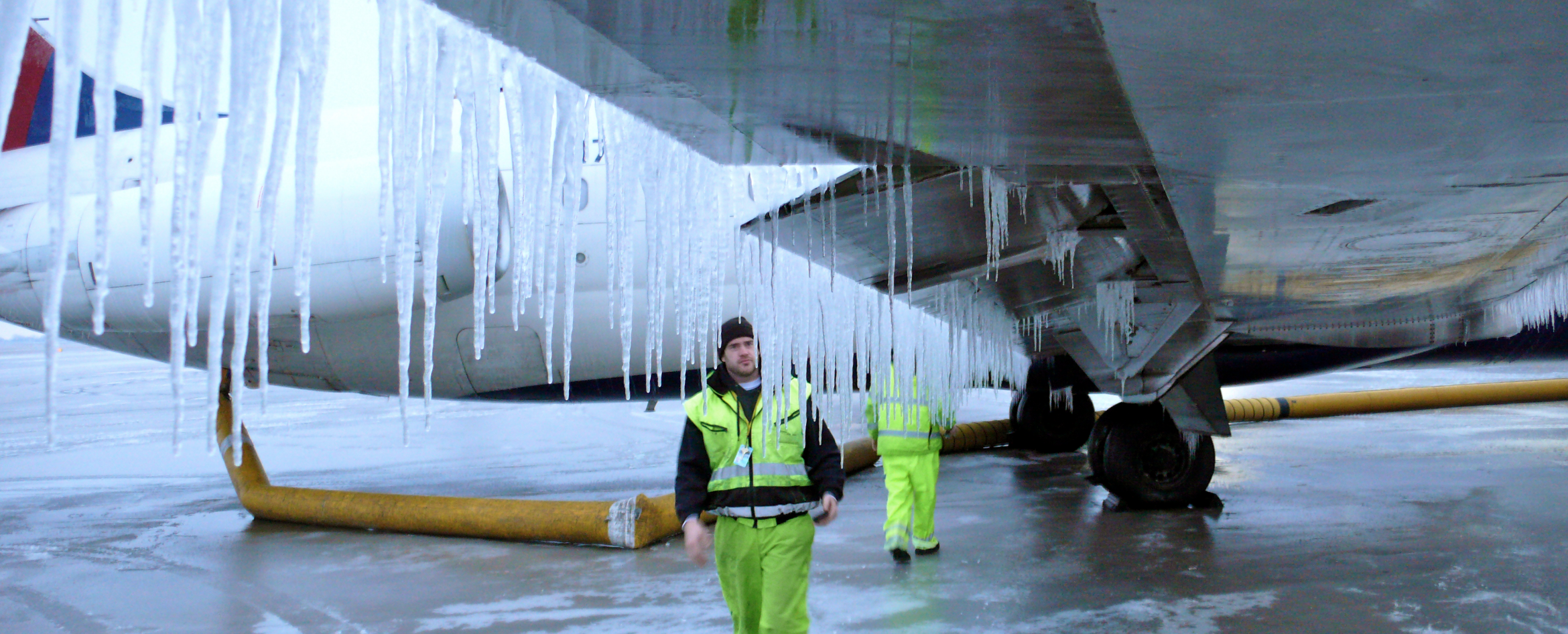
Winter is coming. In some parts of the world, winter is already here and people are insistent on staying inside on top of their twin mattress. However, for pilots, they still have to brave the weather. Flying always brings challenges, but winter supplies extra problems that separates mere pilots from imaginative problem solvers. Problem solving must always be wrapped in a healthy rind of risk analysis. When things go bad in winter weather, they often go bad in a big way.

The accident record is filled with examples of the problems that ice and snow can cause. The American Eagle ATR in Indiana in 1994 was brought down by the crew’s lack of appreciation for the extreme effects of super-cooled large droplets (SLD). In 2005, Southwest Airlines slid off of the end of a slick runway at Chicago Midway. There have been icing induced loss of control events the world over and a few aircraft seem to slip off of the taxiway every winter. Sometimes, simply the additional worry and workload posed by extreme winter weather can add risk. A crew can find themselves rapidly being overcome by events, leaving little time to make decisions in a highly dynamic environment.

de-icing

Technology has come a long way in helping to mitigate the risks that winter can pose. There are now predictive charts for SLD that pilots can examine prior to flight. Deice and Anti-ice fluid technology has improved in past years; there are now three different types of fluid available for use, each tailored for a specific application. The holdover times (the amount of time that fluids remain effective) are revised on a yearly basis as formulations change and the science improves. Some airports are even experimenting with large heaters and infrared deicing technology. Predictive weather tools are much better as well, leading to proactive cancellations that allow aircraft to be positioned for relatively rapid system recovery once a major winter storm has passed.

But there are still problems … Even the best anti-icing fluids can rapidly lose effectiveness in the right conditions; temperatures near freezing with high humidity makes for large, wet flakes that can quickly saturate even the most robust Type 4 fluids and render them useless. Weather systems can capriciously change course with little warning, meaning the difference between a snow apocalypse and a mild dusting of white. Winter is expensive too, with deicing and anti-icing fluids costing more per gallon than jet fuel. Duty days get longer, crews get fatigued, schedules lag and dispatchers become swamped with work. There is nothing more expensive than operating a late airline, and late is often the rule rather than the exception when it comes to winter operations.

So, what is the key to safe winter operations? Planning is essential, but so is flexibility. Many airports have instituted gate hold programs for deicing operations, which helps prevent needless burning of jet fuel on the taxiway. Proactive assessment is key. Knowing the conditions at the destination prior to departure can mean the difference between a successful outcome and tens of thousands to dollars of expense for a divert to an alternate. Caution is the most important concept. Aircraft performance numbers are important, but takeoff and landing distance data should be taken with a grain of salt: it is not uncommon for conditions to vary significantly along the runway length, especially at smaller airports with limited snow removal capabilities.

Planning and caution can mean the difference between a successful, safe operation and having to have a crew have to get creative in the middle of the night. Winter is coming. Time to get ready.


Sharm El Sheikh reopens to international traffic, conflicting views on that …

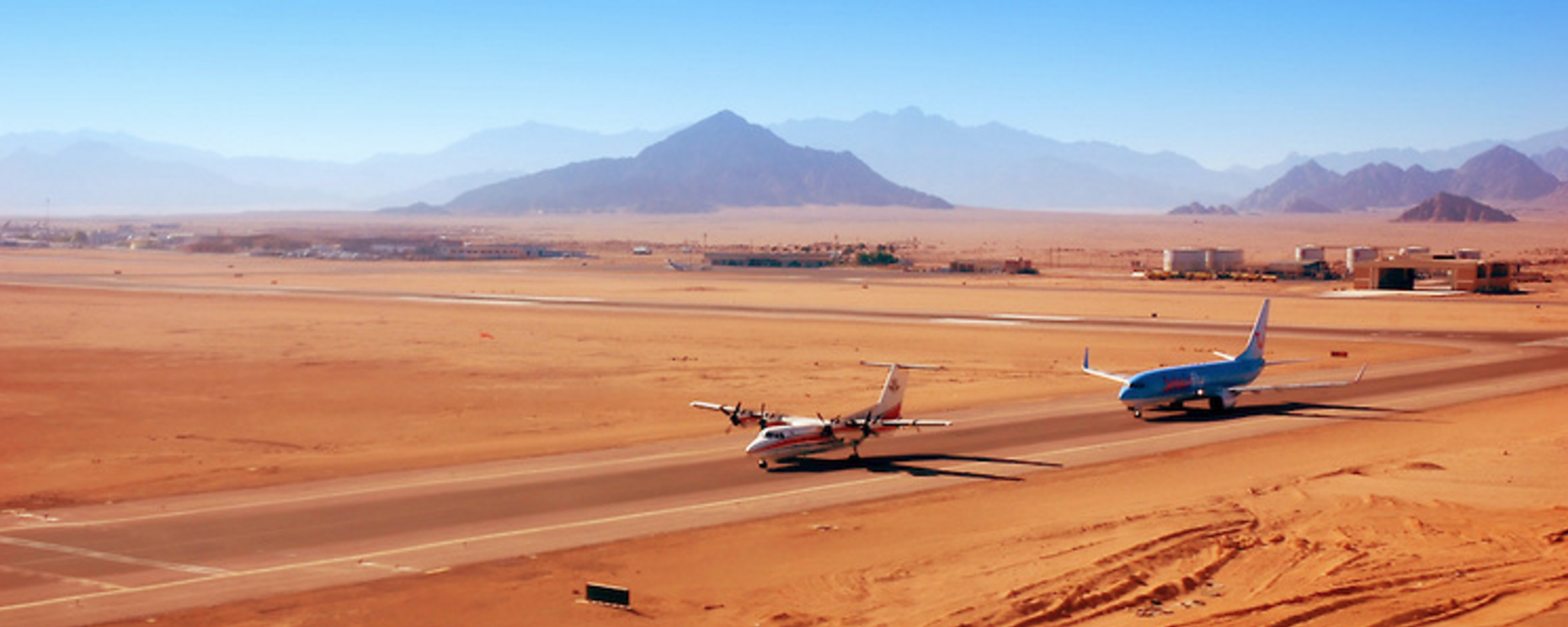
HESH/Sharm El Sheikh, Egypt has reopened to international traffic, with a large number of airlines starting services again on 01NOV.

Before the bombing of Metrojet 9268 one year ago, Sharm was the 3rd busiest airport in Egypt.

However, there are conflicting views on security at the airport, depending on your state of registry. Operators from Germany, Poland, Russia have now started operations, but UK government policy keeps HESH on the ban list.

Our overflight advice for the Sinai Peninsula remains in place, on the basis of FAA Notam KICZ 6/16, and EASA SIB 2014-30R2 (UK and Germany) . View safeairspace.net for the current map.

At the same time, Egyptian newspapers are carrying stories that Tourism levels will return to pre-2011 levels within the next few months. Now that’s optimistic.

opg-safeairspace


Hong Kong is a pain in the ass – it’s official

After a few members complained, we put  the question out to OpsGroup:  is operating a non-scheduled flight to Hong Kong really that difficult?

The response was a resounding “Yes”. 

Why then? Operators talk of having to cancel planned flights, that it’s impossible to get a decent schedule, and even with a poor one, that lining up slots, parking, permits and handling is extremely difficult. End result: a mountain of frustration.

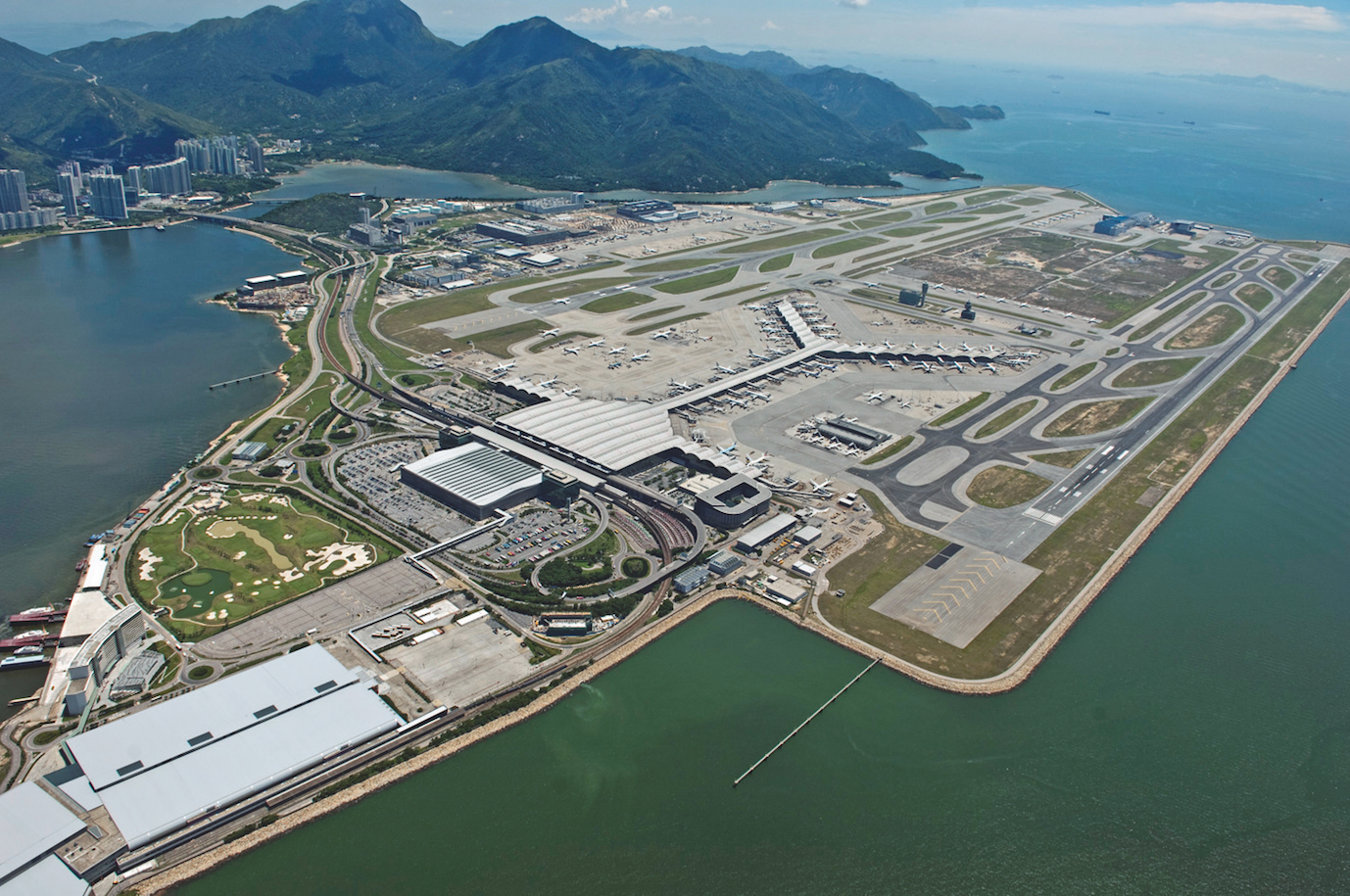
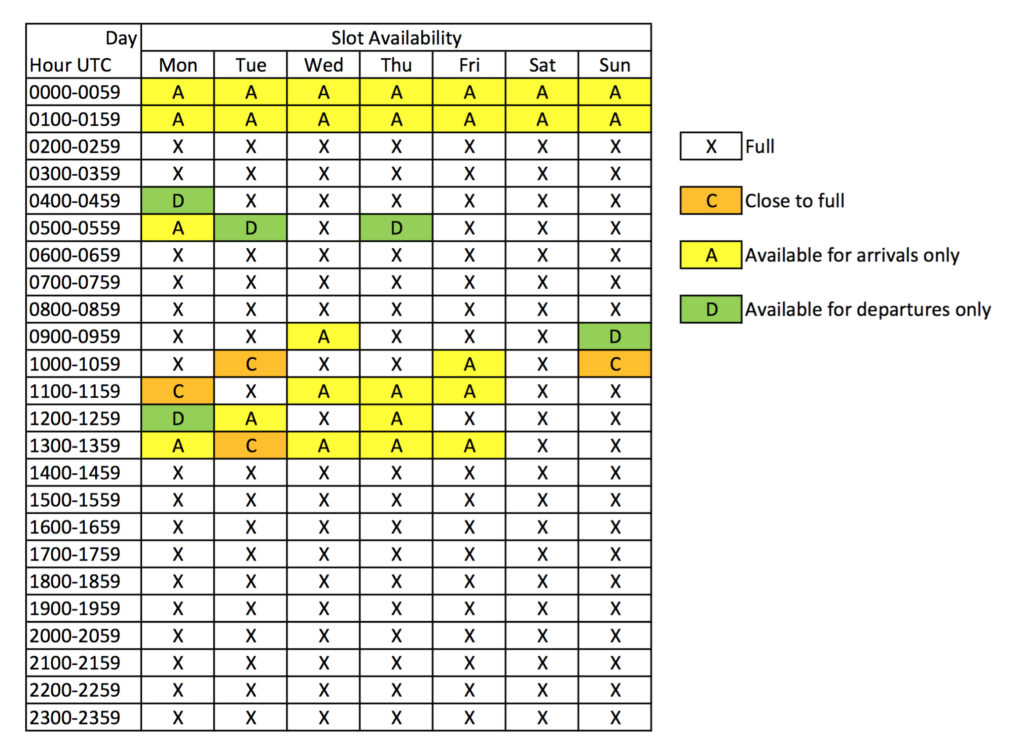
Trying to get slots at Hong Kong International Airport has always been tricky. Now the world’s third busiest airport with over 1000 flights per day departing from its two runways, severe congestion means that only a handful of daily slots have been available to private, corporate and non-scheduled operators.

Here’s a look at a typical daily slot availability chart at Hong Kong International Airport:

typical-daily-hk-slot-availability

Back in March 2016, the airport authority made it mandatory for all BA/GA operators to start using the Online Coordination System (OCS) to reserve their slots, rather than by email as they had done previously. But for many, this system has proven to be frustrating, as a lack of enforcement has meant that slot hoarding and mismanagement by some operators has largely gone unpunished.

But in a recent attempt to crack down on such behaviour and to prevent slots going unused, the airport authority has tightened restrictions for operators flying into or out of Hong Kong. You now need all 4 of the following to be confirmed in advance: landing permit, parking, ground handling, and slots.

New changes mean that slots can be booked up to 14 days in advance (instead of 7 days as before), and authorities will monitor the slot system for intentional misuse – which could lead to operators being banned from using the system altogether. Other violations include any cancellations of outbound flights less than 72 hours before departure, and delays on the day by more than 2 hours – although any off-slot operations outside a tolerance of +/-20 minutes can still flag up for potential slot misuse.


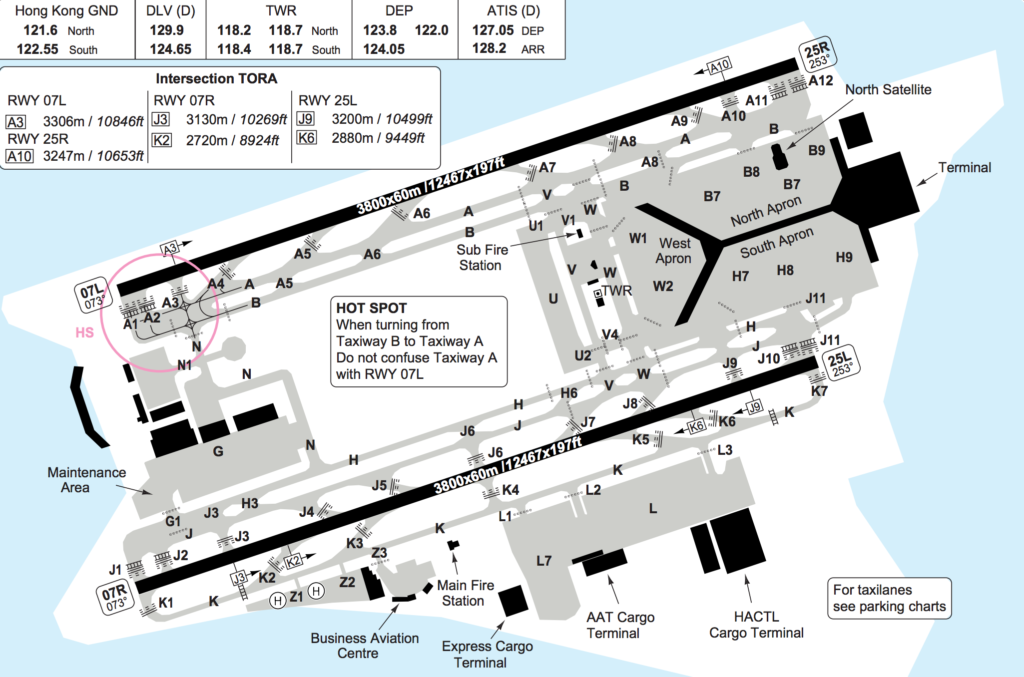
hk-apt-chart

As for parking – again, severe congestion means this is problematic. Parking is confirmed on a first-come-first-served basis, and can be applied for up to 30 days in advance – ultimately, the earlier you apply the better. However, parking requests for 5 days or more will likely be rejected, and overnight parking is often denied during busy periods. If this happens, unfortunately the best strategy is still to just keep making new applications until you get accepted!

Over 100 business jets use HKIA as their home base, but fewer than 70 parking spaces are available at any given time, and the GA ramp itself only has space for 20 aircraft. If full, the authorities will rarely grant parking on the commercial side, and often they will just deny the parking request altogether. Once your parking is approved, you’ll receive a confirmation, and this must be given to your ground handler.

It should be noted that the requests for the landing permit, parking, ground handling and slots are all separate from each other, and need to be applied for individually. We would recommend the following, in order:


1. Apply for LANDING PERMIT

Can be done whenever, but should probably be done first.

www.cad.gov.hk/english/efiling_home.html

Civil Aviation Department (CAD)

Email: asd@cad.gov.hk, gcmtse@cad.gov.hk

Phone: +852 2910-6648, -6629


2. Apply for PARKING

Can be done up to 14 days in advance of flight, the earlier you do this the better!

https://extranet.hongkongairport.com/baps/

Hong Kong Airport Authority (HKAA)

Email: bjetslot@hkairport.com


3. Apply for GROUND HANDLING

There are plenty of agents and handlers at VHHH, but only one dedicated FBO for BA/GA flights:

http://www.hkbac.com/en

Hong Kong Business Aviation Centre (HKBAC)

Email: hkbac@hkbac.com

Phone: +852 2949 9000


4. Apply for SLOTS

Will only be considered 14 days prior to flight.

http://www.hkgslot.gov.hk/Online_Coordination.html

Hong Kong Schedule Coordination Office (HKSCO)

Email: hkgslot@cad.gov.hk

Phone: +852 2910 6898


NAT changes slow down

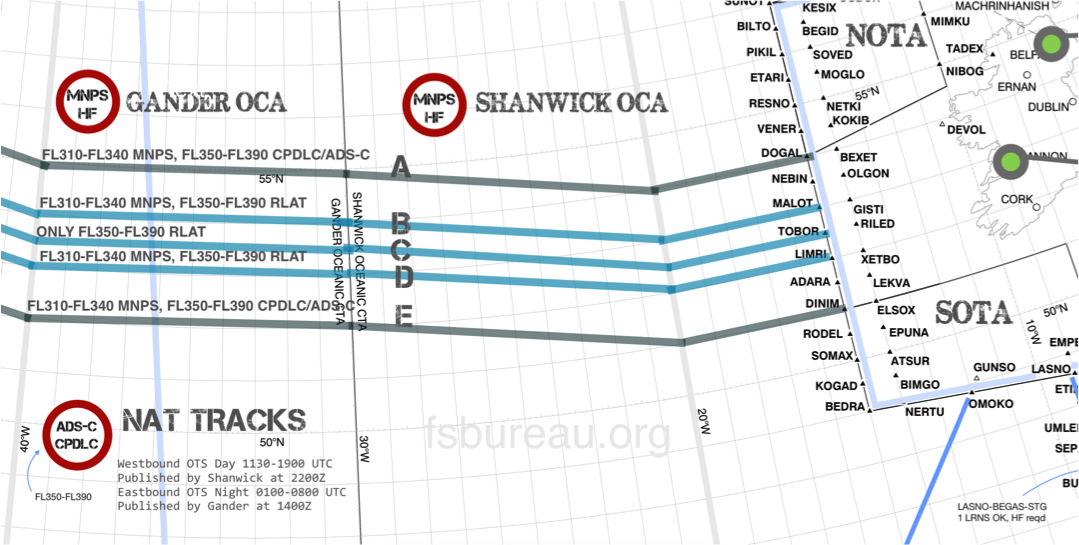
Last week, we updated OpsGroup members with the changes on the NAT in the last 12 months with a special briefing. There have been many – MNPS being renamed HLA, new requirement for RNP4/10, new waypoints, airspace changes, the addition of Bodo to MNPS/HLA, and the introduction of RLAT – Reduced lateral separation: that is, half-track spacing for the first time.

The initial Phase of RLAT was introduced in December last year. Since then, there has been the option for suitably equipped aircraft (ADS, CPDLC and RNP4) to use one of the three new daily RLAT tracks, where aircraft are operating 30nm apart instead of 60nm.

The NAT plan at large called for Phase 2 to  follow this coming November, where the NAT Tracks would be ‘squashed together’ and all tracks would be RLAT above FL350, leaving only a couple of available tracks – spaced at 60nm, for everyone else.

However, we have been advised this week by the NAT working groups that this implementation in November will not go ahead as planned. There are some issues that Gander, Shanwick, and Iceland have to work through before their systems are ready to handle the next stage – meaning that the implementation of “RLAT only” is pushed out until, most likely, sometime next year.

So, for now, RLAT will stay on a maximum of three tracks – thereby slowing down the rate of change on the NAT, which probably comes as good news to operators. We’ll keep you posted.


natt


New airspace warnings – Turkey, Iran

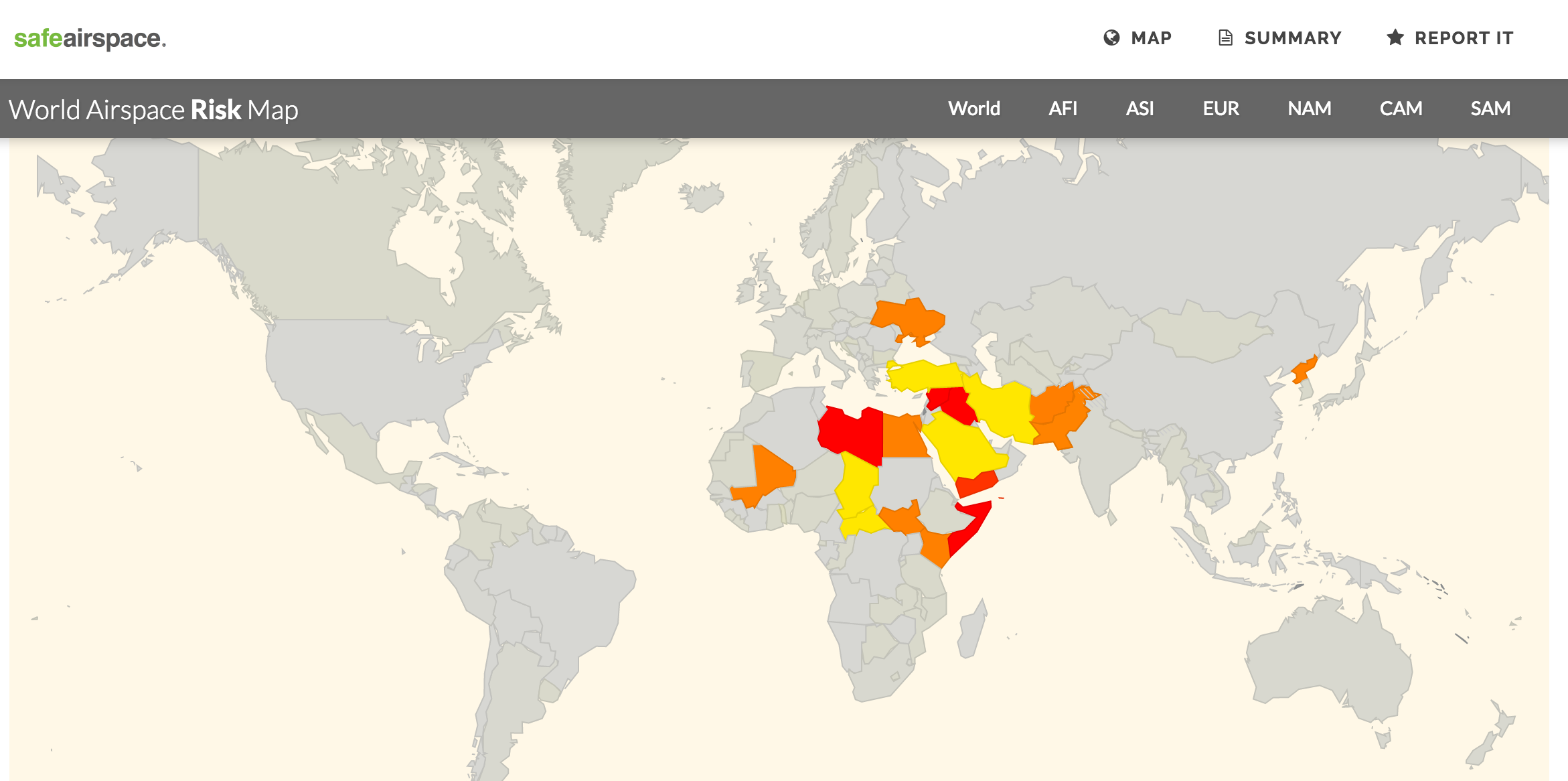
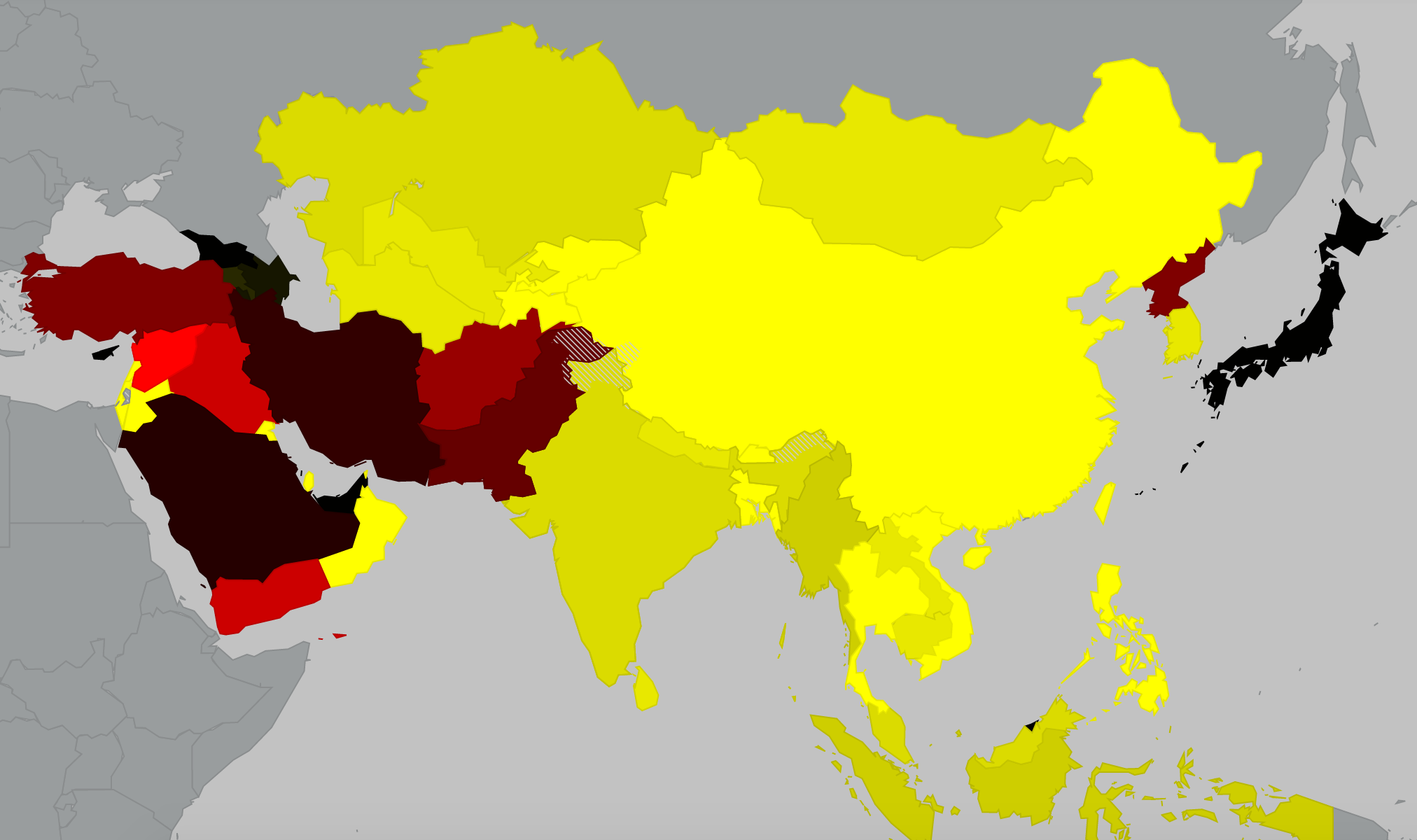
Today Flight Service Bureau has published ION05/16 – an updated Unsafe Airspace Summary, with new warnings for Turkey, and Iran, and a new map at safeairspace.net. This replaces 04/16 issued in August.

Turkey: 23SEP16 Germany B1289/16 Do not plan flights to LTAJ due potential ground to ground firing in the vicinity of LTAJ/Gaziantep Airport.

Iran: 09SEP16 FAA Notam KICZ 19/16 Exercise caution within Tehran FIR due military activity.

New information in the PDF is marked with a   I   beside it. Please distribute the PDF to anyone you like, we are keen to make sure as many operators as possible are aware of the risks.


opg-safeairspace


Safe Airspace

One of the greatest gifts of having this wonderful group of people is the ability for any one of us to report something important, and let the rest of the group know. And for us, there is no more important area than Overflight Risk. Since MH17, there has been a constant stream of additional territories that need to be carefully watched – most recently, Kenya and North Korea. 

We’ve played around with a risk map for the group in various forms over the last few months, and out of that has come our safe airspace initiative (together with The Airline Cooperative).

OPSGROUP members have been instrumental in figuring out just how to gather this information, and present it in a really understandable form. Often, Airlines and Governments have more information than the private sector, and it can be really tough if you’re the lone dispatcher or single Chief Pilot in a GA/Charter/Business Jet operation. Thankfully, in the group, we have a Noah’s Ark of ops people – and so we get to see it from every perspective.

opg-safeairspace

To join OPSGROUP, visit opsgroup.co/#Join.


Pan Am, 727’s, and 1977 …

This afternoon I took a boat across the river to the Jersey side  and looked back at New York City; amongst the skyscrapers in Midtown one stood out – the MetLife building. It seemed familiar – and I wondered why. I realised it was once the PanAm building: in a different era, this was the headquarters of Pan American World Airways.

pan-am-3

Most interestingly, there was once a helicopter service, operated by PanAm in 1977, that connected downtown Manhattan with JFK, if you had a First or ‘Clipper Class’ ticket on a PanAm flight. The helicopter transfer, from the helipad on the roof of the PanAm building, took about 7 minutes – compare this to the 1 hour and 7 minutes it takes to get out to JFK these days – if you’re lucky.

1984-ad-pan-am-one-free

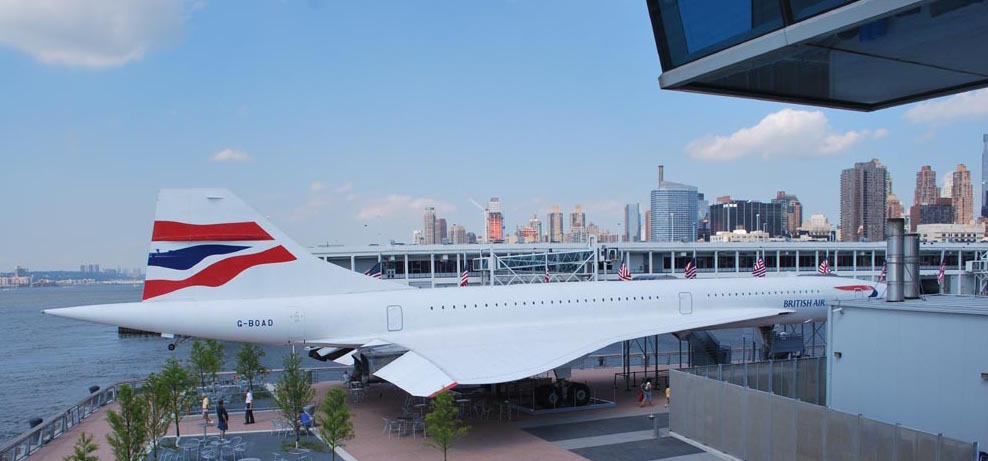
Today, a couple of blocks west of the former PanAm building sits a lonely Concorde beside the Hudson, another nod to a time when aviation seems to have offered more convenience and speed than it does today.

intrepidtws11

So, the question is whether this is nothing more than nostalgia, or whether things were indeed, in some way, better back then. Everyone will have their own answer to that – we’ve lost  Tristars with elevators, DC-8’s with their chrome and diesel and smoke and crackle, 727’s and Bac 1-11’s with their rear airstairs – and what have we gained? The newest arrivals – the C Series, the A350, the 787 – are sleek, fuel efficient, and open up new routes that weren’t possible before – but are pretty unspectacular.

No doubt though, the generation that got to fly and operate these aircraft looked back on the days of Flying Boats and DC-3 with equal fondness. I wonder whether the aircraft coming off the production lines today will evoke the same thoughts.

In International Flight Operations, though, it must be said that things are much improved. Compared to the era that spans the 70’s to the 90s, we’ve now got vastly improved flight planning systems, more direct routes, much better navigation systems, and we’ve largely moved from SITA, phone calls and fax machines to email when it comes to organising those flights. For the Dispatcher and Planner, there is no doubt that life is far easier. Even ten years ago, trying to arrange handling anywhere outside the US and Europe would take days to set up – now, the same trip can be arranged in 30 minutes.

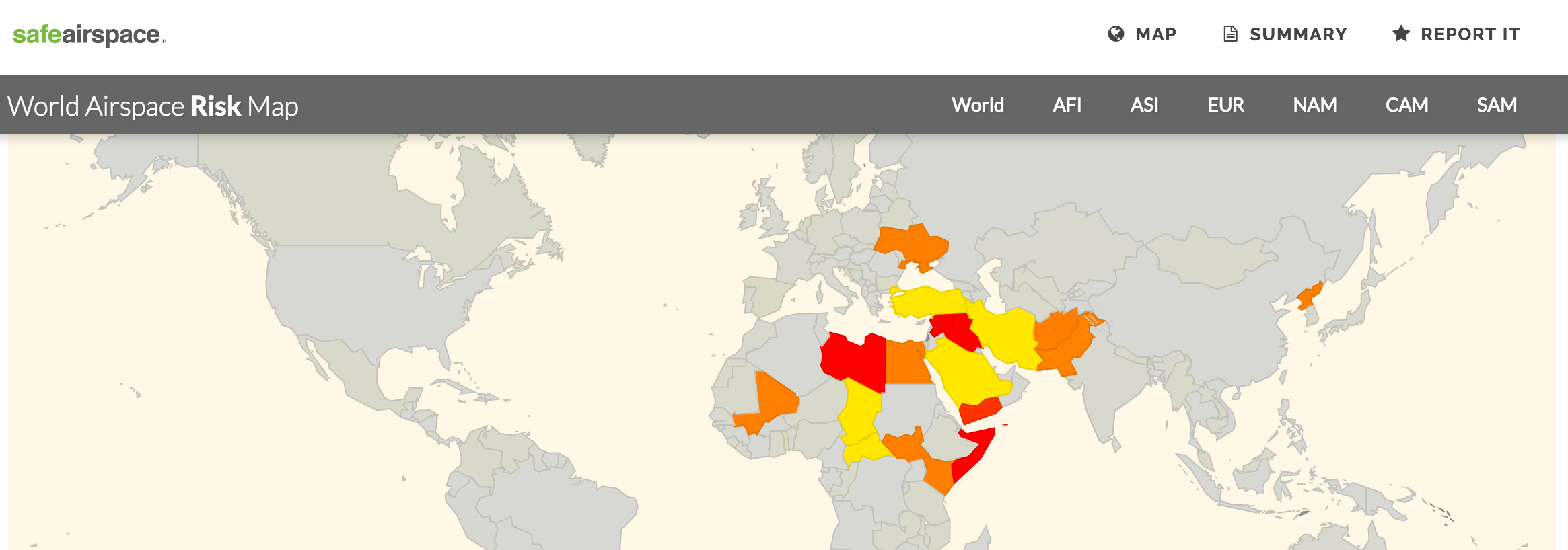
We do have some new challenges. Airspace safety – and the risk to our aircraft overflying unstable regions, is of more concern now than at any time in history. Since MH17 two years ago,  there have been many new areas to avoid. But how to know where, and why? Through The Airline Cooperative and OPSGROUP, we’ve worked as groups of Dispatchers, Controllers, and Pilots to share information so that when one person becomes aware of new information, everyone gets to hear about it. Our shared map shows the current status at safeairspace.net.

safeairspace-net

As a group, we’ve also been creating some new tools that help us – Aireport is our shared review site, where we can let each other know about good and bad experiences with Handlers, Airports, and ATC – whether it’s service, procedures, changes, or avoiding a fuel stop that’s going to cost you a fortune.

aireport-co

Maybe the biggest problem with all this new access to information is the overload one – the internet is the equivalent of a Shannon to Singapore NOTAM briefing. 80 pages of crap with a couple of important things stuck in the middle. Sometimes those important things are good to know, sometimes it’s critical information.

So how do you find those couple of critical things on the internet? You won’t have any trouble finding Aviation sites, but if you are managing an International Flight Operation of any sort – whether you’re the pilot, the dispatcher, the controller, the regulator, the ramp agent – whoever: how do you find out what’s new that will affect your flight.

That’s the question that bothers us at FSB every day of the week. We literally work on this every single day – and every day it becomes a little easier. Every Wednesday, we squeeze and condense the things that we’ve discovered this week into our weekly International Ops Bulletin – removing as much as possible until you’re left with only the critical stuff. The biggest source, and greatest help – is our amazing group of people in OPSGROUP.

Anyhow, I digress. Back to PanAm …


Robbed by the CAA – and other horror stories

Three of the most recent headlines are:

Tempting to joke that this sound like Miami, or Nice – but these are reviews of FZAA/Kinshasa, in the DRC – rated at 2.5, one of the lowest Airports on Aireport.

One report reads: “Don’t go here unless you like to be robbed by the CAA. I was told I was in big trouble for not having an MEL on a private airplane. 500 USD would [apparently] solve everything

Continuing: “ATC is terrible, they wanted us to hold right over the airport in the middle of the T’storm we wanted to wait for to pass. I ended up telling him we would hold 15 miles out on the 090 radial. He wasn’t very happy about being over-ruled, but it worked”

And:  “People mill around the airplane looking for fuel drips to collect in their cans. Some guy told me he was a fueling assistant and wanted cash for his kind assistance. The handler is pretty much worthless, he just wants to collect the cash = $2700 USD for a fuel stop in a Falcon 900.”

There are some other horror stories in the database. SVMI/Caracas, Venezuela (“Handler demanded $9000 in Cash“);  VECC/Calcutta (“Immigration was a nightmare“); HEAX/Alexandria (“Handler tried the shakedown“)


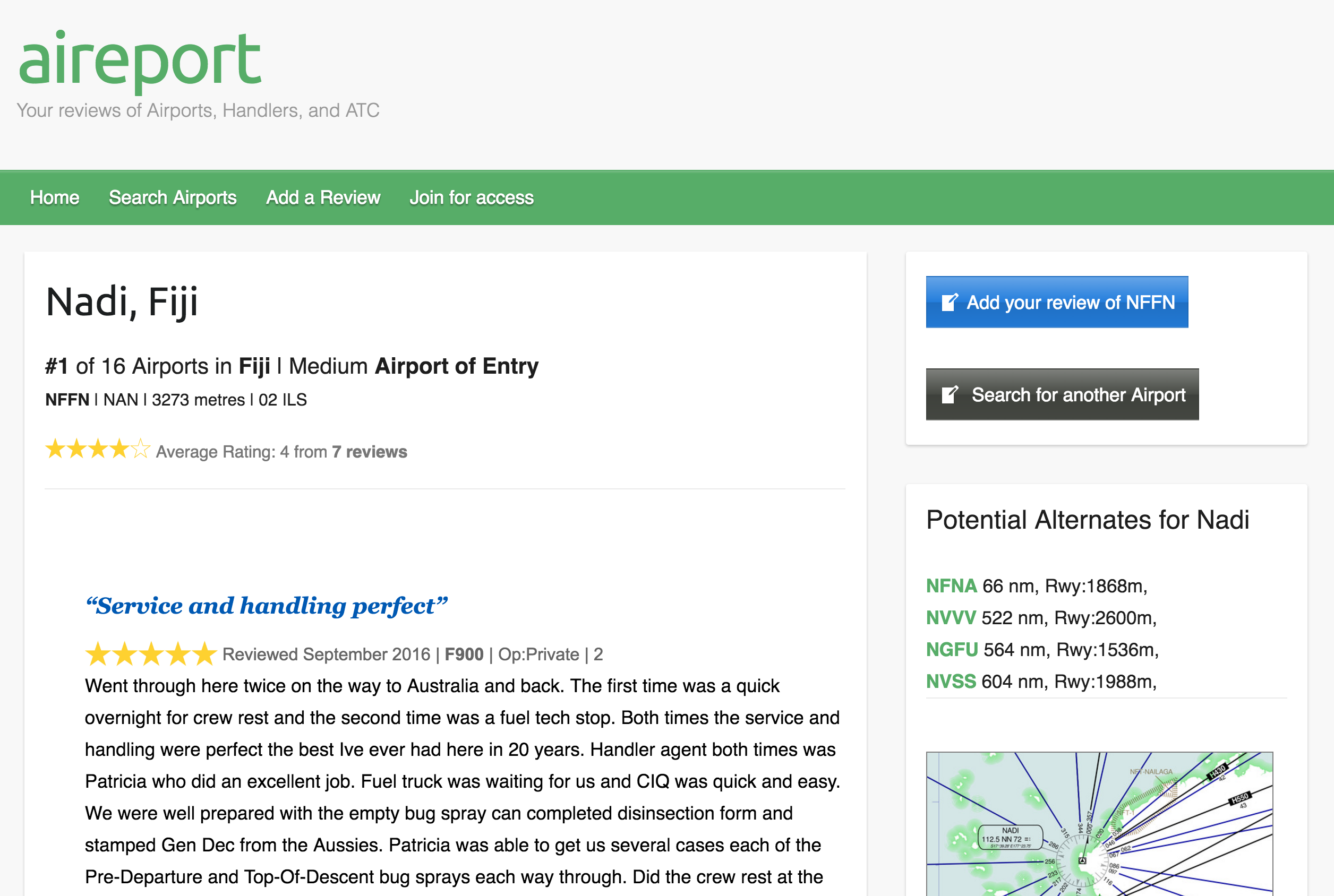
There are also plenty of good reports – EGSS/London Stansted is “As easy as it gets in Europe“, EINN/Shannon, Ireland is “Absolutely outstanding“, and NFFN/Nadi, Fiji is given “Quick Turn, Inexpensive Fuel, and Perfect

NZAA/Auckland, New Zealand stands out as getting consistently good reviews: “Very knowledgeable and helpful staff”, “Air Centre One is superb”, “Flawless from Gordy” … the crew at Air Centre One is clearly keeping their customers very happy. Nice work guys.

corporate-jet-services

For all the ones in between – read for yourself: Aireport.co/reviews.

aireport-co


North Korea risk elevated

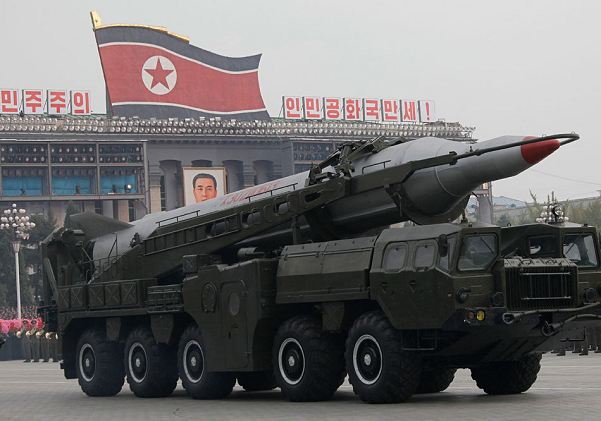
24AUG: We’ve published an updated Unsafe Airspace Summary today, No. 04/16, which elevates North Korea to Level 2 in our warning list. In 2016, there have been increased instances of No Dong and No Dong-2 medium-range ballistic missile (MRBM) launches without prior warning.

On 18th August, France published AIC 20/16 updating their picture of overflight risk worldwide – and for the first time, included North Korea.

Flight Service Bureau’s updated Unsafe Airspace Summary is valid 24AUG16. Future updates will be made through OPSGROUP.

OVF Map ASI


Brazil Olympics – Ops Update

The opening ceremony of the 2016 Olympics in Brazil is on August 5, in Rio de Janeiro.

From July 19 – Sep 23 (because the Paralymic Games follow), there are a ton of airspace restrictions, slot controlled airports, and changes. So here’s the shortest current summary we can manage:

  1. The primary info doc is Brazil AIC 07/16. 122 pages and tough to read, to be honest.
  2. Slots: Airports:  SBBH, SBBR, SBCF, SBGL, SBGR, SBKP, SBRJ, and SBSP – but that may change according to traffic. ANAC (The Civil Aviation Authority) will allocate ATC slots for airlines and commercial aircraft. CGNA (The ATC Command Centre) will allocate slots for GA and private flights: centralslotsuporte@cgna.gov.br.
  3. Host cities: Belo Horizonte, Brasilia, Manaus, Rio, Salvador, Sao Paulo.
  4. Restrictions: Different colours, a multitude of restricted airspace all stemming from the AIC above. Nevertheless, apparently no changes to SID/STARs.
  5. Zika: Seems not to be the big deal it was before. Less mosquitoes in winter.
  6. Visas: June 1 – Sep 18 – US, Canada, Japan, Australia: no visa required for tourists. No change to crew visa requirements ( not required if on Gendec, in uniform)

Reference Links:

  • Main AIC: https://ops.group/blog/wp-content/uploads/2016/07/Brazil-AIC-0716-Olympic-Games.pdf
  • ANAC – http://www.anac.gov.br/
  • CGNA Portal – http://portal.cgna.gov.br/?l=en_uk


Hijack: It’s dark and we’re scared

Earlier today, a BAe 146 in South Africa squawked Hijack – by mistake; the rest you can imagine, and the global media are enjoying the non-story, complete with the usual file pictures of heavily laden A380’s and general panic.

A very similar incident occurred in 1999 – this one never made it to the newspapers. A 747-400 belonging to one of the US majors was enroute from the US to Amsterdam, and approaching Gander VOR, typed 7500 into the box before coasting out. Around the same time, the crew sent a routine ACARS message to Dispatch, with a P.S. “It’s dark and we’re scared”.

That was just a funny, unrelated, quip, and the 7500 was an inadvertent error – but the two combined set off a full scale alert on two continents.

Because of the time lag between coasting out, and coasting in to the north of Ireland, where VHF comms were re-established, ATC and Company had to figure out ways to find out whether this was a real event, or not – it certainly seemed to be.

By the time the aircraft reached Amsterdam, the airport was fully prepared for a huge hijacking event – and the aircraft was directed to an off-airport parking position, surrounded and eventually boarded in sequence by every government organisation imaginable.

This article contains restricted content … full article available to OpsGroup members. 


Summer of ATC Strikes: This weeks update

European Air Traffic Controllers are striking in a fight against changes emanating from labour reform and the Single European Sky initiative. Curiously, Greece – normally a big fan of ATC strikes during the summer – has remained off the radar.

Here’s the latest, and it’s a growing list:

France
– Ongoing ATC Strikes – the latest ended on 06JUL at 0400Z. Nothing else on the horizon – for now.
– French overseas territories are also included in these strikes – so Tahiti, New Caledonia, Martinique, Guadeloupe have all joined in the action when it takes place.

Italy
– Strike announced for 23JUL, affecting Area Control Centre’s and Airports in Italy. Normally Italian strikes permit overflying traffic without restriction.

Iceland
– Ongoing sporadic strike action affecting BIKF, BIRK airports, and BIRD Oceanic FIR. Occasional entire closures of the airspace except for Emergency and scheduled flights. Eastbound Traffic from the US/Canada to Europe not accepted during these closures unless destination is in Scandinavia, the Baltics, or Russia.
– Since first week of July, westbound traffic is also not accepted in BIRD during strike periods. Check BIRD Notams.

Portugal
– Strikes announced for every Friday in July were cancelled last week

We’ll keep this page updated as we get updates.


A lesson in emergency handling, from Aer Lingus

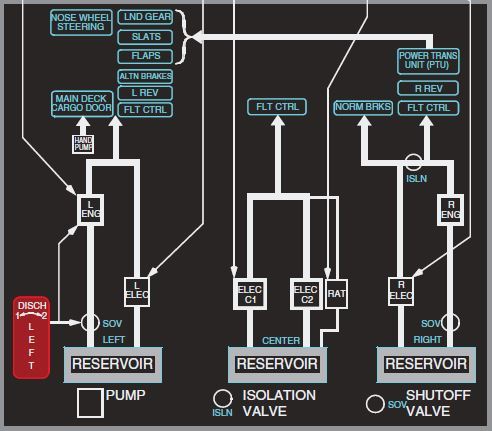
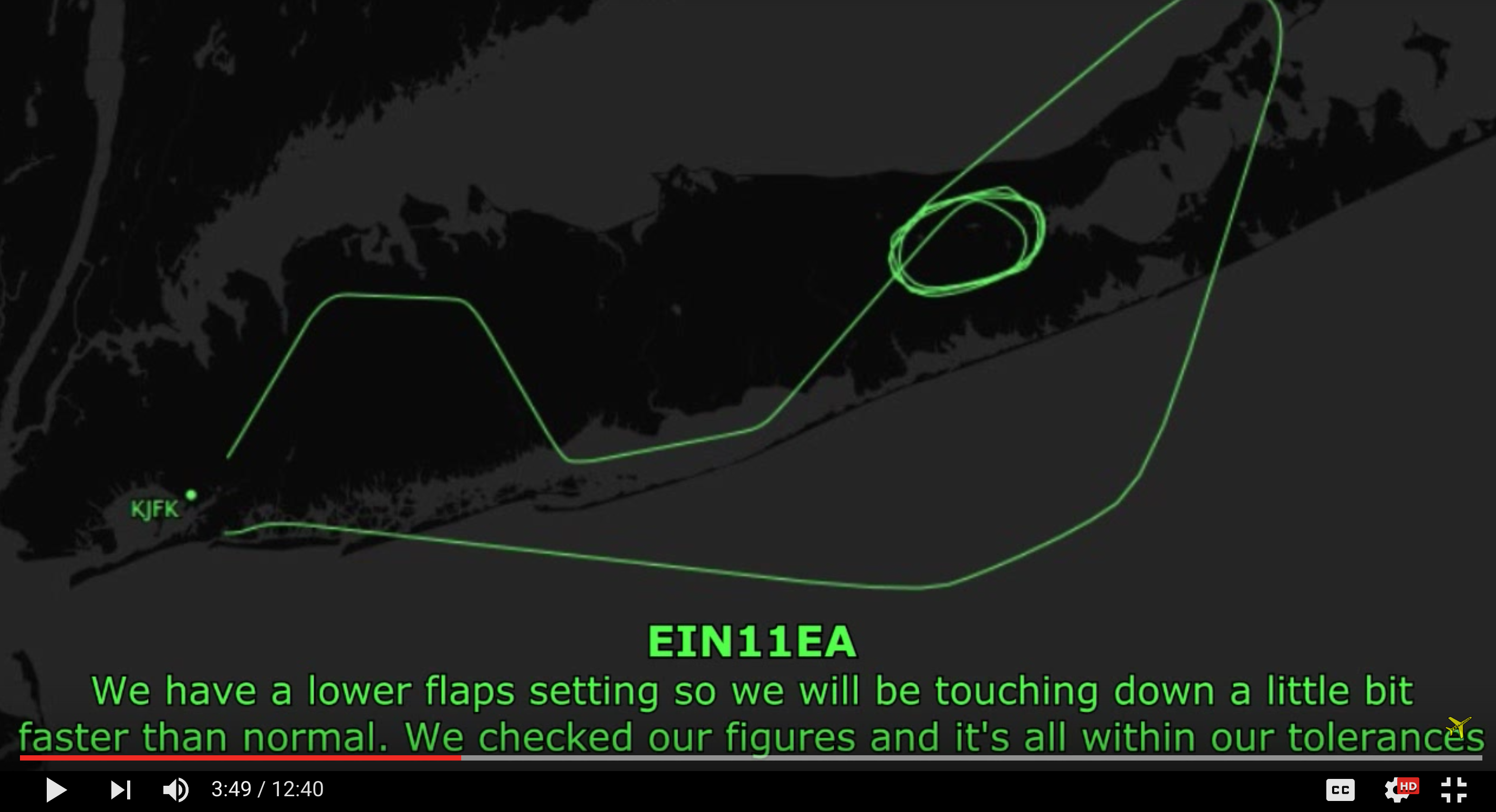
In September last year, an Aer Lingus Boeing 757 (operated by Air Contractors), suffered a loss of the Left Hydraulic system on departure from JFK. The left hydraulic system is the main one, meaning that Flaps, normal gear extension, and Nosewheel steering all become unavailable. The failure is therefore serious, albeit one that would be a favourite for simulator practice.

There are some really interesting lessons to learn from this incident, not least of which is how we now get access to the information that emanates from it. No longer do we need the offical report; it’s all out there on Live ATC and YouTube.  It’s 12 minutes 40′ of highly worthwhile viewing, whatever your thoughts on how public this all is.

EIN emer


And so to the incident. Foremost, this is a lesson in professionalism and communication, from an outstanding crew. Listen carefully, and observe how:

  • A clear report is made as to the situation and what’s needed immediately.
  • Potential for a spillage of fluid on the runway – not their problem, right now – but passed on as the first consideration for others.
  • Early message to JFK, via Boston Centre, that ILS22L is the best runway for them, that they cannot vacate, and that the gear doors may look unusual.
  • Communication is clear, precise, and authoritative – making sure everyone has all the information they need.
  • Taking full command of the situation on the ground, during the fire incident. “Say again, and make sure nobody speaks apart from you“. Communications involving rescue vehicles on ATC frequencies are notoriously confusing and unclear, this crew handled the confusion with authority.

Some International Differences that can be seen here:

  • Pounds and Kilos – this 757’s indications are in Kilos; ATC don’t know the conversion either, and another US aircraft on the frequency steps in to help out. Since the Gimli Glider, this has always been an issue.
  • Mayday and Emergency – read more below, but the US likes the phrase “Declaring an emergency”


Some other interesting factors
:

  • A really awful callsign. Bad enough for a normal crossing and 6 hour flight; brutal in an emergency. The flight was EI110 – so the callsign should be Shamrock-one-one-zero (one-ten works fine). Problem: lots of other airlines have this number too, so to avoid callsign confusion, someone in an office somewhere decided to change it to Shamrock-One-One-Echo-Alpha.
  • Callsign confusion is in fact the result. Try saying it a few times in a row. The controller variously calls them “Shamrock 11E”, “Speedbird 11EA”, “Shamrock 11A”. The callsign alone made things difficult for ATC and the crew.
  • ATC did a pretty good job of keep comms to a minimum. In most incidents, ATC create stress and workload for the crew by asking non-essential questions the moment that an emergency is declared – which is the same time as the crew have a bunch of checklist work to do. When you get a Mayday or Emergency call on your frequency, hang tough with the questions for a minute or two, unless you need answers for immediate traffic separation.
  • ATC will always ask Souls on Board and Fuel on Board. Why? To know how many people to account for on the rescue, and how much Jet fuel is going to fuel a fire if there is one after landing. Get the souls on board accurate (not a bad idea to have this written at the top of the flight plan), but a rough estimate of fuel will do. If you’re using a decimal, you’re doing it wrong.


Emergency/Mayday/Pan:

  • In the US, normal practice is that you either declare an emergency, or you don’t – unlike many other countries where a choice between Mayday (serious) and Pan-Pan (cautionary) exists.
  • US ATC Handbook: “If the words “Mayday” or “Pan-Pan” are not used and you are in doubt that a situation constitutes an emergency or potential emergency, handle it as though it were an emergency. “
  • Sidenote: Many think that only the flight crew can declare an emergency. In fact, Flight Crew, Dispatch, Company Representatives, and ATC can all declare an emergency. An emergency can be declared without notifying the flight crew.
  • In this case, the crew were comfortable in their communication with ATC – and able to “not declare” but at the same time request emergency equipment on standby. As it turned out, this emergency equipment was critical because there was a small fire after landing. If you are uncertain whether ATC understands the nature of your situation – declare an emergency. You can always cancel it later on.
  • Fuel Reserves Approaching Minimum: Internationally, ’Fuel Emergency’ or ‘fuel priority’ are not recognised terms. Flight crews short of fuel must declare a PAN or MAYDAY to be sure of being given the appropriate priority.
  • In 2005, ATPAC recommended changing FAAO 7110.65 (the regs for controllers) to include “emergency” as a term that could be used in lieu of “mayday” and “pan-pan.” They then withdrew the recommendation because they decided that creating more differences from ICAO standards was a bad thing.

It’s easy to forget that in a real emergency, no matter how strong your training, you have to deal with stress and adrenaline that doesn’t appear in the simulator.

A hydraulic loss is considered ‘routine’ in the books, but many accidents in the past have come from compounding errors – those holes in the swiss cheese line up pretty easily once the first one is as big as a hydraulic leak.

The cool, clear, and decisive communications from this crew indicate that they have the Big Picture firmly under control. It’s a lesson for all of us.


757_Hydraulics_1


St. Helena – no hope for opening?

St. Helena is 4000km east of Rio de Janeiro; the only means of travelling to this remote island in the South Atlantic is through a five day sea voyage from Cape Town, with schedules of only once in every three weeks – making St. Helena one of the most remotely populated places on earth.

There have been many considerations for an airport on St. Helena since 1943, but it was only in 2005 that actual plans were announced. In 2011, the British government agreed to assist in the payment for the new airstrip.

The Airport was scheduled to open on 26 April 2016 but St.Helena Government announced an indefinite delay to the opening due to safety concerns from windshear. An Implementation Flight was conducted by (British Airways) Comair with a Boeing 737-800 aircraft to gather data on turbulence and windshear on the approach to Runway 20 (from the North). The results gathered and the conditions experienced concluded that additional work and preparation are need to ensure safe operations of scheduled passenger flights to and from St. Helena Airport.

So, for now, it seems pretty clear that the project is abandoned, because windshear isn’t something you can fix. It may be that it could open during specific times of the year when predominant wind direction is different, but for now, all that is certain is uncertainty.

Reference Material:


New China ADIZ – South China Sea

There have been several media reports this week that China is preparing to set up a new ADIZ in the South China Sea. So far, nothing concrete is in place, but similar reports in 2013 were swiftly followed by the establishment of an ADIZ in the East China Sea. That ADIZ is still in place.

We published this analysis in 2013:

ANALYSIS The announcement of the new ADIZ has a political background relating to China’s broader assertment of sovereignty over offshore islands. The impact on daily operations for operators flying through the ADIZ is minimal, and the unilateral advice from the Foreign Affairs departments of countries responding to the announcement is to comply with the request for FPL’s to be copied to the AFTN addresses in the NOTAMs. It is important to stress that ADIZ does not represent extensions of a nation’s airspace, and as such a nation doesn’t exercise exclusive claims over the area. A nation enforcing an ADIZ thus does not have the right to force airplanes to change course or to refute access to the ADIZ – unless, under the international convention of national self defense – the airplane, for example, is determined to harbor hostile intent and presents an imminent threat to the nation. When an airplane declines to follow with the protocols set for an ADIZ, and is assessed to not be a threat, the most the nation administering the ADIZ can do typically is to track it – which may include scrambling jets if it so deems.

The same analysis remains current, and would do if the new South China Sea ADIZ goes ahead.

The “2013” ADIZ

For the 2013 ADIZ, these details still apply: For any operator planning a flight through the ADIZ, the advice is to plan a normal flight, as per previous operating rules, and copy the flight pan to the AFTN addresses ZBBBZGZX and ZSACZQZX. This new ADIZ impacts 4 FIRs (RKRR, ZSHA, RCAA, RJJJ). There is no requirement for an overflight permit from China unless operating in Chinese Sovereign Airspace.

This report from the Asia Times in March 2016, again on the East China Sea ADIZ , points out that:

“China may be seeking to advance its position in the East China Sea over the long term after a short spike in tension, leaving a new status quo with the East China Sea ADIZ in place. China would acquire strategic advantage by asserting a maximalist position, then seeming to back down, while preserving some incremental gain — akin to a ‘ratchet’ effect. According to this theory,  China would project a calm image and justify the East China Sea ADIZ as a ‘reasonable’ step to which foreign nations should not object. If there is an accident, crisis, or loss of life, Beijing could then blame Tokyo, Seoul, Taipei, or Washington.”


Unsafe Airspace – a summary

With the events surrounding the shootdown of MAS17, risk assessment of potentially unsafe airspace has given far greater weighting to the situation on the ground. Access to reliable information to determine the ever-changing risk level, is by nature of it’s inherent uncertainty, challenging.

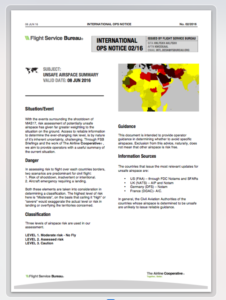
Today we published International Ops Notice 02/16 – “Unsafe Airspace”.

Three levels of airspace risk are used in our assessment.

  • LEVEL 1. Moderate risk – No Fly
  • LEVEL 2. Assessed risk
  • LEVEL 3. Caution

The countries that issue the most relevant updates for unsafe airspace are:  The US (FAA) – through FDC Notams and SFARs, the UK (NATS) – AIP and Notam, Germany (DFS) – Notam, France (DGAC)- AIC. In general, the Civil Aviation Authorities of the countries whose airspace is determined to be unsafe are unlikely to issue reliable guidance.

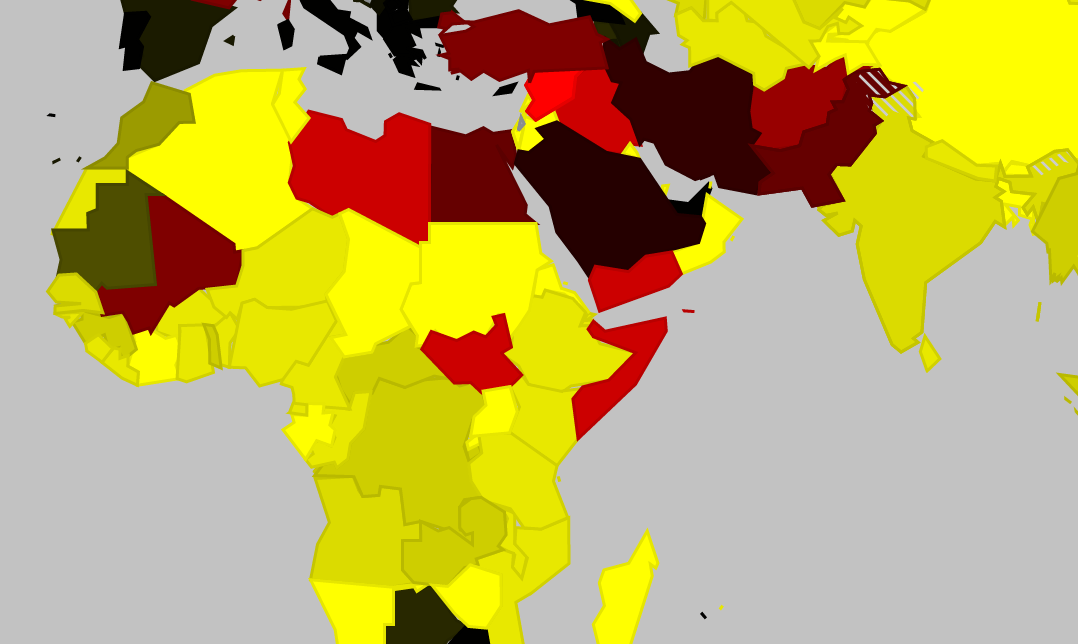
Five countries are currently included in the LEVEL 1 – Moderate Risk category: Libya, Syria, Iraq, Somalia, and Yemen.

The basis for inclusion is the highly unstable current events on the ground, and in all cases the ground factions having access to RPG’s, Surface-Air missiles. We strongly recommend avoiding this airspace entirely. All countries have multiple warnings, and your country of registry is likely to have issued specific instructions not to penetrate these airspaces.

Download the full notice.

References:

ION0216 Shot


What is this, 20 questions?

Yes. We’ve got a fresh set of common International Operations questions, together with their answers and references  Test yourself, use as part of your next refresher training, or forward to a colleague.

Thanks to our OpsGroup member Guy Gribble for these; Guy is an international airline pilot and runs a training organization called International Flight Resources – read more at the end of the questions about what he does.

20 Questions – INTERNATIONAL OPERATIONS

1. What is the term ‘IFBP’, and where you might use it?

This is sometime referred to as an “IATA broadcast”. This is a specially formatted position report to enhance situational awareness in remote areas with poor ATC coverage. It is specifically recommended to be used in specific areas of Central Africa:

A) On 126.9.
B) When operating off airways.
C) For flight level changes only.
D) Throughout most of the continent, as a backup to ATC, and as an awareness tool for other aircraft. Broadcasts should be made in the format published on the Jeppesen Africa High/Low Enroute 1 / 2   en-route chart.

In-Flight Broadcast Procedures, IFBP can be found here, and Traffic Inflight Broadcast Area, TIBA can be found in Annex 11, Attachment B.


2.  Is it possible to receive a North Atlantic oceanic crossing clearance via data link if sitting on the ground at an airport close to the oceanic boundary?

Yes. If less than 45mins to the OEP, request datalink (RCL) clearance 10mins prior to engine start-up.
NAT Document #007, Paragraph 5.1NAT Operational Bulletin, #2010-008        


3. When are passengers entering the United States on a Private/Part 91 flight required to have a visa?

US Citizens do not require a visa. Non-US citizens require a visa if they are not a citizen of a country that the US permits a waiver from. The Visa Waiver Program (VWP) is administered by DHS and enables eligible citizens or nationals of designated countries to travel to the United States for tourism or business for stays of 90 days or less without first obtaining a visa. Examples of VWP approved countries are: Australia, Belgium, Chile, Denmark, Japan, Germany and the United Kingdom. Note that the Aircraft Operator must also be approved under the VWP.

http://www.cbp.gov/travel/international-visitors/frequently-asked-questions-about-visa-waiver-program-vwp-and-electronic-system-travel


4. I got a TCAS/ACAS Resolution Advisory on my last trip in the US. Do I have any reporting requirements?

Yes – if there was a substantial risk of collision. In 2010 the NTSB implemented additional reporting requirements. If an RA was received when an aircraft was being operated on an IFR flight plan, and compliance with the advisory is necessary to avert a substantial risk of collision between two or more aircraft – then a report to the NTSB is required.

NTSB 830.5 (10).


5. What defines a Gross Navigation Error (GNE)?

Lateral errors of 25 nautical miles or more from the aircraft’s cleared route. Note: The North Atlantic Systems Planning Group (NAT SPG), in its Conclusion 48/21 of 06/12, reclassified a GNE as a “lateral deviation from a cleared track by 10 Nautical miles (nm) or more.” The FAA is examining this new ICAO NAT Region definition for possible adoption.

FAA Order 8900.1 Volume 7, Chapter 3, Paragraph 7-81


6. Short of calling a service provider how do you determine which countries require an Overflight Permit?

Research the AIP’s from the overflown countries.

Search inside the “General” section, “National Regulations” and find the paragraphs titled “Entry, Transit and Departure…” Jeppesen provides excerpts from these documents in the “Entry Requirements” section.


7. I saw information that Russian ATC now has to speak “English Only” at all of their airports. Is this a fact?

Not quite. All international airports in Russia will pass information in Russian or English. The requirements for knowledge of the spoken English language will have to confirm the fourth level according to the ICAO scale. Six steps is the maximum. 

Russia Federation AIP, Enroute ENR 1.7, Paragraph 6.1.3


8. Is there an HF frequency designated as “Guard” internationally (121.5 equivalent)?

Yes – 2182 and 4125, State the frequency in use, callsign, nature of distress/urgency, intentions of PIC, present position, altitude, heading

Annex 12, Chapter 2, Paragraph 2.6.5 “Note”, AC 91-70a, Chapter 3, Paragraph 3.4c, 3-10


9. Explain why you would expect a time-delay when transmitting position reports and requesting clearances from oceanic communications facilities.

It is important that pilots appreciate that routine air/ground ATS Voice communications in the NAT Region are conducted via aeroradio stations staffed by communicators who have no executive ATC authority. Messages are relayed by the ground station to/from the air traffic controllers in the relevant OAC.

NAT Document #007, Chapter 6, Paragraph 6.1 and AC 91-70A, Paragraph 9-3b, 14-3d


10. I have an aircraft heading to Australia in 2 days; our handler just informed us that we needed to have bug spray can with serial number on board.  Where I can get this?

Disinsection procedure with 2% Permethrin and 2% d-Phenothrin aerosols are used with this process. Top of Descent has not been approved by the FDA/FAA for use or sale in the USA. The claim it is not safe for flight attendants. It comes from Sydney. Most of the Hawaiian FBO’s carry a good supply. Most operators opt for the “Pre-Embarkation and Top-of-Descent”

With approval from the Australian government on operator may conduct “On-Arrival” disnsection procedures. You do not have to empty the bottle. Spray rates are based on the cabin/cargo hold size. For example: A Challenger 605 only requires 15sec spray duration.

Full details can be found at: http://www.daff.gov.au/biosecurity/avm/aircraft/guidelines-operators


11. We all dislike ramp checks, but what kind of stats can be gleaned from the SAFA program in EASA?

The stats below are taken from the latest summary from the EASA folks. SAFA program has been in-place since 1996. A new “force” behind the program is Implementing Regulation, Authority for Air Operations (ARO)-Ramp. This went active 27OCT14 and applies to EU countries (ECAC has also signed on).

  • 2012 had just over 11,000 inspections performed, over twice as many as 2005.
  • Most frequent private operator’s country of registration inspected was USA, Isle-of-Man, Germany
  • Frequency of inspections is almost evenly split between EU and Non-EU countries. Largest number of SAFA locations were France (71), Italy (34), UK (31) and Germany (30)
  • On average, 40 of the 54 possible items were inspected each time with 46% of the findings labeled “Significant”
  • “Significant” findings are reported to the operator and the registered CAA. These will also require “Corrective action” prior to flight Latin American/Carib operators had the most number of findings, USA and African operators were tied for second place
  • Largest percentage of operators inspected, Germany (7.0%), Russian Federation and UK (6.8%), Turkey (4.9%) and USA (4.5%). France was 2.2%


12. When should a revised ETA be passed to ATC?

Position estimate time error of 3minutes or greater. Occurs when an aircraft’s reported actual time of arrival, ATA is 3 minutes or more before/after the estimated time of arrival, ETA.

NAT Doc#007 Paragraphs 5.1.7, 11.7.14. FAA ORDER 7110.82D, AC 91-70A Appendix 2, Page 8


13. Which Oceanic Control Agencies in the NAT Region have the ability to pass the crossing clearance via datalink ?

Via FANS/1A: New York OCA. Via ACARS/AFIS: Gander OCA, Shanwick OCA, Santa Maria OCA, Reykjavik OCA

NAT Document #007, Chapter 5, Paragraph 5.1.4 NAT Operations Bulletins #5,#6,#8 


14. Is specific training required to be conducted in the area of Foreign ATC terminology and verbiage?

No. Recommended reading on this subject:

Annex 10, Volume 2, Chapter 5,  ICAO Document #9432, UK’s CAP 413 and the FAA’s Pilot/Controller Glossary


15. What is the term “SLOP” and the procedure for applying it?

Strategic Lateral Offset Procedure. Aircraft can fly in automatic tracking mode 1 or 2 NM to the right of centerline of the cleared course. Position reports are given as if you are crossing the actual waypoint. When entering and exiting oceanic airspace you must cross the actual waypoint. In 2014 ICAO and the FAA have begun studying SLOP, offsets in tenths of a nautical mile up to a maximum of 0.5 NM.  This is being considered where the lateral separation minima or spacing between route centerline is 6 NM or more and less than 30 NM.

ICAO Doc#4444, Chapter 16, Paragraph 16.5. NAT Doc#007, Paragraph 8.5. NOTAMS Domestic/International Part 3, Section 2, AC 91-70A, Paragraph 3-9 and Appendix 2, Page 8, FAA NAT Reference Guide, Page 5, FAA PAC Reference Guide, Page #6   


16. What navigation problems do I need to know about when operating at an airport such as CYRB/Resolute Bay, or BGTL/Thule Air Base/Pituffik?

Besides the extreme cold temps, ground based navigation facilities are reference to True North instead of Magnetic North. Aircraft FMC and Navigation displays will need to be re-configured to allow for IFR operations. This may be an automatic function or require manual selection. Individual AFM’s will contain the details. This is also correct for the Canadian Northern Domestic Airspace.

Canadian AIM Rules of the Air and Air Traffic Services Section 2.0 Para.  2.2.1 “Canadian Domestic Airspace”


17. If executing published contingency procedures in NAT airspace is it necessary to submit an Assigned Altitude Deviation Report?

Yes. Anytime you deviate from your altitude clearance including TCAS/ACAS, turbulence or contingency events 300ft or more an Altitude Deviation Report Form should be filed.

This form is found in NAT Document #007, Attachment 2   


18. If SELCAL isn’t functioning in Oceanic/Remote airspace, can I continue the flight?

Yes, SELCAL meets the “Continuous listening watch” requirement of 14 CFR 91.511. If SELCAL is inoperative one of the pilots must listen on the appropriate enroute frequency for calls.

Annex 6, Part 2, Paragraphs 2.5.1 and 3.7.1


19. In Europe, what is a “Maintenance Release” and how do I get one for an FAA Part 91 Operation?

Very basically, the European inspectors are looking for an entry in an aircraft maintenance logbook (Technical Log) that reads something like, “Return to Service in Accordance with 14 CFR § 43.9. I certify that the work specified; except as otherwise specified, was carried out in accordance with FAA airworthiness regulations, and in respect to that work the aircraft is considered ready for release to service. Signed XXXXX AP#XXXXXX” The sub clause “except as otherwise specified” is intended for use with two types of deviations:

(1) The case where all required maintenance was not carried out. In this case, list the maintenance not carried out on the 14 CFR § 43.9 Return to Service and/or attachments.

(2) The case where the particular maintenance requirement was only EASA-approved and not FAA-approved. Example: an EASA Airworthiness Directive not approved by the FAA.

 NOTE: In the case of maintenance carried out by a U.S.-based EASA Part-145 approved organization subject to the EASA/FAA agreement, EASA only recognizes the dual release FAA Form 8130-3 for component, engine, or propeller maintenance.

14 CFR 43.9, 43.11 and EASA 145.A.50, Rulemaking Interpretation # 13D51397 “Maintenance release of aircraft not covered by the Basic Regulation” and Annex 6, Part 1, Paragraph 8.8 and 8.4.1


20. I thought that with ADS-C the aircraft was sending position reports to a ground station (once logged on), Why do I have to make HF radio calls?

It depends on the OCA’s monitoring needs. If they state “Voice reports not required” then do not make routine voice reports. HF radios would be used to voice report position, maintain a back up to CPDLC. SELCAL would also have to be checked for functionality.

Global Operational Data Link Document (GOLD), 2nd Edition Chapter 5, Paragraph 5.6.3, NAT Document 007 Paragraph 6.1.22. 


With sincere thanks to International Flight Resources. They are a pilot focused training provider emphasizing International Operations and Human Factors training with on-line and in-person training options. If you’d find a cost estimate, standard rate sheet and course outline useful, visit their website at www.InternationalFlightResources.com or email admin@InternationalFlightResources.com

Did you like these?

– Let us know: questions@opsgroup.co

– If you have a burning question that you’d like answered – let us know at questions@opsgroup.co. We’ll research it and include in the next round.

– If you haven’t already joined OPSGROUP, please do!