International Ops Bulletin

Hey! Are you here for our World Famous International Ops Bulletin? The one where you get all this weeks new dangers and changes in International Ops? The one that 50,000 people read every week?

Cool. Here’s how to get it.

Every Wednesday, OPSGROUP issues a weekly International Ops Bulletin for International Pilots, Dispatchers, ATC, Regulators, Authorities, Airlines and Aircraft Operators.

We cover this weeks changes to International Flight Operations – Airports, ATC, Procedures, New rules, Visas, Airspace alerts, Weather issues, and warnings and dangers to international aviation.

You got choices:

  1. Get the free version. Grab a copy!
  2. Join OPSGROUP and get the full version.


Want to see a sample first?

Sure thing. It looks a little like this (click to open the full sample):


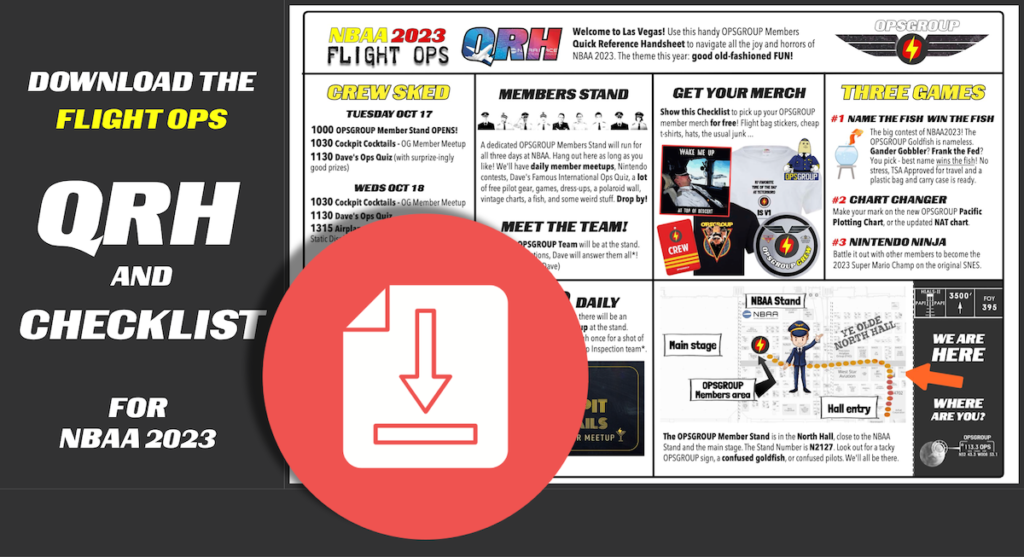
Flight Ops at NBAA23

Hi everyone!

The latest QRH and Checklist for Vegas is now here.


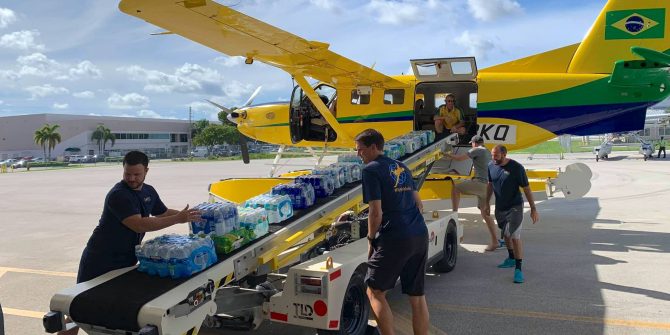
Bahamas Relief Flights – here’s what happened in the first five days

Hello all,

We’re standing down. The purpose of our involvement in the Bahamas Relief effort was twofold – to provide an accurate information flow from an aviation perspective, and to help coordinate in some way the massive amount of civil aircraft that started taking part last Thursday.

Once the winds had died down on Thursday morning, and it became safe for aircaft to start operations, what we initially saw was a void of information on the situation – which airports were available, and what the approval process from Bahamas CAA/NEMA was and how that worked. Nobody was quite sure. But hundreds wanted to help. So, we made contact with many of the pilots and operators, and Bahamas ATC, to get accurate status reports from Nassau, Freeport, Treasure Cay, Marsh Harbour, and Sandy Point – the five locations where the relief efforts were focused at the end of last week, and got that information out in a twice daily briefing. We also worked with the Bahamas CAA approvals team to get word out on how to apply, and what that process looked like.

The response from Business and General Aviation was overwhelming to say the least. Hundreds of flights were flown on Thursday and Friday bringing in much needed first-response supplies. The initial situation was challenging – airports had not been secured and there was a rush to get relief items arriving, creating an unsafe security situation for crews in some locations. Nonetheless, efforts continued. It quickly reached a saturation point. There was no ATC, and the entire Abaco area was on one Unicom frequency. Airports that normally have a few movements per hour were seeing in excess of 60 aircraft per hour at times. Some were operating without transponder and radio calls.

On Friday evening, it showed no sign of abating, and airspace safety was now the primary concern. We worked with AOPA and NBAA ATS in an effort to reduce the level of GA traffic, especially as larger aircraft were now coming on scene and could do more to help. Saturday proved to be another exceptionally busy day, and we coordinated with Miami Center to get routes in place to manage that flow of traffic, and get word out to use those routes. Freeport opened up, with limited ATC.

Finally, by Sunday afternoon, there was some respite in the traffic, and the picture of airport status was clear, but there was still a need for coordination among the many separate organizations, and individual operators, conducting relief flights. We worked with Odyssey, Aerobridge, Operation Airdrop, Banyan, numerous FBO’s, the US Coast Guard, and probably 150 individual pilots, all part of the flotilla of floatplanes, helicopters, business jets, and private aircraft helping to bring relief. At the same time, airlines and military were now providing larger aircraft for the mass evacuations from Abaco that we saw Sunday and Monday. The marine relief effort was even bigger.

Throughout, we were in contact with the NEMA coordinator, UN OCHA, Bahamas CAA and ATC – and later, NGO’s – who all did an exceptional job given the extreme circumstances. The geography of the Bahamas was the biggest challenge – scores of tiny Cay’s, and with bridges out and roads washed away, there were – and still are – many pockets of cut-off communities, all needing help.

On Thursday night I started a Facebook group to bring as much information into one place for the operators and pilots involved as we could. It’s been a tremendous success. Thanks to all the volunteers participating, we’ve had a steady stream of updated information on airports and airspace, and more importantly, we’ve been able to coordinate everything from Search and Rescue helilifts, flights for teams of Doctors, medication transport, evacuation flights, and determine very specific locations to bring aid to.

And now? The presence of the UN, the USAF, International Navy vessels, and upwards of 50 NGO’s, all at full tilt, means that the vast majority of relief efforts are being taken care of on a larger scale.

Make no mistake. The situation is still dire. People still need help, in a massive way. Whole towns are gone. The death toll is much higher than than the small numbers first reported. Individual flights can and will continue to make a difference. We’ll keep this group open and running, so you can post and share info. I and the OPSGROUP team will get back to work on what we normally do, but we’ll keep an eye here to help out where we can.

So – a big THANK YOU to every single one of you that has been part of this effort. None of us have slept much in the last five days, and it’s been heartwarming to see the massive generosity of time, effort, aircraft, pilots, and supplies, and help. Simply amazing. Much love to you all!

Mark.


Incredible people making aviation a force for good, and how you can help

What does your overnight look like when you are downroute? After you’ve checked in to the hotel, and maybe had a quick nap, what’s on your list of things to pass the time? Maybe you’ll swap your pilot uniform for a tourist t-shirt, head into the city, and explore a little. Perhaps you’ll have arranged a coffee with an old friend or colleague. Or, maybe just hang out at the crew hotel and relax.

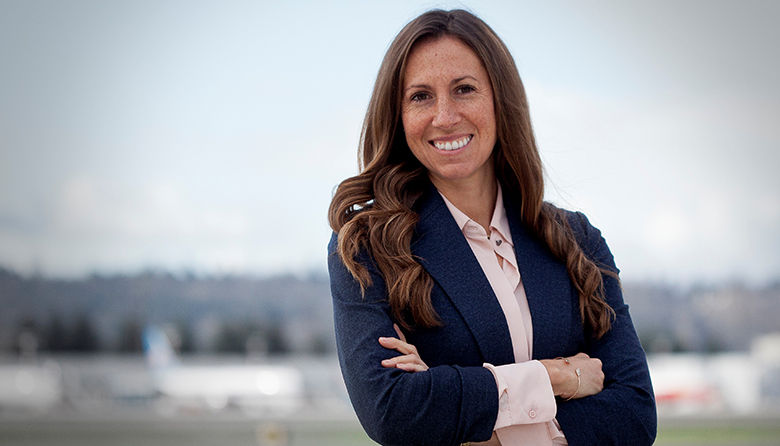
Not Kimberly Perkins.  There’s something more rewarding to be done.

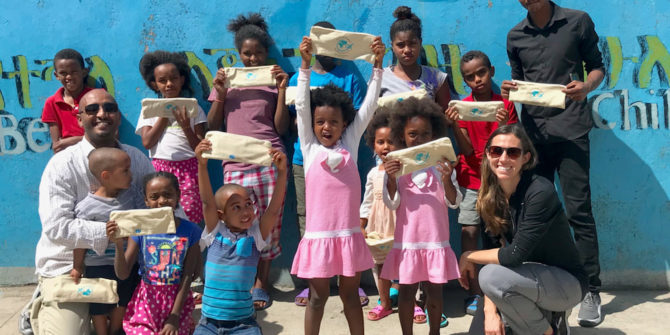
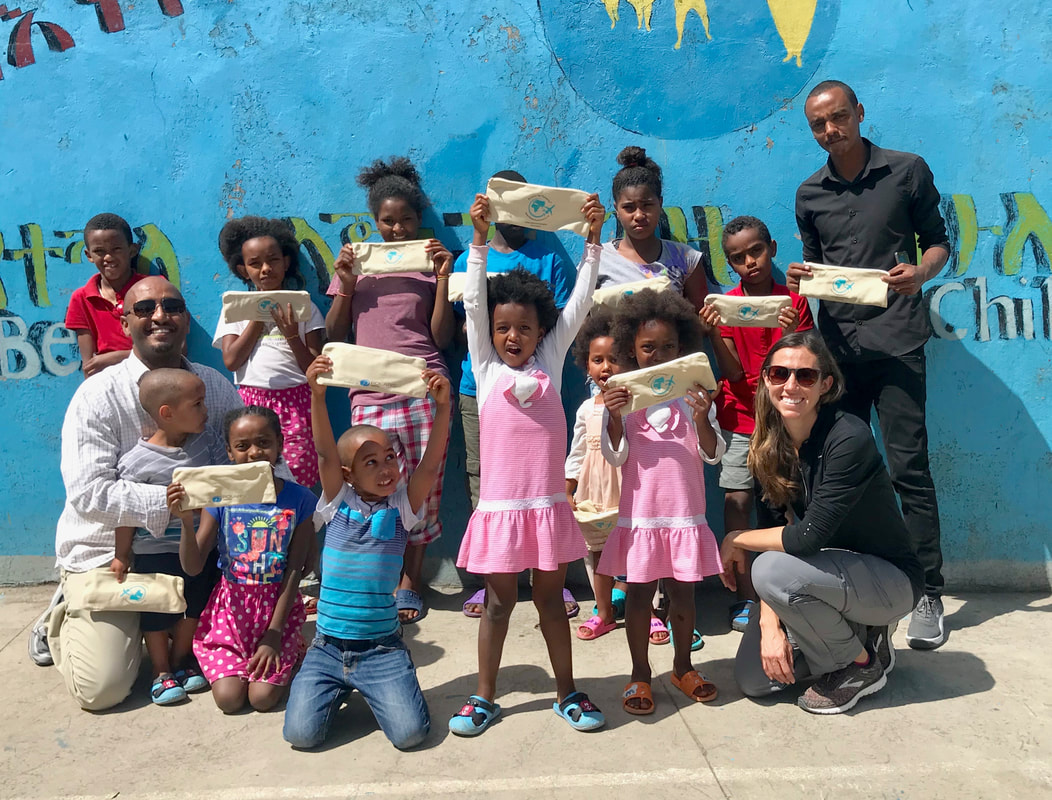
Through her non-profit organization Aviation for Humanity, Kimberly will be heading to the local school, shelter, or orphanage, to meet the children and present them with backpacks and school supplies. She’s not alone. Having started the mission in 2016, they’ve already helped hundreds of people in places like Ethiopia, Tanzania, Mongolia, Nigeria, and Puerto Rico – and closer to home, in Hawaii – where kids in need in Kona received supplies over several visits.
If you’re like me, aviation has given you a lot – not just a career, but a lifetime of wonder, beauty, excitement, and joy. Aviation is special – that’s why we’re in it. And it’s no secret that we’re going through a tough time right now in the eyes of the public. So, when I see aviation giving back – doing something for the world – it’s important to highlight and bring attention to that. We need more of this.

This is why I want to celebrate and share the work that Kimberly, and the many volunteers, are doing. So, how does it work? Pretty simple:

1. You contact Aviation for Humanity, and tell them where you’re going
2. They will locate an underfunded school or orphanage for you to visit, and arrange for the supplies.
3. You go, and share the story of the journey back with Aviation for Humanity.

Imagine using your trip abroad to make a difference in the world – just one short visit, and you can give an entire school or orphanage much needed supplies.
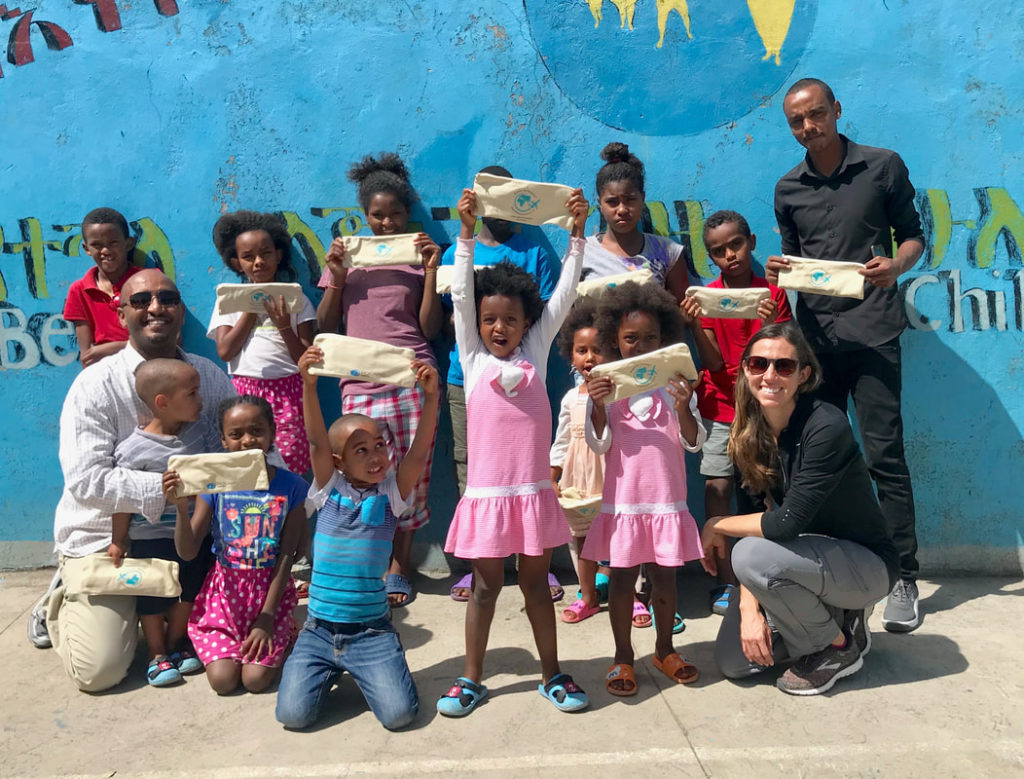
Running a non-profit isn’t easy, and there’s another way you can help right now. Kimberly needs a volunteer Executive Director –  to manage coordination with volunteers, logistics for shelter visits, managing social media, fundraising, writing articles, and other things that move the mission forward. Is that you? Maybe you’ve recently retired and are looking for a way to contribute back to aviation? Maybe you’ve got extra time on your hands, or you know someone that this might be suited to? 2-6 hours a week will get you started.

I love seeing the work that OPSGROUP members are doing individually. As I was ‘wow-ing’ my way through the work that Kimberly does, I found another group member featured on an Aviation for Humanity trip – namely Cheryl Pitzer. Cheryl was on our Member Chat a few weeks ago (#7, see it here in the dashboard).
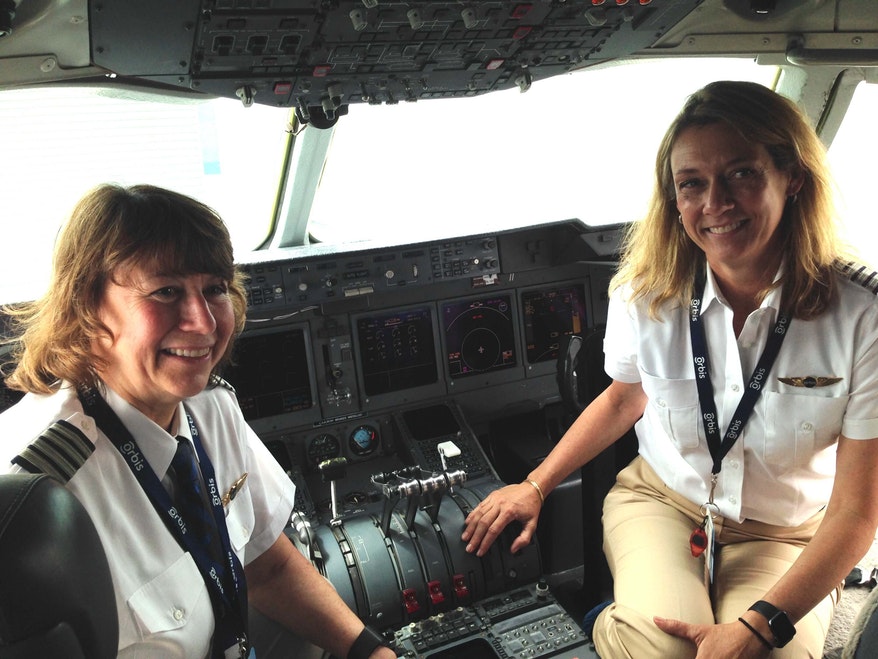
Cheryl, pictured right, flies the MD-10 “Flying Eye Hospital” for Orbis International – an amazing airplane that is part of the Orbis mission of bringing people together to fight avoidable blindness. On that call, Cheryl told us about the work Orbis does, the challenges of operating the airplane internationally, and the reward of using aviation as an agent for good in the world. This is another incredible cause that you too can get involved in.

Kimberly and Cheryl are true aviation pioneers, not just for the non-profit causes that they work so hard on, but also as pioneering women in aviation. It’s no secret that this beloved industry of ours has a massive imbalance of diversity. The numbers and statistics identify the issue  – averaging out the small amounts of data that are actually published on the subject, show that the global percentage is around 5% – that’s both the number of female pilots, and the number of women in top management positions at airlines.

Changing those numbers – attracting more women to aviation – is just part of the issue. What is life like if you are one of the 5%? From an interview that I read in another publication, Kimberly said “As I moved through my flying career, I was never lucky enough to encounter a female manager mentor. As I looked up that corporate ladder, it was a sea of men. Such an environment can be lonely, unwelcoming and intimidating“.

For me, right now, that is something that we can all do something about. What is the environment like at your airline or operation? Could you see how it could be lonely, unwelcoming and intimidating? How can you change that?

Just like the work that’s being done for the non-profits, you can do something to make a difference. That difference grows, it’s exponential. It starts with the realisation that you have the power to make things better for other people, especially if you are in a leadership position. A good place to start is by realising that if you do have the power to make things better, but you don’t, then you’re simply part of the problem.

I certainly see some of the inherent aviation gender biases here in OPSGROUP. It’s usually not intentional, nor anything usually deep rooted in opinion – it’s just been built into the system over the last 80 years of how commercial aviation used to work.  Sometimes we have group calls that end with someone saying “Thank you Gentlemen”.  The very term NOTAM is indicative of the problem – Notice to (air) Men.  I like to imagine what it would be like to turn up to work every day and read a flight briefing that is headed “Notice to Women“. I certainly would feel excluded.

You might think that this is subtle, tiny, not important. But the things that create environments that are lonely, unwelcoming and intimidating are usually subtle and unintentional. Only by putting ourselves in the position of others, can we see the full impact.

It’s a process of education that starts with the willingness to see things a little differently, and then making a decision to do something that changes things for the better. Just like Kimberly and Cheryl have done.


Adios! That was our last International Bulletin (for non-members)

Dear Reader!

First, thanks for being part of this amazing group for the last year. We loved sharing our alerts, risks, dangers, and deviousness with you. It’s been a blast.

As we’ve mentioned, we’re now focusing our attention solely on Opsgroup members, so the International Ops Bulletin that you got yesterday was the last one for the year, and tomorrows Daily Brief will also be el final (sp? we’re good at Ops, not Spanish).

OK, so. Here’s the deal. We would like you, our favorite reader ever, to be part of this amazing group – 5000 airlines, pilots, dispatchers, airports, atcos, agencies, amazing-experts, analysts … the people that run international flight ops. Whatever the group is now, it’s going to be even more amazing – as we are adding in new contacts, better information, easier searching, and making it easier for members to connect with each other. We’ll continue the good fight against crappy circulars, mind-numbing mandates, awful AIC’s, nasty notams, and continue to remind the state bureaucrats that the people reading this stuff are Humans, not computers. We’ll continue to sniff out the security risks, and share them with those that need to know. And we’ll continue to basically make cool stuff – maps, charts, apps, guides, and winter ear-warmers – for the Opsgroup community.

We’ll also continue to manage the Clipperton FIR (ADS-B almost in place), keep adding things to Airport Spy, continue working with ICAO on Norm (he’ll be done for Christmas, we’re sure!), get SafeAirspace V2 online (coming December), and of course continue the hourly alerts, daily briefs, and weekly bulletins for members.

Bottom line, our request is that you join us! We need people like you to help this group. Put another way, we don’t want to continue without you.

Whatever your choice is, have a lovely day and rest of year, and let us be the first to wish you a happy Thanksgiving, and if we don’t see you until next year, Happy Christmas!

The Opsgroup Team – Ben, Cynthia, Igor, Dave, Dean, Slobodan, Amelia, Jamie, and Mark.

team@ops.group

PS –

If you prefer, you can also waitlist for 2019. Once we reopen membership, we may have a slightly different approval process, but you can add your name to be notified here.


How OpsGroup works – for questions

I love how the hive-mind works. We have 5000 members, and so it shouldn’t be surprising, but it’s still awesome to see it in action.

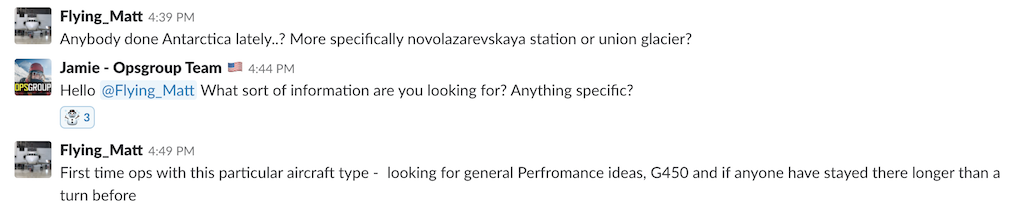
Yesterday, in slack, a member asked:

Now, I’ve never heard of Novolazarevskaya Station, but that’s not important. There are another 4,999 of us, and chances are that someone in the group has.

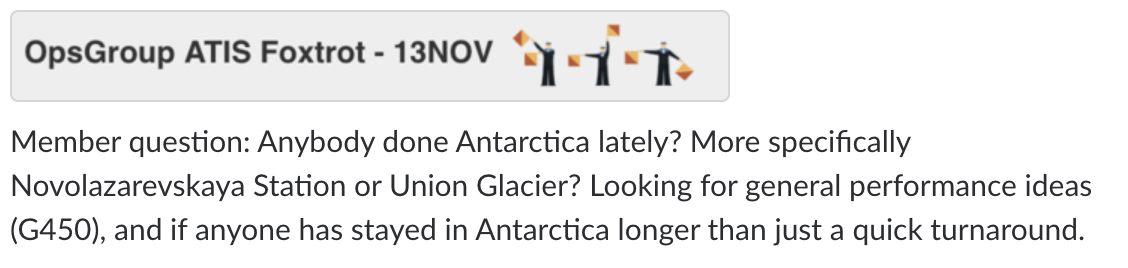
So, we blasted it out on the ATIS this morning:

The ATIS goes out to all group members in the OpsGroup Daily Brief.

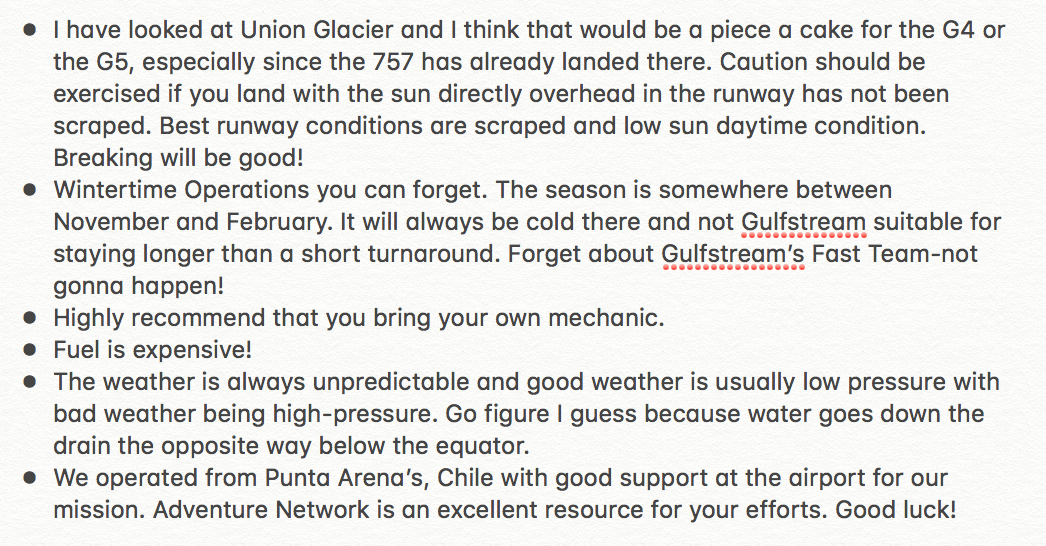
And of course, someone got right to it, answering the question:

This is how OpsGroup works! Simple, and extremely effective. When one person knows, we all know.

Bonus: The first OpsGroup team member to see the question was @Jamie – Opsgroup Team, who has been on the ice on five separate missions for the US Antarctic program, and has spent a combined total of three years down there.


What is OPS GROUP, exactly?

From the archives … an article from 2016

Yes, it’s the most common question we get. What is OPS GROUP ? Well, we’re not exactly sure yet. The question mark may well be part of the name, because to us it represents both a lack of constraints and limitless possibility. A beginners mind.

The energy within the group has astounded us. The OPS GROUP team has answered over 200 questions from members, but that engagement is not what surprised us. When we put questions back to the group ( in the form of curated Members Questions), the willingness to help, share and assist others is what did.

So, what we’re seeing is that amazing things happen when you connect similar, but different, people. In the Industry, we have great groups for Airlines (IATA, and our own Airline Cooperative), Business Aviation (NBAA), ATC (CANSO), Private Aviation ( AOPA). But they all combine like with like.

Like the best relationships,  matching with a little bit different is far more interesting.

OPS GROUP – sticking with the big letters – brings everyone together in INTL FLT OPS. We all share the same airspace and go to the same airports. We all struggle to stay up to date, find most Notams confusing, hate having to organise permits, and wonder what will be next to change on the North Atlantic. Ask us to go somewhere new, and watch the stress levels rise.

What happens when

And so we have a weird and wonderful group. The all-alone Corporate dispatcher, the overworked B777 F/O, the midnight supervisor at Eurocontrol, the grumpy Airline Dispatcher (yes Eric, that’s you), the permanently-airborne G4 driver, the Airbus ops team, and of course the Boeing guys and girls, the Irish ATC supervisor, the German Airline COO, the Russian CAA guy, the Australian meteorologist, and many hundreds more. Fast approaching 1000 members, in fact – and therefore becoming more useful for everyone. Literally hundreds of experts within the group.

When we started, we thought that OPS GROUP would just be a collection of people that wanted updates on International Ops from our Flight Service Bureau. We still run our now famous bulletin every Wednesday, and our Lowdowns, Ops Notices, Alerts, and Special Briefings – but the group is becoming huge amounts more than just receivers of information.

Personally, I think the key value of the group is it allows each one of us to feel more connected to International Flight Ops. Realising that there are hundreds of others in the same position that appreciate both your question and the group answer.

So, if I could try to best summarise OPS GROUP right now – it’s a secure environment where you’ll be ahead of the relentless changes in International Flight Ops, you’ll directly receive all FSB summaries of the big changes, can get answers from the team or the entire group for that troublesome ops question. You also get to feel really good when you share new information with the others, and answer the question that you’re an expert on.

But really, we’re still not quite sure what OPS GROUP is. Maybe when we pass 2000 members it will become clearer. Let’s see.

More about OPS GROUP: