Asia Airspace Risk: Why North Korea’s Lastest Launch Matters…
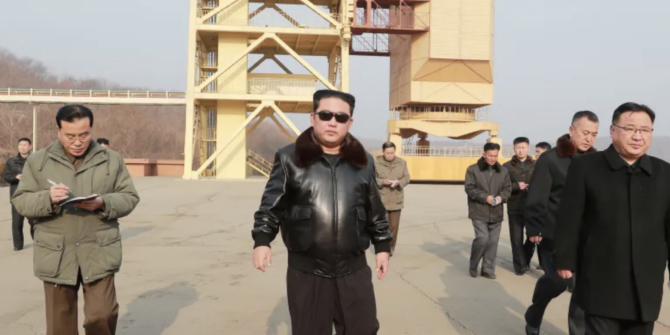
**Update: June 2, 07:35z **

South Korea, the Philippines and Japan have all issued new airspace warnings by Notam due to the risk caused by falling debris. Japan’s in particular is worth noting as it also suggests an ‘anti-ballistic missile’ may be launched from several potential locations within the RJJJ/Fukuoka FIR to shoot down the craft if it enters Japanese airspace during launch.

The Notams to be aware of are:

South Korea: 
RKRR Z0298/23 - ROCKET LAUNCH WILL TAKE PLACE FROM NORTH KOREA. 
IN THE INTEREST OF AVIATION SAFETY, WI INCHEON FIR ALL ACFT ARE
STRONGLY ADVISED TO KEEP LISTENING TO THE FREQUENCY AND FOLLOW 
THE INSTRUCTION OF ATC.
EXPECT FALLING AREAS ARE AS BLW :
1. 360656N 1233307E-352431N 1232247E-352001N 1234837E-360226N 1235911E
2. 340554N 1230159E-332328N 1225153E-331632N 1232940E-335858N 1234004E
3. 145410N 1284006E-111918N 1291050E-112649N 1295408E-150142N 1292403E. 
31 MAY 08:38 2023 UNTIL 10 JUN 15:00 2023. CREATED: 31 MAY 08:38 2023
Japan: 
RJJJ P2445/23 - ALL ACFT INTENDING TO FLY WI FUKUOKA FIR ARE ADVISED TO PAY
SPECIAL ATTENTION TO THE FOLLOWING INFORMATION.
A ROCKET IS EXPECTED TO BE LAUNCHED FROM NORTH KOREA AND THE
ANTIBALLISTIC MISSILES MAY BE LAUNCHED FOR THE DESTRUCTION OF THE
ROCKET.

1.ROCKET LAUNCHED FROM NORTH KOREA
(1)LAUNCH SITE: NORTH KOREA
(2)FALLING AREAS COORDINATES:
FIRST STAGE
360656N1233307E 352431N1232247E 352001N1234837E 360226N1235911E
SECOND STAGE
340554N1230159E 332328N1225153E 331632N1232940E 335858N1234004E
THIRD STAGE
145410N1284006E 111918N1291050E 112649N1295408E 150142N1292403E

2.IN ACCORDANCE WITH ARTICLE 82-3 OF JAPAN SELF DEFENSE FORCE LAW,
THE ANTIBALLISTIC MISSILES ARE DEPLOYED AT POSITIONS BLW,
(1)NAHA-SHI : 261219N1273929E
(2)MIYAKOJIMA : 244602N1251930E
(3)ISHIGAKIJIMA : 241953N1240828E
(4)YONAGUNIJIMA : 245838N1225716E. SFC - UNL
30 MAY 15:00 2023 UNTIL 10 JUN 15:00 2023. CREATED: 30 MAY 13:57 2023
Philippines: 
RPHI B1867/23 - SPECIAL OPS (SATELLITE LAUNCH ACT) WILL TAKE PLACE WI:
145410N 1284006E -
111918N 1291050E -
112649N 1295408E -
150142N 1292403E -
145410N 1284006E. 
SFC - UNL, 30 MAY 15:00 2023 UNTIL 10 JUN 15:00 2023. CREATED: 30 MAY 02:31 2023

**********

It has been a busy week for the aspiring North Korean space program.

In an unusual turn of events, on May 29 they actually provided prior notice of an impending launch of a (suspected) surveillance satellite into orbit. Then on May 30 it actually lifted off, although unsuccessfully. Alarms were briefly triggered in South Korea and Japan. No sooner had the dust settled than Pyongyang announced their intention to try again – sometime before June 11.

Similar attempts in the past have turned out to be yet more thinly veiled missile tests. Nevertheless, the global community is taking these warnings seriously, and word is being spread by Notam.

Unlike conventional missile tests which we have frequently reported, an attempt to put something into orbit not only uses UN-sanctioned technology, but creates far broader hazard areas for civil aviation – well beyond the ZKKP/Pyongyang FIR where traditional missile tests lie. Which is why we’re collectively sitting up a little straighter.

Not all of the beans are being spilt though. Only some of them. Which is why this week’s launch window was notably broad – extending for a full ten days. Subsequent launches are likely to be same.

The risk for aircraft was from falling debris from rocket staging, or even a complete failure of the craft.

The Notam…

On May 29, South Korea (the RKRR/Incheon FIR) published the following Notam (which has since been cancelled):
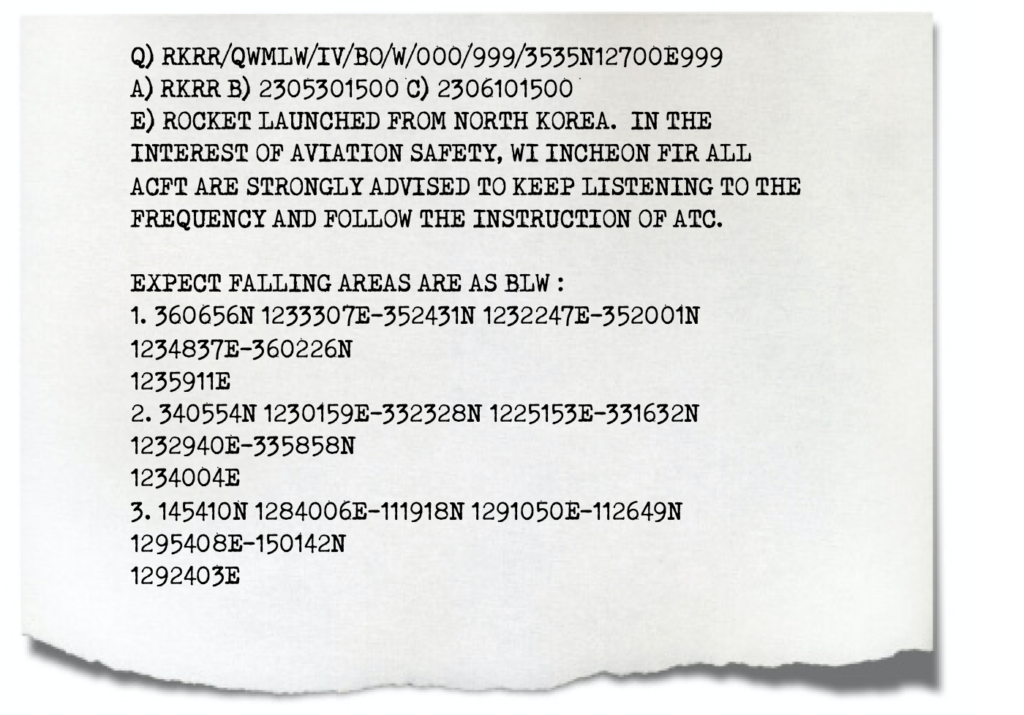
There were three major hazard areas – portions of the Yellow Sea, East China Sea and the Philippine Sea.

Don’t think in capitalised type-written coordinates? Neither do we. Here’s what that looked like on a map:
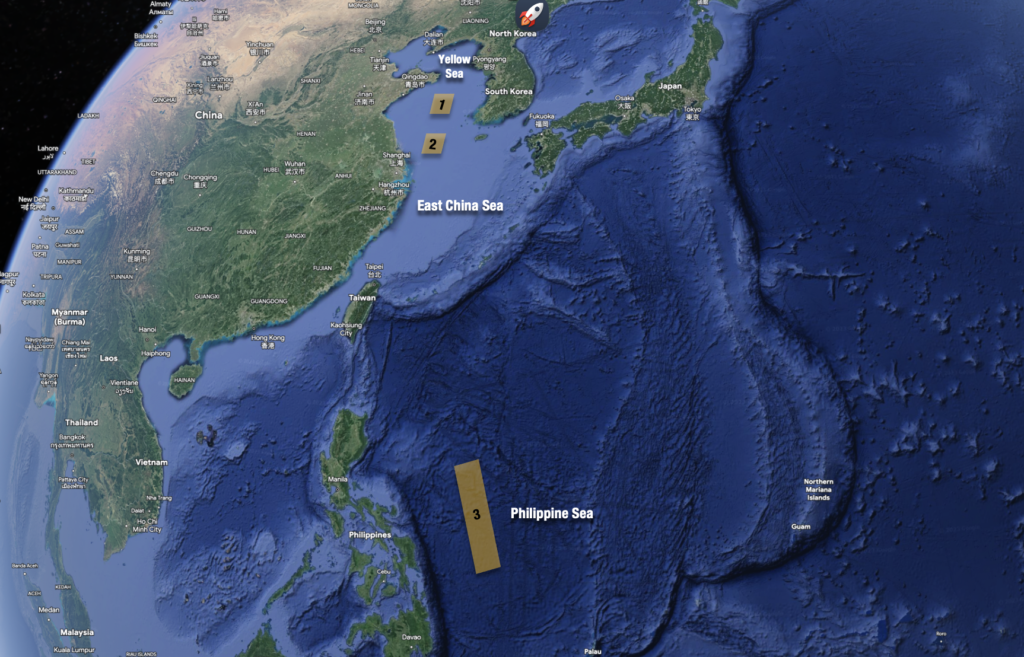
The official advice was avoid them completely, if practical. Otherwise, to listen out to ATC for potential updates.

The Plot Thickens…

Given the current state of affairs, any launch is politically sensitive and risks far greater political fallout. Japan has been especially vocal in denouncing them saying that they ‘threaten the peace and safety of Japan, the region and international community…’ They have vowed to shoot down any satellite or debris if it enters Japanese territory – important note: there are currently no airspace warnings for air defence activity anywhere in the RJJJ/Fukuoka FIR. With the best intentions, history has shown this type of activity can inadvertently put civilian aircraft at risk.
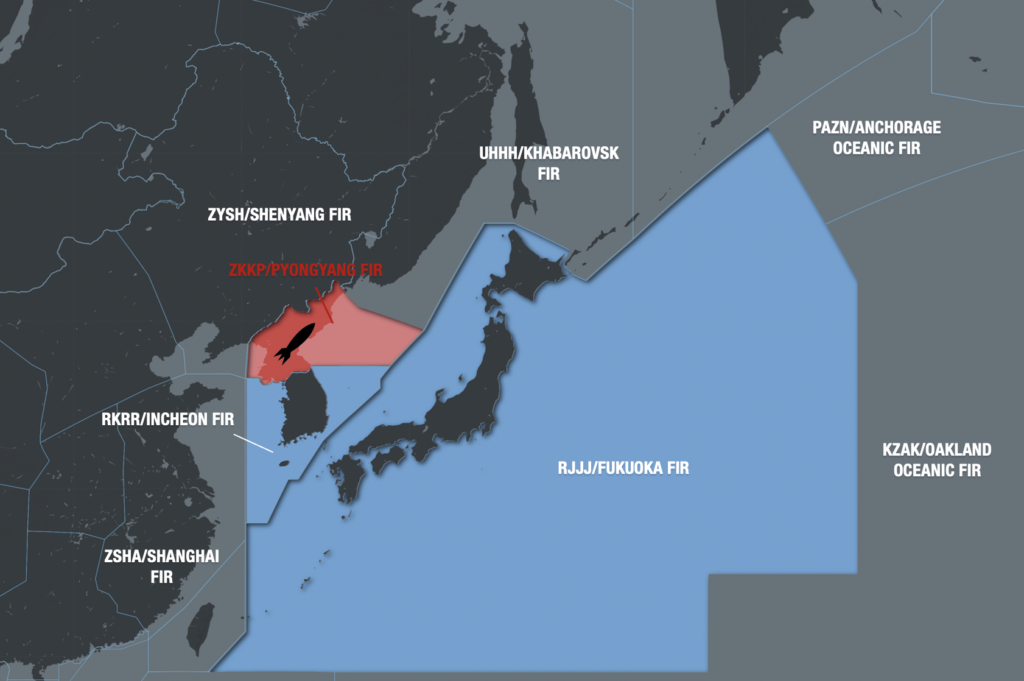
It’s no wonder too – there is a well publicised record of North Korean missile launches coming uncomfortably close to Japanese territory, often landing well into  the Sea of Japan.

Political Posturing

It’s unclear whether these are genuine attempts to put a craft into orbit, or more simply a political statement to flex North Korea’s ballistic missile capabilities. If subsequent launches were successful it would be North Korea’s first foray into space ops. However, it comes at a time when there have been large scale live-firing military exercises near the North Korean border by South Korea – part of a seemingly constant cycle of diplomatic muscle flexing that seems to characterise to the region – and as such we may need to take things with a grain of salt.

From an airspace perspective though, these launches should be treated as real hazards. At the very least because it is better to be safe than sorry.

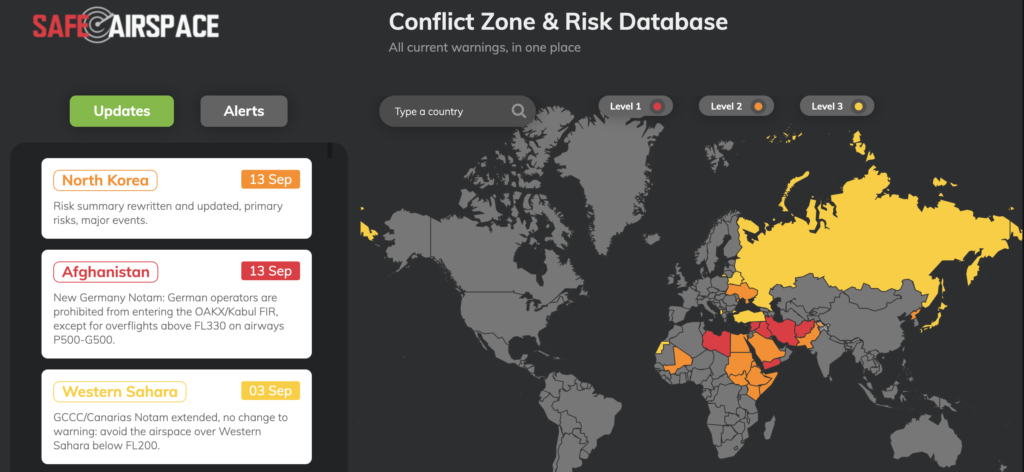
We’ll continue to report on any changes as they emerge. Many of these risks are well publicised, and safeairspace.net is a great place to start for that info.
North Korea missile risk in the Sea of Japan

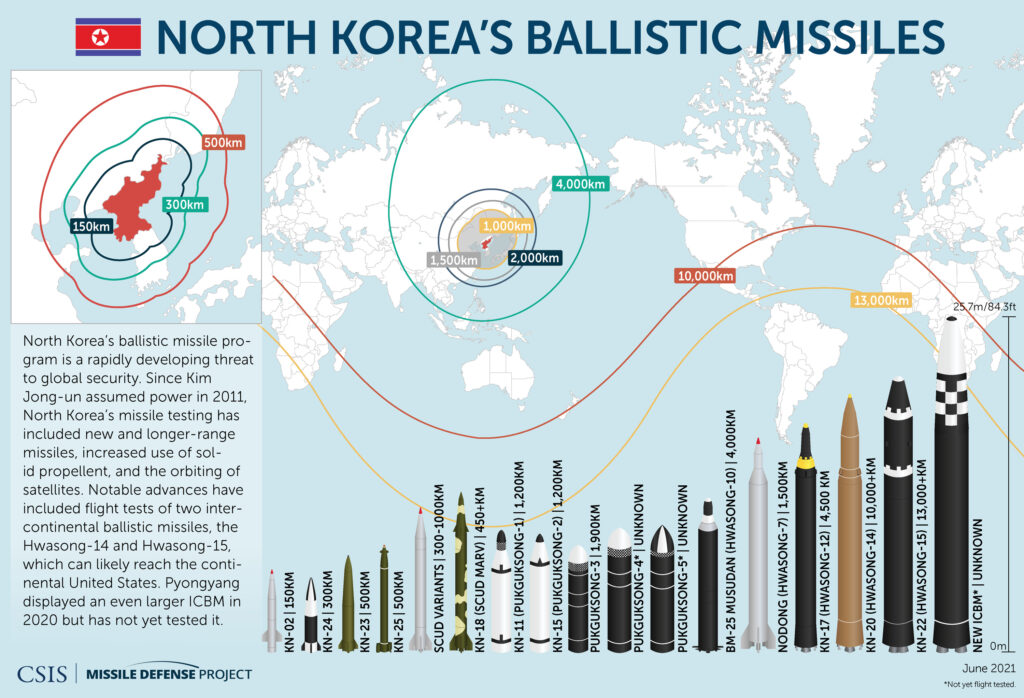
North Korea fired two short-range ballistic missiles across its east coast and into the Sea of Japan on Sep 15. It was North Korea’s second weapons test in recent days, after the launch of a new long-range cruise missile at the weekend, which state media claim has a range capable of hitting much of Japan.

North Korea has in the past tested intercontinental ballistic missiles (ICBMs) said to be capable of reaching nearly all of the US mainland and western Europe.

UN sanctions forbid North Korea from testing ballistic missiles (the ones that go up into space and then back down again, spraying debris all over international airways), but not cruise missiles (the ones that fly at low altitudes).

As usual, North Korea did not provide any warning prior to these recent tests – which is the key issue with regards to the airspace safety risk.

A quick history of developments in the last few years:

  • Until around 2014, North Korea notified ICAO of all missile launches, so that aircraft could avoid the launch and splashdown areas.
  • In 2015, they gradually stopped doing this, reaching a point where there could be no confidence in an alert being issued to airlines by North Korea.
  • In 2016, airlines and aircraft operators started avoiding the Pyongyang FIR entirely, by the end of 2016 almost nobody was entering the airspace.
  • In 2017, more and more of these missiles came down in the Sea of Japan, increasingly closer to the Japanese landmass. OPSGROUP researched the locations and produced a map of the risk area, together with the article: “Here’s why North Korean missiles are now a real threat to Civil Aviation”. In September 2017, the US announced a ban on flights across all North Korean airspace, including the oceanic part of the ZKKP/Pyongyang FIR over the Sea of Japan. That ban is still in effect today. Several other countries have airspace warnings in place which advise caution due to the risk posed by unannounced rocket launches.
  • In 2018, following talks with the US, North Korea agreed with ICAO that it would provide adequate warning of all “activity hazardous to aviation” within its airspace.
  • In May 2019, North Korea resumed its practice of launching missiles into the Sea of Japan without providing any warning by Notam.

Determining risk

The critical question for any aircraft operator is whether there is a clear risk from these missiles in the airspace through which we operate.

The chances of a missile, or part of it, striking the aircraft are not as low as they may initially appear – particularly given that all the missile re-entries in recent years are occurring in quite a focused area over the Sea of Japan. The risk to overflying traffic is arguably greater from ballistic missiles than cruise missiles, because these can break up on re-entry to the atmosphere (as happened with the 2017 tests) meaning that a debris field of missile fragments passes through the airspace, not just one complete missile.

Advice to operators

  • Consider rerouting to remain over the Japanese landmass or east of it. It is unlikely that North Korea would risk or target a landing of any test launch onto actual Japanese land.
  • Check routings carefully for arrivals/departures to Europe from Japan, especially if planning airways which connect with the UHHH/Khabarovsk FIR at waypoints IGROD and AVGOK.
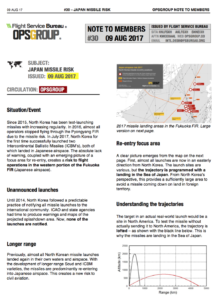
  • Read OPSGROUP’s Note To Members #30: Japan Missile Risk published in Aug 2017.
  • Monitor safeairspace.net for latest updates to airspace warnings issued for North Korea.


Cathay crew witness missile re-entry from North Korea

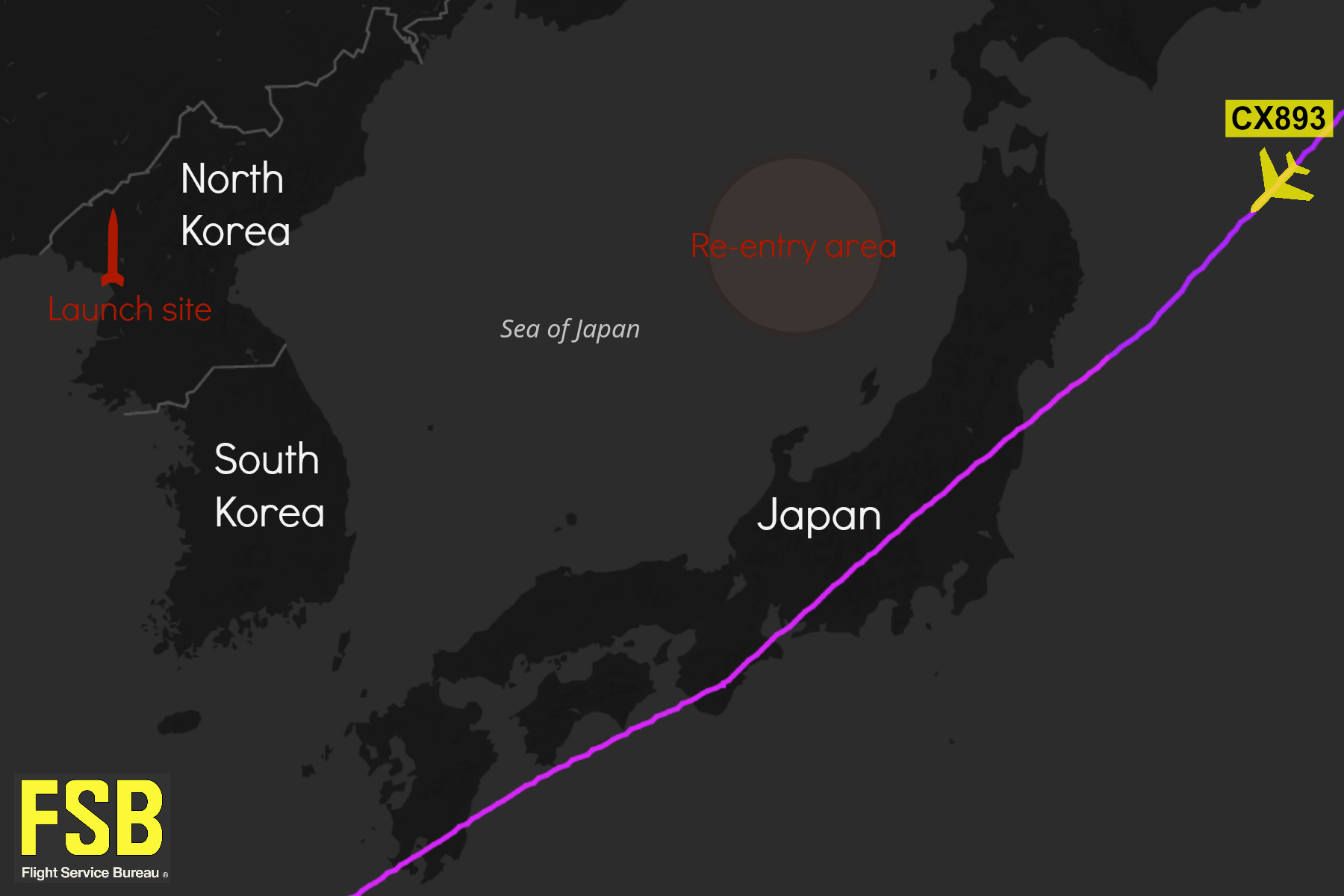
Crew onboard a Cathay Pacific flight witnessed the re-entry of North Korea’s latest missile near their position late last week. The CX893 service from San Francisco to Hong Kong on Nov 29 was over Japan at the time when North Korea launched its missile.

The crew reported: “Be advised, we witnessed the DPRK missile blow up and fall apart near our current location.”

Here’s Cathay Pacific’s full statement:

“On 29 November, the flight crew of CX893 reported a sighting of what is suspected to be the re-entry of the recent DPRK test missile. Though the flight was far from the event location, the crew advised Japan ATC according to procedures. Operation remained normal and was not affected. We have been in contact with relevant authorities and industry bodies as well as with other carriers. At the moment, no one is changing any routes or operating parameters. We remain alert and review the situation as it evolves."

North Korea’s missiles are larger, and can fly further, than the other missiles we’ve previously seen. Over the past year, most of these missiles land in the Sea of Japan, well inside the Fukuoka Flight Information Region (Japanese airspace). But as we see with this latest test, there is clearly a danger of some of these missiles not re-entering the atmosphere intact – meaning that a debris field of missile fragments passes through the airspace, not just one complete missile. If you haven’t done so already, make sure you read this: our article on why North Korean missiles are now a real threat to Civil Aviation.

This latest test is also significant because of its unprecedented altitude – 4500km (2800 miles). Experts seem to agree that if it had been fired on a standard trajectory, the missile would have been capable of traveling around 13000km (8100 miles), meaning it could have struck anywhere in the mainland US.

If you’re operating in the region, we recommend avoiding the ZKKP/Pyongyang FIR entirely and avoiding the affected areas over the Sea of Japan. For more info, check out Safeairspace.


Here’s why North Korean missiles are now a real threat to Civil Aviation

  • July 2017: First launches of ICBM’s from North Korea
  • Western portion of Japanese airspace is a new risk area
  • New OPSGROUP guidance to Members, Note 30: Japanese Missile risk

The North Korean game has changed. Even if aircraft operators stopped flying through the Pyongyang FIR last year, nobody really thought there was much of a tangible risk. The chances of a missile actually hitting an aircraft seemed slim, and any discussion on the subject didn’t last long.

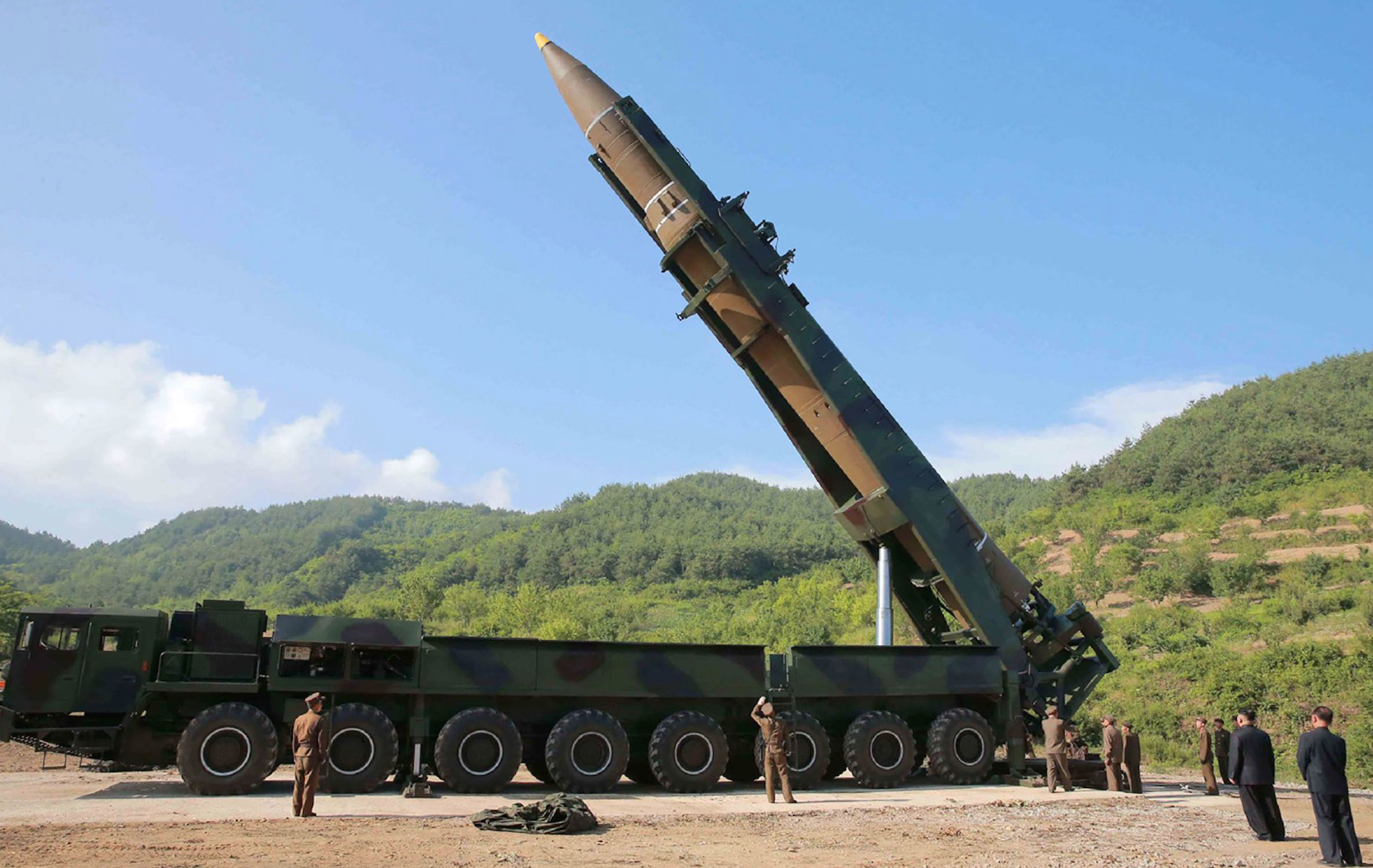
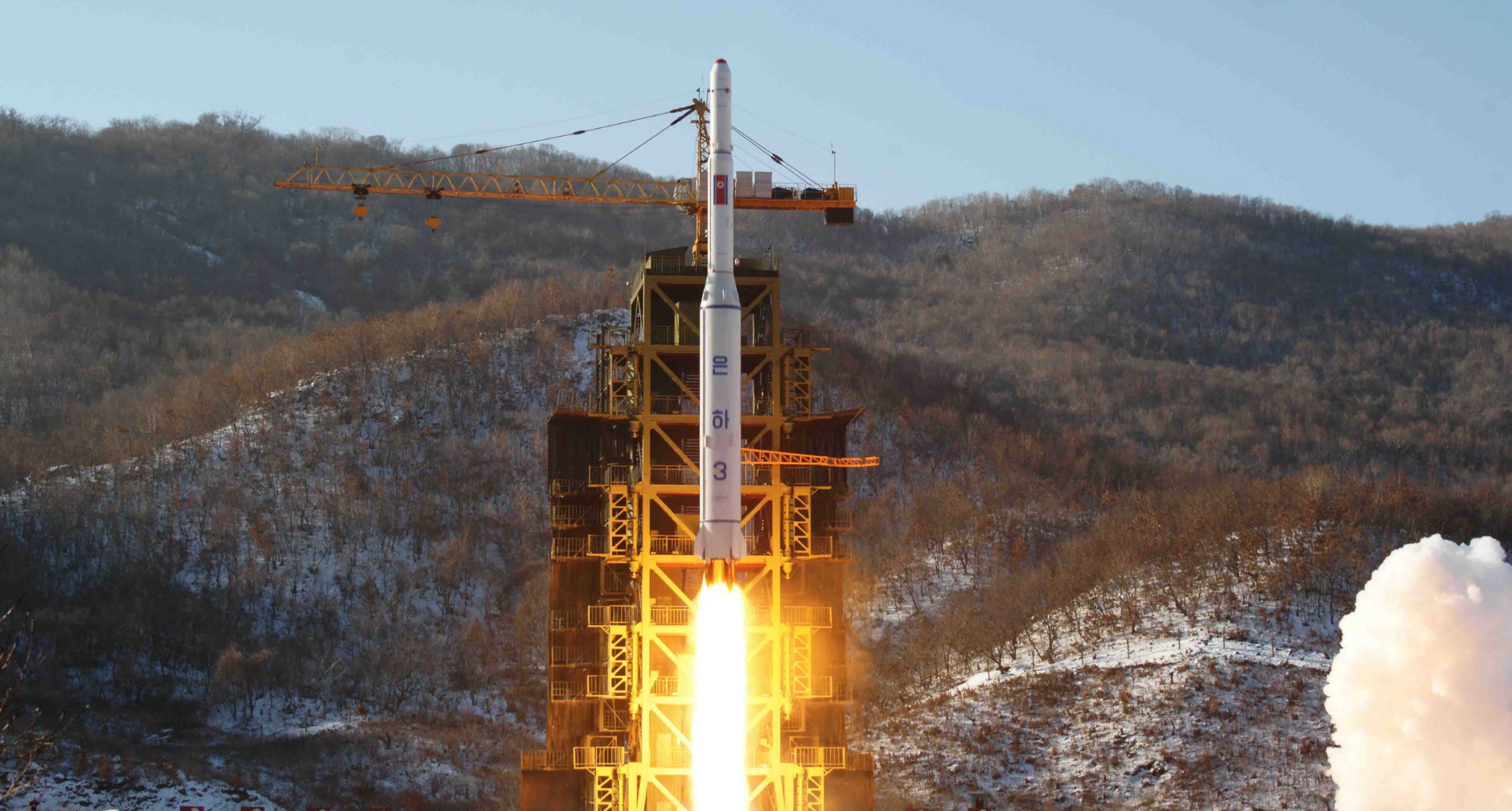
Things look different now. In July, the DPRK tested two Hwasong-14 Intercontinental missiles (the July 4th one is above), the first ICBM’s successfully launched from North Korea. ICBM’s are larger, and fly further, than the other missiles we’ve previously seen. Both of these landed in the Sea of Japan, well inside the Fukuoka Flight Information Region (Japanese airspace), and significantly, at least one did not re-enter the atmosphere intact – meaning that a debris field of missile fragments passed through the airspace, not just one complete missile.

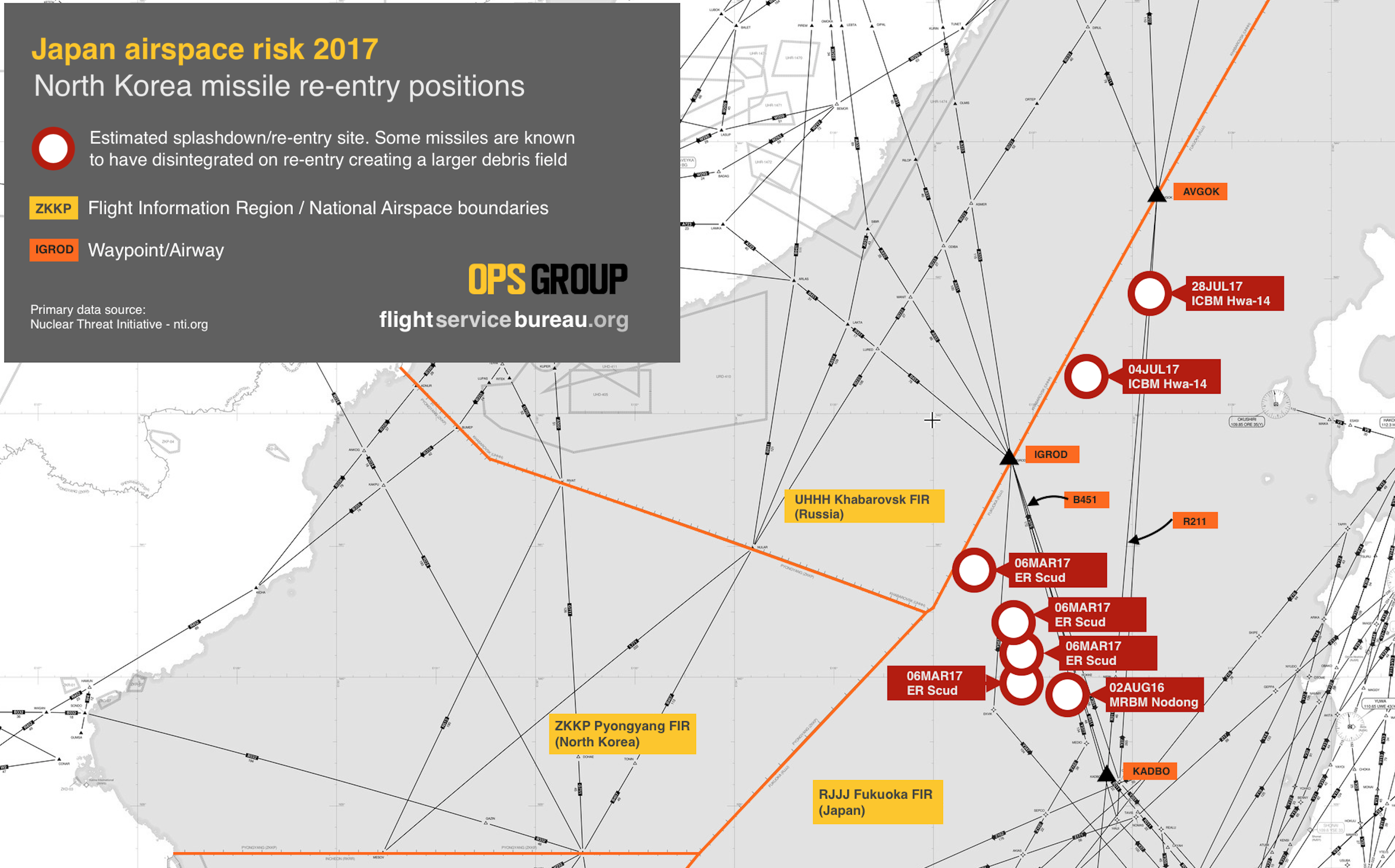
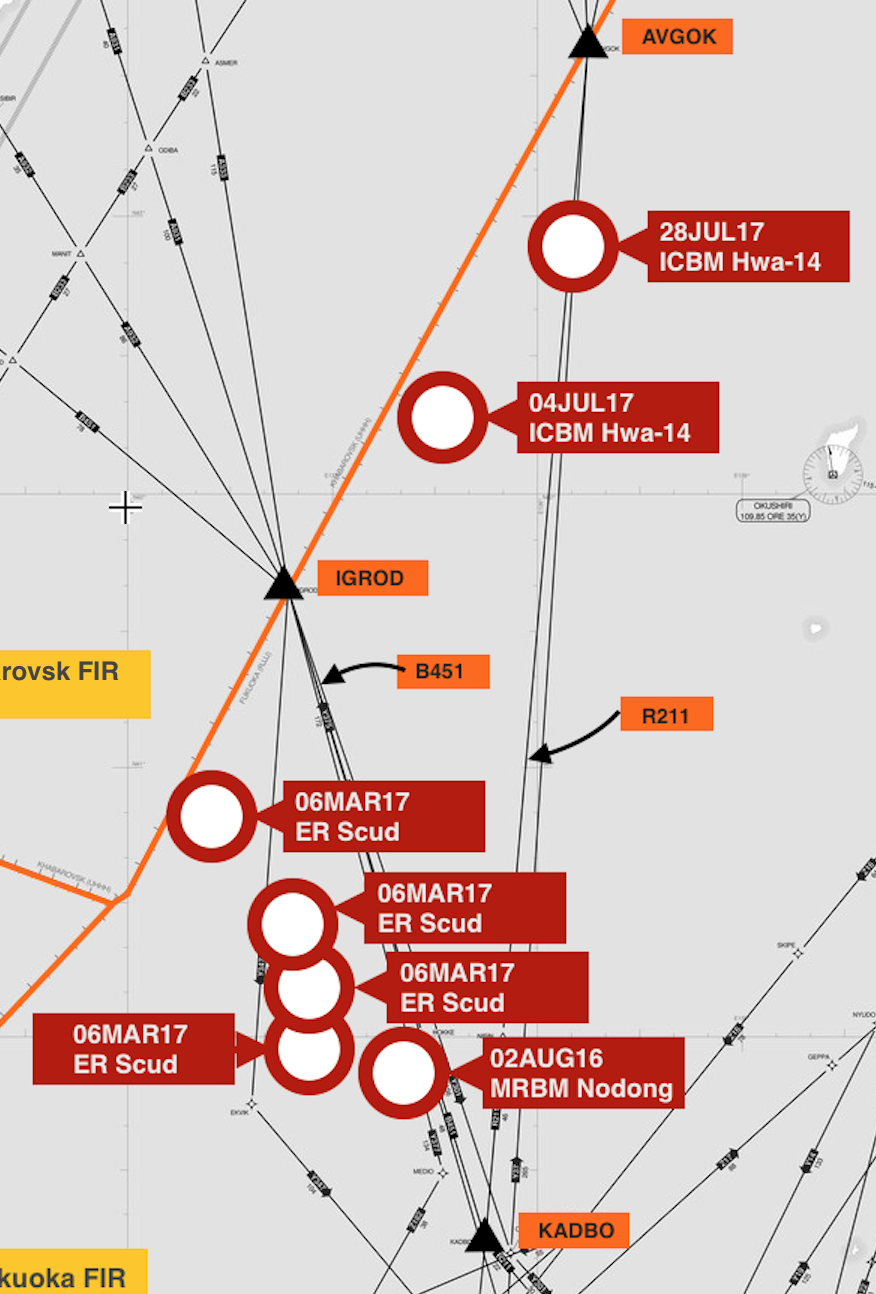
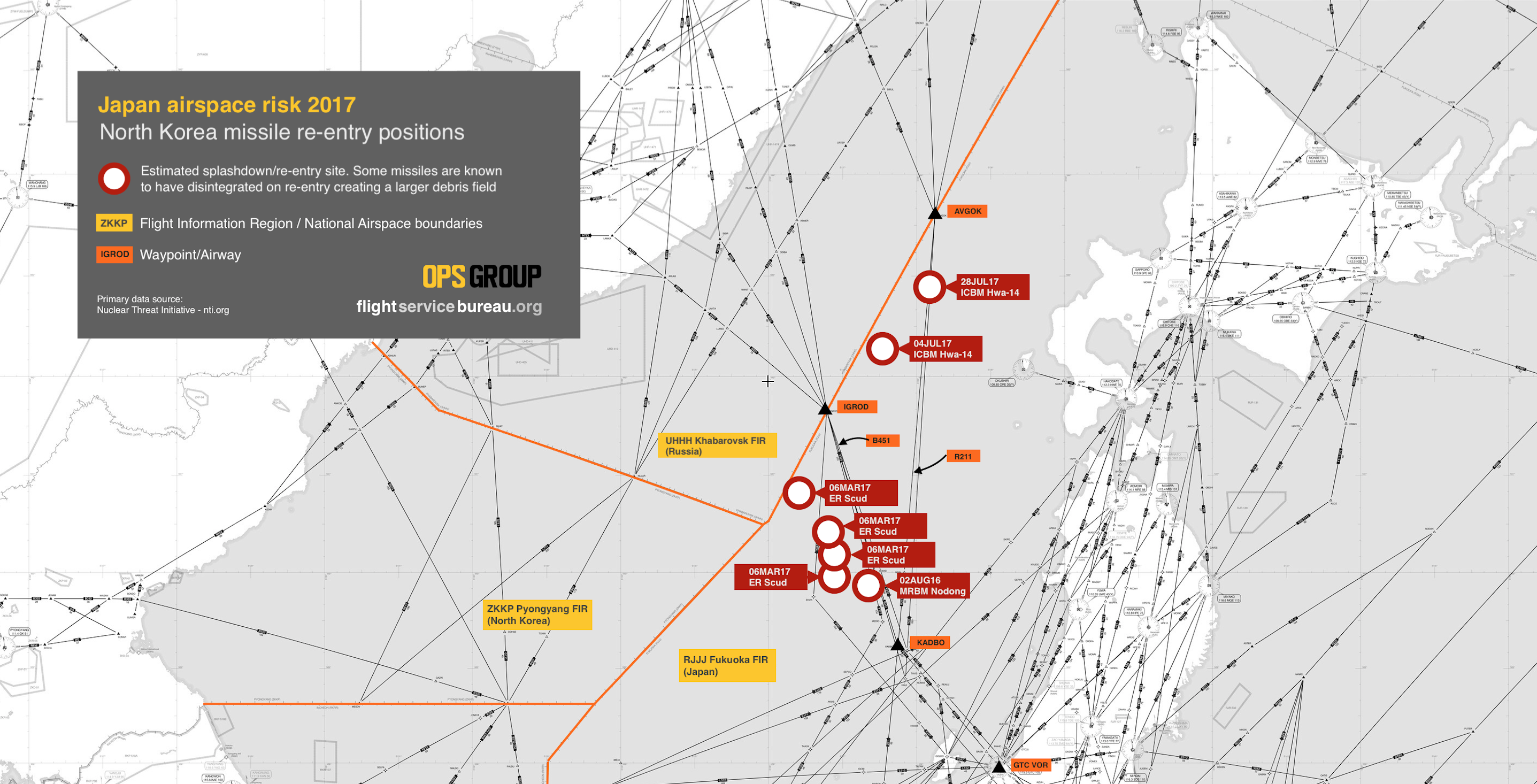
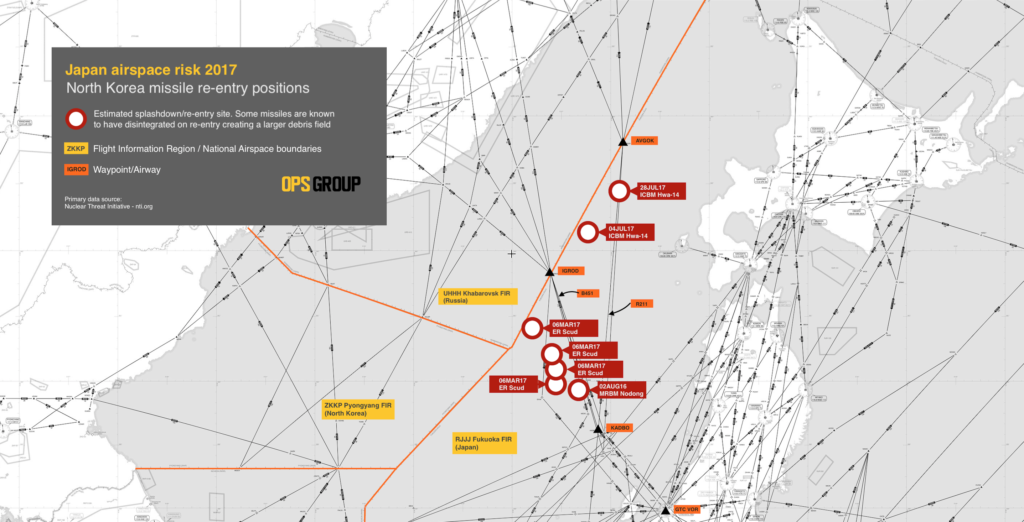
We drew a map, with our best estimates of the landing positions of all launches in the last year that ended in Japanese airspace. The results are quite clear:


View large image

Zooming in even further, we can see each of the estimated landing sites. It is important to note that the landing positions vary in the degree of accuracy with which it is possible to estimate them. The highest accuracy is for the 28JUL17 landing of the Hwasong-14 ICBM, thanks to tracking by the Japanese Defence Force and US STRATCOM, as well as visual confirmation from land in Japan. The remaining positions are less precise, but in an overall view, the area affected is quite well defined – south of AVGOK and north of KADBO. In 2017, there have been 6 distinct missile landings in this area. The primary airways affected are B451 and R211, as shown on the chart.


View large image

So, in a very specific portion of Japanese airspace, there have been regular splashdowns of North Korean missiles. As highlighted by the Air France 293 coverage, this area is crossed by several airways in regular use, predominantly by Japan-Europe flights using the Russia route.

Determining Risk

The critical question for any aircraft operator is whether there is a clear risk from these missiles returning to earth through the airspace in which we operate. Take these considerations into account:

The regularity and range of the launches are increasing. In 2015, there were 15 launches in total, of short-range ballistic and sub-launched missiles. In 2016, there were 24 launches, almost all being medium-range. In 2017, there have been 18 so far, with the first long-range missiles.

– In 2016, international aviation solved the problem by avoiding the Pyongyang FIR. This is no longer sufficient. The landing sites of these missiles have moved east, and there is a higher likelihood of a splashdown through Japanese airspace than into North Korea.

– Almost all launches are now in an easterly direction from North Korea. The launch sites are various, but the trajectory is programmed with a landing in the Sea of Japan. From North Korea’s perspective, this provides a sufficiently large area to avoid a missile coming down on land in foreign territory.

– The most recent ICBM failed on re-entry, breaking up into many fragmented pieces, creating a debris field. At about 1515Z on the 28th July, there was a large area around the R211 airway that would have presented a real risk to any aircraft there. Thankfully, there were none – although the  Air France B777 had passed through some minutes before.

– Until 2014, North Korea followed a predictable practice of notifying all missile launches to the international community. ICAO and state agencies had time to produce warnings and maps of the projected splashdown area. Now, none of the launches are notified.

– Not all launches are detected by surrounding countries or US STRATCOM. The missile flies for about 35 minutes before re-entry. Even with an immediate detection, it’s unlikely that the information would reach the Japanese radar controller in time to provide any alert to enroute traffic. Further, even with the knowledge of a launch, traffic already in the area has no avoiding option, given the large area that the missile may fall in.

Can a falling missile hit an aircraft?

What are the chances? Following the AFR293 report on July 28, the media has favoured the “billions to one” answer.

We don’t think it’s quite as low.

First of all, that “one” is actually “six” – the number of North Korean missiles landing in the AVGOK/KADBO area in 2017. Considering that at least one of them, and maybe more, broke up on re-entry, that six becomes a much higher number.

Any fragment of reasonable size hitting a tailplane, wing, or engine as the aircraft is in cruise at 450 knots creates a significant risk of loss of control of the aircraft. How many fragments were there across the six launches? Maybe as high as a hundred pieces, maybe even more.

The chances of a missile, or part of it, striking the aircraft are not as low as it may initially appear. Given that all these re-entries are occurring in quite a focused area, prudence dictates considering avoiding the airspace.

What did we learn from MH17?

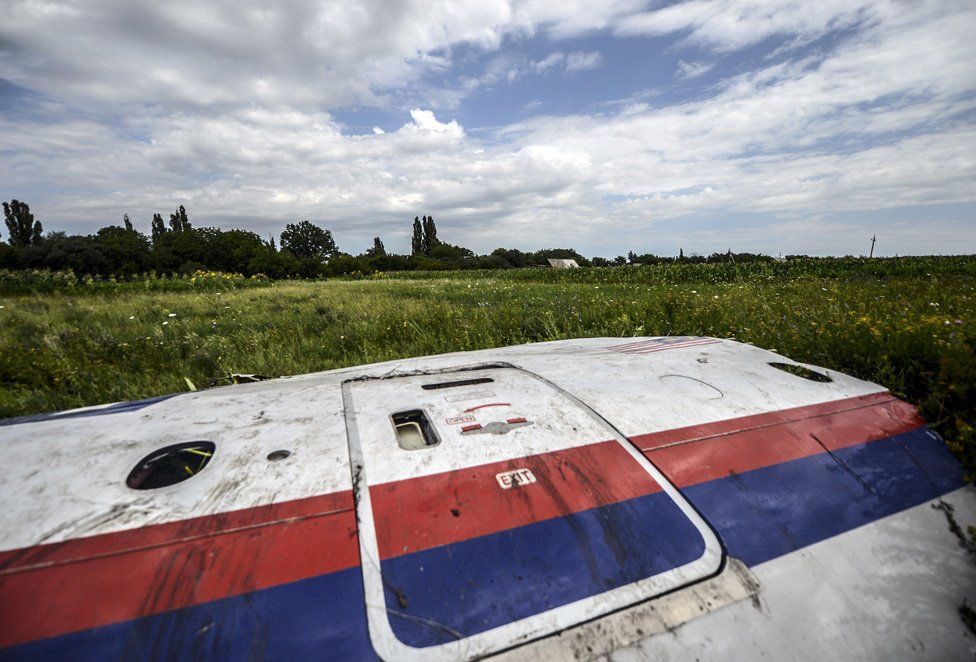
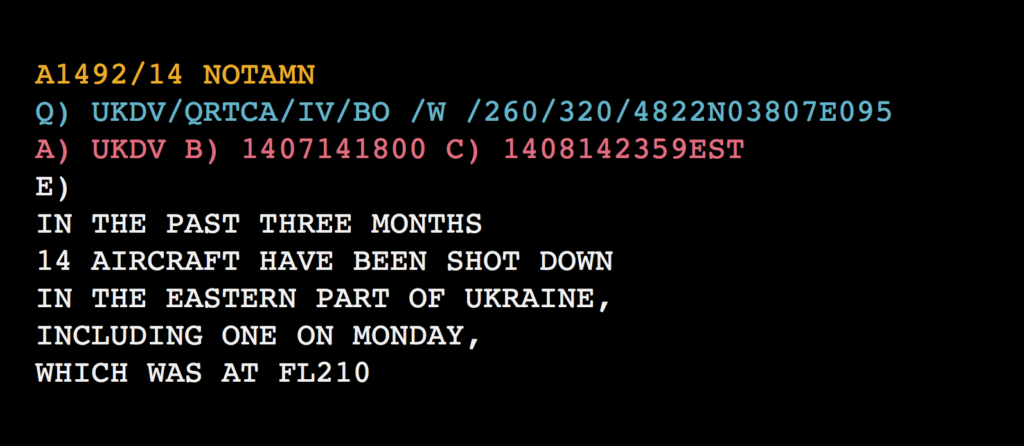
Whenever we discuss missiles and overflying civil aircraft in the same paragraph,  the valuable lessons from MH17 must be remembered. In the weeks and months leading up to the shooting down of the 777 over Ukraine, there were multiple clues to the threat before the event happened.

Of greatest relevance was that State Authorities did not make clear the risk, and that even though five or six airlines decided to avoid Ukrainian airspace, most other operators did not become aware of the real risk level until after the event.

Our mission at Flight Service Bureau is to make sure all aircraft operators, crews, and dispatchers have the data they need to make a fully informed decision on whether to continue flying western Japan routes, or to avoid them.

Guidance for Aircraft Operators

Download OPSGROUP Note to Members #30: Japan Missile risk (public version here)

Review the map above to see the risk area as determined by the landing sites in 2017.

Consider rerouting to remain over the Japanese landmass or east of it. It is unlikely that North Korea would risk or target a landing of any test launch onto actual Japanese land.

Check routings carefully for arrivals/departures to Europe from Japan, especially if planning airways R211 or B451. Consider the previous missile landing sites in your planning.

– Monitor nti.org for the most recent launches, as well safeairspace.net.

OPSGROUP members will be updated with any significant additions or updates to this Note through member mail and/or weekly newsletter.

References

– Nuclear Threat Initiative – nti.org

– Opsgroup Note to members #30 – Public version

OPSGROUP – Membership available here.

– Weekly International Ops Bulletin published by OPSGROUP covering critical changes to Airports, Airspace, ATC, Weather, Safety, Threats, Procedures, Visas. Subscribe to the short free version here, or join thousands of Pilot/Dispatcher/ATC/CAA/Flight Ops colleagues in OPSGROUP for the full weekly bulletin, airspace warnings, Ops guides, tools, maps, group discussion, Ask-us-Anything, and a ton more.

– Larger area map of Japan airspace risk 2017

– Contact news@ops.group with any comments or questions.


North Korean Missile Threat

In the past, when the DPRK (North Korea) has planned a missile launch, airlines and aircraft operators have, as a rule, been informed of the details through a warning from the DPRK to ICAO. Of concern to airspace users now, is the fact that the most recent launches this month were not notified in advance.

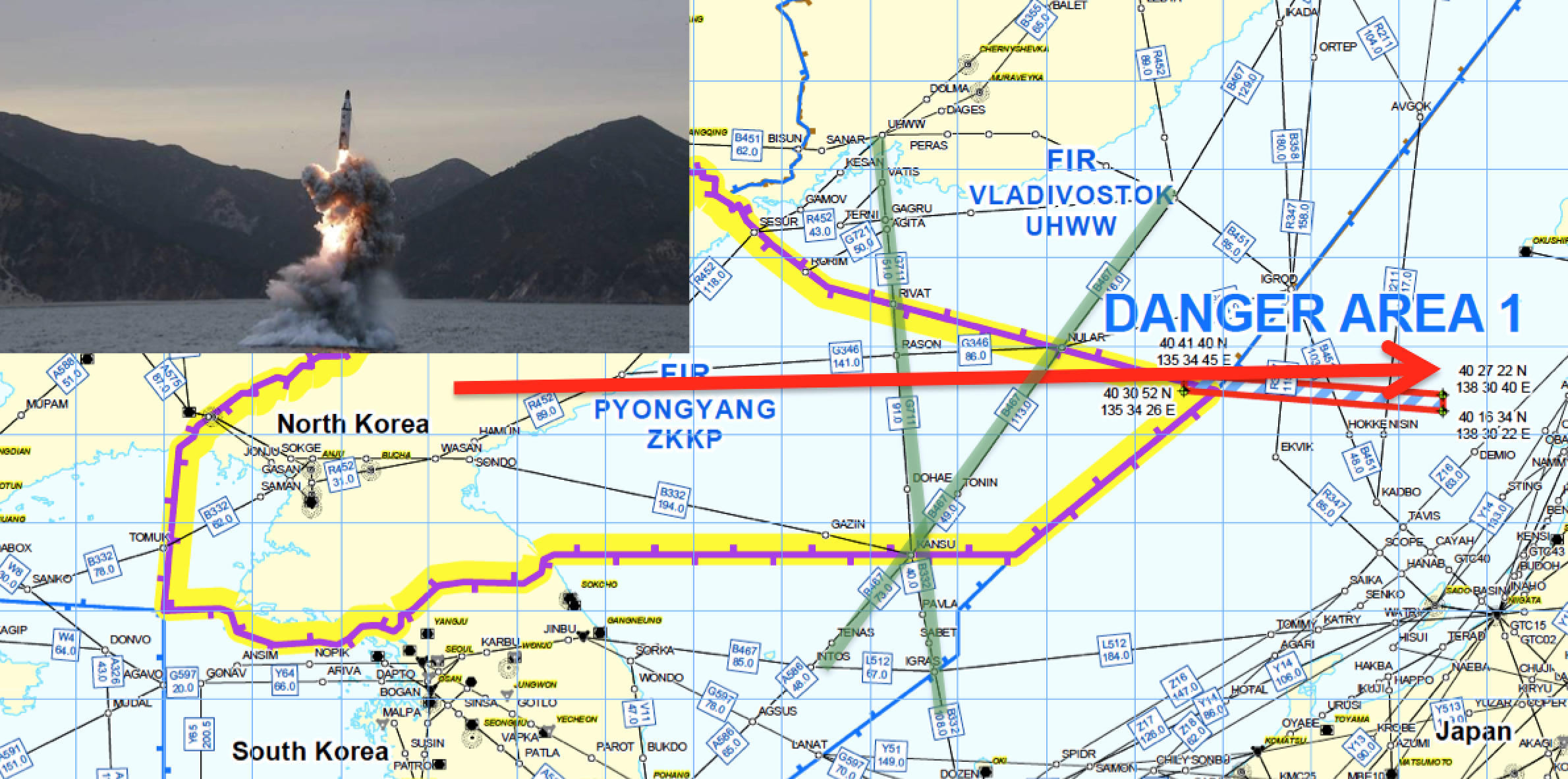
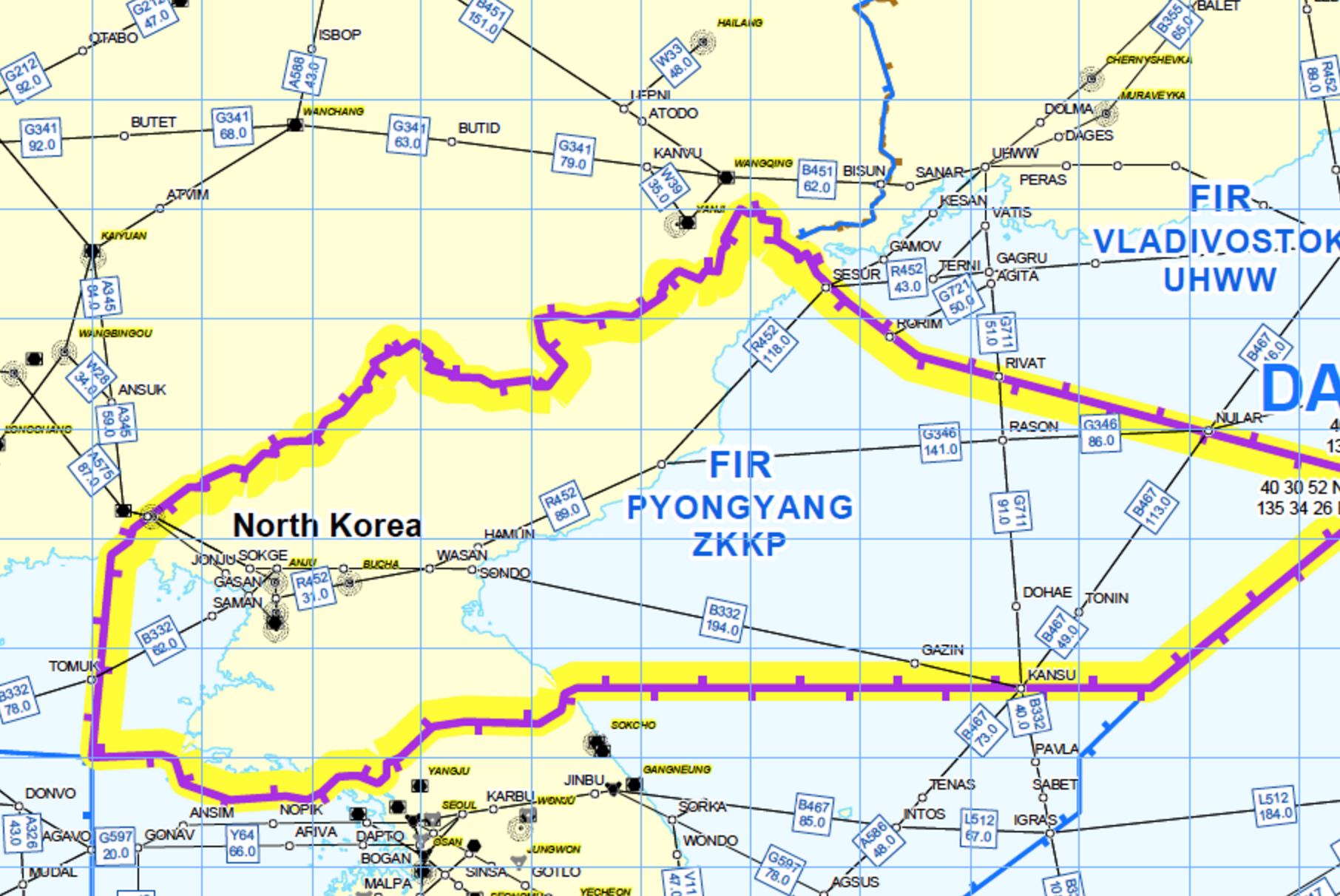
The two most common airways through DPRK airspace, G711 and B467, as depicted on the chart below, are in regular use by International Operators.  The increased frequency of ballistic launches of late, coupled with the failure to notify, has created heightened concern.

Further, GPS signal jamming close to the South Korean border, has led to over 1000 individual reports from operators in 14 different countries since May.

A number of airlines and operators have already made a blanket decision not to enter the Pyongyang FIR, even for that overwater portion on G711 and B467.

Pyongyang


North Korea overflight getting riskier

Update: FSB removed North Korea warnings on May 14, 2018

The annual posturing between the DPRK (North Korea), and the US/South Korea, follows a fairly regular pattern each year. The cycle involves escalating threats (by both sides), a cooling off process, a long period of nothing, and then a resumption of threats. History tells us that there is nothing to fear, because this is always the way it works on this peninsula, but then a slightly less micro view also tells us that we don’t always make the correct risk assessment.

Prior to MH17 (B777 shootdown, Ukraine), our view of missiles in the commercial aviation community was a little casual.  Post-incident, the rule of ‘overflights are safe’ as a standing principle was removed,  and suddenly a whole lot more interest was applied to what was going on underneath the airways, even if we were up at FL350.

In specific terms, over the last fortnight, North Korea has been launching short and medium range missiles like they are going out of style. Nobody in Pyongyang has any intention of aiming them at civil airliners, but the objective is not where the risk lies. Late last year when Russia fired 30+ missiles into Syria, at least 5 of them went off course (including way above where they should have flown).

This wayward tracking is the greater part of our concern, for all flights within the Pyongyang FIR (ZKKP). Most international overflights are using the North-South airways over water to the east of the landmass, and it’s worth considering that the missiles launched in the last week have been directed out over the sea in this direction (not coincidentally in the direction of Japan, who isn’t on the DPRK Christmas card list either).

US Operators are in any case restricted by SFAR79, but everyone else should be keeping a close eye on their North Korean overflight plans. (If this hasn’t put you off, you can read the full North Korea overflight permit requirements).

Air Koryo B747-8