I Feel The Need For Reliable Speed

Speed is a big thing when it comes to flying. Lift is, after all, equal to half of something multiplied by something else and, oh yeah, velocity squared…

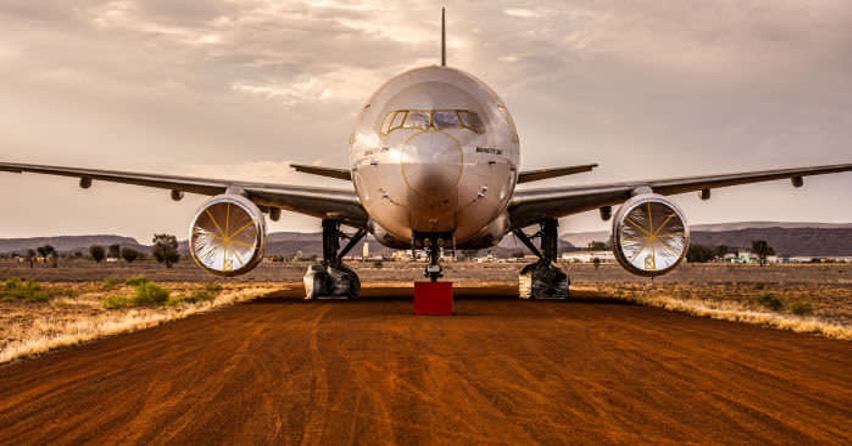
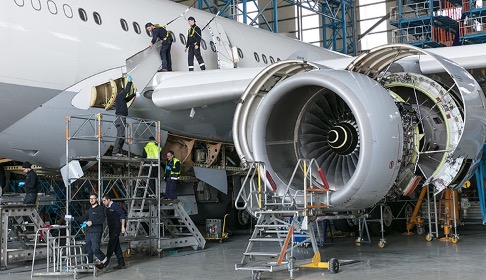
Now, with so many airplanes being hauled out of storage complete with bugs, beetles and other nasties nesting in places they should not be nesting in, there has been what EASA described as “an alarming trend” in the number of aircraft experiencing unreliable airspeed indications.

So we thought we would take a more practical look at what unreliable airspeed might really mean for you.

What are we talking about?

Airbus reported that in the period from January 2020 to March 2021, they had 55 events of unreliable airspeed. But 55 in a 14 month period (considering how many Airbus are out there flying) doesn’t sound that many.

So why is everyone so worried about it?

Well, we wrote a bunch of stuff about it here. We also talked about startle factor because that really is one of the big danger elements of the unreliable speed problemo. You see, if you get unreliable airspeed, there is a good chance you will do so at a horribly critical moment in flight. Like takeoff when you are near the ground, don’t have much speed, and have even less time to deal with it.

So, we are talking about you (the pilot) or it (the aircraft) not knowing what airspeed is reliable, and everything getting fairly confusing, very quickly.

Stop high-fiving and fly the airplane you fools.

What happens when it happens?

Airplane systems are clever. They use teamwork. They don’t just rely on one sensor or one probe, instead, they have independent probes talking to independent systems, and then these talk to each other and on a good day everything matches. On a bad day they might not.

But air data computers don’t argue, they get logical. If two are receiving the same information then chances are number three is wrong and then majority rules and the other systems effectively vote it out. Of course, they tell the pilot when this happens so you can judge for yourself, and maybe try to work out why there is a discrepancy.
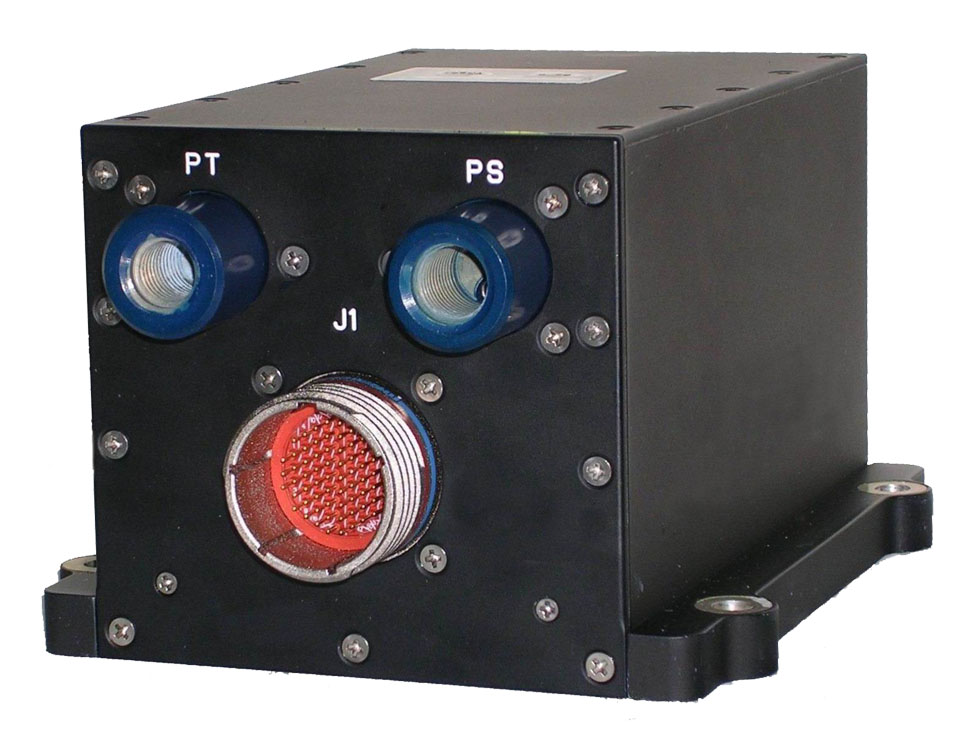
Is it me, or does this ADC look slightly startled?

The situation gets more complex when the computers cannot determine which is reliable and which is not. When we talk about ‘Unreliable Airspeed’ this is the situation we are really referring to because now you are going to have to troubleshoot, pretty quickly, in order to work out what to trust. More critically, you are going to have to decide pretty fast whether or not your airplane is in a safe condition.

So your first action needs to be that ‘Aviate’ bit of those Golden “ANC” rules.

Don’t forget the first line…

The memory items for ‘Unreliable Airspeed’ are going to vary between types, but the general gist is probably the same: decide if the airplane is safe and if it isn’t, make it safe before you do anything else.

Airbus, for example, say “if safe conduct of flight impacted”.

So what they mean is don’t go hurling on thrust and yanking the airplane nose about unless you actually need to (but if you need to, then do!)

If you are in cruise – straight and level, with a sensible pitch attitude and thrust setting – and your autopilot disconnects because it ain’t sure about the speed, then do you actually need to do anything? Other than making sure you have control, probably not. The speed hasn’t suddenly become unsafe just because you cannot say exactly what it is.

The same goes for a nice, stable approach. If you’re configured, heading down the ILS, and your autopilot disconnects, but the airplane is still on the ILS, descending at a normal ROD with a normal thrust and pitch setting, why not continue (or at least see if it is safer too before you throw it into a go-around)?

Destabilizing it is potentially just going to give your a whole load more work, and the airplane a whole load more trouble.
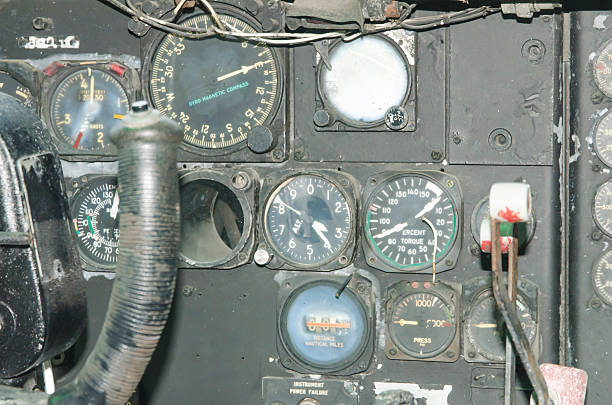
Probably not going to be reliable…

But don’t forget the first line…

There are also instances when you do not have time to think about whether it really is or isn’t reliable.

V1 is determined during your performance calculations. This is the speed by which you need to have made the decision to stop, if you are going to. But it is not “just” the speed that matters. What your performance calculations are actually thinking about is how long (and by how long, really how far) it will take you to accelerate to that speed, and then how much runway you will need to decelerate back down from that speed if you reject.

So we sort of need to think about V1 in terms of the point on the runway we will pass when we reach that speed. If our airspeed indications are unreliable, then we cannot really say if we are at the point, before it or past it, and if we don’t know that and don’t know our actual energy then…

Can we stop?

Common sense and airmanship will probably tell you when rejecting versus taking TOGA and setting a pitch attitude is the best option.

Why does it happen?

Aircraft coming out of storage with stuff stuck in their probes seems to be the most common reason. Of Airbus’ 55, 44 of them were due to things “obstructing” the probes. One fix is to put covers on to stop stuff getting in. Unfortunately, this also led to a few situations where covers were left on stopping the air from getting in and resulting in, well, unreliable airspeed.

Icing if you fly into adverse weather is also a common cause. This can be incipient and hard to spot. Combined with high altitude handling differences, half asleep pilots, and a few other factors and you have a scenario starting to sound similar to the one Air France 447 encountered.

Damage to probes (hail stones, birds and things flying into them at high speed are probably to blame here) and Volcanic Ash are less common but equally possible reasons.

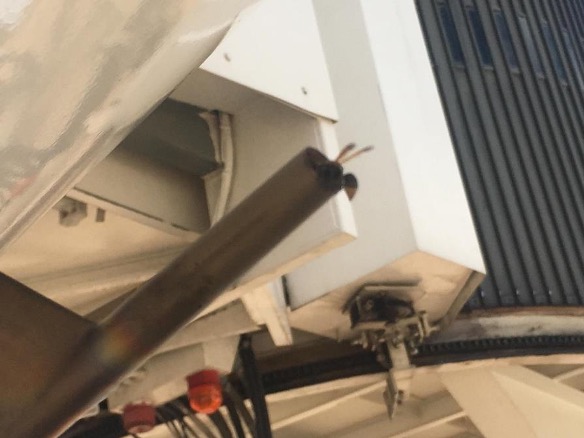
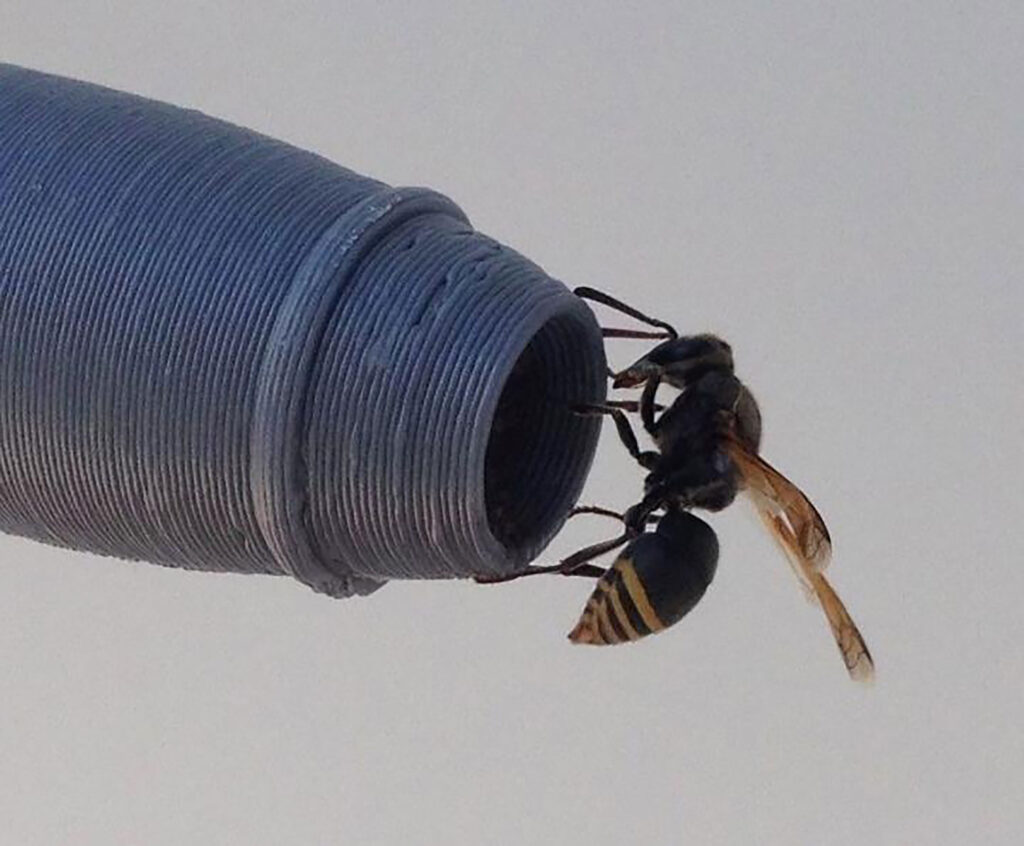
Not something you want nesting in your probe (or anywhere else)

What can we do about it?

Well, EASA, ICAO and other wise folk say to try and avoid it happening in the first place with some decent maintenance checks if pulling your aircraft out of storage. They also recommend good procedures and good monitoring as a good way to not get caught unawares.

The general advice is:

  • Know your pitch and power settings. Old school, back to basics flying, but having an idea about these will a) help you notice when something just doesn’t look right and b) might just save the situation.
  • Don’t ignore your stall warning. This works off Angle of Attack, not airspeed. Think of it like your wife/partner – it is probably yelling at you for a (very valid) reason.
  • Follow your aircraft memory items and checklist. This means getting the airplane into a safe flying condition and then troubleshooting.
  • Make life easy for yourself. Talk to ATC – ask for a block altitude. If you are heading in to land, ask for a long descending final so you can take your time configuring. Remember there are other resources onboard as well – GPS gives approximate altitude and speeds.


Mothballs & Maintenance: The Risks of Long Term Storage

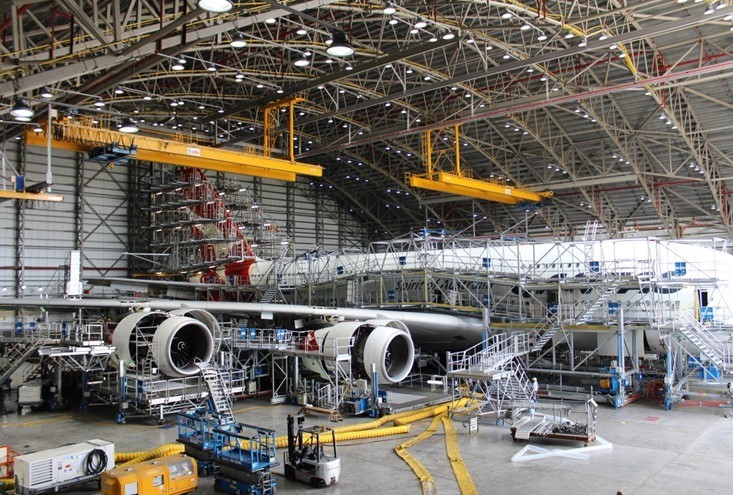
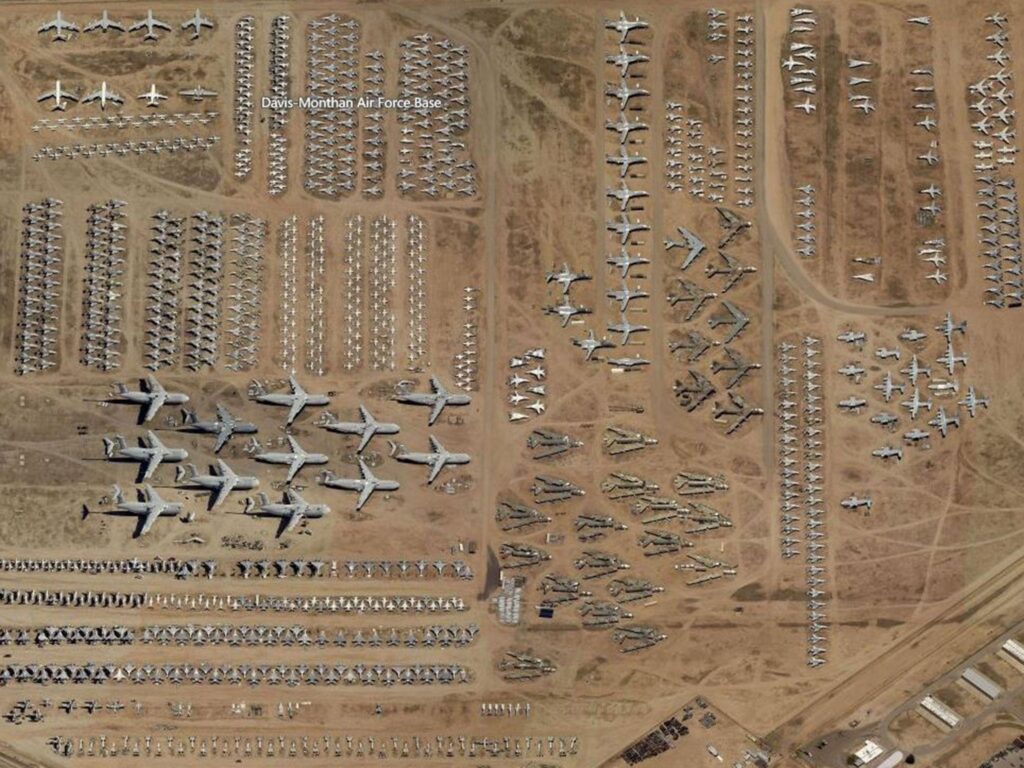
It’s a strange time for aviation right now: closed countries, fewer passengers, and a lot of aircraft being moved into hangars – not to see the sky again for some time. The long-term storage of aircraft is leading to some unforeseen issues…

We reported on some these before, but we thought now might be a good time to give another quick summary because aircraft are starting to fly again – in particular the 737 Max which is back in the skies of Canada, the US, and soon Europe as well.

The Dangers of Long-Term Storage…

There have been a lot of incidents attributed to aircraft coming out of long-term storage. Wizzair fell foul of some bugs in 2020, an Aeroflot had a bit of a mishap after it was only partially ready to go back flying…

Both the US and EASA safety regulators have raised concerns about certain issues for aircraft coming out of long-term storage, so in case your airplane is currently stashed away, read on.

Nesting Nasties

We mentioned this one before, but with Covid dragging on, we figured it might be worth a reminder.

It sounds nightmarish, but insects have been known to build lairs deep inside aircraft probes, where even the most eagle-eyed walk-around check might not spot them. 

And these critters have led to an alarming trend of airspeed problems for aircraft new out of storage.

Check out our earlier article on the risks of this here, and be sure to do an in-depth check of your aircraft’s nook and crannies before taking to the skies again.

Batteries Not Included

Aircraft with Nickel-Cadmium batteries (which is most of them, unless they have newer lithium ion ones) are suffering from premature power loss.

Embarrassing for the batteries, and dangerous for the pilots.

When disconnected, these batteries can lose their capacity, and when they are plugged back in again, they might not regain it – leading to a lot less time of usefulness that you think you have.

A battery not providing the performance you are expecting on that already bad day when you drop down to emergency power levels, is going to make it a really, really bad day…

What can you do? Well, EASA recommend that aircraft approval holders work with battery manufactures to check out this new found phenomenon, but in the meantime – if you are waking your airplane up from a long term hibernation, make sure its ticker is ticking properly with a full maintenance check, before you head out for a spin.

Clean as a Whistle

Disinfecting is big right now, what with this old pandemic thing. But a lot of the cleaning agents that can kill Covid, can also damage your airplane. 

Damage to screens, fogging and misting from liquid pooling in out of sights areas, and some alcohol based substances ‘crazing’ up windows (alcohol crazes most of us up, but on windows it can cause fine cracks, and permanent damage) are all risks of using the wrong cleaning fluids.

There is also a chance long-term use of certain cleaning agents might start to corrode parts and increase the flammability of the interior, and even cause some shorting of the circuitry.

So, the FAA and EASA have issued guidance suggesting you check which disinfectants are suitable for your aircraft type. That seems sensible. Their recommendations on how to clean are here, and you can find links to anti-Covid approved cleaning agents that you can check with your aircraft manufacturer before spritzing your plane.

Check your flappers

Back in July 2020, the FAA issued an airworthiness directive for 737 Classics and NGs because, when stored for just 7 days, they can start to suffer from corrosion on the Bleed Air 5th stage check valve.

What’s the risk here? Only a little case of double engine failure, according to the directive. Thankfully, they also recommend a fairly straight forward check to confirm your valve and its flapper plate are flapping as they should.

What else can you do?

EASA recommend operators carry out extra checks when bringing an aircraft back into service. These include engine runs, flight control manoeuvrability and brake checks. 

To be safe, they suggest you do it on 20% of your fleet, and to be extra safe, they suggest you consider flight checks on the first 10% returning to the skies. Don’t rush these checks. It takes 3-5 days to ready an aircraft for long term storage, so it probably takes the same to bring them out again.

And don’t forget about your pilots! Pilots don’t fare much better in long term storage either. Like their aircraft, they need consistent use, and without it, you’re going to have to spend a bit longer getting them airworthy again. (We would suggest you let them clean themselves though, and it’s probably best not to ask how their flapper valve is functioning 😃)

Some other stuff to read


Unreliable Airspeed and the Hidden Risks of Aircraft Storage

The dramatic effect that Covid-19 has had on the aviation industry has grounded an unprecedented number of aircraft. They have been placed into storage whilst the world waits to recover. The pandemic emerged without warning, and some operators were likely not prepared for what was coming.

Now travel bans are lifting, airports are reopening, and airlines are scrambling to return aircraft to the skies.

EASA recently released a disturbing Safety Information Bulletin. There has been an alarming trend in the number of aircraft experiencing unreliable speed and altitude indications during first flights after storage, caused by contaminated air data systems.

The result has been multiple rejected take offs and airborne returns. Most of the events have been caused by nesting insects in the pitot static system – even after covers were installed.

Modern flight instruments provide large amounts of information to crew with great precision, while automation makes flying transport category aircraft almost routine. Flight envelope protections and aural/tactile warnings keep us safe even in most abnormal scenarios.

At the heart of all of this is the air data computer (ADC) – a small piece of hardware that needs accurate information from outside of the aircraft to work correctly.  They are the “Achille’s heel” of modern electronic flight information systems. In a nutshell, these small computers obtain and process information from the aircraft’s pitot static system, and supply critical systems with information such as airspeed, altitude and temperature.

Like all computers, they don’t think for themselves. They are only as accurate as the information they receive. So, when the pitot static system is contaminated, they can only respond to what they sense. They can’t look out the window.

History has shown that unreliable airspeed events are dangerous:

February 6, 1996. Birgenair Flight 301, a Boeing 757, departed Puerto Plata in the Dominican Republic, on a routine flight. During the climb out, the Captain’s airspeed indicator began to increase dramatically. The autopilot reacted as designed, and increased pitch to reduce airspeed, while the auto-throttles reduced power.

In the meantime, the co-pilot’s ASI indicated a dangerously slow airspeed which was decreasing. Almost simultaneously, an overspeed warning was generated. The autopilot reached the limits of its programming and disengaged. The stick-shaker activated, warning the confused crew that the aircraft was flying critically close to a stall.

The Captain responded by applying full thrust. The excessively high angle of attack resulted in insufficient airflow to match demand and the left-hand engine flamed out. The right-hand engine developed full power and the aircraft entered a spin. Moments later the aircraft became inverted, before impacting the Atlantic Ocean. The three pilots had 43,000 hours of experience between them.

The cause of the accident was a blockage of a single pitot tube. The likely culprit was the black and yellow mud dauber – a small wasp known to nest in artificial cylindrical structures. The aircraft hadn’t flown in 20 days.

The threat of similar events is greatly increased by improper storage techniques and rushing to return to service.

Getting aircraft flying again is a complex process and presents major risks. It is up to operators to ensure adequate procedures are in place to accomplish it safely. They must anticipate the difficulties and rapid adaptation to internal procedures that this entails.

Don’t know where to start? We don’t blame you. Thankfully, EASA has published guidance which can help mitigate some of these risks. Here is a brief rundown of their recommendations:

  • Assemble your A-team. Everyone needs to be onboard. Flight operations, CAMOs, maintenance organisations, type certificate holders and aviation authorities are your first port of call. Find out what needs to be done for each individual tail number and communicate with human resources for manpower, supply chain for the tools, and flight ops for hangar spacing and crewing. Think about who you need to talk too and get started early.
  • Similar aircraft stored in similar conditions will invariably behave in the same way. Safe return to service begins with good data. It is vital that defects are reported and linked. If a nest is found in an aircraft’s pitot tube, the odds are there will be many more. The data needs to be analysed, and operating procedures (such as additional checks) need to be changed to reflect it.
  • Storage Procedures. It is possible that aircraft were not fully stored in accordance with manufacturer procedures. Implement a rock-solid audit programme to make sure things are being done properly. EASA recommend extra inspections, ground runs and flight testing of at least ten percent of aircraft before release to service.
  • Storage Environment The storage environment presents significant hazards to airworthiness. Insects, sand, salt, dust and humidity can all damage aircraft. There may not have been enough protective covers to go around. Was there biocide in the fuel? Is it even useable? It is advised that extra checks be carried out on aircraft parts that are susceptible to contamination, particularly pitot/static systems. Get additional support to add those inspections.
  • Remote Storage This presents unique challenges. Engineering services may be limited, and staff may become overwhelmed with the large number of aircraft waiting to become airworthy. You may need to send additional manpower or require ferry permits to move aircraft around. Is enough equipment on hand to complete extra checks?
  • Time. Nothing happens in a day. Commercial time pressure is a major risk factor. Getting an airplane airworthy can cause delays and rushing has a profound effect on safety. Plan ahead and make sure your deadlines are realistic. Communicate them with your staff to ensure confidence.
  • Inappropriate decision making. This is hazardous, particularly with unfamiliar procedures. Storage on this scale has never happened before and answers may not be in existing manuals. Key personal may not be immediately available to help. Remind staff not to act alone and create a team responsible for making decisions in this challenging scenario
  • Limited staff experience. Remember that this has never happened before and you may need the help of staff who are new to your organisation. Make sure they are aware of internal procedures that they need to know beforehand. It is a good idea to properly supervise them and assess their work.
  • The elephant in the room. Covid-19. The virus has changed the way we can work. Staff can’t move around as freely and there may be restrictions on how many people can work together. You may need to plan ahead and establish isolated teams who work remotely if practical.
  • Overdue maintenance. Airworthiness directives, MELs, routine maintenance, inspections, ground runs, test flights. There is a lot to do. Start with comprehensive airworthiness reviews of each individual tail number.
  • They will be under the same pressure that you are. Communicate with them ahead of time and check their availability.
  • Pilot training. It is likely they are uncurrent, and operating aircraft which have just come out of long-term storage. Simulator training should be relevant to the challenges they will face in the current operating environment. Consider critical systems vulnerable to damage in storage and the affect that these might have on the first flight. In other words, expect the unexpected and provide them with the ability to react quickly and with confidence.

Covid-19 has created a lot of unknowns in our industry. Amongst the noise of statistics and global media, it is important to remain vigilant to the risks specific to aviation that the virus has created. Most of us will have heard by now that aviation itself is not inherently dangerous, but terribly unforgiving of complacency. Never has this been more important than when returning 75% of the world’s fleet from storage to the skies.