New FAA Airspace Warnings for Venezuela and Puerto Rico
Key Points
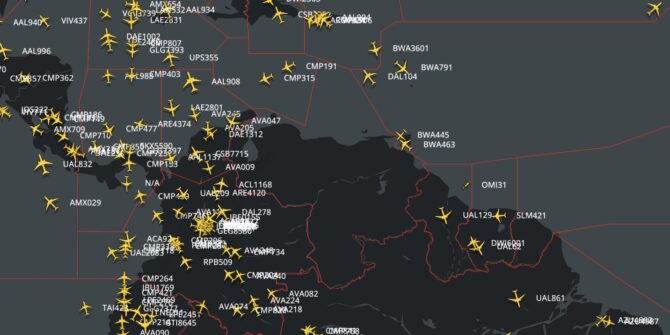
  • The FAA has issued new airspace warnings for both the TJZS/San Juan and SVZM/Maiquetia FIRs, following a sharp rise in state aircraft activity across the southern Caribbean.
  • SVZM is the main concern: the FAA cites a worsening security picture, GPS interference, and increased Venezuelan military mobilisation, including air-defence capability that raises the overflight risk.
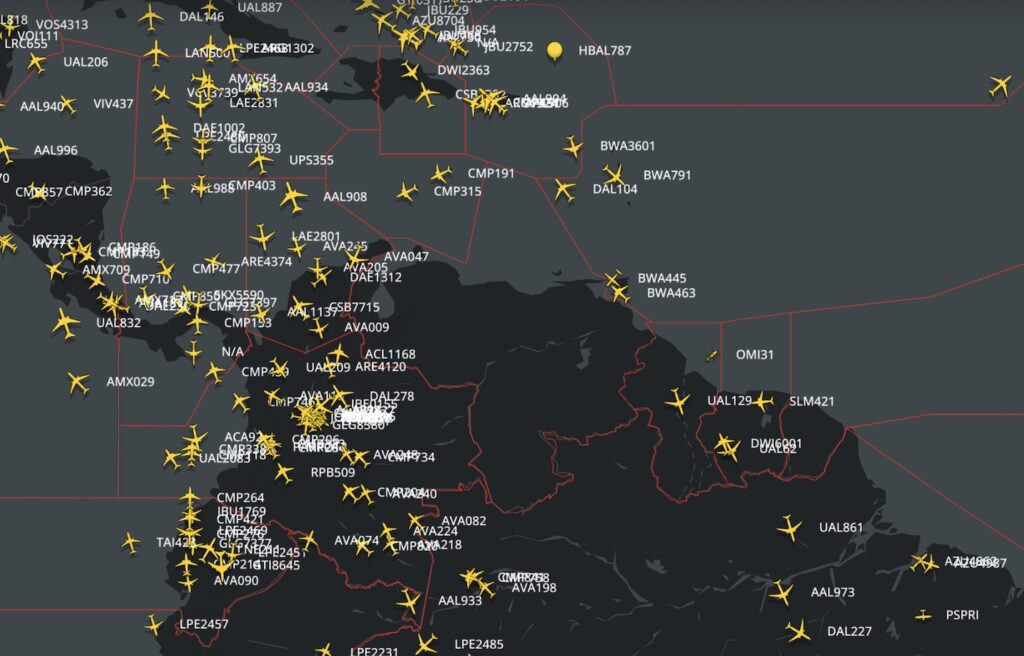
  • Airlines have already suspended flights to Venezuela and are routing around the SVZM FIR via Colombia and neighbouring FIRs.
  • Avoid SVZM unless absolutely necessary. The risk level for overflights is higher than usual.
  • TJZS remains open, but expect more state traffic, occasional non-standard ATC coordination, and busier airspace as military activity increases near Puerto Rico.
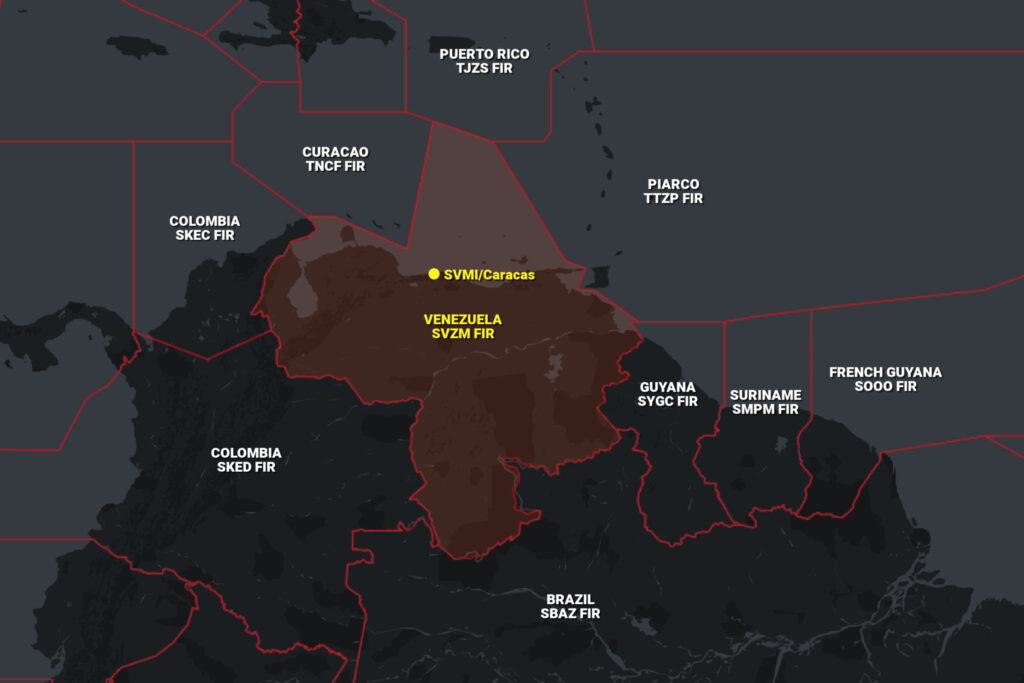
Puerto Rico: New FAA warning for the TJZS/San Juan FIR

On 18 November, the FAA issued KICZ A0010/25, advising extreme caution at all levels in the TJZS FIR because of an increase in state aircraft operations. They don’t say who these aircraft are, but the language almost always means military traffic that may not be working standard civil ATC.

That matches what’s happening: more US reconnaissance, tanker and transport flights, plus a larger naval presence in nearby waters. The US has also carried out strikes on suspected drug-smuggling boats. Venezuela has publicly objected to the buildup, raising tension across the wider region.

For crews, the key point is that TJZS may now see unpredictable state movements and non-standard ATC interactions.

Venezuela: A much stronger FAA warning

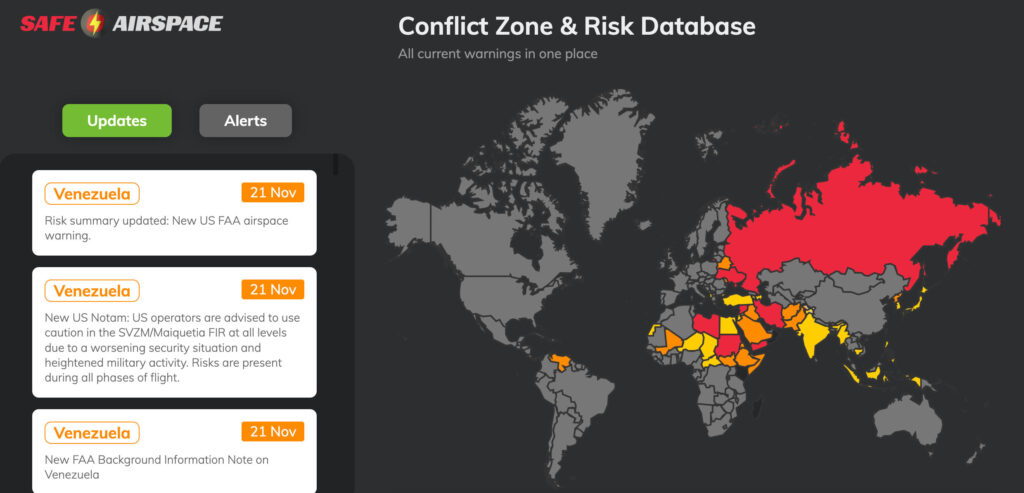
On 21 November, the FAA issued the more serious KICZ A0012/25 for the entire SVZM FIR. It cites a worsening security situation and increased military activity, and requires 72 hours’ advance notice from US operators planning to enter the FIR.
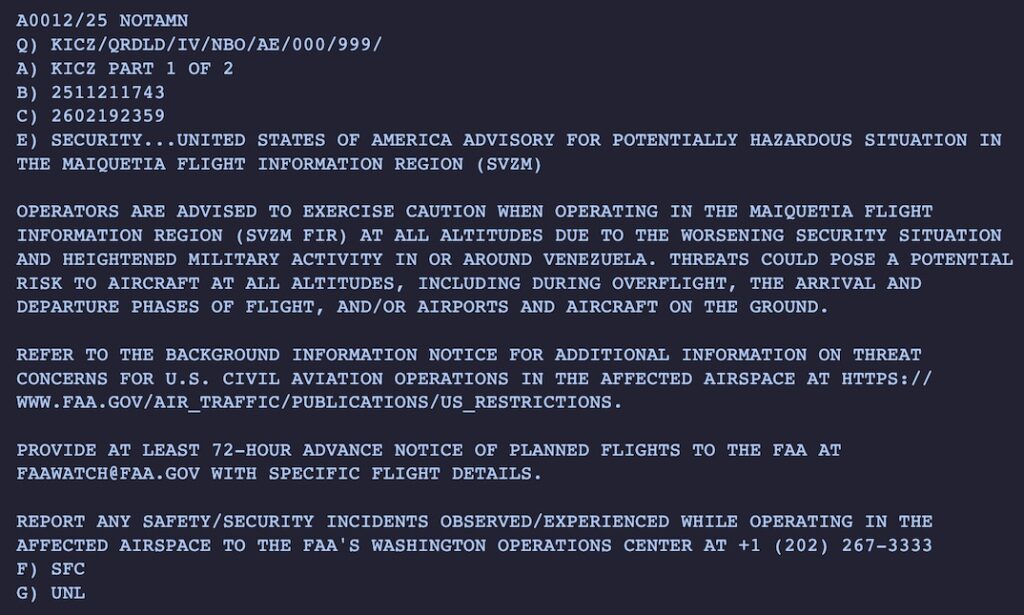
The FAA’s Background Note backs this up: crews have reported GPS interference in the SVZM FIR with effects that can extend 250 nm from the source, and Venezuela has stepped up its military posture with mass mobilisation and air-defence systems that can reach civil levels. There’s also a low-altitude risk from MANPADS. Venezuela isn’t threatening civil aviation, but the overall environment means the risk level for overflights is higher than usual.

Spain and Portugal have also issued their own near-identical warnings for Venezuelan airspace. Both tell crews to avoid the SVZM/Maiquetia FIR until early December. They cite increased military activity, air-defence systems active at all levels, and poor coordination between parties in the area. This matches the FAA’s view and adds two more state recommendations to stay clear of Venezuelan airspace.

Airlines are already pulling back

In the past few days, several airlines have suspended services to Venezuela (the ones we know about so far: Iberia, Air Europa, Plus Ultra, TAP, LATAM, Avianca, GOL, Caribbean Airlines and Turkish Airlines).
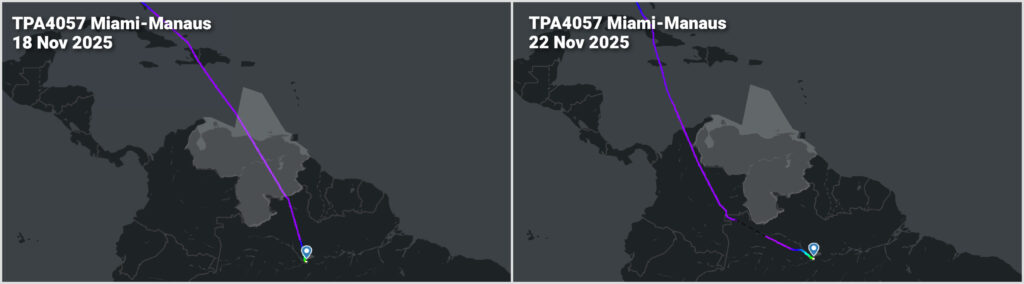
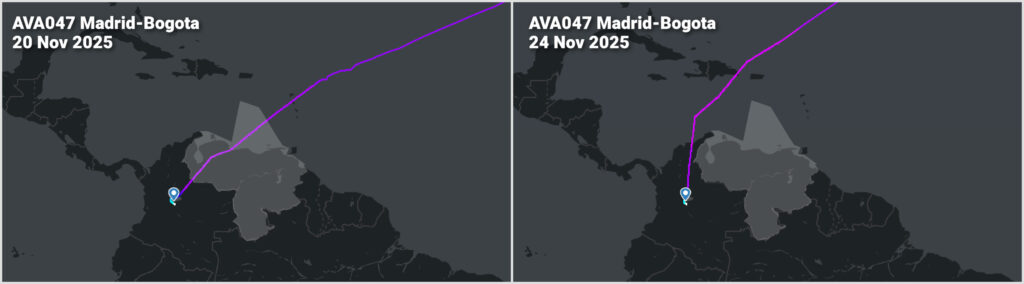
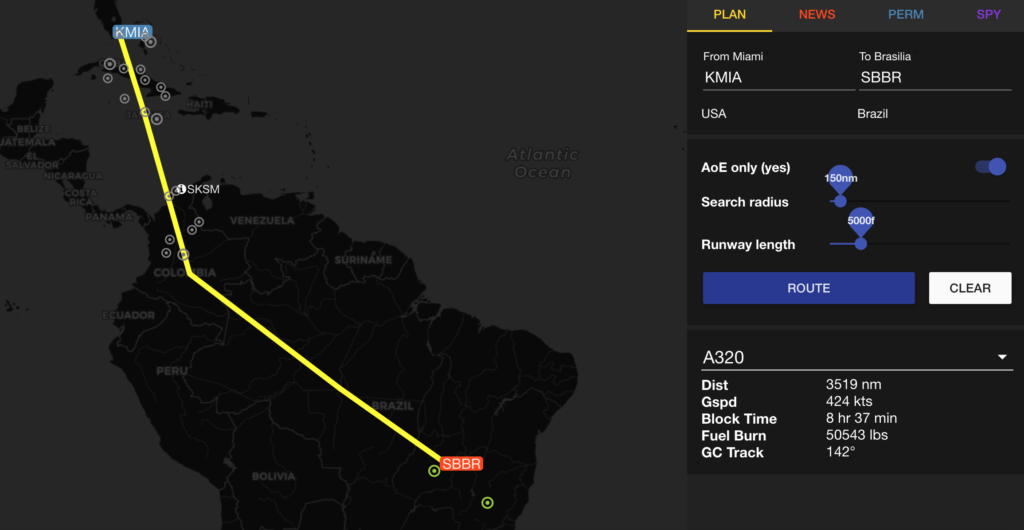
It looks like most overflights are now adopting the same strategy: avoid SVZM completely and route via Colombia or neighbouring FIRs, rather than cut across Venezuelan airspace.
Venezuela’s civil aviation authority INAC has announced that it revoked operating permits for six foreign airlines on 26 Nov 2025: Iberia, TAP Air Portugal, Avianca, LATAM Airlines Colombia, Turkish Airlines and GOL. INAC said the decision followed the airlines’ move to suspend their services to and from Venezuela after recent air safety alerts issued by the US and Spain. IATA has urged the Venezuelan authorities to reconsider the move.

Why all this is happening

The FAA hasn’t given a detailed explanation, but recent US military activity in the region gives plenty of context. Public reporting shows:

  • The USS Gerald R. Ford carrier group and several destroyers off northern South America.
  • USAF heavy bomber flights along the Venezuelan coast.
  • Multiple recent strikes on suspected drug-smuggling boats.
  • Venezuela condemning the buildup and calling the US presence a direct threat.

All of this is happening in airspace corridors used by civil traffic, which explains the new warnings.

What crews need to watch for

Three main things:

  1. GPS interference is active. Crews have reported GNSS issues in SVZM with lingering effects after exit.
  2. Military traffic is up and less predictable. State aircraft may not be on civil ATC, may appear without ADS-B, and may manoeuvre unexpectedly – particularly in TJZS and on the northern edge of SVZM.
  3. Avoid SVZM unless absolutely necessary. Airlines are already doing this, and the FAA warning together with Venezuela’s current military activity makes overflight risk higher than usual.

For more info on these airspace warnings, check safeairspace.net – our conflict zone and risk database. And if you have any info you’d like to share with us, please get in touch via news@ops.group.
Venezuela issues another surprise ban on GA/BA Flights

On Nov 15, authorities in Venezuela issued a Notam immediately suspending all GA/BA flights from operating to airports in the country. The ban was due to remain in place until 2359z on Nov 20, but got cancelled on Nov 18.

Here was the Notam, issued by the SVZM/Maiquetia FIR:

A0842/19 – GENERAL AND PRIVATE AVIATION OPS INCLUDING REMOTELY PILOTED AIRCRAFT SYSTEM (RPAS) ARE SUSPENDED. OVERFLIGHTS CROSSING SVZM / FIR ARE ALLOWED. 15 NOV 10:00 2019 UNTIL 20 NOV 23:59 2019. CREATED: 15 NOV 04:01 2019

The last time the Venezuelan government issued a ban like this was back in Feb 2019, which seemed to be related to wider attempts by the government to limit the travel of opposition politicians. This latest ban probably had similar motivations – with Venezuela’s President Maduro calling for government supporters to march and rally across the country on Nov 16 to counter protests called for by oppposition leader Juan Guaidó in Caracas on the same date.

U.S. operators have been prohibited from operating to Venezuelan airports — and from overflying the country below FL260 — ever since 1st May 2019 when the US FAA issued a “Do Not Fly” instruction. Two weeks after that, the U.S. ordered the suspension of all commercial passenger and cargo flights between the U.S. and Venezuela, and this applies to both U.S. and foreign registered carriers.

Our advice remains the same: you don’t want to go to Venezuela at the moment. The official advice of both the US and Canada couldn’t be clearer, they both say the same thing: do not travel to Venezuela due to risks posed by the ongoing unstable political and economic situations and the significant levels of violent crime.

For overflights, here’s what we suggest…

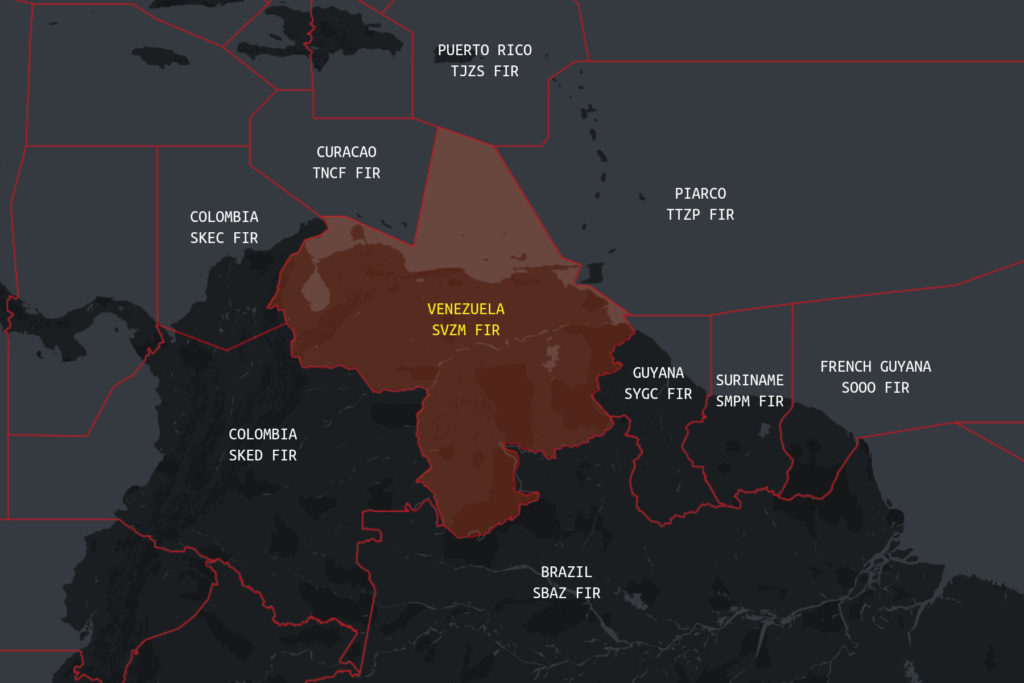
To the WEST
– via Colombia (SKED/Bogota FIR) – permit required for all overflights.
Note: watch out if planning a flight through the TNCF/Curacao FIR – although a permit to overfly is not required here, you will need to prepay for navigation fees in advance. More on that here.

To the EAST
– via Guyana (SYGC/Georgetown FIR) – permit not required
– via Suriname (SMPM/Paramaribio FIR) – permit required
– via French Guyana (SOOO/Rochambeau FIR) – permit required unless operating a GA aircraft under 12.5k lbs.

If you need a tech stop and previously used/considered SVMI, then look at alternatives like TNCC, TTPP, SBEG, SMJP. Use OpsGroup’s GoCrow planning map to figure your best alternate options:


Venezuela: do not travel

Amid an escalating crisis in Venezuela, on Mar 11, U.S. Secretary of State Mike Pompeo announced via Twitter that the U.S. Embassy in Caracas will be withdrawing all of its remaining diplomatic personnel from Venezuela by Mar 16, citing the “deteriorating situation.”

Power outages continue in at least 16 states across the country. The opposition says there has been sporadic looting, and at least 17 people have died as a result of the blackout.

On Mar 9, there was an attempted armed robbery of Air Europa airline crew. Armed assailants on motorbikes chased the vehicle of the crew from the airport to their hotel, where they engaged in a shoot-out with hotel security staff before escaping. None of the crew was injured, but refused to stay at the hotel, and instead were escorted back to the airport by police convoy and returned on the flight back to Madrid. Air Europa has reportedly now decided to add a stopover to its Caracas service and crew will now layover in Punta Cana in the Dominican Republic.

On Feb 21, the barely-still-president Mr Maduro banned all general and private aviation. But reports from Opsgroup members on Feb 28 suggest that this has now been cancelled (although the ban on flights to/from the islands of Aruba, Bonaire and Curacao, as published by Notam, still stands). One member reported: “Our permit to operate in and out of SVMI/Caracas next week was approved. However, I would still NOT recommend any crew remain there overnight.”

Local handling agents we have spoken to in Venezuela have also said that the country’s airspace is open again, although nothing has officially been published to confirm this.

Our advice remains the same: you don’t want to go to Venezuela at the moment. The official advice of both the US and Canada couldn’t be clearer, they both say the same thing: do not travel to Venezuela due to risks posed by the ongoing unstable political and economic situations and the significant levels of violent crime.

The Maduro government has closed Venezuela’s borders with Colombia and Brazil, and has reportedly positioned one of its air defense missile system near the border with Brazil – within range of Brazil’s SBBV/Boa Vista airport, as well as overflights of most of Guyana’s airspace (SYGC/Georgetown FIR).

The US FAA has also published a new Notam and Background Notice warning operators to exercise caution when operating in the SVZM FIR below FL260 due to potential hazards to aviation associated with ongoing political instability in Venezuela.


Background info on SVMI/Caracas Airport   

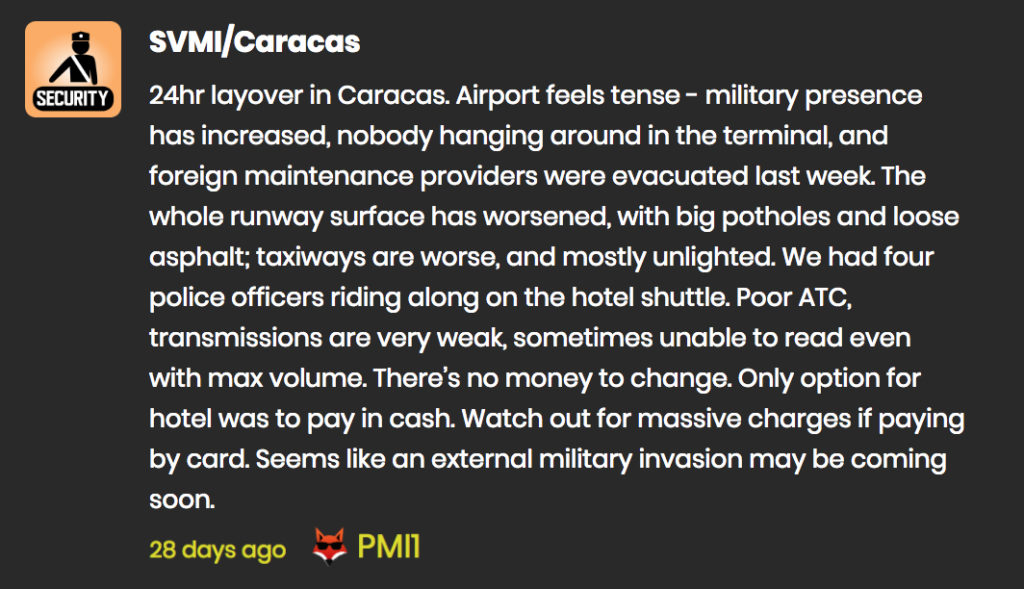
The most recent Opsfox reports for SVMI are not encouraging:

    • The airport is located in an extremely high-risk area for armed robbery and kidnappings. Before suspending all flights to Venezuela in Aug 2017, Avianca hired bodyguards after shots were fired during a robbery of a bus carrying its crew. Some other carriers took to flying crew to spend the night in neighbouring countries, rather than risk staying overnight anywhere in Caracas.
    • On Aug 8, 2017, a Venezuelan lawyer was shot dead at a ticket counter at SVMI/Caracas airport. In 2016, an Egyptian visitor was killed walking outside the airport between terminals after arriving on a flight from Germany.
    • In Feb 2018, Ecuadorian state airline Tame joined Avianca in a long list of airlines that no longer operate to the country, including: Aerolineas Airlines, United Airlines, Aeromexico, Lufthansa, Alitalia and Air Canada. Most reports estimate that international traffic in Venezuela has dropped by around 65-75% since its peak in 2013.
    • Colombia’s pilots’ association says its members who have flown to Venezuela have had to deal with contaminated fuel and hours-long delays as the National Guard pulls suitcases off flights to loot them. More info.