Close Encounters Of The Third Kind

Back in April, the Pentagon confirmed that some leaked photos and videos of UFOs were, indeed, legitimate. Of course, ‘UFO’ just means “unidentified flying object” – it doesn’t necessarily mean extra-terrestrial. In fact, these days the US government generally use the term ‘UAP’ (unidentified aerial phenomena) which makes us think of old, retired aliens…

Reports of UFO’s/UAP’s, or whatever you prefer to call them are relatively common though, and over the years there have been numerous sightings directly from airline pilots.

So, do we need to be wary of alien spaceships in our airspace? What sort of risks do the other possible explanations actually mean for aircraft safety?

What is out there?

First up, let’s take a look at what sightings have been reported in the past, including the recently acknowledged ones.

The Metallic Blimp

The videos the Pentagon recently acknowledged were actually taken back in 2004 and 2015, and they show objects moving at mega speed. In one, a pilot is heard exclaiming “Look at that thing, dude! It’s rotating!”

But is that a UFO, or is there a more reasonable explanation?

The most obvious answer would be that it is a military aircraft of some sort, but given the videos were made by military pilots who were not aware of other military traffic operating in the area, and considering the Pentagon confirmed the videos’ authenticity, but not what they were showing, the mystery continues…
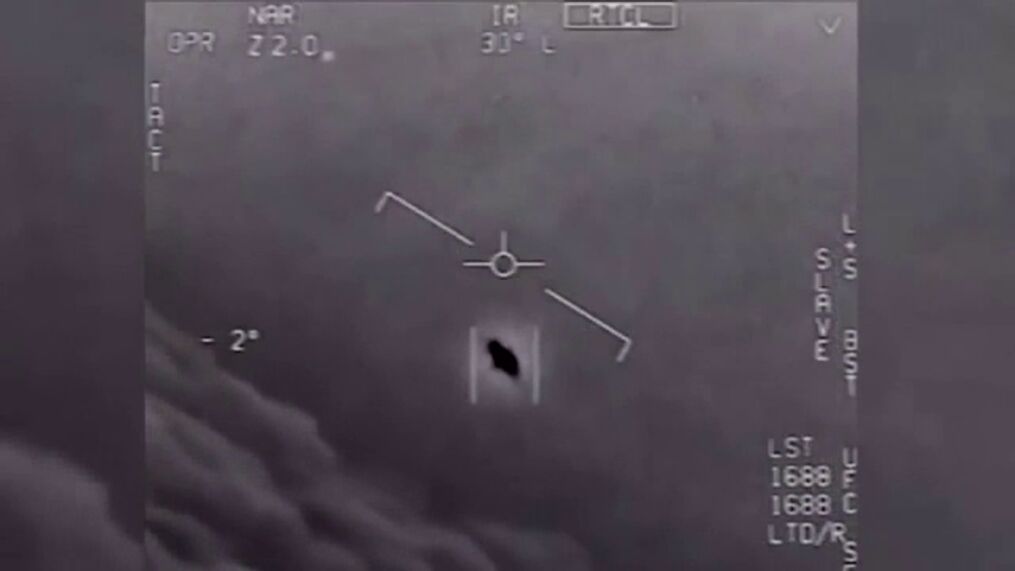
Screenshot from the Pentagon confirmed video

The New Mexico Sighting

In February 2021, a radio transmission from an America Airlines crew was picked up by a random blogger who happened to be listening in on a radio scanner. He apparently just ‘stumbled across’ the transmission.

The aircraft was routing over New Mexico at 37,000ft when they reported seeing an object zooming over them. On querying it with ATC, they were informed that the controllers could see no object on their radarscopes.

The Bright White Light Flight

In 2018, a British Airways crew called in after seeing a ‘very bright light that disappeared at very high speed’. The sighting was backed up by a Virgin Airlines pilot who said they also witnessed multiple ‘exceedingly bright’ objects.

New Age Reporting

The US Government is certainly taking sightings more seriously, and in 2019 announced they would bring in a new ‘data driven’ approach to reporting and recording them.

You can visit the official US NUFORC site here. NUFORC stands for the National UFO Reporting Center, and they have a database of all reports. In fact, the number of reports is quite impressive, as are some of the things written in them.
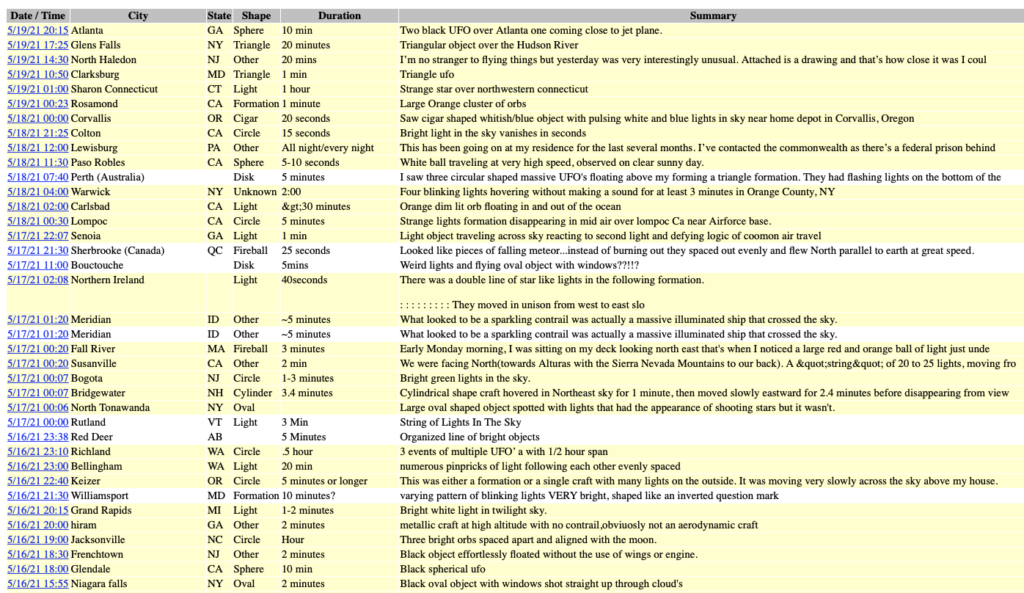
A snapshot of just a few of the repots in the database. From 1 day.

Here are the Other Theories (and the real risks)

The other possible explanations for many of these sightings actually have some important risk considerations to think about if you come across them in your airplane.

First up, meteor showers and falling space debris. These are pretty common and appear bright and fast-moving for more than a few seconds, particularly if they are entering the atmosphere at a certain angle and are big enough to withstand being immediately incinerated.

The American Meteor Society has a ‘Fire Ball Log’ which you can check to confirm whether your ‘UFO sighting’ was spotted by someone else and logged as meteor.

You can also keep an eye on the calendar for the reoccurring meteor showers which light up the skies each year.

The real risk here is fairly minimal. Aside from being a distraction, these are not going to hit an aircraft. Space debris is potentially another matter, and something we talked about here if you want to read up on it. The recent “return” of a Chinese Satellite gave some cause for concern just because of its size, and unguessable re-entry point.

Just a plain old meteor

The second theory (well, theories) are more earth-based. Atmospheric balloons and Chinese lanterns have been mistaken for UFO’s in the past – and these are often released without regard for how close they might get to aircraft. In 2018, an airplane narrowly missed a lantern while cruising at 20,000ft and despite being relatively thin these can still cause damage if ingested into engines.

In 1970, Aeroflot 1661 crashed shortly after take-off after colliding with a weather balloon. However, Radiosonde balloons are generally Notamed given their size and proximity to airports when released, so you should be aware of these in advance.

Tiny alien ships

Rocket Launches. And other launches for that matter. An experimental rocket test in Norway caused concern after atmospheric conditions produced a bizarre illusion in the skies. It was in fact a missile test from Russia which went wrong, resulting in a spectacular (and presumably quite expensive) cloud.
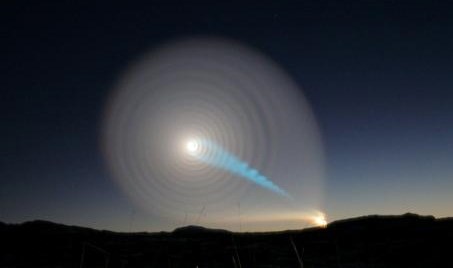
Unusual illusion and rocket test gone wrong

Rocket launches mean prohibited airspace, so when they are going up they shouldn’t be an issue to aircraft. The FAA are reporting rocket launch site on charts nowadays, and you can find launch dates published on their Temporary Flight Restrictions page.

Clouds. Yep, weird clouds have confused people into thinking a spaceship is loitering nearby. Lenticular clouds often form over mountains when moist air is pushed up over them. The time to watch out is when you see lines of these sitting beyond the mountain crests because they can mean some pretty serious mountain waves are out there – and this means turbulence.

Cape Town is a popular holiday spot for UFOs

Other planets, even the Moon, have been mistaken for other flying objects by pilots.

A crew once took evasive action because they mistook Venus for another aircraft. In all fairness, they didn’t think it was a UFO so much as a C130 known to be in their near vicinity. This incident boiled down to a loss of SA, and a lot of fatigue.

Then there are drones, UAVs, UASs. The FAA have a website dedicated to reports on sightings of these, and it is important to report them because they are a genuine threat to aircraft when they encroach on airspace they should not encroach upon.

So, do we need to keep an eye on the sky?

Regardless of whether you think something is terrestrial or extra, if there is an unidentified object in your airspace – report it. It might be a real and immediate hazard to other aircraft, and recognizing what you see out there for what it really is will also help avoid the real threats.

A preliminary US intelligence analysis of unidentified aerial phenomena has concluded that such incidents are at least a threat to flight safety and potentially present a broader hazard. Particularly because they are often physical, and are one more thing inside already cluttered airspace.

Of course, UFOs might really be aliens coming to say hello. Some of the mysteries are still, after all, unsolved…
Stop droning on

Drones are big news. They are changing the way we can look at the world with their surveying and photography capabilities. They are changing the way we deliver things – offering services to previously unreachable areas, improving the carbon footprint of our McDonald’s home deliveries…

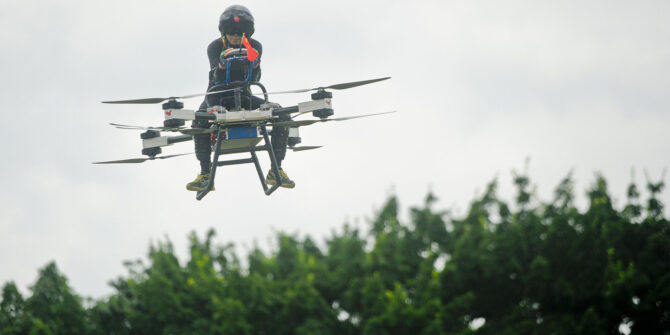
They are also changing the way we think about airborne hazards because it is no longer just large birds and escaped helium-birthday balloons we have to worry about. From nuisance traffic disruptions at airports, to attacks using ‘weapon laden’ UAVs – drones present a new and potentially growing problem to the aviation industry.

How big is this problem?

Back in 2018, EGKK/Gatwick (the second biggest London airport) closed for 33 hours, resulting in 1,000 flights cancelled and around 140,000 angry British people left standing in queues (ok, they probably weren’t all British, you do get some tourists who, for reasons unknown, actually choose the UK as a holiday destination).

Anyway, what ruined the travel plans of 140,000 people? Yep, a drone. It was spotted by an eagle-eyed security officer who was waiting at a bus stop for his ride home. He noticed two drones hovering around the perimeter fence and alerted airport operations.

The UK isn’t the only place that has suffered from pesky drones sneaking into airspaces they should not be a-sneaking into. The UAE has seen multiple airspace closures over the last few years, costing them a whopping 350,000AED a minute in disruption costs at OMDB/Dubai International alone (that’s about $95,000).

The US has also had its fair share of drone incidents. KEWR/Newark Airport was forced to briefly close in 2019 after two drones strayed too far into its airspace. One pilot reported spotting one less than 30 feet from the aircraft. A quick look at the FAA drone sightings report shows 366 across the country just in the October to December period. That is more than 100 a month.

In fact, there are close to a million  recreational and commercial drones registered in the US alone and those drone sighting reports received by the FAA are increasing by upwards of 50% each year.

In 2020, a 26kg drone went rogue in Latvia and was missing for several days resulting in Latvia having to restrict airspace below 19,000’ until it was relocated.

The mystery rocket man who made headlines last year after appearing thousands of feet in the air in KLAX’s airspace night not have been human at all, but instead a large drone made to look like a person…

What is the BIG problem?

Simply put – collisions!

But airspace is not closed every time a large vulture is spotted swooping about, so why are we so concerned about potentially hitting a little buzzing drone? 

Well, a small photography drone (your DJI Mavic type) weighs less than 1 kg (734g according to the online specs). A pigeon in comparison weighs between 300-615g depending on how much old chewing gum and fries it has chowed down in its greedy little life. So not too threatening, but is going to cause some damage to your engine if flies into it, but the difference between a drone and a bird is the bird probably doesn’t want to go into an engine and sort of tries not to. A drone (or rather the person controlling it) might want it to.

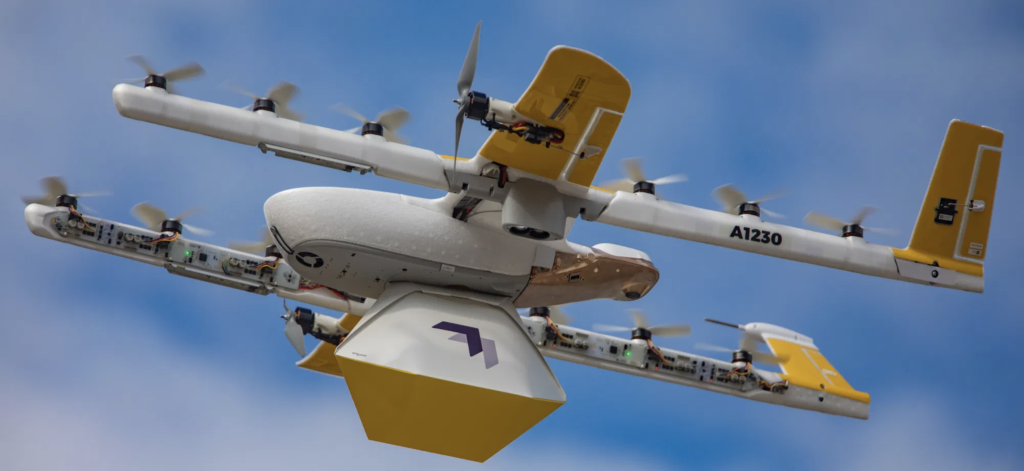
Drones can also be much bigger than a fat pigeon. Something like the Wing drone (which Amazon use) weighs about 5 kg, and can carry another 2-3 kg in cargo. It also has a 3 foot wingspan. The Whooper swan (Whooper, not whopper) variety, fully grown, weighs between 8-11kg and have a wingspan of around 2-2.8m. So, these are basically the same size as a teenage Whooper and I would not fancy one of them zooming into my engine.

If you still are not convinced, then check out this video

But they are under control…

Yes, they are, and Amazon have gone through a lengthy process to get their approvals. We are not concerned about Amazon drones. What we are concerned about are the drones that anyone can generally get their hands on nowadays which are not registered, and which are being flown where they should not be flown.

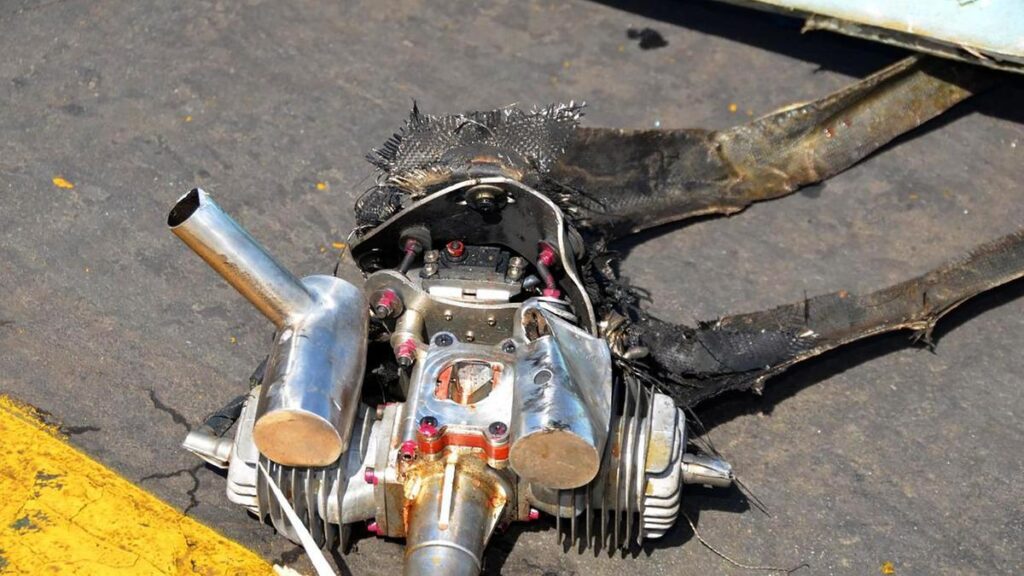
We are also very, very worried about the sorts of drones being weaponsied and used to attack targets. Drone attacks seem to be a constant news item, particularly in Saudia Arabia where Yemeni rebel forces are regularly sending drones into OEAB/Abha Airport, throughout the southern Jeddah FIR and even as far as OERK/Riyadh airport.

We wrote about this a while ago. It is still going on, and these pose a big threat to aircraft operating in the area. 

So what can the industry do about it?

Pest control

It turns out there are over 530 different commercially available technologies out there designed just for the purpose of drone spotting and ‘swatting’. Broadly speaking, anti-drone technologies have to achieve two things – finding a drone, doing something to it when they do.

In August 2020, the FAA announced they would start to evaluate technologies and systems that could detect and mitigate potential safety risks posed by unmanned aircraft. Basically, stuff to Spot and Stop ‘em.

Ten of these technologies have proven promising enough that they will now be trialled at several US airports over the coming months. These trials will take place at KACY/Atlantic City, KCMG/Columbus, KHSV/Huntsville, KSEA/Seattle-Tacoma and KSYR/Syracuse airports.

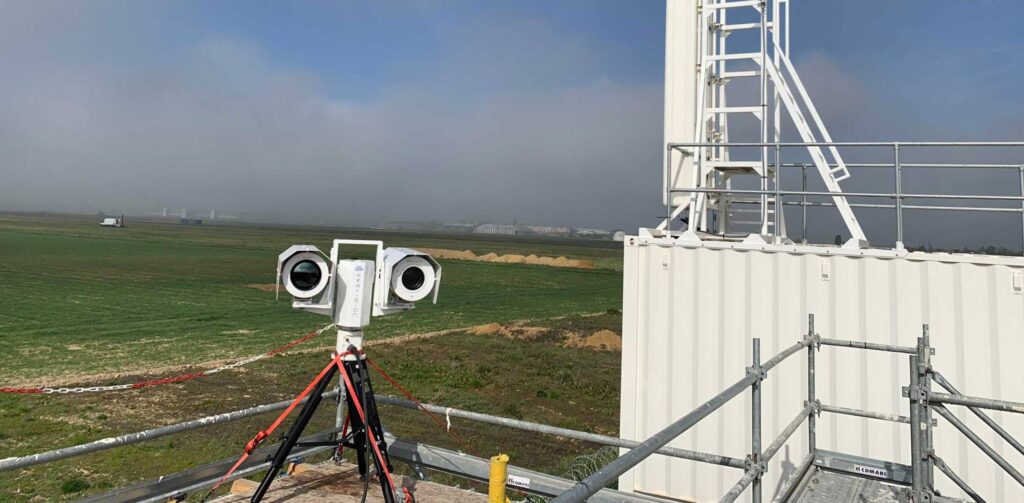
At EGLL/Heathrow a ‘Holographic Radar’ system called ‘The Gamechanger’ (developed by Alleviant) can detect UAS in 3 dimensions, up to 7.5km away, and can differentiate between drones, ‘friendly assets’ and birds. In case you are wondering, the difference between conventional radar and 3D holographic radar is that the holographic radar illuminates everything all the time – if a conventional radar is the equivalent of a torch scanning a dark room, then the 3D holographic radar is a light that illuminates the entire room.

Clearing the skies

‘Detect and Avoid’ systems use technologies like radar, radio-frequency, electro-optical, infrared and acoustics which can spot drones and identify the signals controlling them. The AUDS counter-UAV system, for example, can detect a drone up to six miles away using an electronic scanning radar, infrared and special precision video tracking software. It then uses an inhibitor to block the radio signals controlling the drone. All this can happen in less than 15 seconds, and in any weather condition, night or day, without disruption to the airport equipment and airplane pilot might prefer not to have disrupted.

Recreational drones rely on a radio signal which operate on common frequencies – usually 2.4Ghz or 5.8Ghz, and these are non-assigned public bands. These are east to deal with.

There are also other options like geo-fencing. This technology relies on manufactures programming limits based on GPS into the drone itself based on no fly zones and other flight restrictions. The issue here is savvy owners can bypass the system or just not update it. So a clever solution, but not an ultimate one.

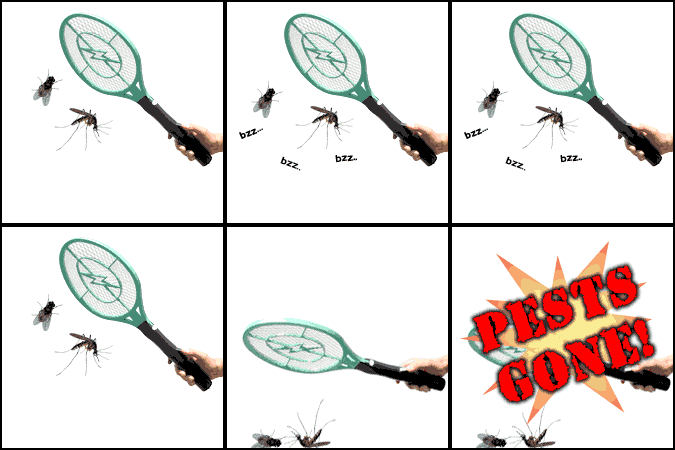
Sadly none of the systems being trialled is just a huge static-charged tennis racket like you get for mosquitoes which is disappointing.

What can you do for now though?

Keep reporting them. Like the laser reporting of old, providing clear info on when and where you spot one, as soon as possible to ATC, means they can get the authorities out to search and stop ‘em.

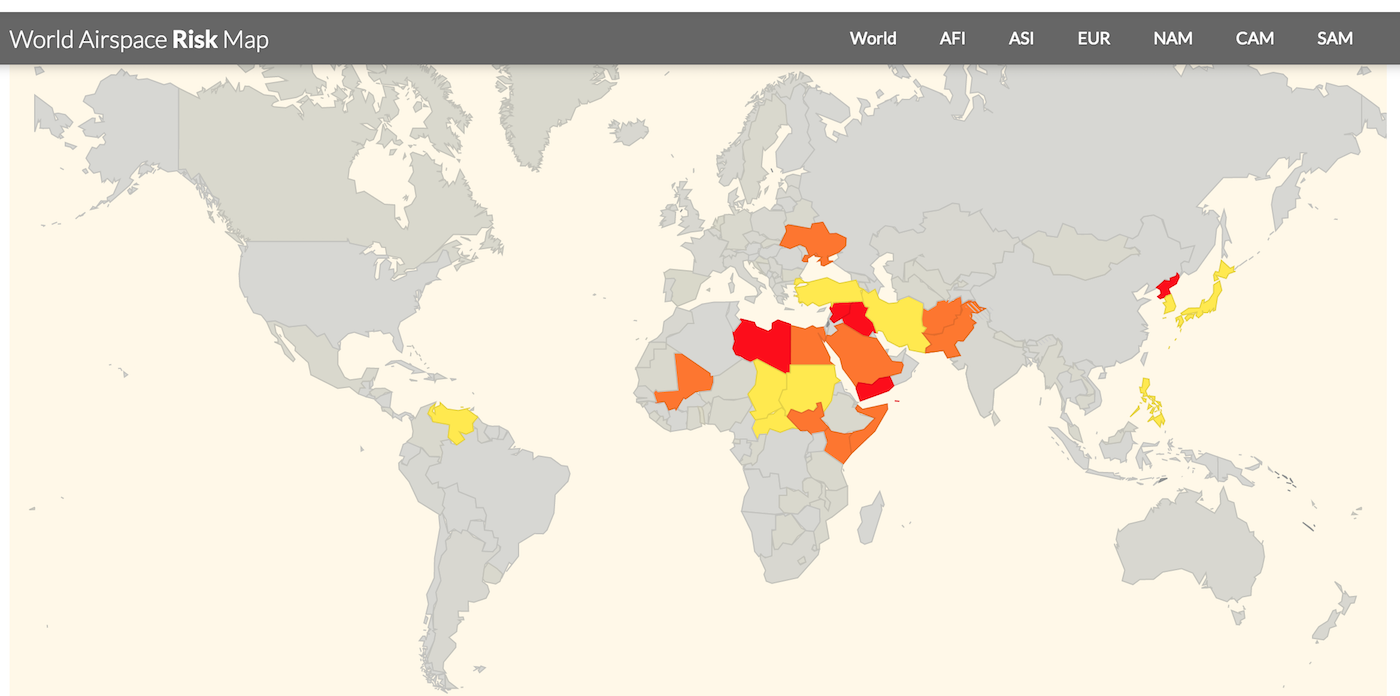
Also keep an eye on Safeairspace conflict zones, and monitor alerts on drone attacks if you are likely to be operating in those airspaces.


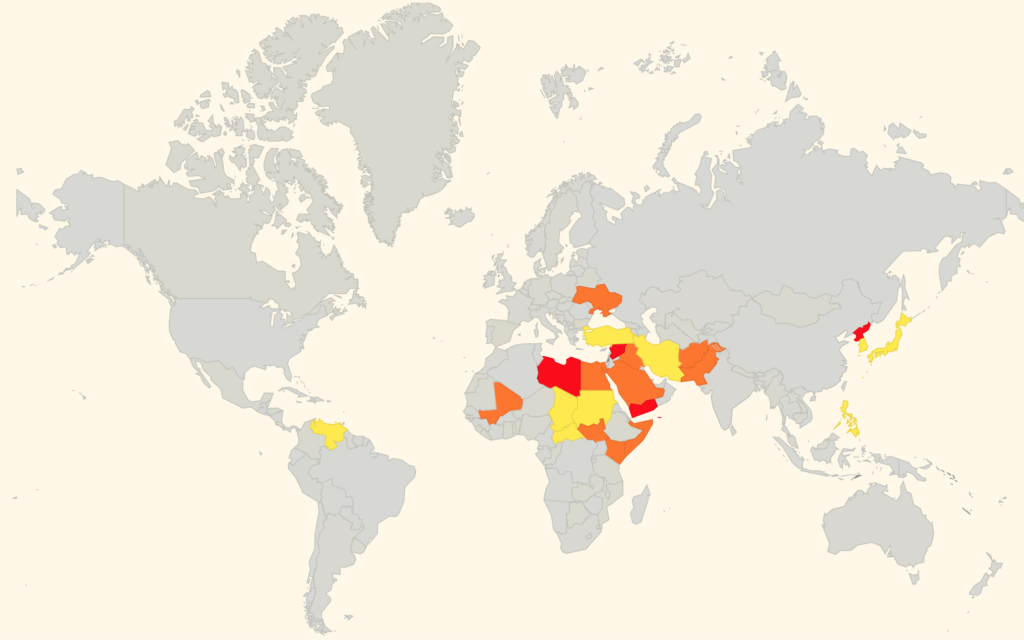
New Unsafe Airspace Summary and Map

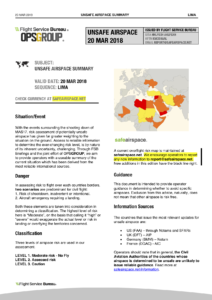
March 20, 2018: One of our biggest missions in OPSGROUP is to share risk information and keep operators aware of the current threat picture. The latest Unsafe Airspace Summary is now published, and available to members here as a PDF download (Unsafe Airspace Summary 20MAR2018, edition LIMA).

The main changes since the last summary are below. For a current risk map, refer to the Airspace Risk map in your member Dashboard.

The situation in Afghanistan remains similar. On March 13, Germany added wording to maintain FL330 or higher,  still recommending against landings at Afghan airports.

Germany also issued updated NOTAMs for Mali, Iraq, and South Sudan. All warnings remain as previous, unchanged from the prior NOTAMs.