Venezuela: FAA Restriction Lifted
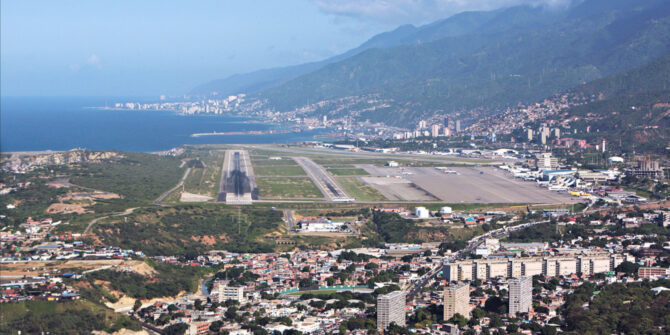
The US FAA has cancelled a long standing Notam which prevented US operators from overflying Venezuelan airspace below FL260.

KICZ Notam A0013/19 expired in June, and hasn’t been renewed. This effectively means that there are no longer any restrictions on the enroute use of the SVZM/Maiquetia FIR.
In fact, there are no active airspace warnings issued by any other states either. Here’s a closer look at the airspace, why there was a restriction in the first place and what you should know now if you want to use it.

The Maiquetia FIR

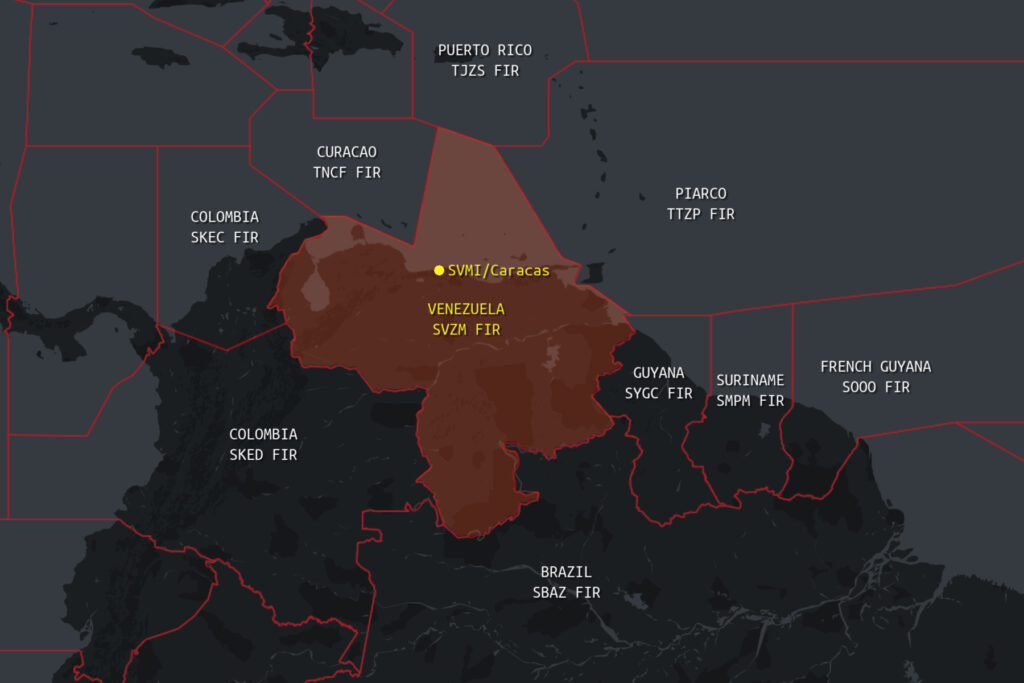
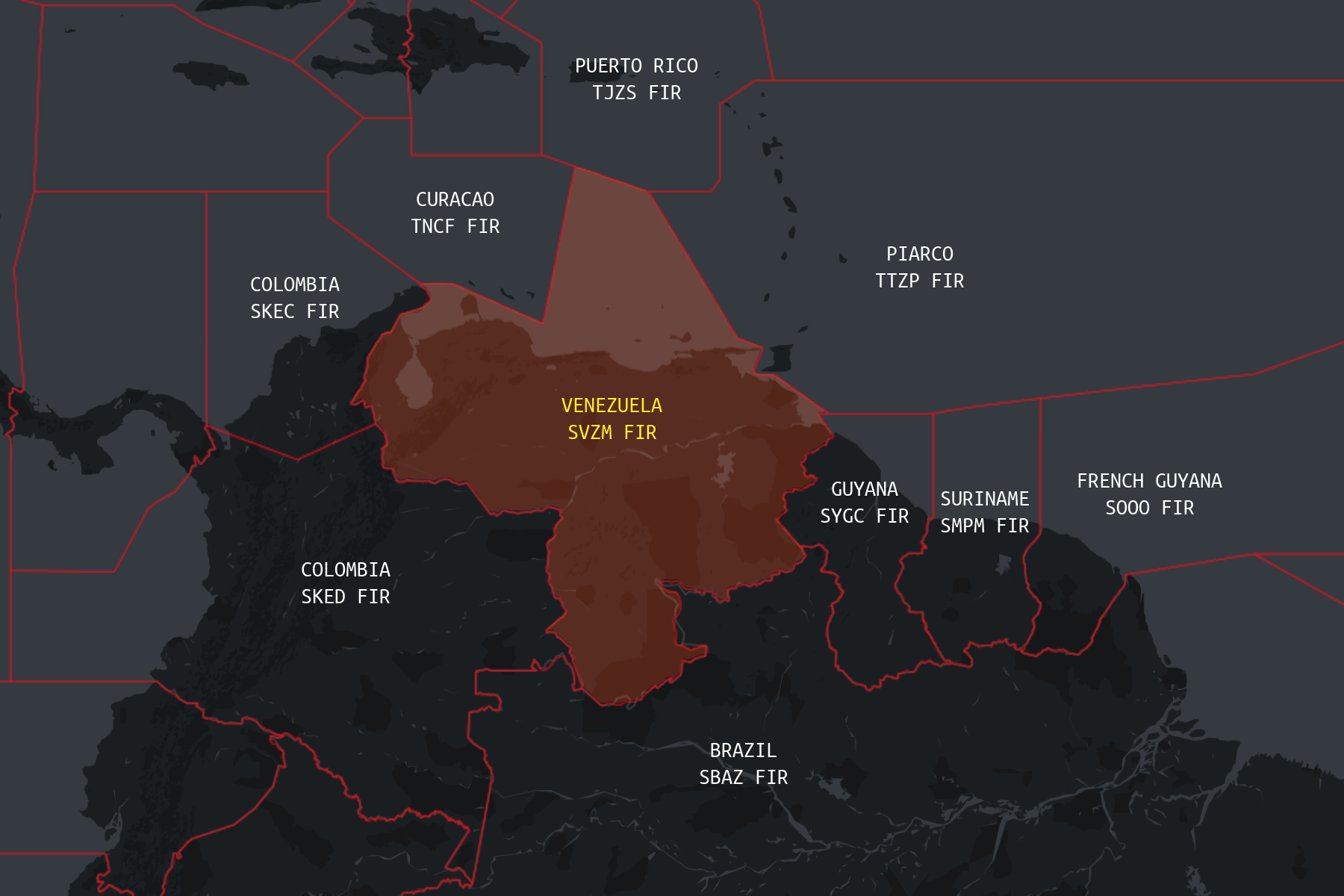
Venezuela controls its own skies – the SVZM/Maiquetia FIR. It’s a large chunk of Class C airspace that sits squarely on top of South America.

From a geographical perspective it provides a handy gateway between the US, Caribbean and destinations further south down the continent – especially Brazil.

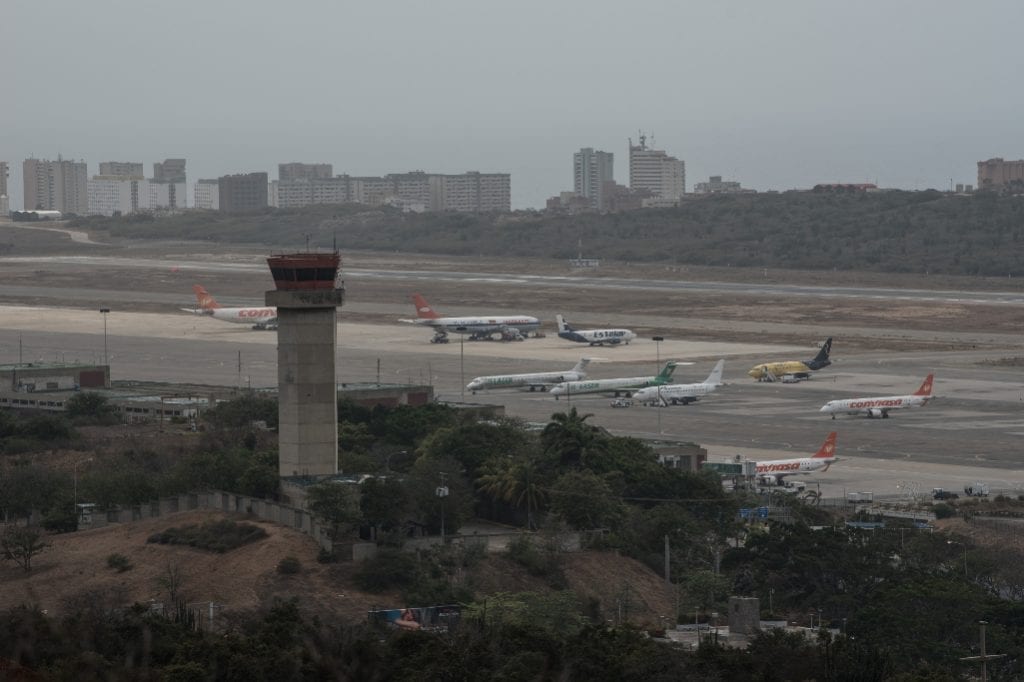
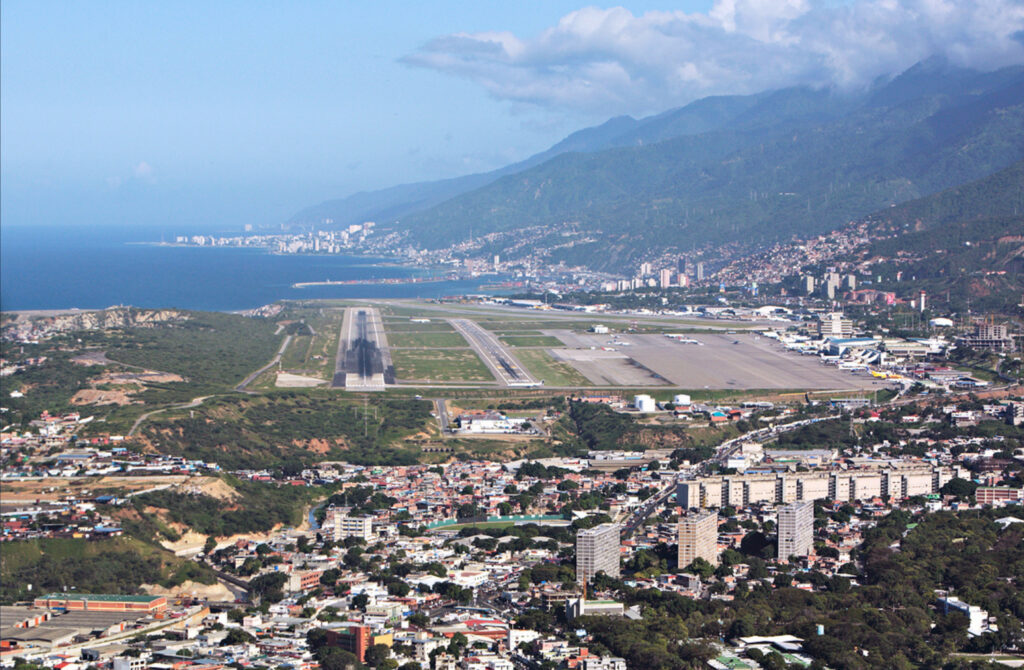
It is also home to the country’s largest airport, SVMI/Caracas. Here’s what that all looks like on a map:
If you’d like to know more about Venezuela’s airspace, here is a link to the online AIP.

Why was there a US restriction in the first place?

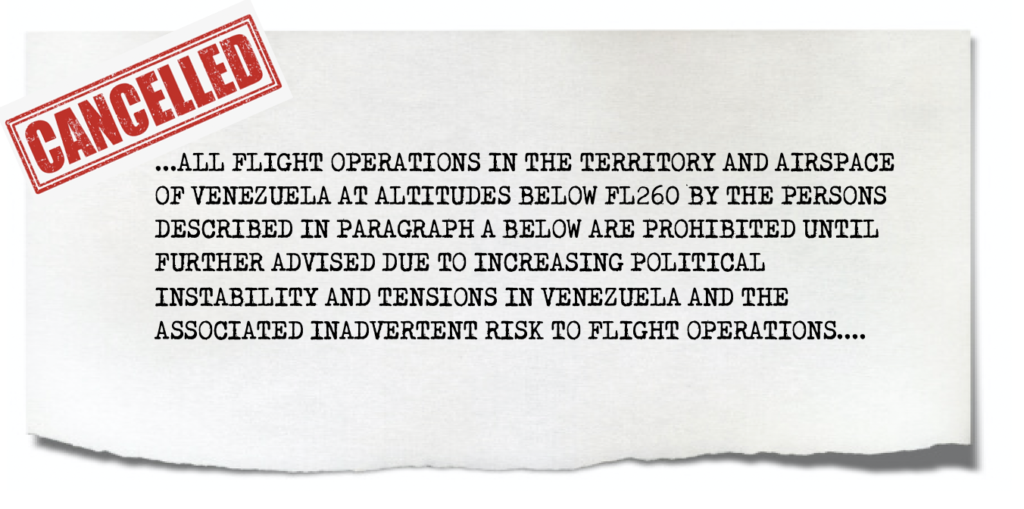
Back in 2019, the US FAA issued the above Notam which banned US operators from overflying Venezuelan airspace below FL260, citing political instability.

The (extremely) short story was that after years of steady decline, a political power struggle led to an attempted uprising. Widespread civil unrest followed while people suffered from economic collapse, inflation and shortages of food and medicine. This has continued to the current day. Here is what we had to say at the time.

The FAA had multiple concerns for the traffic above.

There were two major worries. The first was that the military may fracture and begin fighting against each other. Additionally, there was the known presence of mercenaries who had been employed to augment the military and police force.

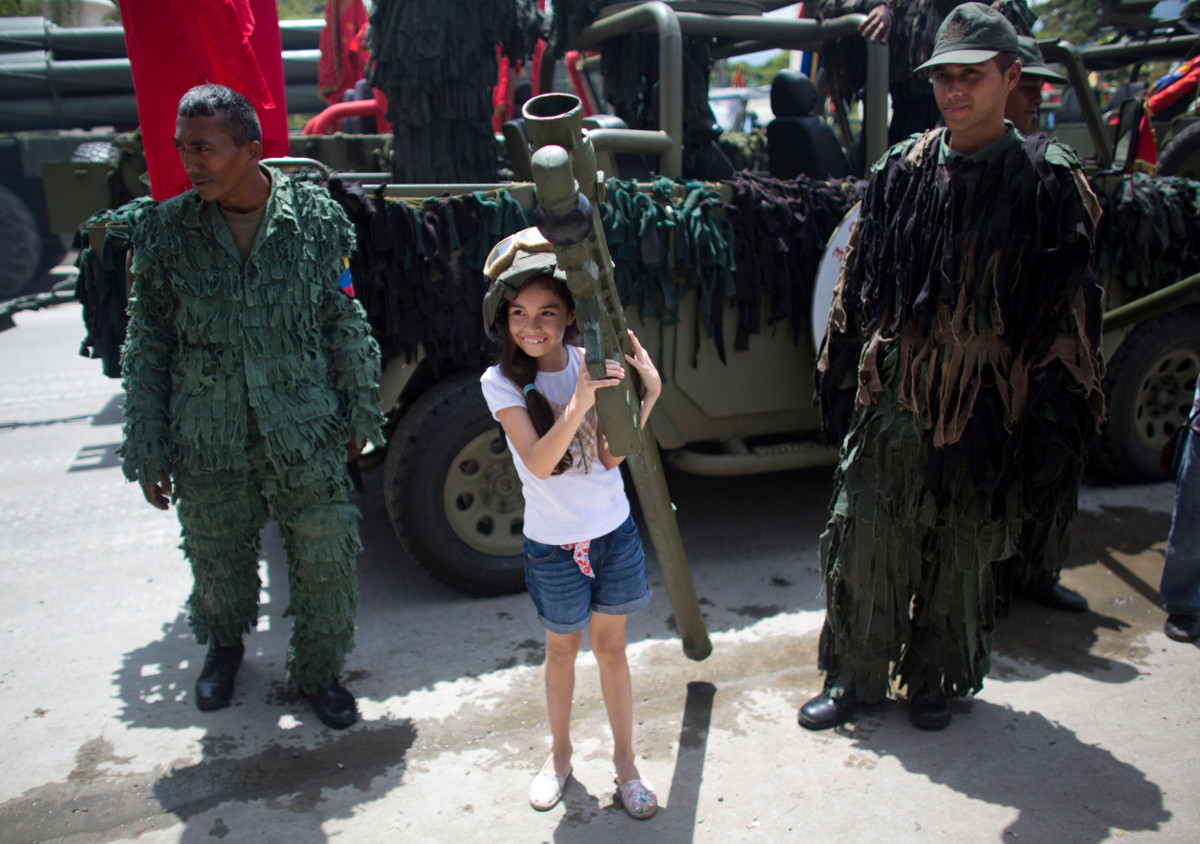
It was known that the Venezuelan armed forces had large stockpiles of advanced man portable air defence systems (MANPADS) capable of targeting aircraft as high as FL250.

While there was no obvious intent to target civil aircraft, the FAA were worried that extremely high tensions may lead to inadvertent firing which could endanger them indirectly. They were also concerned that some of the MANPADS may find their way into the hands of non-state actors who were less predictable, and had less training.
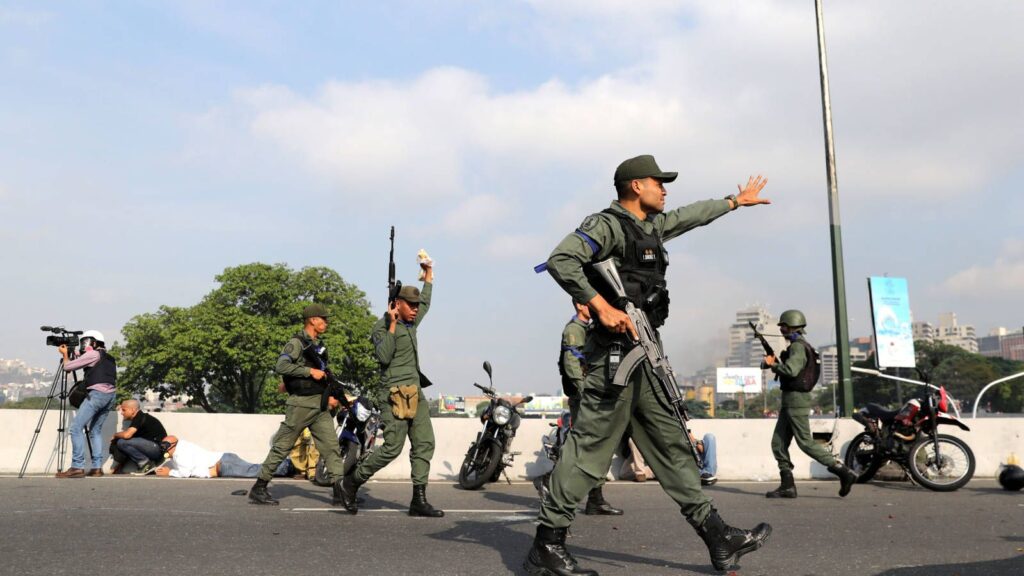
There were FAA concerns about military rivalries and an abundance of surface-to-air weapons.

As such US operators were banned at lower levels out of an abundance of caution while the situation evolved.

If you’d like to know more, here is a copy of the Background Information note the FAA published at the time.

So, have things improved?

It would be a logical assumption given that the flight restriction has been lifted, but the short answer is that we don’t know. And the FAA hasn’t (yet) provided any explanation as to why the Notam has been cancelled.

The situation in Venezuela is at a standstill. It remains in the middle of an unprecedented social and humanitarian collapse. Although there’s news lately of high-level talks to try and improve the situation, right now, it’s just that – talk.
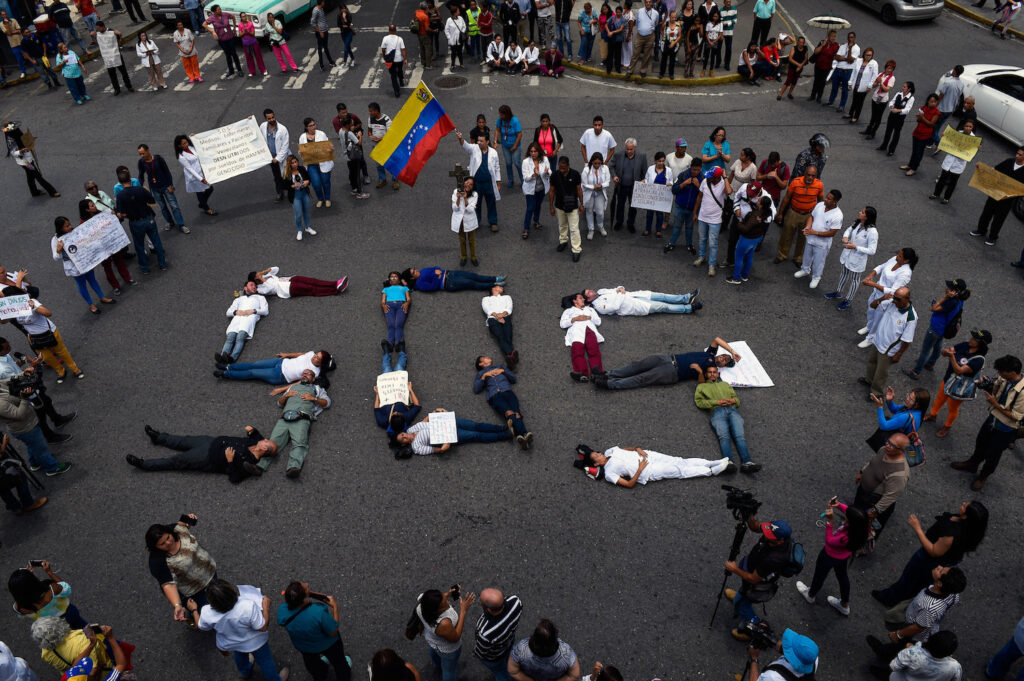
It’s possible that the immediate threat of active fighting and the intentions behind the issue of the original Notam have subsided sufficiently that the risk to civil aircraft from anti-aircraft fire is now considered extremely remote. Although this is purely speculation.

The safest course of action until we know more would be to remain above FL260 – although this is no longer mandated.

Beware the diversion

If you do overfly Venezuelan airspace, the most important consideration is crew and passenger safety in the event of a diversion. The security situation on the ground in Venezuela isn’t great – in fact it is among the twenty most dangerous countries in the world, while Caracas itself has previously been ranked as the most dangerous city of all.
The US Department of State maintains a ‘Do Not Travel’ warning (its highest alert) for Venezuela citing risk of kidnapping, crime, civil unrest, terrorism and unlawful imprisonment. All to be avoided. If you’re looking for the latest information, the US Embassy website is a good place to check – keep an eye out for any new security alerts.

Does this mean I can now fly between Venezuela and the US?

At this stage, no. The FAA restriction was purely to protect traffic transiting Venezuelan airspace below FL260. Another (more political) restriction remains in place, issued by the Department of Transport. It’s a heavy read, but basically the commercial transport of passengers or cargo between airports in Venezuela and the US remains banned.

We’re unsure at this stage whether there is an intention to drop this rule too, and have reached out to both the FAA and the DOT for more feedback. We’ll keep this article updated as more info comes to hand.
Venezuela Aviation Situation: Anything to Report?

In April 2019 the US FAA issued a Do Not Fly” instruction to US operators, barring all operations into or over Venezuela, unless operating at or above FL260. This came after several years of steady decline in the situation in Venezuela, and an attempted uprising.

This is what we said about the FAA notice back in 2019, but now we thought we would take a look at the current situation in Venezuela and consider what the ongoing impact to international aviation might be.

Give us some background.

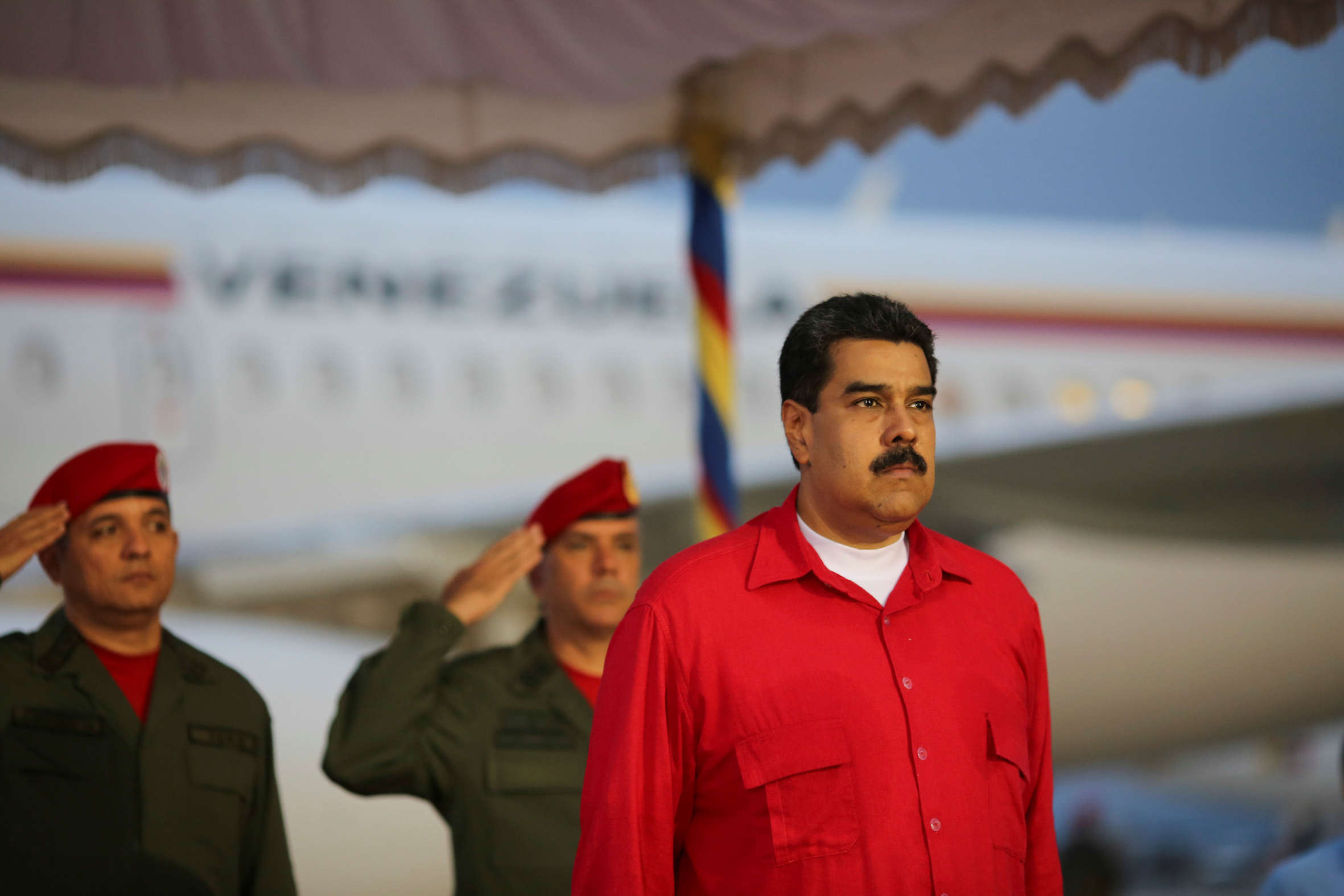
The basic story, without getting into the politics of it all, is that there is a political power struggle between the government of President Nicolás Maduro and the opposition party led by Juan Guaidó.

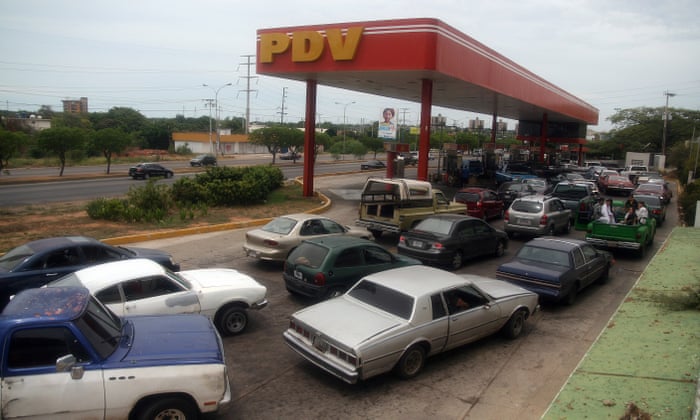
The growing political discontent has led to skyrocketing fuel prices, power cuts and shortages in things like food and medicine. This has all, in turn, led to rising crime levels and security concerns.

Tell us about the general situation for aviation.

SVMI/Caracas Airport lies in an area of extremely high risk for armed robberies and kidnappings. In fact, Caracas was rated the most dangerous capital city in 2017 and has continued to hold a Top 3 spot since.

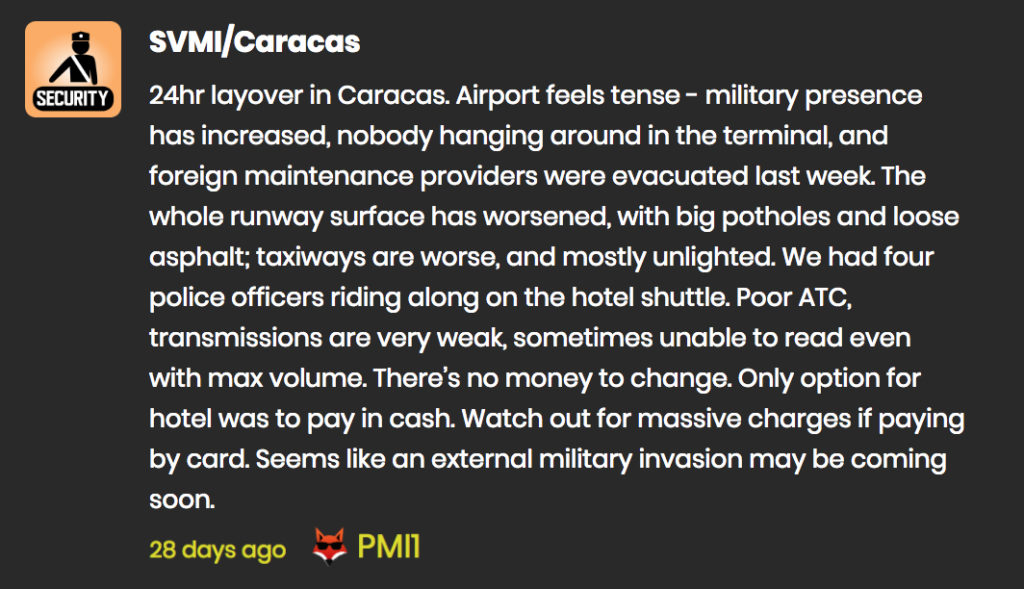
A report received in 2019 said the following:

“Foreign maintenance providers were evacuated last week… Runway surface has worsened and now there are big potholes and loose asphalt.”

Other reports suggested ATC controllers were under-qualified with poor English speaking standards. Inappropriate IFR and terrain clearances were being issued and “tremendous caution” should be exercised if operating in.

Pre-pandemic, most major airlines had been ceasing operations for a variety of reasons, the main one being an issue with onward payment of ticket monies which the Venezuelan government put a stop on.

What about neighbouring countries?

The border between Colombia and Venezuela is more volatile with disputes and armed conflict occurring along it. Bombs targeting local airports in Colombia have occurred through the end of 2021/ start of 2022, and a major attack occurred near SKNA/La Macarena airport, 100nm south of Bogota, on Jan 6.

A US travel warning remains in place for Colombia due to terrorism and other security related threats.

And a quick mention of the Covid situation?

Covid led to major restrictions on international flights into Venezuela. In October 2021, only scheduled flights from Bolivia, Mexico, Panama, Dominican Republic, Russia and Turkey were authorised. The government also allowed 13 specific flights to Spain with approved operators.

What has the US’s response been?

The US has had sanctions in place against Venezuela for sometime now. The FAA notice is a Permanent Notam A0013/19 with no expiration date.

“ALL FLIGHT OPERATIONS IN THE TERRITORY AND AIRSPACE OF VENEZUELA AT ALTITUDES 
BELOW FL260 BY THE PERSONS DESCRIBED IN PARAGRAPH A BELOW ARE PROHIBITED UNTIL 
FURTHER ADVISED DUE TO INCREASING POLITICAL INSTABILITY AND TENSIONS IN VENEZUELA 
AND THE ASSOCIATED INADVERTENT RISK TO FLIGHT OPERATIONS.”

The FAA’s Background Info document states there is an “increasing inadvertent risk” to civil operations below FL260 due to increasing political instability and tensions. They also advise that the Venezuelan military has large stockpiles of MANPAD defence systems which has the capability to reach 25,000ft. There have also been reports of temporary GPS outages in the territory and airspace of Venezuela.

At the end of 2019, the US FAA also downgraded the safety status to Category 2 under their IASA program, deciding the Venezuelan CAA was not adequately complying with ICAO safety standards with regards to regulating and supervising their own airlines.

What has the rest of the World said?

Surprisingly little, perhaps because few operators fly there…

EASA have no Conflict Zone Information Bulletin (CZIB) relating to Venezuela at all.

ICAO has not flagged Venezuela under their AUSOPS Safety Audit Program, and in fact rates them fairly well alongside the US with the exception of their aerodrome standards.

We have rated Venezuela as a Risk – Level Three Caution on Safeairspace because of the FAA prohibition, and due to a lack of information on the situation within the country.

However, there are many reports on the number of MANPADS which Venezuela are armed with and it is considered amongst the most highly unstable countries politically. Libya and Syria are the most unstable with the highest number, but Iraq, Pakistan, North Korea, Afghanistan and Venezuela come not too far behind.

A Quick NOTAM Review.

Several years ago, Venezuelan NOTAMs appeared to, well, disappear. They also stopped sending out METARs. Thankfully, the systems seem to be up and running just fine nowadays.

There are currently (as of Jan 2022) a few NOTAMs which may impact navigation, or which have a minor impact to operations, but given few international flights are operating in right now, there is not much to consider.

A0488/21 – SVMG/Margarita Island primary surveillance radar is U/S and not expected back until January 2022.

A0494/21 – SVMG has also been downgraded to RFF 7 (from 9).

A0486/21 – SVPR/Ciudad Guayana Airport radar systems are all U/S.

What is the ‘Risk Rating’?

If you are a US operator it remains a no-go. If you are any other operator… well, that is the question.

The FAA’s notice remains in force, but there has been little update on the situation since. No other authority or state has put out a notice, but the conflict within the company is not easing and reports of fuel shortages and a growing refugee crisis suggest there may be some threat to operations which are not being reported. We asked the question and received just 10 responses, all of which said the situation remains “neither safe nor secure”.

If you have operated into Venezuela in 2021 we would be interested in hearing your report on what the operational situation was like. Send us an email at news@ops.group


Venezuela: do not travel

Amid an escalating crisis in Venezuela, on Mar 11, U.S. Secretary of State Mike Pompeo announced via Twitter that the U.S. Embassy in Caracas will be withdrawing all of its remaining diplomatic personnel from Venezuela by Mar 16, citing the “deteriorating situation.”

Power outages continue in at least 16 states across the country. The opposition says there has been sporadic looting, and at least 17 people have died as a result of the blackout.

On Mar 9, there was an attempted armed robbery of Air Europa airline crew. Armed assailants on motorbikes chased the vehicle of the crew from the airport to their hotel, where they engaged in a shoot-out with hotel security staff before escaping. None of the crew was injured, but refused to stay at the hotel, and instead were escorted back to the airport by police convoy and returned on the flight back to Madrid. Air Europa has reportedly now decided to add a stopover to its Caracas service and crew will now layover in Punta Cana in the Dominican Republic.

On Feb 21, the barely-still-president Mr Maduro banned all general and private aviation. But reports from Opsgroup members on Feb 28 suggest that this has now been cancelled (although the ban on flights to/from the islands of Aruba, Bonaire and Curacao, as published by Notam, still stands). One member reported: “Our permit to operate in and out of SVMI/Caracas next week was approved. However, I would still NOT recommend any crew remain there overnight.”

Local handling agents we have spoken to in Venezuela have also said that the country’s airspace is open again, although nothing has officially been published to confirm this.

Our advice remains the same: you don’t want to go to Venezuela at the moment. The official advice of both the US and Canada couldn’t be clearer, they both say the same thing: do not travel to Venezuela due to risks posed by the ongoing unstable political and economic situations and the significant levels of violent crime.

The Maduro government has closed Venezuela’s borders with Colombia and Brazil, and has reportedly positioned one of its air defense missile system near the border with Brazil – within range of Brazil’s SBBV/Boa Vista airport, as well as overflights of most of Guyana’s airspace (SYGC/Georgetown FIR).

The US FAA has also published a new Notam and Background Notice warning operators to exercise caution when operating in the SVZM FIR below FL260 due to potential hazards to aviation associated with ongoing political instability in Venezuela.


Background info on SVMI/Caracas Airport   

The most recent Opsfox reports for SVMI are not encouraging:

    • The airport is located in an extremely high-risk area for armed robbery and kidnappings. Before suspending all flights to Venezuela in Aug 2017, Avianca hired bodyguards after shots were fired during a robbery of a bus carrying its crew. Some other carriers took to flying crew to spend the night in neighbouring countries, rather than risk staying overnight anywhere in Caracas.
    • On Aug 8, 2017, a Venezuelan lawyer was shot dead at a ticket counter at SVMI/Caracas airport. In 2016, an Egyptian visitor was killed walking outside the airport between terminals after arriving on a flight from Germany.
    • In Feb 2018, Ecuadorian state airline Tame joined Avianca in a long list of airlines that no longer operate to the country, including: Aerolineas Airlines, United Airlines, Aeromexico, Lufthansa, Alitalia and Air Canada. Most reports estimate that international traffic in Venezuela has dropped by around 65-75% since its peak in 2013.
    • Colombia’s pilots’ association says its members who have flown to Venezuela have had to deal with contaminated fuel and hours-long delays as the National Guard pulls suitcases off flights to loot them. More info. 


Venezuela NOTAMs, where have you gone?

Last year, Venezuela partly stopped sending out Metars.

This year, they’ve gone one better, and stopped sending out NOTAMs entirely.

Anything with an SV** in front of it shouldn’t be high on your tech stop list at the moment, but for those that do need to operate to an airport in the country, or carry it as an alternate, this is definitely a problem.

How are you handling the outage? Comment below.