Major US Rocket Launch Incoming

**Update: April 12, 02:00z**

The launch has been delayed. It will now take place on April 17, with back up days on April 18 – 23. The new launch window will be from 12:00 – 15:05z each day.

——-

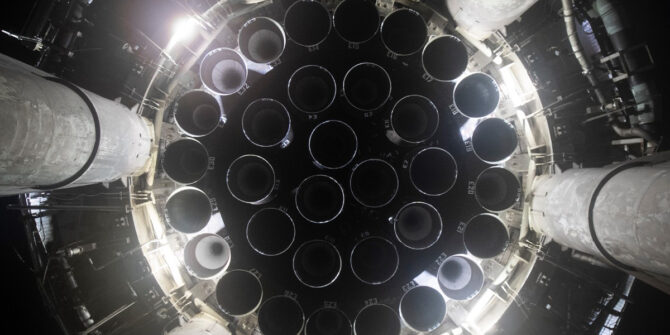
On April 10, SpaceX is planning on test launching a prototype re-useable superheavy rocketStarship – from a launch facility in Southern Texas. The impact on the US NAS will be larger than most rocket launches due a reasonably high chance of failure of the ten million pound behemoth. Elon Musk himself has only given the launch a 50/50 shot of actually working. But he is ‘guaranteeing excitement’ either way.

The FAA are taking no chances, and on launch day several large hazard areas will be established for both liftoff, and subsequent reentry. This will impact coastal traffic over the Gulf of Mexico near the Texan coast, along with traffic in and out of Hawaii.

Let’s take a closer look.

Even Elon has only given the launch a fifty percent chance of working…

Launch

Liftoff will take place from a facility in Boca Chica, on the coast of Southern Texas.

The official launch date is April 10, with April 11 and 12 standing by as back ups. The action will take place between 12:00z and 16:00z (07:00 – 11:00am LT) each day.

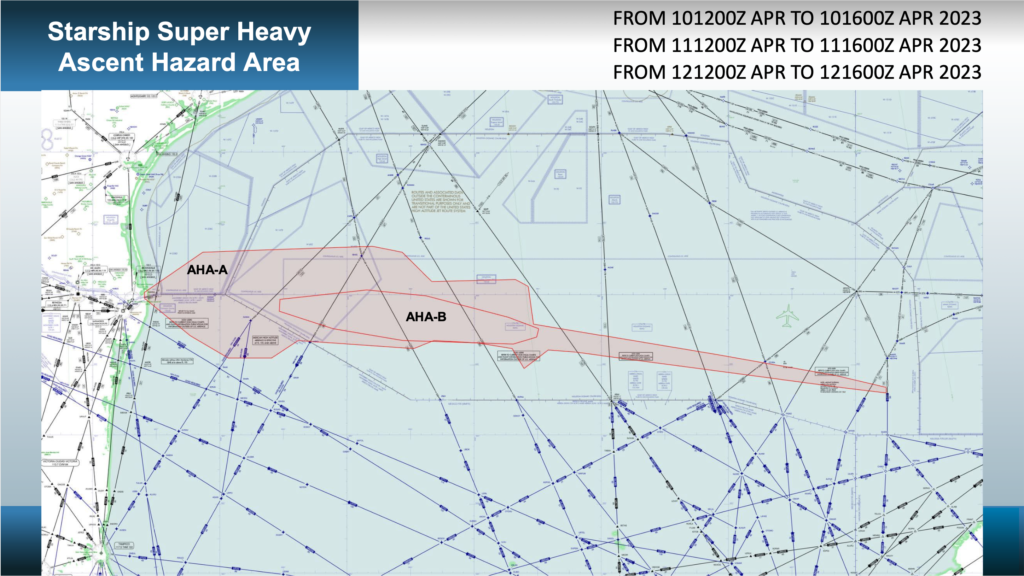
In addition to a TFR extending 12nm off the coast from the launch site itself, for the ascent there will be two large hazard areas established well out into the Gulf of Mexico protected by Altitude Reservations.

Several airways off the coast will be impacted – primarily for those running north and south between the mainland US and Southern Mexico. Major ones include L207, L208, A766, A770, L214, and L333 impacting boundary waypoints IPSEV, DUTNA, KEHLI, IRDOV and PISAD between the KZHU/Houston Oceanic and MMFR/Mexico FIRs.

The good news for east/westbound traffic is that the hazard areas are fairly narrow, which means for the most part those published tracks will avoid the worst of the disruptions.

Additional congestion will be felt on alternative routes  – especially for aircraft transiting to and from Florida’s airspace via waypoint CANOA, and inland of the Texan Coast.

Reentry

Because this is simply a test flight, the rocket will reenter again on the same day as the launch, this time affecting Hawaii.

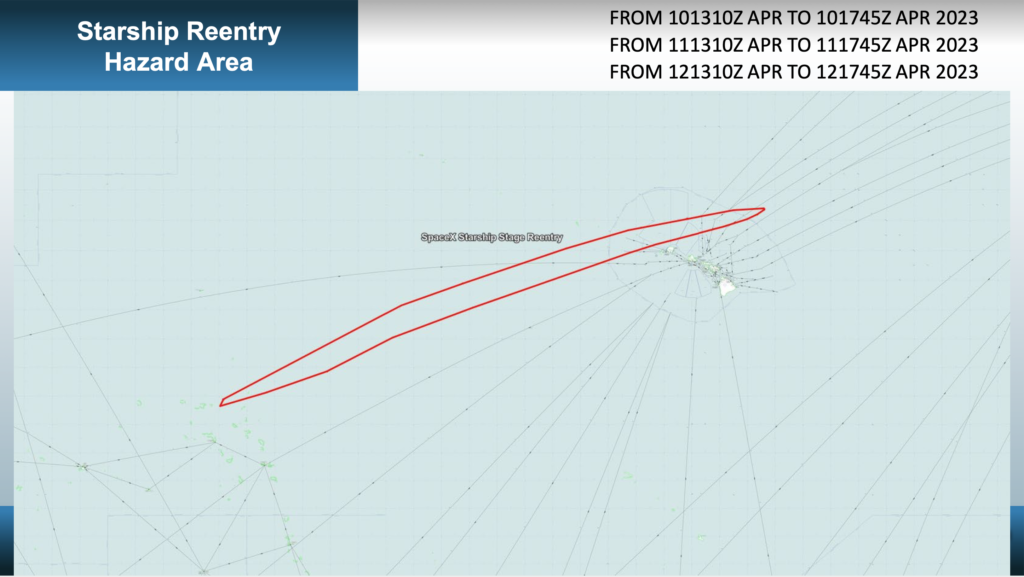
The reentry window is set for 13:10 – 17:45z (03:10 – 07:45 LT), with a hazard area established in a line from just north of the island group, extending well west into the Pacific.

Three airways connecting to the mainland US will be affected – A331, R463, R464 with transitions via waypoints ZIGIE, APACK and BITTA. There is also a Guam-bound airway to the west that will be impacted – A450 via the transition BRIUN.

Mission Accomplished

Once the mission is complete, the airspace will be returned to the US NAS and we’ll be back to ops normal. Likewise if the mission is scrubbed, the airspace will be opened up again and the launch rolled over to back up days.

If you’re tired of space related disruptions, we feel you. In fact it is a growing issue now that we’re having to share the skies with competing interests. We wrote an article on that very issue, which you may find an interesting read.

For more on this upcoming launch, see the official FAA briefing here.


Cornish pasty with a side of Rocket

Cornwall in the UK is getting its very own rocket launch site, which is due to go live sometime in the not to distant future. June in fact.

 Here’s what you might need to know about it when it does.

First up, why Cornwall?

Actually, we don’t really know the answer to that. The UK just wanted to get back into the space game and picked Newquay.

It is going to be used by Virgin – something they laid out in their “Virgin Orbit Statement of Need” which you can read in its entirety here should you wish too.

What’s it look like?

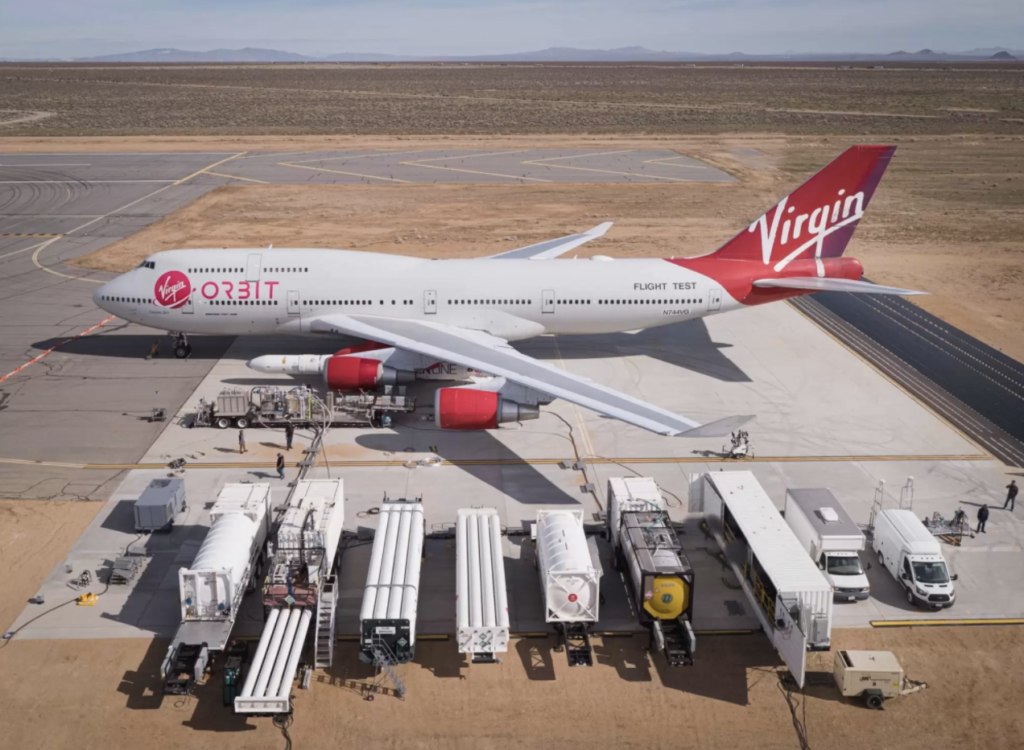
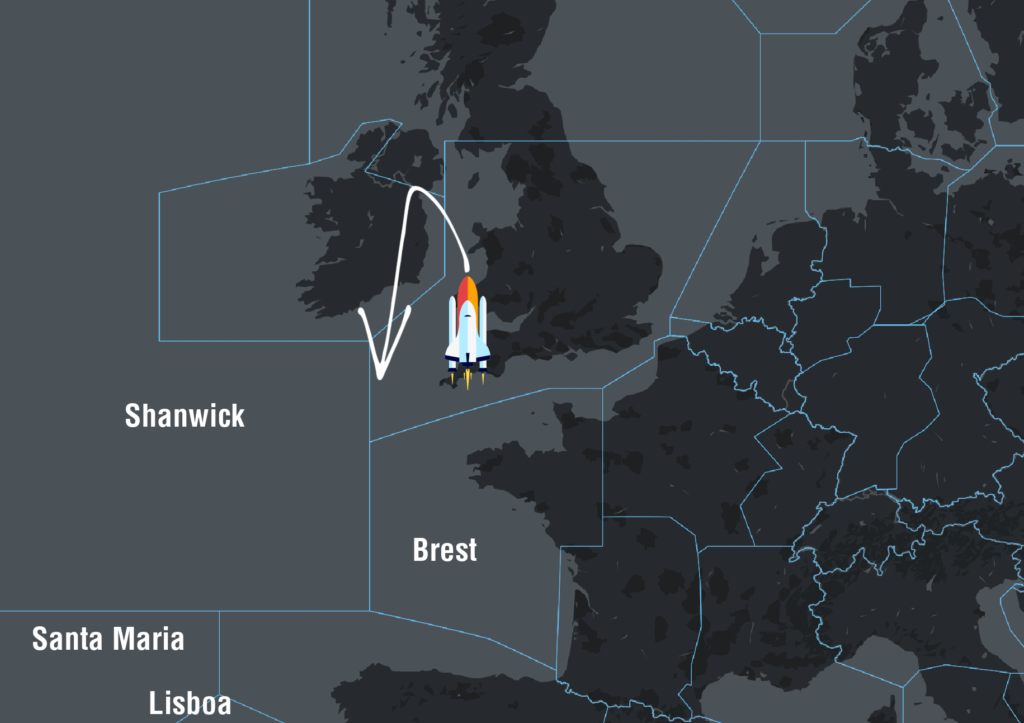
Well, it looks like an orbital rocket strapped under the wing of a Boeing 747-400, which takes off from said site in Cornwall and flies out to a drop point somewhere over the ocean.

You might know of ‘Spaceport Cornwall’ by its other name, which is EGHQ/Newquay airport. The active civilian airport is becoming a “horizontal” launch site. Which basically means the rocket takes-off strapped to a Boeing 747.

The bit we are more interested in.

The bit we are possibly more interested in, international ops impact-wise is the drop site. This is located approximately 135nm west of Spaceport Cornwall (Newquay airport), and is about 73nm x 73nm. The drop site is where the B747, at 35,000′ or so, releases its space bound load. 

In order to keep it all safe and to make sure no-one else is in the way during rocket drop, there will be temporary danger areas established, probably active for around an hour to enable the 747 to drop the rocket safely.

The full danger area is extended depending on various factors on the day to allow for the rocket movement and debris fall. The overall area is expected to be around 310nm x 35nm in size, and the debris falling back down danger area will probably be about 230nm x 86nm.

It’s a lot of random numbers – basically, check Notams as they will advise of the specific areas for each launch.

Does anyone operate around the affected areas?

Yes, sometimes. These areas actually have a bit of an impact on Shanwick OCA and on Shannon, Scottish and Reykjavik FIRs to the north, and Lisboa FIR and Santa Maria OCA to the south. 

When launches are taking place Notams will of course be issued advising of the relevant danger areas, size, altitude and timings.

Right now, we are waiting for AIRAC 2207 to come out in July which will have more info on the launches and airspace changes.


Space. The Final Frontier.

We’ve mentioned space before because the goings on up there do impact the goings on down here. From space debris falling down, to TFRs around launch zones, to the impact of radiation on flight crew…

This post though is here to help you with Space Weather, or rather, how to monitor it and plan for it in your flight plans.

Space weather and what it does.

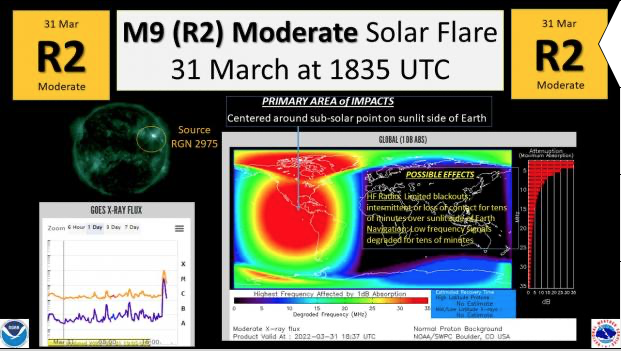
What we are talking about are things like geomagnetic storms and solar flares. The stuff that causes pretty Northern Lights shows, but which also causes less pretty impacts on our HF comms and our satellite navigation systems.

In general, the effects of space weather on earthbound stuff is limited to the higher latitudes and particularly the polar routes. For a whole load of information on this have our read of this post we put out a while back. For more info on radiation risk, check this one out.

Flight planning.

This post is a simple ‘where to look for info’ post so you can include (if you don’t already) some of this info into your planning process, and into the information you provide your pilots.

First up, Alerts.

We check the NOAA site daily (the Space Weather Prediction Center part of the National Oceanic and Atmospheric Administration). When we see little yellow or little orange bits at the top we pop out an alert to let you know the sun might be sending something our way.

When its something more serious they tend to write up a proper little alert themselves on this.

This is just a forecast though. The R, S and G scales provide a prediction on the level of HF Radio Blackout likelihood (R), Solar radiation probability (S) and Geomagnetic storm impact (G) which would also impact your satellite navigation systems.

If you see an alert you might want to go check an official aviation source.

Official aviation sources.

Not that we’re saying NOAA isn’t official, but it does just provide a sort of heads up. For your flight planning you are probably going to want some more specific information to put into your flight plan – an actual advisory (rather than our little alerts).

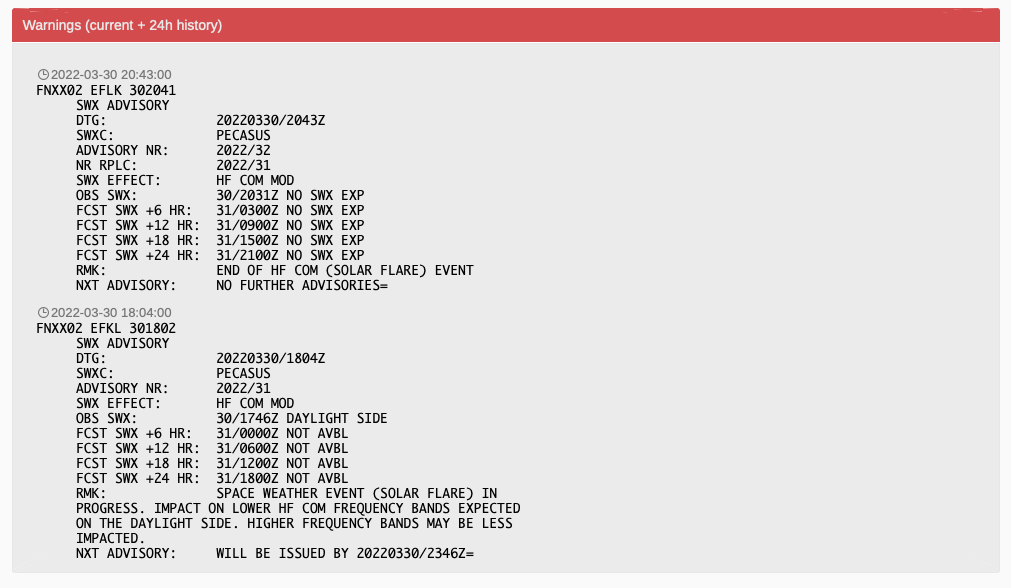
One place to look is somewhere the Finnish Met Institute who put out aviation advisories on space weather. These advisories look something like this –

The Australian Bureau of Meteorology publish similar ones and even have a nice little map you can look at to see the regional risk of space weather nastiness.

If you are USA based then your go to centre is the Space Weather Prediction Center (under NOAA) and you can find official advisories on there.

What to do next.

There are various things to think about:

  • If you are regularly fly at high latitudes then you need to be monitoring their cumulative radiation exposure levels
  • If the radiation levels on a particular day are over a certain amount you might want to think about a re-route at a lower latitude (it is rare they are significant)
  • If the HF blackout probability is much more than minor (10 minutes max) or the geomagnetic storm levels are likely to cause significant satellite navigation issues then the same applies – you might want to consider re-routes
  • For any probability, alerting the flight crew to potential HF blackouts and ensuring they know the procedures for loss of HF comms if routing over HF comm dependant areas is probably a good idea
  • Include the forecast in the flights plans just as you would non-space weather forecasts.

We hope that helps, but if you want more…

ICAO put out a fairly handy presentation on this a while ago which you can find here, and they published another on Space Weather Center provisions which you can read here.

The full ICAO SARPS on Space Weather are in the’ ICAO Annex 3 – Meteorological Service for International Air Navigation and ICAO Doc 10100 – Manual on Space Weather Information in Support of International Air Navigation.’

There is also a draft of their original Manual on Space Weather available here (if you want the current published version you’ll have to pay for it).

The ECA (European Cockpit Association) published this which is filled with useful advice.

You might also want to take a read of this and sign up to your local Space Weather center to receive the SWX advisories if you haven’t already.


Go For Launch: Lift Off in California

On February 25, Space X is planning to launch its Falcon 9 rocket from Vandenberg Space Force Base – 100nm (ish) north of Los Angeles.

It will carry no less than fifty satellites (yes fifty) into Earth’s lower orbit. As a result, three aircraft hazard areas will be established which may affect oceanic traffic in the Eastern Pacific, along with some of the Pacific Organised Track System (PACOTS). Here’s a brief rundown of the potential impact.

Primary and Back Up Launch Days

Lift-off is planned for Feb 25. However, the period of Feb 26 – Mar 1 is also designated as a back-up.

While the launch itself will be short-lived, the window for each attempt is quite long – almost five hours. The exact timings vary each day, but will extend from early morning until early afternoon (Pacific Standard Time).

Here’s a rundown of the airspace to look out for.

Los Angeles FIR

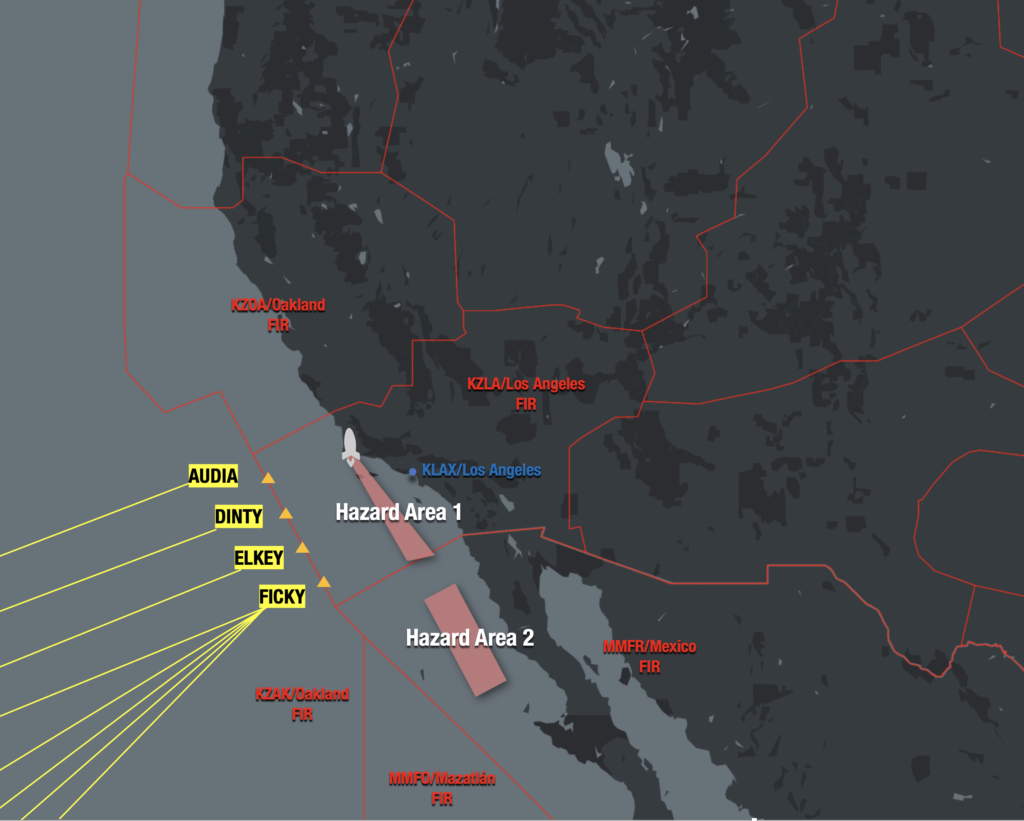
A small hazard area will exist from the launch site to approximately 125nm south, off the Californian coastline. Aircraft transiting via oceanic transitions FICKY, ELKEY, DINTY and AUDIA may all be impacted. This includes several airways linking Hawaii to the US mainland.

The Mexico FIR

A second hazard area will exist further south, off the Baja California Peninsula and is unlikely to cause any significant impact.

Here’s a picture of both:

South of the Equator

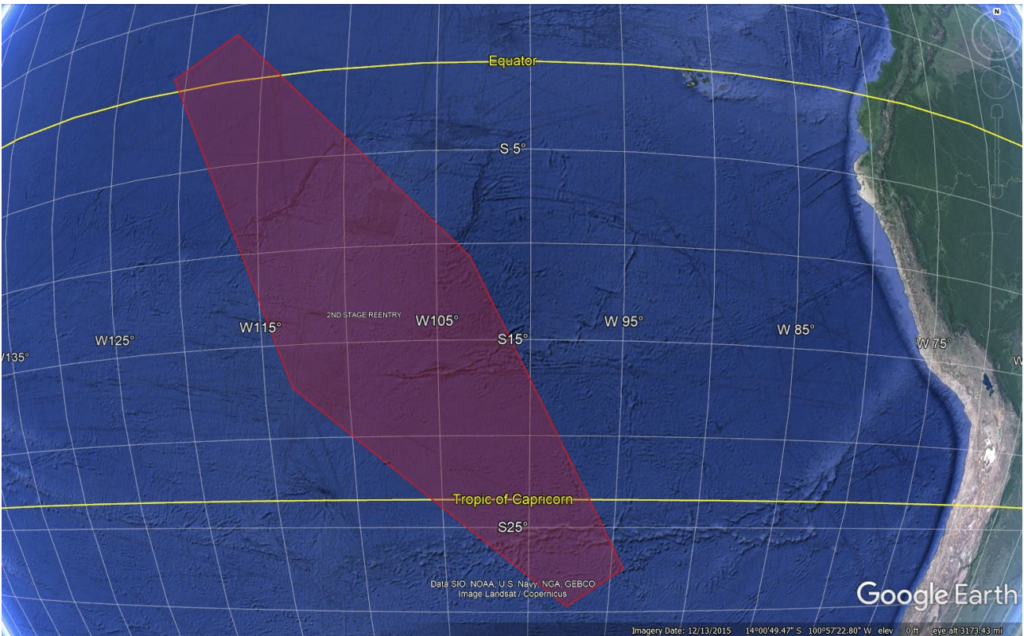
A large and remote section of airspace in the South-Eastern Pacific will be affected – 1300nm off the coast of South America. It occupies both part of the NO FIR zone (XX01) and the SCIZ/Isla de Pascua FIR. This is because the second stage (or piece) of the rocket will splash down in this area.

The Impact

Essentially, delays. But the good news is that they’re expected to be only minor. ATC may reroute aircraft to protect the hazard areas, or apply mile-in-trail restrictions. In all cases they don’t expect to hold aircraft up by more than a few minutes.

However, be on the lookout for unusual or unexpected changes to your clearance – if you’re wondering why, the launch is likely the reason.

Commercial Aviation vs Space Flight

The impact of commercial space operations on the world’s airspace is becoming a problematic issue. And in one way or another both the aviation and space industries will need to find better, or more efficient ways to share. This launch shows we’re not there just yet. If you’d like to read more about this particular conundrum – check out our recent article here.


When Worlds Collide: Commercial Space And Civil Aviation

Change is in the stars, literally.

Cheaper launch costs, reusable rockets and the world’s insatiable appetite for space based technologies have dangled a cosmic carrot for private enterprise to make money in space. The commercial space industry is booming. It turns over hundreds of billions of dollars each year and will hit the trillions by 2040.

This means more launches and re-entries than ever before as demand for earth’s lower orbit soars. In the US alone there have been sixty-five licensed commercial launches since the start of last year shared among twelve different launch sites – that’s a lot of rockets.

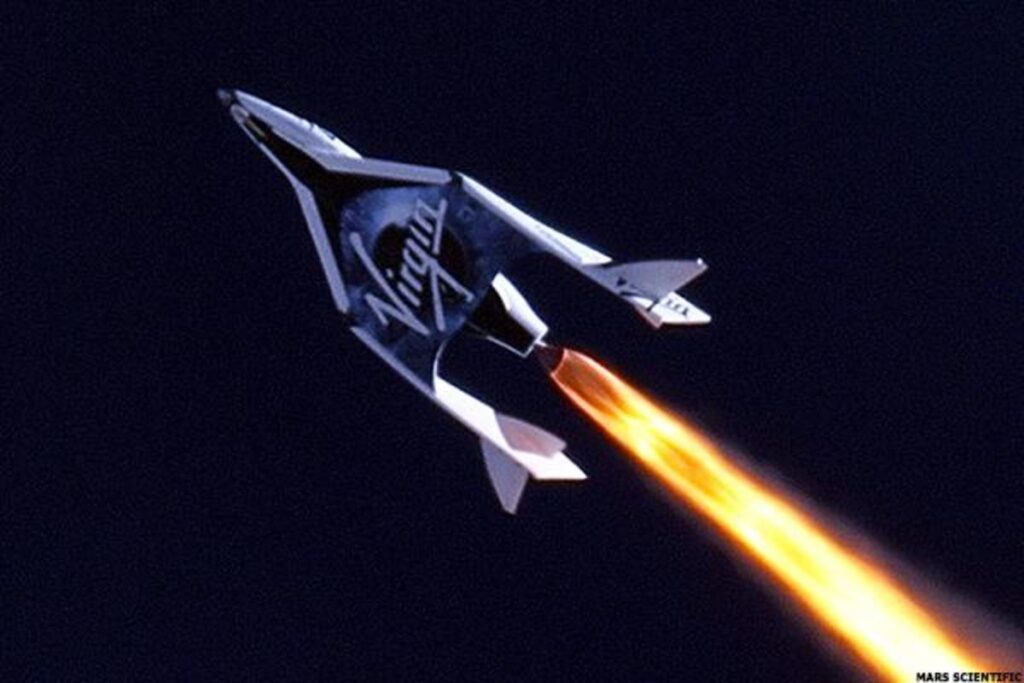
Space is also the realm of the billionaire visionary. Richard Branson’s Virgin Galactic aims to soon make space tourism a reality. Over at Space X, Elon Musk dreams of colonizing Mars while Jeff Bezos seeks to inhabit our moon. Ambitious plans are on the horizon.
We’re on a Collision Course

The problem for commercial aviation is that the space industry needs our airspace more than ever. There’s no other way to the stars than straight through it.

Unless we find new and more efficient ways of sharing it, an increasing burden will be put on aviation to accommodate more and more launches in our skies.

The cost will come in more time, more fuel and more emissions.

Here’s the problem.

Space launches used to be a pretty rare occurrence. Across its career, the Space Shuttle for instance averaged only five launches each year.

Procedures haven’t changed a great deal since then either. When a rocket is launched, large chunks of airspace are closed for long periods of time. And once it’s all over, everything gets reopened. Safe right? But practical?

Not really, when staring down the barrel of hundreds of launches per year.

Take the US for example. The majority of launch sites are located on the coast and affect oceanic airspace. When you factor in the type of launch vehicle, its trajectory, where it will go if it needs to abort, where its boosters will land and any other hazards the airspace closures quickly become huge.

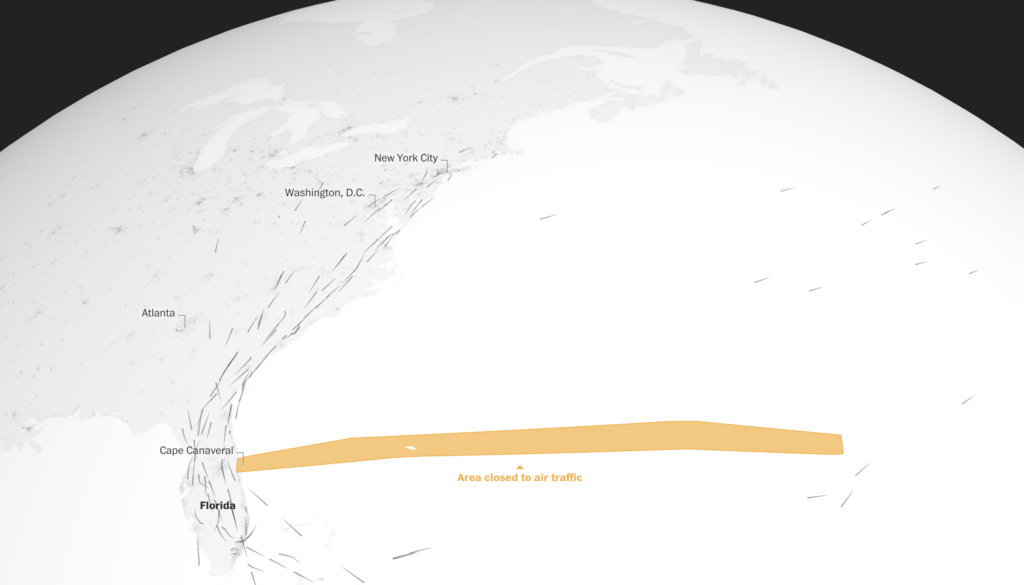
Launch sites in California affect Pacific routes. A single mission can affect half of the airspace between Hawaii and the West Coast. Launch sites in Virginia and Florida affect North Atlantic routes and lead to congestion in other airspace, such as Jacksonville.

Launch windows are also hours long, with backup windows in case of poor weather.

A famous Space X launch back in 2018 is a great example. You might remember the one – it delivered a small red Tesla Roadster to space in the very first test launch of the Falcon Heavy rocket.
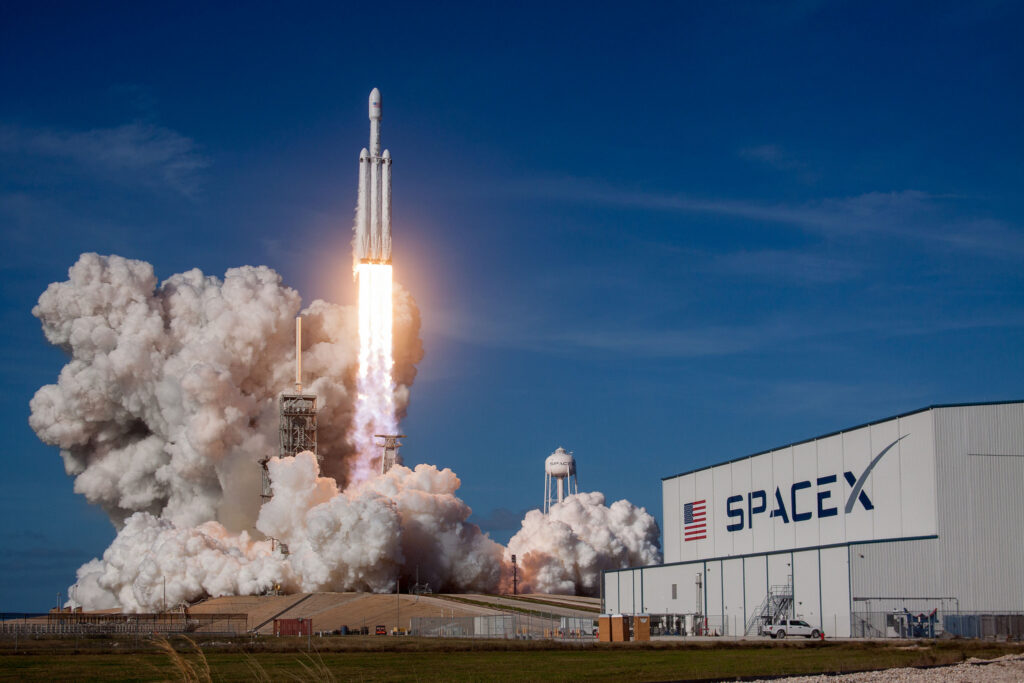
Its launch window was open for two and half hours. Due to unfavourable winds, it used up most of that. In the meantime, the FAA couldn’t re-open the airspace above it.

While the world waited for a ten minute launch, 563 flights were delayed and 34,841 extra miles were flown. 5,000 square miles were affected resulting in cumulative delays of seventy-seven hours.

That’s an expensive ride to space.
What’s the solution?

ALPA suggested that the current approach is based on segregation – keeping airplanes away from rockets. But the future relies on integration.

In a nutshell, here’s what they suggest to make it happen:

Better Comms.

 Broadly speaking, spaceflights need to be operated using similar procedures to how we manage earth-bound traffic.

Just like flight plans, launch plans could be introduced with similar details which can be communicated to all other airspace users and controllers in real time and amended when disruptions inevitably happen.

Existing technology used for remote or oceanic airspace can help here too. Fancy things such as next-gen HF and datalink could be used for live communication between pilots, air traffic control and space operators.

Better Surveillance.

 It’s already on the way. The FAA’s Space Data Integrator is a huge step forward in automating and simplifying the flow of live launch and re-entry data so that areas of risk to aircraft can be more efficiently predicted. The project has global potential.

Space-based ADS-B is another opportunity. Already making a big impact over the NAT, it could also be used for spacecraft, including their boosters during re-entry to help air traffic controllers manage airspace closures far more efficiently.

Better Sep.

With technology leading the way, we can begin to safely reduce the margin between aircraft and spacecraft. New international standards would need to be developed to make this happen – and both industries would need to be onboard.

With all these launches, what about debris?

Are we actually at risk?

The uncontrolled re-entry of debris from China’s Long March 5 rocket raised a few eyebrows (including NASA’s) a couple of weeks back when it splashed down east of the Maldives in the Indian Ocean.

For several days no one could say for sure where or when it would re-enter, making the issue of accurate aviation warnings impossible.

The launch and re-entry phases of space flight are usually protected by airspace restrictions designed to keep us well away from anything that could go boom. And unlike anti-aircraft weaponry designed to actively seek out aircraft, space-bound rockets only present a ballistic risk – in other words, being in the wrong place at the wrong time. But this is solved by closing airspace.

Space debris is another danger, albeit a tiny one. It poses far more danger to people on the ground that it does to us up in the air. Admittedly there is a bunch of it up in orbit – 170 million pieces to be precise, but the US Government estimates that only about 400 of them re-enter each year. That’s about one per day.

A recent study actually crunched the numbers. The chances of a single piece of space debris (such as that from China’s Long March 5) hitting an aircraft is somewhere in the realm of a tiny fraction of a percent. That’s not to say it can’t happen – back in 2007 an A340 operating over the South Pacific came uncomfortably close, but the odds of a direct hit are almost zilch.

So far more pressing right now is how we fit two industries into one sky.

The sky’s the limit.

NASA and the FAA have an MOU regarding spaceflight, where they have committed to working together to improve safety and integration between space and earth based operations.

The FAA have also recently announced new symbols on their navigation charts, showing launch sites for better pilot awareness. Your first point of call remains the published TFR list, and notams regarding launch windows.

The potential benefits of commercial space travel are huge. But practically speaking both industries need to keep working on better and more efficient ways to share airspace. Otherwise we are all headed for one heck of a traffic jam up there.