Making a Ramp Check painless (with checklist)
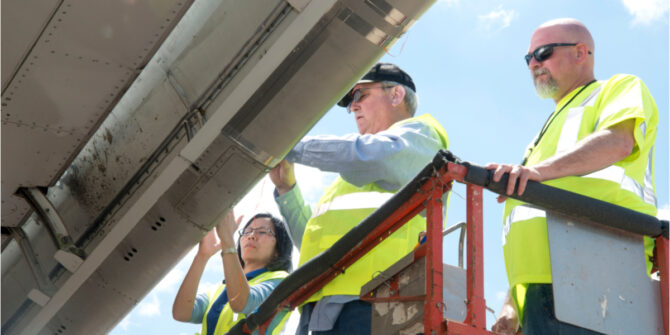
The EU Ramp Inspection Program (RIP) is still alive and kicking – or the EU SAFA Programme, as it used to be called.
The RIP is not exclusive to Europe. Your aircraft can be inspected under the program in 49 different countries around the world, including Canada, Morocco, Singapore, and the United Arab Emirates.
Here are the key points:
- Even though it’s now called the EU Ramp Inspection Program, ramp inspections for third country operators are still referred to as “SAFA ramp checks”. Yeah, it’s confusing.
- Ramp checks are possible in every country in the world – but follow a more regulated and common structure in SAFA countries – totalling 49 – see the map and list below.
- There is a standard checklist that is used by Inspectors in all SAFA countries, which you should be familiar with – see further down.
- Three categories of findings have been defined. A “Category 1” finding is called a minor finding; “Category 2” is a significant finding and “Category 3” a major finding. The terms “minor”, “significant” and “major” relate to the level of influence on safety.
- If there is a “corrective actions before flight authorised” finding – then the inspector is concerned and a repair must be made before the aircraft is released to fly.
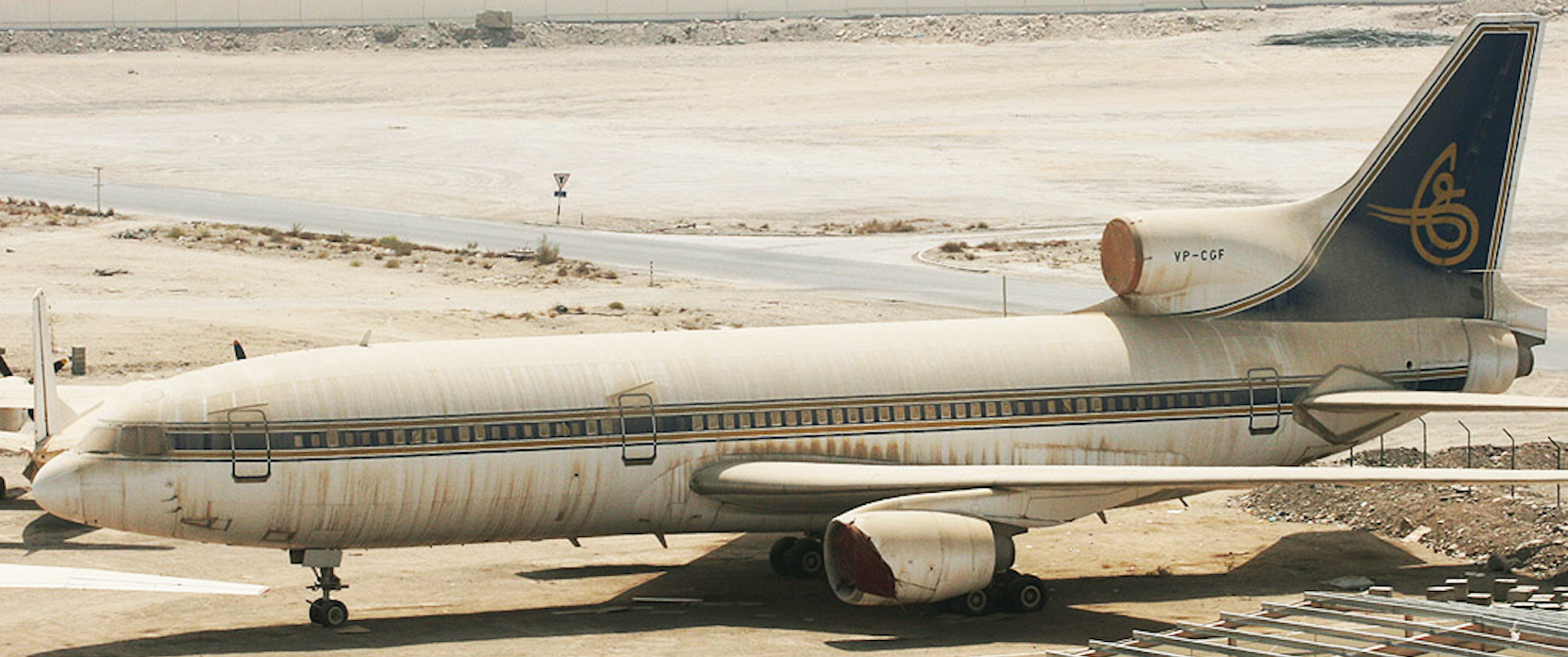
Unless your aircraft looks like this, you have little to worry about.
Here’s how a ramp check normally goes down:
- The flight selected will either be your last of 6 legs for the day, or after a gruelling 12 hour jetlag-inducer, or at 3am when you were thinking about a quick nap during the turnaround. This much is guaranteed.
- As you pull on to the stand, you will notice more yellow vests than normal hanging around.
- Two of these will be your friendly ramp inspection team (to be fair, they almost always are)
- A short time later, those yellow vests will be in the cockpit, and the first request will be for a look at your license, medical, aircraft documents (like Insurance, Airworthiness), and flight paperwork. Make sure you’ve done your fuel checks and there are a few marks on the flight plan.
- If you get a good cop, bad cop scenario, one will disappear down the back (this will be the nice guy) and check the cabin, while the first will stay and ask you tough questions about the TCAS system.
- Some time later, you’ll get a list of findings. The average check is probably about 30 minutes.
- You can be guaranteed they will always have at least one finding – which will probably be obscure.
- Sign off the checklist, and you’re on your way.
Some interesting points:
- The Inspectors can ask you for manuals, documents, or guidance – but they are not supposed to test your knowledge of procedures, regulations, or technical matters. This doesn’t always happen in practice – so if you get a tough question – just say “I don’t know” – and let them note it if they want to. This isn’t a classroom test.
- This guidance is given to Inspectors: Delaying an operator for a non-safety related issue is not only frustrating to the operator, it also could result in unwanted human factor issues with possible negative effects on the flight preparation. They can (should) only delay your flight for a safety related issue.
- Remember, it’s not you that’s being inspected. It’s your aircraft. If you’re uncomfortable with the questions, get them noted and allow your operator to discuss later.
- Every inspector is a little different. Work with them and you’ll find that 90% of your ramp checks will be over in 20 minutes with little issue.
- Private Operators – especially in GA (even more so under the 5700kg mark) – are far less likely to get ramp checked. EASA guidelines do apply to General Aviation, but they are far more interested in Commercial Operators.
- The items checked during ramp checks are based on a risk based approach and can differ from operator to operator (for example depending on findings raised during previous inspections). Meaning that operators who get ramp checked with findings will most likely get ramp checked again, to see if they’ve sorted out the problems!
- EASA regulations requiring alcohol testing during ramp checks will take effect across all SAFA countries in Aug 2020. But some countries have already started doing this: Austria, Belgium, Czech Republic, France, Germany, Greece, Iceland, Ireland, Italy, Netherlands, Portugal, Spain, Switzerland, UK, and Singapore. More info
Common Findings:
See article: SAFA Ramp Checks: The Top 5 Offenders
Ramp checks cover 52 inspection items spread over 5 areas: flight deck, cabin, aircraft condition, cargo, and general/other.
But some of those 52 items generate more findings than others. A DSAC/IS-BAO study found that the top inspection items by number of CAT2 and CAT3 findings for business aviation were these ones:
1. Flight preparation (RI checklist item A13)
2. Mass and balance calculations (A14)
3. Manuals (A04)
4. MEL (A07)
5. Checklists (A05)
6. Defect notification and rectification (A23)
7. Navigation/instrument charts (A06)
So essentially, these findings all relate to five key areas: Flight Planning, Documents, Defects, Charts, Cabin Safety. Get these right, and your “sweatin over a ramp checkin” days are over, partner!
The Countries:
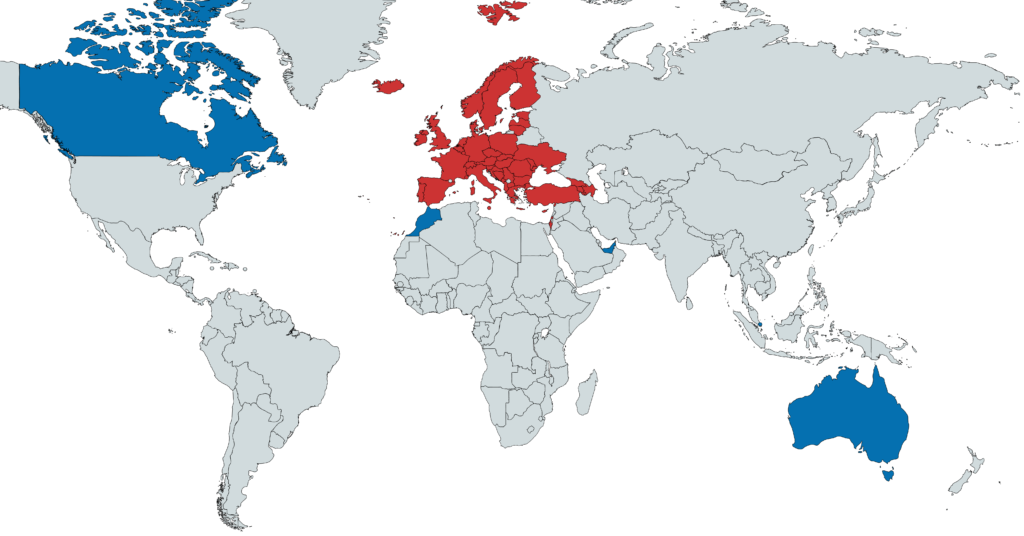
The 49 Participating States engaged in the EU Ramp Inspections Programme are:
Europe: Albania, Armenia, Australia, Austria, Azerbaijan, Belgium, Bosnia and Herzegovina, Bulgaria, Croatia, Cyprus, Czech Republic, Denmark, Estonia, Finland, France, Georgia, Germany, Greece, Hungary, Iceland, Ireland, Israel, Italy, Latvia, Lithuania, Luxembourg, Malta, Republic of Moldova, Monaco, Montenegro, Netherlands, Norway, Poland, Portugal, Romania, Serbia, Slovak Republic, Slovenia, Spain, Sweden, Switzerland, The Republic of North Macedonia, Turkey, Ukraine, and United Kingdom.
Rest of world: Canada, Morocco, Singapore, United Arab Emirates.
The Checklist:
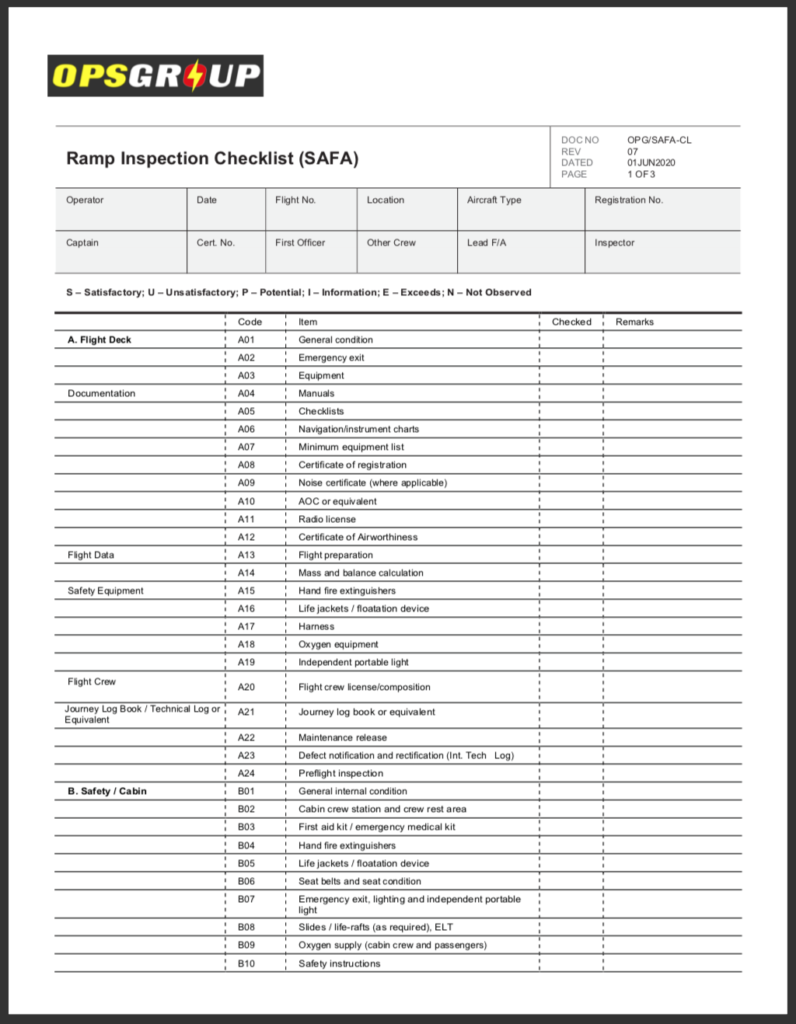
Download by clicking above, or here: Opsgroup Ramp Checklist
If you want to delve deep into each item on this checklist to find out exactly what inspectors should be looking for, check out this document published by EASA in Sept 2019, which has the inspection instructions in full. For all things Ramp Inspection Program related, check EASA’s dedicated webpage here.