North Korea missile risk in the Sea of Japan
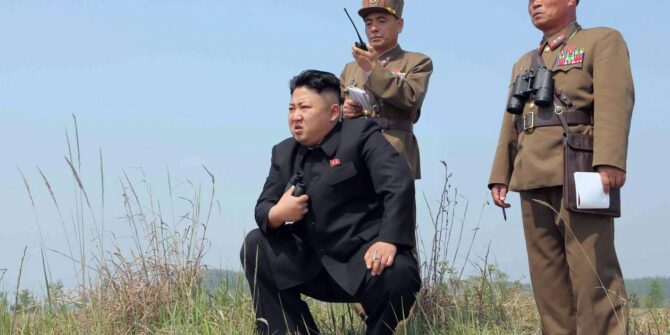
North Korea fired two short-range ballistic missiles across its east coast and into the Sea of Japan on Sep 15. It was North Korea’s second weapons test in recent days, after the launch of a new long-range cruise missile at the weekend, which state media claim has a range capable of hitting much of Japan.

North Korea has in the past tested intercontinental ballistic missiles (ICBMs) said to be capable of reaching nearly all of the US mainland and western Europe.
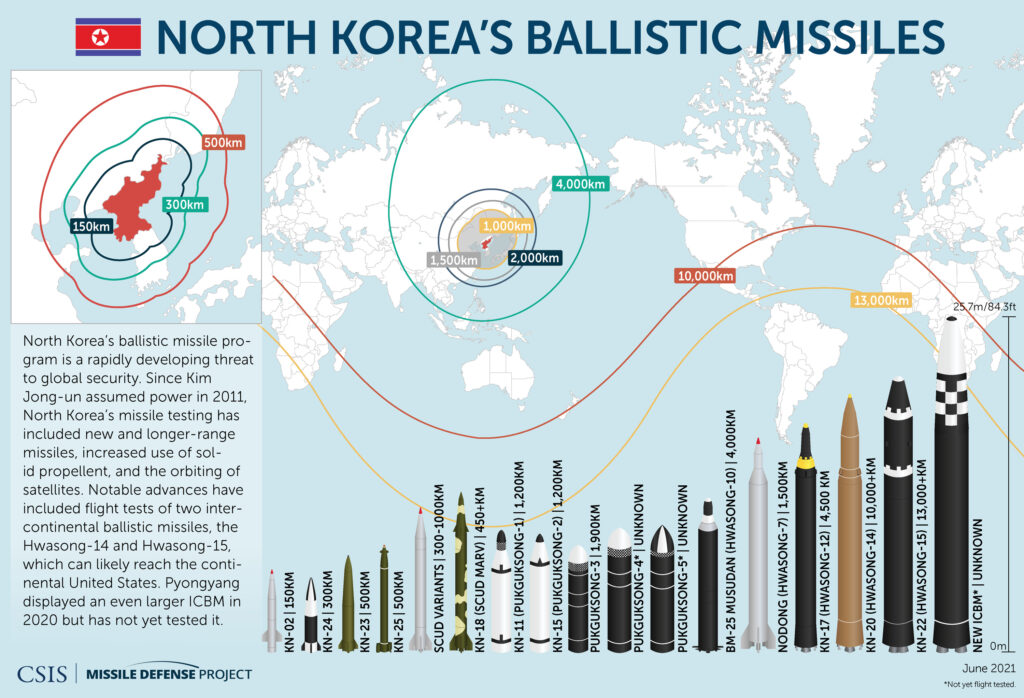
UN sanctions forbid North Korea from testing ballistic missiles (the ones that go up into space and then back down again, spraying debris all over international airways), but not cruise missiles (the ones that fly at low altitudes).

As usual, North Korea did not provide any warning prior to these recent tests – which is the key issue with regards to the airspace safety risk.

A quick history of developments in the last few years:

  • Until around 2014, North Korea notified ICAO of all missile launches, so that aircraft could avoid the launch and splashdown areas.
  • In 2015, they gradually stopped doing this, reaching a point where there could be no confidence in an alert being issued to airlines by North Korea.
  • In 2016, airlines and aircraft operators started avoiding the Pyongyang FIR entirely, by the end of 2016 almost nobody was entering the airspace.
  • In 2017, more and more of these missiles came down in the Sea of Japan, increasingly closer to the Japanese landmass. OPSGROUP researched the locations and produced a map of the risk area, together with the article: “Here’s why North Korean missiles are now a real threat to Civil Aviation”. In September 2017, the US announced a ban on flights across all North Korean airspace, including the oceanic part of the ZKKP/Pyongyang FIR over the Sea of Japan. That ban is still in effect today. Several other countries have airspace warnings in place which advise caution due to the risk posed by unannounced rocket launches.
  • In 2018, following talks with the US, North Korea agreed with ICAO that it would provide adequate warning of all “activity hazardous to aviation” within its airspace.
  • In May 2019, North Korea resumed its practice of launching missiles into the Sea of Japan without providing any warning by Notam.

Determining risk

The critical question for any aircraft operator is whether there is a clear risk from these missiles in the airspace through which we operate.

The chances of a missile, or part of it, striking the aircraft are not as low as they may initially appear – particularly given that all the missile re-entries in recent years are occurring in quite a focused area over the Sea of Japan. The risk to overflying traffic is arguably greater from ballistic missiles than cruise missiles, because these can break up on re-entry to the atmosphere (as happened with the 2017 tests) meaning that a debris field of missile fragments passes through the airspace, not just one complete missile.
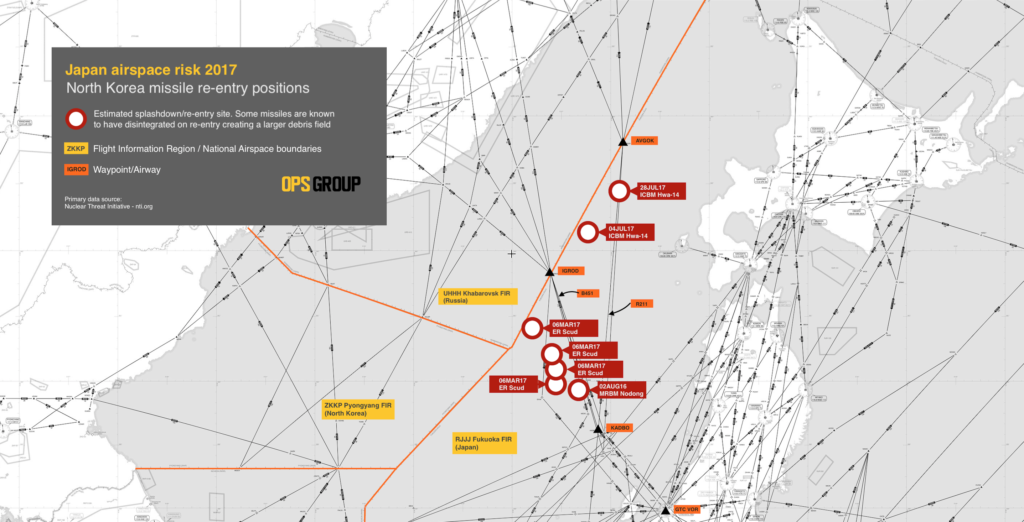
Click for larger version.

Advice to operators

  • Consider rerouting to remain over the Japanese landmass or east of it. It is unlikely that North Korea would risk or target a landing of any test launch onto actual Japanese land.
  • Check routings carefully for arrivals/departures to Europe from Japan, especially if planning airways which connect with the UHHH/Khabarovsk FIR at waypoints IGROD and AVGOK.
  • Read OPSGROUP’s Note To Members #30: Japan Missile Risk published in Aug 2017.
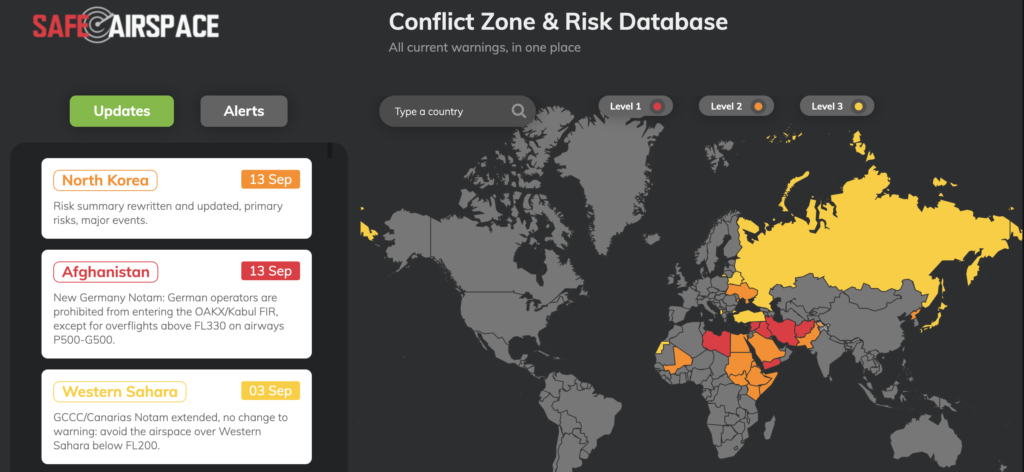
  • Monitor safeairspace.net for latest updates to airspace warnings issued for North Korea.

Cathay crew witness missile re-entry from North Korea

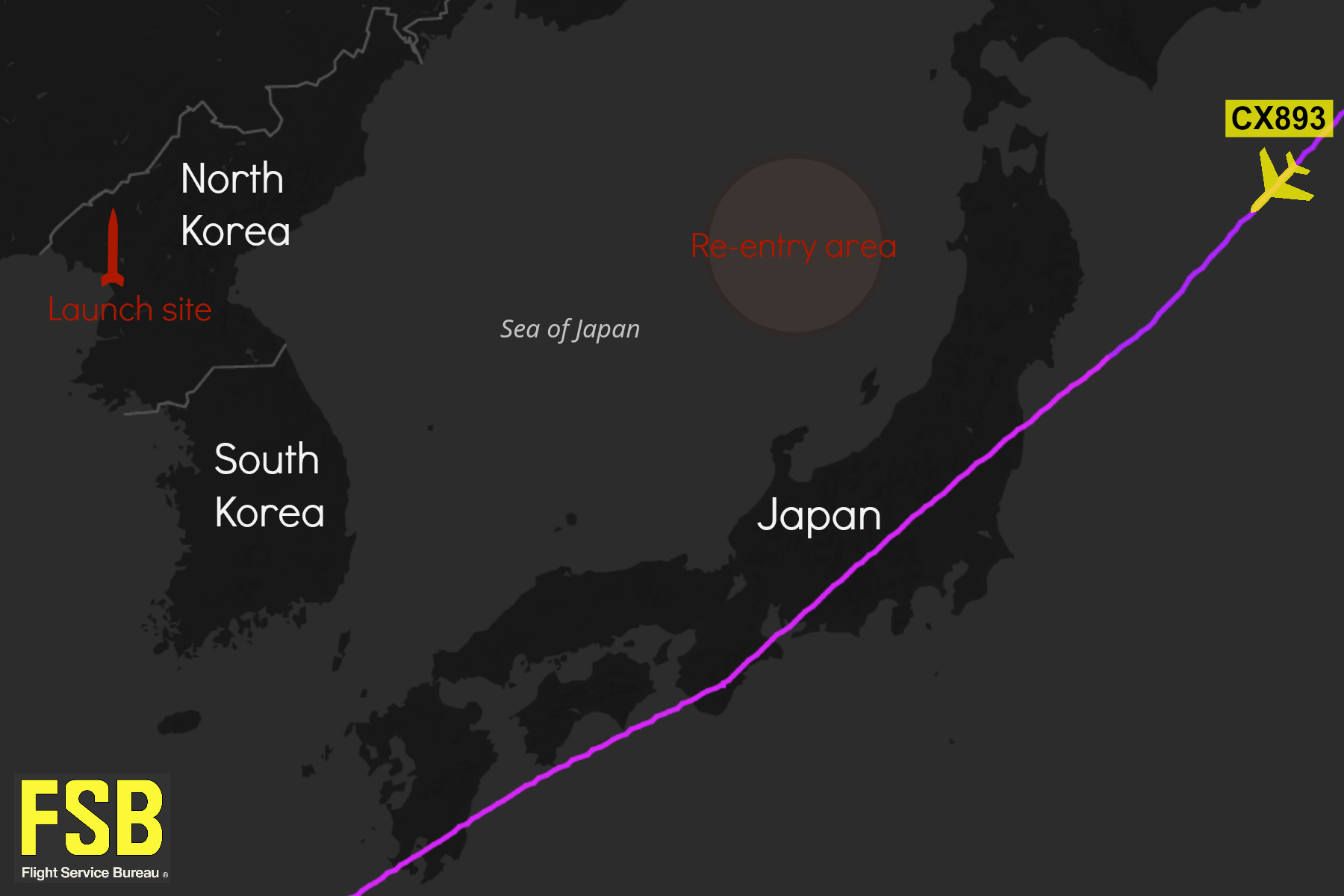
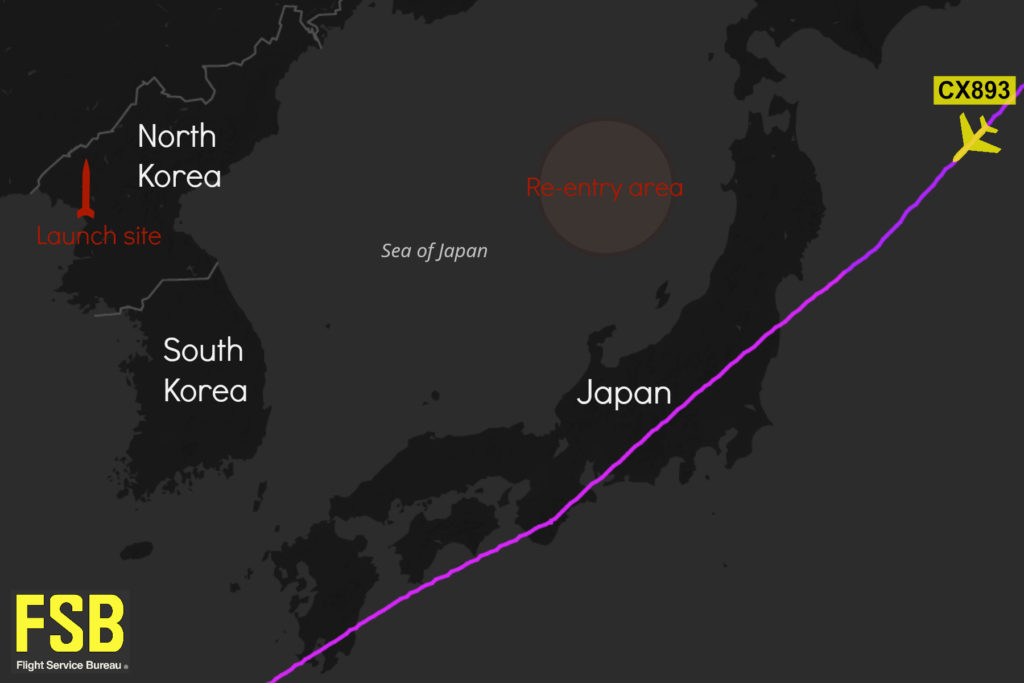
Crew onboard a Cathay Pacific flight witnessed the re-entry of North Korea’s latest missile near their position late last week. The CX893 service from San Francisco to Hong Kong on Nov 29 was over Japan at the time when North Korea launched its missile.

The crew reported: “Be advised, we witnessed the DPRK missile blow up and fall apart near our current location.”

Here’s Cathay Pacific’s full statement:

“On 29 November, the flight crew of CX893 reported a sighting of what is suspected to be the re-entry of the recent DPRK test missile. Though the flight was far from the event location, the crew advised Japan ATC according to procedures. Operation remained normal and was not affected. We have been in contact with relevant authorities and industry bodies as well as with other carriers. At the moment, no one is changing any routes or operating parameters. We remain alert and review the situation as it evolves."

North Korea’s missiles are larger, and can fly further, than the other missiles we’ve previously seen. Over the past year, most of these missiles land in the Sea of Japan, well inside the Fukuoka Flight Information Region (Japanese airspace). But as we see with this latest test, there is clearly a danger of some of these missiles not re-entering the atmosphere intact – meaning that a debris field of missile fragments passes through the airspace, not just one complete missile. If you haven’t done so already, make sure you read this: our article on why North Korean missiles are now a real threat to Civil Aviation.

This latest test is also significant because of its unprecedented altitude – 4500km (2800 miles). Experts seem to agree that if it had been fired on a standard trajectory, the missile would have been capable of traveling around 13000km (8100 miles), meaning it could have struck anywhere in the mainland US.

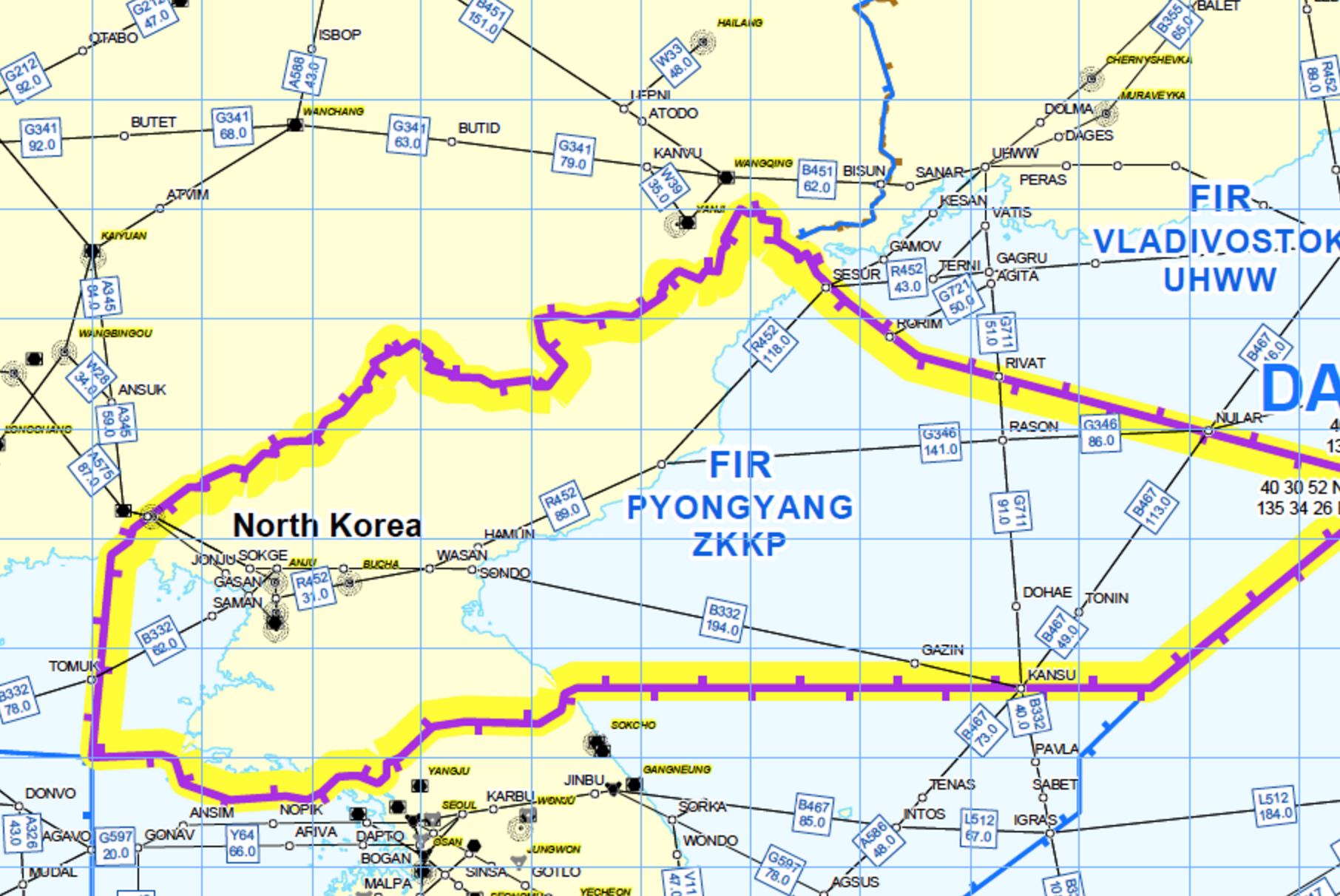
If you’re operating in the region, we recommend avoiding the ZKKP/Pyongyang FIR entirely and avoiding the affected areas over the Sea of Japan. For more info, check out Safeairspace.


North Korea overflight getting riskier

Update: FSB removed North Korea warnings on May 14, 2018

The annual posturing between the DPRK (North Korea), and the US/South Korea, follows a fairly regular pattern each year. The cycle involves escalating threats (by both sides), a cooling off process, a long period of nothing, and then a resumption of threats. History tells us that there is nothing to fear, because this is always the way it works on this peninsula, but then a slightly less micro view also tells us that we don’t always make the correct risk assessment.

Prior to MH17 (B777 shootdown, Ukraine), our view of missiles in the commercial aviation community was a little casual.  Post-incident, the rule of ‘overflights are safe’ as a standing principle was removed,  and suddenly a whole lot more interest was applied to what was going on underneath the airways, even if we were up at FL350.

In specific terms, over the last fortnight, North Korea has been launching short and medium range missiles like they are going out of style. Nobody in Pyongyang has any intention of aiming them at civil airliners, but the objective is not where the risk lies. Late last year when Russia fired 30+ missiles into Syria, at least 5 of them went off course (including way above where they should have flown).

This wayward tracking is the greater part of our concern, for all flights within the Pyongyang FIR (ZKKP). Most international overflights are using the North-South airways over water to the east of the landmass, and it’s worth considering that the missiles launched in the last week have been directed out over the sea in this direction (not coincidentally in the direction of Japan, who isn’t on the DPRK Christmas card list either).

US Operators are in any case restricted by SFAR79, but everyone else should be keeping a close eye on their North Korean overflight plans. (If this hasn’t put you off, you can read the full North Korea overflight permit requirements).

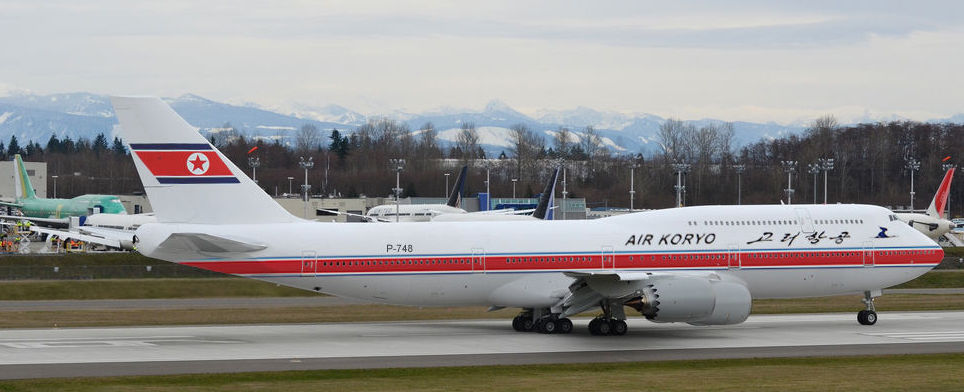
Air Koryo B747-8