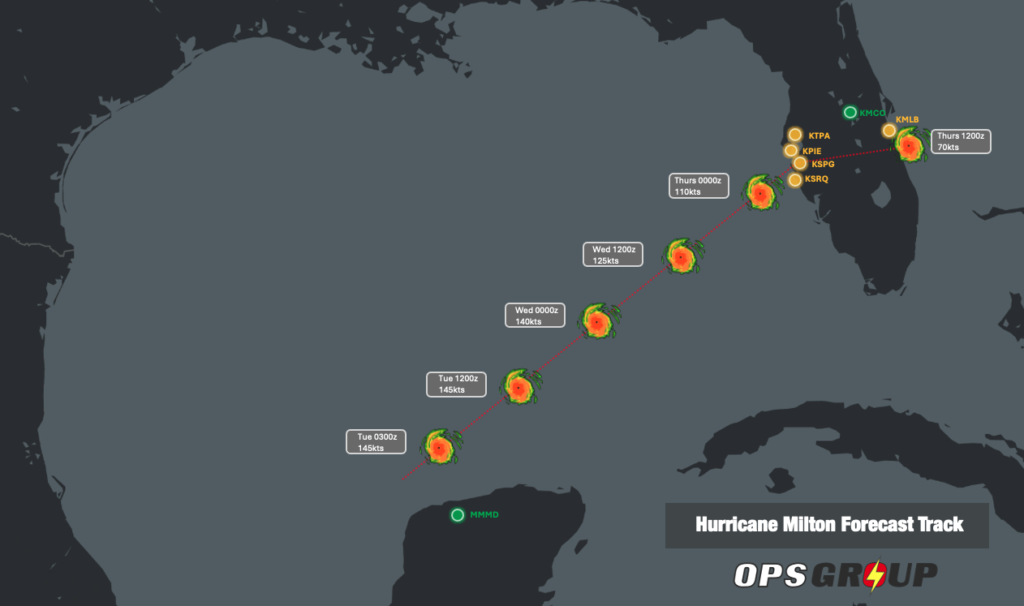
Hurricane Milton – Florida Under Warning

** Final Update Oct 11, 0500z.

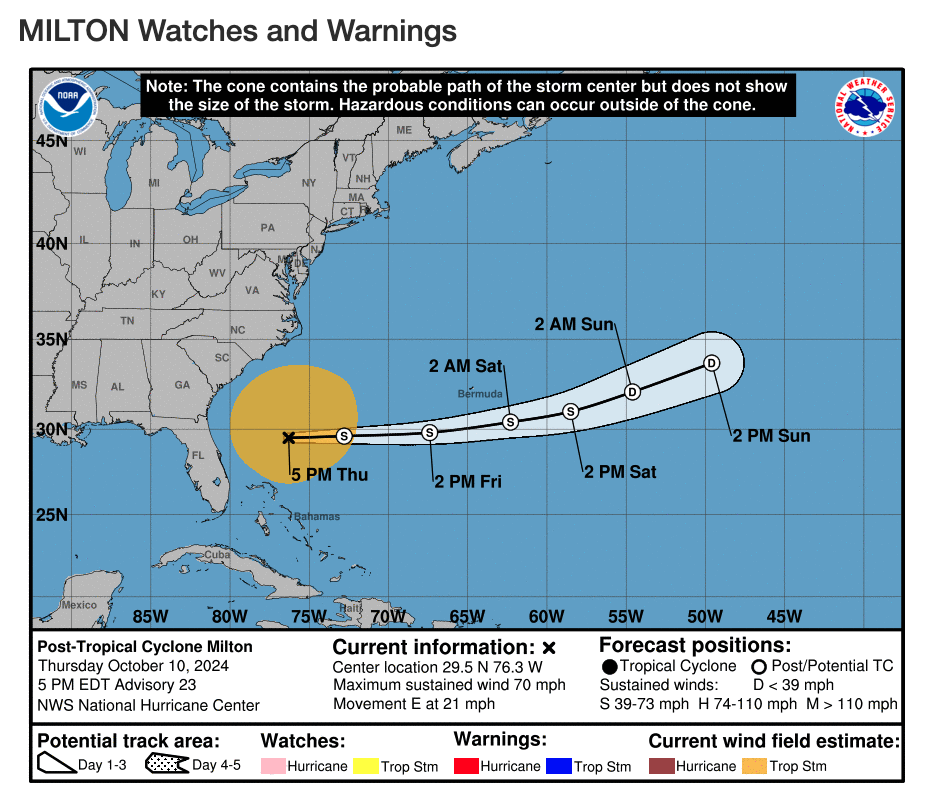
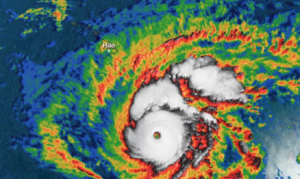
Hurricane Milton has now weakened into a tropical storm and is headed away from Florida into the Atlantic. It will pass south of Bermuda on Oct 12 but with little to no impact expected at TXKF/Bermuda. Damage assessments at airports are still underway.

Here is a summary of the current situation as at 0500z Oct 11 – unless things change, this will be our last update on Milton.

Mexico

The Northern Yucatan Peninsula is no longer under any active storm warning or advisory.

The only aviation impact was to MMMD/Mérida which re-opened on Oct 8 – no significant damage was reported.

Gulf Routes

Gulf route closures as a direct result of Hurricane Milton have now finished.

Florida

The worst is now over for Florida – Milton is tracking eastwards away from land and into the Atlantic. Most airports are planning to reopen today (Oct 11), however damage assessments are still ongoing so Notam timings may change or be extended.

Airport Closures

KTPA/Tampa                                          Re-opening Oct 11, 1200z (est.)

 KPIE/St.Pete-Clearwater               Re-opening  Oct 11, 2000z (est.)

KSPG/St.Petersburg                          Re-opening Oct 12 1600z (est).

 KSRQ/Bradenton                                Re-opening Oct 12 1000z (est.)

 KMCO/Orlando                                     Open *Fuel limited, check availability.

 KMLB/Melbourne Orlando              Re-opening Oct 11 1300z (est.)

The FAA has now finished its telcon briefings for Milton.

Stay Informed

For live operational updates, keep an eye on the FAA NASS website which will be updated constantly as Milton passes.

The National Hurricane Center will provide accurate forecasts and tracking info here.

Have we missed something? If you have an update to share regarding airport or airspace status, please reach out to us via news@ops.group.


Hurricane Beryl

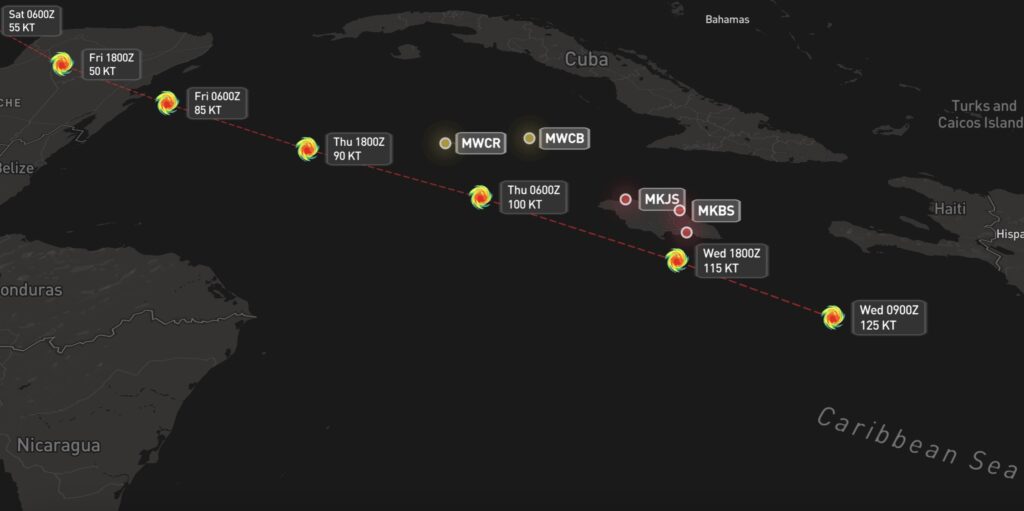
The OPSGROUP Hurricane tracker is now active for Hurricane Beryl, which is on track to hit Jamaica on Wednesday, with sustained winds of 110 kts. A hurricane warning has been issued for the entire country, along with the Cayman Islands. 

Click here for the interactive map.

MKJP/Kingston and MKJS/Montego Bay are already closed.

Further west, MWCB/Cayman Brac and MWCR/Grand Cayman will close on Wednesday at 1500 and 1800 local.

The Hurricane Beryl Situation Report is being updated as airports close, and will have information on reopening.

There has been significant damage to airports in St. Vincent & the Grenadines post-Beryl, and all are now focused on relief operations. TVSA/Argyle is open and operating for relief flights, the smaller ones (TVSB/Bequia, TVSC/Canouan, TVSU/Union & TVSM/Mustique) have different degrees of infrastructure damage and are closed other than for specific relief operations.

If you have an update to share regarding Airport Status for any affected airports, please use the link below or email news@ops.group.


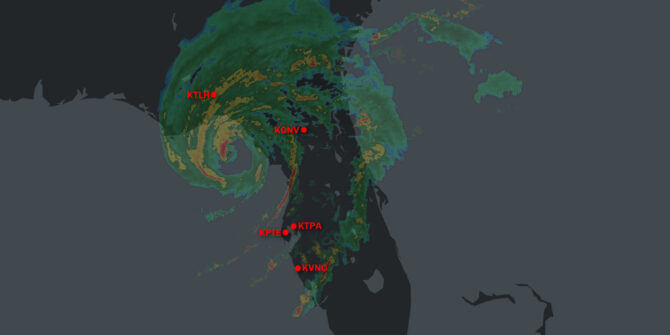
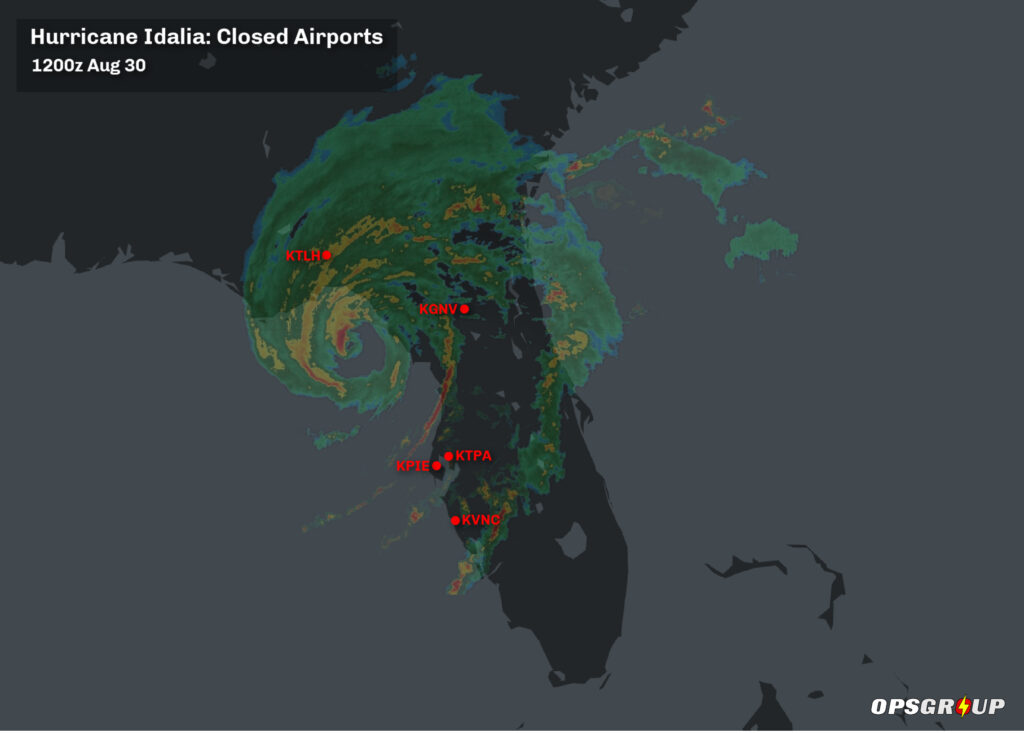
Hurricane Idalia: Florida Airport Closures – 1200z Aug 30

Key Points
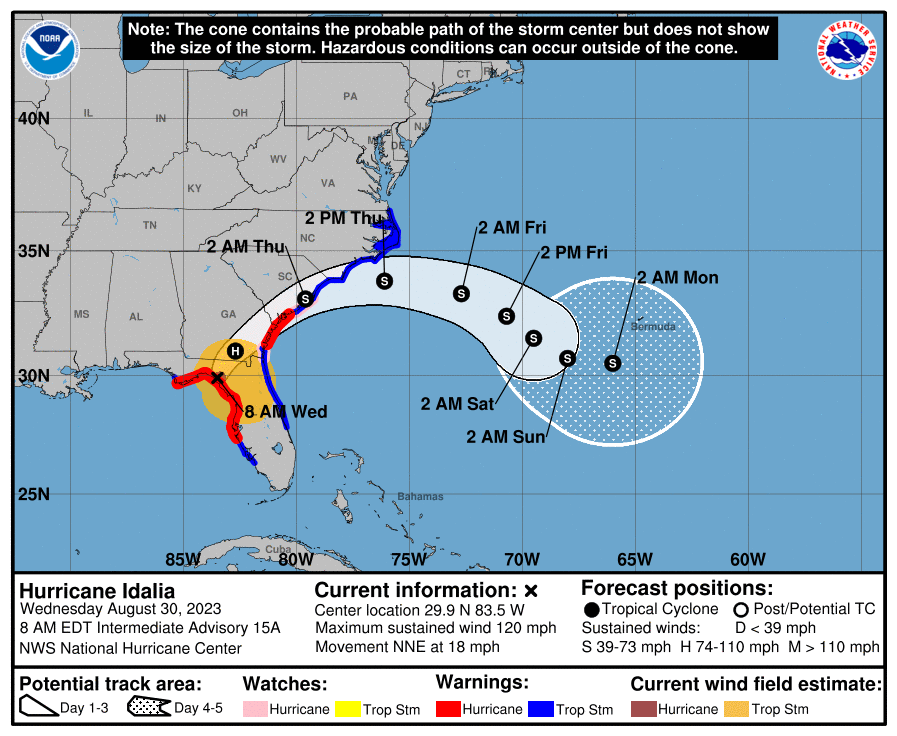
  • The forecast for Hurricane Idalia has been upgraded. It is now expected to be a Category 4 hurricane when it makes landfall over Florida’s northern panhandle on Wednesday morning.
  • Several airports are closed: KTPA/Tampa, KPIE/St Pete-Clearwater, KVNC/Venice, KTLH/Tallahassee, and KGNV/Gainesville. Expect closures to be announced at other airports in the region too.
  • Hurricane warnings have been issued for the majority of the state’s Gulf Coast.

National Hurricane Center’s Advisory, issued 1200z Aug 30:

At 800 AM EDT (1200 UTC), the eye of Hurricane Idalia was located by
Tallahassee radar near latitude 29.9 North, longitude 83.5 West.
Idalia is moving toward the north-northeast near 18 mph (30 km/h). A
north-northeastward motion is expected through the morning, with
Idalia's center forecast to move into southern Georgia later today. 
Idalia is forecast to turn toward the northeast and east-northeast, 
moving near or along the coasts of Georgia, South Carolina, and 
North Carolina late today and Thursday.

Maximum sustained winds are estimated near 120 mph (195 km/h) with 
higher gusts. Idalia is a category 3 hurricane on the 
Saffir-Simpson Hurricane Wind Scale. Although Idalia will weaken 
further now that the center is inland, it is likely to still be a 
hurricane while moving across southern Georgia, and near the coast 
of Georgia or southern South Carolina late today. Idalia is forecast 
to be a tropical storm while moving near the coasts of northeastern 
South Carolina and North Carolina tonight and on Thursday.

Hurricane-force winds extend outward up to 25 miles (35 km) from
the center and tropical-storm-force winds extend outward up to 175
miles (280 km).

The minimum central pressure is 950 mb (28.05 inches) based on 
aircraft data.

Water levels along the coast of the Florida Big Bend continue to 
rise rapidly. A NOAA National Ocean Service tide gauge at Cedar 
Key, Florida, recently reported a water level of 6.2 feet above 
mean higher high water, which is an approximation of inundation in 
that area.

Airport Closures

Several airports across the region will close for the passage of the storm. Here are the ones we know about as of 1200z on Aug 30:

And here are the Notams that carry the announcements of the closures:

KTPA/Tampa
08/255 – AD AP CLSD EXC EMERG ACFT AND MIL OPS AND LIFE FLT. 30 AUG 12:10 2023 UNTIL 30 AUG 21:00 2023. CREATED: 30 AUG 12:10 2023

KPIE/St Pete-Clearwater
(A0740/23) – AD AP CLSD. 29 AUG 19:00 2023 UNTIL 30 AUG 19:00 2023. CREATED: 28 AUG 17:27 2023

KVNC/Venice
08/354 – AD AP CLSD. 30 AUG 11:57 2023 UNTIL 30 AUG 18:00 2023. CREATED: 30 AUG 11:57 2023

KGNV/Gainesville
(A0547/23) – AD AP CLSD EXC EMERG ACFT AND LIFE FLT AND MIL OPS AND SKED ACFT 1HR PPR 352-262-6691. 30 AUG 10:45 2023 UNTIL 31 AUG 02:30 2023. CREATED: 29 AUG 21:03 2023

KTLH/Tallahassee
(A0665/23) – AD AP CLSD EXC EMERG ACFT AND SAR AND MIL OPS AND LAW ENFORCEMENT AND CARGO 1HR PPR 850-891-7830. 30 AUG 03:00 2023 UNTIL 31 AUG 08:00 2023. CREATED: 29 AUG 16:24 2023

More info

  • Cyclocane have a tracker page for the hurricane here, which includes tracking map and source info from the National Hurricane Center.
  • The FAA have a page on airport closures here. They have activated telcons for Idalia at 1230Z and 2200z each day – you can find dial in deets on the NASS website.
  • The NBAA have a page on the hurricane here, which includes airport closures, equipment shutdowns, and route info.

If you have any additional info to add, please email us at news@ops.group


Hurricane Season Approaching: What’s in store for 2023?

Summer is coming in the Northern Hemisphere and so is the next Atlantic hurricane season, which runs from June to November.

But for the first time in eight years, experts in the US are saying it’s not going to be too bad this year – or rather, they are predicting a “near-average” hurricane season…

The 2022 season saw 14 named storms, eight hurricanes and two major hurricanes – which is actually pretty near average.

The worst of these was Hurricane Ian, which hit Florida at the end of September as a Category 4 major hurricane, tracking right across Florida before making a second landfall in South Carolina.

The two surprising things about the 2022 season were the lack of any storm in August (a time when Atlantic storm activity normally starts to increase), and the formation of three hurricanes in November (Lisa, Martin and Nicole) – right at the end of the hurricane season.

Here’s an animation of last year’s season’s highlights, thanks to the NOAA:

What does 2023 have in store?

CSU Tropical Weather & Climate Research have released their prediction for this season. Here’s the lowdown:

  • Good news: “El Niño is virtually assured in the next couple of months” – meaning that increased winds from the Pacific will blast across into the Caribbean and Atlantic and help tear apart hurricanes as they try to form.
  • Bad news: Warm waters in the tropical Atlantic are at “record levels in the eastern part of the basin” – meaning that ideal hurricane conditions are in place which will counteract some of the El Niño effect.

So although they say to expect a “near average” season, they really don’t know yet which way it will go. Or to put in proper met speak: “Given the conflicting signals between a potentially robust El Niño and a much warmer-than normal tropical and subtropical Atlantic, the team stresses that there is more uncertainty than normal with this outlook.”

Southwest hurricane season

This isn’t specifically a “northern hemisphere” thing because it affects countries both sides of the equator. Similar to the Atlantic season, it generally runs from June through September.

India, Pakistan, Sri Lanka, Myanmar, Bhutan, Bangladesh, Nepal, Cambodia, Laos, Thailand, the Philippines, and Vietnam are generally the most affected, although some of the nastier storms can track pretty far south.

Tropical systems bringing nasty weather, heavy rain and often strong winds are also associated with the season. You’ll find these forming in spots like the Arabian Sea, Bay of Bengal, and northern Indian Ocean.

The main impacts?

  • Airport operations can often become the biggest nightmare for a pilot. Weather conditions will often shift as the storm moves through, so there may be windows where the wind is aligned with the runway, but don’t let the lack of crosswind fool you, as the turbulence and wind shear caused by the high winds will still present a considerable problem for your approach.
  • Airports near the storm will often become full due to diversion traffic – so be on the lookout for Notams which often prevent their use as a planned alternative. Some regional airports might close to arrival traffic when they are filling up, so having fuel for an alternate some distance from the storm is handy.
  • Be on the lookout for Notams affecting entire airways. In addition, there are often LSWDs (Large Scale Weather Deviations), and FIRs will modify route availability to assist their aircraft management.
  • Carry extra fuel. This is especially true for those ultra long range flights. Weather at the time of your departure may be forecast OK. However, 12 hours is a lifetime for these storms, and the airport, which you thought would be OK, could be the storm’s firing line. Fuel will give you options.
  • Be mindful of aircraft limitations and aware that ATC may not pass on info if they’re busy. Ask the approach controller how many aircraft have made successful landings in the past 30 min, just to help create a picture of how things are on the ground.
  • After storms pass, the local region can be isolated due to flooding and damage. Power and water are often cut off, and essential services may be limited. For airports, manpower and fuel could be an issue, so FBOs/handlers may not be able to assist with your arrival for days after the storm has passed.

Understanding the forecasts

During hurricane season, some terms get thrown around that aren’t always that clear.

Especially:

  • The difference between a storm and a hurricane.
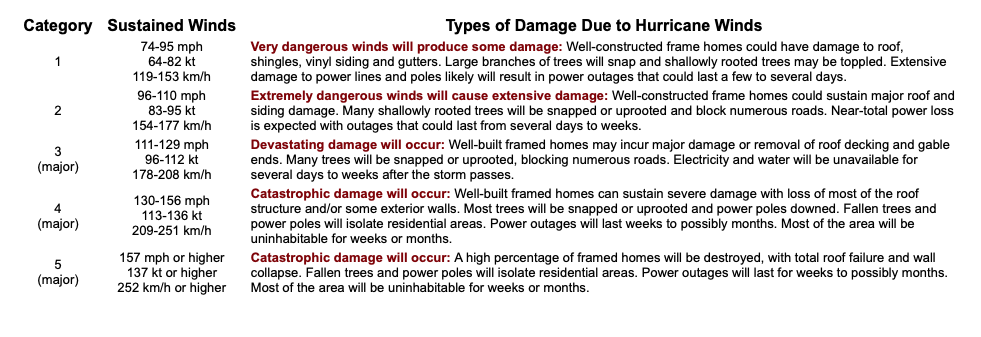
  • What categories actually mean.
  • The actual effect of these categories on the ground.

Hurricanes are measured on a 5-point scale. The bigger the number, the more destructive it will be. Here’s a handy little graphic, courtesy of the National Hurricane Center:

https://ops.group/blog/wp-content/uploads/2021/04/SSHWS_animaton.mp4


Getting good intel

Keep an eye on the FAA OIS website and NOAA website.  When new storms form, daily telcons are activated that anyone can dial into. They provide up-to-the-minute operational updates on airports and airspace.

Prepare to help!

After a disaster, we know that knowledge is critical. Getting good information to relief workers literally saves lives – which is why OPSGROUP established Relief Air Wing. It is a team of OPSGROUP volunteers who come together in the aftermath of these storms to help share information to relief agencies so that help can get through to where it is needed the most.

Our community contains thousands of skilled pilots, air traffic controllers, dispatchers and other professionals and together we can make a real difference. Head on over to the Relief Air Wing website for more info on our mission and how you can help.


Hurricane Freddy: Still going strong

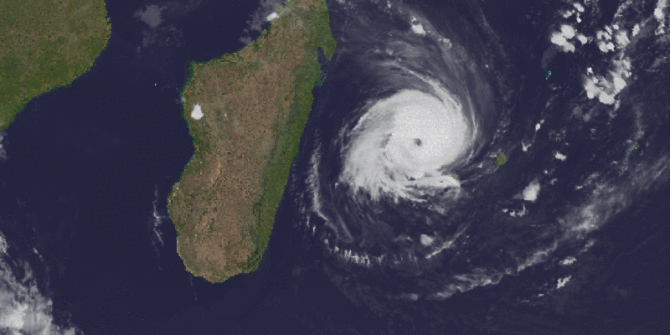
Update 7 March: Freddy has passed over Madagascar and initially deintensified, but with the warm waters of the Mozambique Channel feeding him, he is growing again. He is expected to reach category 2 levels with winds over 90knot. Landfall over Mozambique is forecast on March 11. The west coast of Madagascar, and the coastal regions of Mozambique, including FQMA/Maputo will see some bad weather for the next few days.

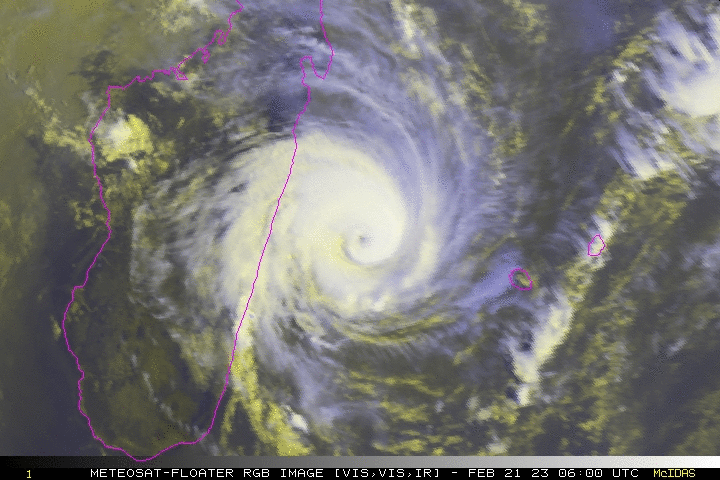
Update 21 February: Freddy is decreasing to a category 1 hurricane with wind speeds between 80-85knots. It is due to make landfall over Madagascar in the afternoon of Feb 21.


We don’t often post about tropical storms unless they are monumental and expected to cause a severe level of disruption and damage.

Freddy is fairly big, and it’s a Friday, so I figured I would give him his 10 minutes of fame.

Just how big?

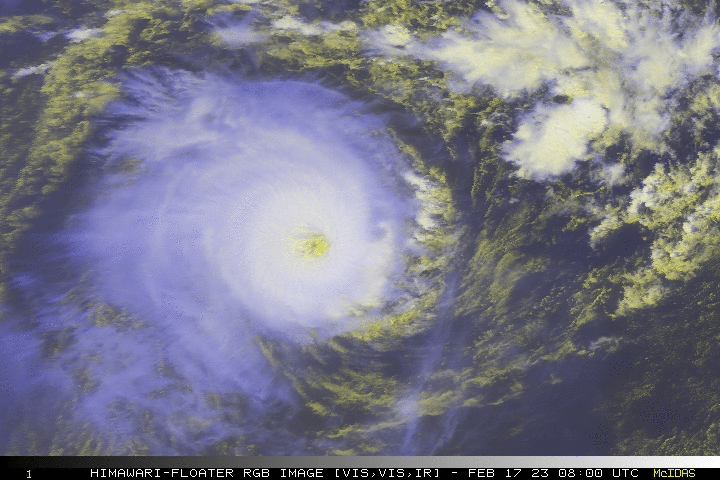
He is currently a Category 4 hurricane which means his wind speeds are topping 120 knots. The likes of Hurricane Katrina reached Category 5 levels (although she was only a 3 when she made landfall). Hurricane Harvey was a 4 when he hit Texas in 2017.

So Freddy is big, and Freddy is bad. But Freddy is also, currently, still swirling about the Indian Ocean and nothing more than a blob on your SigWx chart that you might detour around slightly.

Where is Freddy heading?

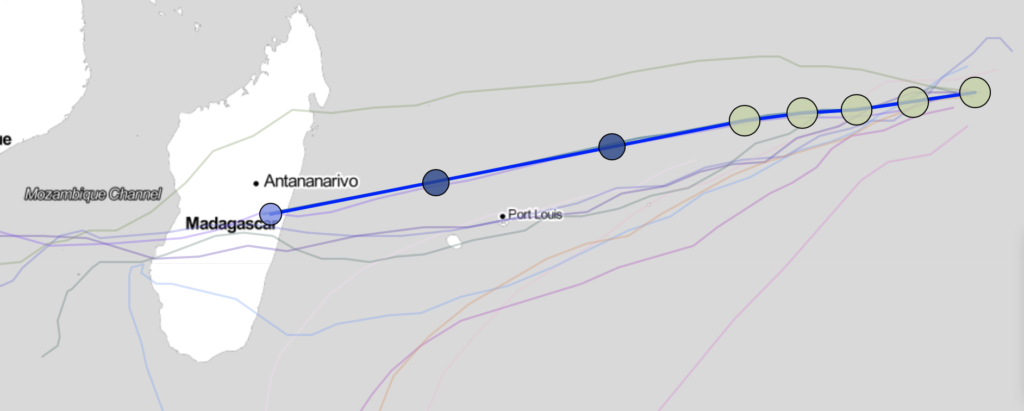
Freddy is heading west, towards Mauritius and Madagascar.

He will reach the Port Louis area in the next 2 days, and is forecast to have de-intensified to a Category 3, with wind speeds around 110 knots. The following airports will likely experience severe weather conditions as the storm passes:

  • FIMP/Sir Seewoosaur Ramgoolam (Port Louis)
  • FMEE/Roland Garros (Reunion)

Landfall is forecast around Feb 22, south of FMMI/Ivato (Antananarivo) Madagascar.

How much disruption is expected?

When Freddy makes landfall he is expected to have reduced to a Category 2 hurricane, with winds around 90 knots. However, the region lacks good infrastructure and damage may be increased because of this.

The airports in this area are relatively remote, island airports, with few diversion options (particularly if the weather is hammering them all) so plan that fuel and those alternates accordingly if you are in the region over the next few days.

Follow Freddy

You can track Freddy here.

We also recommend staying in contact with handling agents and confirming conditions with them prior to operating. Here are two contact suggestions in case you need:


2020: A Record Breaking Hurricane Season

It has been a record breaking season for the Hurricanes. We are not talking the Carolina based NHL team. We are talking actual hurricanes.

2020 has now tied with 2005 as the most active hurricane season in history. No surprise there given what’s gone on in 2020 so far.

Hurricane Zeta became the 11th hurricane of the year. It is also the earliest in a season that 27 storms have needed naming (2005’s Zeta only formed at the end of November).

2005 is still (thankfully) beating 2020 in terms of major hurricanes.

What is the difference?

‘Hurricane’ comes from an old world which means ‘god of the storm’. ‘Typhoon’ comes from the beast Typhon – a Greek monster who fathered the sphinx, Cerberus and the super lion Nemean that Hercules had to kill. The etymology of the world ‘Cyclone’ is less terrifying, but they all boil down to the same thing – 

They are fancy terms for great, big, mess-making, flash-booming, horror storms. Whether it is a Hurricane, a Cyclone, or a Typhoon just comes down to where in the world it is wreaking havoc.

Hurricanes, Cyclones, Typhoons also get individual names if they get big enough. Some of these names get retired if they cause too much damage and destruction – like Katrina in 2005.

A full list of Hurricane names can be found here.

So, what are they?

They are “large-scale, atmospheric wind-and-pressure systems characterised by a low pressure at the centre, and by a circulating wind motion”. They spin counterclockwise in the Northern Hemisphere, and clockwise in the Southern Hemisphere.

Buys-Ballot famously stated if you stand with your back to the wind in the Northern Hemisphere then the low pressure will be to your left. I wouldn’t recommend standing with your back to a Hurricane though.

These storms only get classified as a Storm if the tropical depression they form from gets mean enough – basically, winds exceeding 39 mph. If the storm’s winds exceed 74 mph it gets reclassified as a Hurricane.

Hurricane’s also get classified from 1-5 based on their capacity for damaging things.

Why does aviation hate them?

Well, mainly because of the weather they bring. The crazy winds, serious rainfall and flooding, and power outages they cause.

How can we avoid them?

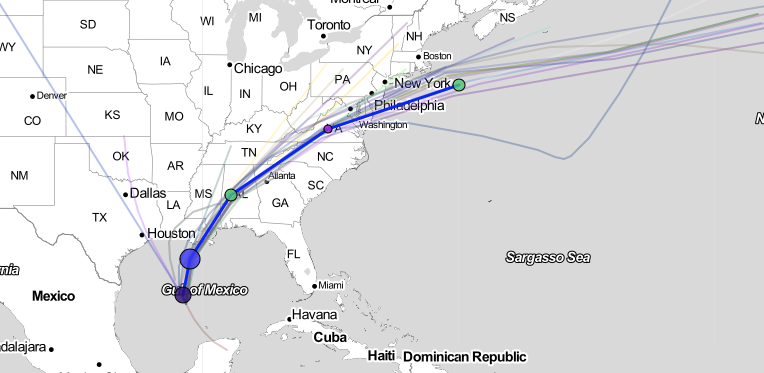
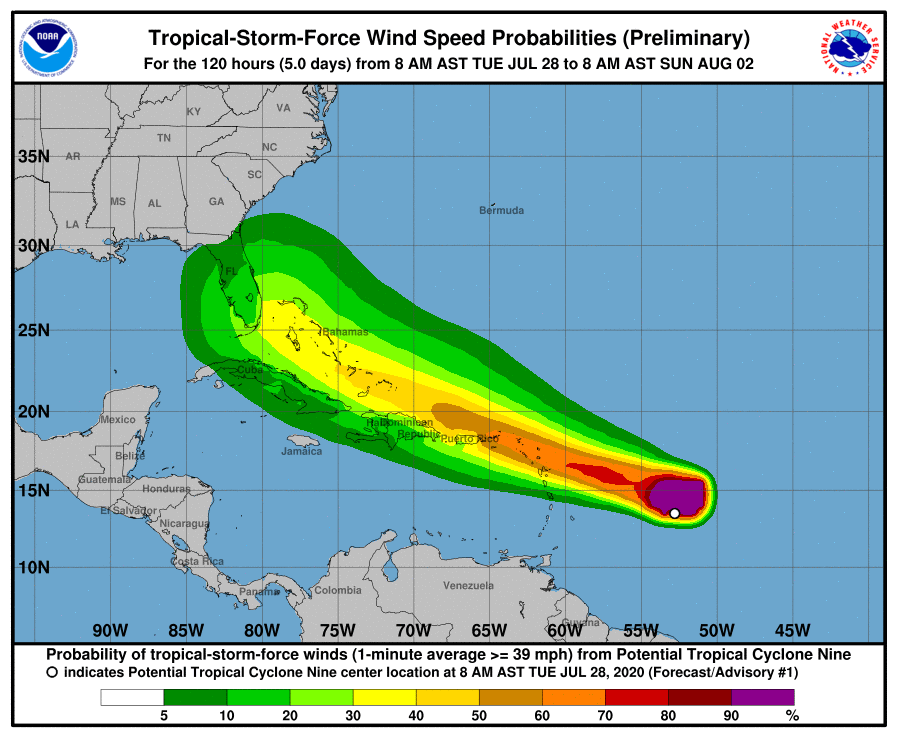
Meteorology departments track storms and try to forecast their movement. Some of the movement is based on air currents and sea currents (because hot water feeds them) amongst other things. From this they can create what are called Spaghetti models which help forecast where the storm will travel.

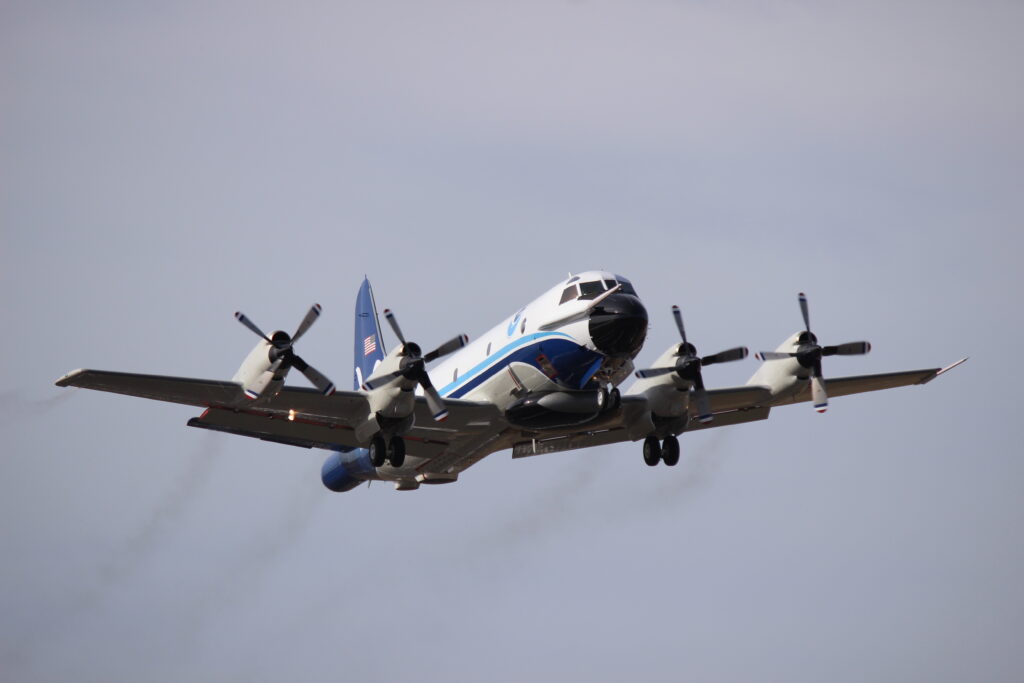
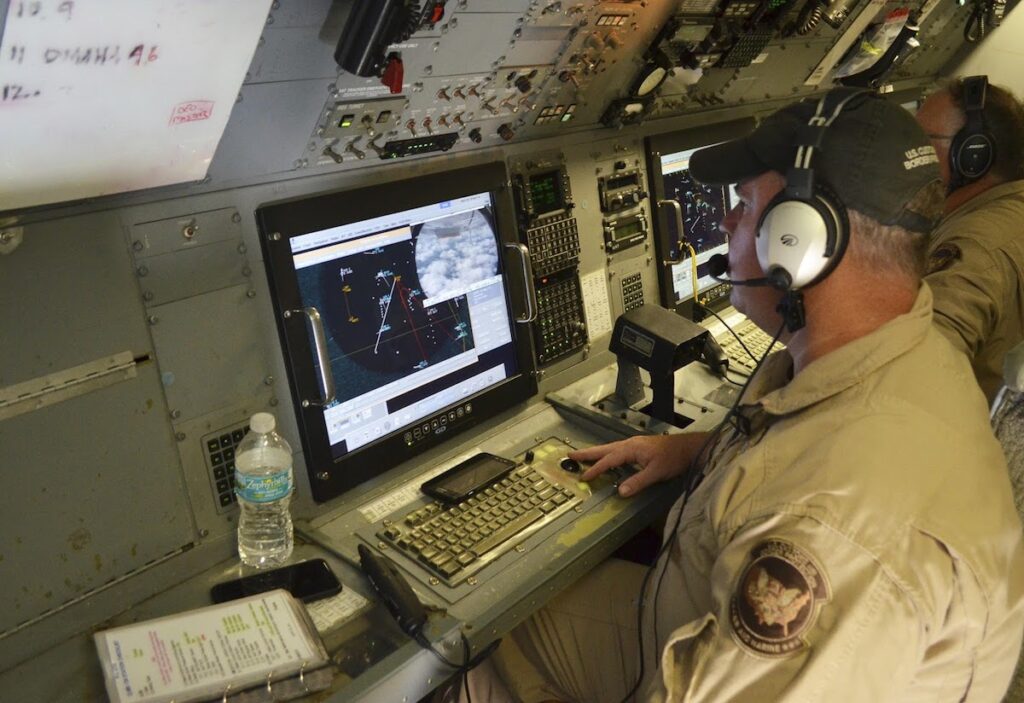
Agencies such as NOAA also (on purpose) fly airplanes into them. These Lockheed WP-3D Orion aircraft have 4 turboprops and are pimped out with probes for measuring every wind and pressure change to help scientists see what is going on inside. 

Little salute to the pilots who do those flights!

These aircraft measure everything! They have radars which can scan the storm vertically and horizontally, and can even drop probes to test the water temperature.

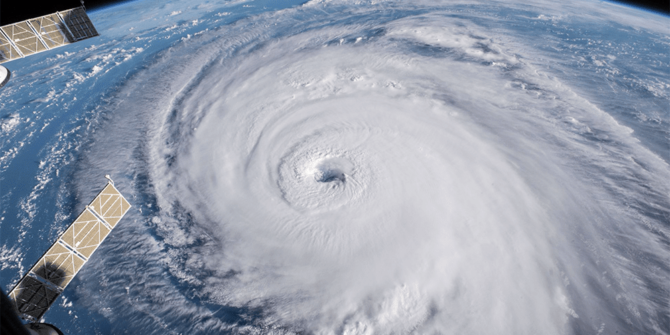
Satellites monitor storms as well, but mainly just send down horrifying photos of how massive they are.

All this information gets fed to sites, some of which we monitor…

What do we tell you?

We check a site called Cyclocane which tells us about active tropical storms, and their forecast paths. We try to give an alert about severe weather forecasts, and alerts on airports that are cancelling operations due to weather.

We also check other weather forecast sites, and NOAA for warnings on serious weather which might affect operations.

Zeta…

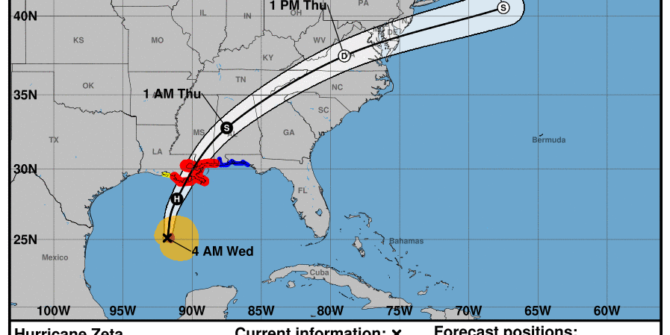
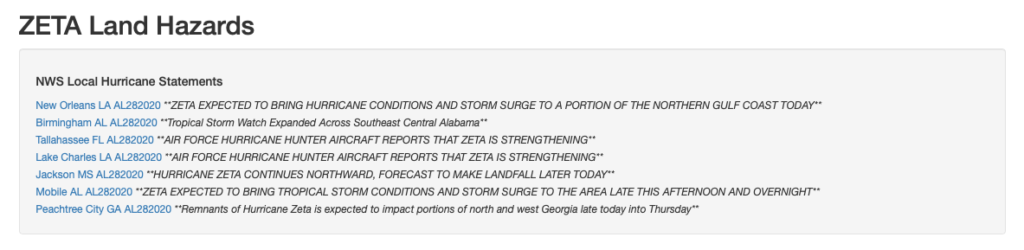
Zeta is a serious storm. Still currently over the water, it is strengthening and is expected to bring storm surges and extreme winds of over 100 mph

There are storm surge, tidal and hurricane warnings in place for Florida and Louisiana.

It is expected to turn North on October 28 or 29, and is expected to make land fall close to New Orleans late in the evening of October 28


Call for volunteers from OPSGROUP: We need flight ops people

We’re tracking this developing storm in the eastern Atlantic, which is forecast to become a tropical storm (named Isaias) in the next 24 hours – and quite possibly develop into Hurricane Isaias.

There is a huge problem this year in relief efforts: Covid. It will mean that as little as 20% of the normal relief resources are available. We want to help, and we have a request…

If you are willing to share your expertise as a volunteer, we’re looking for flight planners, dispatchers, schedulers, pilots, ops specialists, and anyone that can offer a small amount of time to help out. Very simply, there’s stuff you are good at, and it can be extremely useful in a hurricane relief situation.


Relief Air Wing: OPSGROUP helping in disaster relief

We’re making a very specific plea for help today. OPSGROUP is capable of great things, and we are focusing on how we can assist families and individuals affected by major hurricanes in the Caribbean and the Atlantic seaboard this season.

It might be next week, it might be in a month, or two – but this is already an extremely active season. Sea temperatures are extremely high – and this is the fuel for hurricanes2020 is already setting records, but the worst is yet to come.

The depth of knowledge, experience, wisdom, and compassion in this group is huge. I think we all want to help, if only we knew how. So that’s what we’re working on.

This year more than ever, the Caribbean and the Atlantic seaboard will need real help. Covid is changing the relief landscape. Relief workers will have a tough time getting in to affected countries. Many may simply not be able to travel. Priorities have shifted. For families and individuals hit by a hurricane, help will not come as easily and quickly as normal.

So, we have set up a dedicated relief organization called Relief Air Wing. Why?

Because in Hurricane Dorian, as you might remember, OPSGROUP got involved in a big way. We were able to help, but we also saw a lot of big problems how aviation worked. It was a dangerous, chaotic mess. Airspace became saturated, and there was little ATC (pilots called it the “Wild West”). Rogue pilots flew dark. Little information was known about airports. Permits were hard to get. There were streams of small aircraft, individually helpful, but overall contributing to bottlenecks and preventing larger aircraft and the USCG from doing their work. Few knew how best to help, and many just flew in based on their own assessment. There was little communication between different agencies.


The simple net result: Relief flows far more slowly than it needs to. Supplies are wasted. People devastated by the hurricane suffer longer than they need to. Pilots and aircraft at put at risk.

So, how can I help?

Please sign up with Relief Air Wing and volunteer your time and expertise.

We thought of some basic ways that OPSGROUP members can help, and these are below, but you may have ideas too, and we would love to hear them. Here’s what we’ve got so far:

Overflight and Landing Permits
Make a list of the most overflown countries and FIR’s inbound to the hurricane area. For example, if it’s Dominica, relief operators from the US might need to overfly Cuba, Jamaica, Dominican Republic, Puerto Rico. What are the rules? What are the current contacts? What documents are needed? Aim: create a briefing sheet for overflight and landing permits to get in.

Operating permission
The local CAA will set up rules around what’s required for a permit to operate in the affected area. Get this information, prepare a briefing, so that crews know how to get a permit.

Security risks 
Assess the situation on the ground. What risks – new or existing – exist for relief operators. Are airports secure? What is happening locally? Aim: A set of notes highlighting risks for relief operators.

Flight Planning routes
Build flight-plannable routes to and from affected countries and airports. Look at airway restrictions, talk to ATC create routes that can be used by relief aircraft to get in and out. From this we can publish clear lists of how to flight plan in and out. This saves time and effort, and means relief can come faster.

Travel restrictions
Once it becomes clear what country is affected, we need to act quickly to create a clear briefing on how to get in. The more we can do before the storm, the better. What are the Covid entry rules? Are there exceptions for relief workers? Can you make contact with the Ministry of Health, Foreign Affairs? The CAA?

Listen in on Hurricane Telcons
The FAA and other agencies often have hurricane telcons a few times a day when big storms are approaching, and we need someone to join those calls and make notes of pertinent info to share.

Hunt down airport situation updates
Call the airport, email them, fax them, AFTN them. Try ATC. Find the airport manager on LinkedIn. Look through twitter hashtags. Ask a friend. Ask a friend to ask a friend. Whatever it takes.

Analyse situation PIREPS
Best info comes from those that have flown in. Use your network to ask crews for PIREPs, so we can tell other relief agencies what the picture at the airport is. We have a standard PIREP form for relief operations, you can help by analysing those pireps, fact check as much as possible, and add the report to the list.

Weather analysis
Track potential hurricanes, monitor their progress, alert the group when you think it might be a big one that will hit land. Monitor for further bad weather post-hurricane.

Use Tech
Maybe you know places we don’t. Secret satellite feeds. Apps, tools … wherever you think tech can help, suggest it and work on it.

Offer an Aircraft
Your owner, company, or operation may have an aircraft that you wish to offer for relief operations. Especially useful are freighters, large capacity aircraft, helicopters, and floatplanes.

Coordinate
Help to manage the relief efforts in Relief Air Wing. Take charge of specific items, and direct and guide volunteers.

Contactors
Reach out to people on our list of relief organizations. Find out who is responding. What flights are planned. What they know. What their needs are.

Local Networks
Lead a WhatsApp group of local people. We’re setting up small local networks, connecting ATC, Airports, FBO’s, Fuellers. The aim: Get the information on the local situation out … . Help them to report on critical info: is the airport open, what are the runways like, is there fuel, is there ATC, what are traffic levels like, what frequencies are working. More about Local Networks here.

Administration
Keep the info documents, maps, spreadsheets up to date. Add new information as it comes in. Filter and remove information that is not useful. Keep things simple.

What else?
You might have ideas of other ways that our OPSGROUP community can help. There are 7,000 of us. 75% are pilots. Even with a low average of 2,000 flying hours TT, that means we have a minimum of 10.5 million flight hours of experience in the group. How do we leverage that? We also have dispatchers, flight planners, ATCO’s, tech gurus, agencies, organizations. How else can we provide support? Ideas please!


How will it work?

1. We have a dedicated Slack group for Relief Air Wing. Here, we can all talk to each other, discuss, share information. This is the hub of our work. Specific channels for flight planning, permits, weather, airport status.
2. We set up international groups to coordinate with relief agencies responding (WhatsApp)
3. We set up local networks to bring aviation contacts together on the ground (WhatsApp)
4. We will prepare simple briefings for relief operators flying in.
5. We will coordinate between relief organizations, host nation government, CAA, and the relief operators to determine where help is needed.
6. We will help to match empty seats, capacity, and offers of aircraft with relief organizations that need it.

How do I sign up and get involved?

1. Start by reading Lessons from Dorian: aviation problems in relief, and read the story of Relief Air Wing
2. Sign up to volunteer here, and your details will be added to our list of volunteers.
3. You’ll get an invite to join the Relief Air Wing slack group. Post a quick intro.
4. When a storm looks like it will hit, we’ll contact you.
5. If you’re free and available, jump in and take part. Choose the area you can help in best, and get stuck in. We’ll guide you on how to best help.


In advance, thank you for your kindness, help, and generosity. There’s no obligation to take part when the time comes if you’re not able to, but if you are able to help at all in any way, we will be very grateful to get your volunteer registration.

Also, if you know of someone that might like to get involved, it doesn’t matter if they aren’t an OPSGROUP member – the more hands we have on deck, the better. Please share, or forward this post.


The Changing Face of Disaster Relief Flying – How General Aviation (and Social Media) is Making A Huge Impact

Approximately 200 miles east of Puerto Rico at Flight Level 390, a Miami Center air traffic controller beckoned us on the radio and commanded, “Descend to 17,500 or below and squawk VFR. Good luck.” Hurricane Maria had made land fall over Puerto Rico not even 48 hours prior, and, without power on the island, there were no San Juan Center air traffic controllers to coordinate aircraft flying through their large parcel of airspace.
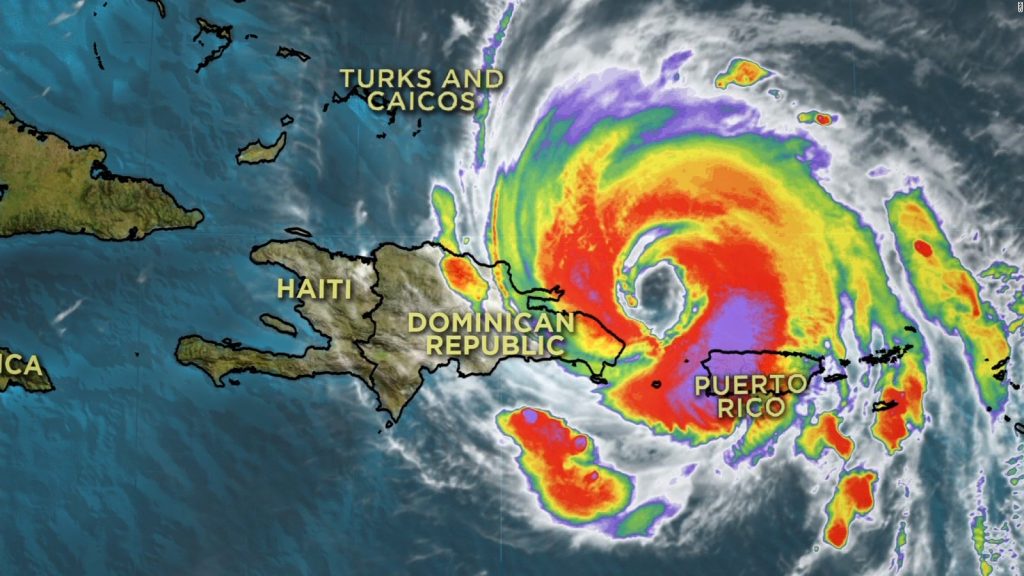
This was our flight department’s first attempt at delivering humanitarian aid into a natural disaster zone so we expected some unknowns, but this directive was a bit unnerving. We had just begun our trip only hours earlier out of Ft. Lauderdale and now ATC wanted us to fly VFR over the ocean, 200 miles off the coast of our destination? Unknowns are one of many issues flight crews face on a constant basis, but being unprepared is quite another dreaded beast. Were we in over our heads?

A Burgeoning Resource

“Before Hurricane Katrina and the earthquake in Haiti, it was rare for Part 91 and 135 operators to partake in disaster relief,” explained Robin Eissler, the founder of PALS, Patient Airlift Services. “The past 14 years have seen so much change.”

When Katrina struck, Eissler began working with other flight department managers and dispatchers through the NBAA’s Airmail system to figure out a way to coordinate a general aviation response to the disaster. This would eventually become the building blocks for the HERO (Humanitarian Emergency Response Operator) Database, the NBAA’s registry for flight departments seeking to assist in such emergencies. “In terms of our HERO Database, we help to connect the aviation resource (airplane or other individual volunteer) with the relief organization best able to utilize that asset,” said Douglas Carr, Vice President, Regulatory and International Affairs of the NBAA. “Business aircraft can fly on short notice into airfields in which many airliners and cargo planes cannot.” The HERO program works closely with many humanitarian groups, especially Eissler’s PALS.

Shortly after Eissler formed PALS, the earthquake in Haiti struck. She described the general aviation humanitarian response as the grand experiment, “The government response was limited initially. The airlines shut down, and, other than military aircraft, corporate aircraft became a major source of delivering aid. We had over 1,000 flights for food and medical supply drops as well to evacuate the injured.”

In those early trials of PALS and the HERO Database, social media was a major asset. “We had a 13-year old girl in Haiti hit by a bus just after the earthquake and doctors said she needed an immediate evac,” recalled Eissler. “There were strict slots to get into Port Au Prince, and we had a G5 in Connecticut set to depart to get her when it had an engine issue. We immediately posted a need for help on our registry but also on Facebook. Five minutes later a Pilatus pilot just getting ready to leave Haiti posted that he had some room on the aircraft for her. She was delivered to the plane in critical condition laying in the bed of a pickup truck. But she’s alive and well today. Many might think social media is silly, but it can save lives.”
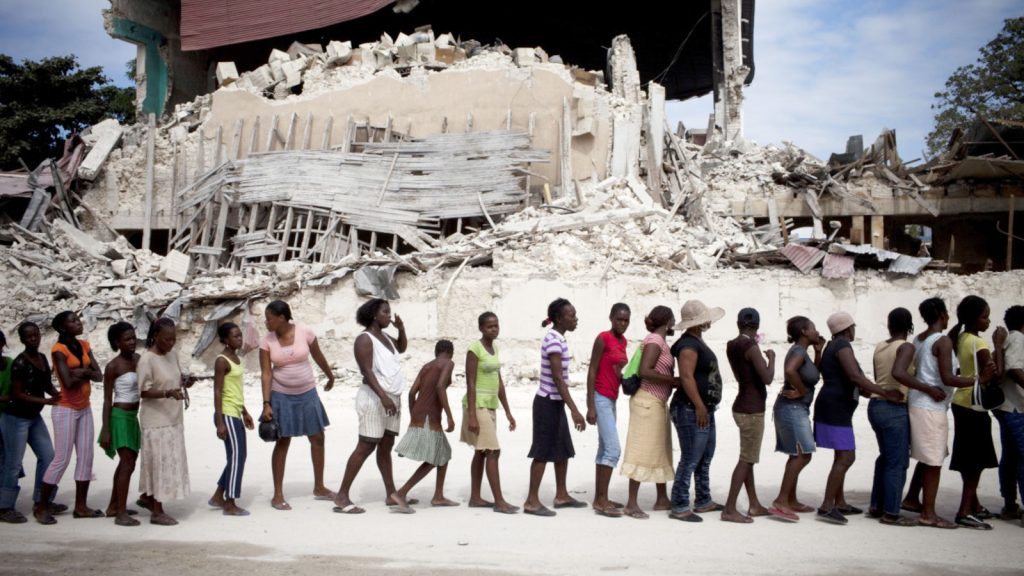
Now that the registries have been tested through further natural disasters, pilots and dispatchers can easily log-in and quickly see what requests have been posted and what missions might match their departments’ capabilities.

Haiti also played a major role in the creation of LIFT, a not-for-profit logistics provider for other NGO’s. It’s founder, Michael Rettig, spent over 30 years in the freight forwarding business. As he assisted in Haiti’s humanitarian response he saw what potential general aviation aircraft had to offer to such a response but also witnessed the lack of organization and preparation.

Rettig thrives on the efficiency of the supply chain and now applies his logistics experience to disaster relief through his organization. “60%-80% of every dollar spent on humanitarian aid used to be spent on logistics. That was way too inefficient,” he explained. “There’s a need for general aviation in humanitarian relief but there was a lack of coordination.”

Large transportation companies like UPS, FedEx and Maersk formed LET’s, Logistics Emergency Teams, to coordinate disaster relief. But general aviation was lacking such coordination. FEMA’s National Response Coordination Center was willing to listen to GA advocates but there needed to be more preemptive coordination. “Too many general aviation aircraft were showing up with aid that wasn’t necessarily what was needed,” Rettig said. “Flying in a G5 filled with Fiji water is a waste of money and resources. I much rather see medications like insulin or advanced communication system components and specialized technicians that can set them up being flown in. Corporate aircraft plug into the overall response framework by delivering high value, high impact aid.” Rettig and Eissler are very familiar with each other as their organizations work hand in hand during these responses. The required aid – whether it be medical or tech oriented – can be flown in and then medical patients can be flown out.

Planning Ahead

As we flew through the Wild West of uncontrolled airspace towards Puerto Rico, talking over a common radio frequency to the aircraft both ahead of and behind us as we obsessively monitored their positions on our Traffic Collision Avoidance System, we finally entered the traffic pattern over a small satellite airport in San Juan. After landing, we tried to maneuver down a taxiway with overturned Cessnas, mangled helicopters, obliterated hangars and even a pit bull limping down the tarmac. This was definitely unexpected.
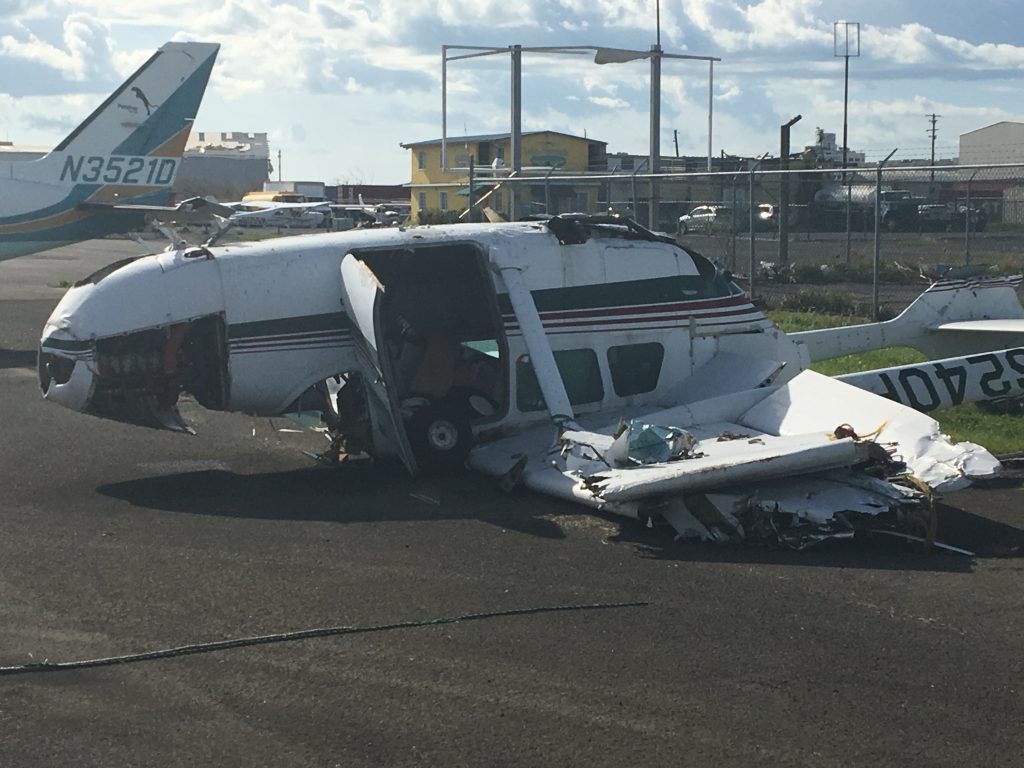
Thankfully we had one of our maintenance technicians along with us who go out of the plane and guided us safely around the strewn debris. Surface conditions of the airfield are of a primary concern when entering a disaster zone, and without power and phone communications, there may not be much information available. Having a dedicated operator on the ground is so much more helpful in determining the safety of an airfield than putting all your trust in an email from an FBO employee or a flyover to check for debris.

Zac Clancy is Vice President of Global DIRT (Disaster Immediate Response Team), a nonprofit organization made up of prior military personnel who immediately arrive in disaster zones and even pre-position themselves in areas prior to a hurricane’s arrival. “We have multiple responsibilities from restoring communication connectivity to securing and transporting aid.” Once aircraft drop off the aid, what exactly happens to it? “We’ve seen cargo planes drop off tons of humanitarian aid on the tarmac and then leave. No one takes responsibility for it, no one protects it. We unload it, take legal responsibility for it and then work with other NGO’s to deliver it,” Clancy explained. Global DIRT employees also work directly with airport tower controllers in these affected areas on getting ATC slots and clearances for GA operators. “It’s interesting, in many cases I simply walk up to the control tower, knock on the door and speak directly with the controller,” said Clancy.
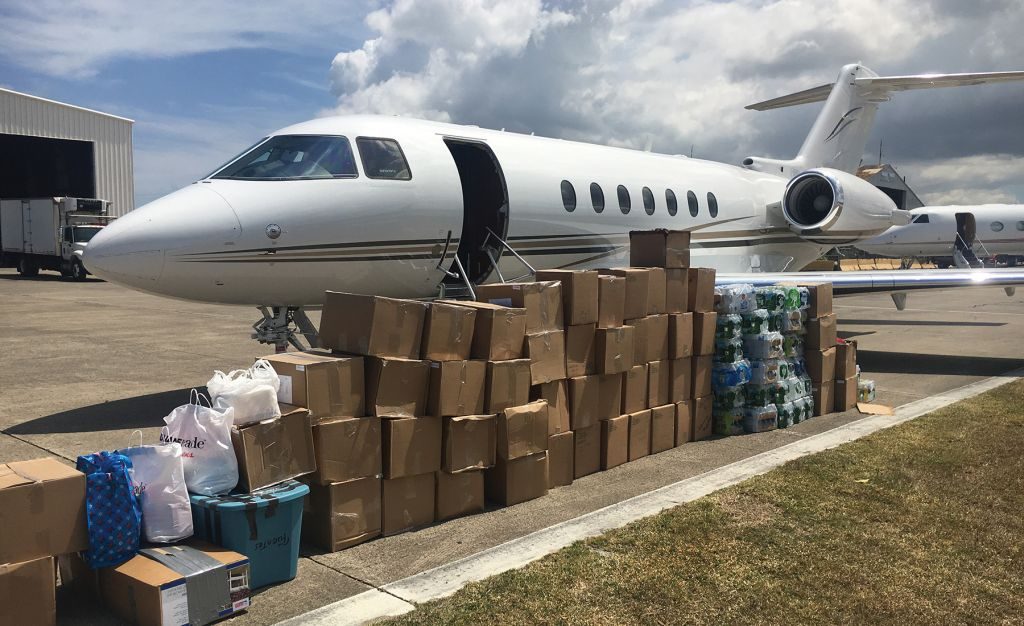
“We’ll assist you once you get here, but I highly suggest that all operators have a plan in place prior to any type of natural disaster response,” said Clancy.

As we unloaded boxes upon boxes of aid in the blistering afternoon air, we started to reexamine our original “plan”. Our dispatcher had worked tirelessly without rest since the hurricane hit to organize the flights as this type of mission was new to all of us, and she was learning on the go. “It’s the little things you don’t think of that you need to have already planned for. What are you willing and not willing to pack on the airplane? What company personnel should be permitted to go? Even, what type of packaging should be used?! Misunderstandings and miscommunications like these cause delays and headaches,” she explained. “What an aircraft owner or a corporation’s executive team may assume is possible, may not be so. Prior understanding is a key. And their understanding of the risks involved are necessary as well.” Eissler agreed, saying, “Corporate flight departments can get nervous once you start talking about safety and security and all the logistics on the ground. Working with us offers that extra layer of liability protection.” Rettig added – “If I can advise one thing, it’s to partner with a vetted organization that deals with these things. Don’t show up unannounced. No one wants disaster tourism.”

As we prepped our aircraft for departure, the skies over the small executive airport began to get congested with business jets transporting their own aid. A few go-arounds occurred and some aircraft exited the traffic pattern to manoeuvre back around to re-enter. Clear and detailed communications between flight crews were essential for safety.

As for communications on the ground, we were thankful to have a satellite phone to speak to our point of contact in the city that was delivering the aid by truck. ETA updates were necessary as NOTAM’s spelled out that all aircraft must depart the island by sundown or be stuck overnight. Thankfully, our maintenance technician had just finished dealing with an issue with our ELT as we didn’t even want to even consider the possibility of getting stuck overnight.

As we taxied to depart from our first disaster aid drop we were somewhat disappointed. We had planned on making two drops that day but delays in ATC letting us depart Ft. Lauderdale as well as delays in the actual delivering of the aid took much longer than we expected and there would be no way to make another round trip before nightfall. There was also a sense of guilt at having empty seats in the aircraft as we flew back to the mainland. Clancy couldn’t iterate enough, “The return legs of the relief flights are often under-utilized. While there is the need for aid coming in, often times there’s a need for things to go out as well: people highly in need of medical care, stranded citizens, and returning aid workers. Unfortunately, these flights back are empty because the planning wasn’t in place to know of such need.” In our situation, that would be the last time we would fly back with an empty aircraft.

Coordination

At the hotel that night, I began posting on OpsGroup about what we had witnessed, what we had learned, and what some of our concerns and misunderstandings were. The response was relieving as other operators and OpsGroup personnel chimed in with much needed info and support for the continuing flights.

Our dispatcher took her job to the next strata, and, in the ensuing days, we had much more structured missions. She coordinated with LIFT to send our own company’s disaster relief aid over in a cargo plane; no more strategic packing of goods in our corporate jet and no leaving behind of aid that was too big to fit in our plane. Whatever we needed to get over to the island could go. In exchange, Rettig coordinated a flight in which we flew technicians from a large tech company into a decommissioned naval airfield to begin fixing a specialized communication system to bring back cell coverage across the island.

There were no instrument approaches, just a government issued airport diagram. But a surprise radio contact from a Marine Corps air traffic controller aligned with a battalion sheltering in one of the decrepit hangars offered much appreciated assistance. Once again, the unexpected! As the technicians and engineers worked through the day, we could sense that this mission, which our aircraft was well suited for, may offer much more to the overall disaster response than the general aid we had delivered the day before.

The following day we flew in security and NGO personnel set up by ALANAid, American Logistics Aid Network, which works closely with LIFT, into San Juan International Airport, by then fully operational. Upon return, PALS filled the aircraft with sick and elderly personnel.
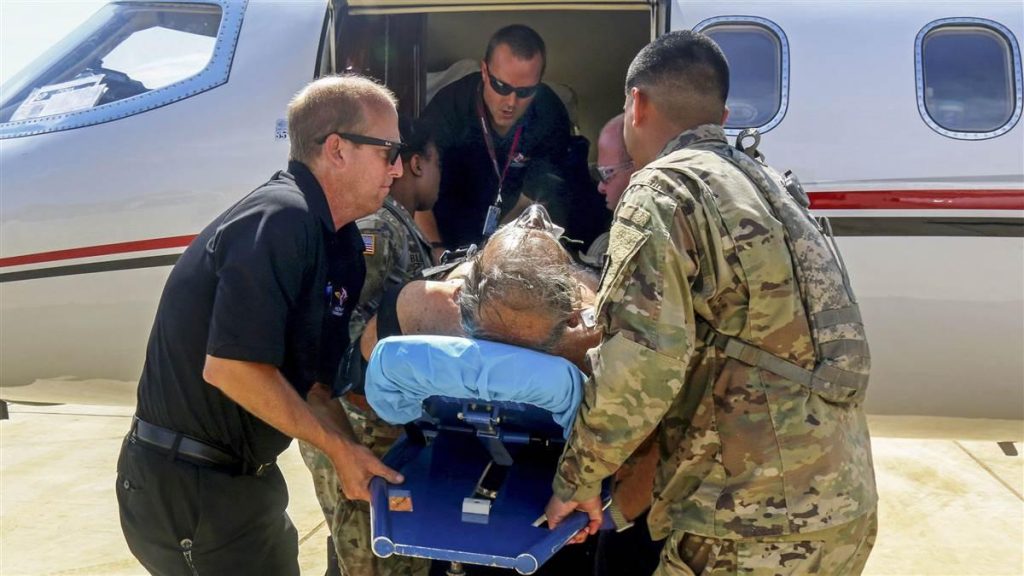
Again, we were a bit weary of what to expect as far as handling those in medical need. “As for planning, a flight department should know how they want to deal with the sick and elderly,” said Eissler. “We have you covered liability-wise, but departments have some small decisions to make beforehand – like, if they want passengers sitting up or laying down. What food, drink or medications you may want onboard. Many people don’t think of these things prior to picking up these passengers. But we point them in the right direction.”

Once we met our passengers, though, all weariness evaporated. Just witnessing their appreciation for simply taking them out of the sweltering FBO and into our aircraft’s air conditioning was heartwarming. And that would pale in comparison to witnessing them being reunited with family on the mainland.

The response in Puerto Rico made clear that there are a number of organizations that can assist a flight department in delivering disaster relief. Yet it seems to be a very small circle. They all seem to know each
other, work with each other… and, more importantly, respect each other.

It makes sense, considering the reason many of these people do this type of purposeful work. Before Katrina, Eissler was overseeing an aircraft management company.  A few years later after creating PALS, she would be getting calls from the military. “I’ve ordered an Air National Guard commander where to send his aircraft while standing in my kitchen on the phone. I’ve yelled at a commander for landing his C130’s on a runway that couldn’t support its weight. I’ve called in for a King Air to fly over a runway to check its integrity for other aircraft. And here I am – a mom in Texas and I’m making these calls!”

Rettig took a similar path; before Haiti he was working for a large shipping corporation but after coordinating a small aid flight in a friend’s PC12 to Haiti he found a passion. Now he’s handling transportation in all forms and sizes to assist NGO’s with humanitarian aid logistics across the globe. That passion underlies how many of these organizations can help general aviation departments in their effort to deliver humanitarian aid.

We continued flying into Puerto Rico for a few more days. Each day the mission changed but the logistics of the flights got easier as basic services began coming back on line. On our last flight back to the mainland to drop off passengers in Ft. Lauderdale, I walked an elderly woman with kidney failure into the FBO. After her awaiting family celebrated her arrival she hugged me with a tear smeared face. She then proceeded to FaceTime with her niece, an unmarried nurse in NYC. While holding me in the in frame of the phone’s video feed, she asked if I was married and if I’d like to meet her niece. More of the unexpected! Her hearty laugh was a great ending note on what was such a meaningful – and adrenaline filled – week of flying.

That year we would respond to hurricane aftermaths in Texas, Florida and North Carolina. And though we hope for no more natural disasters, we know better. And we look forward to helping in any way we can when they do happen. In normal operations we focus on service to ensure safe and successful business operations, the importance of which cannot be overstated. But when disaster relief becomes the business at hand, one cannot help to feel an even greater sense of purpose. Though achieving that goal can be daunting and anxiety-ridden, there are dedicated people out there to help in succeeding in that mission. And all who take part just may find enjoyment in the experience, even in the unexpected.

Resources
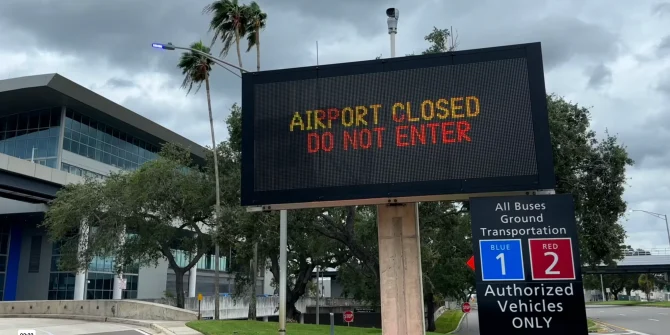

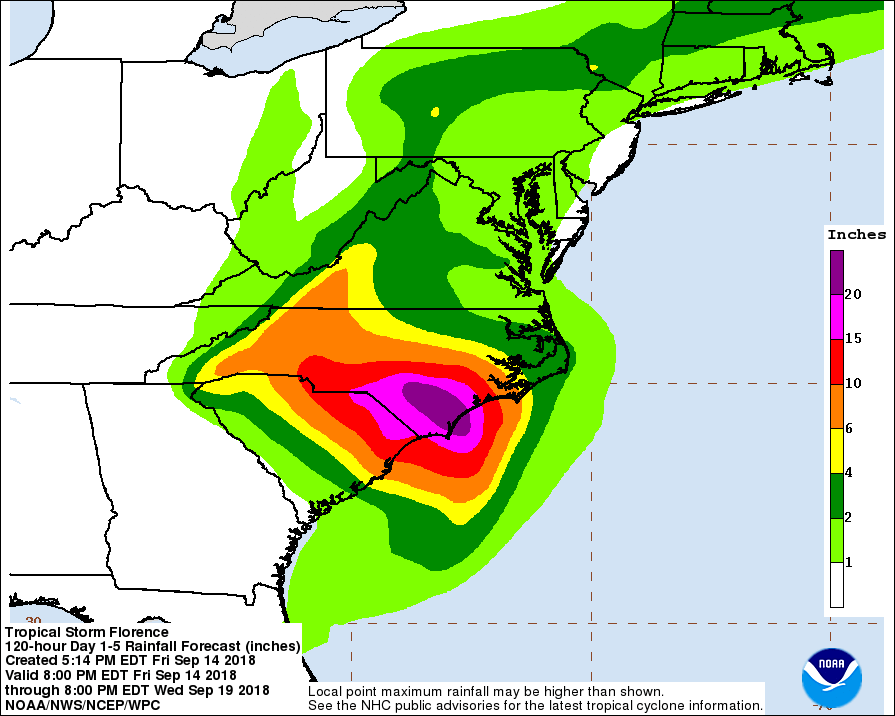
Hurricane Florence: Latest Airport closures and Operational impact

Latest update: 1900z, Sept 17th.

Most airports have reopened, with the exception of KILM and KOAJ (see below).

The National Weather Service have warned – “Florence is forecast to bring a large area of rainfall of 20-40 inches to parts of NC/SC. We cannot overstate the threat of catastrophic flooding this storm will bring!”

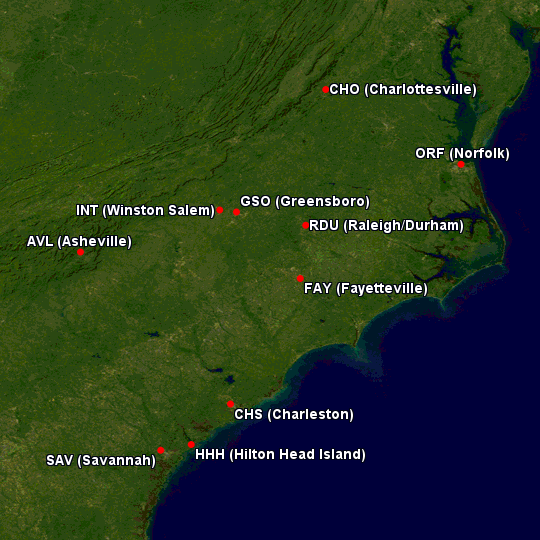
Severe disruption is expected across the entire region spanning from KSAV/Savannah in the south up to KRIC/Richmond in the north, with multiple airport closures planned.

As of 1900z on Sep 17th, the situation is as follows:

  • ASHEVILLE, NORTH CAROLINA (KAVL) @flyavlnow
    Airport is open and operational.
  • CHARLESTON, SOUTH CAROLINA (KCHS) @iflyCHS
    Airport is open and operational.
  • CHARLOTTESVILLE, VIRGINIA (KCHO) @CHOAirport
    Airport is open and operational.
  • WILMINGTON, NORTH CAROLINA (KILM) @ILMAirport
    The airport is open, but it’s not recommended to operate, no power, no ILS, no tower. One runway is open for rotor aircraft.
  • FAYETTEVILLE, NORTH CAROLINA (KFAY) @flyFAYairport
    Airport is open and operational.
  • MYRTLE BEACH, SOUTH CAROLINA (KMYR) @FlyMyrtleBeach
    Airport is open and operational, some equipment outages, keep an eye on Notams.
  • GREENSBORO, NORTH CAROLINA (KGSO) @flyfromPTI
    Airport is open and operational.
  • HILTON HEAD, SOUTH CAROLINA (KHXD)  @hiltonheadSC
    Airport is open and operational.
  • NORFOLK, VIRGINIA (KORF) @NorfolkAirport
    Airport is open and operational.
  • RALEIGH-DURHAM, NORTH CAROLINA (KRDU) @RDUairport
    Airport is open and operational.
  • SAVANNAH, GEORGIA (KSAV) @fly_SAV
    Airport is open and operational.
  • WINSTON-SALEM, NORTH CAROLINA (KINT)
    Airport is open and operational.
  • LYNCHBURG, VIRGINIA (KLYH) @lynchburggov
    Airport is open and operational.
  • RICHMOND, VIRGINIA (KRIC) @flack4RIC
    Airport is open and operational.
  • CHARLOTTE, NORTH CAROLINA (KCLT) @cltairport
    Airport is open and operational.
  • NEW BERN, SOUTH CAROLINA (KFLO)
    Airport is open and operational.
  • FLORENCE, NORTH CAROLINA (KEWN)
    Airport is open and operational.
  • PITT-GREENVILLE, NORTH CAROLINA (KPGV)
    Airport is open and operational.
  • JACKSONVILLE, NORTH CAROLINA (KOAJ)
    The airport is closed – scheduled to reopen Sept 18, accepting military and rescue flights.
  • ROCKY MOUNT, NORTH CAROLINA (KRWI)
    Airport is open and operational.

Do you know more and can add to this list? Let us know!


Extra Reading:

  • Google Crisis Map
  • You can view the latest projections and forecast maps with the NOAA here.
  • You can view the latest information from the FAA here. The latest flight delay information is here


Hurricane in the fast Lane for Hawaii

Overnight, the brewing tropical cyclone in the Pacific was upgraded to a Category 4 hurricane, and is anticipated to be a Category 5 when it reaches Hawaii.

Hurricane “Lane” is only the sixth recorded Category 5 hurricane in this part of the Pacific Ocean, and the National Weather Service is predicting that this storm is only going to intensify. This is also the nearest to Hawaii that a storm of this size has occurred, so the state has issued numerous emergency proclamations to better prepare for the potential life-threatening flash floods and storm surges that accompany a storm of this size.

This storm, if it proceeds as forecast, will impact operations into all Hawaiian airports, including PHNL/Honolulu  and PHOG/Kahului. Beyond the daily flight traffic to these two airports, they also act as major ETOPS/EDTO alternates for flights across the Central and Southern Pacific. So expect an impact in routing.

Also, post storm, there may be infrastructure damage that may limit operations for a period of time.

You can find the latest from the NOAA here.

We will update you with the latest flight operations developments as they happen.


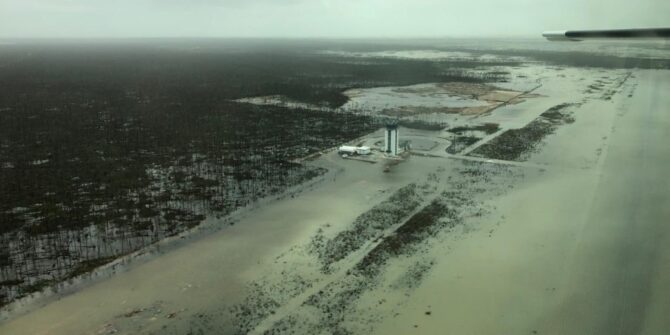
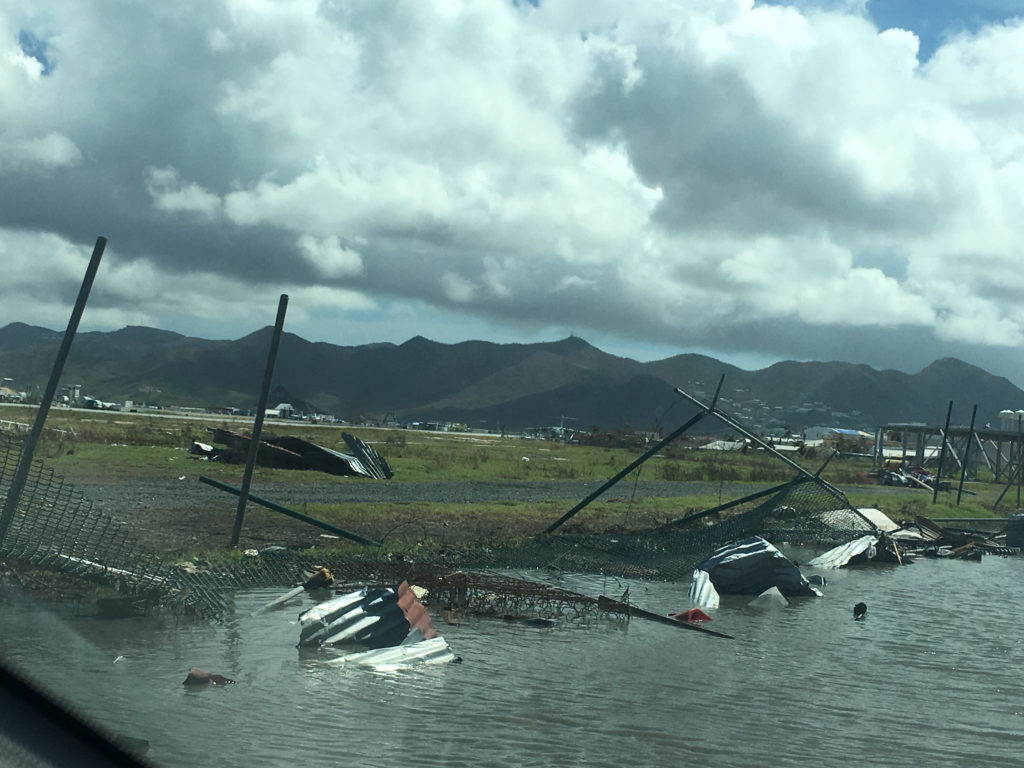
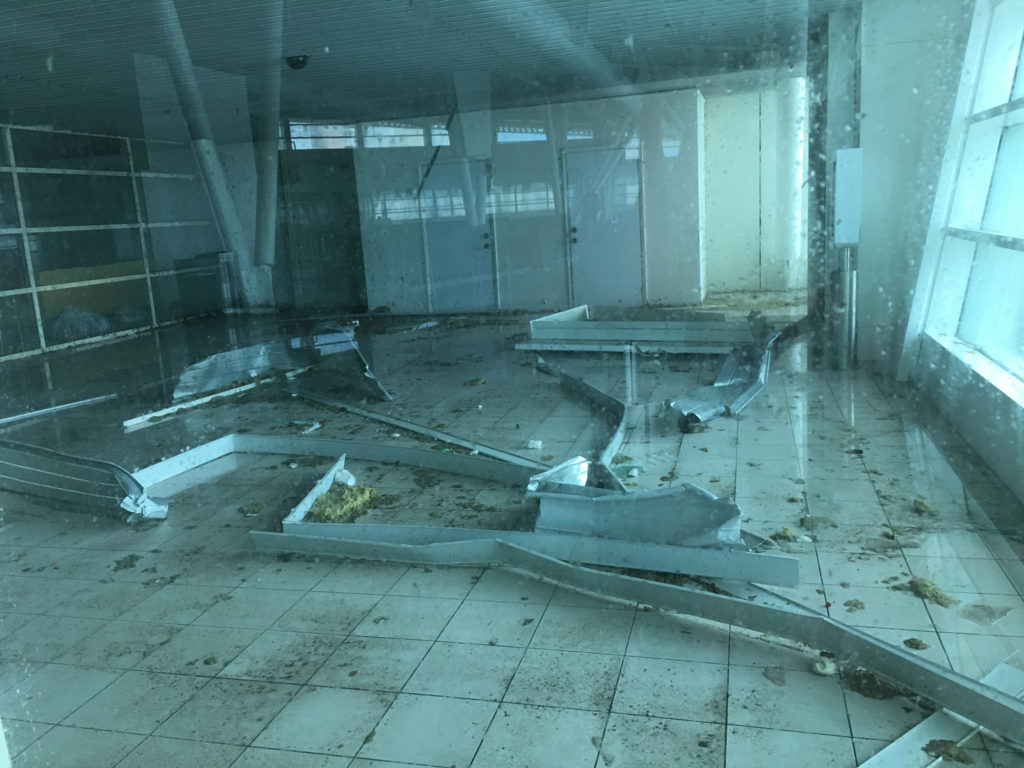
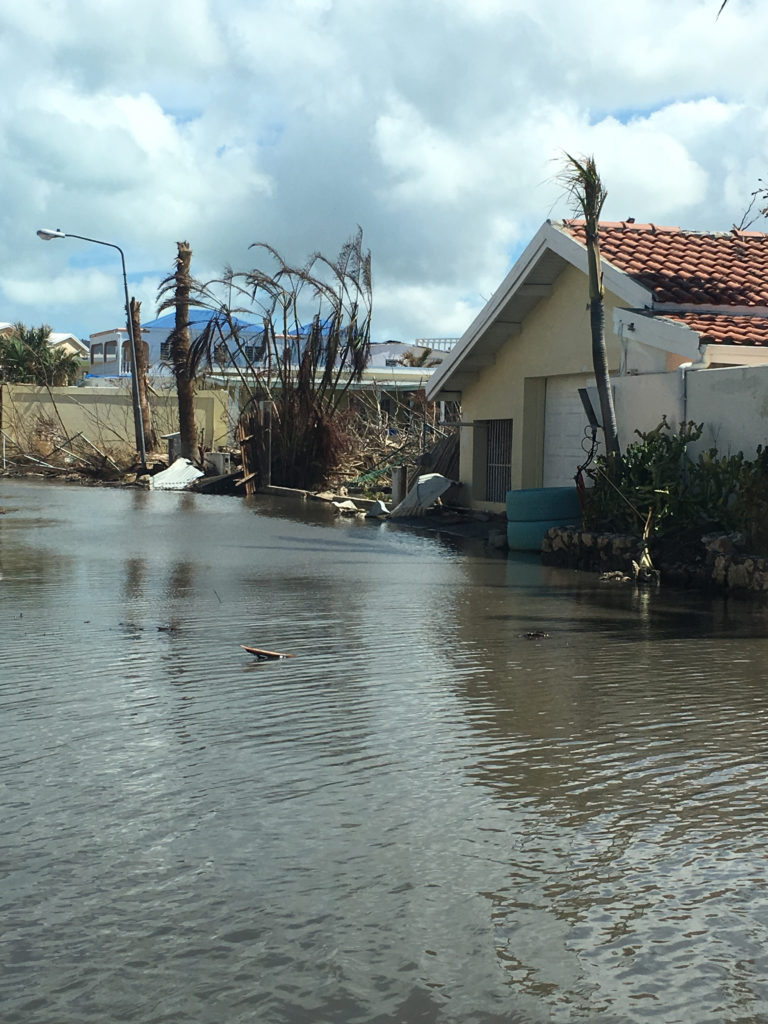
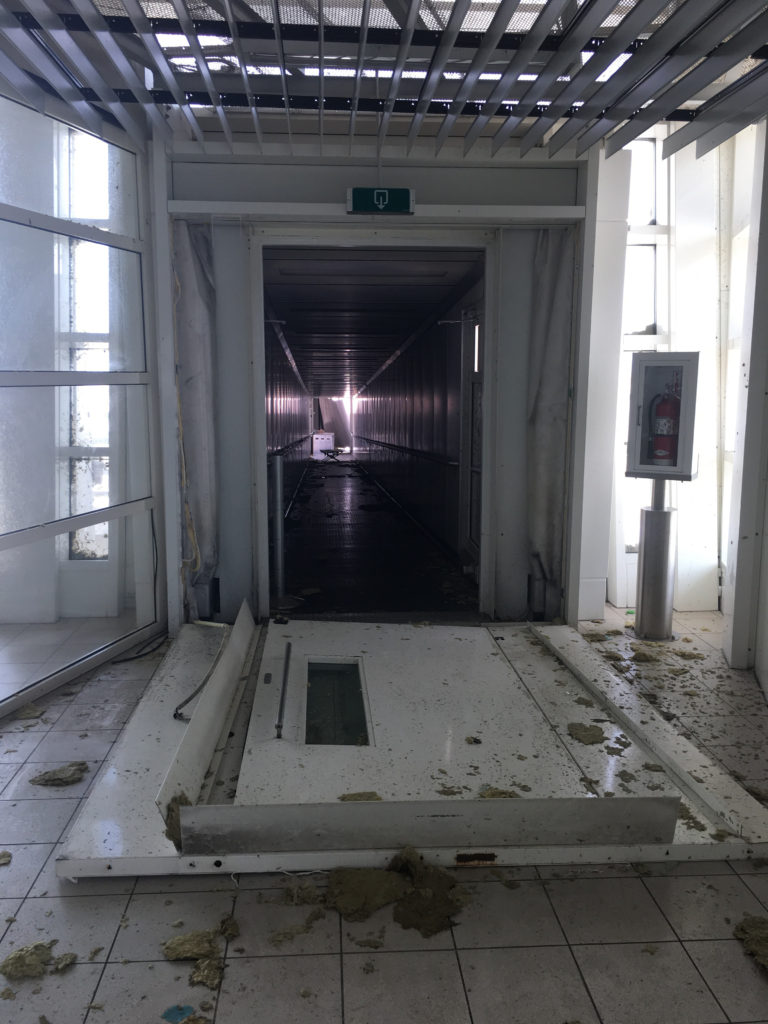
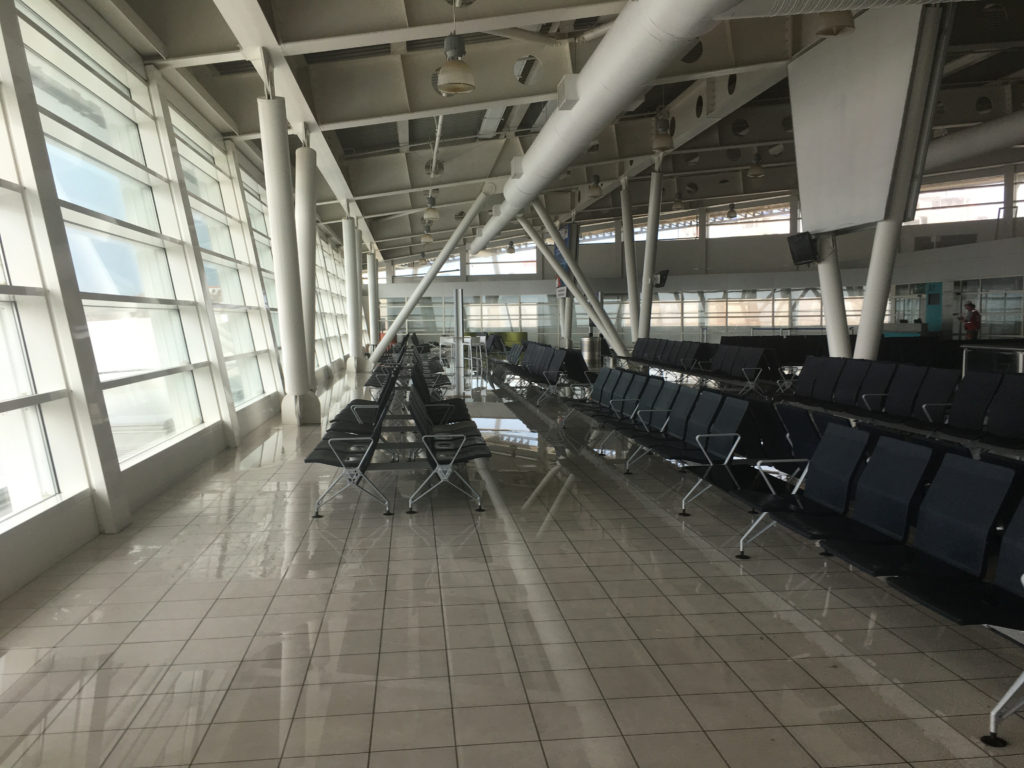
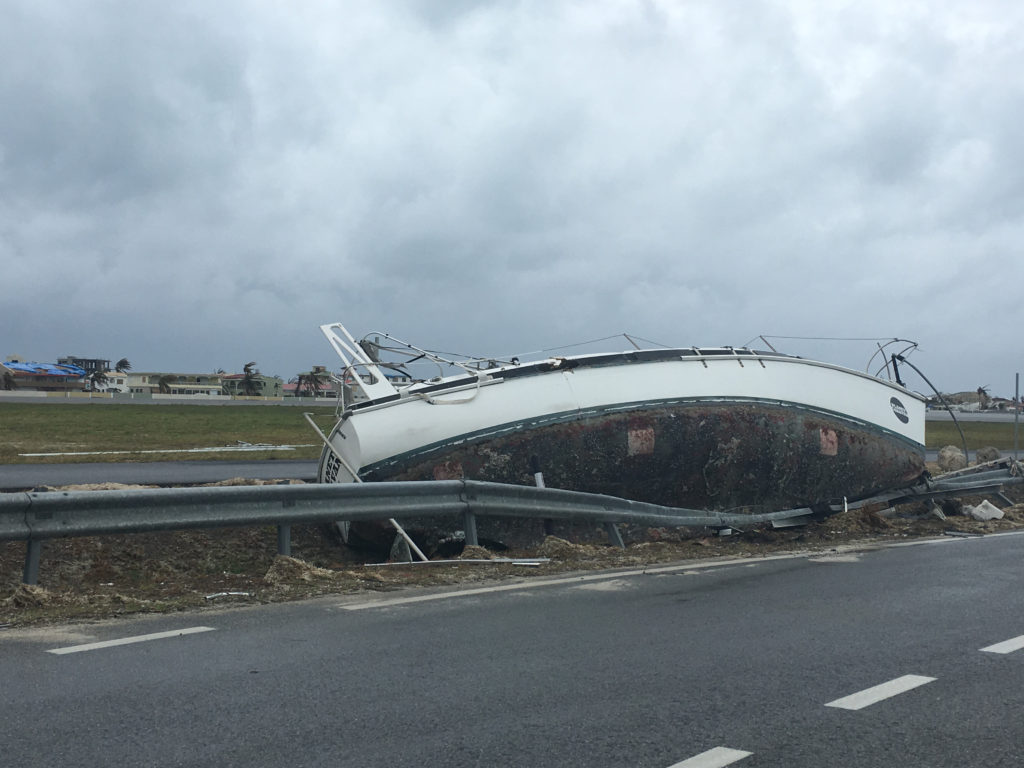
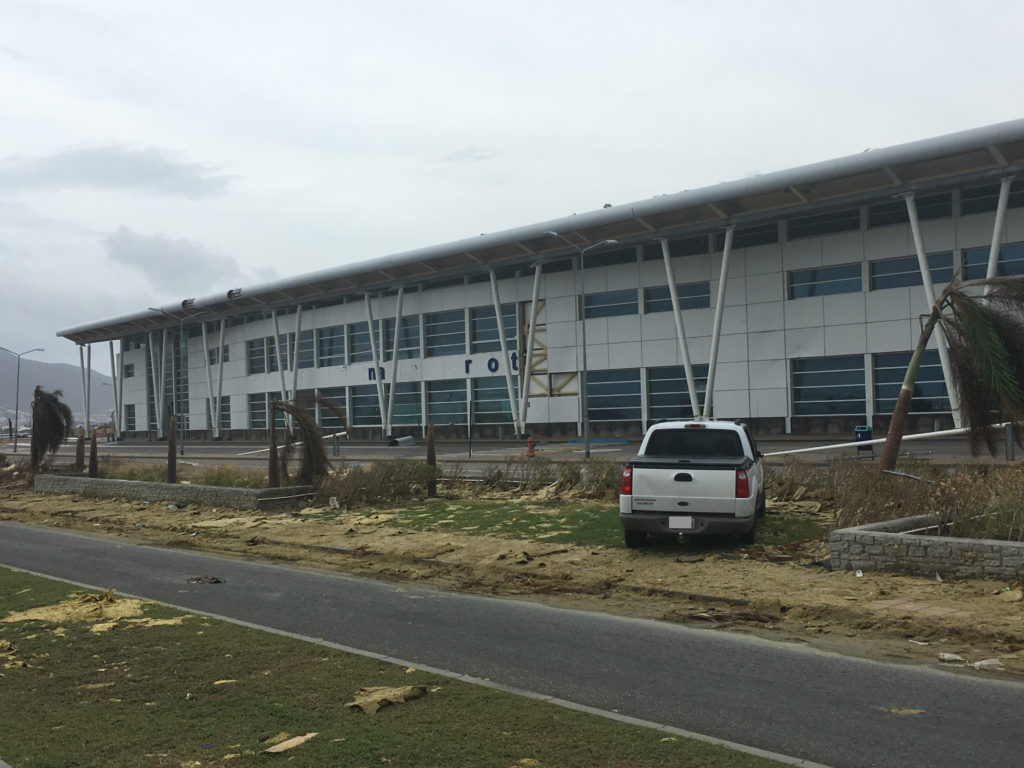
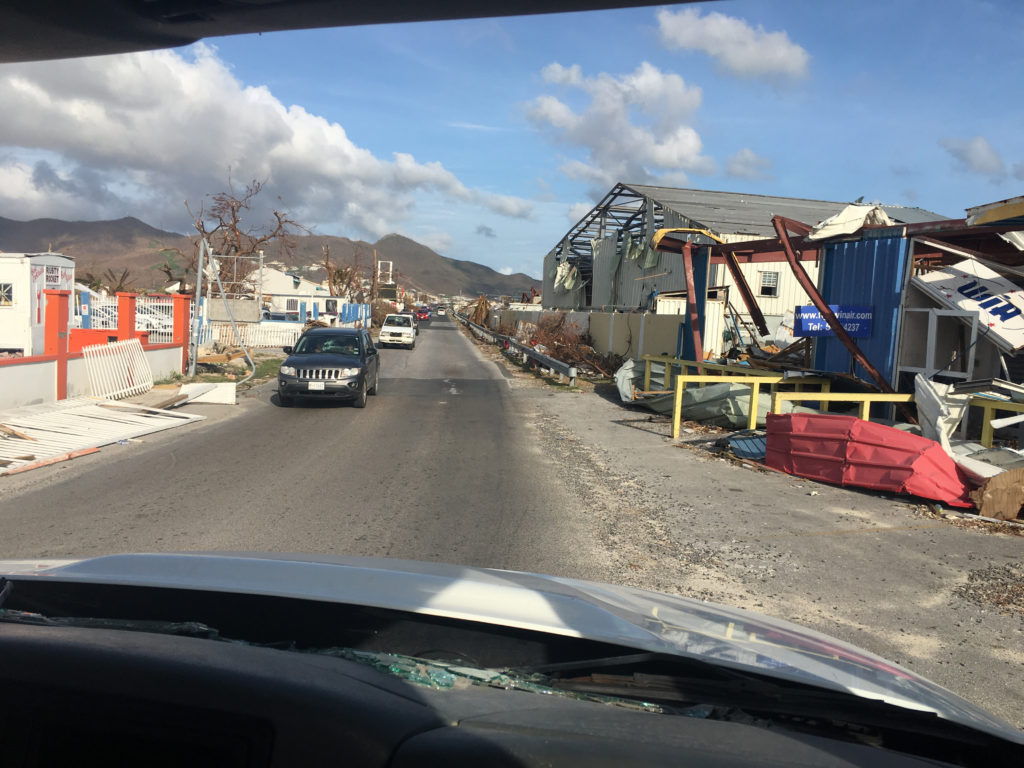
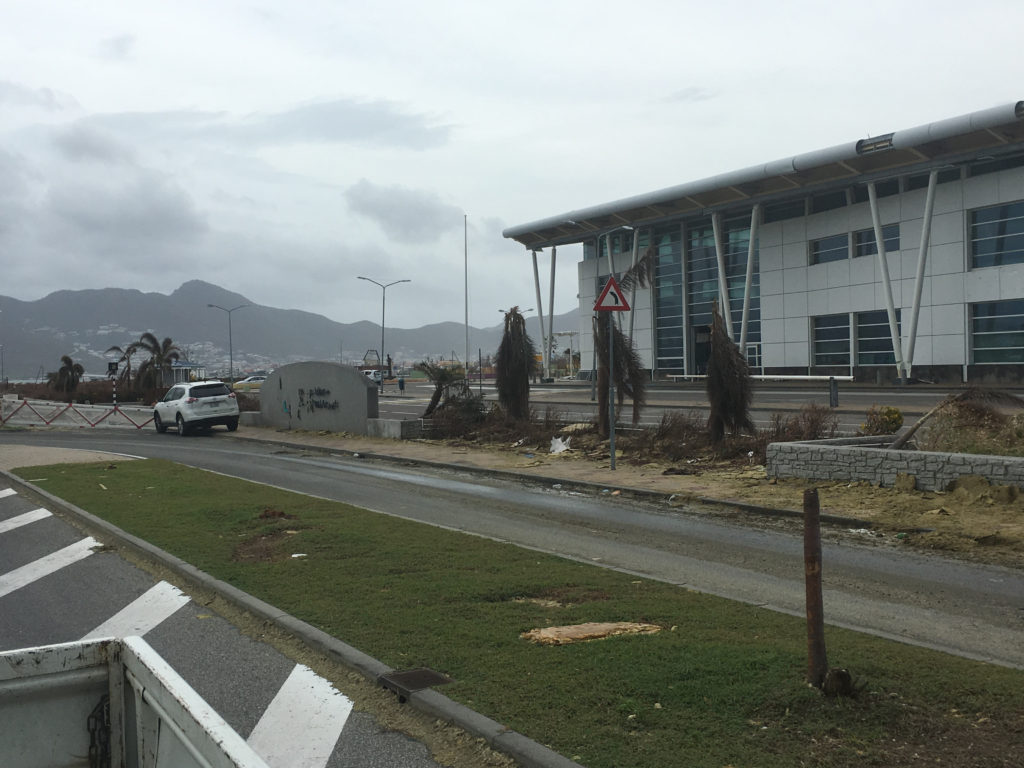
TNCM/SXM Airport Damage

Updated: 1415Z / 09October

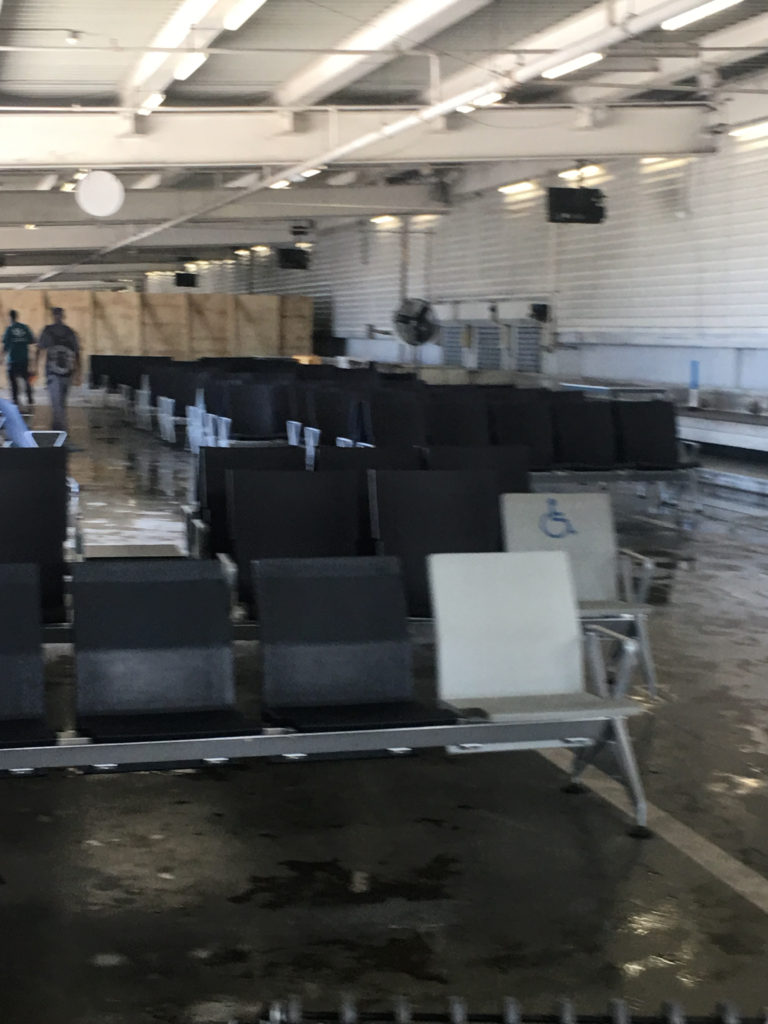
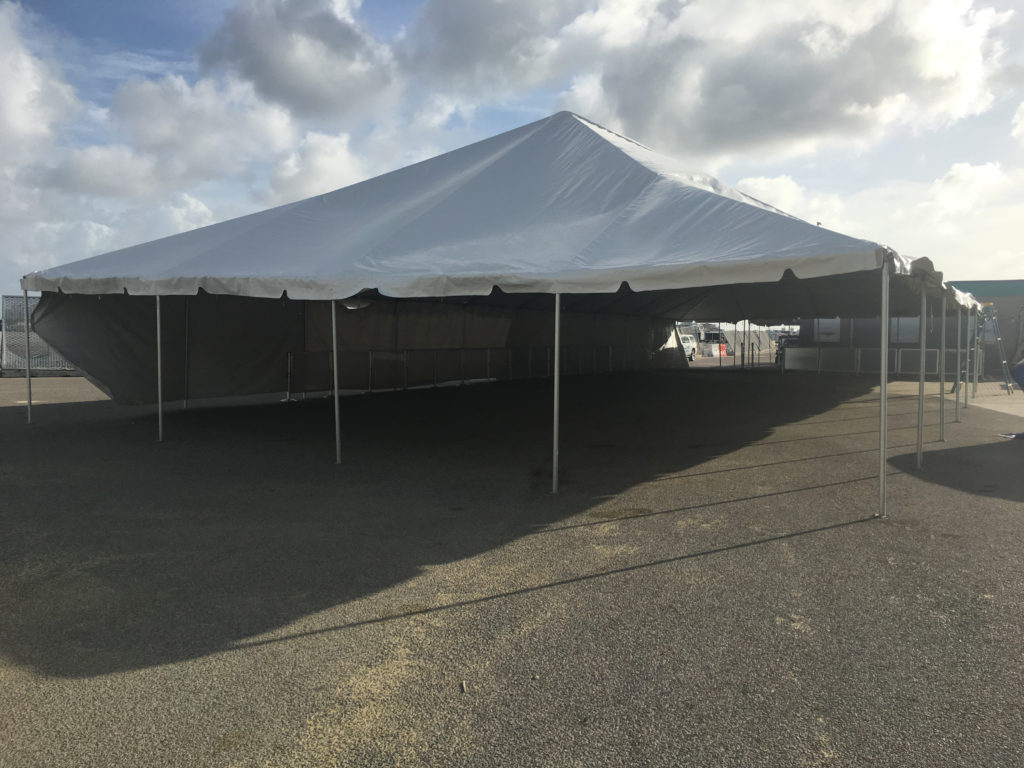
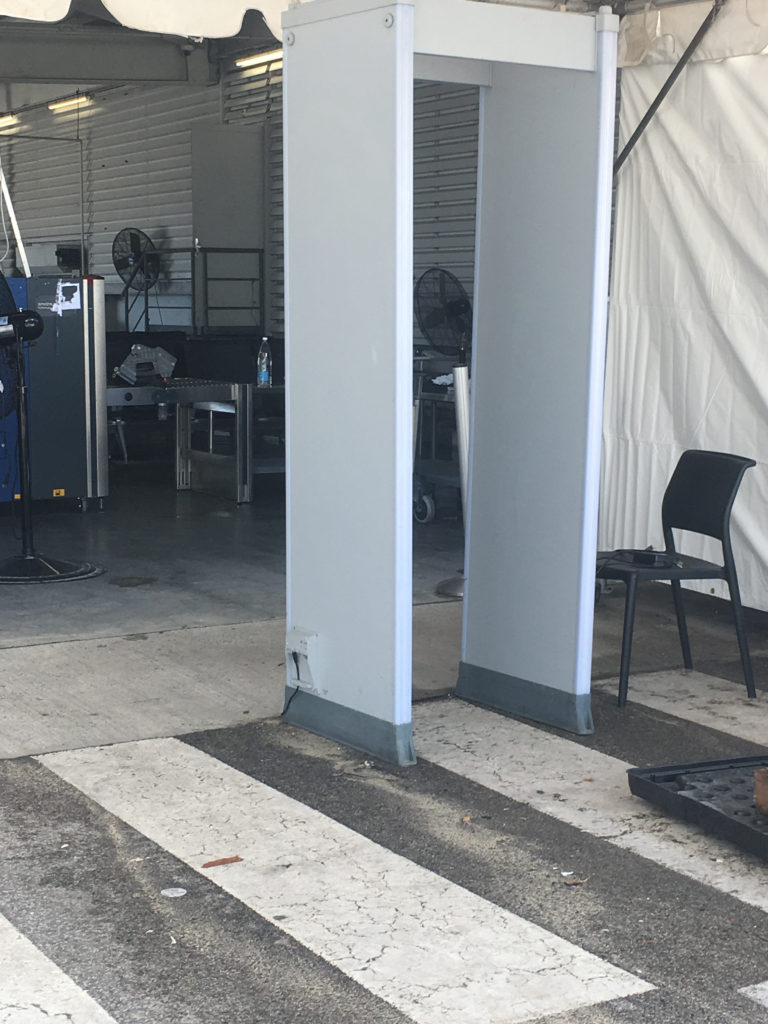
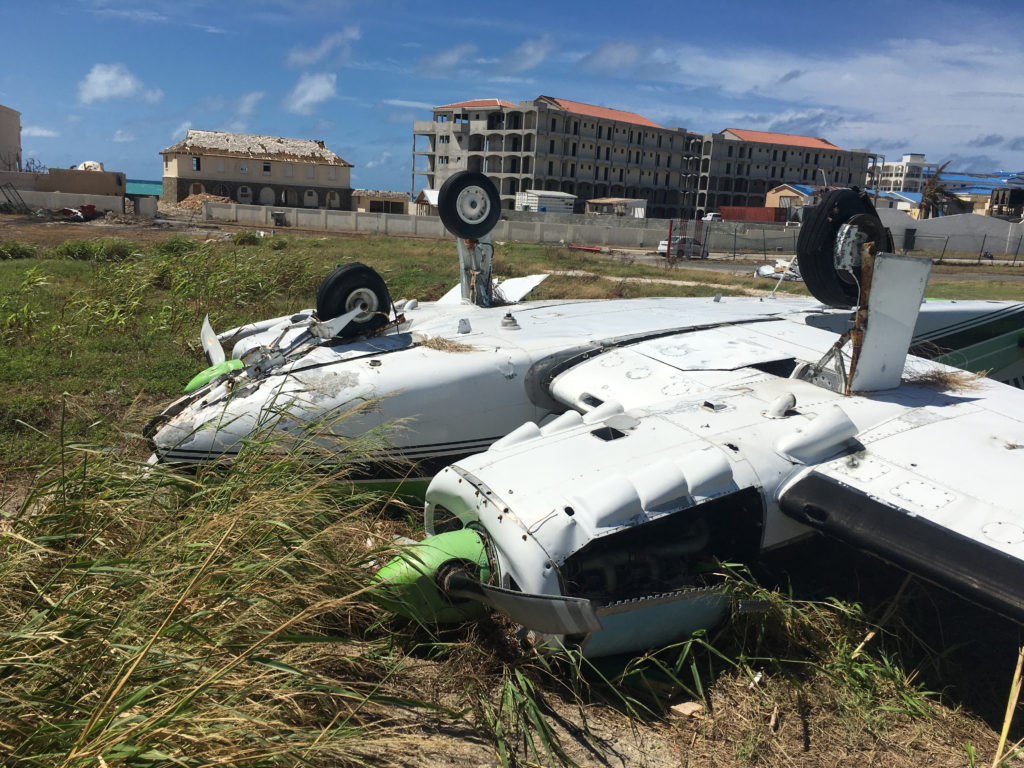
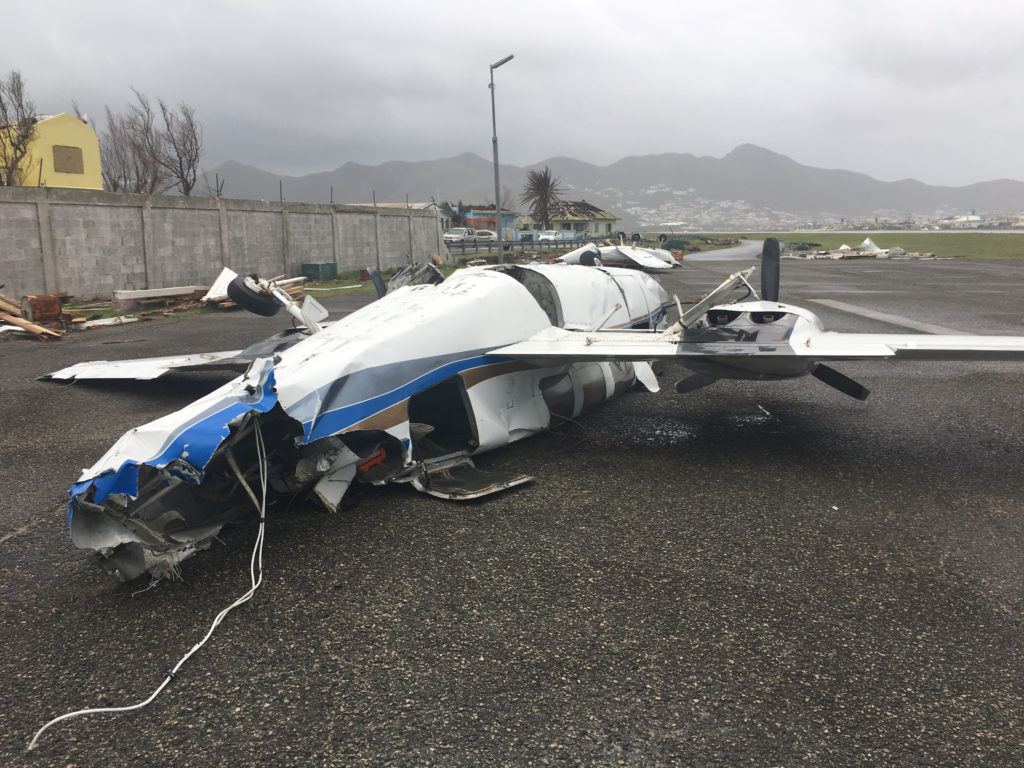
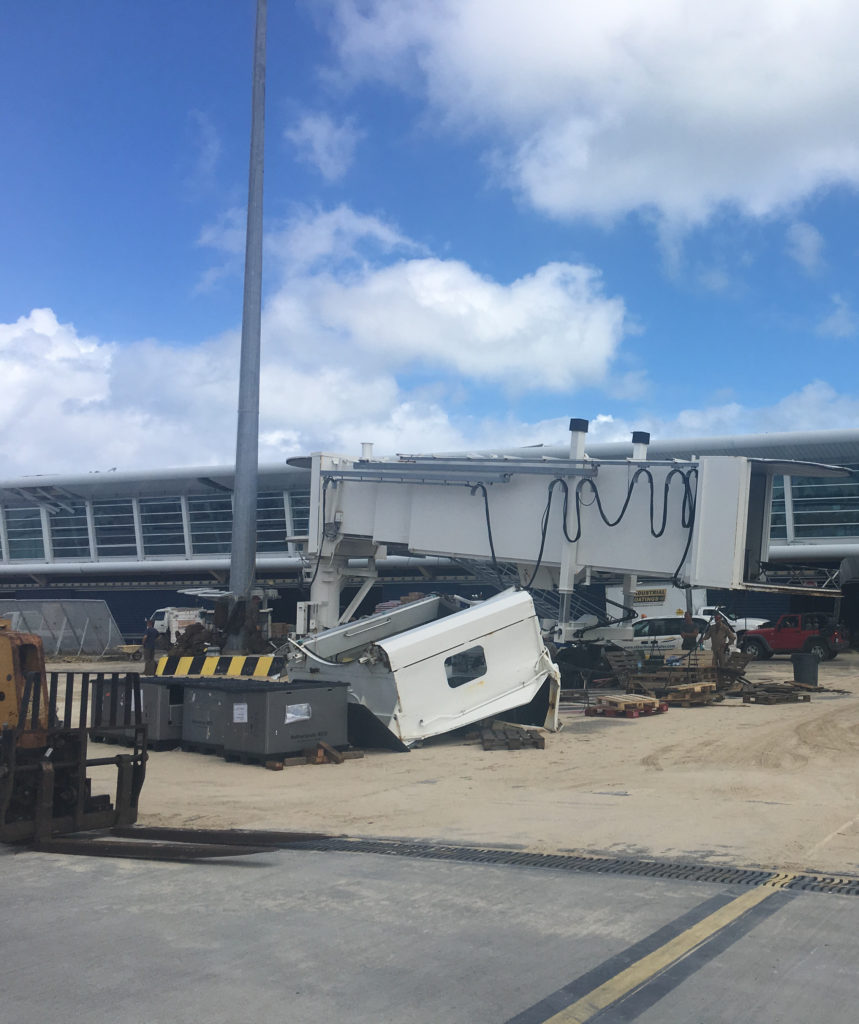
Good news–TNCM is set to reopen to commercial flights on October 10th.  ATC is 100%, and security is in place for all areas (including the perimeter fence).  The terminal is not yet fully operational, so there will be a hall set up with kiosks to support the passengers.

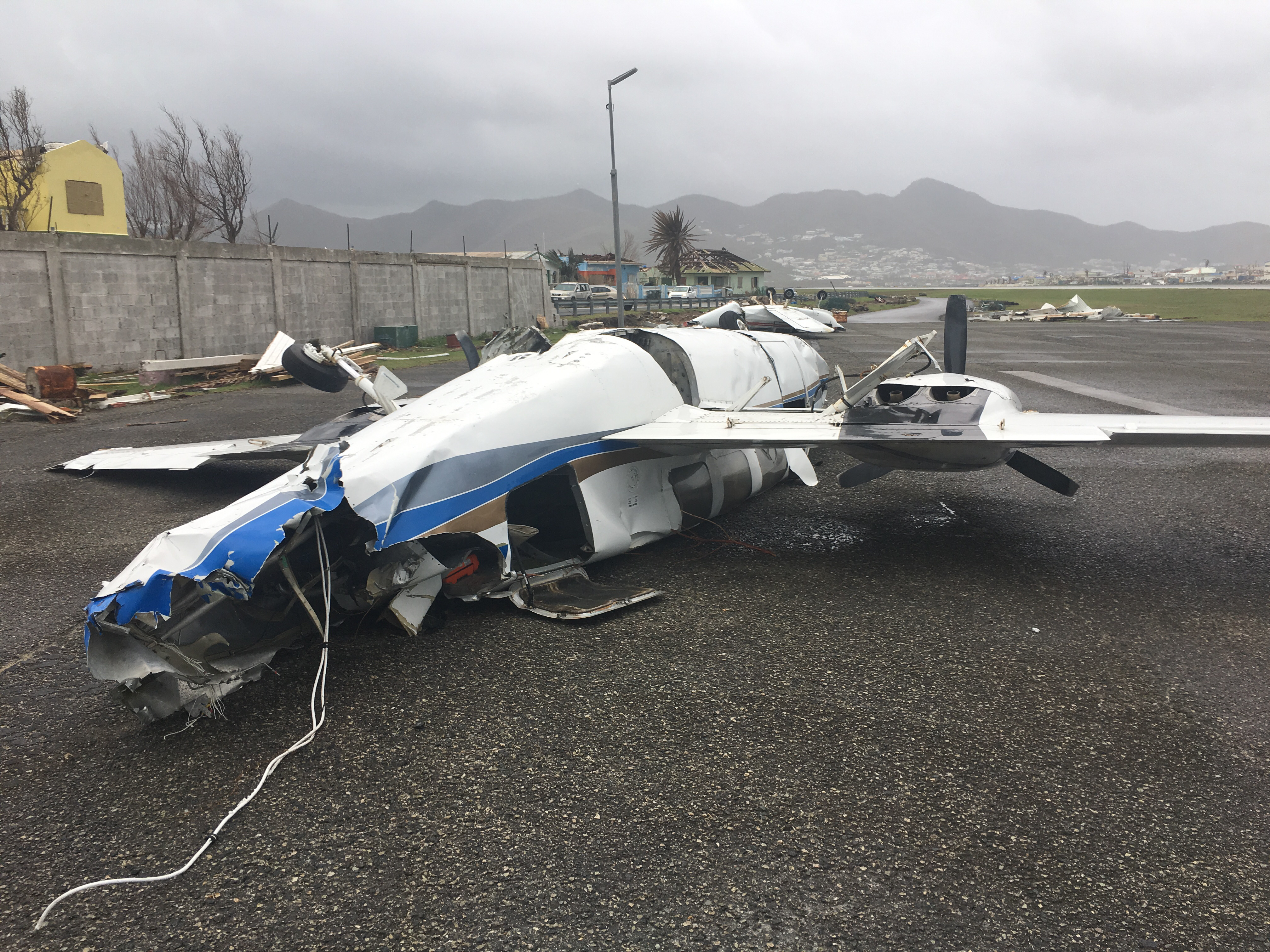
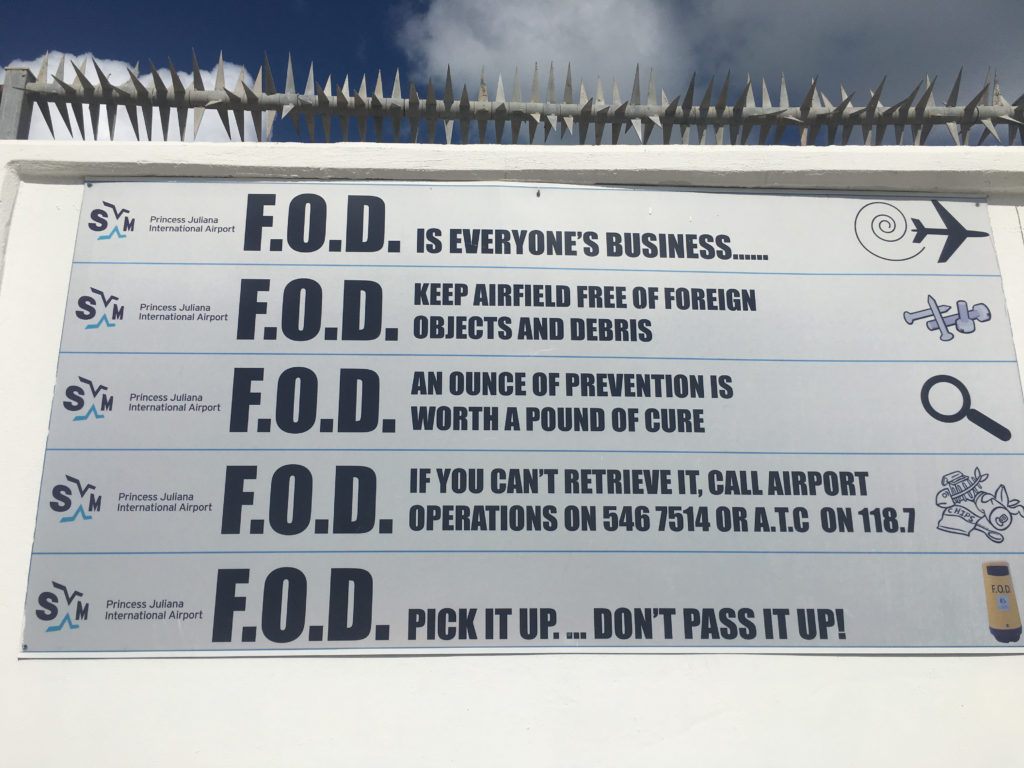
For daily updated status of SXM, please view our main Maria post here.   Below are photos sent to us from on the ground at TNCM/ SXM after the storm passed.

We’ve got some progress photos:

Original Photos:

Keep an eye here for any updates.

Save


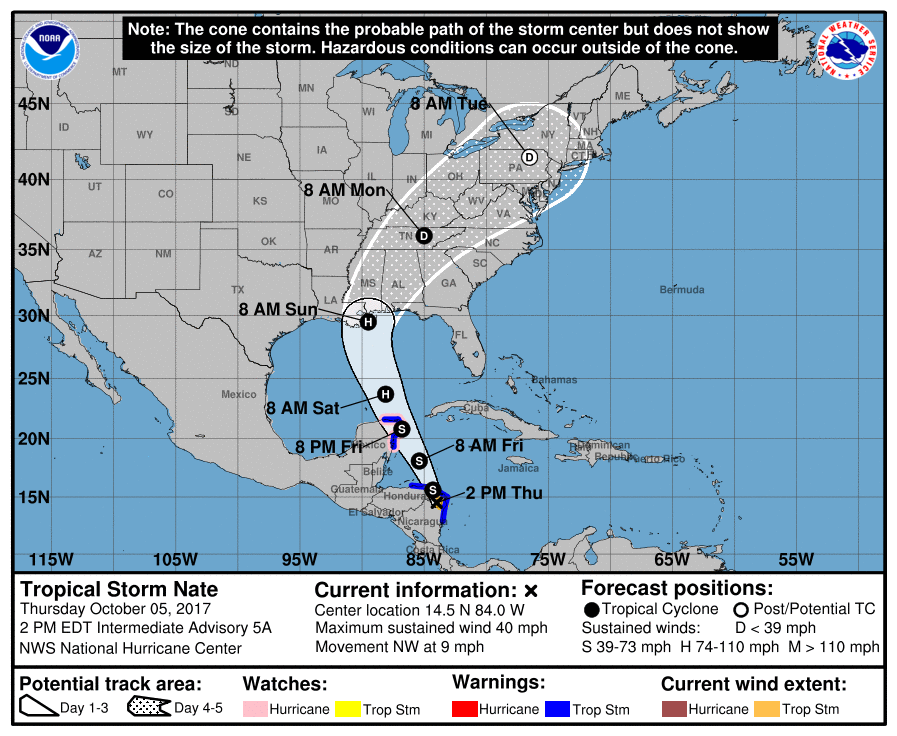
Tropical Storm Nate headed for U.S. Gulf Coast

Tropical Storm Nate is currently just off the northern coast of Nicaragua, moving NW at 8kts with sustained winds of 35kts.

It’s forecast to move on towards Louisiana over the weekend as a Cat 1 Hurricane.

Heavy rain expected across Nicaragua, Costa Rica, Panama, Honduras, Belize and Mexico’s Yucatan Peninsular.

No airport closures anywhere yet, but keep an eye on the forecast for MMUN/Cancun, as that’s directly in the path of the storm.


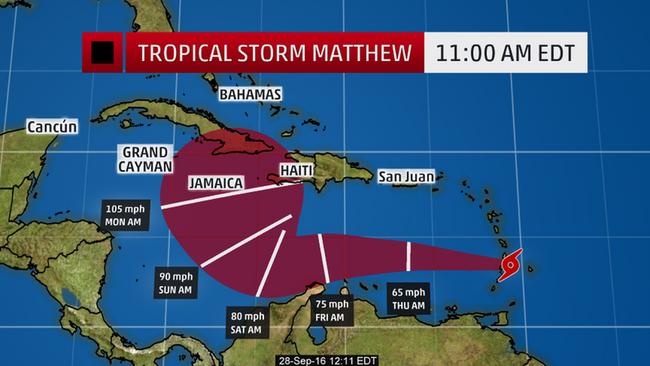
Caribbean Tropical Storm Matthew

TZZZ/Caribbean Tropical Storm Matthew is expected to increase to Hurricane strength as it tracks across the Caribbean. Today, Barbados, Martinique and a number of other airports in the Windward islands have notified closures.

Monitor http://www.nhc.noaa.gov/

map_tropprjpath14_ltst_5nhato_enus_650x366