Out of Options, Out of Time: Why Aren’t We Declaring Emergencies?
In 2016, an RJ85 operating a charter flight ran out of fuel in a holding pattern while waiting for another aircraft to land. The crew knew they were critically low on fuel but seemed reluctant or unwilling to tell ATC they were in trouble and get back on the ground.

This tragic accident highlights a dangerous mindset that continues to expose pilots to risk the world over: reluctance to declare an emergency.

Accident reports reveal that the RJ85 crew were certainly not an isolated case either. So, what’s going wrong up there? Why are we asking for help far too late or not at all?

The real world may offer up some answers.

The accident of this RJ85 teaches us some important lessons.

For starters, what is an emergency?

Have a go at defining one in your own words. As I discovered, it’s not actually as black and white as it seems.

The US FAA tells us they come in two flavours:

Distress. These are things that need you to act on immediately. Engine failures, a fire on-board, structural failures. In other words, you have to do something about it now. Crew are good at declaring emergencies in these cases because it is an easy decision.

Urgency. The smoking gun here. These are emergencies that often develop through a set of deteriorating circumstances which become increasingly critical as time and options run out. You may not have an emergency to begin with, but through failure to act earlier it has developed into one.

It seems that in these cases crew are waiting until they have few or no options left before declaring an emergency, far too late.

So why not just declare earlier?

There are a few factors at play here, and the first is this – fear of the fall out. Or in other words, ‘what will happen once we’re back on the ground?’

It’s not hard to imagine mountains of paperwork awaiting your arrival, but this often isn’t the case. In most cases it is very limited and sometimes non-existent. Generally, aviation authorities just want to know if you have broken the law in dealing with the emergency, which the regs say you’re allowed to do.

This is often not what awaits you on the ground.

Of course, operators will have their own reporting practices, but crew should never face disciplinary action for declaring an emergency – it is a safe response to an unsafe condition.

Enter Just Culture – if you haven’t heard of it, it’s worth googling and it’s part of a revolution in making the industry safer by enabling crew to act and report without fear of the repercussions.

It’s no secret that pilots tend to be mission orientated. In other words, we want to complete our flight as planned. We hang our professional hats on being able to navigate operational challenges on a daily basis and find ways to make it all work with our safety margins intact at the other end. You know the ones – weather, delays, MELs. They all make for long days and grey hairs, but we make it work.

The problem is that in this belief and dedication to ‘make it work’ that we can begin to fixate on completing the task, rather than taking notice of early warning signs that those safety margins are being steadily eroded while we still have options.

This is when declaring an emergency early really makes a difference. Here’s why…

‘The Emergency Mindset.’

By telling ATC you have an emergency you are sending yourself a powerful psychological message. You’re essentially flicking a switch in your brain from ‘complete the mission’ to the realisation and acceptance that there is a threat to your survival. Your training is essentially triggered.

Your new mission now becomes to do what you need to do to get back on the ground safely and as quickly as possible. You essentially put yourself onto a new script. This is the emergency mindset, and it is a powerful call-to-action.

But it’s not just our headspace that matters here. It’s also important to weigh up what you gain from ATC by declaring an emergency, against the perceived pitfalls of doing so.

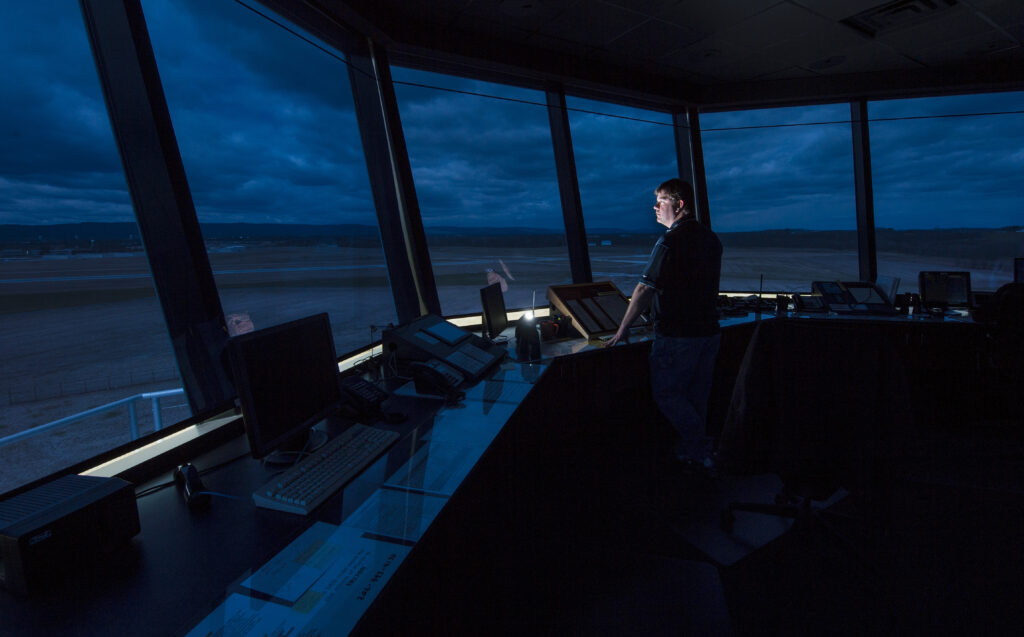
By declaring an emergency to ATC, you are activating a huge resource and will have their undivided attention. While they’ll continue to control other aircraft around you, their priority will be your safety. They may even give you your own discrete frequency or controller. It is then up to the pilot-in-command to advise what help they need and their intentions. It is basically your call, and they’ll facilitate it – even if it means breaking the rules.

They’re also a wealth of knowledge. At a time where you’re likely busy managing the aircraft they can tell you what you need to know and quickly. They can help you find suitable airports for landing and begin co-ordinating with those control facilities.

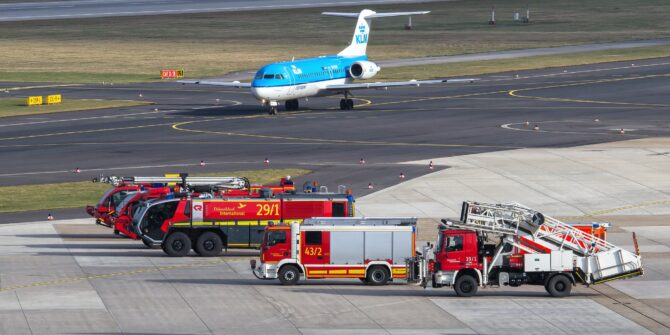
While they’re giving you priority handling, they’ll also be facilitating a chain of events behind the scenes including organising rescue services both on and off the airport (all without you even having to ask).
Declaring an emergency activates a massive resource that wants to help you.

According to FAR 91.3 pilots can deviate from the rules to the extent required by the emergency. Which means you can kiss goodbye to speed restrictions, clearance limits and other workload increasing airspace procedures.

There’s a lot you can do once you’ve declared one. On a side note, you don’t have to have physically declared an emergency for this to apply, but it certainly helps. Especially if you need an immediate change of course, speed or level.

When to declare?

The intent of declaring an emergency is to mobilise all the resources available to you while you still have options. Which means the earlier you do it, the better. Waiting until you have none left before you advise ATC is already too late.

In the simplest of sense, if you feel apprehensive for you or your passengers’ safety for any reason, you are likely already experiencing some type of emergency. The safest course of action is always to make the decision, and inform ATC sooner rather than later.
MAYDAY, MEDICAL: In-flight Emergencies

Fly the line long enough and chances are you’ll experience an in-flight medical emergency. They are relatively common, but also inherently challenging – they happen in a complex environment, in a confined space and with limited medical equipment often hours from help.

Just how common?

In approximately 1 per 600 flights. Or if you look at it another way, for every million passengers carried, 24 will have a medical emergency.

That may not seem like a lot but wait til you crunch the numbers. At pre-Covid levels four billion passengers were flying annually which meant at least 260 in-flight medical emergencies were happening each and every day. Other reports suggest the real numbers were much higher.

So it is a risk that we take on every time we launch upwards into the wild blue yonder and yet concerningly one we practice for far less often than almost all other inflight emergencies. It is well worth taking a closer look.

Why do people get so sick at altitude?

One of the most common thoughts we have following an in-flight medical emergency is “but he was totally fine when he boarded...”

The reality is the pressurized cabin of an airplane is a terrible environment for someone experiencing a medical situation.

Passengers with existing conditions are probably not aware of the environment they are entering and the effect that it may have on them. They may feel fit to fly on the ground, but in the sky it can be a whole other ball game.

In most cases we are breathing oxygen equivalent to an elevation of between 5000 and 8000 feet. It’s not dangerous, but even healthy people will be mildly hypoxic with oxygen levels almost ten percent lower than normal. At sea level with similar blood oxygen levels an ER would have you on oxygen. Throw in a heart or lung condition and you have a dangerous combination.

Then there’s the issue of sitting down for hours on end which can inhibit the flow of blood in your veins. This can trigger some truly nasty things such as thrombosis (blood clots) and embolisms which can lead to seizures, strokes and heart attacks.

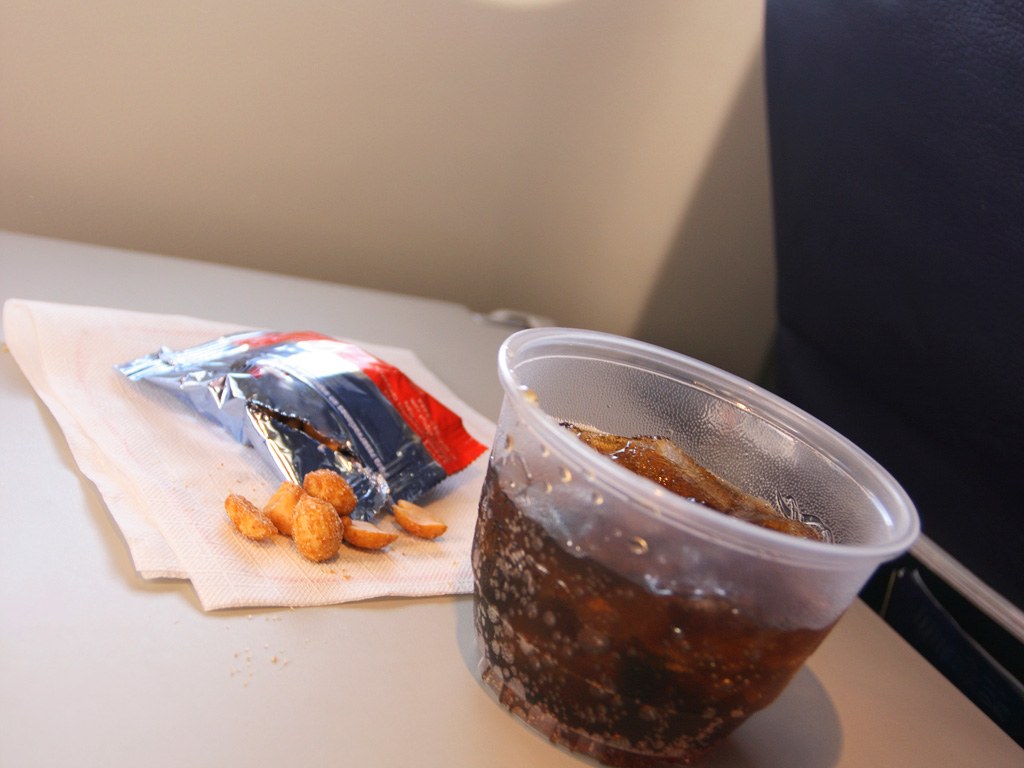
Then there’s the cabin air itself. Re-circulated air can expose passengers to allergens and potentially anaphylaxis – a life threatening allergic reaction. Ever wonder why peanuts in planes aren’t that common anymore? Even something as simple as dehydration can make a passenger become seriously unwell.

So which ones are the most common?

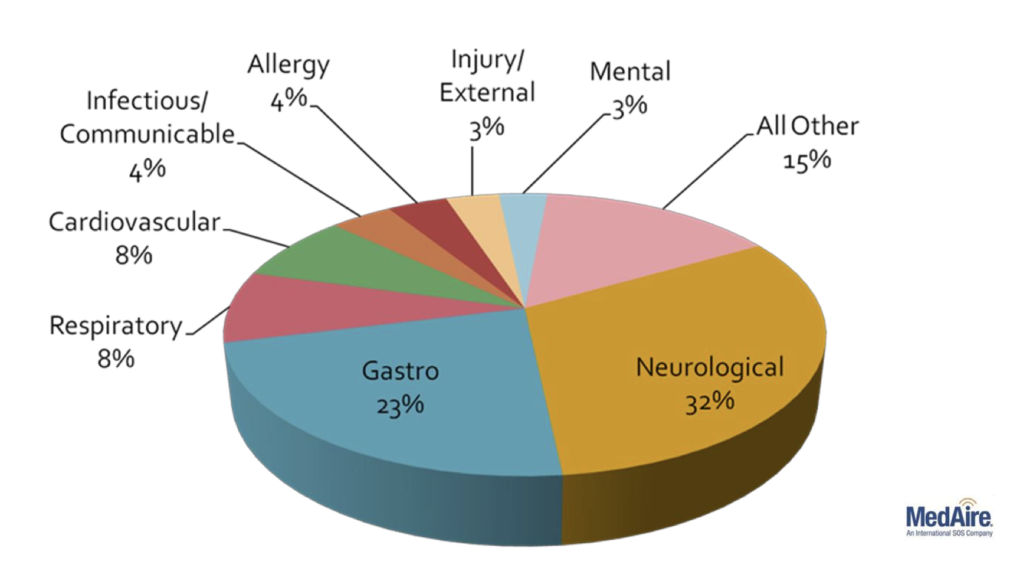
Almost half of in-flight medical emergencies are caused by neurological conditions, and the vast majority of those are headaches, fainting or dizziness. In most cases they are not serious but may indicate or lead to something far more dangerous.

In second place are gastric symptoms – yep, stomach problems. Beware the dodgy airport taco. Nausea, vomiting and cramping. No one enjoys ‘riding the porcelain express,’ especially in an airplane, but acute food poisoning can become incapacitating very quickly – and the same applies to crew as well as passengers.

And tied for third are respiratory issues (problems breathing) and cardiovascular symptoms (heart related things).

Which symptoms do we need to be most worried about?

Human bodies are complex machines but these are historically the biggest warning signs:

  • Unconsciousness with slow or no recovery.
  • Chest Pain.
  • Seizures.

So how do we best manage in-flight medical emergencies?

Prevention is your first line of defence. Don’t board a passenger you have concerns about unless you are completely confident they are fit to fly. This may include speaking to a service like Medlink or asking for medical clearance from a doctor. They may be feeling okay now, but not so much after wheels-up.

Have a plan.

Just like you have a checklist for a mechanical issue in the air, you should have a standard operating procedure for inflight medicals.

Serious health problems often begin with very mild symptoms. Be alert for any medical issues, however minor. A report from the cabin that someone is feeling unwell is your cue to become diversion minded. Start thinking about what is around you, what the weather is doing, and of course those pesky Notams. But the point is: work hard now so if things escalate you are already ahead of the airplane.

Stay calm.

Things are going to get busy but don’t forget that your primary responsibility is to protect your airplane. Remember to fly. If you are multi-crew, make sure one pilot is actively monitoring and has the radios at all times.

Communicate.

This is vitally important. If you plan to use a service like Medlink the first thing they will need is informationand lots of it. Establish communication with the cabin and get that pen and paper out. There are also forms available online to help. Don’t wait until you have the doctor on the line.

Ask for help. You’d be surprised how often you carry passengers with medical experience. In the US they are protected from any liability by the Good Samaritan Law, while in most other countries they have their own provisions which will allow them to assist. Unless they are grossly negligent they simply cannot get in trouble for helping.

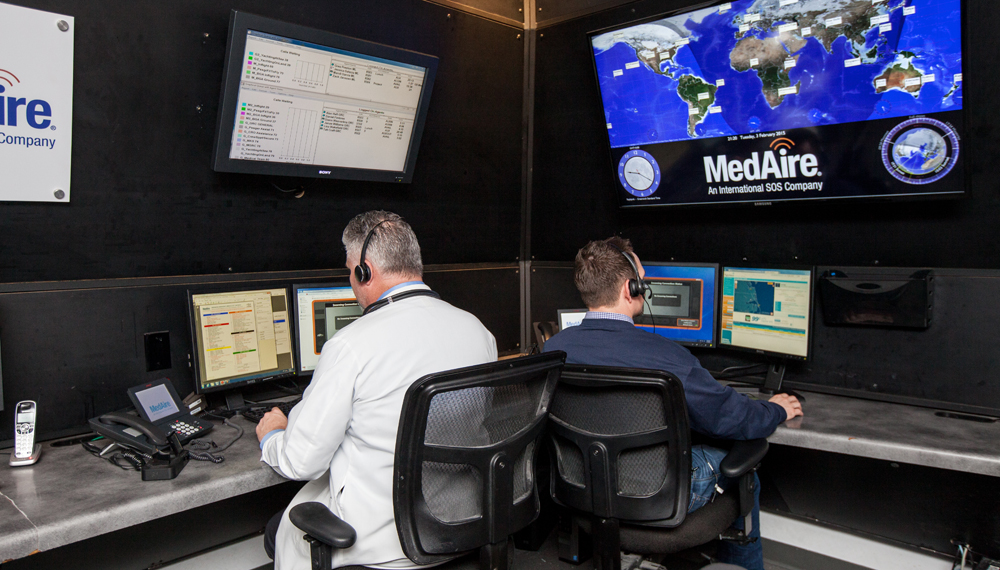
Use a medical advisory service. They are invaluable and put you in direct contact with a team of physicians who are trained in ER medicine and airline protocols. They are multi-lingual and available around the clock. They will work with your cabin crew with confident instructions including the use of a physician’s kit. Medlink is a solid example and widely used by carriers around the world. You can contact them via SATPHONE, HF/VHF radio or even ACARS.

Don’t forget ATC. Don’t be afraid to declare an emergency, or a PAN. They will assist you with priority handling, an ambulance and paramedics on arrival and can even contact your company for you.

Remember security.

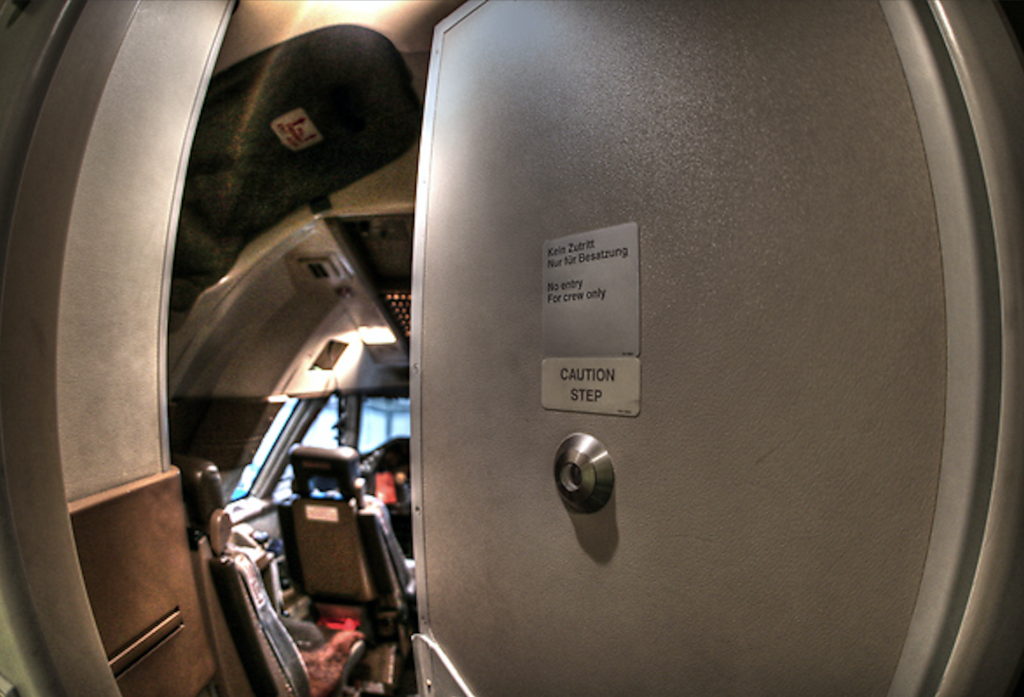
It is easy to be distracted during a medical event. Your cabin crew will likely be busy, and you may have to open the flight deck door multiple times. Be aware that medical episodes have previously been used to create a distraction for someone else to try and gain access to the flight deck. Or you may be carrying someone who simply seizes the opportunity. Stick strictly to your security and access procedures.

Decide. The hard part. 

The decision to divert is a complicated one and unfortunately no two situations are the same. But there are a few operational considerations you need to take into account before you hit the old direct-to button.

It’s important to remember medical advice from a service like Medlink is a decision making tool. They cannot make the decision to divert for you – that responsibility sits firmly in the hands of the pilot-in-command.

They can advise you to divert, but remember, they are not aviators. They may not be familiar with the operational risks to you and your passengers of nearby diversion airports. Beware of inherent risks of where you decide to point the nose.

By no means an exhaustive list, but here are some of things you might need to consider above and beyond the emergency on hand:

  • Are we over weight? Do we need to dump fuel?
  • What’s the current weather? Can we even get in?
  • What about terrain? We’re not familiar, are there special procedures?
  • Is ATC on watch?
  • What about the NOTAMs? Is the runway open?
  • Is the runway long enough?
  • Is there customs there?
  • What do we do when we land? Are there services available?
  • Can we gas up there?
  • What about the security situation?

You get the picture.

Then there is the standard of medical care. You may give a sick passenger better odds by diverting further afield to land somewhere with better medical response. The closest airport is not always the best one.

And of course cost – the elephant in the room. Some symptoms are clearly life threatening and that must always come before cost. But in other cases it is not always so clear. Professional medical advice does not always take into account the sometimes extreme cost of diverting. For a jet aircraft this can range from $20,000 USD up to $700,000 USD for a large one in logistical costs.

What about illnesses that are contagious?

Now, more than ever before, we are aware of germs. A passenger may suffer a medical emergency because they are carrying something contagious. It is very important that if you suspect a passenger might be infectious that you report it to the right people.

In fact ICAO requires it. If you delve into the depths of ICAO Doc 4444 you’ll find that the pilot-in-command must report to ATC if they suspect they have an infectious passenger on board.

How would you know? ICAO can help with that too. It you have passenger with a temperature greater than 38°C/100°F along with symptoms such as vomiting, coughing, problems breathing, rashes or confusion you can suspect they’re carrying something nasty.

The exact procedures vary from AIP to AIP, but in the US the FAA require pilots to advise either ATC or your company. You can read more about that here.

The problem’s not going away.

Unless you have discovered the ultimate cure for all things medical, in-flight medical emergencies aren’t going away. It is a risk we take every time we take passengers or ourselves into the air. It is up to us to mitigate through knowledge, procedures and preparedness. Chances are when one happens, you won’t be expecting it…


Currency and Startle Factor – How to Beat It

Good news – the vaccine is here!

Slowly but surely passengers will begin returning to the skies. Which means pilots will too. Just like a huge ship, our industry has inertia. You cannot simply take your foot off the brake and straight back onto the gas.

In 2020, it went into a deep hibernation. Remember those pictures? Thousands of gleaming tails stuck depressingly in the desert? Well, pilots didn’t fare much better. Thousands of pilots were put into deep storage too.

To give you an idea of scale, get a load of these stats- the first post-Covid worldwide survey found that 58% of the world’s pilots are currently grounded. 33% lost their jobs completely while a big bunch are on furlough with no clue when they’ll fly next.

So as the industry begins to recover (and it will), a legion of seriously “non-current” pilots will find themselves back in the hot seat facing the same challenges they did back when things were booming and your skills were Chuck Yeager sharp.

Beginning to get the picture? I’ll give you a hint…

It’s not like riding a bike.

We’re not machines and our skills degrade over time no matter how good you are.

Secondly, you might think a bunch of extra training will soon get you back to speed. The issue is resources – it is such a big task to get everyone current again you are likely to find yourself at the controls legally current, but not necessarily at your best.

So if something goes wrong, you’re likely to be further behind the 8-ball. So let’s talk about startle factor. Yep that old chestnut. We’ve all been there. Something has gone wrong and fast. One minute you’re talking about that great place that does burgers near the crew hotel, the next you’re seeing more red lights than Amsterdam. For a fleeting moment all that training and knowledge is gone. You go blank but feel compelled to act. Sadly it is in these brief moments that some crew have tragically become unstuck.

Here’s the issue.

When you’re not current you are more likely to fall victim to startle factor. And you can bet your bottom dollar that whatever is about to happen is not going to wait for you to get a few sectors under your belt first.

So if I get a call up next week, what can I do about it?

  • Understand what is happening in your brain when something goes *bang*.

    Startle factor is normal. It affects everyone because a ‘fight or flight reflex’ has been hard wired into our brains since the days we were running away from woolly mammoths and sabre tooth tigers. It is a physical and mental response to something unexpected.

    When something gives us a fright, our brain activity changes. We think less and act instinctively while our bodies are pumped full of adrenaline and stress hormones. Effectively for a short time our thought processes are hijacked. We can get into a vicious cycle of bad decisions in a hurry. This post-startle brain fog has had tragic consequences in avoidable accidents.

  • Don’t act. At least right away.

    Just for a moment, resist the knee-jerk reaction. Slow it down. By sitting on our hands even for a second or two you are giving your brain a chance to pass through its instinctive reaction and give you back control of your decision making. You have to understand what is actually happening before you can do anything to fix it.

  • Be Ready.

    Fight boredom and be alert. In each phase of flight think about what could go wrong and how you will react. For those less superstitious, dare your plane to fail. By keeping your brain in state of readiness you will overcome the startle factor more easily.

  • Get Back On the Script.

    Ah, yes. Familiar territory – nothing helps you get over a shock than what you already know. Use a robust decision making process and watch your ol’ capacity bucket grow.

    You have probably heard of some – SAFE, GRADE, FATE etc. There are lots of them but it is important to have one and practice it consistently.

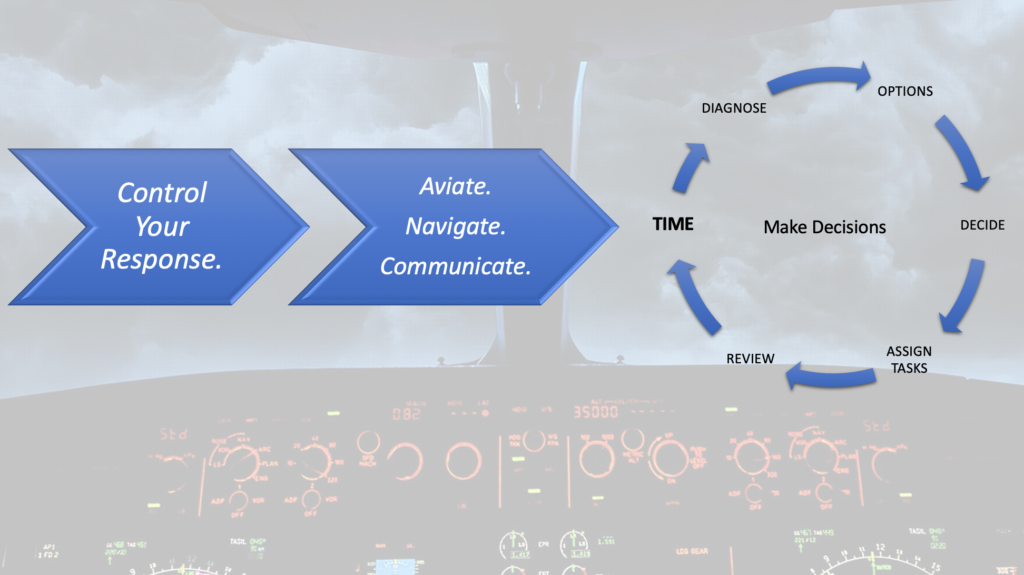
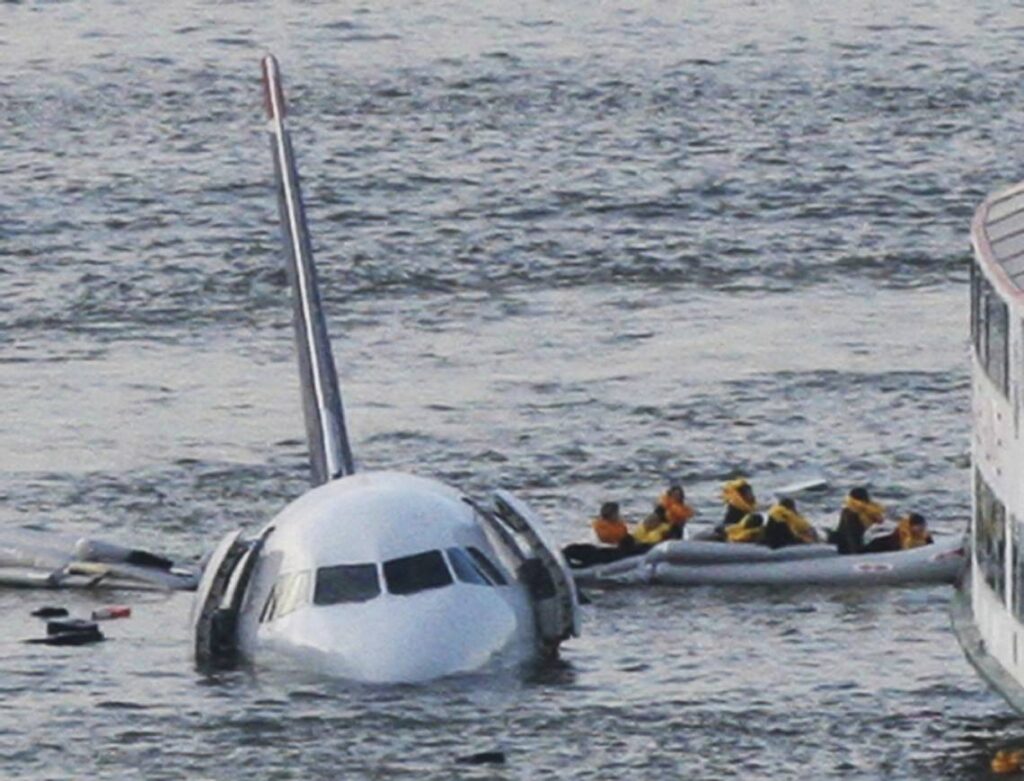
    T-DODAR is another tried and true method, and US Airways flight 1549 shows how it can be used in some of the most startling circumstances that could have been thrown at a crew.

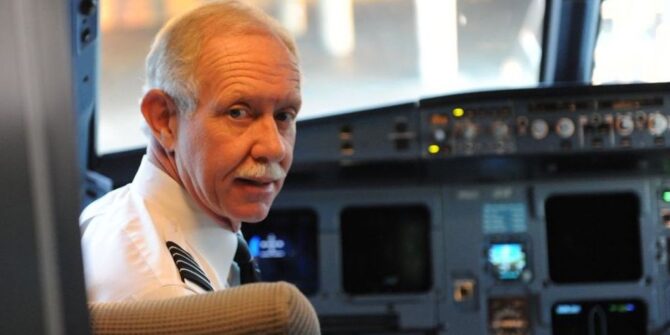
Sully Sullenberger kicked a field goal that fateful day in 2009 when they took a flock of Geese straight through both noise-makers.

He paused, sat on his hands and tried to understand the status of the airplane. What had happened, and why. Whether he had power or not. He got himself back in the loop. He took control of the airplane, established it in a glide and turned the aircraft back towards the airport. He then told ATC. Aviate, navigate, communicate.

Once he had the capacity, he went to work. He knew he had no time and had to land. The diagnosis was obvious – a bunch of birds damaged both engines. Sully worked through his options: Return to La Guardia, go to another airport or ditch. He made his decision – “We’re gonna be in the Hudson.”

Once the decision was made, he assigned tasks. He would fly the plane, his First Officer would run checklists and try and get an engine back and his cabin crew would prep the cabin.

As they descended toward the river he turned to his colleague and with a simple question covered off his review – “Got any ideas?”. In other words, anything we haven’t tried yet? 155 people were saved by the crew’s ability to make decisions effectively. Apply a framework and you create so much extra brain space to concentrate on other things.

Oh, and about the sim.

Traditionally, airlines have followed matrices.

What’s that you say? Matrices, cyclics, whatchamacallits – predictable training programs that meant that every year or two that horrible multiple hydraulic failure would pop up yet again. That canned exercise that you were born ready for because you spent all last night studying it over a room service steak.

While I’d be the first to admit that when it comes to sim assessments, I love to know what’s coming, that’s not how the world works. The real reality is… who knows? There is an un-countable number of factors at play that will decide what an actual airplane is going to throw you at you. So the best defence is being comfortable with what you don’t know.

Spend a few minutes looking up ‘Evidence Based Training.’ Chances are you’ve already heard of it. It’s about assessing competencies no matter what’s thrown at you and it’s a revolution for pilot training. If you have the right tools in your bag you can fix almost anything – and that’s the whole point.

Simulator time is valuable, and if you get the chance use the extra time. Get something new thrown at you – because at the moment, we need all the help we can get!

Some other interesting stuff…