Hitching a Ride: How To Save Fuel with Geese

Industry heavyweight Airbus is currently running an innovative new trial over the North Atlantic that has potential to change the way we fly in oceanic airspace – and ANSPs Eurocontrol, NAT, DNSA and Navcanada are all on board. It’s called wake harnessing, and it was invented by geese. Okay maybe not ‘invented’ – but certainly provided by nature.

Geese, you say?

Geese have already left their mark on aviation history in ways that that we’d probably like to forget. So, it seems only fair that they do something positive for the industry too.

And now it seems that they are (unintentionally, but we’ll still take it). When a flock of Canada Geese infamously downed an airliner over New York back in 2009, they were flying in formation.

They were doing that because they were going somewhere and using each other to make things easier. Geese are known fly 1500 miles in a single day. That’s only possible because they use very little energy doing it.

So why do we care?

One word: biomimicry. Or in more simple terms – copying nature. When we want to figure out how to do something that we don’t know how to do, it’s often worth looking out the window. Nature, it seems, always finds a way.
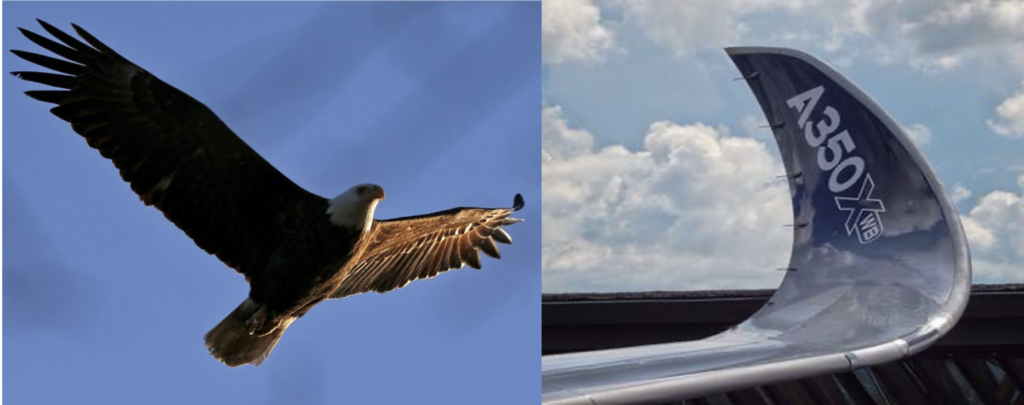
Copying nature – look familiar?

Enter aviation. When it comes to fuel, it is facing a couple of big problems. The first is that ICAO have set some seriously lofty goals for improving fuel efficiency and carbon emissions. While the other issue is dosh. Jet fuel is expensive and modern aircraft use a lot of it. Reducing fuel burn is big business, especially in an environment where profit margins are tiny.

There are solutions coming. Sustainable aviation fuel and next-gen turbine engine design have been making headlines recently. But behind the scenes Airbus has been turning to nature to help solve the problem using existing technologies we have today and by changing the way we fly – and it’s all thanks to geese.

The Flying-V

Geese fly long distances in formation. Have you ever wondered why?

It’s because they are using something called wake energy retrieval. It’s a really fancy term for riding each other’s wave. It’s the result of countless years of evolution and it may have big implications for airplanes.

Here’s how it works: When a bird flaps its wings its tips creates vortices. In the same way that our man-made wings do. These vortices create a horizontal swirl of air – an outer upward component and an inner downward one.

The reason why birds fly in a V is because if they position themselves in such a way that their wings stay in upward-moving air from the bird in front, they can effectively fly in an updraft, constantly. Which means they flap less and travel further.
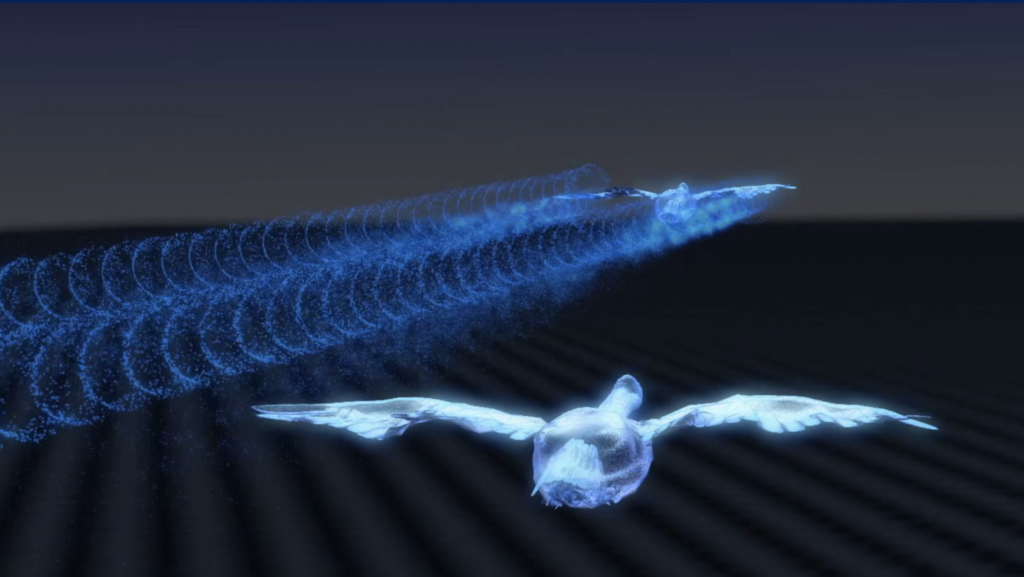
Each bird harnesses the energy lost from the wake of the bird in front. Courtesy: Airbus

What if airplanes did the same thing (but with less flapping)?

Airbus thinks that’s a good question. Since 2016 they have been copying geese by flying large jets in formation so that the trailing aircraft ‘rides the wake’ of the one in front.

It turns out that if you find just the right spot, not only is it smooth for the passengers, but also very fuel efficient. Get this – Airbus have shown fuel savings of five to ten percent simply due to the effects of this phenomenon, and potential to reduce overall climate impact by twenty-five percent.
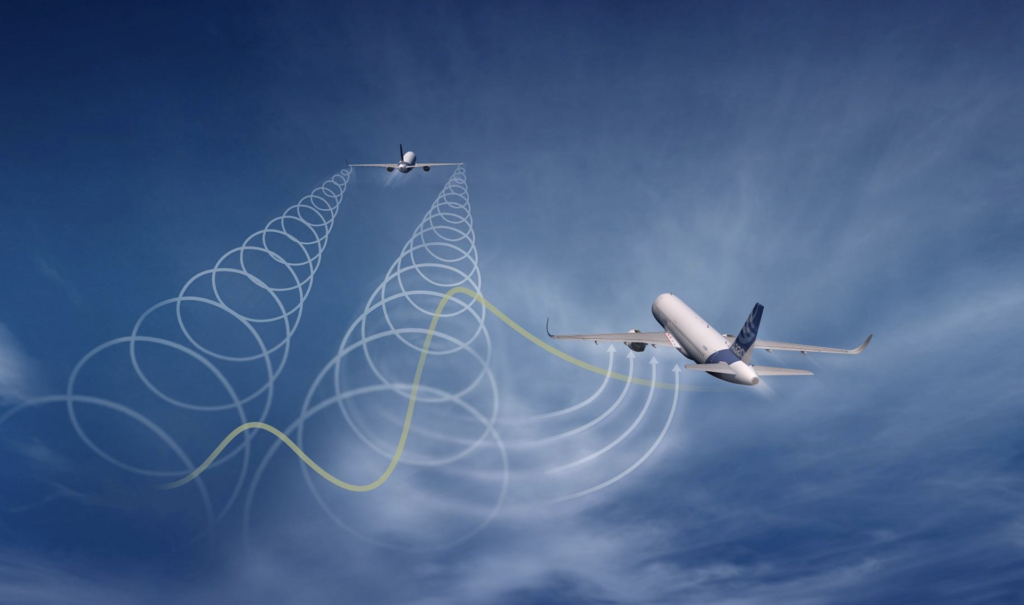
Copying nature: Riding the smooth updraft from the aircraft in front. Courtesy: DLR Aerospace

They’re heavyweight numbers. That’s because by flying in the upward component of the wake from the aircraft in front, we are essentially getting free lift. Or in other words, ‘harnessing’ energy we’d otherwise lose – which is why the concept is also known as ‘wake harnessing’.

It’s almost as though the trailing aircraft is flying in a gentle descent while level. That means less thrust, less fuel and less emissions.

But here’s the kicker – you have to get close. Like real close. Airbus have found the optimum distance between aircraft is only 1.5nm. That’s a fraction of the spacing applied by ATC. But with existing technologies like TCAS and ADS-C it’s not unreasonable to think that this can be achieved safely.
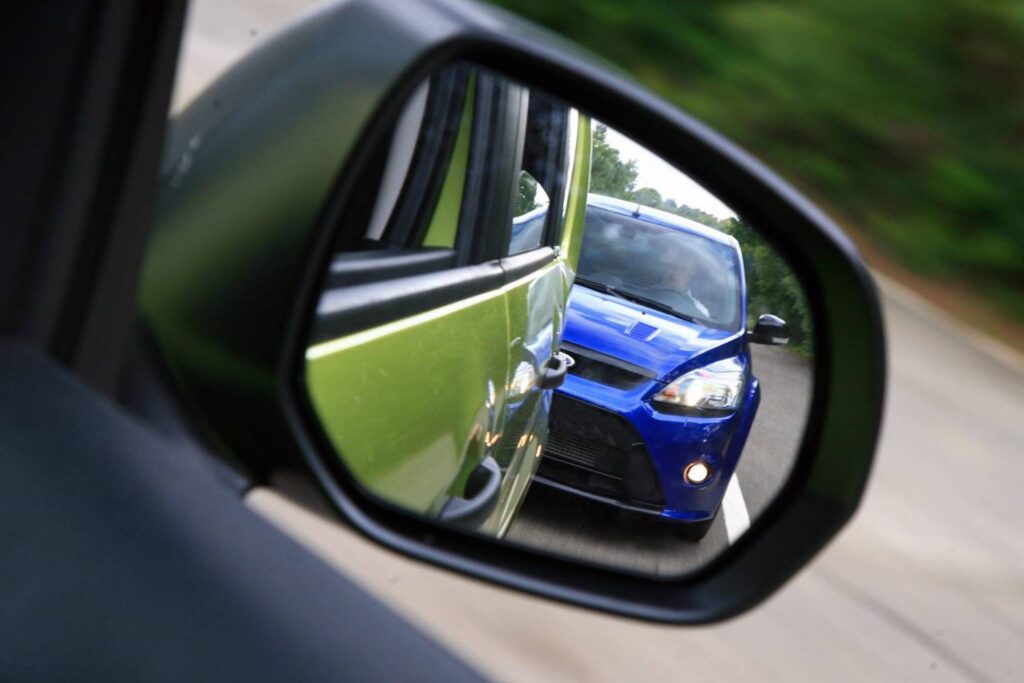
Something we’re not used to in the sky…

Airbus have called the project Fello’fly.

And here’s how it works.

ETAs would be used by ATC at feeder waypoints to set aircraft up for their ‘wake energy retrieval pairing’- i.e. formation. The aircraft will still be separated both horizontally and vertically, but close enough for the pairing process to begin.

Responsibility for separation will then be handed to the two aircraft. Using newly developed FMS software, the trailing airplane will slowly close in on the leading one until it is positioned in the optimum spot for wake harnessing. There it will stay until the two aircraft part ways again. The lead aircraft will be responsible for talking to ATC while in formation.

But it’s not all smooth sailing.

 While the idea has some serious potential there are some fairly obvious hurdles that would need to be overcome:

Wasting energy. The idea only works if aircraft don’t waste energy flying at sub-optimal speeds to make it happen. In other words, loitering or playing catch up. Which means it will be difficult to achieve for aircraft departing the same airport.

Instead the answer may lie in new software. For instance, German researchers have developed ‘MultiFly’ – a system that identifies jets that can be paired together based on type, location and how long they will be on the same route.

Different aircraft. Unlike a flock of geese, all aircraft types are different. 1.5nm may be optimal for a pair of A350s, but more testing needs to be done to find the sweet spot for all possible combinations of jets. Both aircraft would also need to have the same optimal cruise speed – otherwise all the gains would be pointless.

Then there is the raft of regulatory changes that would be required to make sure this can all happen safely.
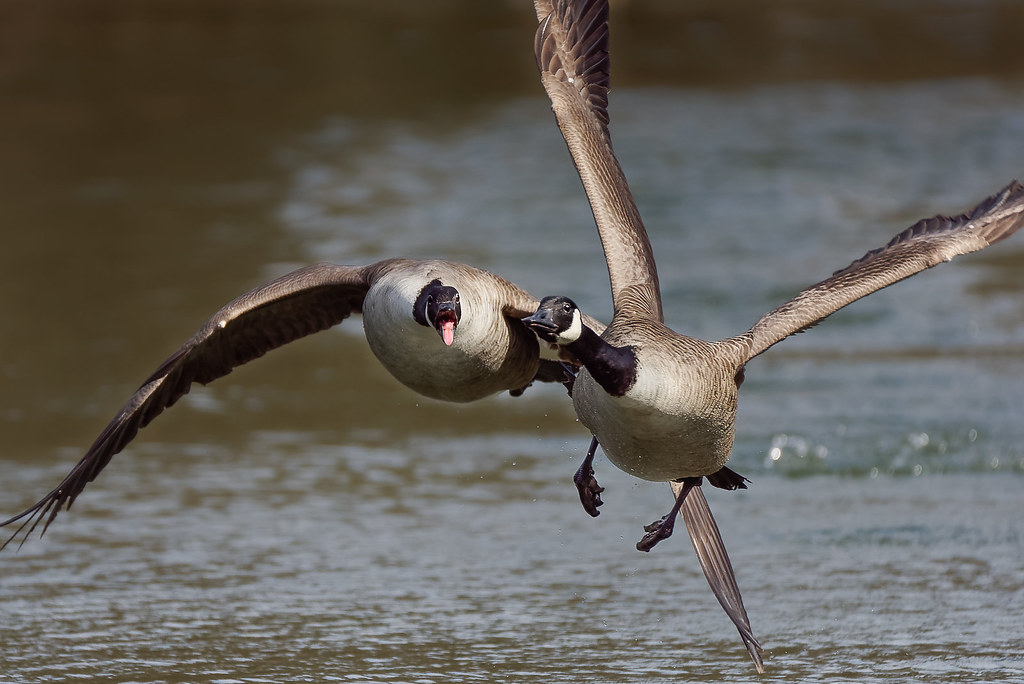
There are some challenges to flying in formation.

Full Speed Ahead

Despite the obvious challenges that wake harnessing presents, if they can be overcome the potential benefits are obvious. Airbus is pressing ahead with the project and hope to make it reality in oceanic airspace by the middle of the decade.

Considering the growth potential of the industry in a post-Covid world, formation flight may be the next big step in cleaner and more efficient flying.

Who’d have ever thought we get there with the help of geese?

Any Single Pilots Out There?

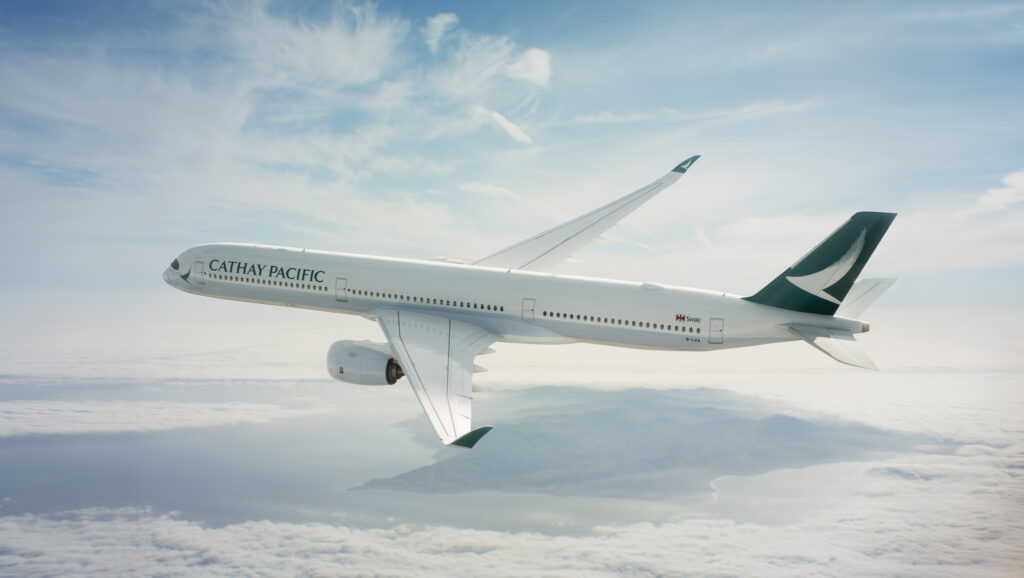
The big talking point of the moment – Airbus and Cathay Pacific’s project to have only one pilot in the cockpit during cruise.

So let’s take a look at what this might mean for safety, operations and pilots worldwide.

The headlines are misleading

Cathay and Airbus have not designed a new A350 which no longer needs pilots operating it. There is no mega computer AI robot involved which is stealing our job.

The plan is to simply allow one pilot to go and rest during “quiet cruise” phases, while another pilot remains in the cockpit vigilantly monitoring (and probably with toothpicks propping their eyes open). This will allow them to potentially reduce the number of crew required on long haul flights, and while it means a change to procedures it is not really, as many are reporting, a leap towards pilotless flight decks.

Maybe just a small step

So, what are the considerations here that people are talking about?

GermanWings

The GermanWings accident resulted in a rule that there must be two persons in the cockpit at anytime. So if a pilot needed a bathroom break, a cabin crew member was required to come in. This was fairly contentious at the time because, as many pointed out, what is a cabin crew member going to do if a “situation” arises?

This rule was eventually revoked, in part because EASA and other authorities brought in new regulations relating to pilot psychometric testing. However, with only one pilot in the flight deck, this does raise various safety concerns – from events similar to the GermanWings accident, to the question of pilot incapacitation or even, what do they do if they need the loo?

What about the AF447 accident?

AF447 was, in part, attributed to the experience levels of the two crew in the flight deck – both First Officers while the Captain was out sleeping.

Using cruise relief pilots is not a new thing though, and in order to operate with a single pilot, that pilot will presumably need to meet a minimum experience level. Additionally, the Captain will maintain the decision as to when they leave the flight deck in their First Officer’s hands.

The lonesome pilot can also recall their colleague to the flight deck should a situation require it. So the question really comes down to whether a situation is likely to arise where, by having only a single pilot the result is more critical or catastrophic than if two had been present and therein lies the problem – because years of aviation safety studies have shown time again that there is a reason we operate with two crew.

Safety in numbers

Modern aircraft, and the A350 in particular, have many levels of safety and redundancy to support the crew. They can automatically fly TCAS maneuvers. They can carry out an emergency descent at the push of a button. In addition, Airbus are working to demonstrate that their aircraft and systems are robust enough to basically not really fail. They are also designing them to be able to autonomously handle any situation without pilot input for 15 minutes.

This will be a big deal. It will mean, should something fail, and the single pilot be incapacitated, that there is time for the second pilot to wake up and make it to the flight deck to solve the situation. However, recent aviation accidents involving malfunctioning systems (designed to minimize pilot workload), and ongoing concerns about automation complacency highlight the potential downside of such advancements.

Can ETOPS can teach us something?

The A350 was certified for 370 minutes ETOPS. That’s a long time. It is over 6 hours. 6 hours on one engine potentially. So what leads to this?

ETOPS is given to the operator, not the aircraft, and it is based on the operator’s ability to demonstrate necessary airworthiness, maintenance and ops requirements. It is really a statistical thing. If an operator hasn’t had an engine issue in a really long time then they are probably going to be able to get a better ETOPS approval.

So what does this have to do with only one pilot in the flight deck?

Well, it boils down to the same thing – statistics and procedures:

  • How often does something go wrong in the cruise (which requires two pilots to handle it)?
  • What procedures will be in place for ensuring safety and redundancy levels are maintained?

The answer to Question 1 might be “hardly ever”, but aviation safety improvements are built on the fairly simply idea that if there is a risk, find a way to mitigate it. 

Even if that risk is minute, if it can be removed it should be. This is why astronauts have their appendix out before heading into space. This is why we have redundant systems onboard, or each pilot eats a different meal. Statistics might suggest an event occurring which a single pilot cannot deal with and which then results in a fatal accident or hull loss is tinier than a hair on a fleas back…

But if a risk exists that can be mitigates simply by retaining two pilots in the cockpit, then two pilots should remain.

A Disco onboard

They gave the A380 a bar and showers, now the plan is to have Discos…

DISCO actually stands for Disruptive Cockpit (I am not sure that sounds any better). This is the Airbus project looking at enhanced cockpit design to enable single-pilot operations on new aircraft.

The DISCO concept is looking to place core technologies into the flight deck in a ‘multi modal’ way. Things like pilot monitoring systems which track eye movement, voice recognition for commands, improved ground collision avoidance systems, new navigation sensors.

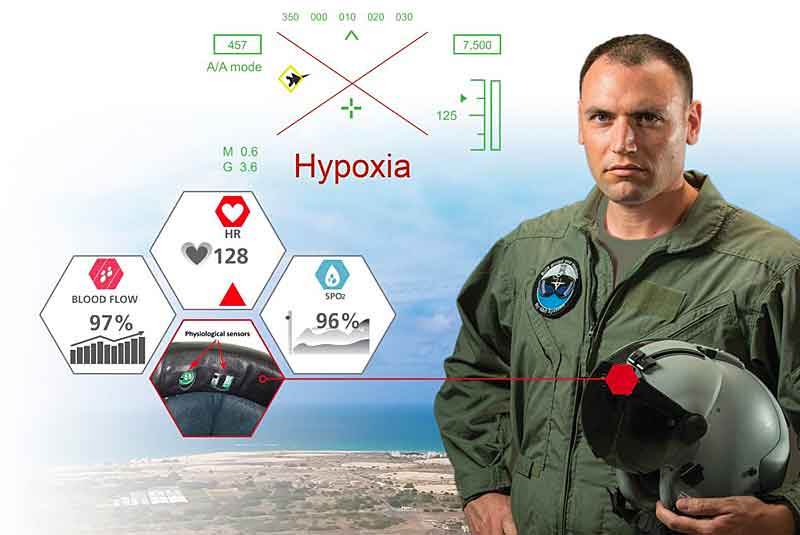
And of course pilot health monitoring systems.

An integral safety aspect of this concept lies in the monitoring of the sole pilot, and the availability of a system to detect if they become incapacitated, and to alert the remaining crew member.

It is only happening in 2025

The plan is to implement this in 2025. That is 3 and a bit years of procedure writing, regulation making, testing and trialling before it is put into action, and there are a fair few obstacles that stand between now and that day :

  • Regulators will be looking at their procedures with a fine tooth comb
  • The pilot will probably need monitoring, particularly to ensure incapacitation does not occur (or if it does, the other pilot can quick-foot it back)
  • There will need to be pilot training in place
  • Airbus need to hit that 15 minutes of safe autonomy.
    • And these systems will also need to deal with situations where ‘Black and White’ failures do not occur. When you consider the multiple, varied and often “illogical” failures which can arise from a lightning strike, a bomb onboard, or multiple computer failures this does not look as simple as Airbus might say
  • The approvals for this do not just sit with the Hong Kong authorities. Any state that the airline might overfly with only one pilot in the driving seat is going to have to be convinced as well
  • Passengers will need convincing…

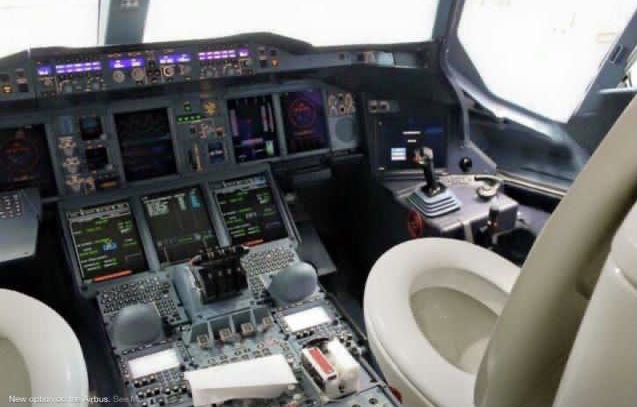
And they still need to answer the question of the toilet. We all want a little more information on how that ‘specially designed unisex toilet’ to be used ‘in coordination with ATC’ will work.

If this happens, they won’t need pilots anymore

This is a contentious one to raise right now. Say ‘single pilot’ or ‘autonomous systems’ and a lot of pilots break out in a sweat, seeing themselves replaced by AI computers. But aviation has always been very innovative and those in it have always had to adapt to new technologies. Take a glance back to the 1980s and flight engineers were still a relatively common site in flight.

Ignoring the rather decimating impact of Covid though, aviation was growing, and it was growing fast.

Chances are it will again.

There are around 200,000 active pilots and forecasts suggested upwards of 500,000 would have to be trained over the next two decades to meet forecast growth demands. Even if every (long haul) flight deck sees the number of crew in it halved, it is still probably safe to say none of the current or new generation of pilots will be out of work anytime soon.

But we still are not convinced

There are unresolved questions here. The main one being “Why?”

You see, there is already this rather marvelous thing in an airplane – it can watch the pilot, it can monitor aircraft systems, and it can take over no matter what the failure or the complexity of that failure might be…

It is called “the other pilot”.

There is a good reason why aircraft are multi-crew machines. So why are Airbus and Cathay Pacific investing millions into developing systems which can do this?

It isn’t for safety…

This is being driven, not by manufacturers looking to increase safety, but by an operator looking to reduce costs. And for many, that appears an unwise and arguably unethical reason. Even if the statistical impact on safety is a 0.0001% decrease, that is still an unacceptable decrease when it is made for business reasons. There are also a great many places within an airline or operation where costs can be cut, and when cuts are made these should never occur at the price of safety, even if that price does seem negligible.

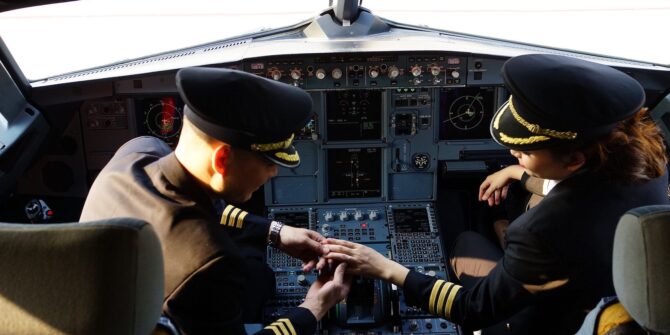
The main photo is of a pair of VietJet co-pilots who got married – because we think that’s nice, but also because we liked the play on ‘single pilot’ in the flight deck idea. Congrats to them both for their lovely day!


Airbus Flight 101 – Relief to Haiti

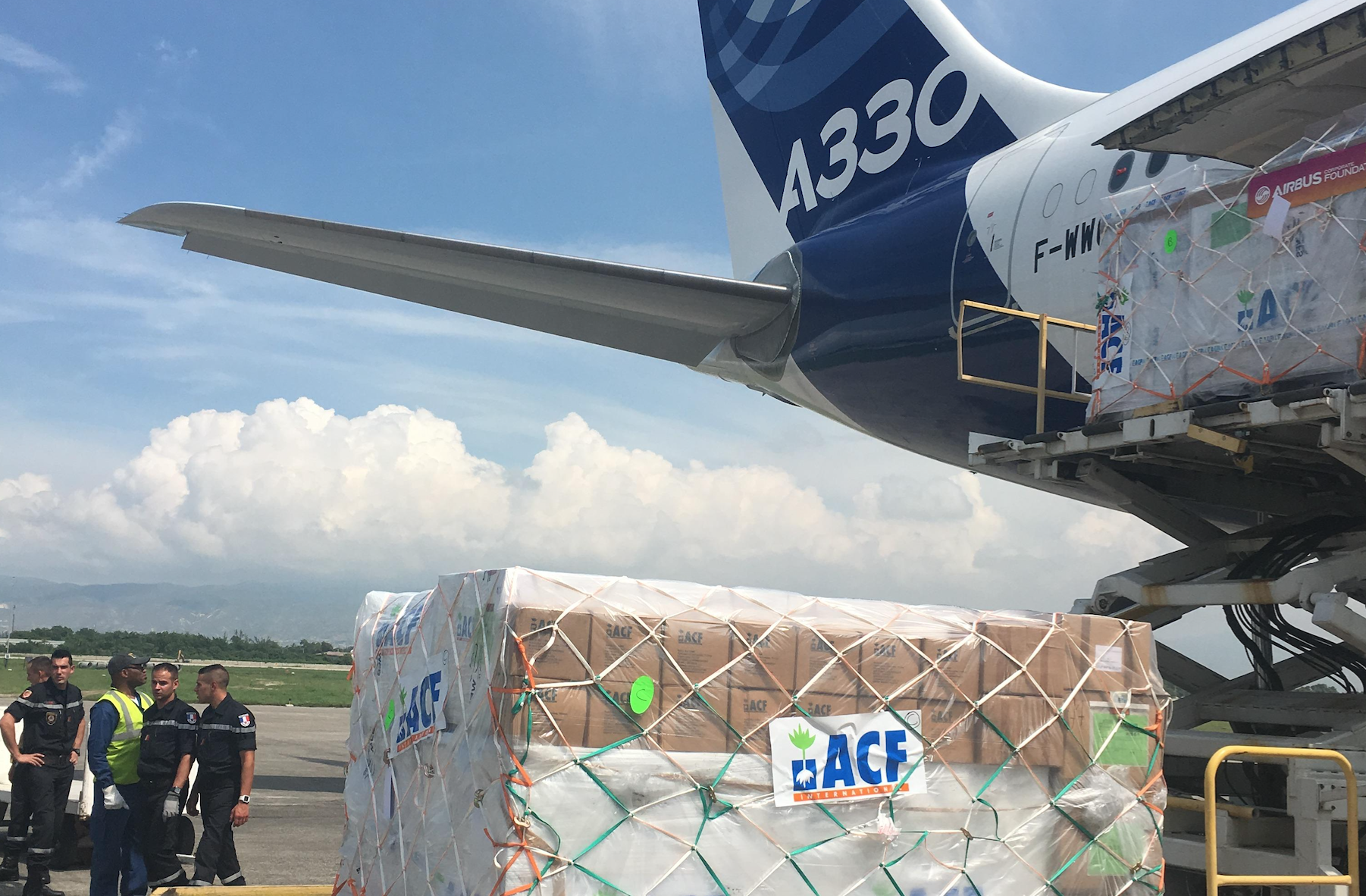
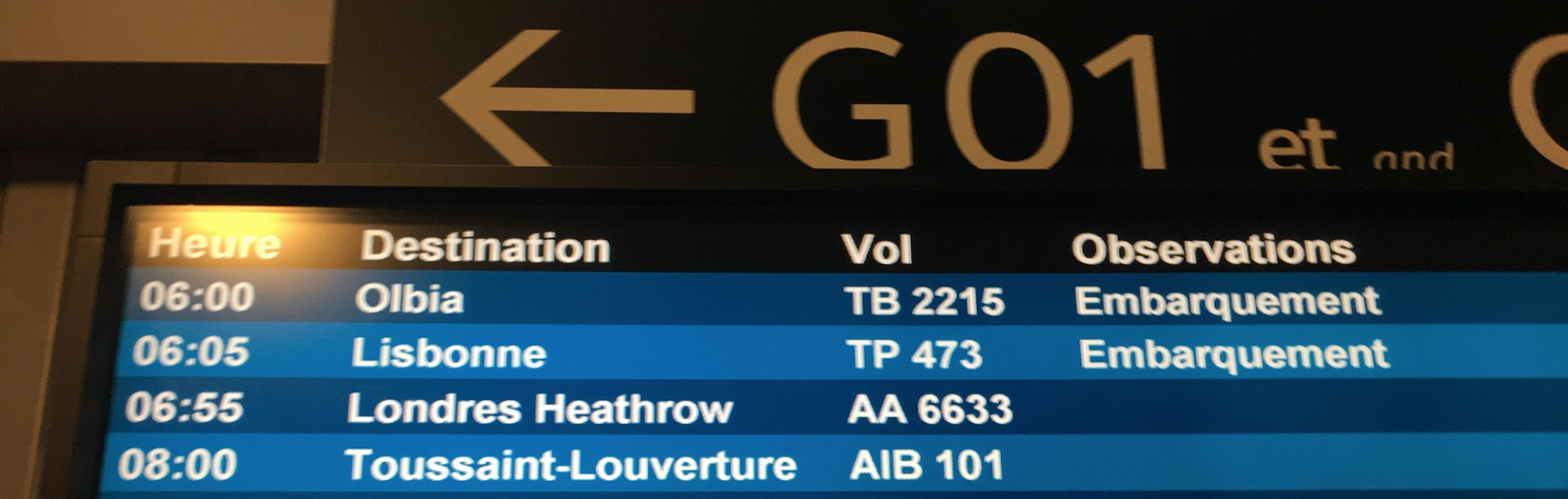
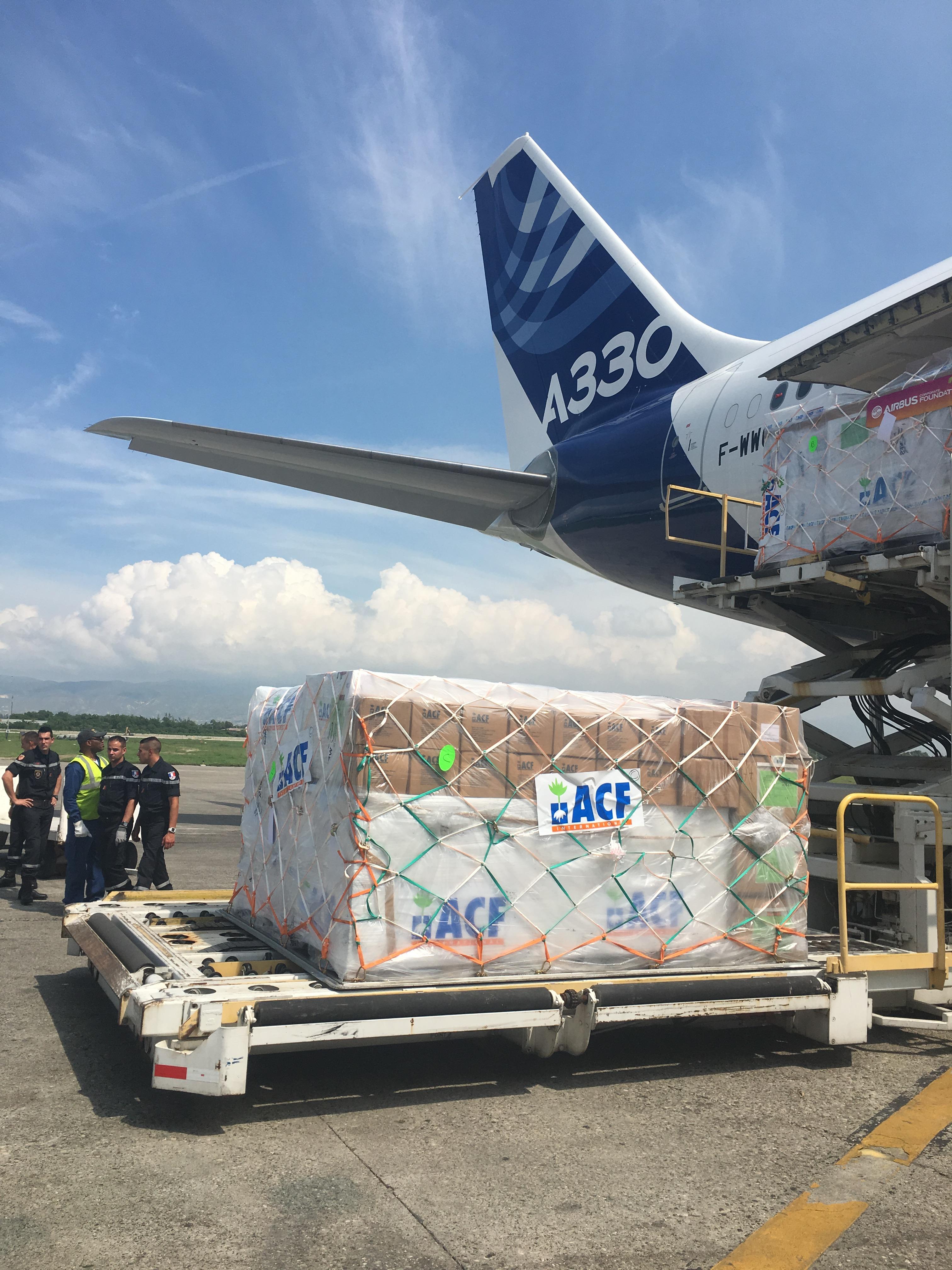
After Hurricane Matthew last week, MTPP/Port-au-Prince (Toussaint Louverture) became a central focus in relief efforts for Haiti. One of our OPSGROUP members, Airbus Industrie – took an A330 that’s normally used for testing, and flew it with supplies from France to Haiti.

Thanks Pedro @Airbus for this flight and trip report – and thank you for your contribution to the relief effort as well. All the crew members on board were volunteers.  We’re very proud to have you as a member of our group.

departure

Report from Pedro Dias, Airbus Industrie:

RELIEF FLIGHT TO HAITI – FLIGHT AIB101 – AIRBUS A332

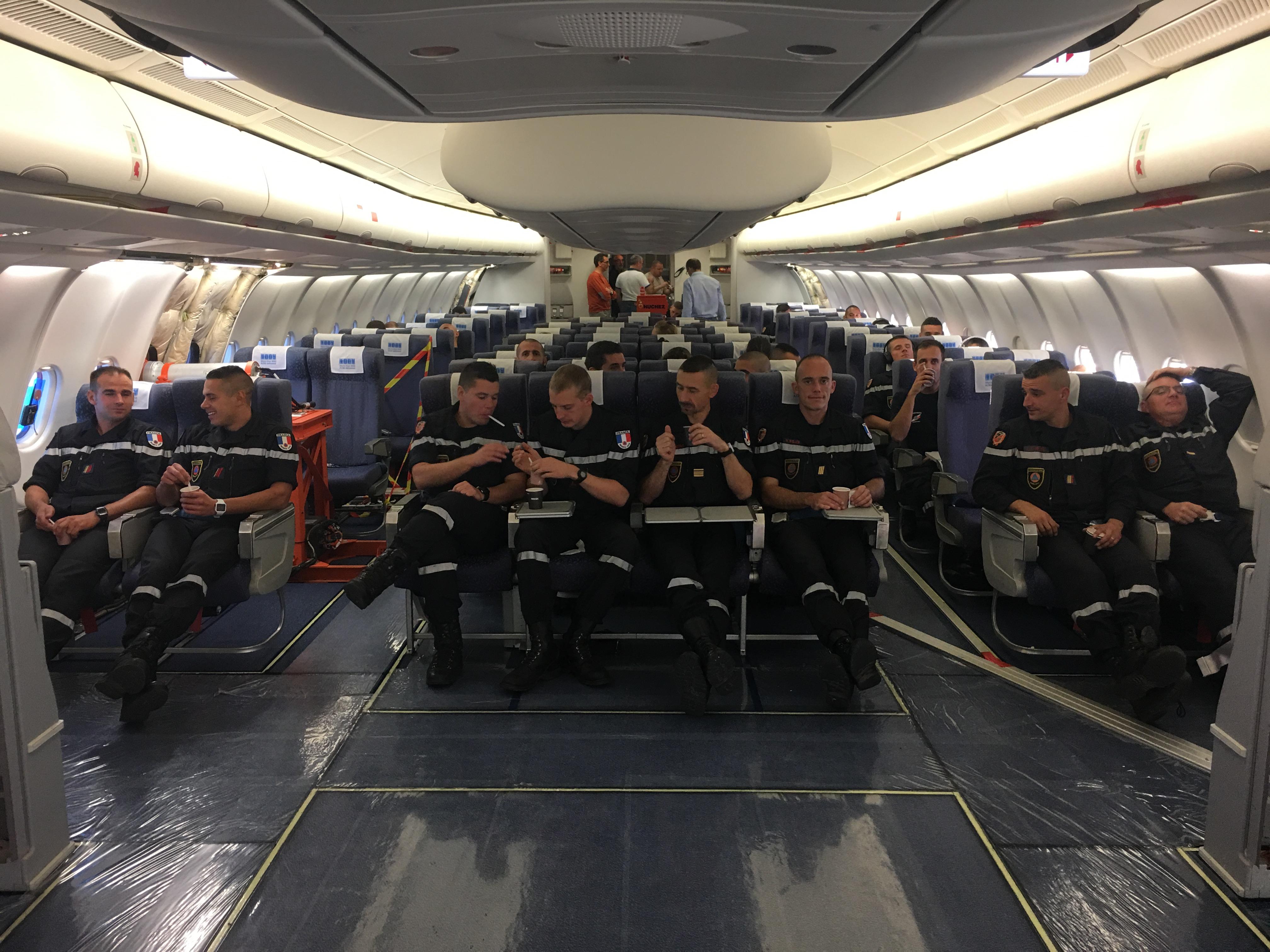
A request from NGO has raised to carry to Haiti 25 tons of medical equipment, first aid supplies, portable water station as well as a team of 40 people (28 military Rescuers, 4 doctors and nurse, 8 NGO staff). Airbus, thru the “Airbus Foundation”, responded positively and offers to help providing our A332. This aircraft is a test aircraft, partially equipped with pax seats and offer the full capacity of its cargo. On Monday 10th October we were ready to go!

First stop in LYS where all the NGO equipment was stored, after a short night Cargo and passengers were on board ready for a 9h30 flight.

AIB101 T/O @ 05H45UTC

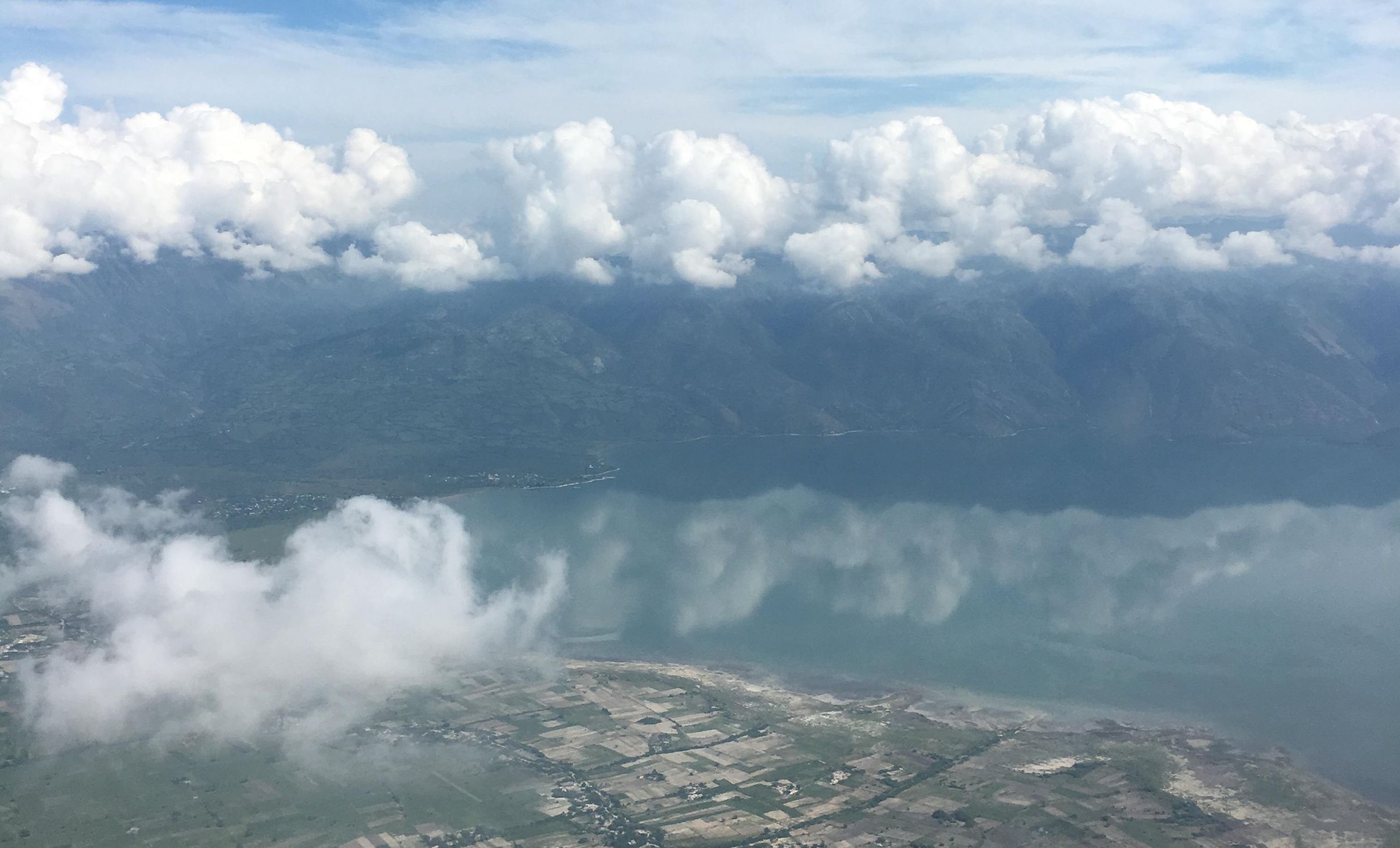
Nice flight with some turbulence approaching the Caribbean Area… This long flight gave us the opportunity to talk with our fellow passengers and understand their motivation to go to such devastated places. Very interesting dialogue, which made all of us understand that we are lucky to be where we live.

haiti1

After overflying a small part of the Island we’ve been cleared to land. On the ground a B747 was already there, offloading equipment sent by French government.

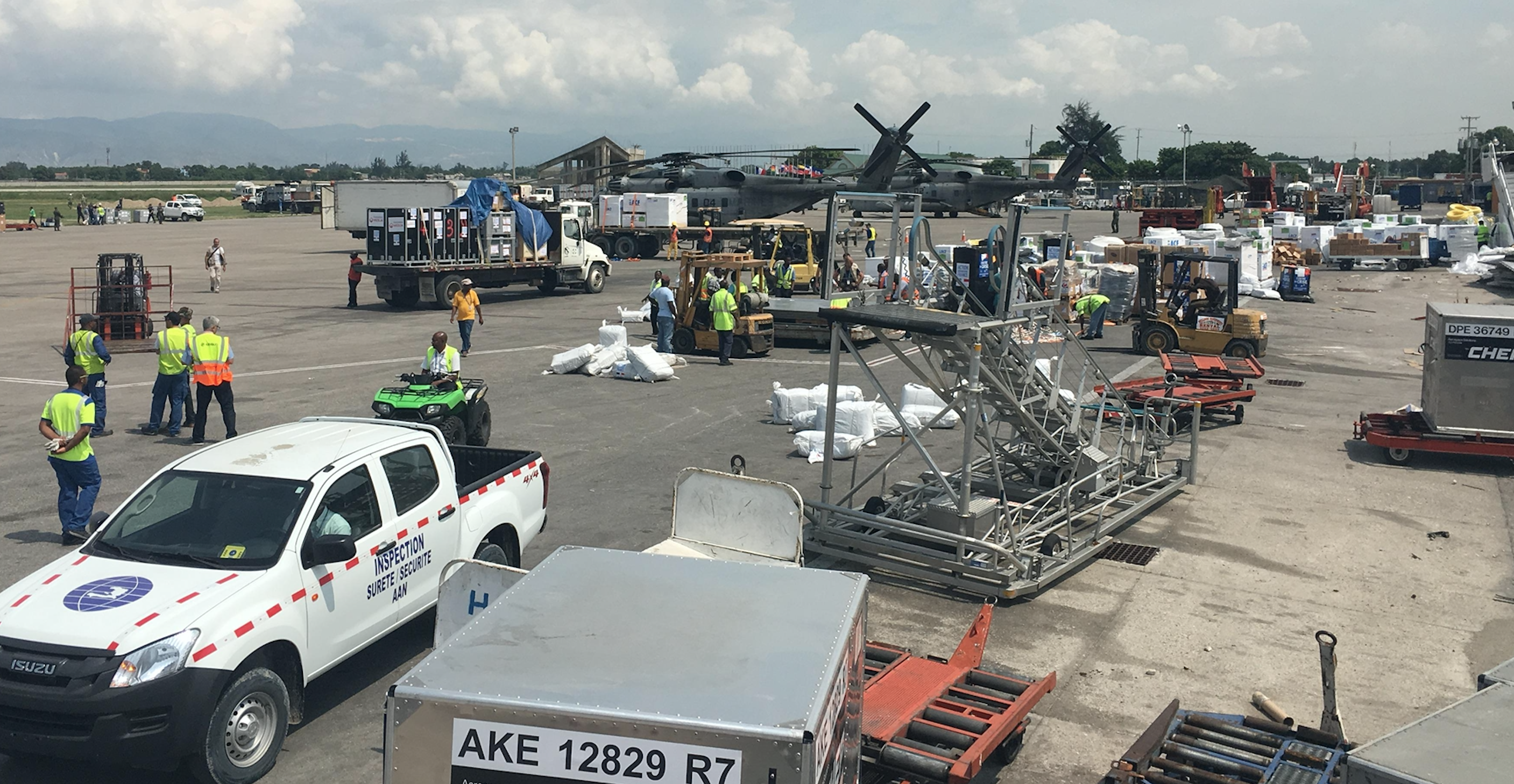
Handling was efficient but slow, as could be expected, and the airport was a bit messy due to Matthew but also to the heavy work on the airport, have to be careful of all trucks and excavators crossing taxiways and parking with no radio contact!!!

tail

We had to wait for customs to clear our cargo, finally everything went smooth and after less than 2 hours on the ground we were ready to leave. Fuel was not available, things have changed since I guess, we planned a fuel stop at PTP (Pointe-à-Pitre, Guadeloupe) before flying back to Toulouse.

ramp

2h Flight to PTP, then 2h on the ground and after a 08h00 flight it was 0550Z on Wednesday when we landed at Toulouse after 24h around the clock for this tiring but really rewarding flight.

All crew and Airbus team were volunteers to help on this flight, we know that what we bring is a drop in the ocean but we expect it will help people there, and we hope many more flights will follow soon”

Thank you Airbus and Pedro for this report!