New time zone for South America
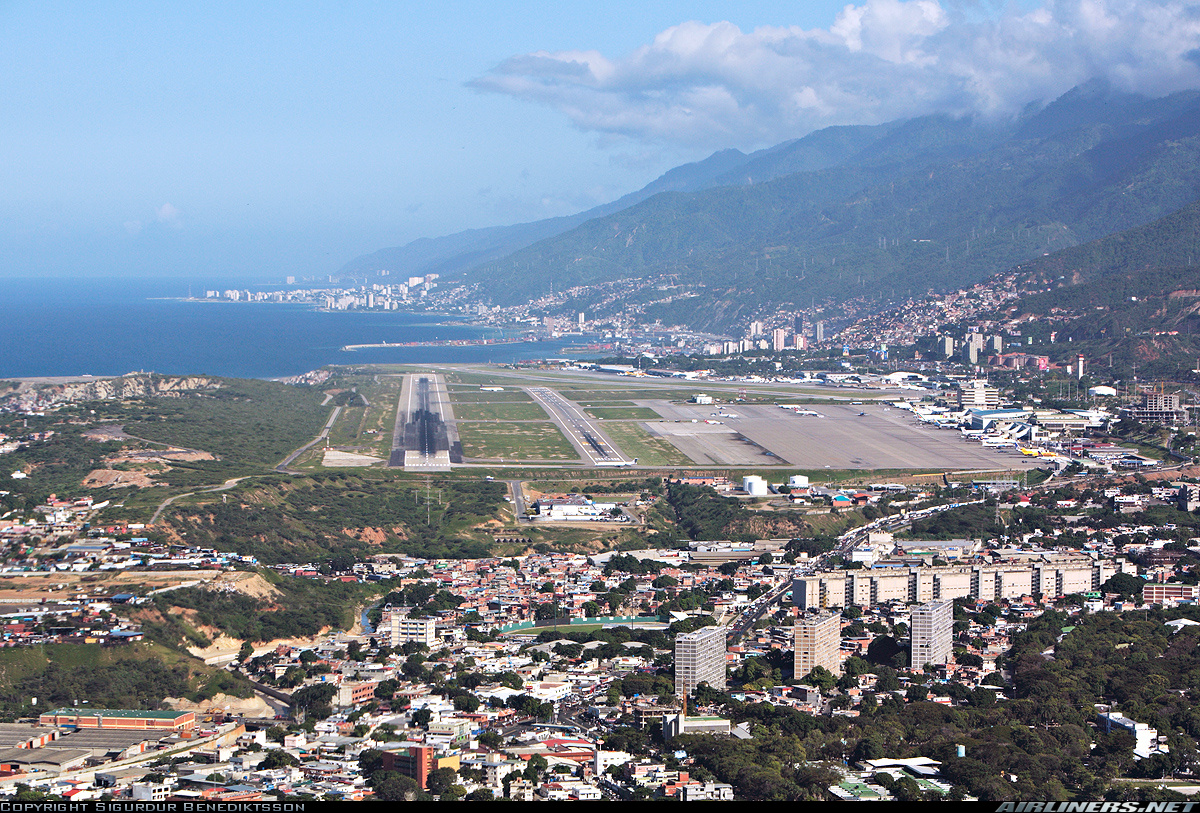
In an unusual move, a new time zone will take effect in South America from the 1st of May. As part of a measure to battle an energy crisis in Venezuela, the president also gave the public sector every Friday off until at least June 6th – to save electricity.

In addition, the entire country will change timezone from UTC -4h30 to UTC-4 from 01MAY, to ensure more daylight in the evening when energy consumption peaks.

At SVMI/Simon Bolivar, Primary radar has been off the air since 04APR – and remains out of service until the end of May – it’s unclear if this is electricity related.

If operating to Venezuela after 01MAY, local time will therefore be 4 hours behind UTC.


Earthquake effects: Japan, Ecuador

Two large earthquakes struck Japan and Ecuador in the past week, with a longer term impact on International Flight Ops.

Japan

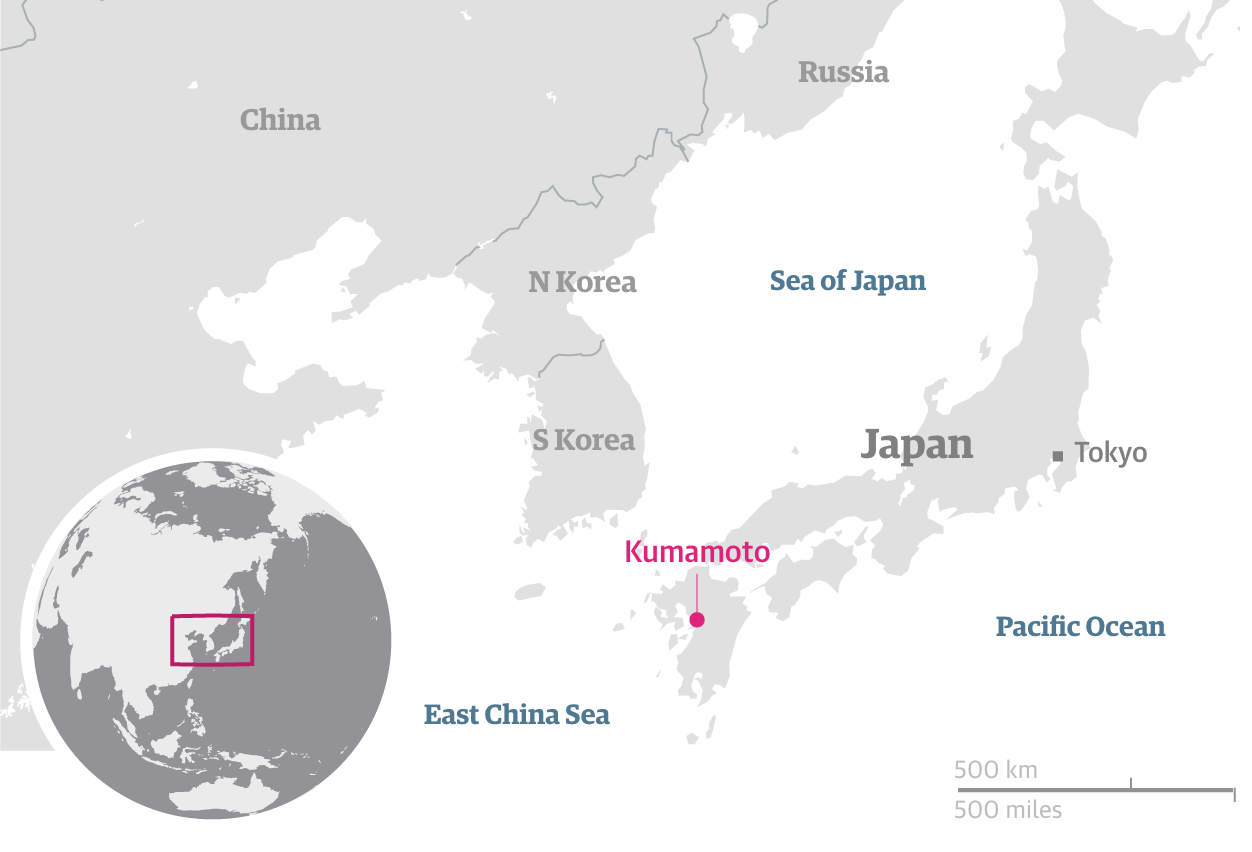
At 0124LT Saturday a 7.3 quake hit Japan, centred on Kyushu, the large island at the southern end of the country.

Airports: RJFT/Kumamoto is closed UFN to all traffic. RJFF/Fukuoka operating normally, RJFU/Nagasaki operating normally. In addition, in Kyushu: – Many roads, bridges damaged, Railways out of service, Region should be avoided.

Ecuador

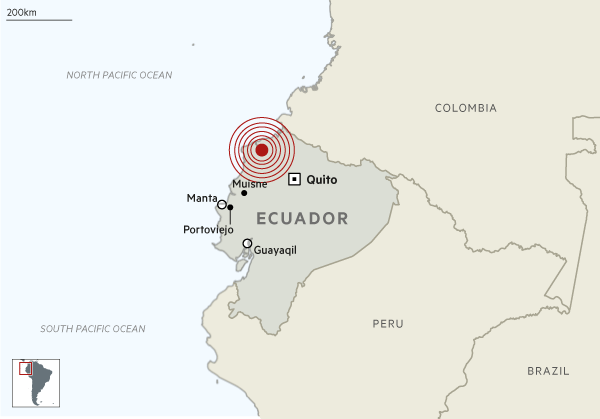
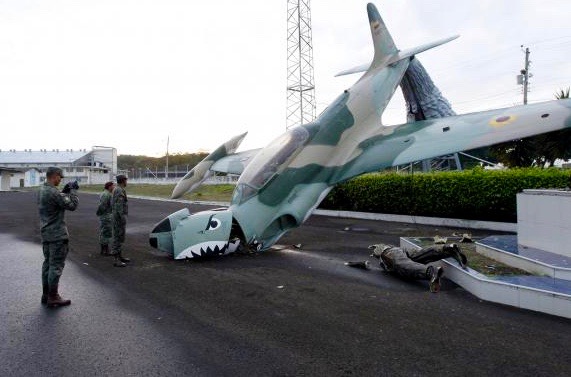
On the same day, a 7.4 earthquake centred towards the north-west of Ecuador.

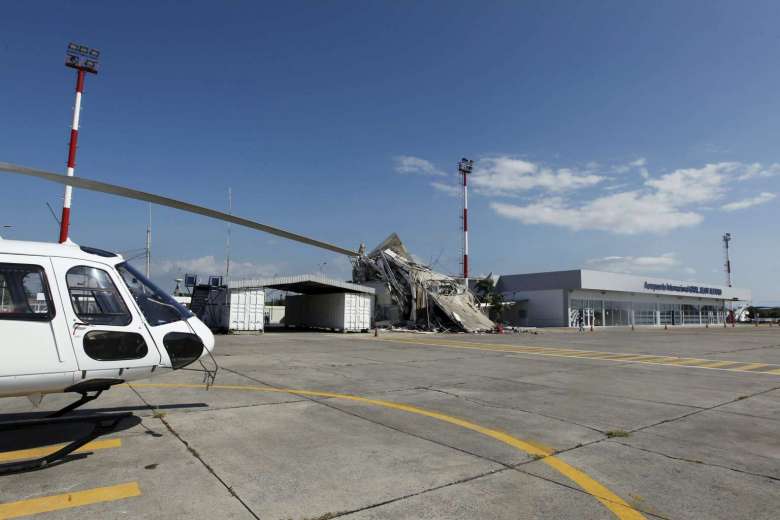
SEMT/Manta, a regular tech stop for traffic between the US and South America, is closed to normal operations after the Terminal and Control Tower suffered significant damage.

Japan-eq   Ecuador-eq


No more MHTG

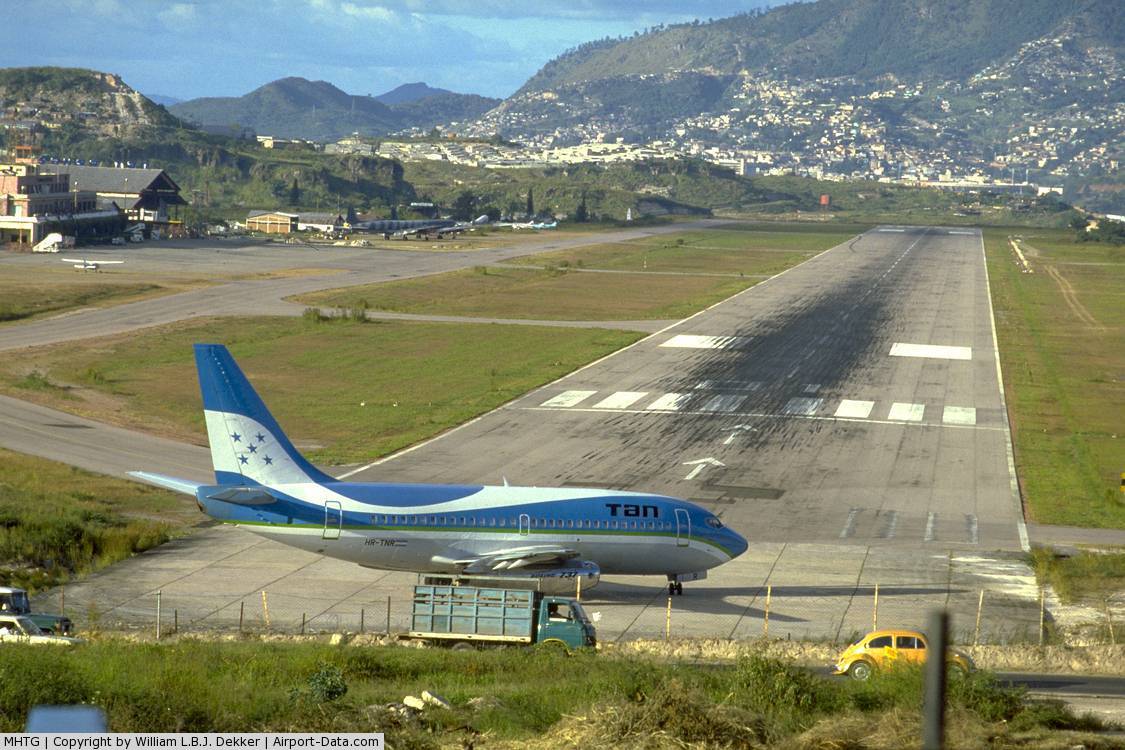
You’ve seen the video; which gives some background to why MHTG/Tegucigalpa is sometimes referred to as “the most dangerous airport in the world”. News over the weekend from Honduras confirmed a new $163 million airport is being developed. There have been multiple incidents at the airport over the years, mostly due to the surrounding terrain and approach.

The new airport, with a longer, 2440m/8005 ft runway, will be about 25nm from the capital near the Palmerola military air base, and the president said “The new airport is meant as an alternative “so that passengers can land in an airport that does not put their lives at risk,”.

If you’re operating to Honduras, Landing permits are required for all private non-revenue and charter (non-scheduled commercial) operations to Honduras, along with notification to “CENAMER,” a joint air traffic control service covering Belize, Costa Rica, El Salvador, Guatemala, Honduras, and Nicaragua.