Ferry Flight from Seattle: Boeing 707

We’ve sent out a lot of updates in the last 12 months about changes on the North Atlantic; if we go back 45 years you’ll see that navigating was a little different – but for all that has changed, much is still the same.

This Flight Log is from the Delivery Flight (KSEA/Seattle-EGLL/London Heathrow) of Boeing 707 G-APFN, which took place on 18NOV1960.

Home via the Pole

Our take-off weight was 130,500kg, of which 72,000kg represented full tanks. We needed, with all allowances, 66,500kg of fuel for the 4,210 n.m. flight. Estimated flight time 8hr 42min on a minimum-time track, with average +24kt wind component, calculated by BOAC’s New York dispatching office and received in Seattle by telephone. The 72,000kg of fuel would give us 11 hr 48 min endurance.

Track: Carmi, Churchill, Frobisher, 64°N at 50°W, 56°N at 10°W, Bush Mills, London. Flight level 330 to 90°W, 370 to 20°W, then 410. Take-off about 1700hr local, 0100Z (GMT). Take-off clearance: “Climb on runway heading to 3,000ft: left turn to heading 340° to intercept 030° radial of Seattle VOR: climb NE-bound until 15,000ft via direct Carmi: maintain flight level 330. Transition height, 24,500ft because of the mountains. Gets dark during climb, red rotating beacons reflecting off pods; flight deck almost Christmas-like in red and white lights on grey panels: everyone head-down working hard, except pilots peering into night sky. We press on to cruising height, mostly using DR plot and scattered NDBs with occasional VOR. Talking to all sorts of stations on VHF and HF, asking for position reports to be passed to BOAC at Montreal.

Distinctly Canadian accents on radio. Change heading from 025° to 060°. Meet jarring turbulence: navigator’s plot shows sharp wind-change: radar shows thunderstorms: temperature drops rapidly; lights dimmed and captain stares into black night, hand on autopilot heading control. This is a jet stream—and rough! Decide to climb straight to 370 to get clear, and notify control. Using both VHF and HF almost constantly. Pass Tippo Lake at 0202Z estimating Churchill at 0300Z. Dull, furtive veils of northern lights snaking above us—

ADFs tuned to Frobisher NDB, no astro. Outside air temperature—52°C. Hear SAS over-the-Pole flight asking to climb from 280 to 310 at 0449Z, position 70 °W, 66 °N. KLM flight is there too. Northern lights seem to have gone. We talk to “Leeway” on VHF.

0445Z: Note from co-pilot Lee, “Leeway is defence radar at Frobisher: we saw their lights on the ground: have now returned to compass steering: will get radar fix on No 2 VHF at about 0455Z: now reporting to Goose on No 1 HF.” Our report, read from a form, gives estimate for 64°N, 67°W as 0509Z, the wind found, fuel state and consumption, speed, ETA for London and much besides. Goose asked to repeat to Gander and Montreal for BOAC, to Sondrestrom for ATC. Sondrestrom cannot understand, so Goose changes HF frequency to try again. “Leeway” fixes us by radar at 120 miles. SAS and two other BOAC aircraft talking on HF. Navigator plotting all the time; engineer fills in fuel tables every 5,000kg, about every 40min. Pressurizing on one turbocompressor and two direct engine bleeds.  We call Prestwick on HF, apparently without reply.

Northern Lights

0530Z: Northern lights sneak up again. ADF tuned to Kook Island NDB, mid-west of Greenland, and we see its lights below. Whoever lives there? No. 2 ADF getting Christiansund NDB, 320 miles away on southern tip of Greenland. At 37,000ft: TAS 475kt; two minutes up on ETA; winds northerly; engines at 88 per cent r.p.m.; radar tilted down 7° for mapping.

0542Z: Temperature — 55°C. Air has been smooth for hours. Captain and navigator still hard at it, co-pilots and engineer relieved. Passenger cabin a dark, empty tunnel—only nine seats fitted. Dead of night, northern lights stealing about.

0625Z: At 35°W and 37,000ft. Hope to climb at 30″W. Three min ahead of plan. No VHF contacts. Iceland cannot hear our HF, so relaying via Sondrestrom. Expect to contact weather ship on VHF at 0645 and get fix. Nearest to Iceland at 0700. Many other aircraft south of us calling Gander. Receive HF weather broadcast from Shannon giving shallow fog for most British airfields; also Canadian maritime weather broadcast from Gander. Frobisher has a 9,000ft runway good for a diversion. Our point of no return relates to Gander. But now we have the feel of the other side and are heading south-east for Britain.

B707 Cockpit

0800Z: Wake with a start from sleep to see a hard yellow, copper and pale green dawn rising over us. Still making 480kt true on 132°. ATC has held us down to 37,000ft; passing 10°W and estimating Bush Mills at 0830Z. Windscreen frames now thickly coated with frost. The sun begins to shine dazzlingly straight in at the windscreen, and shades are down, lights turned low. Outside temperature — 48 °C. Captain still in seat. Navigator makes complete table of airways check-point ETAs for Red 1 and Amber 1 via Belfast, Isle of Man, Wallasey, Lichfield, Daventry, Beacon Hill and Watford to LAP’s runway 28R.

Descent to begin at 0852 and to last 24 min at mean TAS of 364kt, using 800kg fuel. Engineers plan pressurization management between bleeds and turbos when throttled back on descent. ETA London 0916Z with 19,000kg of fuel remaining at 1,000ft. The tip of Ireland is painting well on radar at 60 miles. Sun is blinding. A leaden sea visible between dollops of cloud thrown almost up to our level in polar maritime cold air. IAS 250kt; M0.82; r.p.m. 88 per cent; o.a.t. — 48 °C; cabin height 6,000ft. Navigator hands time plot to co-pilot and relaxes slightly. HF weather reports in French. Cillard RAF radar (in Scotland?) has us. English voices, clipped and calm in welcoming efficiency.

0820Z: Ireland in sight. Centre and reserve tanks now dry, remaining fuel distributed in wings.

0837Z: Cillard loses us and we switch to Scottish Airways control. Estimate Isle of Man at 0843. Prepare-for-descent checks read out. Landing weight will be 77,500kg—very light—VREF 126kt, target threshold speed 135kt, maximum threshold speed 149kt.

0842Z : Pass Isle of Man, in sight below, together with coasts of Wales, Ireland, England and Scotland, and request descent clearance for 0851. At 0846 cleared down to flight level 210 and call Preston. Throttle outers to 68 per cent and inners to 87 per cent r.p.m. Descending at M.O.68 at 700ft./min. Wallasey at 0853.

0900Z: The Pennines lava-like in valley fog and snowy tops. Joddrell Bank telescope like a deployed parachute far below. Atlantic charts and manuals being cleared away. Pass Lichfield, estimating Daventry at 0907, tuning beacons, change to London control. 250kt i.a.s., jolted in rough air. Daventry at 0907, estimating Beacon Hill at 0913. Cleared to flight level 190. Watford on No 1 ADF, Dunsfold on No 2 ADF. Find Beacon Hill by Flying Dunsfold range leg to a bearing from Watford. Under London radar surveillance from Daventry. Cleared to flight level 080. Don’t confuse Beacon Hill with Woburn, check with ADF. l,000ft/min now at 150. Wheels rumble down for airbrake effect, slow to 200kt at 2,500ft/min; trying to make Watford at 8,000ft. Over Watford at 11,000ft radar takes us straight on to a southerly lead-in for ILS, asks our rate of descent.

Runway visibility 1,500yd. Still on autopilot, in cloud. Flap coming down. See Greenwich through a hole in cloud, then Crystal Palace. A helicopter is reported leaving Battersea. Approach checks read. Autopilot-coupled glide-path and localizer armed. Radar vectors us on to centre-line. Speed coming back to 150kt at 3,200ft. QNH set on co-pilot’s altimeter, QFE on captain’s. Height 2,100ft, glidepath coupler engaged at 152kt, going down at 900ft/min into dull mist. Melted frost dripping fast from window frames. Captain’s hand poised on control wheel. Windscreen wipers working hard. Lead-in lights now dimly in view, but no trace of runway. BEA engineering base comes into sight to our left, co-pilot postively identifies runway and tells captain.

We surge in past the lights, the captain cuts the autopilot and holds off. When I think we are still 100ft up, the main wheels touch smoothly, the nose comes down, spoilers are popped out, reverse thrust pulled. Further end of runway still out of sight. The captain takes the nosewheel tiller and starts braking while the co-pilot holds the column forward and calls the decreasing speeds down to 60kt. We turn off with some runway to spare, switch to airfield control frequency. Shutting down checks begin.

We are home. Chock-to-chock time 9hr 15min for 4,210 n.m.: we took off at about 1700 hr Seattle time and it is now 0130 by that reckoning— time for bed. But here in London it is 0900hr or so and a new day is just beginning. This is the way to travel if you don’t weaken ..

This is an exerpt from an article originally published by Mark Lambert in Flight International in 1960.


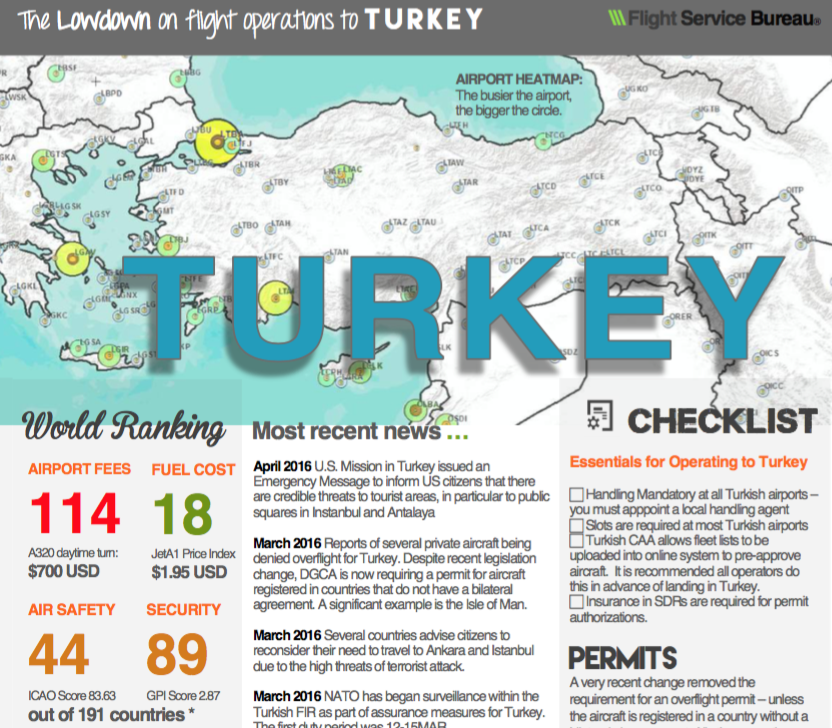
Country Lowdown: Turkey

The latest in our series of Country Lowdowns is: Turkey. There have been some changes of late, including an exclusion for aircraft registered in countries without a bilateral agreement with Turkey, from the new overflight permit exemption. Hmmm. That’s a mouthful.

In easier language – if you’re flying an M-reg or a VP-reg aircraft, you’ll probably need an overflight permit.

We publish these Country Lowdowns on a regular basis, and they are sent directly (free) to members of OPSGROUP.

If you’d really like the one for Turkey, just email team@opsgroup.co. Or – join the group at opsgroup.co and you’ll get them all as they are published.


Ops-Group-Logo


US and Canada may lose EU visa right

The European Commission published warning on 12APR that visa-free travel by US and Canadian citizens to Europe is at risk, due to the lack of a full reciprocal arrangement for EU citizens.

The core of the issue is this: Although US and Canadian passport holders can travel to Europe for stays of up to 90 days without requiring a visa, citizens of some EU countries are not eligible for the same privilege in return. Specifically, citizens of Bulgaria, Croatia, Cyprus, Poland and Romania require a visa for the US, and citizens of Bulgaria and Romania require one for Canada.

The deadline for US and Canada to include those citizens in their own visa-waiver programs expired yesterday, on 12APR2016. Consequently, the EU is obliged, under their own policy document, to take steps to remove the visa-free travel privilege for US and Canadian Citizens.

The United Kingdom and Ireland do not take part in the development of the common visa policy and would not be bound by a visa waiver suspension.

No change has yet occurred, and any decision to limit travel would have a lead time (most likely 90 days). For further background see the full EU press release.


No more MHTG

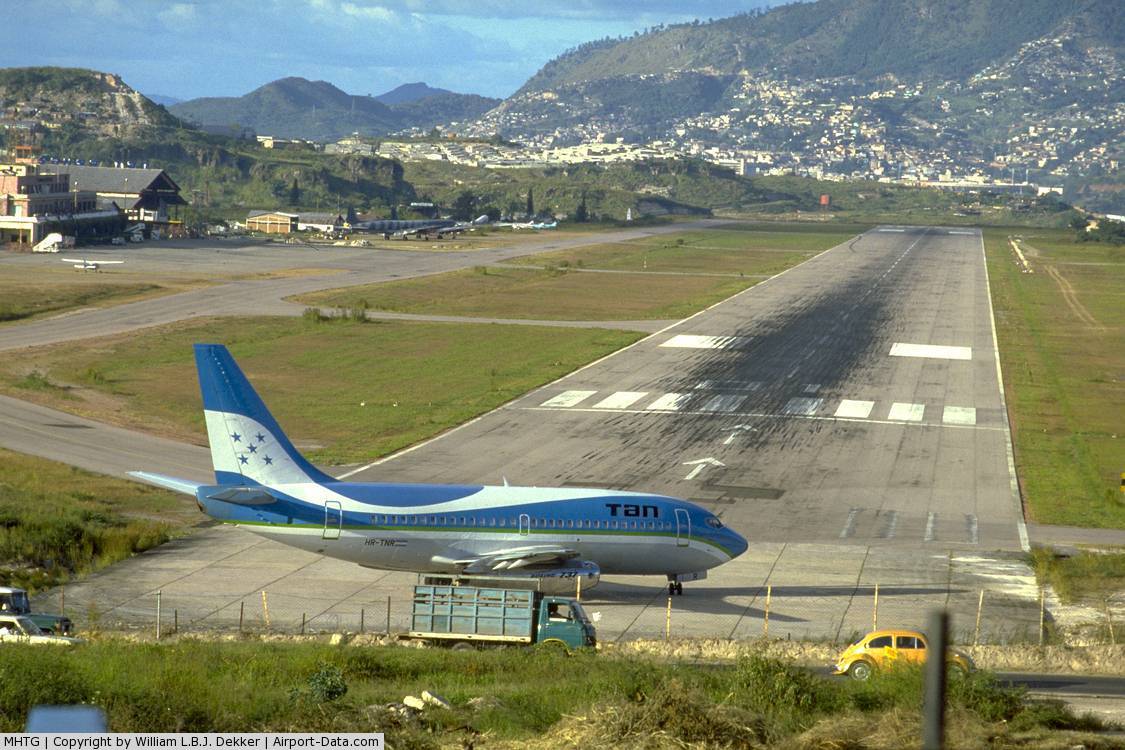
You’ve seen the video; which gives some background to why MHTG/Tegucigalpa is sometimes referred to as “the most dangerous airport in the world”. News over the weekend from Honduras confirmed a new $163 million airport is being developed. There have been multiple incidents at the airport over the years, mostly due to the surrounding terrain and approach.

The new airport, with a longer, 2440m/8005 ft runway, will be about 25nm from the capital near the Palmerola military air base, and the president said “The new airport is meant as an alternative “so that passengers can land in an airport that does not put their lives at risk,”.

If you’re operating to Honduras, Landing permits are required for all private non-revenue and charter (non-scheduled commercial) operations to Honduras, along with notification to “CENAMER,” a joint air traffic control service covering Belize, Costa Rica, El Salvador, Guatemala, Honduras, and Nicaragua.


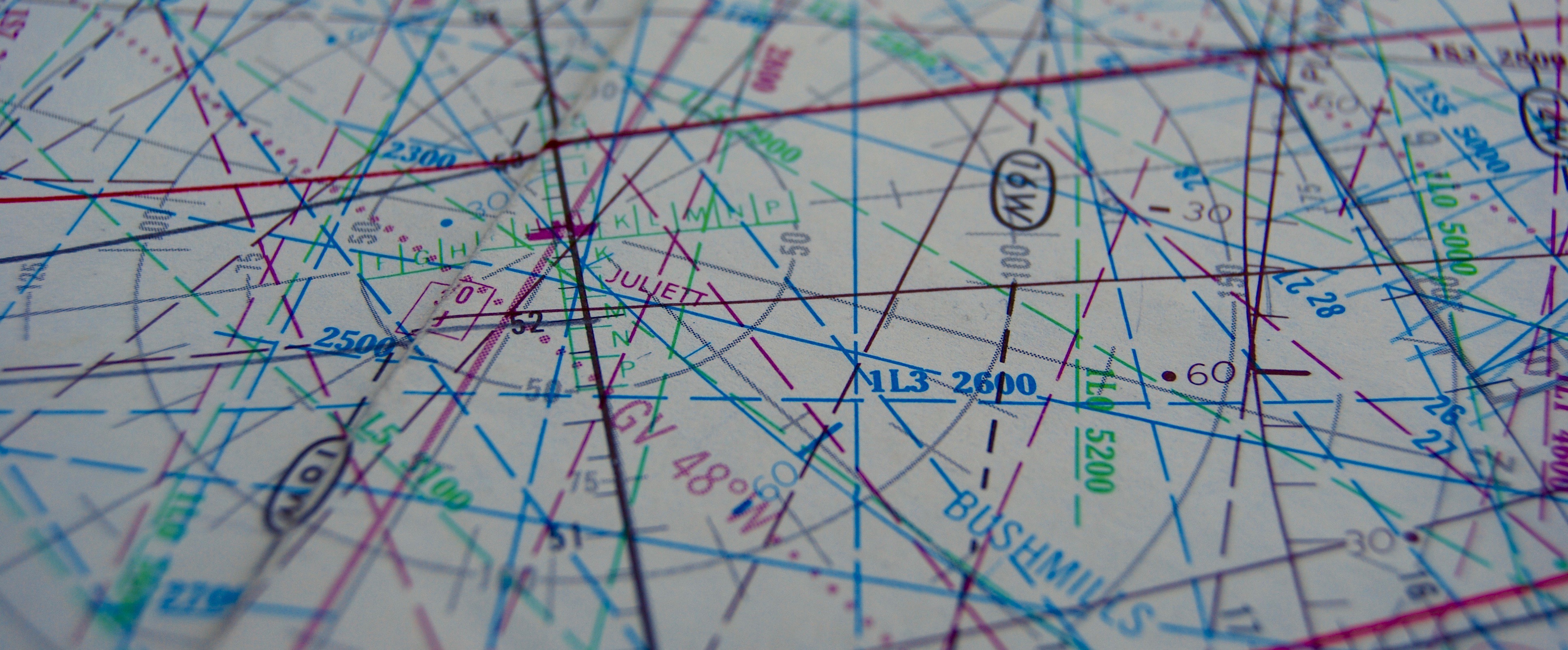
Take a close look at this chart. Notice anything strange?

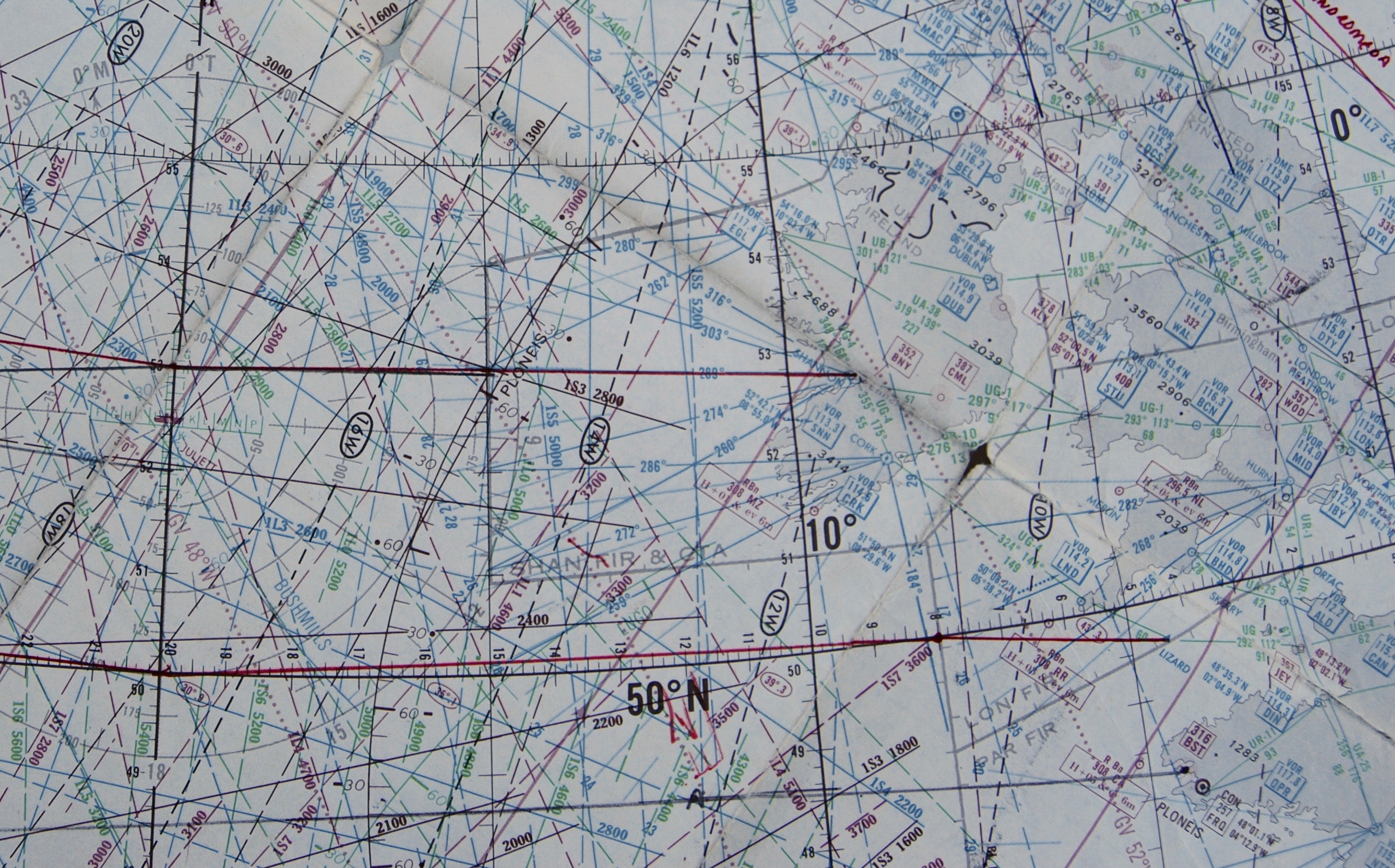
On second thoughts – let’s ask another question, that might be easier: Notice anything familiar? I’ll venture a guess: probably not. This is a North Atlantic Plotting Chart from the 70’s (hauled out of the Flight Service Bureau archives), and it’s the area just west of the Shannon FIR, at 20W. Busy place, back in 1973.

So what are we looking at, exactly? Most of the coloured lines are LORAN lines (dashed ones indicating the station is only receivable at night); but there is also a range ring for the BUSHMILLS (MWN) Consol Navigation Station on the North coast of Ireland (long since gone).
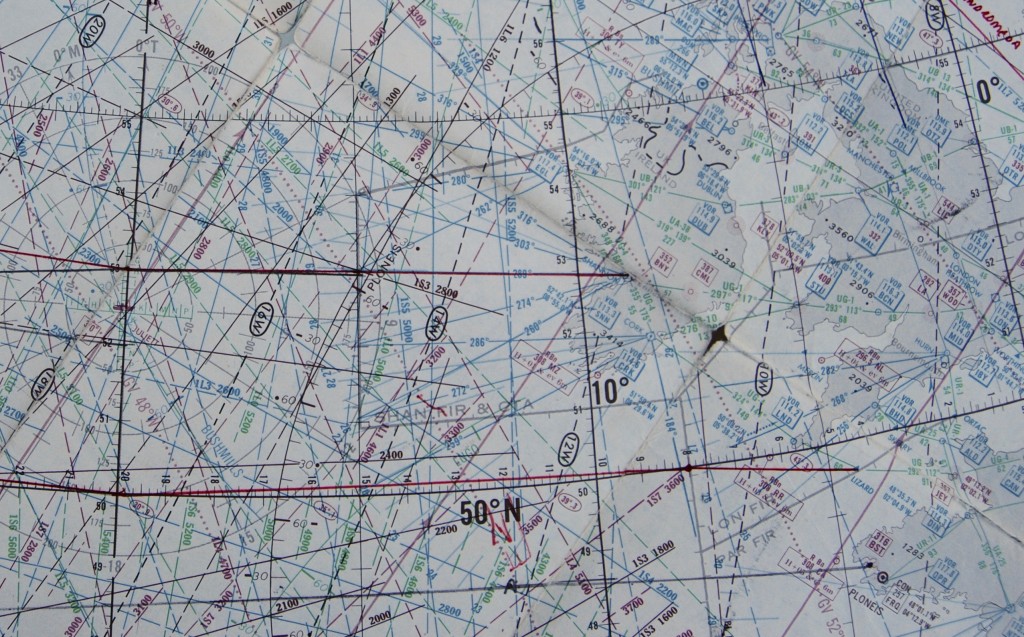
Shannon FIR 1973

Most interesting is the waypoint marked JULIETT. It’s 52’30N and 20W: Officially known as an Ocean Station Vessel (OSV), this was a Weather Ship operated by the UK and the Netherlands and permanently in position. It was used back in those days to take regular radiosonde readings, collect weather reports, act as a radio beacon (NDB on 370Khz), and provide Search and Rescue (SAR) cover.

There were 10 such ships on the Atlantic; A through E operated by the US coast guard; and I through M by the Europeans.
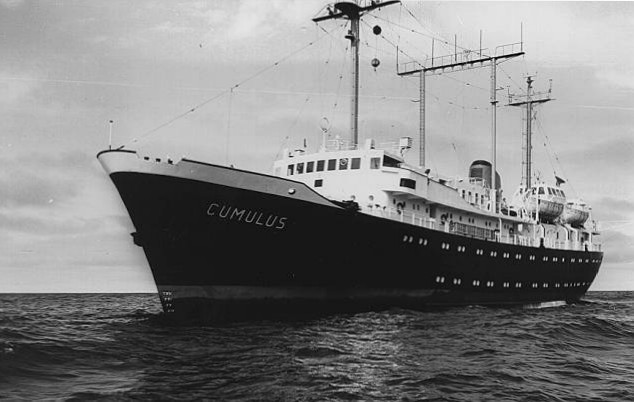
cumulu11-1

Howard Cox, in “Ocean Weather Ships”, writes: “Light aircraft were reasonably frequent ‘visitors’ on their delivery flights to the UK or Europe. Without exception there was always something not working –VHF but no HF or vice versa, no heating, no DF and so it went on. I remember one occasion when we were on Juliet when we were requested by Shanwick Oceanic Control to keep the ships navigation beacon on continuously and to keep a continuous radar watch on from a certain time. An aircraft being ferried to Europe via the UK had taken off from Gander and lost his radio compass before he had even reached the US Coast Guard cutter manning Ocean Station Charlie.”

Cox continues, “They had brought him over the top of them using their radar, ‘set’ the radar beam in the direction of Juliet and guided the pilot as far as they could along the beam till out of range. We did likewise when he reached our part of the ocean, setting the beam in the direction of Shannon Airport in Ireland and guiding him along that until he passed out of range. In the meantime Shannon did the same when he got in range of them. He was lucky, he made it, crossing the Atlantic courtesy of three radars!”

The value of the SAR function of these ships was proven in the Pacific 1956, when about 1200 miles west of San Francisco Pan Am flight 6 ditched after a double engine failure with no fatalities; all 44 people on board survived thanks to Ocean Station November, which is where this photo was taken from.
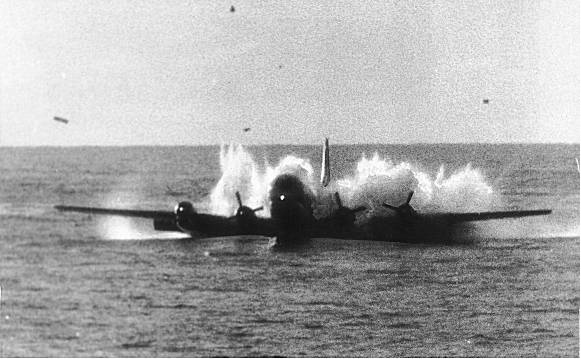
561016PanAmDitches-3

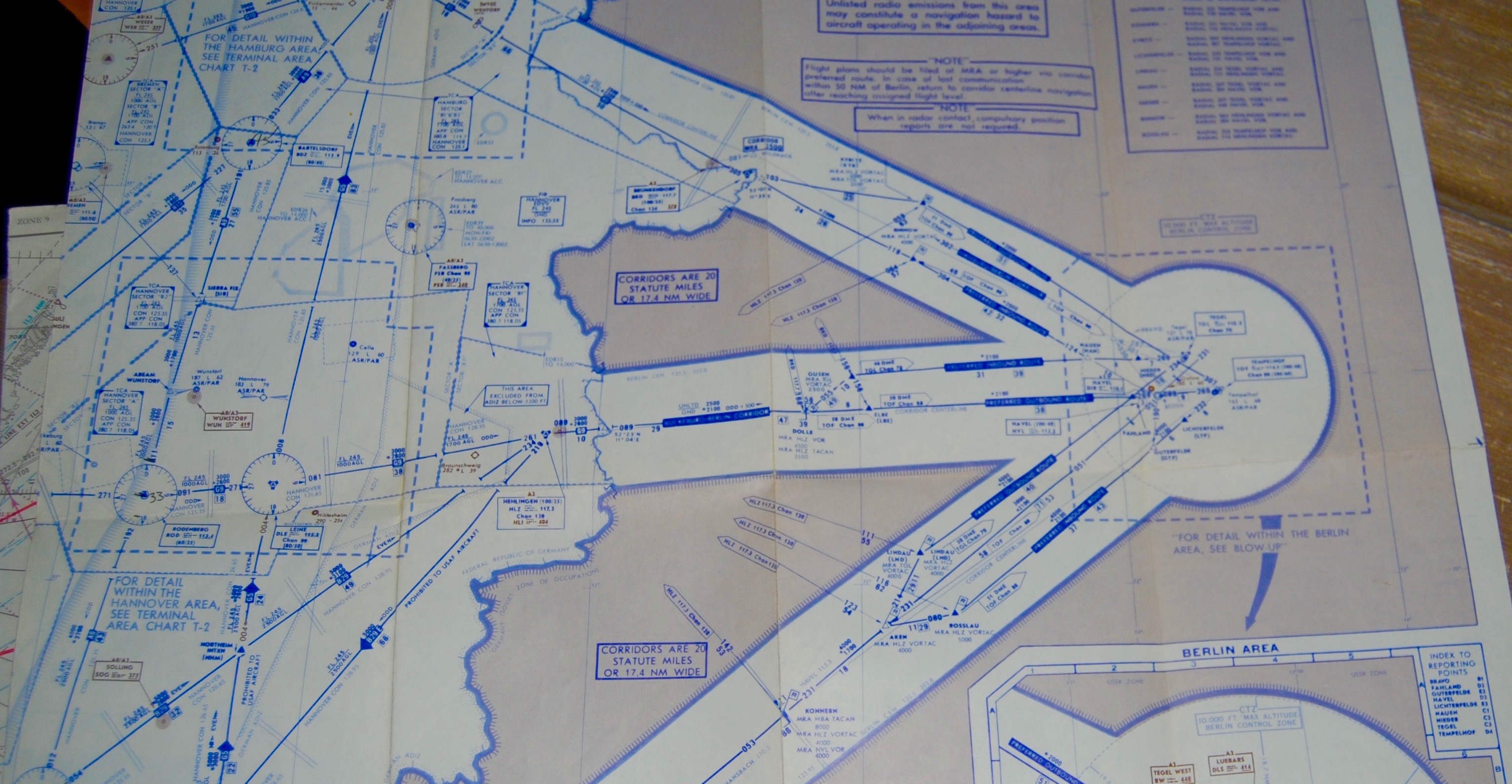
Our next look at old charts will be this one from the Cold War, showing a very distinctive three-corridor system of entry and exit to ….
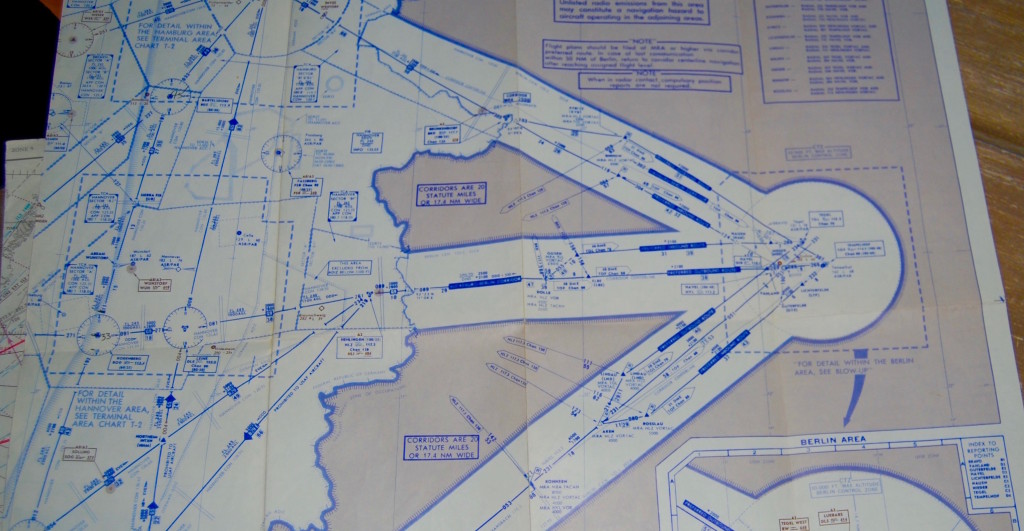
Pankow


North Korea overflight getting riskier

Update: FSB removed North Korea warnings on May 14, 2018

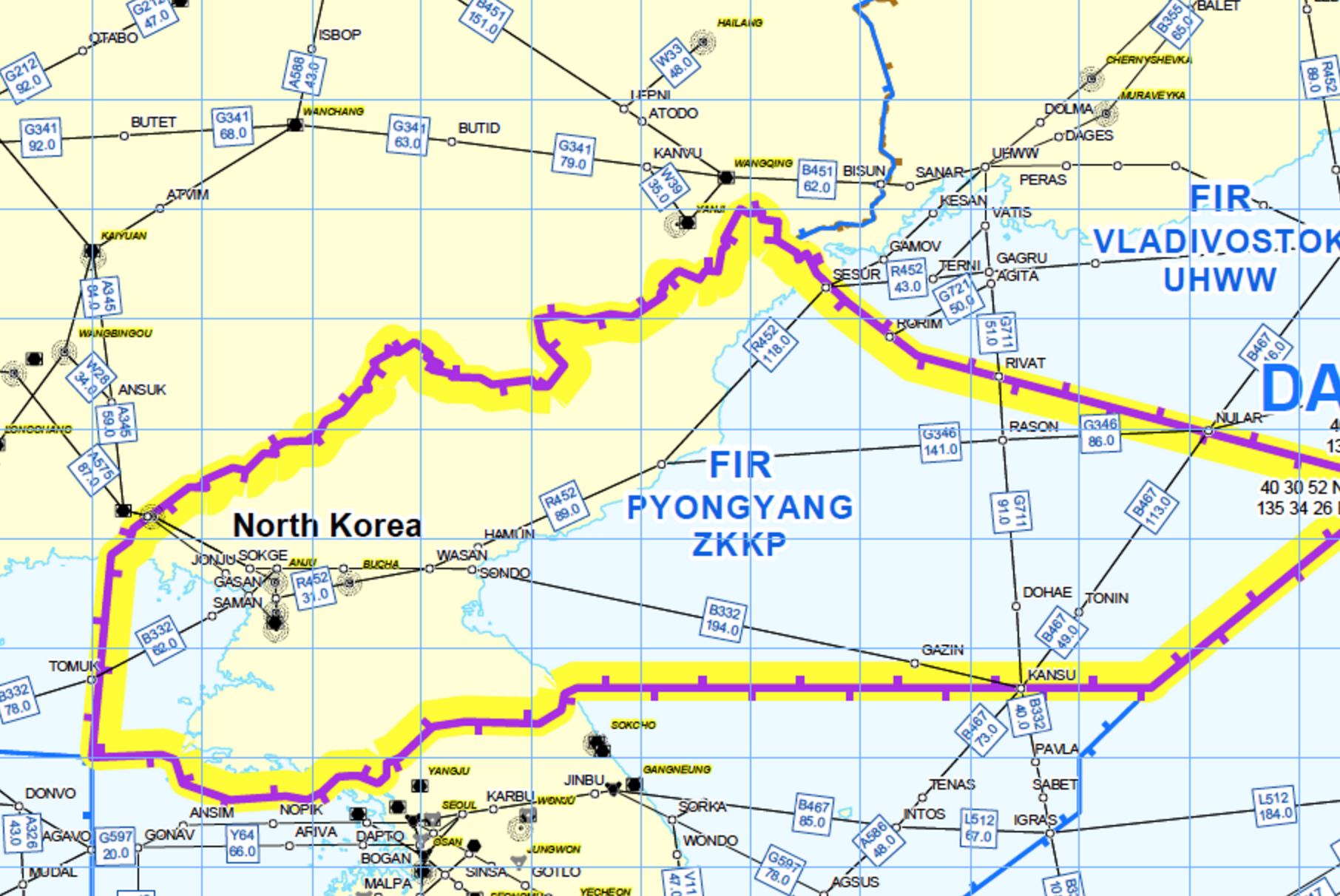
The annual posturing between the DPRK (North Korea), and the US/South Korea, follows a fairly regular pattern each year. The cycle involves escalating threats (by both sides), a cooling off process, a long period of nothing, and then a resumption of threats. History tells us that there is nothing to fear, because this is always the way it works on this peninsula, but then a slightly less micro view also tells us that we don’t always make the correct risk assessment.

Prior to MH17 (B777 shootdown, Ukraine), our view of missiles in the commercial aviation community was a little casual.  Post-incident, the rule of ‘overflights are safe’ as a standing principle was removed,  and suddenly a whole lot more interest was applied to what was going on underneath the airways, even if we were up at FL350.

In specific terms, over the last fortnight, North Korea has been launching short and medium range missiles like they are going out of style. Nobody in Pyongyang has any intention of aiming them at civil airliners, but the objective is not where the risk lies. Late last year when Russia fired 30+ missiles into Syria, at least 5 of them went off course (including way above where they should have flown).

This wayward tracking is the greater part of our concern, for all flights within the Pyongyang FIR (ZKKP). Most international overflights are using the North-South airways over water to the east of the landmass, and it’s worth considering that the missiles launched in the last week have been directed out over the sea in this direction (not coincidentally in the direction of Japan, who isn’t on the DPRK Christmas card list either).

US Operators are in any case restricted by SFAR79, but everyone else should be keeping a close eye on their North Korean overflight plans. (If this hasn’t put you off, you can read the full North Korea overflight permit requirements).

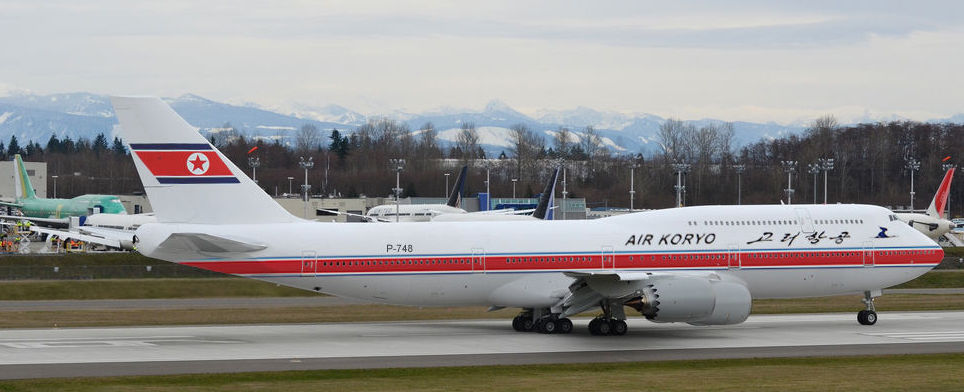
Air Koryo B747-8


Australian Airport Strike cancelled

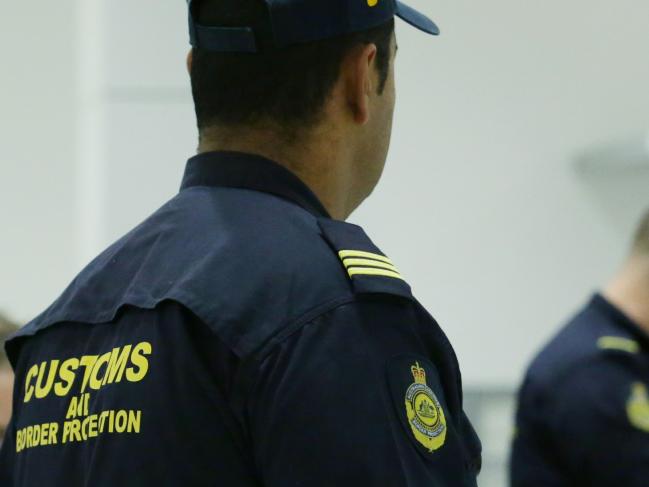
Announced this morning, Wednesday 23MAR: Australia had been set up for a week of Airport Chaos over the Easter Break, with Border Protection and other government services planning a huge list of strikes – but the events in Belgium yesterday prompted a cancellation of the strike.

Some airport staff have already been engaged in stop work action at airports in Cairns, Townsville, Perth, Darwin and Adelaide as part of the two-year battle over pay and conditions.

Bigger disruptions were anticipated tomorrow when staff at major international airports in Sydney, Melbourne and Brisbane were going to mount a 24-hour strike starting at midnight.

Earlier today Prime Minister Malcolm Turnbull urged the Community and Public Sector Union to reconsider, following the attacks in Brussels. The union has now confirmed it has instructed staff not to strike, and attend work as normal.

According to a statement, National Secretary Nadine Flood said the decision was made after the Prime Minister’s comments. Earlier Mr Turnbull told Channel 7 he had been assured that there would be adequate security at the airports, but he pressured the union to retract its plans.


Join our writing team!

Your interest in International Flight Ops is likely as strong as ours, and much as we want to keep you informed and engaged on the most relevant changes and topics – it’s sometimes hard! So, we thought we’d add a couple of guest writers to our blog.

Do you want to join in? It’s pretty easy – you’ll get a login and can create your own articles that will be published to our blog readers.

  • You get a login to our blog site (25,000 readers)
  • Write an article about an International Ops topic that you genuinely care about or are strongly interested in
  • Add in the most relevant links and photos, and you’re done!

Keen? Email us at bulletin@fsbureau.org


High Seas Airspace – What is it?

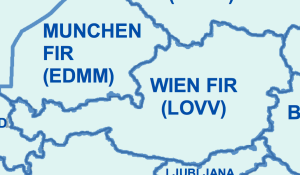
Austria might have the worlds most perfect little piece of airspace. Wien (Vienna) FIR matches the countries’ political boundaries perfectly. There is no ocean, no disputed boundaries, and no delegation of ATC.

Wien FIR

For most others, it’s not as straightforward. For some, it’s beyond complex.

So how do countries determine what their airspace looks like? Airspace overhead the actual landmass belongs without question to the country, so that’s easy.

Then, from the shoreline out to 12nm are the Territorial Waters, as agreed by the UN Convention on the Law of the Sea in 1982 – giving us “Territorial Waters Airspace”.

The next chunk is the 12nm-200nm area – the Exclusive Economic Zone. In aviation, this sometimes has an effect on whether prior permission in the form of an Overflight Permit is required – Peru and Ecuador have in the past claimed this requirement. Beyond this, International Waters exist.

In aviation, the term of reference has become High Seas Airspace, and is taken to refer to anything outside the 12nm buffer where no country has sovereign jurisdiction over airspace. By international agreement, chunks of airspace are assigned to individual countries to provide an ATC service, because we prefer to have ATC watching us and providing separation, in comparison to trying to do it ourselves using 126.9 and TCAS.

As has been recently the case over the Black Sea, that agreement isn’t always unanimous, and ICAO sometimes has to tread a difficult political line in assigning their preferred responsibility – last month Ukraine opened up routes in “High Seas Airspace” that Russia also wanted to have a crack at managing.

The Baltic Sea has long been a generator of news stories of close encounters with the Bear (Tu-95), this is because of the multitude of small chunks of High Seas Airspace that allow flights out of Russia towards the UK and Europe. ICAO is concerned at the rising incidences of conflict between civil traffic (that’s us) and military flights over the Baltic.

These military flights operate under Due Regard – but often don’t file flight plans and ATC know nothing about them until they are pretty close to you. You’re unlikely to see them on TCAS either. So, that regard is not so high.

We’ll continue the next time with a look at “No FIR Airspace” – those chunks of High Seas airspace where nobody is in control, mysteriously marked “XXX” on our charts.


Why we have a “Now” Page

Internet rulebook: Flashy is better. Make it polished, add images, video, a quote, and wrap it up with some ads. Sometimes (often, mostly?) – that’s a tedious way to get through simple information. It’s a clear message that the reader isn’t being put first.

Most websites have an “About”, and a “Contact us”. But what is that person, or that company doing now? Would it be useful to have a “Now” page? We thought it might be, and we also thought the simpler, the better.

So, we added one, and you can see it at fsbureau.org/now.


World’s longest flight? That’s about to change …

So what is the longest scheduled air route in the world at the moment? If you said Panama-Dubai, you’d be right – but only for a few more days. As things stand, the PTY-DXB route, all 7463nm of it, takes on average 17 hrs 30.

With the introduction of the Boeing 787, the number of routes around the 7000nm mark is steadily increasing, to the point that we’re probably going to have to stop calling them “Ultra Long Haul Routes”. They are becoming the new norm. United are operating a SFO-SIN route with the 787-9 at 7339nm, and LAX-MEL at 6905nm.

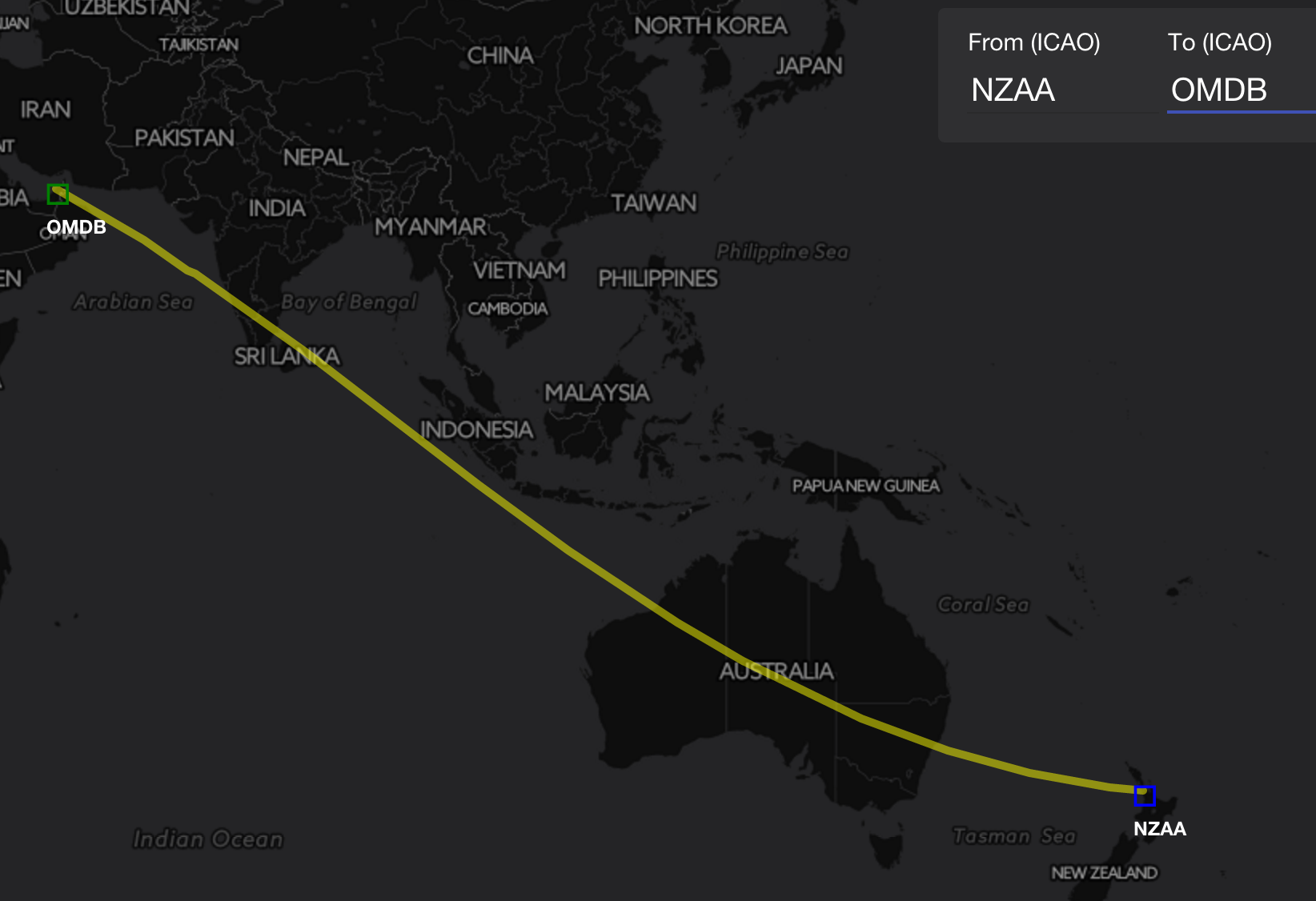
From March 1st, the longest route in the world will become Auckland-Dubai, operated by Emirates with a B777-200LR. The leg distance is 7668nm, and westbound this will be around 17 hrs 15. Use of the AUSOTS Track System and extension of UPR’s (User Preferred Routes) into the New Zealand FIR has allowed this route to work, so that UAE can select the optimum wind routing for much more of the flight.


Caution Wake Turbulence: New Rules for the EU

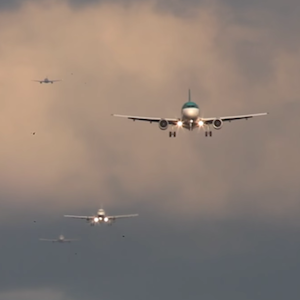
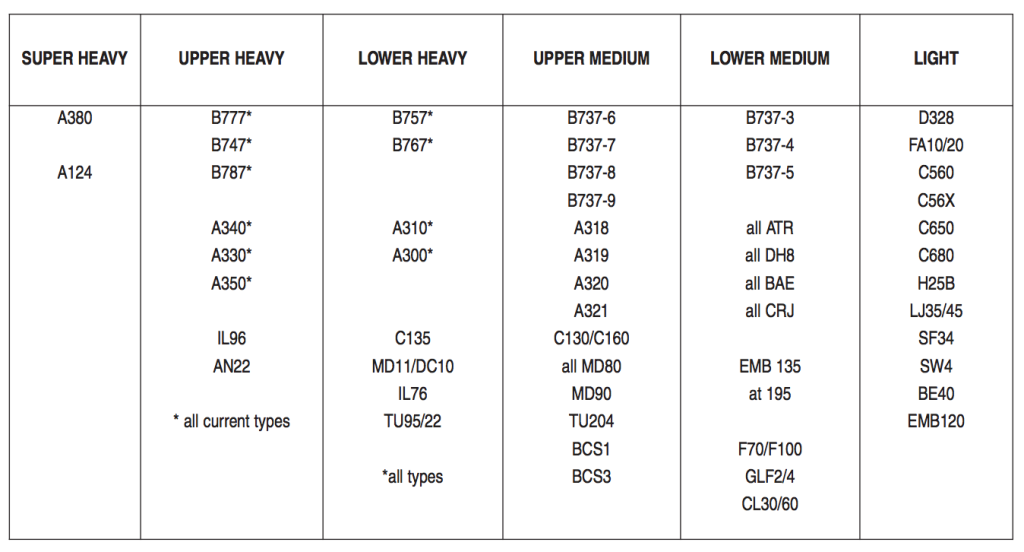
What Wake Turbulence Category is a B757? That long favoured question by Dispatch Trainers and ATC Instructors will become a thing of the past under new rules slowly being introduced in Europe, where the current four (Light, Medium, Heavy, Super) will become six. The first place you will see this happening is at LFPG/Paris Charles de Gaulle and LFPB/Paris Le Bourget, from 22 MAR 2016.

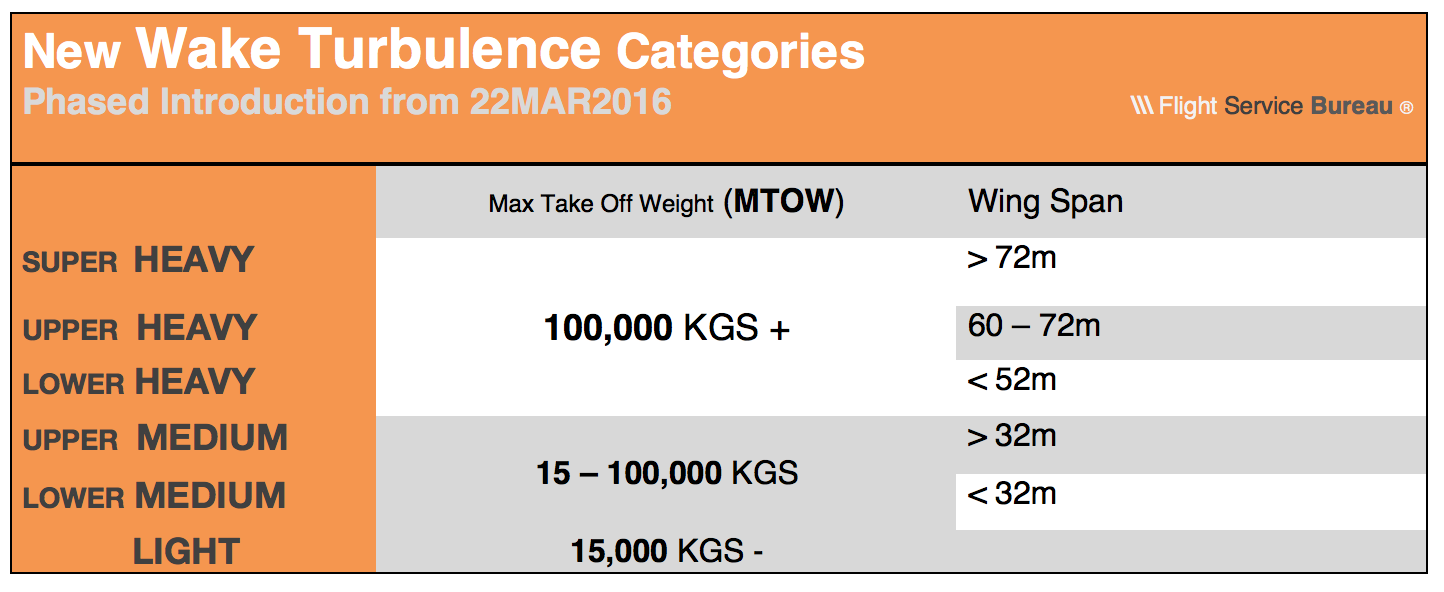
Those six new categories are Light, Medium (with Lower and Upper), and Heavy (with Lower, Upper and Super). The rules are part of the RECAT-EU project, with the intention of squeezing more traffic into busy European Airports by applying more precise turbulence separation rules.

The separation minima are determined specific to each Aircraft Pair. For example, at the moment, an A330 following a B777 (Heavy behind heavy) requires 4 miles in trail. With the new rules, that is reduced to 3nm. An A320 can now follow 4 miles behind a B777, instead of the current 5nm.

There are no Flight Planning Changes (continue to use /L,M,H,J for the ICAO Category). For crews, you’ll notice the smaller separation, but there are no changes to callsigns or pilot obligations – for now.

New-Wake-Turbulence-Categories-RECAT-EU


Sample-Aircraft-Categories-RECAT EU

 
References:


New Moscow Airport: Ramenskoye

March 16th will see the official opening of UUBW/Moscow Ramenskoye to civilian flights, after a long history of serving as an experimental design base for both military and civil aircraft, with most Russian OKB’s having a base on the airfield.

The main runway 12/30 is 5,402 metres, making it the second longest runway in the world, second only to ZUBD/Qamdo Bamda in Tibet (that one is 5500m).

Ramenskoye will be the fourth International Civil airport in Moscow, and will provide an additional alternative to Sheremetyevo, Domodedovo, and Vnukovo.  It is also known as Zhukovsky, and hosts the MAKS Airshow every two years.

The data: ICAO: UUBW, IATA: ZIA, Runway Length: 5402m, Elevation: 404ft, Operator: Ramport.


A different map: Winter Storm

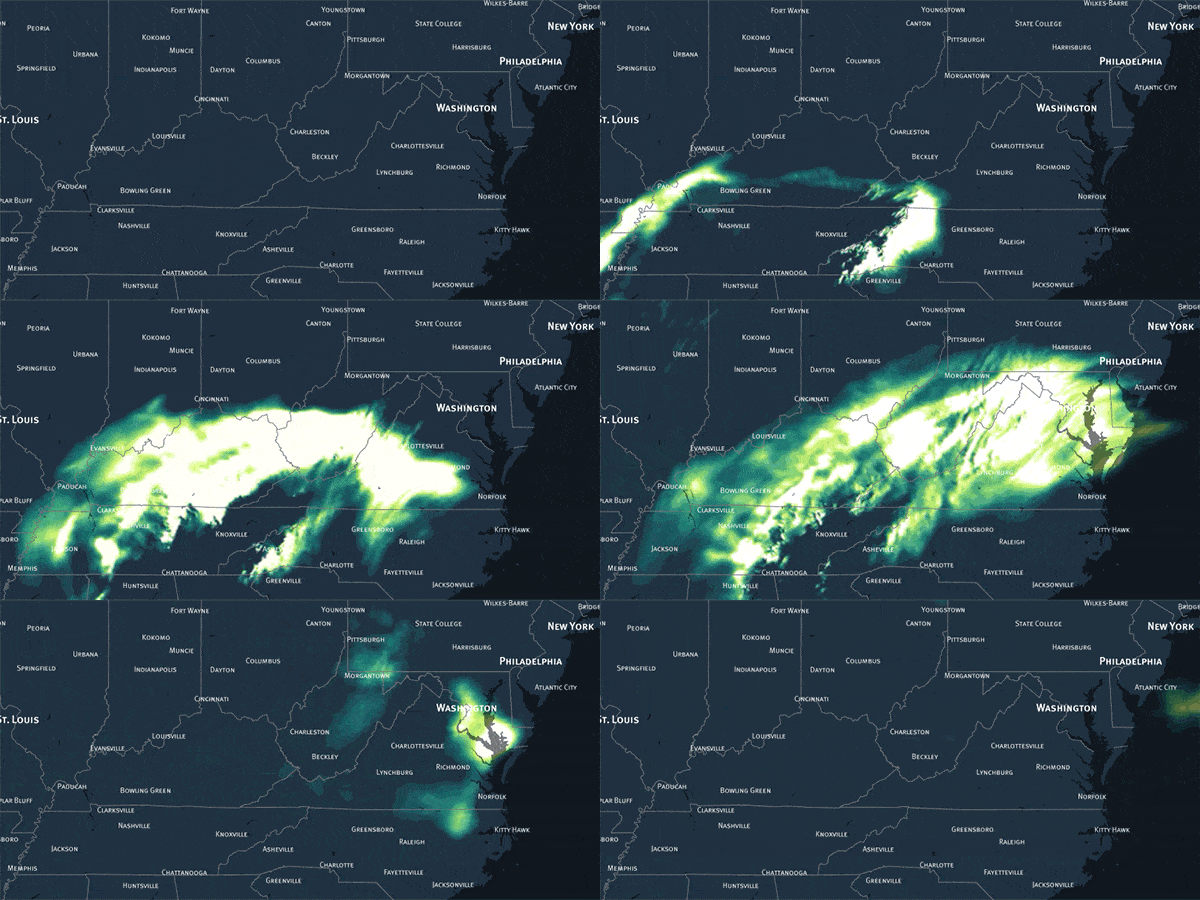
Apart from the routine Flight Operations that we support at the Flight Service Bureau, we spend a fair bit of time building new things.  Much of time, those things involve maps, and so we keep our eyes out for new ideas … and we especially liked this graphic presentation of US Winter Storm Jonas at the end of January 2016.

We took the original and slowed it down a little, but what you’ll see here is forecast data from NOAA’s High Resolution Rapid Refresh Model to animate the storm’s arrival in the Mid-Atlantic. The map shows water equivalent accumulated snow depth, or WEASD, which we can think of as the volume of water contained in the snow on the ground.

JonasMap


UK Registered Traveller service updated

Those that enjoy waiting at Immigration can skip this article; for the rest of us, every additional measure in mitigating those delays are more than welcome. Last week the UK Registered Traveller Service , which is the equivalent of the US Global Entry program, was expanded to include a few more countries: Hong Kong, Singapore, South Korea and Taiwan.  Additionally, Bristol and Cardiff will be added to the list of participating airports.

Good news then, especially with the revelation that the target processing time at life-sapping airports like London Heathrow is 45 minutes. If you’ve had the pleasure to fly to LHR’s American cousin, JFK, then you may well be among those who’ve waited in the 1-2 hour statistical range.

For positioning crews, airline staff, or anyone else that isn’t eligible for the Duty Crew line – enrolling in a couple of these programs will prove useful. Global Entry gets you automatic entry into TSA Pre✓® as well (which will come in handy when you discover that US Domestic queues for TSA are as long as the international ones …)


On simplifying International Flight Information …

Our aim with the weekly International Ops Bulletin that we produce is to take relevant operational news affecting International Flight Operations each week, and simplify it.

It’s a learning process for us as well, because the technical language of aviation is often unnecessarily verbose, legalese, jargon-filled text. Spare a moment for those of us that don’t have English as our first language (and that’s most).

Our process is to read through the source data, translate them into bullet point plain English, and combine these with the Flight Reports, News, and Input that we get from our 25,000 or so readers.

For each item, we also ask ourselves one simple question. Would this affect my decision as an Aircraft Operator to fly to this Airport? If yes, then we’ll include it – relevance is as important as clarity.

Some stories are worth expanding into a quick blog post, primarily to gather the useful links into one spot so that you can explore more of the story if you want to, and those will appear here.

We’ve now moved to publishing the Bulletin on a Wednesday; blog posts can happen anytime. For regular email delivery, just pop your details in here.


Did you know MNPS is over? Meet HLA, the new North Atlantic Airspace.

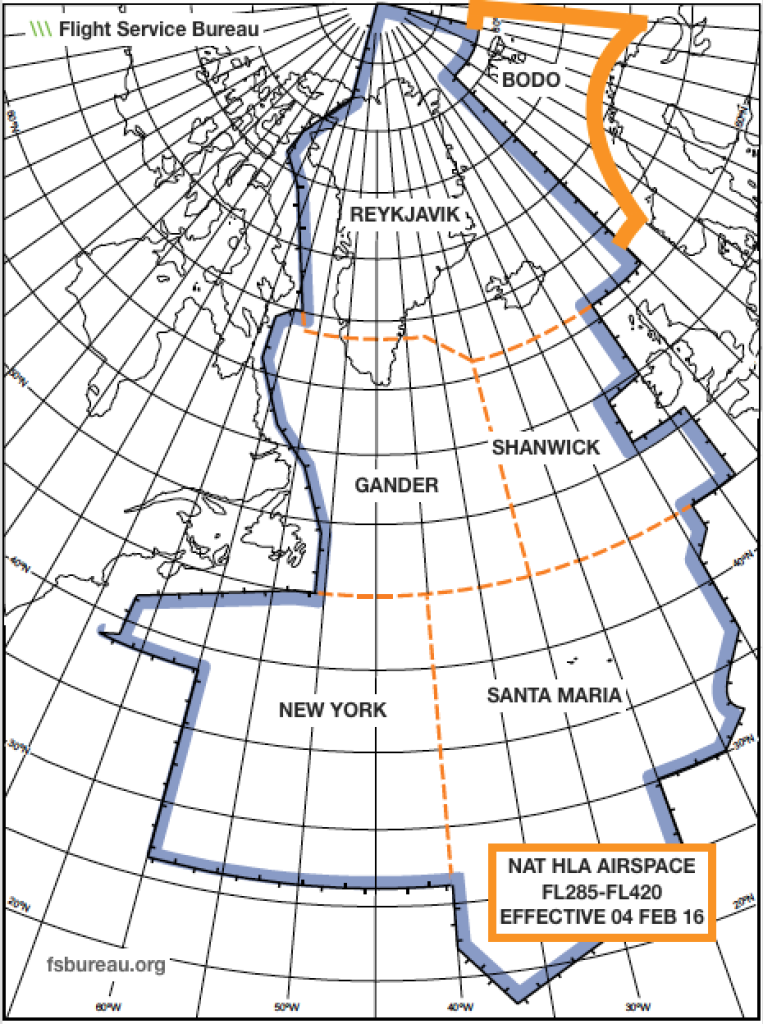
From Feb 4th, 2016, MNPS (Minimum Navigation Performance Specifications) Airspace is being dumped as a term (no loss, really), and replaced by the much more user friendly NAT High Level Airspace or NAT HLA. MNPS first came into being in 1977, and this change is significant in that the requirements for approval to enter the new NAT HLA are updated – you must now have RNP4, or RNP10. Also, the rest of the Atlantic welcomes Bodø Oceanic to the fray – it joins Shanwick, Gander, Reykjavik, New York, and Santa Maria to make up the new NAT HLA, which keep the original vertical profile of FL285-FL420.

In short, that’s all you need to know. You should read our International Ops Notice 01/16 for the full story.


Thank you!

Thank you — all received! Thank you very much for taking the time to send us your story on Dorian. If you requested it, we’ll send you a copy of the report once complete, and tell you about the new Response Team.

Before you go …

You probably know someone else involved in Dorian Relief – we’re especially keen to hear from pilots and other flight ops folks involved. Would you send them the link to this, so we get their story too?

Survey link: https://ops.group/respond/dorian

If you like, copy and paste this into an email to a friend that was involved:

—–
New email

Hi,

I just completed some questions on Hurricane Dorian around the aviation relief efforts, and they are looking for more responses. You might like to help out …

Here’s the link:
https://ops.group/respond/dorian

Kind regards,

—-

We’re grateful for your help and input. If you have any questions, or need help – just email the OPSGROUP team.