Gulf routings set to ease up as Qatar blockade comes to an end
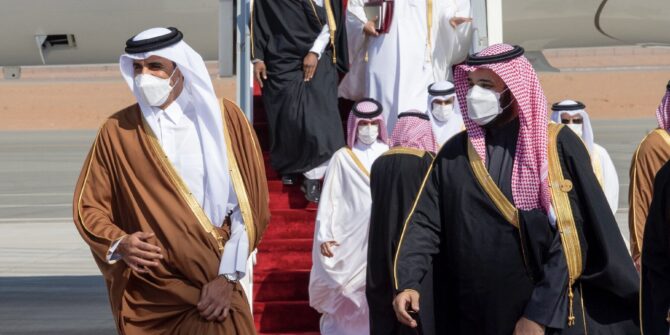
After three and a half years of political stalemate, the Gulf blockade against Qatar by Saudi Arabia, the UAE, Egypt, and Bahrain, is coming to an end. These countries have restored diplomatic relations and opened their borders and airspace to Qatar – with Egypt also expected to follow suit shortly.

What does this mean for operators?

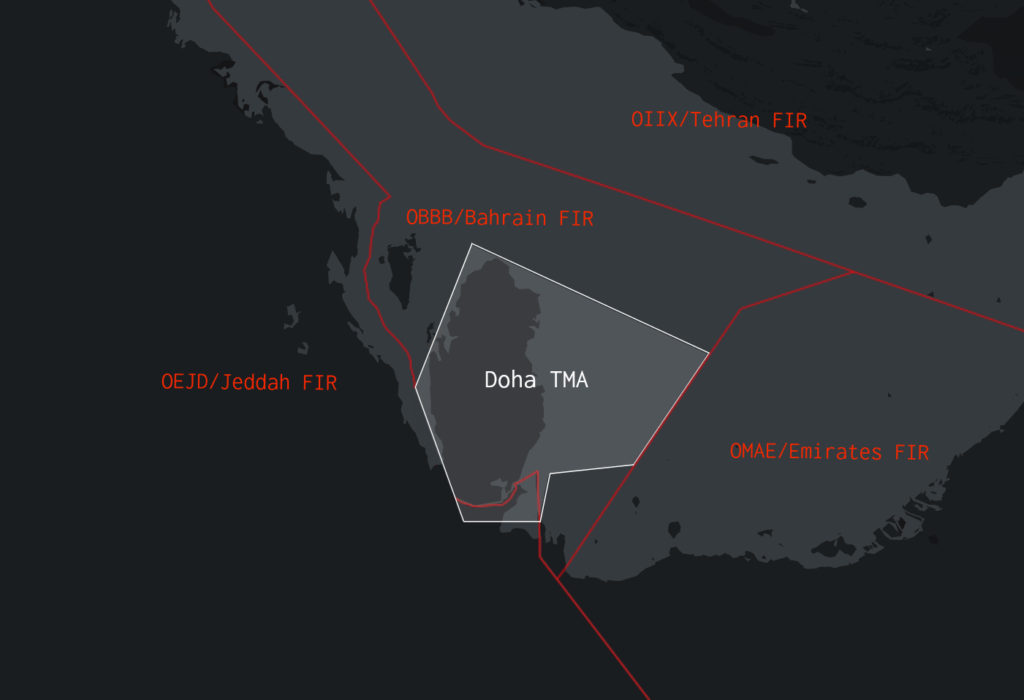
The biggest change seen will be for aircraft registered in Qatar (A7-) which will now be allowed to route via OEJD/Jeddah FIR and OMAE/Emirates FIR, and gain more efficient use of OBBB/Bahrain FIR – in addition to reinstated landing rights in those countries. This is as opposed to routing via OIIX/Tehran FIR, which incurs time and fuel penalties and in the worst cases requires a tech stop.

But this is also good news for foreign operators. For the past three years, foreign operators had been faced with various different restrictions if trying to fly to/from Qatar – they needed special permission from Saudi Arabia, Bahrain and the UAE if planning to overfly any of those countries, and Bahrain had banned direct flights from Qatar completely.

This has now changed. With Saudi Arabia, Bahrain and the UAE lifting their blockade against Qatar, they have cancelled a bunch of Notams which effectively means there are no longer any special requirements for foreign-registered aircraft flying to Qatar via Saudi/Bahrain/UAE airspace. In short, more efficient routings are now available if you are operating into, out of, and through the Arabian Gulf region.

Here is the current state of play as of 20 January 2021:

Country Non-QATAR registered QATAR registered
Egypt (HECC) No NOTAM’d restrictions. Ban on Qatar-registered aircraft lifted 11 Jan 2021.

(NOTAM A0027/21)
Temporary RNAV route established for Qatar Registered aircraft between Beirut and North African Airports.

Bahrain (OBBB) No longer any special requirements for foreign-registered aircraft flying to/from Qatar via Bahrain airspace. However, Bahrain publishes a Standard Routes Document as an AIP SUP which contains all the routes they want you to fly, depending on who you are, and where you are flying from/to. They also publish a bunch of Notams with corrections to this document. So be sure to check both the AIP SUP and the OBBB Notams before planning a route through Bahrain’s airspace. Ban on Qatar-registered aircraft lifted 10 Jan 2021.

(NOTAM G1202/20)
Establishment of temporary RNAV route for Qatar Registered Aircraft arriving Qatar Aerodromes.

Saudi Arabia (OEJD) No NOTAM’d restrictions. Ban on Qatar-registered aircraft lifted 4 Jan 2021.
UAE (OMAE) No NOTAM’d restrictions. Ban on Qatar-registered aircraft lifted 7 Jan 2021.
Oman (OOMM) No NOTAM’d restrictions. No NOTAM’d restrictions.
Kuwait (OKAC) No NOTAM’d restrictions No NOTAM’d restrictions
Iran (OIIX) No NOTAM’d restrictions. Various Traffic Orientation Schemes are NOTAM’d depending on your routing through the Tehran FIR.

OIIX will not be publishing a AIRAC AIP amendment in January or February 2021, so watch for the plethora of NOTAM’d ATS route closures, amendments, or installations. Next AIRAC AIP amendment due 25 March 2021

Yemen (OYSC) No NOTAM’d restrictions.

See Safeairspace.net – there is ongoing conflict in the region. Risk Level One – DO NOT FLY. We strongly recommend avoiding this airspace entirely.

OEJD/Saudi NOTAM A0604/17 purports to be a NOTAM “On behalf of Republic of Yemen/Aden.”
“All aircraft registered in the State of Qatar not authorized to overfly Republic of Yemen airspace.
Although it appears Qatar aircraft are not strictly adhering to this. No such NOTAM issued by OYSC FIR.

See Safeairspace.net – there is ongoing conflict in the region. Risk Level One – DO NOT FLY. We strongly recommend avoiding this airspace entirely.

Remember: Qatar does not have its own FIR, and is nested completely under the OBBB/Bahrain FIR – any Qatar Notams are therefore published under OBBB. The Doha TMA extends SFC to FL245, above which is the Bahrain UIR.
If you have a question or have information to share, use our Slack channels! We are a community based on sharing information and resources to help each other – jump in! 
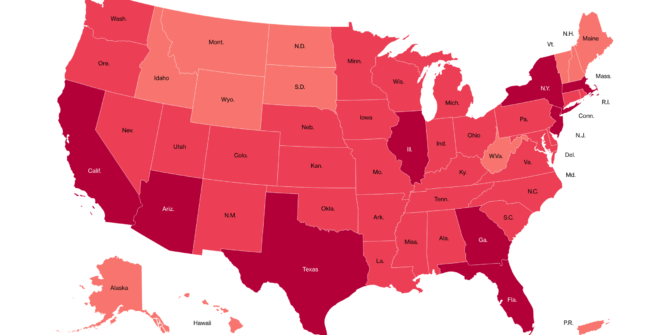

Covid restrictions by US state

With the United States seeing new hotspots for Covid-19 cropping up, varying forms of restrictions have been implemented by the individual states. Restrictions imposed at the state level are below, and also include links that may be helpful. States in red text have stronger regulations than the standard ‘mask and social distancing’ and are worth a closer look. All information is accurate to the best of our knowledge as of 28 July 2020. 

However, here are a few things to keep in mind regardless of where you plan to fly:

  • Always check all NOTAMs and relevant publications before flying
  • Consider fuel levels and alternates in light of unexpected ATC closures/restrictions
  • Follow CDC and state/local government guidance – this may include masks, gloves, Covid-19 testing, and cleaning/disinfection regimes
  • Check with your handler or airport representative to verify that city or county government regulations do not differ from the state regulations, and to confirm availability of services at the airport
  • Aviation is considered an essential business by the U.S. Federal Government, but some states may not have explicitly named it as such in their regulations. 

However, keep in mind that U.S. federal regulations still restricts international travel into the U.S. for those who are not citizens or permanent residents. There’s a long list of countries where passengers are not allowed to have travelled to within the past 14 days if they want to enter the US. This includes the European Schengen area, the UK and Ireland, mainland China, Iran, and Brazil. Passengers who have been in one of these countries in the past 14 days but who are exempt from the restriction to enter the US (i.e. they are US residents or family members), are only able to land at one of 15 airports: ATL, BOS, ORD, DFW, DTW, HNL, LAX, MIA, JFK, EWR, SFO, SEA, IAD, FLL and IAH. More information can be found on the Centres for Disease Control website

Alabama:

  • All individuals are required to wear a mask when within six feet of a person from another household.
  • Social distancing of six feet is also required between members of different households. 
  • https://covid19.alabama.gov/

Alaska:

  • All travellers from outside Alaska must fill out a declaration form, and present results of a negative Covid-19 PCR test from within the last 72 hours. If your test results are from the previous five days, you must be tested again on arrival.
  • In either case, those remaining in Alaska must also take another PCR test 7-14 days after arrival.
  • There is no mandate to wear a mask or social distance, but it is strongly encouraged. 
  • Alaska has a large number of remote settlements that may not have a robust healthcare system, and as a result may have instated stronger regulations – check local resources.
  • https://covid19.alaska.gov/

Arizona:

  • There is no statewide mandate to wear a mask or social distance, but it is strongly encouraged. 
  • Phoenix (Maricopa County), Mesa, Tucson, Flagstaff, Tempe, and a host of other cities have enforced masks/face covering requirements – check local resources. 
  • http://azhealth.gov/COVID19

Arkansas:

  • There is a statewide mandate requiring masks/face coverings to be worn in indoor public areas, and in outdoor areas where social distancing cannot be guaranteed.  
  • https://govstatus.egov.com/ar-covid-19

California:

  • There is a statewide mask/face covering mandate in place, and social distancing is encouraged.
  • https://covid19.ca.gov/

Colorado:

Connecticut:

  • Visitors to Connecticut from certain high risk states are required to quarantine for 14 days upon arrival and fill out this form. The states are: Alaska, Alabama, Arizona, Arkansas, California, Delaware, Florida, Georgia, Idaho, Indiana, Iowa, Kansas, Louisiana, Maryland, Mississippi, Missouri, Montana, Nebraska, Nevada, New Mexico, North Carolina, North Dakota, Ohio, Oklahoma, South Carolina, Tennessee, Texas, Utah, Virginia, Washington and Wisconsin.
  • Face coverings are required in all public areas where social distancing cannot be maintained.
  • https://portal.ct.gov/Coronavirus

Delaware:

District of Columbia (Washington, D.C.): 

  • Masks are required in public areas and social distancing is encouraged.
  • Those who have participated in non-essential travel to/from high risk states must quarantine for 14 days upon arrival. The states are: Arkansas, Arizona, Alabama, California, Delaware, Florida, Georgia, Idaho, Iowa, Kansas, Louisiana, Mississippi, Missouri, Montana, Nebraska, Nevada, New Mexico, North Carolina, North Dakota, Ohio, Oklahoma, South Carolina, Tennessee, Texas, Utah, Washington, Wisconsin.
  • https://coronavirus.dc.gov/

Florida:

  • There is no statewide mask/face covering requirement, but many individual cities and counties have one in place this site lists them.
  • Visitors from the Tri-State area (New York, New Jersey, Connecticut) must isolate for 14 days upon arrival. 
  • Florida is emerging as a hotspot, and many local authorities are rolling back plans to open businesses as a result – check with local contacts for the most up to date information.
  • https://floridahealthcovid19.gov/

Georgia:

Hawaii:

  • All interstate travellers must quarantine for 14 days on arrival in Hawaii, although this may be avoided from September 1 through the presentation of a negative PCR test from the preceding 72 hours. 
  • Inter-island travellers must fill out this form.
  • There is a statewide mask/face covering mandate in place, and social distancing is encouraged.
  • https://hawaiicovid19.com/

Idaho:

  • Ada County, which includes Boise, is encouraging a 14 day quarantine for those entering the area. Other counties are further along in their reopening plans and do not request a quarantine. 
  • Some counties are requiring the usage of masks/face coverings and others only encourage them. Social distancing is still encouraged. 
  • https://coronavirus.idaho.gov/

Illinois:

  • There is a statewide mask/face covering mandate in place, and social distancing is encouraged.
  • Travelers from the following states should quarantine upon arrival in Chicago: Alabama, Arkansas, Arizona, California, Florida, Georgia, Idaho, Iowa, Kansas, Louisiana, Mississippi, North Carolina, Nevada, Oklahoma, South Carolina, Tennessee, Texas, and Utah. Effective Friday, July 31, travelers from Missouri, Wisconsin, Nebraska, and North Dakota will also be directed to quarantine.
  • https://coronavirus.illinois.gov/

Indiana:

Iowa:

Kansas:

  • There is a statewide face covering mandate in place, and social distancing is encouraged.
  • Those who have travelled to/from Florida will be required to quarantine for 14 days upon arrival in Kansas. The same applies to anyone arriving from China, Iran, the European Schengen area, the United Kingdom, the Republic of Ireland and Brazil, and anyone returning from a cruise ship. 
  • https://covid.ks.gov/

Kentucky:

  • There is a statewide face covering mandate in place, and social distancing is encouraged. 
  • Individuals who have travelled to/from Alabama, Arizona, Florida, Georgia, Idaho, Mississippi, Nevada, South Carolina, Texas, and Puerto Rico are advised to quarantine for 14 days upon arrival in Kentucky. 
  • https://govstatus.egov.com/kycovid19

Louisiana:

  • There is a statewide face covering mandate in place, and social distancing is encouraged. Local areas have the ability to opt out of the mask mandate if they meet certain criteria.
  • http://ldh.la.gov/Coronavirus/

Maine:

  • There is a statewide mask/face covering mandate in place, and social distancing is encouraged.
  • Only those residents of Vermont, New Hampshire, Connecticut, New York and New Jersey can enter the state without restriction. All others must have a negative test result or must quarantine for 14 days – and must sign a Certificate of Compliance which is necessary to check-in to lodging in Maine. 
  • Maine residents who visit one of the five exempted states may return without restriction, but visits to any other states are still subject to testing and/or quarantine upon return. 
  • https://www.maine.gov/covid19/

Maryland:

Massachusetts:

  • There is a statewide mask/face covering mandate in place, and social distancing is encouraged.
  • All those entering the state must complete the Massachusetts Travel Form and quarantine, unless coming from a low-risk state or able to present a negative test result from the preceding 72 hours. Low-risk states are Connecticut, New York, New Hampshire, New Jersey, Hawaii, Maine, Rhode Island, Vermont. 
  • https://www.mass.gov/info-details/covid-19-updates-and-information

Michigan:

  • There is a statewide mask/face covering mandate in place, and social distancing is encouraged. Businesses may deny entry to those not wearing face coverings. 
  • https://www.michigan.gov/coronavirus/

Minnesota:

Mississippi:

Missouri:

Montana:

  • There is a statewide mask/face covering mandate in place for counties with more than four active cases – 25 counties currently meet the criteria. Social distancing is encouraged.
  • The state also includes multiple areas of tribal land governed by local councils – check local resources to see what rules may apply. 
  • https://www.visitmt.com/montana-aware

Nebraska:

Nevada:

New Hampshire:

  • There is no statewide mask/face covering mandate, but the use of them is encouraged along with social distancing. 
  • Those travelling into the state from outside the New England area are encouraged to quarantine for 14 days. 
  • https://www.nh.gov/covid19/

New Jersey:

  • There is a statewide mask/face covering mandate in place, and social distancing is encouraged.
  • Travellers from high-risk states are asked to voluntarily quarantine for 14 days, and provide contact information. States include Alaska, Alabama, Arizona, Arkansas, California, Delaware, Florida, Georgia, Idaho, Indiana, Iowa, Kansas, Louisiana, Maryland, Mississippi, Missouri, Montana, Nebraska, Nevada, New Mexico, North Carolina, North Dakota, Ohio, Oklahoma, South Carolina, Tennessee, Texas, Utah, Virginia, Washington and Wisconsin. 
  • https://covid19.nj.gov/

New Mexico:

  • There is a statewide mask/face covering mandate in place, and social distancing is encouraged.
  • All out of state travellers are required to quarantine for 14 days upon arrival.
  • https://cv.nmhealth.org/

New York:

  • There is a statewide mask/face covering mandate in place, and social distancing is encouraged.
  • Those who have spent more than 24 hours in a high-risk state must quarantine for 14 days upon arrival. The states include Alaska, Alabama, Arizona, Arkansas, California, Delaware, Florida, Georgia, Idaho, Indiana, Iowa, Kansas, Louisiana, Maryland, Mississippi, Missouri, Montana, Nebraska, Nevada, New Mexico, North Carolina, North Dakota, Ohio, Oklahoma, South Carolina, Tennessee, Texas, Utah, Virginia, Washington and Wisconsin.
  • Those arriving at New York area airports will be required to fill in a Health Department traveller form. 
  • https://coronavirus.health.ny.gov/home

North Carolina:

North Dakota:

Ohio:

  • There is a statewide mask/face covering mandate in place, and social distancing is encouraged.
  • Travellers from high-risk states are asked to voluntarily quarantine for 14 days. States include Alabama, Arizona, Florida, Georgia, Idaho, Mississippi, Nevada, South Carolina and Texas.
  • https://coronavirus.ohio.gov/

Oklahoma:

  • There is no statewide mask/face covering requirement, but many individual cities and counties have one in place, including Oklahoma City. 
  • https://coronavirus.health.ok.gov/

Oregon:

Pennsylvania:

  • There is a statewide mask/face covering mandate in place, and social distancing is encouraged.
  • Travellers from high-risk states are asked to voluntarily quarantine for 14 days. States include Alabama, Arizona, Arkansas, California, Florida, Georgia, Idaho, Iowa, Kansas, Louisiana, Mississippi, Nevada, North Carolina, Oklahoma, South Carolina, Tennessee, Texas and Utah.
  • https://www.health.pa.gov/topics/disease/coronavirus/Pages/Coronavirus.aspx

Rhode Island:

  • There is a statewide mask/face covering mandate in place, and social distancing is encouraged.
  • Travellers from high-risk states are asked to voluntarily quarantine for 14 days, although this can be avoided with a negative test result from the preceding 72 hours. States include Alabama, Arizona, Arkansas, California, Colorado, Florida, Georgia, Idaho, Indiana, Iowa, Kansas, Kentucky, Louisiana, Maryland, Minnesota, Mississippi, Missouri, Nebraska, Nevada, North Carolina, North Dakota, Ohio, Oklahoma, Oregon, Pennsylvania, South Carolina, South Dakota, Tennessee, Texas, Utah, Virginia, Washington, Wisconsin and Wyoming. Visitors from Puerto Rico must also quarantine.
  • https://health.ri.gov/diseases/ncov2019/testindex.php

South Carolina:

South Dakota:

  • There is no statewide mask/face covering requirement, and social distancing is encouraged. 
  • The state also includes multiple areas of tribal land governed by local councils – check local resources to see what rules may apply. 
  • https://covid.sd.gov/

Tennessee:

Texas:

  • There is a statewide mask/face covering mandate in place for counties with more than twenty active cases. Social distancing is encouraged. 
  • https://www.texas.gov/covid19/

Utah:

  • There is no statewide mask/face covering requirement, but many individual cities and counties have one in place, including Salt Lake City.
  • https://coronavirus.utah.gov/

Vermont:

  • There will be a statewide mask/face covering mandate in place effective August 1, and social distancing is encouraged.
  • Most arrivals to the state have to quarantine for 14 days, unless coming from a list of approved states/counties. Unlike other states, you may quarantine elsewhere before entering Vermont, provided you travel in a private vehicle and only make essential stops while wearing a mask. Quarantine may be shortened to seven days with a negative test result. 
  • https://www.healthvermont.gov/response/coronavirus-covid-19

Virginia:

Washington:

West Virginia:

Wisconsin:

  • There is no statewide mask/face covering requirement, but many individual cities and counties have one in place, including Milwaukee.
  • Wisconsin residents have been asked not to travel to summer or holiday homes, and local restrictions may apply.
  • https://www.dhs.wisconsin.gov/covid-19/travel.htm

Wyoming:

  • There is no statewide mask/face covering requirement, but many individual cities and counties have one in place.
  • https://covid19.wyo.gov/

For more information on some of the wider restrictions in place at US state level beyond the realm of aviation, Kayak.com keeps a pretty neat little page updated here.


Business aviation prepares for the Miami Super Bowl

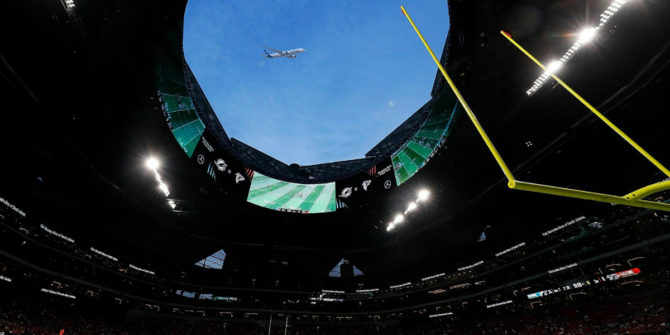
Everyone loves a huge sporting event like the Super Bowl – it usually even includes a fly-over! But, if you’re operating in or around Miami next weekend, the last thing you want is a flag on the play…

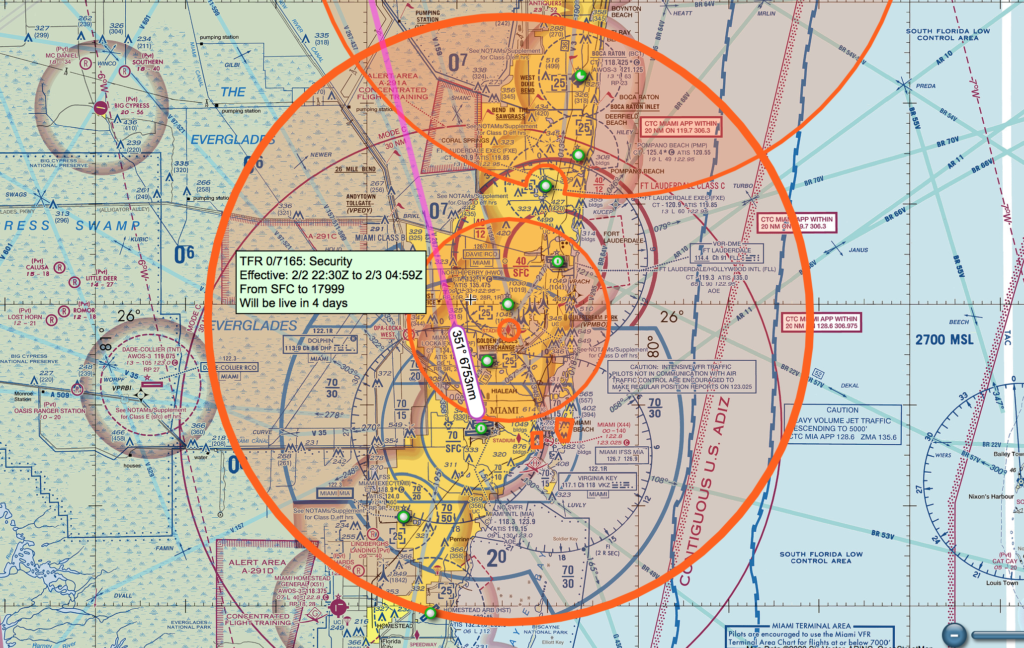
Super Bowl LIV is happening in Miami on Sunday, 2 February 2020, and will attract a lot of attention – some in the form of intensified aircraft operations in the vicinity of the venue. As a designated National Security Special Event, a variety of restrictions and special procedures are in place between 25 January – 04 February 2020, most significantly a TFR centred on the stadium on gameday.

Whether you are arriving, transiting, or departing the area, here are five key things to keep in mind:

1. Information can (and likely will) change

Check NOTAMs frequently, call your Flight Service Station, monitor ATIS – make sure you are operating to the most current information. Your first stop, however, should be the FAA Super Bowl Flight Advisory and the FAA Super Bowl Website.

2. Expect delays, and plan accordingly

Intensified aircraft and security operations mean that reroutes are extremely likely, as are ground and airborne delays due to potential Traffic Management Initiatives. Increase your contingency fuel, manage expectations, and build extra time into your schedule wherever you can. Preferential IFR Arrival and Departure routings are also in place for jet and turboprop aircraft, while VFR traffic may experience lengthy delays and holding.

3. Don’t lose sight of the wider picture

The main event may be in Miami, but there will be impacts further afield. In particular, watch out for POTUS/VP TFRs (KPBI/Palm Beach International will likely be impacted) and other restrictions/impacts as military, law enforcement, and medical services position throughout the event. Efforts are also being made to reduce demand on the airspace through actively discouraging training, sightseeing, and other non-essential flight activities.

4. Book ahead to avoid disappointment

FBO space is limited, and pre-booking of slots will be required for most South Florida airports between 29 January and 4 February. Signature Flight Support have a Super Bowl page with further information. Equally so, if you are relying on rental cars, hotels, or other local infrastructure – book them now!

5. Ensure your documents are in order

File your flight plan between 22 and 6 hours ahead of departure, and ensure you have your pilot’s license, company ID (if applicable), applicable aircraft documentation, and access to copies of all reservations/confirmations. Increased security operations may involve ramp checks, security searches, or routing through a gateway airport for TSA screening.


With careful planning and collaboration (and some amount of patience!) from all involved, Super Bowl LIV is shaping up to be a memorable experience. Fly smart, fly safe, and if you have information that could help the community, pass it along!